
The Inquisition marked a dark chapter in history, where fear ruled and conformity was enforced through brutal means. Executioners became notorious figures, executing swift justice against those labeled as heretics, particularly women accused of witchcraft. The expulsion of Jews and forced conversions of Muslims further complicated the social fabric of Spain, resulting in deep-seated trauma and cultural erasure. Understanding these events reveals not just the past’s brutality, but their lasting impact on contemporary society.
- Key Points
- Historical Background of the Inquisition
- The Role of the Executioner
- Persecution of Witches in Spain
- The Expulsion of Jews From Spain
- The Impact on Muslim Communities
- Modern Reflections on Historical Events
- Tour Highlights and Experience
- Booking and Practical Information
- Frequently Asked Questions
- What Should I Wear for the Tour?
- Are Children Allowed on the Tour?
- Can I Bring My Pet Along?
- Is the Tour Conducted in English?
- How Long Does the Tour Last?
- The Sum Up
- More Tour Reviews in Madrid
- Still browsing? Here are more Madrid experiences we've covered recently
Key Points
- The Inquisition aimed to maintain religious unity, leading to persecution of heretics, including accused witches and non-Christians.
- Executioners symbolized the brutality of the Inquisition, carrying out grim sentences with cold precision and moral dilemmas.
- Witch hunts during the Inquisition created a climate of terror, particularly targeting women with swift, brutal trials often involving torture.
- The Alhambra Decree in 1492 expelled Jews from Spain, causing cultural loss and economic instability while scattering communities across Europe.
- Forced conversions and scrutiny during the Inquisition led to the erosion of Muslim cultural identity and significant community disruption in Spain.
Historical Background of the Inquisition
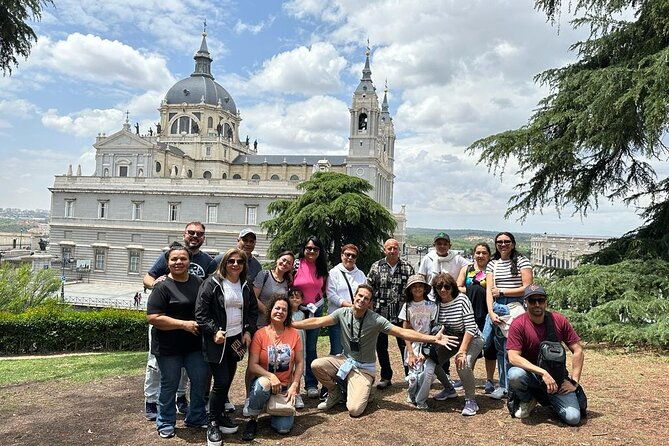
Although the Inquisition is often associated with religious persecution, its origins trace back to the Catholic Church’s efforts to maintain doctrinal unity during a time of significant social and political upheaval in medieval Europe.
Established in the 12th century, it aimed to combat heresy and enforce religious conformity. The Church feared that divergent beliefs could undermine its authority and societal stability.
As inquisitors sought to identify and punish heretics, they employed various methods, including trials and interrogations.
This period marked a turning point, shaping the Church’s influence and leading to widespread fear, suspicion, and the eventual expulsion of Jews and Muslims from Spain.
Looking for more options in Madrid? We've reviewed plenty of other experiences.
The Role of the Executioner
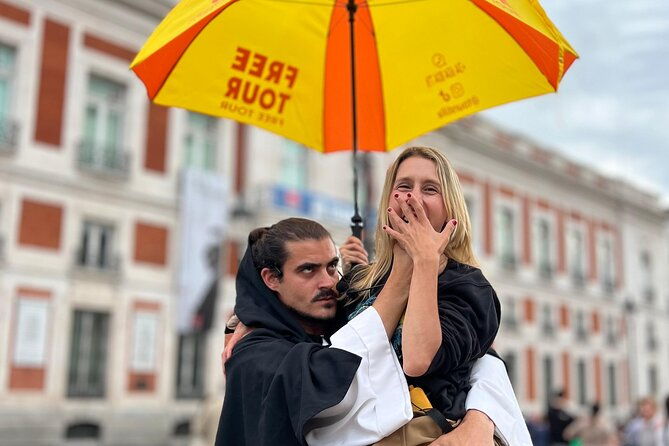
The Inquisition’s pursuit of religious conformity inevitably brought the executioner into the spotlight, a figure often shrouded in darkness and fear. Tasked with carrying out the grim sentences, the executioner became a symbol of the regime’s brutality.
Their role involved:
- Wielding a sword with cold precision.
- Preparing the gallows in hushed anticipation.
- Collecting the condemned’s final words.
- Ensuring the crowd bore witness to the terror.
While society reviled them, executioners often faced their own moral dilemmas, walking a fine line between duty and humanity.
Their actions reflected the harsh realities of a time steeped in fanaticism and persecution.
Persecution of Witches in Spain
During the late medieval period in Spain, the persecution of witches emerged as a chilling chapter in the history of the Inquisition. Driven by fear and superstition, authorities targeted those believed to practice witchcraft, often accusing women of malevolent acts.
Trials were swift and brutal, with confessions extracted through torture. Many were executed, creating a climate of terror that permeated society. Local communities turned against one another, fueled by paranoia.
The witch hunts reflected broader societal anxieties, intertwining religious fervor and the quest for control. This dark era left a lasting impact on Spanish culture and collective memory.
The Expulsion of Jews From Spain
As tensions between religious groups escalated in late 15th-century Spain, a tragic chapter unfolded with the expulsion of Jews, marking a significant turning point in the nation’s history.
In 1492, the Catholic Monarchs issued the Alhambra Decree, forcing thousands to flee. The consequences were dire, leading to:
- Families torn apart, leaving loved ones behind.
- Wealth and property abandoned, creating economic instability.
- Cultural heritage lost, erasing centuries of contributions.
- Communities uprooted, scattering Jews across Europe and beyond.
This expulsion not only devastated lives but also altered Spain’s cultural landscape, leaving deep scars that would last for generations.
The Impact on Muslim Communities
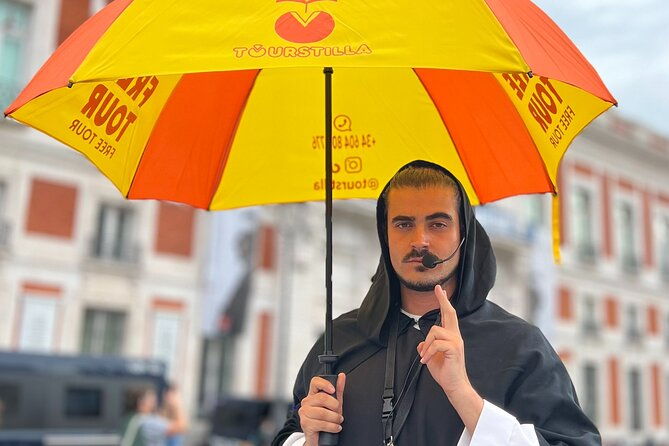
While the expulsion of Jews from Spain in 1492 marked a profound historical shift, Muslim communities faced their own devastating repercussions in the years that followed. Many Muslims were forced to convert to Christianity or flee the country, leading to significant cultural and social disruption. The Inquisition targeted these converts, scrutinizing their practices and beliefs, which fostered an atmosphere of fear and distrust.
| Impact | Description | Consequence |
|---|---|---|
| Forced Conversions | Muslims coerced to embrace Christianity | Loss of cultural identity |
| Mass Exodus | Many fled Spain | Dispersal of communities |
| Persecution | Inquisition’s harsh scrutiny | Increased fear and distrust |
| Cultural Suppression | Erasure of Muslim heritage | Diminished cultural diversity |
- Madrid Highlights Bike Tour
- IKONO: a Unique Sensory and Photographic Experience
- Madrid Essential: Historic Center, Plaza Mayor & Royal Palace
- Devour Madrid Tapas & Taverns Small Group Food & History Tour
- Toledo City Tour, Winery Experience & Wine Tasting From Madrid
- Madrid Walking Tour From Puerta Del Sol to Retiro Park
Modern Reflections on Historical Events
Reflecting on the expulsion of Jews and Muslims from Spain reveals not only the profound historical injustices faced by these communities but also the lingering effects that resonate in today’s society.
Many still grapple with the scars of discrimination, cultural loss, and identity crises.
- The echoes of lost traditions linger in family tales.
- Cultural contributions remain unrecognized in modern narratives.
- Communities continue to rebuild amidst the shadows of history.
- A renewed focus on inclusivity fosters healing and understanding.
These reflections prompt society to confront its past and embrace a more equitable future.
Tour Highlights and Experience
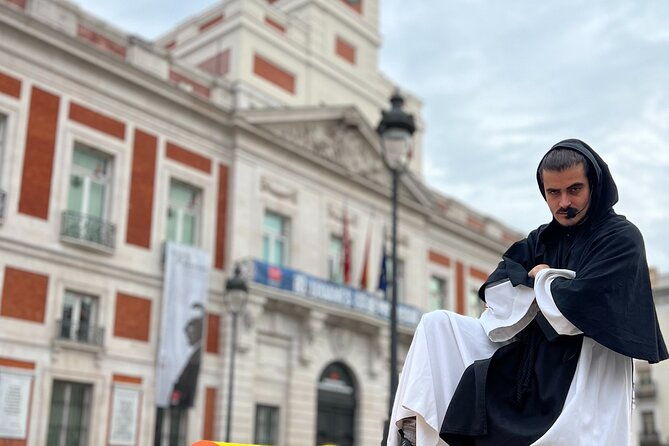
Discovering the historical depths of the Inquisition and the expulsion of Jews and Muslims in Spain offers a captivating journey through Madrid’s past.
Travelers explore significant sites, guided by local experts who share rich narratives. They explore the lives of those affected, gaining insight into their struggles and resilience.
The tour encourages personal connections, allowing participants to ask questions and engage deeply with the content. With a maximum of 30 travelers, everyone receives personalized attention, ensuring an enriching experience.
Ultimately, the tour highlights Madrid’s complex history, leaving participants with a profound understanding of its cultural legacy.
Booking and Practical Information
Booking the Inquisition and Expulsion of Jews and Muslims tour is straightforward and convenient, making it easy for travelers to secure their spot in this enlightening experience.
Here’s what participants can expect:
-
Immediate Confirmation: Get quick confirmation upon booking.
-
Flexible Cancellation: Enjoy free cancellation up to 24 hours prior.
-
Affordable Pricing: Prices start at just $3.17 per group.
-
Guided Experience: A knowledgeable local guide enhances the journey.
With accessibility options and personalized attention, this tour caters to everyone, ensuring a memorable exploration of a significant historical narrative.
Frequently Asked Questions
What Should I Wear for the Tour?
For the tour, she should wear comfortable walking shoes and dress in layers, as Madrid’s weather can change. A hat and sunscreen are also advisable for sun protection during outdoor activities.
Are Children Allowed on the Tour?
Children are welcome on the tour. The guide ensures a family-friendly environment, making it enjoyable for all ages. With accessibility options available, families can comfortably explore and learn together in Madrid’s vibrant atmosphere.
Can I Bring My Pet Along?
She asked if she could bring her pet along. Unfortunately, pets aren’t allowed on the tour. However, service animals are welcomed, ensuring everyone can enjoy the experience without any concerns about their furry companions.
Is the Tour Conducted in English?
The tour’s conducted in English, ensuring travelers fully understand the rich history shared by their guide. They appreciate the engaging storytelling and personalized attention throughout the experience, making it an unforgettable adventure in Madrid.
How Long Does the Tour Last?
The tour lasts approximately two hours, providing ample time for exploration and engaging discussions. Travelers appreciate the personalized attention from the guide, ensuring a memorable experience filled with insights about Madrid’s rich history.
The Sum Up
The Inquisition’s dark legacy continues to resonate today, reminding us of the perils of intolerance and the importance of preserving cultural identities. The persecution of witches and the expulsion of Jews and Muslims not only shattered lives but also enriched the tapestry of European history. Understanding these events encourages reflection on our values and the need for compassion in contemporary society. By acknowledging this past, we can foster a more inclusive future for all.
More Tour Reviews in Madrid
- Madrid – Plaza Mayor: bath, kessa, and relaxing massage
- Madrid: Guided Tapas Tour Madrid with Drink and Food
- Madrid Guided Food Tour with Tapas and Spanish Wine
- Madrid: Full-Day City Tour with Flamenco Show & Meal
- Walking Tour Madrid +Pintxo +Drink
- Madrid: Highlights Bike or E-Bike 1,5 Hour Tour with Guide
Still browsing? Here are more Madrid experiences we've covered recently
- 14 Best Historical Tours In Madrid
- The Top 13 Tours & Experiences In Madrid
- Madrid’s 13 Best Walking Tours: Which To Choose?
- 13 Best Tours In Madrid
- 12 Must-Try Workshops & Classes In Madrid
- Madrid’s 14 Best Wine Tours (With Prices & Reviews)
- We Rank The 12 Best Food Tours In Madrid
- Top 3 Lunch Experiences In Madrid
- Madrid’s 5 Top Shopping & Market Tours
- Madrid’s 8 Top Private Driver Services (With Prices)
- Madrid’s 11 Top Drinking Tours (With Prices)
- Madrid’s 9 Best Full-Day Tours: Which To Choose?