Planning a trek to Everest Base Camp isn’t just about conquering a mountain—it’s about embracing a challenge that tests your limits while offering some of the most stunning scenery on Earth. We’ve reviewed a 14-day adventure offered by Asian Heritage Treks and Travels, which has garnered rave reviews and a perfect 5.0 rating from satisfied travelers. Whether you’re an experienced trekker or a dedicated adventurer, this tour promises an authentic, well-organized journey through Sherpa country with breathtaking vistas and cultural insights along the way.
What we love about this trek:
- Expert guides and well-organized logistics that ensure safety and comfort at high altitude
- Stunning panoramic views of Everest and surrounding peaks that truly leave a mark
- A balanced blend of trekking, sightseeing, and acclimatization to reduce fatigue
- Excellent value for money considering inclusions like permits, flights, and hotel stays
One thing to consider: the pace is quite intense, with long days of walking and significant elevation gain, which might be demanding for some. It’s best suited for those with a moderate fitness level and a serious desire to see Everest up close. If you’re looking for a hassle-free, guided experience that balances adventure with comfort, this tour could be a perfect fit.
- Key Points
- Introduction to the Everest Base Camp Trek Experience
- Detailed Breakdown of the 14-Day Itinerary
- Day 1: Arrival and Kathmandu Exploration
- Day 2: Flight to Lukla
- Day 3: Trek from Lukla to Phakding
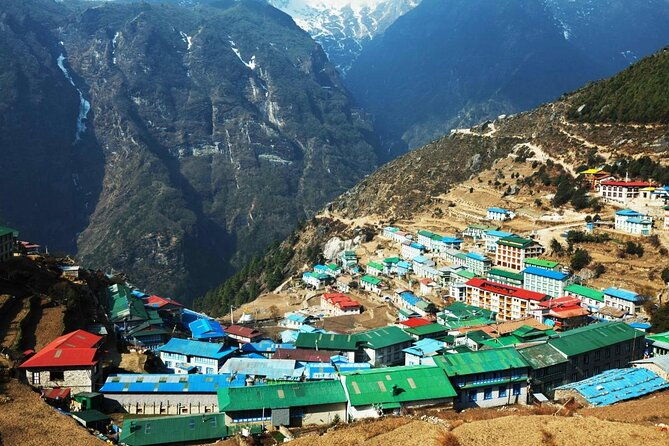
- Day 4: Trek to Namche Bazaar
- Day 5: Acclimatization Day in Namche
- Day 6: Trek to Tengboche
- Day 7: Trek to Dingboche
- Day 8: Trek to Lobuche
- Day 9: Gorak Shep and Kala Patthar
- Day 10: Everest Base Camp and Back to Gorak Shep
- Day 11: Trek back to Namche Bazaar
- Day 12: Return to Lukla
- Day 13: Flight back to Kathmandu
- Day 14: Departure
- What Makes This Tour Stand Out?
- Practical Tips and Considerations
- The Sum Up
- FAQ
- The Best Of Kathmandu!
- More Hiking & Trekking Tours in Kathmandu
- More Tour Reviews in Kathmandu
Key Points
- Comprehensive 14-day itinerary covers all major highlights of the Everest region
- Includes domestic flights, permits, and accommodations, reducing logistical stress
- Experienced guides and local lodges enhance safety and culture
- Trek itinerary offers both challenging days and opportunities for rest and acclimatization
- Authentic experiences like village visits, monasteries, and local markets enrich the journey
- Good value considering the inclusions, especially given the logistical complexities of the region
👉 See our pick of the Discover 12 Great Airport Transfers In Kathmandu
Introduction to the Everest Base Camp Trek Experience
This 14-day trek through Nepal’s Khumbu region is designed to lead you directly to the base of the world’s tallest mountain, Mt. Everest. It’s a journey that offers much more than just a mountain view; it’s a deep dive into Sherpa culture, stunning mountain scenery, and the thrill of standing at the foot of an iconic peak.
What truly makes this trek stand out is the seamless organization by Asian Heritage Treks and Travels. From the moment you arrive in Kathmandu until your flight out, everything is taken care of—from permits to transportation—so you can focus on the adventure. With a solid reputation and glowing reviews, this tour balances value, comfort, and the thrill of high-altitude trekking.
What we love most is the accessibility of such a grand adventure combined with authentic touches, like visits to hilltop monasteries and local markets. However, the trek is physically demanding, involving long days walking and high elevation gains, which is something to keep in mind if you’re not accustomed to trekking at altitude.
This tour suits travelers who want a guided, immersive experience with knowledgeable guides and are prepared for some rigorous days. It’s ideal for those seeking a well-rounded, memorable Himalayan journey with reliable logistics and genuine cultural encounters.
You can also read our reviews of more hiking tours in Kathmandu
Detailed Breakdown of the 14-Day Itinerary
Day 1: Arrival and Kathmandu Exploration
Your Nepal adventure kicks off with a warm welcome from Asian Heritage Treks and Travels at Kathmandu airport. From the airport, a private vehicle whisks you off to your hotel, where you can briefly relax and soak in sights like Pashupatinath Temple, the Royal Palace Museum, and the Garden of Dreams.
This first day is largely about settling in and getting your bearings. The tour leader will discuss your upcoming adventure, and you’ll have some free time to explore or rest.
Day 2: Flight to Lukla
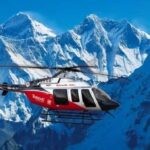
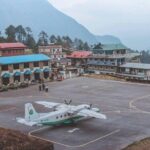
The highlight of the day? A short flight to Lukla, often called the world’s most exciting airport. As you soar over the Himalayas, you’ll get a bird’s-eye view of Everest and neighboring giants. Landing at Lukla is an experience in itself—an adrenaline-packed moment that kicks off your trek.
Once on the ground, you’ll meet your fellow trekkers and begin to acclimate to the altitude by wandering around Lukla, a lively hub for trekkers heading towards Everest.
Day 3: Trek from Lukla to Phakding
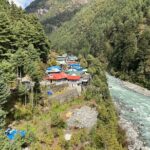
The trek begins along the Dudh Koshi River, with a gentle walk through rhododendron forests that fill the air with a fresh, evergreen scent. The trail is relatively easy at first, making it a great warm-up day. Passing Buddhist stupas and crossing suspension bridges, you’ll get your first taste of Sherpa hospitality.
Travelers mention the scenic rivers and lush greenery as highlights here, with one reviewer noting that the snow-capped peaks serve as a visual cue that the journey is ramping up in difficulty and wonder.
Day 4: Trek to Namche Bazaar
Today’s trek is more challenging as you ascend towards Namche Bazaar, the Sherpa capital. The trail becomes steeper, and you’ll notice shortness of breath as you gain altitude—an important reminder of how critical acclimatization is. Crossing the Dudh Koshi once again, this day is about perseverance and anticipation.
Reviewers appreciate the gradual climb, which allows your body to adapt, and the vibrant market town that buzzes with activity in the evening. The views of Everest, Thamserku, and Ama Dablam begin to tease your senses.
Day 5: Acclimatization Day in Namche
This day is dedicated to adjusting to the thin Himalayan air. You can explore the area, visit the famous Sherpa market on Saturday, or simply relax and enjoy the scenery. Many travelers mention the salty butter tea and local barley products as delightful energy boosters.
A reviewer shared their awe at witnessing Everest’s shadow cast onto clouds early in the morning, emphasizing how magical the scenery feels from this altitude.
Day 6: Trek to Tengboche
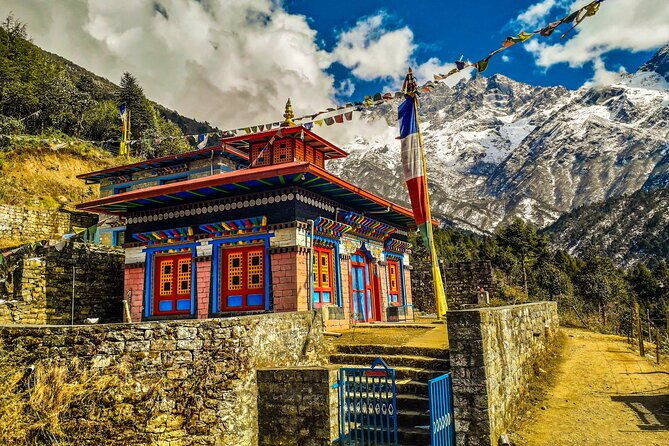
The trek from Namche to Tengboche involves a significant elevation gain, roughly 4,000 feet. The reward? Majestic views of Everest, Lhotse, and Nuptse from the monastery at Tengboche—a spiritual and visual highlight.
Expect this to be one of the most physically demanding days, but also one of the most rewarding. The monastery itself is a peaceful spot, perfect for taking in the mountain vistas.
Day 7: Trek to Dingboche
From Tengboche, your route takes you through a valley with views of Ama Dablam—a mountain often called one of the most beautiful in the world. Crossing through Pangboche and passing glacier-fed rivers, you’ll arrive at Dingboche, a quaint village with a welcoming atmosphere.
Travelers have noted the breathtaking scenery, with snow-covered peaks and glaciers making each step memorable. The long trek allows ample time to admire the natural beauty and start adjusting to higher elevations.
Day 8: Trek to Lobuche
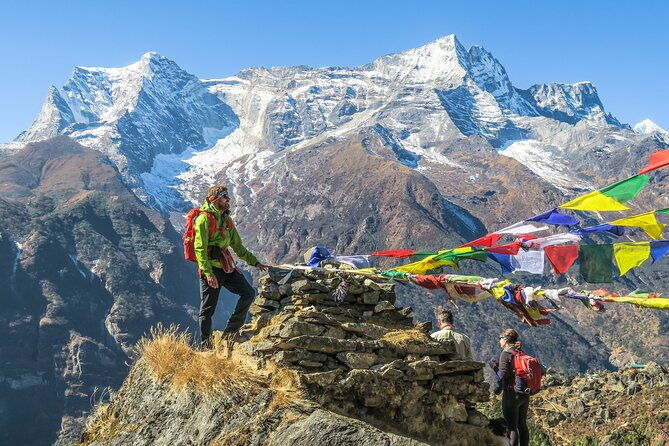
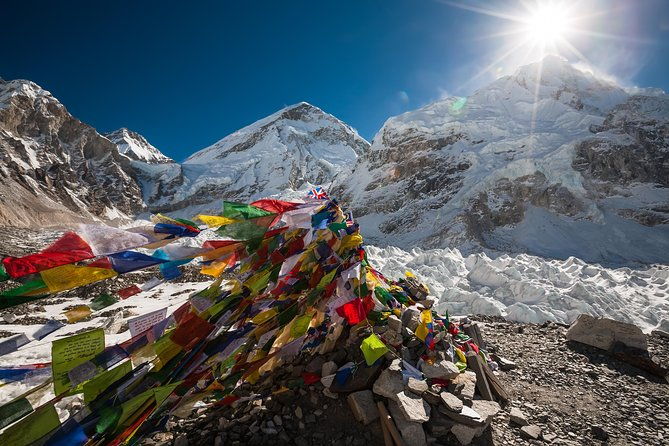
Starting early, you head towards Lobuche, passing the Thukla Pass and its prayer flags—a poignant reminder of mountaineers who have risked it all. The trail is steep and challenging but offers sweeping views of snow-capped peaks.
According to reviews, the climb to Lobuche is tough but “mesmerizing,” with many mentioning the emotional impact of seeing the memorials dedicated to mountaineers.
Day 9: Gorak Shep and Kala Patthar
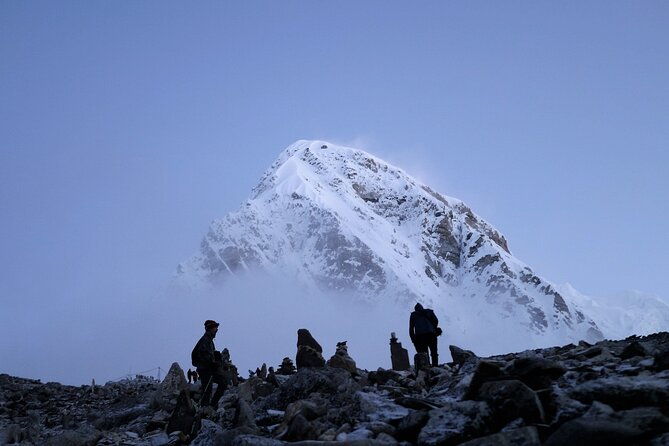
This day involves trekking to Gorak Shep, the final stop before Everest Base Camp. The route is sparse and often covered in snow, providing stunning panoramic views—a highlight for many. After resting, you can hike up to Kala Patthar for a sunset view that many describe as breathtaking.
Reviewers rave about the spectacular scenery from Kala Patthar, with some calling it their favorite moment of the trek.
Day 10: Everest Base Camp and Back to Gorak Shep
Early morning, you trek to Everest Base Camp, where the raw power of nature is on full display—glaciers, rugged terrain, and the looming presence of Everest. After soaking in the views, you’ll descend back to Gorak Shep, often feeling exhausted but exhilarated.
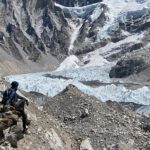
One reviewer mentions that seeing Everest up close was “nature at its finest,” and another notes that the view of the Khumbu Glacier from Kala Patthar was unforgettable.
Day 11: Trek back to Namche Bazaar
Your descent begins, retracing your steps through familiar villages and lush forests. Crossing the Dudh Kosi again, you’ll notice the landscape changing as you lose altitude—an indication that the trek is nearing its end.
Travelers appreciate the chance to reflect on their journey and enjoy the vibrant market town one last night.
Day 12: Return to Lukla
The final trekking day takes you downriver to Lukla, passing through pine and cedar forests. The sense of accomplishment grows with each step, and the beautiful scenery offers a fitting farewell to the Himalayas.
One review described this part as “magnificent,” emphasizing how the mountains seem to recede as you approach Lukla.
Day 13: Flight back to Kathmandu
After an early morning flight, you’ll return to Kathmandu. The rest of the day is free for you to relax, explore, or reflect on your adventure. Many guests say that just looking out the window at the Himalayas from the plane is a moment worth treasuring.
Day 14: Departure
Your Nepal journey concludes with a transfer to Tribhuvan International Airport. Many travelers leave with stories, photos, and a sense of achievement that lasts a lifetime.
What Makes This Tour Stand Out?
All-Inclusive Logistics: This tour covers permits, domestic flights, and hotel stays, making it a hassle-free experience for trekkers. The price of $1,450.19 per person is competitive considering these inclusions.
Expert Guides and Accommodations: Multiple reviews emphasize how knowledgeable and caring guides like Rohit make a difference during demanding days of walking. The lodges along the trail range from basic but comfortable to warm and welcoming, often with local Sherpa cuisine to fuel your days.
Authentic Cultural Encounters: Visiting monasteries, local markets, and Sherpa villages adds a layer of depth beyond the stunning scenery. Tourists frequently mention the Sherpa hospitality, especially the local food and the vibrant Saturday market in Namche.
High-Altitude Acclimatization: The itinerary is carefully designed to reduce altitude sickness risks—staying in Namche for acclimatization, for example, is a common practice appreciated by travelers for its importance in safe trekking.
Stunning Views and Unique Experiences: From the flight over Everest to standing at Kala Patthar, this trek offers countless moments of awe. Reviewers have highlighted how the views are “amazing” and “mesmerizing,” with many calling the experience a once-in-a-lifetime.
Practical Tips and Considerations
While the trek is generally well-organized, it’s physically demanding. Long days of walking, steep climbs, and high altitudes mean you should be in moderate fitness and prepared for variable weather. The included hotels and lodges provide a comfortable base, but prepare for some basic facilities at higher elevations.
The tour includes group discounts and offers pickup services, which adds convenience. Remember, the trek involves large amounts of walking—some reviews mention treks lasting up to 8 hours—so packing appropriately is key. Think layers, good hiking shoes, and essentials for high-altitude conditions.
The overall value is strong, given the permit coverage, domestic flights, and experienced guides. Plus, the positive reviews about the guides, food, and overall organization suggest this is a reliable choice.
The Sum Up
This 14-day Everest Base Camp trek offers a carefully curated experience that combines adventure, culture, and breathtaking scenery. It’s especially well-suited for travelers who want a guided journey with expert support while exploring one of the world’s most iconic landscapes.
With its balanced itinerary, inclusive pricing, and solid reputation, it provides a great value for those seeking a safe, authentic Himalayan experience. Whether you’re chasing Everest’s summit or simply craving a challenge that’s packed with unforgettable moments, this trek could be your ticket to the roof of the world.
FAQ
Is this trek suitable for beginners?
While the trek is designed for those with a moderate fitness level, it is physically demanding due to high altitude and long walking days. Preparation and acclimatization are essential.
Are flights included?
Yes, the tour covers domestic flights from Kathmandu to Lukla and back, which are crucial for logistical ease and saving time.
What amenities can I expect along the trail?
You’ll stay in local lodges that provide basic but comfortable accommodations. Hot water, Wi-Fi, and other amenities are available but can be limited at higher altitudes.
How important is acclimatization?
Very important. The itinerary includes rest days in Namche Bazaar to help your body adjust, which many reviews highlight as a key factor in avoiding altitude sickness.
What is the group size?
The tour is designed for a maximum of 12 travelers, ensuring a more personalized experience and easier group management.
What should I bring?
Pack layers, sturdy hiking boots, a sleeping bag suitable for cold weather, and personal essentials. The guide will advise on gear, and a porter can carry up to 20 kilos of luggage per person.
Are tips included in the price?
No, tipping is not included and is customary to reward your guides and porters for their hard work.
What is the best time of year for this trek?
While not explicitly stated, the best seasons for Everest treks are generally pre-monsoon (spring) and post-monsoon (autumn), offering clear views and manageable weather.
In essence, this Everest Base Camp trek promises an adventure packed with scenic beauty, cultural richness, and expert guidance, making it a compelling choice for those ready to take on the challenge of the Himalayas.