
Exploring Berlin’s divided past, the "East Berlin: City of Shadows Walking Tour" offers a poignant glimpse into the oppressive reality of life under communist rule. Guiding participants through iconic landmarks, the tour unveils the haunting stories of the ‘Death Strip’ and the chilling Stasi Headquarters, reflecting the surveillance state that once gripped East Germany. As the tour highlights the historic protests at Alexanderplatz, it showcases the resilience and courage of those who sought freedom, leaving visitors with a deeper understanding of the city’s complex political legacy.
- Key Points
- Exploring the Communist-Era Sites
- Brandenburg Gate and Friedrichstrasse Station
- Memorials of the ‘Death Strip’
- Soviet Housing Complex
- East Germany’s Secret Police Headquarters
- Alexanderplatz and Demonstrations Against Communist Rule
- Stories of Life in Divided Berlin
- Understanding Germany’s Political Legacy
- Things To Know
- What Is the Group Size Limit for This Tour?
- Is Hotel Pickup and Drop-Off Included in the Tour Price?
- Can the Metro Day Pass Be Purchased on the Day of the Tour?
- Is There a Discounted Rate for Seniors on the One-Way Metro Ticket?
- Are Photographs Allowed During the Tour?
- Sum Up
- More Walking Tours in Berlin
- More Tours in Berlin
- More Tour Reviews in Berlin
- Still browsing? Here are more Berlin experiences we've covered recently
Key Points
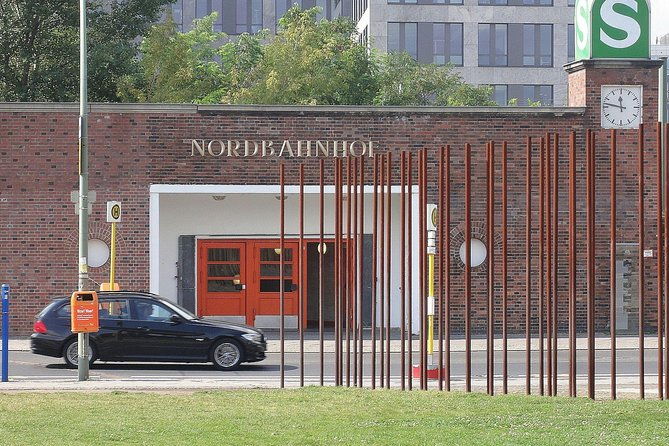
- Explore the iconic landmarks of Berlin, including the Brandenburg Gate and Friedrichstrasse Station, which symbolize the city’s divided past and reunification.
- Discover the somber memorials and exhibits along the former "Death Strip" that divides East and West Berlin, and visit the Chapel of Reconciliation.
- Observe the stark contrast between the uniform, gray socialist housing complex and the modern capitalist architecture in Berlin.
- Tour the former headquarters of East Germany’s secret police, the Stasi, and learn about the harsh realities of life under their extensive surveillance network.
- Visit Alexanderplatz, the historic square known for the largest pro-democracy demonstration in East Germany’s history, which symbolized the people’s desire for change.
Exploring the Communist-Era Sites
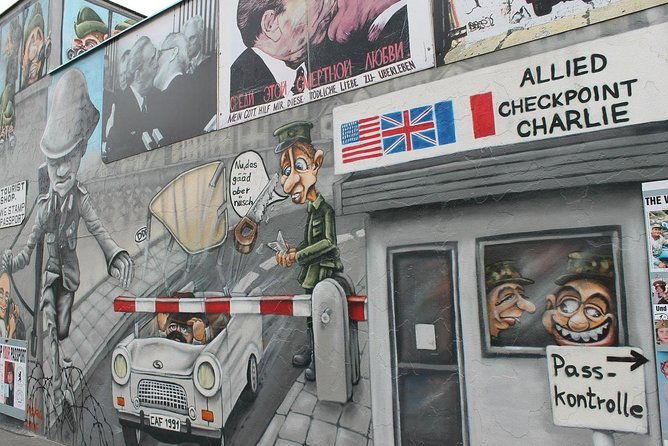
Although the tour begins at the iconic Brandenburg Gate, the first stop explores the Friedrichstrasse train station.
Once a busy transit hub, it now stands as a remnant of the division between East and West Berlin. The guide shares stories of the station’s strategic importance, including its use as a checkpoint for those seeking to cross the border.
Next, the group visits the memorials at the former ‘death strip’, where many lost their lives attempting to flee East Germany.
The tour then takes them to a Soviet-era housing complex, providing a glimpse into daily life under communist rule.
Want to see more of Berlin? Here are other city tours we've reviewed
Brandenburg Gate and Friedrichstrasse Station
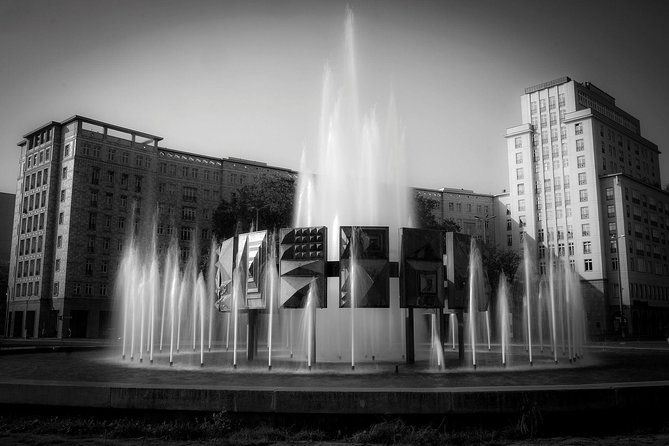
The Brandenburg Gate, Berlin’s iconic 18th-century monument, stands as a powerful symbol of the city’s turbulent history.
Once a symbol of division, it now represents unity.
The tour next explores Friedrichstrasse Station, a vital transportation hub that played a crucial role during the Cold War.
Visitors can:
- Observe the station’s architectural features, which seamlessly blend modern and historical elements.
- Learn about the station’s strategic importance, as it served as a key crossing point between East and West Berlin.
- Imagine the tense atmosphere and strict security measures that once defined the border crossing.
Engaging with these sites provides a visceral connection to Berlin’s past.
Memorials of the ‘Death Strip’
After visiting the iconic Brandenburg Gate and Friedrichstrasse Station, the tour moves on to explore the memorials of the ‘death strip’ – the heavily fortified border that once divided East and West Berlin.
The guide shares stories of the fatal consequences for those who attempted to cross the treacherous no-man’s land. Visitors learn about the haunting history through monuments and exhibits, including the Chapel of Reconciliation, which stands on the former border.
The tour provides a somber but powerful insight into the realities of life in divided Berlin and the ongoing efforts to memorialize this tragic chapter.
Soviet Housing Complex
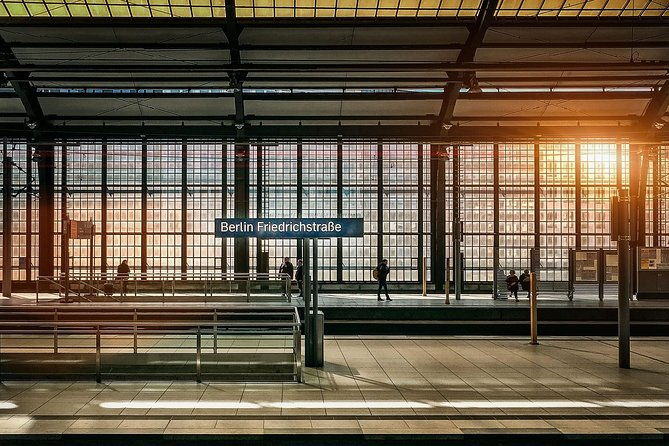
Following the visit to the memorials of the ‘death strip’, the tour takes visitors to a prominent Soviet-style housing complex that stands as a remnant of East Germany’s communist past.
This sprawling residential area features:
- Uniform, gray apartment blocks built with prefabricated concrete panels, a common design in East Bloc countries.
- A central courtyard with a children’s playground and community spaces, reflecting the socialist emphasis on collective living.
- Limited access to consumer goods and services, as the complex catered to the working-class residents of former East Berlin.
The complex provides a stark contrast to the capitalist architecture of modern Berlin.
East Germany’s Secret Police Headquarters
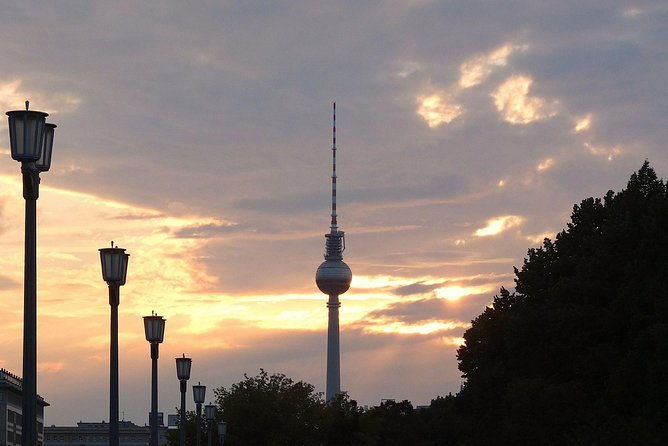
Visitors then make their way to the former headquarters of the Stasi, East Germany’s notoriously repressive secret police force.
This imposing complex was a symbol of Communist control, housing an elaborate surveillance network that monitored and oppressed the East German populace.
Guides share accounts of the Stasi’s extensive files, ruthless interrogation tactics, and the paranoia that permeated daily life under their watchful eye.
Towering over the neighborhood, the Stasi headquarters stands as a stark reminder of the harsh realities of life in the former East Germany, a chilling counterpoint to the democratic freedoms enjoyed today.
Into exploring Berlin on foot? Check out these other walking experiences we've looked at
Alexanderplatz and Demonstrations Against Communist Rule
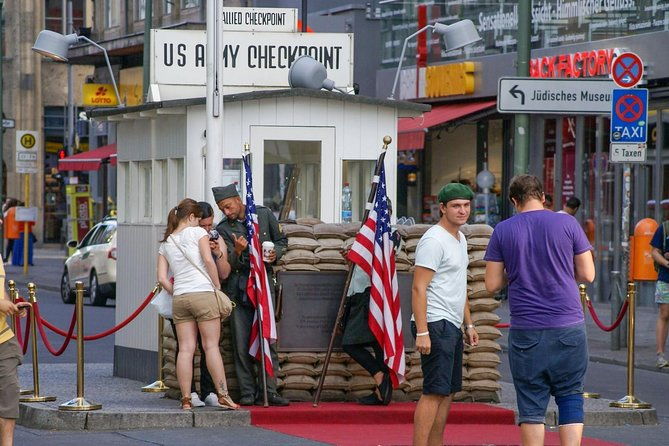
The tour culminates at Alexanderplatz, a historic public square that served as a prominent site of demonstrations against Communist rule in East Germany.
In the late 1980s, this was a key location for mass protests that ultimately contributed to the fall of the Berlin Wall. Protesters here demanded greater freedoms and reforms, drawing thousands of East Germans.
The square’s significance includes:
- Hosting the largest pro-democracy demonstration in East Germany’s history, with over 1 million participants in 1989.
- Serving as a symbol of resistance against the oppressive East German regime.
- Representing the people’s desire for change and a transition to a more open, democratic society.
Stories of Life in Divided Berlin
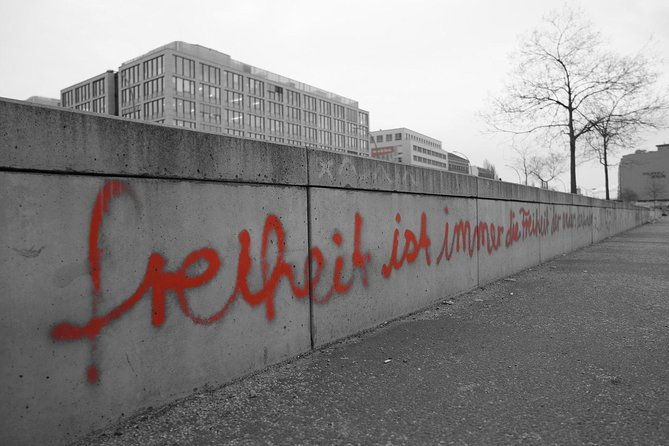
Though life in divided Berlin presented significant challenges, the city’s residents found ways to navigate the complex political and social landscape. Many turned to the black market to obtain scarce goods, while others attended secret house concerts to experience forbidden Western culture. Dissidents risked arrest by attending anti-government rallies, while some East Berliners even attempted daring escapes across the Berlin Wall. The consequences of these acts were severe, as the East German secret police, the Stasi, closely monitored the population.
| Experience | Risk Level | Consequence |
|---|---|---|
| Black Market | Moderate | Fines, Imprisonment |
| House Concerts | High | Arrest, Interrogation |
| Anti-Government Rallies | Extreme | Arrest, Imprisonment, Torture |
| Escape Attempts | Extreme | Injury, Death |
Understanding Germany’s Political Legacy
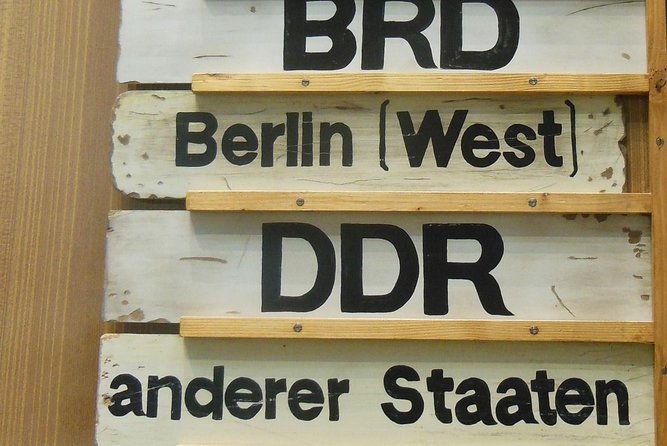
Germany’s political legacy is a complex and nuanced topic that visitors to East Berlin must grapple with. The walking tour delves into the city’s communist past, providing insights into how the divided nation grappled with its past and present.
Visitors learn about:
- The lasting impact of the Cold War and the division of Germany, including the construction of the Berlin Wall.
- The role of the East German secret police, the Stasi, in monitoring and controlling the population.
- The gradual erosion of communist rule and the eventual reunification of Germany.
Understanding this history is crucial for comprehending the modern German state and its political landscape.
Things To Know
What Is the Group Size Limit for This Tour?
The group size limit for this tour is a maximum of 8 travelers. It’s a small-group tour format that allows for a more intimate and personalized experience.
Is Hotel Pickup and Drop-Off Included in the Tour Price?
Hotel pickup and drop-off is available on request, but it’s not included in the tour price. Travelers can arrange for pickup and drop-off at their accommodation, but this service comes at an additional cost.
Can the Metro Day Pass Be Purchased on the Day of the Tour?
The metro day pass can be purchased on the day of the tour. The cost is 7 Euro, with a senior discount of 4.70 Euro available. One-way tickets are also an option at 2.80 Euro, or 1.70 Euro for seniors.
Is There a Discounted Rate for Seniors on the One-Way Metro Ticket?
Yes, there is a discounted rate for seniors on the one-way metro ticket. According to the tour details, the one-way ticket costs 2.80 Euro, but seniors can get a discounted rate of 1.70 Euro.
Are Photographs Allowed During the Tour?
The tour allows travelers to take photographs during the experience. However, visitors should be mindful of their surroundings and refrain from using flash photography in certain areas out of respect for the historical significance.
Sum Up
The "East Berlin: City of Shadows Walking Tour" offers an insightful journey through the city’s divided past. Visitors can explore iconic landmarks, uncover the haunting stories of the ‘Death Strip,’ and gain a deeper understanding of East Germany’s oppressive regime. The tour highlights the resilience and courage of those who fought for freedom, providing a powerful perspective on Germany’s complex political legacy.
More Walking Tours in Berlin
More Tours in Berlin
More Tour Reviews in Berlin
Still browsing? Here are more Berlin experiences we've covered recently
- Berlin’s 4 Best Vegan & Vegetarian Tours (With Prices & Reviews)
- 12 Best Drinking Tours In Berlin
- 6 Best Shopping & Market Tours In Berlin
- Berlin’s 10 Top Photography Experiences (With Prices)
- 14 Of The Best Food Tours In Berlin
- The 12 Most Popular Tours & Experiences In Berlin
- Berlin’s 10 Best Workshops & Classes (With Prices & Reviews)
- We Rank The 13 Best Tours In Berlin
- The Top 4 Wine Tours In Berlin
- The 14 Most Popular Walking Tours In Berlin
- 12 Best Cruises And Boat Tours In Berlin (With Reviews & Prices)
- Berlin’s 4 Best Sailing Experiences (With Prices & Reviews)