
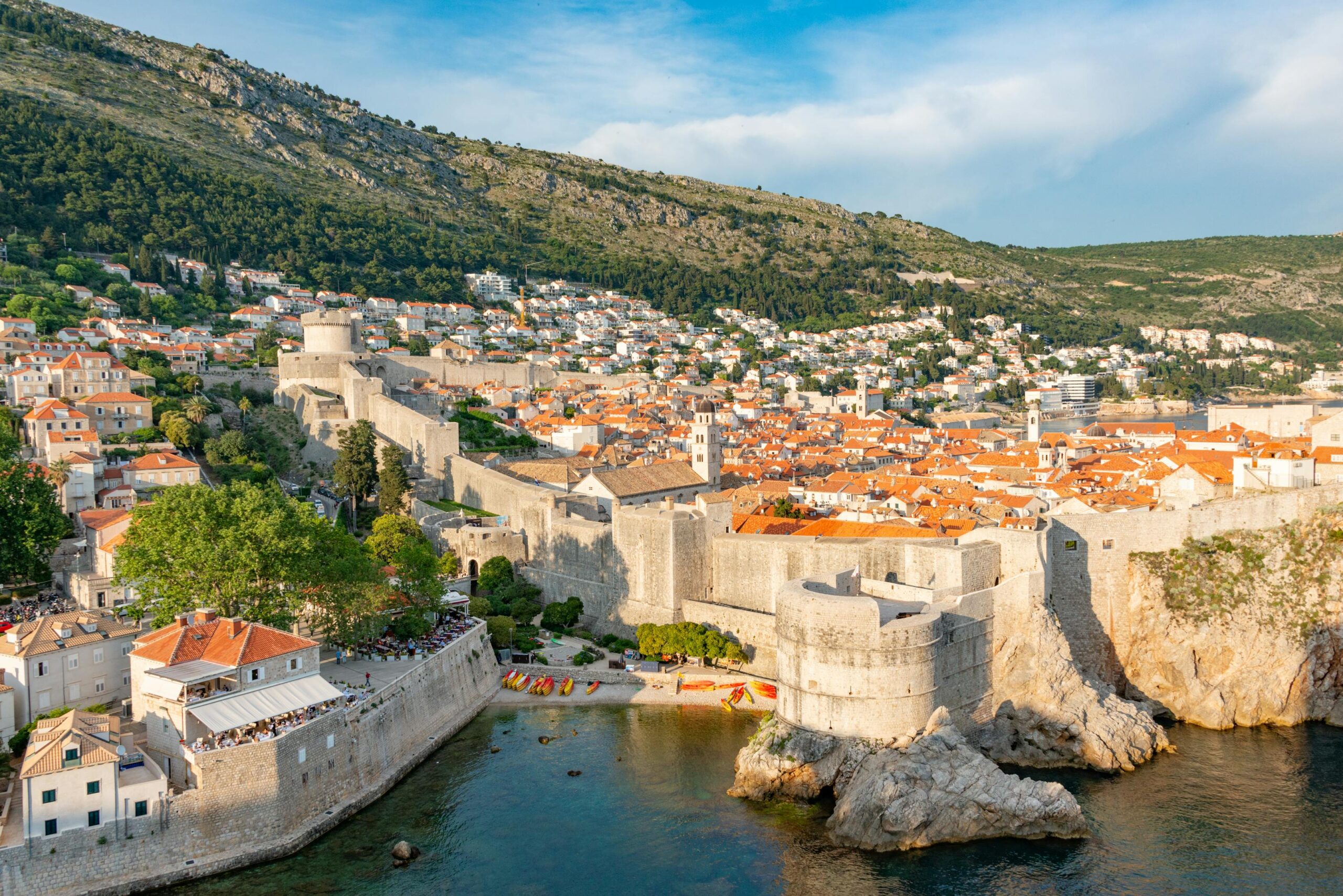
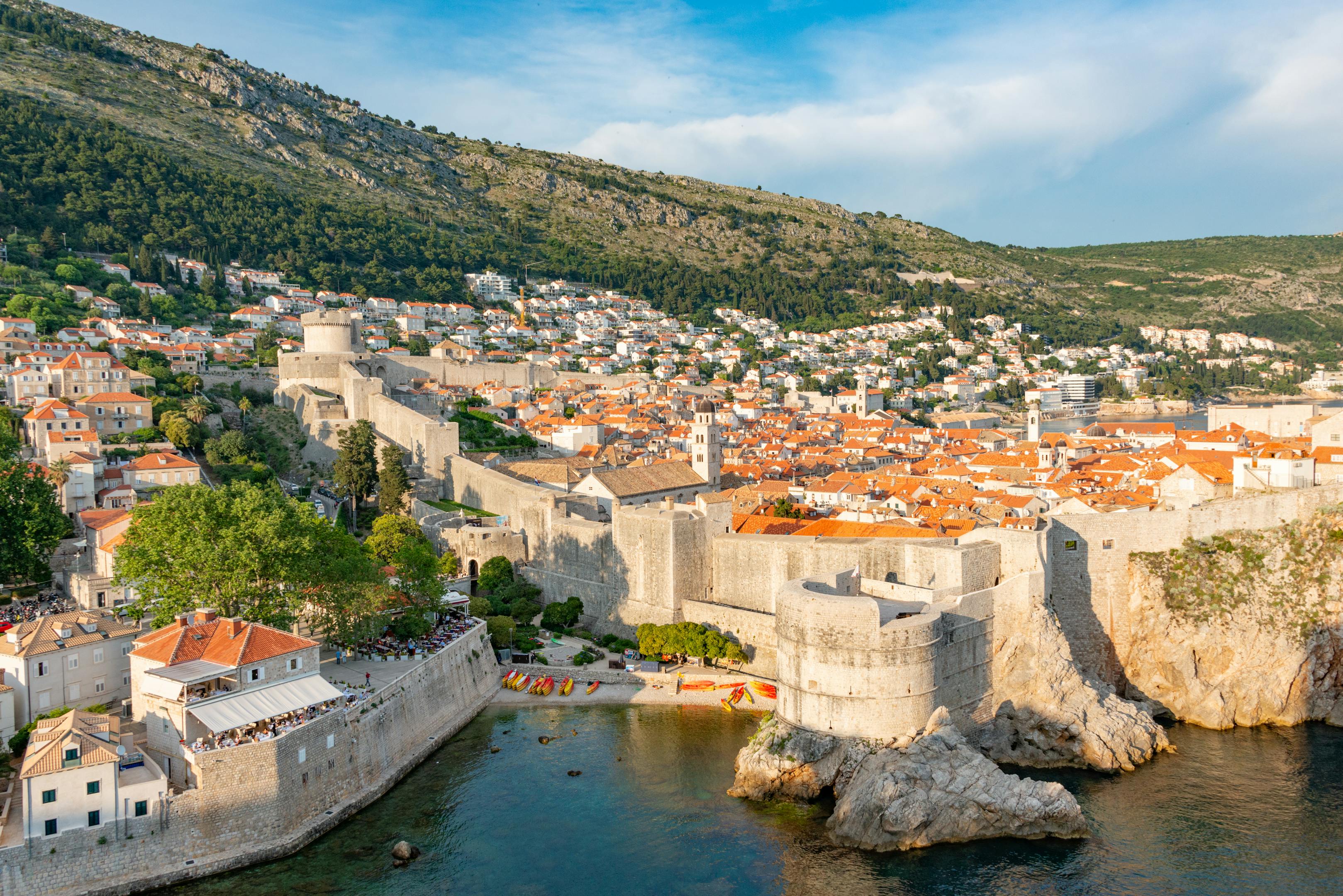
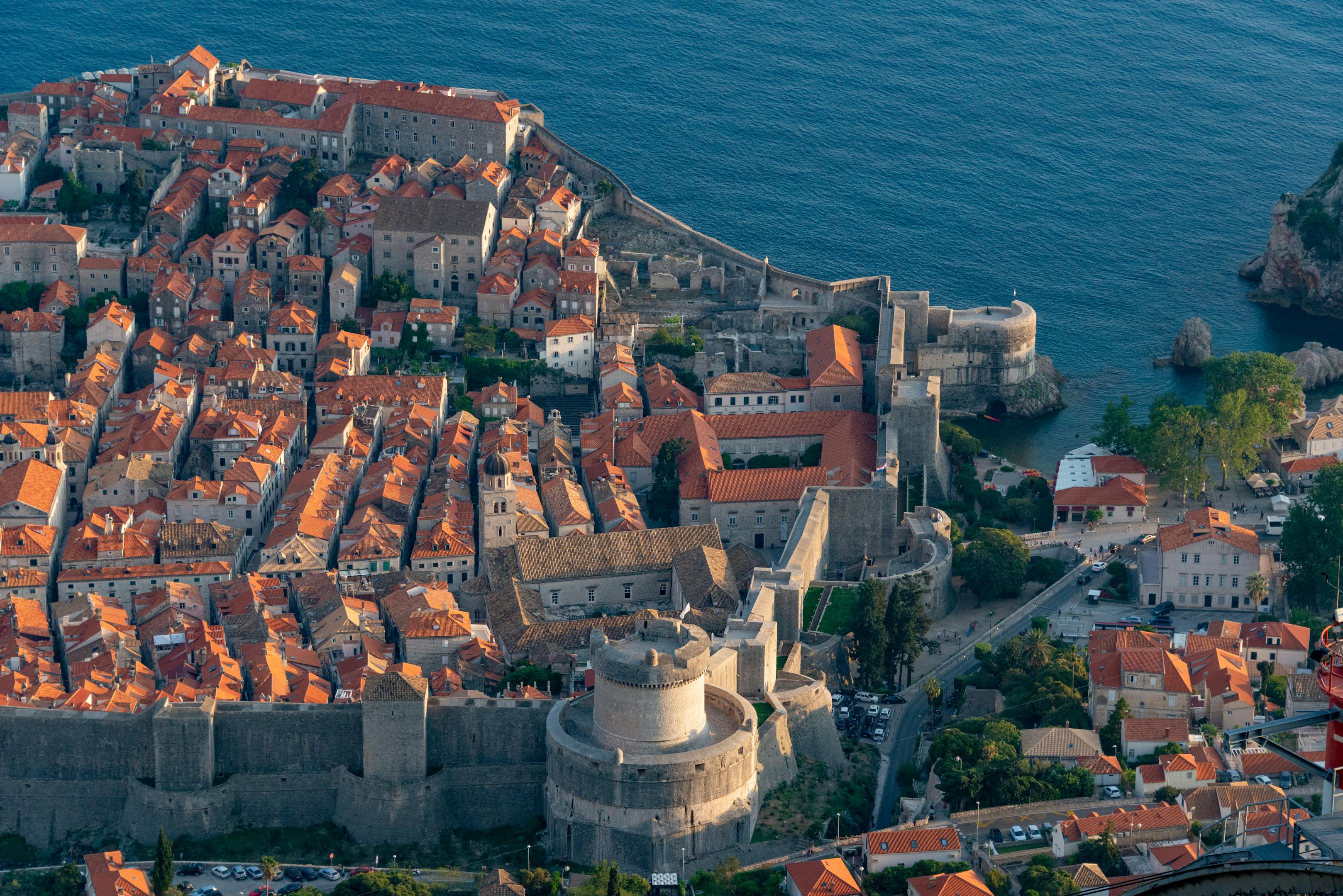
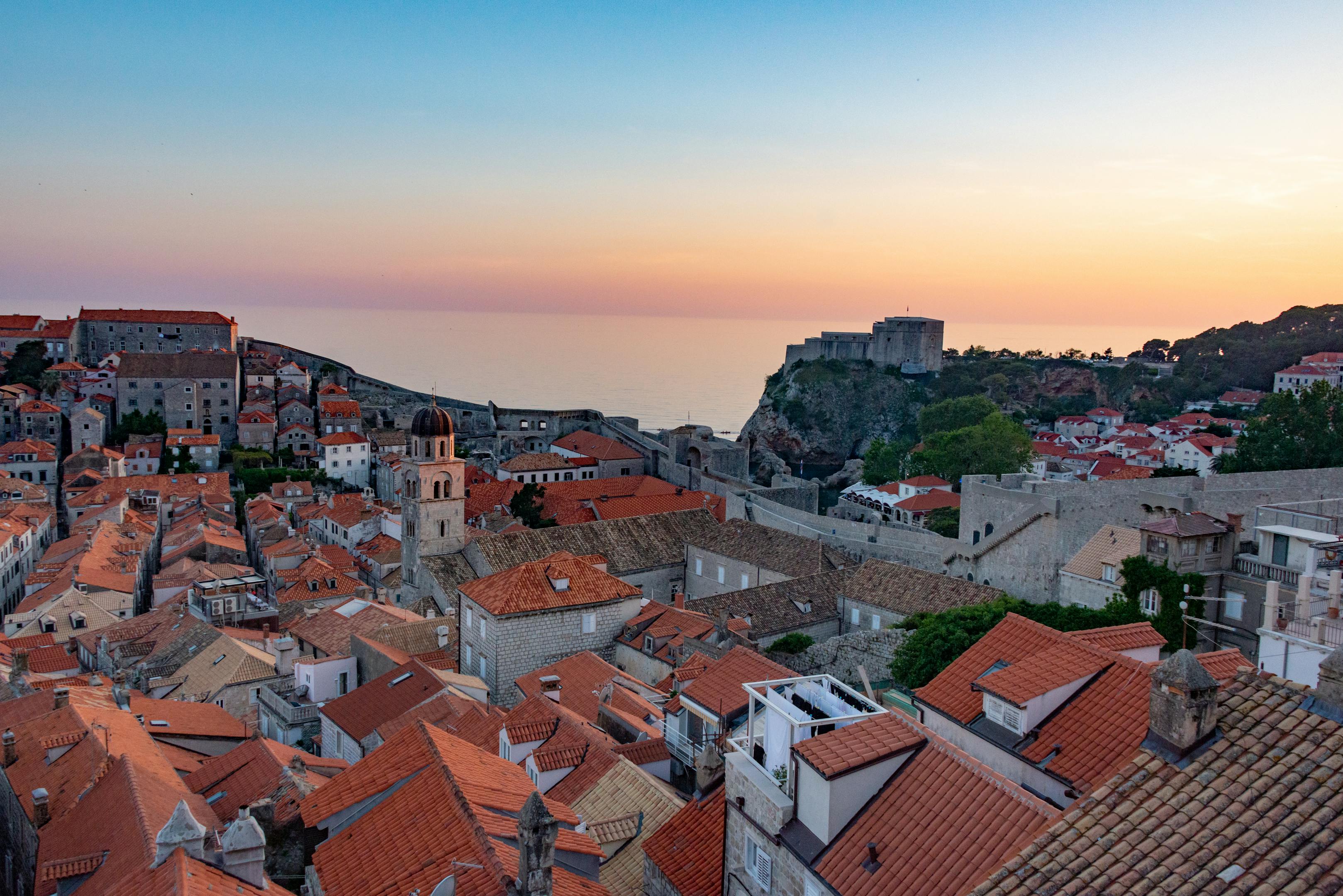
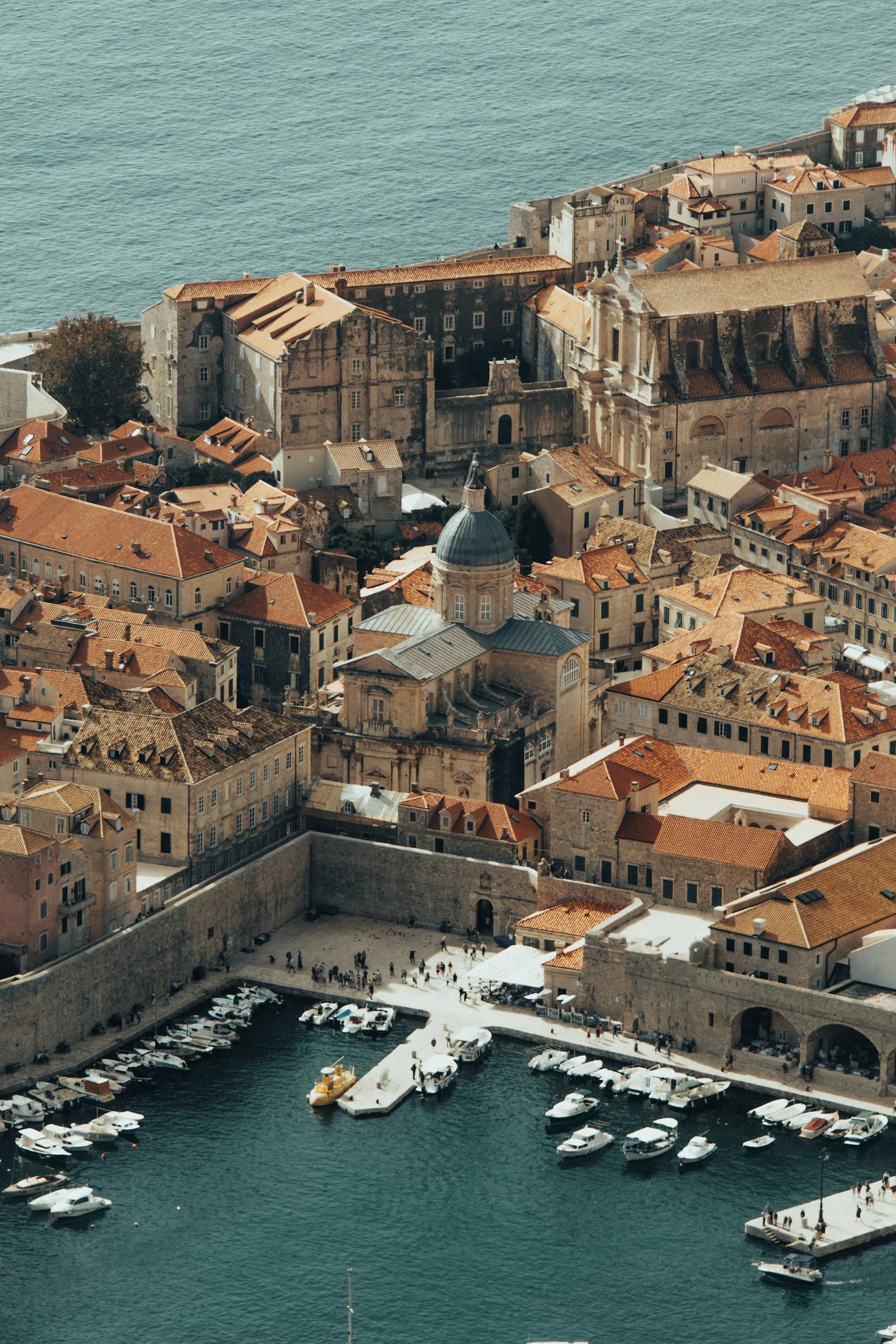
Walking the Dubrovnik City Walls is the single most photographed experience in Croatia — and for once, the hype is deserved. Two kilometers of limestone fortifications built between the 13th and 17th centuries wrap around the Old Town like a stone necklace, and the views from the top — red rooftops spilling down to the Adriatic, Fort Lovrijenac perched on its crag, the island of Lokrum glowing green offshore — are the kind of thing that makes your phone camera feel inadequate. This is the guide to the best tours that get you up there with context, plus what to know before you go.
- Quick Pick: Best Dubrovnik Walls & Walking Tours
- Why the Walls Are Worth It (And What They’re Not)
- The 4 Best Dubrovnik Walls & Walking Tours Reviewed
- 1. Dubrovnik: City Walls, Old Town Walking Tour & Adriatic View
- 2. Dubrovnik Cable Car Ride, Old Town Walking Tour Plus City Walls
- 3. Dubrovnik City Walls Tour for Early Birds or Sunset Chasers
- 4. Dubrovnik City Tour: Panorama Drive & Sightseeing Walk
- Walking the Walls: What to Actually Expect
- A Walking Tour of the Old Town Itself
- The History Behind the Walls
- Practical Tips Nobody Tells You
- More Croatia Guides Worth Reading
Quick Pick: Best Dubrovnik Walls & Walking Tours
🚡 Best combo: Cable Car + Walking Tour + City Walls — 685 reviews. The full panoramic experience with the cable car up Mount Srđ included.
🌅 Best for avoiding crowds: Early Bird or Sunset Walls Tour — 399 reviews. Skip the midday heat and crowds with sunrise or sunset timing.
🚐 Best for a full overview: Panorama Drive & Sightseeing Walk — 404 reviews. Combines a scenic drive to viewpoints outside the city with an Old Town walking portion.
Why the Walls Are Worth It (And What They’re Not)
Let’s be honest about one thing up front: the walls are not a secret. You won’t have them to yourself, and in July or August between 11 AM and 3 PM, the full circuit turns into a single-file conga line of sweating travelers taking identical rooftop photos. If that’s your first impression, it’s easy to come away thinking Dubrovnik is over-touristed and overrated. Don’t. The problem isn’t the walls — the problem is the timing. Walk them at 8 AM or after 5 PM and you get a completely different city: quiet, golden-lit, and genuinely atmospheric.
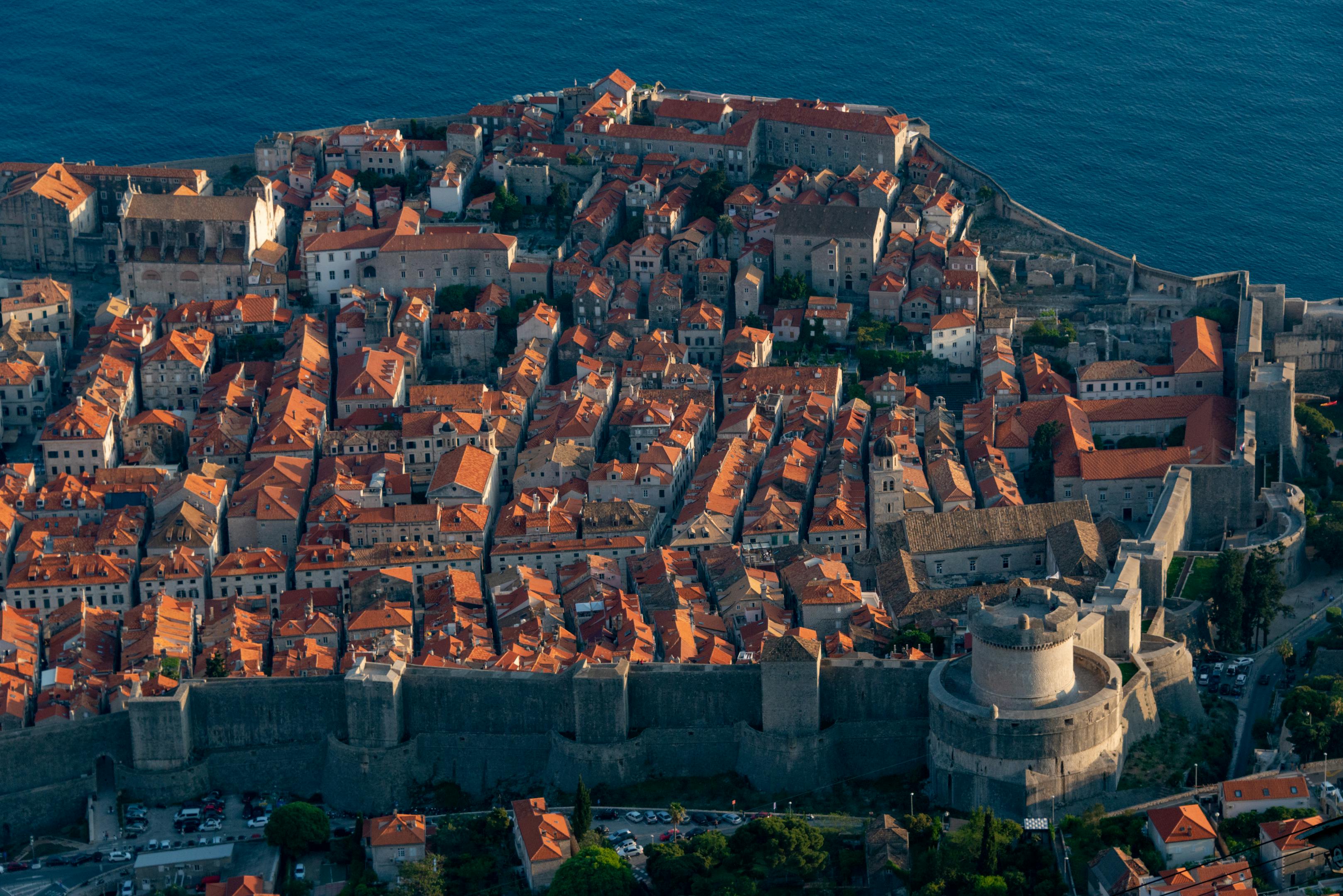
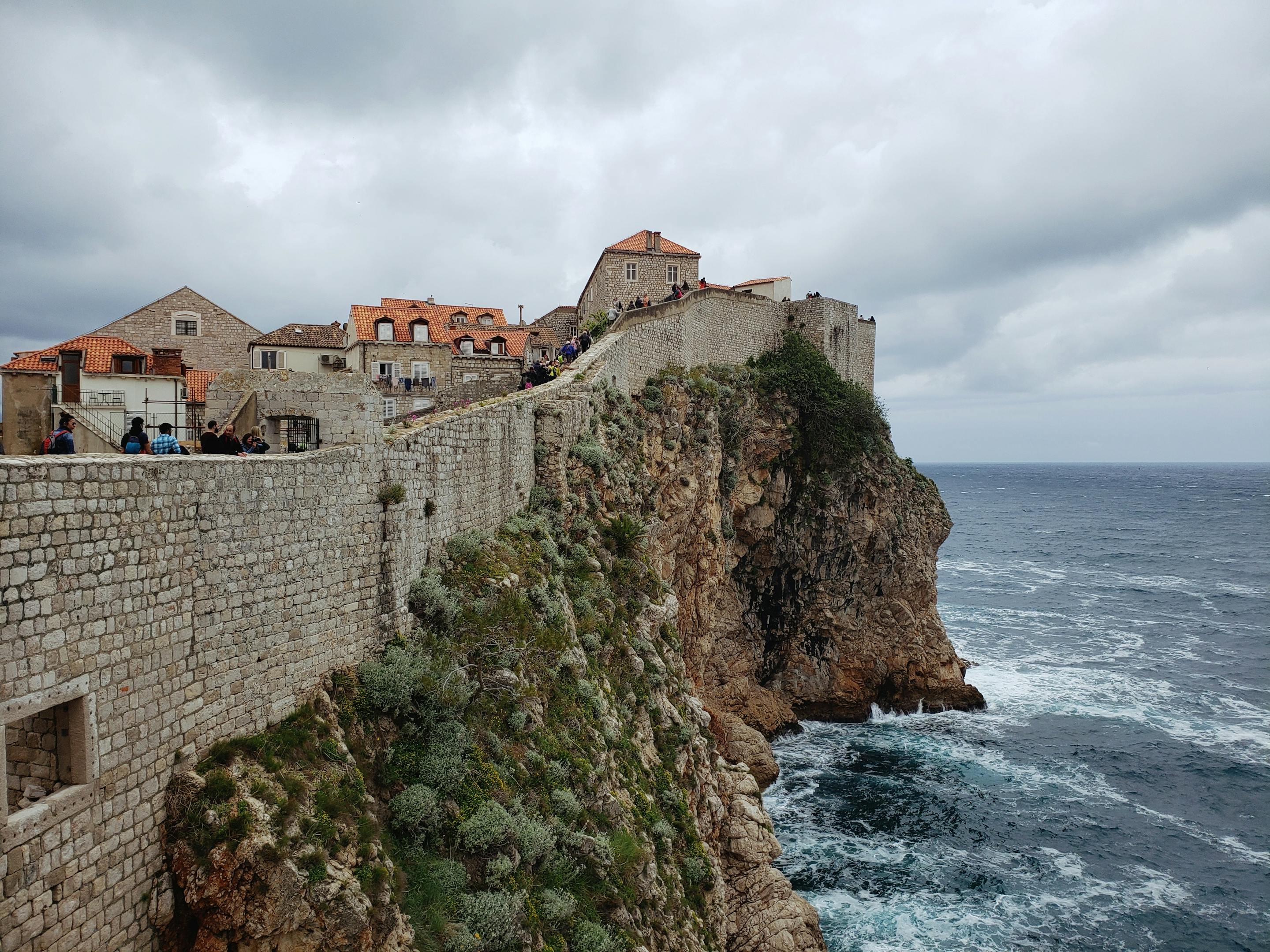
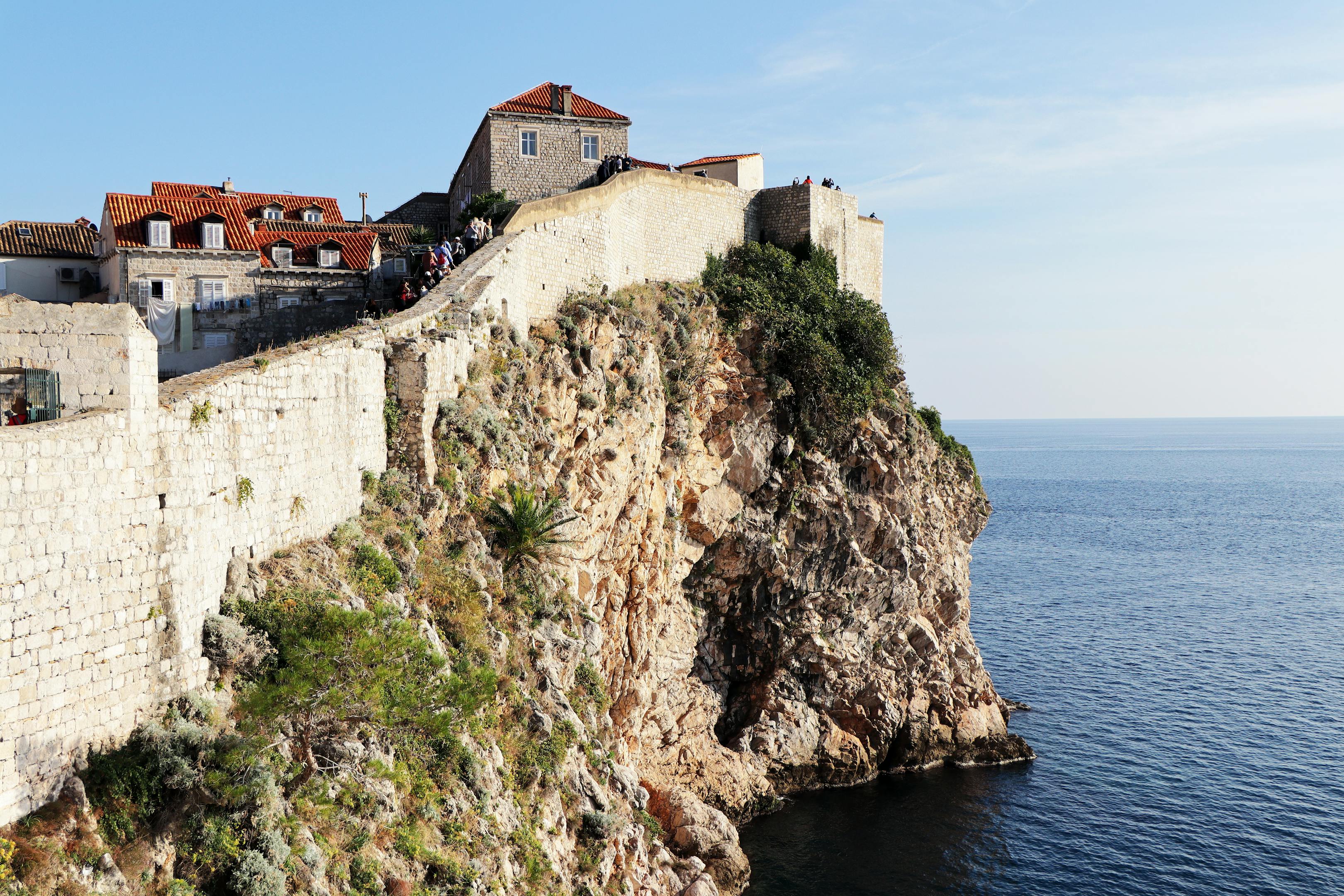
The walls themselves are a structural marvel. They vary in thickness from 1.5 to 6 meters depending on which side of the city they’re defending, they include 16 towers, and they were never breached in an active siege — not by the Venetians, not by the Ottomans, not by anyone, until the Yugoslav National Army started shelling the city in 1991. Even then, the walls mostly held. What they failed to protect was the roofs inside them, which is why nearly every terracotta roof you see from above is a post-1995 replacement. Look closely as you walk the circuit and you’ll spot the patchwork of old weathered tiles and newer orange ones — that’s the reconstruction.
The entrance fee to the walls alone is €35 as of 2026, which is not cheap, and the ticket is valid only for a single entry. You can’t leave and come back. This is why the tours that include entrance fees often work out to similar money when you factor in the guiding — you’re paying slightly more but getting 2+ hours of context you’d never pick up from reading a guidebook.
The 4 Best Dubrovnik Walls & Walking Tours Reviewed
1. Dubrovnik: City Walls, Old Town Walking Tour & Adriatic View
This is the benchmark tour for first-time visitors. A licensed local guide meets you at Pile Gate, walks you through the Old Town’s main landmarks — Stradun, the Rector’s Palace, the cathedral, the Franciscan and Dominican monasteries — then takes you up onto the walls themselves for the full circuit. The guides are uniformly strong (Bozana, Indira, Katarina, and Dubravka get named repeatedly in reviews), and the pacing is deliberately unhurried so you can actually absorb what you’re hearing instead of power-walking past 300 years of history.
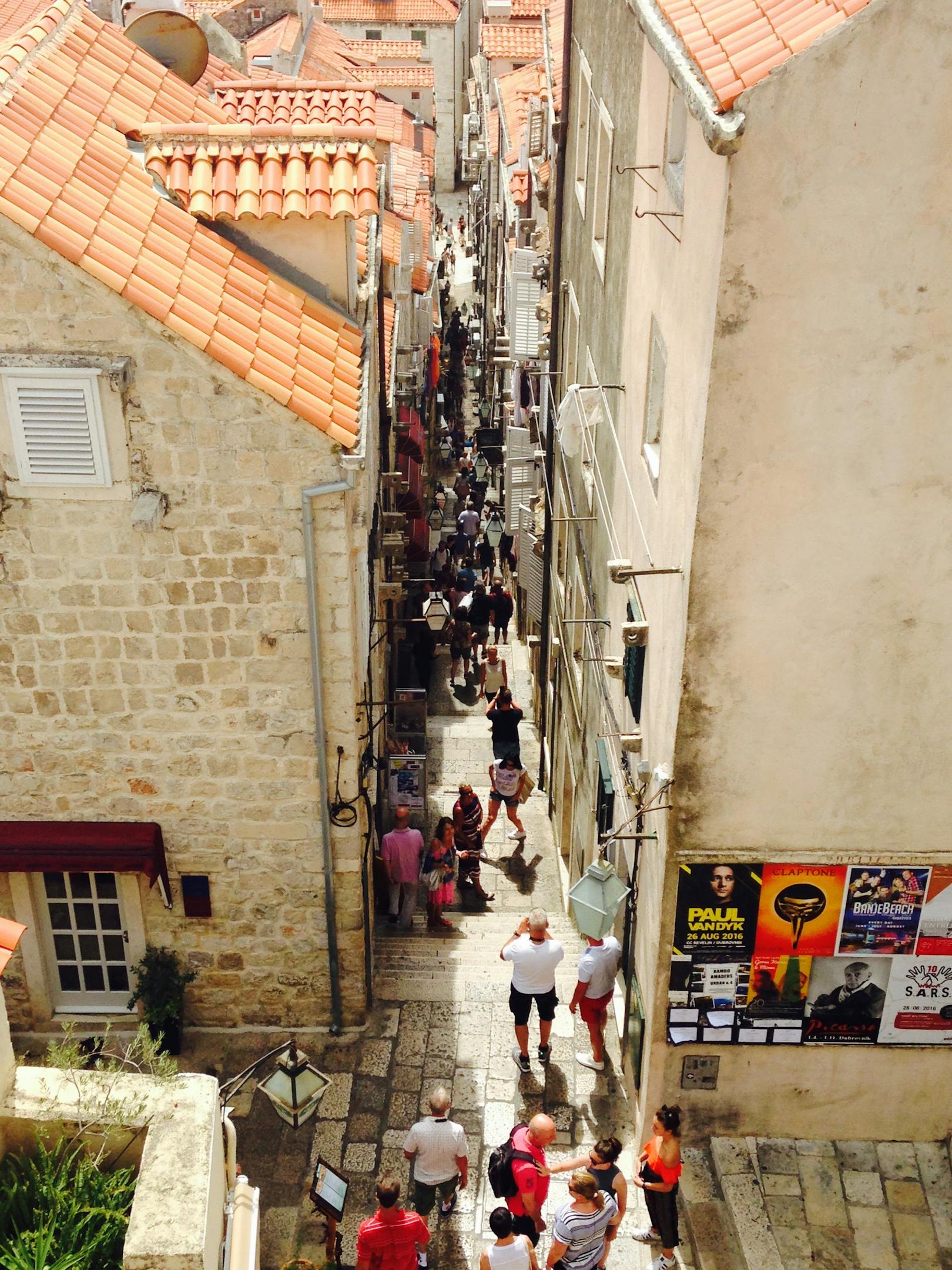
One note from actual reviewers: you’ll need to purchase either a City Walls ticket or a Dubrovnik Pass separately, as the tour price covers the guiding but not the entrance fee. Multiple reviewers recommend the Dubrovnik Pass (€40) over the walls-only ticket (€35) because it costs only €5 more and includes admission to several museums and monasteries as well. If you’re spending more than a day in the city, it’s a no-brainer upgrade.
“Excellent walking tour. Not only took you through the main sights of Dubrovnik, but into the tourist lite backstreets. Thoroughly recommended.”
“The tour was so good. Perfect group size and a good pace. Bozana was very knowledgeable and kept it really interesting. Would strongly recommend her and do a tour with her again.”
2. Dubrovnik Cable Car Ride, Old Town Walking Tour Plus City Walls
If you only have one day in Dubrovnik and want to see everything, this is the tour. It combines the cable car ride up Mount Srđ (412 meters above the city, with a view that’s arguably even better than the one from the walls) with the Old Town walking portion and the walls circuit. The Dubrovnik Day Pass is included in the price — several reviewers specifically highlight this as a major value add, since buying all these components separately would cost significantly more.
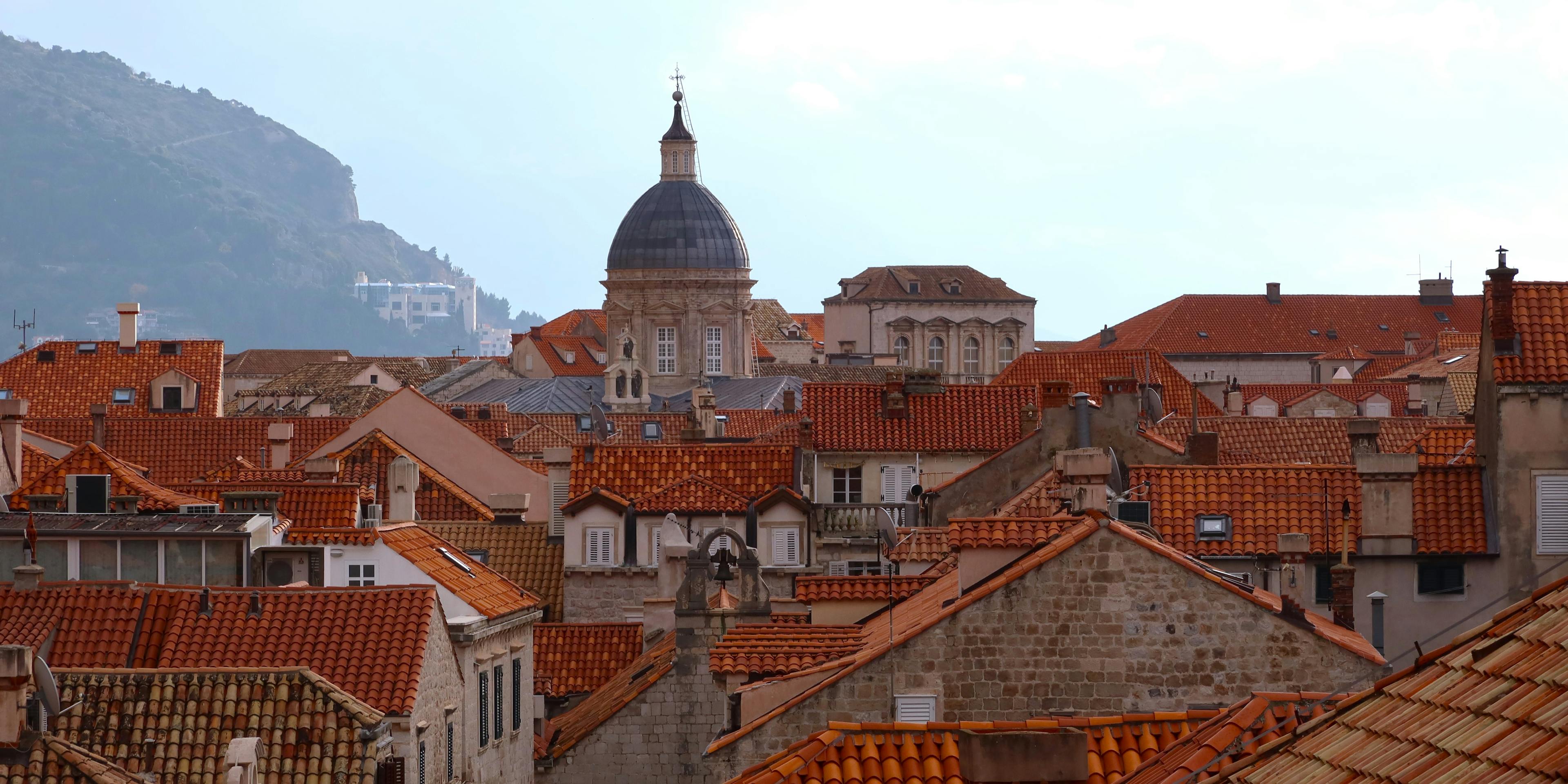
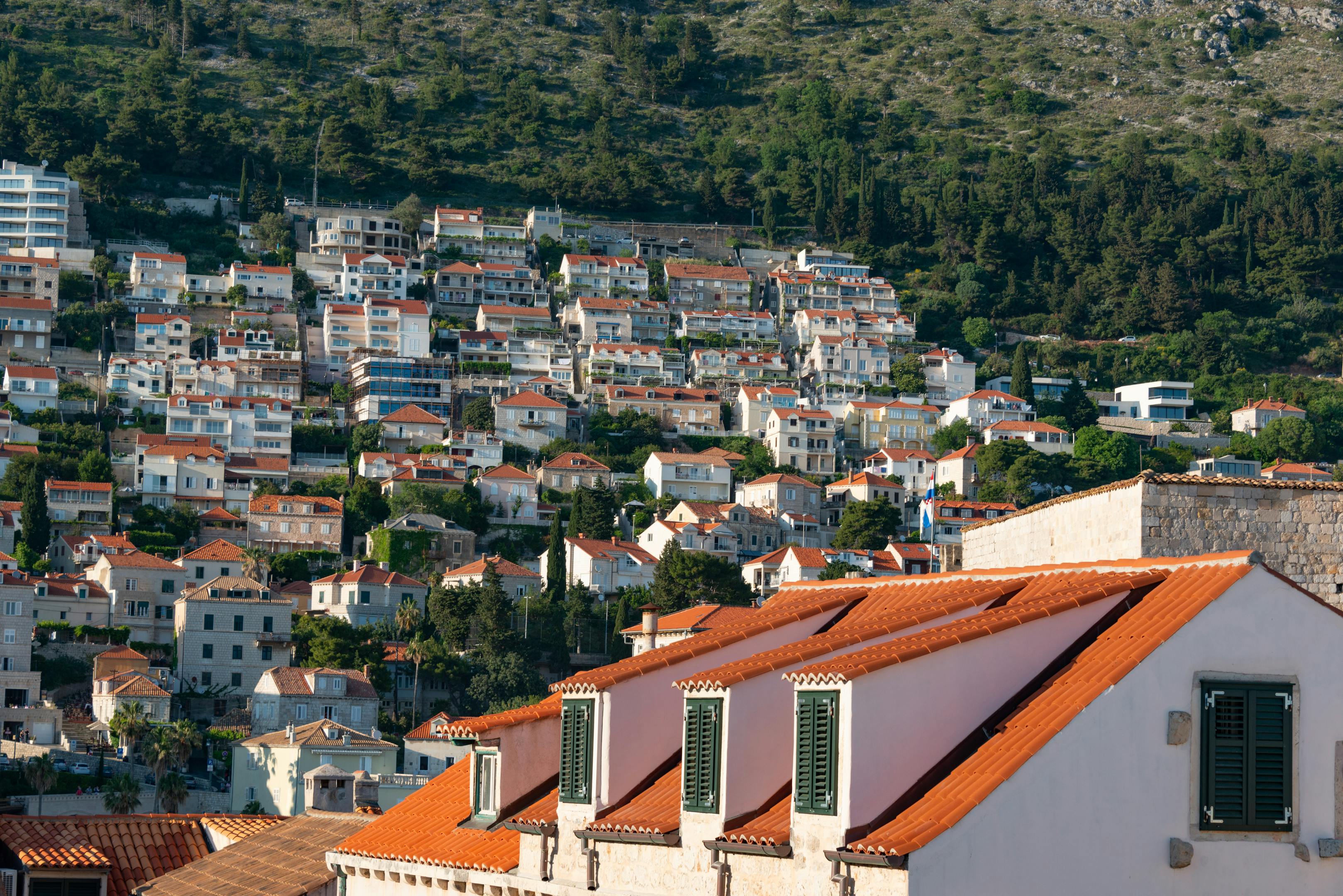
The Mount Srđ viewpoint is where you get the shot of the entire Old Town laid out beneath you like a terracotta model — the one that ends up on postcards and desktop wallpapers. Going up at sunset is magical, though tour schedules don’t always cooperate. If you’re doing this in summer, the cable car line can be long, which is exactly why booking through a tour saves time — the tickets are pre-arranged and you don’t queue.
“The Dubrovnik Cable Car Ride, Old Town Walking Tour Plus City Walls tour is a must experience. Our local guide was very knowledgeable. After the tour, my friend and I walked the entire city wall to see all the spectacular views. We were lucky enough to have great weather to experience the cable car ride. It’s truly a beautiful view from the top!”
“Had dedicated and experienced guide. Don’t buy Dubrovnik day pass — it is included in the tour price.”
3. Dubrovnik City Walls Tour for Early Birds or Sunset Chasers
This tour exists because somebody finally figured out that the walls are miserable at midday in summer. By starting either first thing in the morning (usually 8 AM) or late in the afternoon (after 5 PM), you get dramatically better light for photos, temperatures that don’t risk heat stroke, and crowds that are a fraction of what you’d face at noon. The guiding quality is comparable to the main walking tours — knowledgeable, engaging, unhurried — and the photos you’ll come home with are in a completely different league.
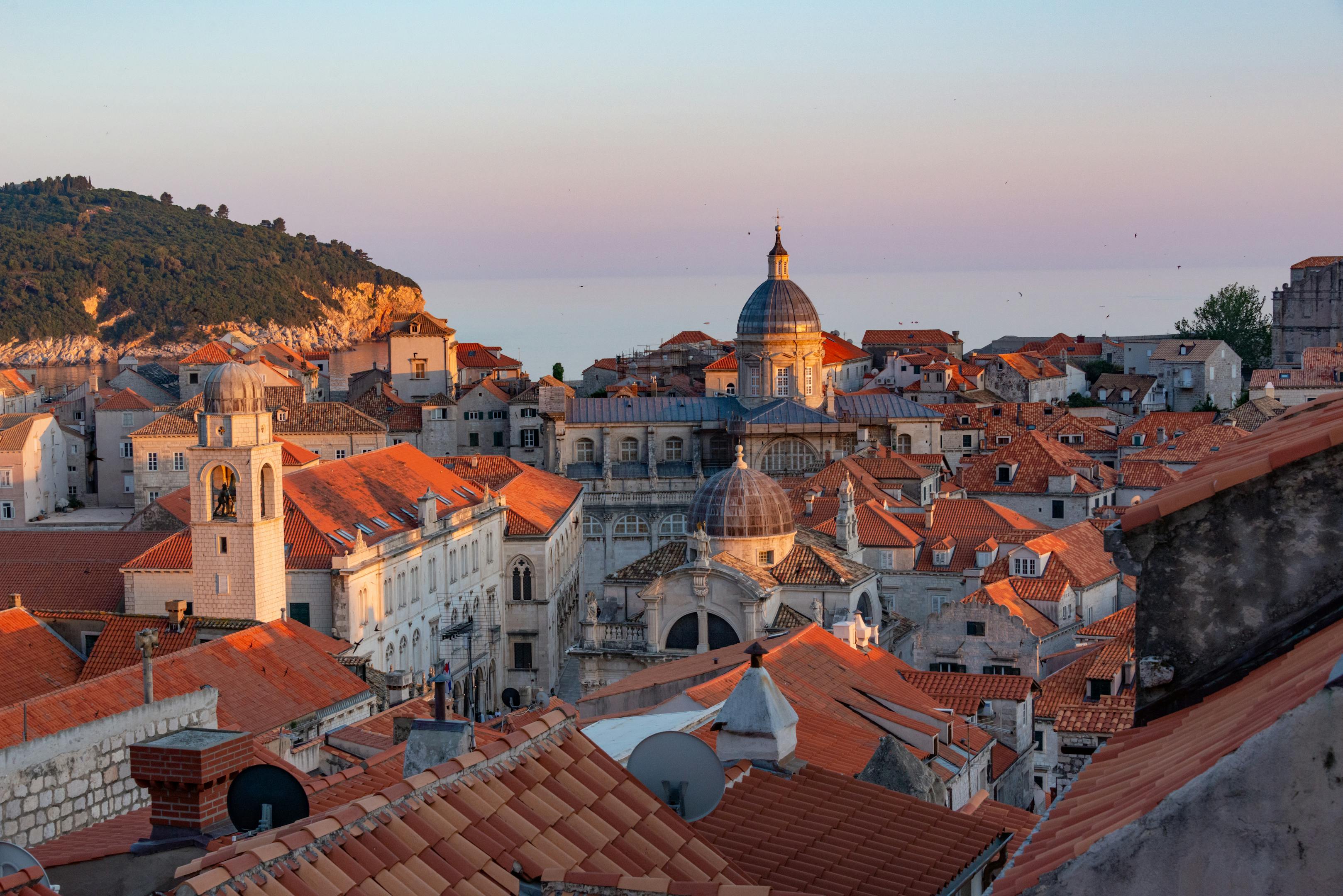
The early morning option is my personal preference if you’re flexible. There’s something about walking the walls at 8 AM — before the cruise ships disgorge their passengers around 10, before the heat kicks in, when the stone is cool and the sea below is mirror-flat — that feels like you’ve been let into a secret that 10,000 other people are about to discover. The sunset version is more crowded but arguably more dramatic for photography. Either way, it’s a vastly superior experience to the midday death march.
“This tour was incredible! Our guide, Divo, was very knowledgeable and friendly. He answered our questions, helped us take photos, and shared lots of fun facts. Going to the walls early in the day was also such a good decision, as it started getting crowded near the end.”
4. Dubrovnik City Tour: Panorama Drive & Sightseeing Walk
This is the tour for travelers who want a fuller picture of Dubrovnik — not just the Old Town, but the coastline, the hills, the modern suburbs, and the viewpoints you can’t easily reach on foot. The drive portion takes you up the winding coastal road to overlooks where you can see the entire city from above (including angles the cable car doesn’t offer), then delivers you into the Old Town for a guided walking portion covering the main sights inside the walls.
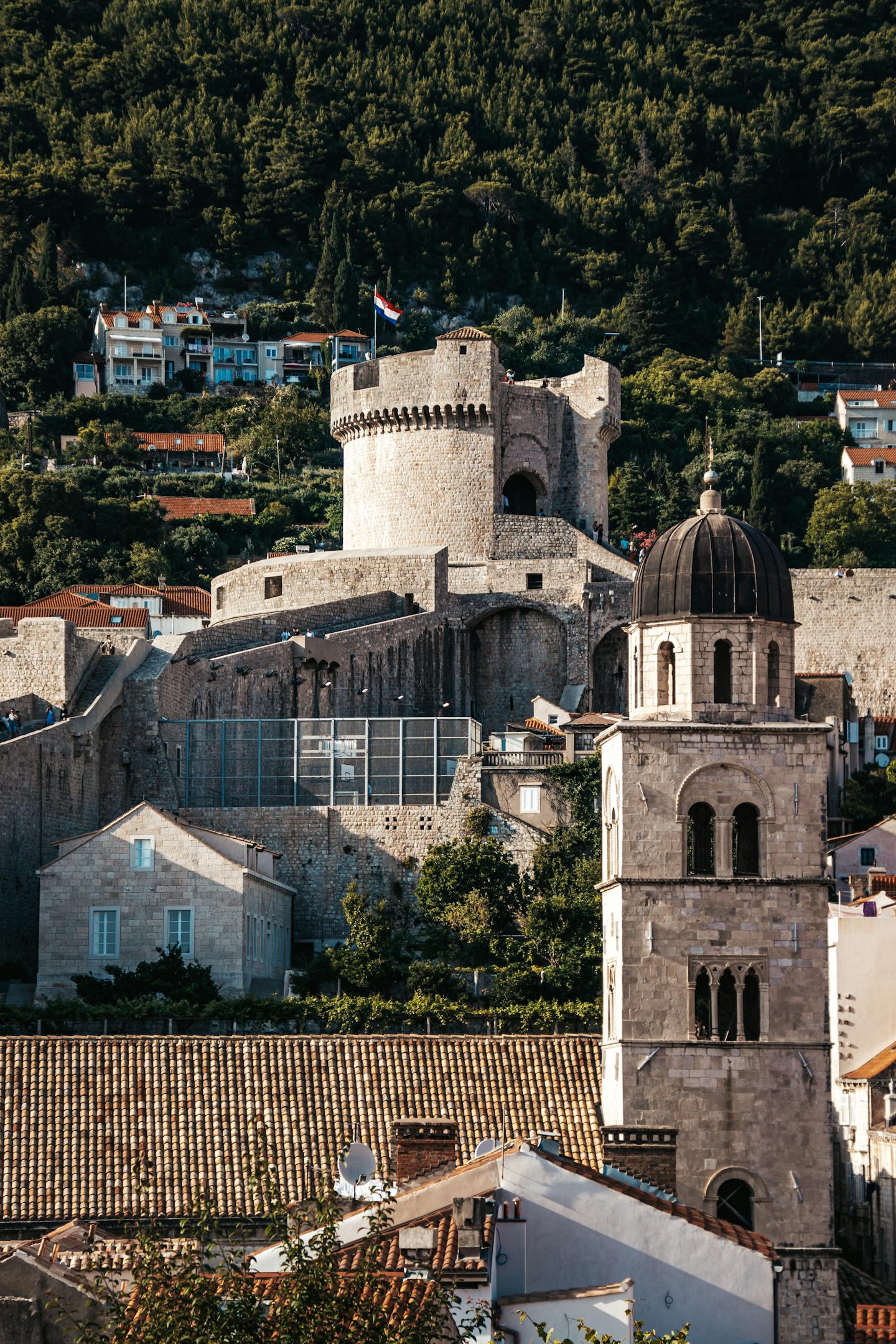
It’s a particularly good fit for cruise passengers who have limited time in port and want to see the city without committing to the walls circuit itself (which does involve a lot of stairs and can be tough for people with mobility issues). Note that this tour doesn’t always include the actual walls walk — if that’s a must-do for you, pick option 1 or 2 instead. Reviews mention the drive portion is consistently excellent; the walking portion quality varies more depending on which guide you draw.
“This is an amazing place to visit. It was great having a vehicle taking us to get panoramic views of Dubrovnik. Then having time on foot exploring the old city! I would recommend this tour to everyone.”
Walking the Walls: What to Actually Expect
The full circuit is approximately 2 kilometers and takes most people 1.5 to 2 hours at a normal pace, including plenty of stops for photos. The path is uneven stone with frequent steps — some sections have dozens of them in a row going up to watchtowers and then back down. This is not a casual stroll, and it’s not accessible for wheelchairs or strollers. If you have knee issues, bring trekking poles or seriously consider whether the panorama drive option might be a better fit.
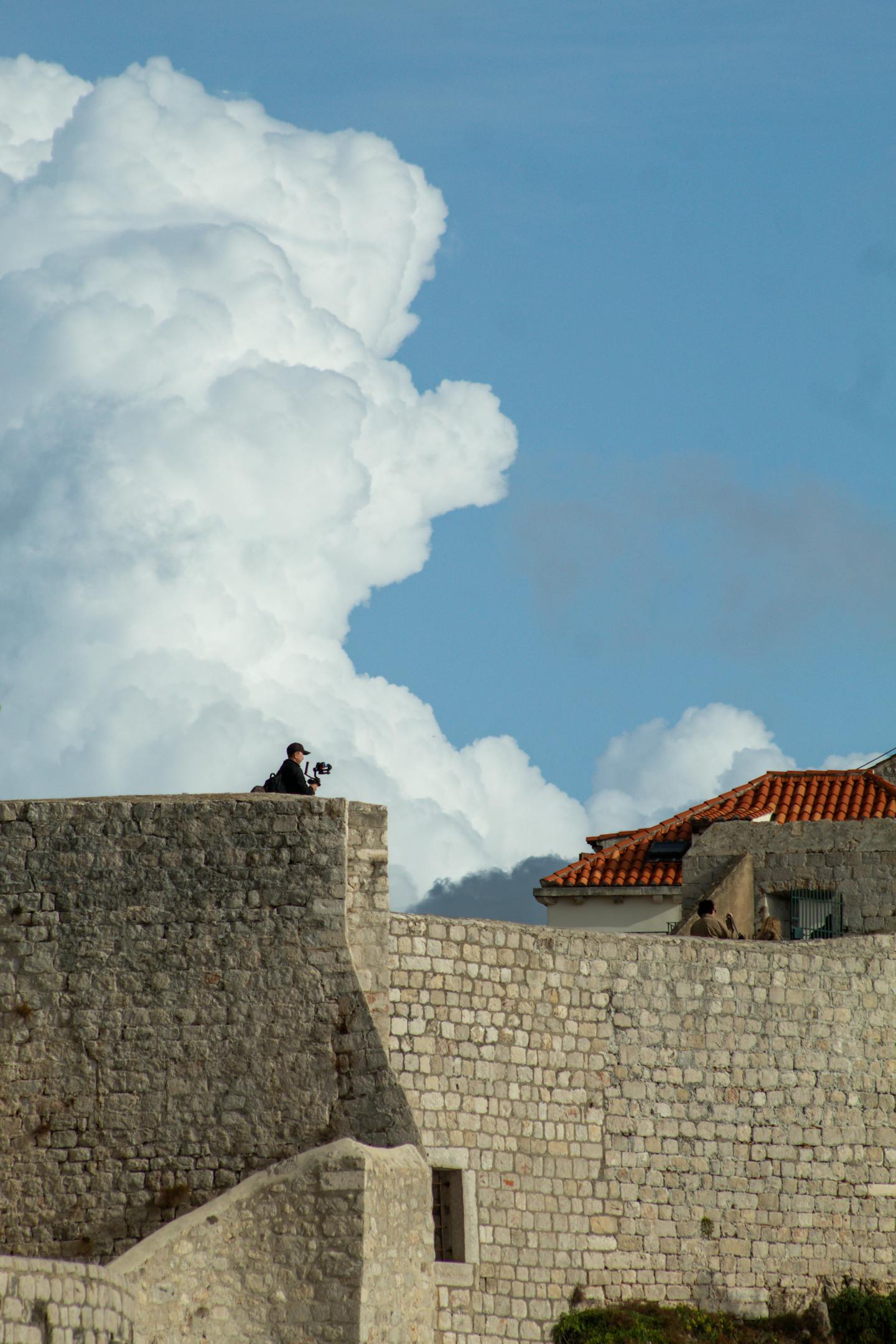
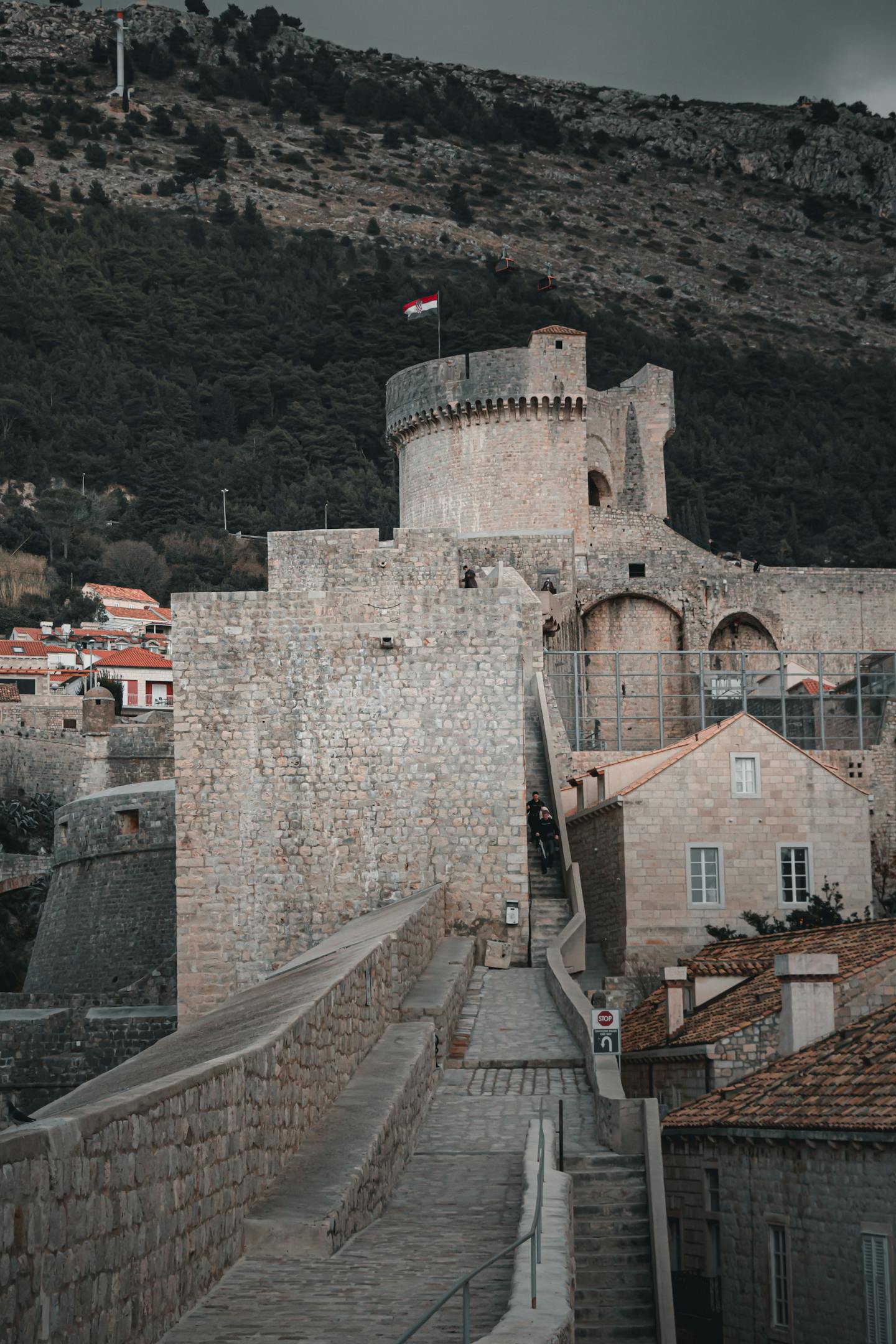
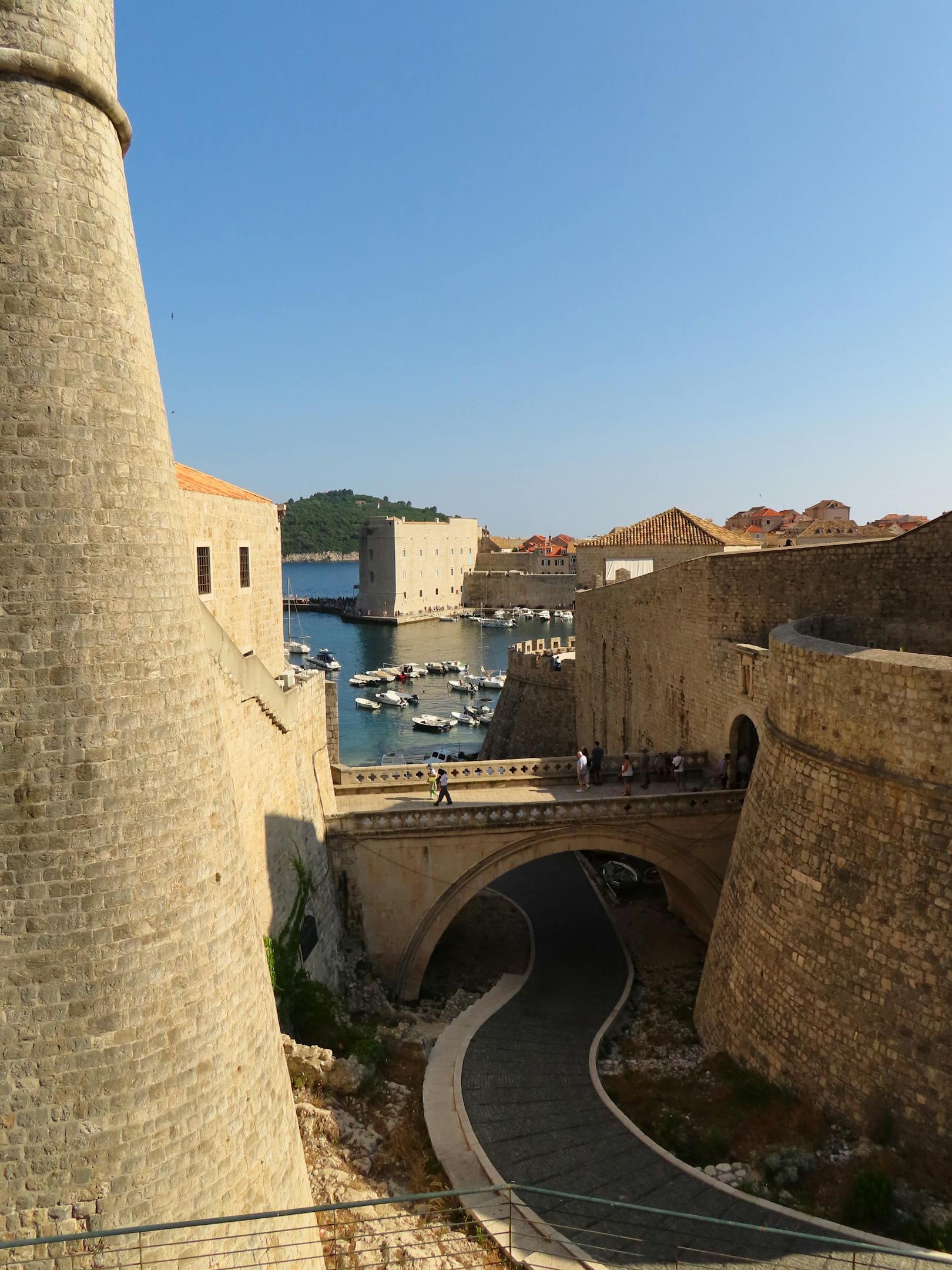
There are three entrance points: Pile Gate (the main one, near the big fountain), Ploče Gate (on the eastern side, usually quieter), and St. John’s Fortress. Most tours start at Pile. Once you’re up on the walls, you can only walk one direction — clockwise — and you can’t reverse course. Plan your bathroom break and water top-up before you start, because once you’re up there, you’re committed. There’s a small café at Minčeta Tower (the highest point, on the landward side) where you can pause for an overpriced but welcome drink.
The Minčeta Tower itself is worth the climb — it’s the tallest point on the walls, and the view from the top takes in both the landward side (where you can see Mount Srđ and the modern suburbs) and the seaward side (where you get the classic Old Town rooftop panorama). Game of Thrones fans will recognize it as the exterior of the House of the Undying from Qarth. More on that angle in the Game of Thrones tours guide below.
A Walking Tour of the Old Town Itself
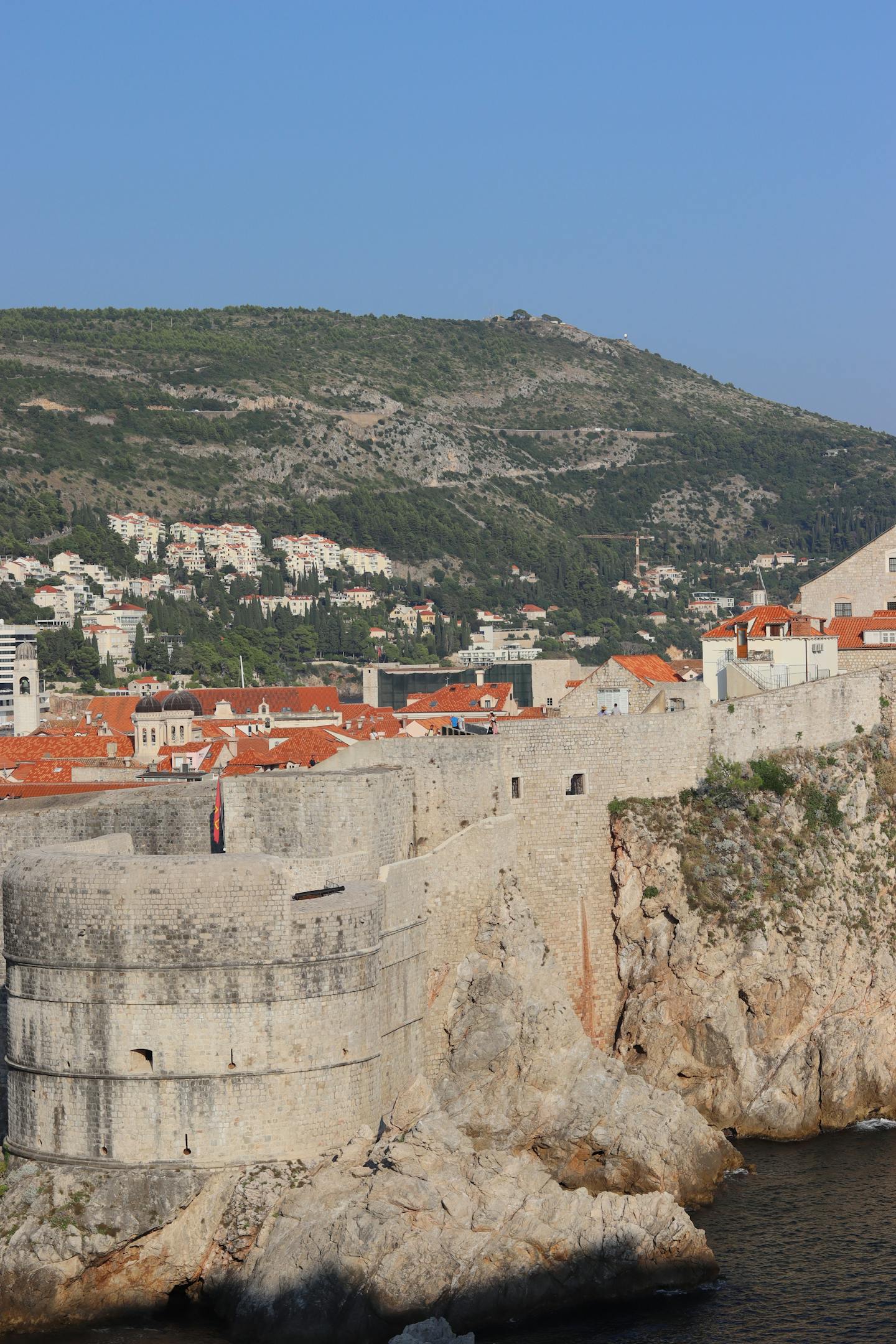
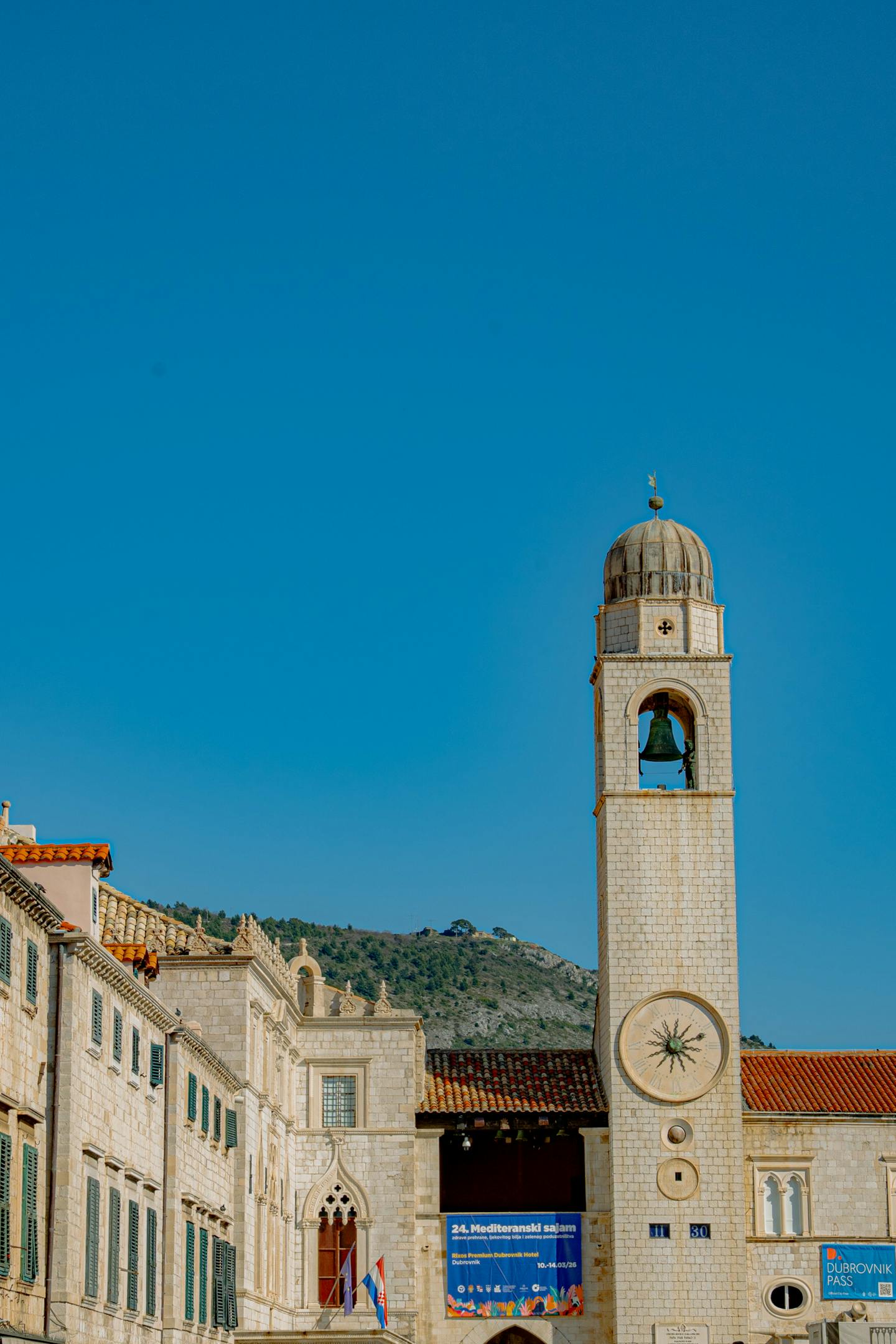
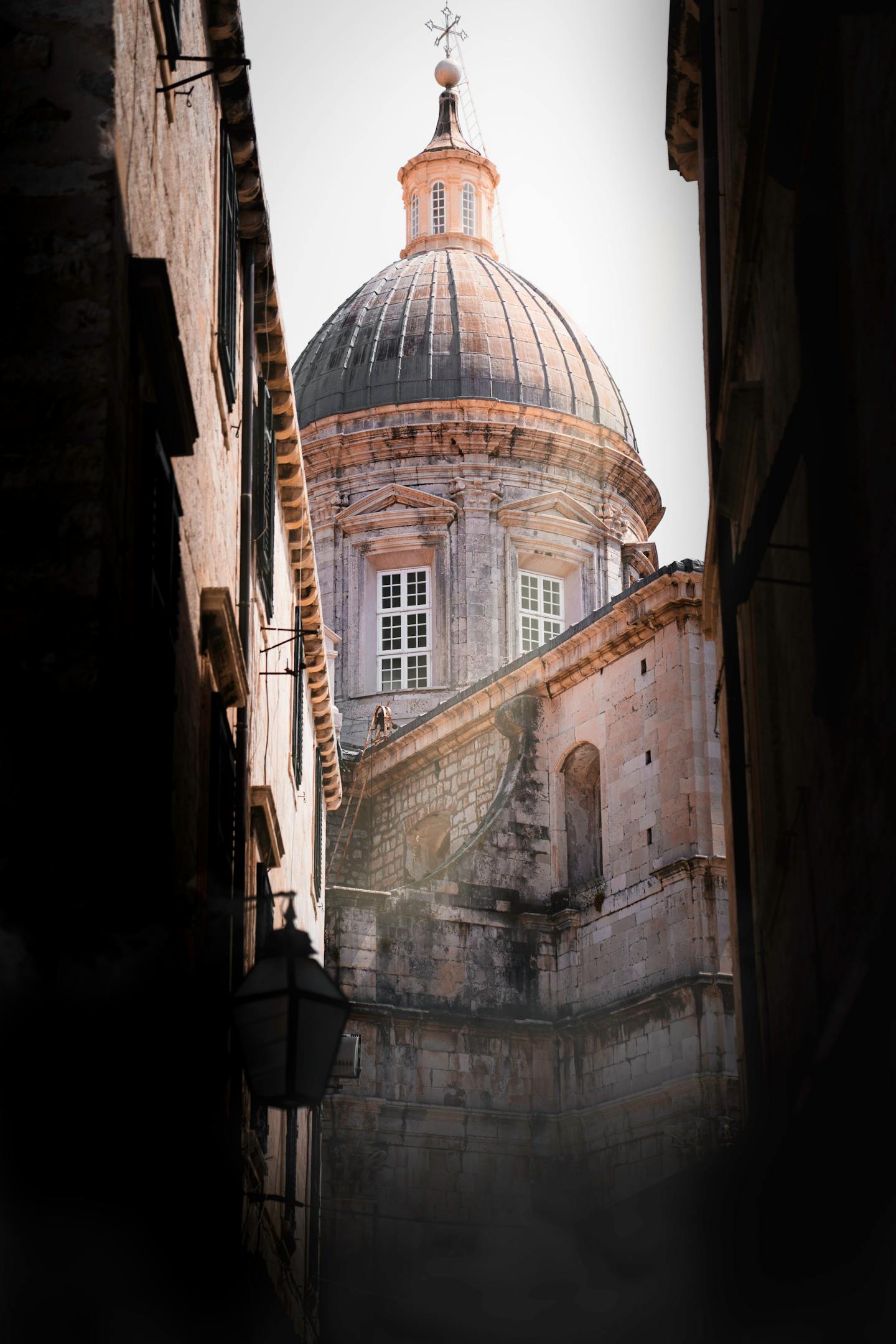
The walls get all the attention, but the Old Town inside them is arguably even more rewarding if you have a good guide. Stradun — the main pedestrian street, polished smooth by centuries of footsteps into something that looks like marble but is actually limestone — stretches 300 meters from Pile Gate to the bell tower at the eastern end. Walking it feels like strolling down the central boulevard of a Renaissance city-state, which is essentially what Dubrovnik was. The Republic of Ragusa (Dubrovnik’s historic name) was a maritime power that rivaled Venice for centuries, and the city’s layout, architecture, and public buildings all reflect that history.
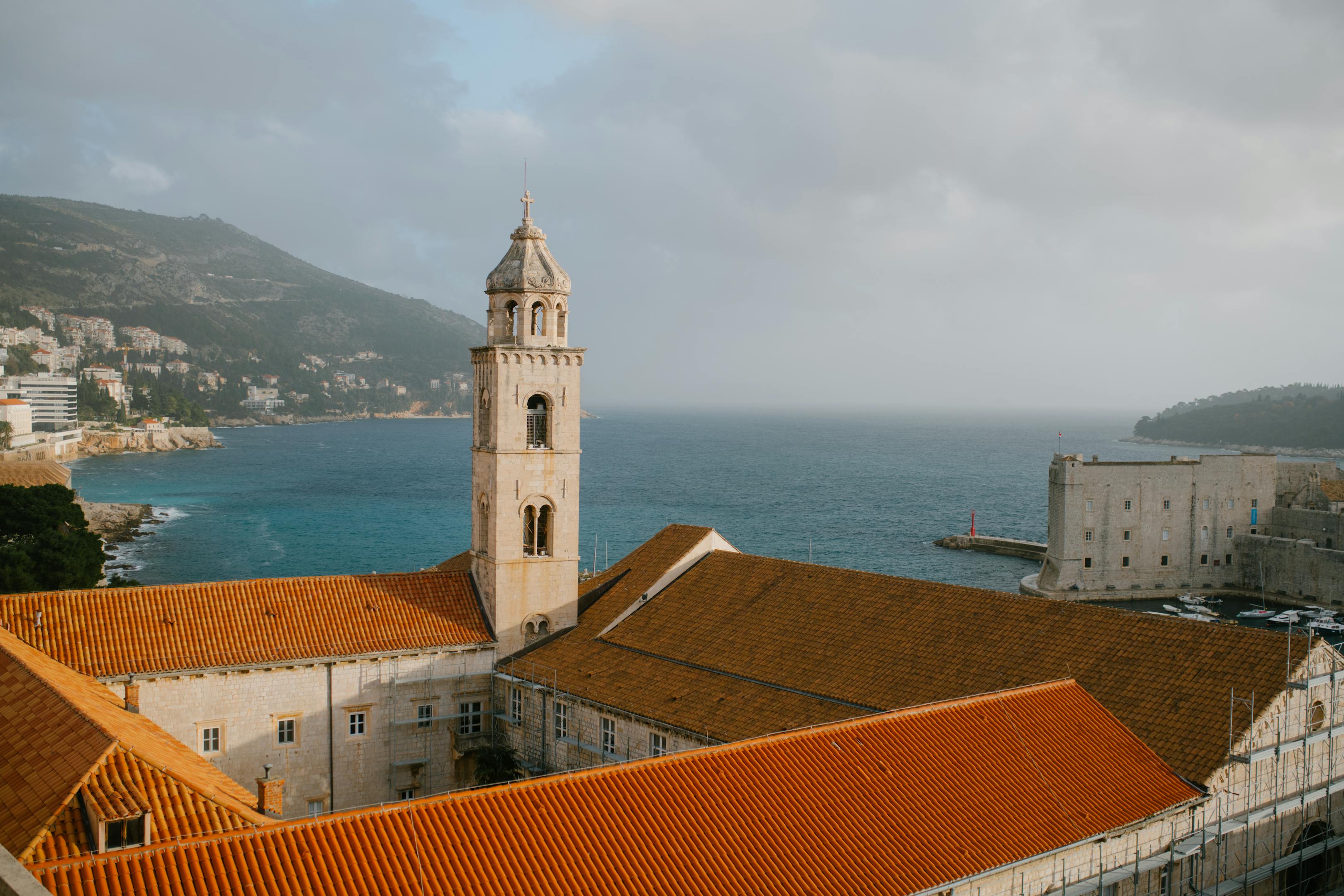
The key stops on any good walking tour include the Franciscan Monastery (home to one of Europe’s oldest pharmacies, still operating since 1317), the Rector’s Palace (where the Rector of Ragusa served his one-month term — they deliberately kept the term short to prevent any individual from accumulating too much power), the cathedral with its treasury of relics, and the small Synagogue, which is the second-oldest working Sephardic synagogue in Europe. Good guides weave these stops together into a single narrative about how Dubrovnik survived as an independent city-state for nearly 500 years by being diplomatically clever, economically shrewd, and fanatically neutral.
One detail that surprises people: Dubrovnik abolished slavery in 1416, which was extraordinarily early for European states — more than 400 years before it was banned in the United States. This wasn’t exactly altruism (the Republic needed diplomatic cover to trade with both Christian Europe and the Ottoman Empire, and being known as anti-slavery helped), but it was still remarkable. Ragusa also invented the quarantine system in the 14th century, forcing ships arriving from plague-affected areas to anchor offshore for 40 days (hence “quarantine,” from the Italian “quaranta giorni”) before they could unload. The city has been thinking about public health and diplomacy longer than most nations have existed.
The History Behind the Walls
Dubrovnik (or Ragusa, as it was known until the 20th century) was founded in the 7th century by refugees fleeing the nearby Roman city of Epidaurus, which had been sacked by Slavs. They built their new settlement on a defensible rocky outcrop on the Adriatic coast and named it Ragusium. Over the following centuries, the city grew from a small fishing settlement into a powerful maritime republic that controlled trade routes across the Mediterranean and maintained consulates from London to Cairo.
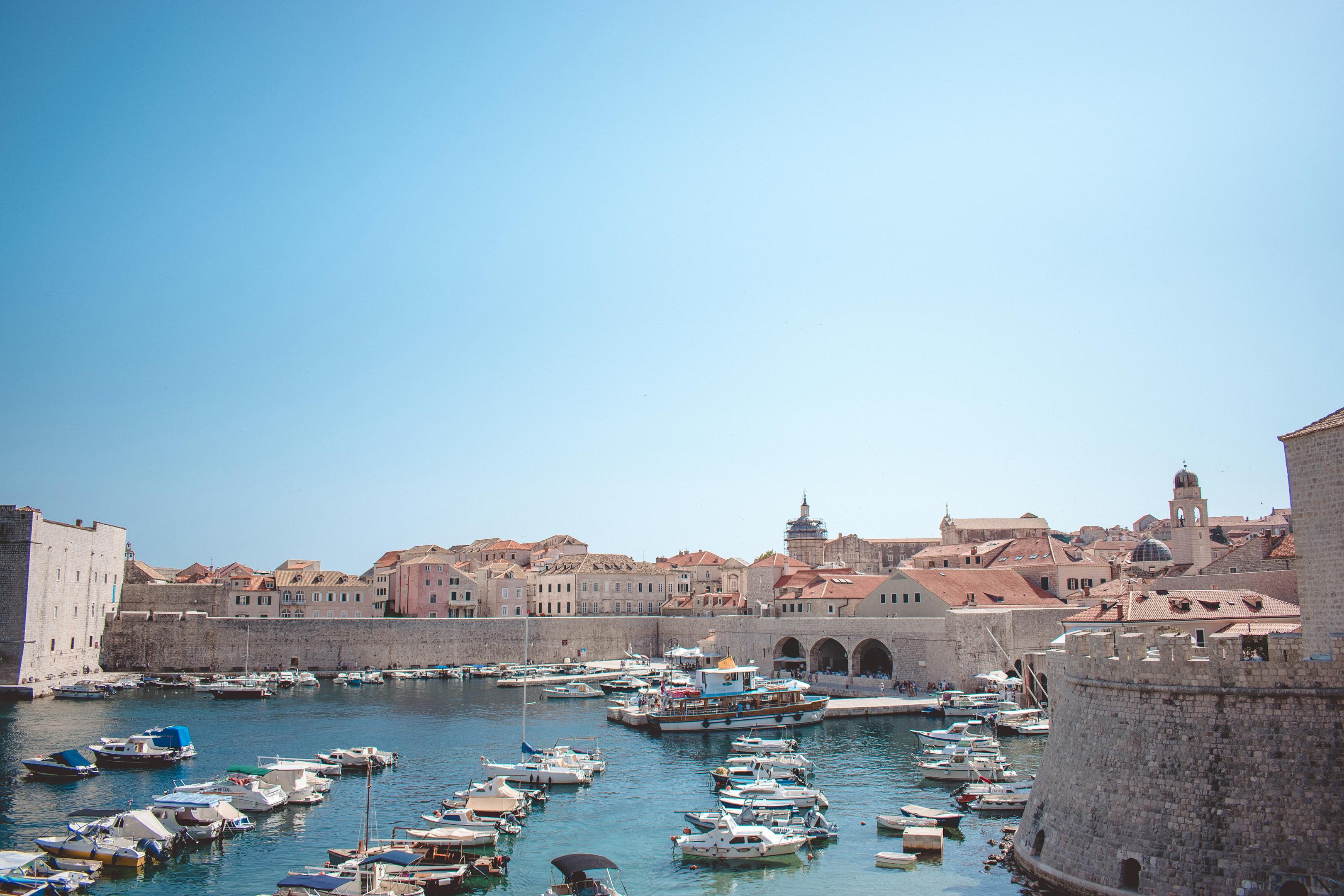
The walls were built incrementally over 400 years, starting in the 13th century and reaching their final form in the 17th. Each major threat — a Venetian fleet, an Ottoman advance, a pirate raid — prompted additional fortifications. The thickest sections face landward, where the terrain allowed for siege engines; the seaward walls are lower and thinner because the Adriatic itself served as the first line of defense. Fort Lovrijenac, sitting on a separate 37-meter-high rock just outside the walls, was built specifically to counter a rumored Venetian invasion — and the Republic built it in three months flat because they’d heard the Venetians were building their own fort on the same spot.
The Republic of Ragusa ended in 1808, when Napoleon’s forces marched in and abolished it. Dubrovnik then passed through Austrian, then Yugoslav, then (briefly) Italian control during WWII, and eventually became part of independent Croatia in 1991. The siege that followed during the Croatian War of Independence — when Yugoslav forces shelled the Old Town for months despite its UNESCO World Heritage status — nearly destroyed everything you see today. Photos from the siege period show smoke rising from the same rooftops that now look so perfectly photogenic. The international outrage over the bombing of a UNESCO site actually helped turn global opinion against Serbia and hastened the end of the war. Dubrovnik survived twice over.
Practical Tips Nobody Tells You
Book entrance to the walls separately if you’re not taking a tour. The €35 ticket (as of 2026) is payable at Pile Gate, St. John’s Fortress, or Ploče Gate. You can’t buy online in advance through the official site — tickets are physical — but tour operators that include the walls ticket bundle it seamlessly, which is part of their value. If you’re using the Dubrovnik Pass (€40 for 24 hours), the walls are included along with six museums.
Wear real shoes. The stone is uneven, worn smooth in places, and there are hundreds of steps. I’ve watched people in flip-flops and heeled sandals slip, twist ankles, and give up halfway through. Proper walking shoes or trainers are the minimum. Also, bring water — way more than you think you need. There are kiosks at Minčeta, but they charge tourist prices, and dehydration happens fast in the Dalmatian summer sun, especially when you’re exposed on elevated stone with no shade.
Shoulder season (April-May and September-October) is dramatically better than peak summer. Temperatures are comfortable, crowds are manageable, and the light is softer for photos. Winter (December-February) is the quietest time of all — some days you can walk the walls in near-solitude — but expect rain and the occasional wall closure due to wind. Late spring and early fall are the sweet spot.
If you’re on a cruise ship, your port of arrival is usually Gruž, about 3 kilometers from the Old Town. Walk-able in theory but hot in practice — take the public bus (line 1A or 1B, €2) or a taxi (€10-15). Most half-day tours include hotel/port pickup, which simplifies the logistics considerably, and it saves you the awkward scramble of trying to figure out the local bus schedule with a cruise ship’s tight re-boarding deadline hanging over your head.
A note on accessibility: if you’re traveling with someone who can’t manage stairs, the walls circuit is essentially off-limits. There are no elevators, no wheelchair ramps, and the stair sections are frequent and steep. However, the Old Town itself is mostly flat limestone paving once you’re through Pile Gate, and the main attractions inside the walls — Stradun, the Rector’s Palace courtyard, the cathedral, and the cloister of the Franciscan Monastery — are accessible. Choose a walking tour that doesn’t include the walls portion, or book the panorama drive option, which skips the stair-heavy wall circuit entirely while still delivering the experience of being up high with a view.
One last thing: the walls close earlier than most people expect. Hours vary by season — last entry is typically 7:30 PM in high summer, 5:30 PM in shoulder season, and as early as 3:30 PM in December and January. Check the current hours the day you arrive, because showing up at 6 PM in October only to find the entrance gates closed is a specific kind of heartbreak. The sunset tours work because the operators have already checked the schedule and time their departures around the actual closing time.
More Croatia Guides Worth Reading
If the walls have you hooked on Dubrovnik, the coastal city is also the launching point for some of Croatia’s best day trips. The Elaphite Islands cruises from Dubrovnik page covers full-day boat tours to the three car-free islands just offshore — Koločep, Lopud, and Šipan — where you swim in crystalline coves, eat grilled fish on beach tavernas, and completely forget about the cruise ship crowds you left behind. If you’re a fantasy TV fan, the Game of Thrones tours in Dubrovnik are the obvious next step — Dubrovnik played King’s Landing in the show, and the filming locations are scattered all across the city you just finished walking.
For travelers continuing up the coast, Split is the logical next stop, and the Split to Krka Waterfalls tours deliver one of Croatia’s most photogenic natural sites: a national park of tiered waterfalls where you can swim right up to the cascades. From Split you can also launch into the island-hopping circuit via the Blue Cave and Hvar 5-island speedboat tours, which squeeze a luminous sea cave, a Mamma Mia filming location, and the party island of Hvar into a single long day. If national parks are your thing, don’t miss the Plitvice Lakes day trips from Zagreb — sixteen terraced turquoise lakes connected by waterfalls and wooden boardwalks, easily Croatia’s most otherworldly landscape. And while the capital often gets skipped by first-time visitors, the Zagreb walking tours with the WWII tunnels offer a surprisingly compelling look at a city with layers most travelers never discover.