
One of the most compelling day trips from Copenhagen doesn’t even stay in Denmark. The Øresund Bridge — 7.8 kilometres of cable-stayed highway and rail crossing the strait between Denmark and Sweden — puts you in Malmö in 35 minutes by train. Add another 15 minutes and you’re in Lund, a medieval university town that feels like it belongs in a period drama. Two countries, two currencies, two languages, and you’re back in Copenhagen for dinner.

You can do this independently by train (about $25 return), but the guided tours add Kronborg Castle (Hamlet’s castle) or skip the logistics entirely with hotel pickup and a bus that crosses the bridge for you. At $114–142 for a full day including a guide who covers both countries, it’s a solid deal — especially considering the bridge toll alone is about $55 if you’re driving.
- Short on Time? Here’s What to Book
- Guided Tour vs. Going Independent
- The 3 Best Copenhagen to Sweden Tours
- 1. From Copenhagen: Lund and Malmö 2-Country Tour
- 2. Hamlet and Sweden Tour — 2 Countries in One Day
- 3. Malmö & Lund Tour, Crossing the Øresund Bridge
- What You’ll See
- Tips for the Sweden Day Trip
- Kronborg Castle (Hamlet’s Elsinore)
- The History Behind the Bridge
- Independent vs. Guided: The Practical Breakdown
- Where to Eat in Malmö and Lund
- When to Do the Sweden Day Trip
- More Copenhagen Guides
Short on Time? Here’s What to Book
The Lund and Malmö 2-Country Tour ($131, 4.7★, 3,807 reviews) is the most popular option — a full-day bus tour from Copenhagen covering both Swedish cities with a guide. If you want the Shakespeare angle, the Hamlet and Sweden Tour ($142.55, 5.0★, 2,223 reviews) adds Kronborg Castle (the real Elsinore) before crossing to Sweden — two countries and one of the world’s most famous literary landmarks in a single day.
Guided Tour vs. Going Independent
By train (independent): Trains from Copenhagen Central to Malmö run every 20 minutes, take 35 minutes, and cost about 120 SEK ($12) each way. From Malmö, it’s another 12 minutes to Lund. Both cities are walkable from their stations. Total transport cost: around $25 return. You get maximum flexibility but zero context — you’ll wander the streets without knowing what you’re looking at.
Guided tour (bus): The tours handle all logistics — hotel pickup, bridge crossing, guided walks through both cities, and usually a stop at Kronborg Castle on the way back. At $114–142 the premium over the train is about $90, which covers the guide, the bus, and Kronborg entry. Worth it if you want the stories behind the buildings, or if you don’t want to navigate Swedish trains and timetables.
Our recommendation: Take the guided tour on your first visit. Malmö and Lund are pleasant enough to walk around independently, but they genuinely come alive with a guide who can explain the rivalry between Malmö and Copenhagen, why Lund Cathedral has a giant carved in the crypt, and how the bridge changed both cities overnight. You can always go back independently later.
The 3 Best Copenhagen to Sweden Tours
1. From Copenhagen: Lund and Malmö 2-Country Tour
Price: $131 per person | Duration: Full day (~8 hours) | Rating: 4.7★ (3,807 reviews)
The most booked Sweden day trip from Copenhagen by a wide margin. A coach picks you up in central Copenhagen, crosses the Øresund Bridge (with commentary about the engineering), then spends the morning in Lund visiting the cathedral and the university town’s cobblestone streets. After lunch (not included, but the guide recommends spots), you head to Malmö for Lilla Torg, the Turning Torso, and the old town. The bridge crossing itself is a highlight — the views from the top of the bridge are spectacular. At 4.7 stars across 3,807 reviews, the quality is well-established. Minor gripes relate to time management: some reviewers wanted more time in Lund and less on the bus.
2. Hamlet and Sweden Tour — 2 Countries in One Day
Price: $142.55 per person | Duration: Full day (~9 hours) | Rating: 5.0★ (2,223 reviews)
The same Sweden itinerary as Tour #1, but with Kronborg Castle added at the beginning. Kronborg (in Helsingør, north of Copenhagen) is the real castle that inspired Shakespeare’s Elsinore in Hamlet — a massive Renaissance fortress overlooking the narrowest point of the Øresund strait. The tour visits the castle, then crosses to Sweden for Lund and Malmö. At $142.55 it’s only $11 more than Tour #1, and you get Kronborg plus the perfect 5.0 rating (across 2,223 reviews!) that suggests the extra stop doesn’t feel rushed. This is the one we’d pick — the combination of Shakespeare, Swedish medieval history, and modern Malmö is hard to beat in a single day.
3. Malmö & Lund Tour, Crossing the Øresund Bridge
Price: $114.04 per person | Duration: Full day (~7 hours) | Rating: 4.5★ (582 reviews)
The budget option among the guided tours and the shortest at about seven hours. Similar route to Tour #1 (no Kronborg) with a slightly tighter schedule. The lower price reflects the shorter duration and slightly less comprehensive commentary, but the core experience — bridge crossing, Lund Cathedral, Malmö old town — is the same. The 4.5 rating is good; the dip from 4.7 comes from some reviews noting the pace felt hurried, particularly in Lund. A solid choice if you want the Sweden day trip experience without the full-day commitment or the higher price.
What You’ll See
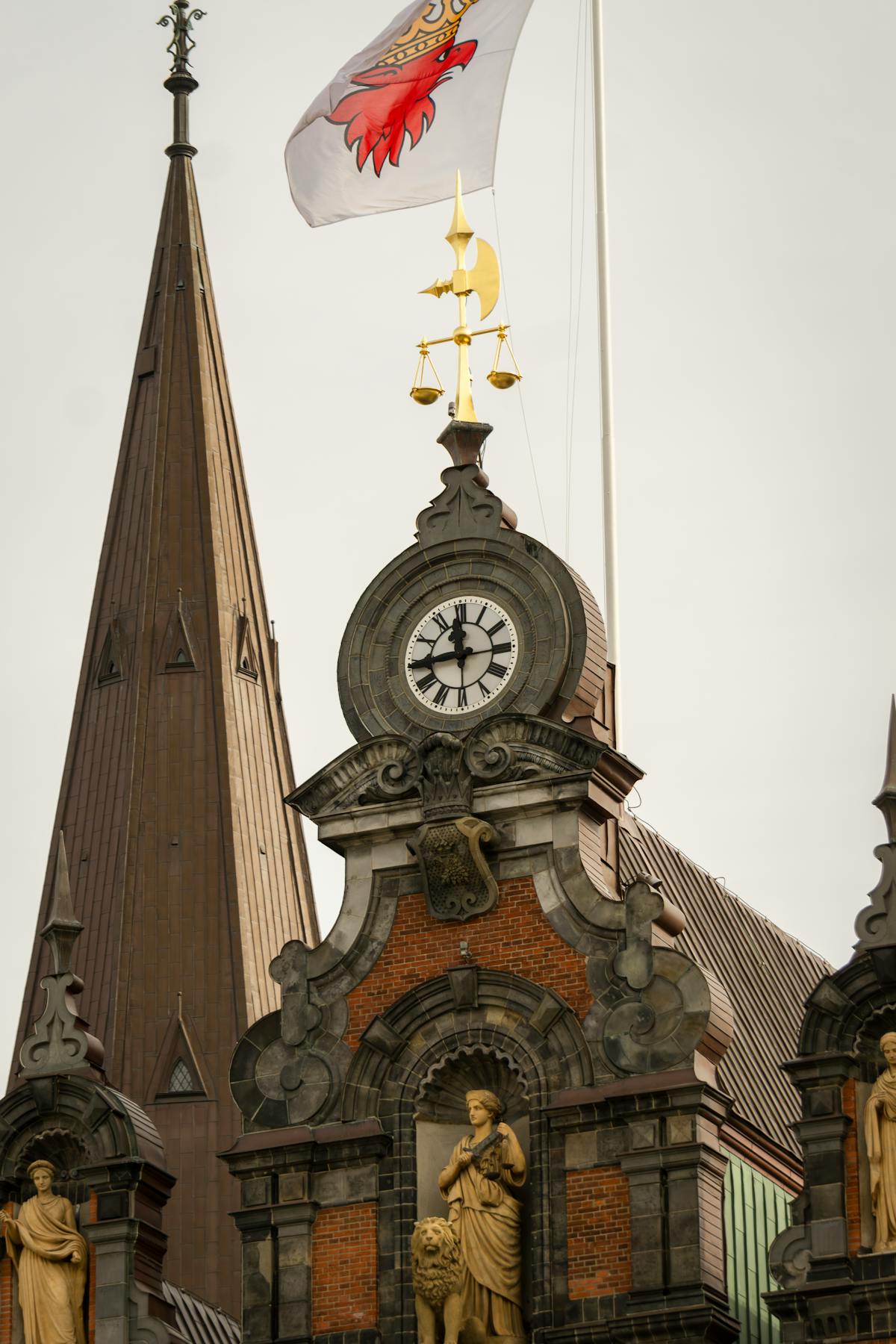
The Øresund Bridge — An 8-km combined road-and-rail bridge connecting Denmark and Sweden. It’s an engineering marvel that opened in 2000 and immediately changed the relationship between the two countries. The views from the bridge are stunning — open water on both sides, with Copenhagen behind you and Malmö’s skyline ahead.

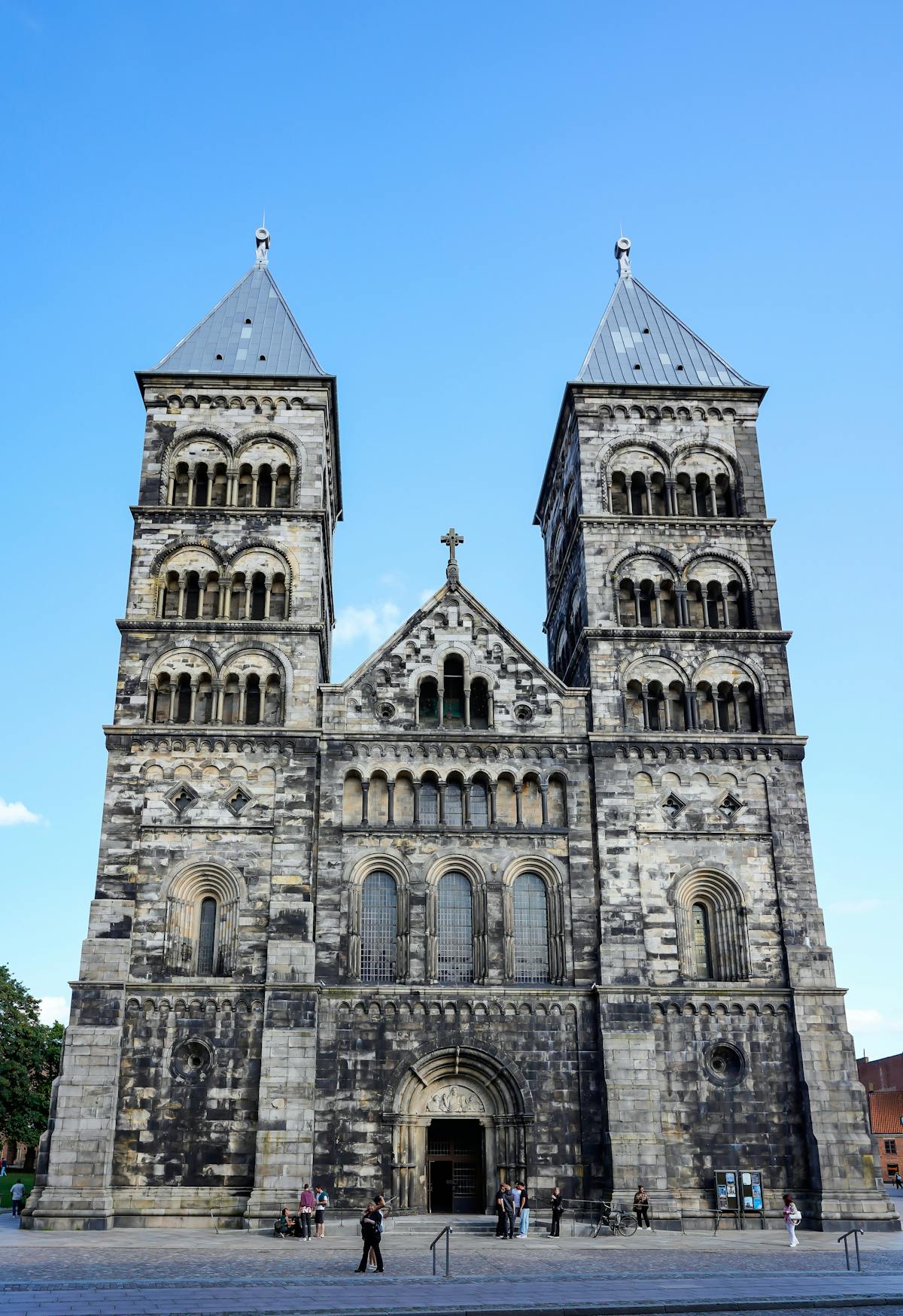
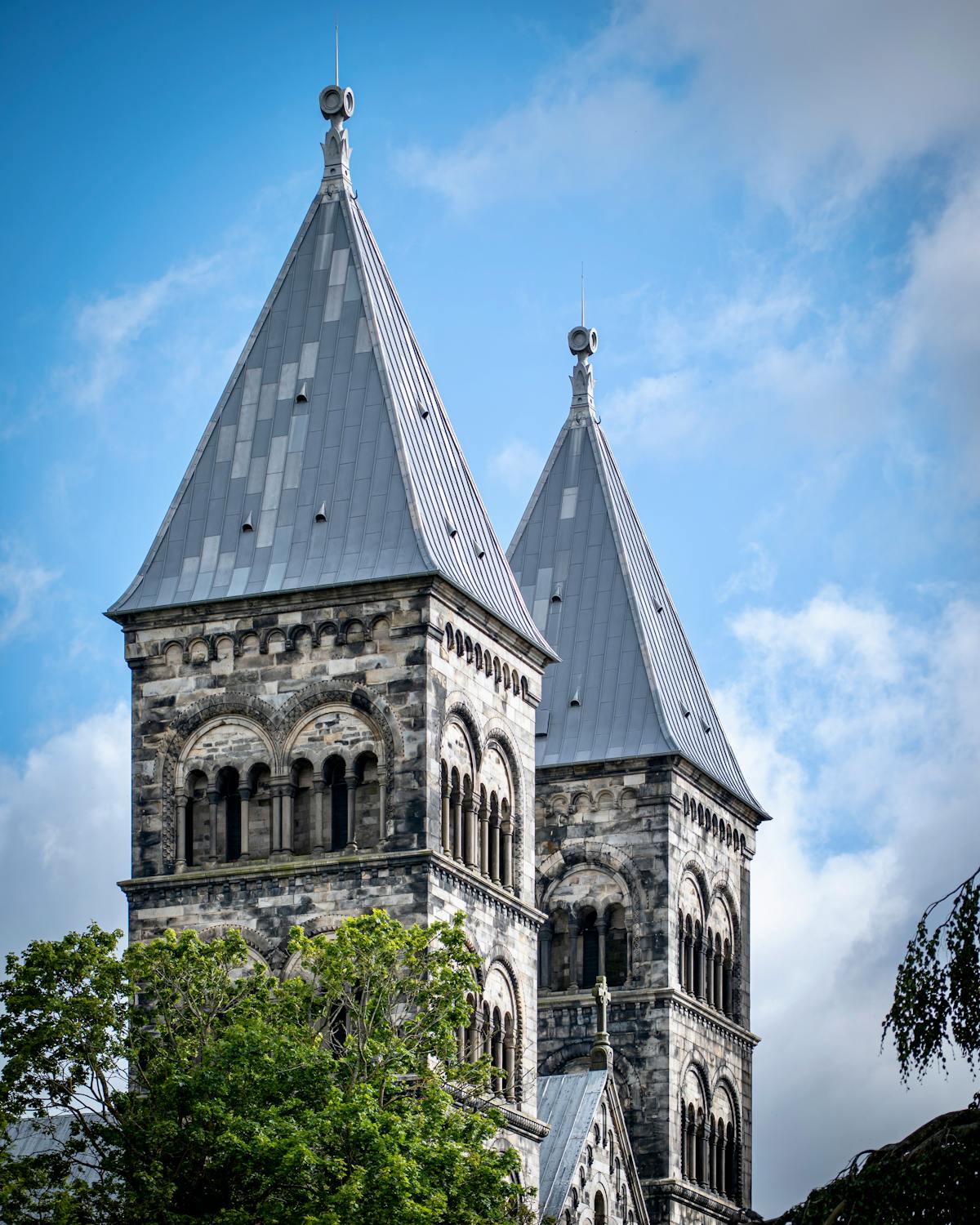
Lund Cathedral — A Romanesque cathedral built around 1145, with an astronomical clock from the 15th century that still works. Twice a day (noon and 3pm), mechanical figures emerge and perform. The crypt is the oldest part and contains a stone figure of a giant called Finn — legend says he built the cathedral and was turned to stone when he couldn’t complete it on time.
Lund University — One of Scandinavia’s oldest and most prestigious universities, founded in 1666. The campus is beautiful and the town’s atmosphere is shaped by it — cafés, bookshops, and student life everywhere.
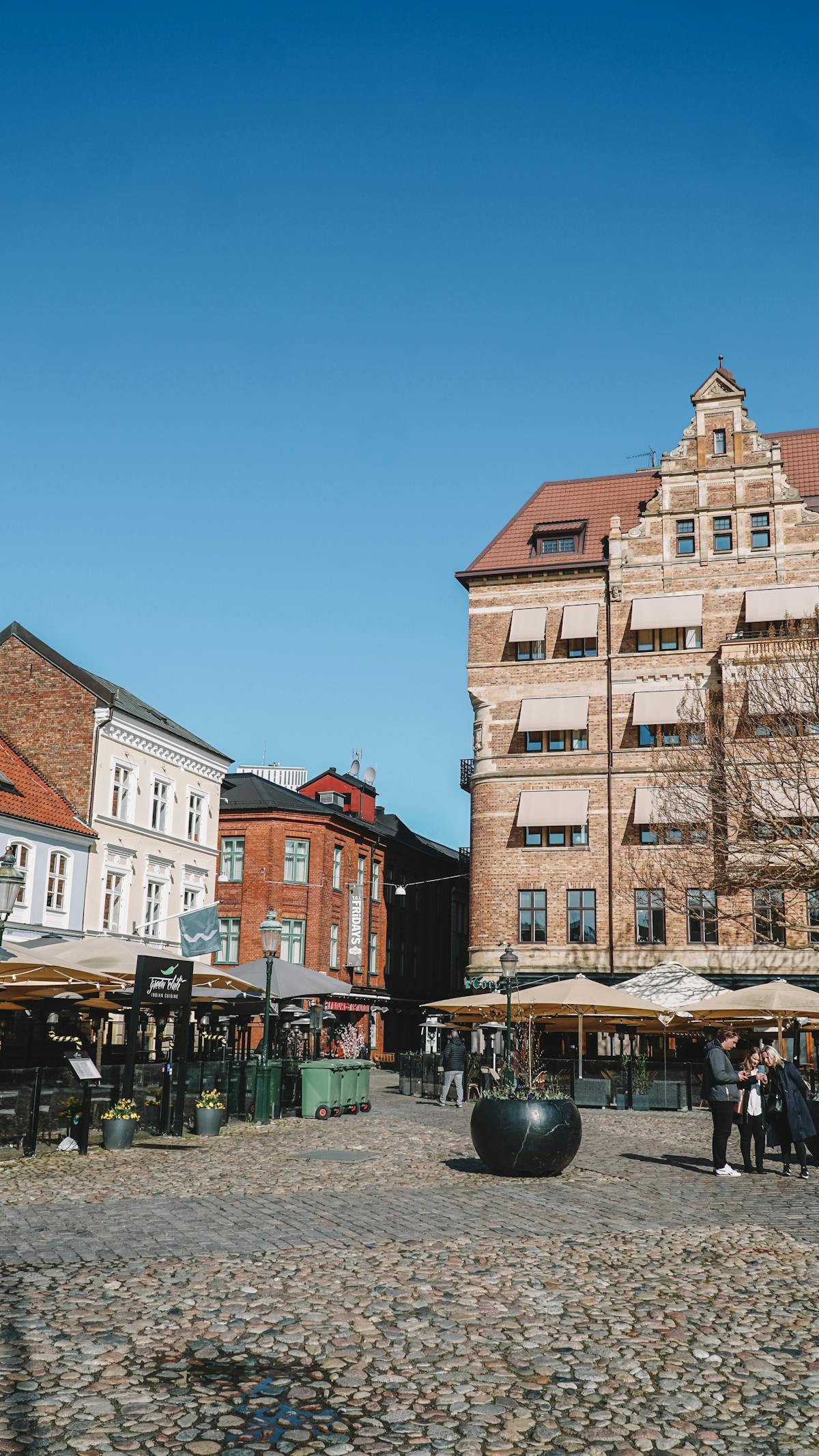
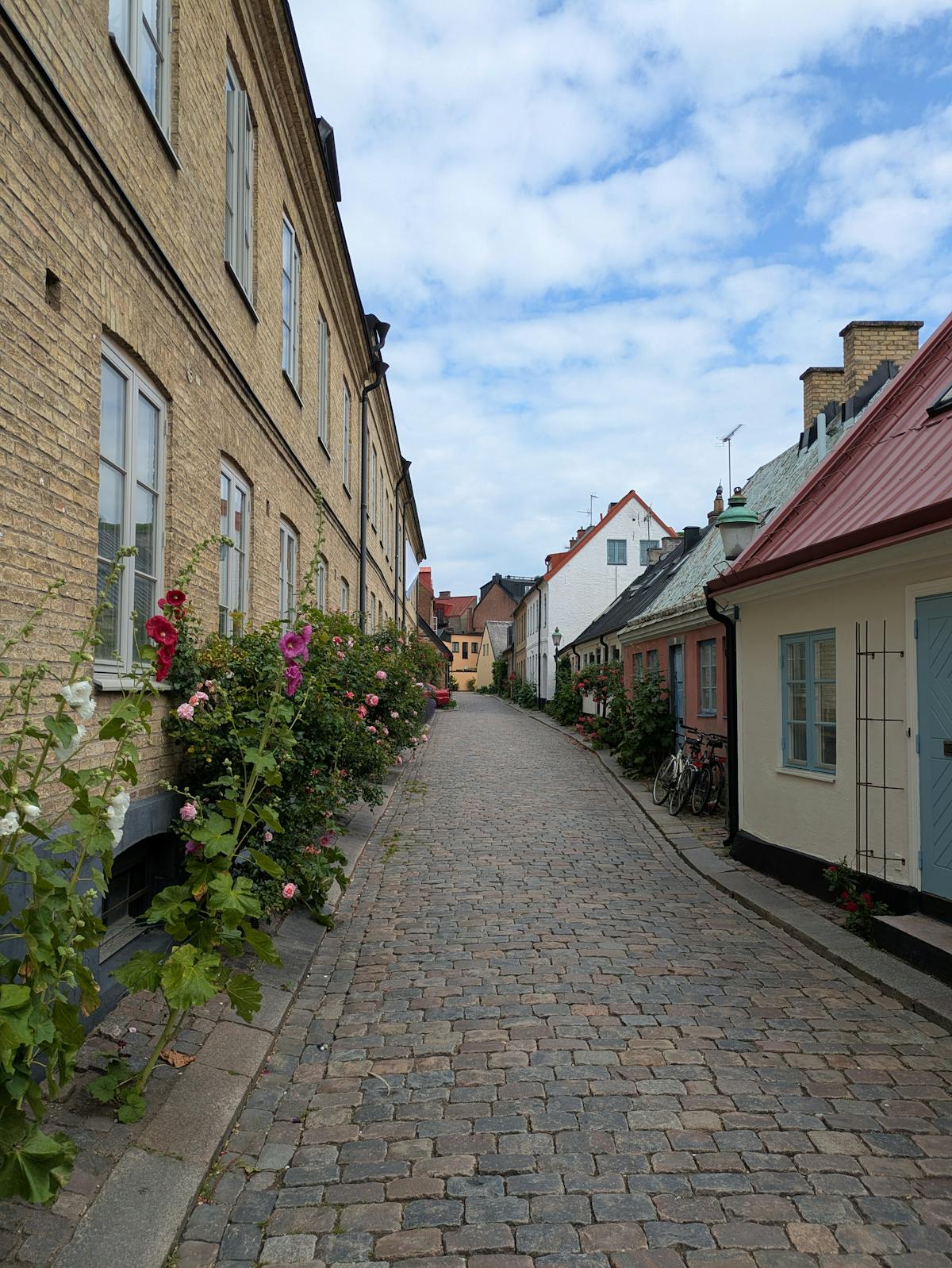
Malmö Old Town (Gamla Staden) — Centred around Lilla Torg and Stortorget, the old town has half-timbered houses, cobblestone streets, and a castle (Malmöhus) surrounded by a moat. It feels distinctly different from Copenhagen — more Swedish countryside than Danish capital.
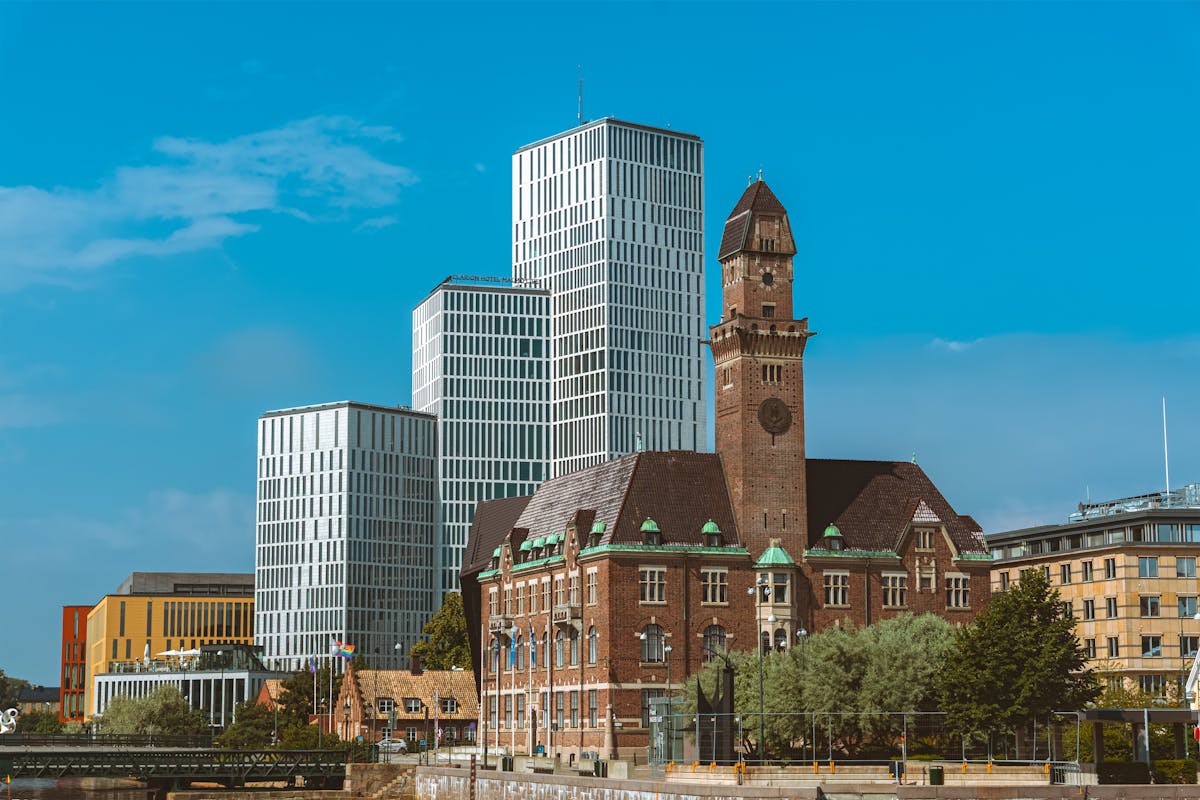
Turning Torso — Malmö’s most famous modern building, a 190-metre twisting skyscraper designed by Santiago Calatrava. You can’t go inside (it’s residential), but it’s visible from most parts of the city and makes for a dramatic contrast with the medieval old town.
Tips for the Sweden Day Trip
Bring Swedish krona (or just use cards). Sweden uses Swedish krona, not euros or Danish krone. However, card acceptance is near-universal — Sweden is one of the most cashless countries in the world. Your regular Visa or Mastercard will work everywhere.
Lunch in Malmö is cheaper than Copenhagen. Restaurant prices in Malmö are slightly lower than Copenhagen, and the food scene is surprisingly good — particularly Middle Eastern food, which reflects the city’s diverse population. Falafel in Malmö is legendary.
Don’t skip Lund. Many independent visitors go to Malmö and skip Lund. Don’t. Lund is arguably the more interesting of the two cities — the cathedral alone is worth the 12-minute train ride from Malmö.
The train is easy and cheap. If you prefer independence, the Øresund train from Copenhagen Central to Malmö Central takes 35 minutes. Buy tickets on the Skånetrafiken app. No passport needed (but carry ID — random checks happen occasionally on the bridge).
Kronborg Castle (Hamlet’s Elsinore)
If you’re taking Tour #2 (the Hamlet and Sweden Tour), you’ll stop at Kronborg Castle in Helsingør before crossing to Sweden. Even if you’re going independently, it’s worth a separate half-day trip.
The Shakespeare connection: Kronborg is the real castle behind Elsinore in Hamlet. Shakespeare never visited Denmark (probably), but English acting troupes performed at Kronborg in the late 1500s and brought stories back to London. The castle’s history of intrigue, betrayal, and madness didn’t need much embellishment.
The castle itself is a massive Renaissance fortress overlooking the narrowest point of the Øresund — barely 4 km separate Denmark and Sweden here, and every ship passing through the strait had to pay a toll to the Danish king. This toll made Denmark fantastically wealthy for centuries, and Kronborg was both the toll booth and the symbol of that power.
What to see: The Great Hall (one of the largest in Northern Europe), the casemates (underground tunnels where soldiers lived), and the statue of Holger Danske — a legendary Danish hero said to be sleeping under the castle, ready to wake and defend Denmark in its hour of greatest need. The casemates are dark, cold, and atmospheric enough to make the Hamlet connection feel real.
The History Behind the Bridge
The Øresund Bridge opened on July 1, 2000, and it changed Scandinavia overnight. Before the bridge, getting from Copenhagen to Malmö meant a 45-minute ferry ride. Now it’s 35 minutes by train, door to door.
The impact was immediate and profound. Thousands of Danes moved to Malmö (where housing was cheaper) and commuted to Copenhagen for work. Swedish students enrolled at Copenhagen’s universities. Restaurants, culture, and even accents started blending. The Øresund Region — a combined metro area of 4 million people spanning two countries — became a thing that actually functioned as a single urban area.
The bridge also became famous from the TV series The Bridge (Broen/Bron), a Danish-Swedish crime drama set on and around the Øresund crossing. If you watched the show, crossing the bridge feels like stepping into a crime scene. If you didn’t, it just feels like excellent infrastructure.
Engineering facts the guides love: The bridge is 7,845 metres long. The central pylon towers are 204 metres high. The bridge transitions into a tunnel via an artificial island (Peberholm) in the middle of the strait — the tunnel section runs under the shipping lane to avoid interfering with air traffic at Copenhagen Airport. Total construction cost: $4.5 billion. The bridge paid for itself through tolls faster than projected, which is not something you can say about most mega-infrastructure projects.
Independent vs. Guided: The Practical Breakdown
Going independent:
• Copenhagen Central → Malmö Central: 35 min, ~$12 each way
• Malmö Central → Lund Central: 12 min, ~$5 each way
• Total transport: ~$34 return
• You set your own pace, eat where you want, stay as long as you like
• No guide, no context — bring a good guidebook or download walking tour apps
• No Kronborg unless you add a separate trip to Helsingør
Guided tour ($114–142):
• Hotel pickup in Copenhagen
• Guide commentary the entire day (bridge, Lund, Malmö, optionally Kronborg)
• All transport included
• Structured itinerary — you see everything important but on someone else’s schedule
• The guide fills in details you’d never discover alone (the rivalry between cities, the political history, local food recommendations)
The $80–108 premium for the guided tour covers a full day of expert commentary, bus transport, and stress-free logistics. If you’re the type who reads every museum plaque, you might not need a guide. If you want someone to bring the history alive while you enjoy the scenery, the guided tour is worth it.
Where to Eat in Malmö and Lund
One of the unexpected pleasures of the Sweden day trip is the food. Malmö in particular has a food scene that surprises most visitors — the city’s diverse immigrant population (nearly a third of residents were born outside Sweden) has created a culinary landscape that’s completely different from Copenhagen’s New Nordic scene.
Falafel in Malmö is legendary. Seriously. The city has more falafel restaurants per capita than anywhere in Scandinavia, and the quality rivals the best in Berlin or London. Jaffé and Falafel No.1 near Möllan are local favourites. A meal costs about 70–80 SEK ($7–8) — roughly half what you’d pay for a basic lunch in Copenhagen.
Lund has excellent café culture thanks to its 40,000 university students. Café Ariman and Lundagrård are solid picks for fika — the Swedish tradition of coffee and cake that’s more social ritual than snack break. Swedish cinnamon buns (kanelbullar) are subtly different from Danish pastries, and the comparison is worth the calories.
Swedish meatballs — not the IKEA kind — are available at traditional restaurants in both cities. Bullen in Malmö does a version with lingonberry sauce and cream that’s as close to the platonic ideal as you’ll find.
Budget tip: Eat lunch in Sweden and dinner in Copenhagen. The price difference is significant enough that your Malmö lunch effectively pays for itself through the savings.
When to Do the Sweden Day Trip
Best months: May through September. The weather is mild, the days are long, and both Lund and Malmö are at their best when you can sit outside. The Lund Cathedral astronomical clock performs at noon and 3pm — the noon show is more practical for day-trippers.
Avoid: December–February unless you enjoy cold, dark days (sunset is around 3:30pm in December). The cities are still interesting in winter, but the outdoor atmosphere that makes them special is largely absent.
Best day of the week: Any weekday. Weekends see more Copenhagen day-trippers, which means busier trains and more crowded streets in Malmö’s old town. The guided tours run daily but weekday groups tend to be smaller.
More Copenhagen Guides
The Sweden day trip is the biggest excursion from Copenhagen, but there’s plenty to fill the rest of your visit. A canal tour covers the waterfront landmarks in an hour — Nyhavn, Christiansborg, and the Little Mermaid from the water. Tivoli Gardens deserves an evening, especially if you time it for the lights after dark. The walking tours dig into the city’s history at street level — the “Politically Incorrect” tours in particular have the kind of reviews that make you book immediately. Copenhagen’s food scene is world-class in ways that go far beyond Danish pastries: a food tour is the fastest way to understand why this small Scandinavian capital punches so far above its weight. The bike tours cover twice the ground of walking and feel perfectly natural in a city where cycling is the default mode of transport. And for a completely different kind of day trip, LEGOLAND Billund is three hours west in Jutland — the original LEGOLAND, built in the town where LEGO was invented, and easily Denmark’s most popular family attraction.