
In the 1970s, David Bowie found a transformative haven in West-Berlin. After filming "The Man Who Fell to Earth," he immersed himself in the city’s vibrant culture and avant-garde nightlife. Bowie’s experiences there would go on to profoundly shape his groundbreaking "Berlin Trilogy" albums, "Low" and "Heroes," marked by experimental sounds and themes of isolation. What was it about West-Berlin that captivated the iconic artist, and how did it inspire his artistic evolution?
- Key Points
- Bowie’s Arrival in West-Berlin
- The Influence of West-Berlin’s Culture
- Bowie’s Musical Experimentation
- Iconic Locations in the City West
- The 2014 David Bowie Exhibition
- Exploring Potsdamer Platz
- Bowie’s Berlin Home and Legacy
- Reflecting on the Tour Experience
- The Sum Up
- More Boat Tours & Cruises in Berlin
- More Tours in Berlin
- More Tour Reviews in Berlin
- Still browsing? Here are more Berlin experiences we've covered recently
Key Points
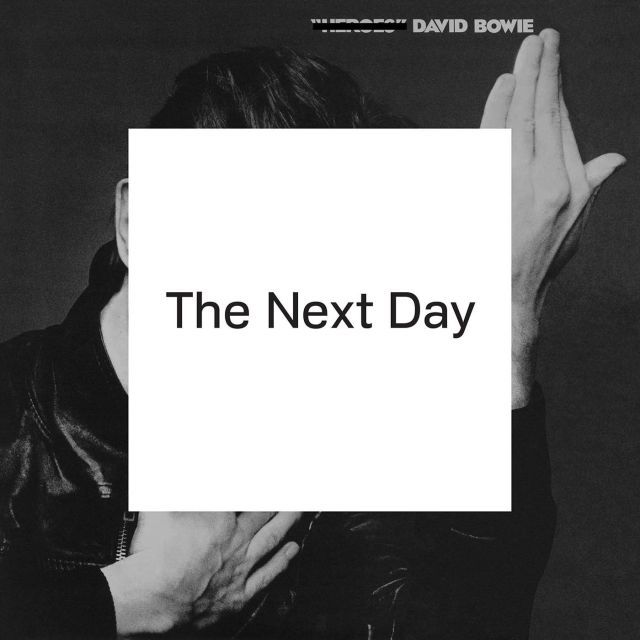
- David Bowie moved to West-Berlin in 1976 seeking a change of scenery and renewed creative focus after filming "The Man Who Fell to Earth."
- Bowie was captivated by West-Berlin’s vibrant culture and electronic music scene, which influenced his musical experimentation and artistic transformation.
- Bowie collaborated with producers Tony Visconti and Brian Eno in West-Berlin, exploring ambient, industrial, and krautrock styles, as seen in his "Berlin Trilogy" albums.
- Iconic locations in the City West, such as KaDeWe department store, Dschungel nightclub, and Chez Romy Haag cabaret, shaped Bowie’s musical experimentation and creative process.
- The 2014 David Bowie exhibition in Berlin’s Martin-Gropius-Bau offered insights into the city’s influence on Bowie’s creative process and reinforced his legacy as a cultural icon.
Bowie’s Arrival in West-Berlin
After completing his role in the film "The Man Who Fell to Earth" in 1976, David Bowie decided to move to West-Berlin, seeking a change of scenery and a renewed creative focus.
The city’s vibrant culture and emerging electronic music scene captivated Bowie, who was eager to explore new artistic directions. Settling in the City West neighborhood, he immersed himself in the local nightlife, frequenting venues like Dschungel and Chez Romy Haag.
This period in West-Berlin would go on to significantly influence Bowie’s musical output, with key albums like "Low" and "Heroes" reflecting the city’s impact on his creative process.
Looking for more options in Berlin? We've reviewed plenty of other experiences.
The Influence of West-Berlin’s Culture
West-Berlin’s vibrant culture and emerging electronic music scene captivated David Bowie, who was eager to explore new artistic directions.
The city’s avant-garde clubs, such as Dschungel and Chez Romy Haag, exposed Bowie to experimental sounds and ideas that influenced his later work.
He collaborated with producers like Tony Visconti and Brian Eno, who helped shape the futuristic, electronic aesthetic of albums like "Low" and "Heroes."
Bowie’s fascination with West-Berlin’s art, nightlife, and the divided cityscape deeply impacted his songwriting, reflecting themes of isolation, alienation, and the search for human connection.
Bowie’s Musical Experimentation
David Bowie expanded his musical experimentation during his time in West-Berlin. The city’s vibrant electronic music scene and his fascination with Eastern influences impacted his sound.
Key albums from this period, including "Low" and "Heroes," showcased his exploration of ambient, industrial, and krautrock styles. Bowie collaborated with producers Brian Eno and Tony Visconti, pushing the boundaries of his craft.
This musical evolution was a departure from his earlier glam rock persona, reflecting his personal growth and the city’s impact on his creativity. Bowie’s Berlin years marked a pivotal transformation in his artistic journey.
Iconic Locations in the City West
The City West of West-Berlin was home to many iconic locations that played a significant role in Bowie’s time in the city.
He visited the renowned department store KaDeWe, which was a hub of culture and entertainment. Bowie also spent time at Dschungel, a renowned nightclub that attracted the city’s avant-garde scene.
Another key location was Chez Romy Haag, a cabaret where Bowie would socialize and absorb the vibrant atmosphere.
These landmarks shaped Bowie’s musical experimentation and provided a creative environment that influenced his renowned "Berlin Trilogy" albums.
More Great Tours NearbyThe 2014 David Bowie Exhibition
The 2014 David Bowie exhibition at the Martin-Gropius-Bau in Berlin marked a significant milestone in celebrating the artist’s profound impact on the city’s cultural landscape during the 1970s.
The exhibition featured an extensive collection of Bowie’s costumes, lyrics, and memorabilia, offering visitors a rare glimpse into his creative process.
The exhibition offered visitors a rare glimpse into Bowie’s creative process through his extensive collection of costumes, lyrics, and memorabilia.
It also highlighted the influence of Berlin’s vibrant art scene on his groundbreaking albums "Low" and "Heroes."
The exhibition drew thousands of fans from around the world, solidifying Bowie’s enduring legacy as a cultural icon and his indelible connection to the city that inspired his most innovative work.
Exploring Potsdamer Platz
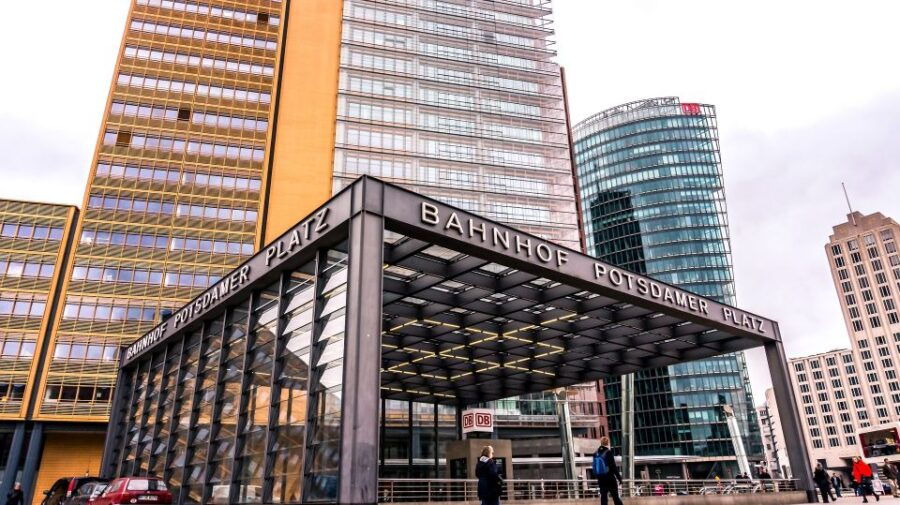
Stepping away from the captivating David Bowie exhibition, the tour now leads participants to Potsdamer Platz, a pivotal location that held deep significance for the artist during his time in West-Berlin. Featured in Bowie’s 2012 song "Where Are We Now", the square’s transformation over the decades mirrors the city’s tumultuous history. Participants will explore this historically important site, learning how its evolution from a bustling hub to a divided wasteland and eventual rebirth impacted Bowie’s creative journey.
| Potsdamer Platz | | |
|—————–|———-|———-|
| Pre-WWII | Divided | Rebuilt |
| Vibrant center | Desolate | Modern |
| Bowie’s motifs | History | Progress |
Bowie’s Berlin Home and Legacy
As the tour reaches its final destination, participants arrive at the unassuming building that served as David Bowie’s Berlin home during his influential time in the city.
From 1976 to 1978, Bowie lived at Hauptstraße 155 in the Schöneberg district. This modest apartment became the creative hub where he recorded his groundbreaking "Berlin Trilogy" albums – "Low," "Heroes," and "Lodger."
Bowie’s Berlin legacy continues to captivate fans around the world. The city’s vibrant culture and electronic music scene inspired his artistic evolution, cementing his status as a musical icon.
David Bowie’s enduring Berlin legacy captivates fans globally, as the city’s culture and electronic scene fueled his artistic evolution.
Visiting Bowie’s former home is a poignant way to connect with the artist’s profound impact on music history.
Reflecting on the Tour Experience
Though the tour may have ended at Bowie’s former Berlin home, the experience left a lasting impression on participants.
Travelers praised the guide’s deep knowledge and the tour’s engaging nature. Attendees gained unique insights into Bowie’s creative evolution during his Berlin years, exploring the venues and neighborhoods that shaped his sound.
Beyond just Bowie facts, the tour offered a vivid window into 1970s West-Berlin culture. For many fans, the experience brought Bowie’s Berlin legacy to life, providing a memorable connection to the artist and the city that influenced him.
The Sum Up
David Bowie’s time in 1970s West-Berlin was a transformative period that profoundly shaped his artistic evolution. Immersed in the city’s vibrant culture and avant-garde scene, he collaborated with renowned musicians and found inspiration for his groundbreaking "Berlin Trilogy" albums. Bowie’s legacy in the city lives on, with visitors exploring the iconic locations that once fueled his creativity and musical experimentation.
You can check availability for your dates here:More Boat Tours & Cruises in Berlin
- Berlin: 1-Hour Boat Tour with Bilingual Guide (Ger/Eng)
- Berlin: Italo Disco Sunset Cruise on the Spree River
- Berlin: 3-Hour World Heritage Cruise to Potsdam
- Berlin: Evening JAZZ Cruise with “Markus Ehrlichs” Jazz Trio
- Berlin: Evening River Spree Cruise at Christmastime
- Berlin: 1-hour Highlights River Cruise Through Old and New
More Tours in Berlin
More Tour Reviews in Berlin
Still browsing? Here are more Berlin experiences we've covered recently
- Berlin’s 4 Best Vegan & Vegetarian Tours (With Prices & Reviews)
- 12 Best Drinking Tours In Berlin
- 6 Best Shopping & Market Tours In Berlin
- Berlin’s 10 Top Photography Experiences (With Prices)
- 14 Of The Best Food Tours In Berlin
- The 12 Most Popular Tours & Experiences In Berlin
- Berlin’s 10 Best Workshops & Classes (With Prices & Reviews)
- We Rank The 13 Best Tours In Berlin
- The Top 4 Wine Tours In Berlin
- The 14 Most Popular Walking Tours In Berlin
- 12 Best Cruises And Boat Tours In Berlin (With Reviews & Prices)
- Berlin’s 4 Best Sailing Experiences (With Prices & Reviews)