
Auschwitz isn’t a normal day trip. It’s a guided walk through Auschwitz I and Birkenau, with clear logistics from Krakow so you can focus on what you’re seeing. The sites are heavy, but the format keeps the day organized and audible.
I especially like the licensed museum-style guiding and the headsets for Auschwitz I, which helps you hear the story without shouting over a solemn place. The round-trip transfer from Krakow also means you’re not spending brainpower on buses and timing.
One thing to consider: the day runs on museum time slots, so Auschwitz I can feel a bit fast, and the Birkenau portion is mostly outdoors (you’ll want warm gear and comfy shoes).
- Key things I’d plan around
- Krakow to Auschwitz-Birkenau transfers: what the ride is really for
- Auschwitz I at the gate: the part where headsets help most
- Birkenau (Brzezinka) and the brutal math of scale
- Breaks, pacing, and how a 7-hour day actually feels
- Tickets, ID rules, and the stuff that can break your morning
- Price and value: why .28 can make sense
- Who this tour suits best (and who might want another format)
- The bottom line: should you book from Krakow?
- FAQ
- Are Auschwitz I and Auschwitz II entry tickets included?
- Is the tour available in English?
- Do I need a passport or ID for Auschwitz-Birkenau?
- Do I get headsets during the tour?
- Is food included, or should I bring snacks?
- How long is the tour and how far is Auschwitz from Krakow?
- What is required before entering the Auschwitz-Birkenau Museum?
- The Best Of Krakow!
- More Tickets in Krakow
- More Tours in Krakow
- More Tour Reviews in Krakow
- Not for you? Here's more nearby things to do in Krakow we have reviewed
Key things I’d plan around




- Headsets for Auschwitz I help you follow the guide clearly without disturbing the atmosphere.
- Up to 30 people keeps the group manageable, with a smaller-group option available.
- Oswiecim is about 1h15 each way (65 km), so you’re committing to a full day.
- Security screening happens before entry, so arrive ready and on time.
- Bring a snack since there are no full meal breaks and no onsite food facilities planned.
- Some pickup points change due to roadworks in parts of Krakow.
👉 See our pick of the Discover 4 Great Spa & Hot Springs Experiences In Krakow
Krakow to Auschwitz-Birkenau transfers: what the ride is really for
This tour is built around one practical idea: get you from Krakow to Auschwitz-Birkenau without turning your morning into a puzzle. The drive to Oswiecim is about 1h15 one way (around 65 km), so yes, you’ll spend time on the road. But that time is the buffer that makes the museum stops possible in the right order.
You’ll meet at a Krakow pickup location (or at your hotel if you book the option that allows hotel pickup in a smaller group). Departure timing is confirmed the day before, because the museum schedule drives everything. If you’re near Krakow’s Main Square, your pickup point is assigned as close as possible. If you’re farther out, you’ll be directed to a designated waiting spot.
Roadworks matter here. Pickup from western Krakow is currently unavailable, and the meeting point at Floriana Straszewskiego 19 (next to the Philharmonic) is temporarily closed. That sounds like trivia—until you show up at the old spot and no one is there. So read the welcome message carefully once it lands in your inbox.
Also, expect an airport-style vibe at the museum entry. There’s security screening before you go inside, so you’ll want everyone in your group moving at a steady pace. This is one of those tours where “I’ll just be two minutes late” can turn into “we’re all waiting for you.”
You can also read our reviews of more tours and experiences in Krakow
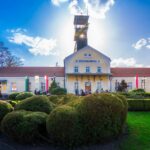
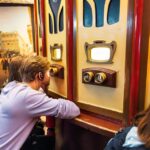
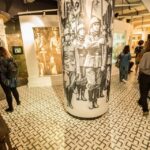
Auschwitz I at the gate: the part where headsets help most
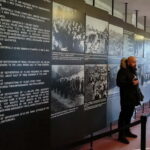
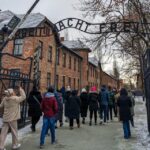
Auschwitz I is where the story starts in a way that’s hard to forget: through the gate, past the famous sign Arbeit Macht Frei (Work Makes You Free), and into the concentration-camp reality that began this system. The tour spends about 2 hours here, and it’s guided on a licensed level tied to the museum.
This is also where you’ll appreciate the headsets. You’re not just standing around reading plaques. A specialist guide leads the group with audio support so you can hear clearly even in crowds, and you can keep your attention on the exhibits instead of trying to catch words across the group.
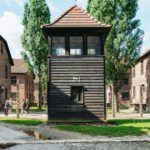
What you’ll see is the physical framework of the camp: preserved buildings and structures, fortified walls, barbed wire, and the areas associated with the camp’s killing and cremation system. The shock is the scale and the fact that these features weren’t imagined for a movie set—they’re part of the site’s original infrastructure.
One reality check: Auschwitz I includes walking in indoor and outdoor spaces with uneven ground at times. Reviewers (and your body) will tell you this is not a “wander slowly and snack whenever” kind of visit. You can still pause and reflect, but the guided structure is designed to keep the group moving through the museum’s regulated flow.
Birkenau (Brzezinka) and the brutal math of scale
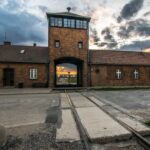
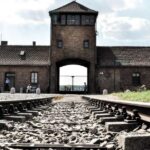
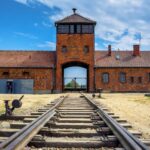
After Auschwitz I, there’s a short break—about 15 minutes—then you head to Birkenau, also called Auschwitz II. It’s only a few minutes away, but the feeling changes fast.
Birkenau is vast. The camp was built for mass imprisonment, and the tour explains how the Nazis aimed to make Europe “free of Jews.” You’ll hear about living conditions that were designed to crush people, plus the cruel “selection” process and the pseudo-medical experiments carried out by prominent Nazi doctors (including Josef Mengele, named on the tour).
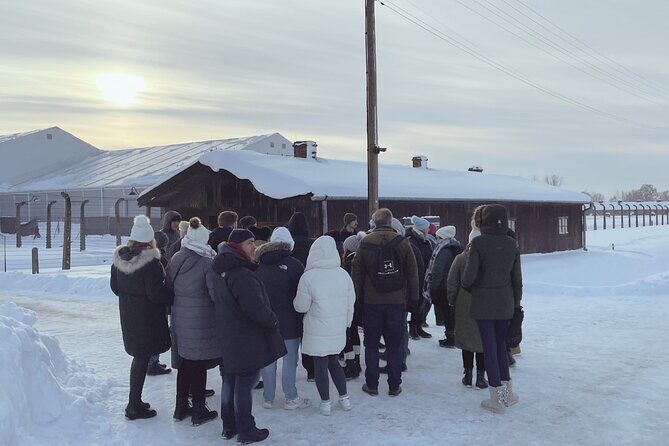
One practical detail: Birkenau is mostly outdoors. In the real-world way tours operate, headsets may not be available for this segment, so you’ll rely more on how close you stay to the guide and on your own ability to hear over wind and distance. In winter, that’s not a small issue—you’ll feel the cold in your legs first, not in your thoughts.
The guided portion also covers the liberation of Auschwitz-Birkenau on January 27, 1945, and the day ends with that final historical anchor. It’s not “happy ending” storytelling. It’s a closure that reinforces the core message: this genocide must never be allowed to repeat.
Breaks, pacing, and how a 7-hour day actually feels
Even though the tour runs about 7 hours (approx.), your time doesn’t feel like a simple bus-and-museum schedule. The day is paced to fit the museum’s rules and time slots, which means you’re moving from stage to stage rather than staying parked in one place.
Between Auschwitz I and Birkenau you’ll get that short stretch. On the way back, you’re not rushed immediately either—you’ll have at least a 20-minute break in Krakow-related return time where you can grab something small or reset. Then you head back to your drop-off location about 1h15 after leaving Oswiecim.
Here’s the tradeoff: you can come away feeling like you saw a lot, or you can feel like you didn’t have enough quiet time to process specific rooms and displays. There’s at least one downside that comes up with most guided formats: people want to stop longer, and the guide is expected to keep the group on the museum plan. If you’re the type who reads every sign twice, I’d still book a guided version—but go in knowing you’ll remember it most in waves, not all at once during the day.
Also, plan for weather. Up to 70% of the visit is outdoors. Smart casual dress is required, and you should bring water on warm days. If you’re going in cold weather, layer up like you mean it. Uneven ground plus winter footwear can be awkward if you didn’t think it through.
Tickets, ID rules, and the stuff that can break your morning
This tour includes entry fees for both Auschwitz I and Auschwitz II Birkenau, and it uses a mobile ticket. That matters because it reduces the “where do I get the pass?” stress before the day gets emotionally intense.
But the biggest non-negotiable is your ID. You must provide full names for each participant during booking, matching the name on your passport or ID. Passport or ID is mandatory for each participant and will be checked. No ID means no entry. This is the kind of detail that sounds boring right up until it turns your day into a disaster.
Inside, photography is allowed except in marked areas, and flash isn’t permitted inside buildings. That’s a good setup for capturing a few memories without turning the site into a photo shoot.
One more “don’t forget” detail: respectful behavior is required. Eating, smoking, and loud behavior are not allowed. And there’s a security check before you enter, so you’ll want to travel light and move with the group.
You can also read our reviews of more guided tours in Krakow
Price and value: why $36.28 can make sense
At $36.28 per person, this tour sits in the “worth it” category if you value organization and you want to avoid the logistics headache. Yes, Auschwitz and Birkenau are outside Krakow, and yes, it’s a long day. But you’re paying for several things you don’t notice until they’re missing: licensed guiding, timed entry, headsets where provided, and round-trip transport in an air-conditioned vehicle.
What’s included:
- Licensed local guide
- Admission tickets for Auschwitz I and II
- Headsets to hear the guide clearly
- Round-trip transfers from Krakow
- Insurance and taxes
- Professional assistance and customer service
What’s not included:
- Food and drinks
That last line is important. Lunch isn’t included, and there’s no time for a full meal between visits, plus no food facilities are planned on-site. Bring a snack and water. Some people also like a packed lunch add-on if it’s offered by the operator for your date, but don’t count on it as your only plan.
If you’re comparing options, the real question is: do you want to spend your energy managing transport and entry steps? If not, the value here is that you show up, get handled, and walk through with a guide.
Who this tour suits best (and who might want another format)
This works well if you want structure and clear narration. The group size is capped at 30, which keeps things from becoming a chaotic shuffle. There’s also a smaller-group setup with a max of 15 mentioned as an option—often the kind of choice that gives you more human pace and better room to absorb what you’re seeing. If you prefer fewer people, that extra money can be worth it for emotional sites.
It also suits first-timers to Poland who want a “done-for-you” day. English is offered, and the guide uses headsets where applicable to keep the story clear.
You might want to think twice if:
- You’re extremely sensitive to fast pacing in museums (guided tours follow strict flow rules).
- You hate cold-weather walking (Birkenau is outdoors most of the time).
- You need long, quiet pauses in each room. You’ll still pause sometimes, but the plan has to move.
The bottom line: should you book from Krakow?
Yes, I’d book this kind of Auschwitz-Birkenau guided day trip if you’re coming to Krakow with the intention of doing it right. The transfer, headsets at Auschwitz I, and licensed guiding take stress off your shoulders so you can focus on remembrance, not logistics.
Just go in prepared: bring your ID, pack a snack, wear comfy shoes, and bundle up for outdoors walking. If you need more quiet time to read every exhibit board, recognize that the day is guided by museum schedules—still meaningful, just not slow.
If your goal is to handle the day with respect and clarity, this is a strong way to do it from Krakow.
FAQ
Are Auschwitz I and Auschwitz II entry tickets included?
Yes. Entry fees for Auschwitz I and Auschwitz II Birkenau are included in the tour price.
Is the tour available in English?
Yes. The tour is offered in English.
Do I need a passport or ID for Auschwitz-Birkenau?
Yes. Passport or ID is mandatory for each participant, and full names must match the ID or passport provided during booking.
Do I get headsets during the tour?
Headsets are included to help you hear the guide clearly, and they are used during the Auschwitz I part of the visit. The Birkenau portion is largely outdoors, and headsets may not be available for that segment.
Is food included, or should I bring snacks?
Food and drinks are not included. There is no time for a full meal between visits and no food facilities planned, so bring snacks.
How long is the tour and how far is Auschwitz from Krakow?
The tour is about 7 hours (approx.). Auschwitz-Birkenau is in Oswiecim, about 1h15 away one way (about 65 km).
What is required before entering the Auschwitz-Birkenau Museum?
You’ll need to pass an airport-style security check before entering the museum.