
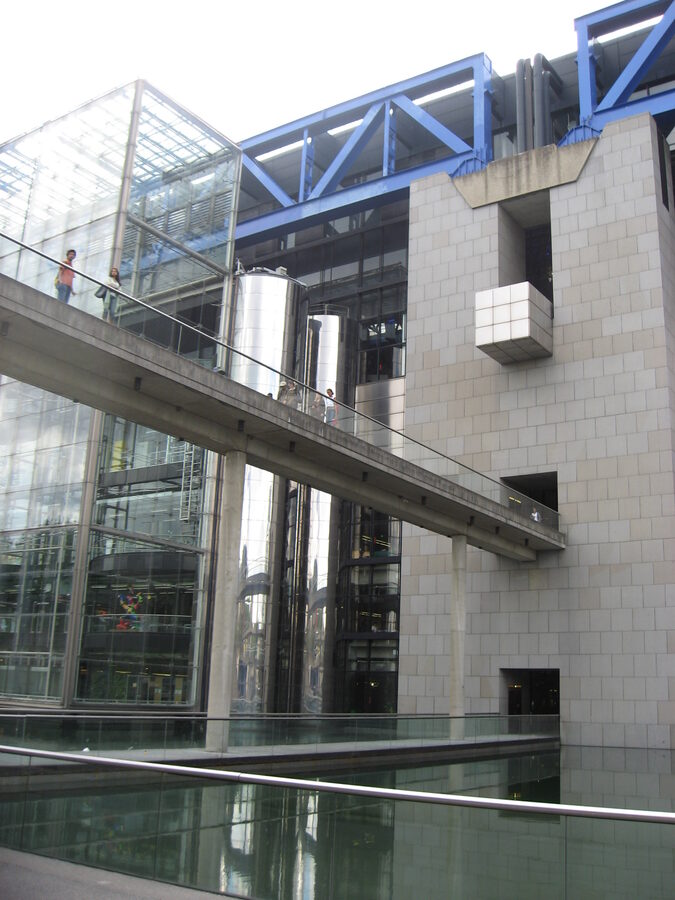
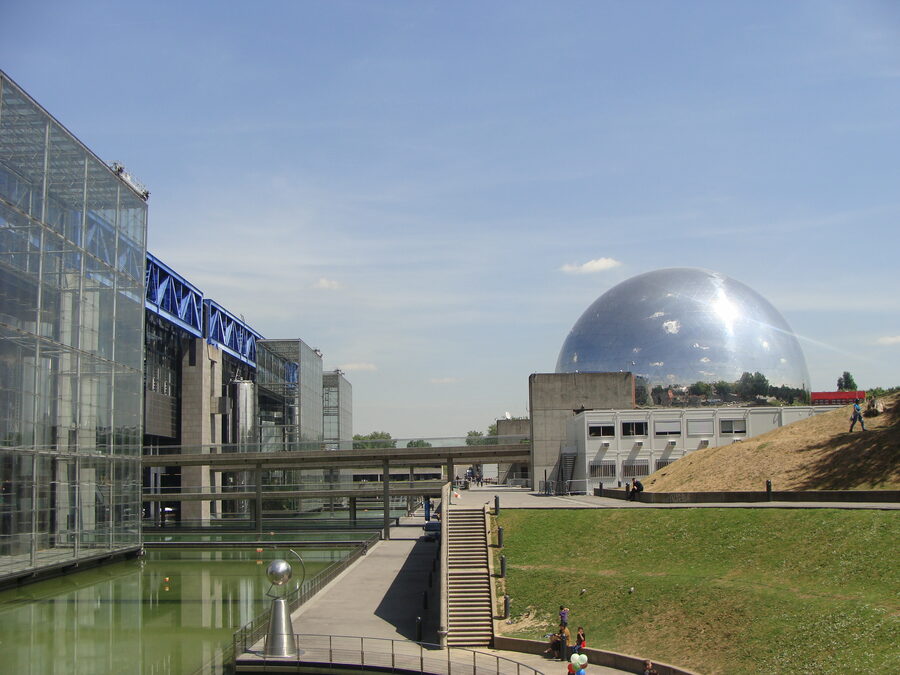
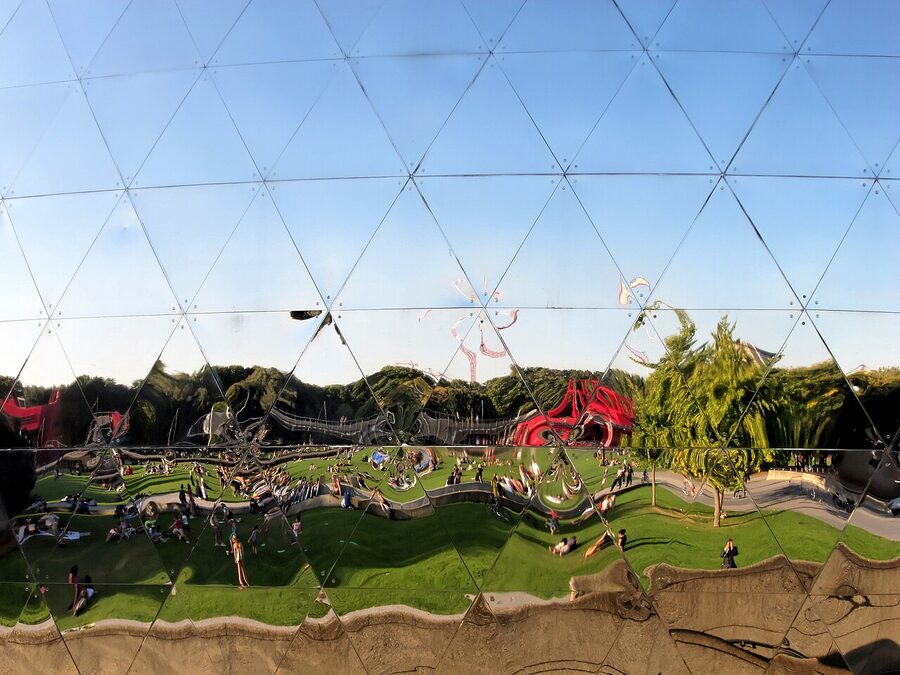
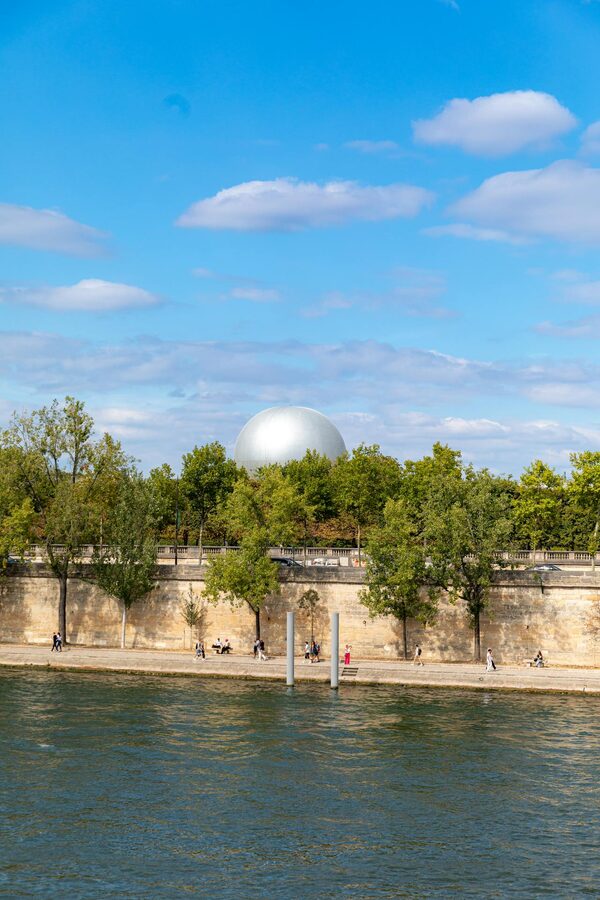
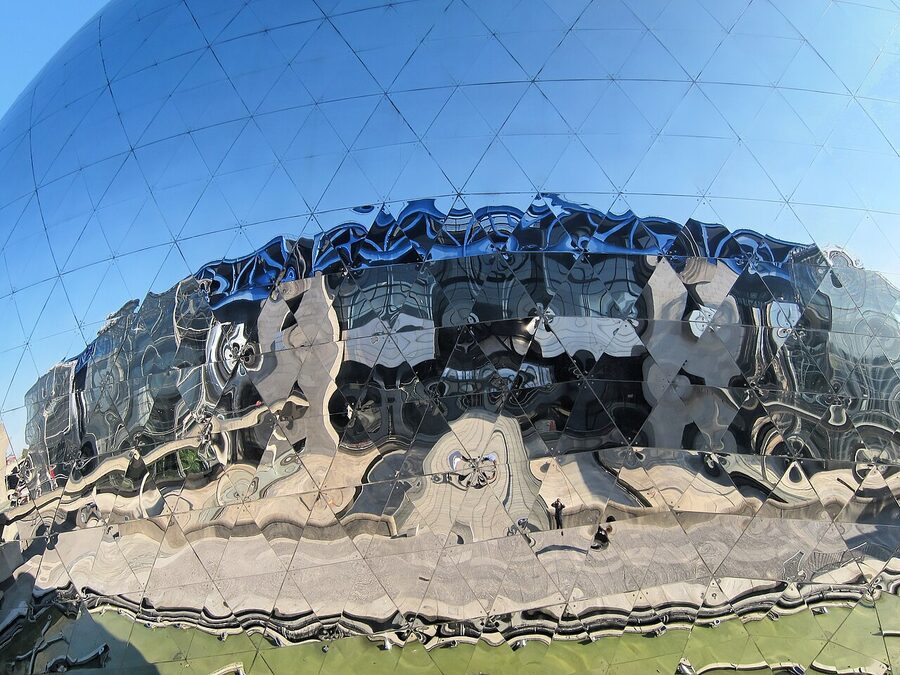
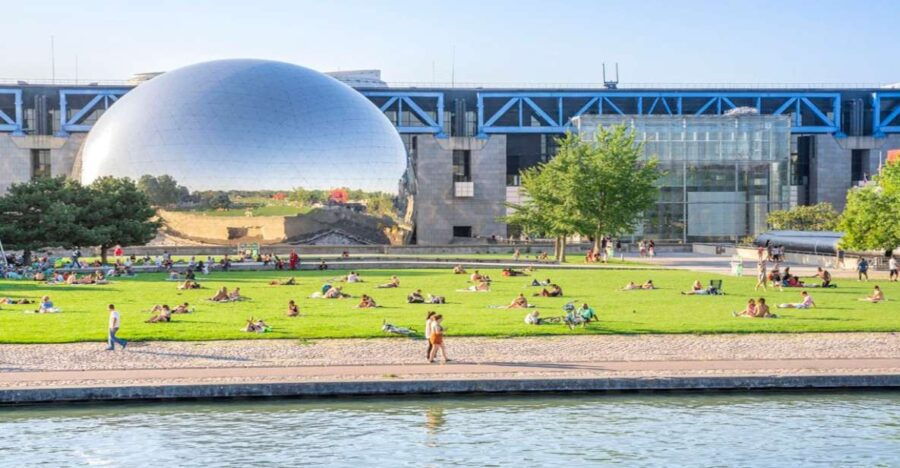
The Cité des Sciences et de l’Industrie is the largest science museum in Europe, and it looks like it crash-landed from the future. The building — a former slaughterhouse converted in the 1980s — covers 250,000 square metres of exhibition space across multiple floors. Inside, everything is interactive. You can pilot a flight simulator, build a bridge, manipulate sound waves, and navigate a planetarium. Outside, a mirrored sphere the size of a house (La Géode, formerly an IMAX cinema) reflects the surrounding park and the Parisian sky like a giant Christmas ornament.
The museum sits in the Parc de la Villette, a vast cultural complex in northeastern Paris that also includes a concert venue (the Philharmonie), a music museum, a submarine you can walk through, and 35 hectares of gardens crisscrossed by canals. Most travelers never make it this far northeast, which is precisely why it’s good — no queues, no crowds, and prices that would make the central Paris museums blush.
Official site: cite-sciences.fr — current exhibitions, planetarium schedule, and booking.
Combine with: Philharmonie de Paris (next door) and the Parc de la Villette canal walks (free).
What’s Inside the Museum
The permanent exhibitions cover the major science themes: space (including full-scale models of Ariane rockets and the Mir space station), mathematics (an entire gallery of interactive puzzles), biology (human body exhibits with medical imaging), physics (light, sound, and energy demonstrations), and technology (robots, AI, computing history). Everything is hands-on. Nothing is behind glass. Kids pull levers, push buttons, and break things — that’s the point.
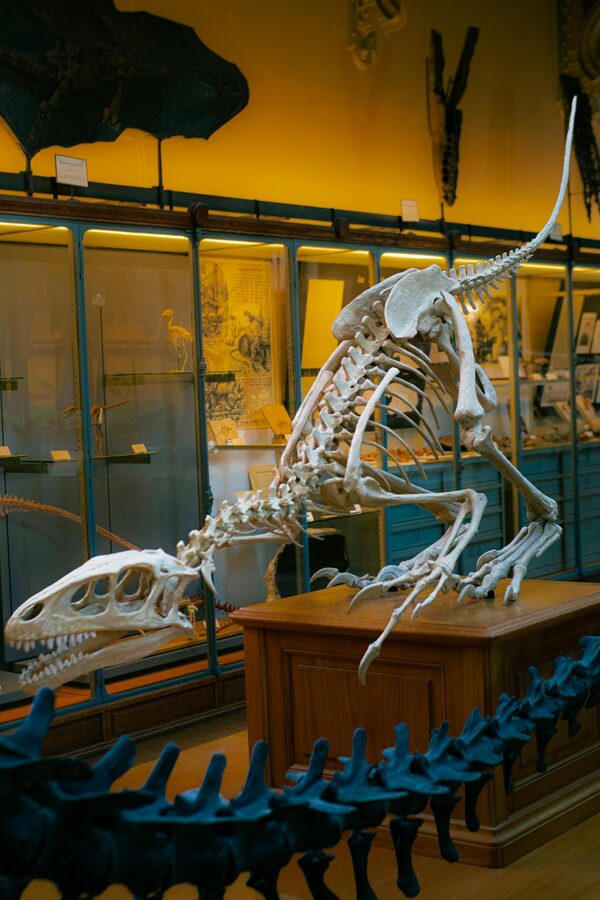
The temporary exhibitions rotate and are usually the highlight — they focus on specific themes (recent ones have covered genetics, ocean exploration, and the science of illusions) with production values that rival major art museum shows. Check the official site for what’s currently showing.
The planetarium is inside the museum and requires a separate timed ticket (about €3 on top of the entry). The shows are in French but the visuals are spectacular — a hemispherical screen with high-resolution projection that creates a convincing illusion of space travel. Even without understanding the narration, the visual experience is worth the supplement.
The Cité des Enfants: For Kids
The museum has two dedicated children’s sections — the Cité des Enfants for ages 2-7 and ages 5-12. These are separate from the main exhibition and require timed tickets. The younger section focuses on sensory exploration (water play, construction, colours). The older section introduces basic physics and engineering through challenges — building dams, creating electrical circuits, operating crane mechanisms.
The children’s sections are extremely popular with Parisian families and book out on weekends and school holidays. Reserve online at least a few days ahead for Saturday or Wednesday visits (Wednesday is the French school half-day). Weekday mornings during term time are the quietest.
The Parc de la Villette
The park surrounding the museum is a destination in itself. Designed by architect Bernard Tschumi and completed in 1987, it’s organised around a grid of red follies (small pavilions with different functions) connected by canals and walkways. The Canal de l’Ourcq runs through the centre and is lined with gardens, playgrounds, and open lawns where Parisians picnic in summer.
The submarine Argonaute — a decommissioned French Navy submarine from 1958 — sits in the park and can be toured for about €3. You squeeze through the hatches, see the torpedo room, the navigation station, and the cramped sleeping quarters. It’s compact (about 30 minutes) and fascinating for anyone interested in military or naval history.
Best Ticket to Book
1. City of Science and Industry Entry Ticket — $15
Full access to the permanent exhibitions, temporary shows, and the submarine Argonaute. The planetarium is a small supplement. At $15, it’s one of the cheapest major museums in Paris — and one of the biggest. The GYG ticket gives you skip-the-ticket-window access, which saves time on busy weekends. Our review covers the must-see exhibitions, the best order to visit them, and how to avoid the school-group rush.
2. Fondation Louis Vuitton — Varies

Paris’s other major science-meets-art destination — the Fondation Louis Vuitton in the Bois de Boulogne. Frank Gehry’s glass-sail building houses rotating contemporary art exhibitions. Not a science museum, but if you’re interested in how design and technology create cultural spaces, it pairs conceptually with the Cité des Sciences. Our guide covers current exhibitions and visiting tips.
3. Paris Quirky Museums — $16-34
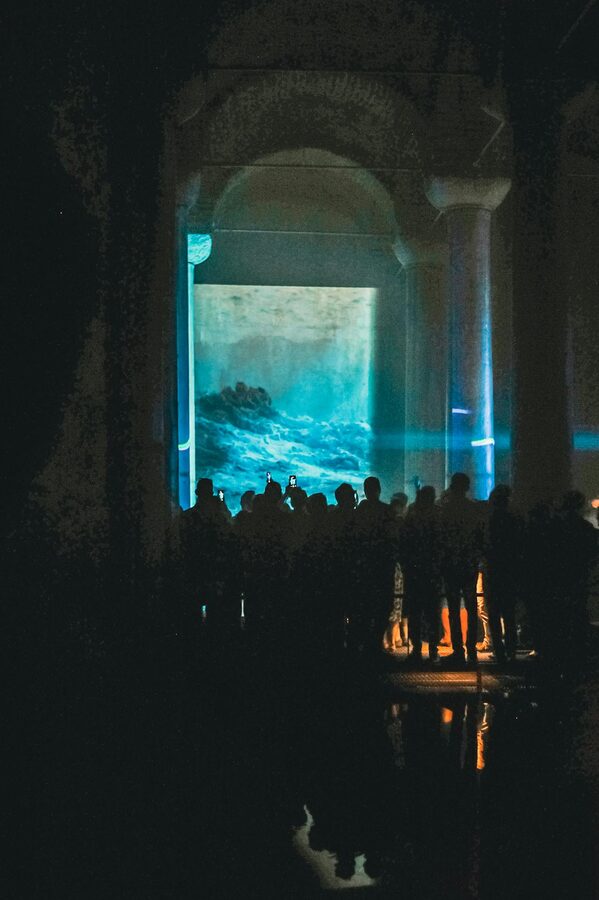
For visitors who enjoy the interactive and immersive elements of the Cité des Sciences, our quirky museums guide covers Paris’s other experiential attractions — the Atelier des Lumières (immersive digital art), the Museum of Illusions (optical tricks), and the Banksy exhibition (street art). Different content, same spirit of making you see familiar things in unfamiliar ways.
Practical Tips
Getting there: Métro Line 7 to Porte de la Villette. The museum entrance is a 5-minute walk from the station, through the park. Alternatively, the Canal Saint-Martin boat service runs from central Paris to the Parc de la Villette — a scenic 2.5-hour cruise that’s an attraction in itself.
Opening hours: Tuesday-Saturday 10am-6pm, Sunday 10am-7pm. Closed Mondays, January 1, May 1, December 25. Check the official site for current hours and current temporary exhibitions.
How long: 3-4 hours for the main exhibitions. Add 1 hour for the Cité des Enfants (if you have kids). Add 30 minutes for the submarine. Add as long as you want for the park. A full day at La Villette is genuinely possible.
Budget: Museum entry: $15. Planetarium: ~€3. Submarine: ~€3. Children’s section: ~€12. The park, canals, and gardens: free. A half-day at the Cité costs about €20 per adult — less than most central Paris museums and significantly less crowded.
Best for: Families with children ages 5-15 (the interactive exhibits and children’s sections are the main draw), anyone interested in science and technology, architecture enthusiasts (the building itself is worth the trip), and visitors who want to see a Paris that isn’t on the tourist circuit. The Parc de la Villette in summer — with its outdoor cinema, canal walks, and music festivals — is a local Parisian experience that most visitors miss entirely.
Where the Cité des Sciences Fits
The Cité des Sciences is an alternative-Paris day — a break from the museums-and-monuments circuit that dominates most itineraries. It pairs well with the Père Lachaise Cemetery (both are in northeastern Paris and can be combined in a day). For kids, it works alongside the Jardin d’Acclimatation as a second family day. And for anyone interested in French engineering and innovation, the Grand Rex cinema tour covers the entertainment side of French technical ambition, making a good conceptual pairing with the Cité’s scientific focus.