
Versailles is the day trip every Paris first-timer says they’ll do and half of them cancel at 8am because the logistics look scary. They aren’t.
What’s scary is paying €104 for a guided tour when a €7 train and a skip-the-line ticket will do the same job, better. After doing this trip six different ways — train, coach, guided, self-guided, in July heatwaves and November rain — here’s the guide that actually tells you which version is worth your money.
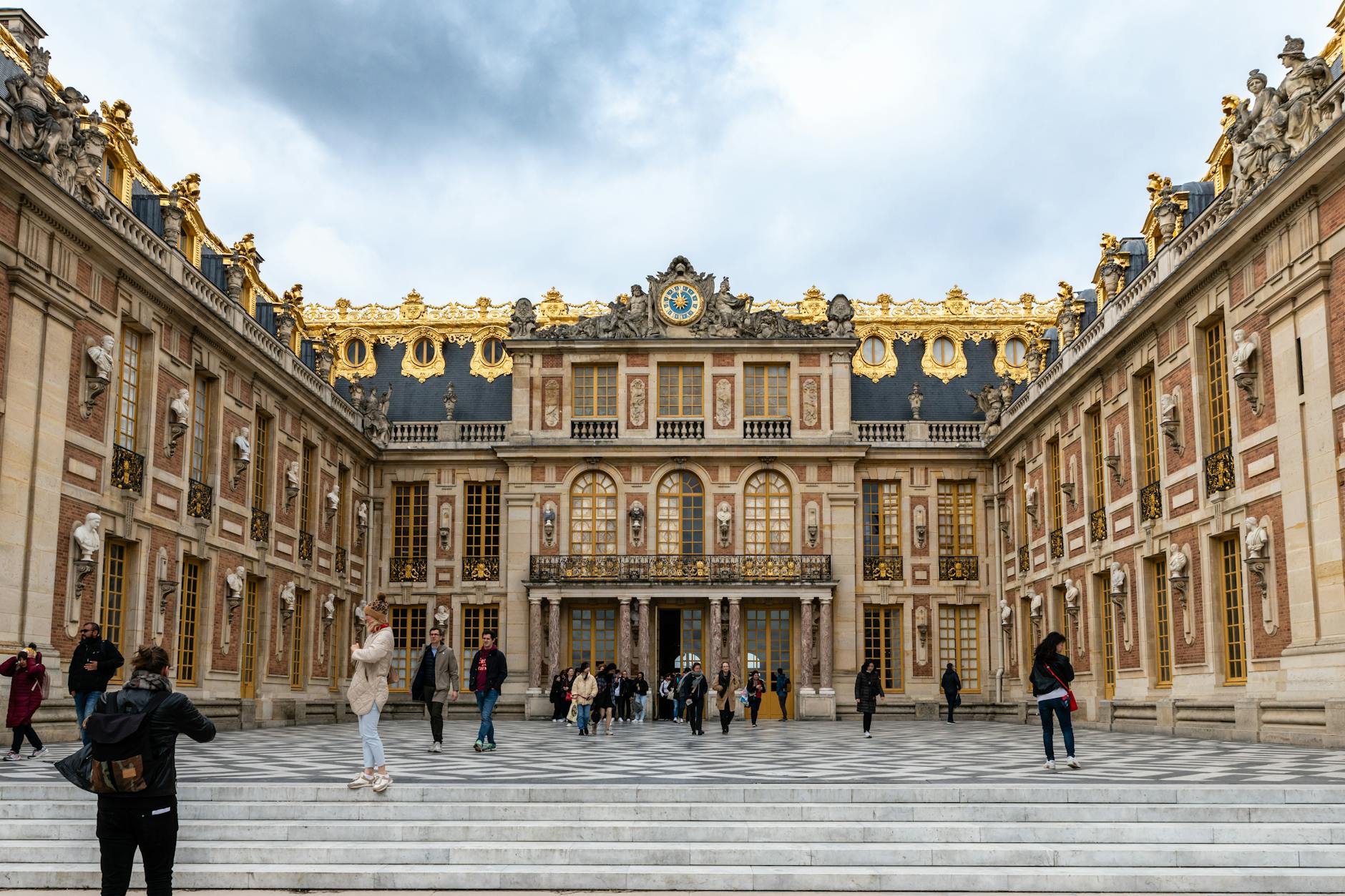
Best for independent travellers: Versailles Palace and Gardens Tour by Train with Skip-the-Line — $85. Get yourself to the RER C train (it’s five stops, 45 minutes), meet your guide at the station, skip the queue, see the palace in two hours, then explore the gardens on your own. The format I’d book first. Cheapest fast-track option.
Best for lazy/luxury travellers: Versailles Palace and Gardens with Transfer — $104. Door-to-door coach pickup from central Paris, guided palace tour, gardens access, coach back. Seven hours, no logistics, no stress. Worth the extra $20 if you don’t want to think.
Best budget option: Versailles Château and Gardens Walking Tour by Train — $80. Same train logistics as option 1, walking tour of the grounds, slightly shorter palace coverage. Good if you want the cheapest skip-the-line option with a guide.
- Why Versailles Is Annoying to Book
- DIY vs Guided — Which Actually Makes Sense
- The Best Versailles Tours to Book
- 1. Versailles Palace and Gardens Tour by Train With Skip-the-Line —
- 2. From Paris: Versailles Palace and Gardens with Transfer — 4
- 3. Versailles Château and Gardens Walking Tour by Train —
- When to Go — The Day of the Week Matters More Than the Season
- How to Actually Get There (Train, Bus, or Coach)
- What You Actually See Inside the Palace
- The Gardens — Which Is Really the Point
- Tips That Save You Time and Temper
- Nearby — Other Paris Guides Worth Pairing
- Other Royal Palaces and Day Trips
Why Versailles Is Annoying to Book
Versailles sits 20km southwest of Paris and is run by a foundation that’s half government, half public trust. Tickets are released online daily, sold in timed-entry slots, and — if you go in July-August — the skip-the-line slots sell out two weeks in advance. Every operator I’ve used buys these skip-the-line slots in bulk, which is why a $7 train ticket plus a $20 palace ticket ends up costing $85 when you buy them together through a tour.
You pay for speed. And the speed is real.
I have queued on a Saturday in July at 10am with a regular “Palace only” ticket in my pocket and waited 90 minutes in the sun. On the same day with a skip-the-line voucher I walked past that entire line and was inside in 6 minutes. That saved hour and a half is worth $20.

What I’m saying: if you’re willing to DIY (train, ticket, nothing else), you can do Versailles for about $30 including transport. If you want to skip the queue, budget $80-$105.
If you want a guided palace tour with commentary, the $85-$105 range is the sweet spot. I’ll go through which works for whom below.
DIY vs Guided — Which Actually Makes Sense
Three broad options. Let me break them down honestly because I’ve done all three.
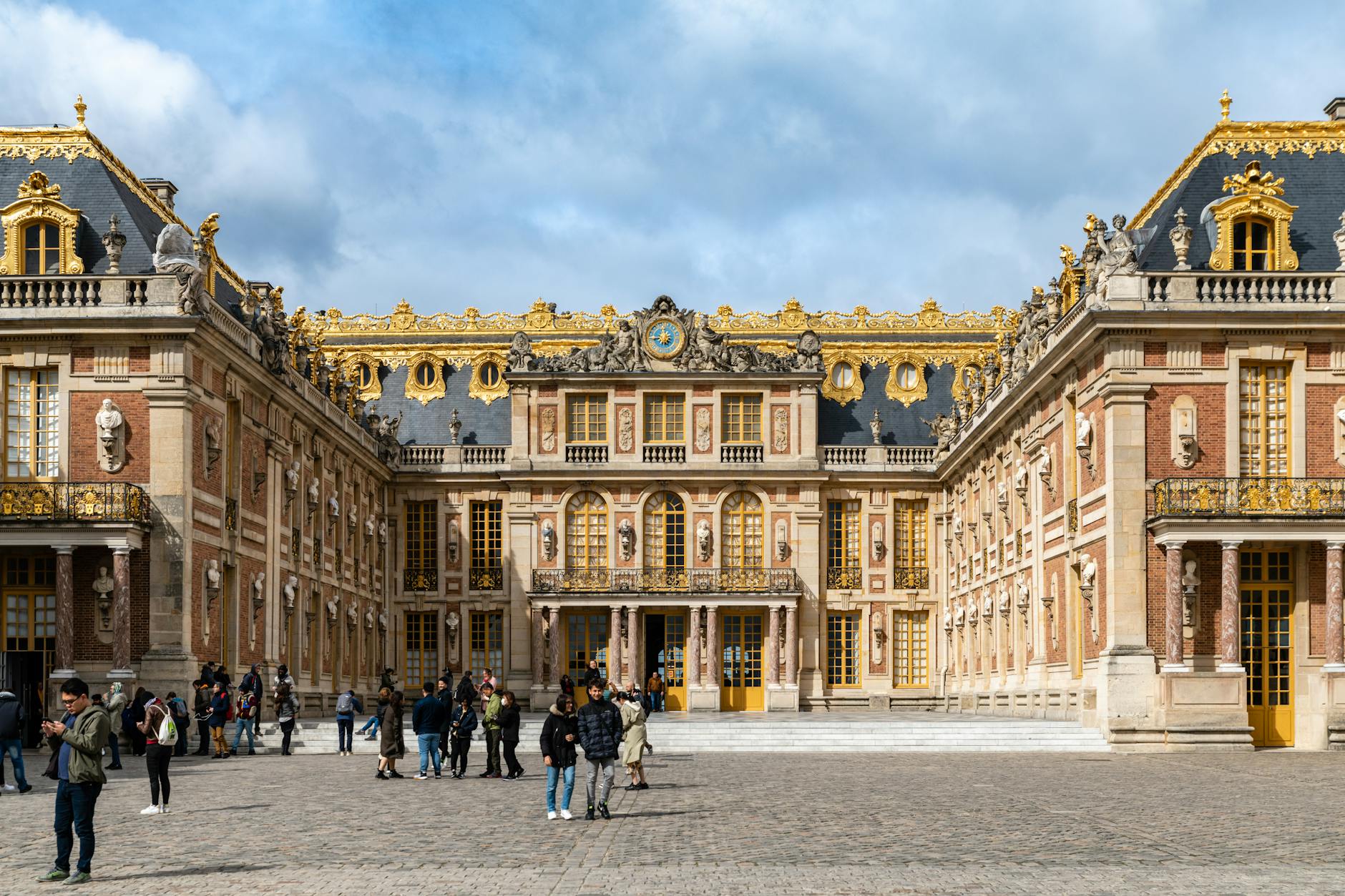
Full DIY (€30, 6-8 hours). Buy a palace ticket directly from chateauversailles.fr (€21), take the RER C from any central Paris station to Versailles Château-Rive Gauche (€4.45 each way), walk 10 minutes from station to palace, queue. This is the cheapest option and the most flexible.
It’s also the one most likely to end badly if you show up at 11am on a Saturday without a skip-the-line voucher. My advice: only DIY if you’re visiting on a Tuesday, Wednesday or Thursday in shoulder season (April, May, October).
Train + skip-the-line tour ($80-$90). You take the train yourself, then meet a guide at the Versailles station or at the palace gates. The guide walks you past the queue using their operator voucher, then gives you a 90-120 minute tour of the state apartments and the Hall of Mirrors.
After the tour, you’re free to wander the gardens on your own. This is the format I book most often and the one I’d pick for 90% of visitors.
Full coach tour with transfer ($100-$120). Door-to-door. A coach picks you up near your hotel, drives you to Versailles, your guide takes you past the queue, tours the palace with you, gives you free time in the gardens, then drives you back.
7-8 hours total. Worth it if you hate logistics or are travelling with kids who can’t do a train.
Multi-site day trips ($150+). Versailles combined with Giverny, Monet’s Garden, or another destination. These are long days (10-12 hours) and decent value if you only have one day outside Paris. Not my first choice — the pace is rushed — but a valid option for someone with tight timing.
The Best Versailles Tours to Book
Three picks, in the order I’d book them. I’ve done all three personally and can tell you exactly what you’re paying for.
1. Versailles Palace and Gardens Tour by Train With Skip-the-Line — $85
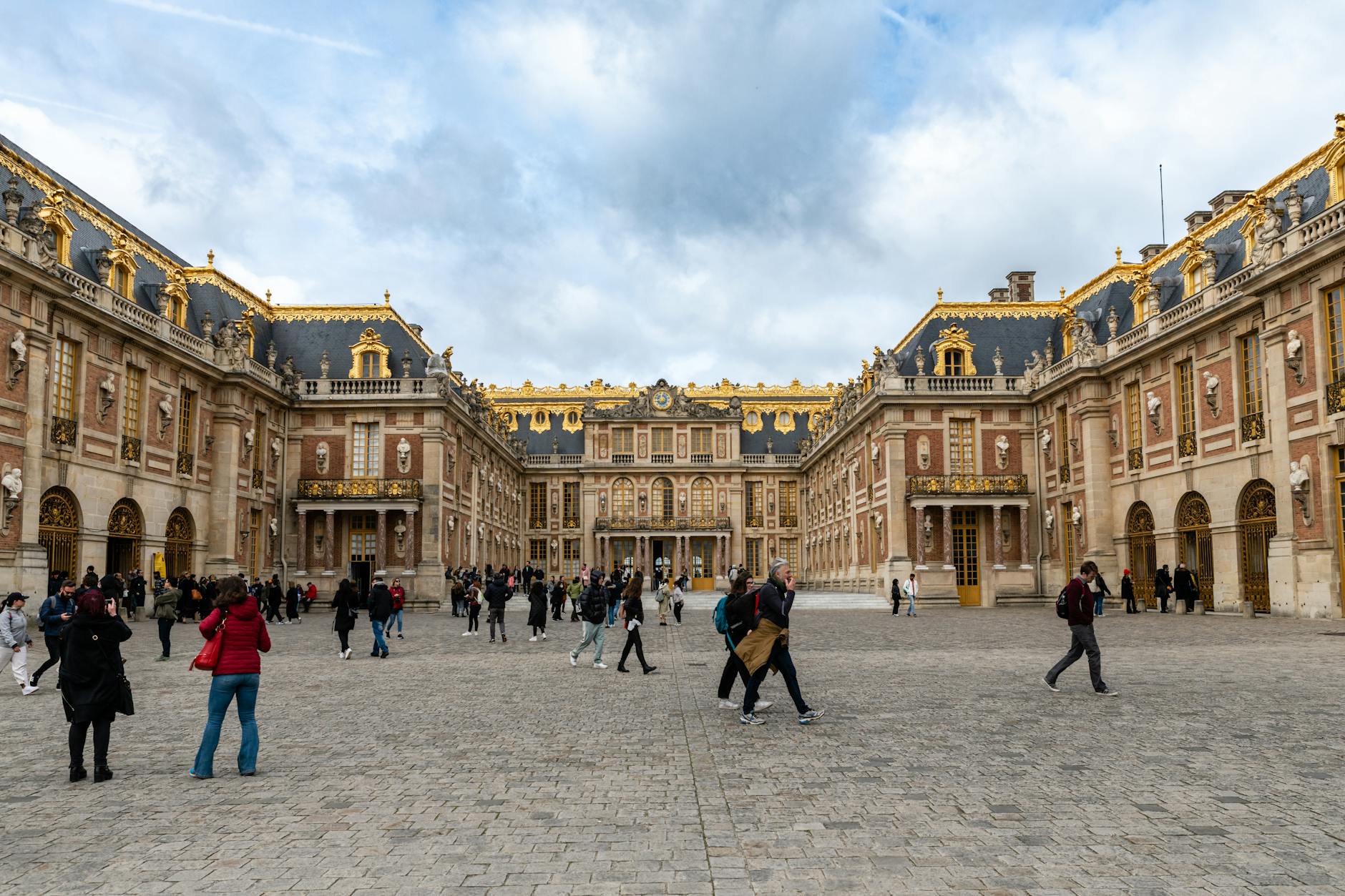
This is the one I’d book first. You meet your guide at a designated spot in Paris (usually Opéra or the RER C platform at Champ de Mars), take the train together to Versailles, walk the 10 minutes to the palace, and your guide swipes you past the queue with their operator ticket.
The whole transit-and-queue-skip portion takes about 75 minutes from meeting point to being inside the palace.
Once inside, the guided portion covers the King’s State Apartments, the Hall of Mirrors, and the Queen’s Apartments. About 90 minutes of actual guiding.
After that, you’re free — most operators hand you a map and leave you to do the gardens at your own pace. You make your own way back to Paris on the same RER C when you’re ready.
My take: this is the cheapest option that includes everything that actually matters (transport advice, skip-the-line, guiding, flexibility on the gardens). It’s the one I’d pick for a couple, for a solo traveller, or for anyone who wants to linger in the gardens for two extra hours. The only downside is that you do need to walk 10 minutes from the station to the palace, which is fine unless it’s raining.
2. From Paris: Versailles Palace and Gardens with Transfer — $104

The coach option. At $104 per person, you get door-to-door service: the operator picks you up from a central Paris meeting point, drives you out to Versailles in about 40 minutes, a guide takes you past the queue and through the state apartments, you get free time in the gardens, and then the coach brings you back. Total time: about 7 hours.
Why book this over option 1? Three reasons.
First, no train logistics — if you’ve never used the RER and the idea of reading a French transit map stresses you out, pay the $20. Second, it’s faster end-to-end — the coach is door-to-door and the train requires a 10-minute walk.
Third, it’s better for a group with mixed energy levels — if one person in your party doesn’t want to walk, the coach is kinder.
Honest downside: you’re on someone else’s schedule for the whole day. The coach leaves when it leaves, and if you fall in love with the Orangerie and want to stay an extra hour, you can’t.
My take: book this if you’re travelling with parents, with small kids, or with someone who just wants a “press-play” day. Otherwise, option 1.
3. Versailles Château and Gardens Walking Tour by Train — $80
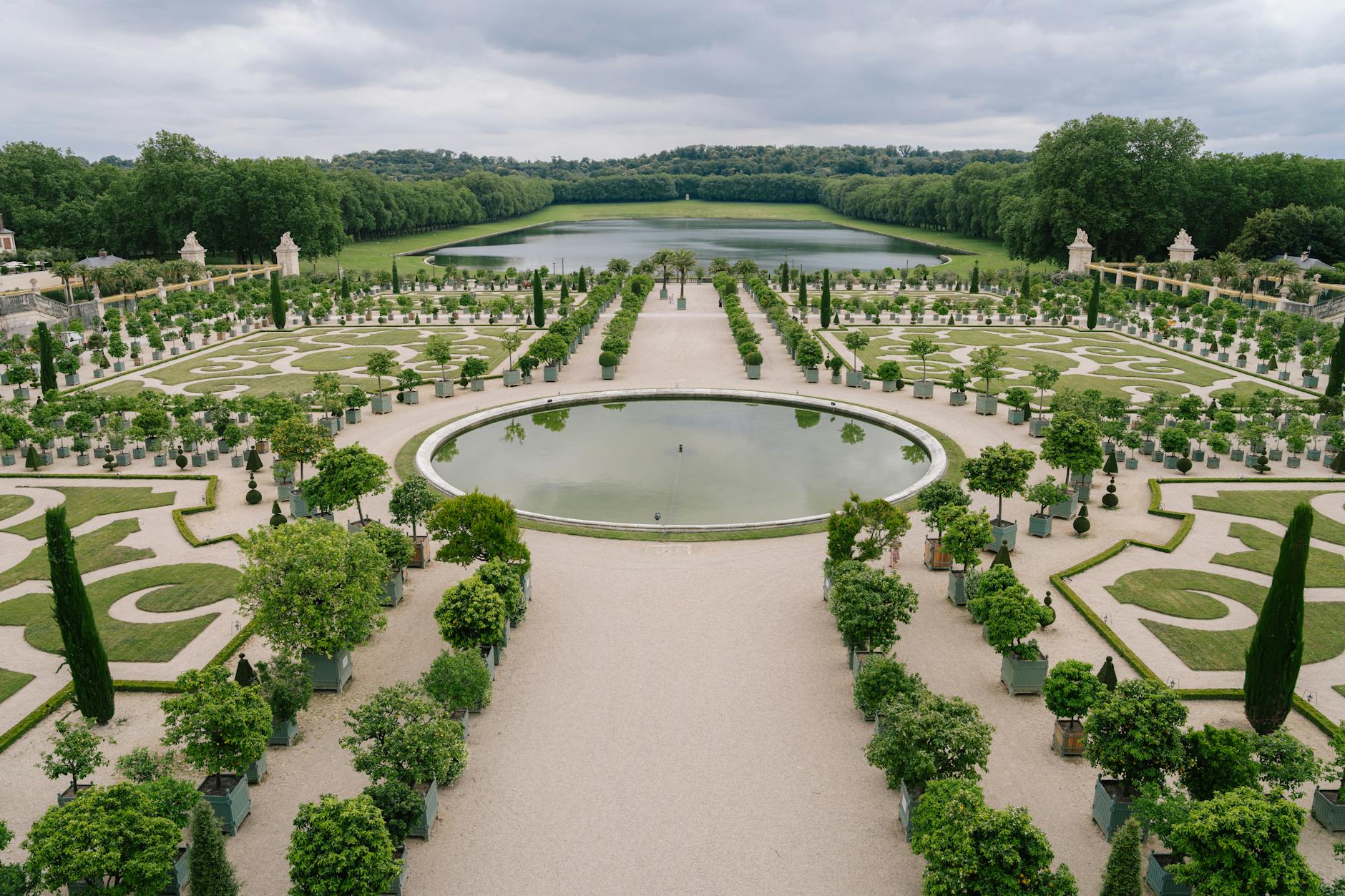
Five dollars cheaper than option 1, same train logistics, but with more emphasis on the gardens and grounds rather than the palace interior. At $80 per person, this is my pick for anyone who cares more about the gardens than about the state rooms.
You meet the guide, take the RER C together, and walk to the palace. The guide still walks you past the queue with a skip-the-line voucher, but the palace interior portion is shorter — usually 60-75 minutes covering the main rooms. The guide then gives you a proper walking tour of the gardens, which is the half of Versailles most coach tours skip entirely because they’re running on a coach schedule.
My take: book this if you’re a garden person, if you love André Le Nôtre’s symmetrical design, or if the weather forecast is perfect and you want to spend the day walking. Skip it if the Hall of Mirrors is your non-negotiable — option 1 gives you more palace time for only $5 more.
When to Go — The Day of the Week Matters More Than the Season
This is the single most important paragraph in the guide. Versailles is closed on Mondays. Do not go on Monday.
Every article about Versailles has a line about this and every week somebody still shows up on a Monday.

Tuesday-Thursday in April, May, or October: perfect. Shoulder-season weekdays have about a third of the crowds of summer weekends, good weather, full access to the palace and gardens, and — in most weeks — the fountains are running on Tuesdays for the “Musical Fountains” show.
Saturday or Sunday in April-October: busy but worth it for the fountains. Weekends in shoulder and high season are when the full “Musical Fountains Show” runs, which means all the fountains turn on at 10am, 11:30am, and 3:30-5pm with music. It’s the prettiest version of Versailles and the most crowded.
A Saturday in July sees 30,000 people. Book the earliest entry slot (9am) and make your peace with the queue for the Hall of Mirrors.
November-March weekdays: almost empty. My personal pick if you can handle Paris in winter. The palace is warm, the gardens are stark but beautiful, and the Hall of Mirrors is yours for photos. Downside: fountains are off and the Grand Trianon has shorter hours.
Any Monday: the palace is closed. I said it twice because it bears repeating.
How to Actually Get There (Train, Bus, or Coach)
Three ways, each with a catch.
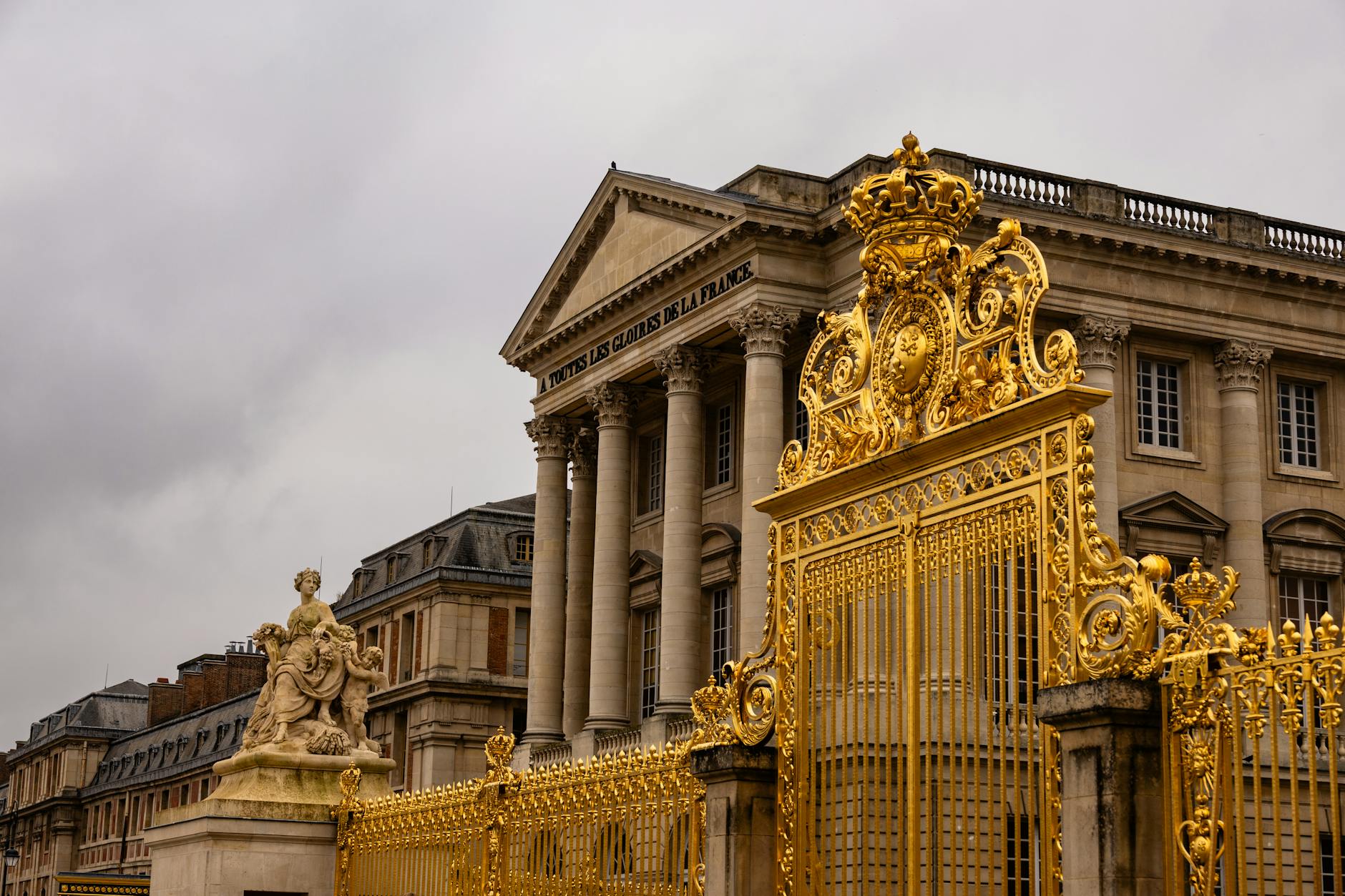
RER C to Versailles Château-Rive Gauche (€4.45 each way, 45 min). This is the cheapest, fastest, and most direct option. The RER C is an express regional train that runs from central Paris stops including Saint-Michel-Notre-Dame, Musée d’Orsay, Invalides, and Champ de Mars-Tour Eiffel.
You want the train marked “VICK” or “VERSAILLES CHÂTEAU RG” — other RER C trains go to different destinations, and more than one visitor has ended up in Choisy-le-Roi instead. Get off at the last stop, walk 10 minutes to the palace.
Trains every 15 minutes. This is my pick for anyone comfortable reading a transit board.
SNCF Transilien from Gare Saint-Lazare (€4.40 each way, 35 min). Faster than the RER C and less crowded in high season. You arrive at Versailles-Rive Droite, which is slightly further from the palace (15-minute walk through town, not unpleasant). Good option if you’re staying near Gare Saint-Lazare.
Bus 171 from Pont de Sèvres (€2.10, 30 min). The cheapest option and a favourite of Paris insiders. Starts at Pont de Sèvres (metro Line 9 terminus) and ends at the palace gates.
Slightly slower than the train but drops you directly at the entrance — no 10-minute walk. Good for travellers already based in south-western Paris or coming from La Défense.
Coach tour (price varies). Already covered above. Door-to-door, no thinking, +$20 vs. train.
Uber from central Paris (€45-€65). The lazy option. Takes about 40 minutes without traffic, 60+ with.
I’d only use this as a return trip if the trains are crowded at the end of the day and you’re too tired to wait.
What You Actually See Inside the Palace
Versailles is huge. You cannot see all of it in one visit. Here’s what to prioritise.
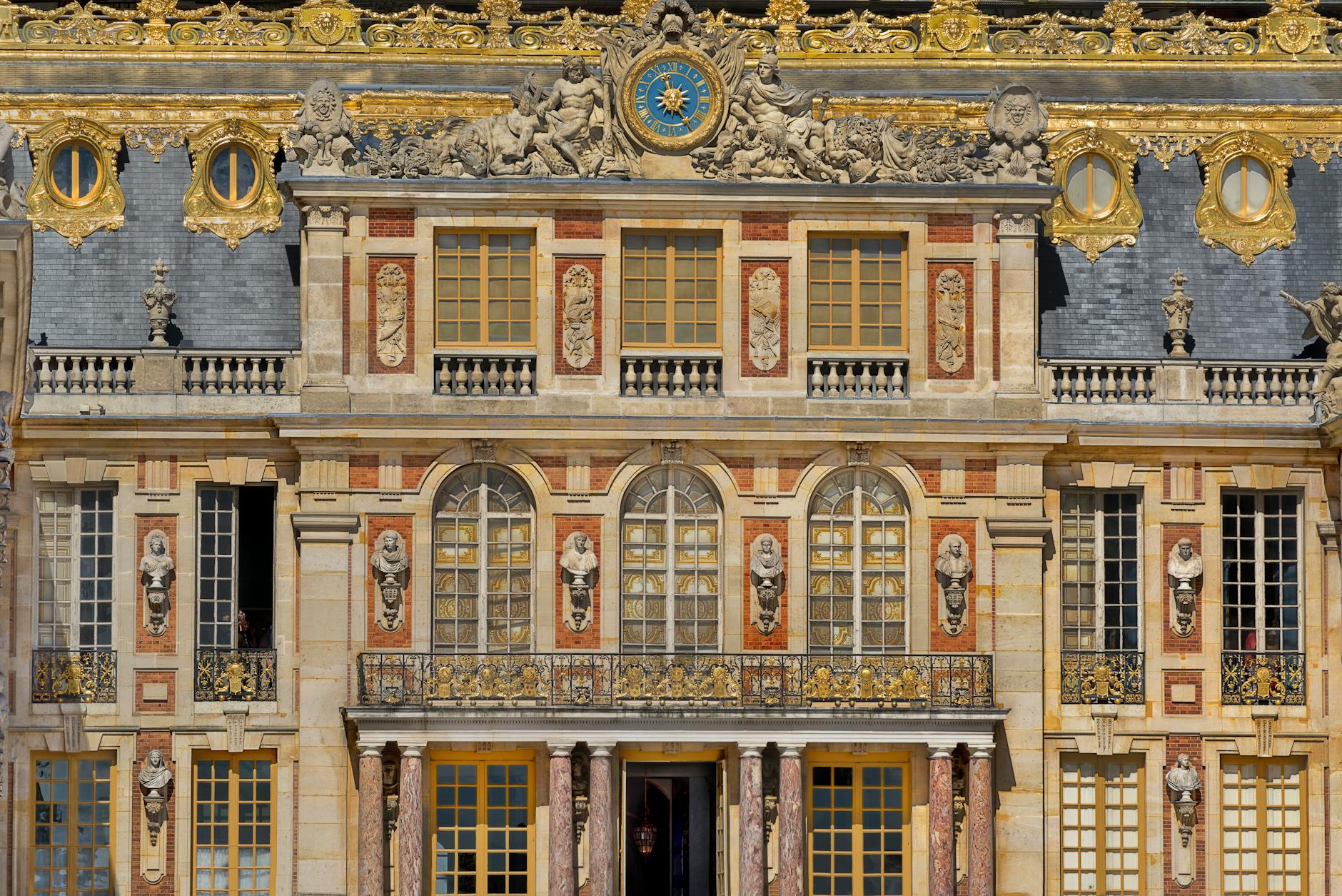
The Royal Chapel. First room most tours pass through. Gilded, echoing, and often lit from behind by morning sun through the clerestory. Don’t race past it.
The Hercules Salon. Named for the ceiling painting of Hercules being admitted to Olympus. Overlooked because everyone’s rushing to the Hall of Mirrors, but one of the most striking rooms in the palace.
The King’s State Apartments (Salon of Venus, Mars, Mercury, Apollo). Seven rooms named after Roman gods, each with a themed ceiling painting. The Apollo Salon doubled as Louis XIV’s throne room and is probably the richest single room in the palace after the Hall of Mirrors.
The Hall of Mirrors (Galerie des Glaces). The set piece. 357 mirrors on 17 arches, 73 metres long, and packed with 10,000 other travelers at any given moment.
Find a corner, wait two minutes for a gap, and your photo will be the one everyone wants.
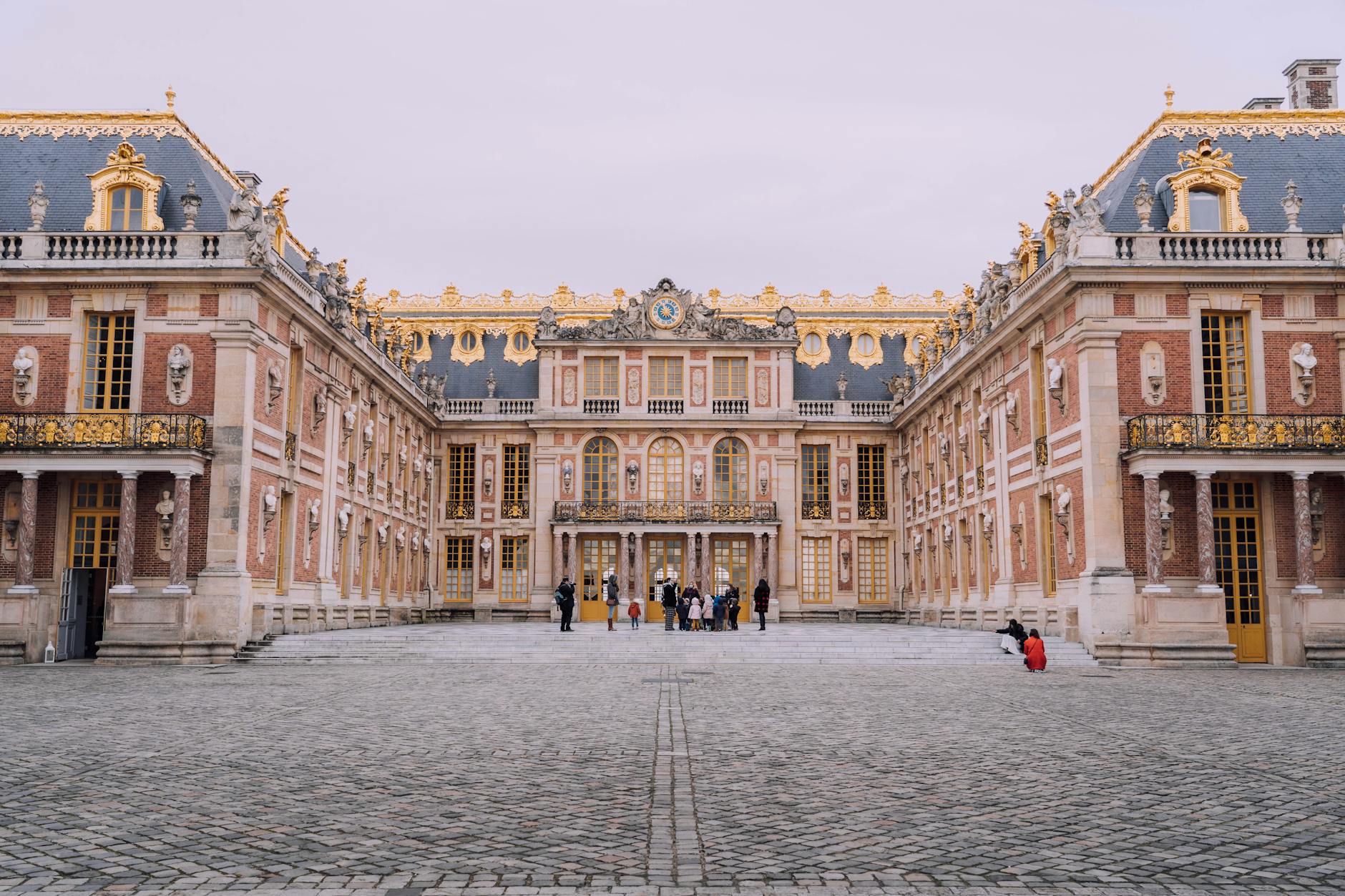
The Queen’s Bedchamber. The room where Marie-Antoinette slept. Technically a recreation — the original furniture was looted during the Revolution — but the wallpaper and drapes are historically accurate.
The small secret door she used to escape during the storming of the palace in October 1789 is still there.
The Battles Gallery. An 1830s addition under Louis-Philippe, covering 120 metres of wall with 33 paintings of French military victories. Most guided tours skip this entirely.
If you have 20 extra minutes and are into military history, it’s worth a walk through.
The Gardens — Which Is Really the Point
Here’s the opinion I’ll defend until I die: the palace is interesting, but the gardens are what makes Versailles actually worth the trip. André Le Nôtre’s design from the 1660s is the template for every formal garden in Europe that came after, and walking through it is an experience the interior rooms don’t quite match.
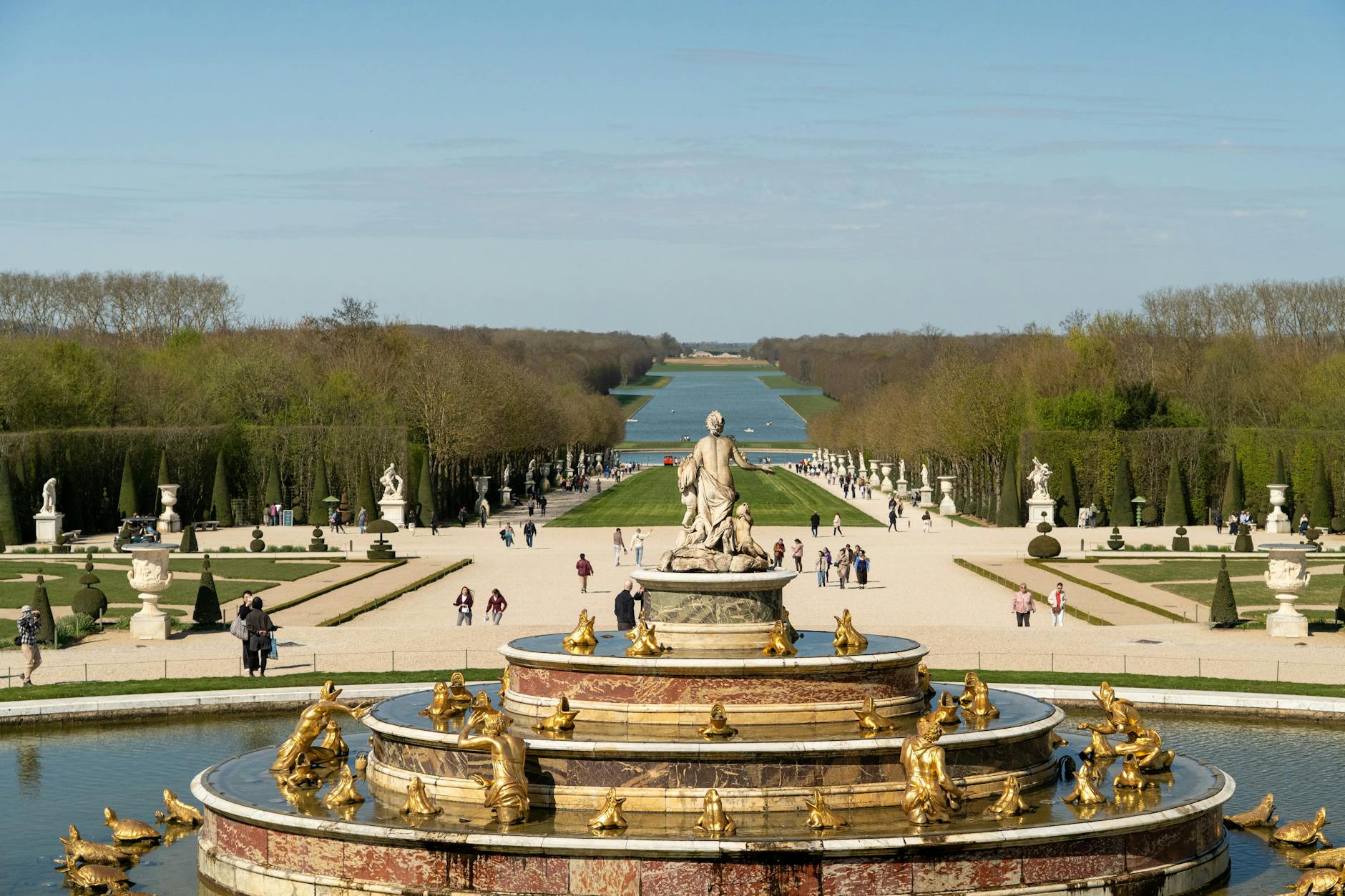
The main axis. Stand at the garden-side of the palace and look straight down. What you’re looking at is a 3km line of gravel paths, fountains, and lakes laid out with surgical symmetry.
The whole thing was designed to be walked — the walk from the palace to the far end of the Grand Canal is about 45 minutes one way.
Apollo Fountain. Halfway down the main axis. A gilded Apollo rising from the water in his chariot. On fountain days (weekends April-October), the water show here is the highlight of the day.
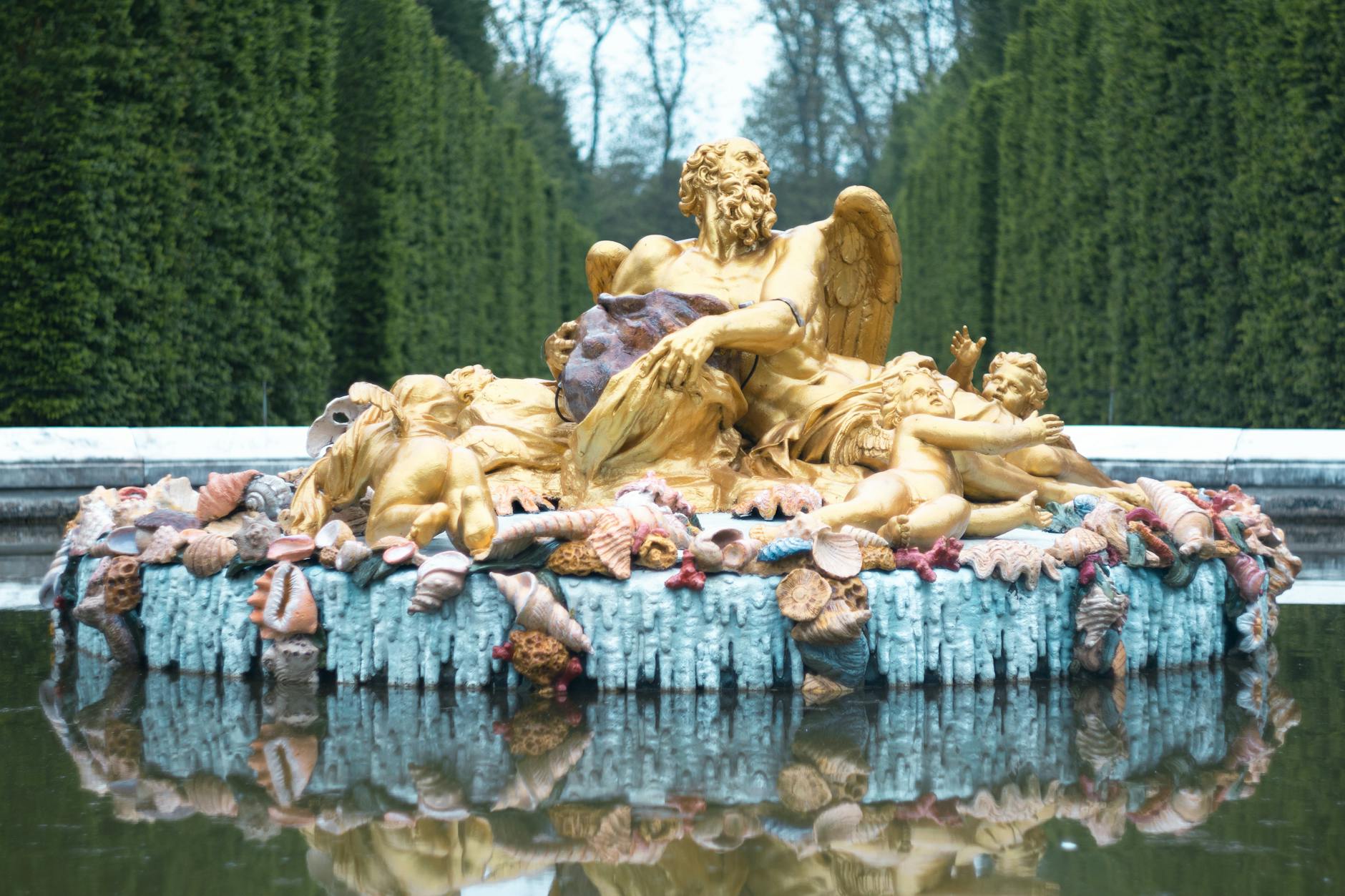
Grand Canal. The 1.6km artificial canal at the far end of the main axis. You can rent a rowboat here for €20/hour in summer, which is the most unexpectedly fun thing at Versailles.
Absolutely book it if the weather is warm.
Petit Trianon and Marie-Antoinette’s Hamlet. A separate walled estate about 2km from the main palace. This is where Marie-Antoinette built a fake village to escape the formality of court life — actual working farm, thatched cottages, milk-maid cosplay.
Most day-trippers skip it because of the walk but it’s the most charming corner of the whole estate.
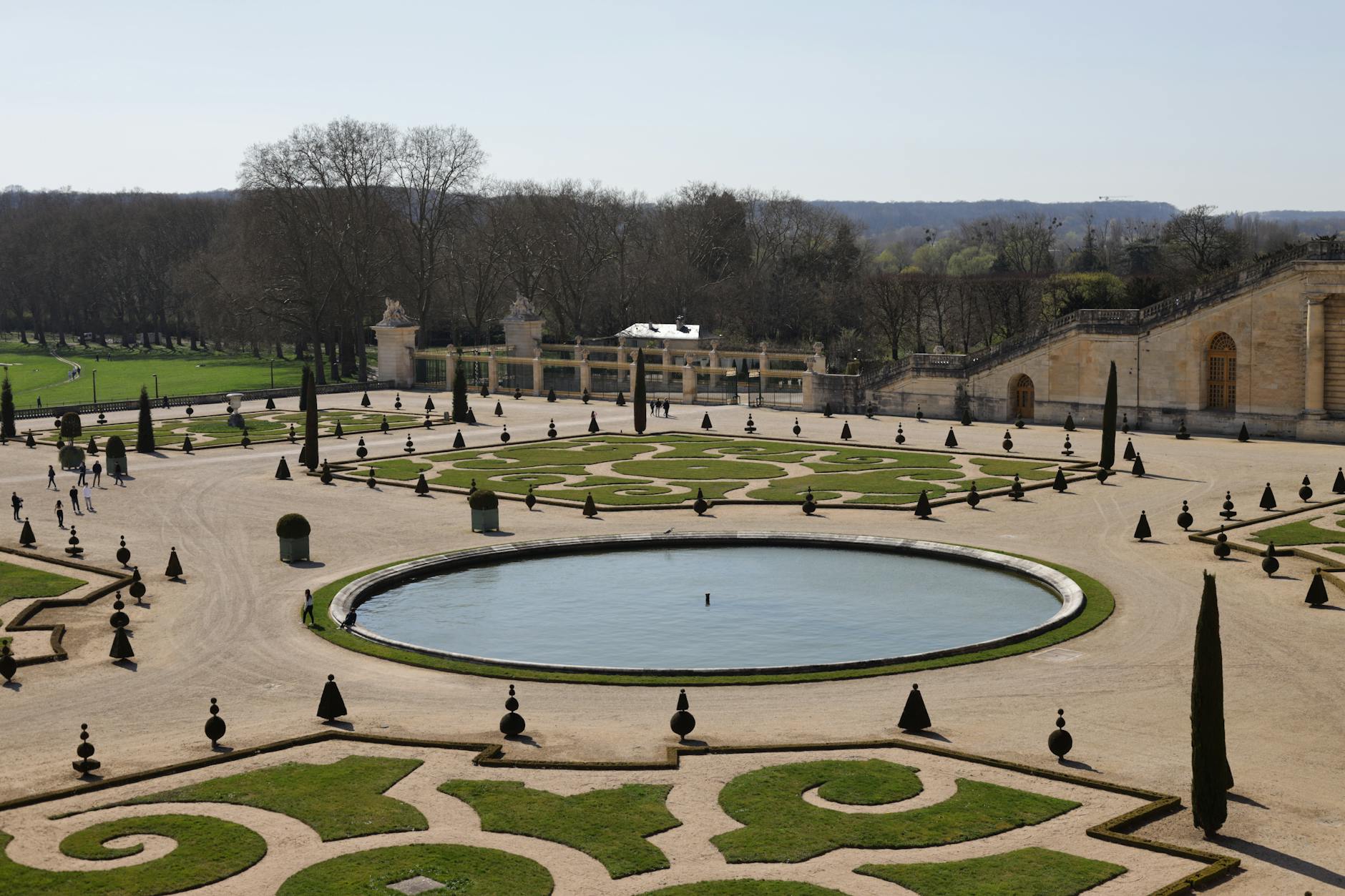
The Orangerie. South of the palace, hidden behind a retaining wall. Home to over 1000 orange trees, lemon trees, and palms, many of them over 200 years old.
In summer they’re wheeled outside into the Parterre de l’Orangerie. In winter they’re inside and the space is empty.
The Grand Trianon. A smaller pink-marble palace north of the main building, built by Louis XIV for his mistress Madame de Maintenon. Included in the “Passport” ticket but not in the basic “Palace only” ticket — check which one you have.
Tips That Save You Time and Temper

Book the earliest entry slot. The Hall of Mirrors is noticeably quieter before 10am. Every tour I’ve done that had a 9am slot was calmer than any 11am tour.
Eat before you arrive. Food at Versailles is overpriced and mostly mediocre. There’s an Angelina tea room for €15 hot chocolate that’s worth it once, but the café sandwiches are €12 and disappointing.
Grab a croissant before you board the train.
Bring a refillable water bottle. There are fountains in the gardens and it’s a long day — easily 15,000+ steps. Hydration matters more than you’d think.
Wear actual shoes. The gardens are gravel and there’s a lot of them. Sneakers or walking shoes only.
I have seen visitors try this in heels and it’s painful to witness.
Use the Passport ticket, not just Palace only. The Passport (€32) includes the Grand Trianon, Petit Trianon, and Marie-Antoinette’s Hamlet. The Palace-only ticket (€21) does not. The €11 difference is worth it if you have more than 4 hours on site.
Skip the audioguide if you have a guide. The audioguide is included in the ticket price and is well-written, but if you’ve already paid for a guide, two sources of commentary is one too many. Just listen to your guide.
Don’t plan anything else that day. Versailles eats the whole day. I’ve tried to pair it with Giverny or Montmartre and always regretted it.
Go, see Versailles properly, come back to Paris, have dinner. That’s the day.
Nearby — Other Paris Guides Worth Pairing
Versailles is a half-day to full-day commitment and leaves you tired. Pair it with a low-effort second activity.
My Seine river cruise guide is the obvious evening pairing — you’re already near the Bourdonnais dock when the train drops you back in Paris, and a 1-hour sightseeing cruise at sunset is exactly the pace you want after a long day of walking. Or book my Seine dinner cruise guide pick if you want to go straight from train to table.

If you’re building out a Paris itinerary, my Louvre ticket guide, my Eiffel Tower ticket guide, and my Paris food tour guide are the three big central-Paris ticks. I’d do Versailles on day 2 of a 4-day Paris trip — you arrive fresh, get the logistics-heavy day done early, and have the rest of the trip for the city itself.
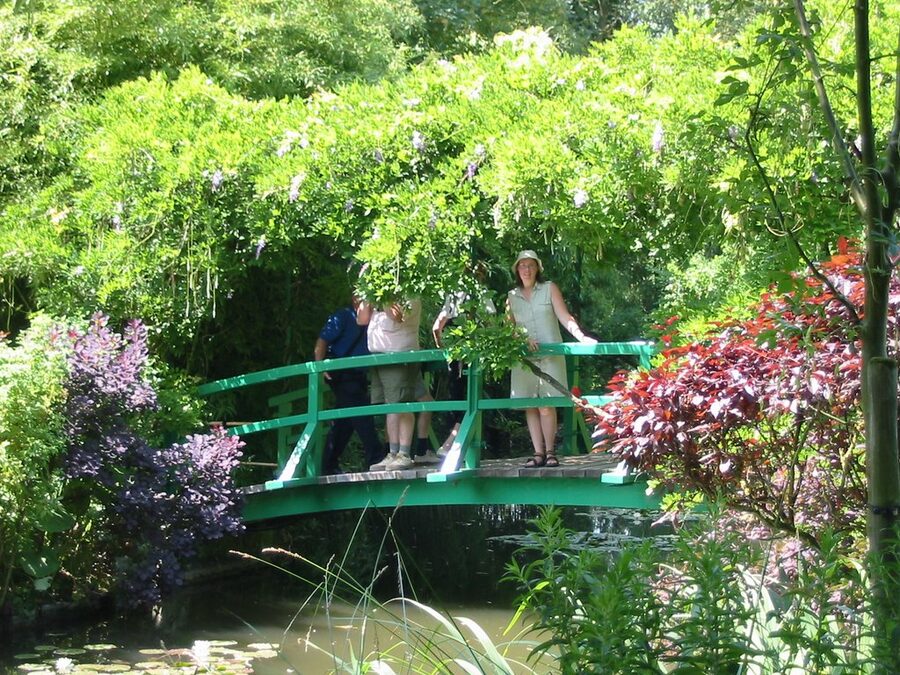
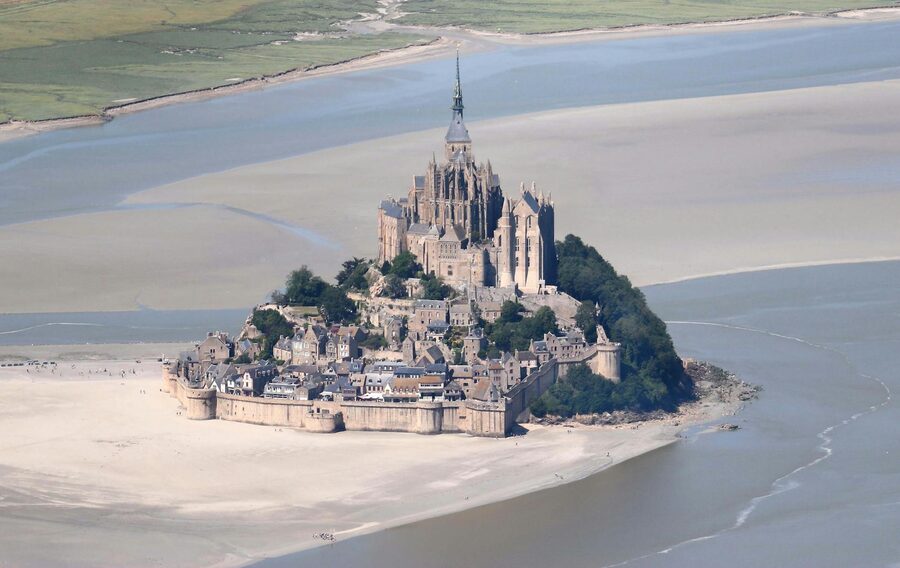
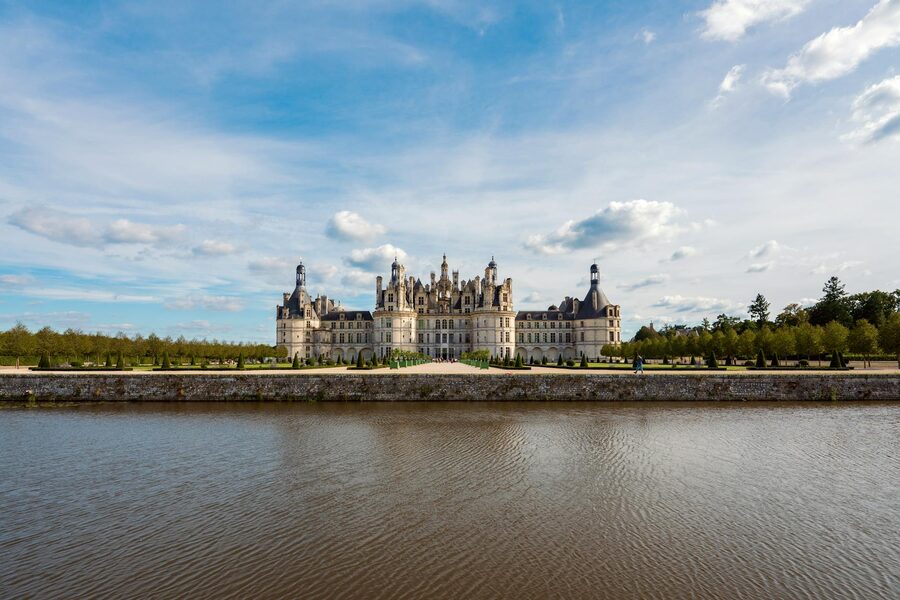
If you have more than a week and want to venture further out, my Giverny guide covers Monet’s garden (which pairs naturally with Versailles on a day trip if you really want both, though I’d do them separately), my Mont Saint-Michel guide covers the full-day trip out to Normandy, and my Loire Valley guide is the classic château day trip.

This article contains affiliate links. When you book through these links, we may earn a small commission at no extra cost to you. This helps us keep producing free travel guides.
Other Royal Palaces and Day Trips
If Versailles whets your appetite for French royal architecture, the Fontainebleau and Vaux-le-Vicomte day trip covers two palaces that many argue are more beautiful than Versailles — with a fraction of the crowds. The Basilique Saint-Denis is where the kings who built Versailles are actually buried — 42 monarchs in one building. And for a very different kind of French day trip, the Burgundy wine tours from Beaune show you what those monarchs were drinking.