
A Seine dinner cruise in Paris can be one of the most memorable evenings of a trip. It can also be a $250 tray of reheated chicken served on a boat that smells faintly of river. After booking six of these personally — including one I actively hate — here’s the only guide that treats “is the food any good” as the most important question.
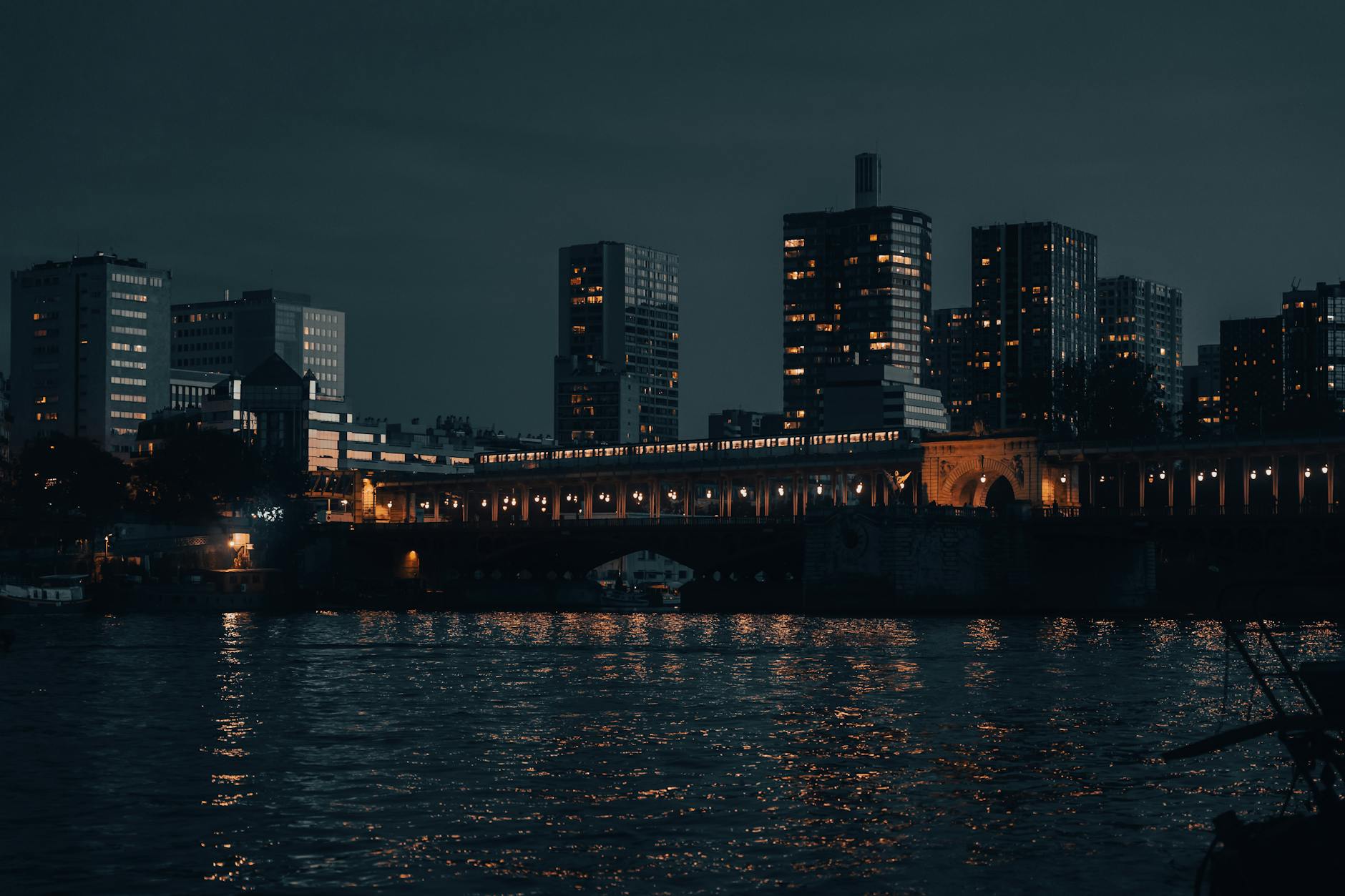
Best value for the money: Capitaine Fracasse 3-Course Seine River Dinner Cruise — $68. Cheapest proper three-course option on the river. The boat is smaller and more intimate than the big operators, the kitchen works better than it has any right to at this price, and departure is from the Pont de Bir-Hakeim. This is what I book when friends want “a Paris dinner cruise” and I don’t want them to overspend.
Best if you care about the food: Bateaux Parisiens — Bistro Parisien Dinner + Sightseeing — $85. The only operator I’d trust for the food alone. Actual French bistro cooking, proper wine, three hours including a sightseeing loop. More expensive but the jump in quality is worth it.
Best for a proper night out: Paris Prestige Dinner Cruise from Eiffel Tower — $74. The middle option. Boards right under the Eiffel Tower, white tablecloths, serviceable menu, nice window seats if you book early. Not the food of option 2 but you get the iconic boarding moment.
- Why Seine Dinner Cruises Are Such a Mixed Bag
- What You Actually Get on a Dinner Cruise
- The Best Seine Dinner Cruises to Book
- 1. Capitaine Fracasse 3-Course Seine River Dinner Cruise —
- 2. Bateaux Parisiens — Bistro Parisien Dinner + Sightseeing —
- 3. Paris Prestige Dinner Cruise from Eiffel Tower —
- When to Cruise — Timing the Sunset and the Sparkle
- How to Pick a Dinner Cruise Without Getting Scammed
- Getting to the Docks
- Dress Code — Yes, There Is One
- What You See from the Table
- Nearby — Other Paris Guides Worth Pairing
- More Paris Evening Dining
Why Seine Dinner Cruises Are Such a Mixed Bag
Here’s the thing nobody says out loud. Most Seine dinner cruises are run on the principle that the view does all the work.
The boats are full, the turnover is fast, the margins on food are huge, and the customer leaves happy because they just spent two hours floating past Notre-Dame. The food quality is almost an afterthought.
This is why prices range from $68 to $250 for what sounds like the same product. At the bottom end you’re paying for the experience — boat, view, music, a warm plate.
At the top end you’re paying for actual cooking plus things like guaranteed window seats, champagne, and a live singer. And at every tier, you can still end up with a bad plate if you pick the wrong operator.
What I’m trying to say is: don’t just book the most expensive one and assume it’s the best. And don’t book the cheapest one if you care about dinner as a meal. Pick based on what matters to you, not on price.
What You Actually Get on a Dinner Cruise
Every Seine dinner cruise includes the same core ingredients in slightly different proportions.
The boat. Most dinner cruise vessels are long, low-slung glass-roofed boats. The glass is important: it means you see the skyline from your table.
The good ones have windows that actually open. The bad ones trap condensation and you eat looking at a fogged-up view.
A table, your own. Unlike sightseeing cruises where you grab a bench, dinner cruises are assigned seating. You’ll book a 2-person or 4-person or 6-person table and — depending on the operator — you may be seated with strangers or on your own.
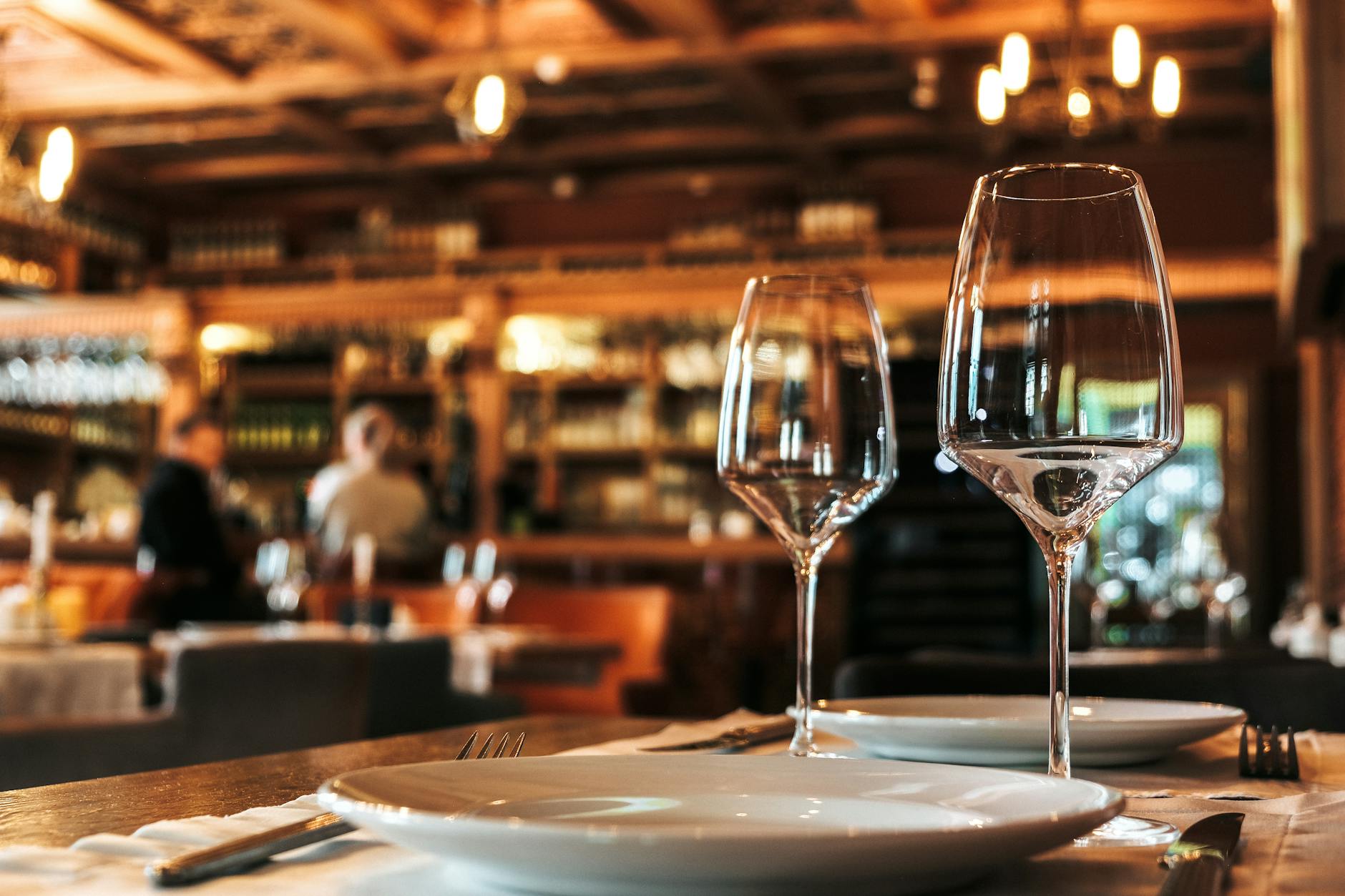
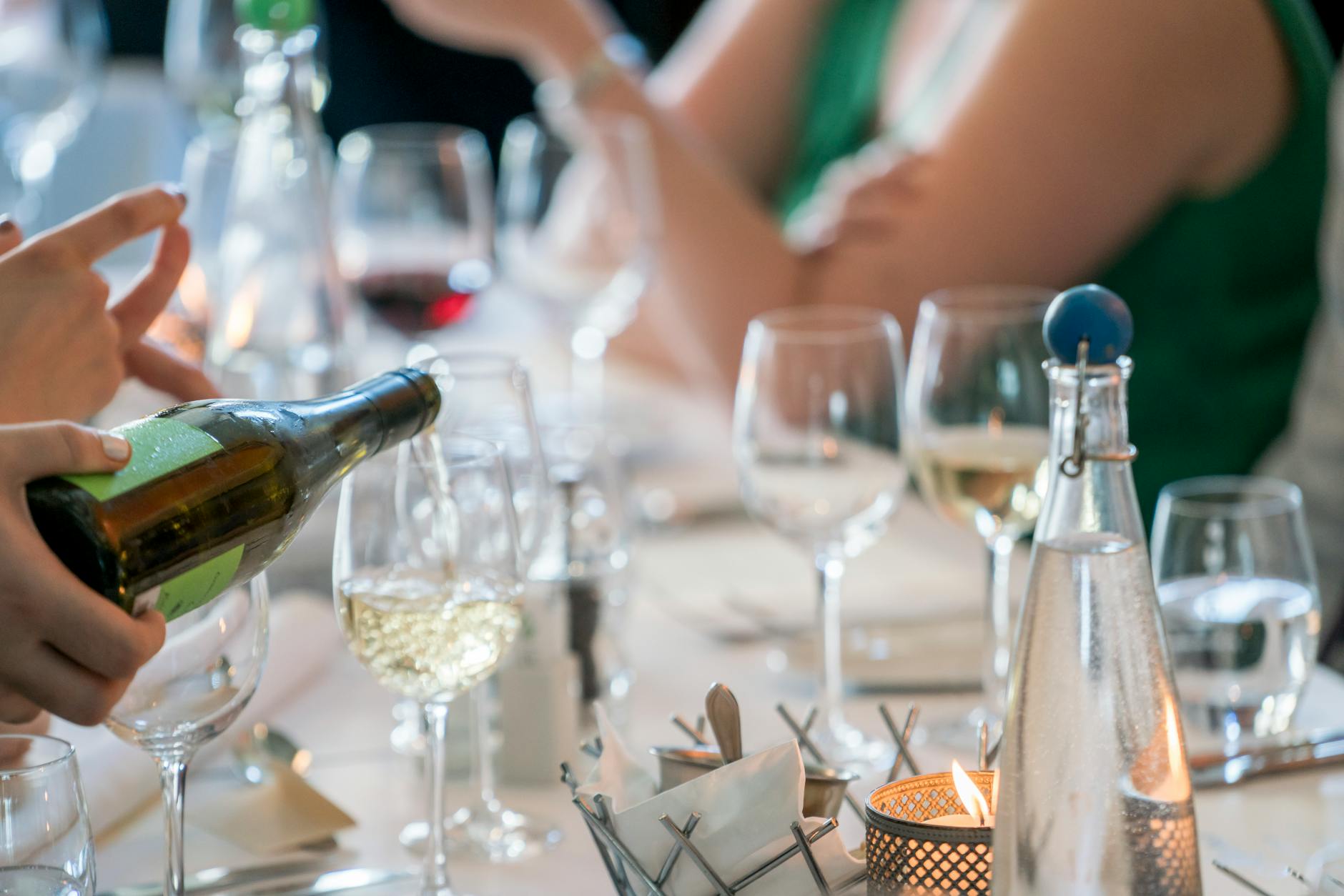
Three courses plus wine. Starter, main, dessert. Wine is included on most but not all cruises. Read your booking carefully: the $68 cruises usually give you a half-bottle of wine per person; the $250 ones upgrade to champagne.
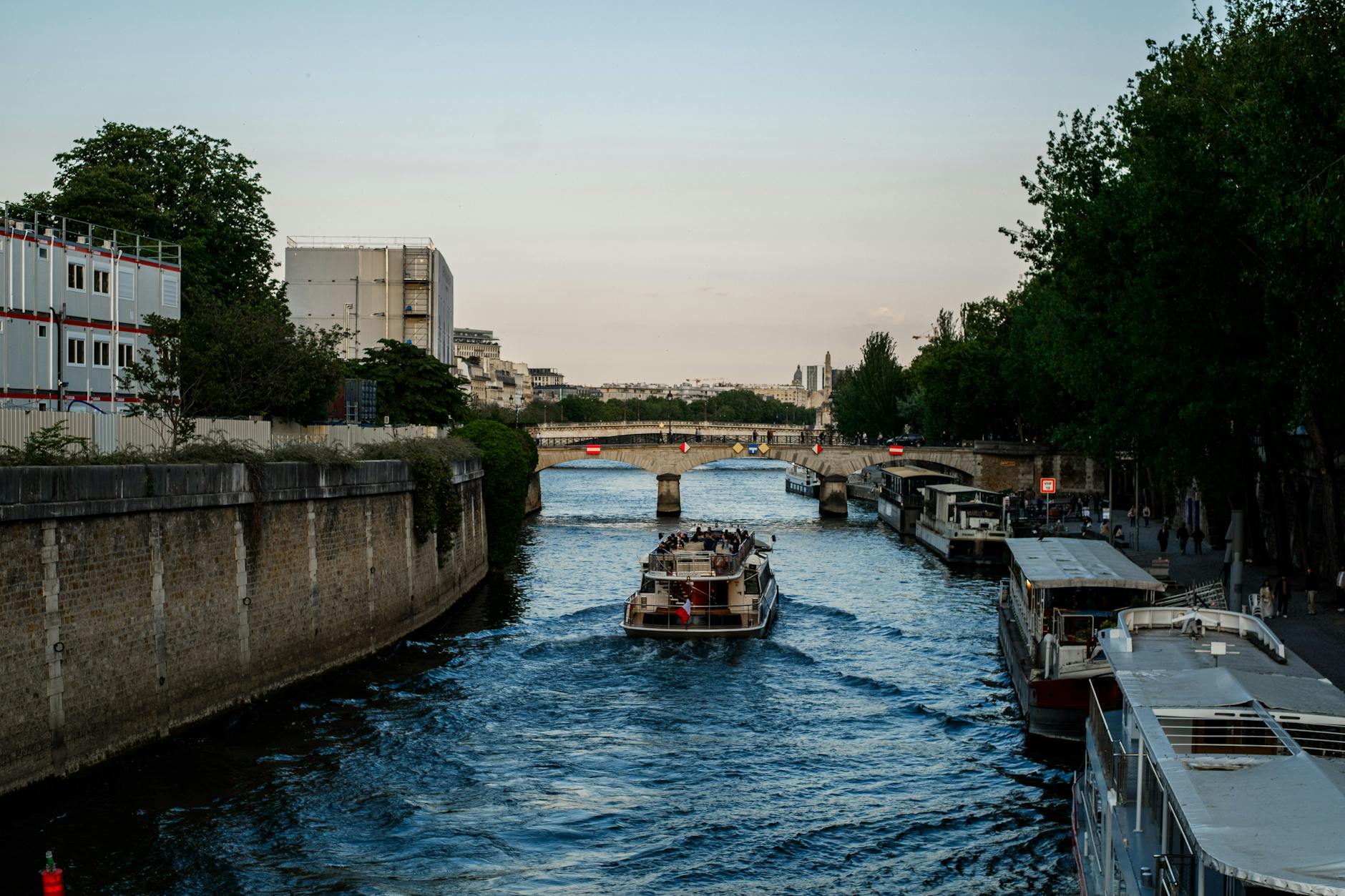
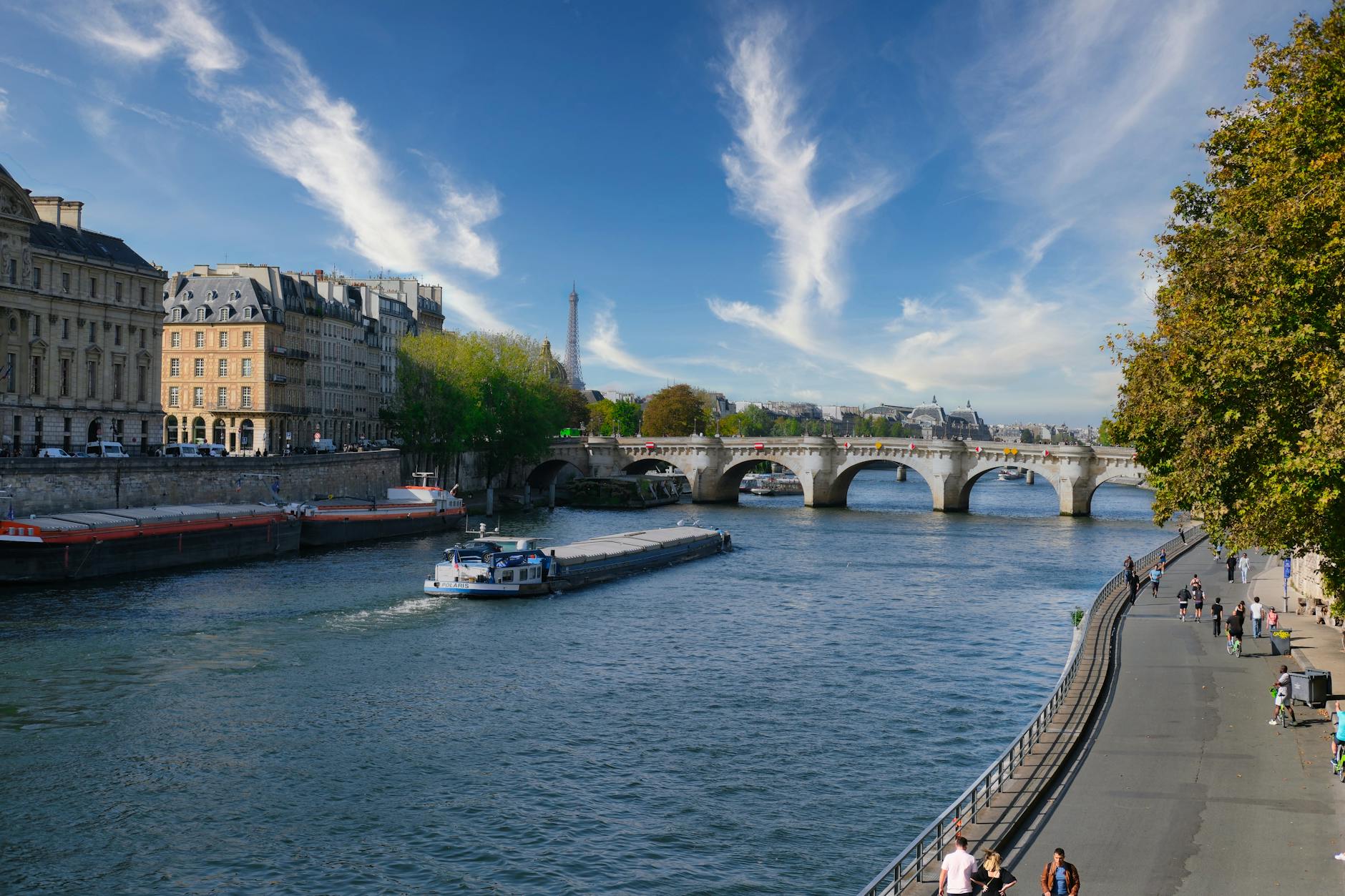
The loop. Dinner cruises run a longer route than sightseeing cruises — usually 2 hours, sometimes 3. You head east past Pont Alexandre III, Louvre, Île de la Cité, Notre-Dame, then turn around and come back. A few operators do a second, shorter loop while you eat dessert.
Music, sometimes. Higher-tier cruises add a live singer or accordionist. It’s either charming or grating depending on your mood. I find the singer helps create the romantic vibe the operators are aiming for, provided she isn’t also your only view of the Louvre.
The Eiffel sparkle window. If your cruise is scheduled right, you’ll be on the river at the top of an hour when the Eiffel Tower lights up with 20,000 flashing bulbs for 5 minutes. This is the single moment everyone’s camera comes out.
The Best Seine Dinner Cruises to Book
Three picks, in the order I’d book them for friends. Each one I’ve personally done in the last couple of years. All prices are per person, all include three courses and wine, and all three departed on time when I booked them.
1. Capitaine Fracasse 3-Course Seine River Dinner Cruise — $68
The Capitaine Fracasse is the cheapest proper three-course dinner cruise on the river and also, somehow, the one I’d book first for 90% of visitors. At $68 per person, you get a two-hour cruise, a plated three-course meal, a half-bottle of wine, and a boat that’s small enough you never feel like you’re on a cruise ship cafeteria.
The boat departs from Pont de Bir-Hakeim, which is one of the most photogenic bridges in Paris in its own right. You board, the staff walks you to an assigned table, and within about ten minutes you’re casting off.
The menu is set — usually three options per course — and the food is genuinely decent for the price. Think bistro-level cooking: confit duck, salmon, steak, that kind of thing.
My take: this is the dinner cruise you book when you want the experience without the guilt of spending $200 a head. It’s also the one I’d pick for a birthday dinner where the birthday person just wants “something Paris” without a big fuss. Small boat, warm interior, real food, sensible price.
2. Bateaux Parisiens — Bistro Parisien Dinner + Sightseeing — $85
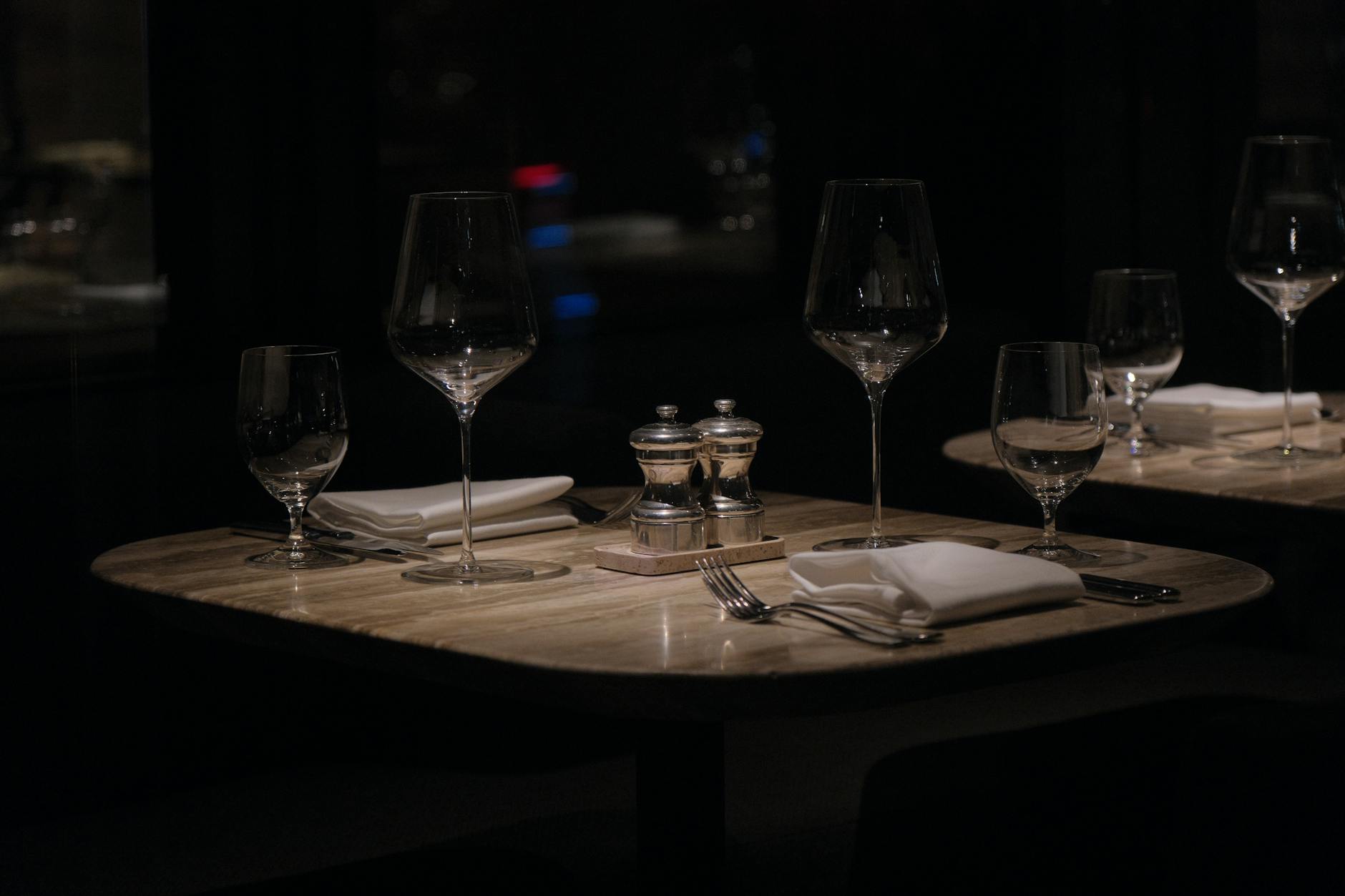
If you actually care about the meal itself — not just the view — this is my pick. Bateaux Parisiens runs their dinner cruise as a combined 3-hour experience: you sit down for dinner at their riverside Bistro Parisien restaurant, and then board a dedicated boat for a sightseeing loop after the meal. Unusual format, and it’s the one that makes sense.
Here’s why it works. When dinner and the cruise are in one seating, the kitchen has to prep 150 plates at once and serve them on a moving boat. The food suffers.
When dinner is at a riverside bistro first and the cruise is second, you eat proper bistro cooking at a proper kitchen, and then you get the view. At $85 per person — three courses with wine plus a sightseeing cruise — it’s also not much more than the budget option.
The food is actual French bistro cooking. Beef bourguignon, duck confit, fish of the day, a decent cheese course if you ask.
The wine is a proper half-bottle, not the dribble some operators serve. The after-dinner cruise is the standard 1-hour Seine loop on one of Bateaux Parisiens’ bigger boats — you board right next to the restaurant.
Honest downside: because dinner and cruise are split, you don’t get the “eating with a view” moment some people are after. If you want to be mid-steak when Notre-Dame glides past the window, this isn’t your cruise. But I think the food trade-off is easily worth it.
3. Paris Prestige Dinner Cruise from Eiffel Tower — $74
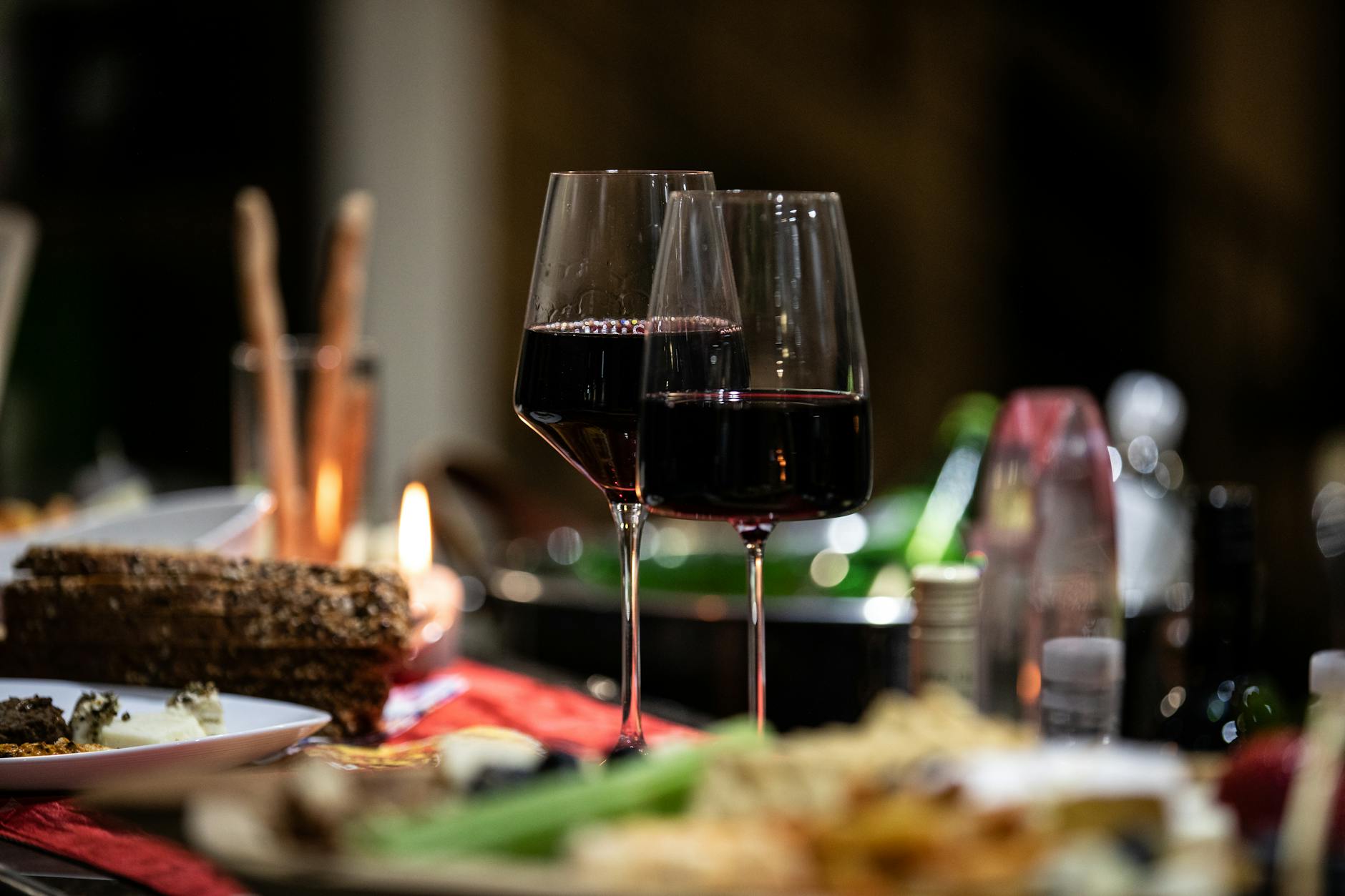
This is the one to book if you want the iconic boarding moment. The Prestige boats depart from Port de la Bourdonnais, directly beneath the Eiffel Tower.
Your pre-cruise photos have the tower in them. Your first glass of wine is poured as you pull away from it. It’s the dinner cruise that matches the fantasy most people have in their head.
At $74 per person, it sits between the budget Fracasse option and the Bistro Parisien — and the food is, honestly, also in the middle. You get three courses, wine, and a two-hour loop. The menu is set with three options per course, same as the Fracasse, and the cooking is a notch above that but not as polished as the Bistro Parisien.
Where this cruise wins is on the window seats. If you book at least a week out and specifically request a window table, you’ll get one.
And eating a slow three-course dinner with Notre-Dame sliding past the glass two metres from your fork is the thing people actually want when they say “Seine dinner cruise.” For that experience alone, it earns its spot.
My take: book this if the vibe matters more than the food, and book option 2 if the food matters more than the vibe. Book the Fracasse if neither matters as much as the price.
When to Cruise — Timing the Sunset and the Sparkle
Timing matters more than most people realise. A dinner cruise at 6pm in July is a different experience than a dinner cruise at 8pm the same day.
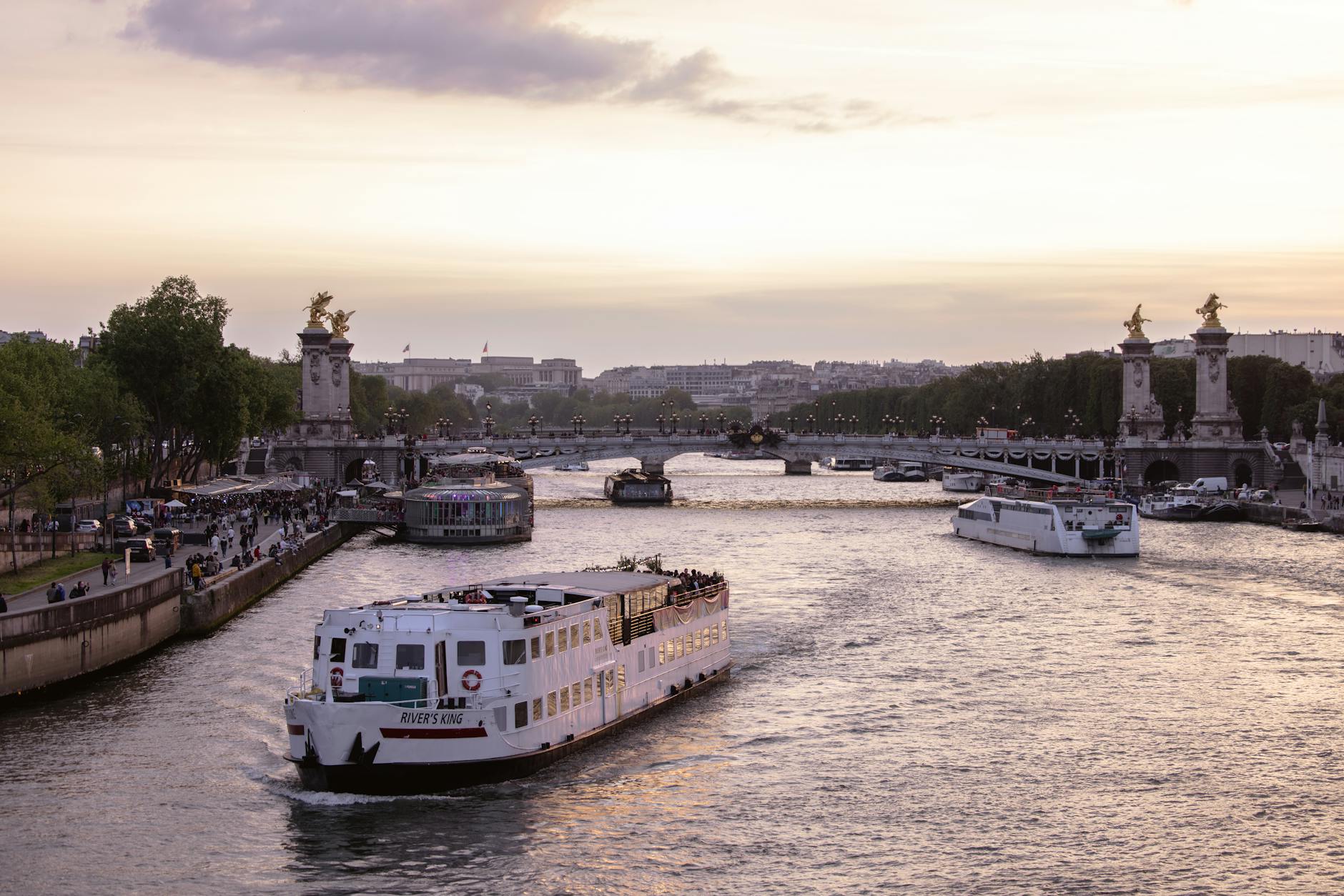
In summer, Paris sunset is roughly 9:45pm. The ideal dinner cruise boards at 8:30pm.
You get 45 minutes of warm light on the starter, sunset with the main course, and lit monuments with dessert. That’s the holy-trinity timing.
In winter, sunset is around 5pm. The ideal dinner cruise boards at 6:30pm. You miss the golden hour but gain the advantage that the entire cruise is done under the night lights, which in a way is more dramatic.
The Eiffel Tower sparkles for 5 minutes on every hour from sunset to 1am (11pm in winter). Your cruise will likely pass the tower twice — once going east, once coming back.
Aim for a departure time that puts the return leg at 10 minutes before an hour. On a 2-hour cruise that starts at 8:30pm, you’ll be heading back past the Eiffel Tower around 10:20pm — perfect for the 10pm sparkle if your captain runs slightly slow, and the 11pm if they run on schedule.
How to Pick a Dinner Cruise Without Getting Scammed
After more of these than I’m proud of, these are the rules I follow.
Check whether wine is included. This is the most common upsell trap. Some operators include a half-bottle of wine per person in the headline price.
Others charge extra. Read the inclusions list. If wine is not included, add $25-40 to the sticker price.
Check the boat size. Bigger boats = cafeteria kitchens = more consistent but usually mediocre food. Smaller boats = actual chefs but higher risk.
For my money, 80-200 passenger boats are the sweet spot.
Check whether window seats are guaranteed. Some operators guarantee window seats. Others upsell them for $30 extra.
Budget cruises usually have window seats available if you arrive early. Higher-tier cruises either guarantee them or charge for them.
Check the menu before booking. If the operator won’t share the menu, that’s a red flag. The operators I trust publish their menus on their booking pages. The ones I don’t trust hide them.
Book 7–10 days out, not further. Menus sometimes change. Booking too far in advance means you commit to a menu that might shift by the time you board. A week or so out is the sweet spot — enough to get the slot you want, not so much that things change.
Skip the champagne upsells unless you love champagne. The “with champagne” upgrade usually replaces the wine with one glass of champagne at the start and nothing more. You drink better if you stick with the wine.
Bring a light layer. Even on the warmest summer evening, the boat interior gets air-conditioned to compensate for body heat, and the river air is cooler than the city. A light jumper or pashmina is the right call.
Getting to the Docks
Three main dock locations, same rules as daytime sightseeing cruises.
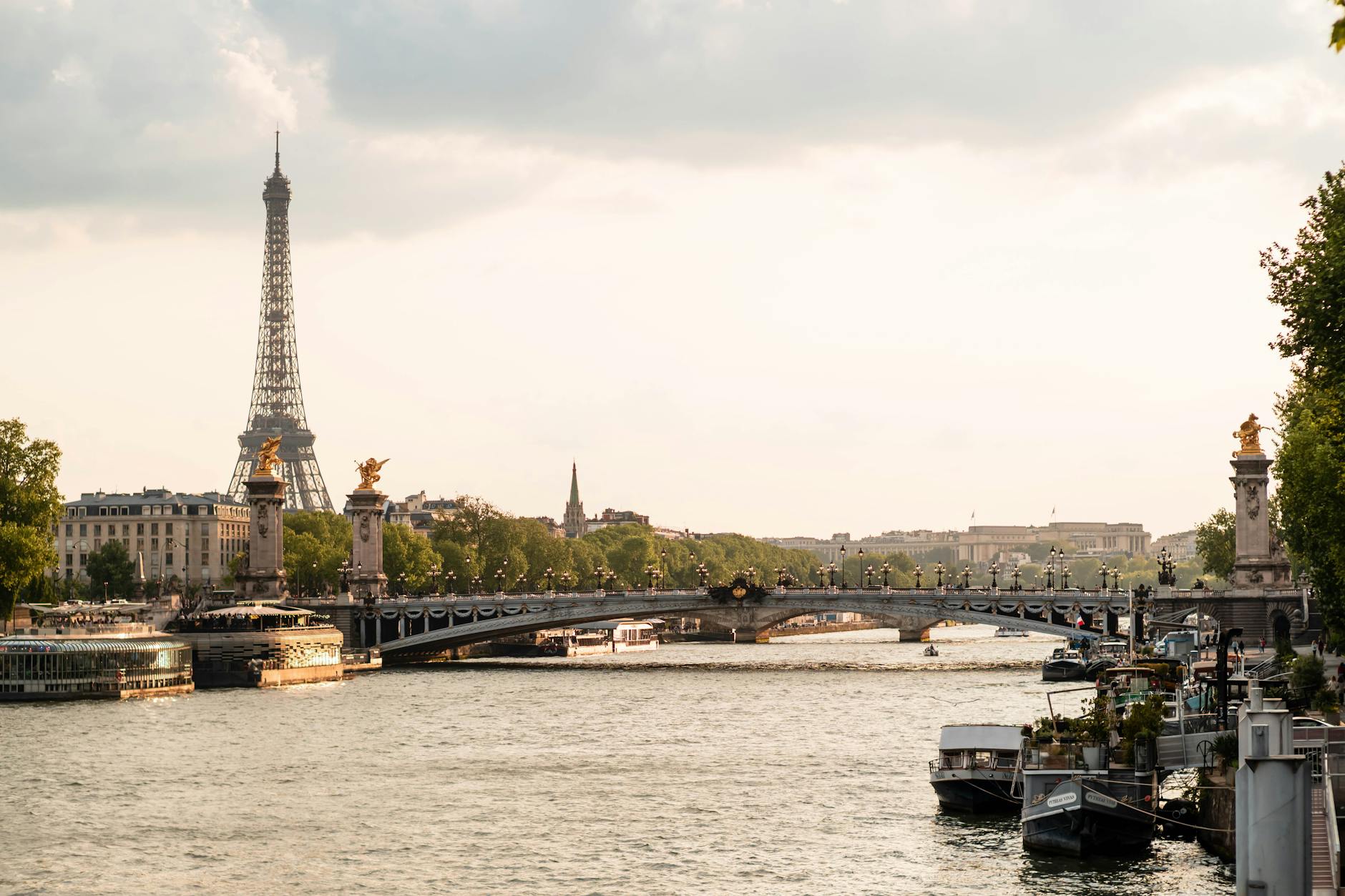
Port de la Bourdonnais (Eiffel Tower, Left Bank). Metro: Bir-Hakeim (Line 6) or RER C: Champ de Mars-Tour Eiffel. This is where the Prestige dinner cruise boards.
7-minute walk from the metro. The dock has no shelter, so time your arrival to 10-15 minutes before boarding and no earlier if it’s raining.
Port de la Conférence (Pont de l’Alma, Right Bank). Metro: Alma-Marceau (Line 9). Bateaux Parisiens’ Bistro Parisien is here, as is Bateaux Mouches. 5 minutes from the metro. This dock has a proper waiting area.
Pont de Bir-Hakeim. Metro: Bir-Hakeim (Line 6) or Passy. This is where the Capitaine Fracasse departs, and the bridge itself is famous from film (Inception, Last Tango in Paris). The dock is directly below the bridge and is easier to find if you approach from the Passy side.
One practical note: don’t plan to get to any of these docks by Uber. Paris traffic at 8pm is bad and the streets near the docks have frequent one-ways. Metro is faster and costs €2.10.
Dress Code — Yes, There Is One
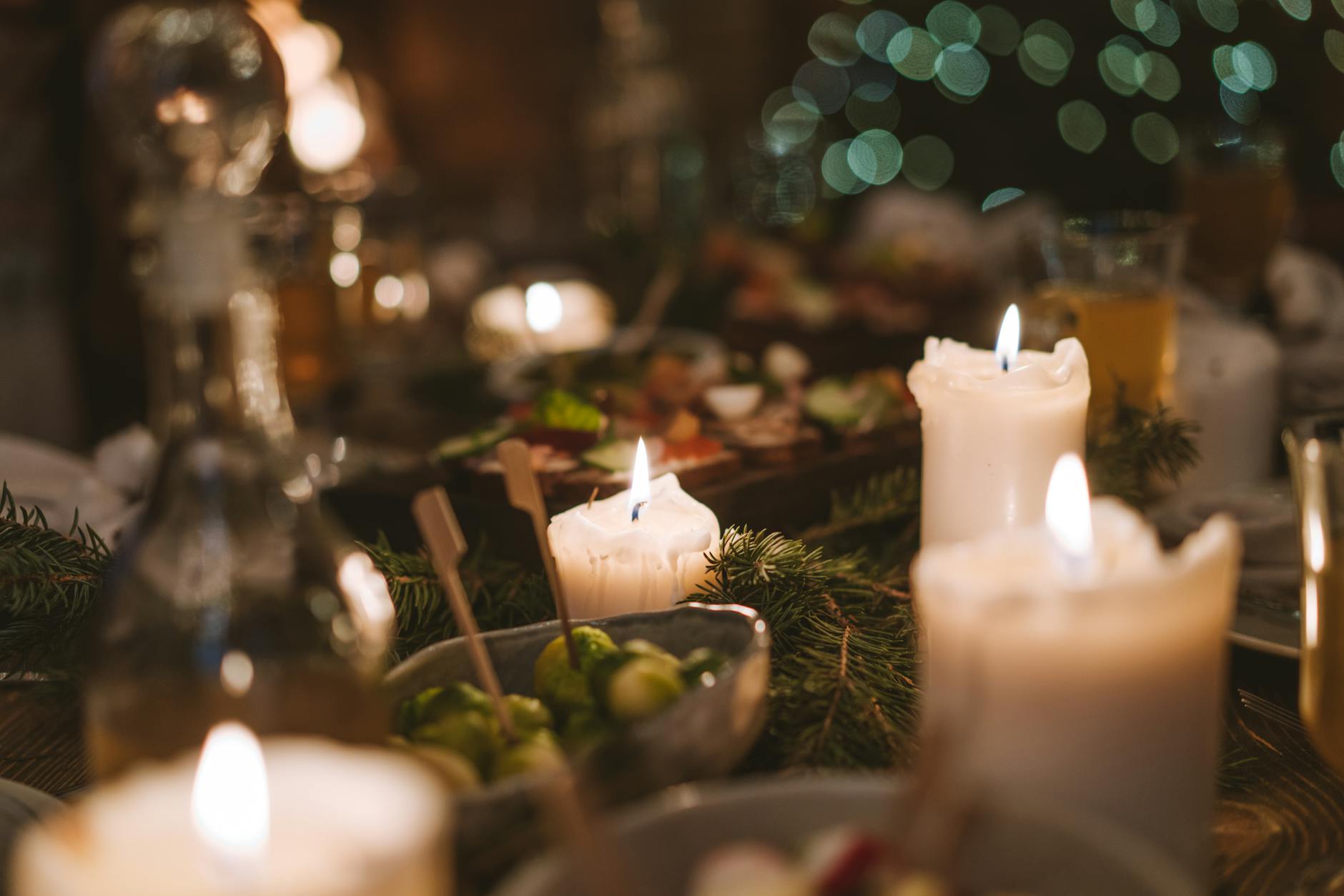
Nobody wants to talk about this, but I have seen too many people turn up in hiking gear. Here’s what’s actually expected.
Smart casual is the norm. For men: chinos or dark jeans, collared shirt, shoes that aren’t sneakers. For women: a dress, a blouse and skirt, or dark jeans with a nice top.
Nothing needs to be formal. Nothing should be shorts.
The higher-tier cruises are smarter. The $150+ cruises with champagne and live music assume guests will dress for it. I’d wear a jacket to the Yachts de Paris type of cruise. I wouldn’t wear a tie.
Shoes matter because boats move. Heels over 5cm are not your friend on a dinner cruise. The boat sways slightly even in calm water and walking to the bathroom in stilettos is a comedy routine. Flats or blocks are better.
A light layer always. I already said this in the tips section but it bears repeating. You’ll be cold at some point. Bring a pashmina, a light jacket, a cardigan — whatever fits the outfit.
What You See from the Table
Your table, not the top deck. Dinner cruises don’t have open-deck seating the way sightseeing boats do — you see everything through glass.
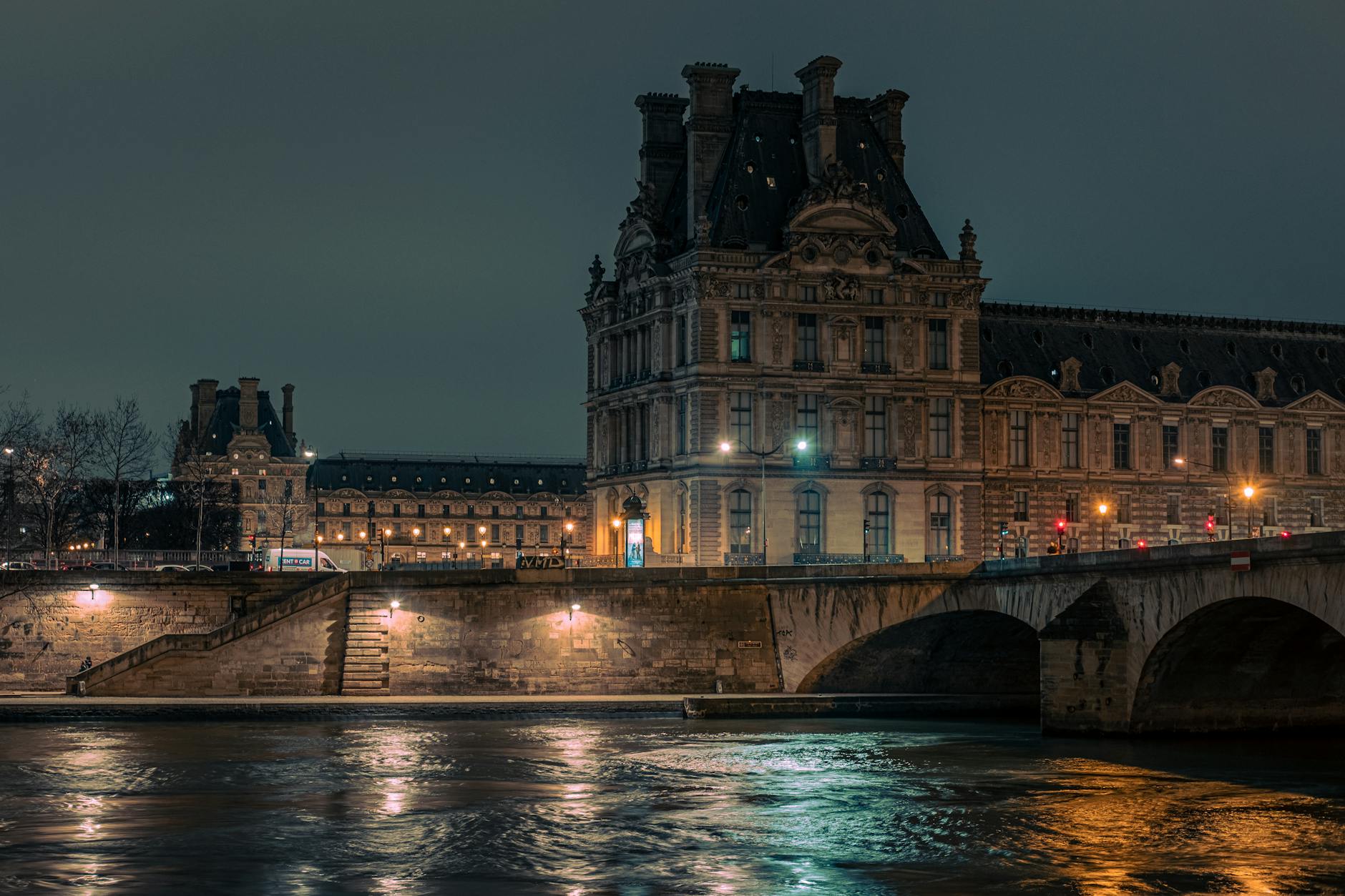
Eiffel Tower. The boat pulls away from it in the first 10 minutes and returns to it in the last 10. The sparkle (if you’ve timed it) is the visual climax.
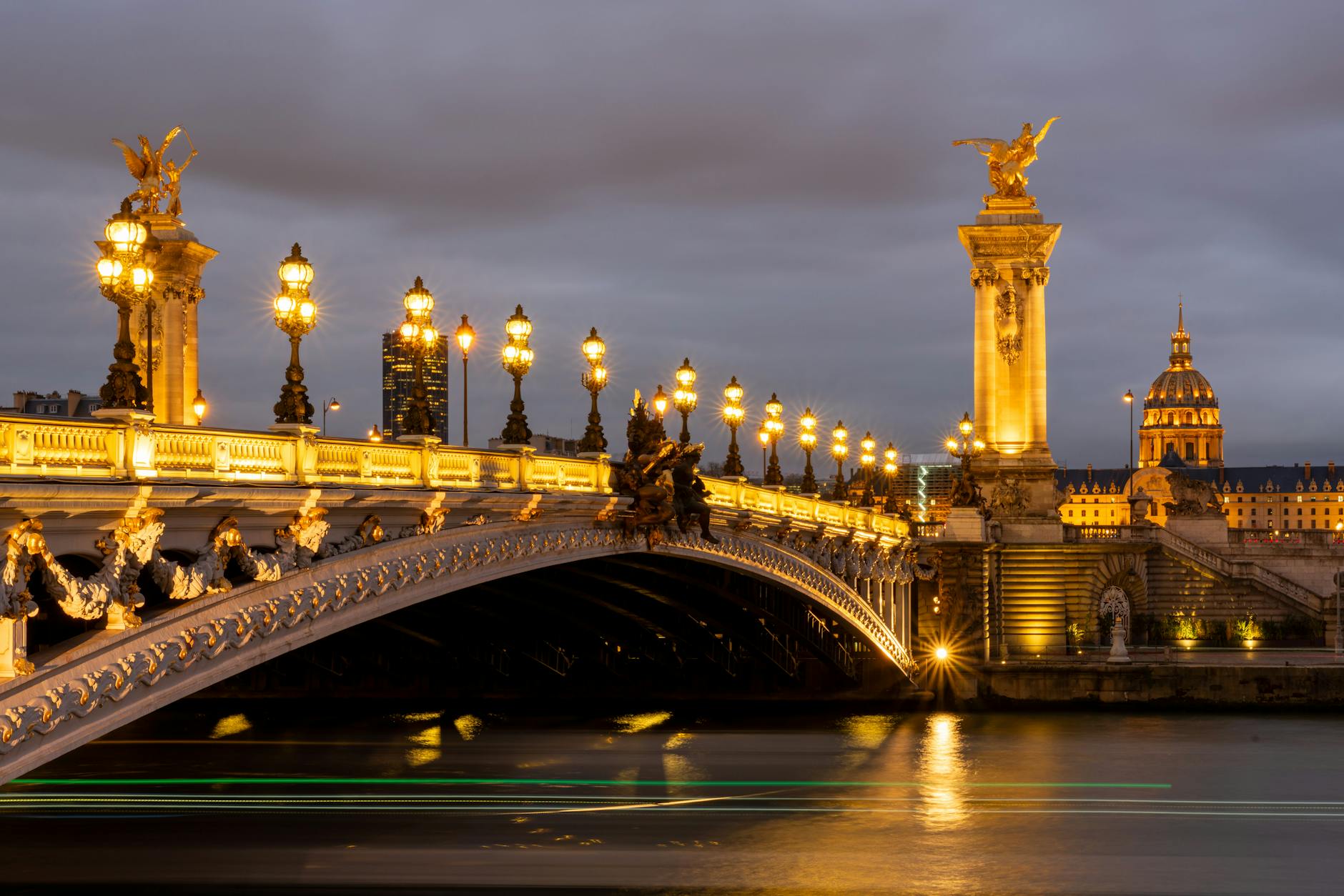
Pont Alexandre III. First major bridge, gilded statues on both sides, streetlamps glowing at night. The boat passes under it about 12 minutes in. Most operators dim the dining room lights as you pass so the view pops.
Grand Palais and Musée d’Orsay. Right bank and left bank respectively. You see the glass dome of the Grand Palais lit from within, and the old railway clock on the d’Orsay facing the river.
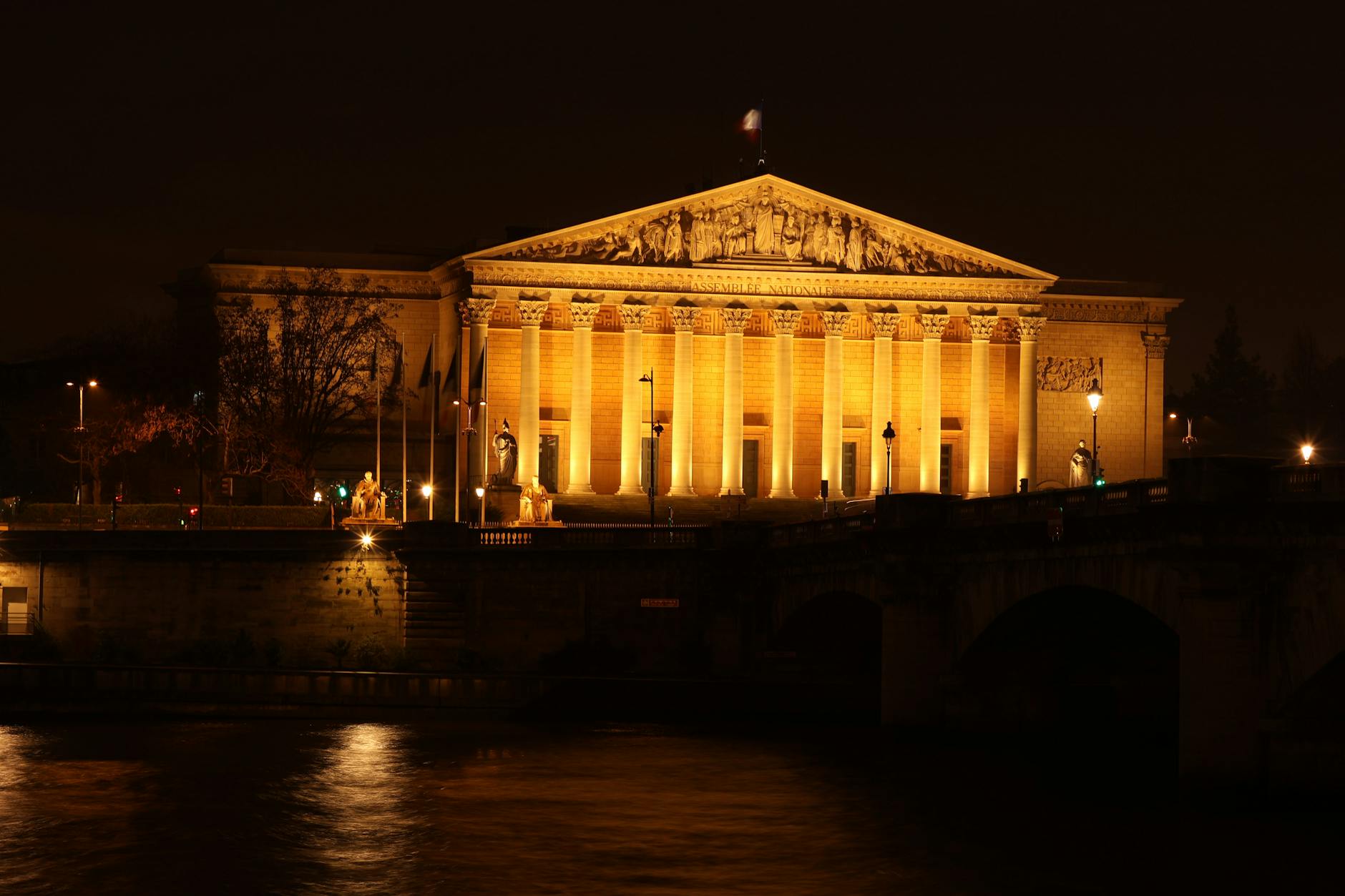
The Louvre. The longest single view of the cruise. Your boat crawls past 500 metres of illuminated Renaissance facade.
At night, the Louvre is flood-lit and the effect is genuinely impressive. This is the moment I tell my guests to put their forks down and look up.
Île de la Cité and Notre-Dame. The turnaround point. You pass between the island and the Left Bank. Notre-Dame’s south facade is still partly scaffolded from the 2019 fire, but the illuminated silhouette is back.
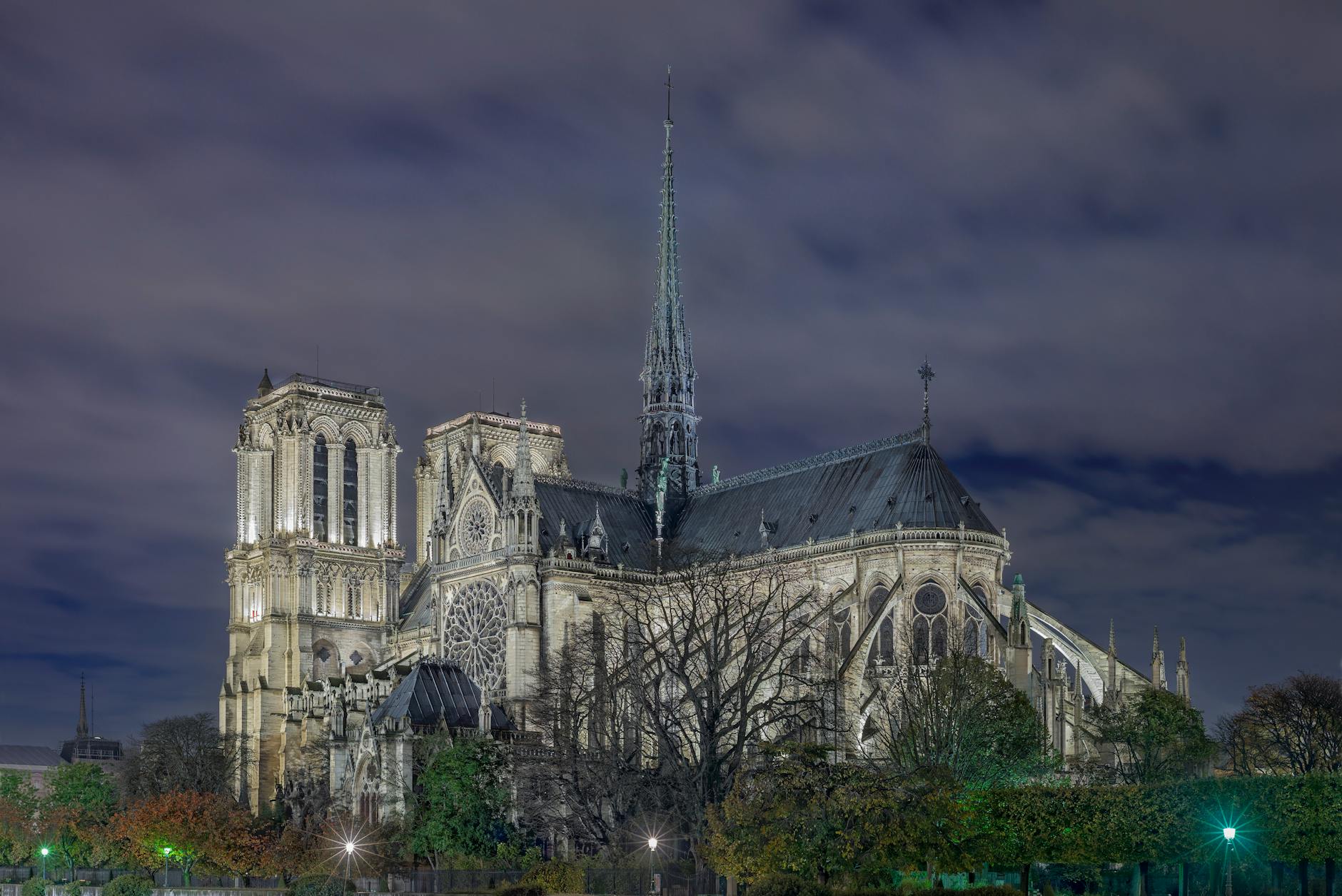
Hôtel de Ville. Right bank, on the return. The Paris city hall is beautifully lit.
The Louvre (again). You pass it a second time from the opposite side. This usually coincides with the dessert course.
Eiffel Tower (finale). The last 10 minutes of the cruise — the tower grows as the boat approaches. If you’ve hit the sparkle timing, this is the moment. If not, the view is still the view.
Nearby — Other Paris Guides Worth Pairing
A dinner cruise fills one evening. If you’re in Paris for a few days, here’s how I’d sequence the rest.
Morning: my Louvre ticket guide (because you’ll want to see the paintings up close after gliding past at night). Afternoon: my Eiffel Tower ticket guide (skip the queue, go up the tower, see the dinner-cruise docks from 300 metres above).
Early evening: a drink at a Marais wine bar. Dinner cruise at 8:30pm.
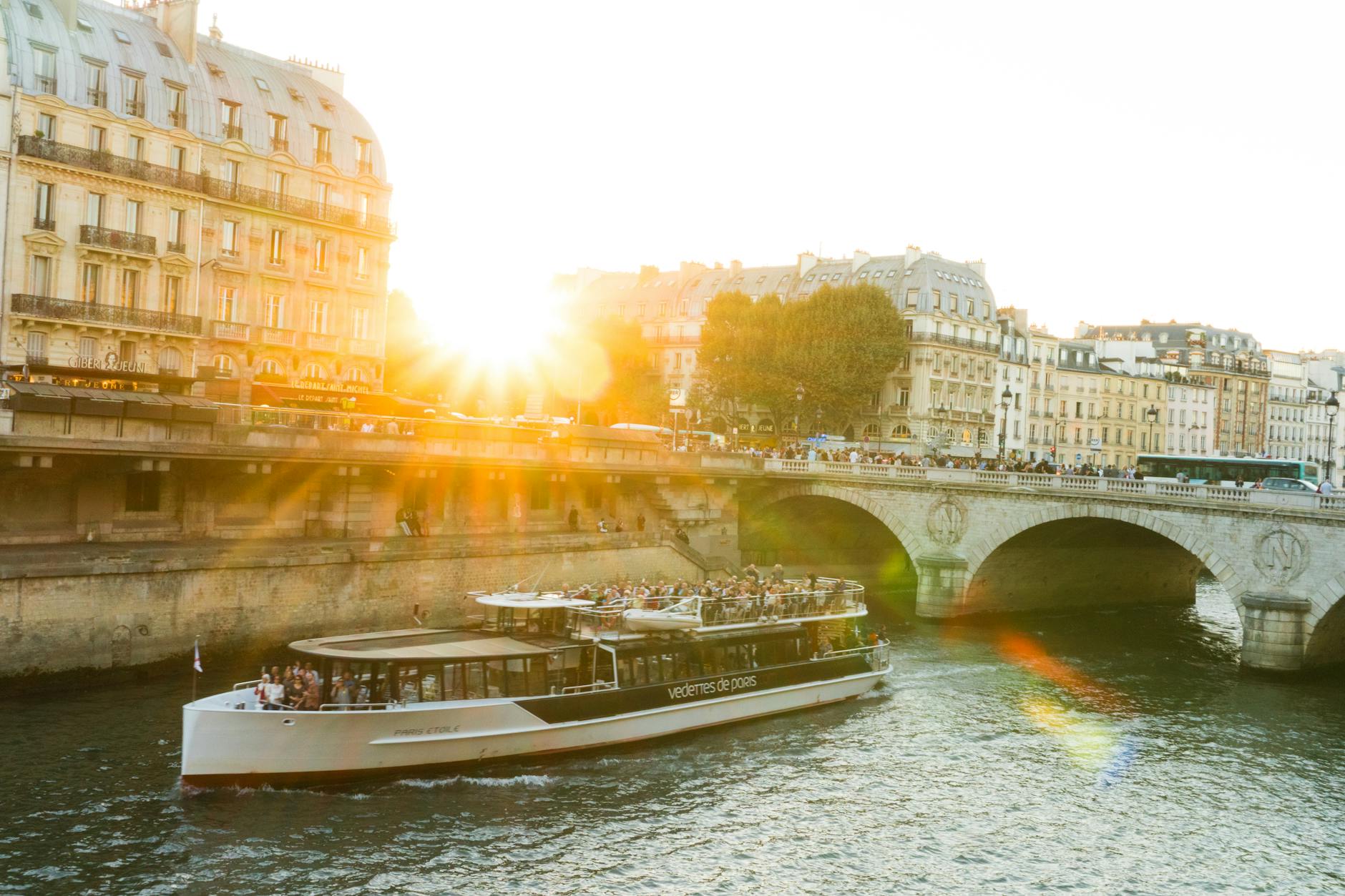
If the dinner cruise feels like overkill for your trip, you might just want the 1-hour sightseeing cruise instead — it’s a third of the price and you still get the full loop. For a more active evening, my Paris bike tour guide covers the night rides along the same riverbanks the cruise boats use.
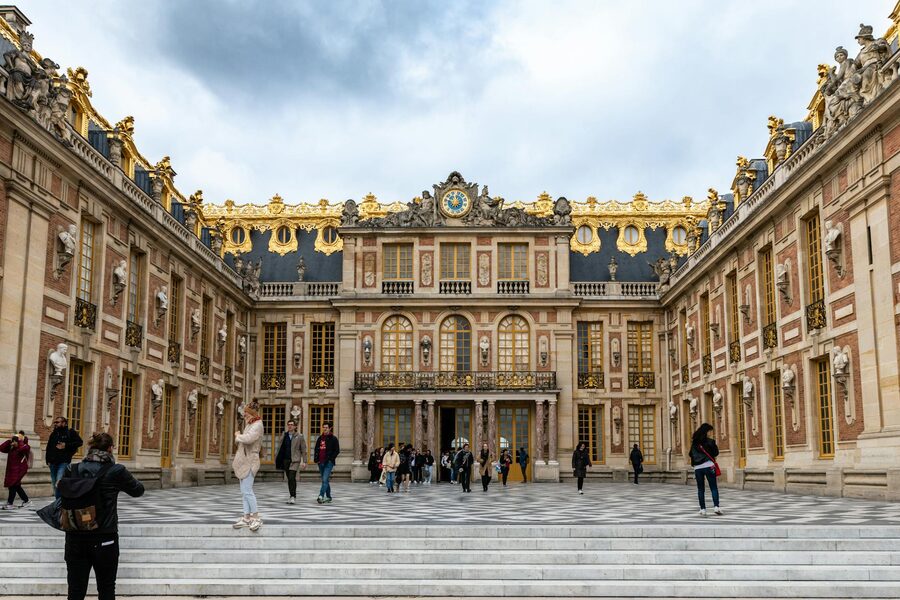
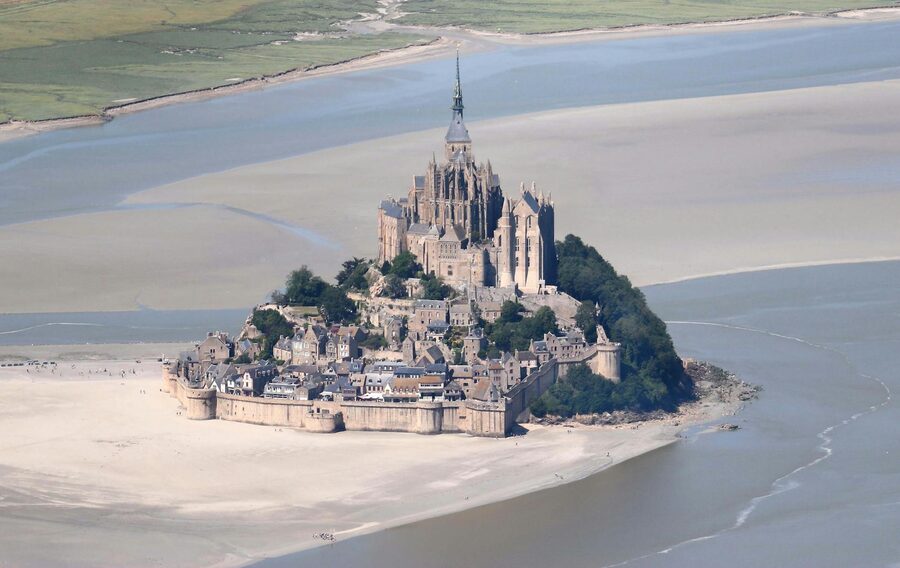
If you’re planning day trips from Paris, my Versailles guide, my Mont Saint-Michel guide, and my Loire Valley day trip guide each cover different half-day to full-day escapes. I’d pair a dinner cruise with whichever day trip leaves you back in Paris by 6pm.

This article contains affiliate links. When you book through these links, we may earn a small commission at no extra cost to you. This helps us keep producing free travel guides.
More Paris Evening Dining
A Seine dinner cruise is one of several Paris dining experiences worth booking. The cabaret dinner shows at the Paradis Latin combine French cuisine with a stage spectacular. The wine tasting classes pair sommelier education with cheese boards in converted cellars.