
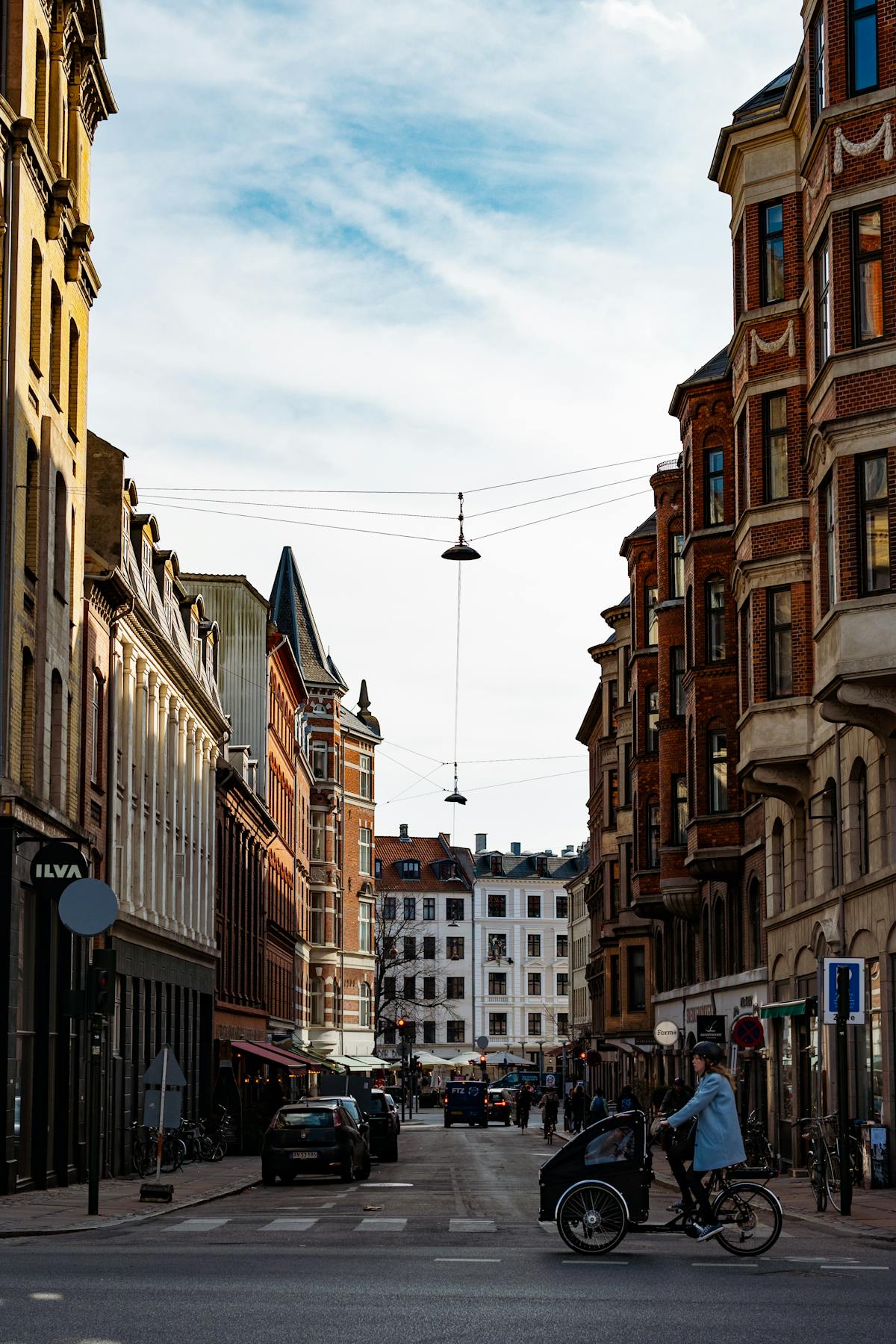
Copenhagen is a walking city in the truest sense. It’s flat, compact, and designed around pedestrians and cyclists rather than cars. You can cover the major highlights — Nyhavn, Amalienborg, the Round Tower, Strøget, Christiansborg — on foot in a morning, and the walking distances between them are short enough that it never feels like a slog. But walking past these places and actually understanding them are two very different things, which is where a guided tour earns its money.
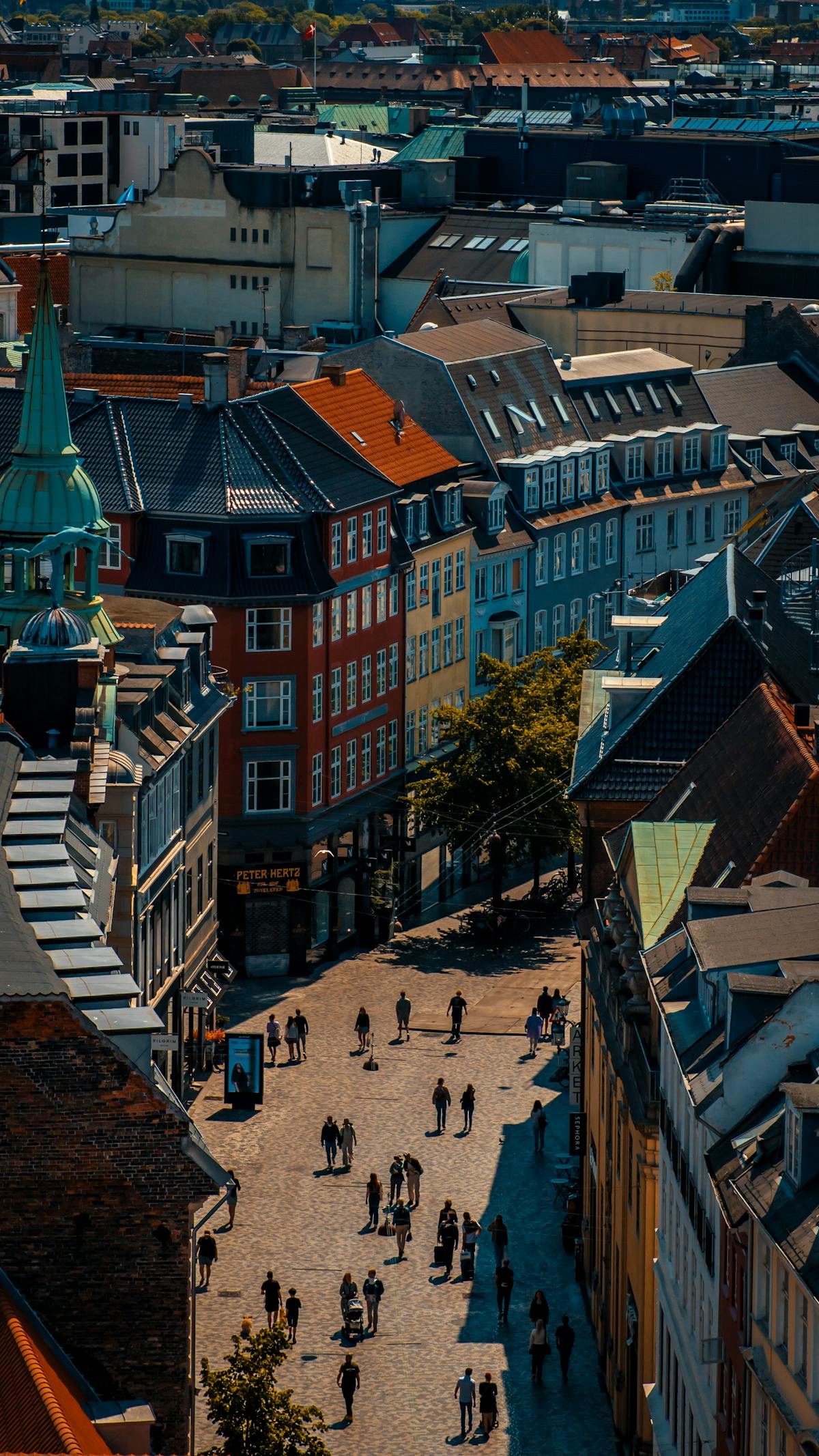
The walking tour scene in Copenhagen is unusually good. The “Politically Incorrect” tours (the name refers to irreverent humour, not actual politics) have some of the highest ratings of any walking tour in Europe, and even the standard highlights tours consistently hit 5.0 stars. At $40–80 for three hours, they’re priced between budget and premium — not free-tour cheap, but the quality reflects the price. Every tour on this list has a perfect or near-perfect rating from hundreds (or thousands) of reviewers, which in the world of guided tours is genuinely rare.
There’s also a reason the guides here are better than average: Copenhagen attracts a particular kind of expat and local who genuinely loves the city and wants to explain it. The best guides — Thor, Roger, Steen, Oskar, Therese — come up by name in review after review, not because they recite facts but because they tell stories. A reviewer named Melanie wrote that her guide Thor “gave us a good mix of historical information along with funny political jabs.” Another, Lavalle, described a small-group tour as “one of the highlights of my trip — our guide was full of great stories that brought Copenhagen’s history and culture to life.” The guides know which courtyards are hidden behind which doors, which bakery serves the best kanelsnegle (cinnamon rolls), and exactly when to arrive at Amalienborg to catch the last two minutes of the changing of the guard. That kind of local intelligence is what you’re paying for, and in Copenhagen, it’s consistently delivered.
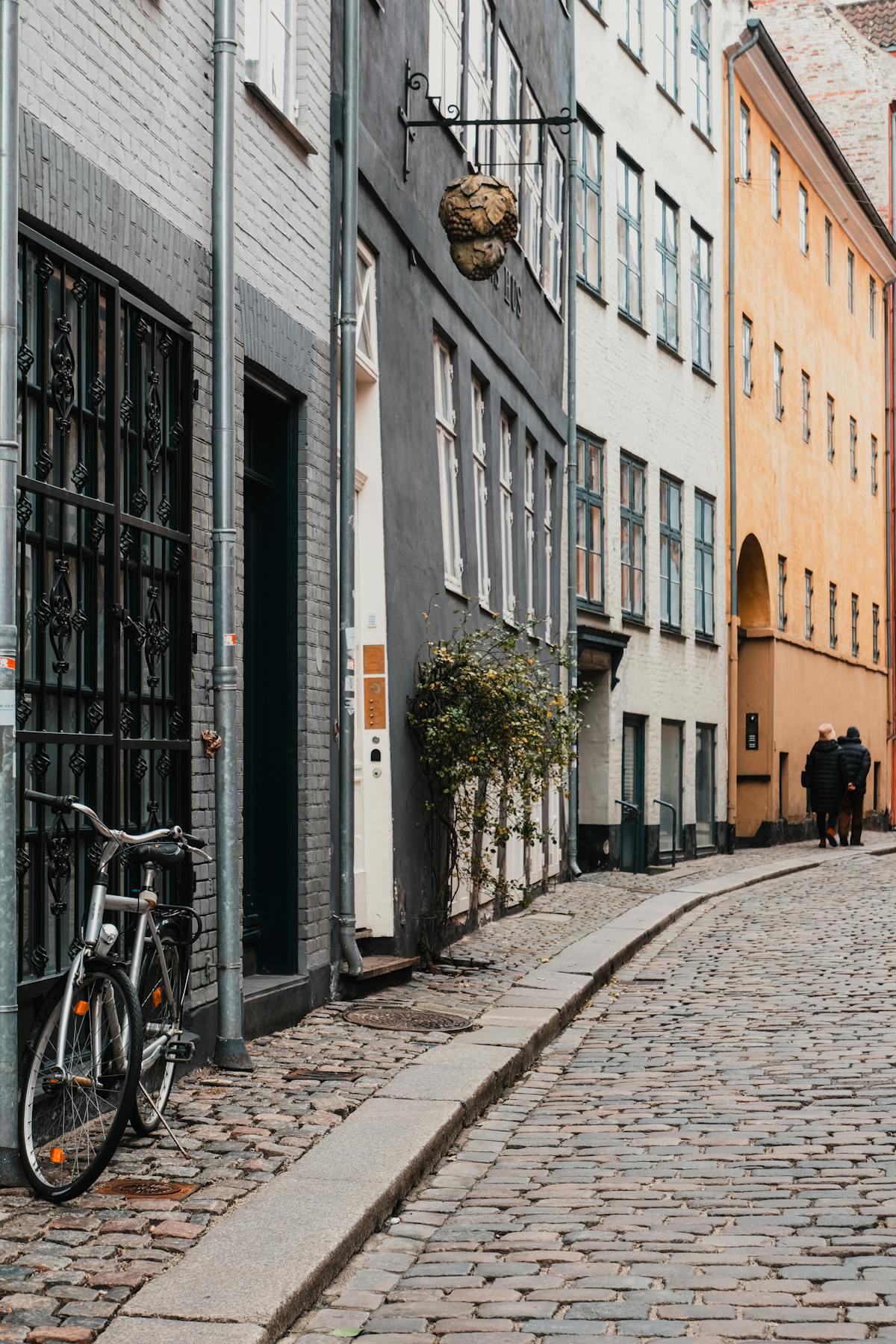
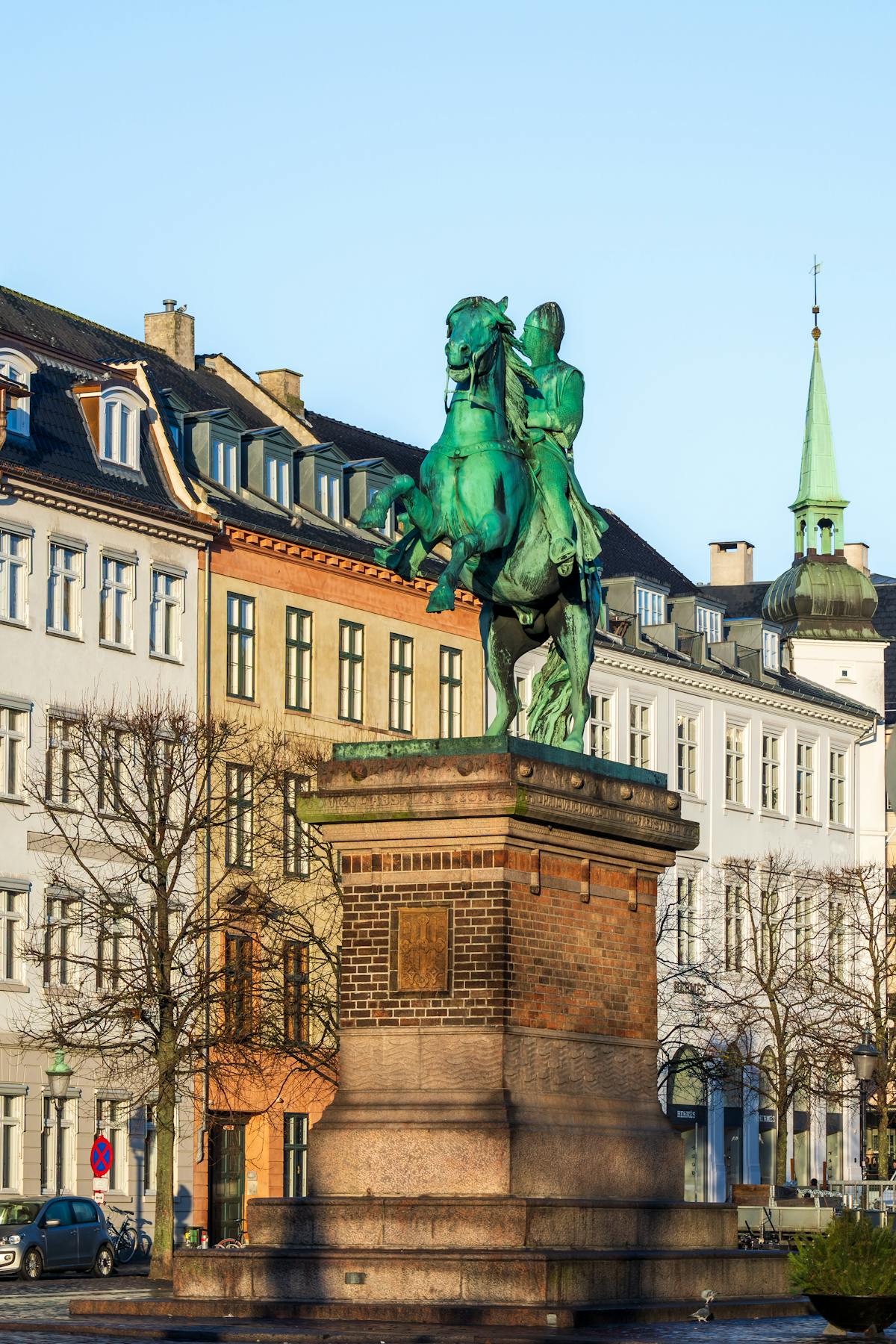
The typical tour runs about three hours and covers 4–5 kilometres at a leisurely pace. You’ll see the royal palaces, the medieval churches, the colourful harbour, and the hidden courtyards that guidebooks don’t mention. Most importantly, you’ll hear the stories behind them — how Bishop Absalon founded the city in 1167 by building a castle on a sandbank, why Copenhagen burned down twice and had to be rebuilt from scratch, and why the Danish concept of hygge is less about candles and more about a national approach to contentment that runs deeper than any Instagram aesthetic.
Best overall: Copenhagen Highlights Walking Tour — $41. The “Politically Incorrect” team. 5.0 stars, 2,324 reviews. Three hours of history delivered with genuine wit.
Best small group: Small Group Walking Tour (max 10) — $51. Same quality, more personal. The guide adapts to your interests.
Best cultural experience: Hygge & Happiness Culture Tour — $80. 3.5 hours with pastries, chocolate, coffee, and the story of why Danes are so happy. Small group, big impact.
- How Copenhagen Walking Tours Work
- The 4 Best Copenhagen Walking Tours
- 1. Copenhagen Highlights Walking Tour
- 2. 3-Hour Small Group Walking Tour (Max 10)
- 3. Copenhagen Highlights + Canal Ferry Walking Tour
- 4. Copenhagen Hygge & Happiness Culture Walking Tour
- What You’ll See on a Walking Tour
- Walking Tour or Self-Guided?
- Tips for Walking Copenhagen
- Free Walking Tours: Worth It?
- When to Book a Copenhagen Walking Tour
- More Copenhagen Guides
How Copenhagen Walking Tours Work
Most walking tours meet at a clearly marked meeting point — usually near City Hall (Rådhuspladsen), the Bishop Absalon statue at Højbro Plads, or Nyhavn. The meeting point is on your booking confirmation with a photo and map pin. Arrive 10 minutes early because the guides start on time and don’t wait.
The format is simple: walk, stop, learn, repeat. The guide leads the group through the city, stopping at each landmark for 3–5 minutes of commentary. Good guides (and all four on this list are excellent) mix historical facts with personal anecdotes, bad jokes, and genuine insights that change how you see the city. Bad guides recite a script — you won’t find any of those here.
Group sizes vary. The standard Highlights tour can have up to 25 people in summer. The small-group tours cap at 10, which means you can hear without straining and actually ask questions. If you’re the type who finds large tour groups annoying, pay the extra $10 for the small group — it’s the best $10 you’ll spend in Copenhagen.
Language: All tours on this list are in English. Some operators offer Danish, German, or Spanish versions — check when booking.
Pace: Gentle. The total distance is about 4–5 km over three hours, with frequent stops. You don’t need to be fit. The biggest physical challenge is standing still while the guide talks, which on cold days means shifting from foot to foot.
The 4 Best Copenhagen Walking Tours
All four have perfect or near-perfect ratings. The difference is mainly group size, style, and whether a canal ferry ride is included.
1. Copenhagen Highlights Walking Tour
Price: $40.73 per person | Duration: ~3 hours | Rating: 5.0★ (2,324 reviews)
Run by the “Politically Incorrect Tours” company (don’t let the name put you off — it just means the guides are funny and opinionated rather than reading from a script). This three-hour walking tour covers Nyhavn, Amalienborg Palace, the Round Tower, Christiansborg, the Latin Quarter, and several lesser-known stops. The guides — Roger, Steen, Martin, Sebastian — are locals or long-term residents who clearly enjoy what they do. Reviewer Shini wrote that guide Steen “was brilliant and humorous — he was informative” while Jack said Martin “provided a thorough list of things to do, eat, and tour that we are now exploring.” The vibe is irreverent: expect political jokes, dark Scandinavian humour, and a genuinely opinionated take on 800 years of Danish history. A perfect 5.0 across 2,324 reviews is extraordinary for a walking tour. The group can be large (up to 25) in peak season, which is the only drawback. Book the morning departure for smaller crowds and better light.
2. 3-Hour Small Group Walking Tour (Max 10)
Price: $50.79 per person | Duration: ~3 hours | Rating: 5.0★ (686 reviews)
Same duration and similar route as Tour #1, but capped at 10 people. That cap changes everything: you can have actual conversations with the guide, ask questions without shouting, and access courtyards where a group of 25 simply wouldn’t fit. Reviewer Laurence wrote that guide Jose “was incredibly knowledgeable but lighthearted and fun with the facts — three hours passed in no time at all.” Lavalle described it as “one of the highlights of my trip — the small group size made the experience feel personal and relaxed, allowing us to really connect with the guide.” The guide tailors the route to the group’s interests — more architecture for design buffs, more food recommendations for foodies. At $10 more than the highlights tour, the premium for that intimacy is laughably modest. If you’re a couple or a small group, this is the obvious pick.
3. Copenhagen Highlights + Canal Ferry Walking Tour
Price: $77.39 per person | Duration: ~3 hours | Rating: 5.0★ (580 reviews)
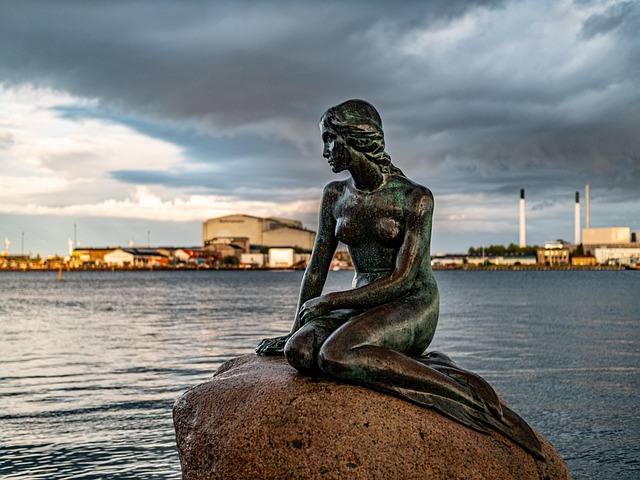
The best-of-both-worlds option: a walking tour that includes a harbour ferry ride as part of the route. You’ll walk the main highlights of central Copenhagen, then hop on the harbour bus (public ferry, included in the price) to cross to the Little Mermaid side and continue on foot. It gives you the waterfront perspective without booking a separate canal tour, and the walking/sailing mix keeps the energy up over three hours. Pricier than a pure walking tour, but you’re essentially getting a canal experience bundled in. Perfect 5.0 rating across 580 reviews. Particularly good if you only have one day and want to cover land and water in a single tour.

4. Copenhagen Hygge & Happiness Culture Walking Tour
Price: $80 per person | Duration: 3.5 hours | Rating: 4.9★ (539 reviews)
This is the one that’s genuinely different. Run by Copenhagen by Mie & Friends (a family-owned operation since 2015), it’s less a sightseeing tour and more an immersion into why Denmark consistently ranks among the world’s happiest countries. Small groups (max 10), three and a half hours, and the route threads through spots chosen for atmosphere rather than fame — the orange row houses of Nyboder (built for Christian IV’s naval officers), hidden medieval alleyways, the secret courtyards the other tours walk right past. The hygge angle isn’t just branding: the tour includes a stop at a local bakery for a Danish pastry, a chocolate tasting at Peter Beier (the beer truffles are remarkable), and coffee at a neighbourhood café that feels like sitting in someone’s living room. Reviewer Mary wrote “I learned so much about Danish culture — it did not feel like 3.5 hours, and the real Danish pastry we tried was amazing.” Guide Oskar gets name-checked constantly, and a solo traveller named Sarah described her experience on a cold February day as “such a warm welcome — perfect pace, historical knowledge and humour, with hidden gems.” At $80 it’s the priciest walking tour on the list, but the food inclusions, the small group, and the cultural depth make it feel like a different category entirely.
What You’ll See on a Walking Tour
The standard route covers about a dozen major stops. Here’s what to expect:
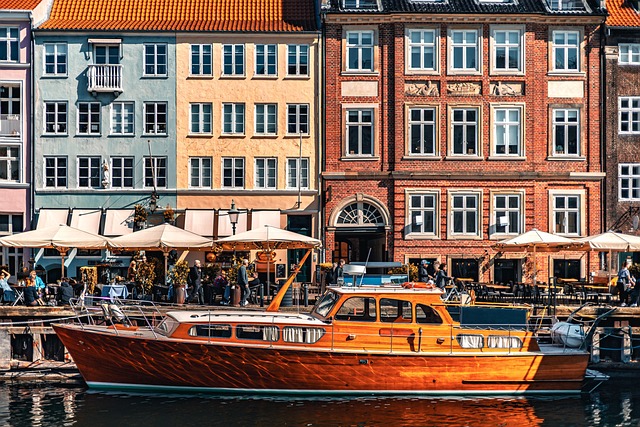
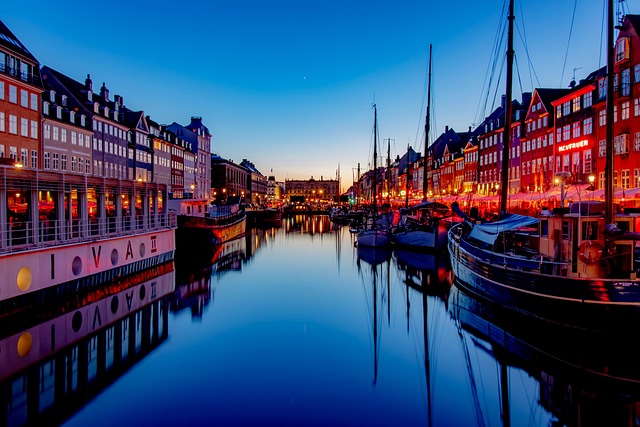
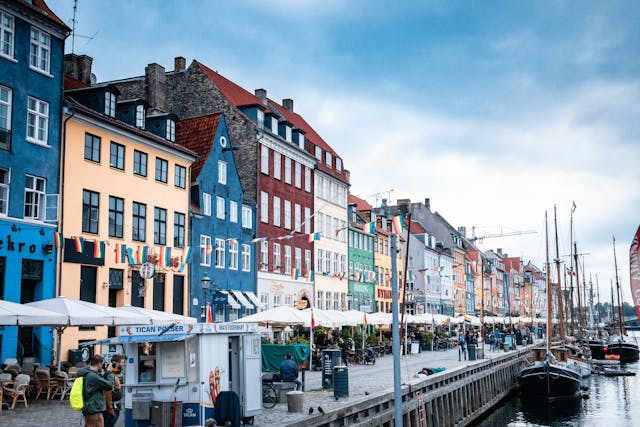
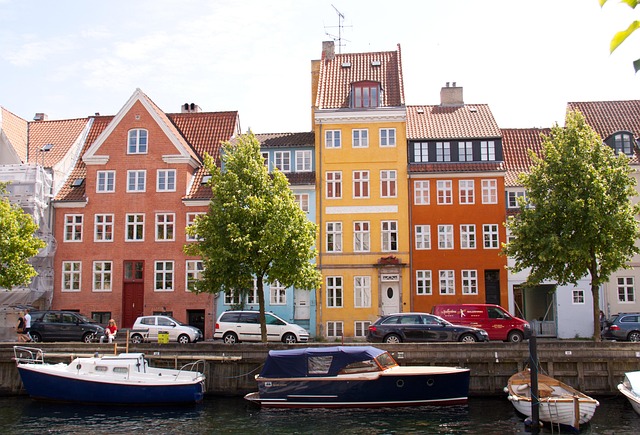
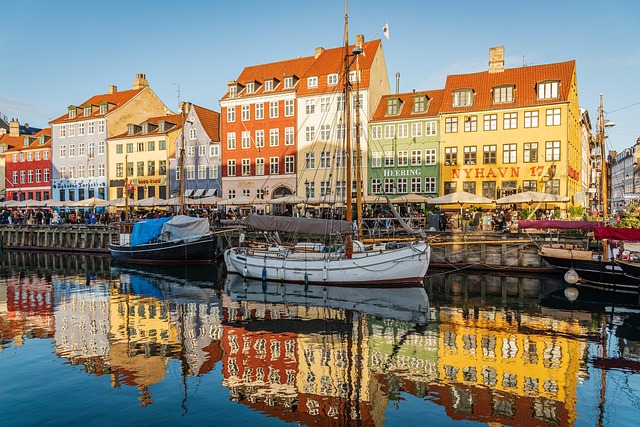
Nyhavn — The colourful harbour that graces every Copenhagen postcard. Your guide will tell you it was once a red-light district full of sailors, tattoo parlours, and pubs, that Hans Christian Andersen lived in three houses here (numbers 18, 20, and 67), and why the buildings are painted in those specific colours. Most tours start here because it’s photogenic and the visual impact gets the group excited immediately.
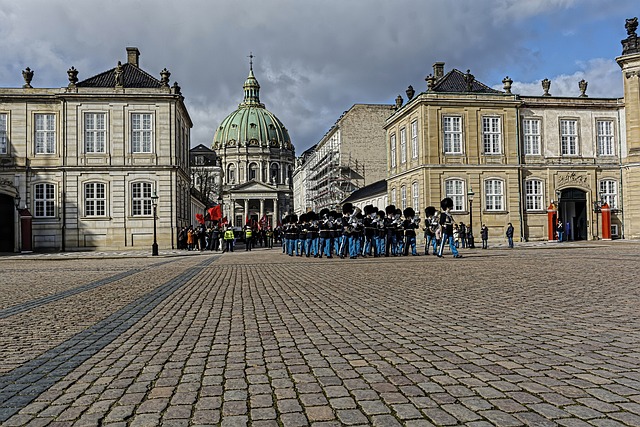
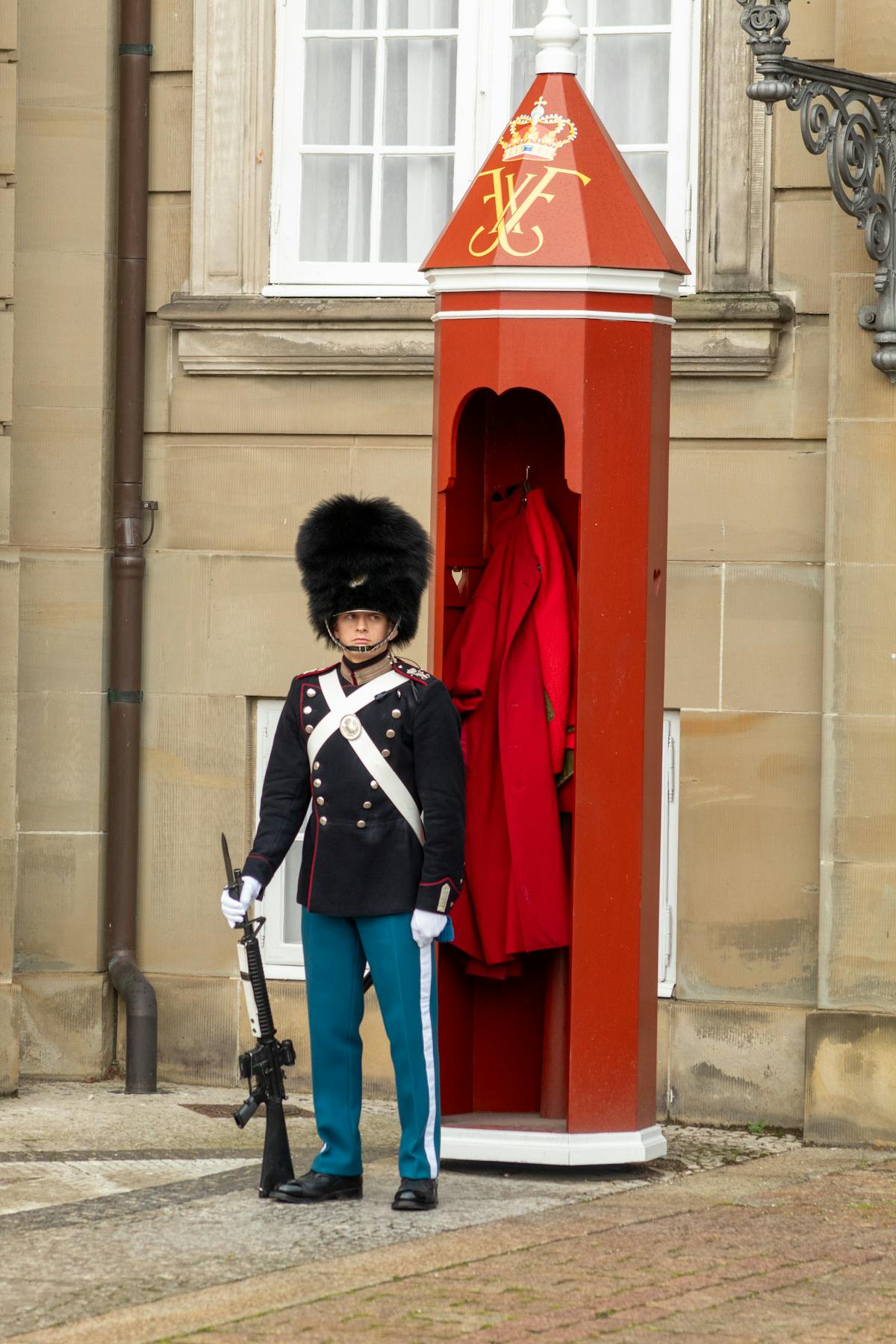
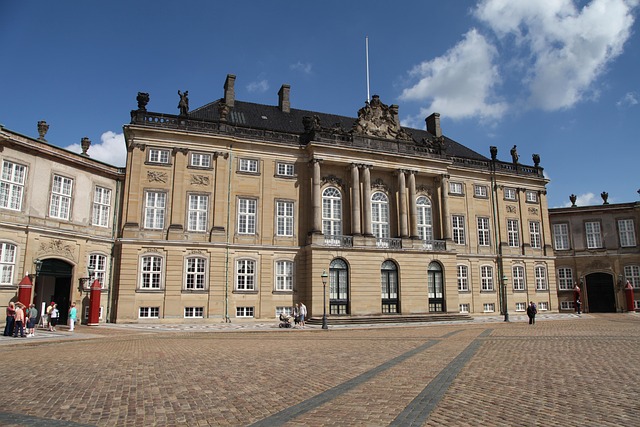
Amalienborg Palace — The royal residence, arranged as four identical rococo palaces around an octagonal square. The changing of the guard happens daily at noon — the Royal Life Guards march from their barracks at Rosenborg Castle through the city streets, arriving at Amalienborg at 12:00 sharp. Most morning tours time their route to catch this. The guards wear bearskin hats year-round, which in a Danish summer must be genuinely miserable.
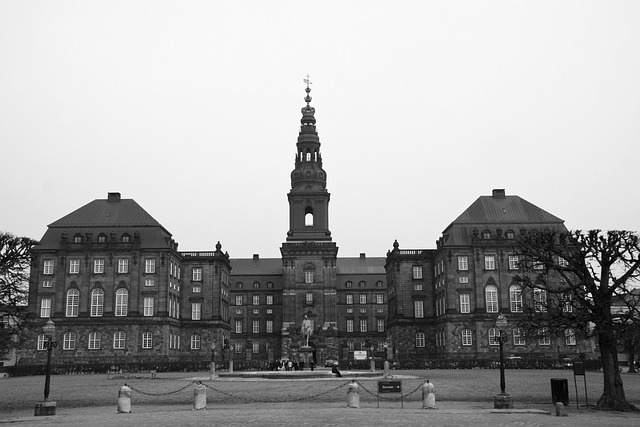
Christiansborg Palace — The seat of the Danish Parliament, Supreme Court, and Prime Minister’s Office (the only building in the world housing all three branches of government). The tower is free to visit and has the best views in Copenhagen — your guide will tell you this, and you should absolutely go back later and climb it.
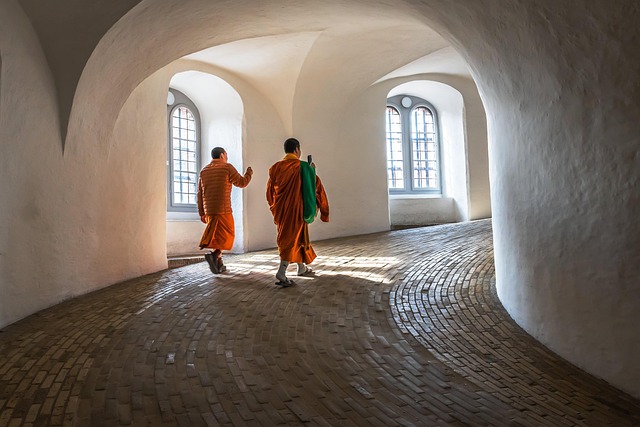
The Round Tower (Rundetaarn) — A 17th-century observatory built by Christian IV with a unique spiral ramp instead of stairs. The ramp was designed so horses could carry equipment to the observatory at the top. Legend says Tsar Peter the Great rode his horse up it, and his wife followed in a horse-drawn carriage. The view from the top is one of the best in the city.
Strøget — Europe’s longest pedestrian shopping street, stretching 1.1 kilometres from City Hall to Kongens Nytorv. Your guide won’t walk the whole thing but will hit the highlights, including the Royal Copenhagen porcelain shop, Georg Jensen silver, and the medieval churches tucked along side streets that most shoppers walk right past.
The Latin Quarter — Copenhagen’s university district, with narrow streets, bookshops, cafés, and bars. This is where the guides go off-script and tell the stories that aren’t in the guidebooks — the medieval plague pits under the streets, the secret courtyards, and the student traditions that date back centuries.
Walking Tour or Self-Guided?
Copenhagen is easy to walk independently — the landmarks are well-signposted, the streets are safe, and Google Maps works perfectly. So why pay for a guide?
The case for a guided tour: Context. Without a guide, Amalienborg is four big buildings around a square. With a guide, it’s the story of a fire that destroyed the original palace, a tax on the common people to rebuild it, a queen who didn’t want to live there, and a changing of the guard tradition that dates back to 1658. The “Politically Incorrect” guides in particular have a way of making 800 years of Danish history feel like gossip from last week. You’ll also discover places you’d never find on your own — courtyards, alleyways, and viewpoints that don’t appear on maps.
The case for self-guided: Flexibility. You can stop wherever you want, spend as long as you like at each spot, and detour into shops and cafés. If you’re the kind of person who feels rushed on group tours, walking independently with a good guidebook or audio tour might suit you better. But you’ll miss the stories, and the stories are genuinely the best part.
The compromise: Do a guided tour on your first morning, then spend the rest of your trip exploring independently. The tour gives you a mental map of the city and highlights what’s worth going back to. Most people find they enjoy their independent walks more after a guide has given them the context.
Tips for Walking Copenhagen
Wear comfortable shoes but nothing heavy. Copenhagen is flat — no hills, no cobblestone nightmares (well, some cobblestone, but the gentle kind). Regular trainers or walking shoes are fine. The tour covers about 4–5 km at a leisurely pace with plenty of stops.
Morning tours beat afternoon tours. The streets are quieter, the light is better for photos, and you’ll be done by lunch with the rest of the day free. Most tours offer 10am and 2pm departures. The morning groups are also typically smaller.
The changing of the guard is at noon. If watching the Royal Guard march from their barracks to Amalienborg matters to you (it’s genuinely impressive — full military precision with bearskin hats), book a morning tour that ends there around noon, or an afternoon tour that starts there.
Bring a rain jacket. Copenhagen weather can change quickly. A light waterproof that folds into a bag is ideal. The tours run rain or shine, and the guides are just as entertaining in the rain — possibly more so.
Tipping is not expected but appreciated. Denmark is not a tipping culture. If your guide was great, 50–100 DKK ($7–14) is generous and will be well received. Don’t stress about it.
Eat before or after, not during. The tours don’t include food stops (that’s what the food tours are for), so have breakfast before and plan lunch for after. The guide will recommend restaurants — take their suggestions, they know the city better than any review site.
Free Walking Tours: Worth It?
Copenhagen has several free walking tour operators — Copenhagen Free Walking Tours and GuruWalk are the two biggest. They run daily, require no booking, and work on a tip-what-you-think-it-was-worth model. The quality varies wildly. On a good day with an experienced guide, they’re a solid introduction to the city. On a bad day with a new guide and 40 people in the group, they’re a shuffling mass of travelers straining to hear someone point at buildings.
The paid tours on this list cost $40–80, which for three hours of expert local guidance in a Scandinavian capital is remarkably reasonable. The consistency is the difference — every review mentions the guide by name, which means the operators are matching their best people to every departure, not rotating in whoever’s available. If you’re choosing between a free tour and the $41 Highlights tour, spend the $41. You’ll get a better guide, a better group size, and a better experience. If budget is genuinely tight, the free tours are fine — just adjust your expectations accordingly.
When to Book a Copenhagen Walking Tour
Best months: April through October, though Copenhagen’s walking tours run year-round. Summer gives you the longest days (daylight until 10pm in June) and the most pleasant walking weather. Spring and early autumn are beautiful — fewer travelers, mild temperatures, and the city’s parks are either blooming or turning golden.
Winter walking: November through March is cold (hovering around 0–5°C) and the days are short, but the city has a particular charm in winter — Christmas markets, candlelit cafés, and the hygge culture that Denmark is famous for becomes tangible rather than theoretical. The Hygge & Happiness tour is particularly good in winter, when the contrast between the cold streets and the warm café stops hits differently.
Book 2–3 days ahead in summer. The small-group tours (Tours #2 and #4) sell out faster than the larger ones. In shoulder season you can usually book the morning of, but why risk it?
More Copenhagen Guides
The walking tour gives you the foundations; the rest of Copenhagen builds on top of it. See the city from the water on a canal tour — an hour on the canals shows you Christiansborg, the Opera House, and the Little Mermaid from angles the walking tour can’t reach. Tivoli Gardens deserves an evening of its own, and our guide to Tivoli tickets breaks down exactly which pass to buy and when to go. Copenhagen’s food scene rivals any capital in Europe, so a food tour covering smørrebrød, Danish pastries, and New Nordic cuisine is time well spent. If you’d rather explore on two wheels like the locals do, the bike tours cover twice the ground in the same time — which in a cycling city like Copenhagen feels perfectly natural. For day trips, the Malmö and Lund excursion takes you across the Øresund Bridge to Sweden, and families should consider the three-hour train ride to LEGOLAND Billund — the original LEGOLAND, built where the brick was invented.