
Malta’s prehistoric temples are older than the Egyptian pyramids. Let that sink in for a moment. While Stonehenge was still a thousand years from being built, the people of Malta were constructing elaborate limestone temples with alignments to the solstice sun, decorated doorways, and chambers that archaeologists still can’t fully explain. There are at least eleven temple sites across Malta and Gozo, seven of which are UNESCO World Heritage listed, and most visitors have never heard of any of them.
The major sites on the main island are Hagar Qim and Mnajdra (on the southern coast, usually visited together), Tarxien (in the suburbs of Valletta), and the Hal Saflieni Hypogeum — an underground burial complex carved entirely from rock around 4000 BC. On Gozo, the Ggantija temples are the most famous. A guided temple tour costs $60–90 and covers several sites in a single day, which is by far the most practical way to see them unless you have a rental car.
- Short on Time? Here’s What to Book
- Malta’s Temple Sites Explained
- The 4 Best Malta Temple Tours
- 1. Gozo Guided Day Trip Incl. Ggantija Temples and Lunch
- 2. Malta Prehistoric Temples Tour
- 3. Prehistoric Temples + Highlights of the South Full-Day Tour
- 4. Malta Pre-Historic Temples (Private Tour with Tickets)
- When to Visit Malta’s Temples
- Tips for Visiting the Temples
- More Malta Guides
Short on Time? Here’s What to Book
The Malta Prehistoric Temples Tour ($59.91, 4.0★, 87 reviews) is the most focused option — a half-day tour covering Hagar Qim, Mnajdra, and Tarxien with a guide who specialises in Maltese archaeology. If you’d rather combine temples with Gozo’s countryside, the Gozo Day Trip with Ggantija Temples ($93.71, 4.0★, 368 reviews) is the most popular option overall, though the temple visit is just one stop among many.
Malta’s Temple Sites Explained
There are four main temple sites worth visiting. Here’s what each one offers:
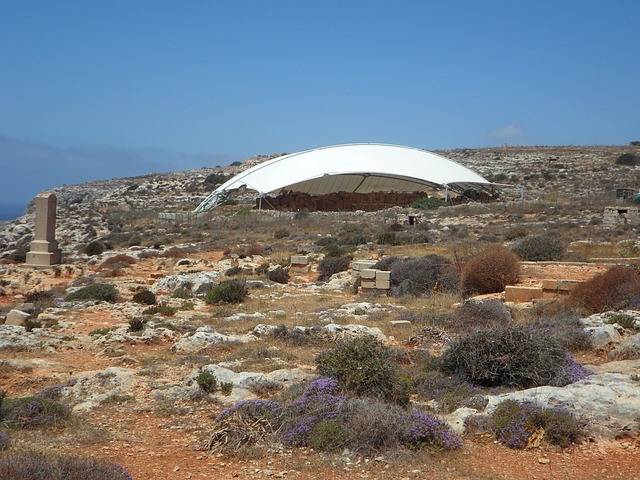
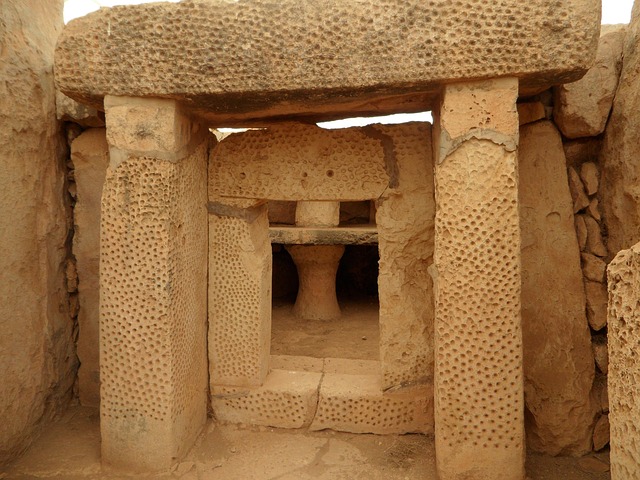
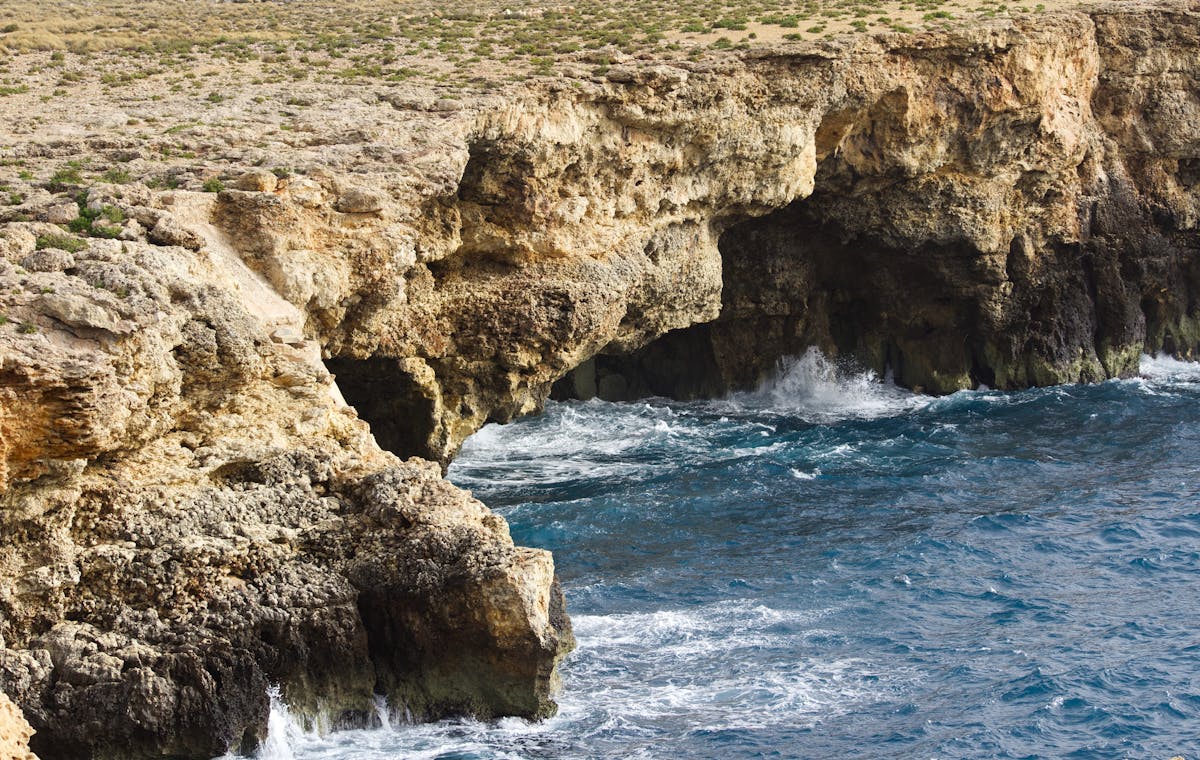
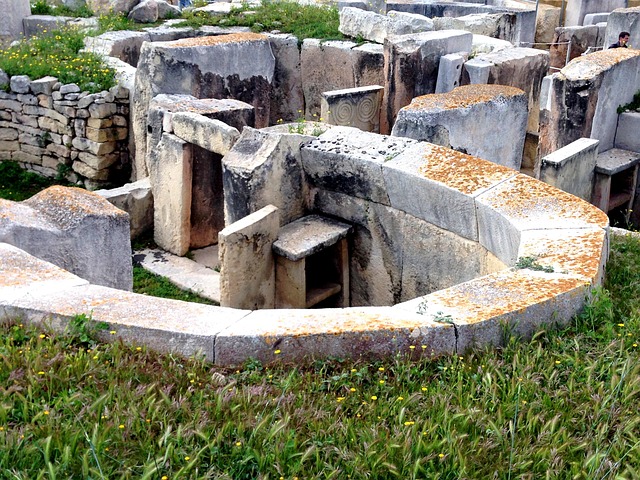
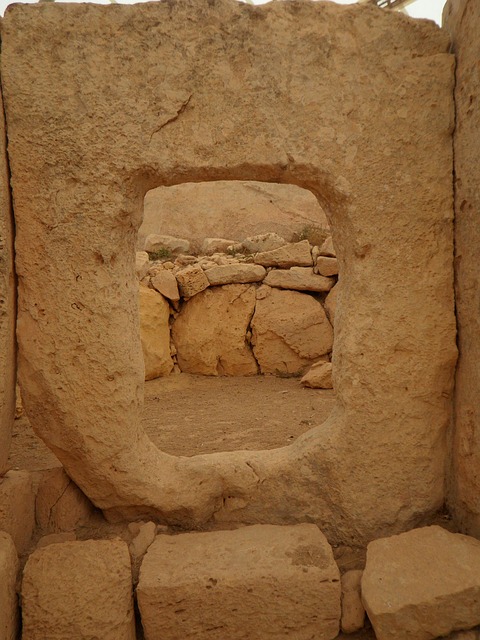
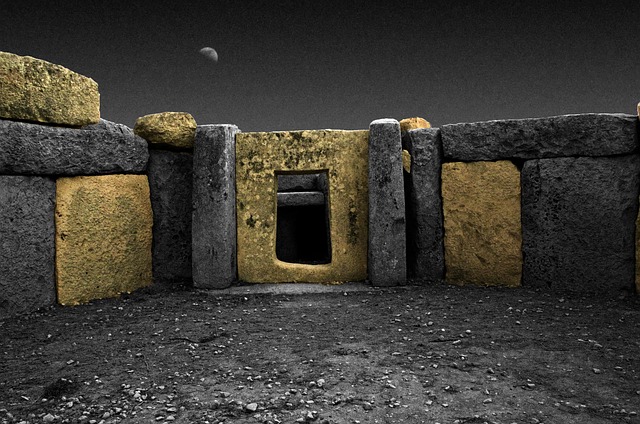
Hagar Qim — The most visited temple, sitting on a clifftop above the Mediterranean. Built around 3600–3200 BC, it’s notable for its massive stones (one block weighs over 20 tonnes) and its solar alignment — during the summer solstice, sunlight enters through a small hole and illuminates a specific slab inside the temple. A protective tent now covers the site to prevent further weathering. Striking location, but the tent somewhat diminishes the atmosphere.
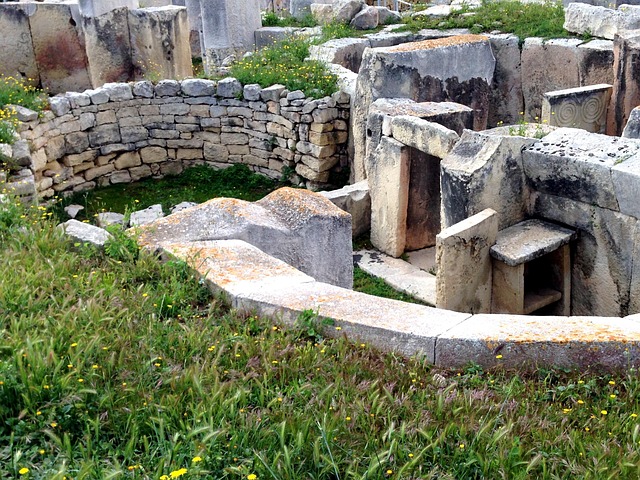
Mnajdra — A five-minute walk downhill from Hagar Qim, closer to the sea. Many archaeologists consider this the more impressive site. It consists of three temples built over several centuries, and the lowest one has a precise equinox alignment — the sun shines directly through the main doorway on the spring and autumn equinoxes. Less crowded than Hagar Qim and more photogenic.
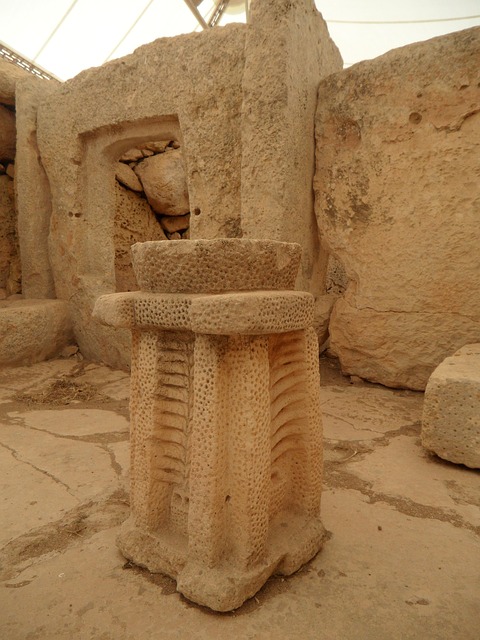
Tarxien Temples — Located in the Tarxien suburb, a short bus ride from Valletta. These temples date to 3150–2500 BC and contain the most detailed carved decorations of any Maltese temple site, including spirals, animal reliefs, and the famous “Fat Lady” statue (a headless figure that may represent a fertility goddess). The site is smaller and more urban than Hagar Qim/Mnajdra but the carving quality is unmatched.
Hal Saflieni Hypogeum — The jewel of Maltese prehistory and genuinely one of the most remarkable archaeological sites in the world. An entirely underground complex carved from rock around 4000 BC, with three levels reaching 10 metres below the surface. Used as a burial site (the remains of over 7,000 people were found here) and possibly as a temple. Entry is strictly limited to 80 people per day and tickets sell out weeks in advance — booking ahead is non-negotiable. This is not typically included in group tours; you’ll need to book independently through Heritage Malta.
The 4 Best Malta Temple Tours
Ranked by review count. These range from a focused Malta-mainland temple tour to full-day Gozo excursions that include Ggantija.
1. Gozo Guided Day Trip Incl. Ggantija Temples and Lunch
Price: $93.71 per person | Duration: Full day | Rating: 4.0★ (368 reviews)
The most popular tour that includes a temple visit, though it’s really a Gozo day trip with the temples as one highlight among several. You’ll take the ferry to Gozo, visit the Ggantija temples (the oldest of all Malta’s temple sites, dating to around 3600 BC), and then continue to the salt pans, Dwejra, and various scenic spots with a farmhouse lunch included. The temple portion typically gets 30–45 minutes, which is enough for a general visit but not for archaeology enthusiasts who want to linger. The 4.0 rating reflects that some visitors wanted more temple time and less bus time. Best for people who want to see Gozo and happen to be interested in the temples.
2. Malta Prehistoric Temples Tour
Price: $59.91 per person | Duration: ~5 hours | Rating: 4.0★ (87 reviews)
The dedicated temple tour and our recommendation for anyone genuinely interested in Malta’s prehistoric heritage. This covers Hagar Qim, Mnajdra, and Tarxien in a single half-day with a guide who specialises in Maltese archaeology. You’ll spend meaningful time at each site — enough to walk through every chamber, hear the full history, and understand the solar alignments. The guide explains the construction techniques, the ritual significance, and what archaeologists think these people believed. At $59.91 with pickup included, it’s excellent value for the depth of knowledge you get. The 4.0 rating is solid; minor complaints relate to the pace between sites.
3. Prehistoric Temples + Highlights of the South Full-Day Tour
Price: $87.71 per person | Duration: Full day | Rating: 4.0★ (26 reviews)
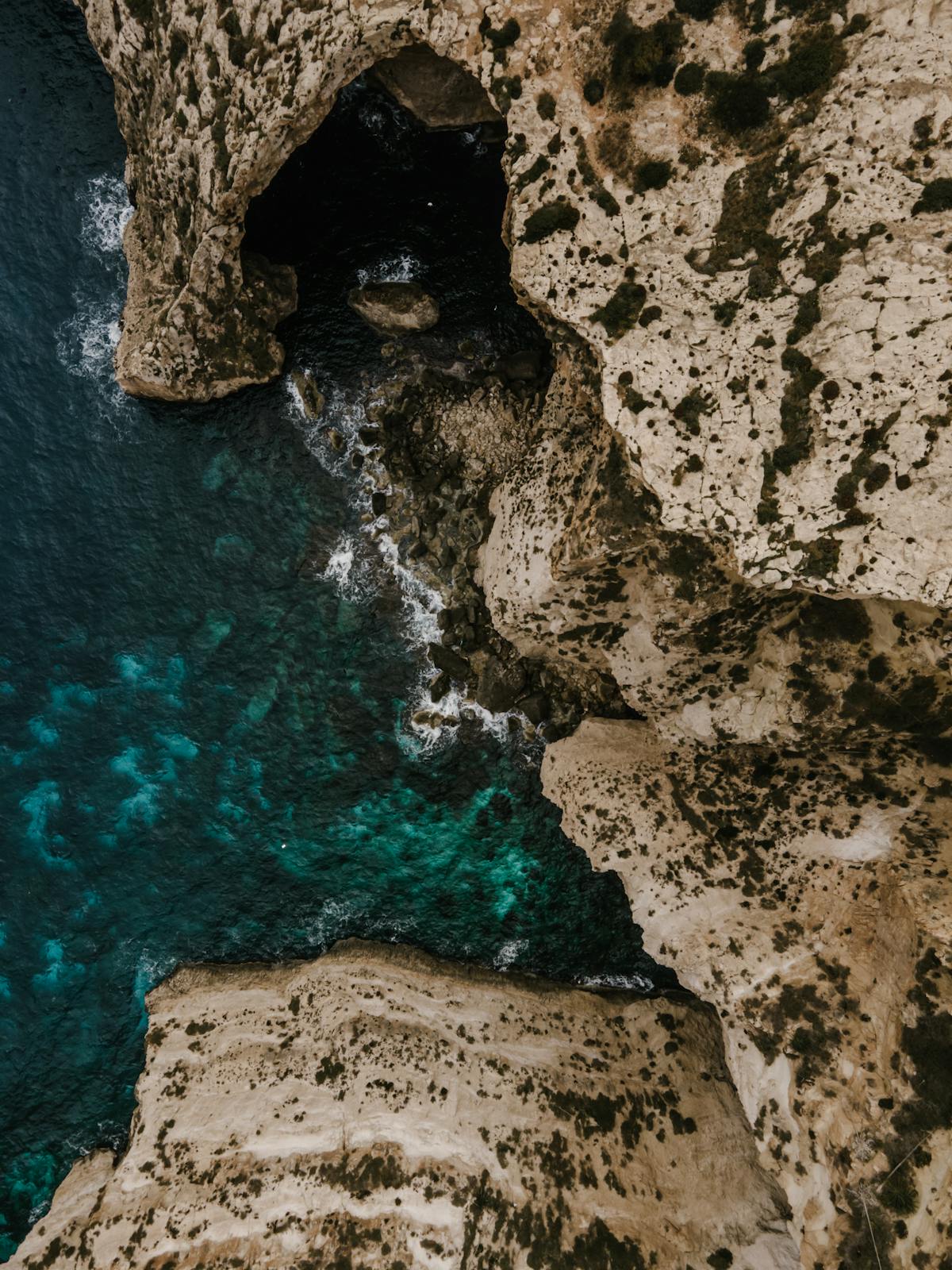
Combines the temple sites with the scenic highlights of southern Malta — the Blue Grotto, Marsaxlokk fishing village, Dingli Cliffs, and a lunch stop. It’s essentially the temple tour (#2) plus the best of the south coast in one day. More expensive and more time on the bus, but if you only have a day for this part of Malta, it covers a lot of ground. Lunch at Marsaxlokk (famous for its colourful fishing boats and Sunday fish market) is a highlight in its own right. Fewer reviews because it’s a newer offering, but the operator is well-established.
4. Malta Pre-Historic Temples (Private Tour with Tickets)
Price: $188 per person | Duration: ~5 hours | Rating: 4.7★ (26 reviews)
The premium option: a private guided tour covering the same sites as Tour #2 but with just your group and a dedicated driver. Pickup and all entrance tickets are included in the price, which takes the sting out of the $188 tag — temple entry fees add up quickly (Hagar Qim + Mnajdra is €10, Tarxien is €6, and the Hypogeum is €40 if available). The private format means you can ask as many questions as you want and spend extra time at the sites that interest you most. The 4.7 rating is the highest of any temple tour. Best for couples or small groups who want a personalised experience and don’t mind paying for it.
When to Visit Malta’s Temples
Best months: October to April. The temples are largely outdoor sites with no shade, and in summer the limestone reflects heat brutally. Visiting in the cooler months means you can actually spend time examining the sites without wilting. The spring and autumn equinoxes (late March and late September) are special at Mnajdra — the sunrise alignment is visible and Heritage Malta sometimes organises special dawn viewings.
Best time of day: Early morning. The sites open at 9am and the first hour is usually the quietest. By midday in summer, the heat and tour buses make it unpleasant. Late afternoon works too, especially at Hagar Qim and Mnajdra where the low sun adds drama to the stone.
The Hypogeum sells out weeks ahead. Heritage Malta releases tickets online in batches. If visiting the Hypogeum is important to you (and it should be — it’s genuinely extraordinary), book the moment tickets become available. There’s no walk-up option. Only 80 visitors per day, 10 per tour, no photography inside.
Tips for Visiting the Temples
Buy the Heritage Malta multisite pass. If you’re visiting more than two temple sites, the multisite pass (€20 for adults) gives you entry to Hagar Qim, Mnajdra, Tarxien, and several other Heritage Malta sites. It pays for itself after two visits.
Hagar Qim and Mnajdra are a package deal. They’re 500 metres apart on the same coastal path and share a single ticket (€10). Always visit both — Mnajdra is arguably the better site and many people skip it because they don’t realise it’s right there.
Tarxien is easy to reach independently. Bus 81 from Valletta drops you a five-minute walk from the site. No need for a tour unless you want the archaeological context.
Bring water and sunscreen. There’s virtually no shade at the outdoor sites. The visitor centres at Hagar Qim have a café, but Tarxien has nothing nearby.
Photography is allowed outdoors, not in the Hypogeum. The temple sites are endlessly photogenic. Wide-angle lenses work best for the chambers. The Hypogeum strictly prohibits all photography to protect the delicate red ochre paintings inside.
Don’t expect Stonehenge-scale drama. Malta’s temples are smaller and subtler than Stonehenge or the Egyptian pyramids. Their power is in their age (they’re older than both) and their mystery — we still don’t know exactly who built them, why they abandoned the sites around 2500 BC, or what happened to the people. A good guide makes all the difference between “these are nice old rocks” and “this is one of the most important archaeological sites in the world.”
More Malta Guides
The temples reveal a side of Malta that has nothing to do with the Knights or Baroque architecture — but once you’ve seen both, the island starts to make more sense. For the medieval chapter, spend a morning in Mdina, where the walled streets haven’t changed much since the Norman era. The Knights’ story picks up across the harbour in the Three Cities, where the Inquisitor’s Palace and Fort St. Angelo bring the 16th century to life. If you need a day that involves absolutely zero history, the Blue Lagoon boat trips are pure sea, sun, and swimming — the kind of lazy afternoon that recharges you for another round of exploring. And when it’s time to eat, a Valletta food tour introduces Maltese cuisine with the same depth that the temple tours bring to the archaeology.