
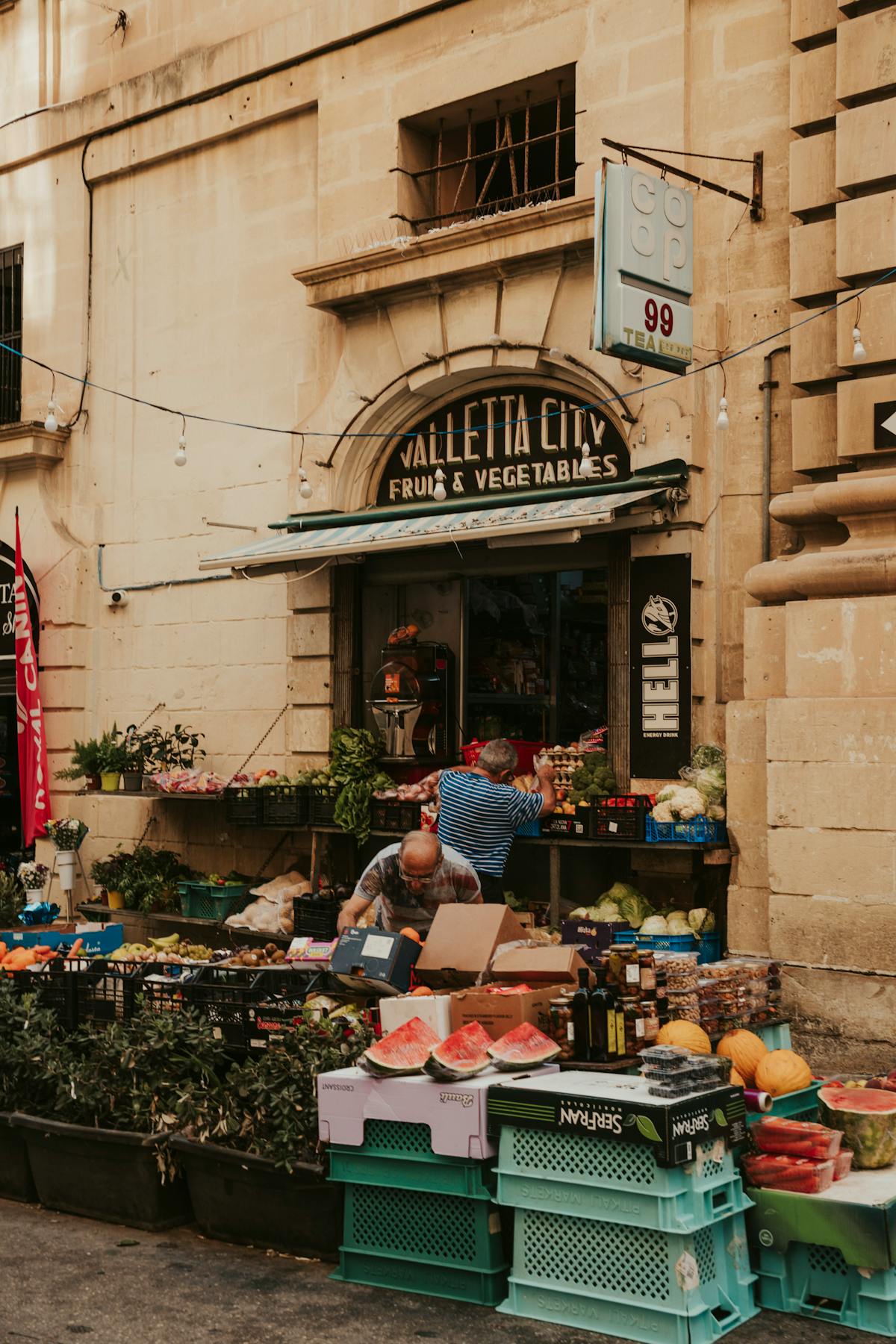
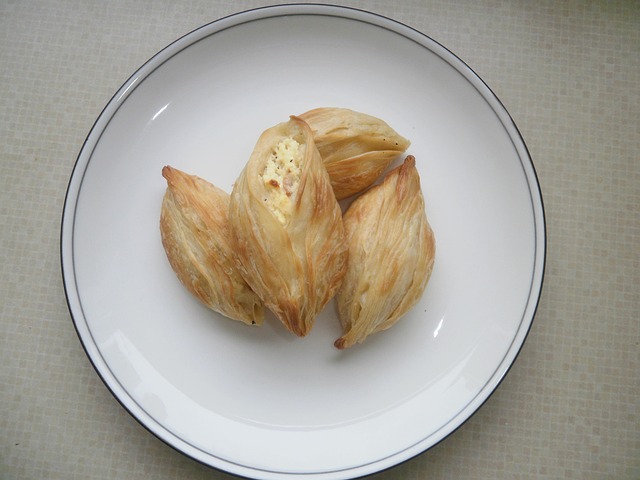
Maltese food doesn’t get enough credit. It sits at a crossroads of Sicilian, North African, British, and Arabic cooking traditions, and the result is something that doesn’t quite taste like anywhere else. Pastizzi (flaky diamond-shaped pastries stuffed with ricotta or mushy peas) cost about 50 cents from a street kiosk. Rabbit stew is the national dish and tastes far better than it sounds. The bread — ftira — is close to focaccia but denser and chewier, usually loaded with tomatoes, capers, and olives.
The problem is that most visitors eat on Republic Street, where the restaurants are fine but geared toward travelers. A food tour gets you off that main strip and into the bakeries, market stalls, and hole-in-the-wall spots where Valletta actually eats. At $50–65 for three hours of non-stop tasting, you’ll leave uncomfortably full and with a list of places to come back to.
- Short on Time? Here’s What to Book
- What to Expect on a Valletta Food Tour
- The 4 Best Valletta Food Tours
- 1. Valletta Food Tour
- 2. The Valletta Street Food and Culture Walking Tour
- 3. Valletta Food Tour — Eat Like a Local
- 4. Wonderful Valletta — Gastronomy, Art, and History
- When to Take a Valletta Food Tour
- Tips for Eating in Valletta
- More Malta Guides
Short on Time? Here’s What to Book
The Valletta Food Tour ($60.46, 5.0★ from 711 reviews) is the most-booked and highest-rated food experience in Malta. It runs about three hours, hits six or seven tasting stops, and the guide explains the history and cultural context behind each dish. If you want something more street-food focused with a bit more walking, the Street Food and Culture Walking Tour ($66.51, 5.0★, 711 reviews) covers similar ground with more emphasis on casual bites and local neighbourhoods.
What to Expect on a Valletta Food Tour
Most food tours in Valletta follow a similar format: a small group (usually 8–12 people), a local guide, and six to eight stops over about three hours. You walk between spots, and the guide fills in the gaps with stories about Maltese food culture, the Knights of St. John’s influence on local cuisine, and why the British occupation left behind things like meat pies alongside the Mediterranean staples.
Typical tasting stops include:
A pastizzi bakery — you’ll try both ricotta and pea-filled versions fresh from the oven. The good tours take you to a proper neighbourhood bakery, not a tourist-facing one on Republic Street.
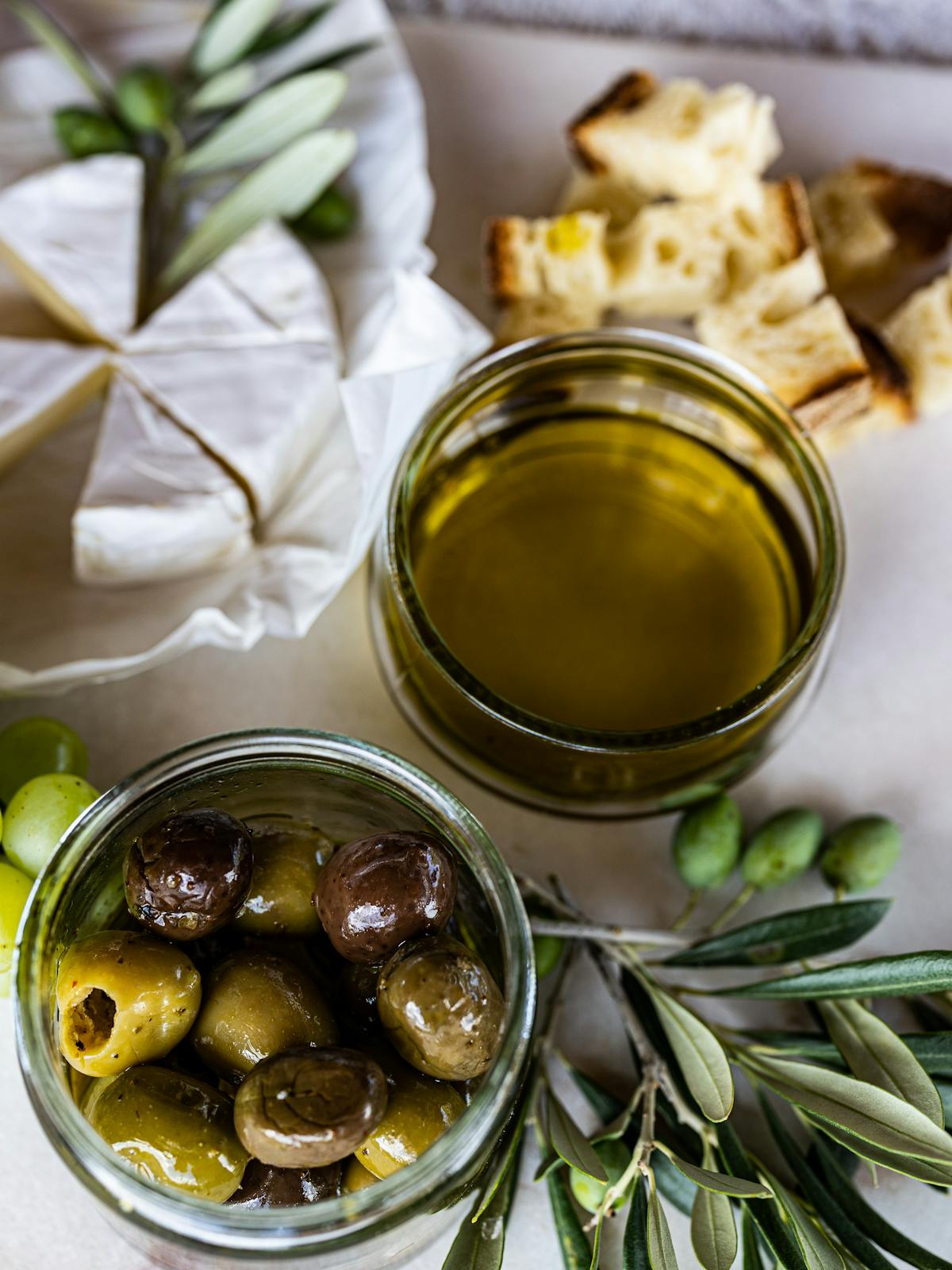
Ftira and hobż biż-żejt — Maltese bread rubbed with ripe tomatoes, drizzled with olive oil, and topped with capers, olives, and sometimes tuna. Simple, but when the bread is good, it’s one of the best things you’ll eat in Malta.
Ġbejna — small rounds of sheep’s milk cheese, either fresh and soft or dried and peppered. The dried version is crumbly and sharp and pairs perfectly with a glass of local wine.
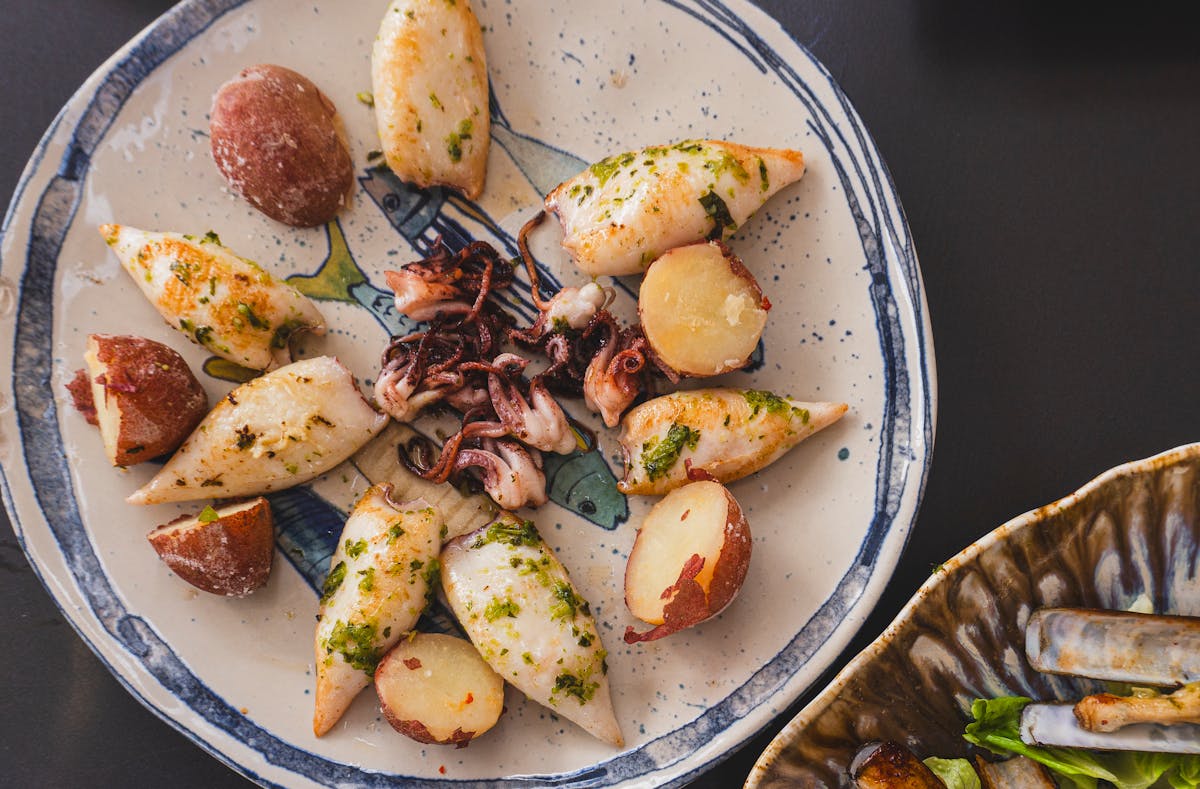
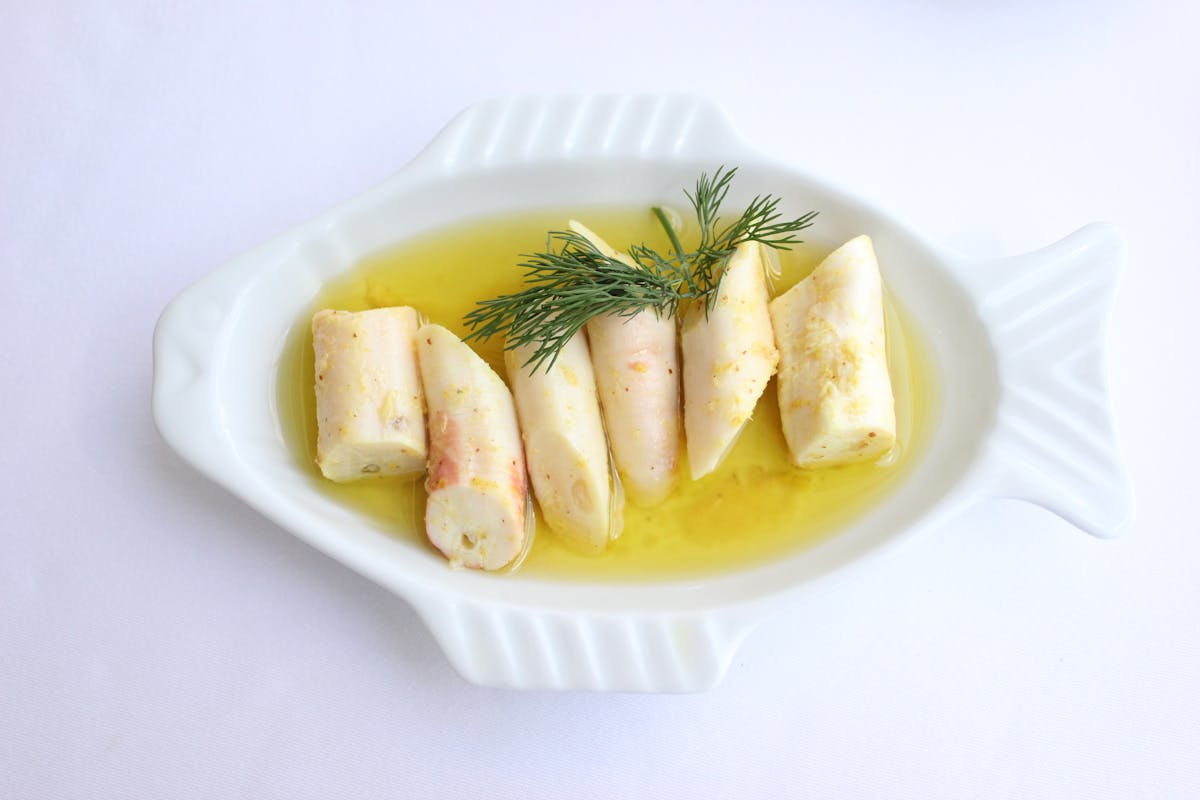
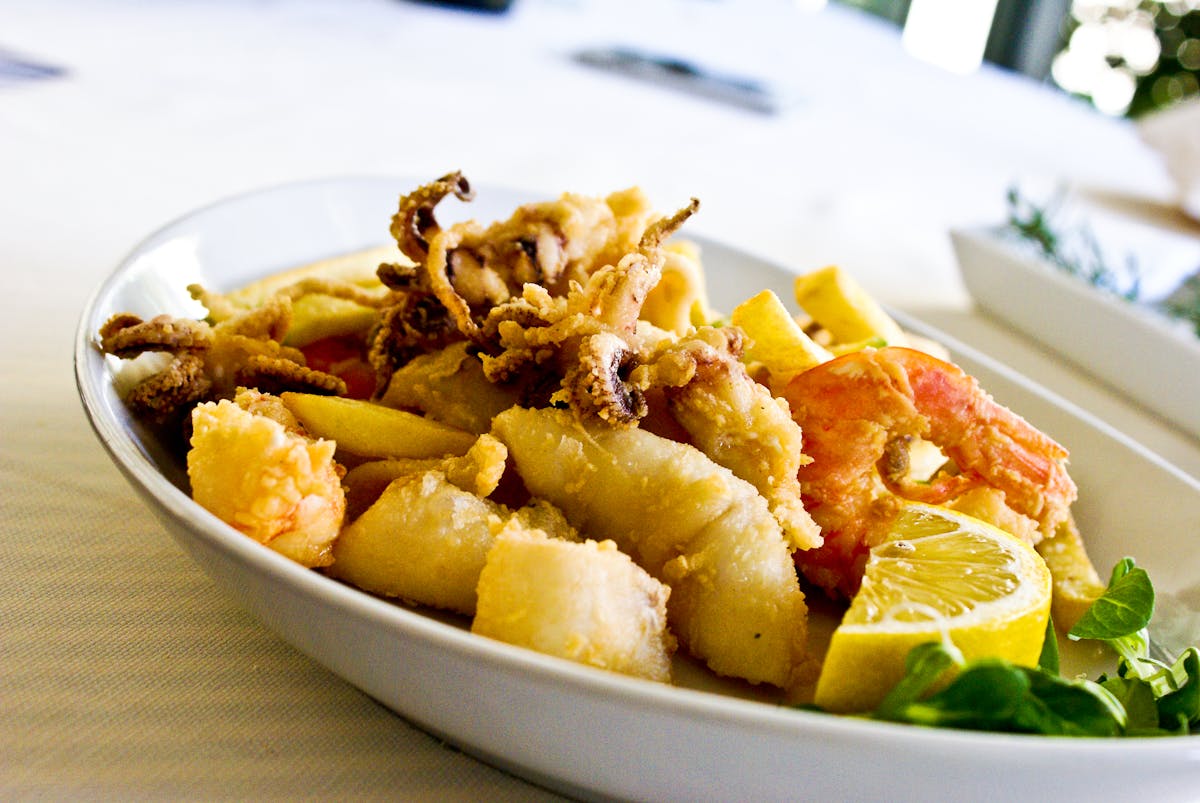
Seafood — depending on the tour, you might get lampuki (dolphinfish) when it’s in season, or octopus stew, or just really good fried calamari from a harbourside spot.
Local wine or beer — Malta has a small but surprisingly decent wine industry, mostly Gellewża (a local red grape) and Girgentina (white). Some tours include a glass; others visit a wine bar as the final stop.
Imqaret — deep-fried date pastries, usually served at the end as dessert. They’re sweet, crunchy, and oddly addictive.
You won’t leave hungry. Most people skip dinner afterwards.
The 4 Best Valletta Food Tours
We ranked these by total review count across Viator and GetYourGuide. All four are Valletta-based and focus specifically on food (not general sightseeing tours that happen to include a lunch stop).
1. Valletta Food Tour
Price: $60.46 per person | Duration: ~3 hours | Rating: 5.0★ (711 reviews)
The gold standard for Valletta food tours. Run by a local operator who clearly knows every bakery and market stall in the city, this tour hits six to seven stops with generous portions at each. Reviews consistently praise the guide’s knowledge of Maltese food history — you’ll learn about Arab influences on the cuisine, why rabbit became the national dish (hint: the Knights banned hunting for commoners, so rabbit was the loophole), and which pastizzi bakeries the locals actually use. Portions are large enough that most reviewers say it replaces lunch entirely. Vegetarian options available if you notify in advance.
2. The Valletta Street Food and Culture Walking Tour
Price: $66.51 per person | Duration: ~3 hours | Rating: 5.0★ (711 reviews)
A bit pricier than the standard food tour, but the extra cost goes toward a slightly different experience: more walking, more street food stalls, and more cultural context woven in between bites. This tour covers some of Valletta’s lesser-known side streets and explains the architecture and history alongside the food. Think of it as a walking tour that feeds you extremely well. The tasting lineup rotates seasonally, which means you might get lampuki in autumn or fresh ricotta in spring. Same perfect 5.0 rating as Tour #1, just a different flavour — literally.
3. Valletta Food Tour — Eat Like a Local
Price: $52.33 per person | Duration: ~3 hours | Rating: 5.0★ (137 reviews)
The budget-friendly option with a focus on where locals actually eat (as opposed to the tourist-facing Republic Street restaurants). Run by Colour my Travel — the same operator behind the top-rated walking tour — this one takes you to neighbourhood spots that don’t have English menus. Smaller group sizes and a more personal feel. The lower review count is simply because it’s newer, not because it’s worse — the 5.0 rating speaks for itself. At $52.33 it’s about $8-14 cheaper than the other options, which matters if you’re travelling as a couple or family.
4. Wonderful Valletta — Gastronomy, Art, and History
Price: $54.31 per person | Duration: ~3 hours | Rating: 4.5★ (72 reviews)
This one’s for people who want food and culture in roughly equal measure. Rather than being purely a food tour, it weaves tastings between visits to Valletta’s art and historical sites — so you’ll sample ġbejna cheese between learning about Caravaggio at St. John’s Cathedral and hearing about the Great Siege at Fort St. Elmo. The food portions are smaller than on a dedicated food tour, but the overall experience is richer if you’re the kind of person who gets bored just eating. The 4.5 rating reflects that some people expected a pure food tour and felt short-changed on portions — go in with the right expectations and you’ll enjoy it.
When to Take a Valletta Food Tour
Best months: March to June and September to November. Summer tours run but Valletta bakes in July and August — walking between food stops in 35°C heat is less fun than it sounds. Winter is fine; the food is heartier (more stews and soups) and the streets are quieter.
Best time of day: Late morning tours (10–11am start) work best. You’ll be eating lunch-sized portions across the stops, so treat it as your midday meal. Afternoon tours (starting around 4pm) exist but tend to hit different spots — more wine bars and aperitivo-style bites.
Book 2–3 days ahead in peak season. The top-rated tours cap at 10-12 people and sell out, especially the morning slots. Off-season you can usually book the day before.
Tips for Eating in Valletta
Come hungry. This sounds obvious, but skip breakfast before a morning food tour. You’ll eat the equivalent of two meals across the stops, and leaving food behind feels rude when the guide has ordered specifically for the group.
Pastizzi are everywhere, but quality varies wildly. The best pastizzi bakeries (Crystal Palace on Republic Street is the famous one, but locals will point you elsewhere) make them fresh every hour. The worst ones sit in warmers for half the day. A food tour takes the guesswork out.
Try the rabbit. Fenkata (rabbit stew) is the Maltese national dish and most visitors never try it because it sounds strange. It’s braised slowly in wine and garlic and tastes like the best chicken stew you’ve never had. Ask your guide where to get it after the tour.
Local wine deserves a chance. Maltese wine has improved dramatically in the past decade. Gellewża is the local red (medium-bodied, earthy) and Girgentina is the white (light, citrusy). Neither will rival a Burgundy, but they pair perfectly with Maltese food and cost a fraction of imported bottles.
Tap water is safe but tastes odd. Malta’s tap water is desalinated and has a mineral taste that some people find off-putting. Restaurants serve bottled water by default.
More Malta Guides
A food tour pairs perfectly with a morning spent exploring the city on foot first — the Valletta walking tours cover the history and architecture, then you can transition straight into an afternoon food tour once you’ve worked up an appetite. If you’ve ticked off Valletta and want to see a completely different side of Malta, the Gozo day trip takes you to the quieter sister island where the pace drops and the landscapes turn green and rural — bring an empty stomach because the farmhouse lunches in Gozo are legendary. And when you need a full recovery day, the Blue Lagoon boat trips get you out on the water with nothing more strenuous than deciding whether to swim or sunbathe. Between the food, the history, and the coastline, three to four days in Malta barely scratches the surface.