
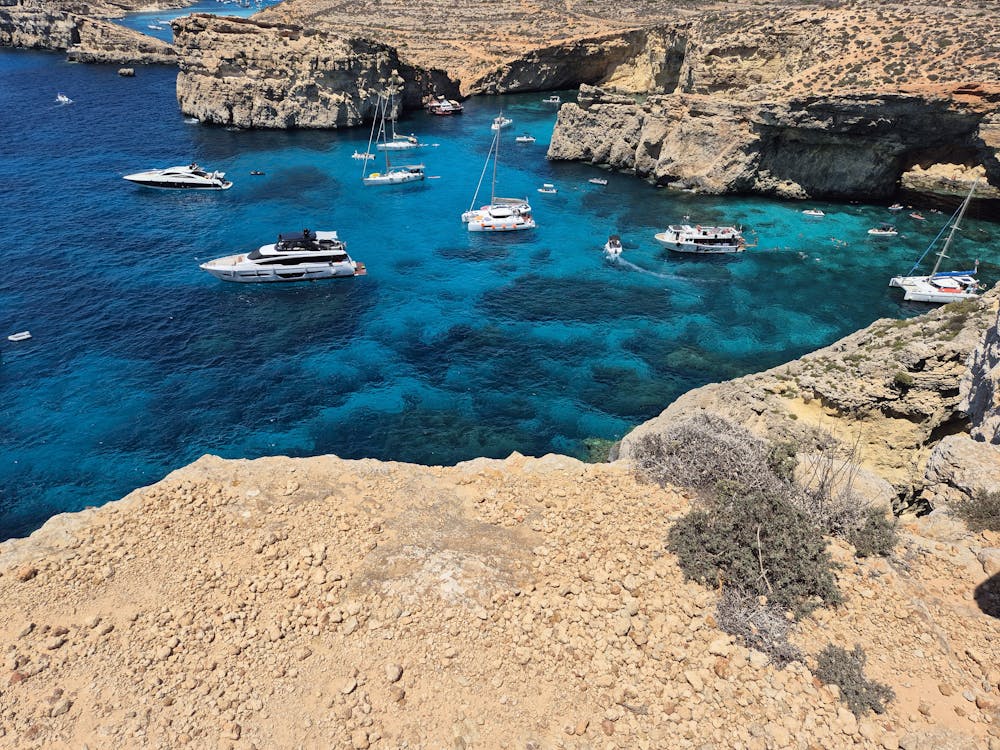
The water at the Blue Lagoon does not look real. I have seen photos of it for years and assumed they were edited — the kind of turquoise that only exists on postcards and Instagram ads. Then I stepped off the boat onto Comino and looked down, and I could see the sandy bottom six meters below through water so clear it barely looked like water at all.
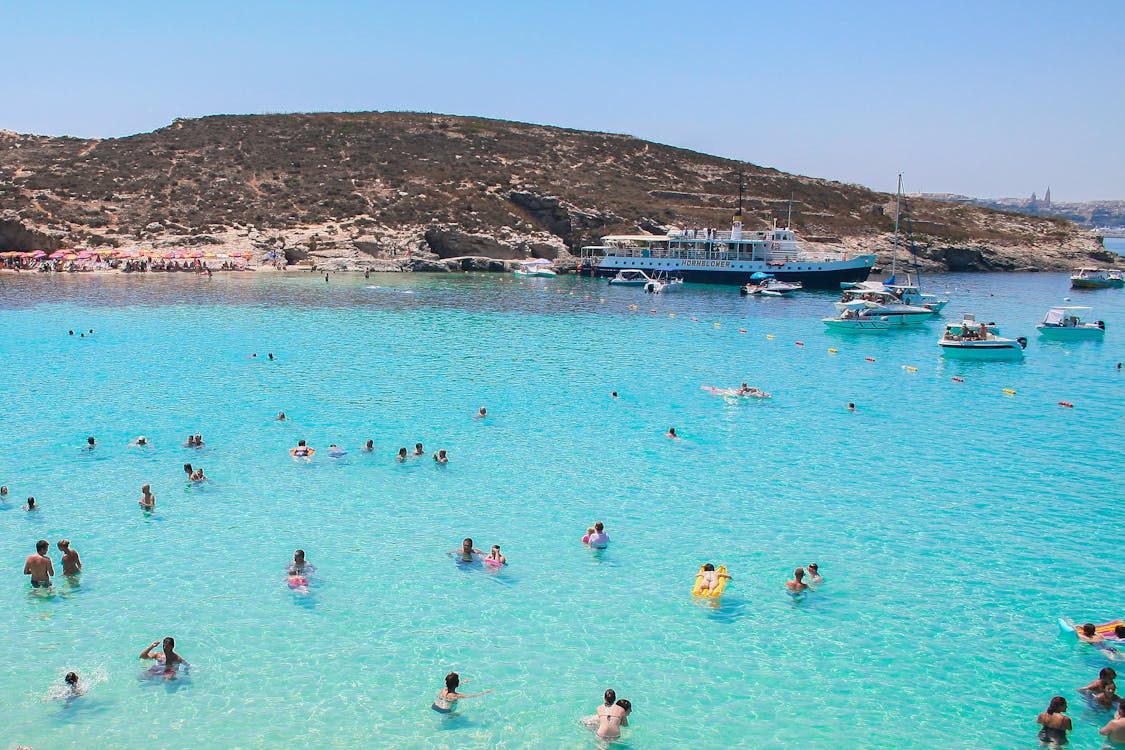
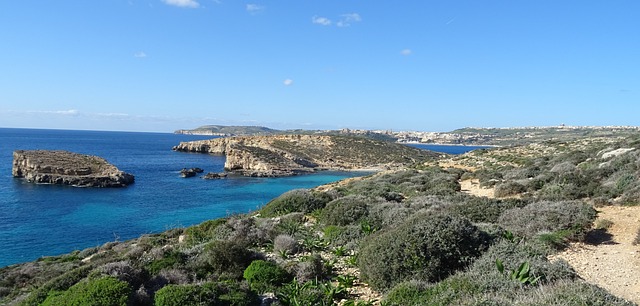
Comino is the tiny island between Malta and Gozo — roughly one square kilometre of rocky scrubland with almost no permanent residents. The Blue Lagoon sits in a narrow channel between Comino and the even smaller islet of Cominotto, and the shallow white sand bottom combined with the sheltered position creates that ridiculous colour. It is genuinely the most visually stunning natural swimming spot I have seen in Europe.
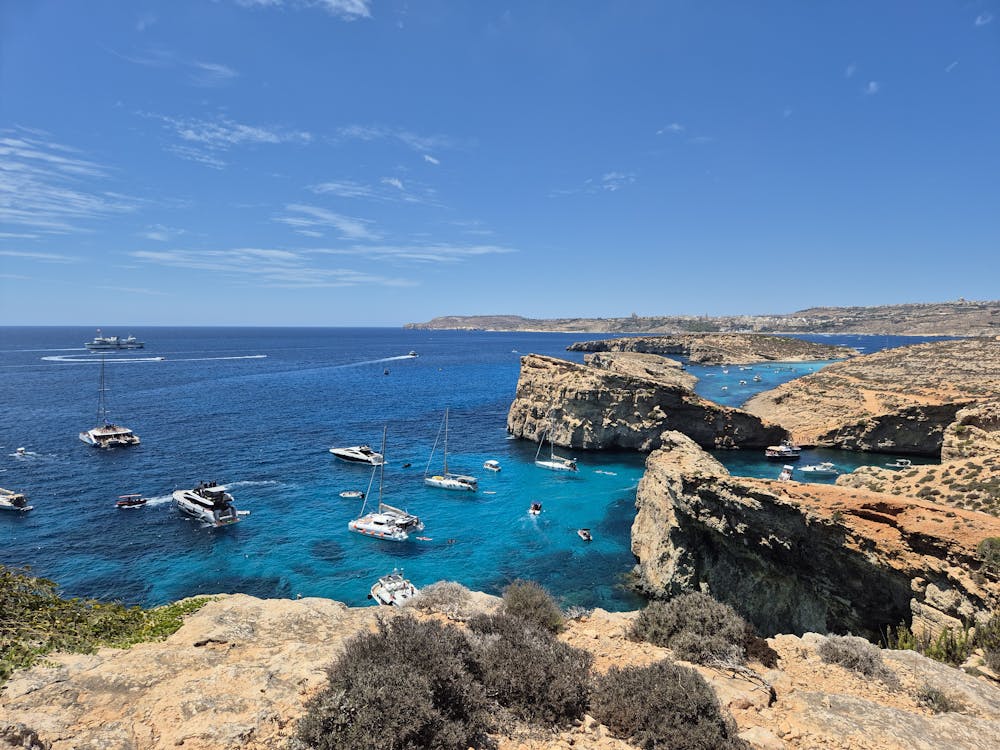
The catch is that everyone knows about it. On a peak summer day, there can be 50 or more boats anchored in the lagoon and hundreds of people in the water. Getting there early or going in the shoulder season makes a huge difference. Here is everything I have figured out about the best boat trips, when to go, and how to avoid the worst crowds.
Best overall: Sliema to Comino Cruise — $41. Full day hitting Blue Lagoon, Crystal Lagoon, and the sea caves. The most popular for a reason.
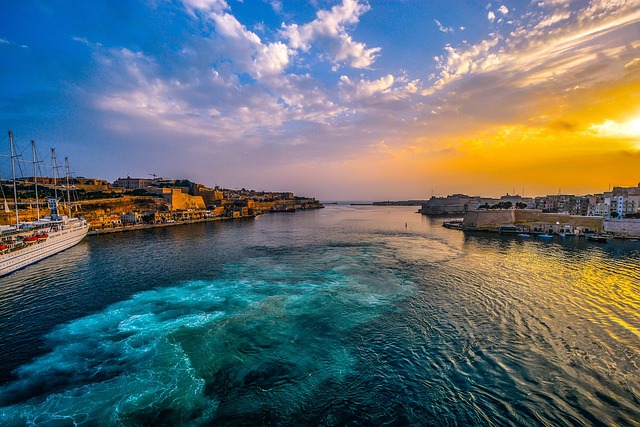
Best for sunset: Sunset Cruise to Blue Lagoon — $35. Arrives after the day crowds leave. The lagoon at golden hour is a completely different experience.
Best budget: Blue Lagoon and Sea Caves Tour — $19. No-frills afternoon boat trip that gets you there for less than a decent lunch costs.
- How to Get to the Blue Lagoon
- Tour Boats vs the Comino Ferry
- The Best Blue Lagoon Boat Trips to Book
- 1. From Sliema: Comino, Crystal Lagoon, and Blue Lagoon Cruise —
- 2. Comino: Blue Lagoon, Crystal Lagoon, and Seacaves Tour —
- 3. Malta: Sunset Cruise to the Blue Lagoon —
- 4. Malta: Blue Lagoon, Comino, and Sea Caves Tour —
- When to Visit the Blue Lagoon
- Tips That Will Save You Time and Money
- What Makes the Blue Lagoon Special
- More Malta Guides
How to Get to the Blue Lagoon
There is no bridge to Comino and no airport. The only way to reach the Blue Lagoon is by boat, and you have three main options.
Organised boat tours are what most visitors choose, and honestly they are the easiest option. You book online, show up at the departure point (usually Sliema, Bugibba, or St Paul’s Bay), and spend 6-8 hours being ferried between the Blue Lagoon, Crystal Lagoon, and the sea caves. The boat is your base for the day — you swim off the side, use their facilities, and do not have to worry about catching a return ferry. Prices range from $19 to $67 depending on the type of boat and what is included.
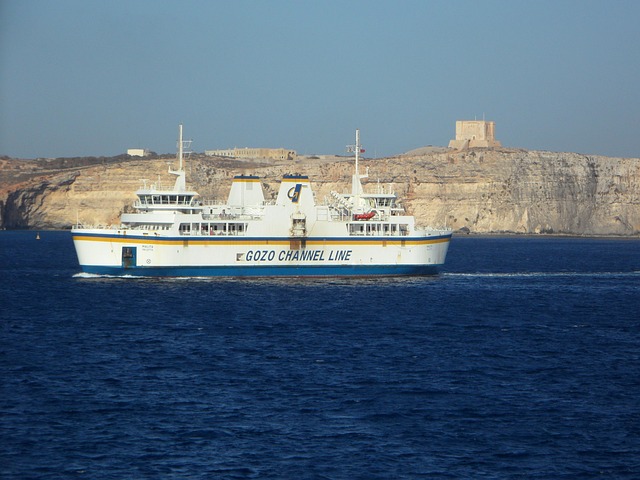
The Comino Ferry from Cirkewwa is the cheapest option at around EUR 14 return for adults. The ferries run roughly every 30 minutes to an hour and dock directly at the Blue Lagoon. This gives you full freedom — you set your own schedule, stay as long as you want, and are not tied to a tour group. The trade-off is that there are no facilities at the lagoon itself beyond food vendors and rental kiosks.
Private boat charters start at around $200-350 for a group and let you visit the lagoon on your own schedule — including arriving before the tour boats show up. If you have a group of 4-6, the per-person cost becomes reasonable and the experience is completely different from being on a packed tour boat.
Tour Boats vs the Comino Ferry
The ferry is cheaper and gives you more freedom. A tour boat is easier and more comprehensive. Here is how I would decide:
Take the ferry if: you want to spend the whole day at the Blue Lagoon specifically, you are on a tight budget, or you want to hike around Comino (there are trails to St Mary’s Tower, a 30-minute walk, and some quiet bays on the north side that most travelers never see).
Take a tour boat if: you want to see the Blue Lagoon, Crystal Lagoon, AND the sea caves in one day without planning anything, you want a floating base with drinks and music, or you are short on time and want the highlights covered.
The catamaran and party boat options are a different category entirely. These are less about seeing the Blue Lagoon and more about having a day on the water with music, a BBQ, and unlimited swimming stops. They visit the lagoon but do not anchor there as long.
The Best Blue Lagoon Boat Trips to Book
I have narrowed this down to four options that cover every budget and style — from a $19 afternoon trip to a sunset cruise that arrives after the crowds leave.
1. From Sliema: Comino, Crystal Lagoon, and Blue Lagoon Cruise — $41
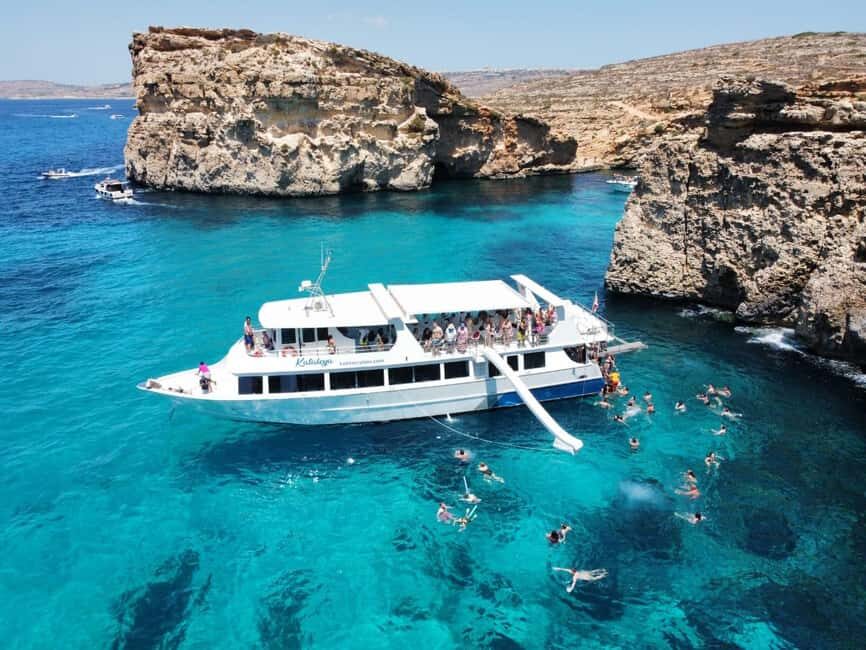
This is the most booked Blue Lagoon tour in Malta and the one I would recommend to most people. At $41 for a full day (7.5 hours), you get Blue Lagoon swimming time, a stop at the Crystal Lagoon, a cruise past the sea caves, and a brief stop at Gozo. The Sliema departure is a huge convenience factor — no need to arrange transport to Cirkewwa in the north.
With nearly 7,000 reviews and a 4.5-star average, this is as well-tested as a Malta tour gets. The consistent feedback mentions friendly crews, good pacing, and enough time at each stop. Some visitors mention that 4 hours at the Blue Lagoon can feel long if the weather is not perfect — but on a hot day, you will use every minute of it.
2. Comino: Blue Lagoon, Crystal Lagoon, and Seacaves Tour — $35
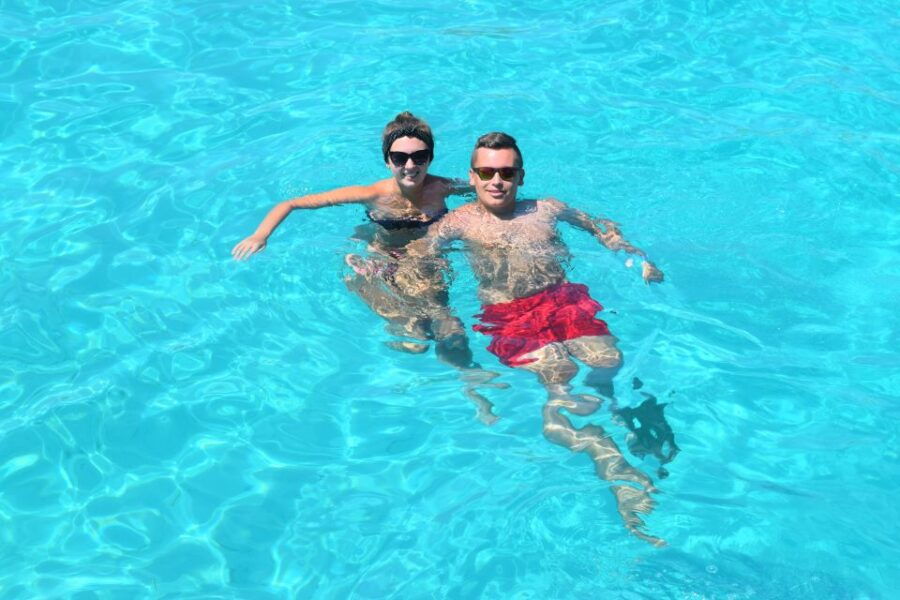
Six dollars cheaper than the Sliema cruise and running for 6 hours instead of 7.5, this one covers the same core stops: Blue Lagoon, Crystal Lagoon, and the sea caves. With 5,700+ reviews and a 4.6-star rating, it has a slightly higher satisfaction rate than the #1 option. The difference is mostly in the departure point and the boat style.
The atmosphere on board leans social — music, cocktails, sunbathing on the upper deck. Several reviewers mention that even in November the experience was worth it, which tells you something about the quality of the crew and the route. At $35, this is essentially the same core experience as the Sliema cruise for less money. If budget matters, start here.
3. Malta: Sunset Cruise to the Blue Lagoon — $35
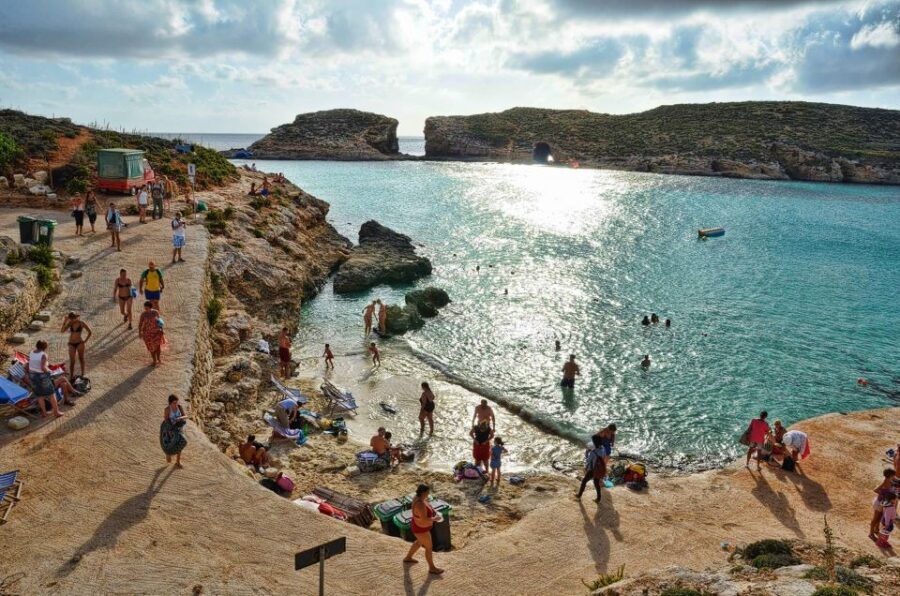
This is my favourite option on the list and the one I wish I had booked first. While everyone else is heading back to their hotels after a full day at the lagoon, the sunset cruise arrives into an emptying Blue Lagoon with golden hour light turning that turquoise water into something almost unreasonably photogenic.
At $35 for 3.5 hours, it is shorter than the full-day options but the timing more than compensates. The boat has cocktails served in pineapples, music, and the option to jump off the side into the lagoon. With 1,000+ reviews and a 4.8-star rating — the highest average on this list — people consistently call it a trip highlight. The only caveat: snorkelling is harder as it gets darker, so if underwater visibility matters to you, do a day trip and add this as a second visit.
4. Malta: Blue Lagoon, Comino, and Sea Caves Tour — $19
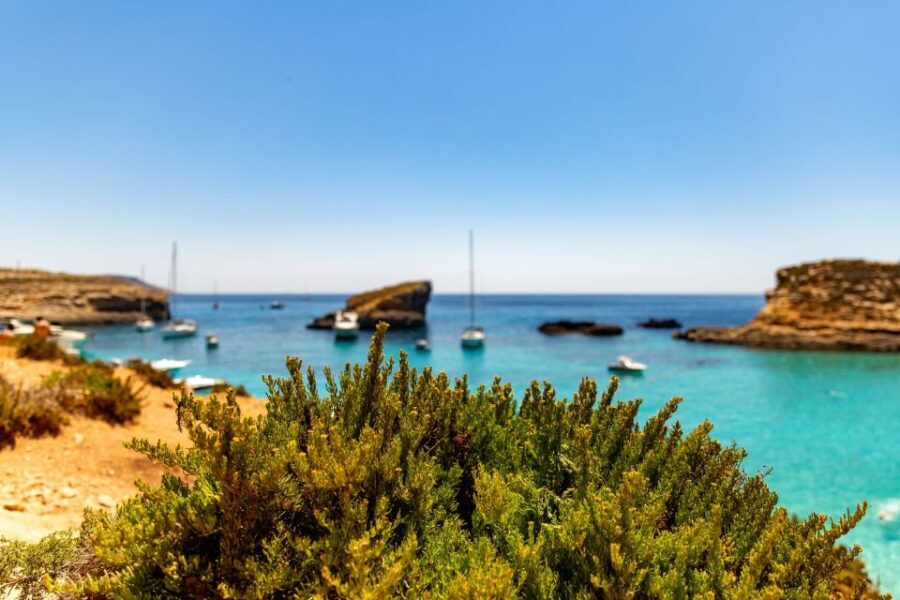
If you just want to get to the Blue Lagoon without spending much, this is it. At $19 per person, it costs less than lunch at most Valletta restaurants. The boat departs in the afternoon, visits the sea caves on the way, and anchors at the Blue Lagoon after the day crowds have thinned out. It is a no-frills experience — the boat is simple and there are no extras — but the water is exactly the same shade of impossible blue.
With 250+ reviews and a 4.4-star rating, it is newer and smaller than the other options but consistently praised for a friendly captain and good timing. The afternoon departure is actually a feature — you get less crowded conditions and softer light. If you are backpacking Malta or just want to keep costs down, this is the smartest pick on the list.
When to Visit the Blue Lagoon
Best months: May, June, September, and early October. The water is warm enough for swimming (23-26 degrees), the weather is reliably sunny, and the crowds are a fraction of what you get in July and August. Late September is the sweet spot — the sea is actually warmer than June because it has had all summer to heat up.
July and August: Peak season. The lagoon gets genuinely packed — 50+ boats, hundreds of swimmers, vendors blasting music, and limited space on the rocky shores. If this is your only option, go early (first ferry or earliest tour departure) or take the sunset cruise. Between 11am and 1:30pm is the worst.
Winter: Surprisingly viable. The water temperature drops to around 16 degrees but the lagoon is essentially empty. November and December visits get good reviews from visitors who were lucky with sunny days. You will not be swimming for hours, but the colour of the water is just as striking and the peace is worth it.
Time of day matters more than most people think. Before 9am the lagoon is nearly empty. After 6pm the day trippers have left. The window between 11am and 2pm is the worst for crowds regardless of the month.
Tips That Will Save You Time and Money
Book online and book ahead. During peak season the popular morning departures sell out days in advance. Booking online locks in your spot and price. Walk-up tickets at the harbour are possible but you risk getting the time slot nobody wanted.
Bring water shoes. The entry into the water at the Blue Lagoon is rocky. Not dangerously so, but uncomfortable without something on your feet. Cheap aqua shoes from any Maltese tourist shop will do.
Sunscreen is not optional. The lagoon has almost no natural shade. Six hours of Mediterranean sun reflecting off white sand and clear water will burn you faster than you think. Bring reef-safe sunscreen, a hat, and a rash guard if you have one.
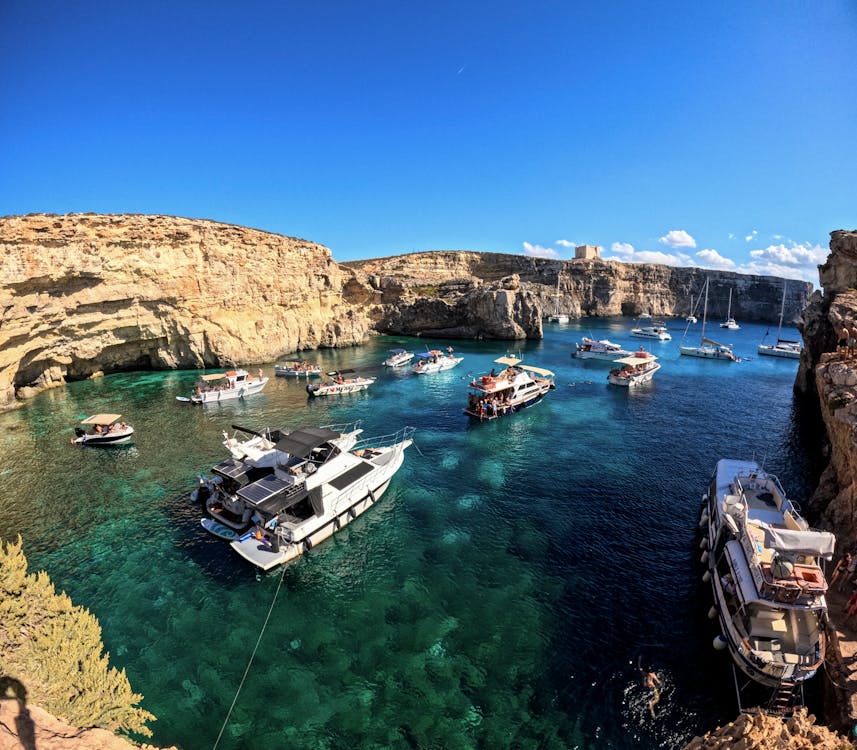
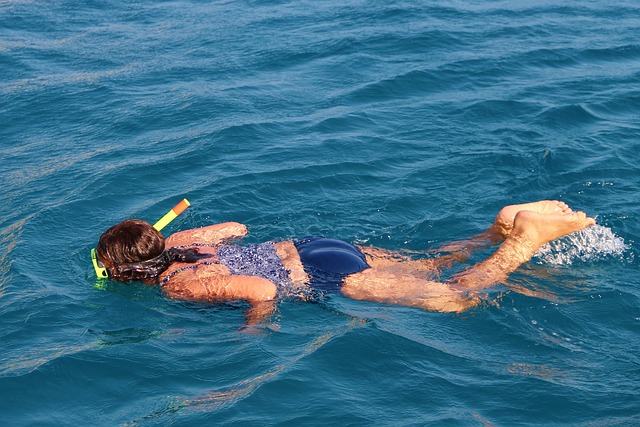
The Crystal Lagoon is better for snorkelling. The Blue Lagoon is stunning but shallow and sandy. The Crystal Lagoon next door has rocky walls, deeper water, and more marine life. If snorkelling matters to you, make sure your tour includes a Crystal Lagoon stop.
Eat before you go or bring food. There are food vendors at the Blue Lagoon but they are expensive and the options are basic. Tour boats sometimes have snack bars with decent prices, but a packed lunch will save you money and disappointment.
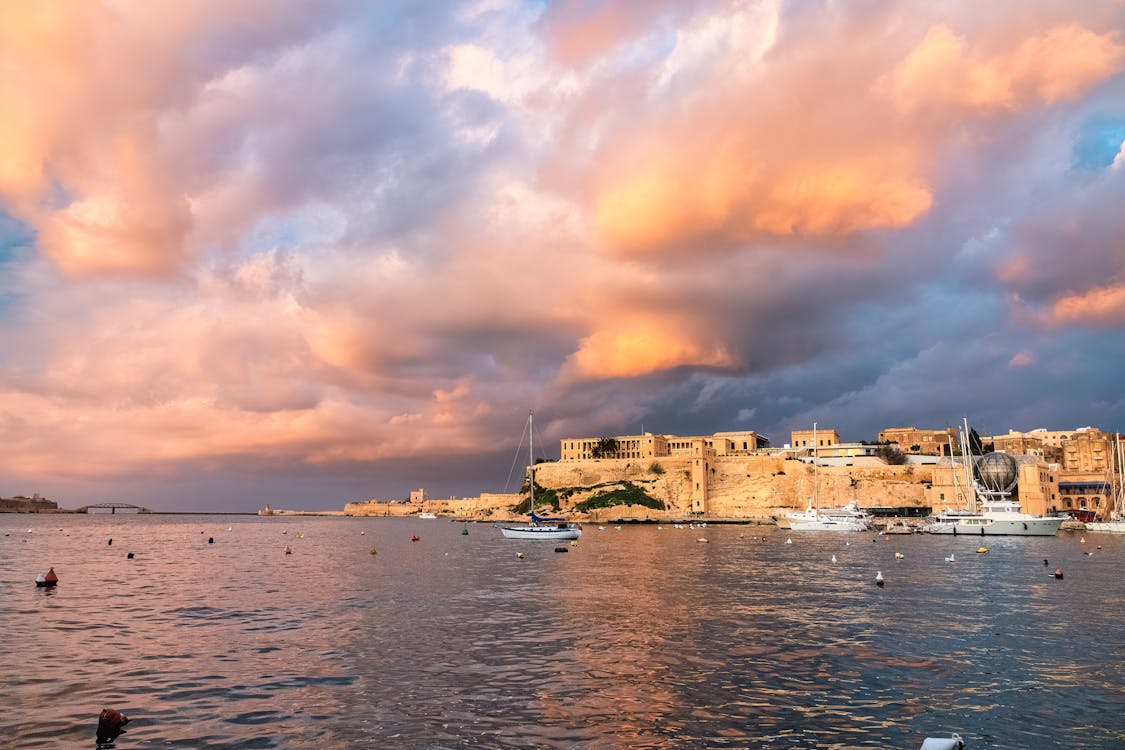
Walk to St Mary’s Tower. If you take the ferry and have time, the 30-minute walk from the lagoon to St Mary’s Tower on the south side of Comino is worth it. Built in 1618, it overlooks the whole channel and you will have the trail almost entirely to yourself. The views back toward Malta are excellent.
Watch for jellyfish. They are occasionally present in the open water around Comino, especially in late summer. The lagoon itself is usually fine because of the shallow, sheltered conditions, but keep an eye out if you are swimming in deeper water outside the channel.
What Makes the Blue Lagoon Special
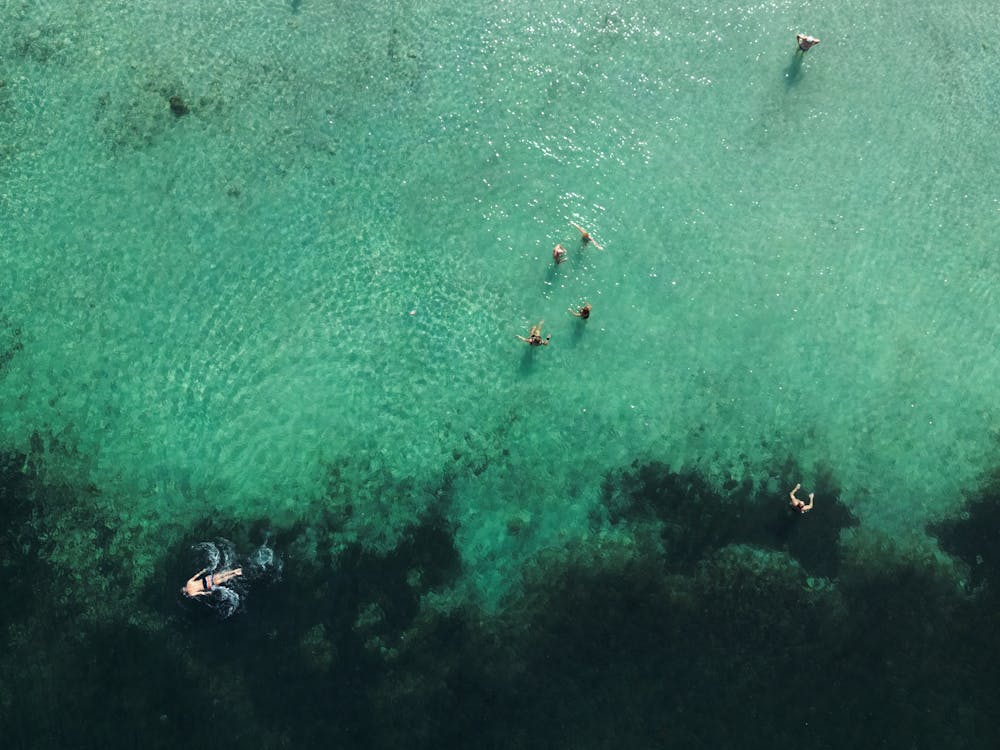
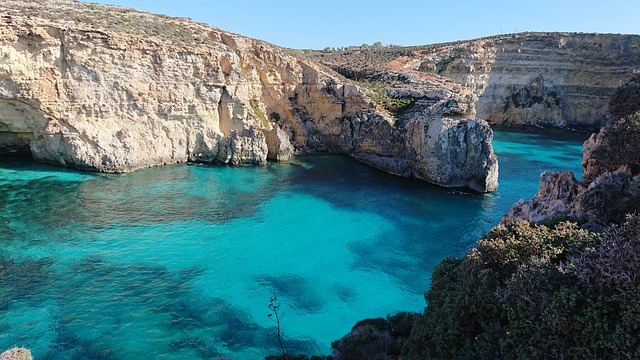
The colour comes from the combination of a white sand bottom, shallow depth (1-5 metres in most of the lagoon), and the sheltered position between Comino and Cominotto. The surrounding limestone cliffs reflect light into the water, and the lack of pollution or river sediment keeps it crystal clear. On a calm day you can see every grain of sand on the bottom.
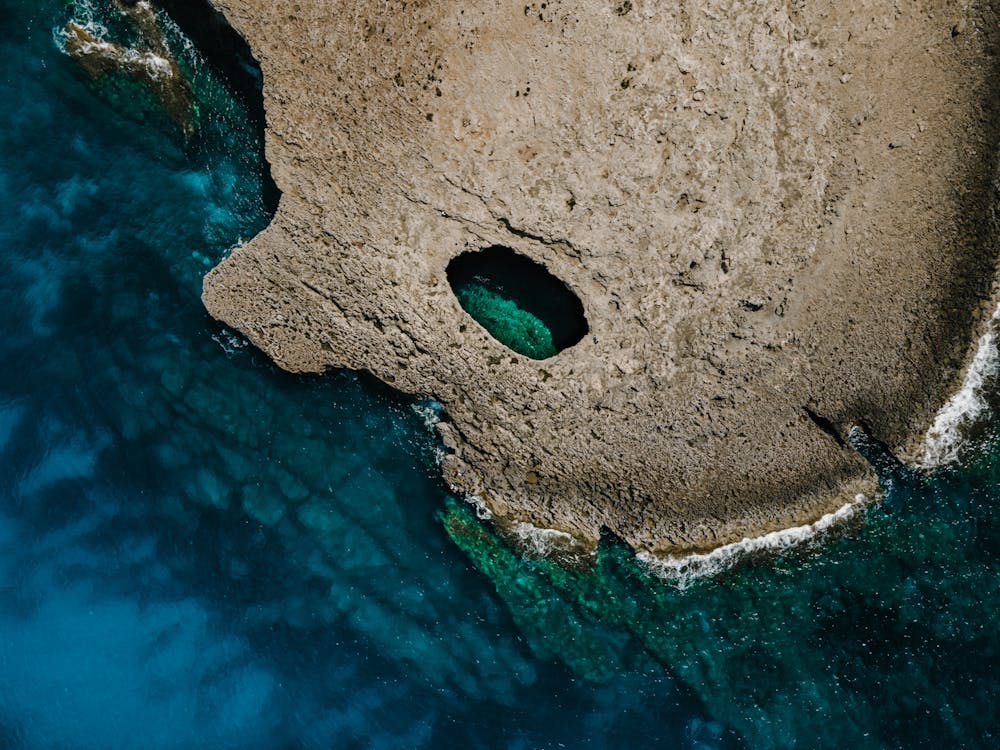
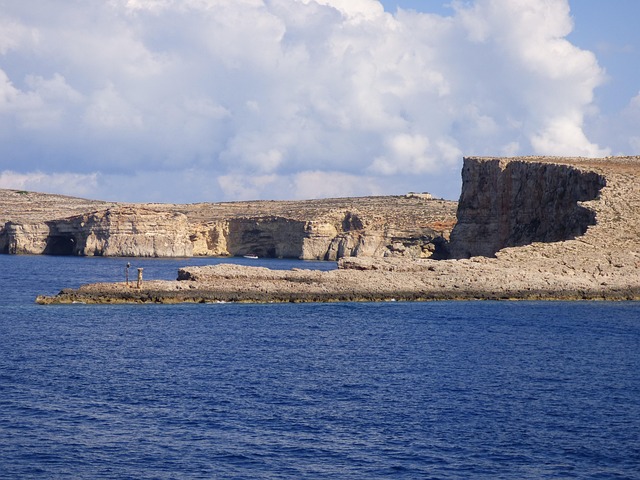
Comino itself was used as a quarantine island, a military lookout, and briefly a farming community. Today it has a population of roughly four people (depending on who you ask) and one hotel that has been closed for renovations for years. The island is essentially a nature reserve with walking trails, wild thyme and capers growing everywhere, and some of the best diving sites in Malta.
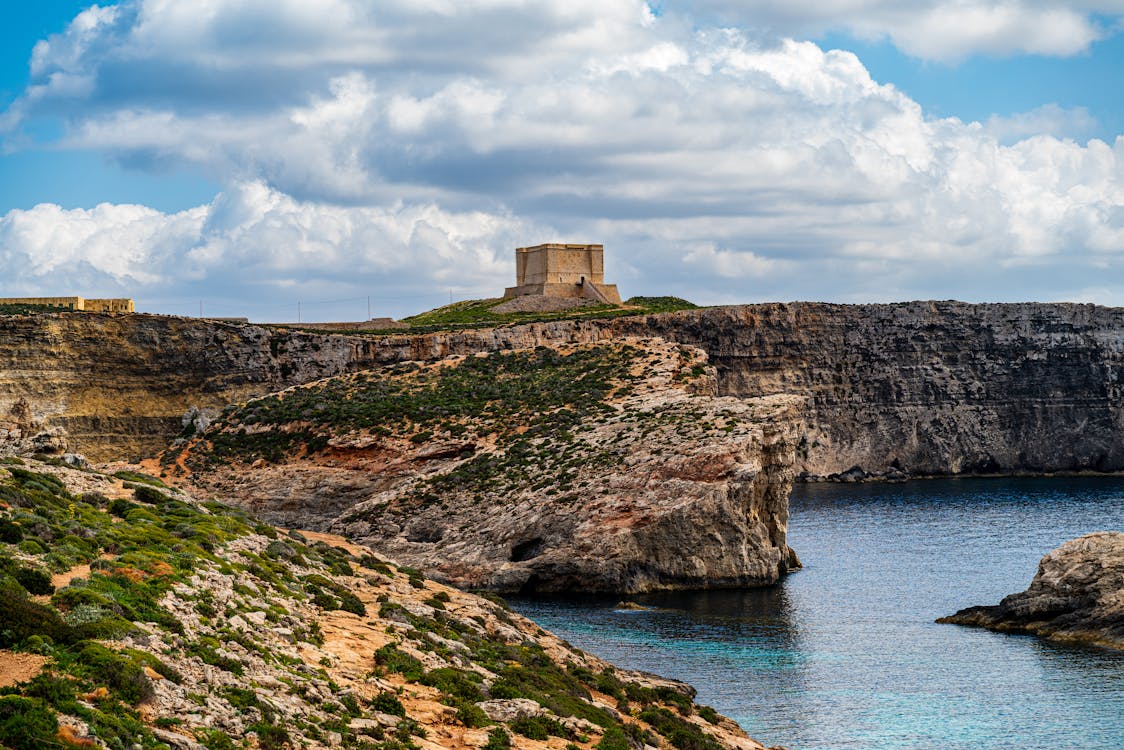
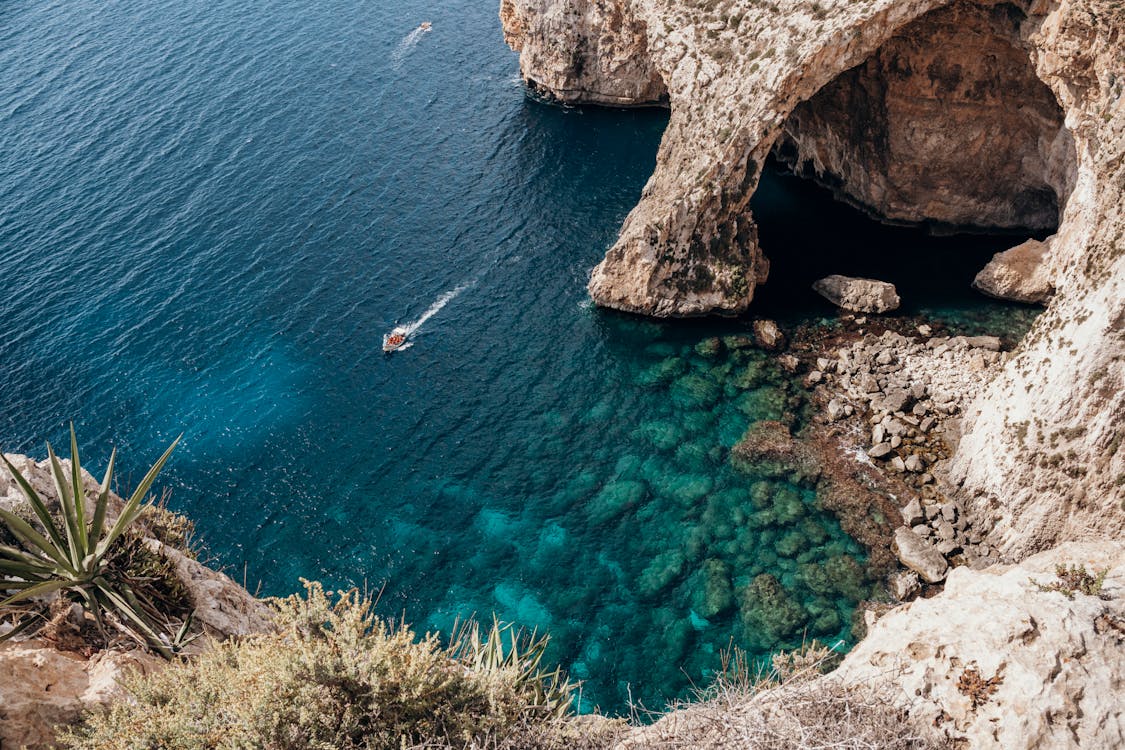
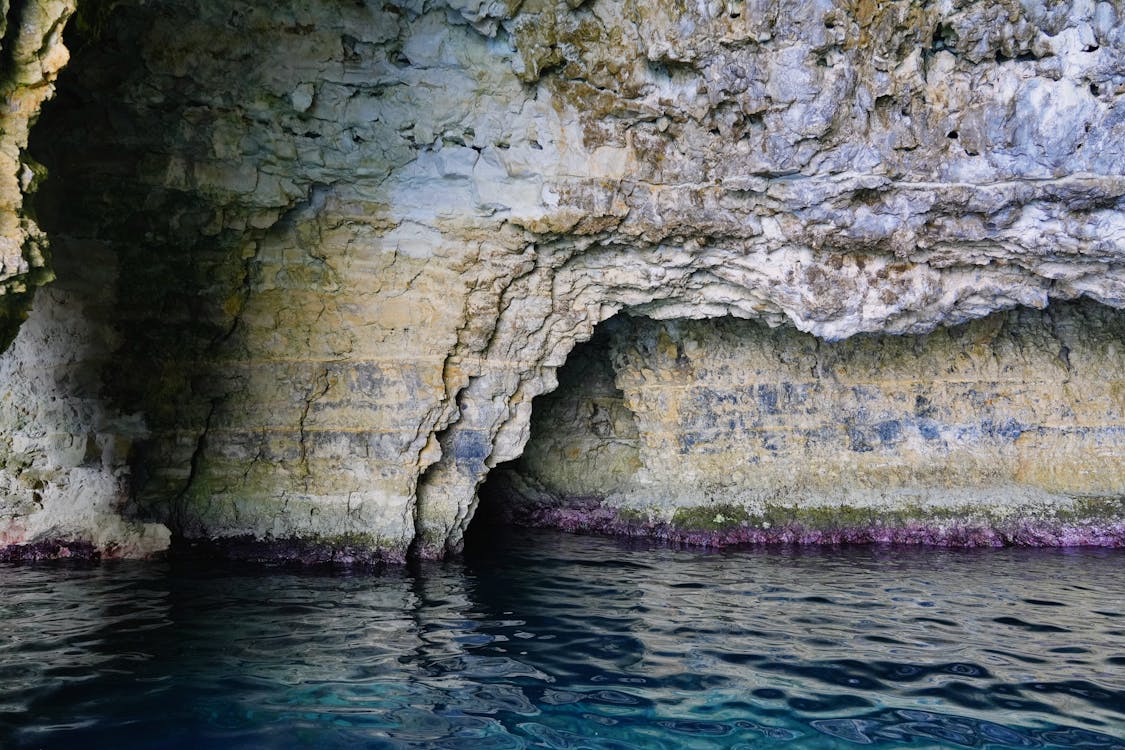
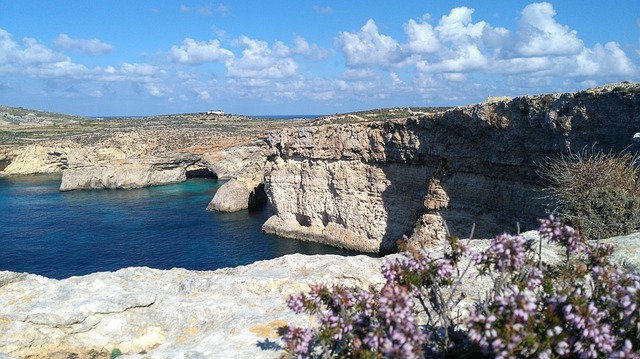
The sea caves along the Comino coast were carved by centuries of wave action into the soft limestone. Tour boats cruise through the larger ones, and kayakers can explore the smaller openings. The cave interiors light up in electric blue when the sun hits the water at the right angle — it is the same geological phenomenon that makes the Blue Grotto on Malta’s south coast famous.
More Malta Guides
The Blue Lagoon is the headline act, but Malta packs a staggering amount into a tiny island. If you want to see more of the coastline, a Gozo day trip takes you to the quieter sister island — the Ggantija temples alone predate the pyramids by a thousand years, and the countryside feels more like rural Sicily than a tourist destination. Back on the main island, the Valletta walking tours cover one of Europe most underrated capitals in about three hours, and a Valletta food tour afterwards means you can eat your way through pastizzi bakeries and seafood spots that most visitors walk right past.
For something completely different, Mdina is Malta original capital — a walled medieval city with no cars and almost no noise, earning it the nickname the Silent City. History buffs should cross the harbour to the Three Cities, where the Knights of St. John first set up shop and the Inquisitors Palace is genuinely one of the most fascinating buildings on the island. And if the sea caves on your Blue Lagoon cruise sparked curiosity about what came before, Malta prehistoric temples are among the oldest free-standing structures on Earth — most visitors have never heard of them.