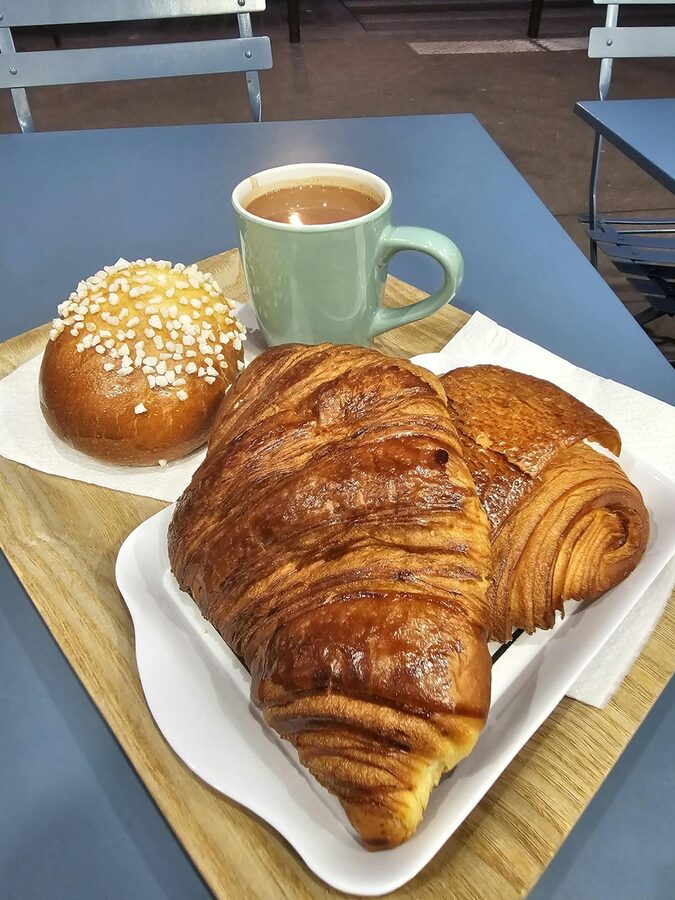
The croissant I made in a Paris baking class looked like a crescent moon that had been in a fight. Lopsided, slightly deflated, one end thicker than the other. The chef looked at it, looked at me, and said: “This is normal. Yours is better than most. You should see what happens when engineers try to laminate dough.”
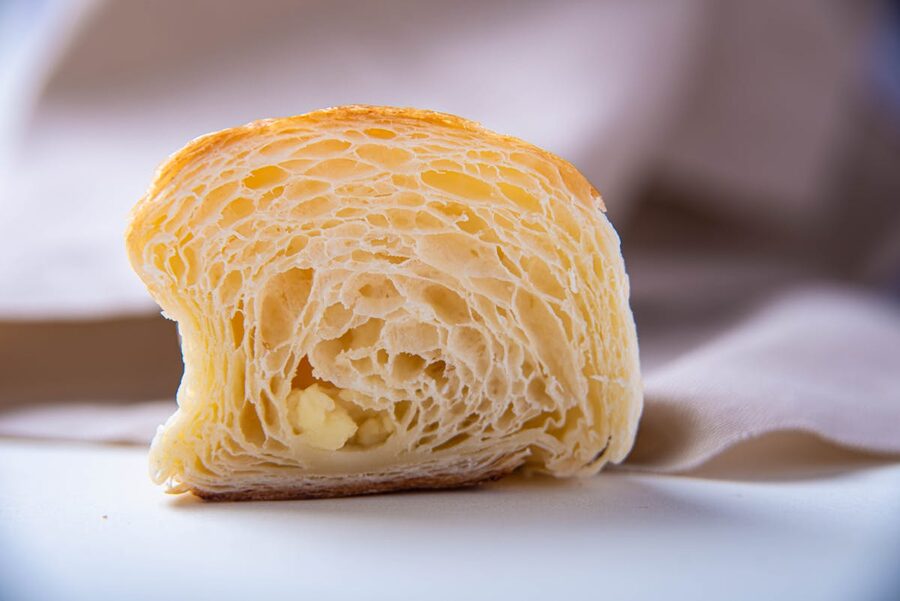
Then I bit into it and the inside was a perfect honeycomb of buttery layers. The outside shattered. The taste was better than 90% of the croissants I have bought from actual Paris bakeries. I stood there in a flour-dusted apron at 11am on a Tuesday, genuinely emotional about bread.
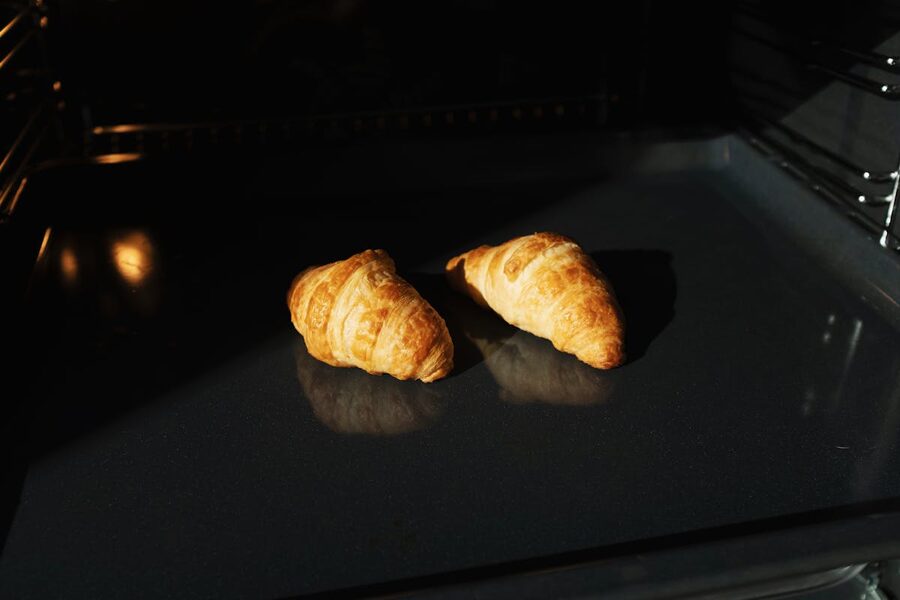
A cooking or baking class in Paris is one of those experiences that sounds touristy until you actually do it. Then it becomes one of the highlights of the trip. You learn a skill, you eat incredibly well, and you walk away with recipes and muscle memory that last longer than any souvenir.
This guide covers the three types of class worth booking — bakery experiences, pastry workshops, and full cooking classes — plus how to choose between them.
- Quick Picks — Best Paris Cooking Classes
- Three Types of Paris Cooking Class (And Which to Pick)
- Bakery Experiences (2 hours, 0-0)
- Pastry Workshops (2-3 hours, 0-0)
- Full Cooking Classes (4-6 hours, 0-0)
- The Best Paris Cooking Classes to Book
- 1. French Bakery Behind the Scenes Experience — 5
- 2. Croissant Small-Group Baking Class — 7
- 3. Cooking Class with Lunch, Wine & Market Visit — 1
- What About Macaron Classes?
- When to Book Your Cooking Class
- Best Time During Your Trip
- Best Time of Year
- How Far in Advance
- Practical Tips
- Paris Cooking Classes vs. Food Tours
- Pair Your Cooking Class With These Experiences
Quick Picks — Best Paris Cooking Classes
Best bakery experience: French Bakery Behind the Scenes — around $115, 2 hours inside a working Parisian bakery making baguettes and croissants. You eat your creations for breakfast afterward.
Best croissant class: Croissant Small-Group Baking Class — around $157, 2.5 hours mastering laminated dough with a pastry chef. Small groups in a Le Marais studio. Perfect rating.
Best full cooking class: Cooking Class with Lunch, Wine & Market Visit — around $241, a 6-hour deep dive including a market trip, 3-course meal preparation, and wine pairing. The whole French culinary experience in one morning.
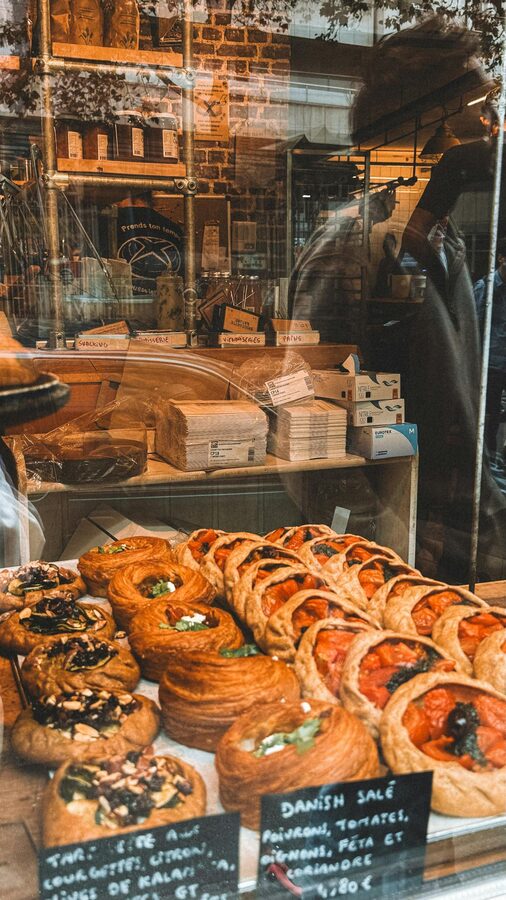
Three Types of Paris Cooking Class (And Which to Pick)
Bakery Experiences (2 hours, $100-$120)
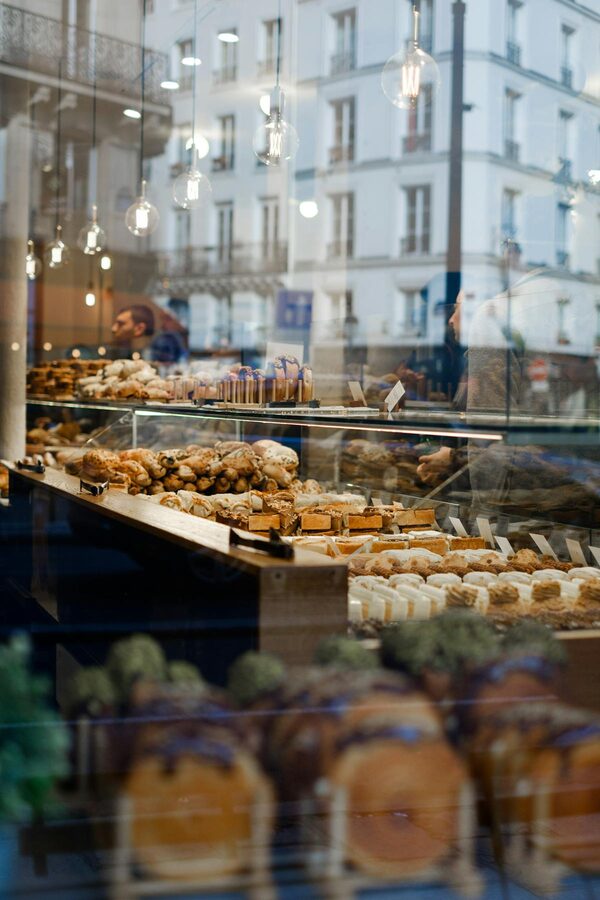
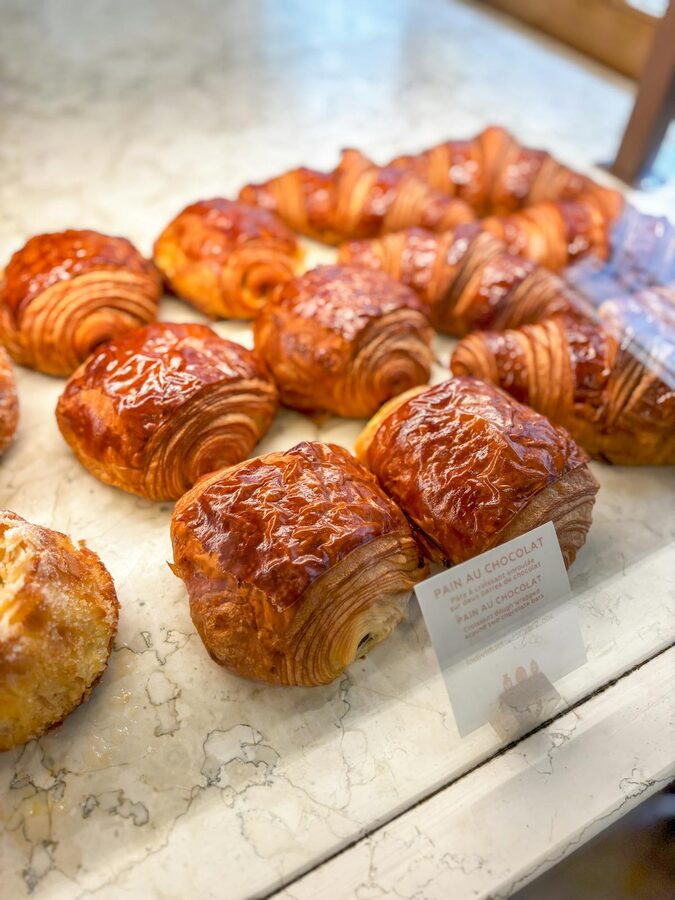
These put you inside a working Parisian bakery — the kind of place that opens at 4am and has flour on every surface. You learn to make baguettes, croissants, and pain au chocolat alongside the actual bakers. The class usually runs in the morning and ends with a traditional French breakfast of your own creations.
Best for: people who want the authentic behind-the-scenes experience. You are not in a teaching kitchen — you are in a real bakery. The equipment is industrial, the pace is fast, and the results are the real thing.
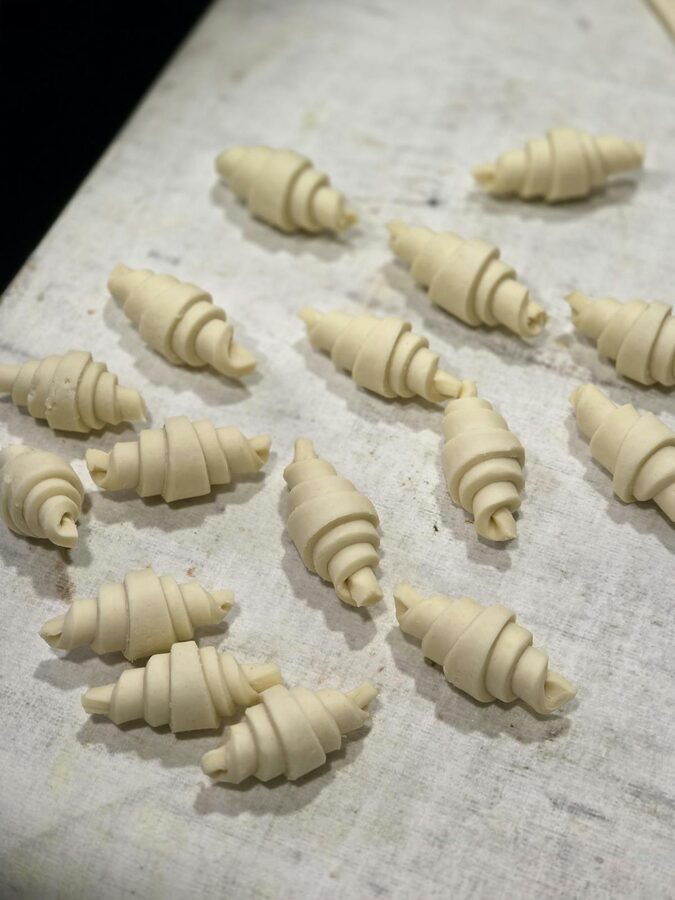
Pastry Workshops (2-3 hours, $130-$160)
These are dedicated to a single discipline — croissants, macarons, eclairs, or tarts. You work in a purpose-built pastry studio with professional equipment, and the chef walks you through every step from weighing ingredients to the final product.
Best for: people who want to go deep on one technique. A croissant workshop, for example, teaches you lamination — the process of folding butter into dough that creates those layers. It is the most important skill in French pastry, and once you understand it, you can apply it to dozens of recipes at home.
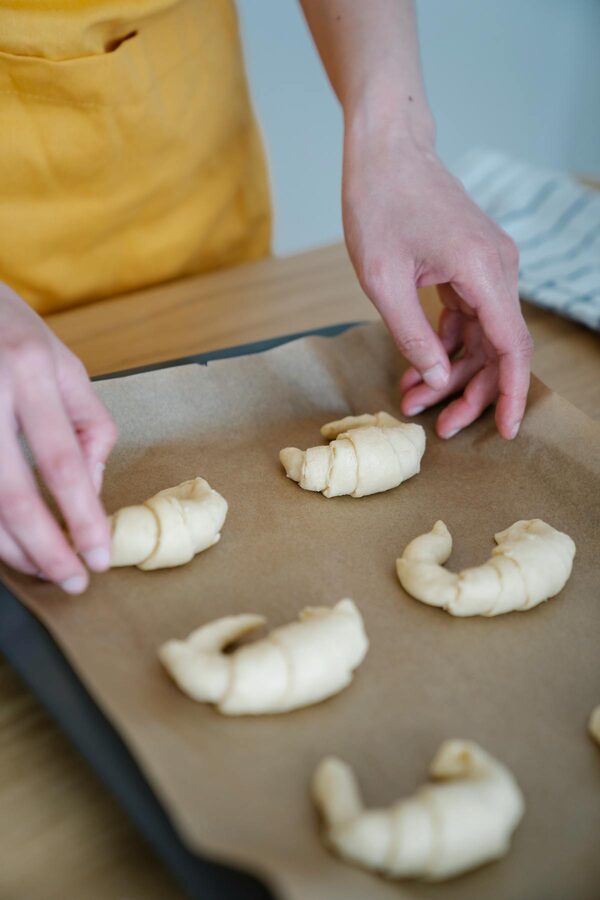
Full Cooking Classes (4-6 hours, $200-$250)
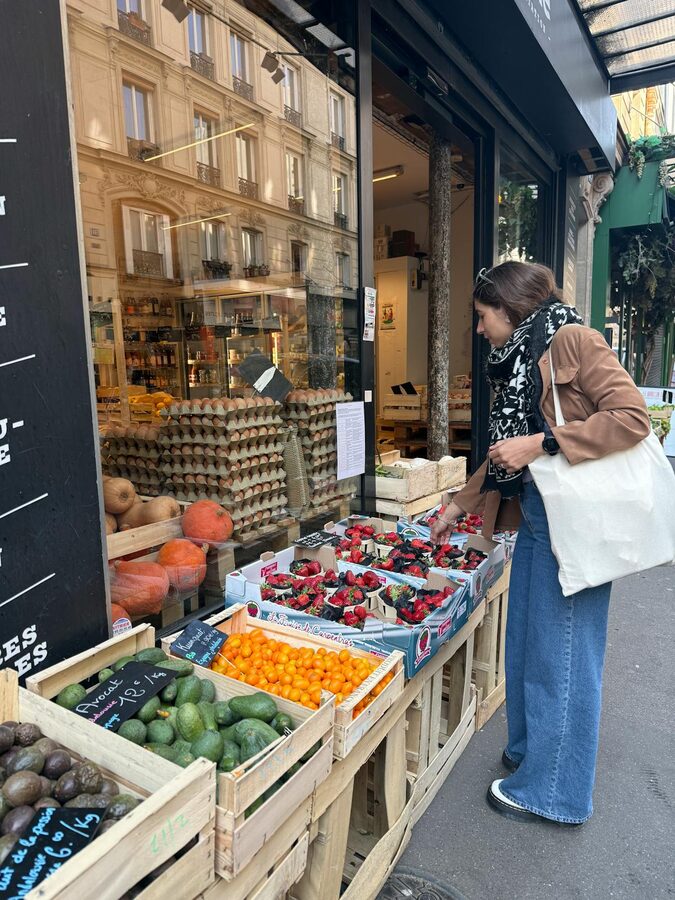
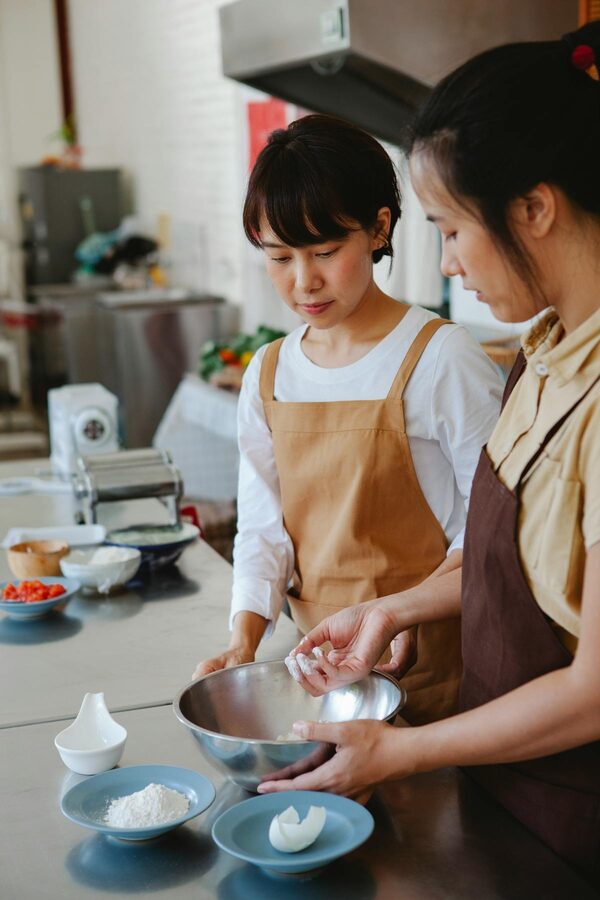
The premium option. These typically start with a visit to a local market where you shop for ingredients with the chef, then return to the kitchen to prepare a multi-course French meal. The class ends with sitting down to eat what you made, paired with wine.
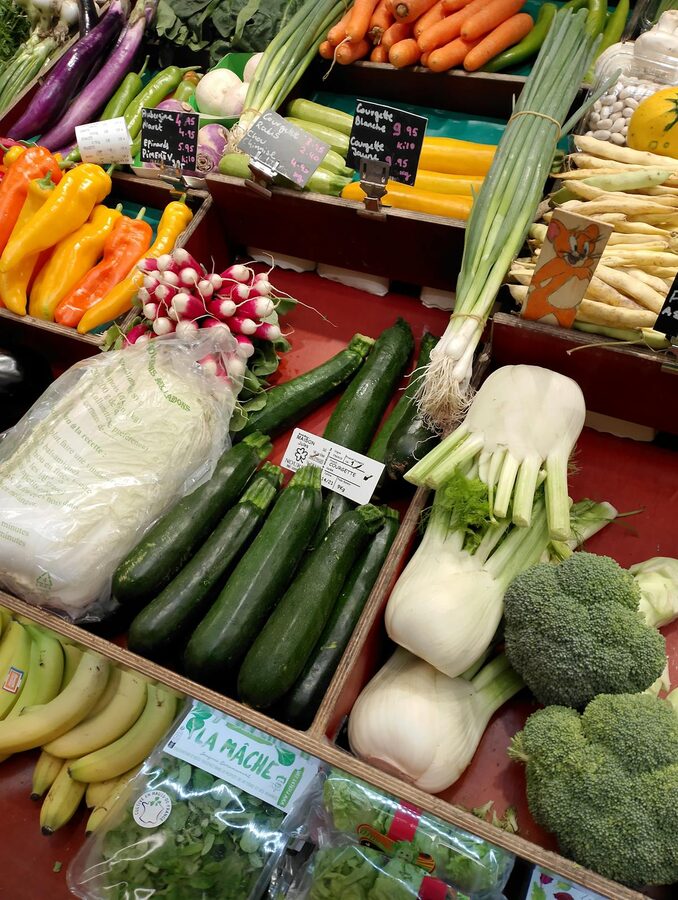
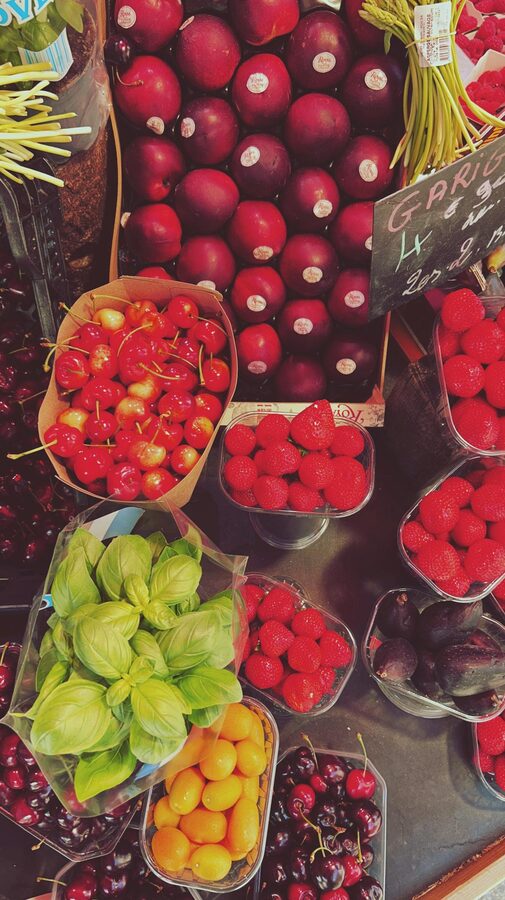
Best for: serious food lovers who want the complete experience. The market visit alone is worth the extra cost — your chef explains how to pick produce, which vendors to trust, and what is actually in season (as opposed to what travelers think is in season). The cooking is hands-on, the portions are generous, and the wine is included.
The Best Paris Cooking Classes to Book
I have gone through every cooking and baking class in our database. These are the three I recommend based on reviews, value, and what you actually learn.
1. French Bakery Behind the Scenes Experience — $115

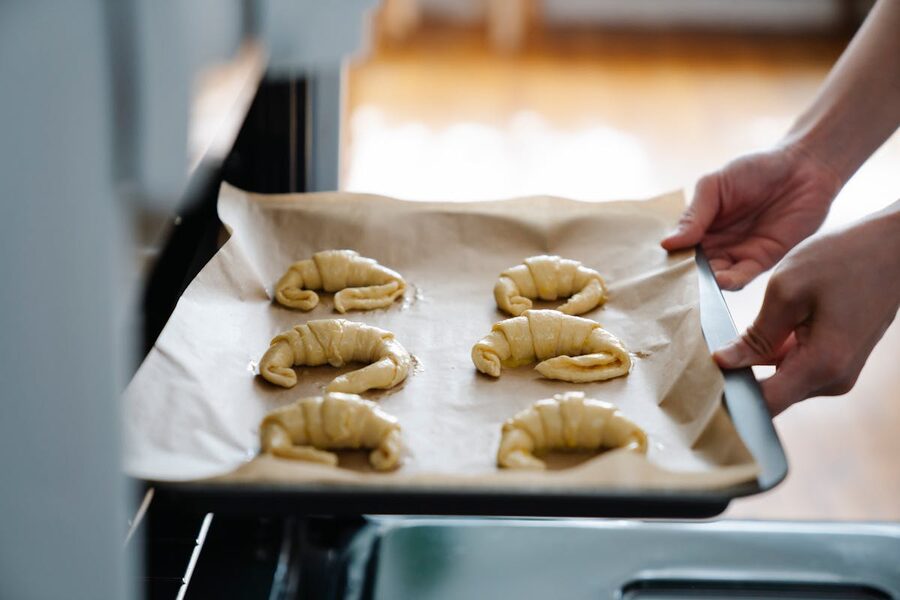
Two hours inside a real Parisian bakery. You make baguettes, croissants, and pain au chocolat from scratch using professional equipment and techniques. The instructor explains the science behind each step — why the water temperature matters, what happens during fermentation, how folding creates layers. Then you sit down and eat everything you made for breakfast.
One reviewer described it as “so good” and “very interesting to learn the intricacies of a working bakery.” They lucked into a private session and got to make baguettes and croissants with one-on-one instruction. That kind of experience at $115 is exceptional value for Paris.
The class runs in the morning (usually starting around 9 or 10am) and works for all skill levels. No prior baking experience needed. You will leave with flour on your clothes and a genuine understanding of why French bread tastes different from bread anywhere else.
2. Croissant Small-Group Baking Class — $157
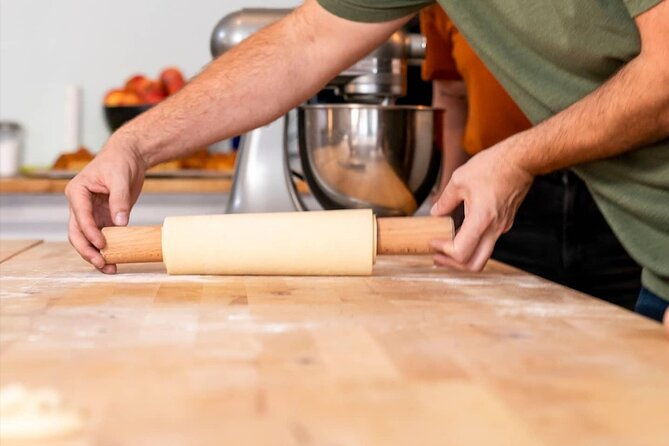
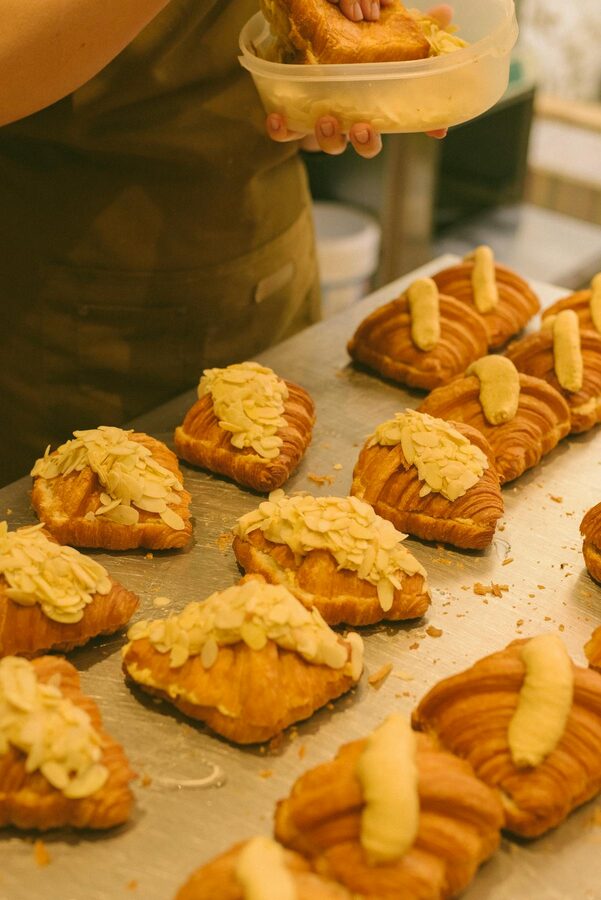
This is the dedicated croissant class. Two and a half hours focused entirely on laminated dough — the technique that makes croissants, pain au chocolat, and Danish pastries possible. You work in a small group in a Le Marais pastry studio with a professional chef who walks you through every fold, turn, and proof.
One participant described their instructor Clara as amazing and loved that the workshop included local recommendations for exploring Paris afterward. The class has a perfect rating, which for a cooking class with hundreds of reviews is almost unheard of.
At $157 it is more expensive than the bakery experience, but you get a more focused learning outcome. The bakery class teaches you breadth — baguettes, croissants, pain au chocolat in two hours. This class teaches you depth — one technique, mastered, in two and a half hours. If you are specifically interested in the art of the croissant (and honestly, who is not?), this is the one.
3. Cooking Class with Lunch, Wine & Market Visit — $241

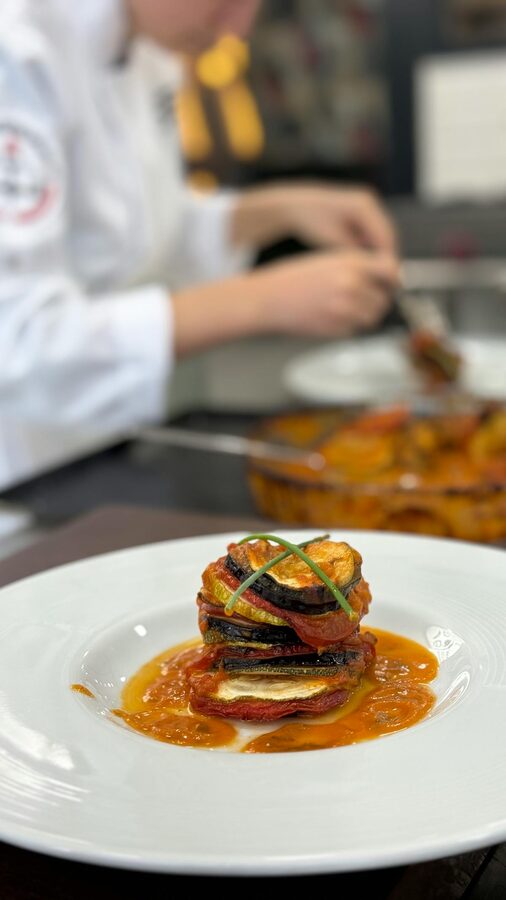
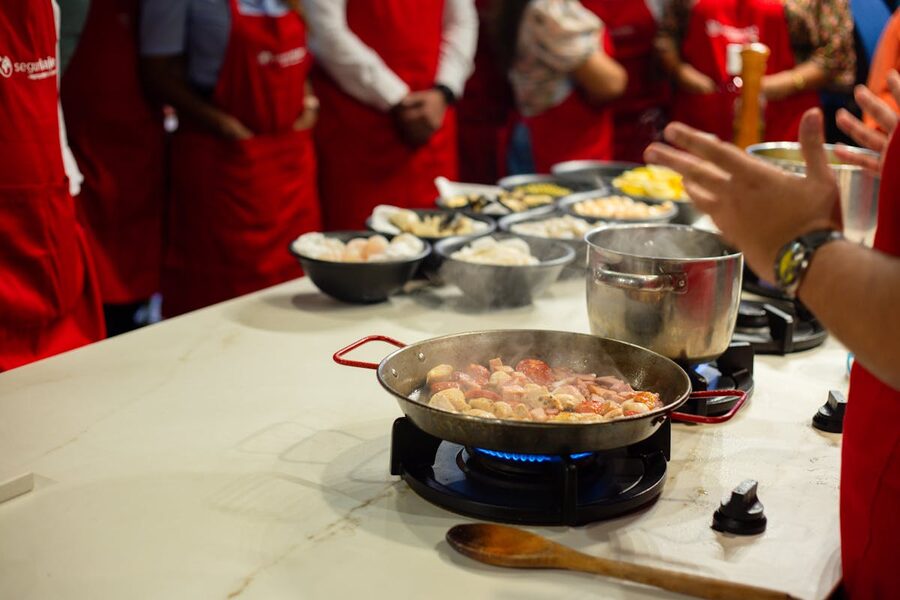
This is the full experience. Six hours that start at a local market where you shop for ingredients with your chef, continue in a professional kitchen where you prepare a 3-course French meal, and end with sitting down to eat everything you cooked, paired with wine that the chef selects to match each course.
One reviewer said simply: “Don’t think, just buy. Worth every penny.” They called it one of the best activities they did in Paris and one of the best cooking classes they had ever taken — coming from someone who described themselves as an experienced home cook. That is high praise.
At $241 this is the most expensive option, but it is also 6 hours long — nearly a full day of food, learning, and eating. If you calculate it as a cooking class ($150) plus a 3-course wine lunch ($90), the maths actually works out well by Paris standards. The market visit is included in the optional add-on and I strongly recommend taking it.
What About Macaron Classes?
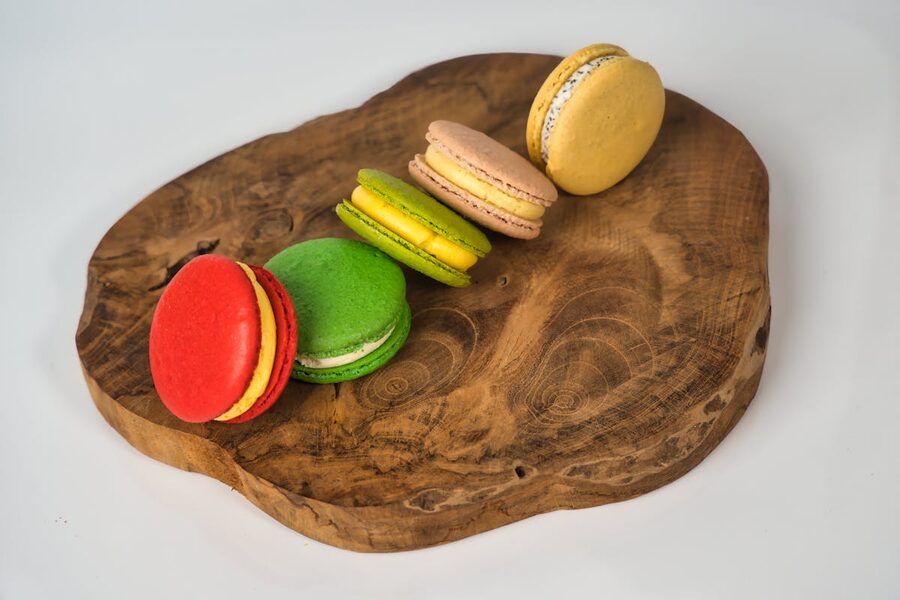
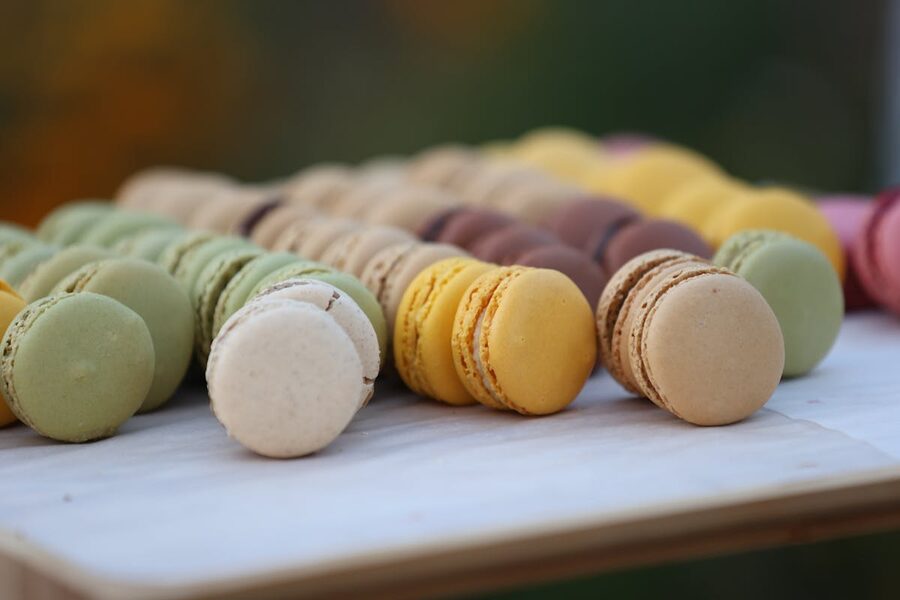
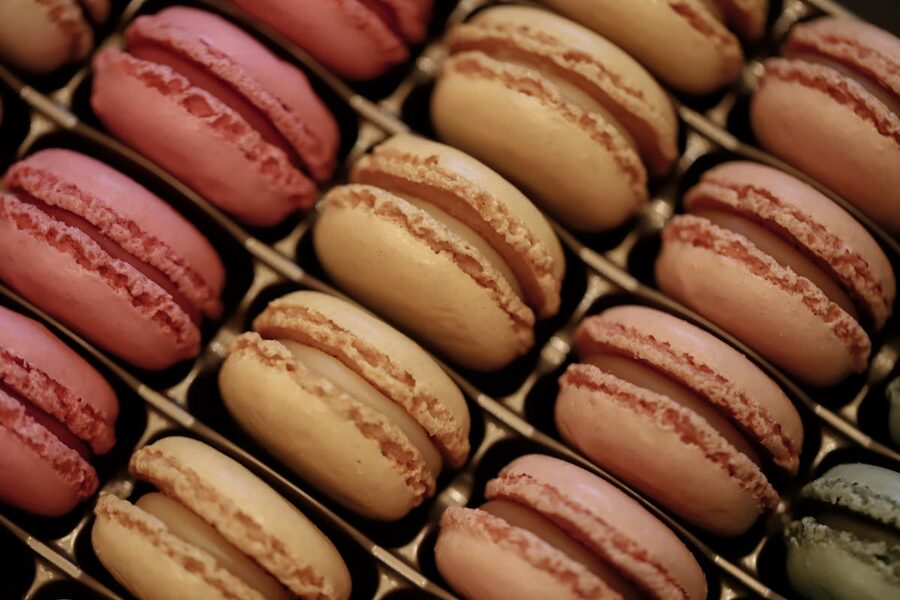
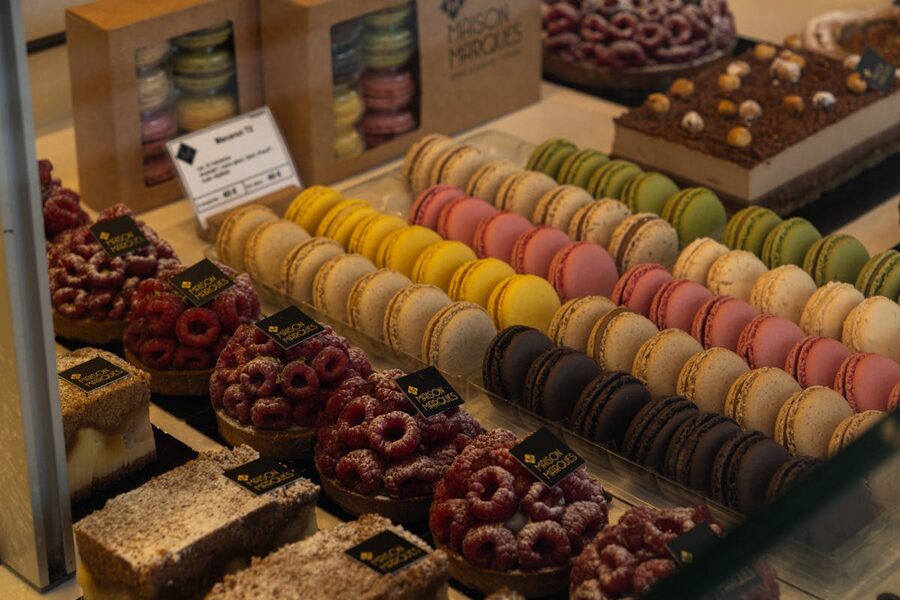
Macaron-making classes are a Paris staple and they deserve a mention. The technique is famously tricky — the meringue needs the right consistency (called macaronage), the shells need to develop a smooth top and a ruffled “foot” at the base, and the filling needs to set overnight for the best texture.
Several macaron classes run in Paris, including workshops at Galeries Lafayette and dedicated pastry studios. Prices range from $70 to $160 depending on duration and group size. If macarons are specifically what you want to learn, look for classes that give you enough time to pipe, bake, and fill — some rush through the process and you end up watching more than doing.
When to Book Your Cooking Class
Best Time During Your Trip
Book it for the first or second day. Seriously. A cooking class early in your trip teaches you what to look for in restaurants, what to order at markets, and how to judge a bakery by its croissants. It reframes every meal for the rest of your stay.
Best Time of Year
Spring and autumn have the best market produce. Summer markets are abundant but many local chefs take August off (the French vacation tradition is real). Winter classes are cosy and often include hearty dishes like cassoulet and French onion soup that you will not find in summer menus.
How Far in Advance
Popular classes book out 2-4 weeks in advance, especially the small-group ones. If you are visiting in peak season (June-September), book as early as you can. Off-season, a week’s notice is usually fine.
Practical Tips
Language: All the classes I recommend are taught in English. Some offer other languages too. Check before booking if this matters to you.
Skill level: No experience required for any of these. The instructors are used to complete beginners and will guide you through every step. Advanced home cooks will also learn something — the professional techniques differ from what you find in home cookbooks.
What to wear: Comfortable clothes you do not mind getting flour on. Closed-toe shoes are usually required in professional kitchens. Aprons are provided.
Dietary needs: Most classes can accommodate vegetarian, gluten-free, or other dietary requirements if you mention them when booking. Vegan options are more limited for pastry classes (butter is not negotiable in French pastry).
What you take home: All classes give you the recipes. The bakery and pastry classes also let you take home what you bake. The cooking class ends with eating your creation, so the takeaway is knowledge, not leftovers.
Paris Cooking Classes vs. Food Tours
Both are excellent. They serve different purposes.
A cooking class teaches you skills. You leave knowing how to make something. The experience is active — your hands are in the dough, you are stirring the pan, you are tasting and adjusting. The memory is kinetic.
A food tour teaches you context. You leave knowing where to eat, what to order, and why the food in this neighbourhood tastes different from the food in that one. The experience is about discovery — walking, tasting, listening to a guide explain why this cheese shop has survived for 150 years.
If you have time for both, do the food tour first (orientation) and the cooking class second (deep dive). If you can only do one, ask yourself: do you want to eat or do you want to make? Both answers are correct.
Pair Your Cooking Class With These Experiences
A cooking class in the morning pairs naturally with exploring the neighbourhood on foot in the afternoon. If your class is in the Marais, Montmartre is a short metro ride for a completely different Paris experience. If it is near the Tuileries, the Orangerie Museum is right there — Monet after macarons makes for a surprisingly good day.
For a full food-themed day, start with a cooking class in the morning, take a Seine river cruise to decompress in the afternoon, and finish with a dinner cruise where someone else does the cooking. You will be so full of food and French culture that the Eiffel Tower lights at 10pm will feel like a personal celebration.