
Giverny is the single most Instagram-famous garden in France, and also the single most misunderstood. Half the people who visit show up in July expecting to see the water lilies Monet painted and then get annoyed that the water lilies are mostly green (they bloom in short bursts, and the big pink-and-white show is actually a 5-week window in late May to June that almost nobody warns you about). The other half show up in April expecting wisteria and leave empty-handed (wisteria peaks in early May and is gone by the end of the month). Getting the timing right is half the battle.
I have been to Giverny three times, once in early May (wisteria peak, water lilies still asleep), once in late June (full water lily display), and once in late August (hot, crowded, most flowers past their prime). They were three completely different experiences. The late June visit was the best by a huge margin.
This guide is everything I wish I had known the first time: when to actually go, how to get there from Paris without wasting half the day on the train, which tour to book if you want the logistics handled, and what the garden is actually like when you arrive. Short version first, then the full version.
Quick Picks: Giverny Day Trips from Paris
Best value bestseller: From Paris: Giverny Half-Day Trip with Monet’s House & Gardens ($74) — coach transport, skip-the-line entry, 4 hours door to door, 2,100+ reviews. This is what I book most of the time.
With live guide option: From Paris: Giverny Day Trip with Audio Guide or Live Guide ($93) — longer day, live historian guide option, 2,300+ reviews. Worth the extra money if you care about the painting/biography context.
If you want Versailles too: From Paris: Giverny and Versailles Palace Guided Day Trip ($163) — ambitious full day, hits both gardens, returns late evening.
When to go: Late May to end of June for peak water lilies. Early May for wisteria. Avoid July-August if you can — the garden is open April-October only.
Time from Paris: ~75 min each way by coach, ~60 min by train (then 15 min by shuttle bus). Plan 7-9 hours door-to-door.
- Quick Picks: Giverny Day Trips from Paris
- Why Giverny Is Worth the Trip
- The Timing Problem (This Is Critical)
- How to Get There from Paris
- Tickets and Opening Hours
- Giverny Tour Options (Ranked)
- From Paris: Giverny Half-Day Trip with Monet’s House & Gardens
- From Paris: Giverny Day Trip with Audio Guide or Live Guide
- From Paris: Giverny and Versailles Palace Guided Day Trip
- The Clos Normand: The Flower Garden Behind the House
- The Jardin d’Eau: The Water Garden
- Monet’s House
- The Musée des Impressionnismes
- Lunch in Giverny
- What to Bring and Wear
- Common Mistakes
- Is Giverny Right For You?
- A Perfect Day Itinerary
- What to Pair Giverny With
- Final Thoughts
- FAQ
Why Giverny Is Worth the Trip
Monet lived at Giverny for the last 43 years of his life (1883-1926). He bought the pink-and-green house in 1890 when he finally had some money from selling paintings, and he spent the next three decades turning what was a normal French country garden into the most obsessively designed flower and water landscape in Europe. The garden is not incidental to his art — it literally is his art. He planted it specifically to paint, he diverted a stream to create the water-lily pond specifically to paint the reflections, and he had a specialised gardener named Félix Breuil who managed the whole thing year-round because Monet could not be bothered to do the weeding himself.
When you walk around the garden today, you are walking through a restoration of exactly what Monet planted, re-created from his own notes and the paintings themselves. The Musée Claude Monet Foundation restored the garden in the 1970s-80s after it had fallen into ruin for 50 years, and they match the original planting scheme to within a week of the original flowering calendar. This is unusual for historic gardens — most restorations are approximate. Giverny is close to exact.
There are actually two gardens connected by an underground pedestrian tunnel. The Clos Normand is the main flower garden directly behind the house — a rectangular walled formal garden packed with about 150 different plant species arranged by colour and height. It is the colourful one. The Jardin d’Eau (water garden) is on the other side of a small road, reached via the tunnel Monet had built in 1895. That is the Japanese-influenced pond garden with the green wooden bridge, the wisteria pergola, the willows, and the famous water lilies. Both are part of the same ticket.
The Timing Problem (This Is Critical)
The biggest mistake travelers make at Giverny is not checking the bloom calendar. The garden is only open from late March to the end of October (usually around the first Monday of November), but within that window different flowers peak at completely different times and most visits miss the thing people actually want to see.
April: Tulips peak around mid-April. The Clos Normand looks beautiful but the water garden is still mostly dormant. Water lilies are underwater, wisteria is budding but not blooming. Go if tulips are your thing, skip if water lilies are.
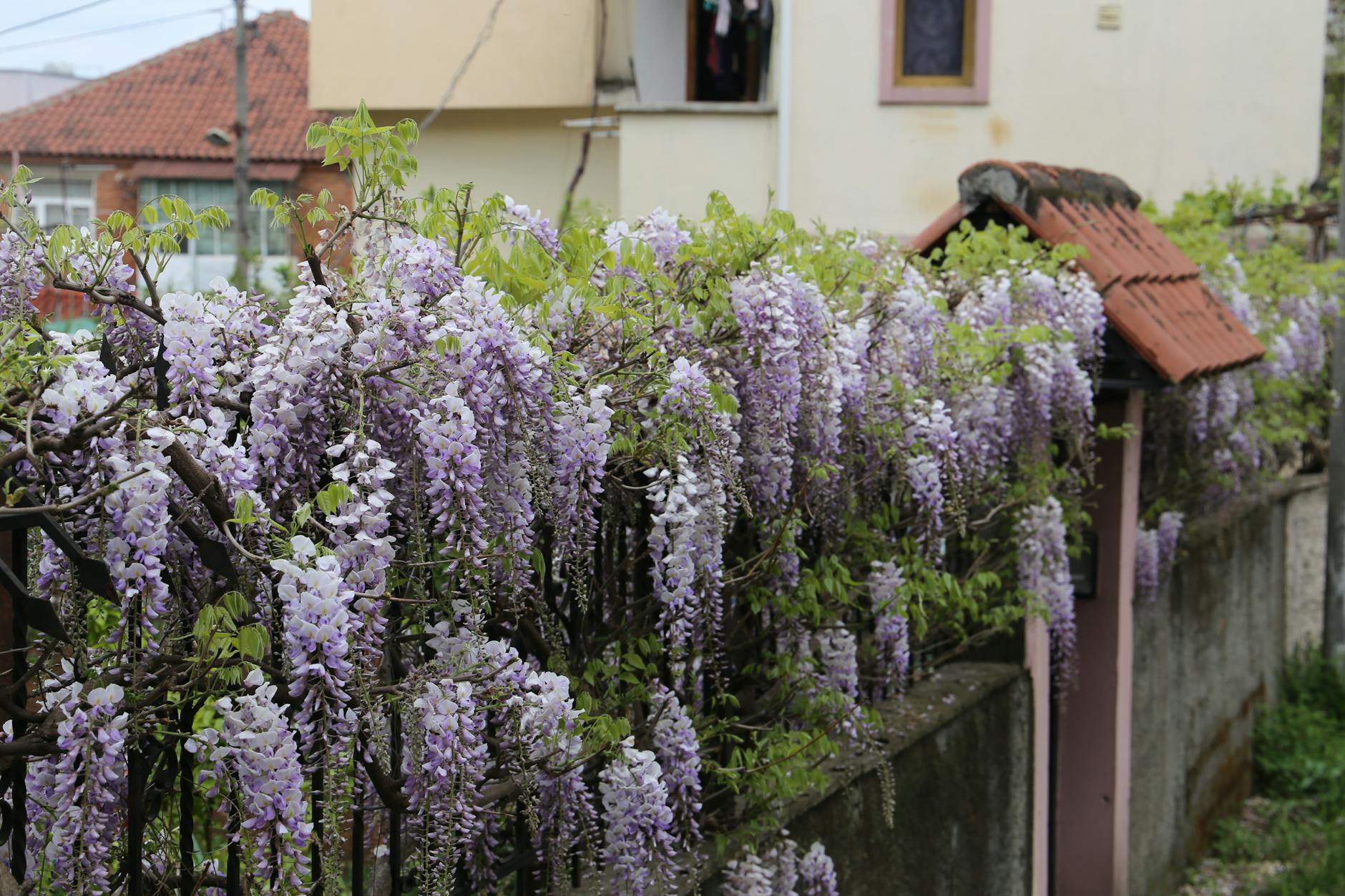
Early May: Wisteria peaks roughly the first 2 weeks of May. The pergolas above the Japanese bridge fill with purple-lavender drapes and the smell is incredible. This is the wisteria window. Water lilies are still asleep.
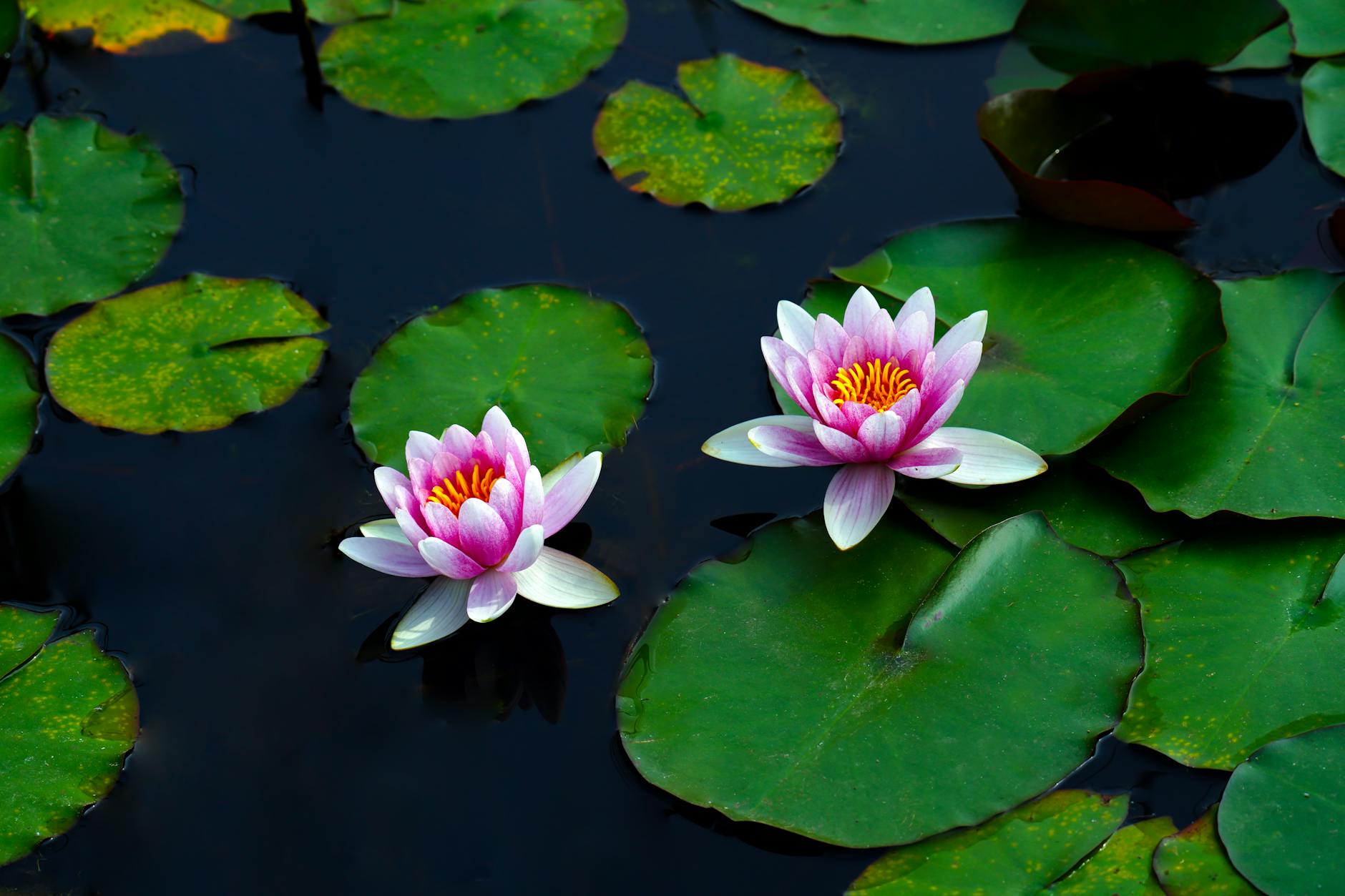
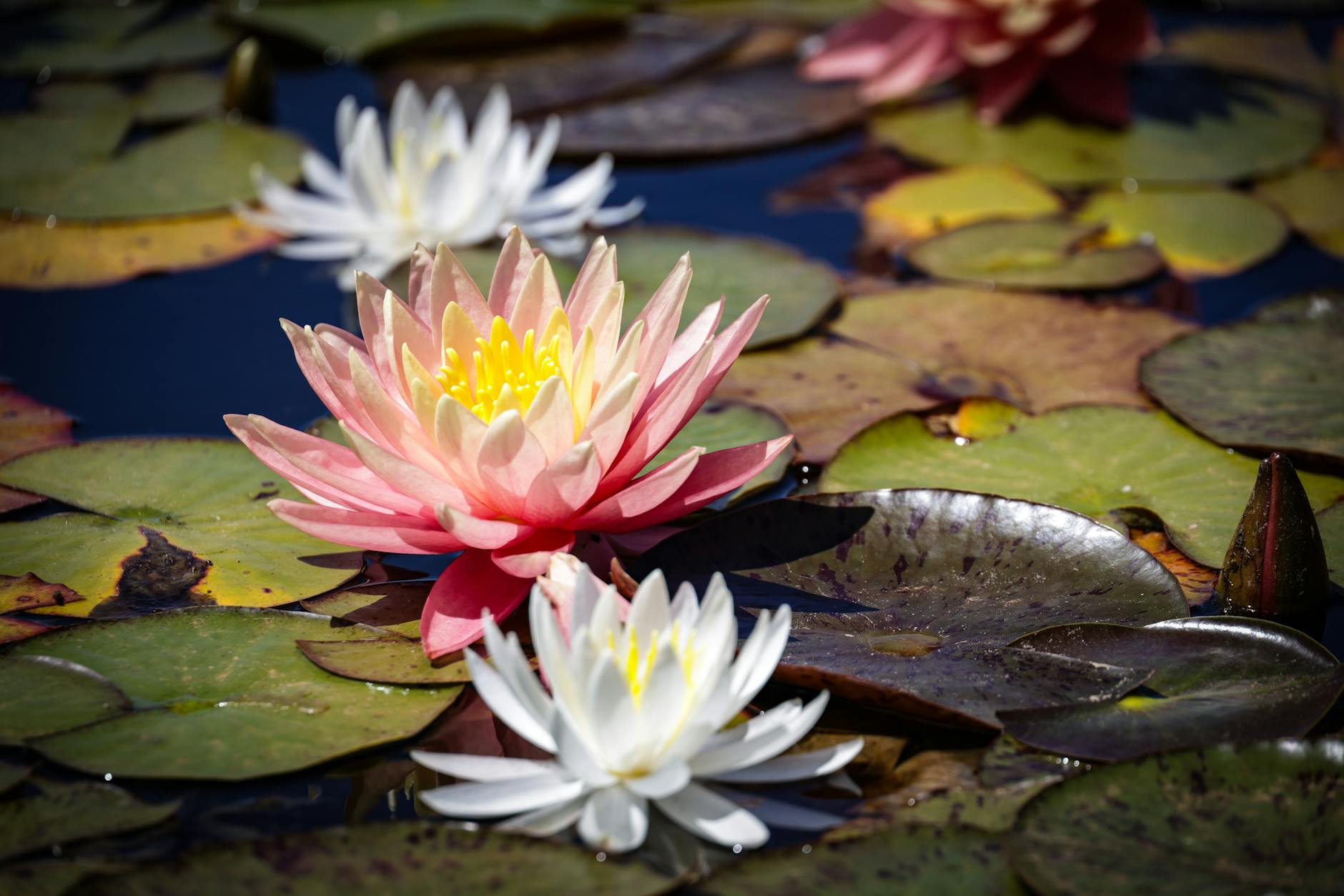
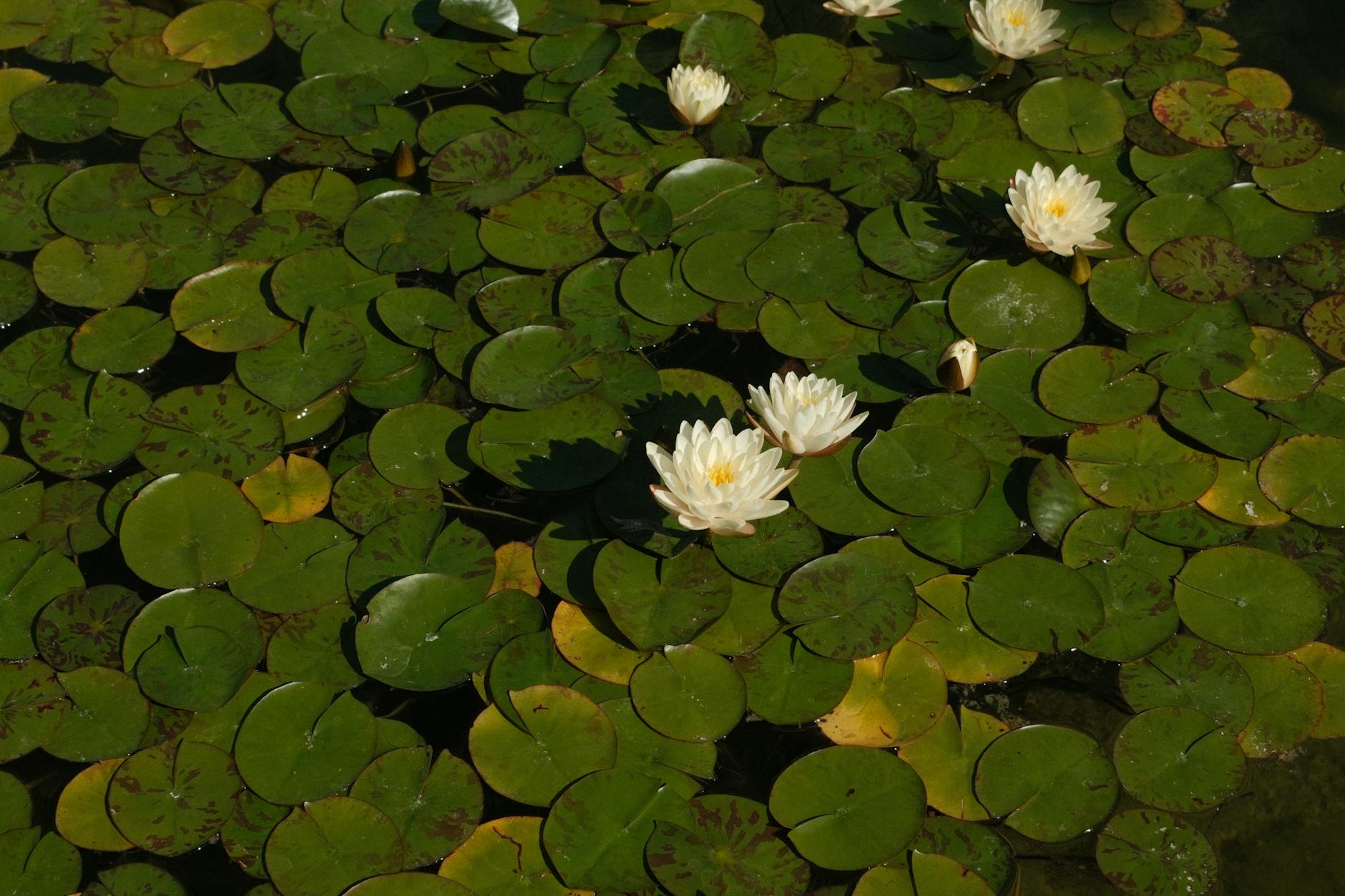
Late May to end of June: THE window. Water lilies start blooming in late May and peak through June. Poppies, peonies, irises, climbing roses on the Grande Allée — everything is at once. This is the Giverny you saw in the tourist photos. If you can only go once, go in June.
Early-to-mid July: Still decent but past peak. The water lily show thins out by about 40-50% compared to June. Roses still going. Delphiniums come in. Good but not the magazine shot.
Late July and August: Heat-stressed. Lots of greenery, fewer blooms. Water garden looks mostly green. Crowds are at their worst because school holidays. This is the worst time to visit if the flowers are your main goal — go later.
September: Second wave. Dahlias, asters, autumn colours start coming in. Sunflowers peak in early September. The overall volume of colour is less than June but the quality of light is better and crowds drop by 60%. One of my favourite underrated times to visit.
October: The final month. Colours shift toward russet and orange. The garden closes in early November. Good if you want the “autumn in Normandy” experience but do not expect the classic Monet postcard shot.
If I had to pick one month: second or third week of June. If I had to pick a second option: first two weeks of May for wisteria, accepting that water lilies will not be ready yet. If you are in Paris in July/August and Giverny is the only chance you get, go anyway — it is still pretty — but manage expectations.
How to Get There from Paris
Giverny is in Normandy, about 80km west-north-west of Paris. It is close enough to do as a day trip but too far to do casually — plan on 6-8 hours of your day depending on which transport method and tour you pick.
Option 1: Organised day trip with coach (the easy option). A tour operator picks you up in central Paris (usually Tour Eiffel or Opéra), drives you directly to Giverny in a comfortable coach, hands you a skip-the-line ticket, and gives you 2-3 hours to wander. Then drives you back. Total time: 4-5 hours for the half-day version, 7-8 hours for the full-day version with other stops. This is what I always do. The logistics are completely handled.
Option 2: Train from Paris to Vernon + shuttle bus (the independent option). Take the SNCF train from Gare Saint-Lazare to Vernon-Giverny (about 50 minutes, €14.60 each way). From Vernon station, there is a shuttle bus that runs to Giverny village (15 minutes, €10 return, runs April-October only). Total time: about 75 minutes each way + shuttle waits. Cheaper but requires more planning.
Option 3: Rental car. About 75 minutes on the A13 motorway from central Paris. Giverny has a parking lot. This is fine if you are already renting a car for other parts of France but it is not worth renting specifically for Giverny. Paris parking + tolls + fuel typically costs more than a tour.
Option 4: Bike tour. One operator runs a day trip that takes the train to Vernon and then cycles 5km along the river to Giverny, has a picnic lunch, and cycles back. 8 hours total. Only for reasonably fit riders. About $140 including bike rental, entry ticket, and lunch. Surprisingly fun if the weather is good.
My recommendation: book the $74 GetYourGuide half-day coach trip unless you have a specific reason to go independent. The price difference versus doing it yourself is maybe €20, and the time savings are significant (no train queues, no shuttle bus waits, no navigation).
Tickets and Opening Hours
The garden ticket is €13 per adult (€8 for children 7-17, free under 7). The ticket includes access to both gardens, Monet’s house, and the gift shop. Tickets are bought online at fondation-monet.com or via the tour operators (who add a small markup for skip-the-line).

Opening hours: 09:30 to 18:00, every day from late March to the first Monday of November (last entry at 17:30). Closed completely November-March.
Crowds peak between 11:00 and 15:00. If you can get there at opening (09:30) you have about 90 minutes before the first coach tours arrive at roughly 11:00. The quietest slots are either right at opening or after 16:00 for the final 90 minutes. Most tour operators schedule their arrivals for 11:00-12:00, which is exactly when you do NOT want to be there.
Booking ahead is essential on any weekend in May-June or any day in July-August. Walk-ups during peak bloom season can mean 30-45 minute ticket-line waits. The skip-the-line options bypass this entirely.
The garden is relatively small — you can see everything in 90 minutes, and the best visits take 2-3 hours including stopping to sit by the pond. Half a day is plenty.
Giverny Tour Options (Ranked)
From Paris: Giverny Half-Day Trip with Monet’s House & Gardens
Price: $74 · Duration: 4-5 hours · Provider: GetYourGuide
The budget option that is actually a really good deal. Coach pickup in central Paris, direct transport to Giverny (about 75 minutes on the motorway), skip-the-line entry to the garden and house, 2-3 hours to wander, then coach back. No live guide on site but you get an audio guide app that covers the major painting-to-garden connections. 2,100+ reviews. This is the tour I book for first-time visitors who have a half-day to spare. Morning and afternoon departures available.
Best for: First-time visitors, budget travellers, anyone who wants Giverny without losing a full day, couples doing a relaxed morning outing.
From Paris: Giverny Day Trip with Audio Guide or Live Guide
Price: $93 · Duration: 6-7 hours · Provider: GetYourGuide
The longer option that adds a proper live guide and more time in the village. You still get coach transport and skip-the-line entry but the tour leader gives you historical context during the drive and walks you through the garden on arrival pointing out specific painting-to-planting connections. The extra hours in Giverny let you also see the small Musée des Impressionnismes next door and have a proper sit-down lunch in the village instead of a rushed sandwich. 2,300+ reviews and my pick if you actually care about the art history. Pay the extra $19.
Best for: Art lovers, slow travellers, anyone who wants context beyond “pretty flowers,” couples doing an anniversary or celebration day trip.
From Paris: Giverny and Versailles Palace Guided Day Trip
Price: $163 · Duration: 10-12 hours · Provider: GetYourGuide
The ambitious all-day option. Pickup at 07:45, coach to Giverny first for a morning garden visit (2-2.5 hours), then drive back toward Paris for an afternoon at Versailles palace (3-4 hours), returning to Paris around 19:30. Both entry tickets included. It is a long day and you will be tired afterward, but if you only have one free day in Paris and want to hit two of the biggest gardens in France back-to-back, this is genuinely efficient. 1,300+ reviews. Pack water, comfortable shoes, and a willingness to cover 15,000+ steps.
Best for: Time-pressured travellers with only one full free day, anyone combining Giverny and Versailles on a short trip, large groups who want handled logistics.
The Clos Normand: The Flower Garden Behind the House
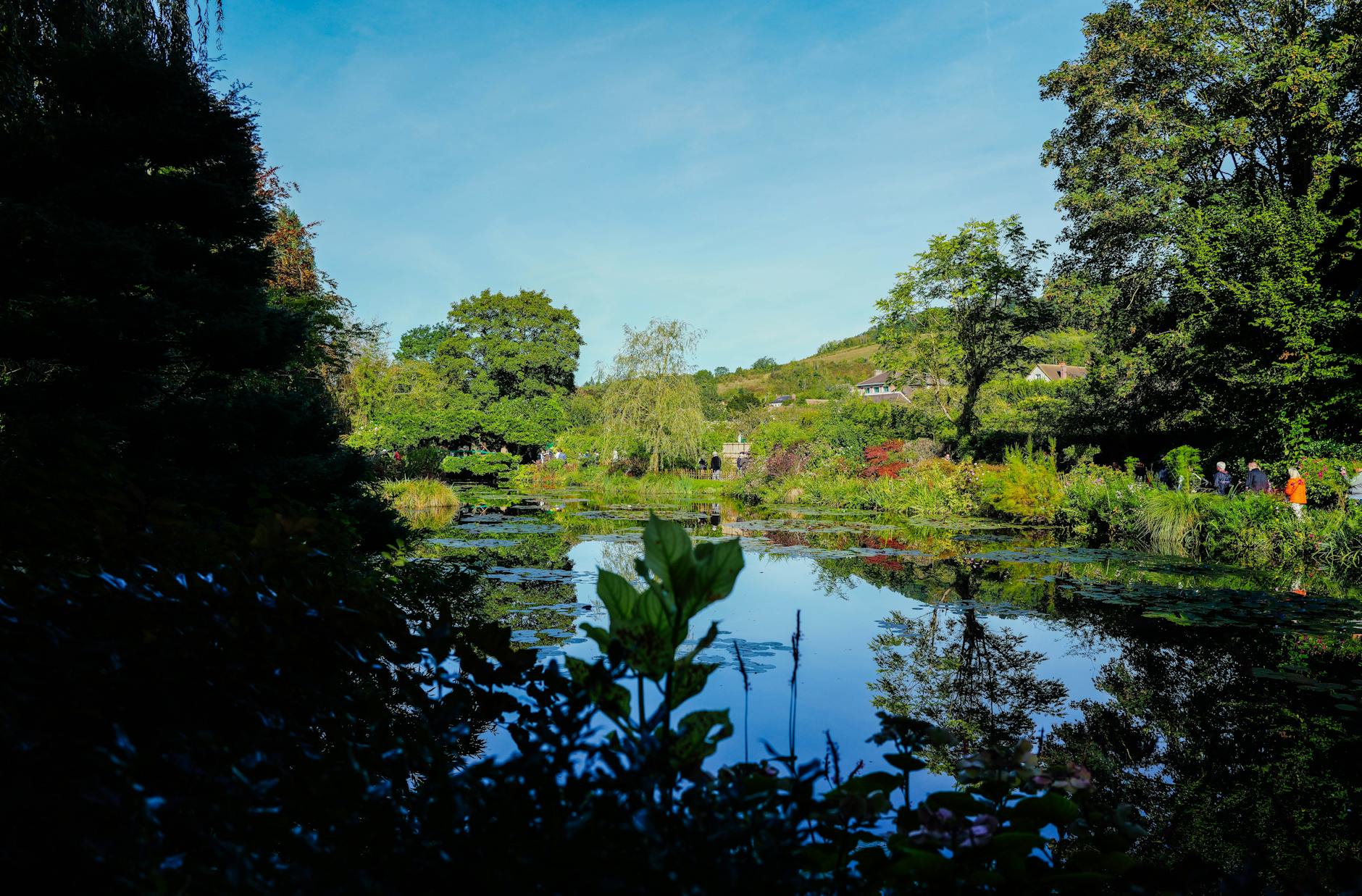
Entering from the main gate you walk into the Clos Normand first — the rectangular walled garden directly behind Monet’s pink house. This is about 1 hectare of densely packed flower beds organised in a grid pattern by a paved path network. It is what most people picture when they think “French country flower garden” except with the flower density turned up to 10.
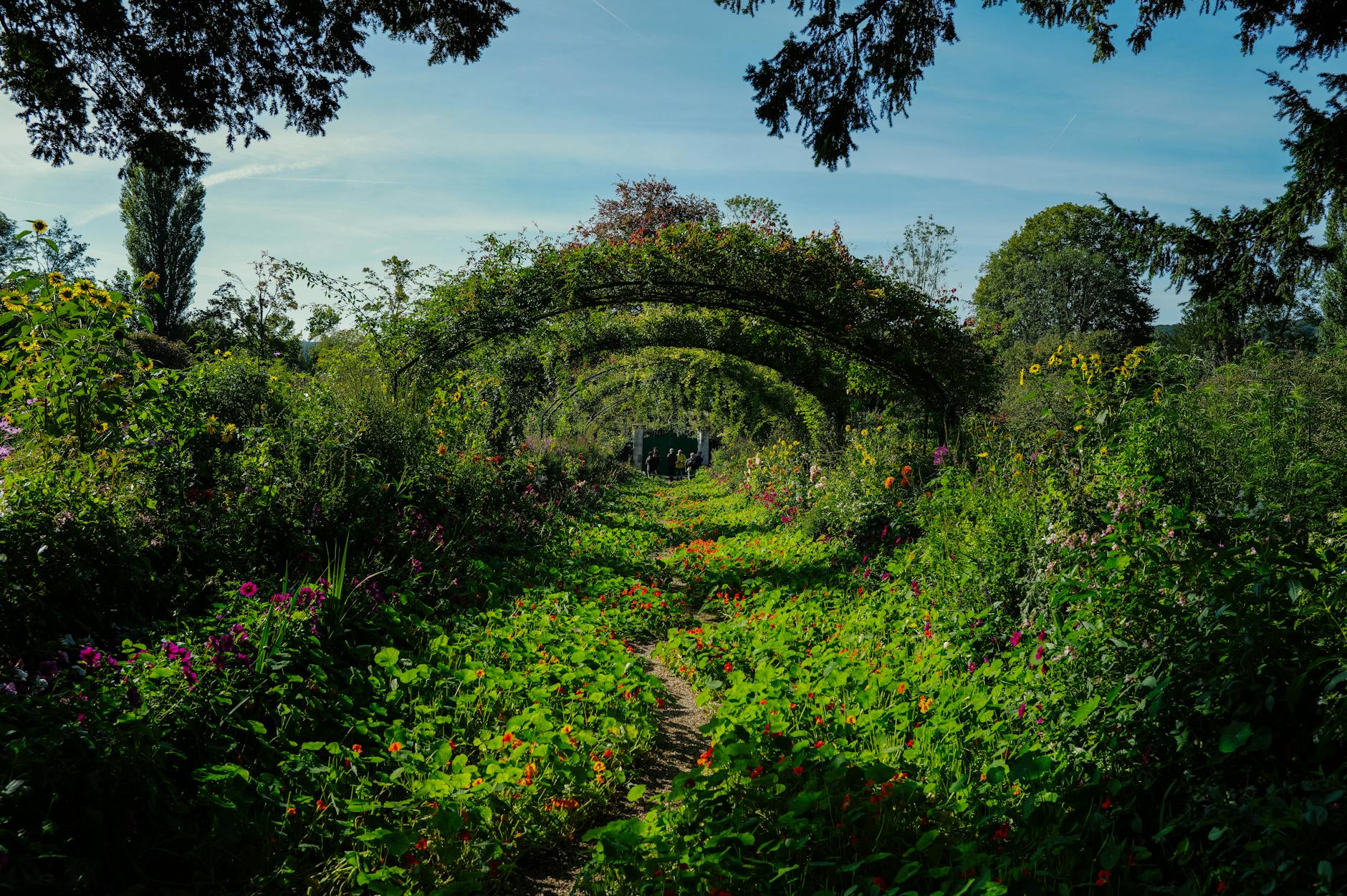
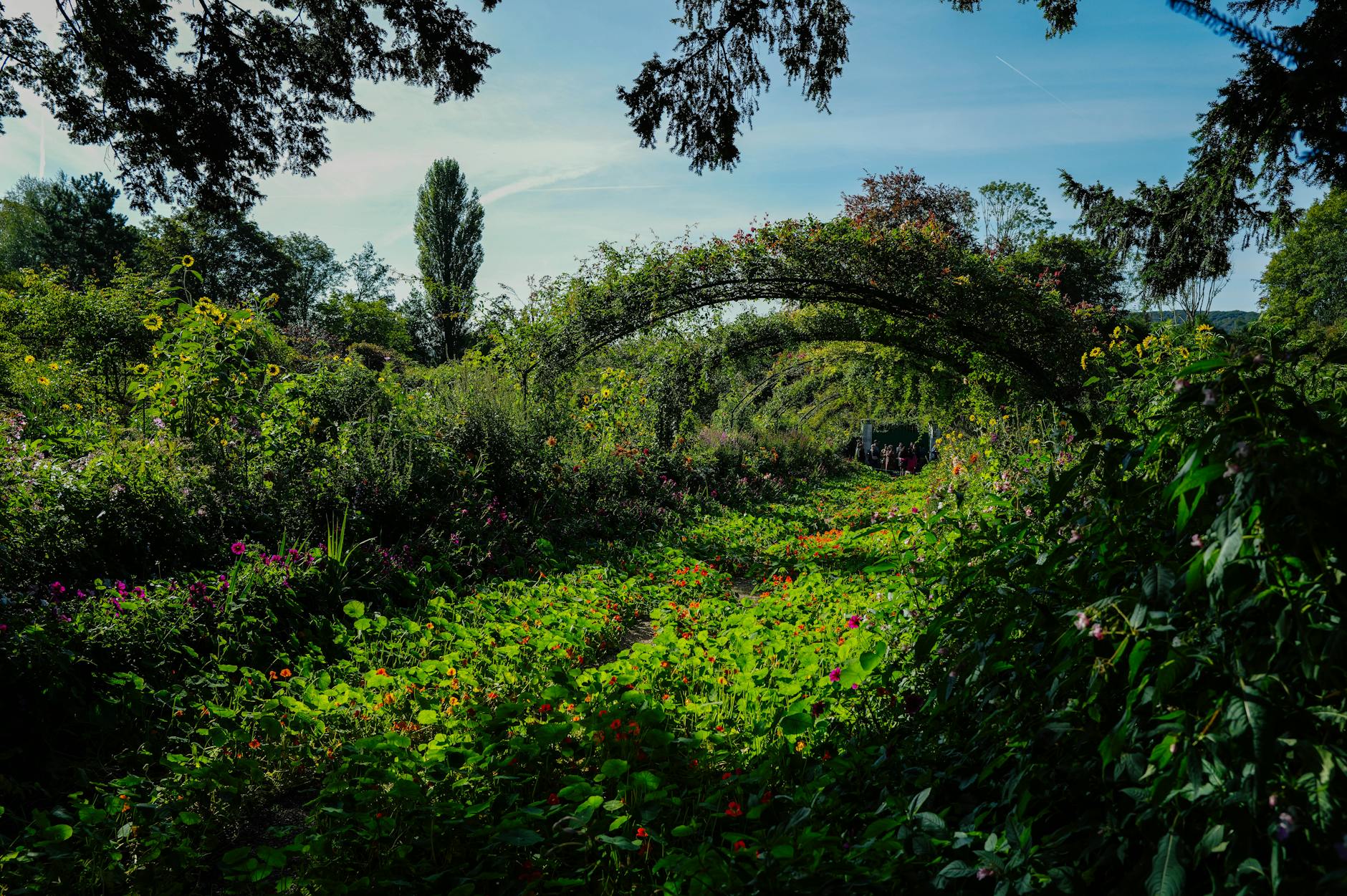
The main axis is the Grande Allée — an 80-metre gravel path running from the house toward the far end of the garden, covered by a series of metal arches trained with climbing roses (red, white, and pink) and bordered by wide beds of nasturtiums that creep over the gravel in late summer until the path itself becomes a stream of orange-and-yellow flowers. This is the most photographed path in the whole garden.
Beds on either side of the Grande Allée are organised by colour theory. Monet was very specific about which colours went next to which. Cool colours (blues, purples, whites) on one side, warm colours (reds, oranges, yellows) on the other, graduated so the whole beds blend rather than clash. This is what a trained painter’s eye brought to a garden. Most formal French gardens of the period organised by hierarchy and symmetry; Monet organised by optical effect.
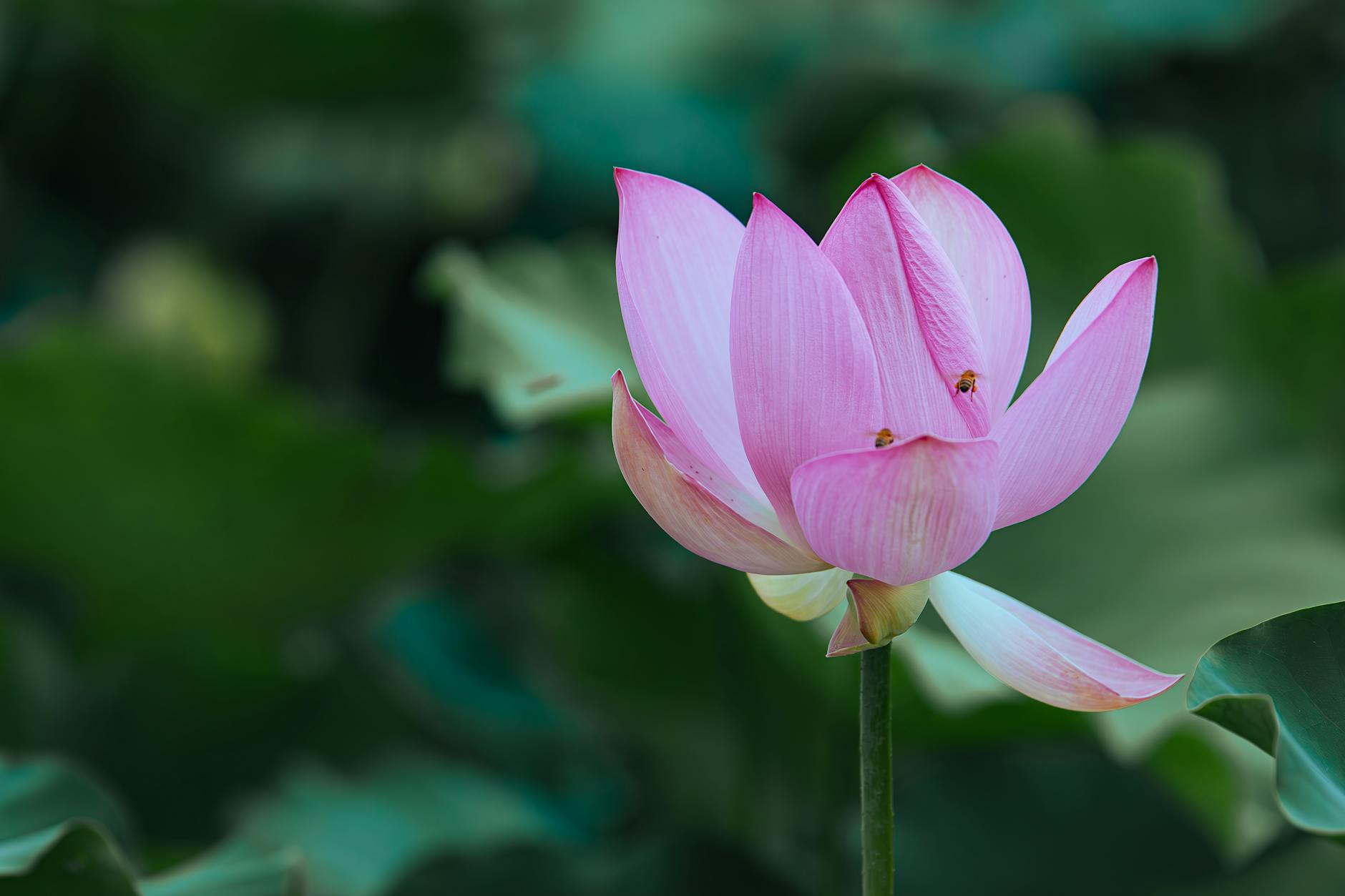
Must-see corners of the Clos Normand: the rose arches on the Grande Allée (obviously), the blue Siberian iris bed in May, the tulip parterres in mid-April, the poppy field in June, the dahlia bed in September. The plantings change throughout the season so every visit looks different.
The Jardin d’Eau: The Water Garden
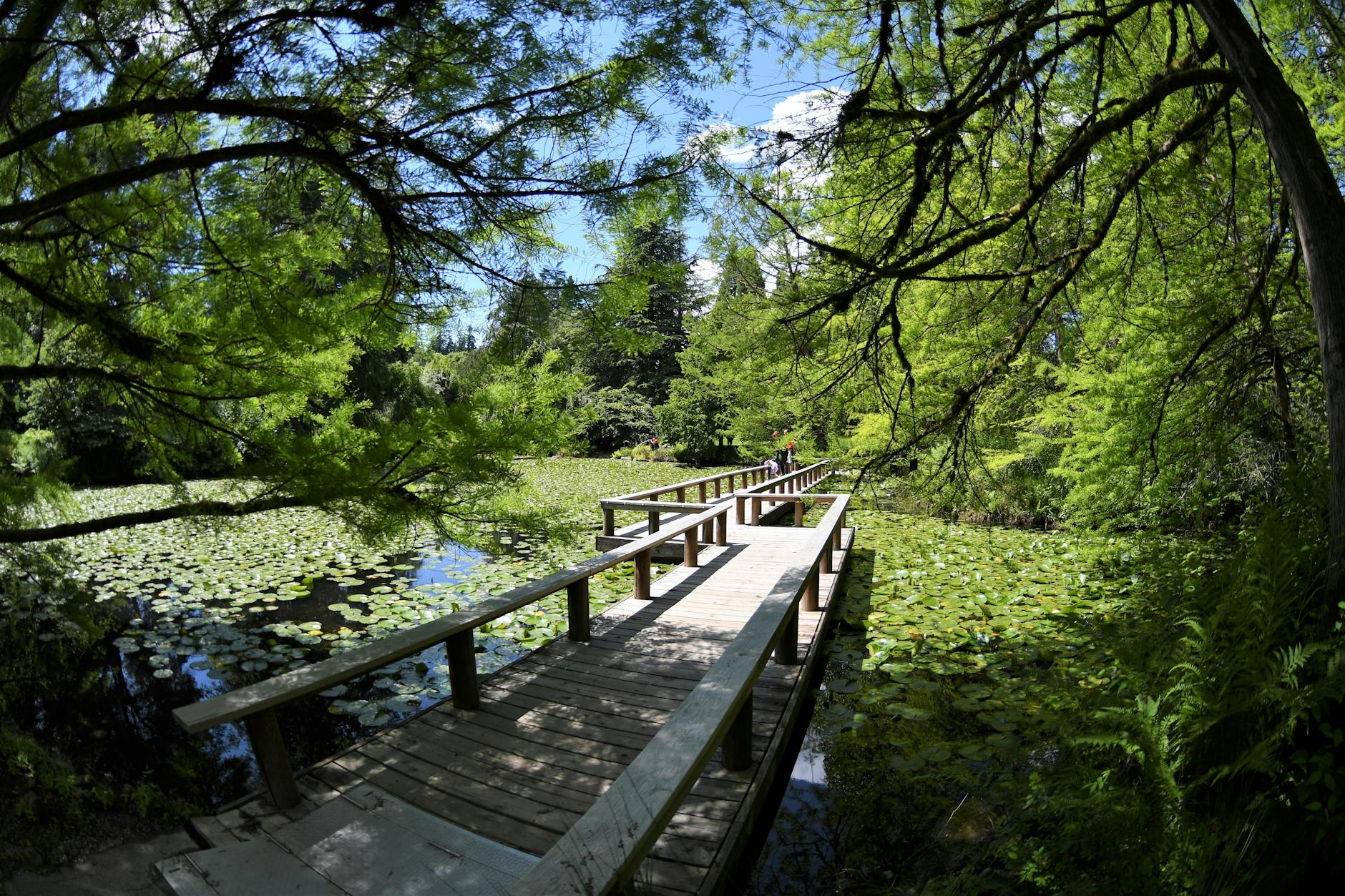
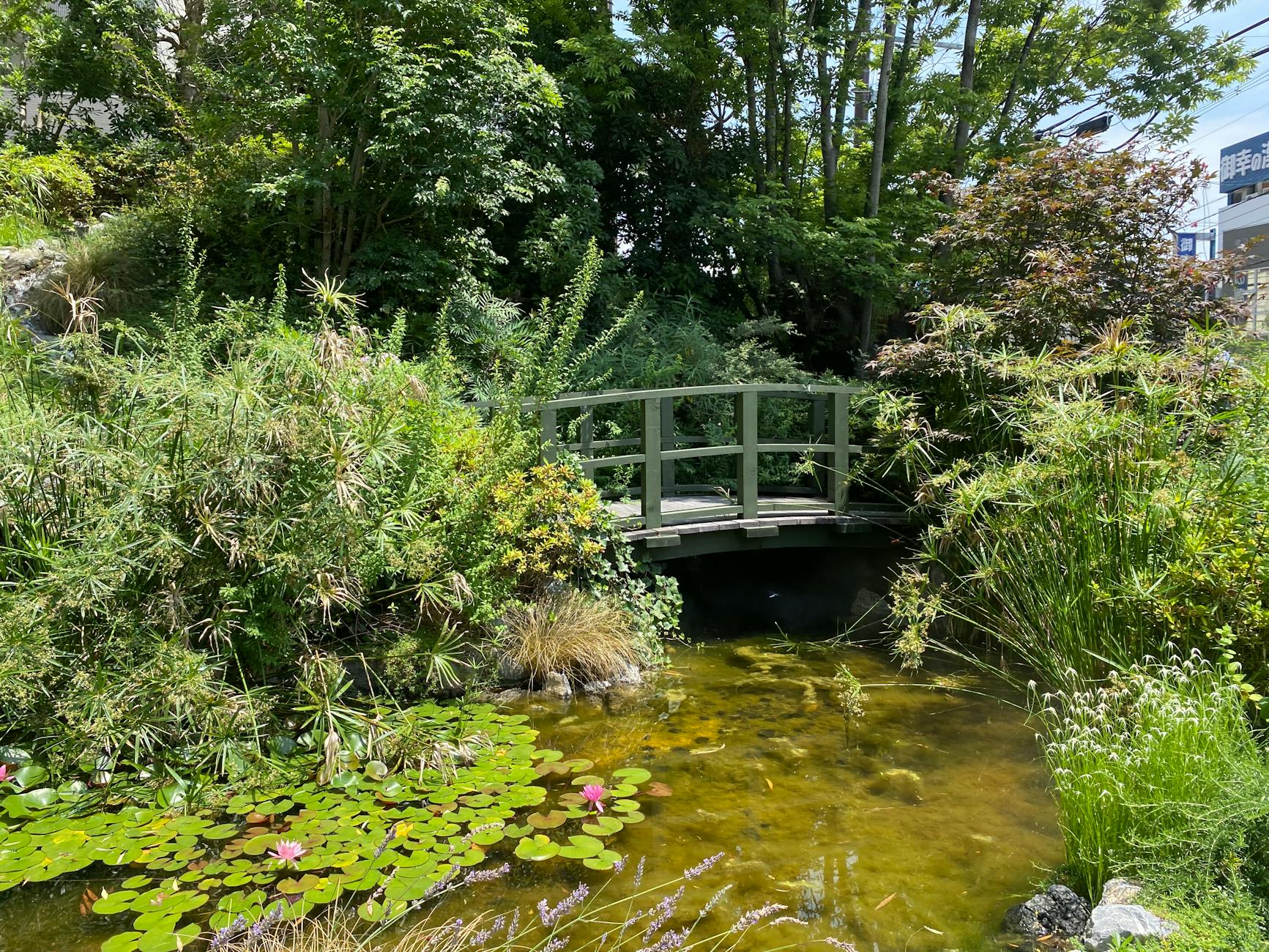
From the Clos Normand, you walk through an underground pedestrian tunnel (under a small road that separates the two gardens) and emerge into the Jardin d’Eau. This was originally a flooded field next to a small stream Monet bought in 1893. He convinced the local authorities (eventually) to let him divert the stream, dig out a pond, import Japanese water lilies, plant willows and bamboo, and build a Japanese-style pedestrian bridge across the water.
The result is the Japanese-influenced landscape garden that dominates about 50 of Monet’s late paintings and all of the Nymphéas series. If you have seen the big curved Water Lilies paintings at the Musée de l’Orangerie, this is where they were painted. If you have seen the single panel Water Lilies at the Musée d’Orsay, same deal.
The pond is small — about 20m x 40m — but the path around it is designed so you never see the whole thing at once. You get glimpses through willow branches, partial views across lilypad clusters, the bridge framing one end. The Japanese influence here is real and specific. Monet collected Hokusai and Hiroshige prints and hung them in his dining room. The garden was his attempt to build a walk-through version of that Japanese aesthetic.
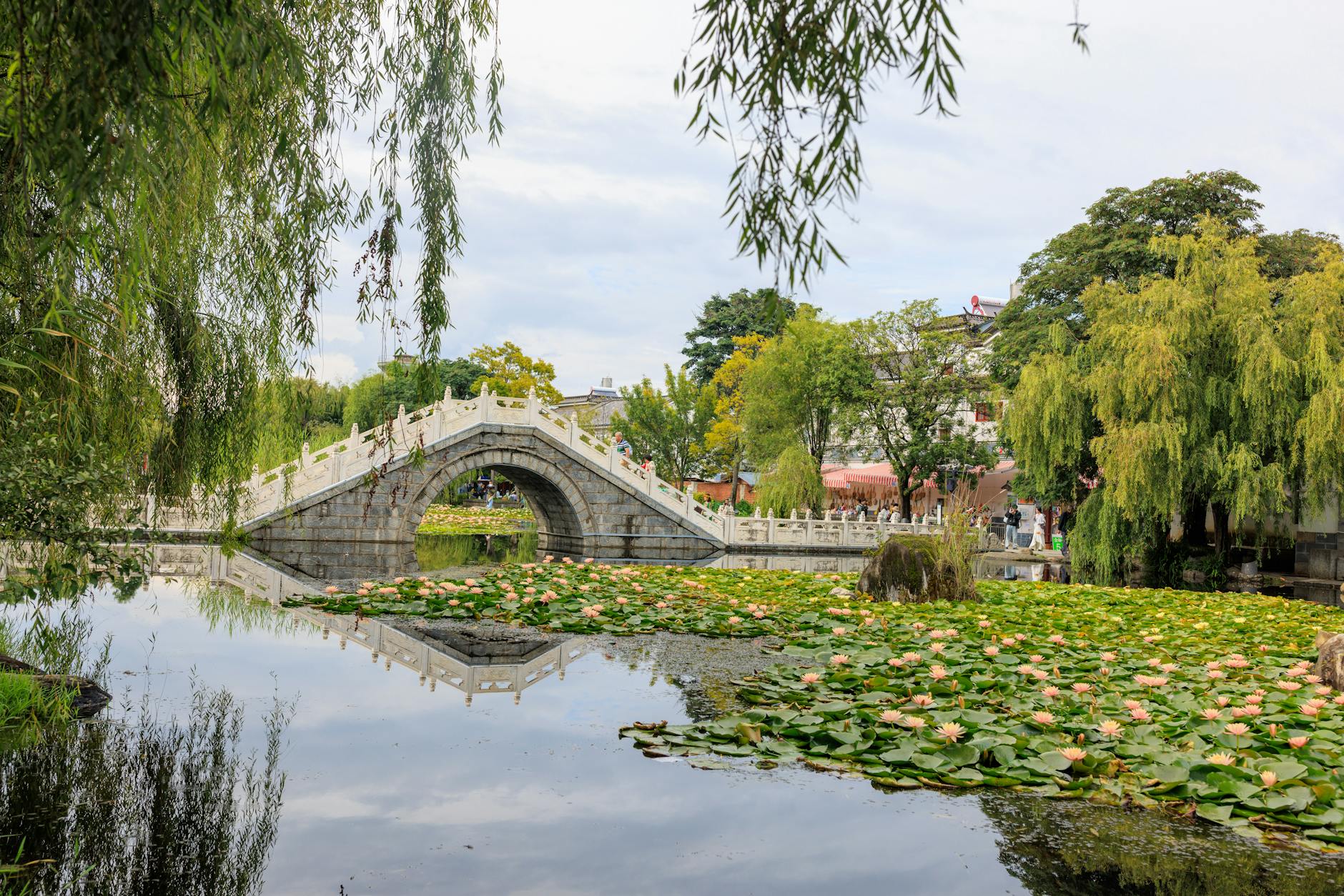
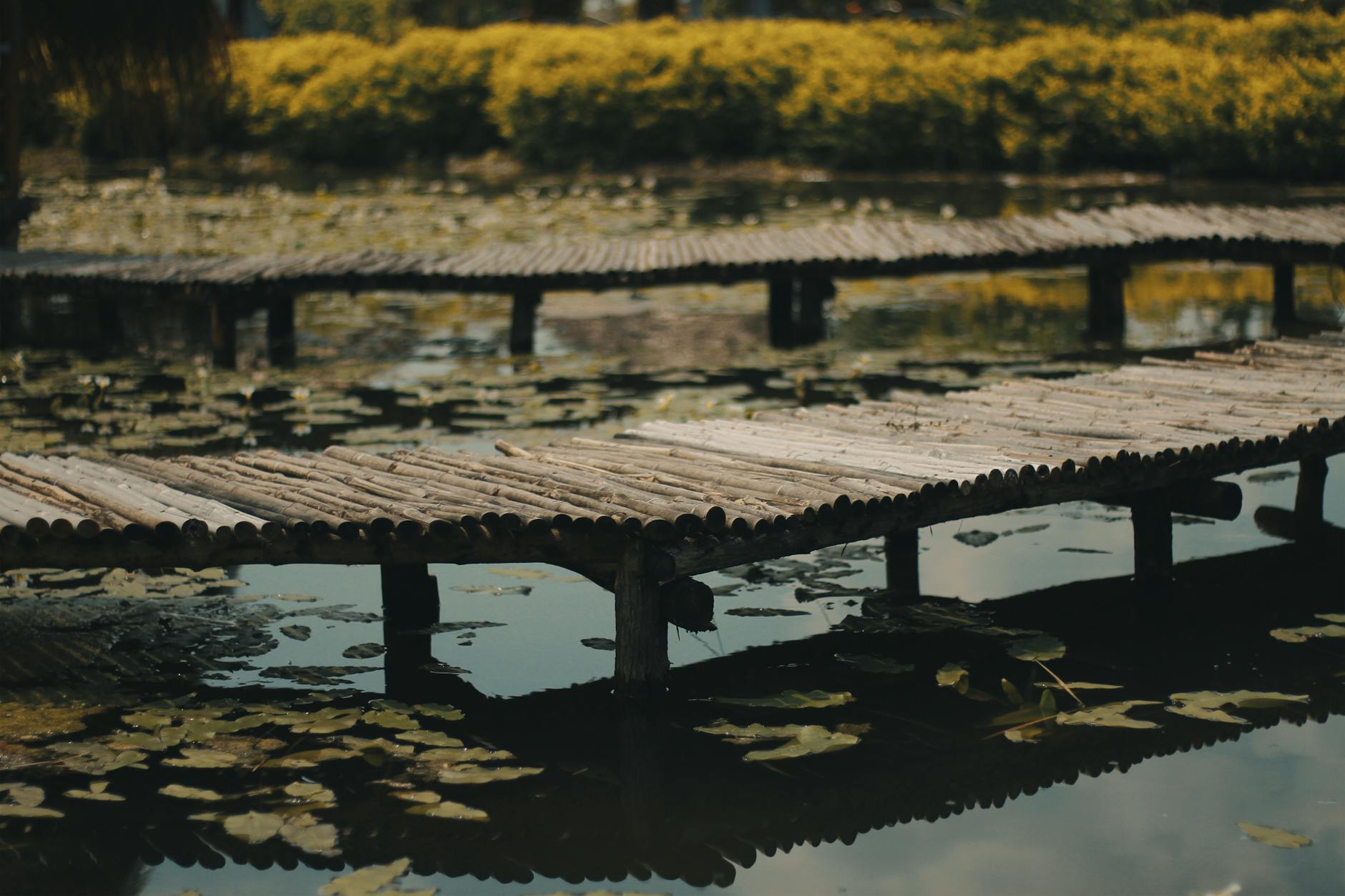
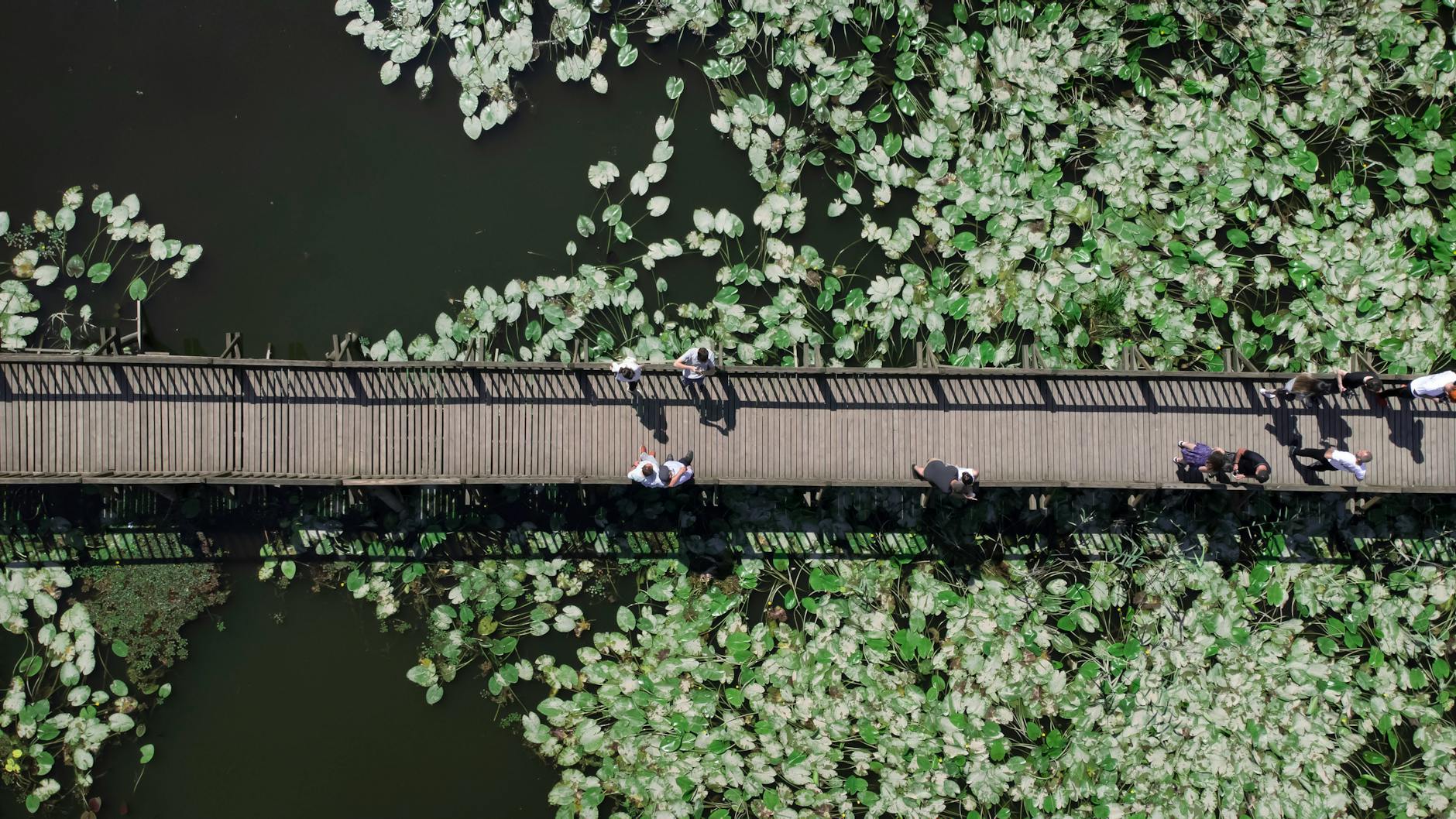
Walk around the pond clockwise. The main path loops the pond in about 300 metres. There are three or four benches along the way where you can sit and watch the water lilies float. The bridge has no railings (well, low ones) and can get crowded — wait for a gap if you want the classic bridge shot without strangers.
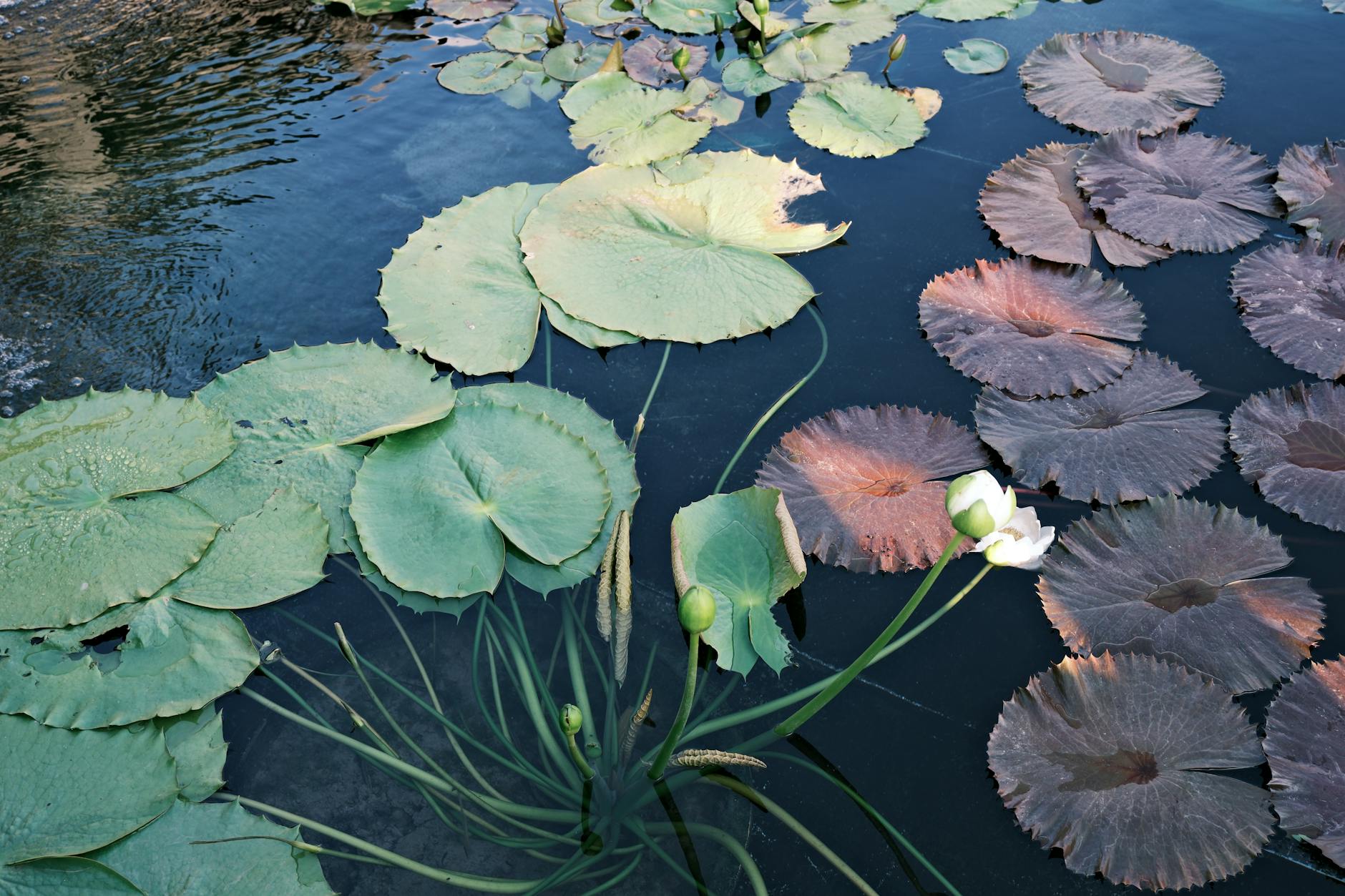
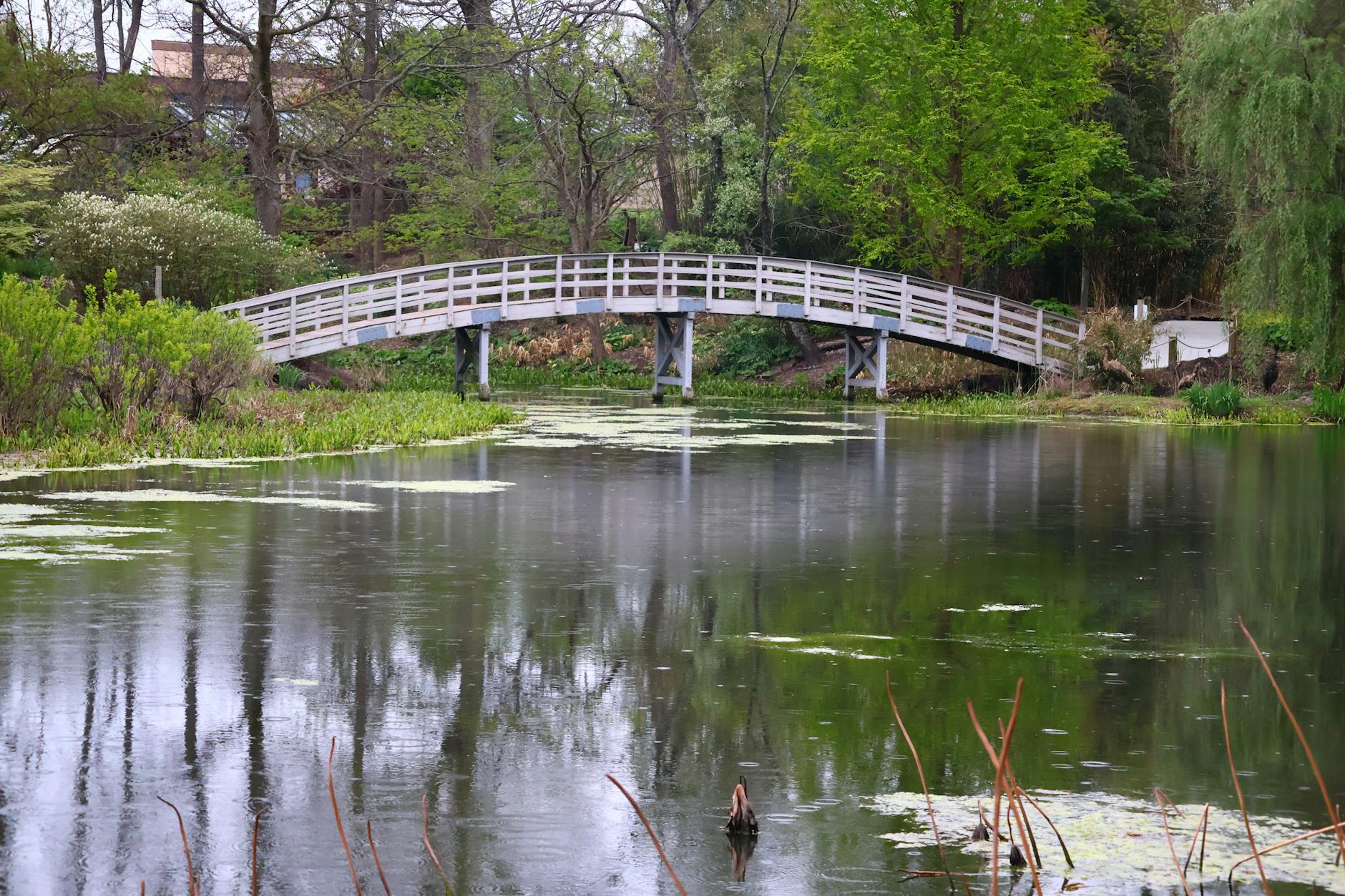
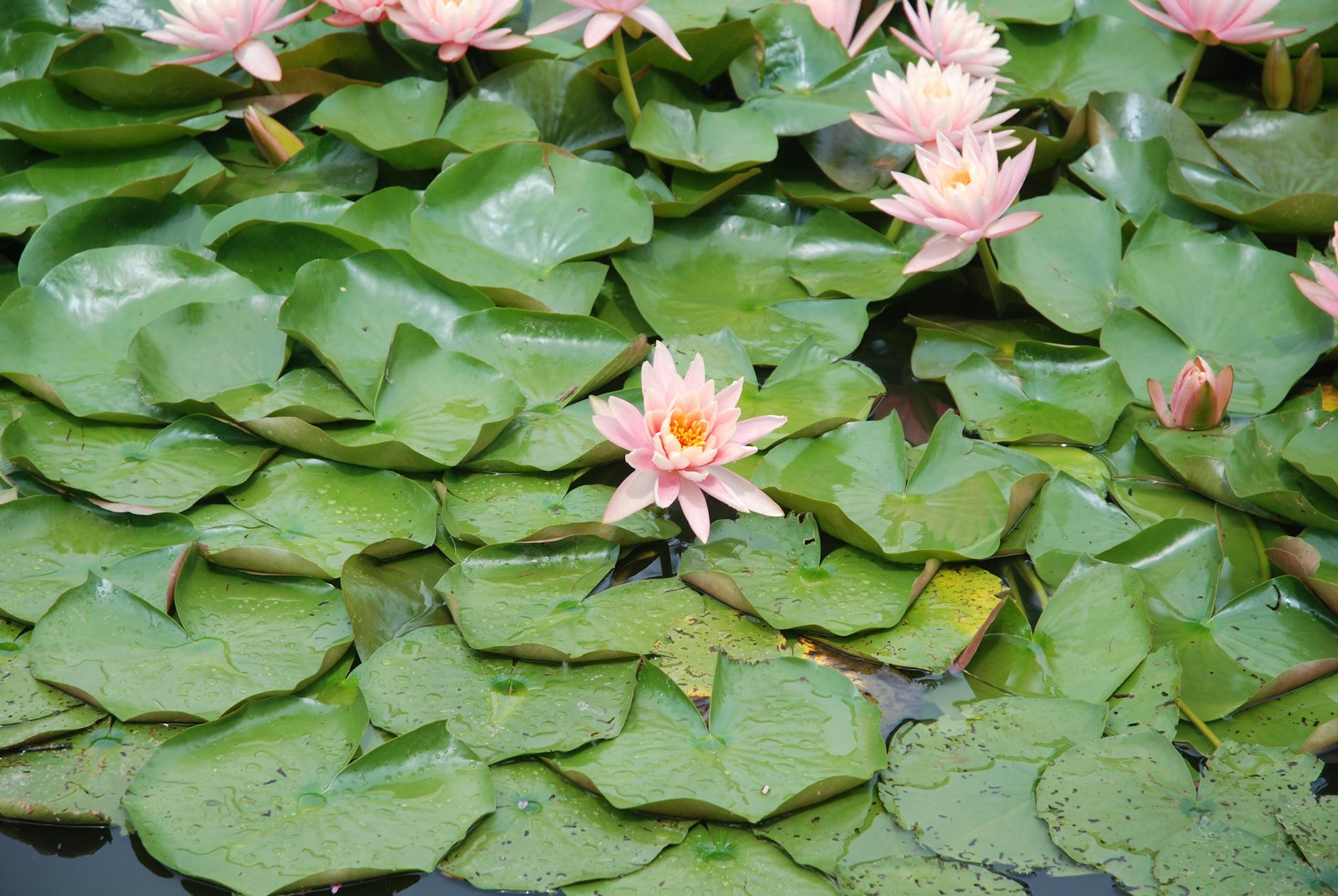
Water lily peak bloom timing is frustratingly narrow: roughly late May through end of June, with the best single week usually being the second or third week of June. Outside this window the lilies are present but sparse. In July-August you might see 10-20% of what you see in mid-June. The gardeners cannot force the bloom — water lily flowering is driven by water temperature and day length, neither of which is controllable.
Monet’s House
The house itself is a two-storey farmhouse with the distinctive pink exterior and green shutters that Monet painted over the original grey. Entry is included in the garden ticket. You walk through the main rooms on a guided one-way route: Monet’s bedroom, his studio (rebuilt from period photos), the dining room, and the famous blue-and-yellow kitchen.
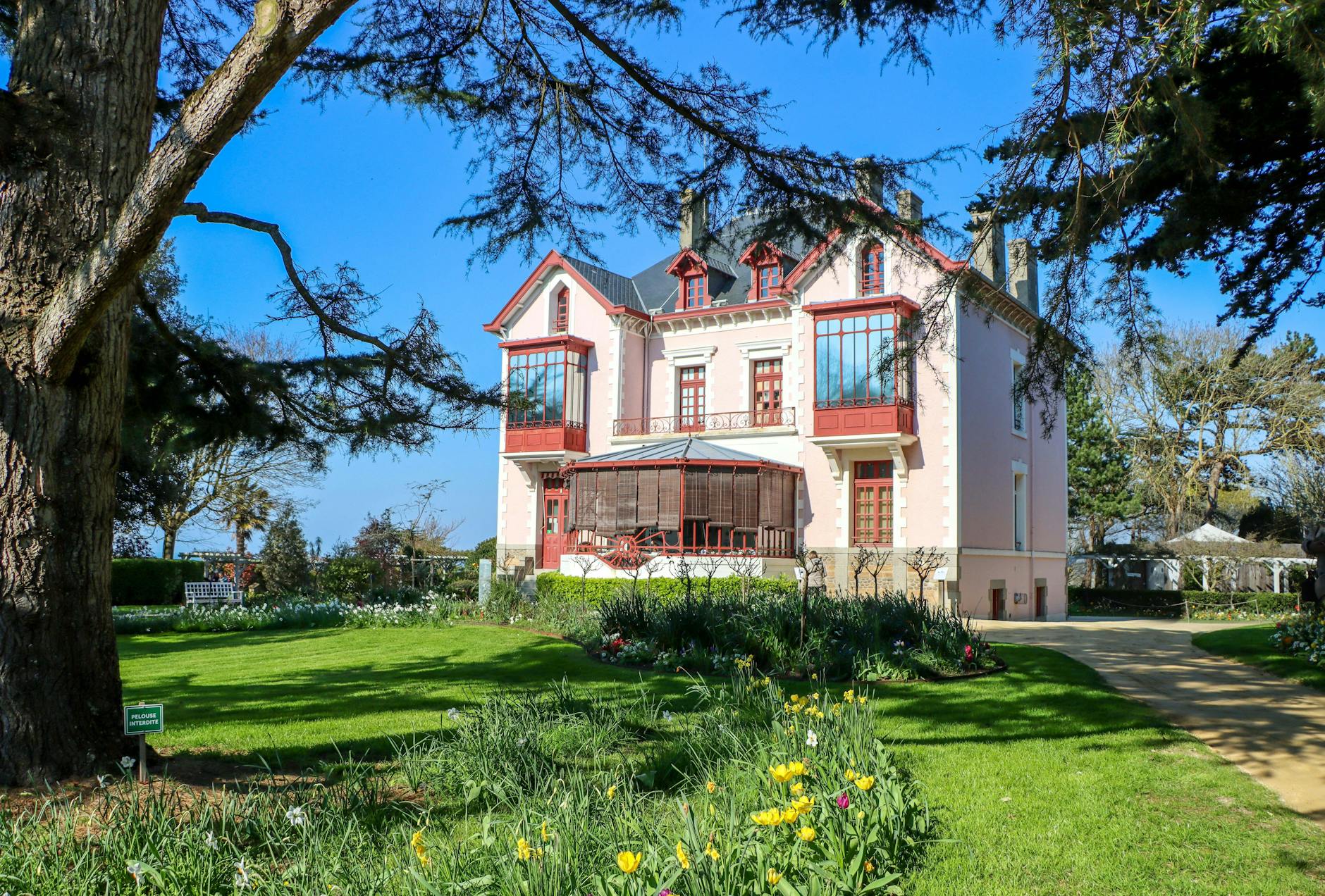
The dining room is the single most striking interior — walls and ceilings painted in two shades of bright yellow, Japanese woodblock prints covering most of the wall space, simple wooden table in the middle. Monet designed the colour scheme himself and claimed yellow gave him appetite. The breakfast room next door is blue.
The kitchen is the other must-see: Moorish-style blue and white tiles, a massive copper cookware collection hanging on every wall, and the original 19th-century stove. If you have seen any “French country kitchen” Pinterest board in the last 10 years, they were all subconsciously copying this one room.
The house takes about 20-25 minutes to walk through. The route is strictly one-way and gets crowded during peak hours — come early or late. Photography is allowed without flash but no tripods. Some of the rooms have tight corridors between velvet rope lines.
The Musée des Impressionnismes
100 metres from the Monet house down the main village street is the Musée des Impressionnismes — a small, modern impressionist museum with rotating exhibitions on Giverny-connected artists (not just Monet — a lot of American impressionists came to Giverny in the 1890s-1900s to work near Monet, and the museum often hosts exhibitions on them).
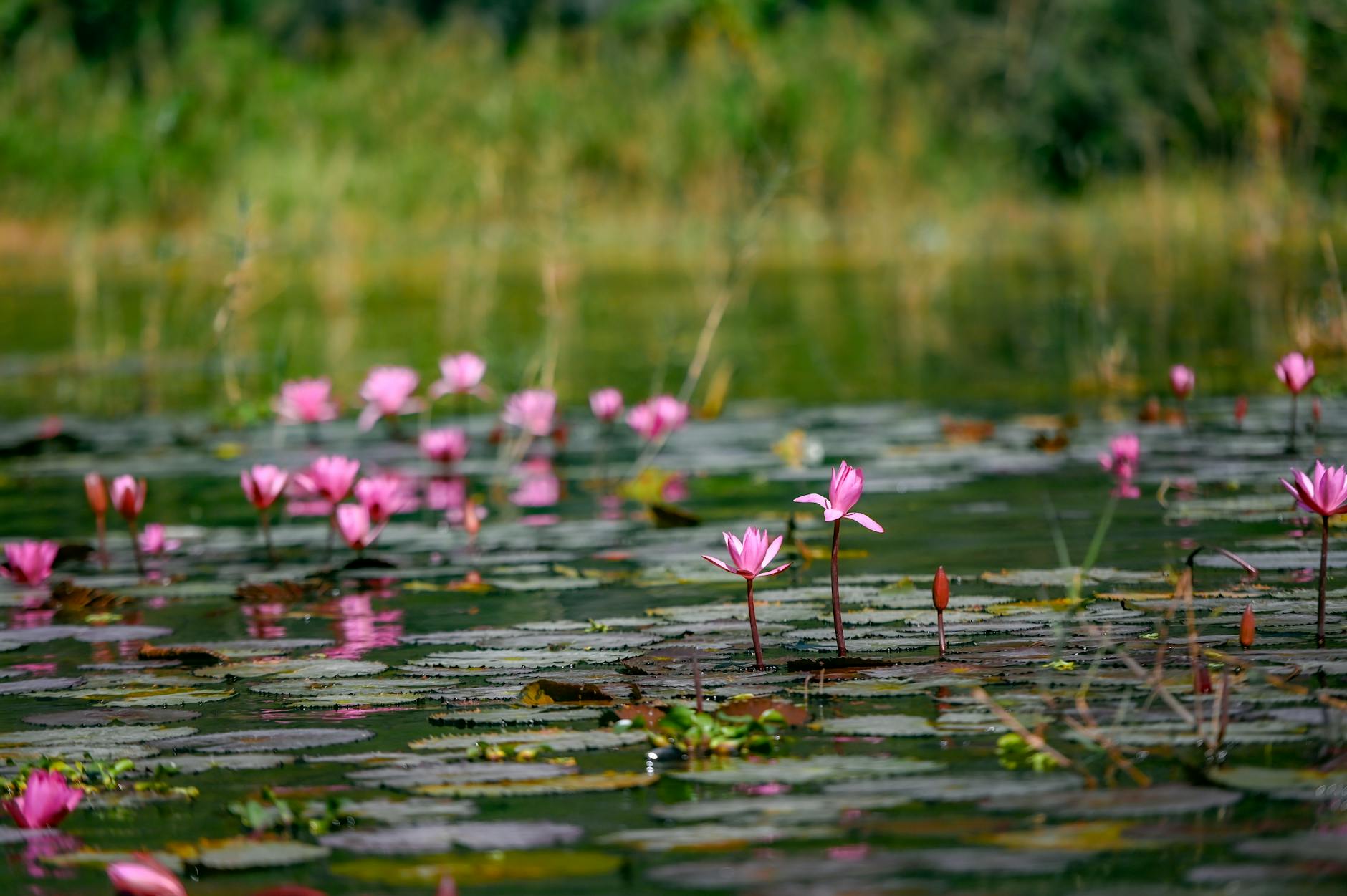
Separate entry ticket, €7.50 for adults. Worth an extra 45-60 minutes if you have time and if the current exhibition interests you. Check what is on at mdig.fr before you go.
The museum has a small but excellent garden of its own — a more contemporary planting scheme that contrasts with Monet’s density. It is a calm place to sit after the main Giverny crowds. Also a café on the premises that does a decent lunch for about €18 (better than most places in the village).
Lunch in Giverny
The village of Giverny is small — about 500 residents — and has maybe 5-6 restaurants plus a couple of cafés. Food quality ranges from “genuine French country cooking” to “rushed tourist menu.” Pick carefully.
Baudy Hotel-Restaurant — the historic one. This is where all the American impressionist painters actually ate in the 1890s (Cézanne and Pissarro both dined here too). The restaurant still operates in the original 1880s building and the cooking is decent country French. €25-35 for a set menu. Book ahead on weekends.
La Musardière — hotel-restaurant just off the main street, good lunch menu with a focus on local Normandy ingredients. Garden seating available. €20-30 for two courses.
Le Nymphéa Café — next door to the main garden entrance, most convenient for a quick lunch between the Clos Normand and the Musée. Fine for coffee and a sandwich but not a destination meal.
Jardins de Giverny — restaurant with its own small garden, serves a traditional French set lunch. Fancier than the cafés, more reasonable than the hotel restaurants.
If you are doing a half-day coach tour, most tours return to Paris for lunch rather than eating in the village — confirm with your operator before booking if you want a village lunch included.
What to Bring and Wear
Comfortable walking shoes — the garden paths are gravel and occasionally muddy after rain. Heels will not survive. Flip-flops are a bad idea in flower beds.
Layered clothing — Normandy weather is unpredictable. It can be 25°C and sunny in June and also 15°C and drizzly. Pack a light jacket or rain shell even in summer.
Sun protection — the flower garden is mostly open and there is limited shade. Hat and sunscreen are essential on sunny days. The water garden has more willow shade.
Water bottle — there is a small kiosk inside the grounds selling drinks but it is overpriced. Bring your own.
Camera + spare battery — you will take more photos than you expect. Bring extra storage if you use a dedicated camera. Phones with good low-light sensors work well in the shaded water garden areas.
Do not bring: large backpacks (discouraged inside the house), picnic food (not allowed inside the garden — eat at the village cafés), tripods (not allowed anywhere except with a special permit), dogs (not allowed).
Common Mistakes
Going in July or August expecting peak water lilies. They peak in June. July is past peak, August is well past peak. If you can only go in summer, do it — it is still worth it — but do not expect the postcard shot.
Arriving at 12:00 with the tour buses. The peak crowd window is 11:00-14:00. If you get there at that time, you share the Grande Allée with 200 other people and the Japanese bridge has a 5-minute queue for photos. Either arrive at opening (09:30) or in the final 90 minutes (after 16:00).
Not booking a ticket ahead in May-June. The garden sells out on weekend peak-bloom days. Walk-up buyers get turned away or wait 45 minutes in the ticket line. The skip-the-line tours completely bypass this.
Trying to see everything in 60 minutes. Budget minimum 90 minutes, ideally 2-3 hours. The garden rewards slow walking. If you rush, the experience blurs.
Only visiting the water garden. The Clos Normand flower garden is arguably prettier in terms of raw colour density. Some people skip it to rush to the water lily pond. Do not be them.
Wearing impractical shoes. Gravel paths, flower bed edges, the muddy shoreline of the water garden — this is not a high-heels location.
Combining Giverny with too many other things in the same day. Some tours try to fit Giverny + Versailles + Rouen into one day. You will hate your life. Do Giverny as its own half-day. If you need a second stop, add a small village on the way back.
Is Giverny Right For You?
Perfect for: Impressionist art lovers, gardeners, photographers (during peak bloom), anyone who loves flowers, couples doing a romantic half-day trip from Paris, families with older children, travellers who already did the main Paris museums and want a nature day.
Possibly not for you: Anyone who strongly dislikes gardens in general (Giverny is all garden — there is nothing else), families with toddlers (the paths are narrow, the water is unfenced in places, and toddlers get bored in about 10 minutes), travellers on a rushed half-day Paris itinerary (Giverny eats half a day minimum and does not forgive rushing).
Skip entirely if: You are in Paris for only 2 days and have never done any of the main museums. Do the Louvre, the Musée d’Orsay, and the Eiffel Tower first. Giverny is a “once you have done the basics” destination.
A Perfect Day Itinerary
This is what I recommend for a first-time Giverny visit in peak season (late May-June).
08:00 — Pickup in Paris for the half-day coach tour. Arrive at meeting point 15 minutes early with water, comfortable shoes, and a light jacket.
08:15-09:30 — Coach ride to Giverny. Most tours include a short history briefing during the drive.
09:30 — Arrive at Giverny just as the garden opens. Skip the ticket queue with your pre-booked voucher.
09:35-10:15 — Clos Normand flower garden. Start at the Grande Allée rose arches, walk slowly, circle the whole garden once.
10:15-10:45 — Through the underground tunnel to the Jardin d’Eau. Walk the full pond loop. Cross the Japanese bridge. Sit on a bench for 10 minutes and just watch the water.
10:45-11:15 — Monet’s house. Start upstairs with the bedroom and work down through the dining room and kitchen. Exit via the gift shop.
11:15-12:15 — Musée des Impressionnismes (if the current exhibition interests you) OR wander the village street.
12:15-13:30 — Lunch at Baudy Hotel-Restaurant or La Musardière. Sit outside if the weather is good.
13:30-14:00 — One more pass through the gardens if you have a combined ticket and the tour allows it (most half-day tours do not, but the full-day ones usually do).
14:00 — Coach pickup for return to Paris.
15:30 — Arrive back in central Paris. Total day: 7.5 hours.
What to Pair Giverny With
Giverny’s strongest conceptual pairing is the Musée d’Orsay in Paris. The Orsay has the biggest single Monet collection in the world, including several works painted at Giverny. Doing Giverny in the morning and then the Orsay in the afternoon (or the day before/after) creates a powerful loop: you see the physical place, then you see the paintings that came out of it. This is the two-day sequence I recommend for any Monet fan.
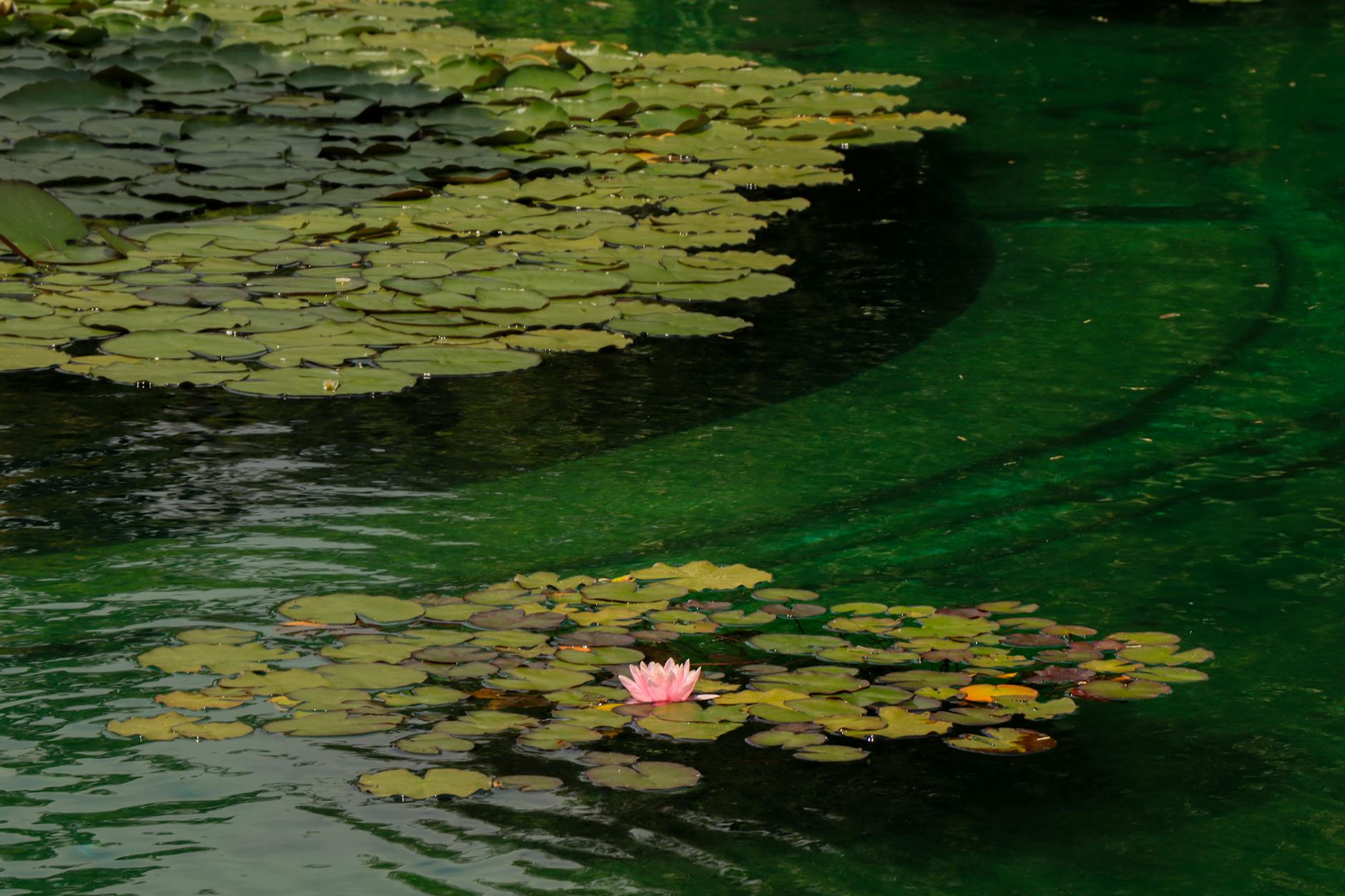
The other obvious art-paired museum is the Musée de l’Orangerie in the Tuileries — it houses the giant Water Lilies panels Monet donated to France in 1922 as a memorial to WWI. Eight enormous canvases arranged in two oval rooms. After visiting Giverny in person you will recognise specific spots from the panels. The Orangerie is a 30-minute standalone visit and costs €12.50.
For a second-day art follow-up, the Louvre has earlier French painting (pre-impressionist) and the Palais Garnier opera house has a Marc Chagall ceiling that contrasts beautifully with Monet’s flat-light impressionism.
For a food-focused pairing, combine Giverny with my Paris food tour guide — specifically the cheese-and-wine walking tours that hit the Marais or Montmartre. A morning in the garden and an afternoon eating French country food feels very on-theme.
If you want medieval contrast after the impressionist sweetness, Sainte-Chapelle is a 13th-century stained-glass experience that lives at the opposite end of the art-history spectrum. I find doing both in the same weekend gives your eyes a proper reset.
For something completely different, the Paris Catacombs are an afternoon in the dark after a morning of flowers — a very French emotional contrast.
Final Thoughts
Giverny is one of the most specific travel experiences I know. If you get the month right and show up in peak bloom with good weather, it genuinely feels like stepping into a Monet painting. If you get the month wrong or come on a grey day in July, it is still a nice garden but without the specific magic that makes people cry on the bridge.
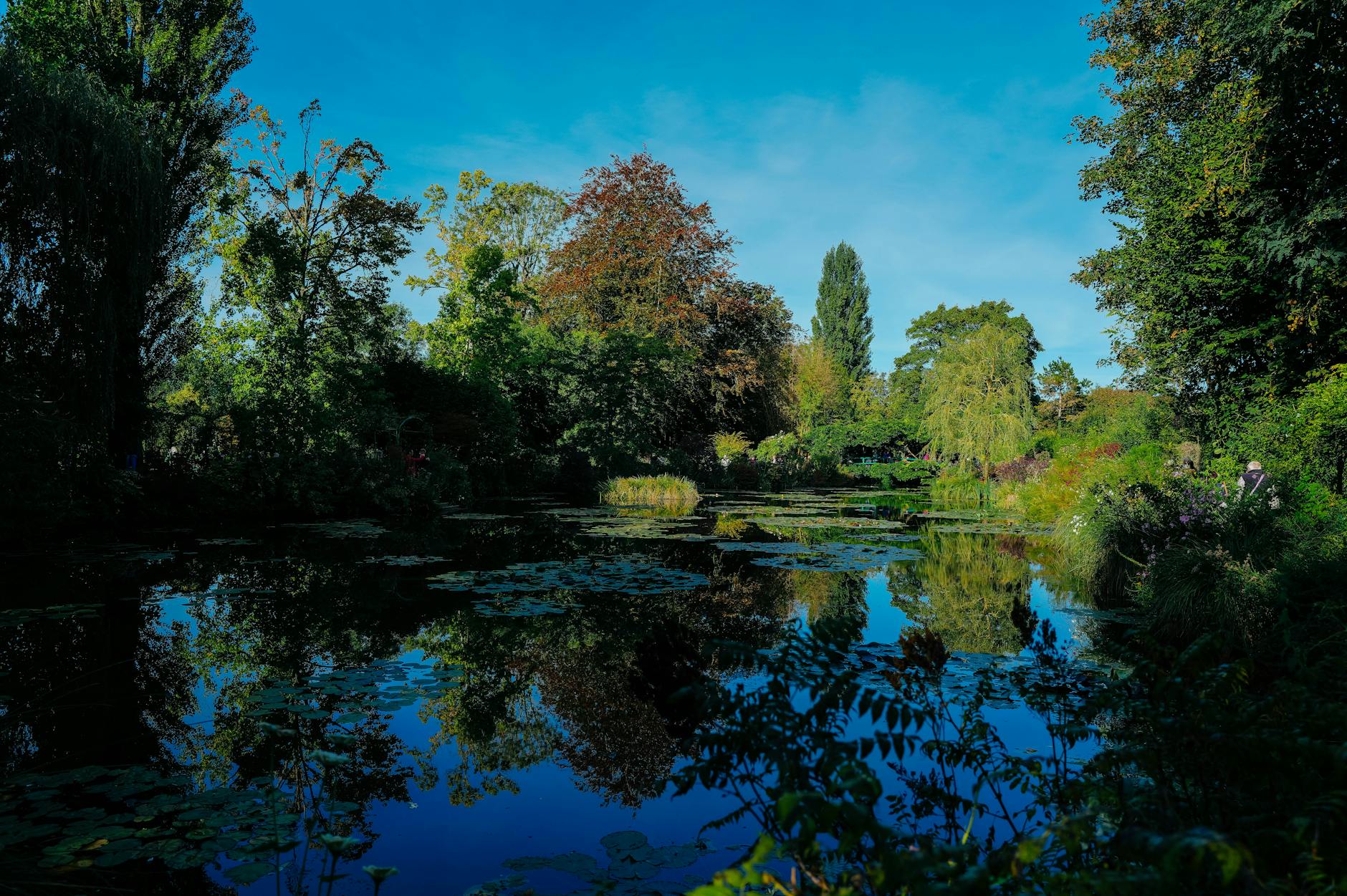
My short recommendation: book a half-day coach trip from Paris for a day in the second or third week of June. Pay the extra $19 for the live-guide version if you care about the art history. Eat lunch at Baudy Hotel-Restaurant in the village. Take fewer photos than you want and spend more time sitting on a bench than you think you need.
Combine with a visit to the Musée d’Orsay or the Musée de l’Orangerie in Paris either the day before or the day after. Seeing the paintings and the place together is how Giverny actually works as an experience — one without the other is only half the story.
That is the good version of Giverny. That is how you get the postcard shot without feeling disappointed by the reality.
FAQ
Is Giverny worth the day trip?
If you love gardens, impressionism, or photography — yes, absolutely, one of the best day trips from Paris. If you are not especially into any of those — maybe not. There is nothing else at Giverny besides the garden. It is a single-purpose destination.
When exactly do the water lilies bloom?
Roughly late May to late June, with peak bloom in the second and third week of June. The exact dates shift year-to-year based on spring temperatures. Cold springs delay the peak by a week or two; warm springs bring it forward.
How long does the visit take?
Plan 2-3 hours inside the garden plus the house, plus 15-20 minutes for the Musée des Impressionnismes if you want it, plus lunch. With Paris travel time included, the full day is 7-9 hours depending on the tour you pick.
Can I do Giverny independently?
Yes — take the train from Paris Saint-Lazare to Vernon (50 min, €14.60 each way), then the shuttle bus from Vernon to Giverny (15 min, €10 return). Buy your garden ticket online ahead of time. About €50 total, vs $74 for the coach tour, but with more logistics and longer day.
Is photography allowed?
Yes, without flash, no tripods. Phones and cameras are fine. Most visitors photograph the Grande Allée roses, the Japanese bridge, and the lily pond reflections.
Is it good for children?
Older children (8+) who like being outside can enjoy it. Toddlers and very young children get bored quickly and the narrow paths plus unfenced water edges make it slightly stressful for parents. Not a bad kids’ trip, but not a great one either.
Is it wheelchair accessible?
The main flower garden has gravel paths that are mostly level and navigable. The water garden is harder — narrow dirt paths, small wooden bridges, occasional steps. The house is only partially accessible (ground floor only). Contact the foundation in advance if accessibility is essential.
What happens if the weather is bad?
The garden stays open in light rain and is actually beautiful in drizzle (the flowers glow differently). Heavy rain makes the paths muddy. There is limited indoor refuge (the house + the Impressionnismes museum). Check forecasts and reschedule if possible during heavy-rain days in spring.
Can I book same-day tickets?
Possibly, on quiet days. On weekends in peak season (May-June), walk-up tickets are often sold out by 11:00. Always book ahead online if you can — even a day or two in advance usually works.
Does Monet still have descendants at Giverny?
No — Monet’s son Michel donated the house and gardens to the Académie des Beaux-Arts in 1966, which restored it and opened it to the public in 1980. The garden is managed by the Fondation Claude Monet today. It is a museum-foundation, not a family estate.