
- Introduction
- Key Points
- An Honest Look at the Fukushima Hope Day Tour
- The Itinerary and Sites
- The Guided Experience
- Transportation and Logistics
- Safety and Radiation Levels
- Supporting the Region
- What We Love About This Tour
- What Could Be Better
- Who Is This Tour Best For?
- In-Depth Breakdown of the Experience
- Early Morning Pickup and Travel
- Visiting the affected sites
- Memorial and Educational Stops
- Decommissioning Archive Center
- Supportive and Respectful Experience
- Return Journey
- Final Thoughts: Is This Tour Worth It?
- FAQ
- More Guided Tours in Tokyo
- More Tours in Tokyo
- More Tour Reviews in Tokyo
- Still browsing? Here are more Tokyo experiences we've covered recently
Introduction
If you’re looking for a meaningful way to understand Japan’s resilience after the 2011 earthquake and tsunami, this Fukushima Hope Day Tour from Tokyo offers a compelling option. It’s not just about ticking off a list of sights—it’s an honest look at how communities are rebuilding and healing, guided by knowledgeable locals who genuinely care about sharing their stories.
What makes this experience stand out are the impactful sites visited, the depth of insight from guides, and the opportunity to support the region through your tour fee. Plus, the safety aspect is reassuring—radiation levels at the visited locations stay below 0.05 mSv per hour, making it a responsible choice for visitors.
However, keep in mind that the tour does not include entry to the Fukushima Daiichi Nuclear Power Station, so if you’re intrigued by that aspect, you’ll need to look elsewhere. This tour is ideally suited for those who want to learn about Japan’s recovery, support local efforts, and explore with a guide who’s well-versed in the region’s history and ongoing challenges.
You can check availability for your dates here:Key Points
- Educational and impactful experience focusing on Fukushima’s recovery
- Expert-guided tour with a local who provides authentic insights
- Visit up to 4 sites with radiation levels confirmed safe for visitors
- Supports affected areas through tour sales donations
- Flexible and private options available, with pickup from Tokyo
- Duration of 8-13 hours makes it a full-day, immersive experience
Enjoying having a local guide? These other guided experiences in Tokyo might interest you
An Honest Look at the Fukushima Hope Day Tour
This tour offers a rare and respectful glimpse into the ongoing recovery of Fukushima, a region still healing from the 2011 earthquake, tsunami, and nuclear disaster. It’s been designed for travelers who want to go beyond the typical sightseeing, seeking to understand the real impact of these events and witness how communities are rebounding.
The Itinerary and Sites
While you get to choose 3-4 sites from a list, the experience’s core strength lies in its flexibility and tailored approach. The guide will help you select sites based on your interests, ensuring you get the most meaningful experience possible.
Sites like the Ruins of Namie Machi and the Ukedo Elementary School allow you to see firsthand the remnants of devastation—abandoned buildings, empty streets, and the scars left behind. The Great East Japan Earthquake and Nuclear Disaster Memorial Museum offers a detailed narrative, with photos and exhibits that give context to the scale and complexity of the disaster.
Other notable stops include Futaba-machi and the TEPCO Decommissioning Archive Center, where you can learn about the decommissioning process of the nuclear reactors—though, again, you won’t enter the plant itself. Visitors often comment on how well-guided and informative these visits are, with guides like Yoshiko providing detailed explanations that make the history and ongoing efforts clear.
The Guided Experience
The guides, rated highly for their knowledge and approachability, are key to making this tour special. They’re local, fluent in English and Japanese, and genuinely invested in sharing stories that aren’t just facts—there’s a sense of personal connection that leaves a lasting impression.
One reviewer mentioned that “our guide, Mr. Saito, was incredibly knowledgeable and shared stories that brought the sites to life.” This local expertise makes the experience richer, especially when it comes to understanding the community’s resilience and the ongoing cleanup and revitalization projects.
More Great Tours NearbyTransportation and Logistics
You’ll be picked up from your hotel or a nearby location in Tokyo, with a private vehicle that’s comfortable and accessible (including wheelchair access). The journey to Fukushima takes about 4-5 hours round-trip, depending on traffic and stops, so plan for a long but rewarding day.
The tour runs between 8 and 13 hours, offering enough time to visit multiple sites without feeling rushed. The flexibility in timing and selection of sites means you can customize the day to focus on the areas that interest you most.
- Tokyo:Karuizawa,Hoshino Resorts Area,Glacier Shrine Day Tour
- Tokyo: Meiji Jingu and Harajuku, Sacred and Profane
- AKEMIS Sushikitchen: a Fun Sushi Cooking Lesson in Tokyo
- Tokyo: Mt Fuji, Hakone, Cruise, Ropeway & Oshino Hakkai Tour
- Tokyo Private Tour : Eat & Shop in Tsukiji Fish Market
- Mt. Fuji Area, Hikawa Clock Shop, Dream Bridge 1-Day Tour
Safety and Radiation Levels
One concern often raised with visits to Fukushima is safety. Rest assured, the radiation levels at the visited sites are below 0.05 mSv per hour, which is a safe threshold for visitors. The tour explicitly states that entry to the Fukushima Daiichi Nuclear Power Station is not permitted, but this doesn’t detract from the overall experience—many sites are poignant and eye-opening on their own.
Supporting the Region
Perhaps one of the most meaningful aspects of this tour is that all sales go towards donations for the affected areas. That means your participation directly benefits local recovery projects, which adds a feel-good factor that many travelers find worthwhile.
What We Love About This Tour
- Authentic insights from guides with local expertise make history come alive.
- The flexibility to choose sites ensures a personalized experience.
- Visiting sites still bearing the marks of disaster offers a powerful reminder of resilience.
- The knowledge of safety and radiation levels keeps the experience worry-free.
- Supporting regional recovery efforts adds a layer of purpose to your trip.
- The private group format provides a more intimate and tailored experience.
What Could Be Better
The primary limitation is that the tour does not include entry into the Fukushima Daiichi Nuclear Power Station, which might disappoint travelers hoping for a closer look at the plant itself. Also, the long hours may be challenging for those with limited mobility or who prefer shorter outings.
Who Is This Tour Best For?
This experience suits history buffs, socially conscious travelers, and those eager to understand Japan’s recovery story. It’s ideal if you want a meaningful, guided exploration that combines education with respect and support for the local communities.
In-Depth Breakdown of the Experience
Early Morning Pickup and Travel
Your day begins with a pickup from your Tokyo hotel or a nearby meeting point. The private vehicle ensures comfort and flexibility, allowing you to relax during the roughly 4- to 5-hour drive to Fukushima. This part of the journey also gives you a chance to chat with your guide, who often shares personal stories and insights about the region and Japan’s recovery.
Visiting the affected sites
Once in Fukushima, you’ll make your selections based on your interests. For example, visiting the Ukedo Elementary School ruins offers a haunting look at how the tsunami abruptly ended lives and changed communities forever. The school has been preserved as a memorial, with some parts accessible, giving you an immediate sense of the tragedy experienced.
Next might be Namiemachi, a town that has seen tremendous effort in revitalization yet still bears scars of abandonment—empty streets and empty storefronts tell stories of loss and hope. Here, guides often point out rebuilding efforts and community projects that aim to restore normal life.
Memorial and Educational Stops
The Fukushima Memorial Museum provides context and emotional weight, chronicling the disaster’s timeline and its aftermath. It’s a space that helps visitors understand the scale of the catastrophe, the human stories behind the headlines, and the ongoing efforts to heal.
Decommissioning Archive Center
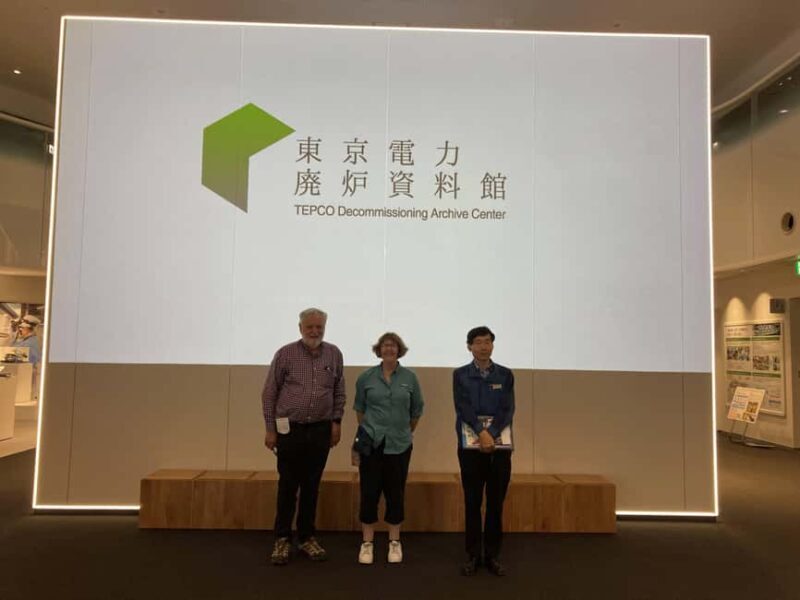
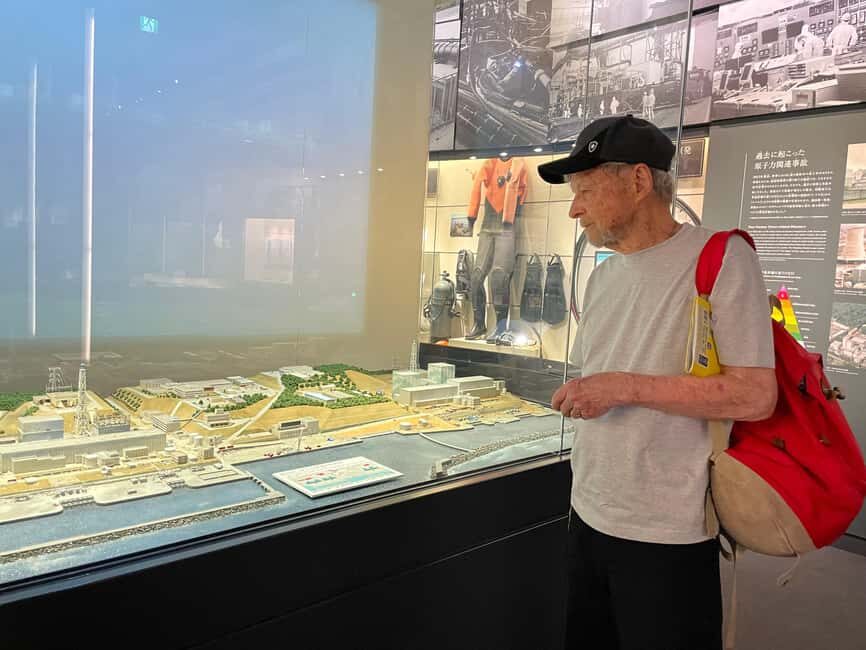
A highlight is the TEPCO Decommissioning Archive Center, where visitors learn about the complex process of nuclear plant decommissioning. The center offers detailed exhibits, photos, and models to demystify what’s involved, making it clear why this work is so critical—and so challenging.
Supportive and Respectful Experience
Throughout, guides emphasize respectful engagement with the sites and community, reinforcing that this is a journey of understanding and support rather than sightseeing for curiosity’s sake. Many guides also share stories of community resilience, which adds depth to the visit.
Return Journey
After a full day of meaningful exploration, your driver will take you back to Tokyo, arriving in the evening. The long but fulfilling day leaves room for reflection—and maybe a newfound respect for the strength of those impacted by these disasters.
Final Thoughts: Is This Tour Worth It?
This Fukushima Hope Day Tour offers a rare window into a region that continues to rebuild after one of Japan’s most devastating natural and nuclear disasters. For those interested in history, recovery, and supporting local communities, it’s a thoughtfully curated experience that combines education, respect, and purpose.
While it’s not a lighthearted day out, the stories, sites, and personal connections make it a deeply worthwhile journey. The guides’ knowledge enriches the experience, ensuring you leave with a better understanding of the resilience and ongoing challenges faced by Fukushima.
If your goal is to witness authentic recovery efforts firsthand and contribute to a meaningful cause, this tour deserves serious consideration. It’s best suited for curious travelers who want to learn, reflect, and support—ready to spend a full day exploring the quieter but powerful side of Japan’s story.
FAQ
Can I choose which sites to visit?
Yes, you select 3-4 sites from the provided list, and your guide will help tailor the day to your interests.
Is it safe to visit Fukushima?
Yes, radiation levels at the sites you visit are below 0.05 mSv per hour, which is considered safe for visitors.
Does the tour include entry to the Fukushima Daiichi Nuclear Power Station?
No, entry to the Fukushima Daiichi Nuclear Power Station is not permitted.
How long is the tour?
The tour lasts between 8 and 13 hours, depending on your selected sites and timing.
What is the price, and is it worth it?
At $425 per person, the cost covers transportation, guides, and donations to local recovery efforts, making it a valuable, educational experience.
Is transportation provided?
Yes, a private vehicle will pick you up from your hotel in Tokyo and take you back after the tour.
Is the tour suitable for wheelchair users?
Yes, the vehicle and arrangements are wheelchair accessible.
What should I bring?
Bring cash for any personal expenses or donations, and wear comfortable clothing suitable for outdoor visits.
Can I cancel the tour?
Yes, you can cancel up to 24 hours in advance for a full refund.
Who is the tour provider?
The experience is provided by JGA with a high-rated service (4.8), known for attentive, knowledgeable guides.
This detailed, respectful tour offers an insightful look into Fukushima’s ongoing recovery, blending education, support, and authentic storytelling. It’s a meaningful addition for anyone traveling from Tokyo who wants to understand Japan’s resilience firsthand.
You can check availability for your dates here:More Guided Tours in Tokyo
- Tokyo: Nikko Private Day Trip with Guide and Transport
- Tokyo Like a Local: Walk, Eat & Discover with a local guide
- Tokyo: Deep history Nihonbashi Walking Tour with Guide
- From Tokyo:Nikko World Heritage Customizable Tour with Guide
- From Tokyo: Nikko Customized Tour With English Driver/Guide
- Tokyo: Kyoto Day Trip by Bullet Train with Licensed Guide
More Tours in Tokyo
- Tokyo: Kamikochi & Tateyama Kurobe Snow Wall 2-Day Tour
- From Tokyo: Nikko One-Day Private Tour
- Tokyo: Nikko Private Customized Tour With Hotel Pick-up
- Tokyo Your Way A Full Day Tour Experience for Wheelchair Users
- Kimono-like Clothing Rental and makeover Tour in Harajuku
- Tokyo: Snow Monkey and Nagano One-Day Private Tour
More Tour Reviews in Tokyo
Still browsing? Here are more Tokyo experiences we've covered recently
- Top 15 Tours & Experiences In Tokyo
- Tokyo: Ninja Kabuki Performance
- Tokyo Vegan: Tofu – Making Class from a Historic Tofu Shop
- Tokyo Bay, Ginza & Shinbashi by Night 2.5 Hrs
- Tokyo: Kamikochi & Tateyama Kurobe Snow Wall 2-Day Tour
- Tokyo Taste of Tsukiji and Ginza Foodie Adventure
- From Tokyo: Nikko One-Day Private Tour
- Tokyo: Nikko Private Customized Tour With Hotel Pick-up
- SOLA SPA Shinjuku no Yu Entry Ticket
- Yokohama Cruise Port to Tokyo city hotels – Private Transfer
- Tokyo Your Way A Full Day Tour Experience for Wheelchair Users
- Tokyo: Wedding Photoshoot with Hair and Makeup