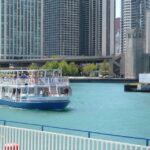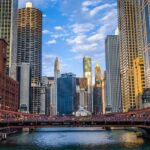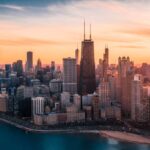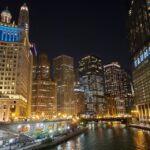
A boat ride is the fastest way to read Chicago.
This Chicago River architecture tour gives you a front-row look at the skyline from the water, while a guide explains how the city’s buildings and river story connect. I like that it covers 130+ years of architecture and you cruise along all three branches of the river, so you see way more than you’d stitch together with trains and taxis. One real drawback to plan for: in cold or windy weather, the exposed upper deck can be brutal, and indoor seating can fill quickly.
Two things I especially like are the unobstructed views and the guided narration that ties landmarks to why they matter. You also get both indoor and outdoor options, plus a restroom onboard, which makes 90 minutes feel easier. You’ll probably want to stick with the outdoor deck for the best photos, but you can step inside when you need a breather—just don’t assume you’ll always find a prime seat indoors.
The main catch is simple: dress for the elements. If you’re booking in winter, you should expect that you might spend part of the cruise doing a warm-up cycle from upper deck to lower lounge. If you hate wind, plan around seating and timing.
- Key highlights you’ll feel right away
- Why Chicago’s river story changes how you see the skyline
- Finding Wendella at 400 N Michigan Ave without stress
- Seating strategy: outdoor views vs indoor comfort
- The route in real time: what you’ll see and why it’s special
- Morning and afternoon skyline moments
- Timing tip
- Landmark-by-landmark: what to watch for on the water
- Marina City: the city-within-a-city look
- Lyric Opera of Chicago: Art Deco swagger
- Wrigley Building: the white terra-cotta landmark
- Merchandise Mart: massive commerce in one building
- Willis Tower area views
- Michigan Avenue corridor: the city’s classic grid
- The guide experience: narration that keeps your attention
- Winter and weather: how to not let the cold run your trip
- Price and value: for 90 minutes that actually counts
- Who should book this and who might skip
- Should you book the Chicago River 90-minute architecture tour?
- FAQ
- Where is the meeting point for the Chicago River 90-minute architecture tour?
- How long is the cruise?
- How much does the tour cost?
- What language is the tour offered in?
- Is there indoor and outdoor seating on the boat?
- Are restrooms available onboard?
- Can I buy drinks or snacks during the cruise?
- Does the cruise run in bad weather?
- Is the tour wheelchair accessible?
- What should I do with bags and luggage?
- The Best Of Chicago!
- More Tours in Chicago
- More Tour Reviews in Chicago
- Not for you? Here's more nearby things to do in Chicago we have reviewed
Key highlights you’ll feel right away


- Three river branches, one smooth route for maximum skyline time
- 130+ years of architectural history explained in plain language
- Indoor climate-controlled lower deck with narration speakers, plus outdoor viewing
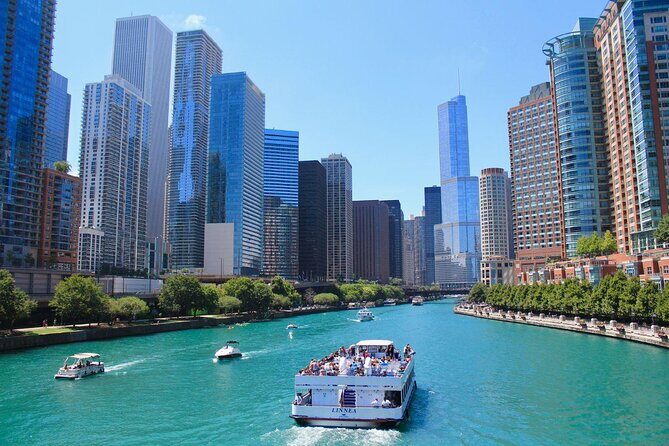
- Landmarks you can actually see like Wrigley Building, Merchandise Mart, Willis Tower area views
- Watch for the river’s reverse-flow story and the fountain arc detail tied to 1900

👉 See our pick of the 2 Best 1 Hour Tours In Chicago (With Prices)
Why Chicago’s river story changes how you see the skyline
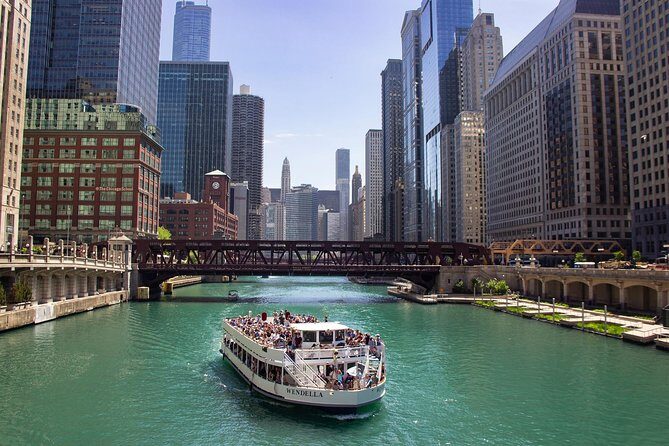
Chicago’s architecture can look like a set of famous photos. On this cruise, the river makes those buildings feel connected—like they’re part of the same real-world system. You float past downtown landmarks while your guide keeps tying the skyline to the river’s evolution and the city’s major growth moments.
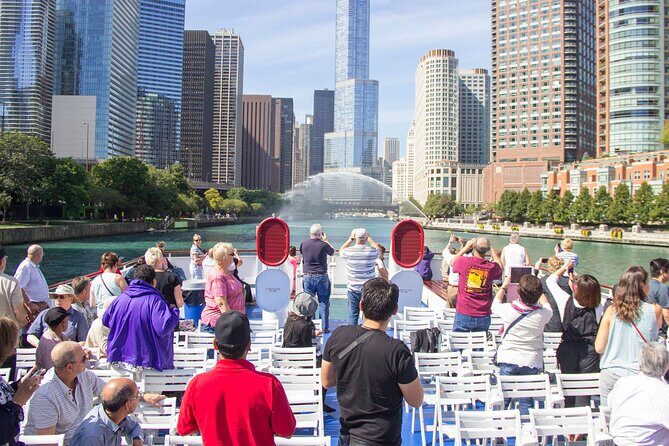
One detail I love is the way the tour highlights the river’s comeback. There’s a dedicated area connected to the Metropolitan Water Reclamation District story, which celebrates reversing the river’s flow in 1900. The fountain shoots a water arc across the river for the first five minutes of every hour—small, fun to spot, and it turns a narration point into something you can actually watch.
That kind of storytelling matters because Chicago wasn’t built in one style or one era. It’s a mix of industry, invention, ambition, and big-city reinvention—and the river is the thread that holds it together.
You can also read our reviews of more tours and experiences in Chicago.
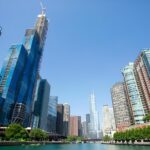
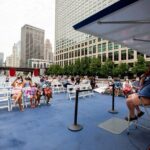
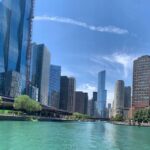
Finding Wendella at 400 N Michigan Ave without stress
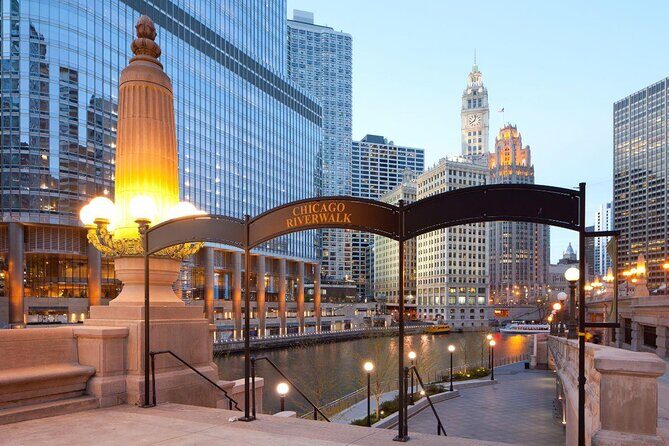
Your meeting point is straightforward: 400 N Michigan Ave, at the historic Wrigley Building area. Boats depart from Wendella’s docks at the northwest corner of the Michigan Avenue Bridge (DuSable Bridge), near the foot of the Wrigley Building.
I recommend arriving early—plan on 30 minutes before departure. Bags are subject to inspection, so you’ll move faster if you keep things simple. The dock is near public transportation, and there are parking garages nearby (AMA Plaza at 401 N State St and InterPark Public Parking at 430 N Rush St, with fees).
One practical tip for first-timers: the right dock area isn’t always obvious from street level. If you’re looking for the Wendella departure point, take a moment to confirm the operator before you start wandering. On the day you go, also check what boarding area your ticket points to, since multiple tour providers use the same big riverfront zone.
Seating strategy: outdoor views vs indoor comfort
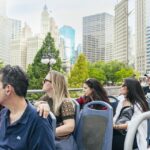
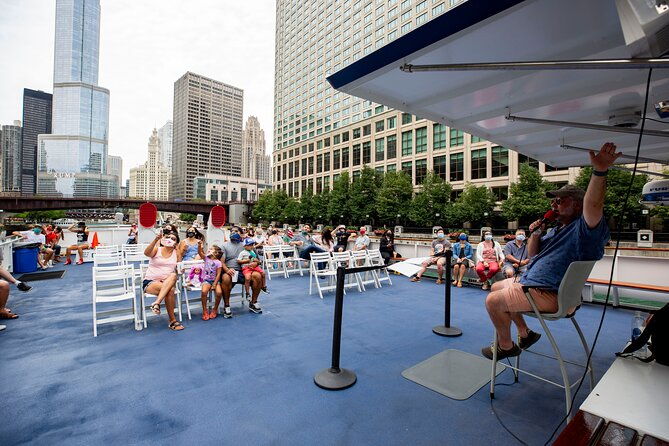
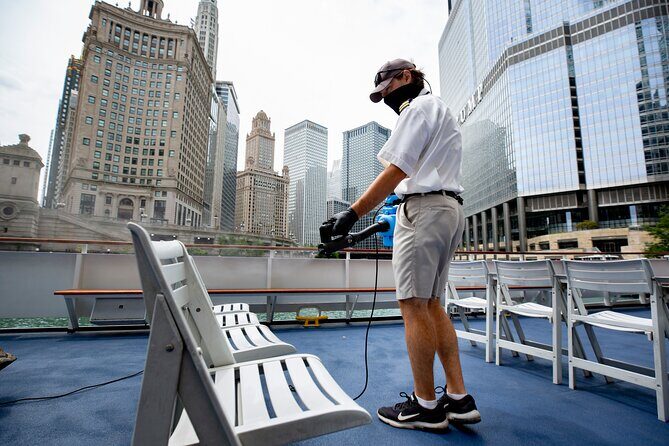
This tour is 90 minutes, and the boat has both indoor and outdoor seating. Indoor is climate controlled, but it’s also offered on a first-come, first-served basis. Outdoor seating is where you get the best skyline views, but you’re fully exposed to wind, sun, and rain depending on the day.
Here’s the trade-off you should plan for:
- If you want the cleanest photos and the best landmark sightlines, you’ll spend most of your time on the upper/outdoor deck.
- If you get cold fast, you’ll want to know where you can retreat to the lower indoor lounge when you need warmth.
Your guide’s narration comes through onboard speakers, including the enclosed areas, so you won’t miss the story if you’re inside. Still, standing or crowding near the windows can make indoor sightlines feel less ideal than the open deck.
Also note the boat includes a restroom on board (on the lower deck). That sounds basic, but after you’ve toured enough big cities, you’ll appreciate any option that keeps the trip comfortable and on-schedule.
The route in real time: what you’ll see and why it’s special
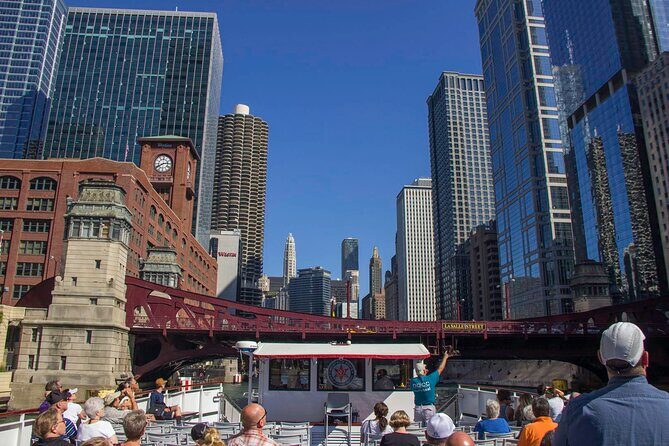
The cruise loops back to the starting area at the end, so you’re not changing plans halfway through the day. The guide narrates as you pass landmarks, explaining both architectural styles and the city decisions behind them.
A big part of the value here is that you cover the downtown river corridor in one sitting. Instead of guessing which buildings matter most, the tour picks the big names and connects them to the architecture you’re seeing from the water.
Morning and afternoon skyline moments
You’ll glide along the riverfront area that includes Chicago’s famous lake-adjacent vibe, including the “Second Lakefront” idea—an open, pedestrian waterfront space where the city feels lively even when you’re just standing still. From the boat, that waterfront reads like an urban stage: buildings rise on one side while the river activity shapes the mood on the other.


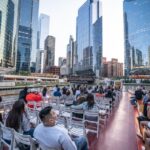
Timing tip
Because the tour runs on a fixed schedule, you don’t have to decide between a building tour and a river walk. You get the views first, then you get the meaning from the guide while you’re still in the right place to look up.
Landmark-by-landmark: what to watch for on the water
This is the fun part: you’re not just passing buildings, you’re passing the names and forms that define Chicago.
Marina City: the city-within-a-city look
One of the most eye-catching pass-bys is Marina City. It’s described as a city within a city, with the recognizable corn-cob exterior shape. From the river, those towers look almost sculpted, and the guide’s explanation helps you connect the design to how mixed-use living works in a dense downtown.
Lyric Opera of Chicago: Art Deco swagger
You’ll also go by the Lyric Opera of Chicago, known for its Art Deco interior. The tour frames it as the second-largest opera auditorium in North America, so it’s not just a stop for art lovers. It’s also a reminder that Chicago architecture isn’t all glass towers—there’s drama and theater in the styling too.
Wrigley Building: the white terra-cotta landmark
Next, keep your eyes on the Wrigley Building. It’s a white terra-cotta landmark built in 1922, and it was the headquarters for the Wrigley chewing gum company. The best way to appreciate it is from the water: you see it at an angle, with the river acting like a long mirror that frames the facade.
If you’re into branding and city identity, this stop hits hard. Chicago made companies into skyline markers, and this building is one of the most visible examples.
Merchandise Mart: massive commerce in one building
Then there’s the Merchandise Mart, described as the largest commercial building in the world. Whether you love business architecture or not, it’s hard not to feel the scale when you’re seeing it from a moving boat. The guide’s narration helps you understand why this kind of big, single-purpose commercial building mattered to Chicago’s growth.
Willis Tower area views
The cruise also takes you into sightlines connected with Willis Tower. The tour doesn’t just say the name; it places the tower in the city timeline, so you can see how Chicago’s skyline shifted from early landmarks to modern giants.
Michigan Avenue corridor: the city’s classic grid
As you move along the route, Michigan Avenue gets mentioned for a reason: it lines up with the Chicago Water Tower, the Art Institute of Chicago, Millennium Park, and the shopping on the Magnificent Mile. You’re not walking to each of those during this tour, but you are getting the geographic context—like someone drew a map directly onto the skyline.
The guide experience: narration that keeps your attention
A strong architecture cruise lives or dies on the guide. On this one, the narration is delivered by trained local guides, and the tone tends to be lively and funny.
Names that show up with praise include Lucas, Jack, and Alyssa. If you enjoy asking questions or laughing at a well-timed line while you learn, you’ll probably like the way the guide works the room—especially when the boat isn’t packed.
You should also plan to listen for the details that tie multiple stops together: river function, building purpose, and why certain architectural choices look the way they do. That’s what turns “I saw tall buildings” into “I get why they look like that.”
Winter and weather: how to not let the cold run your trip
Let’s be honest: this cruise is weather-dependent in the way river life always is. Cruises depart rain or shine, and the boat includes sheltered areas plus a climate-controlled lounge. Ponchos are available for purchase onboard, but you’ll feel more comfortable if you bring your own winter gear too.
Here’s what to do if you’re traveling in colder months:
- Dress in layers and protect your hands and ears. Wind off the water is a fast finger-to-toe thief.
- If you care most about views, expect you’ll spend time outside; plan warmth breaks inside.
- Know that indoor seating can run out, so don’t assume the warm deck is guaranteed.
If you’re sensitive to cold, prioritize comfort during boarding and early cruising. If you’re chasing skyline photos, keep your camera ready before everyone crowds into the best angles.
For severe weather, the cruise may be canceled. In that case, you’ll be offered a different date or a full refund.
Price and value: $45 for 90 minutes that actually counts
At $45 per person for about 1 hour 30 minutes, this is priced like a premium downtown activity—but you’re paying for a lot of city coverage. The big value is that you get a guided architectural route that would cost time and energy if you tried to DIY with transit.
What’s included matters:
- narrated tour onboard with a trained guide
- indoor and outdoor seating
- restroom onboard
- local guide-led interpretation of the skyline
What costs extra:
- drinks and snacks from the onboard bar (alcohol isn’t included)
That bar can be useful on chilly days since it gives you a warm-up option in the middle of the cruise. If you want to buy anything, plan on credit cards only for bar purchases.
One more practical point: the tour caps at 300 travelers, which helps the experience feel more manageable than some large boats where you spend the trip staring at shoulders. Still, bring patience if you’re going during peak hours.
Who should book this and who might skip
This cruise is a great fit if you:
- want an efficient first look at downtown Chicago
- like architecture but don’t want to pick buildings one by one
- want views without dealing with taxi lines or transfers
- travel with family, since it’s a simple, guided way to see the river corridor
It may be less ideal if:
- you’re extremely cold-sensitive and don’t want to spend time outside
- you need guaranteed indoor seating with prime sightlines, since seating is first come
If motion sickness is a concern, the ride is described as smooth by people who’ve done it, and you’ll be on a controlled river route rather than a choppy open-water scene.
Should you book the Chicago River 90-minute architecture tour?
Yes, if you want the fastest, most guided way to understand downtown Chicago’s architecture from the water. This is especially smart when you only have a short window in the city, because the route gives you a packed highlight list in 90 minutes.
I’d book sooner rather than later if you’re visiting in peak season. It’s often booked about 9 days in advance on average, and winter dates can fill with people chasing skyline views before the trip window closes.
Book it with one mindset: you’re paying for guided context plus skyline time, not just a boat ride. Bring the right layers, choose your deck strategy, and you’ll walk away knowing why Chicago looks the way it does.
FAQ
Where is the meeting point for the Chicago River 90-minute architecture tour?
You meet at 400 N Michigan Ave, Chicago, IL 60611, USA, near the historic Wrigley Building.
How long is the cruise?
The duration is about 1 hour 30 minutes.
How much does the tour cost?
It costs $45.00 per person.
What language is the tour offered in?
The tour narration is offered in English.
Is there indoor and outdoor seating on the boat?
Yes. There is indoor seating (climate controlled) and outdoor seating. Seating is first come, first served.
Are restrooms available onboard?
Yes. Restrooms are located on the lower deck of the vessel.
Can I buy drinks or snacks during the cruise?
Yes. Drinks and snacks are available for purchase onboard, including a full-service bar. Outside alcohol is prohibited.
Does the cruise run in bad weather?
Cruises depart rain or shine. If severe weather causes cancellation, you’ll be offered a different date or a full refund.
Is the tour wheelchair accessible?
The operator has wheelchair lifts between decks and can accommodate wheelchairs. There are ADA-compliant toilets onboard, and a written narration script is available for guests who are deaf or hard of hearing.
What should I do with bags and luggage?
All bags are subject to search, and there is no luggage storage on the dock. You may bring luggage aboard, and it will be inspected.