
History sits in the street corners.
This guided walk through Amsterdam’s Jewish Quarter connects major WWII events to real locations, with stops that range from synagogue landmarks to wartime memorials, then finishes right outside the Anne Frank House. I like that it keeps the story grounded in what you can actually see, not just dates in a book. You’re with a small group of no more than 15, and the tour is in English with a mobile ticket.
I love two things most. First, you get a wide sweep of landmarks in just about 2 hours, including the Jewish Historical Museum area and the Portuguese Synagogue area (talked about from the outside). Second, the tour frames Anne Frank as part of a broader Amsterdam reality, including the Nazi occupation and how it changed everyday life for Jewish communities and others in the city.
One possible drawback: the Anne Frank House is not included. You’ll end outside, but to go inside you’ll need a separate ticket.
- Key highlights worth your time
- How this walking tour tells Anne Frank’s story in real places
- Price and value: what you pay for, and what you’ll need to budget for
- Small-group size and the 2-hour pace (what it feels like)
- Jewish Quarter from the outside: Joods Museum and the Portuguese Synagogue
- Wartime Amsterdam: head office, Nazi occupation, and resistance stories
- Memorial stops that demand pause: Dokwerker and the Auschwitz Monument
- Dam Square, the Anne Frank statue, and finishing outside the House
- What kind of traveler should book this
- Practical tips for a smoother experience
- Should you book this Anne Frank story walk?
- The Best Of Amsterdam!
- More Walking Tours in Amsterdam
- More Tours in Amsterdam
- More Tour Reviews in Amsterdam
- Not for you? Here's more nearby things to do in Amsterdam we have reviewed
Key highlights worth your time
 1 / 8
1 / 8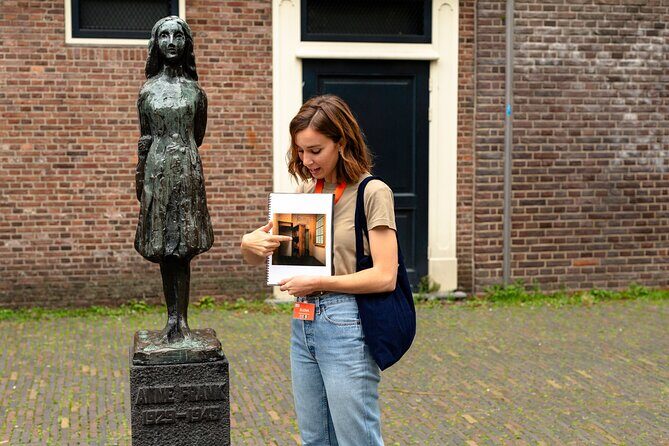 2 / 8
2 / 8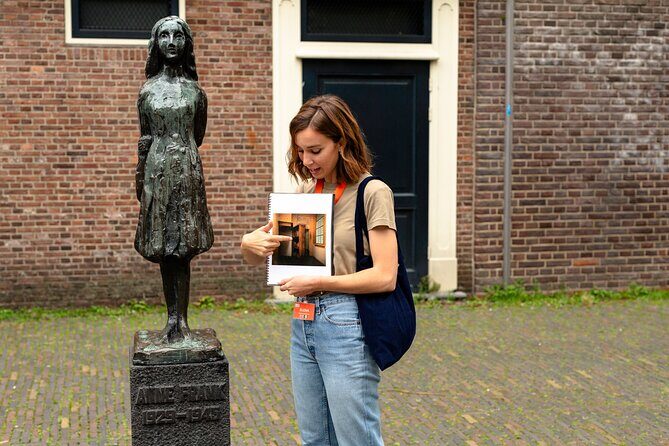 3 / 8
3 / 8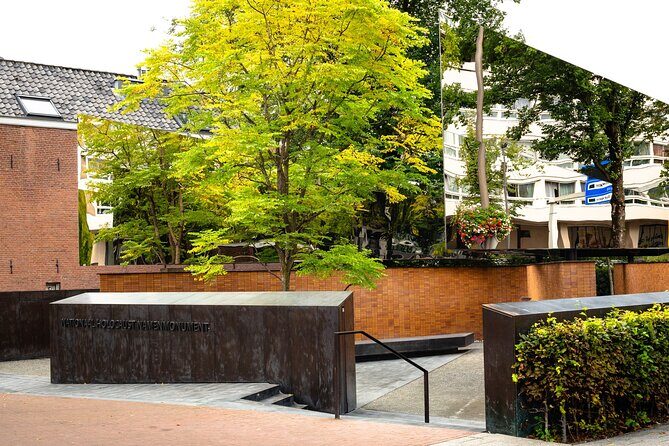 4 / 8
4 / 8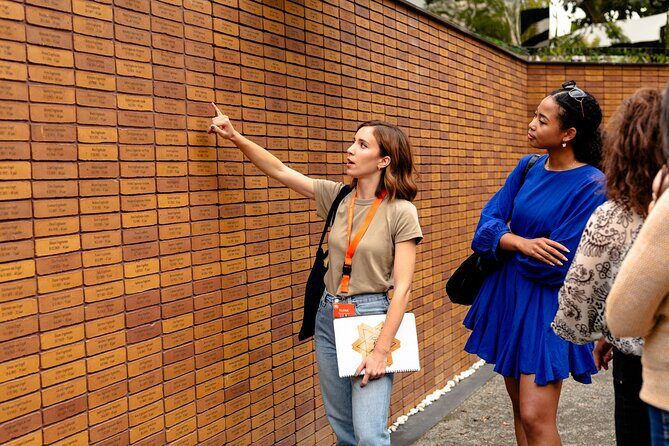 5 / 8
5 / 8 6 / 8
6 / 8 7 / 8
7 / 8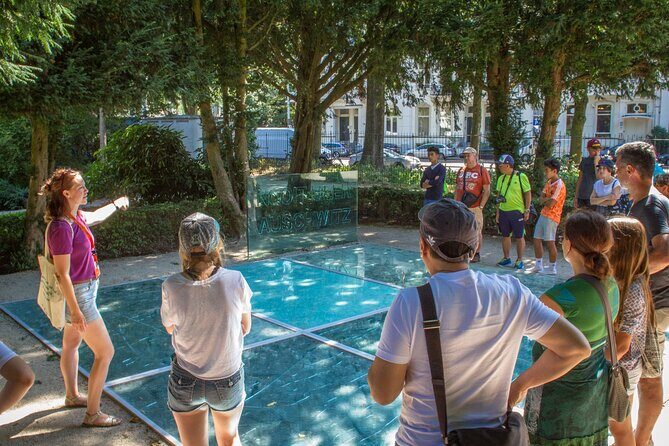 8 / 8
8 / 8- Small-group pace (max 15 people) keeps questions easy and the walk more personal.
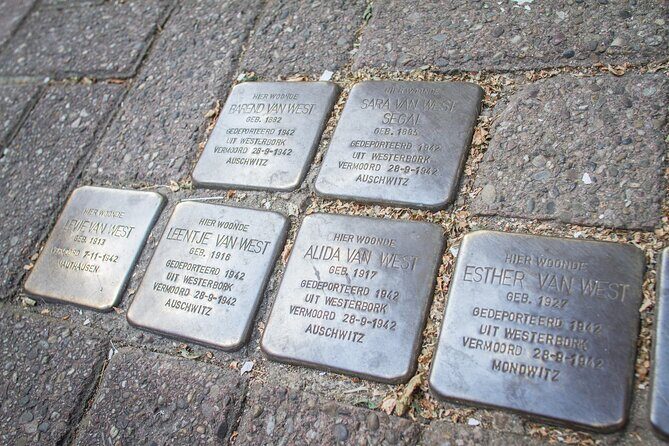
- WWII story tied to visible landmarks like the Dokwerker statue and the Auschwitz Monument.
- Exterior-only stops at the Jewish Historical Museum and Portuguese Synagogue, with clear explanations from the street.
- Memorial-focused moments built for reflection, including the Anne Frank statue stop.
- Ends at the Anne Frank House so you’re perfectly placed to book a timed entry next.
👉 See our pick of the The 7 Most Popular Workshops & Classes In Amsterdam
How this walking tour tells Anne Frank’s story in real places
This tour works because it doesn’t treat Amsterdam like a backdrop. It uses the city itself as the map. You walk through the Jewish Quarter and keep getting handed a new piece of the WWII puzzle: the Nazi occupation (1940 to 1945), what the regime did to the Jewish community, and how those pressures shaped daily life for people across Amsterdam.
The structure is also smart for first-timers. Instead of spending your whole time in one museum line, you cover a cluster of important sites on foot, with your guide filling in what each place means. If you’re the kind of traveler who likes to understand context before you commit to a ticketed museum visit, this format fits your style.
And while the topic is heavy, the tone is usually human. In the guide lineup for this tour, names like Yoshi, Ollie, Giovanni, Manuel, Patrick, and Edwin show up repeatedly, and the common thread is storytelling with emotion and photos. Some guides also add small local-use tips along the way, like how to handle Amsterdam’s bike-lane etiquette, which can be genuinely useful after the tour while you’re wandering on your own.
You can also read our reviews of more walking tours in Amsterdam

Price and value: what you pay for, and what you’ll need to budget for
At $39.30 per person for roughly two hours, this is priced like a guided city experience, not like a museum admission. The big value comes from getting a guided narrative that spans several key locations in one go, with a local guide in your chosen language (English).
The trade-off is just as important. This tour does not include entry to the Anne Frank House, and it also doesn’t include entry to the Jewish Historical Museum or the Portuguese Synagogue. So, if your main goal is seeing inside those buildings and especially inside the Anne Frank House, you’ll want to treat this as your primer.
A practical way to think about it:
- Pay for this tour to understand the geography and history.
- Then decide what to add with your own tickets afterward.
That approach often saves time and improves your museum experience, because you’ll know what you’re looking at before you buy entry.
Small-group size and the 2-hour pace (what it feels like)
The tour caps at 15 travelers. That matters more than you might think. With a smaller group, your guide can slow down when someone has a question, and you’re less likely to get herded like a group tour on a factory schedule.
It’s also built for a steady walking rhythm with frequent “stop and explain” moments. You’re not doing a marathon, but you are walking through central Amsterdam streets and spending time at multiple points. The tour notes a moderate physical fitness level, so if you’re dealing with mobility limits, I’d plan your route buffer and wear shoes you’re comfortable in.
Timing is another practical detail. You’re expected to arrive early enough to start on schedule. The first talk is set up at the Jewish museum area, with instructions to meet about 15 minutes before the tour departure time.
Jewish Quarter from the outside: Joods Museum and the Portuguese Synagogue
Two of the major landmarks are handled as exterior stops: the Jewish Historical Museum building (Joods Museum) and the Portuguese Synagogue. In both cases, you’ll talk about what’s here, but you won’t go inside as part of this experience.
I actually like the exterior approach when the goal is context. With a guide steering the conversation, these stops work like visual anchors. You can stand where the stories connect, see the architecture and streetscape, and then let the guide’s explanation turn those buildings into evidence of what happened.
It also keeps the tour moving. Since entry to those buildings isn’t included here, you avoid the situation where your schedule depends entirely on ticket timing. If you want to enter later, you still can, but this tour gives you the why first.
One consideration: if your expectation is to see inside every stop, you’ll be disappointed at these two points. The description is clear about it, but I’ll say it plainly anyway. This tour is built for walking and understanding, not for building-hopping with admissions.
Wartime Amsterdam: head office, Nazi occupation, and resistance stories
This is where the tour turns from landmarks into lived history. As you walk, your guide covers the Nazi occupation of the Netherlands between 1940 and 1945, and how that brutal regime affected not just Jewish communities, but people living in Amsterdam more broadly.
You’ll also hear about key wartime moments, including the Winter of Hunger and the February Strike. The value here is perspective. It’s easy to think WWII history is only about what happened in distant places. This tour keeps bringing it back to the city scale: policies, shortages, strikes, and daily consequences you can imagine while standing in the neighborhood streets.
Another strong element is the Dutch resistance. You learn how resistance groups offered secret hiding places to families like the Franks. That part matters because it explains how survival wasn’t only about one famous family. It was about networks of people doing risky things in ordinary streets.
If you’re a WWII history buff, you’ll appreciate how the tour ties together “event” and “place,” instead of treating them like separate topics.
You can also read our reviews of more guided tours in Amsterdam

Memorial stops that demand pause: Dokwerker and the Auschwitz Monument
The tour includes time at monuments like the Dokwerker statue and the Auschwitz Monument. These aren’t short photo stops. You pause, you listen, and you absorb.
The strongest memorial moments tend to be the ones where the guide adds human meaning to objects. In particular, at the Auschwitz Monument, some guides include details such as why rocks are placed at memorial sites and how a small ritual can become a form of respect. If your guide offers that, it’s one of those “small action, big meaning” moments that makes the site stick in your mind.
Even if you’re not looking for solemn reflection, these pauses are practical too. They help you process what you learned about the occupation and persecution, and they give your brain room to connect the story to the physical geography of Amsterdam.
Dam Square, the Anne Frank statue, and finishing outside the House
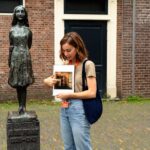
The walk continues toward central Amsterdam points like Dam Square and the National Monument. Then you reach the Statue of Anne Frank, which adds a quieter, personal focal point before the emotional finish.
The final section matters for planning. The tour ends outside the Anne Frank House. Entrance to the House is not included, and you won’t go in during this tour. That said, ending at the front of the building is a real advantage: you get a natural transition into your own next step.
If you can’t get a timed entry ticket, don’t treat that as a failure. This tour is designed to give you the historical and neighborhood context that makes the House meaningful, even from the outside. And if you can get in, you’ll be better prepared. You’ll recognize the significance of what you’re seeing and you’ll know which pieces of the story your guide emphasized.
What kind of traveler should book this
I’d point you to this tour if you want a thoughtful WWII orientation in Amsterdam without committing the whole day to museums. It’s also a strong fit for people who like walking tours that include structure, pacing, and a clear narrative thread.
This can work well for:
- WWII history buffs who want city-scale context tied to key sites
- First-time Amsterdam visitors who want the Jewish Quarter story early
- Families (children must be accompanied by an adult), especially if your kids can handle a serious theme with guidance
- Solo travelers who value a small group setting
- People who bring service animals (they’re welcome)
If your top priority is “inside the most famous buildings,” then you’ll need to plan extra time for ticketed entries separately, especially for the Anne Frank House.
Practical tips for a smoother experience
A few small things can make this tour feel better instead of rushed:
- Wear comfortable shoes. The tour is mostly walking with multiple stop-and-listen moments.
- Plan for weather. The experience notes it requires good weather, so check forecasts and dress accordingly.
- Bring a moderate fitness mindset. You should be comfortable walking and standing for periods.
- Keep expectations aligned with entrances. Two major sites discussed on the tour are not entered here, and the Anne Frank House is exterior-only.
- If you’re serious about visiting the House inside, aim to arrange that separately. The tour ends right at the right spot.
One planning note that helps: this experience is often booked about 35 days in advance on average. If you’re traveling during a busy season, booking earlier can reduce stress later.
Should you book this Anne Frank story walk?
Book it if you want a guided, small-group way to understand Amsterdam’s WWII Jewish Quarter before you spend money on ticketed attractions. The tour is especially valuable if you like your history tied to the streets you’re standing on, and if you’d rather cover several key locations efficiently than spend all your time in one place.
Skip it only if your expectations are strictly about entering the Anne Frank House during the tour. This walk is built to end outside and prepare you for what comes next.
If you’re trying to decide between doing “the tour” and doing “the House,” I’d frame it as: this tour helps you buy the House ticket with your eyes open.