
Paris has a lot of bad food tours. The city has so many travelers with so much money and so little time that the market is flooded with mediocre “French food experiences” where you eat a baguette on a bench and call it a day. Avoiding the bad ones and finding the actually good ones takes some effort.
That is what this guide is for.
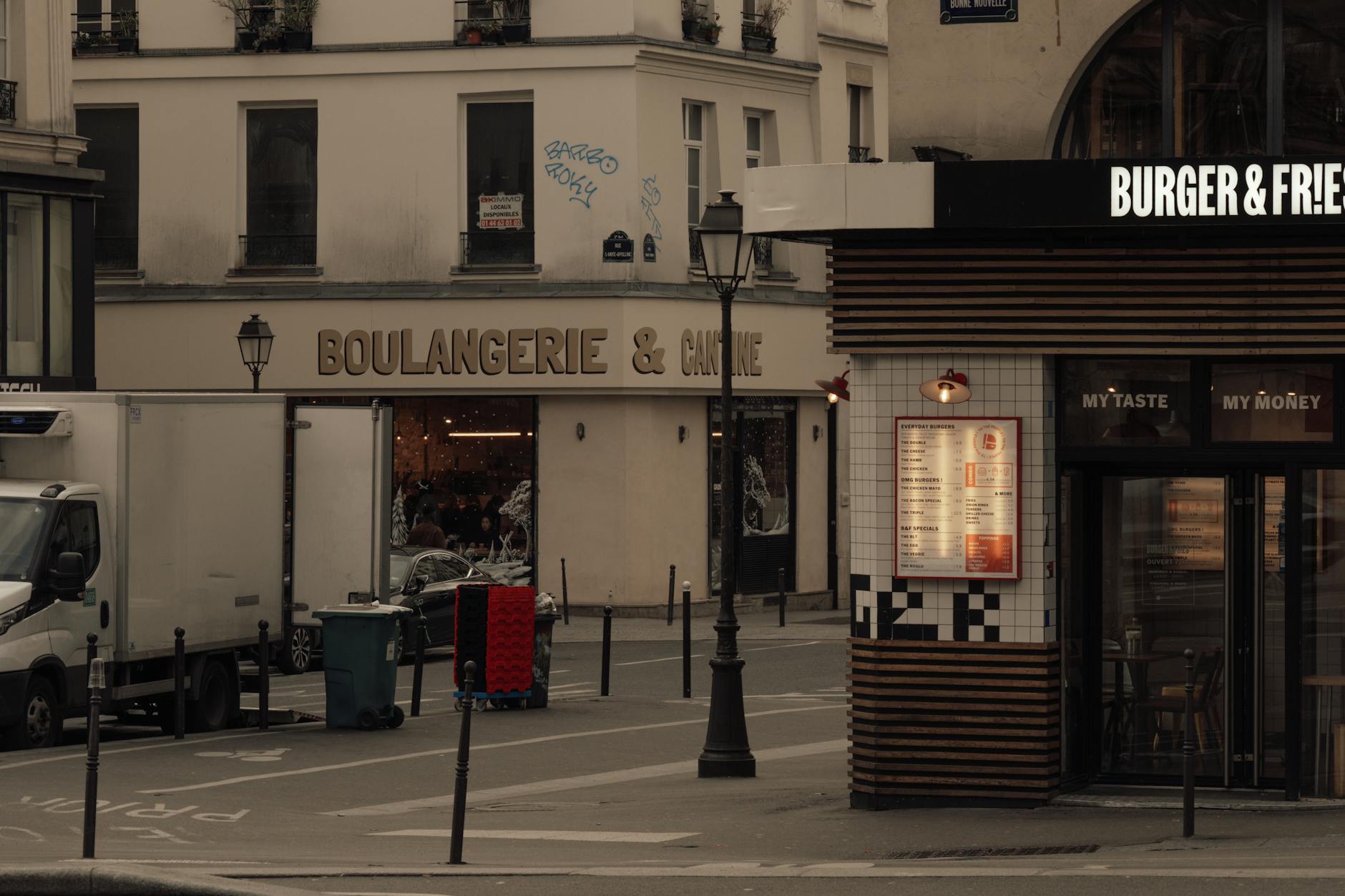
I have done six Paris food tours in five years, mostly in Le Marais, Montmartre, and the Latin Quarter. Some were excellent and reshaped how I eat in Paris permanently. One was a waste of $60 and two hours I will never get back.
The difference is almost entirely about the guide, the neighbourhood, and whether the itinerary includes real, working food shops or tourist-trap versions. Here is what I learned.
- Quick Picks — My Three Favourite Paris Food Tours
- Why Paris Food Tours Are Actually Worth It
- The Three Neighbourhoods for Paris Food Tours
- Cheese — The Most Intimidating Category to Shop For
- Wine — The Crash Course You Actually Need
- Croissants — What Separates a Good One From a Great One
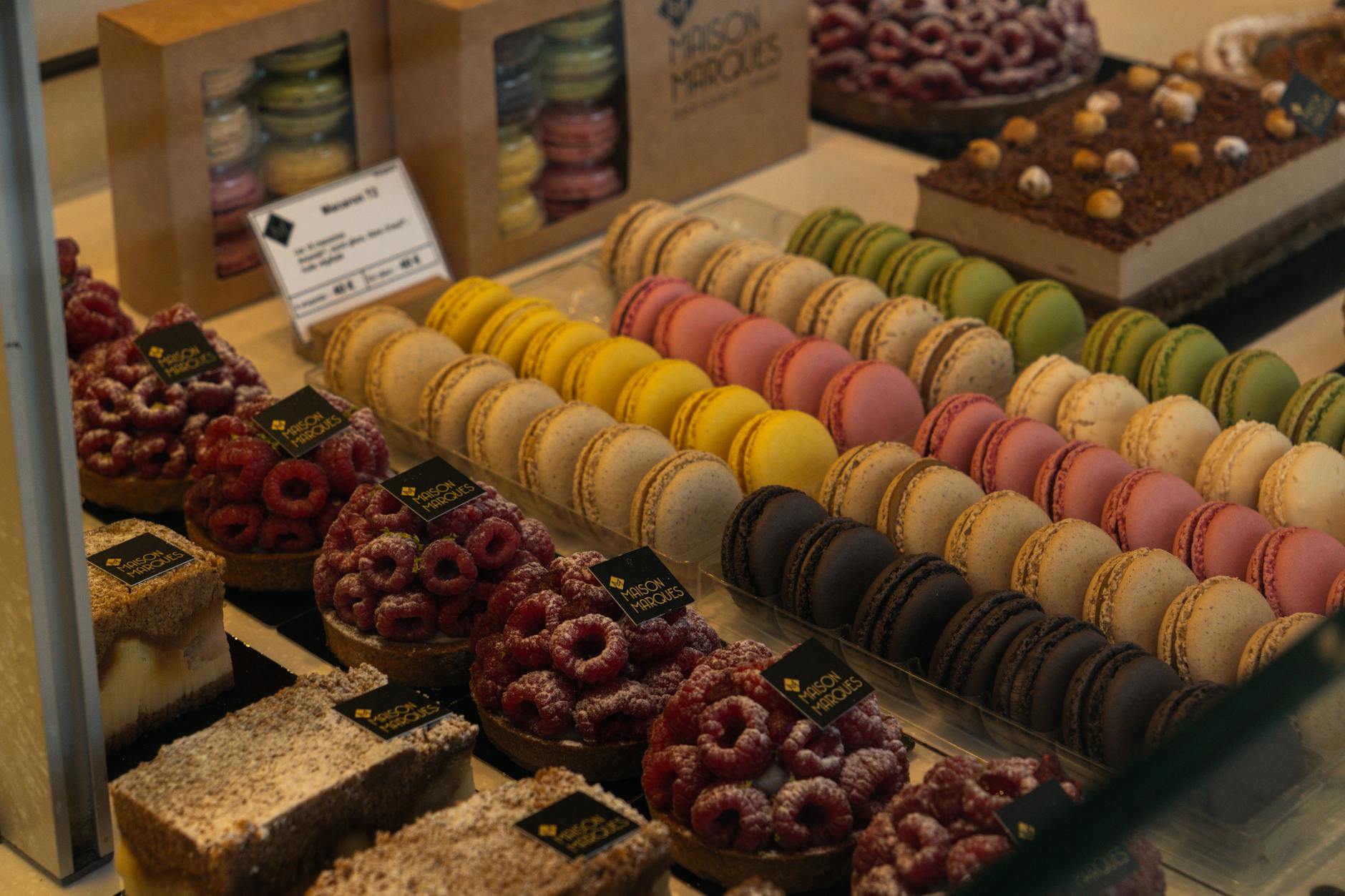
- Macarons — Not the Same as Macaroons, And Worth the Trip
- Which Food Tour Should You Actually Book? Three Picks
- 🥇 Paris: Montmartre Cheese, Wine & Pastry Guided Walking Tour
- 🥈 Paris Le Marais Walking Food Tour with Secret Food Tours
- 🥉 A Morning in Paris Food Tour: Croissants, Baguettes & Chocolate
- Pastries — The Category Beyond Croissants
- Timing — When to Actually Go on a Food Tour
- Food Markets — The DIY Alternative
- Chocolate — The Category Most Tourists Under-Explore
- Wine Bars — Where to Go After Your Food Tour
- Common Mistakes I See People Make
- Food-Related Cooking Classes (For When a Tour Is Not Enough)
- What to Pack for a Food Tour
- Is a Food Tour Right for You?
- More Paris Planning on The Abroad Guide
- Final Thoughts — My Honest Recommendation
- FAQ — Short Answers to the Questions I Get Most
- More Paris Food and Drink
Quick Picks — My Three Favourite Paris Food Tours
🥇 Best overall walking food tour: Paris: Montmartre Cheese, Wine & Pastry Guided Walking Tour — around $127, three hours, six tasting stops plus wine, and a guide who actually knows the Montmartre shop owners by name. The highest-reviewed Paris food tour I could find.
🥈 Best for Le Marais foodies: Paris Le Marais Walking Food Tour with Secret Food Tours — around $103, focused on the Jewish and French fusion food of Le Marais, includes falafel, rugelach, and a cheese stop. Best neighbourhood for food variety.
🥉 Best morning breakfast tour: A Morning in Paris Food Tour: Croissants, Baguettes & Chocolate — around $126, 9:30am-12:30pm, hits five bakeries and a chocolate shop before lunch. Perfect for visitors who want to taste everything in one go while fresh.
Why Paris Food Tours Are Actually Worth It
I used to be skeptical of food tours. I like to eat, I know how to read a menu, why would I need a guide? Then I took my first one in Le Marais in 2020, and I changed my mind in about 45 minutes.
The reason a good food tour is worth the money is not the food itself — it is the access. Paris has thousands of bakeries, cheesemongers, wine bars, and chocolatiers, and the gap between the tourist ones and the genuine ones is enormous. A good guide takes you to shops where the owner has been running the business for 30 years, knows exactly where their sourdough starter comes from, and will spend 10 minutes explaining why their raw-milk Roquefort has to age for exactly four months to taste right.
You cannot buy that kind of access for €8 by walking in off the street on your own.
The second reason is context. Eating a croissant in Paris is nice. Eating a croissant after your guide has explained that the shape “croissant” is actually Austrian in origin, that the French version has been through five distinct evolutions since 1920, and that the secret to a good one is using real French butter at 82% fat (not 80% like the industrial stuff) — that is different.
You taste it differently. You notice things you would have missed. The food stops being a snack and starts being an experience.
The Three Neighbourhoods for Paris Food Tours
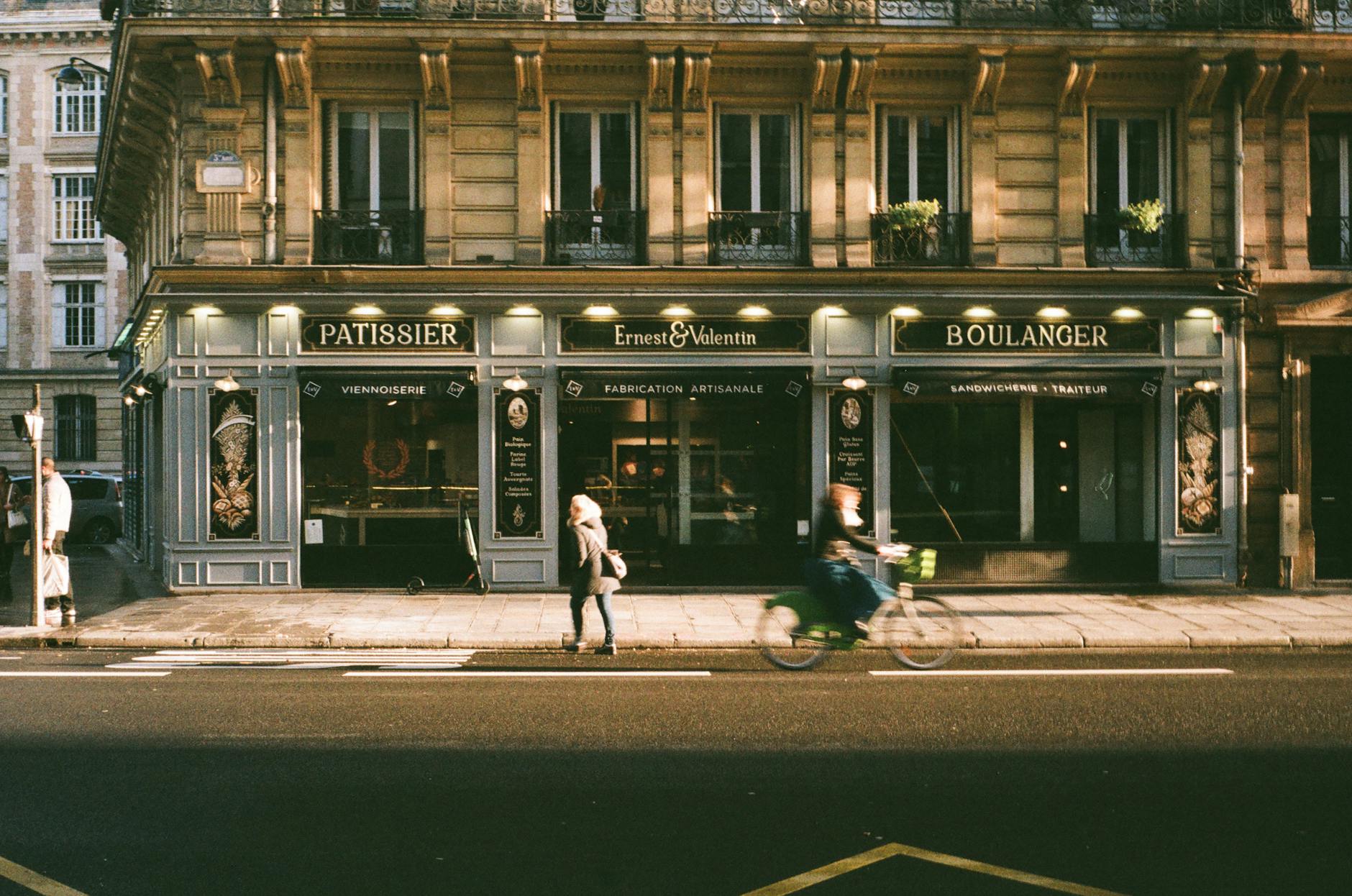
Virtually every serious Paris food tour happens in one of three neighbourhoods: Le Marais, Montmartre, or Saint-Germain-des-Prés. Each has a totally different character and a totally different food story, and picking the right one for you matters.
Le Marais is the most diverse. It is the historic Jewish quarter of Paris, it is also the centre of modern Parisian LGBTQ+ culture, and it has the best mix of traditional French food and international influences (Jewish bakeries, Middle Eastern falafel, North African spice shops, French patisseries). A Marais food tour gives you the most variety in one 3-hour walk.
Montmartre is the most atmospheric. The streets are cobbled, the buildings are tall and shuttered, and every turn gives you a view of Sacré-Cœur looming overhead. Food tours here tend to focus on the traditional French staples — cheese, wine, bread, pastry — because that is what the neighbourhood specialises in. If you want the postcard version of “eating in Paris,” Montmartre delivers.
Saint-Germain-des-Prés is the most refined. It is where the 1950s literary cafés (Café de Flore, Les Deux Magots) still operate, where Pierre Hermé has his flagship macaron shop, and where the most famous chocolatiers in Paris keep their workshops. Food tours here skew upscale — expect grand patisseries, hot chocolate at Angelina, and tastings of top-end chocolates. Less variety than Le Marais, but higher-end products.
Cheese — The Most Intimidating Category to Shop For
France makes over 400 different cheeses. France is also home to approximately 40 of those cheeses being actually good, and the rest being fine but not worth an international flight. Knowing which to buy, and where, is one of the main reasons to take a food tour.
The categories most tours will walk you through: soft-rind cheeses (Brie de Meaux, Camembert de Normandie — pick the AOC versions, never the supermarket kinds), washed-rind cheeses (Époisses, Munster — pungent, smell like feet, taste like heaven), blue cheeses (Roquefort, Bleu d’Auvergne — the genuine Roquefort is raw sheep’s milk only, caved-aged in Aveyron), and hard cheeses (Comté, Beaufort — the 24-month aged Comtés are what separates a cheese lover from a cheese expert).
The shop to go to, if you cannot do a tour: Fromagerie Laurent Dubois in the 5th (they have won the best cheesemonger in France award multiple times). Tell them what you like, they will pick for you, and they vacuum-seal for international travel if you ask. €25-40 will get you a selection of six cheeses that will genuinely change how you think about the category.

Wine — The Crash Course You Actually Need
French wine is the thing most Paris food tours get closest to wrong. The good tours spend time on the wine. The bad tours give you a plastic cup of something generic and move on.
Pick a tour where the wine is a genuine focus.
What you want to know in 90 seconds: France has roughly ten major wine regions, but the ones that matter most to you on a tour are Burgundy (the light elegant reds and the best whites), Bordeaux (the heavy reds and long-aged wines), Rhône (the spicy reds from Côtes du Rhône and Châteauneuf-du-Pape), Loire (the crisp whites and unusual reds), and Champagne (which obviously).
A good food tour will give you four or five wines across different regions and styles, usually starting with a crisp white and ending with a full-bodied red or a dessert wine. The Montmartre Cheese, Wine & Pastry tour I recommended above includes three wine tastings integrated with the cheese pairings, which is how wine is supposed to be drunk — with food, not on its own.
If you want to go deeper, book a dedicated wine tasting class separately. Ô Chateau in the 1st and Les Caves du Louvre both run excellent English-language wine tasting classes for around €60-90 per person. Do the food tour first, then the wine class the next day if you catch the bug.
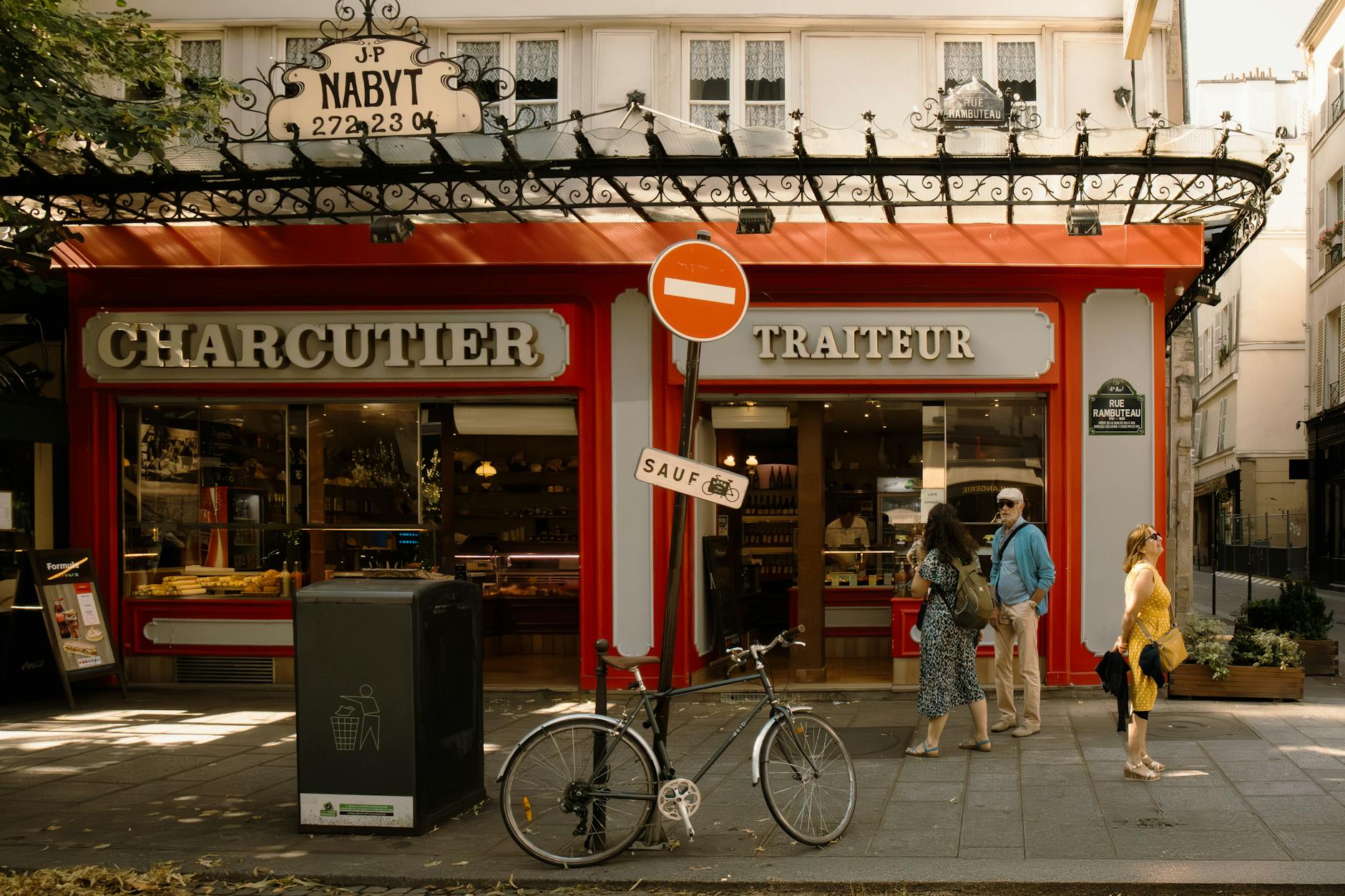
Croissants — What Separates a Good One From a Great One
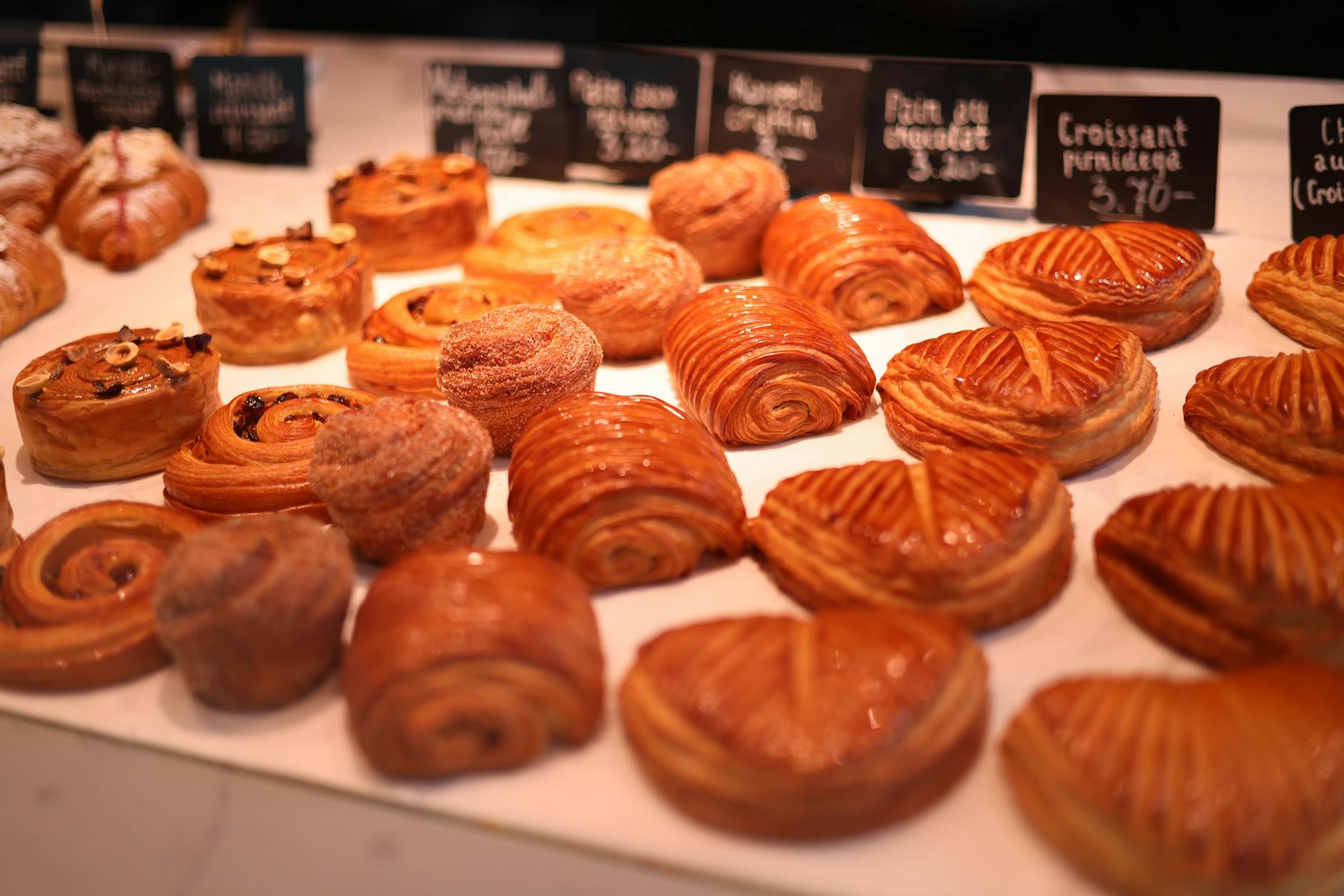
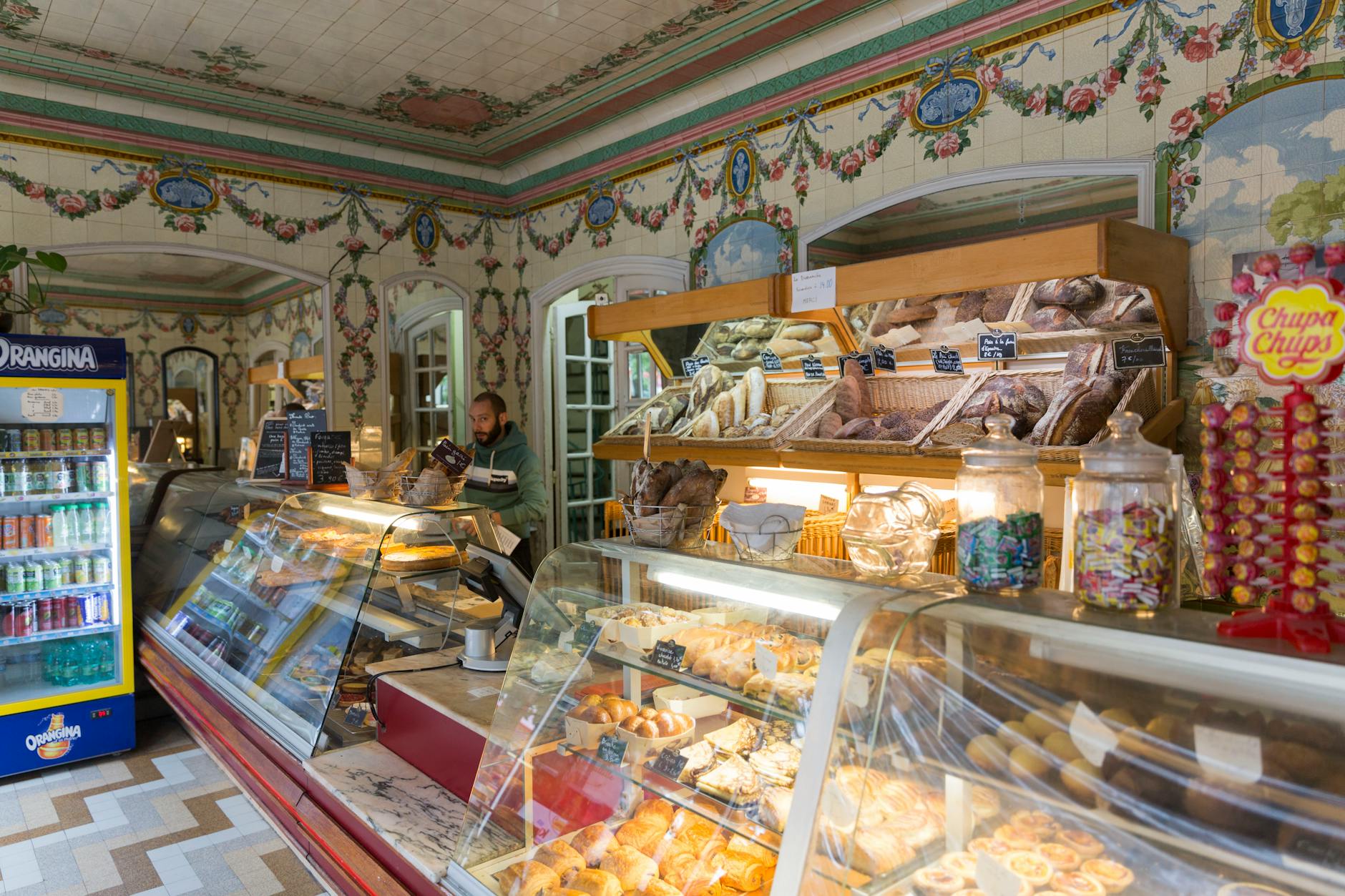
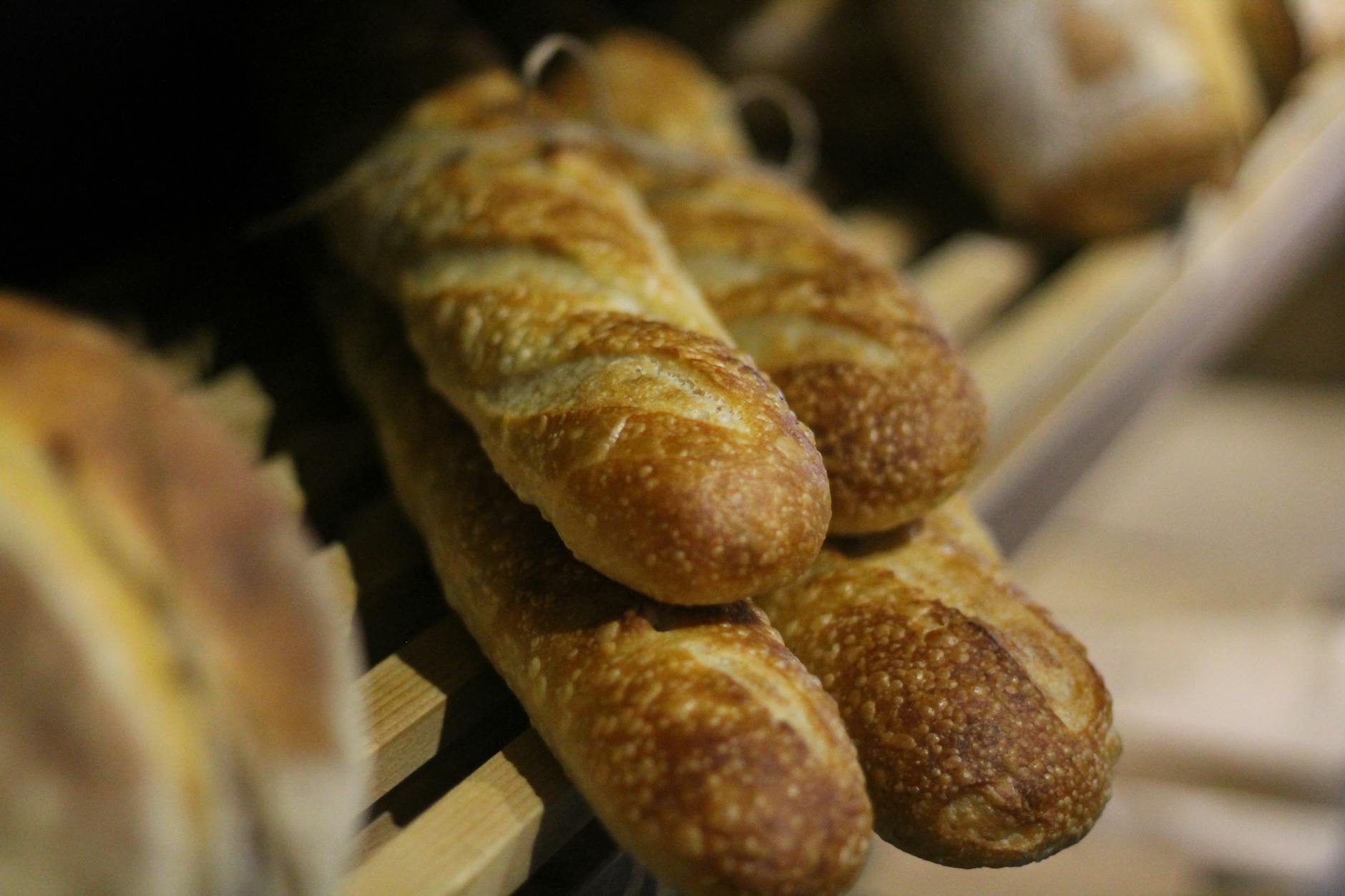
Here is a thing that will change how you eat in Paris forever: there is a big difference between a €1.20 supermarket croissant and a €2.50 artisan croissant, and it has nothing to do with freshness. The difference is the butter.
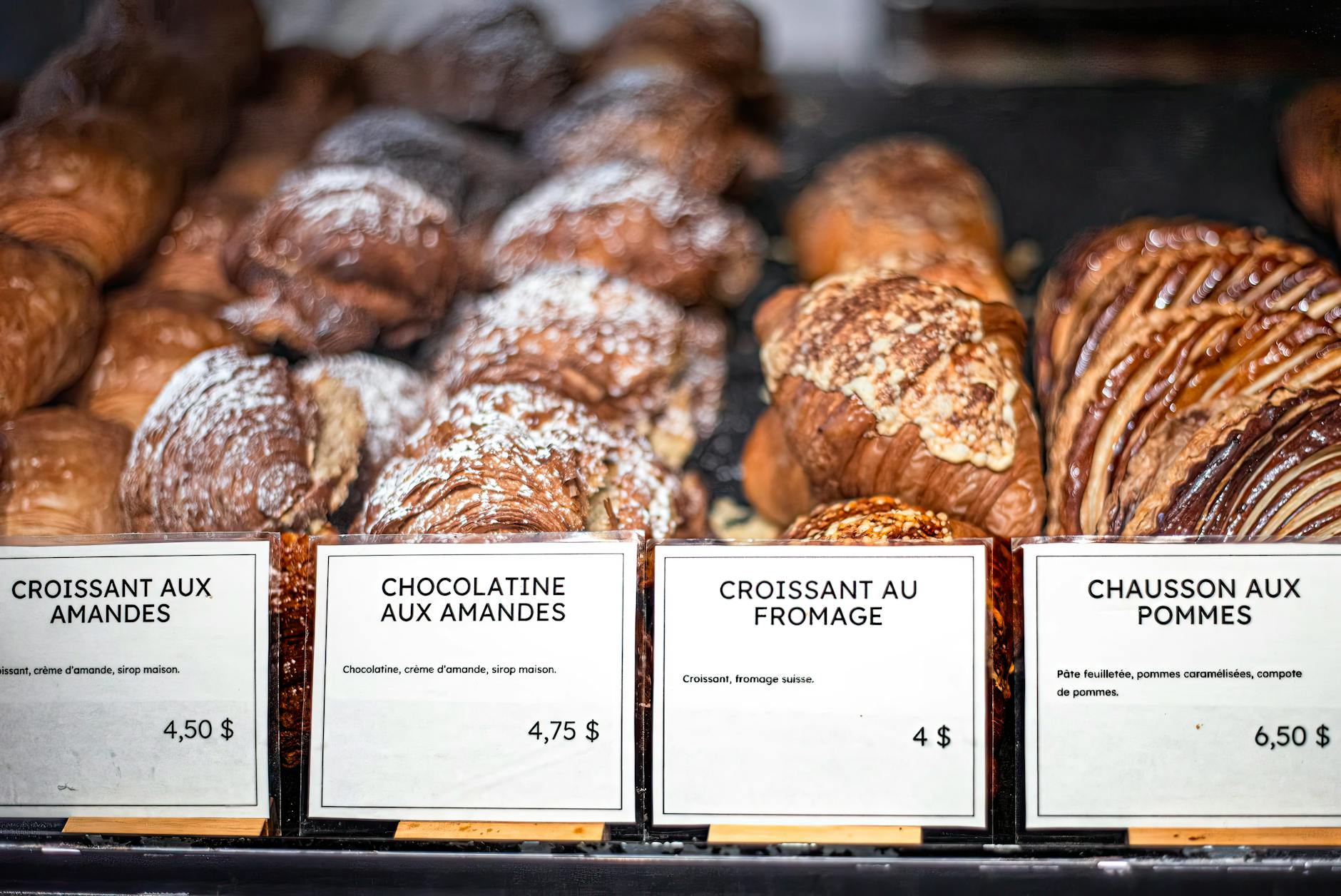
A proper French croissant uses beurre de tourage — a specific high-fat butter (82% fat content minimum, ideally from a specific AOC dairy region like Charentes-Poitou) that has been pressed into flat sheets for laminating into the dough. Industrial croissants use margarine or cheaper butter with lower fat content, which is why they taste thinner and lack the satisfying crackling shatter when you bite them.
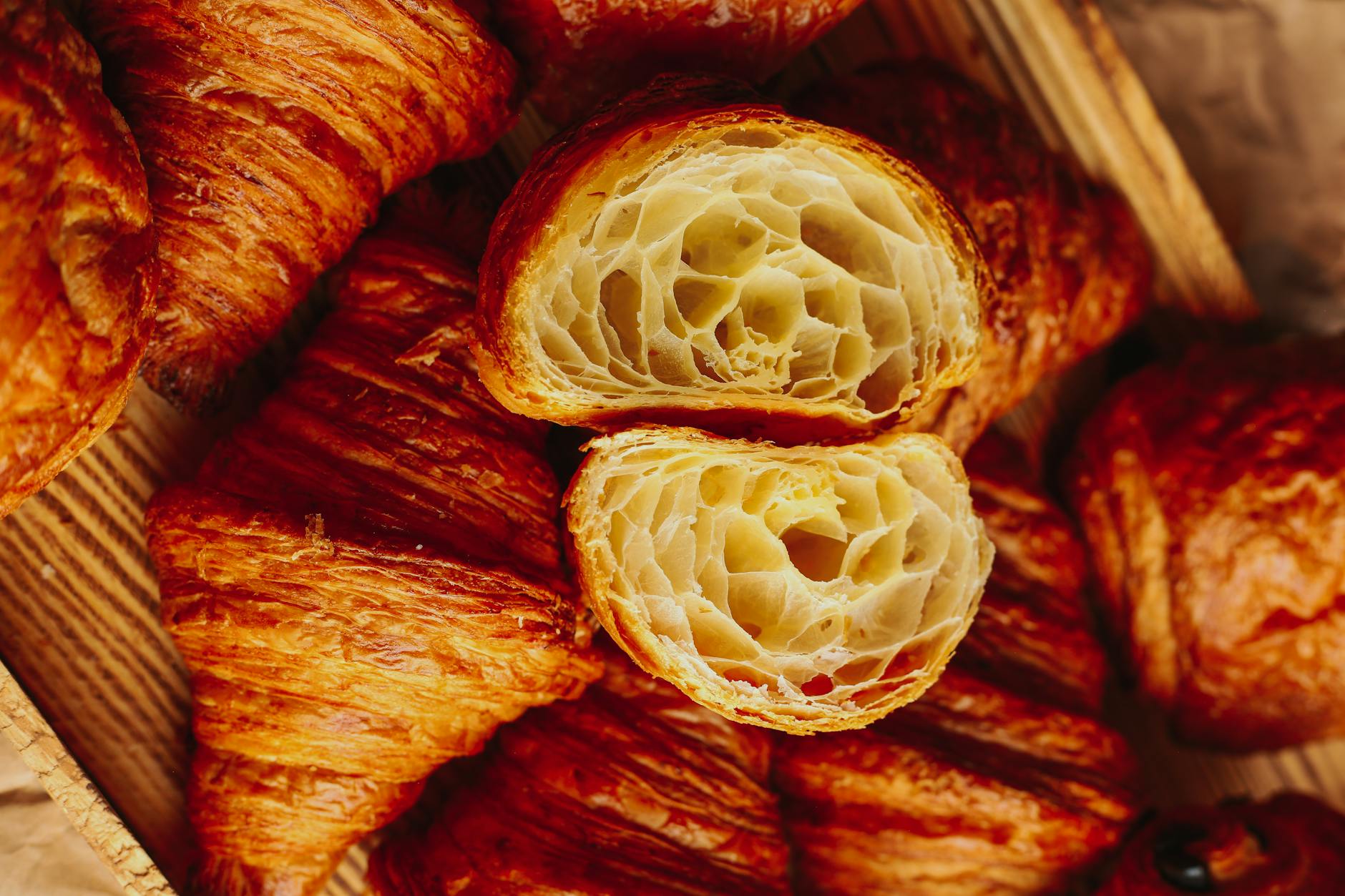
How to spot a good one visually: layers. When you break one open, a great croissant has 20-30 distinct buttery layers visible on the cross-section. An industrial one has maybe 10 and they blur together.
The good ones also have a darker, more caramelised top crust because proper butter browns more than margarine.
My favourite Paris croissants: Du Pain et des Idées in the 10th (the “escargot” pastries here are next-level), Blé Sucré near Place d’Aligre (won “best croissant in Paris” in 2008 and has held standards since), and Poilâne on Rue du Cherche-Midi (more famous for bread but the croissants are classic). Any good food tour will stop at one of these.
Macarons — Not the Same as Macaroons, And Worth the Trip
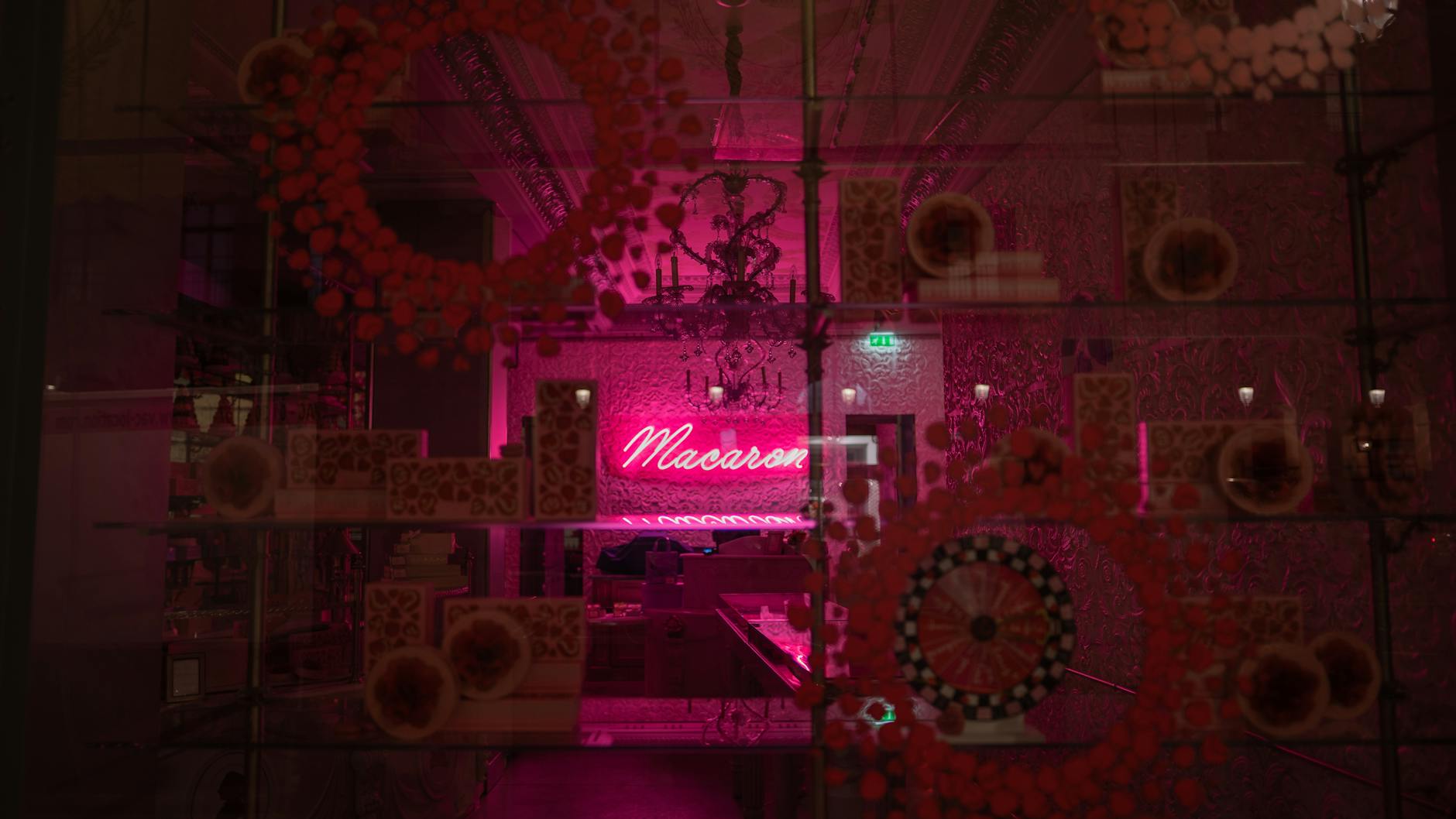
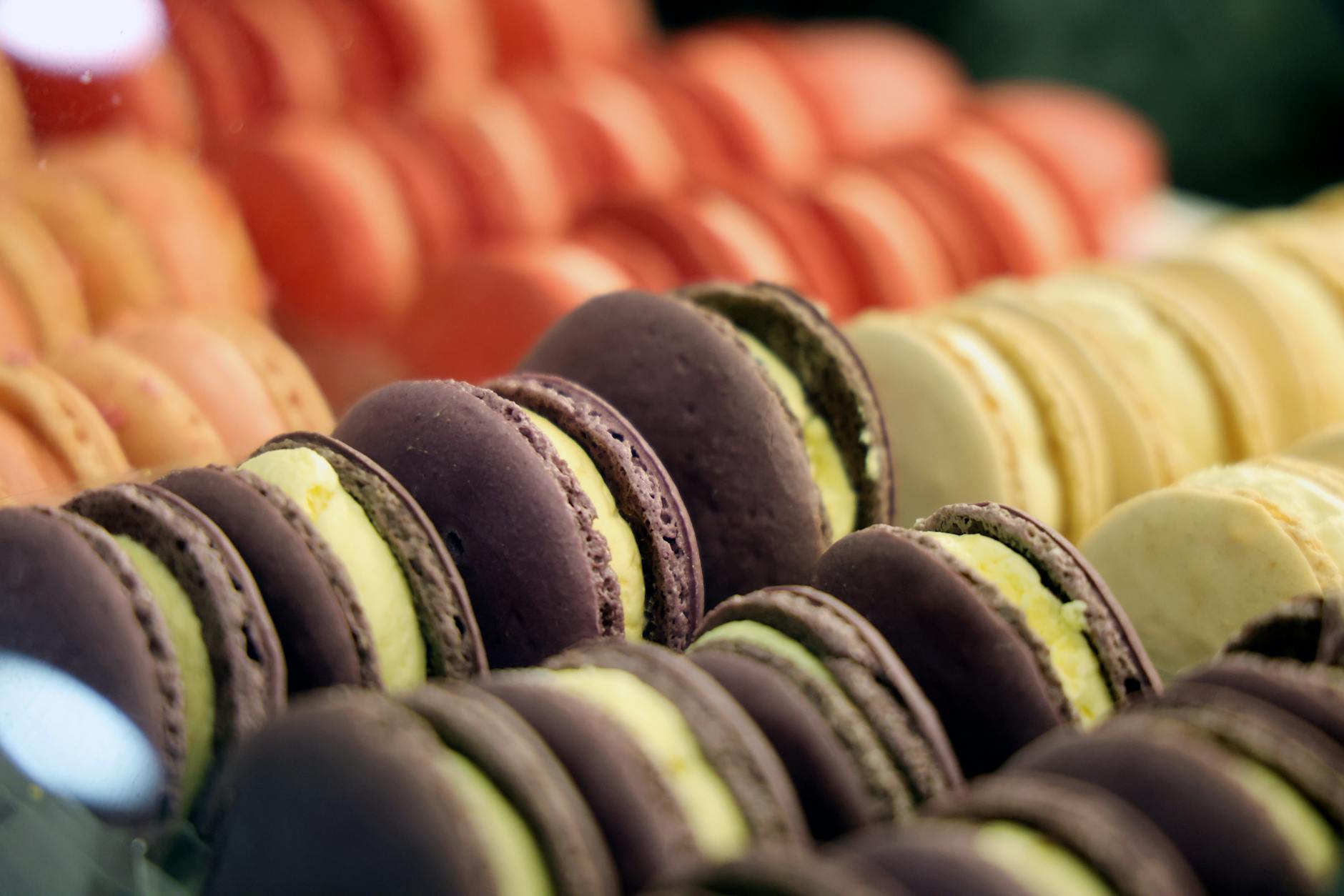
Quick note for American readers: the French macaron is a sandwich cookie made from almond flour, two coloured shells pressed around a ganache or buttercream filling. The American “macaroon” is a coconut mound. They are completely different things and French bakers get mildly offended when you confuse them.
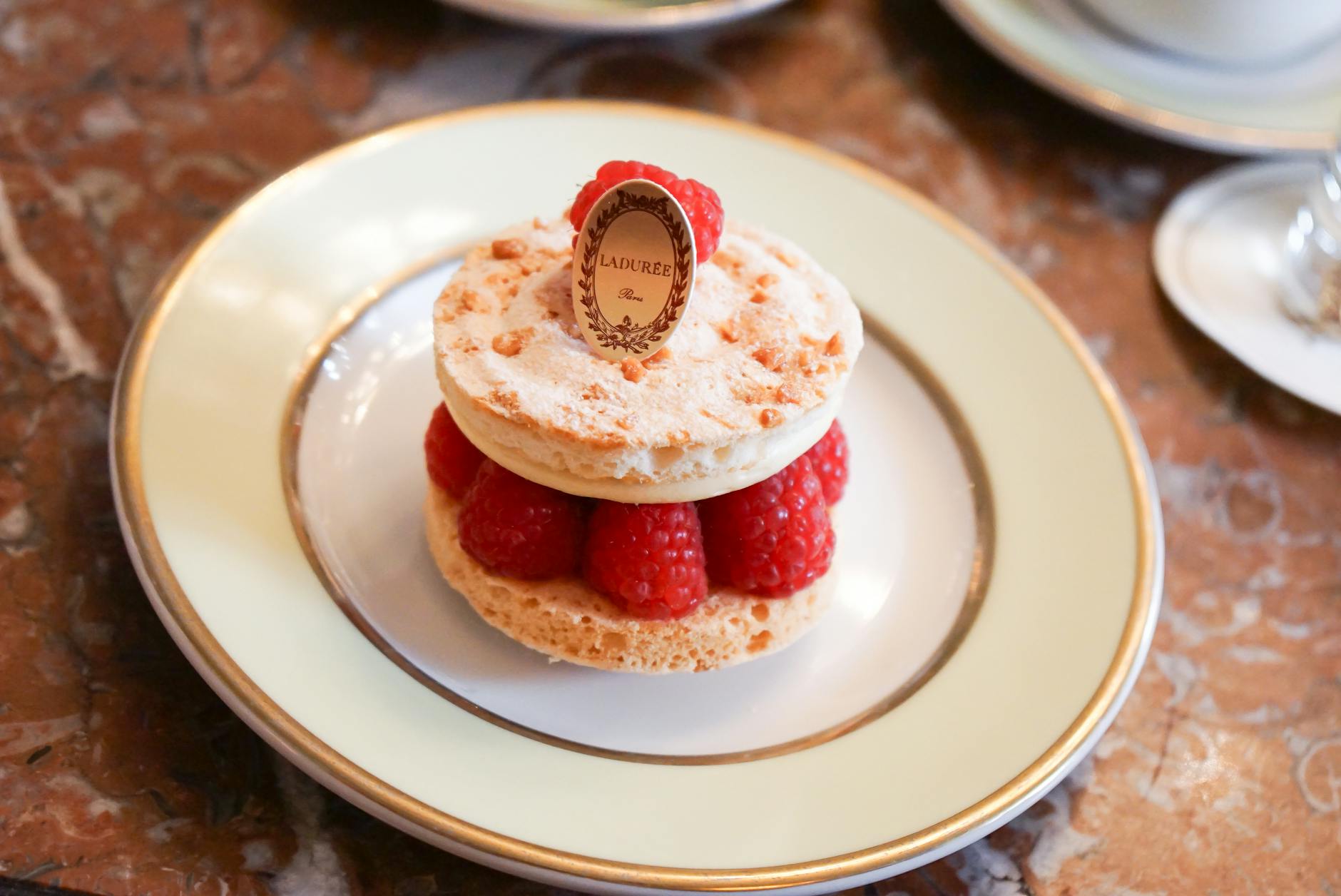
The best macarons in Paris come from three places. Pierre Hermé (especially the Ispahan flavour — rose, raspberry, lychee — which changed the whole macaron industry when it launched in 1997). Ladurée (more famous, more pretty boxes, slightly less technical but still excellent).
Carette is less famous, often overlooked, and arguably the best value macarons in the city.
On a food tour, you will typically get to taste 2-3 flavours from one of these bakeries, which is enough to decide whether you want to buy a box afterwards. A good box of six macarons costs €15-18 at these premium shops, or €8-10 at a good neighbourhood patisserie. Eat them within 48 hours — the shells are designed to soften slightly overnight, and by day three they are past their best.
Worth trying even if you think you do not like them: the salted caramel macaron at Pierre Hermé. It is the macaron that converts skeptics.
Which Food Tour Should You Actually Book? Three Picks
I have done food tours with half a dozen operators in Paris. These three consistently deliver excellent guides, real shops (not tourist traps), and enough food that you will skip your next meal. Pick the one that matches your neighbourhood, timing, and appetite.
🥇 Paris: Montmartre Cheese, Wine & Pastry Guided Walking Tour
Price: from ~$127 | Platform: GetYourGuide
This is the one I recommend to almost every visitor. Three hours, six tasting stops, and a small group (usually 8-12 people). The guides are mostly Parisians who have been doing these tours for years and know the neighbourhood shop owners personally — which means you get the friendly back-of-shop treatment instead of the standard tourist nod.
The itinerary hits a proper fromagerie (cheese), an artisan boulangerie (bread and pastries), a wine shop with tastings, and a traditional crêperie for a savoury stop. You walk away full. The price includes everything — no hidden costs, no “optional upgrades” at each stop.
🥈 Paris Le Marais Walking Food Tour with Secret Food Tours
Price: from ~$103 | Platform: Viator
Le Marais is the most diverse food neighbourhood in Paris, and Secret Food Tours is the best-known operator in the space. Three hours, 6-8 tasting stops, and the variety is unmatched — Jewish falafel from the legendary L’As du Fallafel, rugelach from a kosher bakery that has been running since 1925, French charcuterie, artisan cheese, pastries, and a proper wine tasting. The tour ends with a cheese plate in a wine bar and the guides are consistently excellent.
Best pick if you want maximum food diversity in one tour.
🥉 A Morning in Paris Food Tour: Croissants, Baguettes & Chocolate
Price: from ~$126 | Platform: Viator
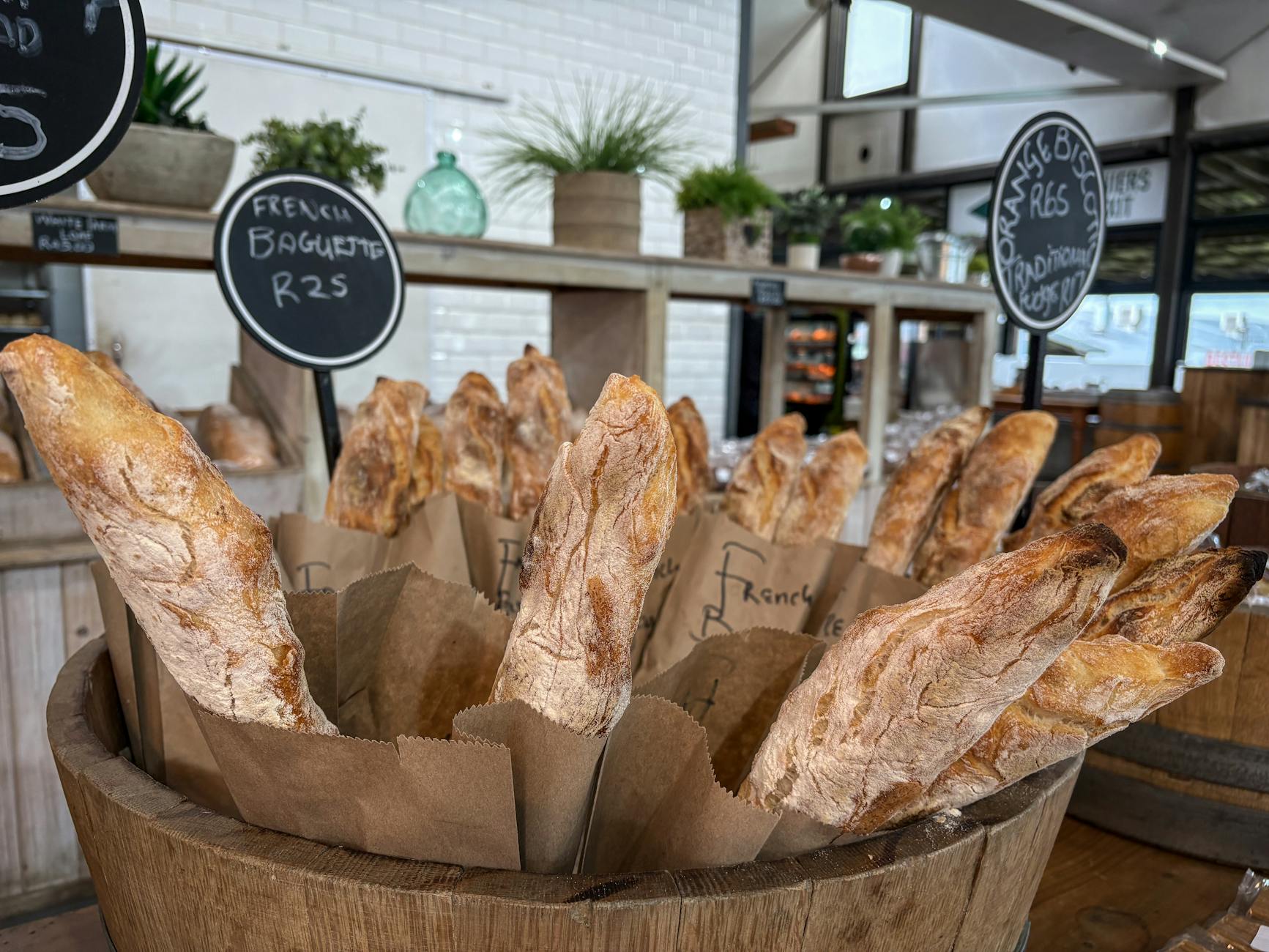
The morning tour. Starts at 9:30am, runs until around 12:30pm, and focuses on the sweet/bread side of French food — fresh croissants from a master boulanger, baguettes from the previous year’s “Best Baguette in Paris” winner, artisan chocolate from one of the top three chocolatiers in the city. The pace is relaxed, the group is small (max 10 people), and you finish right around lunchtime so you can roll into a nearby bistro for a proper meal.
My strong recommendation: book this on your first full day in Paris. It is the best possible introduction to French food.
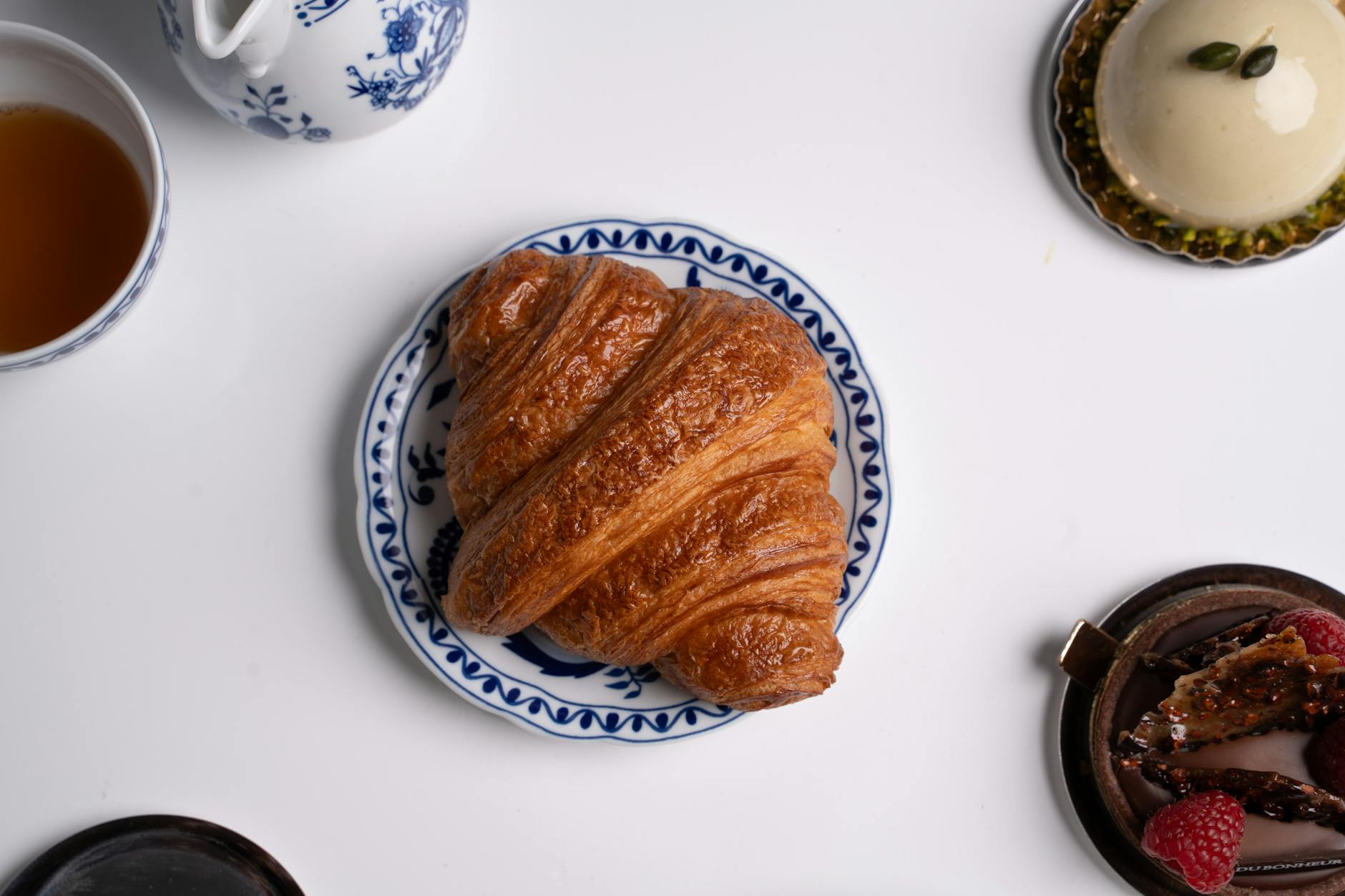
Pastries — The Category Beyond Croissants
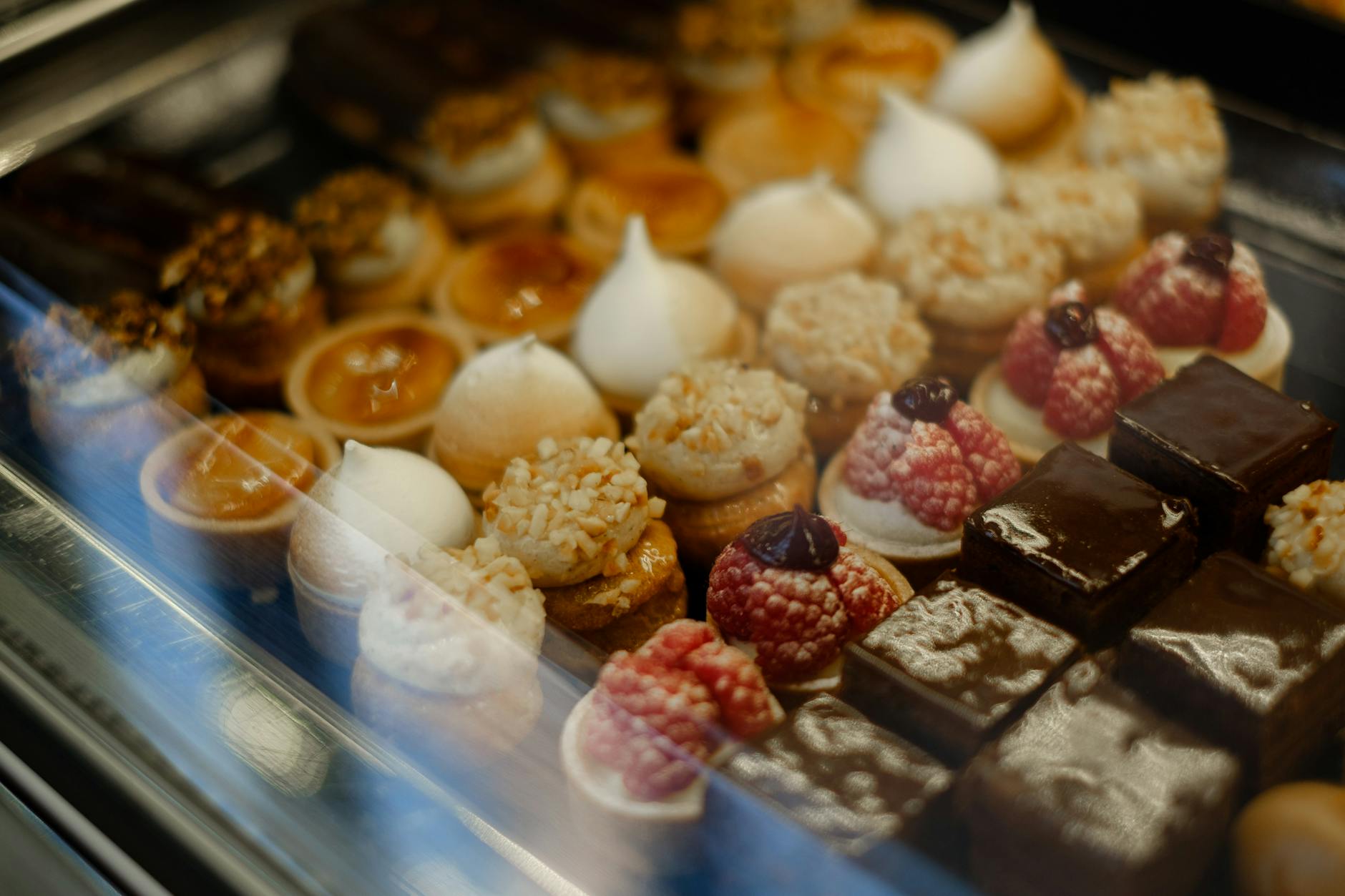
French pastry goes way beyond the humble croissant. A good food tour will introduce you to a few of the classics, and you should know the names so you can order more later on your own.
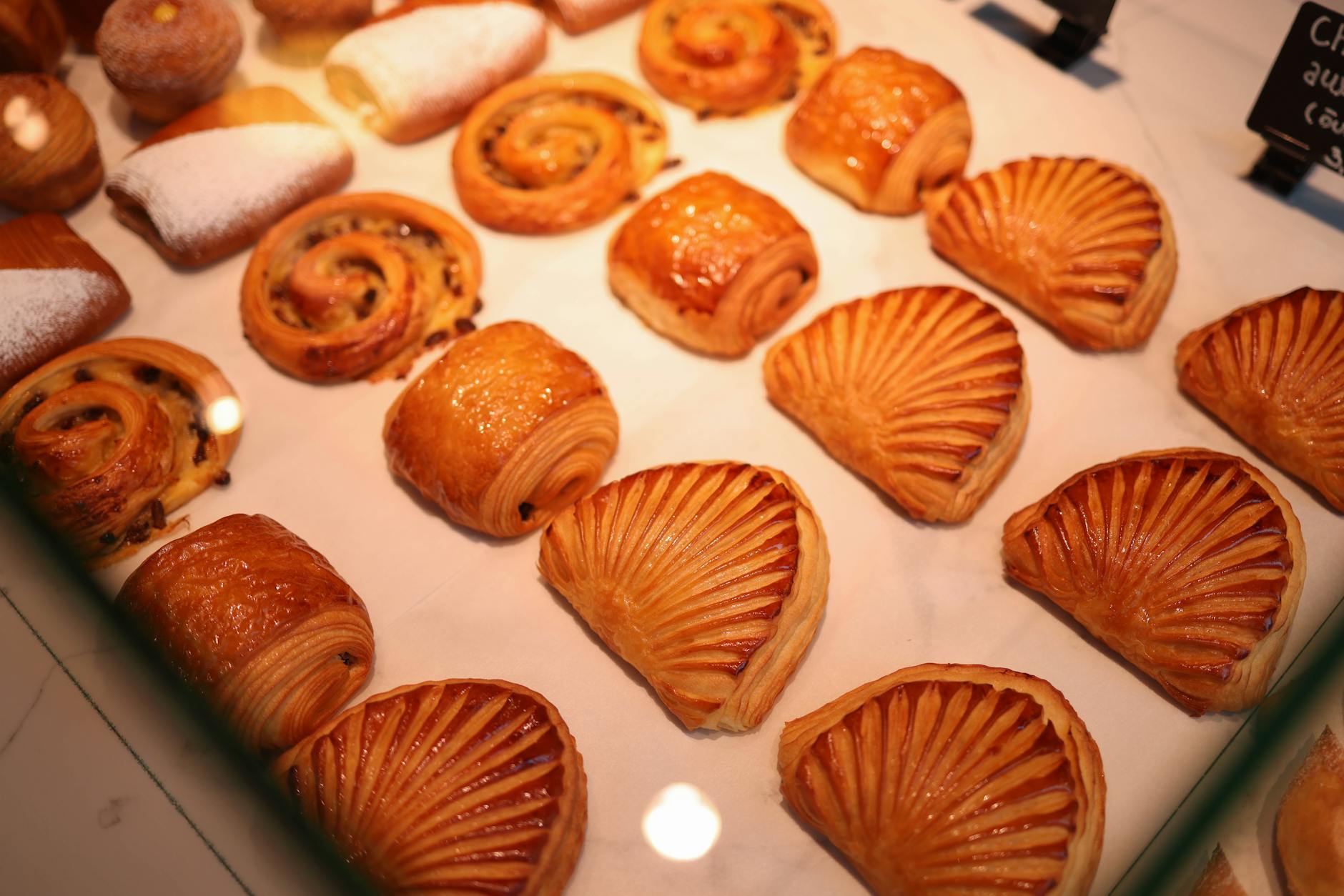
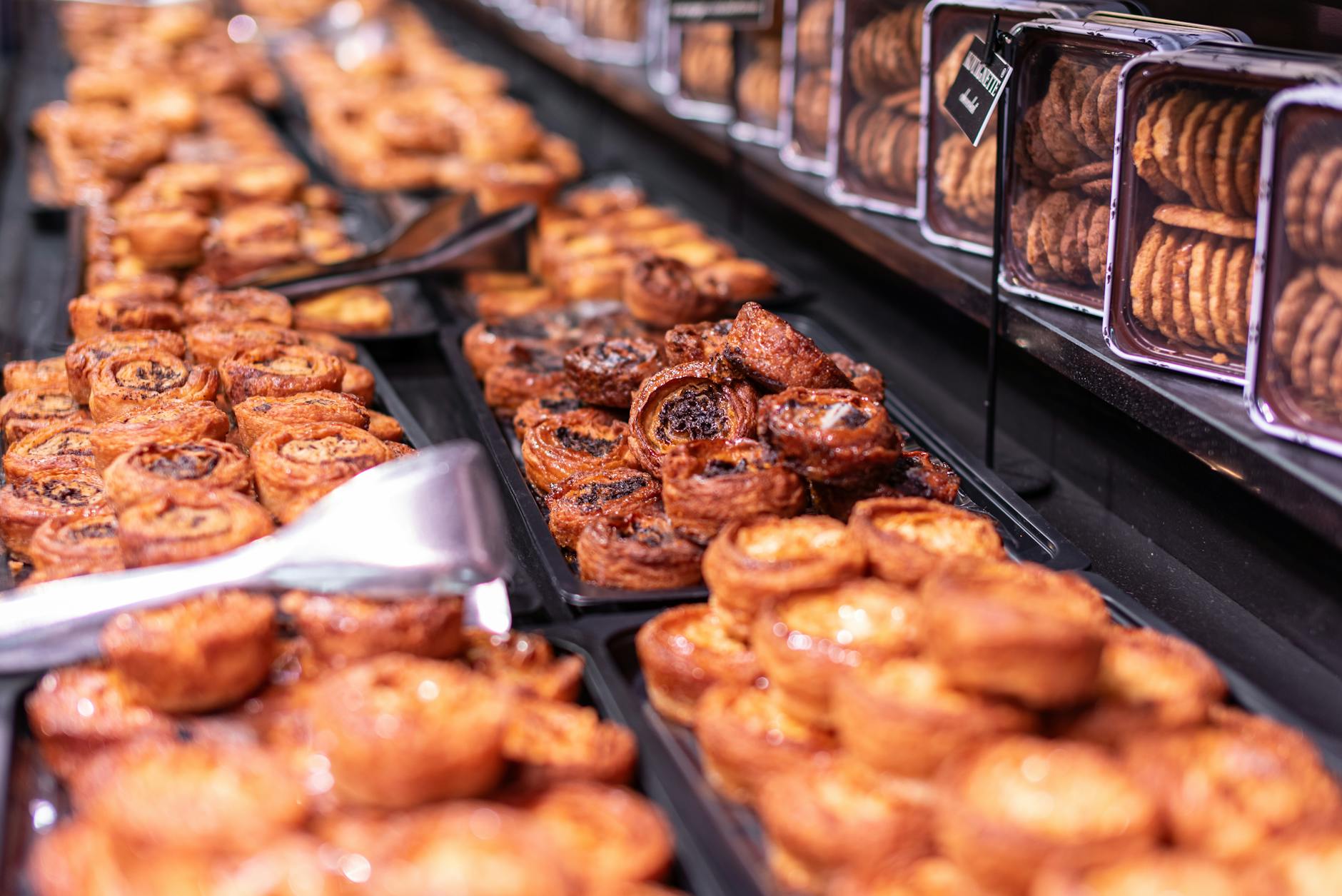
Pain au chocolat is a croissant dough wrapped around two sticks of dark chocolate. In the south of France they call it a “chocolatine” — the north-south divide over this name is genuinely a thing the French argue about. It is the second most popular bakery item after the croissant and it is excellent at breakfast.
Éclair is choux pastry filled with pastry cream and topped with fondant icing. The flavours have evolved way beyond the classic chocolate — modern Parisian pâtissiers do passion fruit, caramel, pistachio, rose. L’Éclair de Génie in Le Marais is the most famous modern éclair shop in Paris.
Tarte au citron is a lemon tart, and a good one is a religious experience. The best I have ever had was at Pierre Hermé’s Saint-Germain flagship — the lemon filling is so bright and acidic it almost stings, but the shortbread base is so buttery it balances everything perfectly.
Paris-Brest is a ring-shaped choux pastry filled with praline cream. It was invented in 1910 to celebrate a bicycle race and the ring is supposed to represent the wheels. It is one of the most underrated French pastries — rich, nutty, and not nearly as famous outside France as it should be.
Saint-Honoré is the most spectacular: a base of puff pastry topped with choux puffs glazed in caramel, then filled with vanilla cream and whipped chantilly. A single Saint-Honoré can feed two people and it is almost always served at patisseries for special occasions.
Timing — When to Actually Go on a Food Tour
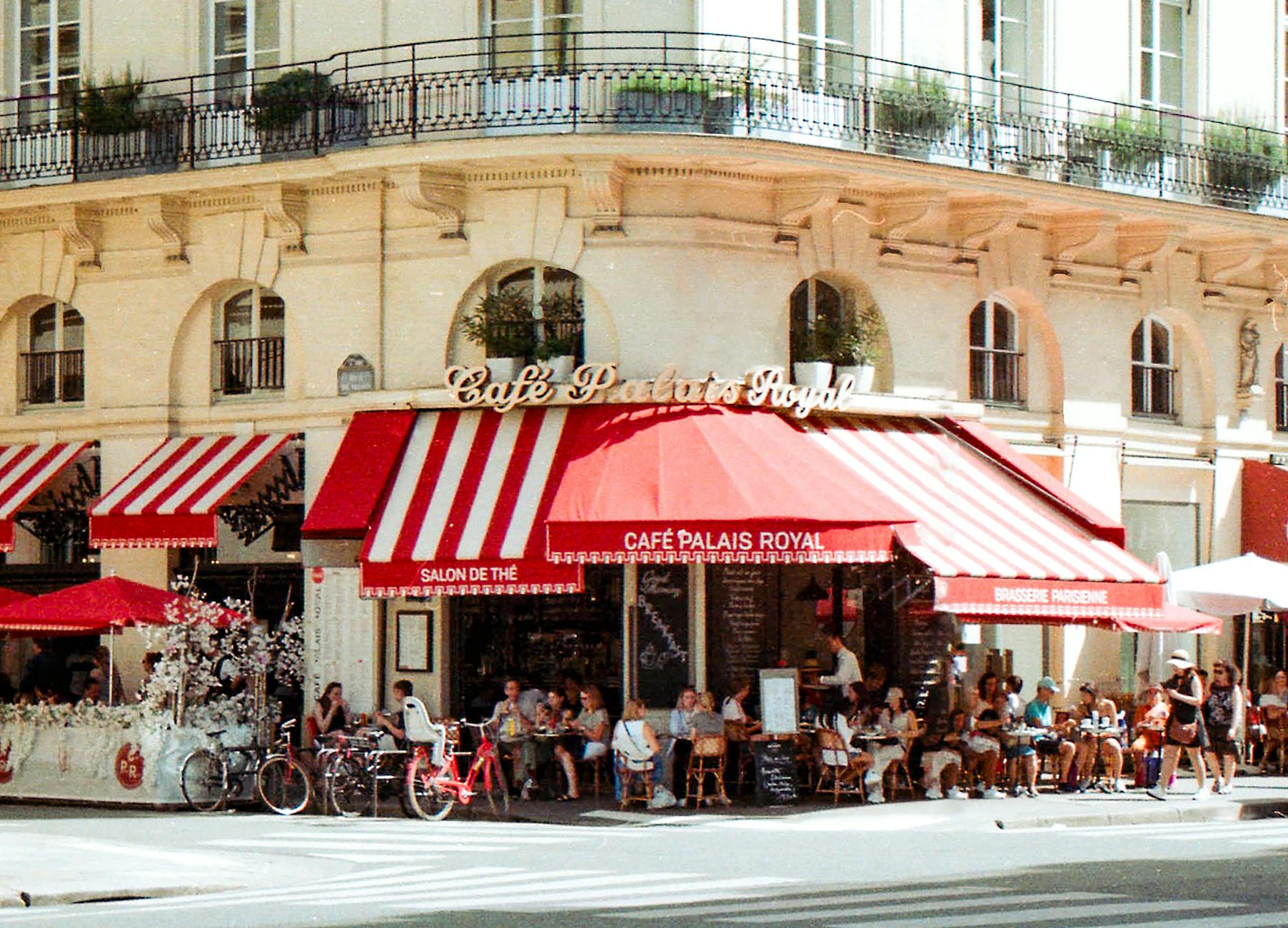
Food tours in Paris run throughout the day but the three best windows are the morning (9:30am-12:30pm), the mid-afternoon (2pm-5pm), and the early evening (5pm-8pm).
Mornings are best for bakery-focused tours. The bread is freshest, the croissants are still warm from the oven, and the shop owners are in the best mood because the morning rush is done. This is the window I recommend most first-timers.
Afternoons are best for cheese and wine tours. By 2pm the cheesemongers have had their morning delivery unpacked, the wine bars are open but not yet crowded, and you can take your time at each stop without the lunch-hour pressure. Afternoon tours also happen to coincide with the French tradition of the “goûter” — the 4pm snack — which means patisseries are at their busiest and most atmospheric.
Evenings are best for wine-heavy tours and anything that ends with a sit-down tasting. The light is golden, the streets are emptying of travelers, and the bars start filling up with Parisians after work. An evening tour that ends around 8pm lets you transition directly into dinner at a nearby bistro.
Food Markets — The DIY Alternative
If a guided tour is not your style, or you want to supplement one with a DIY day, Paris has three outstanding food markets that function as free self-guided tours if you know what to look for.
Marché d’Aligre (12th arrondissement, Tuesday-Sunday mornings) is the real deal. It is a working local market where actual Parisians shop for their weekly groceries, not a performance for travelers. The covered section has a butcher, fishmonger, cheese shop, and wine merchant who has been there for 40 years and knows exactly what you should pair with what. Plan on spending 90 minutes. Go hungry.
Marché Bastille (11th arrondissement, Thursdays and Sundays on Boulevard Richard Lenoir) is bigger, slightly more touristy, but has excellent variety — 100+ stalls ranging from cheese and bread to prepared foods, oysters, and imported Italian cheeses. Best on a Sunday morning when the locals are doing their weekly shop.
Rue Cler (7th arrondissement, pedestrian street) is technically a market street rather than a market, but it functions the same way. Small specialist shops all on one block — boulangerie, fromagerie, charcuterie, greengrocer, chocolatier, wine shop. I use it constantly when I am staying in the 7th because everything you need for a picnic is within a 50-metre radius.
Chocolate — The Category Most Tourists Under-Explore
Paris has world-class chocolate shops, and they are almost completely overshadowed by the city’s pastries and macarons. This is a mistake. A good food tour will include a chocolate stop, but you should also make time for at least one dedicated chocolate visit on your own.
The big three Parisian chocolatiers are Jacques Genin (my personal favourite — the salted butter caramels at his Marais shop are life-changing), Patrick Roger (known for chocolate sculptures as much as chocolates — his flagship on Boulevard Saint-Germain has sculptures in the window that are genuinely art), and Pierre Marcolini (Belgian but with a cult Paris following, more fruit-forward than most French chocolatiers).
Under the radar: Mococha in the 5th, which sells pieces from five different small-batch chocolatiers under one roof. If you want to taste the best of Paris chocolate in one stop, this is the place. And Pralus on Rue Rambuteau, which makes the famous “Praluline” — a brioche filled with pink praline.
Not technically a chocolate, but close enough and worth trying at least once.
What to buy to take home: ganache squares wrapped in paper (they travel well and last 10 days), salted caramels (they last 2-3 weeks), and chocolate bars from specific origins (Madagascar, Peru, Venezuela — these are pieces of art, not candy). Skip the filled truffles if your flight is more than 8 hours — they get weird in cabin pressure.
Wine Bars — Where to Go After Your Food Tour
A good food tour will introduce you to a few wines, and if you catch the bug you will want to continue. Here are the Paris wine bars I would send you to for a deeper dive.
Le Baron Rouge (12th, near Marché d’Aligre) is the most democratic wine bar in Paris. It serves wine from barrels, you fill your own glass (or bottle, if you bring one), and prices start at €3 a glass. On Sunday mornings they serve raw oysters from the front courtyard for €1 each. It is everyone’s favourite secret and it is impossible to keep secret.
Septime Cave (11th) is the natural wine bar version. It is owned by the same people who own the one-star Michelin restaurant Septime, and the wines are all natural, organic, or biodynamic. The bar is small, the staff are knowledgeable, and they will pour you anything interesting if you tell them what flavours you like.
Les Papilles (5th, near the Panthéon) is halfway between a wine bar and a proper restaurant. They have an unmarked shop policy — you pick any bottle off the shelf, pay retail plus €8 corkage, and they serve it to you with a set dinner menu. Best value in Paris for quality wine drinking. Reservations essential.
Common Mistakes I See People Make
Booking a food tour on their first morning in Paris, jet-lagged. I know I just said to book the morning tour on your first day, but only if you arrived the day before and have slept. Doing a food tour on zero sleep means you will taste nothing, remember nothing, and waste the €100+ you paid. If you are jet-lagged, sleep first, eat later.
Not eating enough beforehand. This sounds counterintuitive — “surely you should go on a food tour hungry?” — but no. Most food tours have small tastings, and if you arrive starving, you will be hangry by stop three and miserable by the end. Eat a light breakfast (a coffee and a yoghurt is fine) before a morning tour.
Trying to take a food tour in the 5th or 6th arrondissement. These are beautiful neighbourhoods but they are not actually the best food neighbourhoods. Most food tours that happen there stop at tourist-facing shops rather than real local ones. Stick to Le Marais, Montmartre, or the more obscure 11th and 12th.
Booking a tour that promises “10 food stops in 2 hours.” That is not a food tour, it is a marathon. Good food tours have 5-7 stops in 3 hours, which gives you time to taste things properly. Anything faster means they are running you through a checklist.
Food-Related Cooking Classes (For When a Tour Is Not Enough)
If a food tour awakens your inner Julia Child, the next step is a cooking class. Paris has dozens of options and the quality ranges wildly. Here are the ones I would actually book.
La Cuisine Paris (right next to the Seine, 4th) runs English-language classes in everything from croissant making to macarons to “market to table” classes where you shop at a local market first and then cook what you bought. Their croissant class is genuinely one of the best food experiences in Paris — 4 hours, you make the dough from scratch, and you take home a box of 6 fresh croissants at the end.
Le Foodist (5th) runs more upmarket dinner classes. You cook a three-course French meal with a chef, sit down to eat it with wine pairings, and generally feel like you have graduated from the tourist track into the “I could actually pass as someone who knows French food” track. €150-180 per person.
Galeries Lafayette Macaron Class (9th) is the best value macaron class in the city. 90 minutes, €45, and you make and decorate six macarons you take home. It is slightly more rushed than the dedicated pastry schools but it is 40% of the price and the results are genuinely good.
What to Pack for a Food Tour
A surprisingly short list, but each item matters.
Comfortable shoes. A 3-hour food tour means 3-5 kilometres of walking on cobblestones. Wear real shoes, not ballet flats or flip-flops.
A light jacket or cardigan. Even in summer, Paris evenings cool off suddenly, and wine shops with cellars can be 10°C year-round. You want to be able to pull on a layer without being uncomfortable.
A reusable water bottle. Tours usually provide water at stops but you will walk between them. Paris tap water is excellent and free at every public fountain.
A small bag for purchases. You will want to buy things. A saucisson here, a bar of chocolate there, a bag of macarons. Have somewhere to put them.
Cash (€20-40). Most shops take cards but some of the smaller traditional ones are card-averse or have minimum purchases. Having some cash saves awkwardness.
Appetite. As discussed, do not arrive starving, but do not arrive stuffed either. A light breakfast 2 hours before a morning tour is the sweet spot.
Is a Food Tour Right for You?
Not everyone should book a food tour in Paris. If you are a food-obsessed person who already knows what they are looking for, you may get more out of DIY-ing the day with a solid list of restaurants and shops. If you are vegetarian or have serious dietary restrictions, the tour itineraries can be limiting (though most operators will accommodate — ask when booking).
Food tours are best for: first-time visitors who want an orientation to Paris food culture, people who love food but feel overwhelmed by the sheer number of choices, travellers who want to learn the “why” behind what they are eating, and anyone who wants to discover shops they would not find on their own. That covers most visitors.
They are less good for: expert food travellers with a specific agenda, deeply jet-lagged first-day arrivals, anyone with a strict food allergy profile, and people who hate group activities. If you fall into one of those categories, consider a private tour instead — most operators run private versions for 2-4 people at roughly double the per-person price, with complete flexibility on itinerary.
More Paris Planning on The Abroad Guide
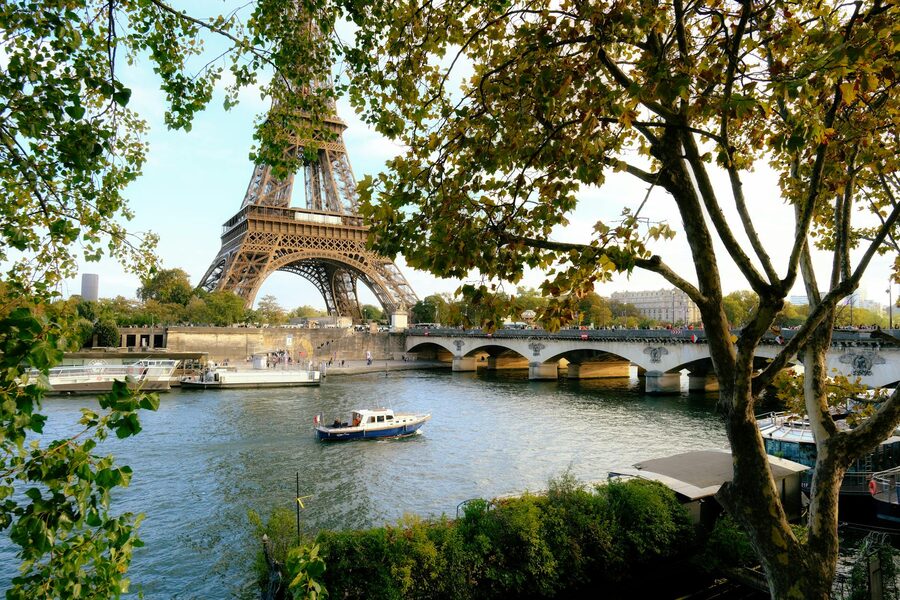
If food is one part of a broader Paris trip, a few other guides on The Abroad Guide will round out the plan. Our Eiffel Tower tickets guide covers how to avoid the 90-minute summit queue, which is especially useful if you want to book a food tour in the morning and a tower visit in the evening. The Louvre tickets guide is the other essential Paris planning post — and a Louvre-then-food-tour day is one of my favourite combinations for first-time visitors.
For travel logistics, the Versailles from Paris guide is the easiest day trip to slot in between a food tour day and a sightseeing day. If you are heading further afield, our French Riviera day trip guide covers the classic Eze-Monaco-Monte Carlo run, and the Normandy D-Day beaches guide is for anyone who wants the most meaningful trip in France next to an afternoon of macarons and wine.
Final Thoughts — My Honest Recommendation
If you are a first-time visitor to Paris and you care even slightly about food, book a food tour. It is the best way to understand a food culture that can otherwise feel intimidating from the outside, and a good guide will unlock access to shops and producers you would never find on your own.
My specific recommendation for most people: book the Montmartre Cheese, Wine & Pastry tour on your second full day in Paris (after you have recovered from jet lag), in the morning slot if possible. Follow it with a light lunch of the leftovers you bought at the shops. Spend the afternoon at a museum.
That is a near-perfect Paris day.
If you have more time and more budget, layer in a cooking class the next day. Then do a DIY market visit on the following day using what you learned. By day four you will have a genuine working knowledge of French food culture that will change how you eat for the rest of your life.
That is not an exaggeration. It is the reason I keep going back.
FAQ — Short Answers to the Questions I Get Most
How much do Paris food tours cost? Most range from $90 to $170 per person for a 3-hour walking tour with 5-8 tastings. The cheaper end (~$90) is usually group-sized (12+ people). The pricier end (~$170) is small-group or more premium food stops.
Do I need to know French? No. Almost all food tours aimed at travelers are conducted in English, and the shop owners are used to English-speaking visitors.
What if I have food allergies or dietary restrictions? Tell the operator when you book. Most will accommodate gluten-free, vegetarian, or dairy-free guests with substitutes at each stop, but severe allergies to nuts or seafood can be harder.
How much food do you actually eat on a tour? Enough for a full meal. Most tours include 5-8 tastings, each substantial enough that by the end you will be skipping your next meal. Do not plan to eat lunch right after a 3-hour tour.
Are the wines included? Usually yes, but check before booking. A good cheese/wine tour includes 3-5 wine tastings. A bread/pastry tour typically includes just coffee or tea.
Is tipping included? In France, service is technically included and tipping is not expected in the way it is in America. For food tours, a €5-10 tip per person at the end if you enjoyed the tour is appreciated but not required.
Can I book privately for my group? Yes. Most operators run private versions for 2-4 people at roughly double the per-person cost. Worth it if you want full flexibility or if you have dietary restrictions that would be awkward in a group.
What is the best first food tour in Paris? The Montmartre Cheese, Wine & Pastry tour (my top pick above). Small group, excellent guides, real shops, and a pace that lets you actually taste things properly.
More Paris Food and Drink
A Paris food tour is just the beginning. The wine tasting classes in converted cellars teach you to pair French wine with the cheeses you tasted on the tour. For food obsessives, the Toulouse food tours explore the southwest French tradition — cassoulet, duck confit, and the kind of cooking that makes Paris cuisine look restrained. And the Burgundy wine tours take you into the vineyards themselves, cycling through Pinot Noir country with tastings at every stop.