Strasbourg confused me. Half-timbered houses that look German. Wine that tastes German. Food that is French but not really. A cathedral that is Gothic but the streets around it are Renaissance. A city centre on an island in the middle of a river, surrounded by canals lined with houses painted in colours that would make an Italian jealous.
Then a local explained it: Strasbourg has been French and German four times each since 1681. It has changed nationality more often than most people change cars. The result is a city that is neither French nor German but somehow both, and better for it.
Strasbourg is worth a day or two on its own. But the real magic is using it as a base to explore Alsace — the wine route, the medieval villages, and a hilltop castle that Walt Disney allegedly used as inspiration for Sleeping Beauty’s castle. This guide covers the best tours in Strasbourg itself, the Alsace day trips, and the food that you will dream about for months.
- Quick Picks — Best Strasbourg & Alsace Tours
- Exploring Strasbourg on Its Own
- The Cathedral Quarter
- Petite France
- The European Quarter
- The Alsace Wine Route Day Trip
- Colmar
- The Medieval Villages
- Haut-Koenigsbourg Castle
- Alsatian Food and Wine
- Alsace Wines
- The Best Strasbourg & Alsace Tours
- 1. Alsace Colmar, Medieval Villages & Castle Day Trip — 2
- 2. Strasbourg Traditional Food Tour —
- 3. 2-Hour Strasbourg Segway Tour —
- When to Visit Strasbourg and Alsace
- Best Time of Year
- Practical Information
- More France Guides
Quick Picks — Best Strasbourg & Alsace Tours
Best day trip: Alsace Colmar, Medieval Villages & Castle Day Trip — around $242, a full day through the wine route villages, Colmar, and Haut-Koenigsbourg Castle. Small groups. Perfect rating.
Best food experience: Strasbourg Traditional Food Tour — around $96, 3.5 hours of tarte flambee, choucroute, pretzels, and Alsatian wine with a local guide. Perfect rating.
Best fun option: 2-Hour Strasbourg Segway Tour — around $71, covers the Grande Ile, Petite France, and the European institutions. Perfect rating.
Exploring Strasbourg on Its Own
The city centre (Grande Ile) is a UNESCO World Heritage Site — the entire island, not just a building or a square. It is small enough to walk in a couple of hours, but dense enough with history, architecture, and food that you could spend days.
The Cathedral Quarter
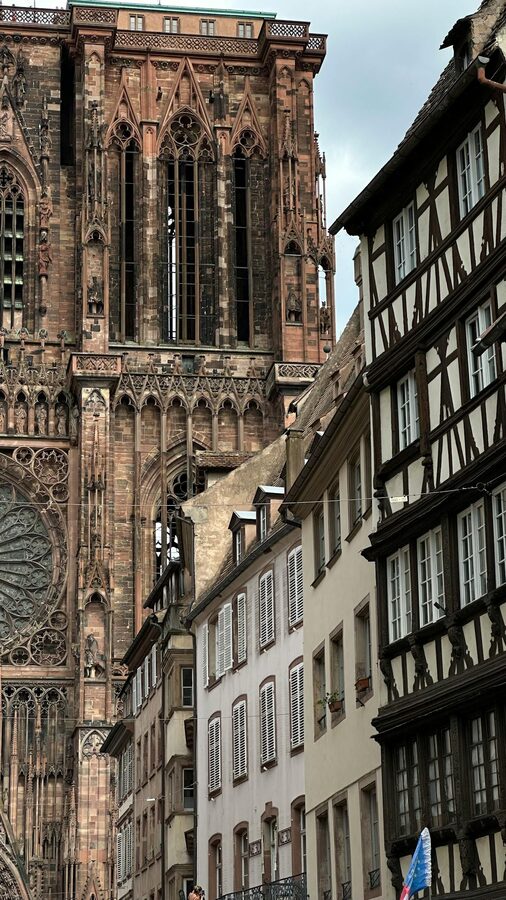
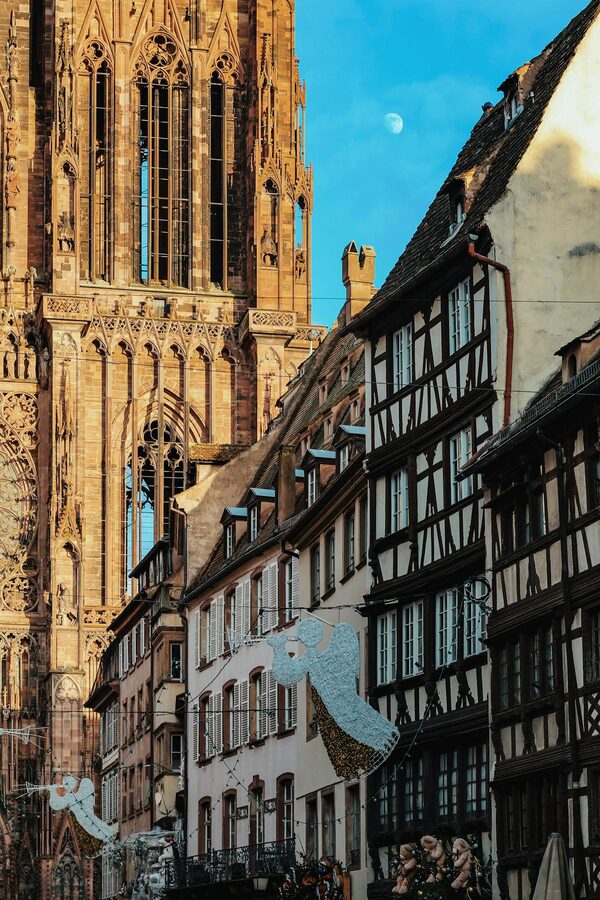
The Notre-Dame de Strasbourg dominates the skyline. The single spire rises 142 metres and the facade contains more sculpted figures than you can count in an afternoon. The interior is notable for the Pillar of Angels and the astronomical clock, which has been telling time (and performing mechanical shows) since 1843.
Petite France
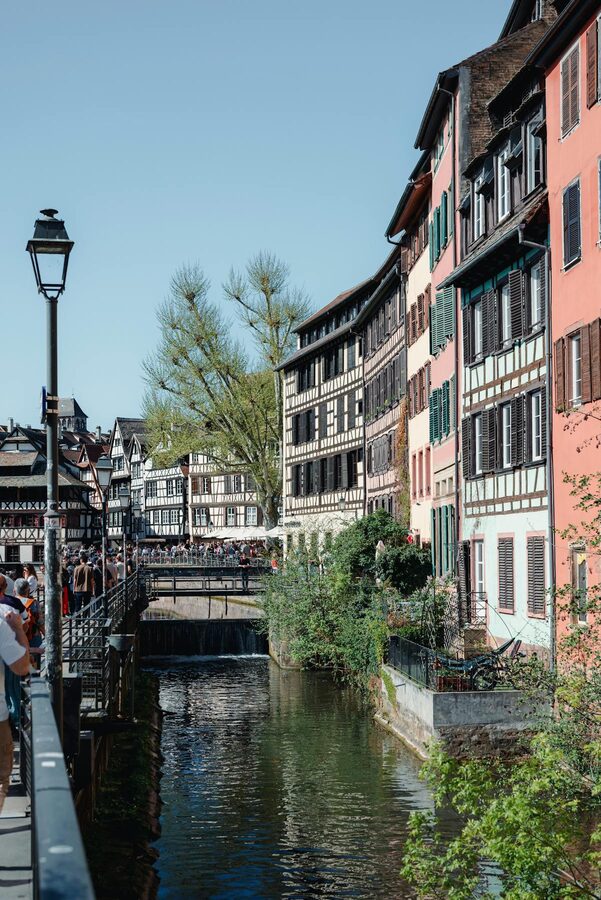
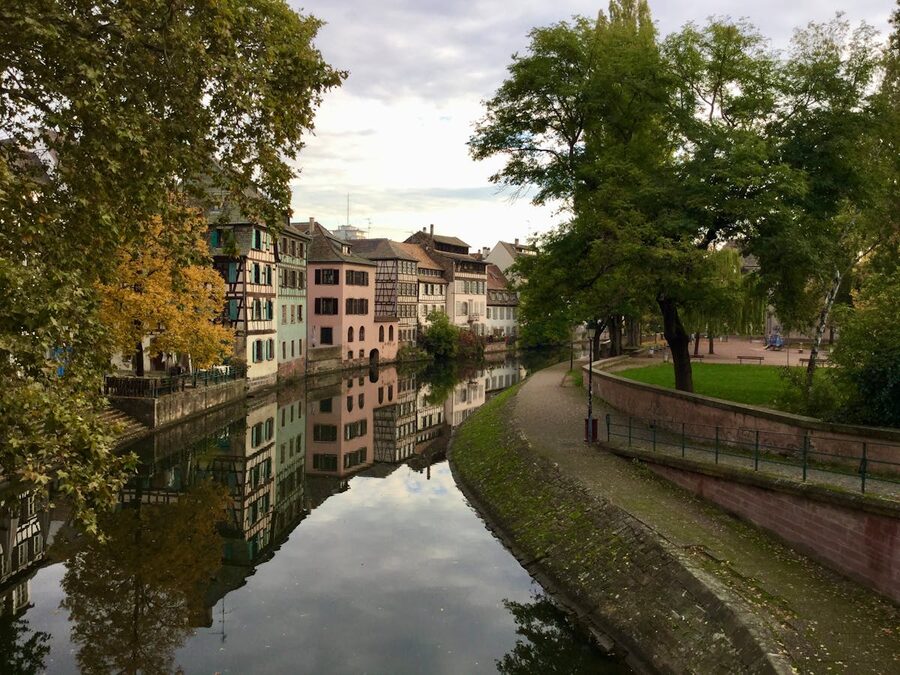
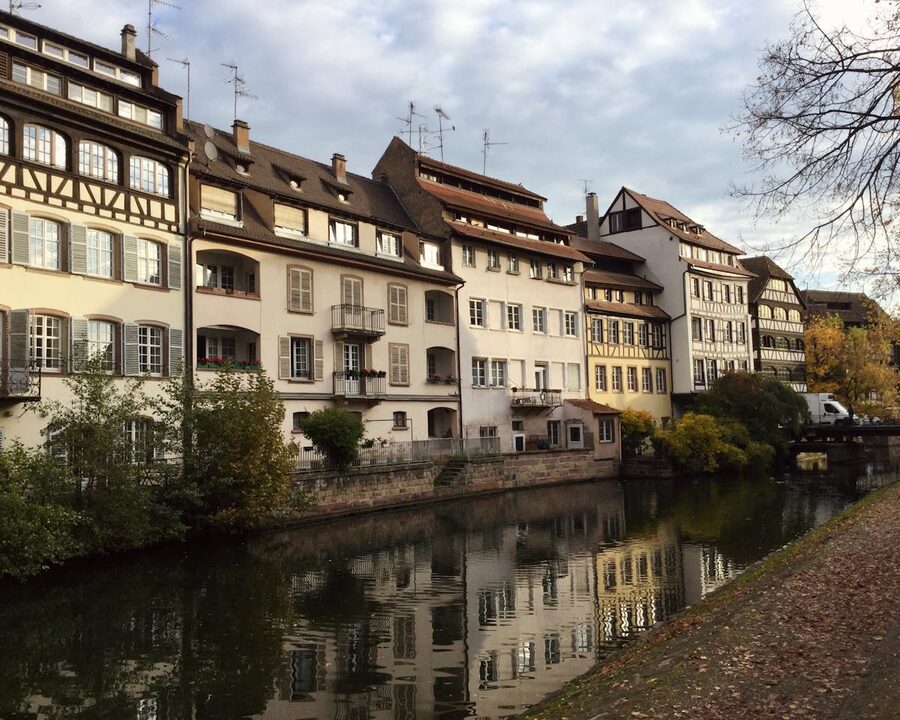
The old tanners’ quarter is where Strasbourg becomes irresistible to photographers. Timber-framed houses from the 16th and 17th centuries lean over canals that reflect their colours in the water. The covered bridges (Ponts Couverts) at the western tip offer a panoramic view back toward the cathedral.
The European Quarter
Strasbourg is home to the European Parliament, the Council of Europe, and the European Court of Human Rights. The Segway tour covers this area, which is a striking contrast to the medieval centre — glass and steel modern architecture set in manicured parks along the river.
The Alsace Wine Route Day Trip
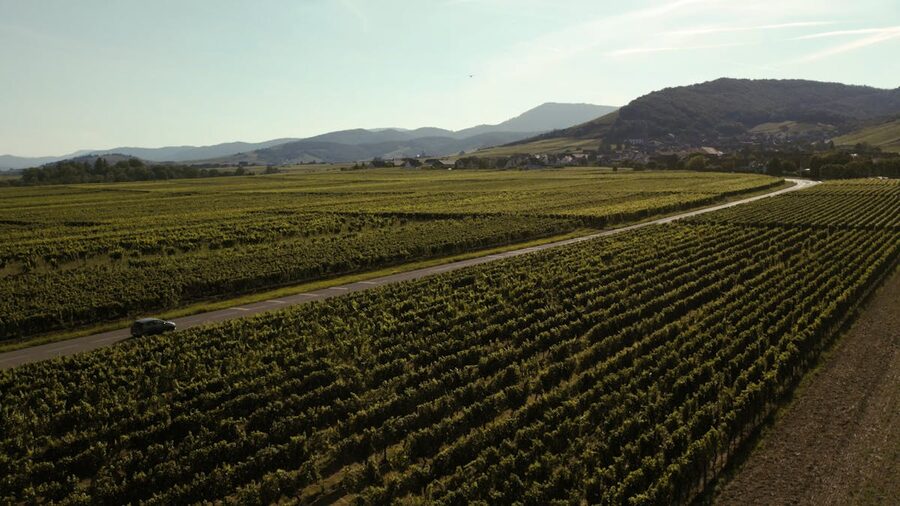
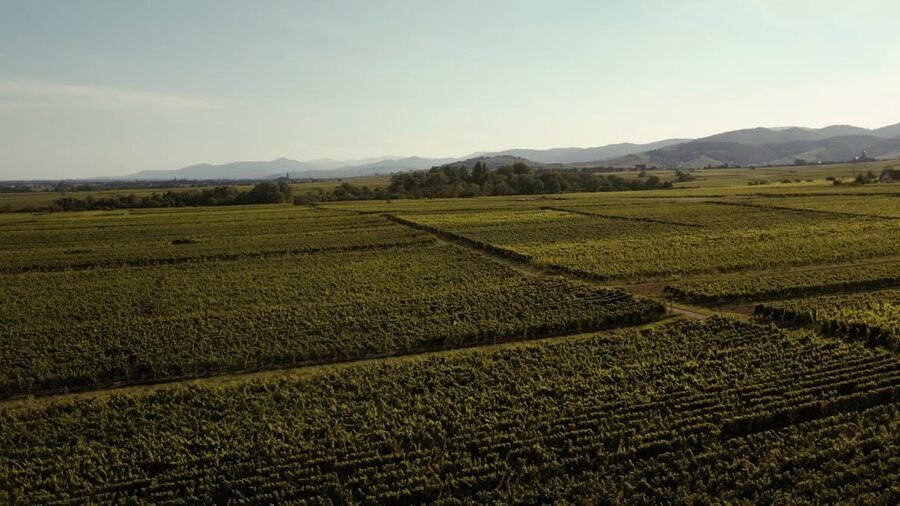
The Route des Vins d’Alsace runs 170 kilometres from Marlenheim in the north to Thann in the south, threading through vineyards, medieval villages, and some of the most photogenic landscapes in France. A day trip from Strasbourg covers the highlights.
Colmar
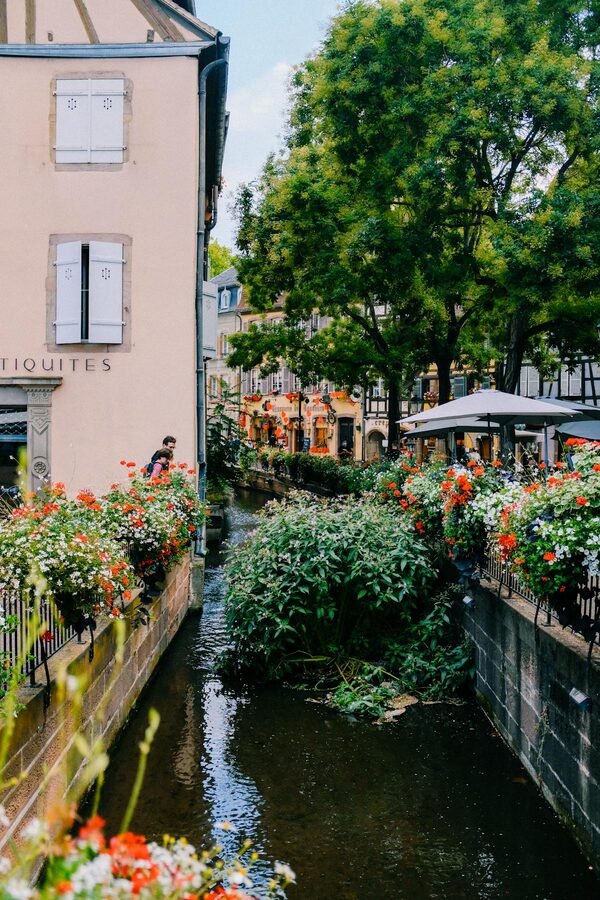
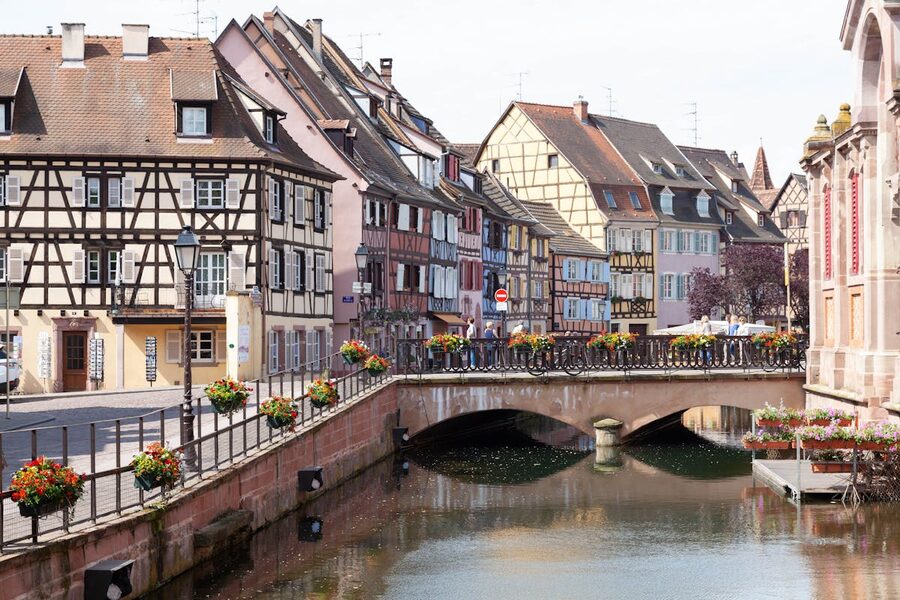
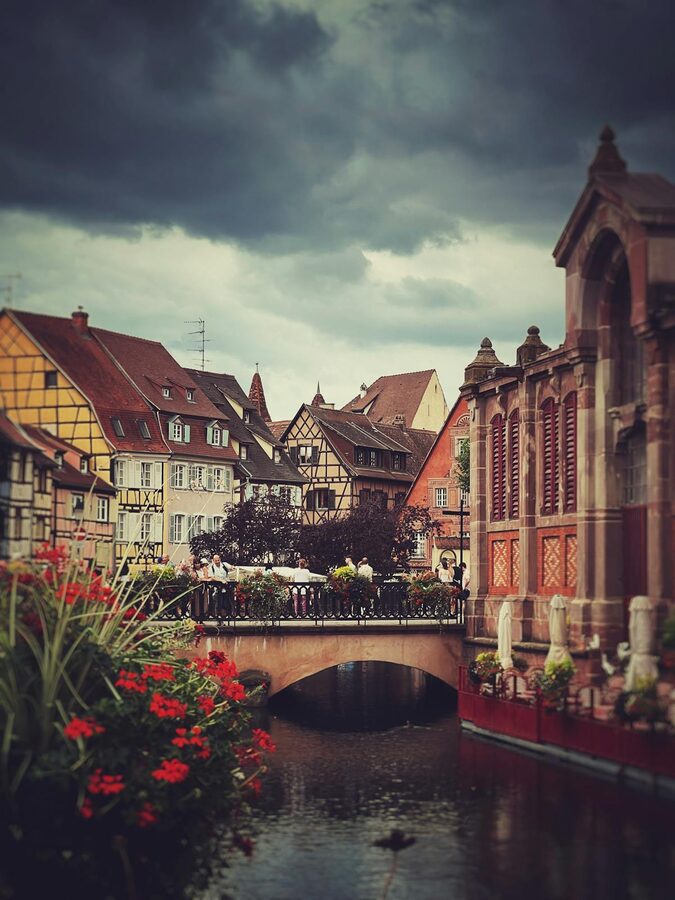
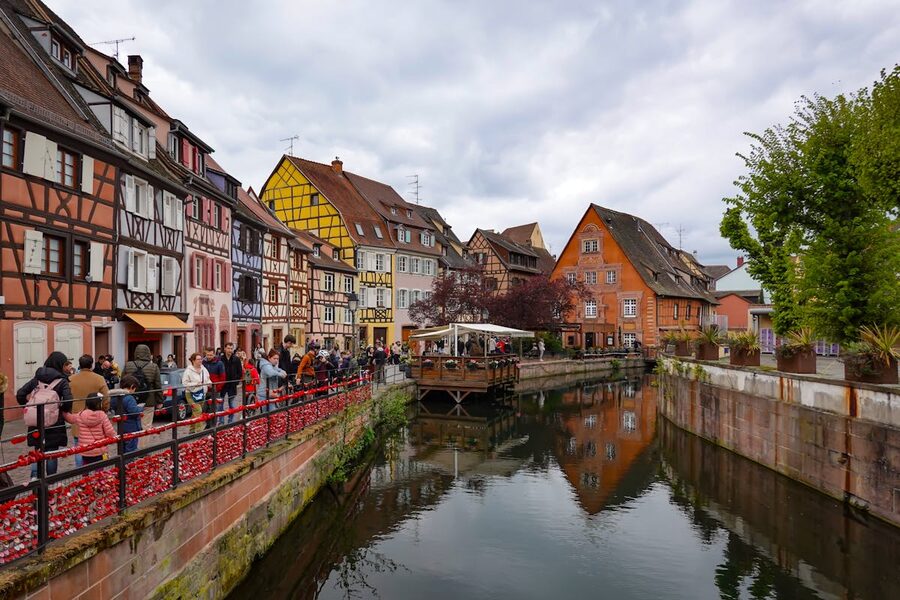
The unofficial capital of the Alsace wine region. Colmar’s “Little Venice” quarter — pastel houses along the Lauch canal — is the most photographed neighbourhood in Alsace. The old town is packed with wine shops, winstubs (traditional Alsatian wine bars), and restaurants serving tarte flambee and choucroute.
The Medieval Villages
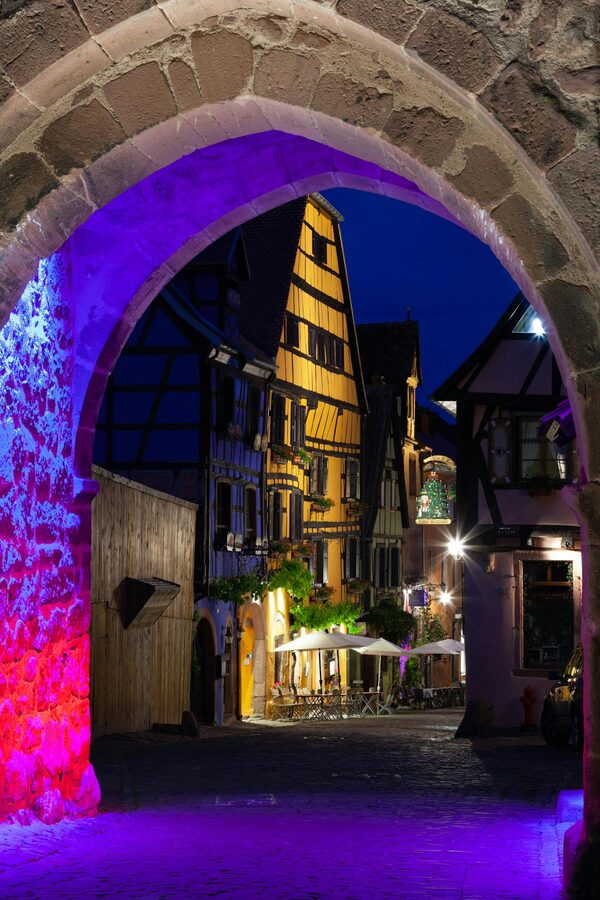
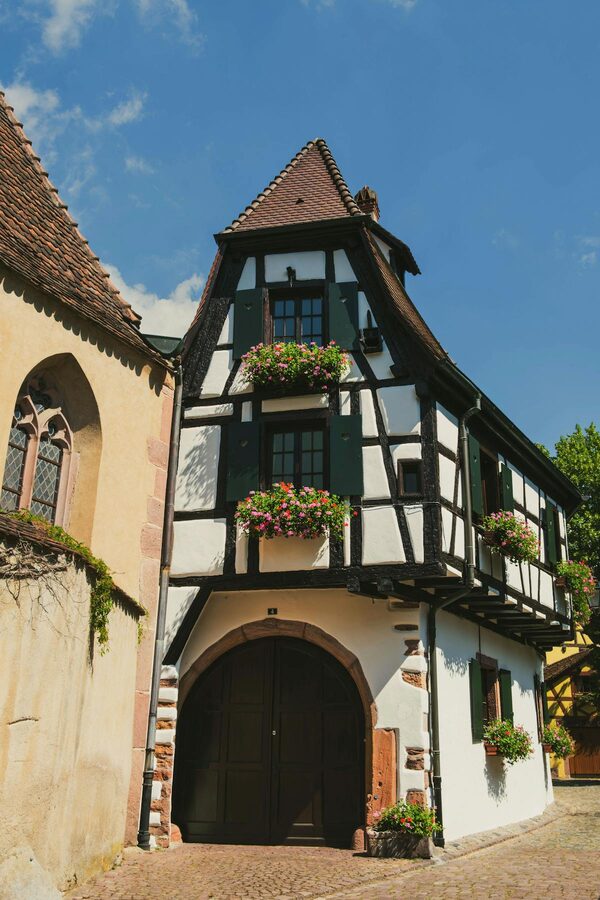
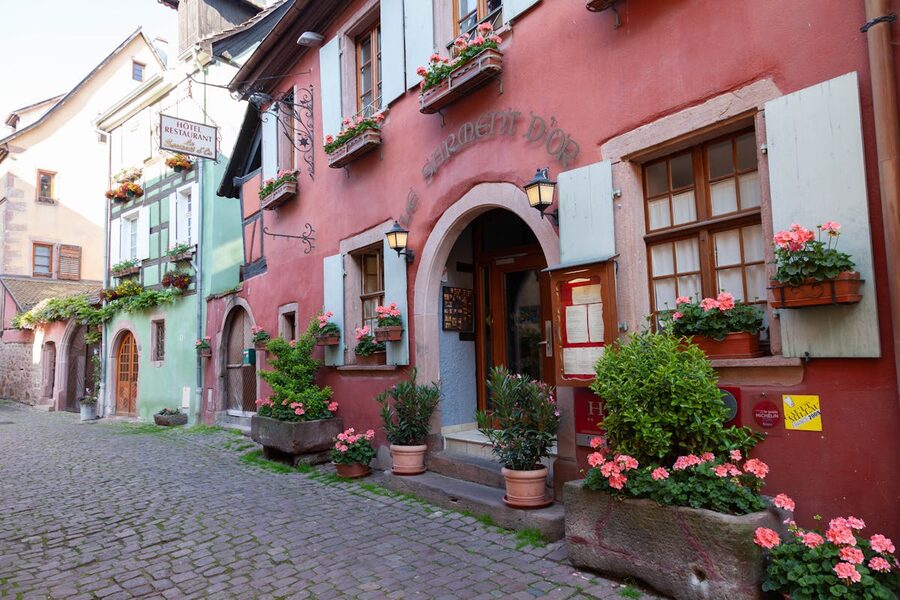
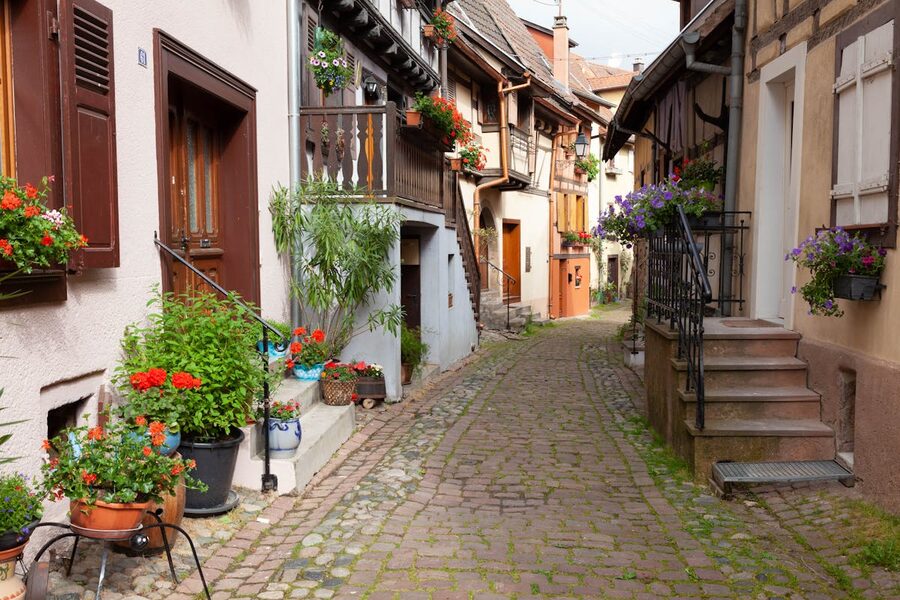
Eguisheim, Riquewihr, Kaysersberg, and Ribeauville are the headline names. Each is a cluster of half-timbered houses surrounded by vineyards, often with a castle ruin on the hill above. They are tiny — you can walk through most of them in 30 minutes — but each has its own character, its own wine cooperative, and its own claim to being the prettiest village in Alsace.
Haut-Koenigsbourg Castle
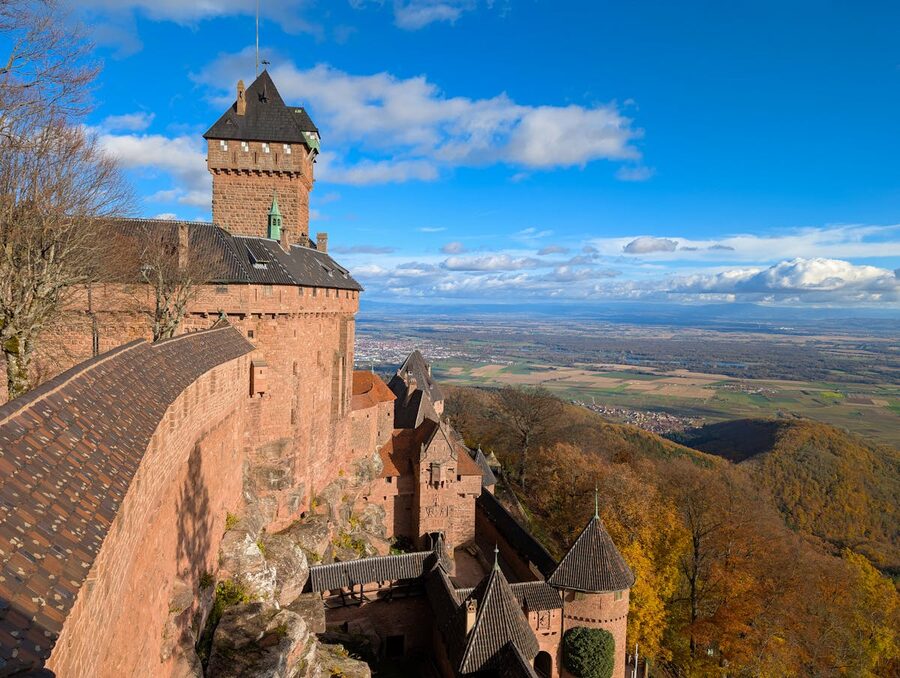
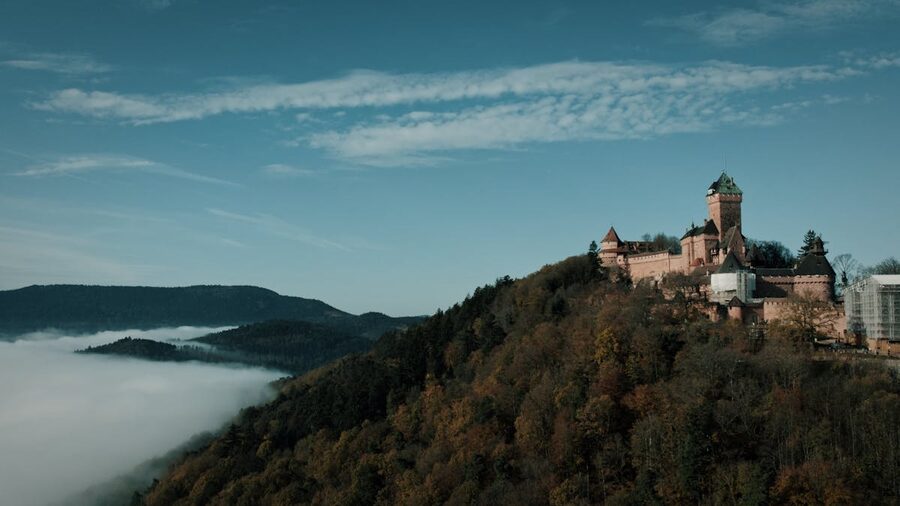
A fully restored medieval castle perched on a mountaintop at 757 metres, overlooking the entire Alsace plain. Kaiser Wilhelm II rebuilt it from ruins in the early 1900s as a symbol of German power in Alsace. The irony is that it became French again in 1918 and now serves as one of the most visited castles in France.
The views from the ramparts extend across the vineyards to the Vosges mountains on one side and the Black Forest on the other. On clear days you can see the spire of Strasbourg Cathedral 30 kilometres to the north.
Alsatian Food and Wine
Alsatian cuisine is the happy result of French technique applied to German ingredients. The portions are generous, the flavours are bold, and the wine is unlike anything else in France.
Tarte flambee (Flammekueche): A thin-crust flatbread topped with creme fraiche, onions, and lardons (bacon). It comes to the table on a wooden board and you eat it with your hands. It is the Alsatian pizza and it is dangerously addictive. The food tour includes this, and it will ruin all other flatbreads for you.
Choucroute garnie: Sauerkraut with sausages, pork belly, and potatoes. It sounds heavy. It is heavy. But on a cold Alsace evening with a glass of Riesling, it is perfect. Order it at a winstub (traditional wine tavern), not a restaurant.
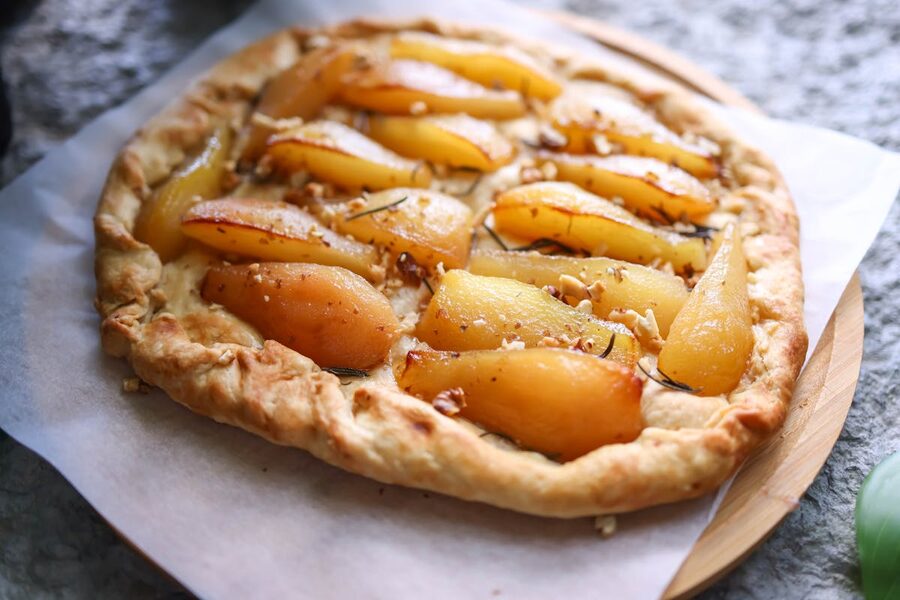
Kugelhopf: A yeast cake baked in a distinctive ribbed mould, flavoured with almonds and sometimes soaked in kirsch. It appears at breakfast, with coffee, and at wine tastings as a palate cleanser.
Alsace Wines
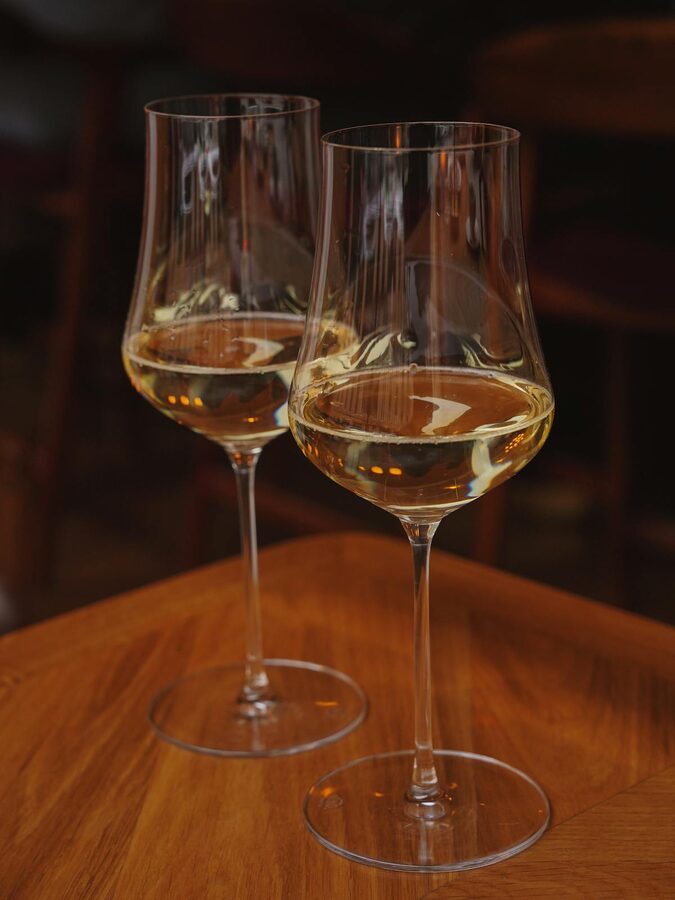
Alsace is the only major French wine region that labels by grape variety rather than terroir. The whites — Riesling, Gewurztraminer, Pinot Gris, and Muscat — are aromatic, off-dry, and pair brilliantly with the local cuisine. Riesling is the flagship and can range from bone-dry to lushly sweet.
The wine route day trips include tastings at local vineyards, usually 2-3 per trip. The wines are served alongside local cheese and charcuterie, which is the proper way to experience them — in context, with food, not in a sterile tasting room.
The Best Strasbourg & Alsace Tours
1. Alsace Colmar, Medieval Villages & Castle Day Trip — $242
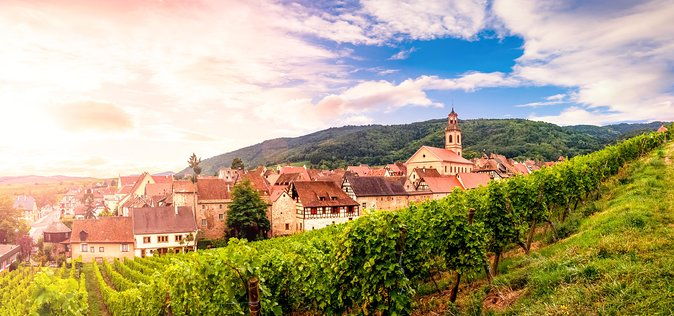
This is the comprehensive Alsace experience. An 8-hour small-group day trip from Strasbourg that hits the highlights: Colmar’s Little Venice, the medieval villages of Eguisheim and Riquewihr, and Haut-Koenigsbourg Castle. Wine tastings are included at local vineyards along the route.
At $242 it is the most expensive option, but it covers more ground than any other single-day tour in the region. One solo traveller described it as the perfect way to see the Alsace region in a day. The small group format means the guide can adjust the pace based on the group’s interests.
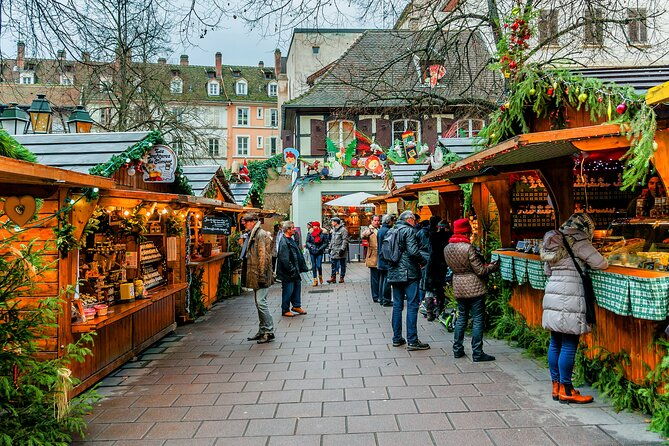
The highlights vary by season. In spring, the vineyards are bright green and the villages are draped in flowers. In autumn, the grape harvest is underway and the wine tastings feature the new vintage. In December, the Christmas markets transform every village into a fairy-tale set.
2. Strasbourg Traditional Food Tour — $96
Three and a half hours eating through Strasbourg’s Old Town with a local guide. The tastings include tarte flambee, local cheeses (including the famously pungent Munster), Alsatian wines, charcuterie, and several surprises that the guide selects based on the day’s best offerings.
Guide Loubna was praised for combining food tastings with a walking tour of the city. You learn about Strasbourg’s dual French-German identity through its cuisine, which is honestly the most delicious way to understand a complex history.
At $96 for 3.5 hours of food and wine, this is comparable to buying yourself lunch and a wine tasting separately. The added value is the guide’s knowledge — where to go, what to order, and what each dish tells you about the city’s culture.
3. 2-Hour Strasbourg Segway Tour — $71

Two hours on a Segway through Strasbourg’s highlights: the Grande Ile, Petite France, the cathedral square, the covered bridges, and the European Parliament district. The contrast between medieval and modern Strasbourg is dramatic, and the Segway covers enough ground to see both in a single session.
At $71 this is a great orientation activity for your first day in Strasbourg. The guides are fun, the Segway handles the cobblestones surprisingly well, and you get a mental map of the city that makes the rest of your visit more efficient.
When to Visit Strasbourg and Alsace
Best Time of Year
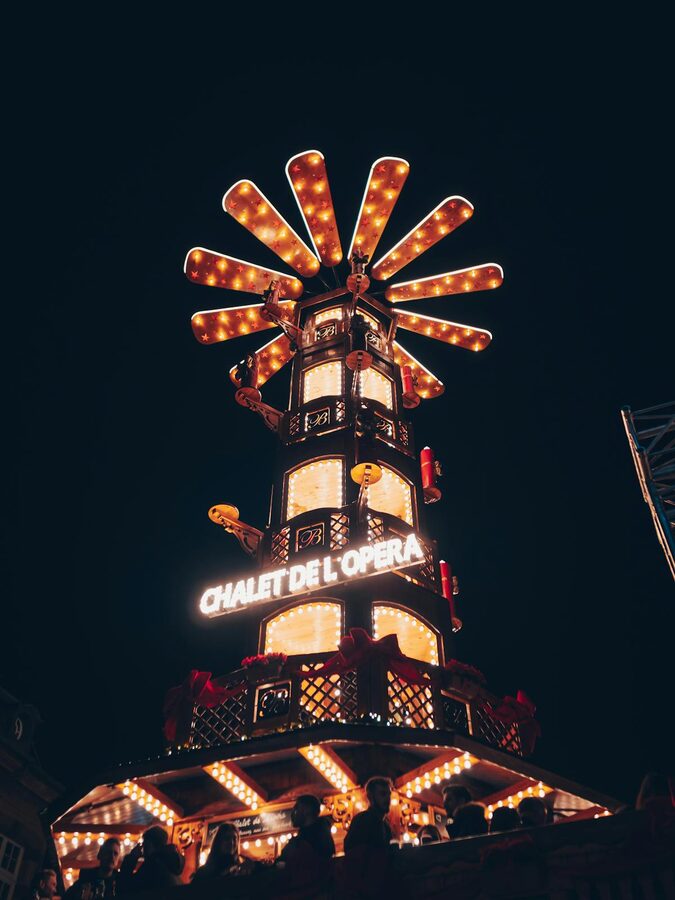
Christmas season (late November through December): Strasbourg’s Christmas market (Christkindelsmärik) has been running since 1570 and is the most famous in France. The entire city centre transforms into a glittering display of lights, wooden chalets selling mulled wine and handcrafted ornaments, and the smell of bredele cookies everywhere. Every Alsace village runs its own smaller market. If you visit France in December, Strasbourg should be at the top of your list.
Spring and early summer (April-June): The vineyards are green, the villages are in full flower, and the weather is warm without being hot. This is the best season for the wine route day trip.
Autumn (September-October): Harvest season. The vineyards turn gold, the wine cellars are open for new vintage tastings, and the food is at its most seasonal. This is arguably when Alsace looks its absolute best.
Practical Information
Getting to Strasbourg: TGV from Paris Gare de l’Est takes 1 hour 46 minutes. Strasbourg has its own airport with connections to European cities. The city is also close to the German border — Kehl is a tram ride away.
Getting around: The Grande Ile is entirely walkable. The tram network covers the wider city. For the Alsace wine route, a guided tour or rental car is necessary — the villages are spread across 170km of countryside.
Strasbourg City Pass: Available for 1-7 days and includes museum entry, a boat tour, and public transport. Worth it if you plan to visit the cathedral tower (entry fee) and one or two museums.
More France Guides
Strasbourg is the gateway to eastern France, but the rest of the country is equally worth exploring. From here, the Chamonix and Mont Blanc experience is a dramatic contrast — medieval villages give way to alpine peaks. If you are heading south, the Nice food and walking tours offer a Mediterranean version of the Alsatian food culture. And for Paris visitors wondering about a Strasbourg side trip, the TGV makes it entirely possible as a day trip — 1 hour 46 minutes each way, with the Louvre in the morning and Alsace wine by evening.