
Saint-Emilion is the wine region a lot of Paris first-timers hear about and then quietly give up on because it seems too far away. It is not. It is a 2-hour TGV from Paris Montparnasse to Bordeaux, then 30 minutes by car or a direct train to the village itself. You can do it as a day trip from Bordeaux, which is the format I strongly recommend, or — at a stretch — as an overnight from Paris if you are happy to burn a full day on trains. This guide tells you how to do it well.
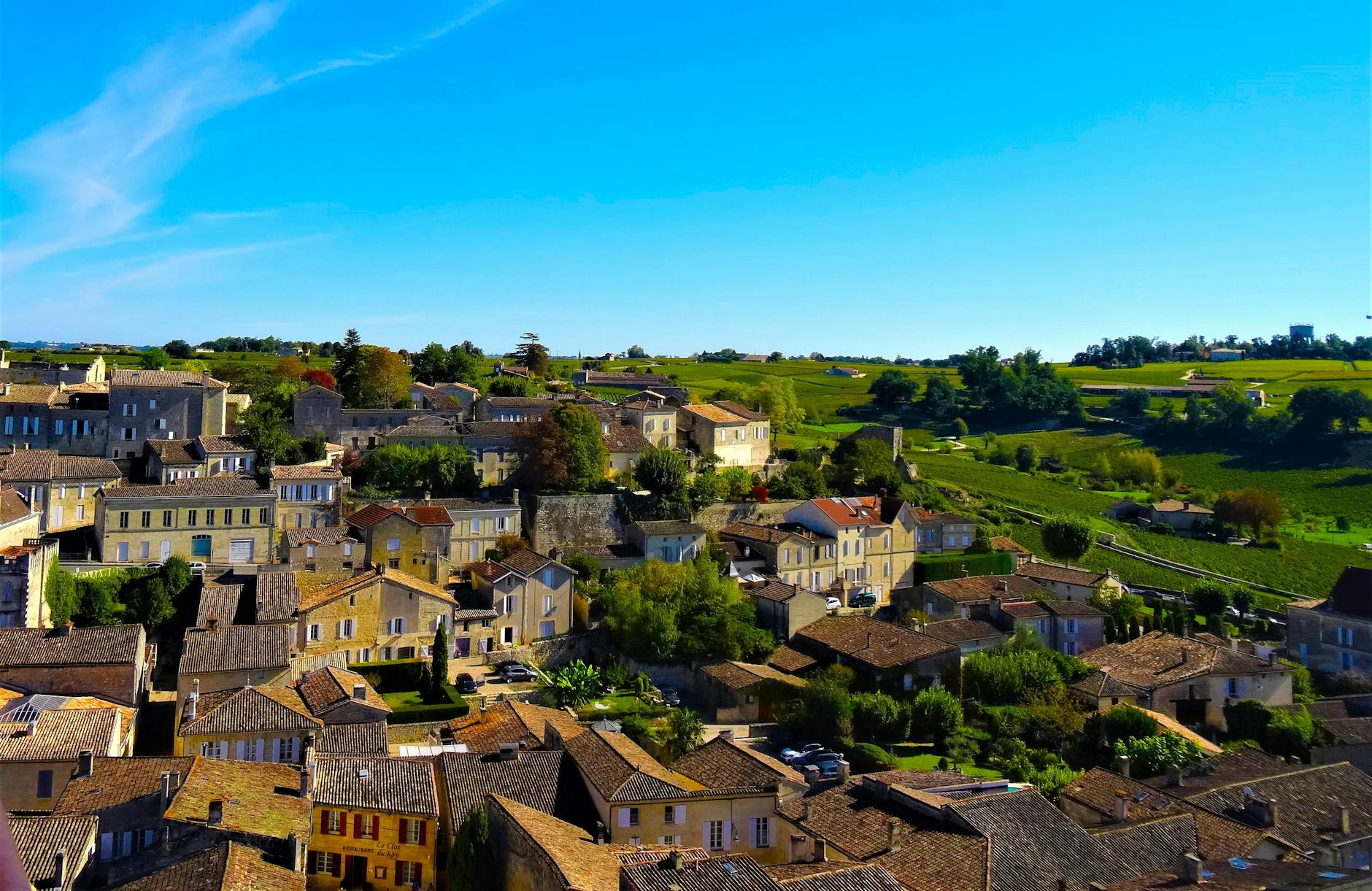
Here is the short version. Saint-Emilion is a UNESCO medieval village surrounded by 5,400 hectares of vineyards producing some of the most expensive red wines in the world. The village itself takes 2 hours to walk. The vineyards take a full afternoon or a full day to visit properly, depending on how many chateaux you want to see. Most people pair the two and spend a full day in the area. The tour options split into three clean categories: half-day afternoon tastings from Bordeaux, full-day tours with lunch, and walk-up village tours you book on the spot. I will break down which one suits which kind of traveler.
I am writing this as someone who has done Saint-Emilion five times, once the wrong way (a single afternoon without a guide, rushed and vaguely frustrating) and four times correctly (with different formats). The format you choose matters more than the budget.
Quick Picks: Saint-Emilion Wine Tours
Best half-day from Bordeaux: Afternoon Saint-Emilion Wine Tasting Trip — 1,581 reviews, includes round-trip transport, 2 winery visits, tasting of 6-8 wines. Starts at $112.
Best in-village walk-up: Grand Cru Classé Winery Visit and Tasting — 1,118 reviews, 1.5 hours inside a classified chateau, no transport. Starts at $23.
Best full-day experience: Day Tour with Tastings and Lunch — 714 reviews, 3 winery visits, lunch in the village, 9 hours total. Starts at $177.
- Quick Picks: Saint-Emilion Wine Tours
- Is Saint-Emilion Worth It?
- Day Trip from Bordeaux vs. Day Trip from Paris
- The Village: What to See in 2 Hours
- The Vineyards: How Winery Visits Actually Work
- The Three Tour Options Explained
- From Bordeaux: Afternoon Saint-Emilion Wine Tasting Trip
- Saint-Emilion: Grand Cru Classé Winery Visit and Tasting
- From Bordeaux: Saint-Emilion Day Tour with Tastings and Lunch
- Which Tour Format Matches Which Traveler
- Getting to Saint-Emilion
- When to Go
- Lunch in Saint-Emilion
- What to Bring
- Common Mistakes
- Is Saint-Emilion Right For You?
- A Perfect Saint-Emilion Day Trip Itinerary
- What to Pair the Trip With
- Final Thoughts
- FAQ
Is Saint-Emilion Worth It?
Yes, with one important caveat: Saint-Emilion is only worth it if you drink red wine and have some basic interest in how wine is made. If you drink mostly white, or if you find winery visits tedious, this is not the day trip for you. Pick something else — Mont Saint-Michel, Dordogne, Perigord. Saint-Emilion is a red-wine-lover’s pilgrimage site and it will feel wasted on someone who would rather be looking at castles.
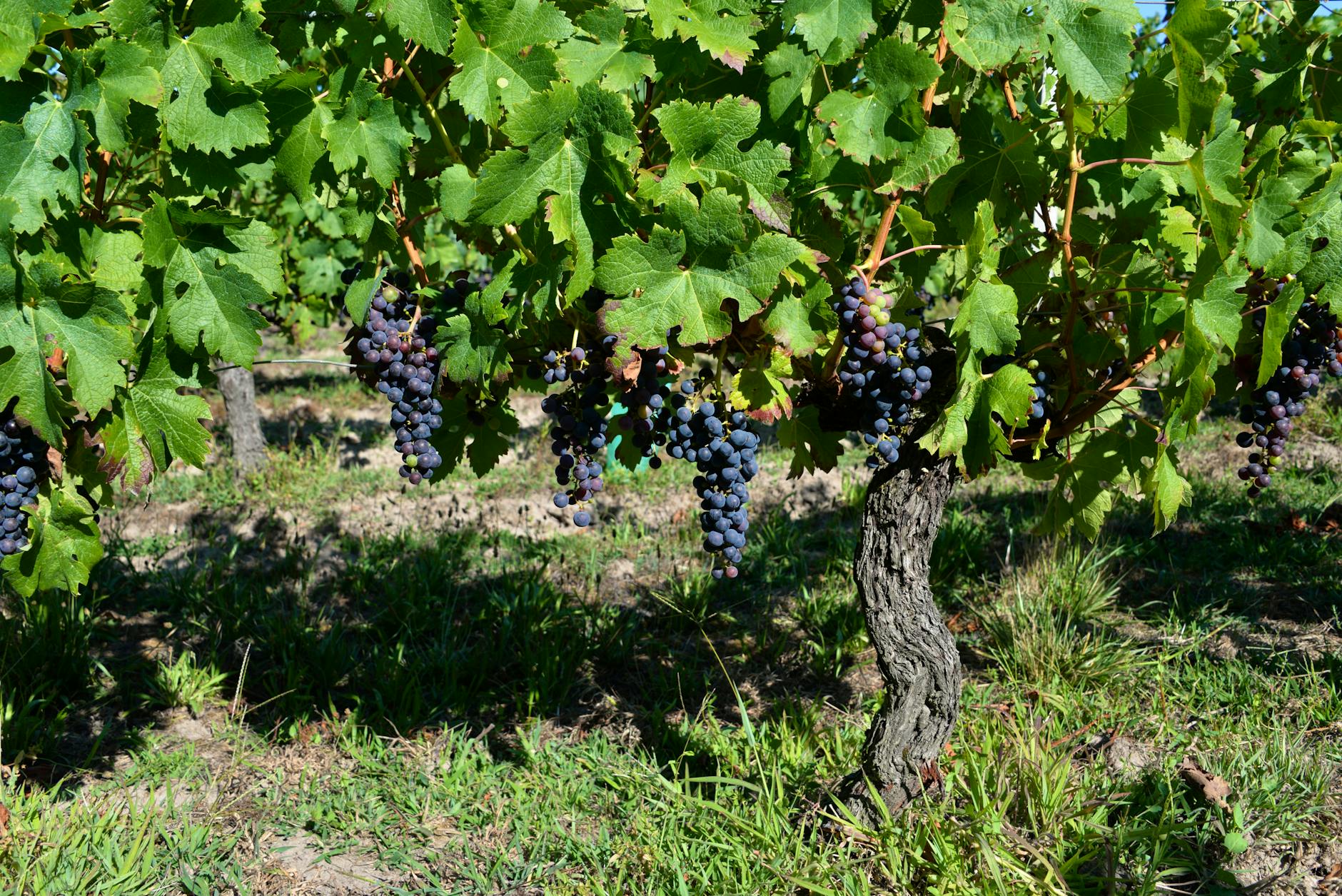
For red wine drinkers, though, it is a top-3 wine experience in France, alongside Burgundy and Champagne. The appellation is famous for its Merlot-dominated blends (with Cabernet Franc and smaller amounts of Cabernet Sauvignon), and the classification system is unique: unlike the fixed 1855 Bordeaux classification of the Left Bank, the Saint-Emilion classification is officially revised every 10 years, which means chateaux can be promoted or demoted based on current quality. This creates an unusual level of drama in the wine world because nobody is safe and everyone is competing.
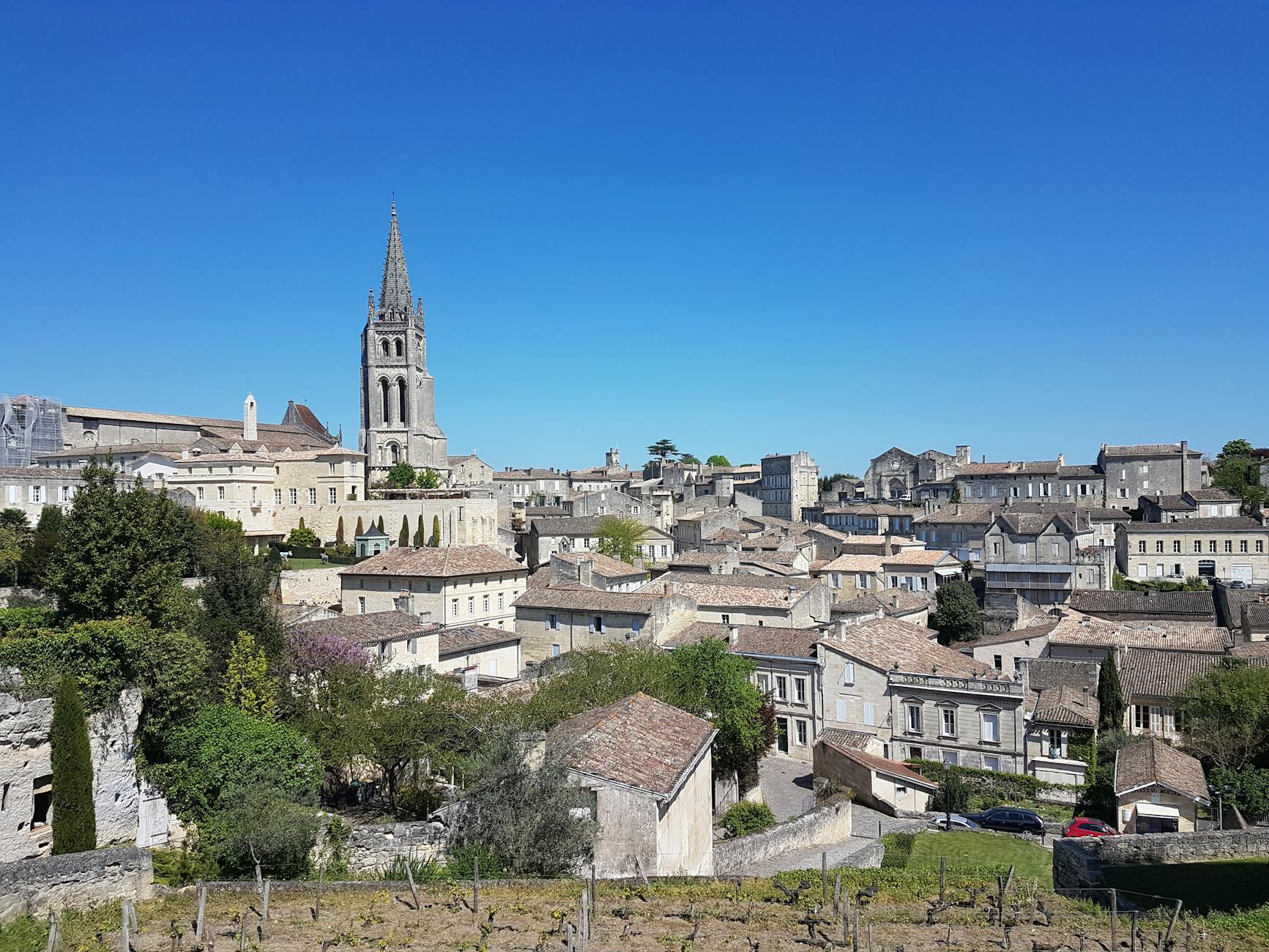
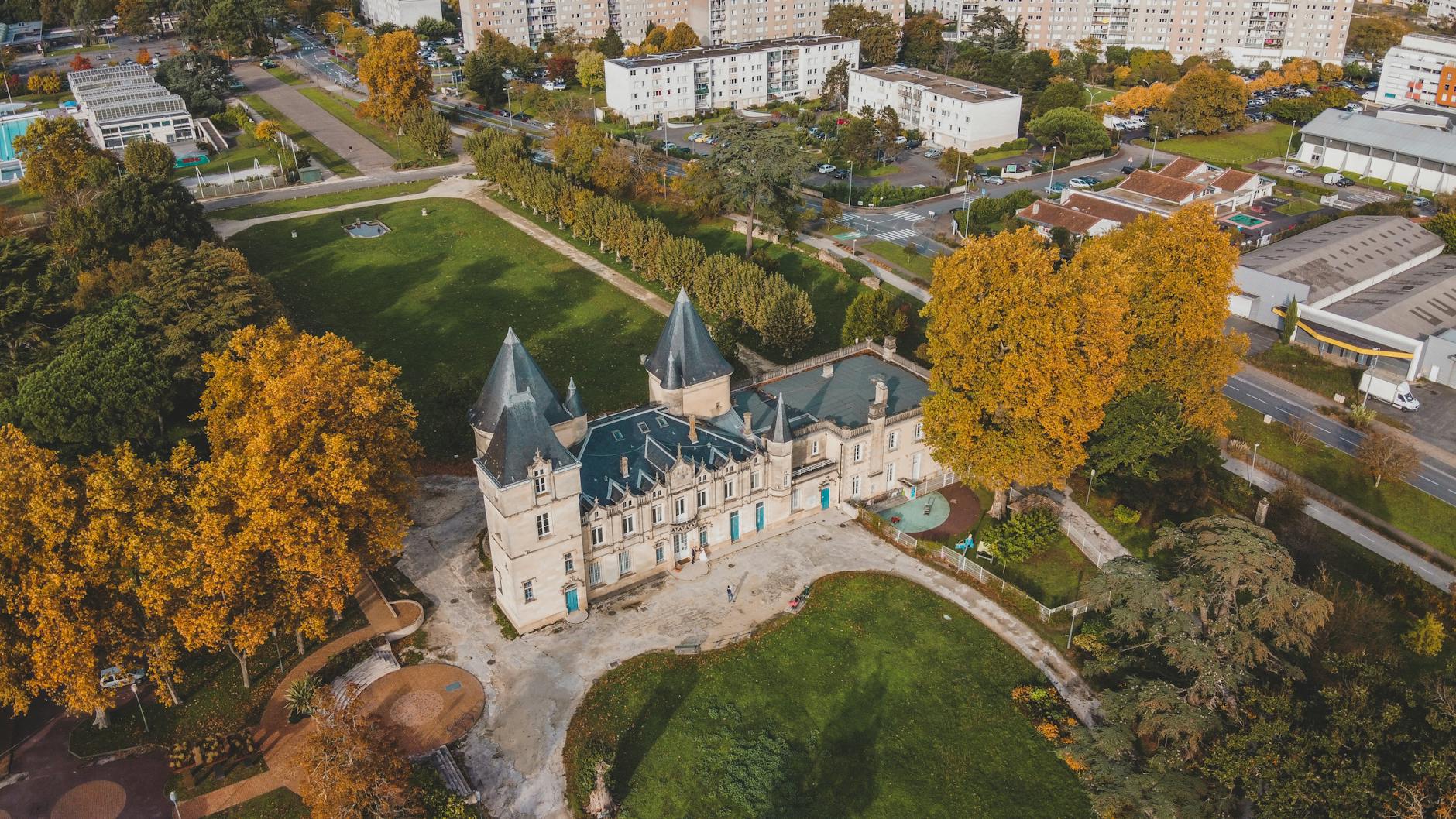
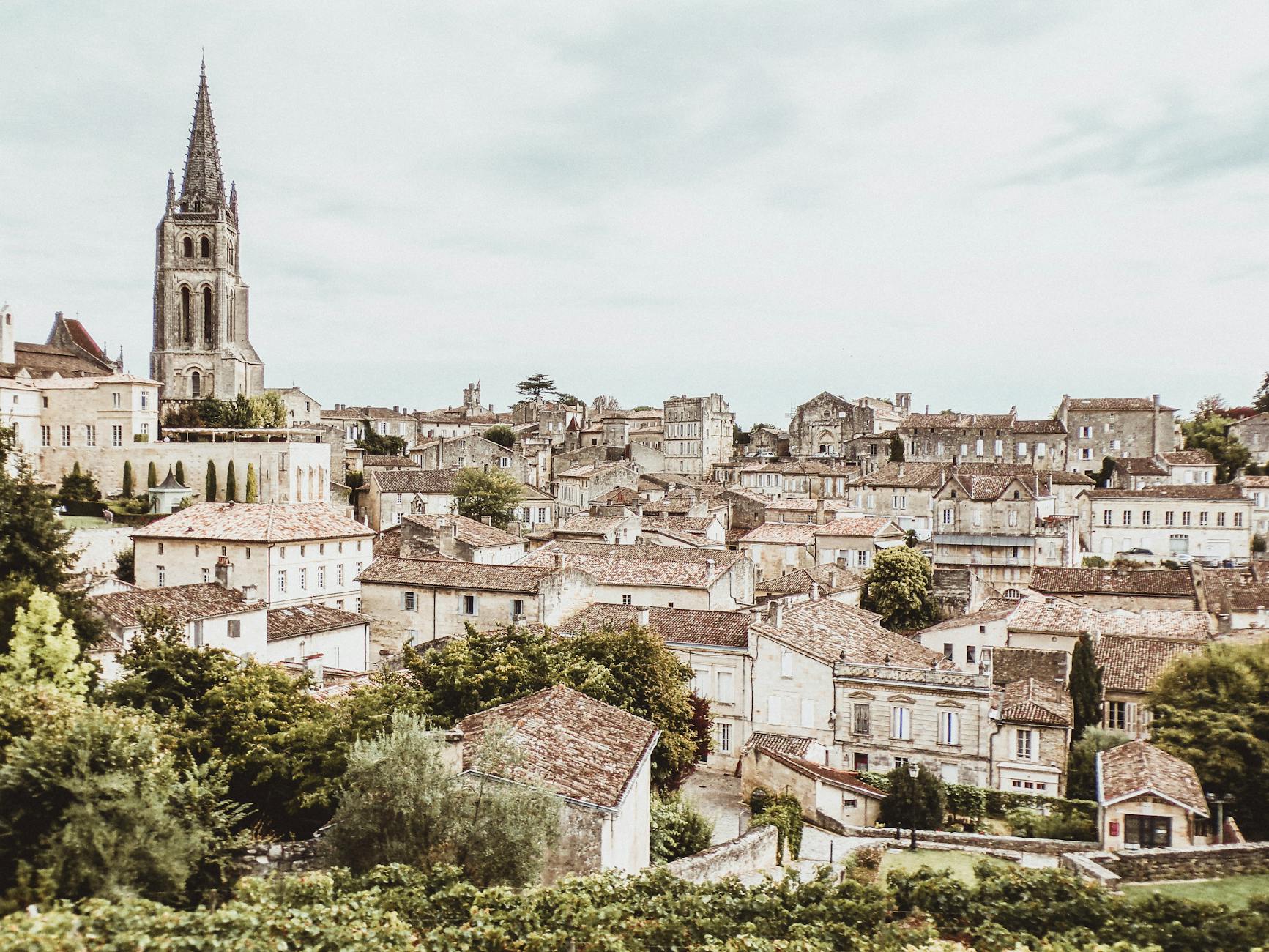
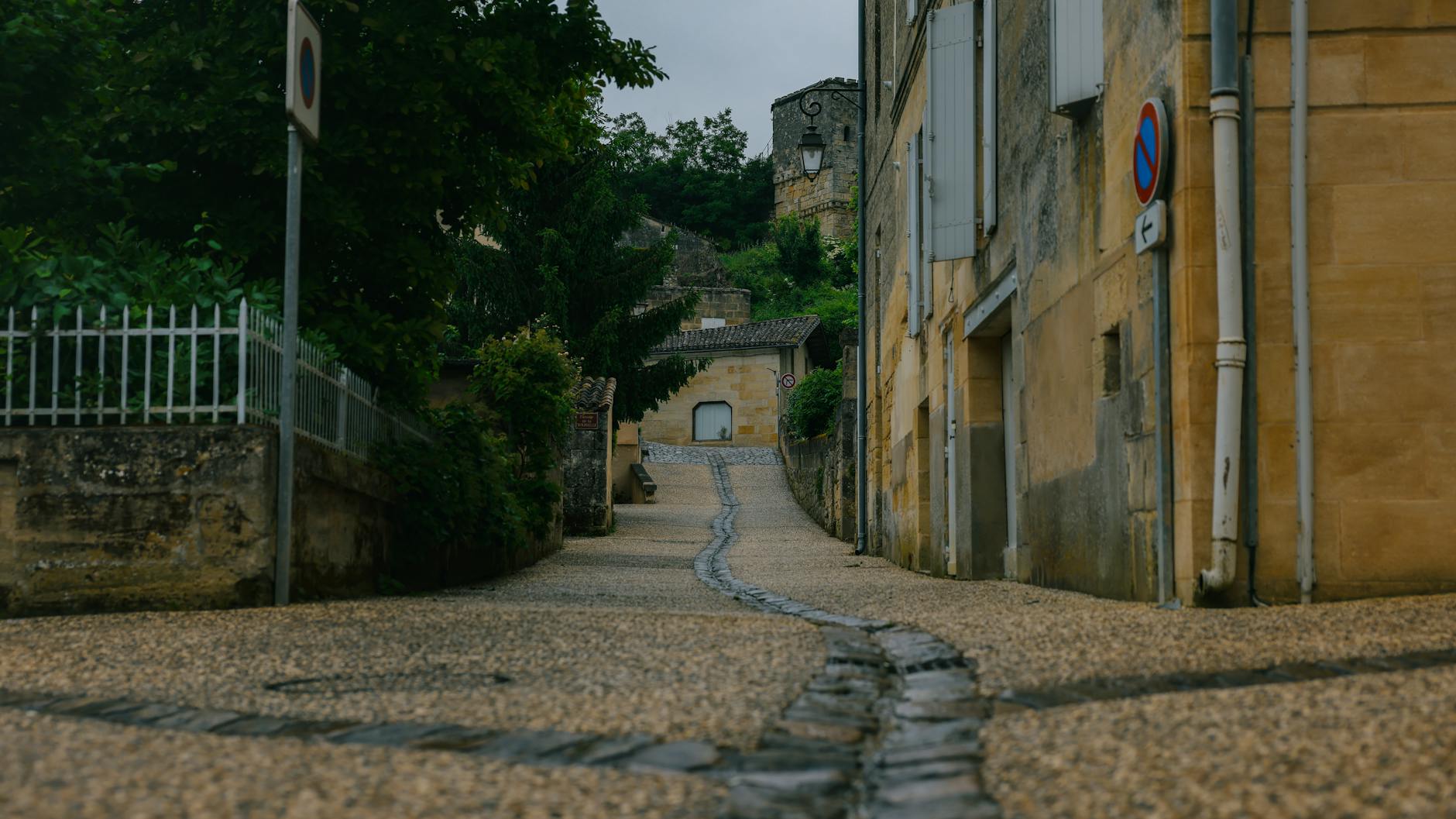
The village itself is also genuinely worth the visit independent of the wine. It is one of the most perfectly preserved medieval villages in southwest France, built entirely from pale limestone, wrapped around a 12th-century monolithic church carved into the rock beneath the main square. The UNESCO listing is not a marketing gimmick. The whole jurisdiction is protected, and the village feels like an architectural museum you can walk through.
Here is the practical test of whether this day trip suits you: if you would rather spend four hours walking through vineyards and tasting wines than walking through a museum, Saint-Emilion is for you. If the reverse is true, save this for a different trip.
Day Trip from Bordeaux vs. Day Trip from Paris
The single biggest decision is whether you base yourself in Bordeaux or Paris for this trip. The short answer is: stay in Bordeaux for at least one night. It transforms the experience.
From Bordeaux (recommended): the TGV from Paris to Bordeaux is 2 hours 5 minutes. Hotels in Bordeaux city center cost €90-200 per night. From the city you are 30 minutes from Saint-Emilion by car, 40 minutes by direct train (trains run roughly 5 times a day), and any half-day or full-day wine tour will cost €100-230 depending on format. This is the sweet spot: one night in Bordeaux, one full day in Saint-Emilion, one extra day in Bordeaux itself for the food and the museums.
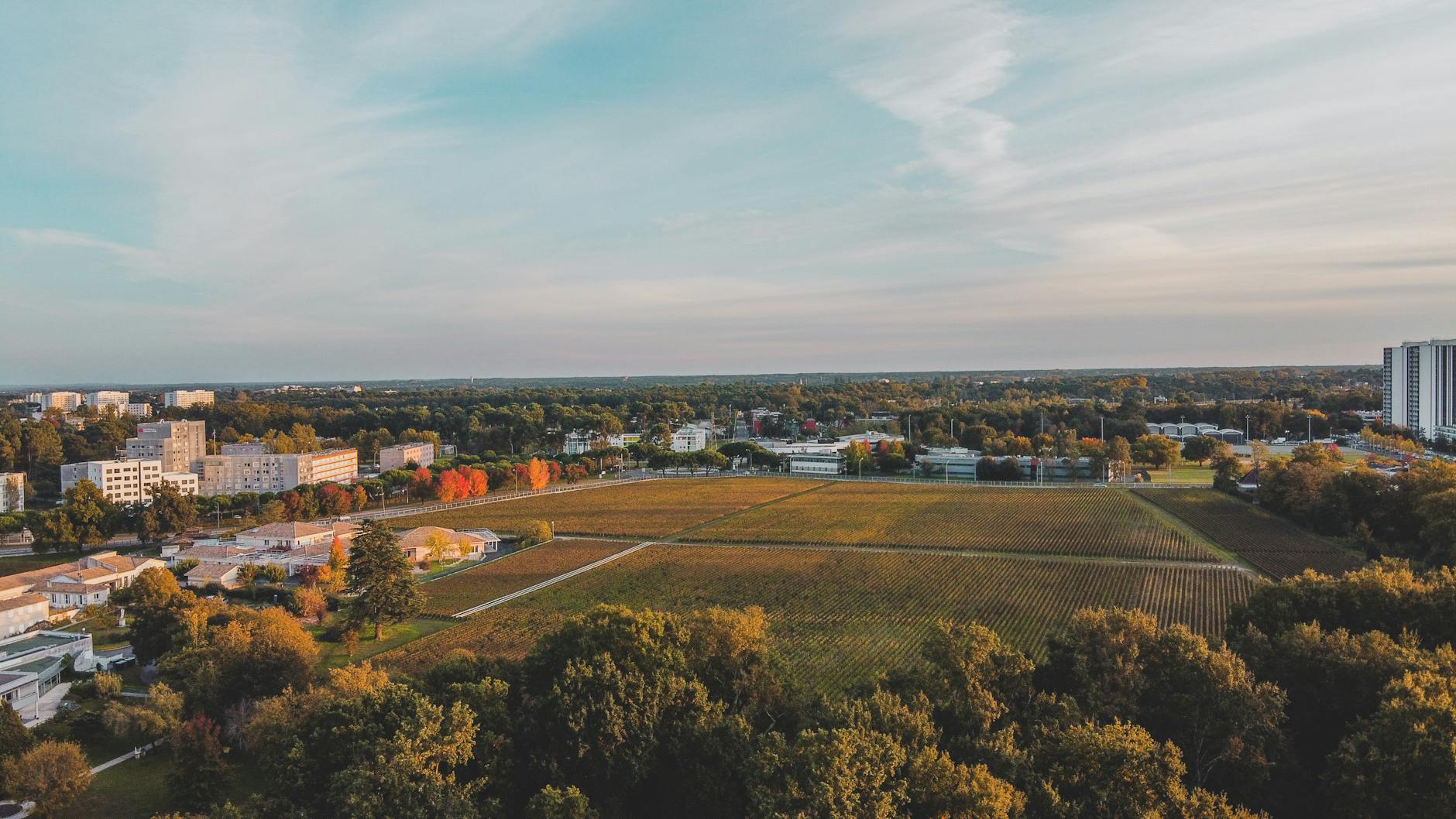
From Paris (only if you must): the same-day round trip from Paris to Saint-Emilion is theoretically possible but painful. You would leave Montparnasse at 7am, arrive Bordeaux at 9:05am, take a local train or tour pickup to Saint-Emilion for 10am, have 6 hours on the ground, and then reverse the journey with a last train home at 7pm or later. That gives you 6 tight hours in the region and a total travel day of 12-13 hours. It is doable but it is also the most exhausting version of this trip and you will spend most of the day in transit.
If you are trying to add Saint-Emilion to a Paris-only itinerary, the honest advice is to add an overnight in Bordeaux. It turns a miserable day into a memorable two-day trip and the hotels in Bordeaux are cheap enough that the cost delta is €90-150 total.
The Village: What to See in 2 Hours
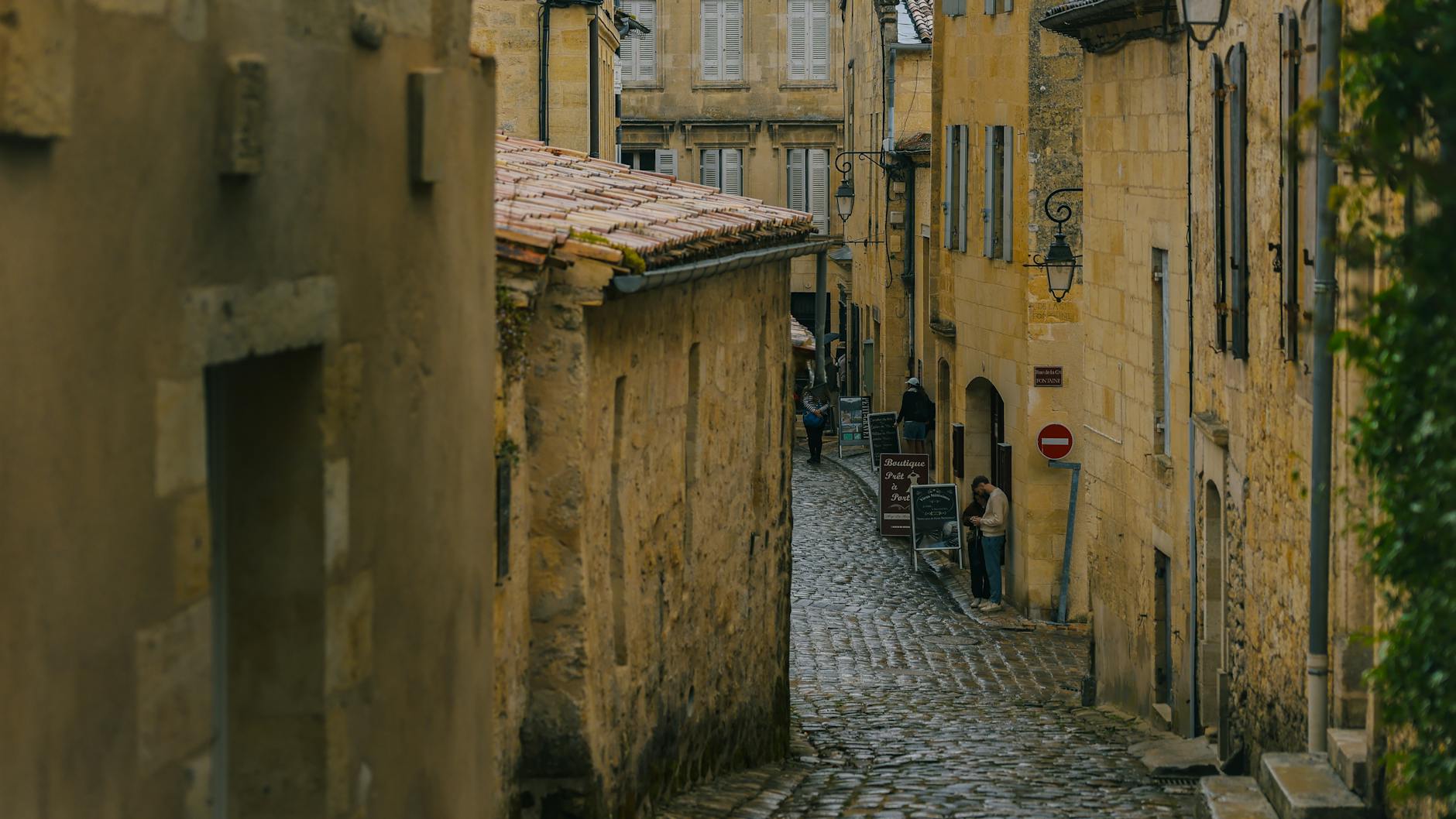
If you are only in Saint-Emilion for 2 hours (typical for the afternoon wine tours, which start with village time before the winery visits), here is what you should see.
The Monolithic Church. This is the single most impressive thing in the village and you will miss it if you do not know to look for it. It is a 12th-century church carved entirely out of a single block of limestone underneath the main square. You can only enter as part of a guided tour that leaves from the tourism office every 30-45 minutes. It costs €13 and takes about 45 minutes. Book in advance in summer; same-day tickets sell out.
The King’s Tower (Tour du Roy). A 13th-century keep with 118 steps to the top. From the top you get a panoramic view across the entire village and out to the surrounding vineyards. It is a quick 20-minute stop and costs about €2 to enter. The view alone is worth the climb.
The main square and the Trinity Chapel. The square is where you will eat lunch if you are staying for the day. Around it are the Trinity Chapel (a small hermitage associated with Saint Emilion himself) and half a dozen shops selling macarons, wine, and the local canelés (not a local specialty but impossible to escape in Bordeaux).
Catacombs and underground passages. These are the old limestone quarries now being used for wine aging. Most are private but some are open to guided tours. A walk through the cool underground passages at midday in August is worth the small detour.
Skip: the ramparts (they are fine, but you have other medieval villages in France), and any of the souvenir shops selling “Saint-Emilion wine” at €5 a bottle. If it is that cheap, it is not Saint-Emilion wine. The cheapest legitimate Saint-Emilion AOC starts at around €12 a bottle at the winery gate.
The Vineyards: How Winery Visits Actually Work
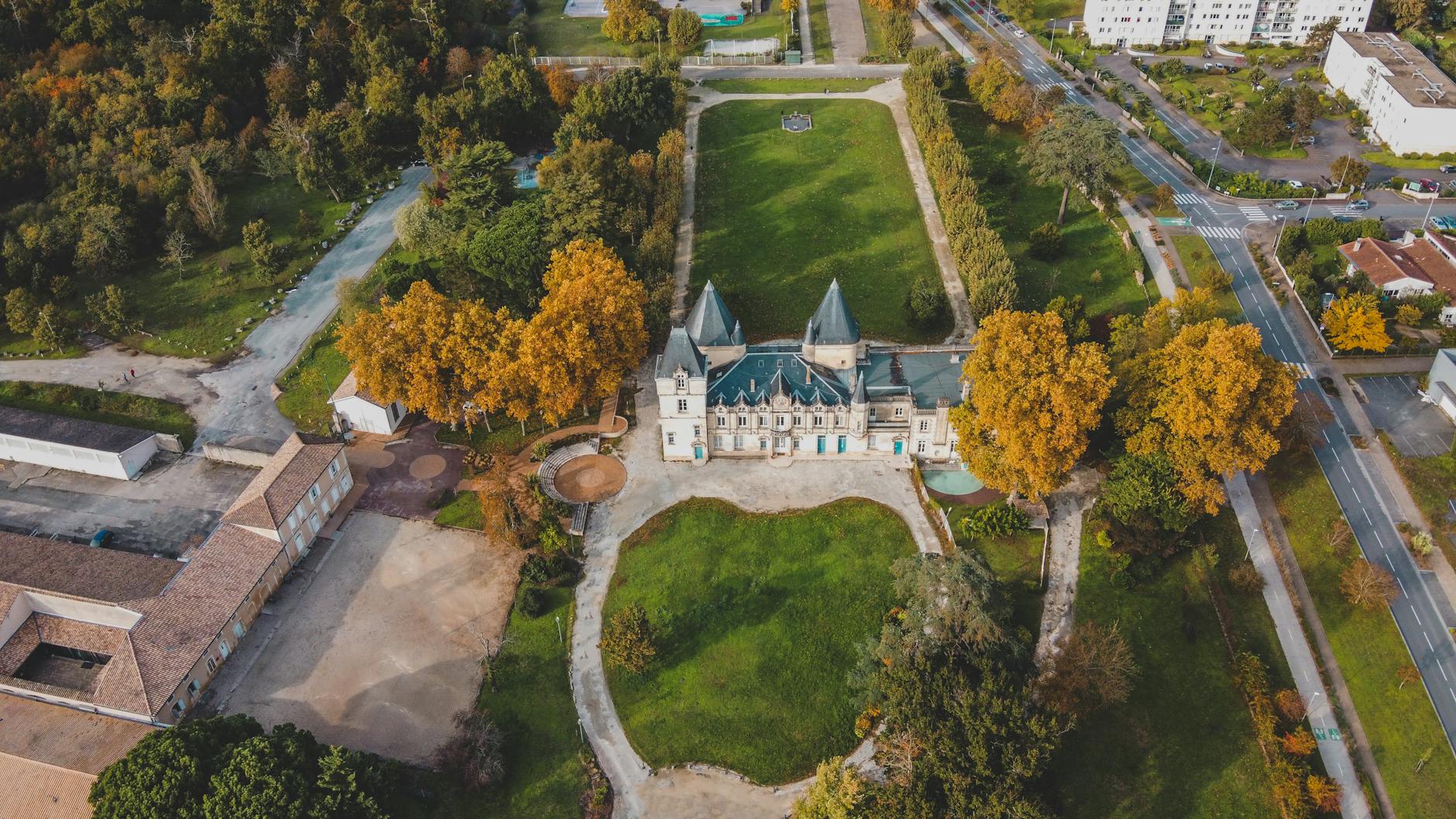
If you have never been on a winery visit before, here is what actually happens. A Saint-Emilion visit runs roughly 75-90 minutes and has three parts.
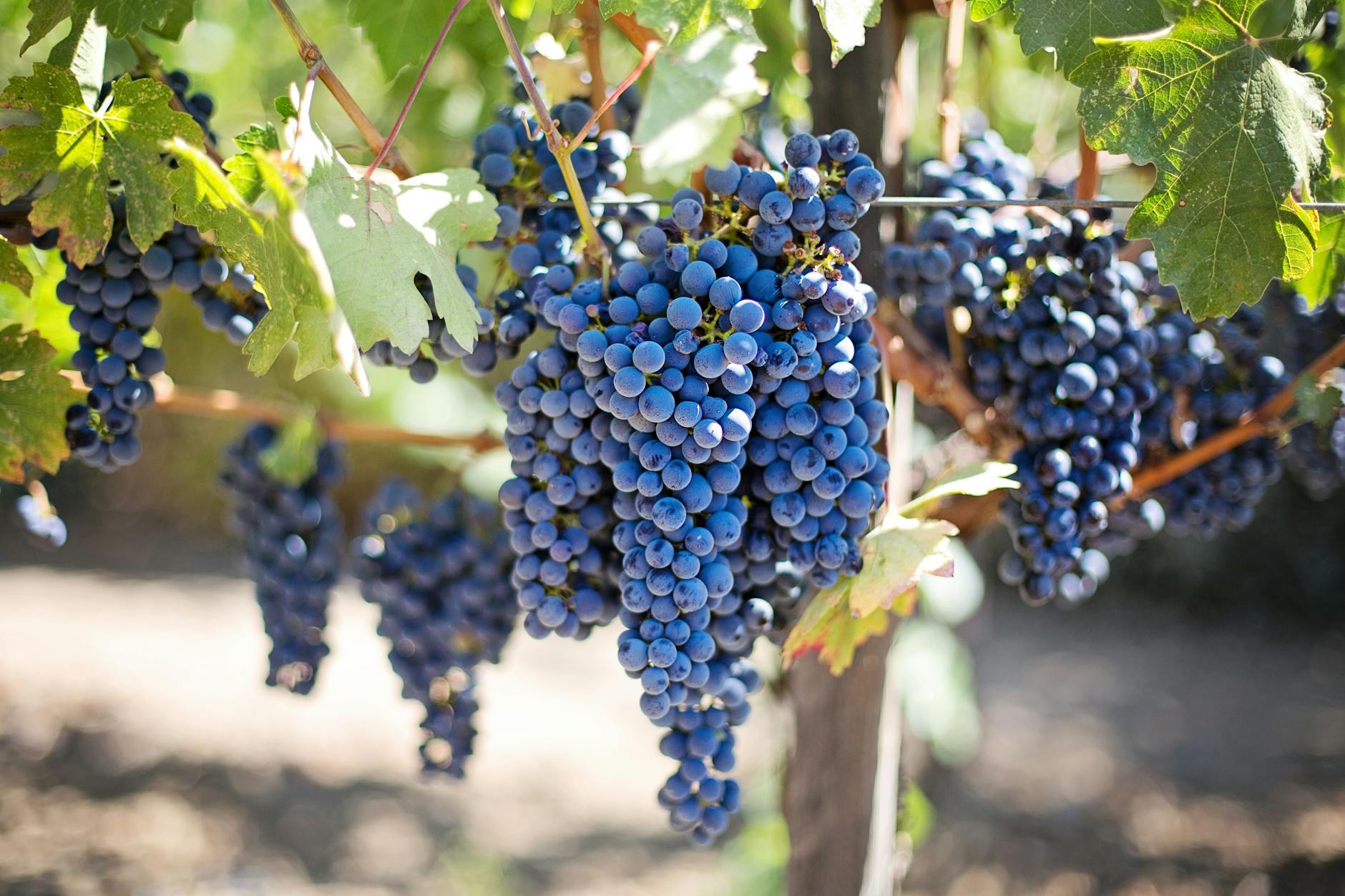
Part 1 — the vineyard walk (10-15 min). The guide walks you out to the edge of the vineyard, explains the soil, the grape varieties, the age of the vines, and the vineyard’s history. Saint-Emilion has four official terroirs (limestone plateau, limestone slopes, sandy plain, and gravel), and any half-decent guide will tell you which one their vineyard sits on and what it does to the wine.
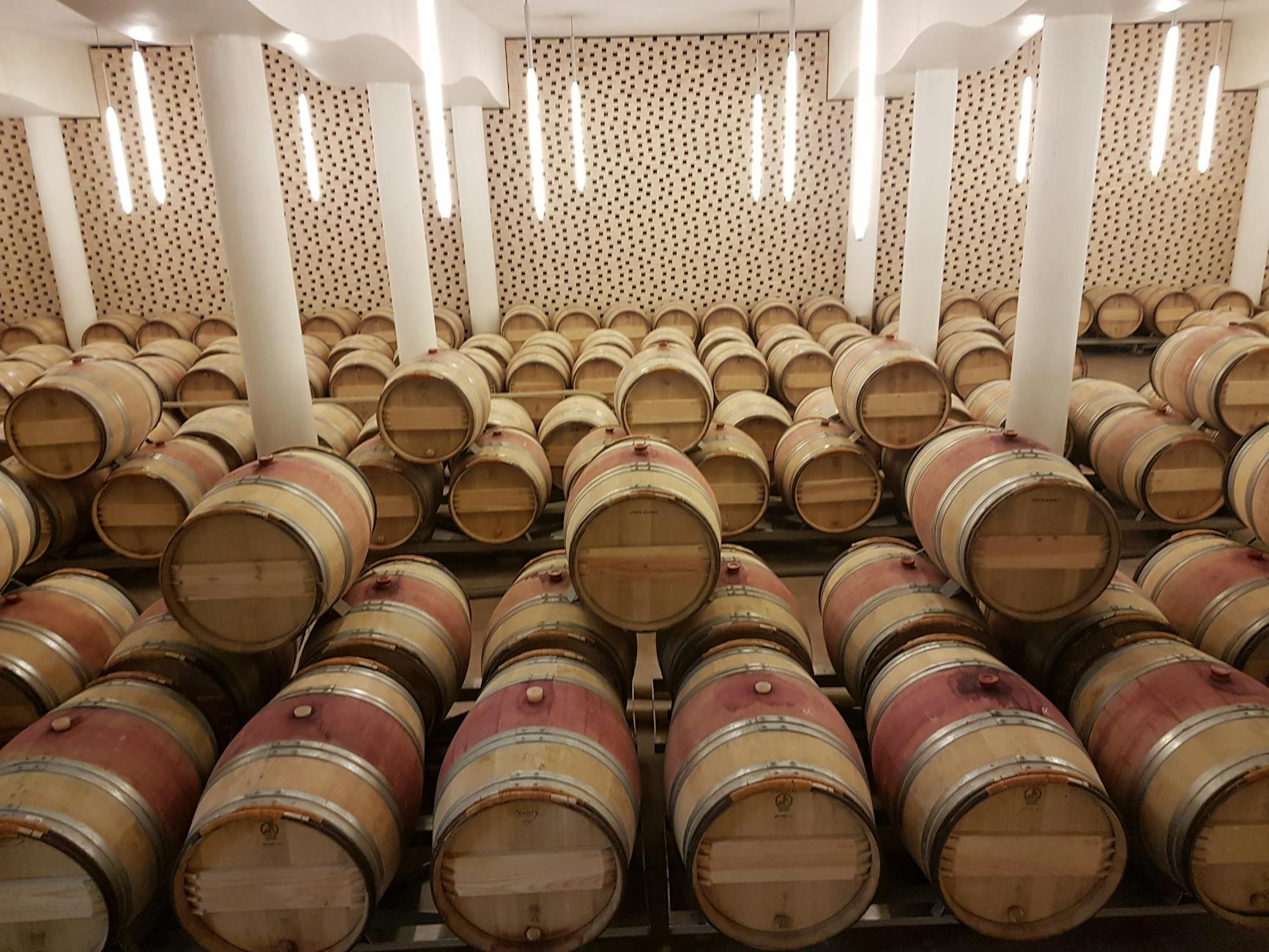
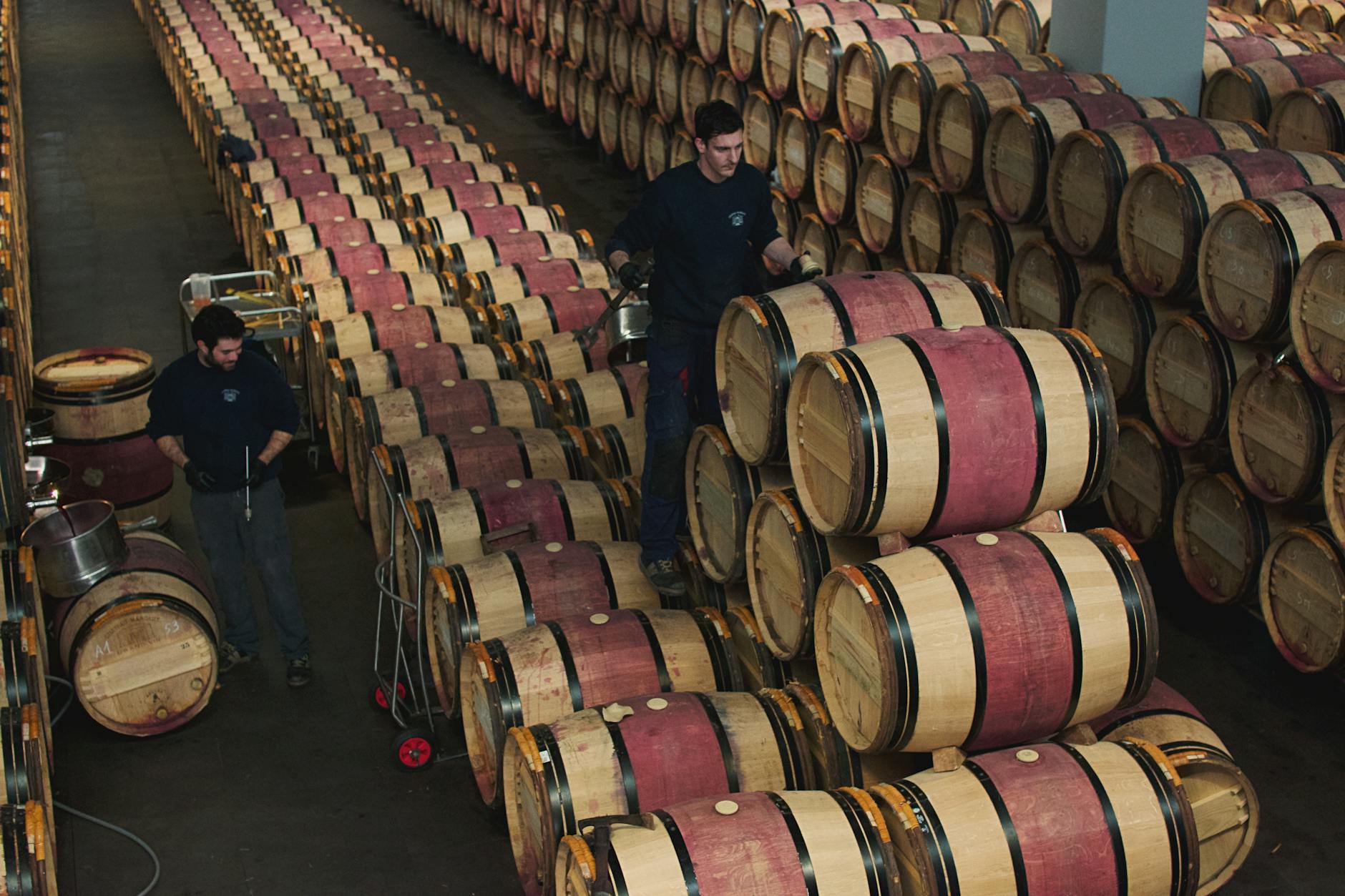
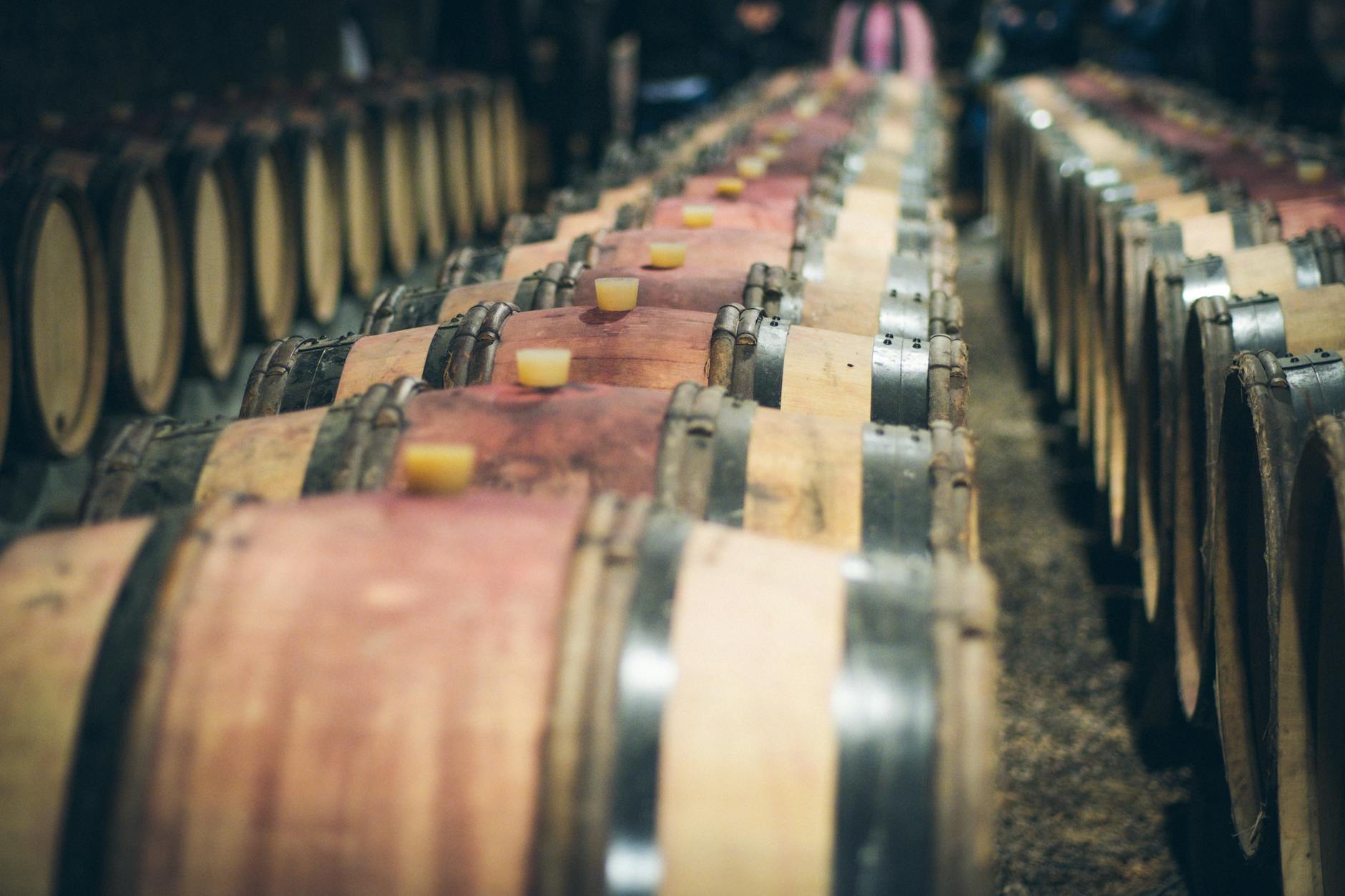
Part 2 — the cellar tour (30-45 min). This is the part I find most interesting. You walk through the vat room (stainless steel or concrete, depending on the chateau’s philosophy), then the barrel room (rows of 225-liter French oak barrels), and usually through an older underground cellar dug into the limestone. The guide explains the winemaking process from harvest through fermentation through aging. This is where you actually learn how Saint-Emilion wine is made and why the Merlot-dominated blends age the way they do.
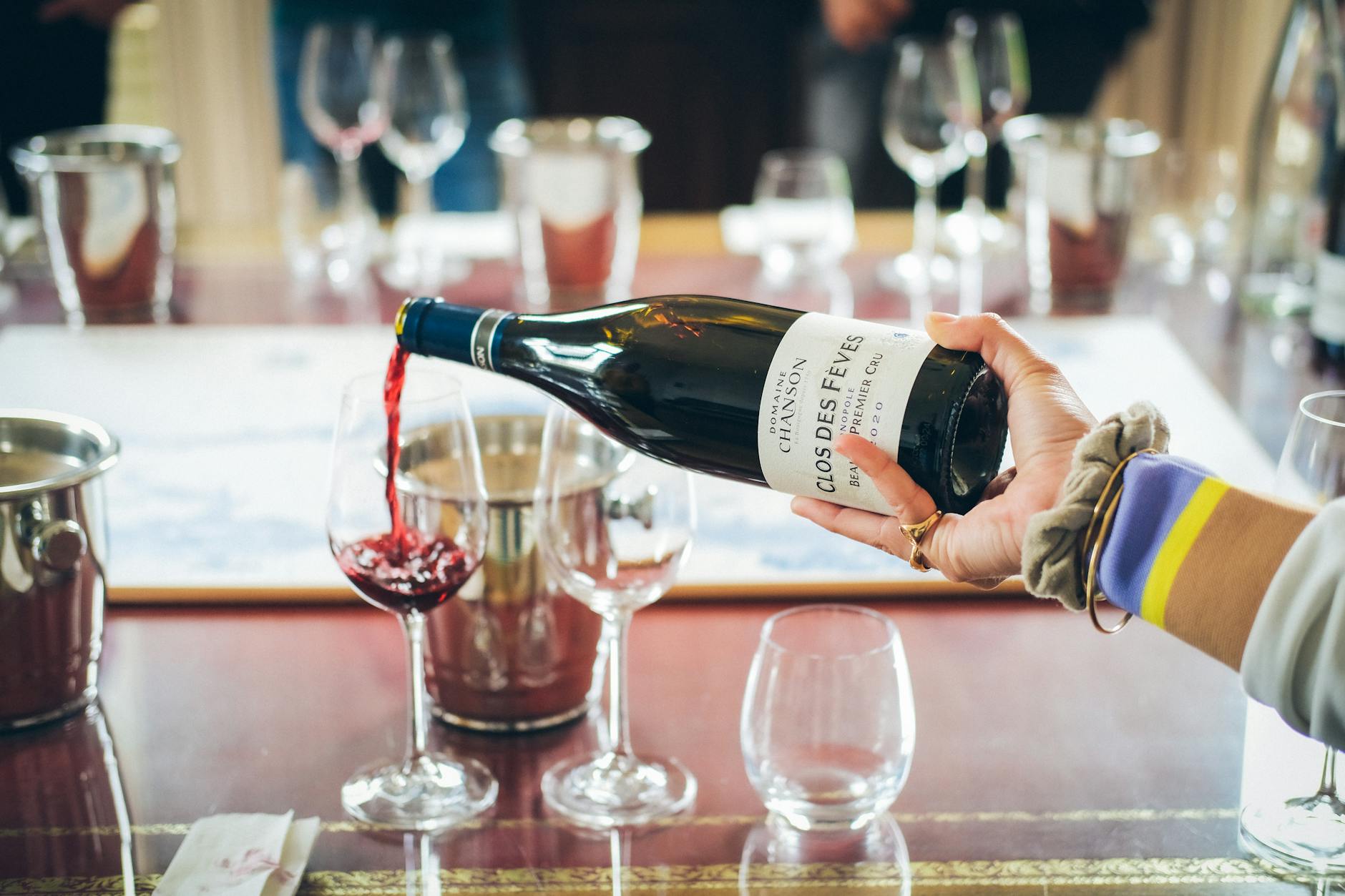
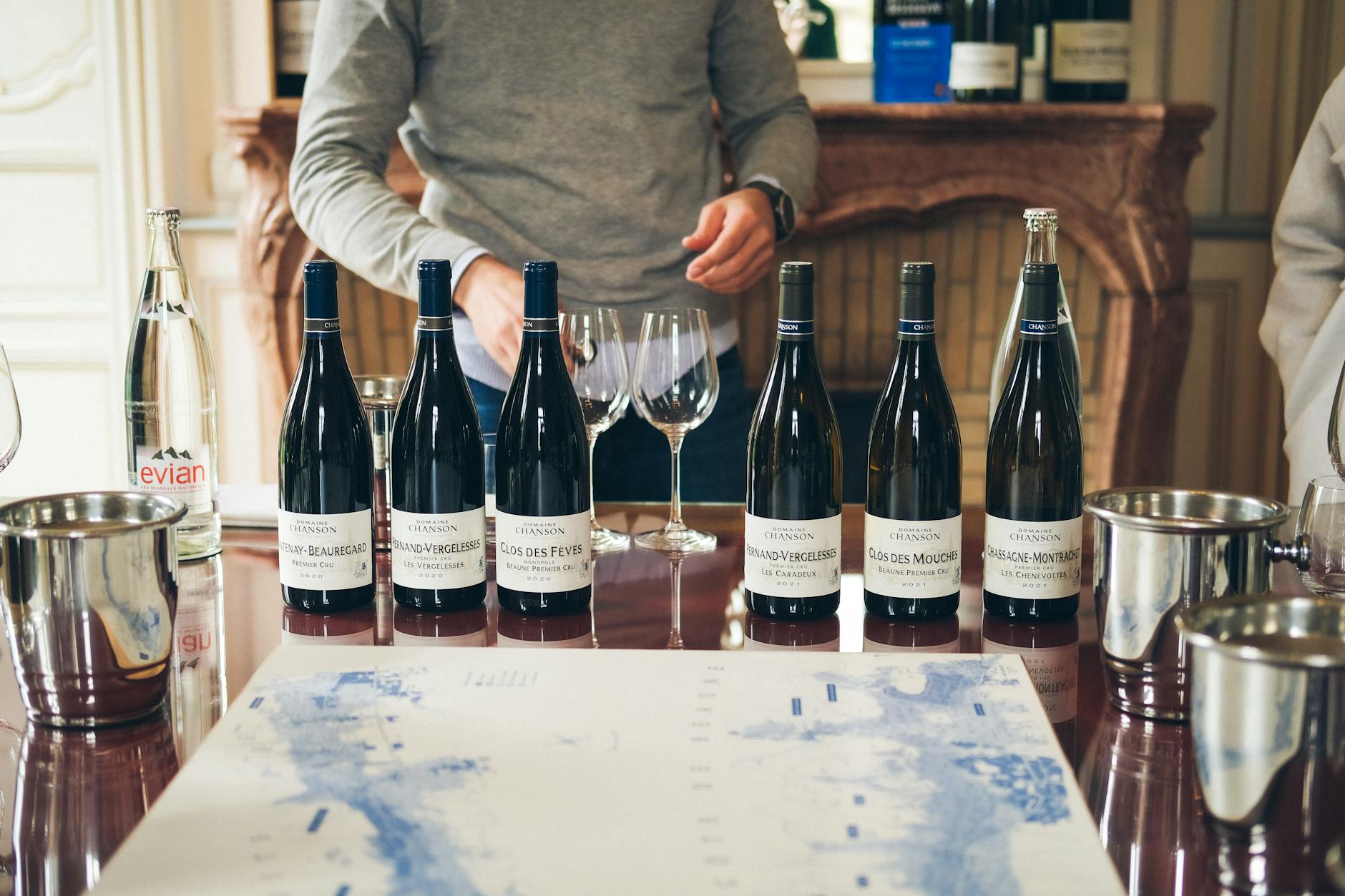
Part 3 — the tasting (20-30 min). You sit at a table and taste 3-5 wines. A typical half-day tour includes 6-8 tastings total across 2 chateaux, so budget for 3-4 per stop. The tasting glasses are properly sized (INAO wine-tasting glasses) and the pours are small — about 30-40ml per wine. You are here to taste, not to drink, and the guides expect you to use the spittoon.
A few practical notes:
You are expected to spit. Small pours plus multiple tastings adds up fast, and if you are visiting 2 or 3 chateaux in one day you will not be able to drive or even remember the afternoon if you actually swallow everything. Most tasting rooms have a spittoon on the table. Use it. Nobody judges you.
Buying wine is not required but is welcomed. Most chateaux offer their full range for direct purchase at prices 10-20% below the French retail price. If you find a wine you really liked, buying 2-3 bottles is a nice way to thank the host and take home a memory. The top Grand Cru Classé chateaux do not discount — they sell at full market price regardless.
French-language tours are still common. Many smaller Saint-Emilion chateaux only offer tours in French. English-language tours exist but you need to book them specifically or book through a tour operator who has already arranged the language. Walk-up visits rarely have English guides on weekends.
The Three Tour Options Explained
Here is the honest breakdown of the three main tour formats.
Half-day afternoon from Bordeaux (around $112): you meet at a central Bordeaux pickup point at 1pm, drive 30 minutes to the Saint-Emilion area, spend about 45 minutes walking the village, then visit 2 chateaux in the surrounding vineyards with tastings at each (4-6 wines total). Back in Bordeaux by 6:30-7pm. This is the most popular format and the one most first-time visitors should book. It gives you the village and a real taste of the wines without burning a whole day, and the price is roughly $100-130 depending on the operator.
In-village walk-up tasting (around $23): you are already in Saint-Emilion (either because you drove yourself, took the train, or are staying overnight) and you walk up to one of the classified chateaux just outside the village walls. Tour duration is about 90 minutes: cellar visit, tasting of 3 wines, short vineyard walk. You book the slot online or via the village tourism office. No transport included, no lunch. This is the right option if you are in Saint-Emilion anyway and want to squeeze in a cellar visit without booking a full tour.
Full-day tour with lunch (around $177): 9-10 hour day from Bordeaux: pickup at 9am, 3 chateau visits spread across the day (morning and afternoon), a 90-minute sit-down lunch at a village restaurant, and a deeper dive into the winemaking. More wines tasted (usually 8-12 total across the day), more time at each property, and the relaxed pace makes a bigger difference than the marketing suggests. This is the format I recommend for anyone whose actual interest is wine rather than village sightseeing.
From Bordeaux: Afternoon Saint-Emilion Wine Tasting Trip
The bestseller and the correct default for first-time visitors. Pickup from central Bordeaux at 1pm, drive to the Saint-Emilion area, 45 minutes of free time in the medieval village, two winery visits with tasting of 6-8 wines across the two properties, small-group format, multilingual guide (English and French as standard, other languages on request). Back in Bordeaux by 7pm. The 2-chateau structure gives you a useful contrast: usually one Grand Cru Classé and one smaller family property, so you see the scale of both commercial and artisanal winemaking. Transport is by minivan (max 8-12 people) rather than a big coach, which makes the vineyard access points easier to reach.
Saint-Emilion: Grand Cru Classé Winery Visit and Tasting
The walk-up option for travelers who have already made it to Saint-Emilion and want to do one proper chateau visit. No transport, no lunch, just a guided tour of a Grand Cru Classé estate with a tasting of 3 classified wines at the end. The tour covers the vineyard, the vat room, the barrel cellar, and a comparative tasting with the winemaker or a trained guide. Book online for a specific time slot (morning or afternoon). The chateau is within a 15-minute walk of the village center, so it works as an add-on to a self-directed day trip. At $23 this is the cheapest legitimate way to experience a Saint-Emilion Grand Cru tasting and it is genuinely good value. The catch: you need to get yourself to Saint-Emilion first, which means either a train from Bordeaux or a self-drive.
From Bordeaux: Saint-Emilion Day Tour with Tastings and Lunch
The deeper format for travelers whose actual reason for being in the region is wine. Morning pickup from Bordeaux around 9am, visit to the first chateau (usually a Grand Cru Classé with a deeper cellar tour), return to the village for a sit-down lunch at a local restaurant with wine pairings, afternoon visit to two more chateaux, back in Bordeaux around 6:30-7pm. Total tastings across the day: 8-12 wines. The lunch alone is worth half the price difference over the half-day format: it is a proper 2-3 course regional meal at a village restaurant with a curated wine pairing, and it gives the day a rhythm that turns the trip into a full experience rather than a rushed afternoon. Small-group minivan, English-speaking guide, and the pace is notably more relaxed than the half-day format.
Which Tour Format Matches Which Traveler
Rough matrix of which format works for which kind of traveler.
First-time wine tourist, 1 day to spare from Bordeaux: half-day afternoon tour ($112). Fits a morning in Bordeaux around a Saint-Emilion afternoon and gives you both cities on the same day.
Wine enthusiast, booked specifically for Saint-Emilion: full-day tour with lunch ($177). The pace, the food pairing, and the third winery visit matter more than you think. You will remember the 9-hour day, not the 5-hour one.
Couple on a celebration trip: full-day tour plus an overnight in the village itself. Several small boutique hotels exist inside the village walls; they book up 3-6 months in advance. This is the romantic format.
Solo traveler on a tight budget: in-village walk-up tasting ($23) plus DIY village exploration. Take the TGV to Bordeaux, local train to Saint-Emilion, walk around the village for 3 hours, do the $23 tour at noon or 3pm, train back. Total cost including transport: around €70-90.
Group of 4 friends: rent a car in Bordeaux and DIY with 2-3 pre-booked tastings spread across the day. This is the cheapest way for a group and gives you full flexibility. Book the tastings 1-2 weeks ahead and use the car for restaurant choice.
Parents traveling with young children: skip the winery tours and just visit the village. Kids under about 12 will not get much from an hour of cellar walking, and the tasting rooms are not set up for children. Let them run around the square and climb the King’s Tower. Bring snacks.
Getting to Saint-Emilion
Your options for actually reaching the village:
Organized tour from Bordeaux: the easiest. Pick one of the tours in the section above, meet at the central pickup point, let someone else handle the transport. No thinking required.
Direct train from Bordeaux Saint-Jean station: 40 minutes, €8-10 each way. The train runs 4-5 times a day in summer and 3-4 times a day in winter. The Saint-Emilion station is at the bottom of the hill about 1 km outside the village; there is no transport from the station so you walk up (15 minutes on foot, a steep but pretty climb). The train is a good option for independent travelers but it means you are limited to the train schedule and cannot reach any chateaux outside the village walls without walking or hiring a taxi.
Rental car from Bordeaux: 30-40 minutes on the A10 autoroute. €35-50/day plus tolls and fuel. The car gives you the flexibility to visit chateaux that are not in the village center itself and to eat lunch somewhere specific. The downside is that you can only taste lightly because you have to drive.
Private driver-guide: the premium option, roughly €300-500 for the day for 2-4 people. You get a wine-knowledgeable driver who handles all the logistics, books the tastings, and drives you between properties. This works for couples celebrating something or for travelers who want a heavily curated experience.
TGV from Paris to Saint-Emilion directly: no. There is no direct train. You always change in Bordeaux. The full Paris-to-Saint-Emilion one-way journey is 3 hours minimum even with good connections.
When to Go
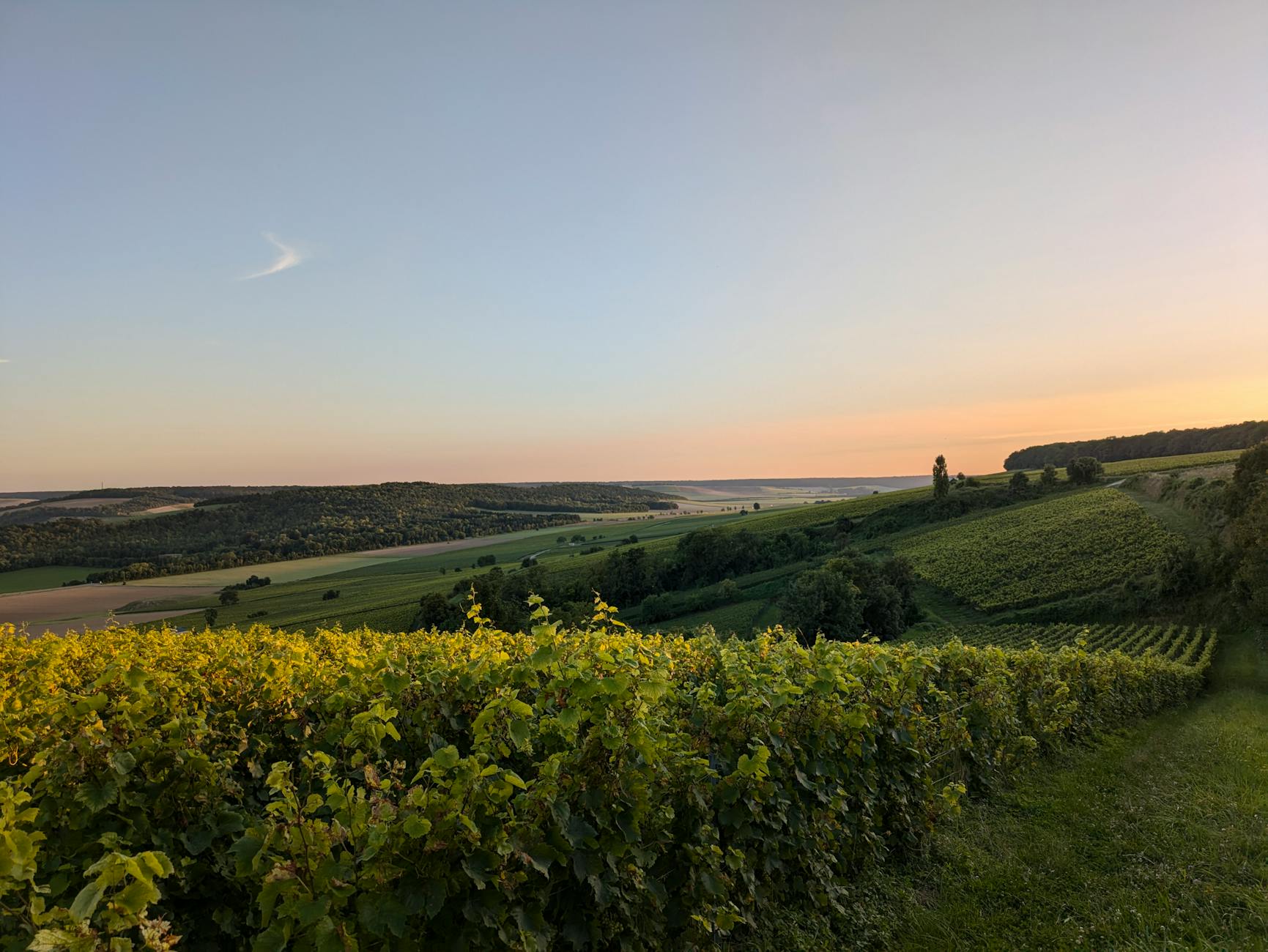
Best time overall: mid-May to mid-June. The vines are fully green, the weather is warm but not hot, the crowds are moderate, and the village restaurants still have room on the terraces without a 3-week booking. The first two weeks of June specifically are the sweet spot — school trips are mostly over, the French summer holidays have not started, and the temperatures sit around 22-26°C.
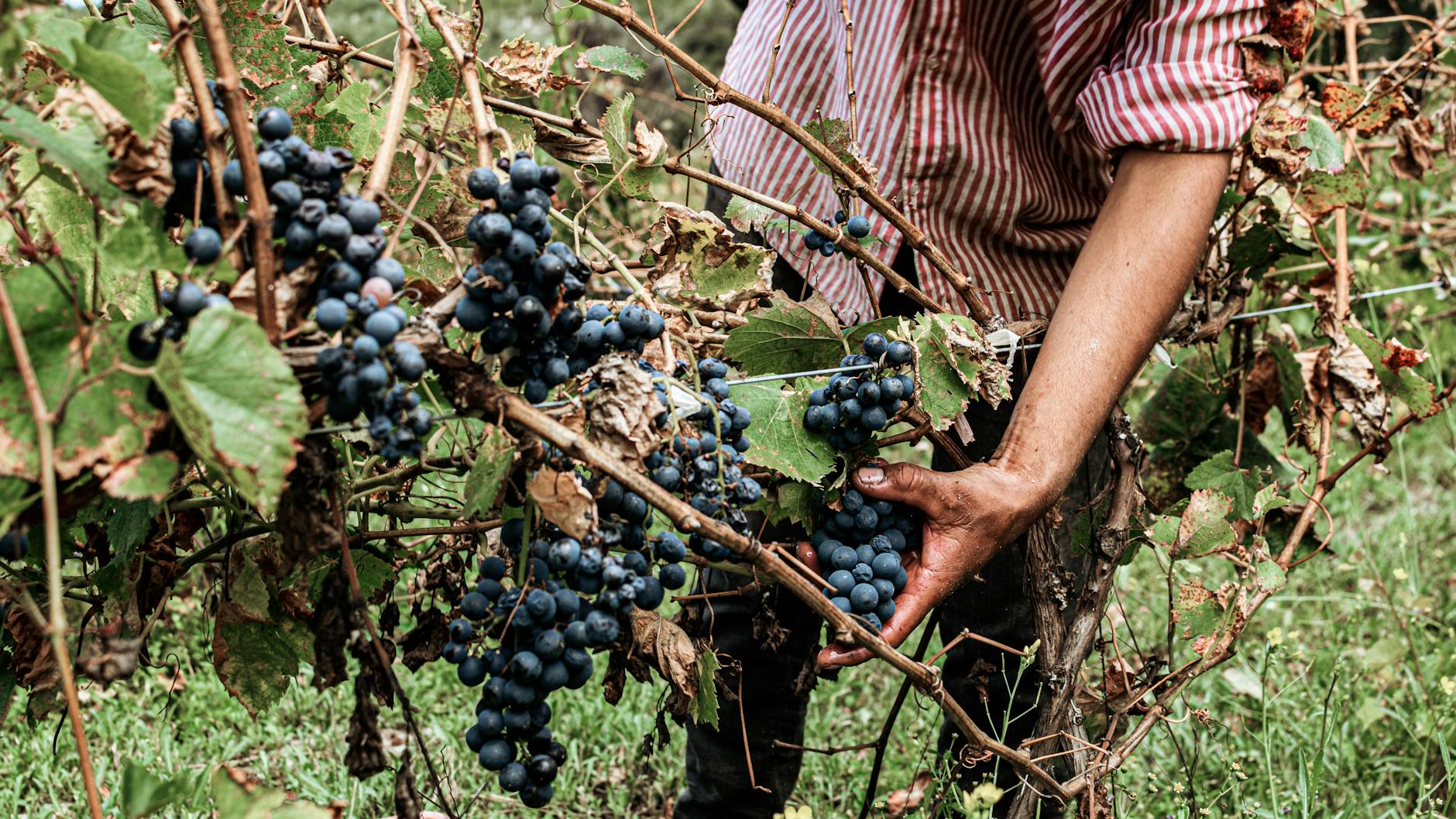
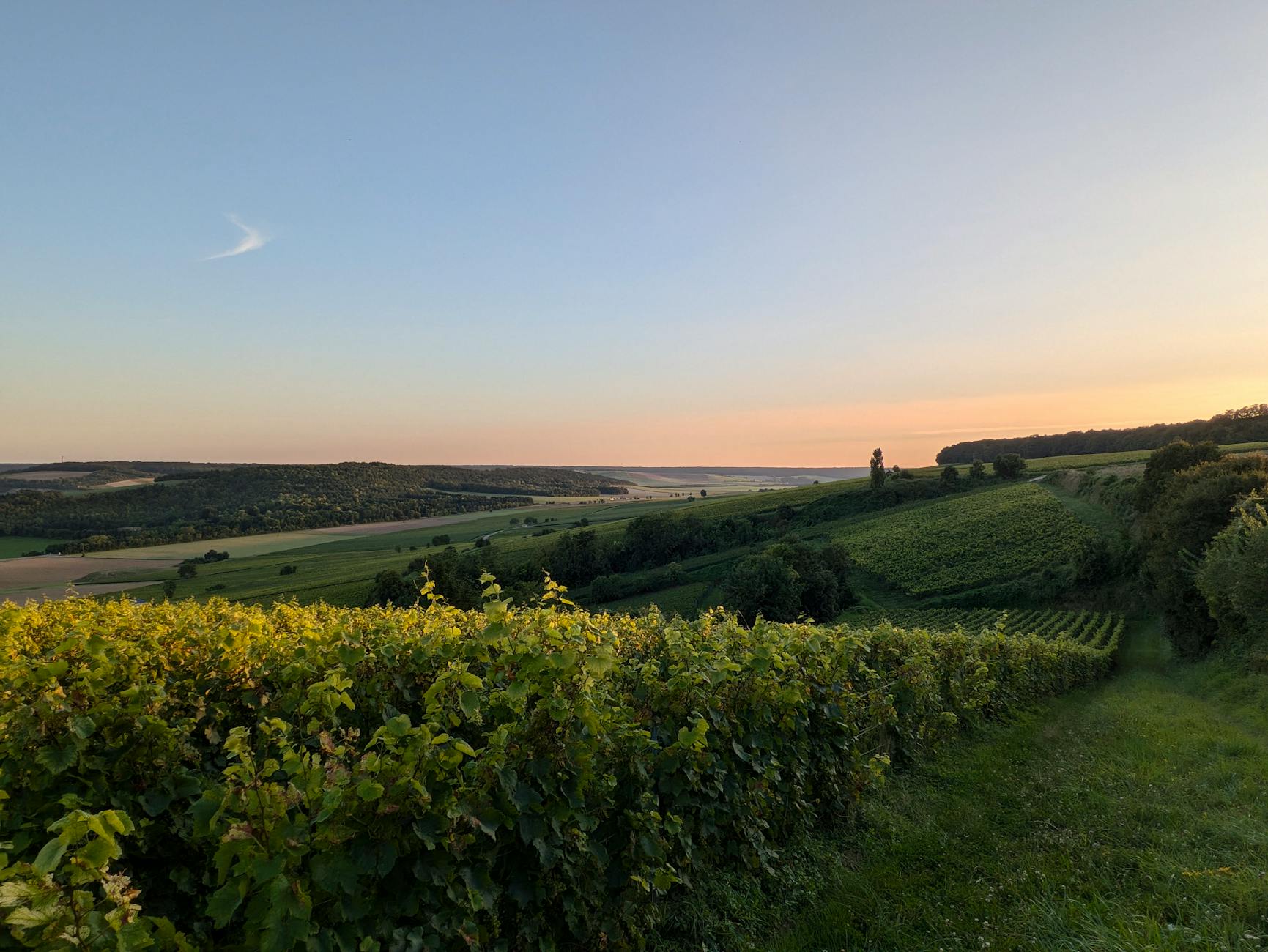
Second best: September. Harvest season runs from early September to mid-October depending on the year. The vineyards are at their most active and you can sometimes see harvesting crews at work in the rows. The weather is mild, the crowds thin out after the French rentrée on September 1, and the light turns dramatically golden by mid-month.
Avoid: July and August. Not because of the heat (Bordeaux summers are hot but manageable), but because the chateaux are at their busiest and many of the winemakers themselves are on holiday, which means the tastings are conducted by junior staff rather than the people who actually made the wine. The village is also at its most crowded and the restaurants are impossible.
Winter (November-March): some chateaux close entirely for the off-season, and the ones that stay open have reduced tour schedules. The village is much quieter and the hotels are cheaper, but the vines look bare and some of the charm is gone. Not the best first-visit window but fine for a second visit.
Lunch in Saint-Emilion
Lunch in Saint-Emilion is an event, and if you are on a full-day tour, you will usually eat at one of the village restaurants as part of the package. If you are self-directing, here is what to look for.
The village has about 15 sit-down restaurants and they range from €20/head to €80/head. The mid-range places (€35-55 for a 2-3 course lunch with a glass of wine) are the best value. Try L’Envers du Decor (a wine-focused bistro with a strong local menu), Huiterie Regis (which does oysters and seafood pairings), or Le Tertre (traditional Bordelais cuisine). All three need reservations on a Saturday.
If you are on a budget, the boulangerie-patisseries on the main street sell excellent sandwiches for €6-8 that you can eat on a bench in the square. The local canelé is a small cylindrical pastry with a dark caramelized exterior and a custardy interior — it is native to Bordeaux, not Saint-Emilion specifically, but the village has it everywhere and it is genuinely good.
Wine with lunch: do not feel obligated to order the most expensive Saint-Emilion on the list. Any €30-40 bottle at a village restaurant is better quality than the equivalent price point in Paris, and the restaurant’s house recommendation is usually the most honest option. Ask the server what they would drink with your food and trust the answer.
What to Bring
Essentials for a Saint-Emilion day trip:
Closed-toe shoes with grip. The cobblestones in the village are polished to a fatal smoothness after 900 years of feet. Cellars are often damp underfoot. Sneakers are ideal. Flip-flops and heels are wrong.
A light layer. Even in summer the cellars are 12-14°C year-round because they are underground. Bring a cardigan or light jacket for the cellar portion of the tour.
Sun protection. The vineyards are exposed and the walk between rows in midsummer is brutal without a hat. Bring a cap or a wide-brimmed hat, sunscreen, and water.
A small bag. You will be walking a lot and standing for a lot of it. A small crossbody or day bag is more comfortable than carrying things by hand.
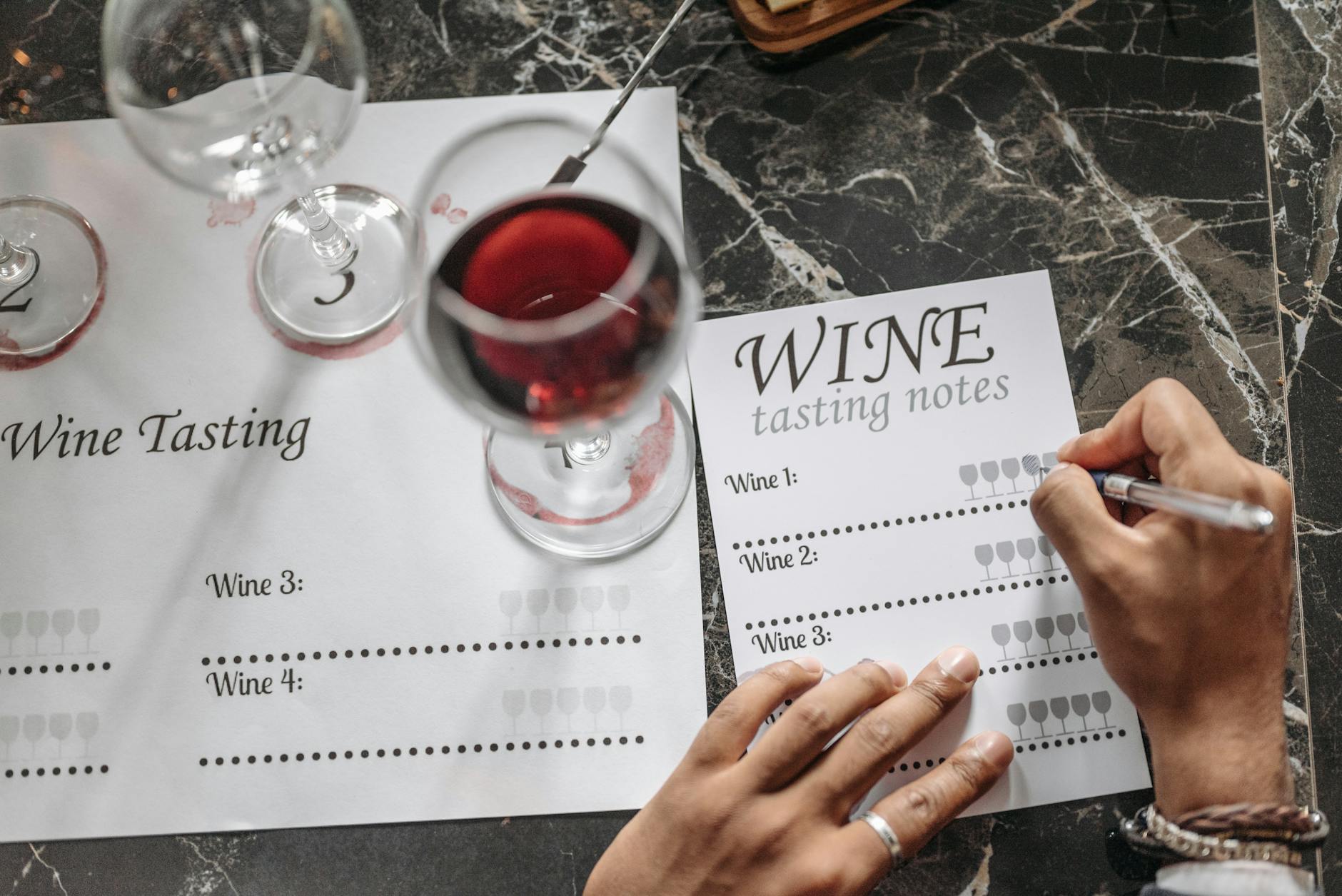
A notebook or phone for tasting notes. You will forget 80% of the wines by the time you get home. A 3-word note (“cherry dusty soft”) per wine is enough to reconstruct them.
Credit card. Chateaux increasingly refuse cash and the village shops take cards for anything over a few euros. Carry €30-50 in cash for street coffee and the monolithic church ticket, but cards are fine for most purchases.
Common Mistakes
Mistake 1: trying to do Saint-Emilion as a round-trip day from Paris. It is technically possible but you will spend 8+ hours on trains for 5 hours on the ground. Either stay a night in Bordeaux or skip it. This is the single most common mistake I see from first-time Paris visitors.
Mistake 2: booking a tour without checking the language. Some small-operator tours are French-only and the listings do not always make that clear. Always check the language confirmation in your booking email. For English, the half-day tours from Bordeaux are the safest bet because the big operators run English tours daily in summer.
Mistake 3: expecting all wineries to be famous. Saint-Emilion has over 800 producers. Your tour will likely visit 2-3 of them and none of them will be Chateau Cheval Blanc or Chateau Ausone (the two most famous First Growth A properties). Those visits are possible but require private bookings with minimum fees of €500-2,000 per group. Set your expectations: you are visiting good, representative properties, not the icons.
Mistake 4: over-drinking early. The first tasting is always the most exciting and there is a strong temptation to swallow every pour because “it’s a holiday”. By the third chateau you will be fuzzy, you will not remember the wines, and you will be no use at lunch. Spit from the start. Nobody is watching and nobody cares.
Mistake 5: not buying the wine you liked. If you fall in love with a bottle at a chateau, buy 2-4 bottles right there. Prices are often 10-20% below the French retail price and you cannot always find the same wine later. Shipping home is possible if you are travelling light but customs fees vary by destination — budget an extra €30-50 if you are shipping to the US or Australia.
Is Saint-Emilion Right For You?
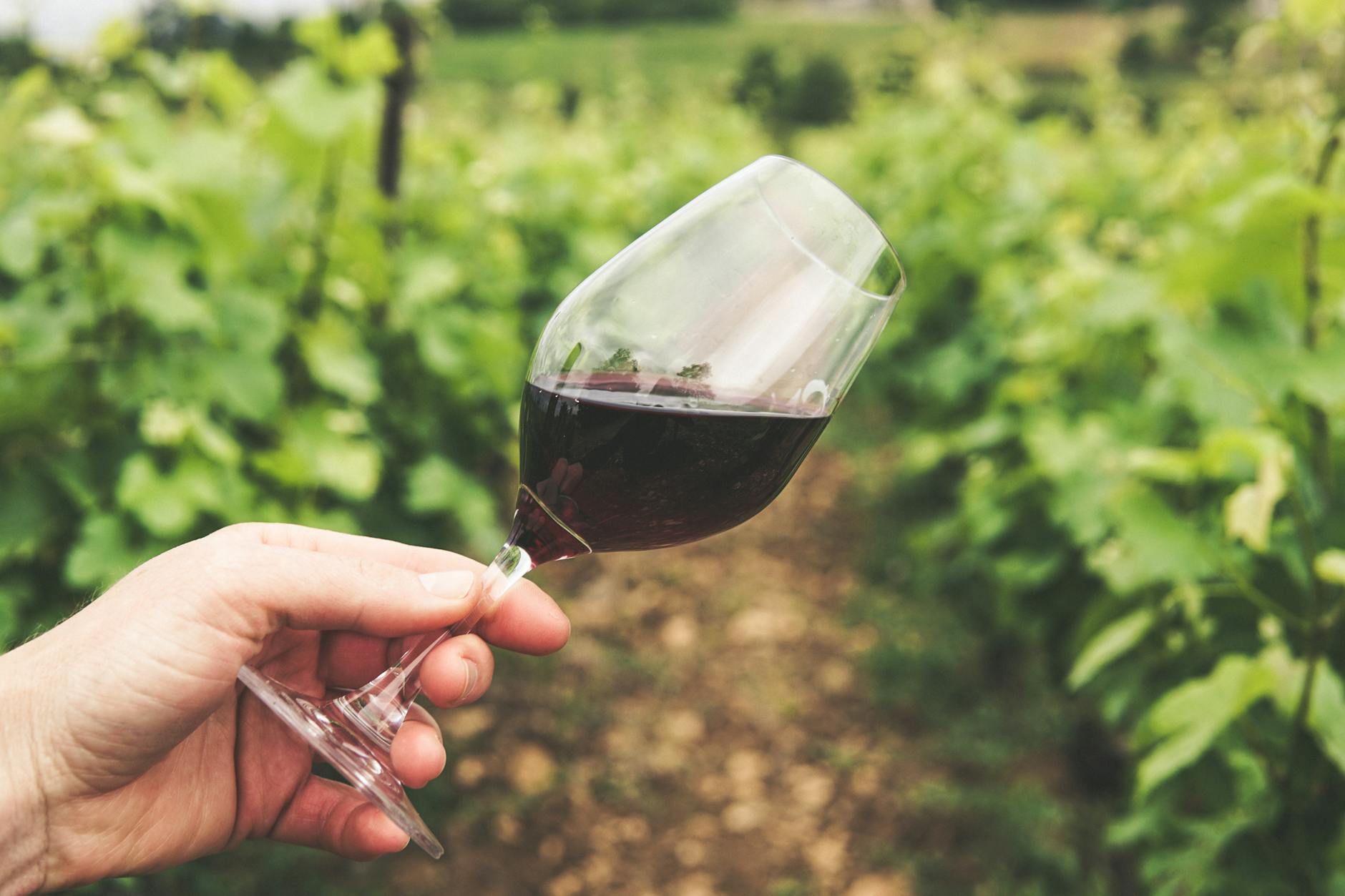
Perfect for: serious red wine drinkers, couples on a celebration trip with a wine focus, travellers who have already seen the Paris landmarks and want something slower and more sensory, anyone interested in French agriculture and food culture, photographers (the light is extraordinary in the vineyards late afternoon).
Possibly not for you: travellers who only drink white or rose, first-time France visitors with a short Paris itinerary, families with children under 12, anyone who finds winery tours repetitive after the first two hours.
Skip entirely if: you are teetotal. There is still something to see in the village itself but you will pay full tour prices for half the experience. Pick a different day trip (Dordogne, Perigueux, the Arcachon Bay) instead.
A Perfect Saint-Emilion Day Trip Itinerary
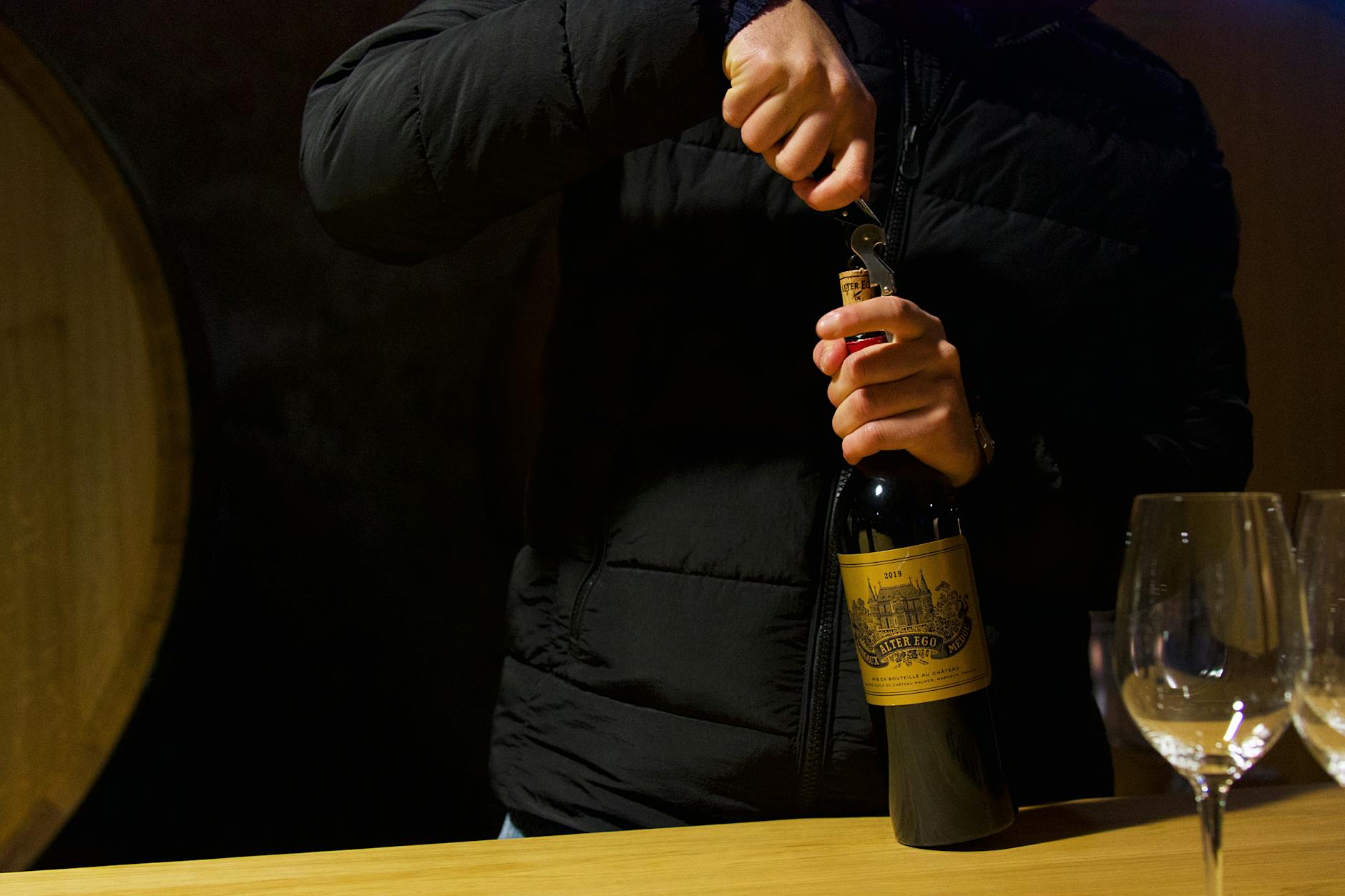
Here is how a good day unfolds if you are doing it from Bordeaux on the half-day afternoon format.
Morning in Bordeaux (9am-12:30pm): coffee at Cafe Utopia or one of the bistros on Place du Parlement, walk along the Garonne waterfront to the Place de la Bourse (20 minutes), visit the Cite du Vin wine museum if you have an hour to spare. Light lunch at noon somewhere near your tour meeting point (the tours usually meet near the tourism office on Rue Esprit-des-Lois).
12:30pm: head to the tour pickup point. The afternoon tours meet between 12:45 and 1:15 depending on the operator.
1:00pm: tour departs Bordeaux. 30 minutes to Saint-Emilion. Use the time to read about the producer you are about to visit (your operator usually sends a briefing the morning of).
1:45pm: arrive in Saint-Emilion. The tour drops you in the main square or the upper parking. You get 30-45 minutes of free time in the village — use it for the monolithic church tour if you booked ahead, or the King’s Tower for the view, or just walking the smaller streets east of the main square.
2:30pm: first chateau visit. 75-90 minutes including tasting. Usually a classified property with a full cellar walk.
4:00pm: drive 10-15 minutes to the second chateau. Shorter visit (60 minutes) with a tasting at the end.
5:30pm: back on the minivan for the drive to Bordeaux.
6:30pm-7:00pm: drop-off in central Bordeaux. You are back in time for dinner. Book something good at Le Chapon Fin or La Tupina or one of the smaller neo-bistros near Saint-Pierre. Drink the Bordeaux wines you learned about in the afternoon but pay someone else to pour them for you.
What to Pair the Trip With
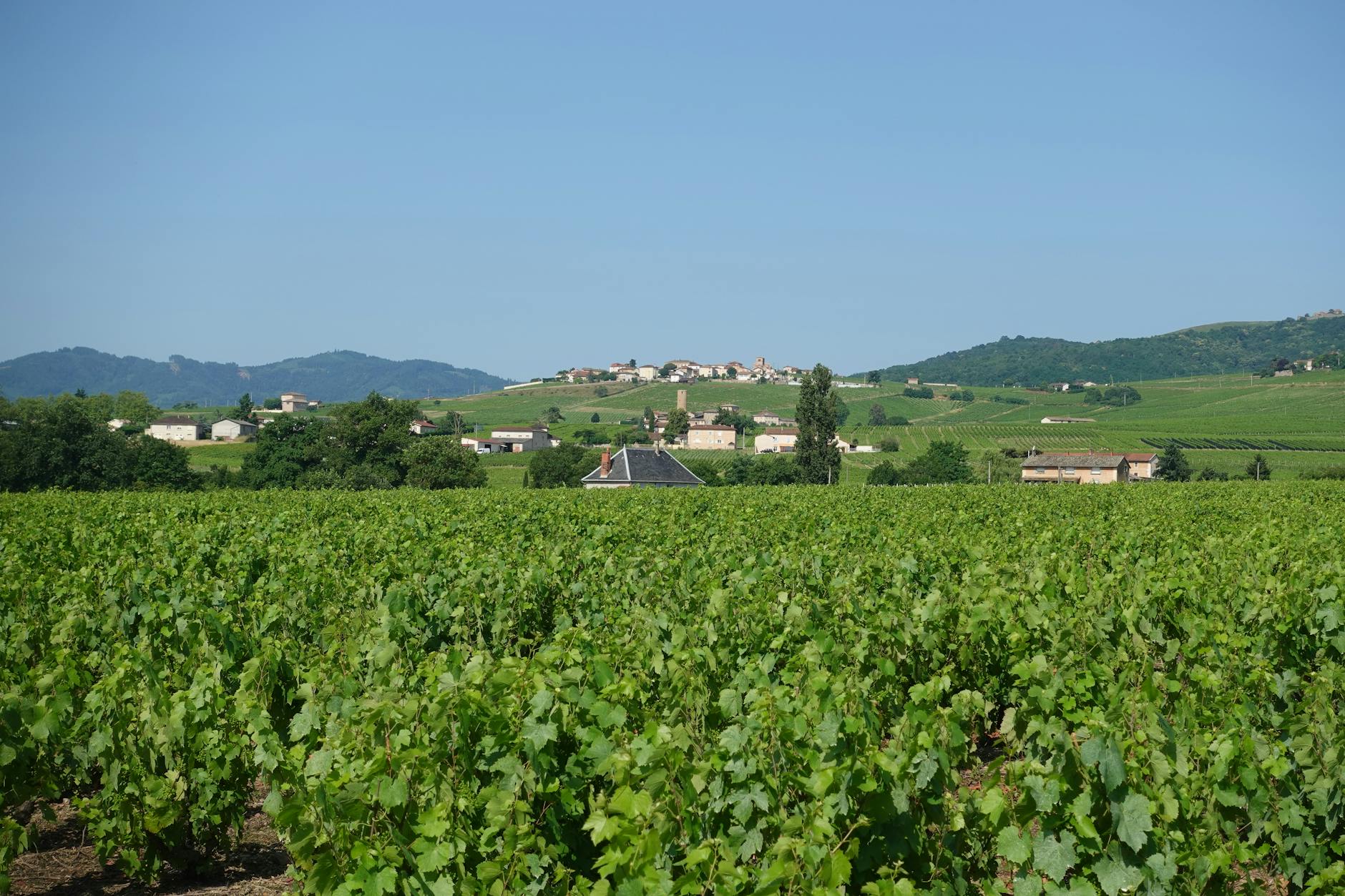
Saint-Emilion is a Bordeaux side-trip, so the natural pairings are other Bordeaux experiences rather than Paris ones. That said, it works well as part of a longer loop.
If this is your first trip into Bordeaux wine country, pair Saint-Emilion with a Medoc Left Bank day the day before or after. The Medoc is the Cabernet Sauvignon-dominated side of Bordeaux, with the famous 1855 classification (Chateau Margaux, Lafite Rothschild, Latour). The two regions make very different wines from the same general climate and tasting them 24 hours apart is the best way to actually understand the difference. The Seine river cruise is not going to teach you that lesson.
Bordeaux the city also deserves at least a full day on its own. The old town is UNESCO-listed, the food scene is one of the strongest in provincial France, and the waterfront along the Garonne is one of the best urban walks in Europe. Do not fly into Bordeaux and immediately drive out to Saint-Emilion without spending a day in the city.
If you are building a longer southwest trip, pair Saint-Emilion with a day in the Perigord region (Sarlat, Lascaux, the foie gras country), which is a 2-hour drive east from Bordeaux. This gives you a complete food-and-wine week in southwestern France that most Paris-only travelers miss entirely.
A less obvious pairing: combine Saint-Emilion with a day at the Dune du Pilat and the Arcachon Bay, which is about 90 minutes from Bordeaux going west. The dune is Europe’s largest sand dune and the oyster beds of Arcachon are the other side of Bordeaux’s food identity. Wine one day, oysters the next, and you have seen the two things Bordeaux does better than anywhere else.
If you are tacking Saint-Emilion onto a Paris trip rather than a southwest loop, it pairs best with an earlier day spent on the Loire Valley day trip from Paris. Both are French wine-country experiences but the contrast is enormous: the Loire is white wine and chateaux, Saint-Emilion is red wine and vineyards. Doing both gives you a complete French wine cross-section in two days and neither feels redundant.
Final Thoughts
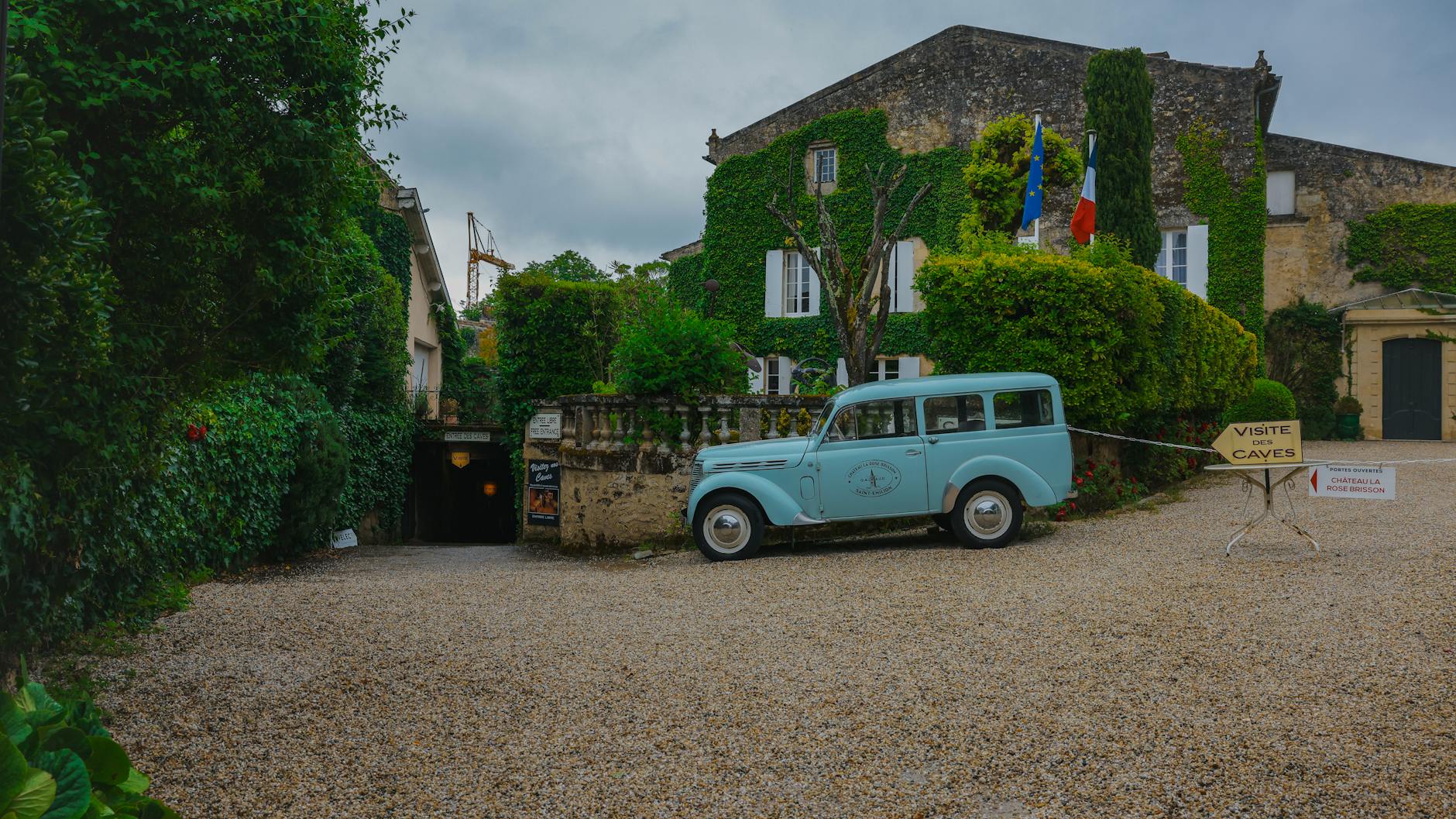
Saint-Emilion is worth the trip if you drink red wine and want a genuine pilgrimage-style experience at the source. Do not try to do it as a same-day round trip from Paris unless you are desperate — stay in Bordeaux for at least one night and it becomes a proper two-day adventure instead of a 13-hour travel slog. Pick the afternoon tour from Bordeaux if you are a first-timer, the full-day tour if wine is the actual reason for your trip, and the walk-up tasting if you are already in the village and want to squeeze in a chateau visit on your own terms.
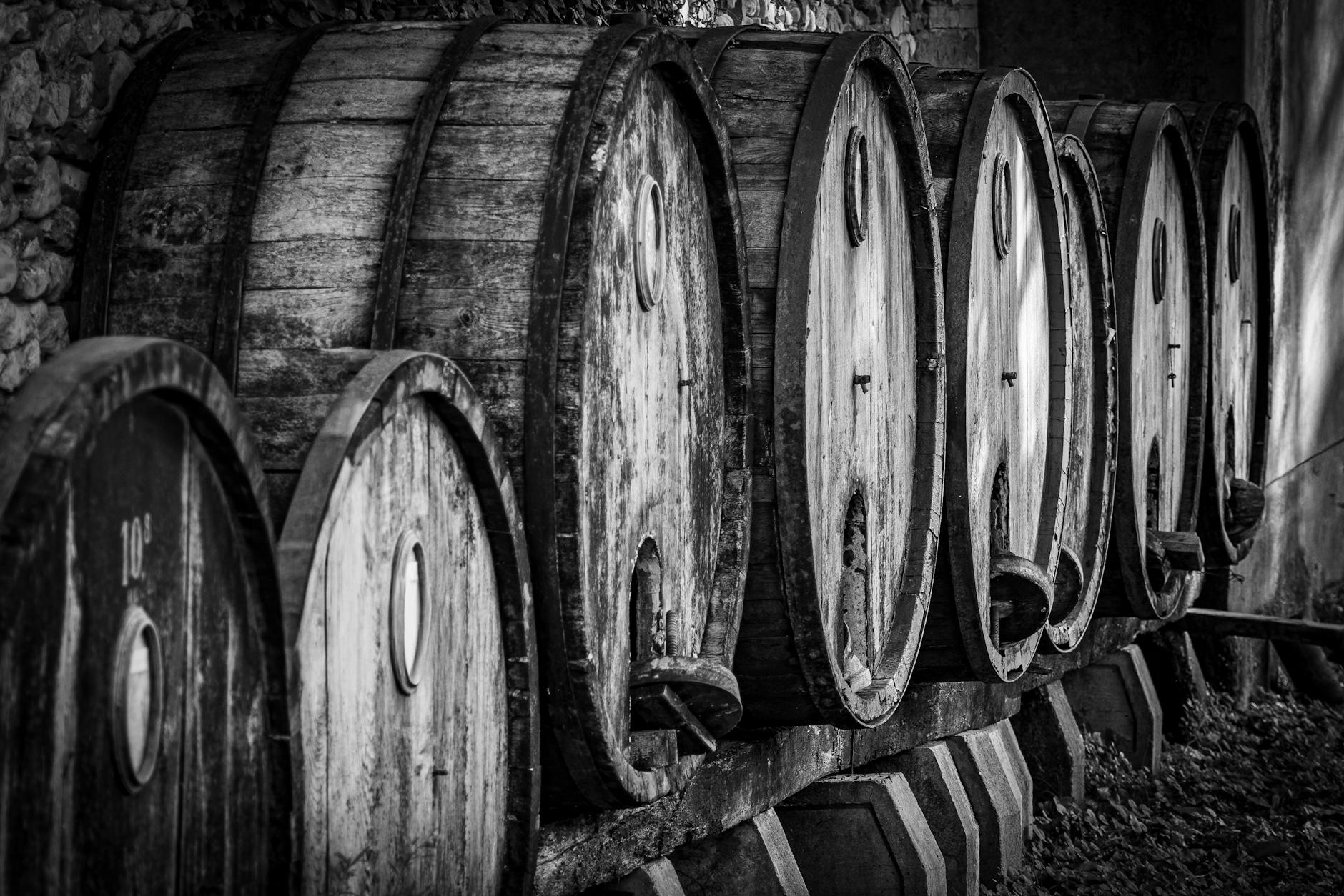
Avoid July and August if you can, spit from the first pour, buy the wine you loved at the cellar door, and order whatever the village restaurants recommend for lunch. Saint-Emilion rewards slow travel more than any other French wine region I have visited and the trip works best when you treat it as a two-day project rather than a quick tick-box.
FAQ
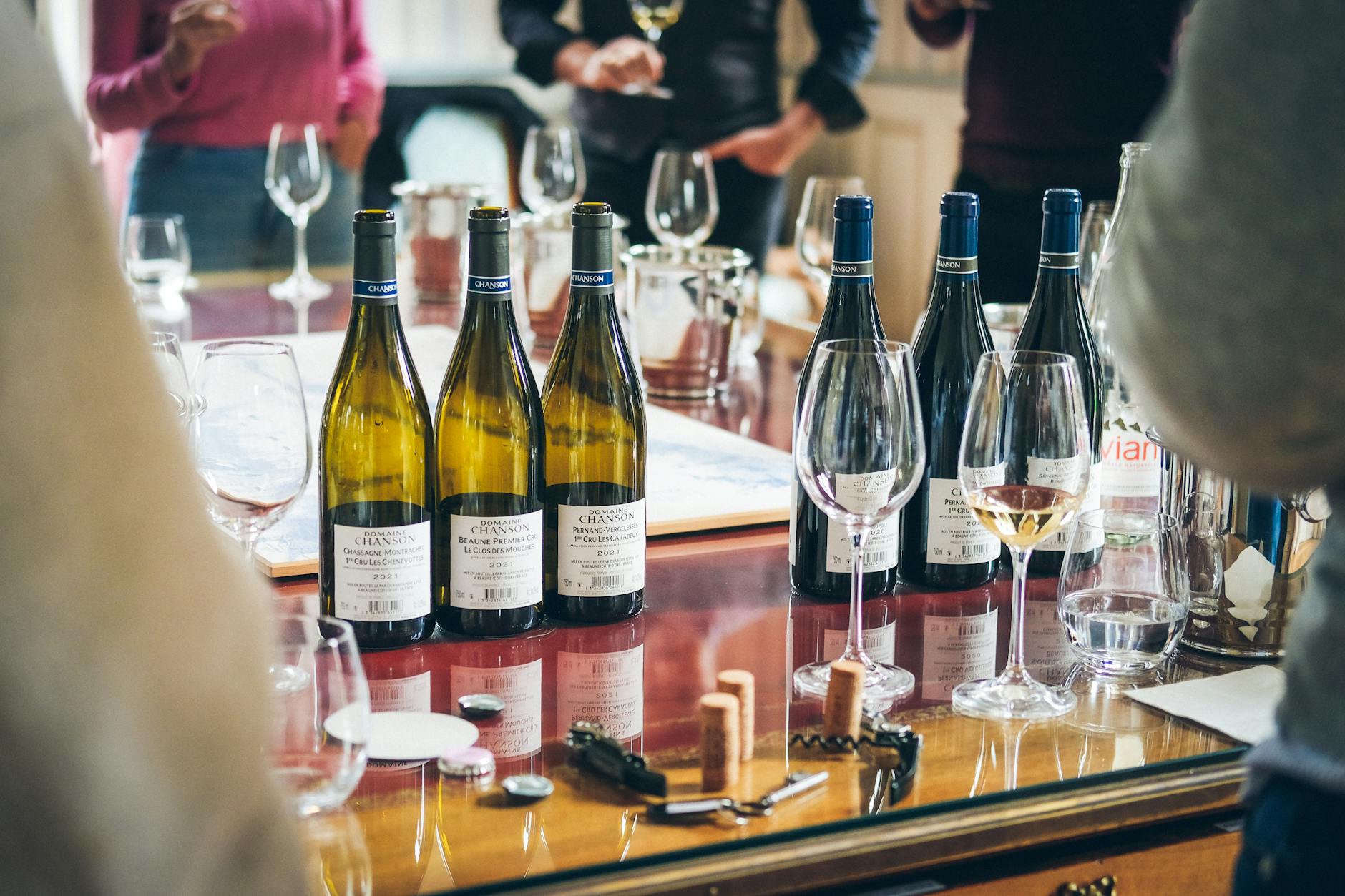
How much wine will I actually drink on a tour? If you are spitting, roughly 30-40ml per wine and maybe 6-8 wines on a half-day tour — call it a quarter of a bottle total in your system. If you are swallowing everything, closer to a full bottle across the afternoon, which is enough to feel it.
Do I need to know anything about wine before I go? No. The guides are used to beginners and the good ones calibrate the explanation to the group. If you want to read one thing beforehand, learn the basics of the Bordeaux blend (Merlot, Cabernet Franc, Cabernet Sauvignon, Petit Verdot, Malbec) and the difference between Left Bank and Right Bank — that context will make everything click faster.
Can I buy wine and take it home? Yes. Most chateaux sell directly at the cellar door. For shipping home, expect to pay €30-80 for a case to the US or Australia plus any import duties. For European destinations, shipping is much cheaper. Alternatively, most people buy 2-4 bottles and take them in checked luggage.
Is Saint-Emilion better than Medoc for a first visit? They are different experiences. Saint-Emilion is more picturesque (the medieval village is unique in Bordeaux wine country), the wines are softer and more approachable (Merlot vs Cabernet-dominated), and the tour format is more walkable. Medoc has the bigger-name chateaux and the more famous classification system but fewer things to see between winery visits. If you only have one day and you want a rounded experience, pick Saint-Emilion. If you already know Bordeaux and want to taste the Left Bank specifically, pick Medoc.
Do I need a guide for the village itself? No, for the streets, yes, for the monolithic church. The streets are easy to self-navigate and the tourism office gives you a free map. The underground church can only be entered as part of a guided tour and it is the most interesting single thing in the village, so book that slot.
Can I visit Cheval Blanc or Ausone? In theory yes, in practice only with an advance private booking and a minimum fee of €500-2,000 per group. These are not on any regular tour itinerary. If you have the budget and the interest, contact the chateaux directly via their websites and ask — they are more flexible with wine club members and serious collectors.
What is the difference between Grand Cru and Grand Cru Classé? Grand Cru is the base quality level and any chateau in the Saint-Emilion AOC that meets minimum standards can use it. Grand Cru Classé is the higher official classification, currently held by about 85 properties, and is revised every 10 years. Premier Grand Cru Classé is the top tier, currently 18 chateaux. Premier Grand Cru Classé “A” is the very top, currently held by 2 properties (Ausone and Cheval Blanc since the 2022 revision).
Can I do Saint-Emilion with kids? Yes for the village, not really for the winery tours. Kids under about 12 will be bored in a cellar. If you are travelling as a family, plan a village-only visit and skip the formal tour. Bring snacks and pastries and let them explore the square and climb the tower.