
Paris hop-on hop-off buses are the single most divisive way to see the city. Half the travel writers love them (fast coverage, good for first-timers, genuinely useful on tired days). The other half hate them (slow in traffic, tours skip half the good stuff, audio guides are dated). I have used them on four separate Paris trips across three different operators and I have a firm take: they are great for one specific use case, and bad if you try to make them do anything else.
The specific use case is day one of a first trip, when you have no mental map of the city and you want to see the major landmarks in geographic order so the rest of the week makes sense. For that, the buses are unbeatable. Outside that specific window, you should probably be walking, cycling, or taking the metro.
This guide tells you which Paris hop-on hop-off bus is actually worth booking, how the routes differ, what the Seine boat version (Batobus) offers as an alternative, and exactly which day of your trip to use them. Short version first, then the details.
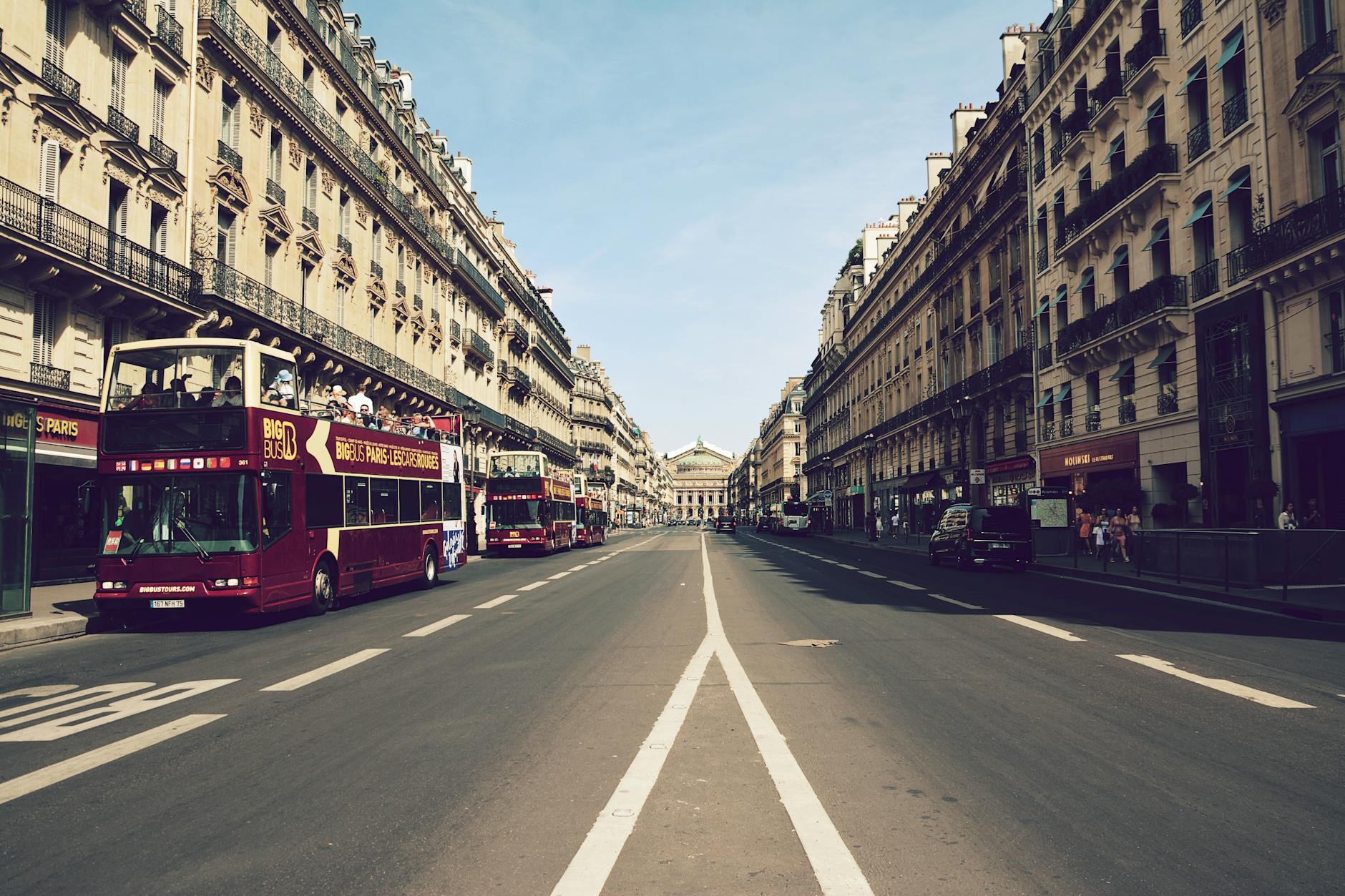
Quick Picks: Paris Hop-On Hop-Off Options
Best value bestseller: Paris: Big Bus Hop-On Hop-Off Tour with Optional Cruise ($43) — 10 stops covering every major landmark, 13,000+ reviews, the default pick for most first-timers. Frequent buses, decent English audio, the most popular option by a huge margin.
If you want the modern eco-friendly version: Paris: Tootbus Hop-on Hop-off with optional river cruise ($49) — electric and hybrid buses instead of diesel, newer fleet, live local guides on some departures, 11,000+ reviews. My personal preference.
If you want the boat version instead: Paris: Hop-On Hop-Off Seine Cruise Pass with 9 Stops ($27) — Batobus river shuttle, 9 stops along the Seine from Eiffel to Jardin des Plantes, 1 or 2-day pass, no road traffic problems. A completely different experience at half the price.
Tip: The 48-hour combo ticket (bus + boat) saves money versus buying both separately if you want to try both.
When to use: Day one only. Day two onward, walk or metro — the buses are slow in afternoon traffic.
- Quick Picks: Paris Hop-On Hop-Off Options
- Are Paris Hop-On Hop-Off Buses Worth It?
- The Three Main Operators
- The Routes: What You Actually See
- Route Time and How Long It Takes
- The Tour Options (Ranked)
- Paris: Big Bus Hop-On Hop-Off Tour with Optional Cruise
- Paris: Tootbus Hop-on Hop-off with Optional River Cruise
- Paris: Hop-On Hop-Off Seine Cruise Pass with 9 Stops (Batobus)
- 1-Day vs 2-Day Pass: Which to Pick
- How to Book and Where to Catch the Bus
- Combining the Bus with Other Attractions
- Bus vs Metro for Getting Around
- The Batobus Alternative: The Seine River Shuttle
- Night Tours
- Seating, Weather, and What to Bring
- Common Mistakes
- Is a Paris Hop-On Hop-Off Right For You?
- A Perfect Day Itinerary Using the Bus
- What to Pair the Bus With
- Final Thoughts
- FAQ
Are Paris Hop-On Hop-Off Buses Worth It?
Short answer: yes, if it is your first trip to Paris and you have zero mental map of where the landmarks are relative to each other. No, if you have been before or you only have a rough weekend and want to focus on one or two neighbourhoods.

The pitch is that for €40-50 and one full day, you see every major landmark in Paris with audio commentary and no navigation effort. You can get off at any stop that catches your interest, walk around, take photos, get back on the next bus (usually 10-20 minutes later), and continue. The fare covers unlimited trips on any bus for 24 or 48 hours.
The reality: on day one of a first trip, this works surprisingly well. Paris is compact but confusing at ground level — the Haussmann boulevards all look the same, the metro disorients you, and it is easy to walk for 20 minutes without realising you just crossed from one famous neighbourhood into another. The bus gives you a continuous panoramic tour that plants a mental map of the city in your head. By the end of the day you actually know where the Louvre is relative to the Eiffel Tower, which helps you plan the rest of your trip.
The bad side: on days two through five, the same bus that was useful on day one becomes a slow, expensive, crowded shuttle that goes past stuff you have already seen. You will be cheaper, faster, and happier on the metro.
The Three Main Operators
There are three Paris operators you will see advertised everywhere: Big Bus, Tootbus, and Open Tour. Big Bus is the largest global brand (runs in 20+ cities), Tootbus is the newer eco-focused operator (RATP Dev owned, all-electric and hybrid fleet), and Open Tour is the older French operator (still around but the fleet is aging and the reviews are more mixed). I have used all three.

Big Bus: the most popular by a large margin (13,000+ reviews on the main SKU alone). Two routes — the main red loop (central landmarks) and the Montmartre route — connected at several stops. Buses every 10-15 minutes during peak season. Audio commentary in 10 languages via individual headphones. Standard double-decker open-top fleet. Budget pick and the one I usually recommend for first-timers who want reliability over features.
Tootbus: the newer operator with a modern, eco-focused fleet (all-electric or hybrid). Runs one main loop with 10 stops. Buses every 10-15 minutes. English and French audio, plus live commentary on some departures. The buses are visibly nicer inside (USB charging, better seats), the environmental angle appeals if you care about it, and the driver-guides I had were friendlier than the Big Bus ones. Slightly more expensive. This is my personal preference.
Open Tour: the veteran operator, around since 1991. Four different route colour codes (green, blue, yellow, orange), good coverage but the fleet is older and reviews are more critical on things like audio quality and cleanliness. I have not used Open Tour in the last 2 years so it may have improved. Skip if you can pick from the other two.
My rank: Tootbus first for the modern experience, Big Bus second for sheer reliability and frequency. Open Tour third and honestly not worth considering unless the others are sold out.
The Routes: What You Actually See

Both Big Bus and Tootbus run very similar routes because they are both trying to hit the same core 10 landmarks. Here is the typical stop list:
1. Eiffel Tower — obvious. The bus stops on the Quai Branly side, a 5-minute walk from the base. Get off here if you want to do the tower itself or walk the Champ de Mars.
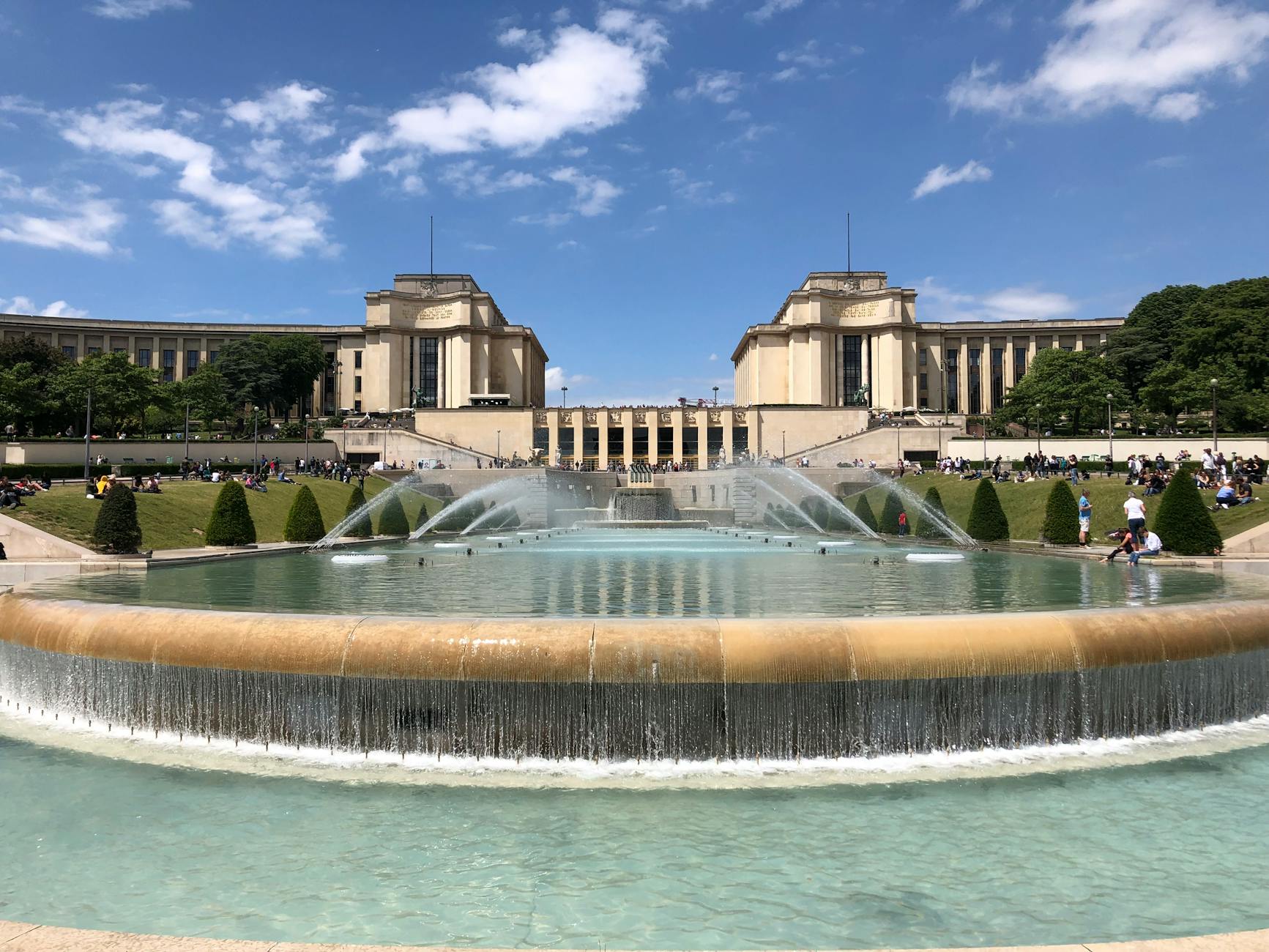
2. Trocadéro — right across the river from the Eiffel Tower, at the Palais de Chaillot. This is where you get the famous Eiffel Tower photo with the fountains in the foreground. Many travelers prefer to stay at this stop rather than the tower itself because the view is better.
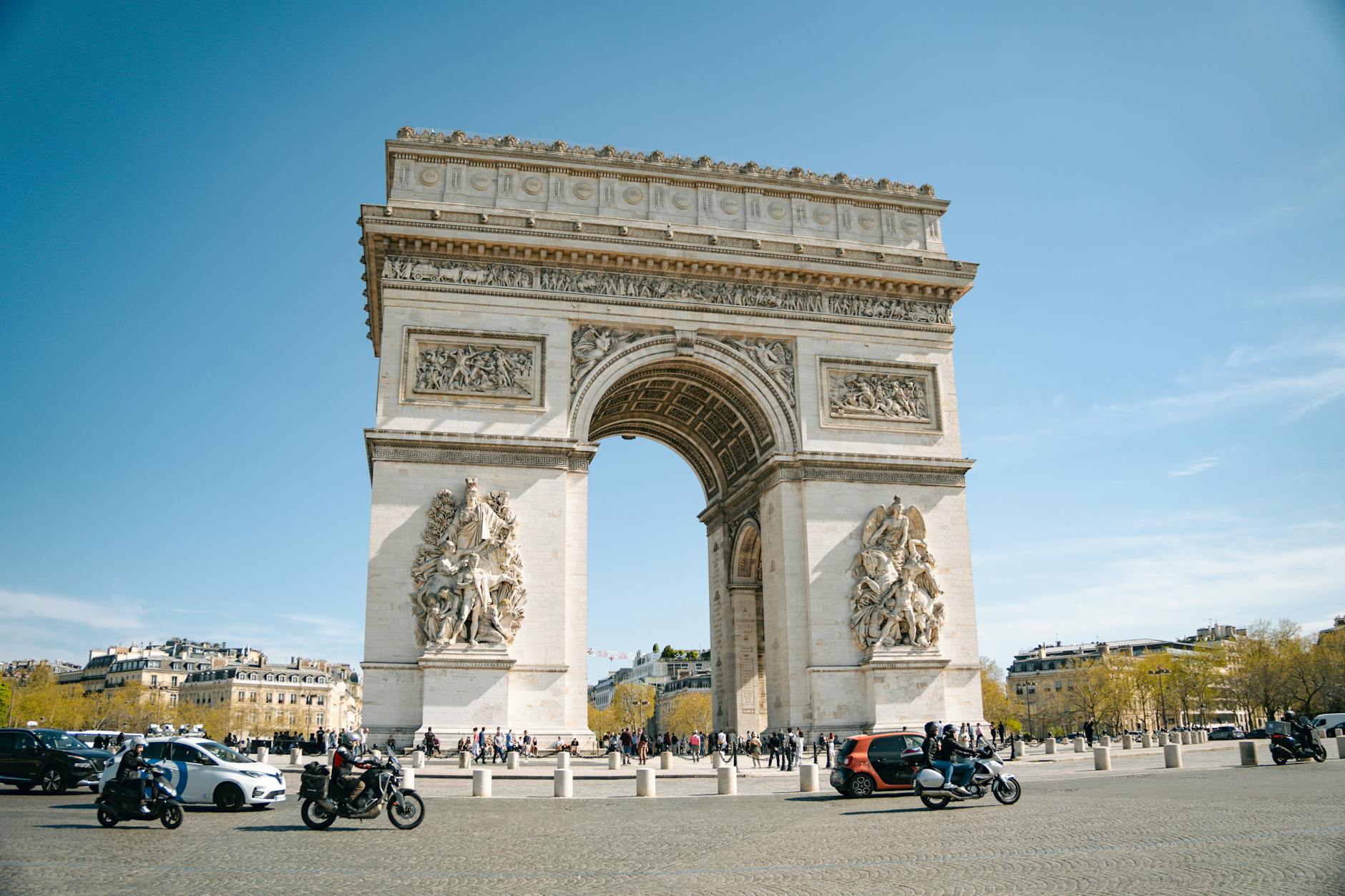
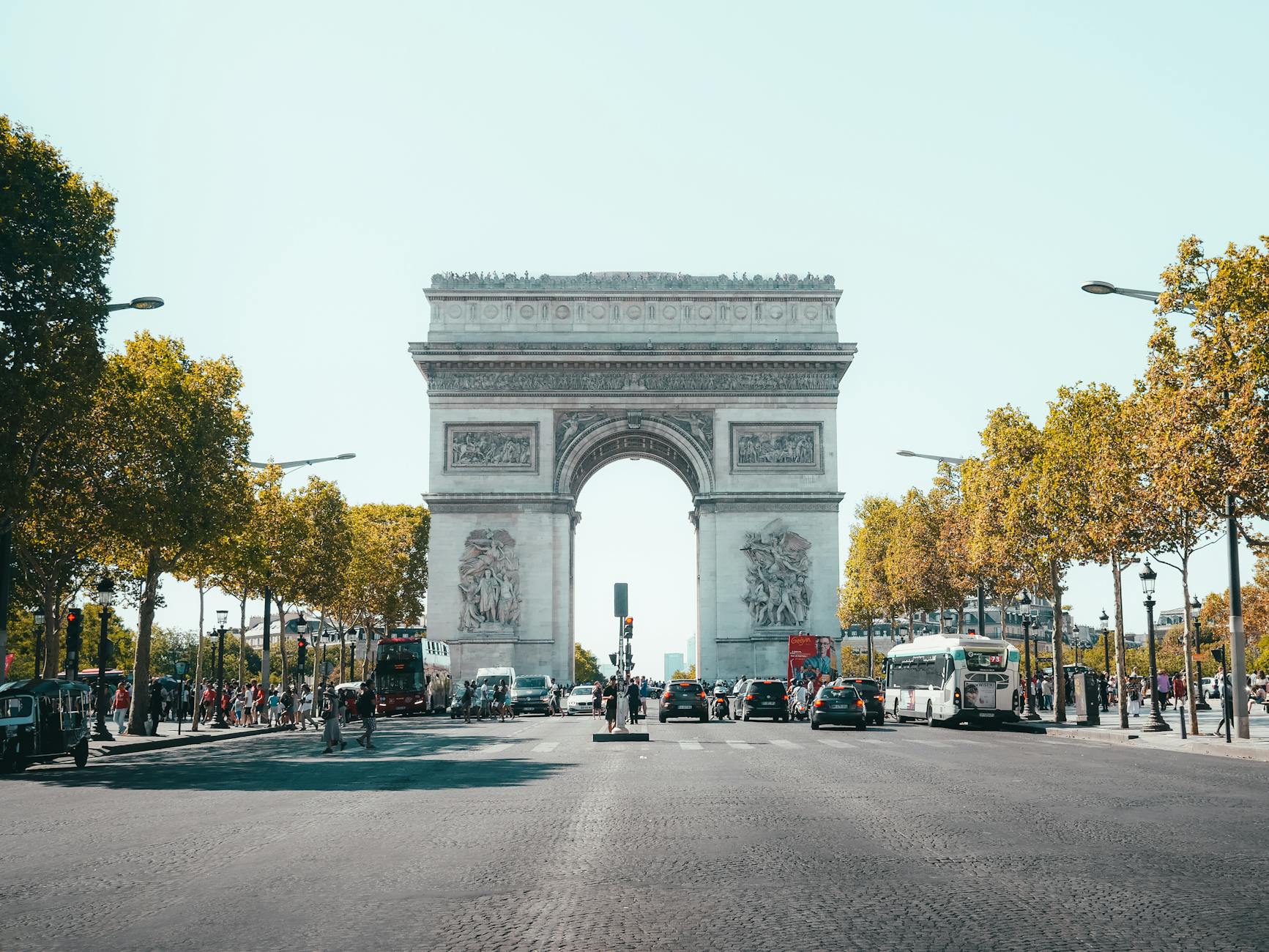
3. Champs-Élysées / Arc de Triomphe — the bus drops you within a 2-minute walk of the Arc. You can either walk the Champs-Élysées down toward the Tuileries or do the Arc de Triomphe rooftop and get back on the bus.
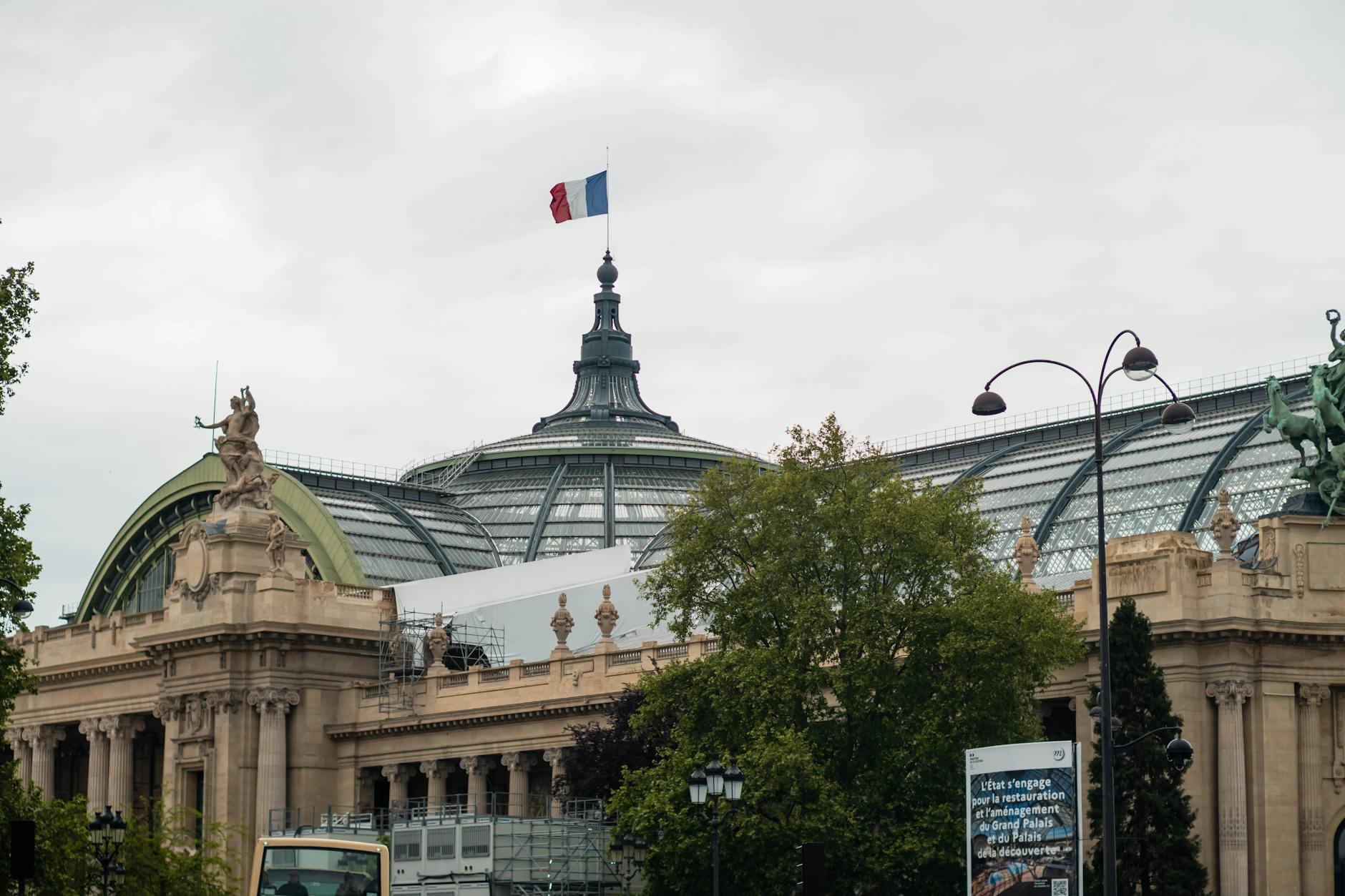
4. Grand Palais — the massive glass-roofed exhibition hall. If a good exhibition is on it is worth a stop; otherwise it is a photo stop.
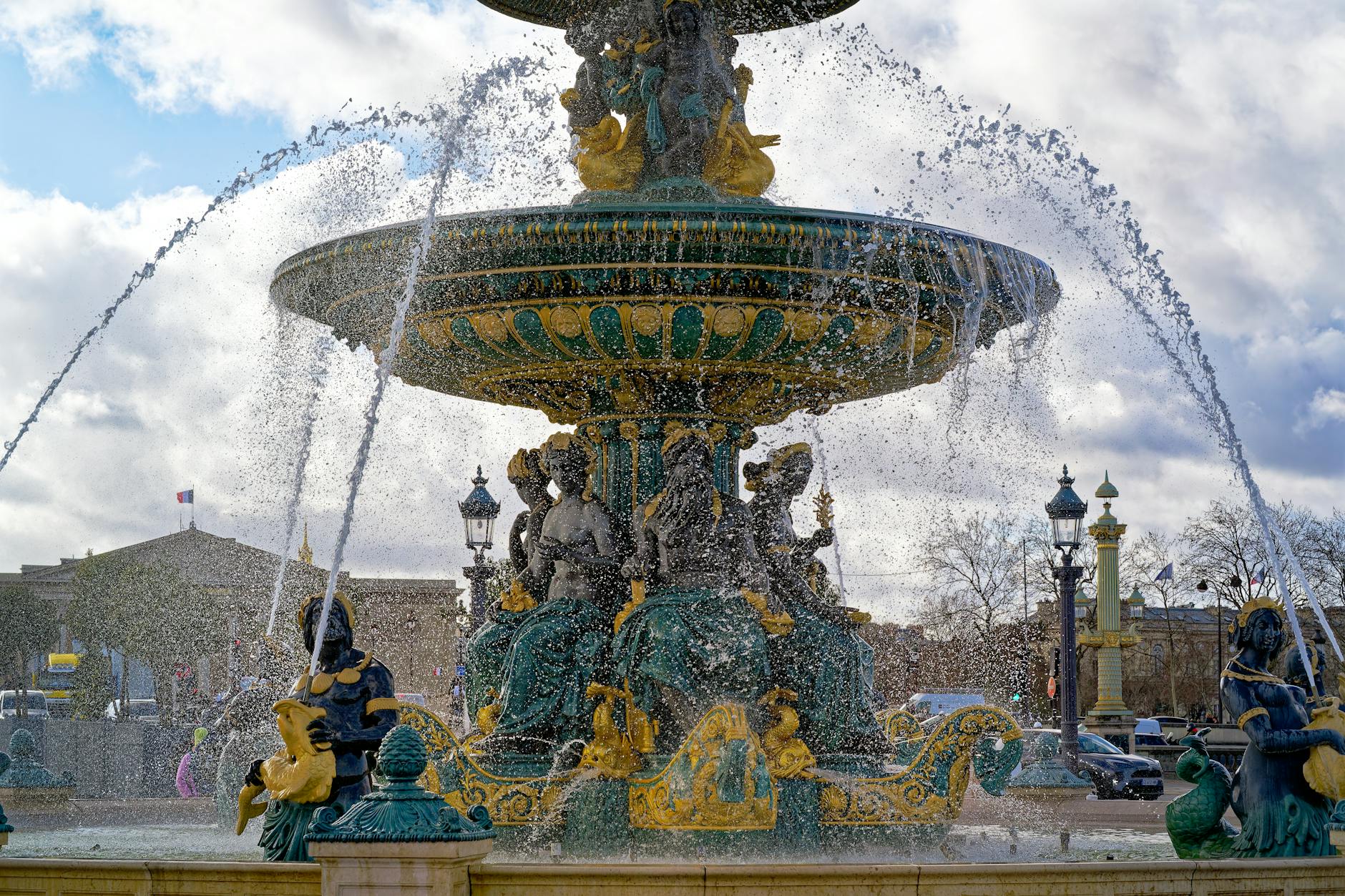
5. Place de la Concorde — the huge square at the foot of the Champs-Élysées with the Luxor Obelisk in the middle and the two ornate Fontaines de la Concorde. Great photo stop, about 15 minutes is enough.
6. Louvre / Palais Royal — the bus stops near the Pyramid. Obviously you are not seeing the museum in a 30-minute hop-off stop, but you can walk the exterior, see the glass pyramid, and cross the Carrousel arch.
7. Notre-Dame / Île de la Cité — the bus stops at the Pont au Change or nearby. Walking access to Notre-Dame (currently reopened after the fire restoration), Sainte-Chapelle, and the Conciergerie is all within 5 minutes.

8. Musée d’Orsay — the bus stops on the Left Bank side. If you want the Orsay you get off here; otherwise a photo stop.
9. Saint-Germain / Luxembourg — depending on operator, the bus loops into the Left Bank and gives you access to Saint-Germain-des-Prés and the Luxembourg Gardens.
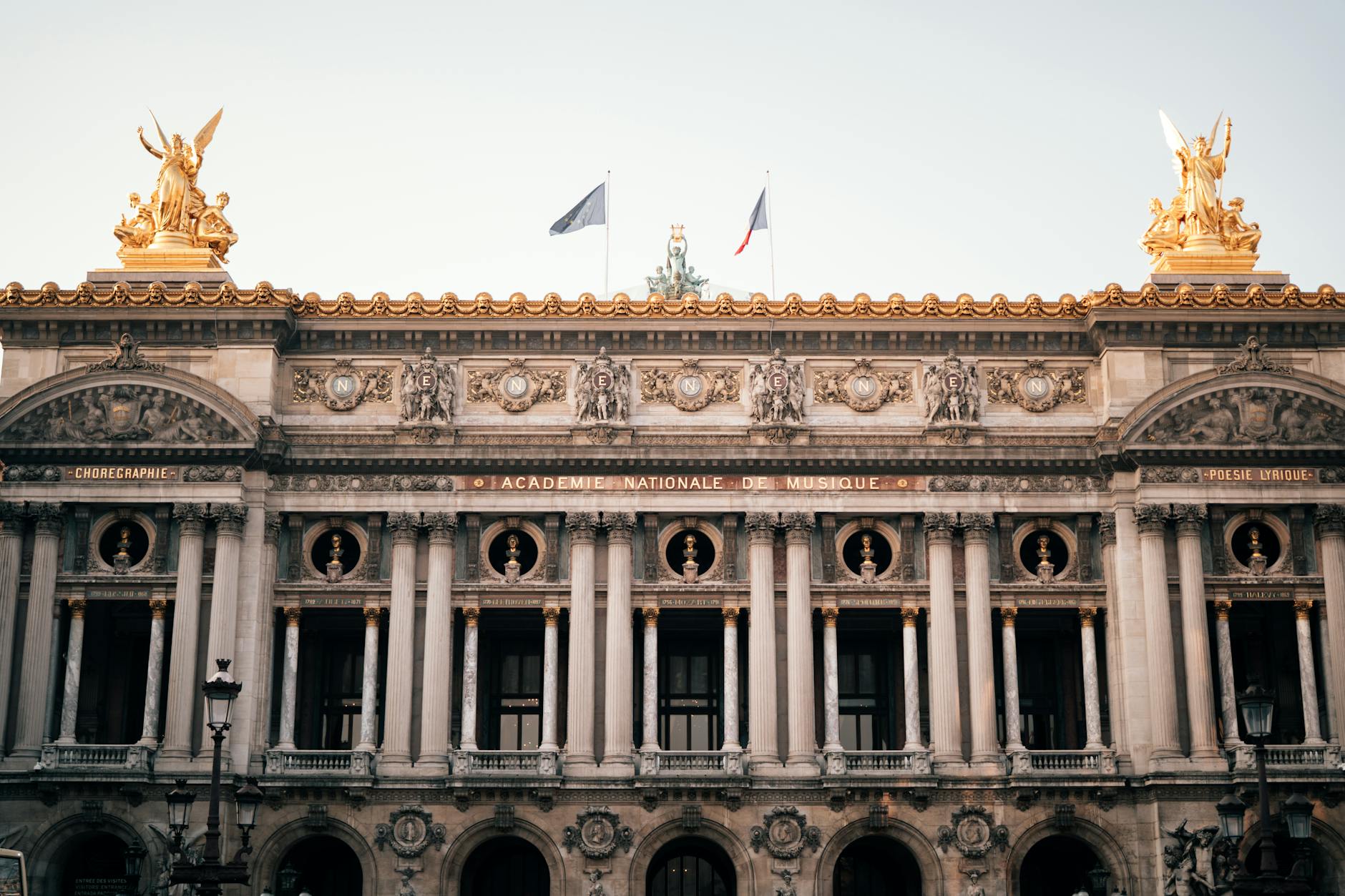
10. Opera Garnier / Galeries Lafayette — the Haussmann district. Usually the final stop before the loop repeats. Good access to department store shopping, the Opera, and the big Paris grand magasins.
Route Time and How Long It Takes
A full loop of the Big Bus central route takes about 2 hours 15 minutes if you stay on the bus the whole time without getting off. That is in moderate traffic. In peak Friday afternoon traffic, the same loop can easily take 2 hours 45 minutes or more because the buses crawl along the Haussmann boulevards at 15 km/h.

With stops, a realistic day of using the bus looks like 6-7 hours total for the main loop plus 3-4 hop-offs of 30-45 minutes each. Most people try to do too much and get frustrated. My advice: pick 4 hop-offs maximum, not 7. You will actually enjoy each stop instead of rushing.
The Montmartre loop (a second route that most Big Bus and Tootbus passes include) adds another 45-60 minutes round trip from Opera up to Sacré-Coeur and back. It is worth doing if you have the time and you want the Montmartre experience without climbing the hill, but I prefer walking Montmartre because the streets are too narrow for the bus to feel immersive.
The Tour Options (Ranked)
Paris: Big Bus Hop-On Hop-Off Tour with Optional Cruise
Price: $43 · Duration: 1 or 2-day pass · Provider: GetYourGuide
The default option and the one I book for anyone travelling with me for the first time. 10 stops covering every major landmark (Eiffel Tower, Arc de Triomphe, Champs-Élysées, Opera Garnier, Louvre, Notre-Dame, Musée d’Orsay, Grand Palais, Trocadéro, Place de la Concorde). Buses every 10-15 minutes in peak season, 10-language audio commentary, 1 or 2-day pass options, and you can bolt on a Seine cruise for an extra few dollars. 13,000+ reviews — by far the most popular SKU on the market. Nothing fancy, but it works.
Best for: First-time visitors, budget travellers, families with children, anyone who wants the standard Paris bus experience without overthinking it.
Paris: Tootbus Hop-on Hop-off with Optional River Cruise
Price: $49 · Duration: 1 or 2-day pass · Provider: GetYourGuide
My personal preference. Same 10 core stops as Big Bus plus the Montmartre extension, but the Tootbus fleet is all-electric or hybrid (no diesel smell, quieter ride) and the buses are visibly newer inside. The audio guide is narrated by actual local guides rather than the generic stock voice tracks Big Bus uses. USB charging on the seats, which sounds minor until your phone hits 10% on a long sightseeing day. Slightly more expensive (about $6 more than Big Bus) and worth the premium if you care about the eco angle or the in-bus experience. 11,000+ reviews.
Best for: Eco-conscious travellers, anyone who prefers a newer fleet, repeat Paris visitors who already know Big Bus and want something different.
Paris: Hop-On Hop-Off Seine Cruise Pass with 9 Stops (Batobus)
Price: $27 · Duration: 1 or 2-day pass · Provider: GetYourGuide
The alternative to the bus entirely — a Seine river shuttle that stops at 9 riverside docks from the Eiffel Tower down to the Jardin des Plantes. You hop on and off whichever stop you want, unlimited rides for 24 or 48 hours. No road traffic, better views of Notre-Dame and the Louvre from the water, genuinely relaxing. The trade-off is coverage: the Batobus only goes where the river goes, so you lose access to Montmartre, Arc de Triomphe, and anything north of the Louvre. At $27 for a full day it is less than half the price of the bus and arguably a better experience if you only want the central riverside monuments. 5,600+ reviews.
Best for: Couples, photographers, anyone who hates buses, travellers who want a slower-paced day, visitors already familiar with the non-riverside parts of Paris.
1-Day vs 2-Day Pass: Which to Pick
Both Big Bus and Tootbus sell 1-day and 2-day passes. The 2-day is about 40% more expensive. The question is whether you will actually use the bus on both days.
My honest take: get the 1-day pass, not the 2-day. Here is why. The reason to take a hop-on hop-off bus is the initial city-orientation experience. Once you have done it once, the second day on the same loop is repetitive — you are seeing the same buildings from the same bus stops with the same audio commentary. Most people burn out halfway through day two and end up walking or taking the metro anyway.
The only scenarios where a 2-day pass makes sense: (1) you lose day one to heavy rain and want a weather buffer, (2) you genuinely want to do all 10 stops and actually visit each landmark, not just see them from the bus, (3) you combine Day 1 (Right Bank loop) with Day 2 (Left Bank + Montmartre loop) to split the geography. Otherwise, save the money.
For the Batobus: the 2-day pass is more useful because the river loop is shorter (about 45 minutes end-to-end) and you will naturally want more time between stops. I have done the 2-day Batobus and used it properly; I have not done a 2-day bus pass that felt worth it.
How to Book and Where to Catch the Bus
Always book online ahead of time. Walk-up prices at the street kiosks are 20-30% higher and you waste 10 minutes standing in line. GetYourGuide and the operator websites (bigbustours.com, tootbus.com, batobus.com) both have the main SKUs with free cancellation up to 24 hours before the ride. Mobile voucher, scan at the bus door.
Main pickup points vary by operator but the most common are:
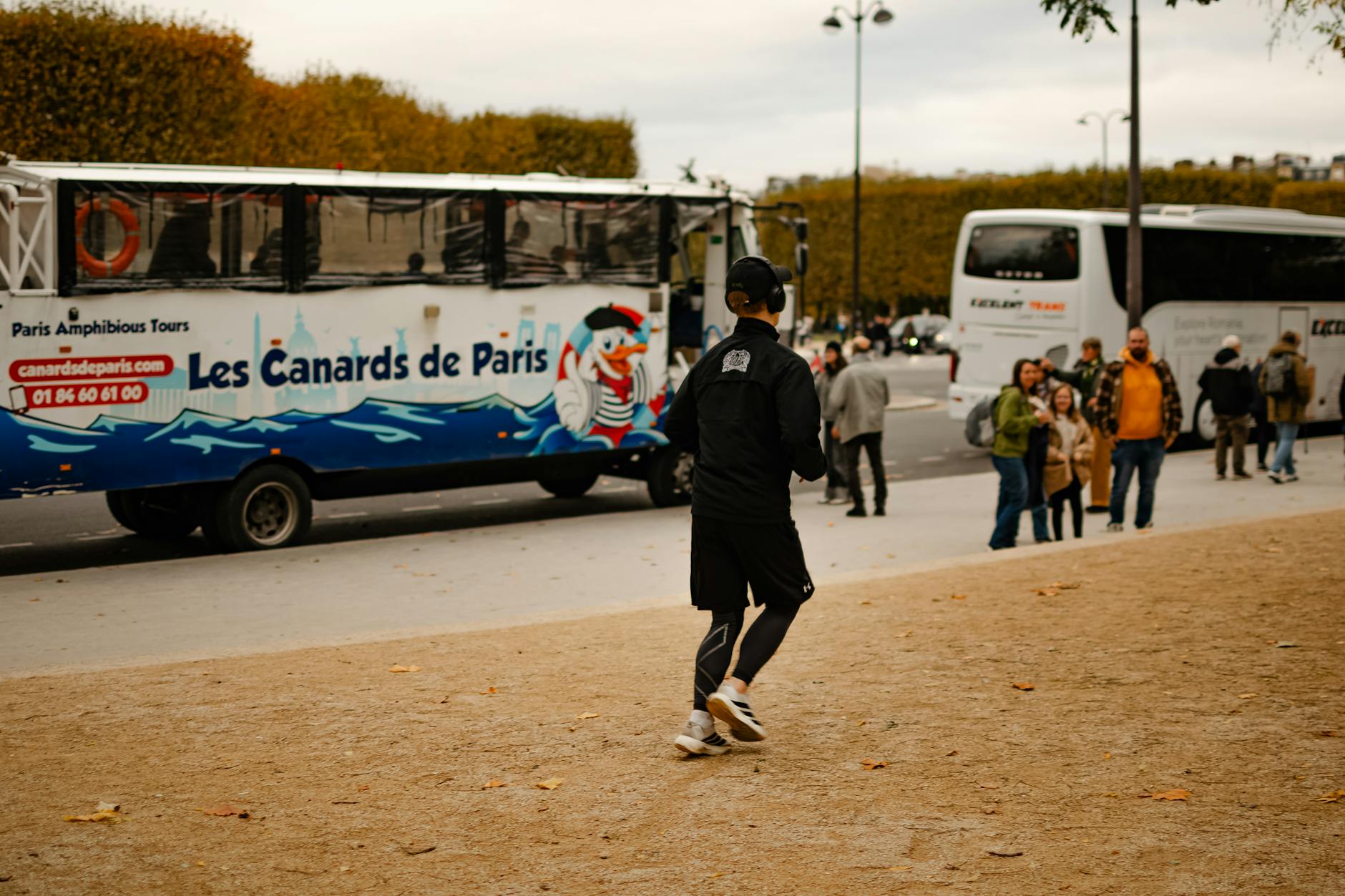
Big Bus main hub: Boulevard Haussmann near Galeries Lafayette (a 3-minute walk from Opera Garnier). You can also start at the Eiffel Tower stop or at Trocadéro.
Tootbus main hub: near the Madeleine church, 2 minutes from Place de la Concorde. Also has stops at the Eiffel Tower and the Louvre.
Batobus main hub: the Eiffel Tower dock on the Port de la Bourdonnais. Also picks up at Louvre, Musée d’Orsay, Notre-Dame, and five other Seine-side stops.
All three systems let you start the pass at any stop — you do not have to begin at a specific hub. Whatever stop is closest to your hotel, catch the first bus there and start your day.
Combining the Bus with Other Attractions
The smart play is to use the hop-on hop-off as the transport layer for your day, not the destination itself. Pick 1 or 2 major attractions that you actually want to see (Louvre, Orsay, Arc de Triomphe rooftop, Eiffel Tower) and use the bus to get between them, with a few photo stops in between.

For example: a Tootbus day that actually works looks like “Start at Opera at 09:30, ride the loop while the audio warms you up, hop off at the Louvre at 10:15 for a 3-hour visit, re-board at 13:30, ride to Trocadéro for the Eiffel Tower photo and lunch, re-board at 15:00, ride to the Arc de Triomphe for a 90-minute rooftop visit, re-board at 17:00, ride back to Opera.” Total: one full day, three major hop-offs, everything transport-wise handled.
What does not work: “Hop off at every single stop for 30 minutes each and try to see 10 landmarks in one day.” You will be tired, you will not have seen anything properly, and you will feel like the bus was a waste of money.
Bus vs Metro for Getting Around
After day one, switch to the metro for everything. The Paris metro is one of the best in the world: 16 lines, trains every 2-4 minutes at peak, gets you anywhere in central Paris in under 20 minutes, €2.15 per single ticket or €16.90 for a 10-ticket carnet. A day of metro travel costs about the same as two single rides on a hop-on hop-off.
The bus wins for: scenic views, air, open-top sun on a nice day, geographic orientation of a new city.
The metro wins for: speed, avoiding traffic, cost, night transport, weather independence.
A good first trip splits this way: Day 1 hop-on hop-off to get oriented, Days 2-5 metro to actually do things. Do not try to make the bus your transport for the whole trip — you will hate it by day three.
The Batobus Alternative: The Seine River Shuttle
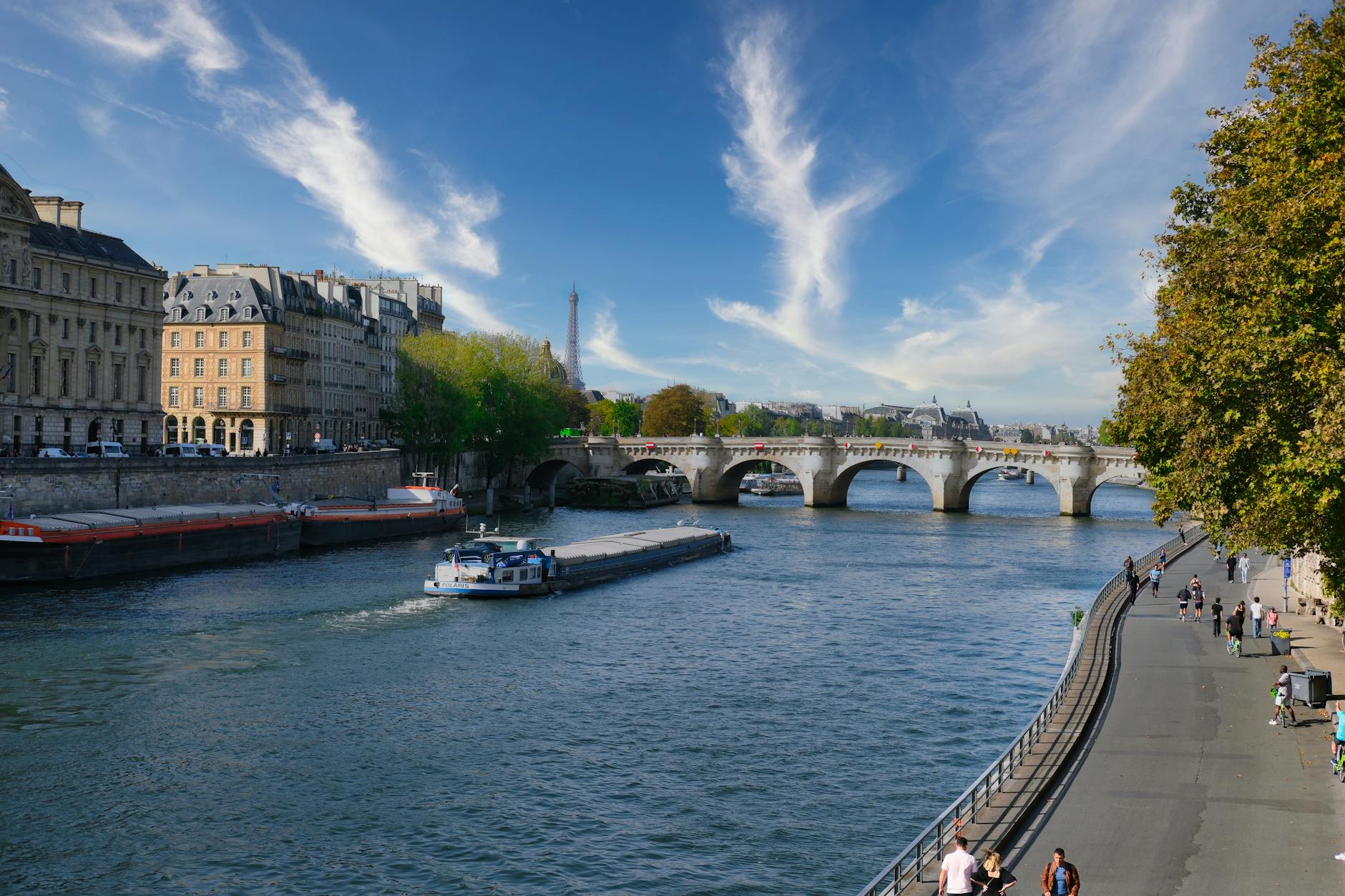
If you are not sold on the bus idea but you still want a hop-on hop-off style unlimited-travel pass, try the Batobus. This is a river shuttle (not a cruise — a functional taxi boat) that runs between 9 docks along the Seine. Unlimited rides for 1 or 2 days, no road traffic, no audio commentary, just slow water transport.
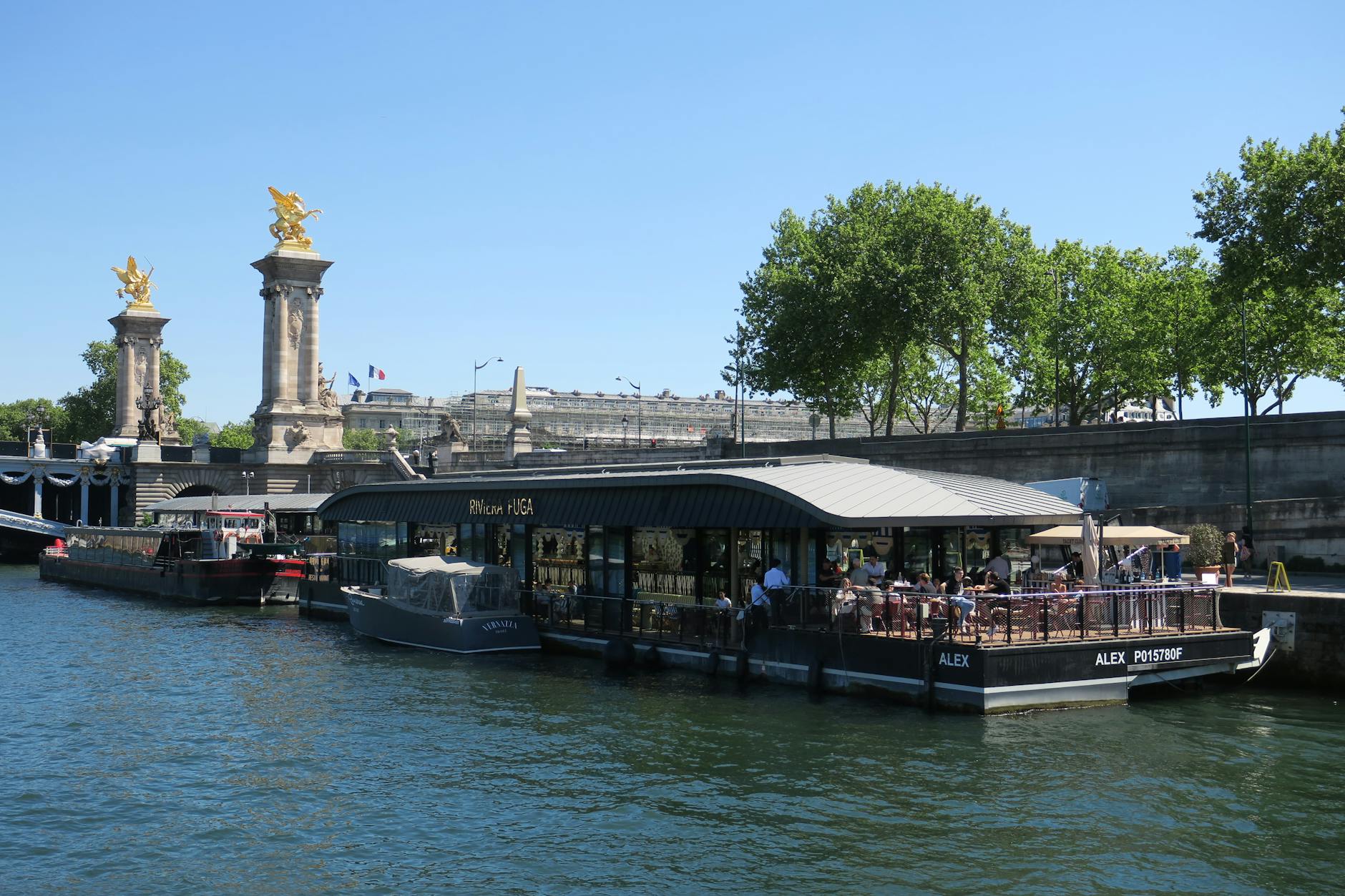
The 9 Batobus stops (west to east): Eiffel Tower, Musée d’Orsay, Saint-Germain-des-Prés, Notre-Dame, Jardin des Plantes, Hôtel de Ville, Louvre, Champs-Élysées, Tour Eiffel. Loop takes about 45 minutes end-to-end. Boats run every 20-30 minutes depending on season.
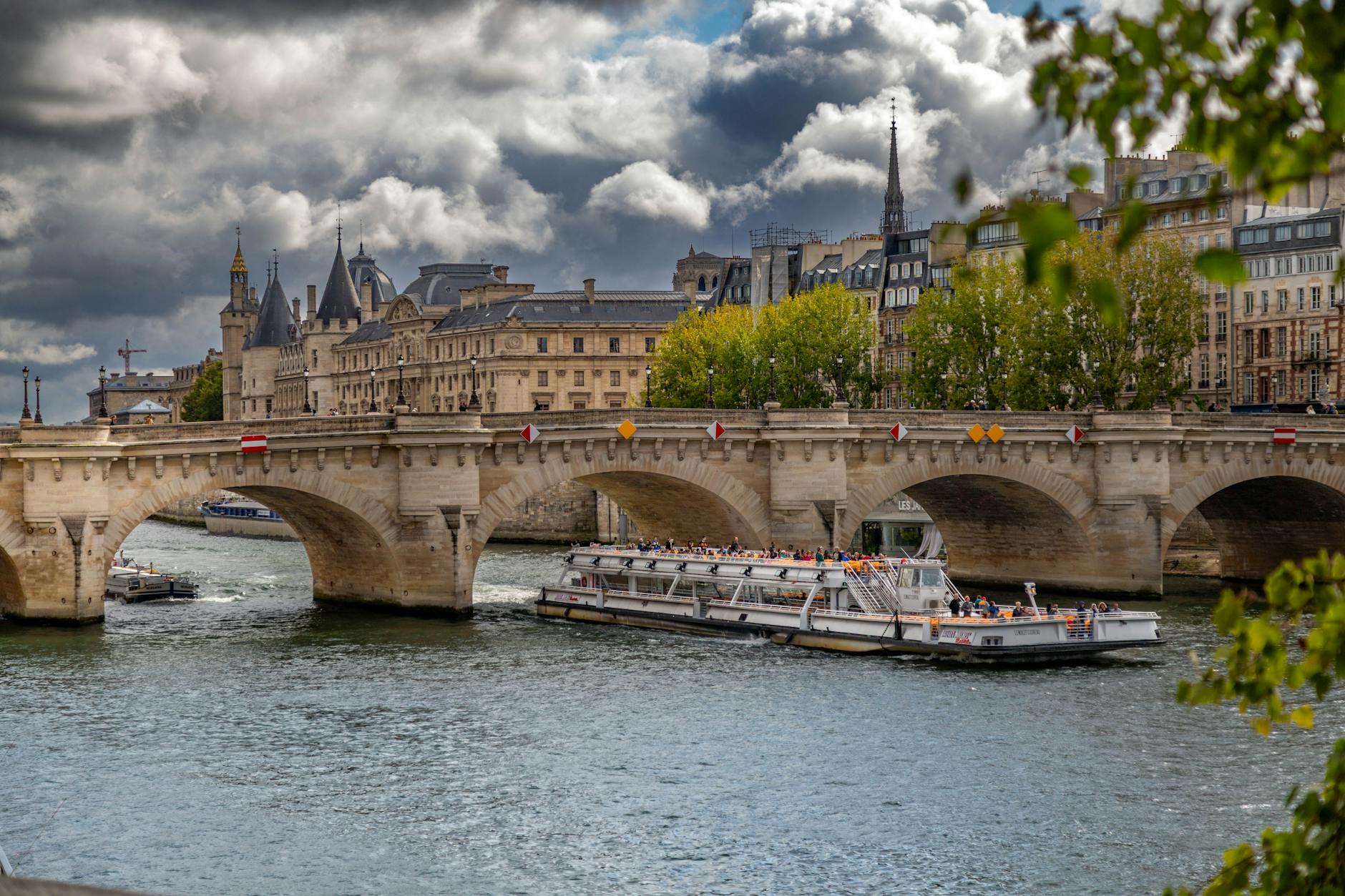
Pros: cheaper than the bus ($27 vs $43), better photos of the riverside monuments, no traffic, genuinely relaxing, no schedule pressure.
Cons: only covers the riverside corridor (no Arc de Triomphe, Montmartre, or Opera district), weather-dependent (most boats have covered decks but cold and rainy days are less fun), slower than the bus in absolute terms because boats only run every 20-30 minutes.
My advice: if your trip is a relaxed couples’ weekend and you mostly want to see the central monuments (Eiffel, Louvre, Notre-Dame, d’Orsay), the Batobus is a better pick than the bus. If you want to cover more geography including the Right Bank north of the Louvre, the bus wins.
Night Tours

Both Big Bus and Tootbus also run Paris by Night tours (usually separate tickets, not included in the hop-on hop-off passes). These are single-loop evening tours, about 90 minutes to 2 hours, that take you past the illuminated monuments between 19:00 and 22:30. Price is typically $35-45.
Are they worth it? Depends on the weather. On a clear dry night in spring or summer, yes — the Eiffel Tower’s hourly sparkle, the illuminated Louvre and Notre-Dame, the Champs-Élysées at night, it is a genuinely good 90-minute date night. On a drizzly cold winter night, the open-top experience is less fun and the interior seats limit your photos. Pick your weather.
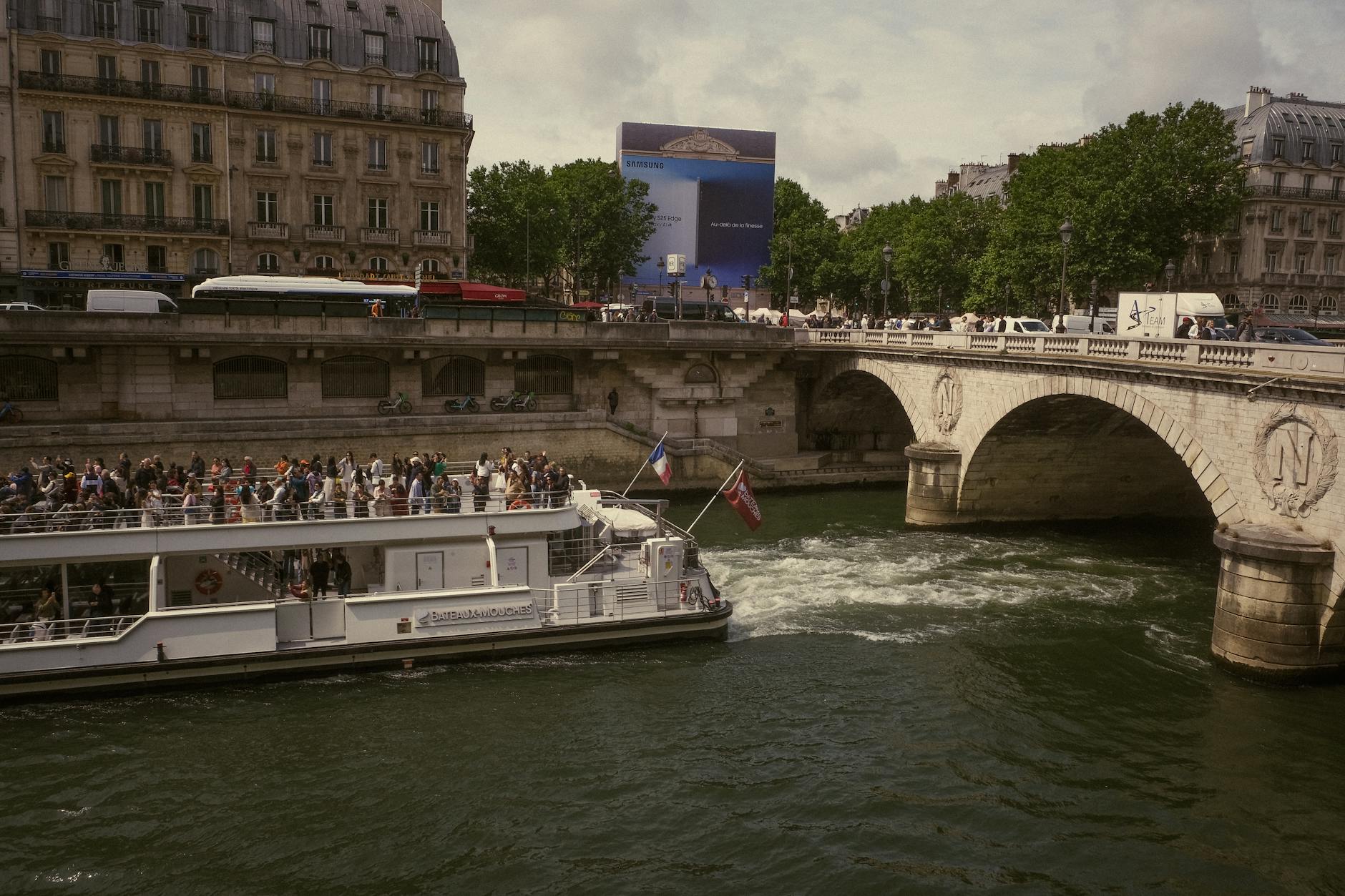
If you want to see Paris lit up at night and a bus is not your thing, the Bateaux Mouches river cruise is the alternative — a 1-hour Seine cruise that runs until about 22:30 and passes all the same illuminated monuments from the water. Personally I find the river cruise more romantic and the bus tour more comprehensive, so pick based on which experience you want.
Seating, Weather, and What to Bring
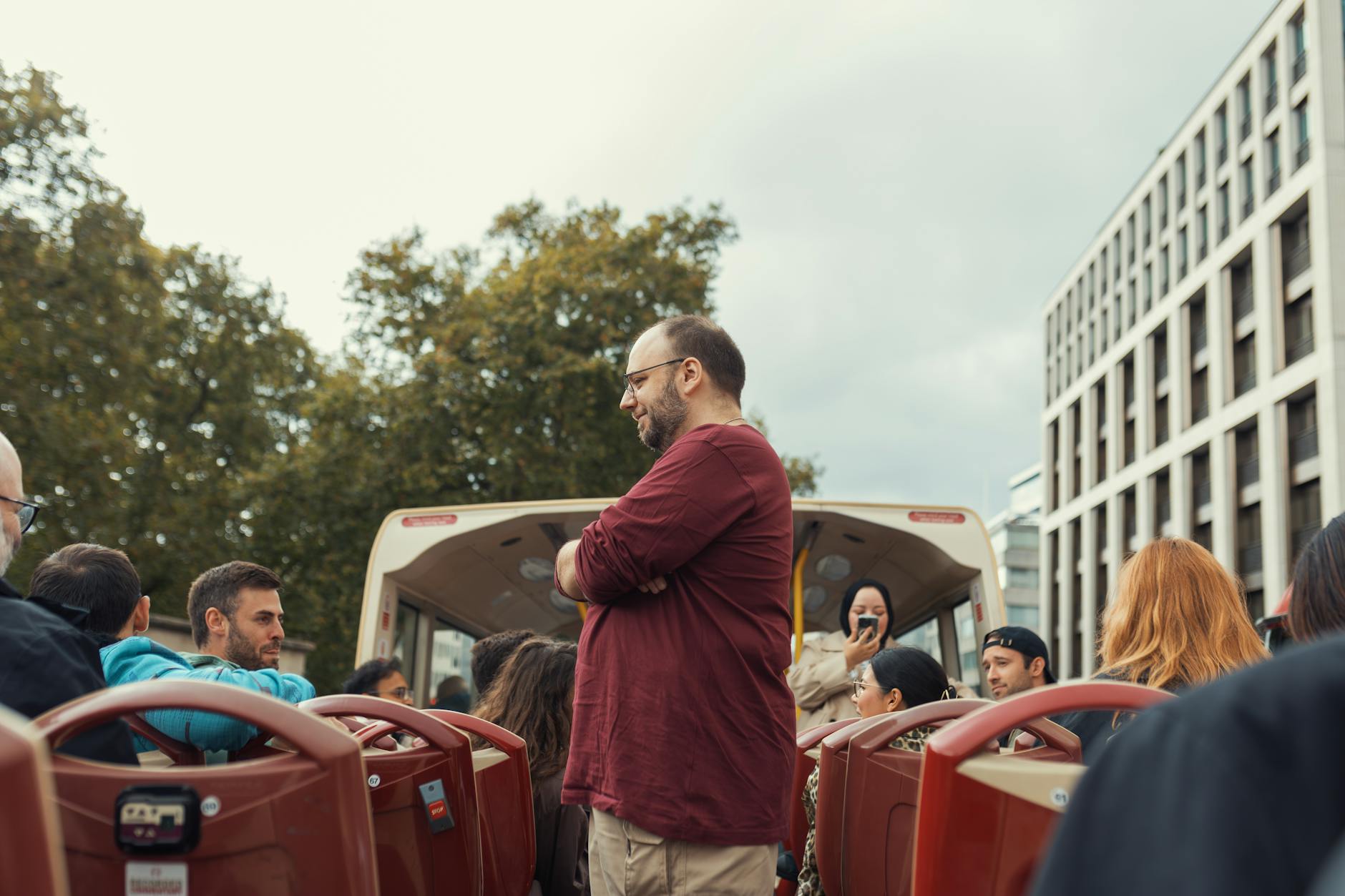
Upper deck front-row seats are the best and they fill up fast. If you want them, board at a starting-hub stop (Opera or Eiffel Tower) rather than a mid-route stop, and board in the morning rather than afternoon.
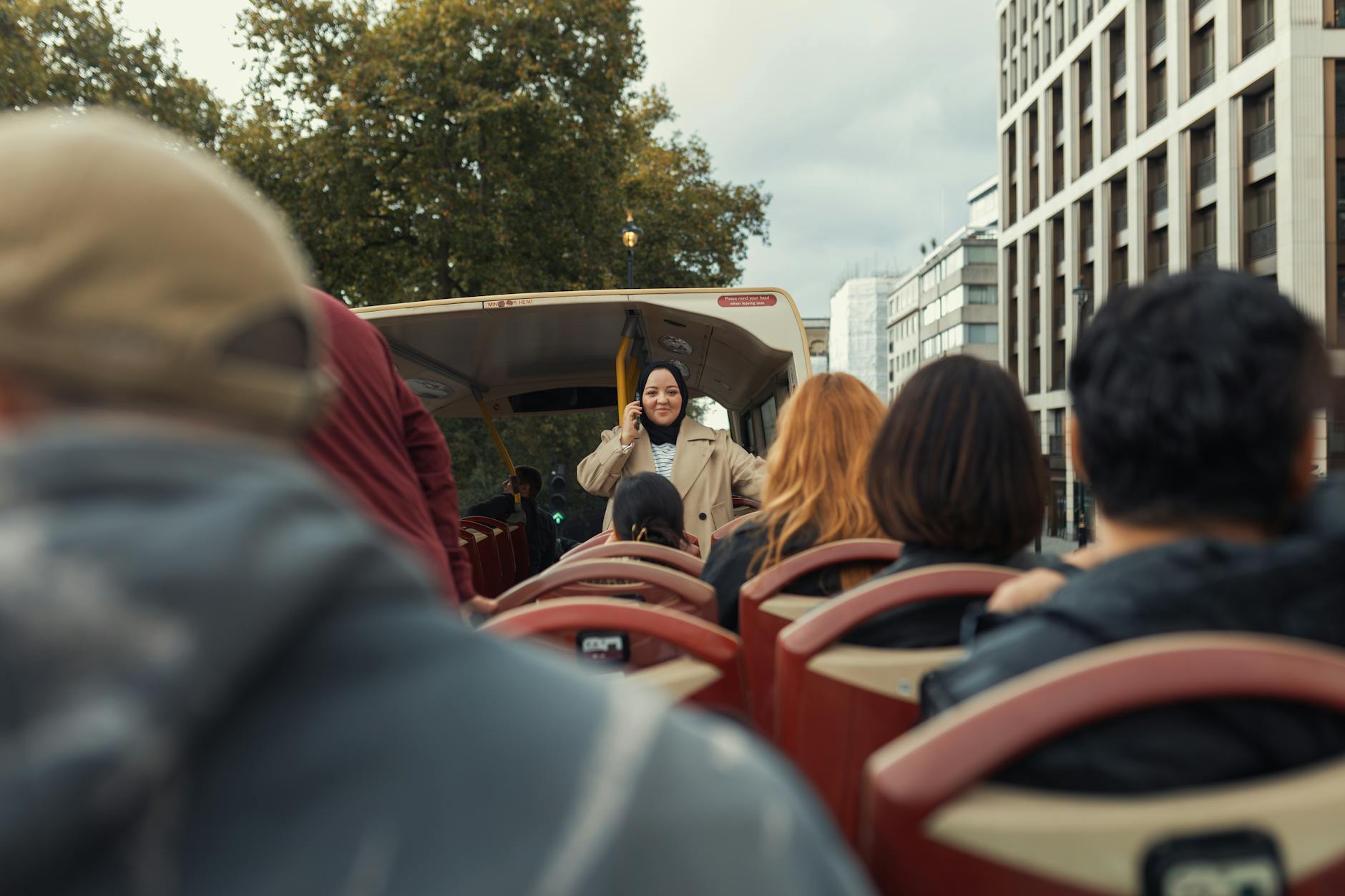
What to bring: a light jacket or windbreaker (the open top is colder than the ground in all seasons), sunglasses and sunscreen if it is a sunny day, a hat to prevent wind-blown hair, a water bottle, comfortable shoes for when you hop off. Do not bring: oversized luggage (no space), tripods (against the rules on most operators), food for the bus (most operators prohibit eating on the bus).
The open-top experience is weather-dependent in a way that the marketing downplays. Drizzle is fine (most buses provide ponchos and the back of the upper deck has covered seating). Steady rain is miserable. Cold wind on a November afternoon is genuinely unpleasant — consider your jacket layer.
Common Mistakes
Buying the 2-day pass without needing it. 90% of visitors finish the main loop in day one and never want to ride the bus again. Save the money unless you have a specific reason to need two days.
Taking the bus in peak afternoon traffic. Between 16:00 and 18:00 the Haussmann district grinds to a crawl and what should be a 15-minute hop takes 40. Ride the bus in morning or late morning when traffic is lighter.
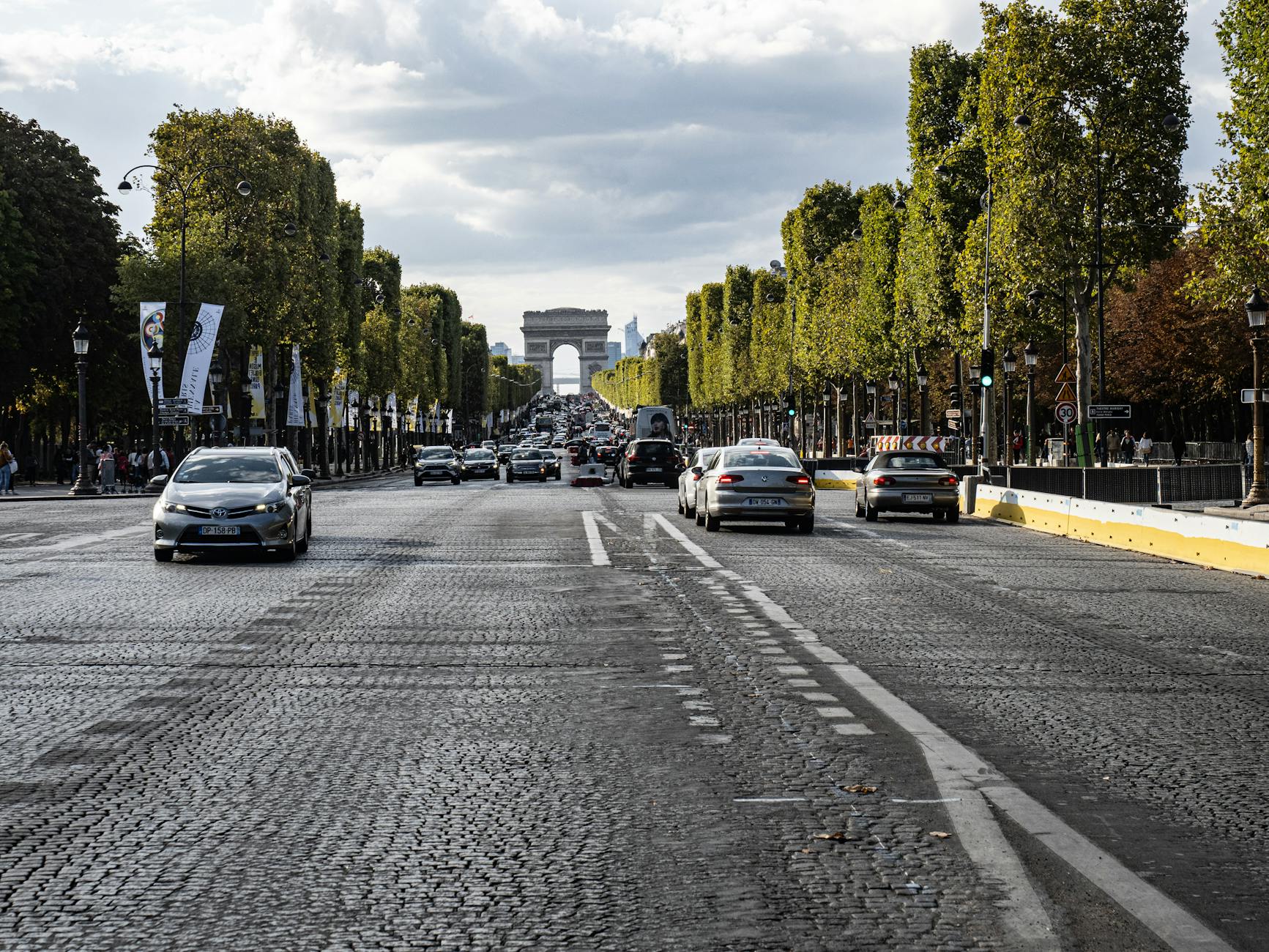
Trying to see everything in one day. Four hop-offs is a realistic maximum. More than that and you will not actually enjoy any of the stops.
Booking the walk-up ticket at a kiosk instead of online. Online is 20-30% cheaper and gets you free cancellation. There is no excuse to buy at the street kiosk unless your phone is dead and you have no other way.
Not checking the audio guide language. Most operators have 10+ languages but you have to tell the driver or select it on the headphones. Default is usually English or French — switch it if you need another language.
Not bringing a jacket. The open top is always windier than street level. Even in July the morning ride is chilly.
Is a Paris Hop-On Hop-Off Right For You?
Perfect for: First-time Paris visitors who want orientation on day one, travellers with children who need to sit down between walking stints, older travellers or anyone with mobility issues, travellers on short trips (2-3 days) who want to maximise coverage, rainy-day visitors (cheaper than taxis for getting between indoor attractions).

Possibly not for you: Repeat Paris visitors (you already know the layout), independent travellers who prefer walking and getting lost, photographers (fixed bus stops limit angles), travellers with only 1 day in Paris (you will hate yourself for spending it on a bus).
Skip entirely if: You are only here for one day and want to focus on one specific neighbourhood. Go to that neighbourhood and walk.
A Perfect Day Itinerary Using the Bus
This is what I recommend for day one of a first Paris trip.
08:30 — Breakfast at your hotel or a café near the starting stop. Coffee and a pain au chocolat.
09:15 — Walk to the Tootbus or Big Bus stop nearest to you. Activate your pass.
09:30-10:15 — Ride the first part of the loop while the audio commentary orients you. Do not hop off yet — just listen and look.
10:15 — Hop off at the Louvre. Buy a pre-booked Louvre ticket for 10:30 entry.
10:30-13:30 — Louvre visit. Hit the big 5 (Mona Lisa, Venus de Milo, Winged Victory, the Coronation of Napoleon, Liberty Leading the People). Do not try to see everything.
13:30 — Lunch at a café in the Louvre area. Avoid the tourist traps directly on the Rue de Rivoli, walk one block north to the quieter side streets.
14:30 — Re-board the bus. Ride to Trocadéro.
15:00-16:00 — Trocadéro viewpoint for Eiffel Tower photos + walk across the Pont d’Iéna to the tower base.
16:00 — Re-board the bus. Ride to Arc de Triomphe.
16:30-18:00 — Arc de Triomphe rooftop visit (pre-booked). Optional walk down the Champs-Élysées afterward.
18:00 — Re-board the bus for one final scenic loop back to Opera as the late afternoon light hits the buildings. Do not hop off again.
19:00 — Dinner near Opera or wherever your hotel is.
This gives you three substantial hop-offs (Louvre, Eiffel Tower, Arc de Triomphe), plus the scenic loop experience twice, plus you learn the layout of central Paris. Perfect first day.
What to Pair the Bus With
Day one of a Paris trip should be the hop-on hop-off. Day two should be a specific neighbourhood walk — either Montmartre on foot or a Saint-Germain/Latin Quarter walk. The bus gave you the overview; the walk gives you the texture.

Day three should be one of the big day trips: Versailles, Giverny, or the Mont Saint-Michel day trip if you can spare the full day. Get out of Paris and see the wider picture.
Day four: a museum you missed on day one. If you did the Louvre, do the Musée d’Orsay. If you did both already, the Musée de l’Orangerie or the Rodin Museum are both worth half-days.
Day five: something different. Food-focused day with a Paris food tour in the morning and an afternoon at Sainte-Chapelle for the stained glass, or an underground contrast day with the Paris Catacombs.
For a higher-end pairing, the Palais Garnier opera house is 2 minutes from the main hop-on hop-off hub on Boulevard Haussmann. Do the bus loop in the morning and the opera house tour in the afternoon as a smart half-day combo.
Final Thoughts
The hop-on hop-off is a useful tool with a narrow use case. For day one of your first Paris trip, it is the fastest way to develop a mental map of the city and see the major landmarks in geographic order. For every other day, you are better off on foot or on the metro.
My concrete recommendation: book the Tootbus 1-day pass ($49) or the Big Bus 1-day pass ($43) depending on whether you want the newer fleet or the cheaper default. Ride it in the morning, hop off at 2-3 major attractions, and stop using it by 17:00. Total cost under $50, total time commitment under 8 hours, and you will know Paris better at the end of the day than you did at the start.
If the idea of a big diesel bus annoys you, the Batobus river shuttle is the left-field pick at $27 for the day. Slower, smaller coverage area, but genuinely relaxing and the photos are better.
Whatever you pick, do not make the bus your whole Paris experience. It is the opening chapter, not the book.
FAQ

Are hop-on hop-off buses worth it in Paris?
Yes for day one of a first-time trip, no for repeat visitors or anyone who wants to focus on one neighbourhood. The bus is an orientation tool, not a transport replacement.
Which is better, Big Bus or Tootbus?
Tootbus has the newer electric fleet and nicer interiors; Big Bus has more frequent departures and a lower price. Tootbus is my preference, Big Bus is the safe default. Both hit the same 10 stops.
How long does the full loop take?
About 2 hours 15 minutes in light traffic, up to 2 hours 45 minutes in peak afternoon traffic. With 3 meaningful hop-offs, plan on 6-8 hours total for a bus day.
Is the 2-day pass worth it?
Usually no. Most visitors burn out on the bus after day one. Get the 1-day unless you have a specific reason (weather buffer, slow pace, split geography) to need a second day.
Can I hop off at every stop?
Yes, technically, but you will be exhausted and will not enjoy any of them. Four hop-offs is a realistic maximum for a good day.
Does the bus run in the rain?
Yes. Most operators provide ponchos for drizzle and the upper deck has some covered seating. Heavy rain is genuinely unpleasant on an open-top — consider postponing if the forecast is bad.
What is the difference between the bus and the Batobus?
The bus is a road-based double-decker with 10 stops around central Paris including the Arc de Triomphe and Opera. The Batobus is a river shuttle with 9 riverside stops along the Seine only. The Batobus is cheaper ($27 vs $43-49), slower, and does not reach the non-riverside monuments.
Can I bring kids on the bus?
Yes. Children’s tickets are 30-50% cheaper, strollers are accommodated in designated areas (but the upper deck is stairs-only). Most operators let children under 4 or 5 ride free.
Is it better to buy online or at the stop?
Always online. You save 20-30%, get free cancellation, skip the kiosk queue, and the mobile voucher scans at the door.
What if I only have 1 day in Paris?
Probably skip the bus. With only 1 day, focus on 2-3 specific things you care about and walk or metro between them. The bus is a 6-hour commitment and you do not have 6 hours to spare.
Can I get a combo ticket with a river cruise?
Yes — both Big Bus and Tootbus sell bus + Seine cruise combos for a few dollars more than the bus alone. If you want both, get the combo. If you only want one, pick the one that suits your trip better (bus for coverage, cruise for atmosphere).