Setting out on a trek to Panch Pokhari is like stepping into a quiet, spiritual corner of Nepal that many travelers never get to see. While it’s not as crowded as the Annapurna or Everest routes, this journey offers a deeply rewarding mix of natural beauty, cultural encounters, and high-altitude adventure.
What we love about this trek is the chance to explore sacred lakes surrounded by snow-capped peaks, the sweeping views of Jugal Himal and Langtang, and the opportunity to connect with local Tamang, Sherpa, and Brahmin communities. Plus, the option to choose between cozy teahouses or immersive camping makes it flexible for different travel styles.
The only potential drawback? The trek’s altitude can reach up to 4,300 meters, which might be challenging for some, especially if you’re not acclimatized. But with proper preparation, it’s a manageable and incredibly scenic route.
This experience is perfect for adventurous spirits who want authentic Himalayan scenery, cultural insights, and a peaceful escape from busy trekking trails. Whether you’re an experienced trekker or a first-timer looking for something unique, this journey offers a meaningful Nepal adventure.
- Key Points
- An In-Depth Look at the Panch Pokhari Trek
- Day 1: From Kathmandu to Sindhupalchok
- Day 2: Kathmandu to Chhamti and Trek to Panch Pokhari
- Day 3-4: Exploring Panch Pokhari and Surrounding Areas
- Day 5-6: Trek to Langtang Village and Other Scenic Stops
- Day 7: Return to Kathmandu
- Practical Details & What to Expect
- What’s Missing or to Consider
- Final Thoughts
- FAQs
- The Best Of Kathmandu!
- More Hiking & Trekking Tours in Kathmandu
- More Tour Reviews in Kathmandu
- Not for you? Here's more nearby things to do in Kathmandu we have reviewed
Key Points
- Authentic Off-the-Beaten-Path: Fewer crowds and sacred sites make this a peaceful retreat.
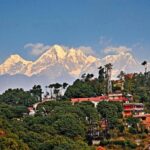
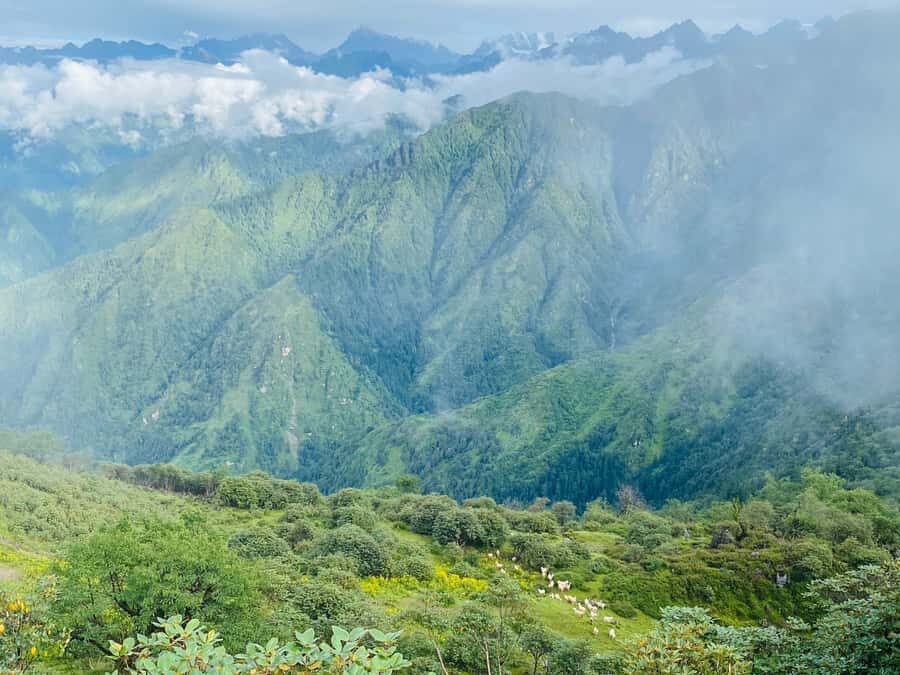
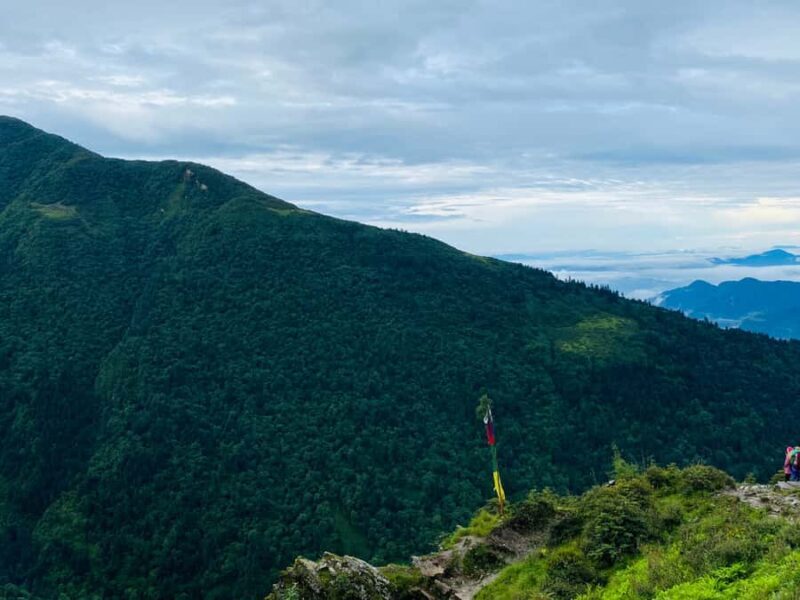
- Spectacular Views: Panoramic sights of Jugal Himal, Dorje Lakpa, and Langtang.
- Cultural Encounters: Visit traditional villages and sacred temples like Mahadev.
- Flexible Accommodation: Options for teahouse comfort or camping adventure.
- Wildlife & Flora: Rhododendron forests, alpine meadows, and Himalayan wildlife.
- High-Altitude Experience: Reaching over 4,000 meters with proper acclimatization.
👉 See our pick of the Discover 12 Great Airport Transfers In Kathmandu
An In-Depth Look at the Panch Pokhari Trek
The 7-day itinerary balances scenic travel, cultural exploration, and outdoor adventure, making it a well-rounded experience for those craving more than just mountain vistas.
You can also read our reviews of more hiking tours in Kathmandu
Day 1: From Kathmandu to Sindhupalchok
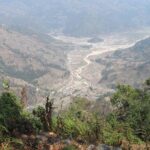
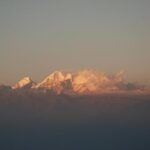
Your journey kicks off in Thamel, with a pickup and a scenic 30-minute drive to Kathmandu, where you get a glimpse of the city’s vibrant streets. Then, a roughly 7-hour drive to Sindhupalchok, passing through lush landscapes and mountain vistas. This section gives a first taste of Nepal’s diverse terrain, with frequent stops allowing travelers to soak in views of the hills and rivers. Many reviews mention the “beautiful drive,” which sets a relaxed tone for the adventure ahead.
Day 2: Kathmandu to Chhamti and Trek to Panch Pokhari
This is where the trek truly begins. The drive to Chhamti, your starting point, is a short but scenic ride, often through forested areas and small villages. From here, the real hiking starts—either via comfortable teahouses or camping for those wanting more immersion.
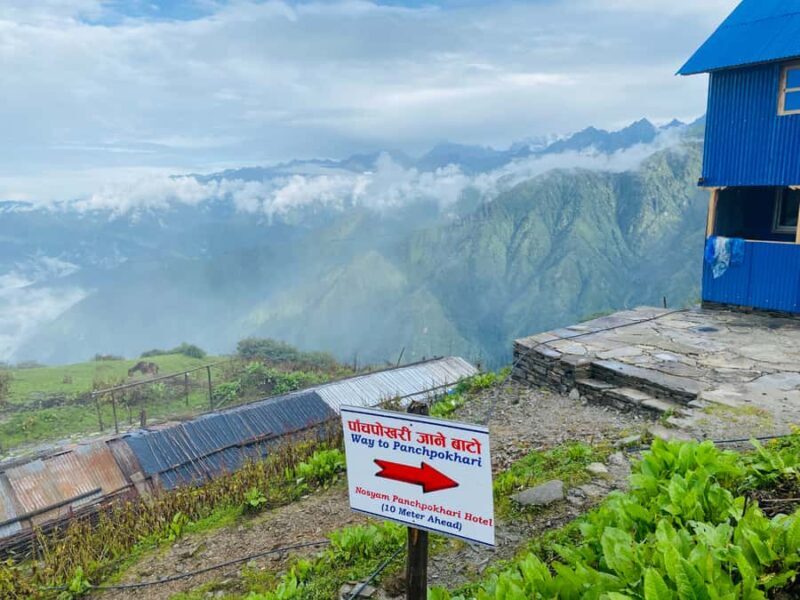
As you ascend, lush rhododendron forests and streams accompany you, and you’ll notice the increase in altitude and the changing landscape. The trek to Panch Pokhari involves gradual elevation gain, with the highlight being reaching the sacred lakes at 4,115 meters. Expect that your guides, like “Gopal” or “Ramesh,” will share insights about local traditions, and reviews mention their helpful, friendly nature.
Day 3-4: Exploring Panch Pokhari and Surrounding Areas
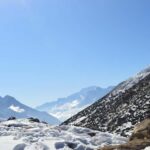
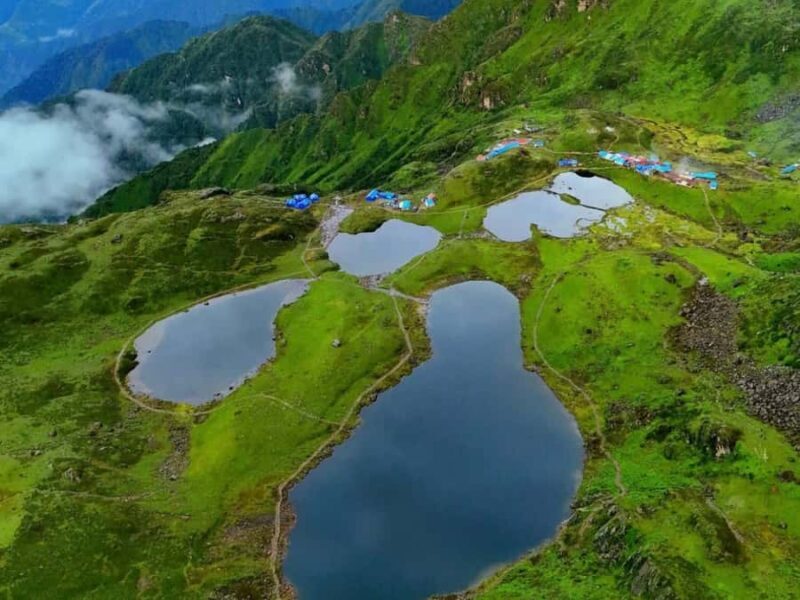
Spending time at Panch Pokhari is the highlight. These holy lakes are nestled amidst towering peaks, with clear water reflecting the sky and mountains. The lakes are revered in both Hindu and Buddhist traditions, and many trekker reviews highlight the spiritual serenity of the site.
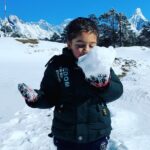
Visitors often mention taking a dip in the waters or simply sitting quietly to absorb the peaceful atmosphere. The area offers sweeping views of peaks like Dorje Lakpa, and you might spot local wildlife like pheasants or Himalayan Tahr.
In this phase, you can also visit the Mahadev temple, a significant spiritual site. The peaceful environment makes it ideal for reflection or just appreciating the raw beauty of the Himalayas. The experience of being in such a remote, sacred place is often described as “truly humbling.”
More Great Tours NearbyDay 5-6: Trek to Langtang Village and Other Scenic Stops
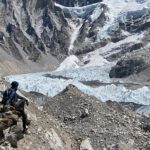
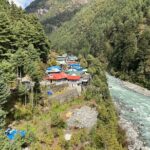
Descending towards Langtang village, you’ll encounter more stunning vistas and diverse flora. Many reviews highlight the “breathtaking views” of the mountain ranges and the chance to spot wildlife. Langtang village itself is a charming stop, where you can enjoy local hospitality and learn about the resilient Tamang community.
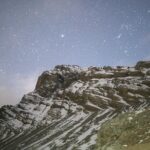
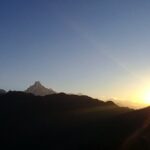
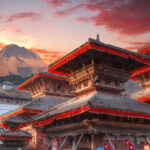
The journey back through varied landscapes—forests, meadows, and ridges—offers multiple photo opportunities. The aerial views and sunset vistas are particularly praised. Many note that the scenery feels almost surreal at sunrise or sunset, with mountain silhouettes against the sky.
Day 7: Return to Kathmandu
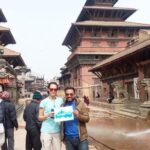
Your return involves a scenic drive back to Kathmandu, often with a few stops for photos and sightseeing. Visitors frequently mention the beauty of the changing scenery, which makes the long drive more enjoyable.
The tour concludes in Thamel, where many feel a sense of accomplishment and tranquility, often remarking on the blend of adventure and spiritual fulfillment they experienced.
Practical Details & What to Expect
Transportation: The journey starts with a 30-minute pickup in a private SUV, followed by long scenic drives that are part of the experience. Many travelers appreciate the comfort of a private group, which allows flexibility and a sense of safety, especially at higher altitudes.
Accommodation: You can choose between teahouses—offering comfortable, local-style rooms with basic amenities—or camping, which appeals to those wanting a closer connection to nature. Reviews show that both options have their merits: teahouses for comfort, camping for immersion.
Altitude & Physical Demands: Reaching up to 4,300 meters requires some acclimatization. The trek involves high-altitude hiking, but the gradual ascent allows your body to adjust. Trekkers with respiratory issues or mobility challenges might want to consider this carefully, as the route is not suited for people with such limitations.
Guides & Group Size: The experience is led by experienced guides speaking multiple languages, including English. Group sizes are private, perfect for personalized attention. The guides are praised for their local knowledge and helpfulness—many reviewers mention how they shared interesting stories about the villages and peaks.
Cost & Value: While prices vary, the package’s value lies in the included transport, guided support, and flexible accommodations. The scenic and spiritual rewards far outweigh the cost, especially considering the remoteness and exclusivity of the route.
Best Time to Trek: The best months are generally spring (March–May) and autumn (September–November), when the weather is clear, and the views are spectacular.
What’s Missing or to Consider
While the trek offers remarkable scenery and cultural richness, it’s not tailored for those with mobility issues or respiratory conditions. The high altitude demands careful planning, and solo trekkers should be prepared to carry their gear and navigate maps.
The experience is peaceful but less developed in terms of infrastructure compared to popular routes, so travelers should be ready for basic facilities in teahouses and campsites.
Final Thoughts
This Panch Pokhari Trek delivers a taste of authentic Himalayan spirituality, jaw-dropping landscapes, and a chance to really connect with local culture. The views alone are worth the effort—massive snow-capped peaks reflected in sacred lakes provide moments of pure awe.
If you’re after a quieter, more spiritual trek away from crowded trails, this route offers a fantastic balance of adventure and serenity. Perfect for those who want to experience Nepal’s natural beauty without the hustle of the more tourist-heavy routes.
Whether you prefer comfortable teahouse stays or a camping adventure, this trek offers flexibility and authenticity. The guides are knowledgeable and friendly, making the journey safer and more enriching.
This experience provides a meaningful Himalayan adventure, blending scenic grandeur, cultural depth, and spiritual peace—an ideal choice for seasoned trekkers and newcomers alike.
FAQs
How long is the drive from Kathmandu to Sindhupalchok?
It’s approximately a 7-hour scenic drive, passing through lush landscapes and mountain views, setting the stage for your trek.
Can I choose between teahouse and camping accommodations?
Yes, both options are available. Teahouses provide more comfort, while camping offers a closer connection to nature.
What is the highest altitude reached during the trek?
The sacred lakes of Panch Pokhari sit at around 4,115 meters, with some parts of the route reaching up to 4,300 meters.
Is the trek suitable for beginners?
While experienced trekkers will find it manageable, high-altitude hiking can be challenging for beginners. Proper acclimatization is important.
What wildlife might I see during the trek?
You could spot wildlife like Himalayan Tahr, pheasants, and various bird species, especially in the rhododendron forests and alpine meadows.
What should I pack for this trek?
Warm clothing, sturdy hiking shoes, sunscreen, water, trekking gear, and travel insurance are recommended.
Are there any cultural sites included in the trek?
Yes, you’ll visit the Mahadev temple and local villages, gaining insight into Himalayan traditions and local lifestyles.
When is the best time to take this trek?
Spring (March–May) and autumn (September–November) offer the clearest skies and best mountain views.
To sum it up, the Panch Pokhari Trek in Nepal stands out for its peaceful, spiritual ambiance combined with stunning mountain scenery and cultural richness. It’s an ideal journey for those seeking authentic Himalayan encounters, beautiful vistas, and a meaningful escape into Nepal’s untouched landscapes. Whether you’re after adventure or a moment of quiet reflection, this trek offers a perfect balance for a memorable high-altitude experience.
You can check availability for your dates here: