
Here’s the conversation I have with every friend planning a first Paris trip: “Which museum — the Louvre or the Orsay?” My answer is always “both, but Orsay first, and if you only have time for one, the Orsay.” The Louvre has the Mona Lisa and 80% of the crowds. The Orsay has Monet, Van Gogh, Degas, Manet, Renoir, Cézanne, and a building that was a working train station until 1939. It’s a better museum inside a better building and nobody talks about it. Let me fix that.
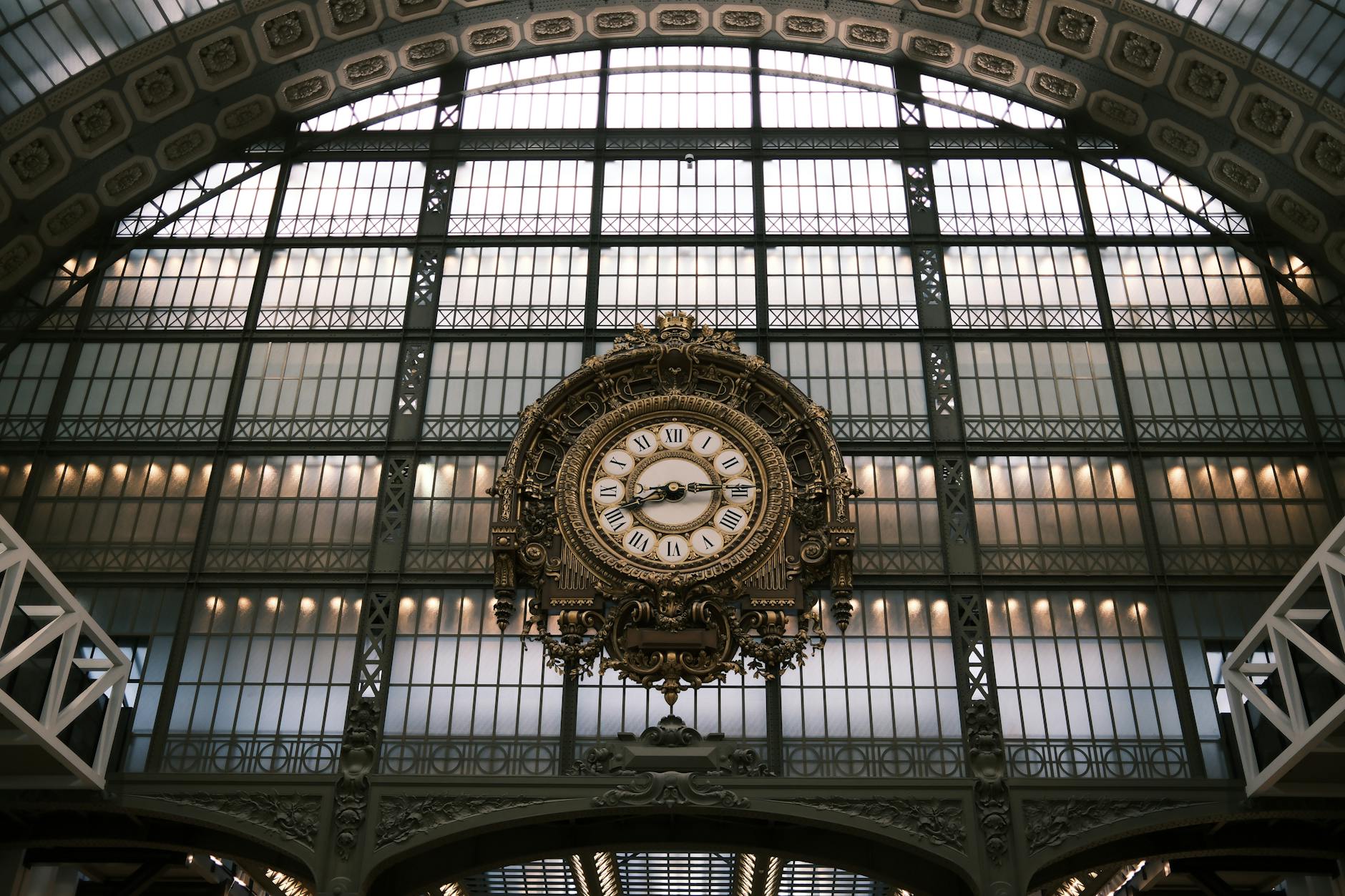
Best overall (cheapest, most flexible): Orsay Museum Entry Ticket — $15. The basic skip-the-line ticket, 25,000+ reviews, the single best-value museum ticket in Paris. Book this unless you have a specific reason not to.
Best for first-timers (want a guide): Musée d’Orsay Masterpieces Guided Tour — $69. Skip the queue, get an English-speaking guide for 2 hours of the 20 must-see paintings, then free-roam the rest. Worth the upgrade for a first visit when you want context.
Best budget-guided middle ground: Priority Admission with Optional Private Guide — $42. Skip-the-line entry with an optional guide upgrade. Good if you want to start solo and maybe add commentary later.
- Why the Orsay Is Paris’s Secret Best Museum
- The Ticket Strategy — Simpler Than the Louvre
- DIY vs Guided — An Honest Comparison
- The Three Orsay Tickets I’d Actually Book
- 1. Orsay Museum Entry Ticket —
- 2. Musée d’Orsay Masterpieces Guided Tour —
- 3. Orsay Priority Admission with Optional Private Guide —
- When to Go — The Day and Time That Make the Visit
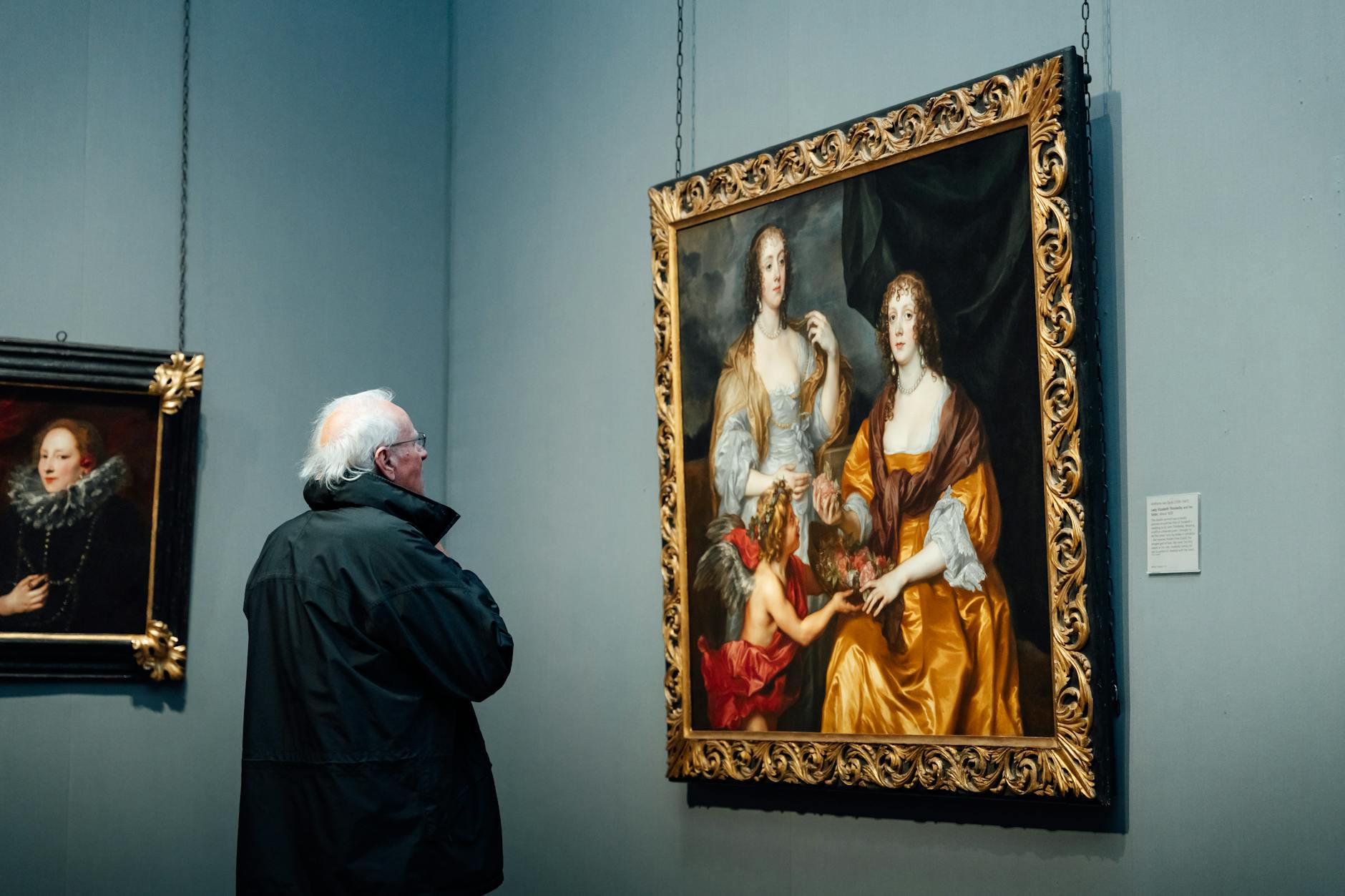
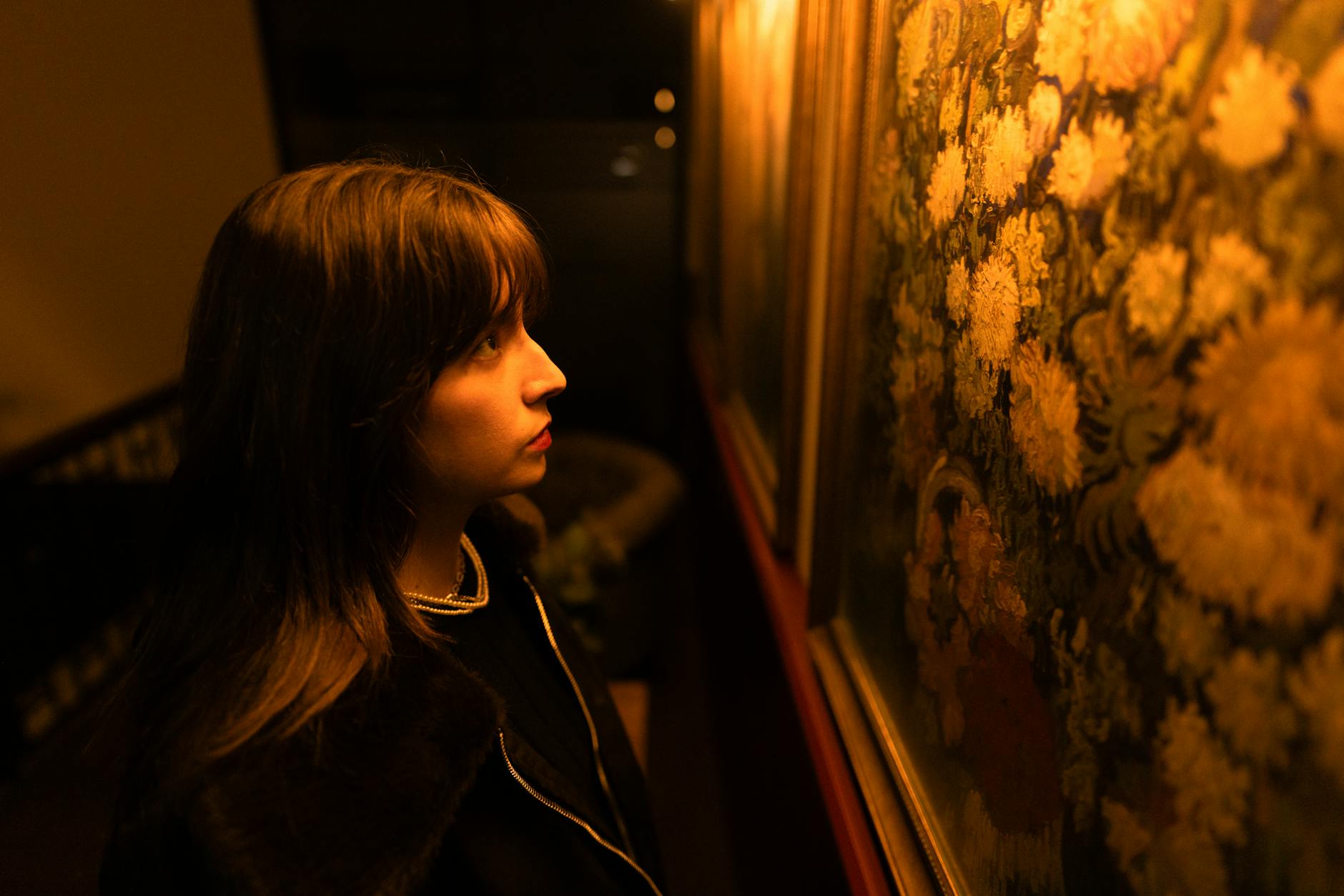
- What You Actually Come to See
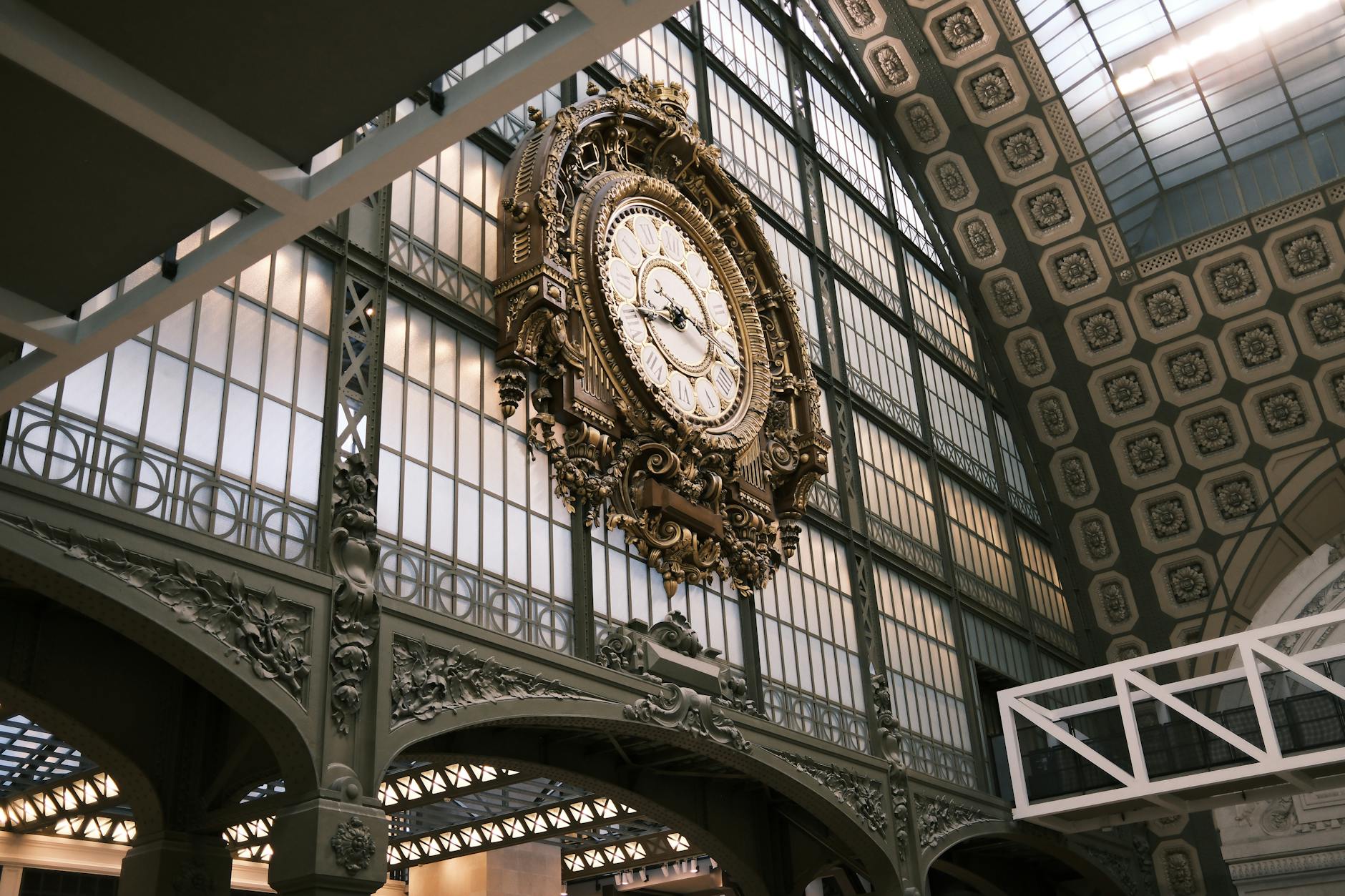
- The Clock — Yes, You Have to See It
- How to Get There
- Tips That Save You Time and Temper
- Nearby — Other Paris Guides to Pair With This One
Why the Orsay Is Paris’s Secret Best Museum
The Louvre is one of those museums you visit to say you visited. The Orsay is one you visit because the art is actually moving. That’s the real difference. The Louvre has four things you came to see and 200 rooms of increasingly obscure classical paintings. The Orsay has thirty paintings that will stop you dead in the middle of a room.
It’s also a smaller museum that you can actually finish. Four hours and you’ve seen everything important. At the Louvre, four hours gets you maybe a third of the way through. The Orsay specialises in French art from 1848 to 1914 — which sounds narrow until you realise that window covers Impressionism, Post-Impressionism, Art Nouveau, and the entire revolution that created modern painting. This is where Van Gogh’s self-portraits live. This is where Monet’s water lilies were first shown. This is where Manet scandalised Paris with Olympia.
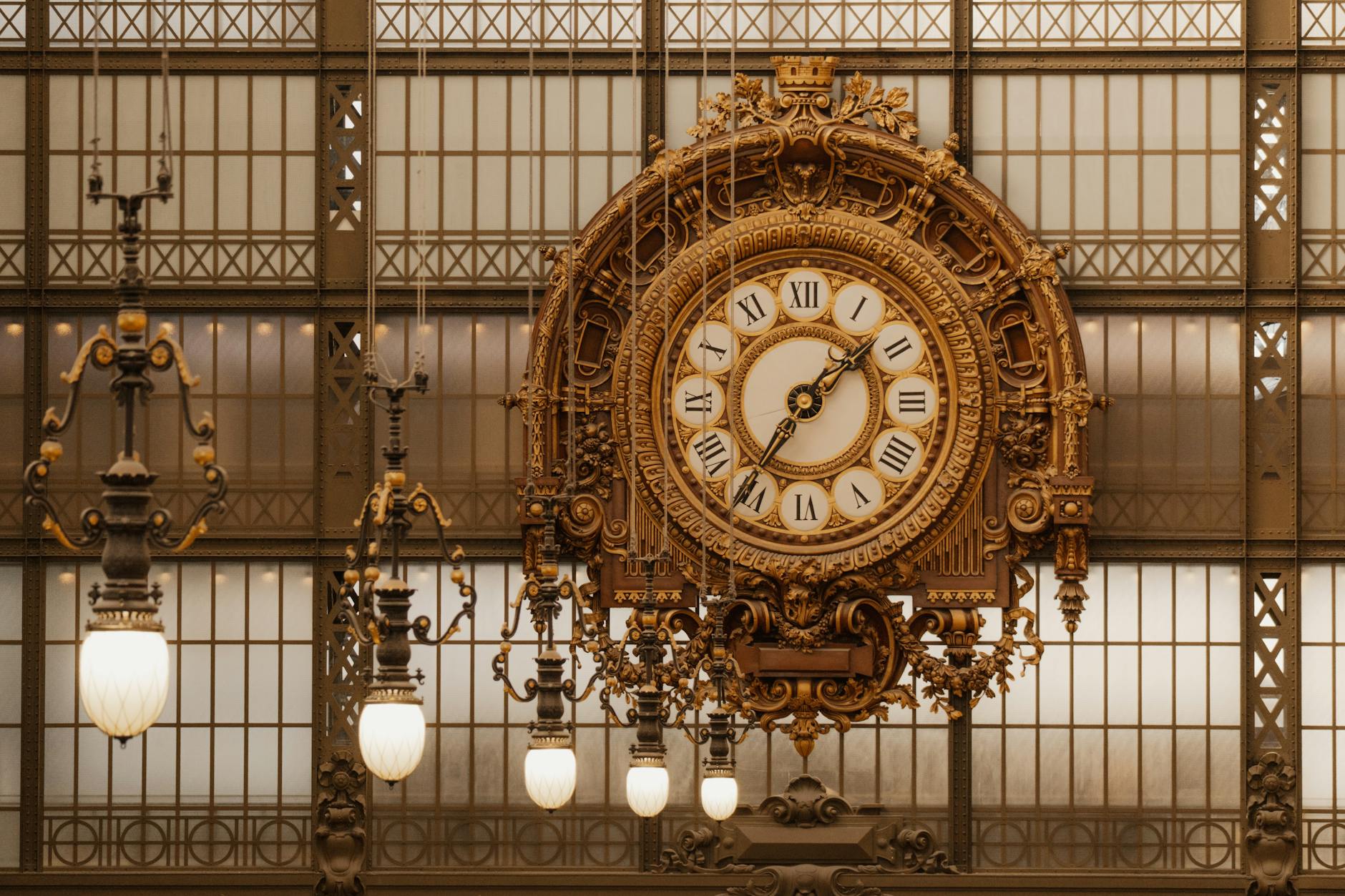
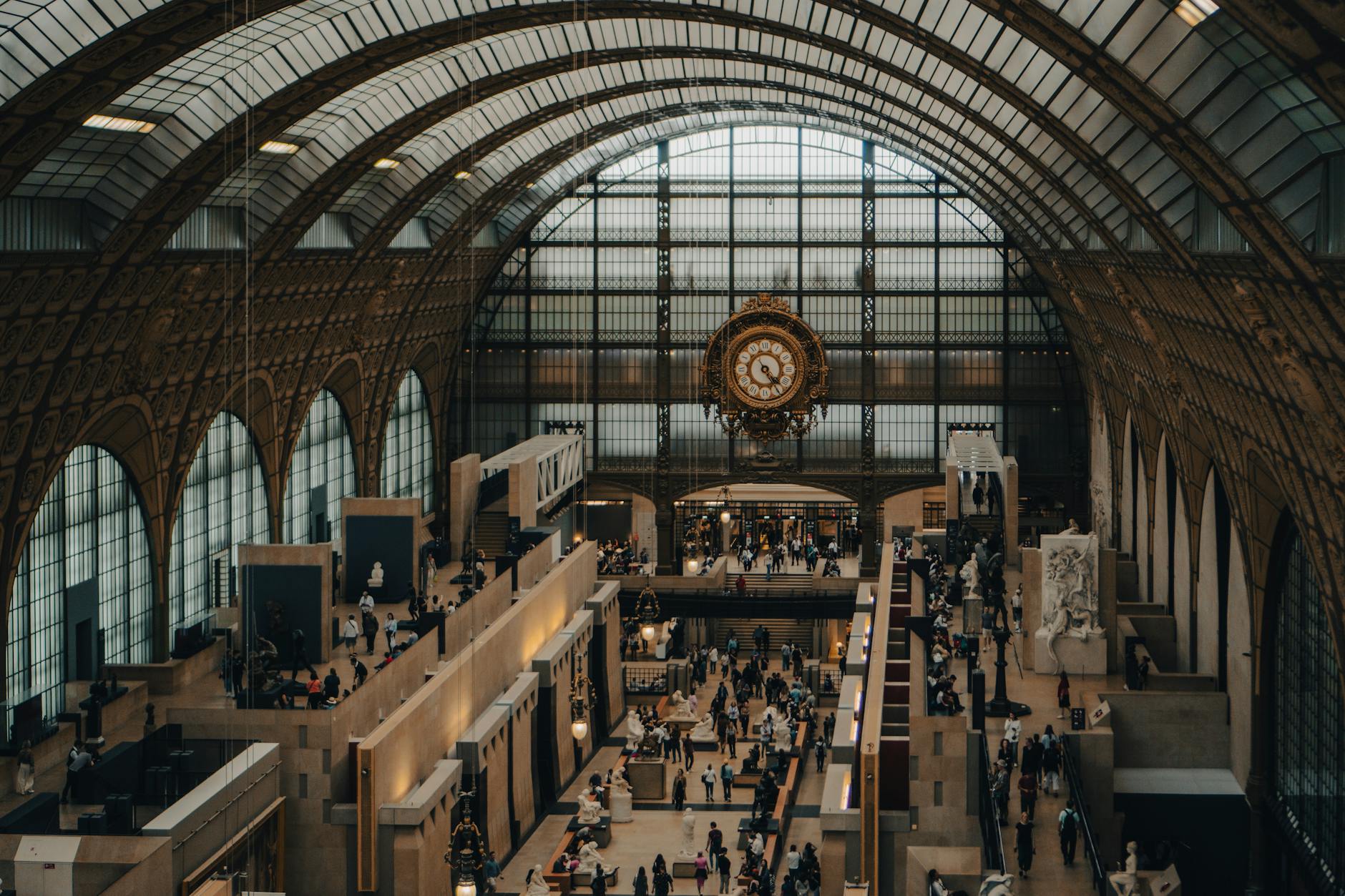
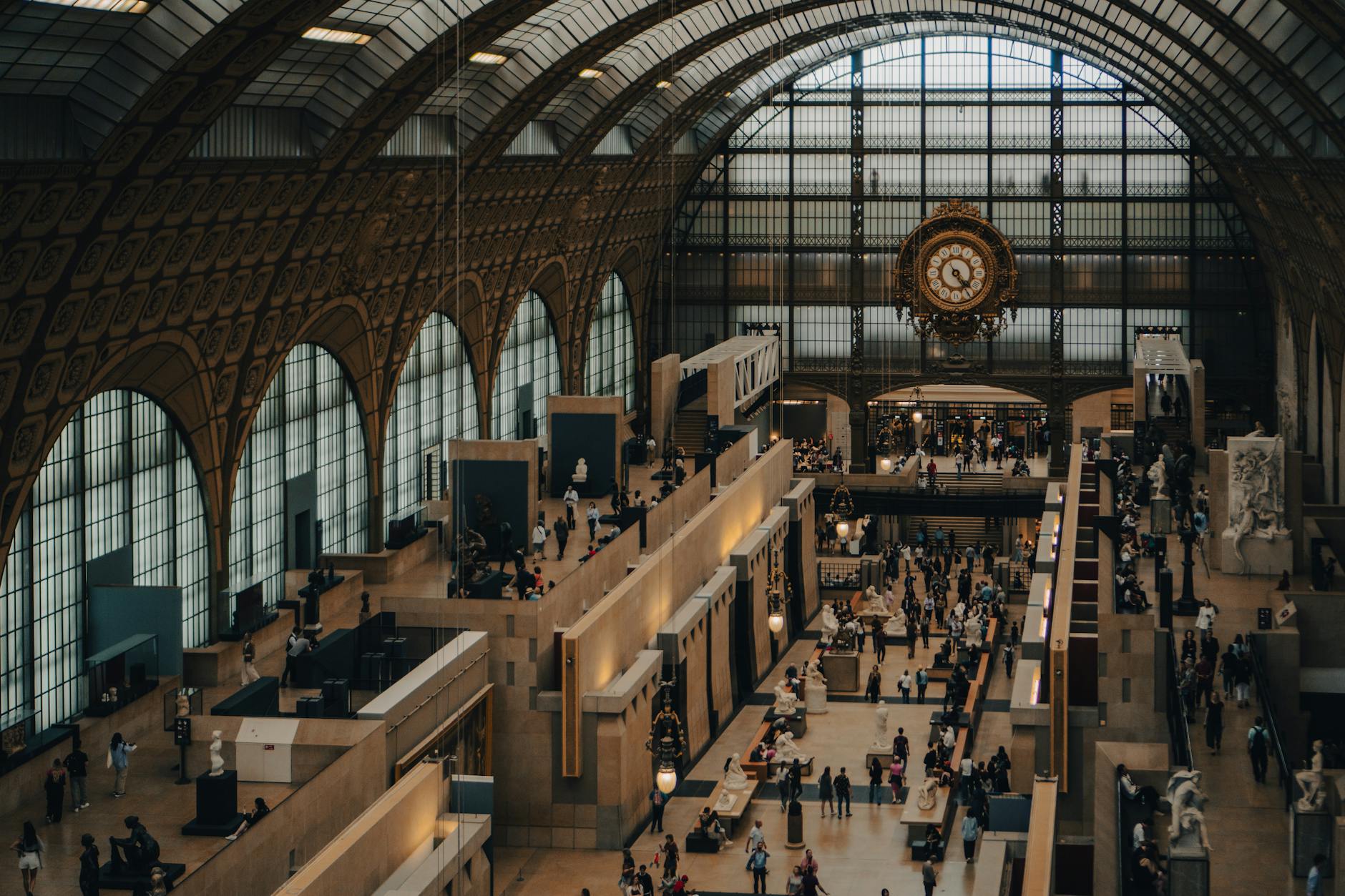
And the building. I can’t overstate how much the building matters. It’s a Beaux-Arts train station from 1900, converted into a museum in 1986, with the original arched glass roof still in place and the original station clock face still mounted on the upper floor. You can walk behind the clock and look out at the Seine through Roman numerals. There is no other museum in the world that does this.
The Ticket Strategy — Simpler Than the Louvre
The Orsay’s ticketing is more forgiving than the Louvre’s. Timed-entry slots are required, but the queues are shorter, the walk-up option actually works on quiet days, and the resale market from operators like GetYourGuide is competitive enough that you’ll find tickets for $15 when the official site wants €16. The $15 GYG ticket is genuinely better value than booking direct because it includes English-language customer service, flexible cancellation, and a mobile QR code.
Wait — why is the ticket cheaper on GYG than on the official site? Because the euro/dollar exchange rate on timed tour packages runs favourable for reseller contracts and operators pre-buy blocks of tickets at group rates. The savings are real. They’re not huge (€1-3) but they exist.
My rule: if you’re visiting on a Tuesday, Wednesday, or Thursday in shoulder season, buy the basic $15 ticket and walk in. If you’re visiting on a weekend or in summer, buy the $15 ticket and book the earliest morning slot (9:30am). If it’s your first time in Paris and you want the context of a guide, spring for the $69 Masterpieces tour — it’s worth the upgrade specifically because the Orsay rewards having someone point out why Manet’s Olympia mattered in 1863.
DIY vs Guided — An Honest Comparison
The Orsay is more forgiving to DIY visitors than the Louvre for one key reason: the layout makes sense. You walk in, you’re on the ground floor sculpture gallery, you take the escalator to the upper floor, and the Impressionists are all in one wing. There’s no “wait, which wing is the Mona Lisa in again” problem. The signage in French-English is clear. You can do this without help.
DIY is the right call if: you’ve been to museums before, you know the difference between Monet and Manet, you don’t need someone reading labels to you, and you’d rather wander at your own pace. I’ve done the Orsay this way three times and I prefer it.
A guide is the right call if: you’re new to Impressionism, you want the stories behind the paintings (and the Orsay has some great ones — the Olympia scandal, Van Gogh’s final weeks, Monet’s cataract surgery that changed his late work), or you only have 2 hours and need a hit-list tour.
The Orsay guides I’ve met are almost all art-history graduates from the Sorbonne. They’re very good. The Masterpieces tour covers roughly 20 paintings in 2 hours, which is the right density — enough context on each to make it stick, not so much that you’re standing in one room for 15 minutes.
The Three Orsay Tickets I’d Actually Book
1. Orsay Museum Entry Ticket — $15
The no-frills skip-the-line ticket. You book a 30-minute time slot, show up with your QR code, scan in, and you’re inside. 25,647 reviews as of this week, which tells you exactly how many people are buying this specific ticket. It’s the best-seller for a reason.
What you get: timed-entry priority access, a valid-all-day ticket once you’re in, no audio guide, no tour, just you and 6,000 artworks. The ticket is valid from the time you scan in until closing, so you can leave for lunch on the terrace and come back in the afternoon (the re-entry rule is flexible at the Orsay, unlike the Louvre).
My take: this is the ticket I always buy. Orsay is the museum where I can say confidently “spend 4 hours, see what you want, leave when you’re tired”. No guide needed. The layout does the work for you.
2. Musée d’Orsay Masterpieces Guided Tour — $69
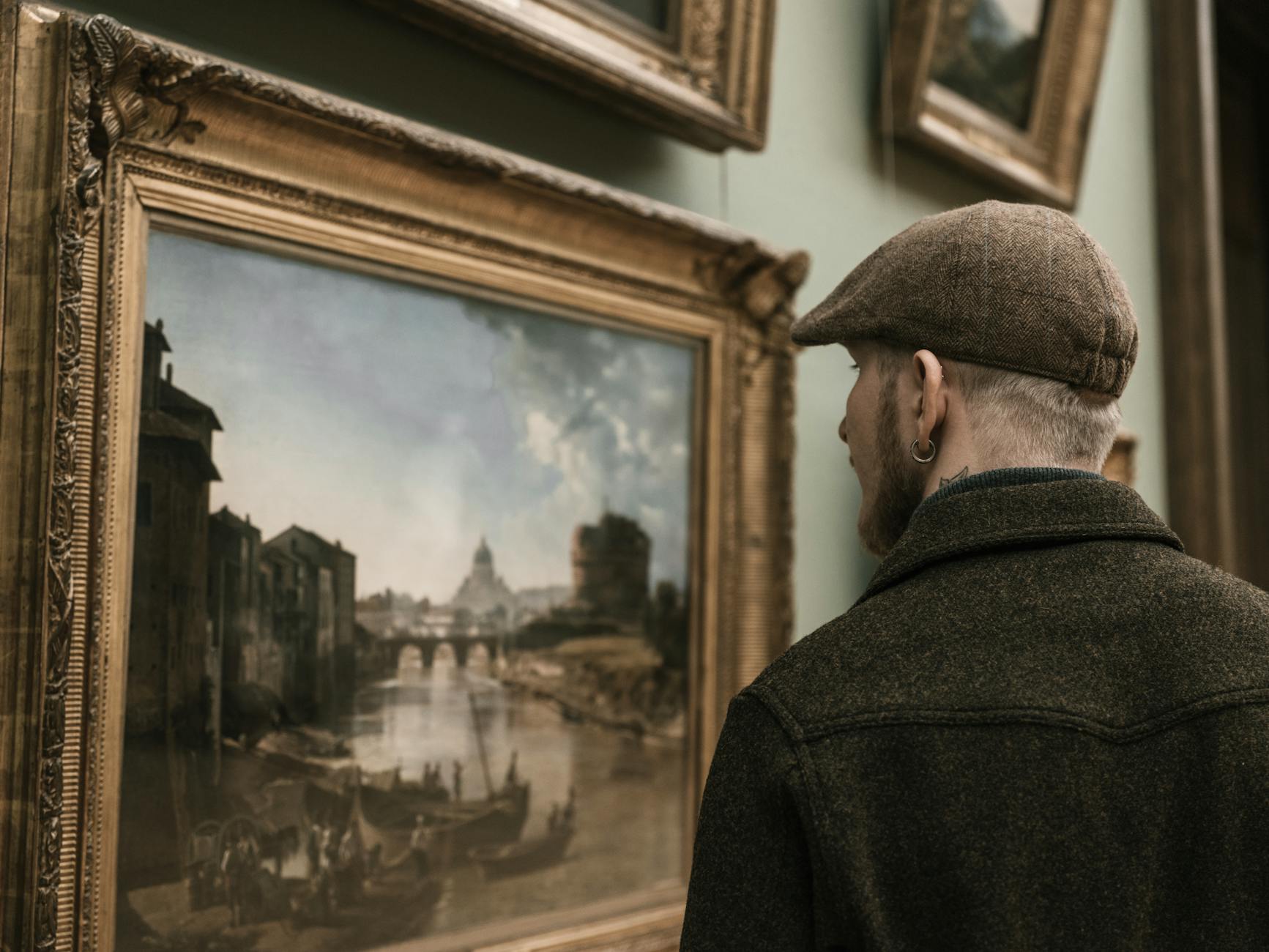
This is the upgrade option. You meet your guide at the entrance, skip the queue together (priority entry is included), and get a 2-hour tour of roughly 20 masterpieces — including the big-five of the Orsay: Monet’s Poppies, Van Gogh’s Self-Portrait, Degas’s Ballet Rehearsal, Manet’s Olympia, and Courbet’s The Artist’s Studio.
After the tour ends, your ticket stays valid for the rest of the day. Most visitors do another 90 minutes on their own afterwards, which gives you a proper 3.5-4 hour visit without feeling rushed. At $69, it’s $54 more than the basic ticket — which is a lot in absolute terms, but you’re paying for someone who’s qualified to explain why Olympia caused a public riot in 1863.
My take: book this if it’s your first visit to Paris, you’ve never studied Impressionism before, or you genuinely love art history. Otherwise, the basic ticket plus a €3 audio guide rental inside gets you 80% of the benefit at a quarter of the price.
3. Orsay Priority Admission with Optional Private Guide — $42
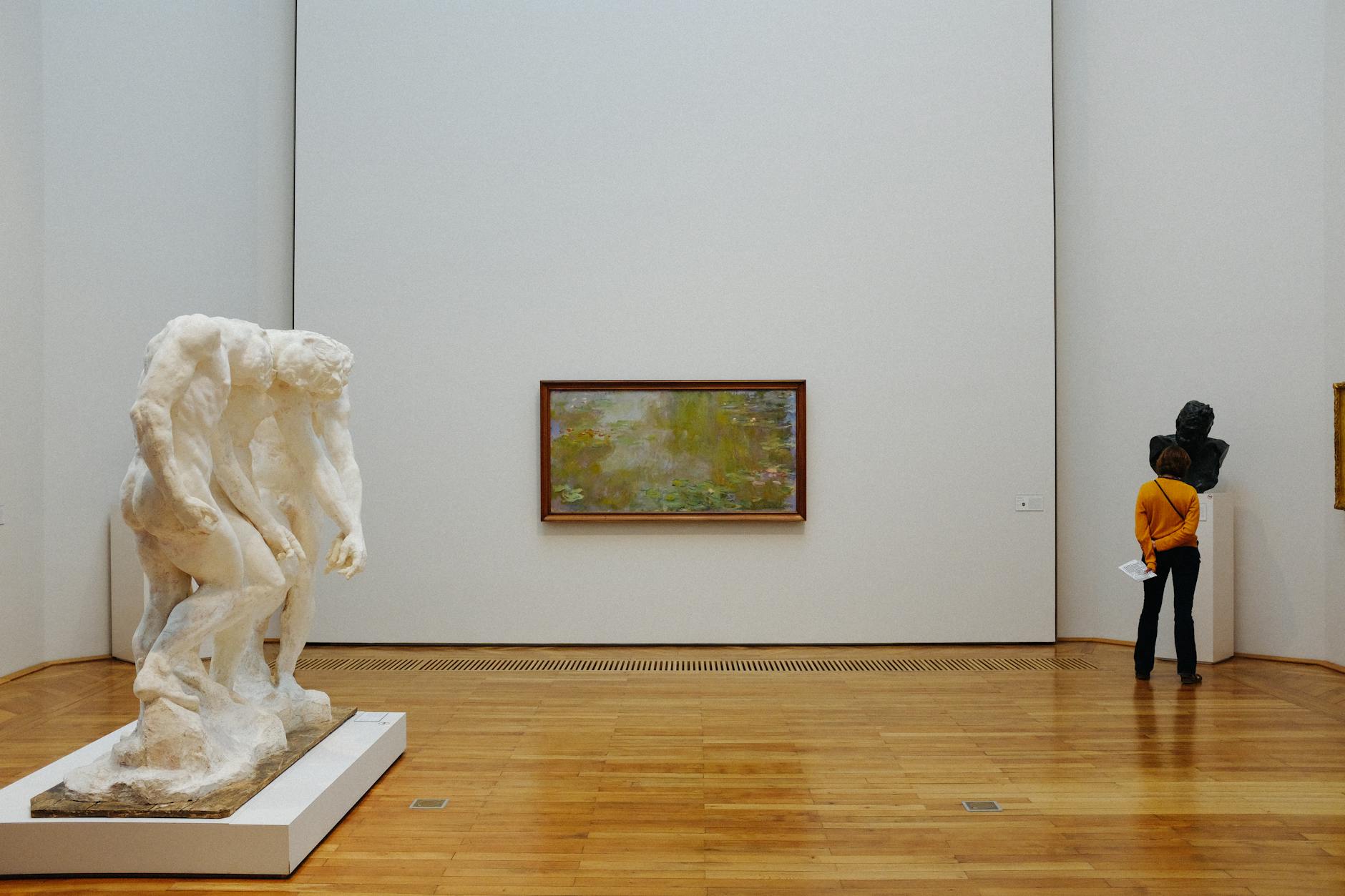
The middle-ground option. You get skip-the-line entry, and the option to add a private guide for an additional fee. This is Viator’s answer to “what if you want more than the basic ticket but don’t want to commit to a group tour”. In practice, the “optional guide” upgrade brings the total close to the Masterpieces tour price, so this isn’t really a budget play.
Where it makes sense: if you want to start the visit alone (climb to the clock, see what strikes you), then add a guide for the second hour to explain what you just saw. The flexibility is the pitch. The price, once you add the guide, is roughly comparable to option 2.
My take: most visitors should skip this and just book either option 1 (DIY) or option 2 (guided) based on whether they want a guide at all. This is the “I can’t decide” option, which is fine, but it usually ends up costing more than the Masterpieces tour without the structured itinerary.
When to Go — The Day and Time That Make the Visit
Closed Mondays. The Orsay closes Mondays, which is the opposite of the Louvre (which closes Tuesdays). This is actually useful — you can do the Orsay on a Tuesday when the Louvre is closed, and the Louvre on a Monday when the Orsay is closed. Pair them across two days and you never waste a slot.
Best day: Thursday. Thursday is late-opening night (until 9:45pm), and the crowd drops after 6pm. If you book a 6pm slot, you’ll have the Impressionist galleries half-empty by 7pm. This is the single best way to see the Orsay — golden hour light through the glass roof, nobody blocking the Monets, and you walk out along the Seine at dusk.
Avoid: Sundays, especially first Sunday of the month. The first Sunday was once free entry (discontinued in 2019 for the main permanent collection, but partial free entry still applies in some rotating exhibitions) and the crowd habit persists. It’s the busiest day of the month by a wide margin. Sunday general attendance is also elevated because it’s a Catholic non-work day.
Best time: 9:30am opening slot or 6pm late-entry on Thursdays. The 9:30am slot is the quietest of the day — you get the first 90 minutes almost to yourself. The 6pm Thursday slot gives you golden-hour light and a thinning crowd. Both are worth the calendar effort to book.
What You Actually Come to See
The Orsay has 6,000 artworks on display. Here’s the short list of the ones you cannot leave without seeing.
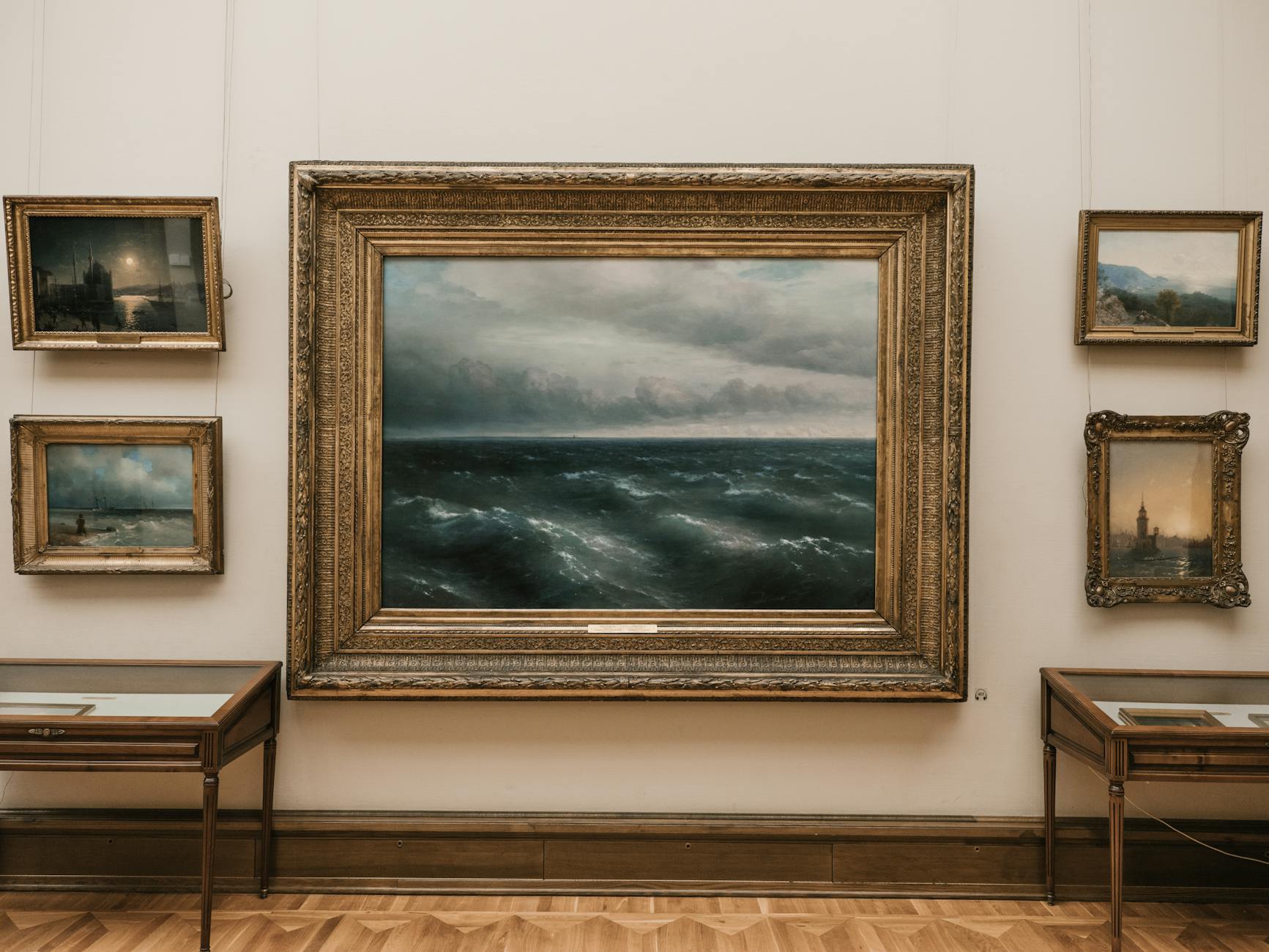
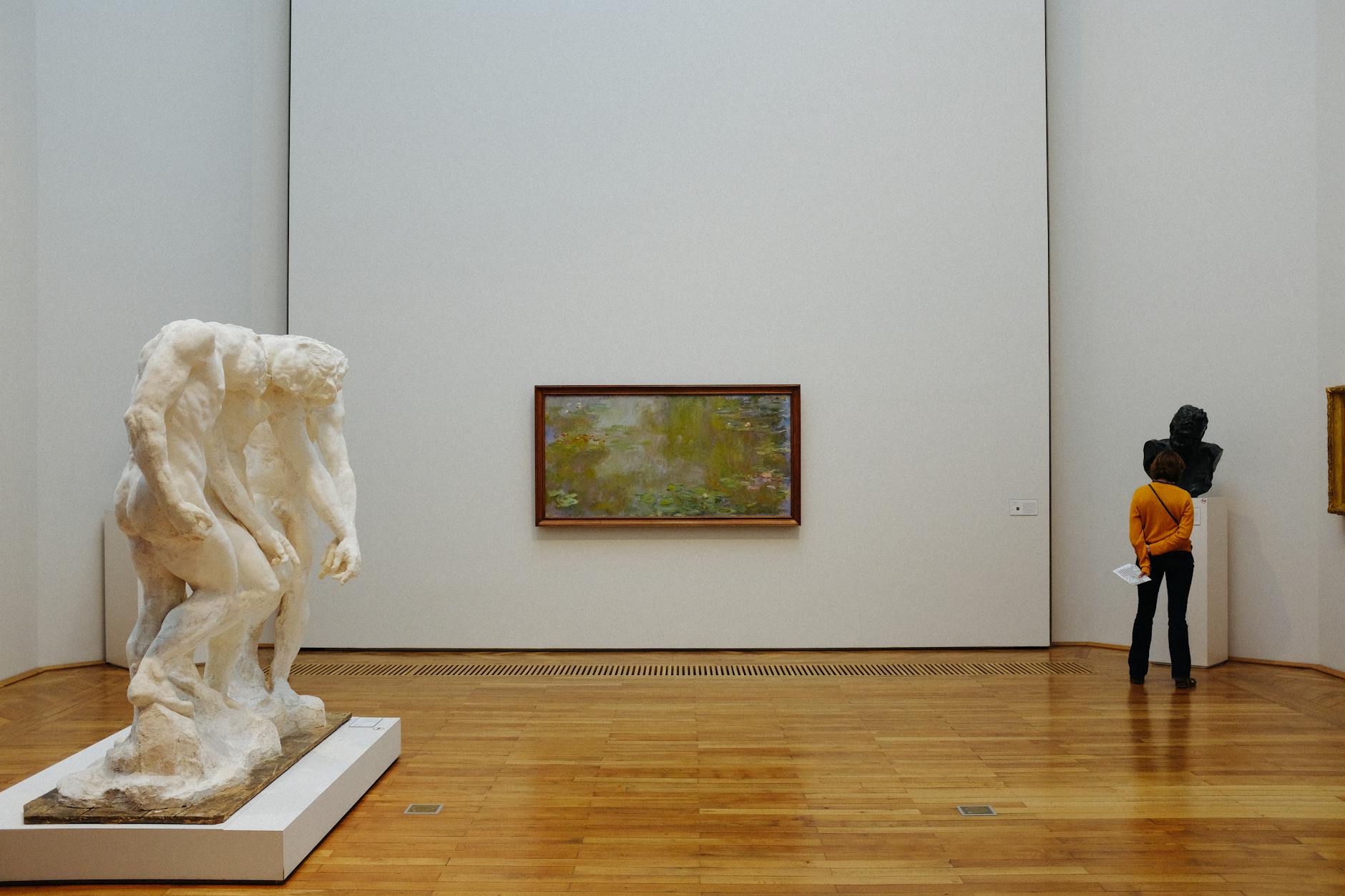
Van Gogh’s Self-Portrait (1889). Upper floor, Impressionist wing. Painted in Saint-Rémy-de-Provence a year before Van Gogh shot himself. The swirling blue-green background is the thing. Stand close, then step back, then close again — the brushwork is different at every distance.
Monet’s Poppies (Coquelicots, 1873). Upper floor, Impressionist wing. The famous one with the woman and child walking through a field of poppies. Smaller than you expect — about 50×65cm — but the colour saturation in person is unreal. Reproductions dull it. The original glows.
Manet’s Olympia (1863). Upper floor, Impressionist wing. The painting that started the Impressionist revolution by scandalising Paris. A nude courtesan staring directly at the viewer. The hotel critics called her “a female gorilla”. Look at her face and you’ll see exactly why she unnerved them — she is completely unconcerned with your opinion of her.
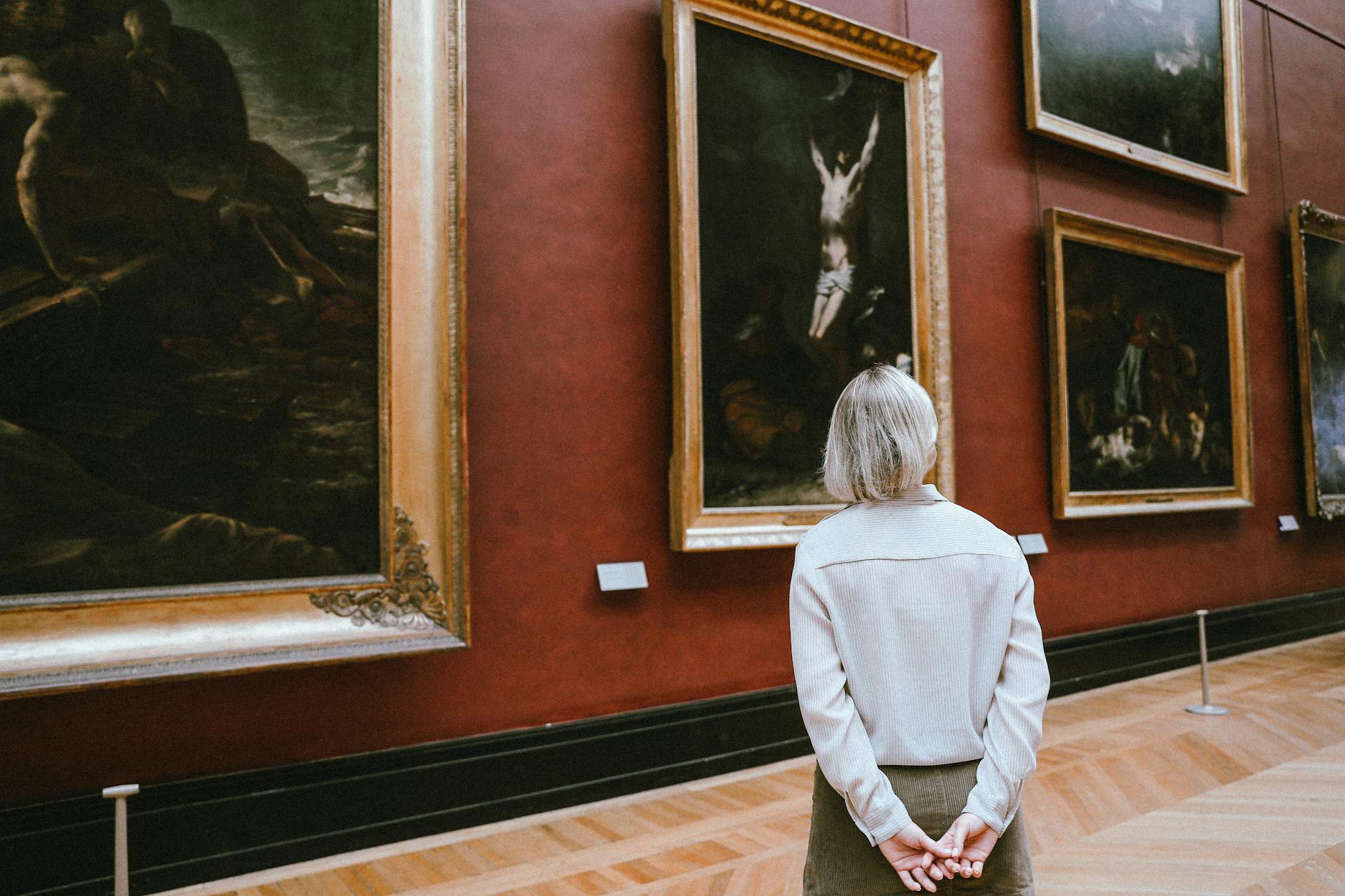
Degas’s Ballet Rehearsal (1874). Upper floor. Oil on canvas of ballet dancers stretching in a rehearsal hall. Degas painted the ballet obsessively for decades — this is one of the quieter, earlier ones. The weirdly casual composition is deliberate: the dancers are bent over, tying shoes, half off-frame. It’s anti-classical and completely alive.
Courbet’s The Artist’s Studio (1855). Ground floor. A 3.6m × 6m painting that Courbet called “a real allegory”. Courbet himself is in the middle, painting a landscape, while on one side are his friends (writers, critics, politicians) and on the other side are the poor, the workers, and “society”. The manifesto painting of Realism, and one of the most ambitious single works in the museum.
Renoir’s Bal du Moulin de la Galette (1876). Upper floor. A crowd of Parisians dancing, drinking, and flirting at a Montmartre dance hall on a Sunday afternoon. The dappled light through the chestnut trees is the famous part. Look at the top-right corner where Renoir painted his own friends as models — that’s art-historical gossip for you.
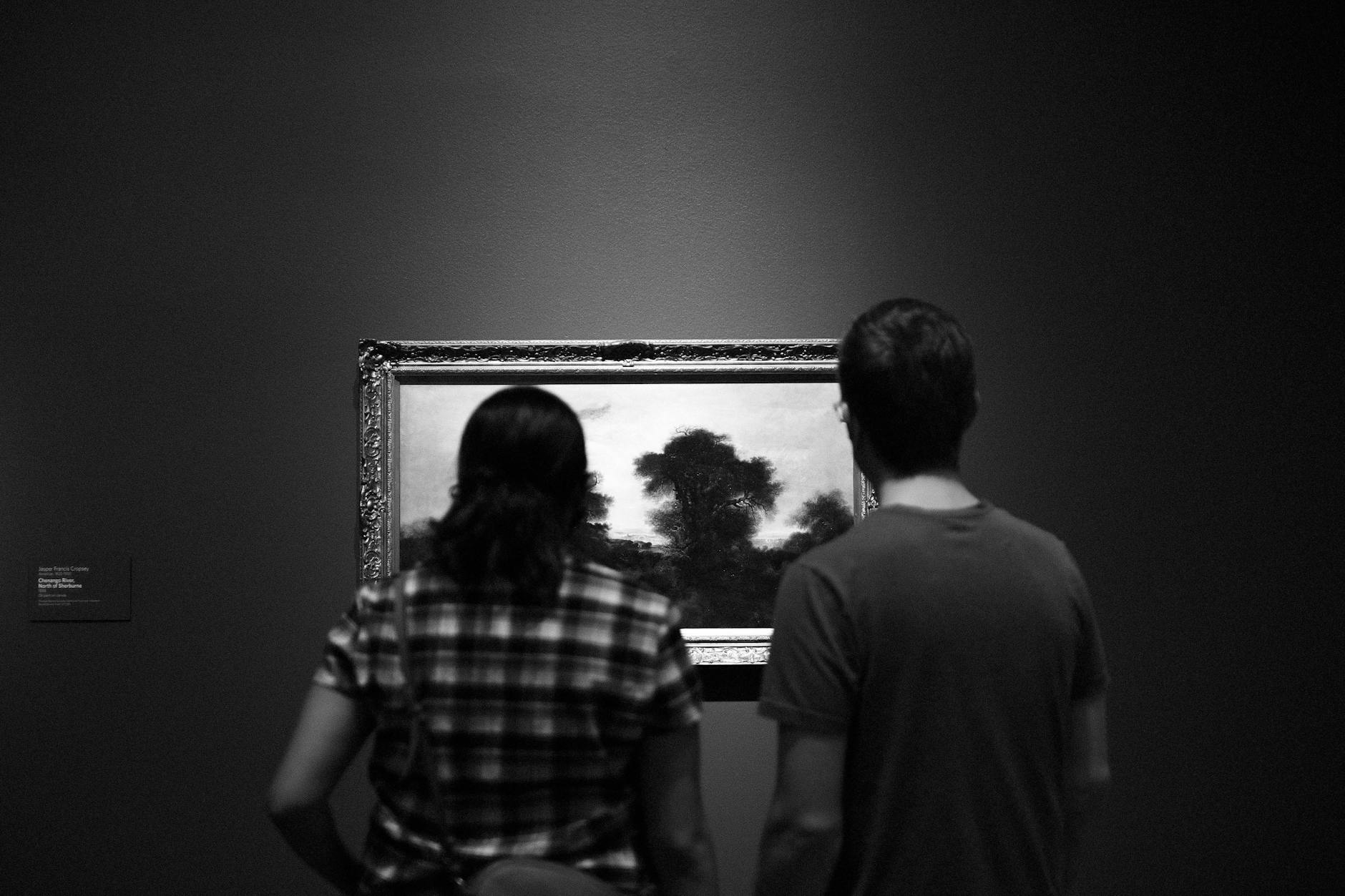
Whistler’s Mother (Arrangement in Grey and Black, 1871). Upper floor, Anglo-American section. Almost always has a quiet moment in front of it because everyone’s across the hall fighting for the Monets. The colour palette is deliberately austere — Whistler called it “an arrangement in grey and black” to distance the painting from sentimental interpretation. The public insisted on calling it “Whistler’s Mother” anyway, because that’s what it looks like.
The Thinker (Le Penseur), Rodin. Ground floor sculpture gallery. Yes, this one. The Orsay has an early bronze cast (the larger outdoor version is at Rodin’s own museum across town). Smaller than you expect. More intense than you expect. Walk around it 360 degrees — the back of his shoulders is the most underrated angle in French sculpture.
The Clock — Yes, You Have to See It
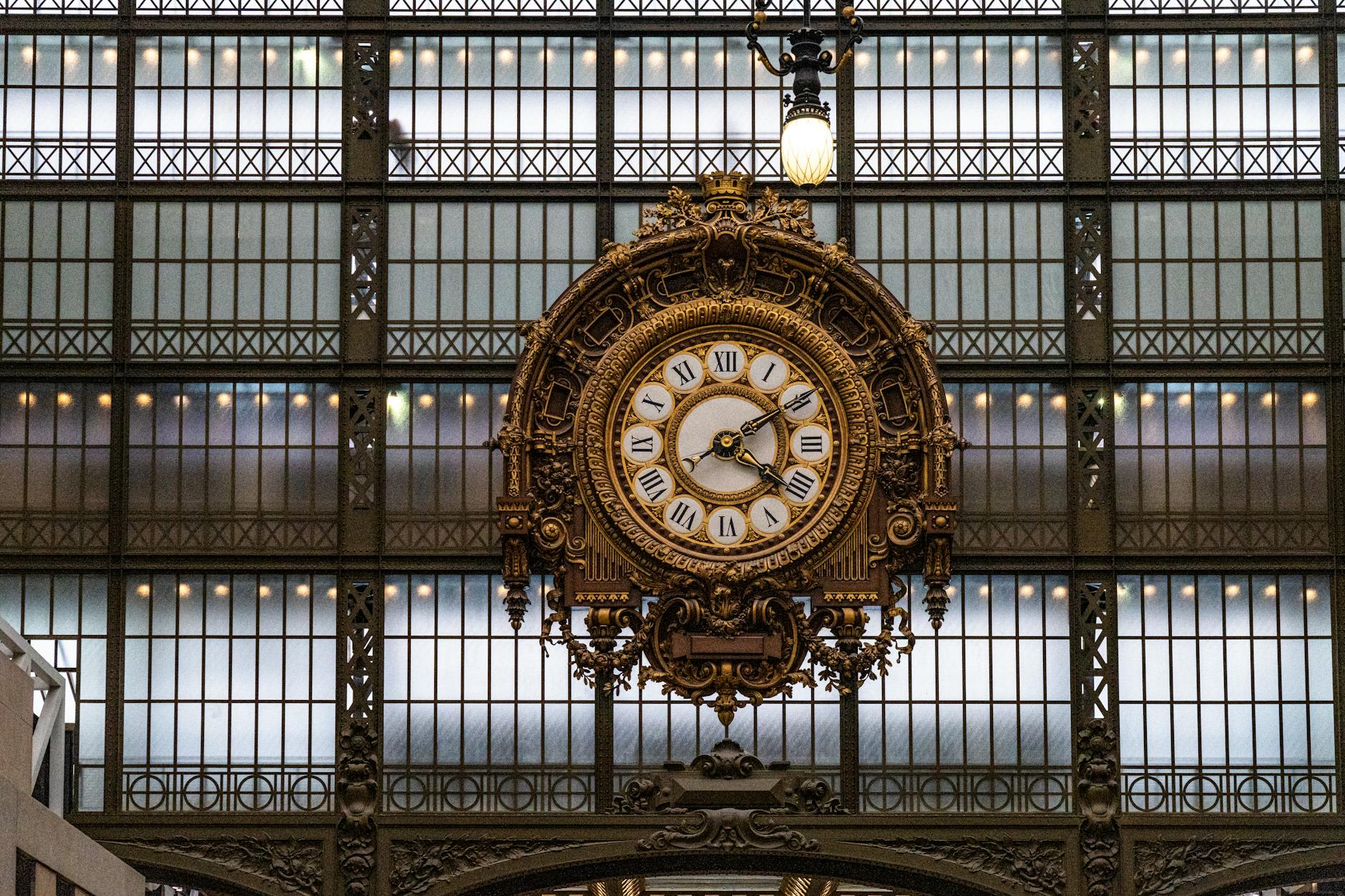
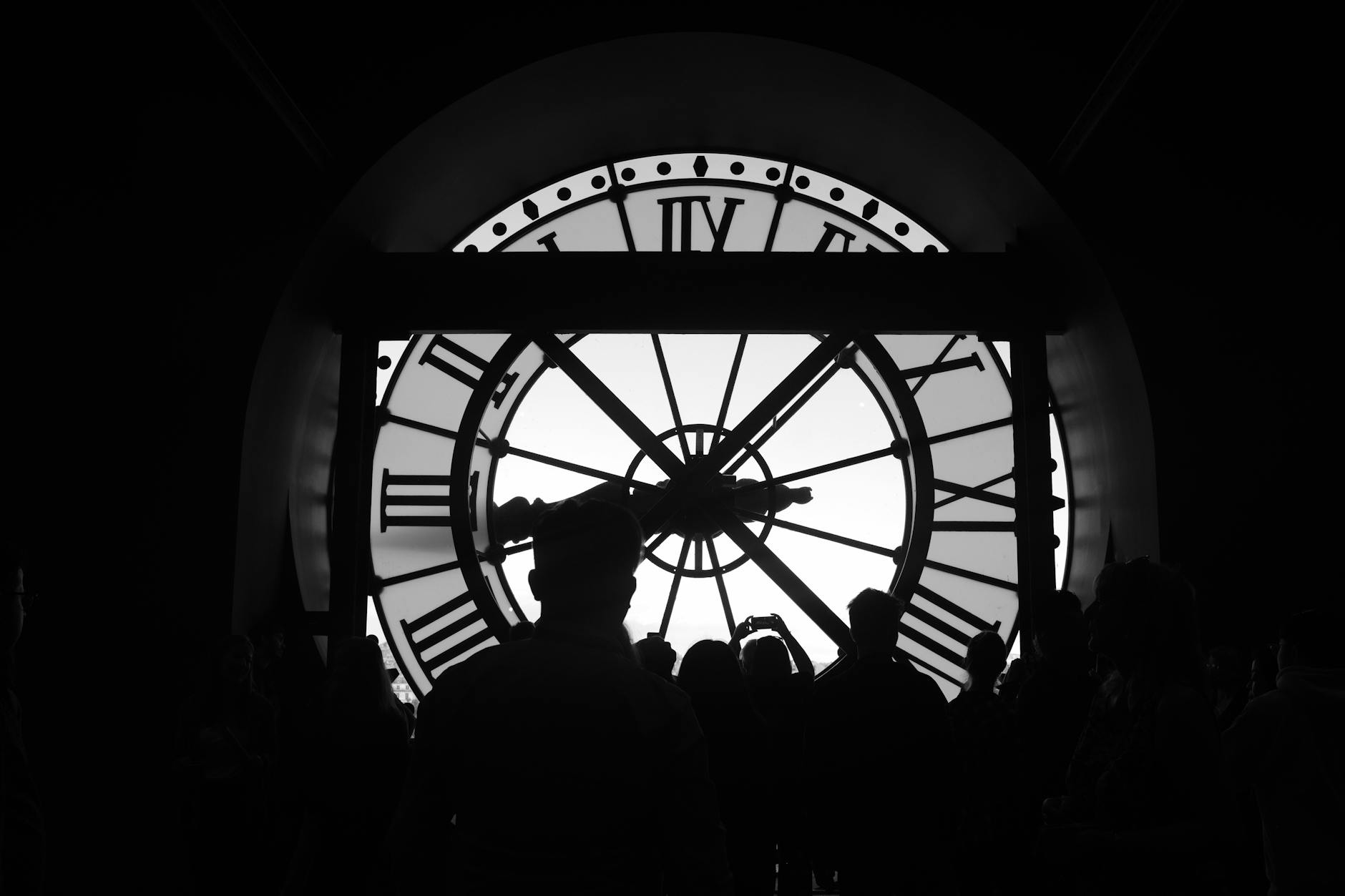
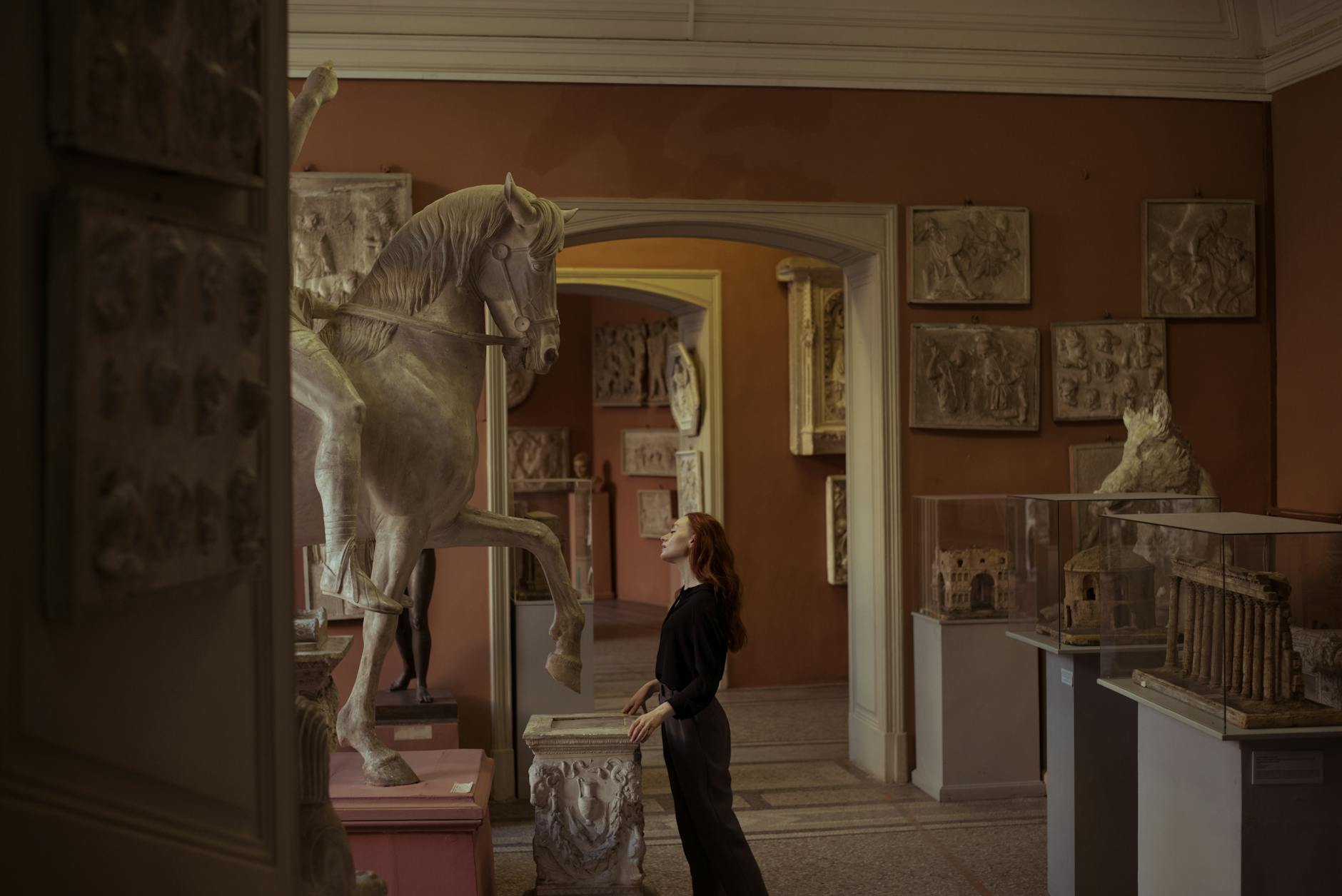
Upper floor, end of the long Impressionist gallery, fifth floor if you take the lifts. The clock face is a 7-metre-diameter glass disc mounted at the end of the former station’s grand hall, with Roman numerals in wrought iron and the original 1900 mechanism still in place behind the scenes.
You can stand directly behind the glass and look out through the numerals at the Seine, the Tuileries, and the Louvre on the opposite bank. The light through it is different every hour of the day — bright and cold at 10am, warm and golden at 5pm, blue and filtered at 7pm on a late-opening night. If you’re here on a Thursday evening, this is the view you came for.
There are actually two clocks in the museum. The big Beaux-Arts one that everyone photographs is the main event. The second, smaller one is in the museum’s Café Campana — the old station’s waiting room, with its original ornate clock mounted above the bar. Grab a coffee there after the main gallery, if only to see a 1900 station clock still in a working room.
How to Get There
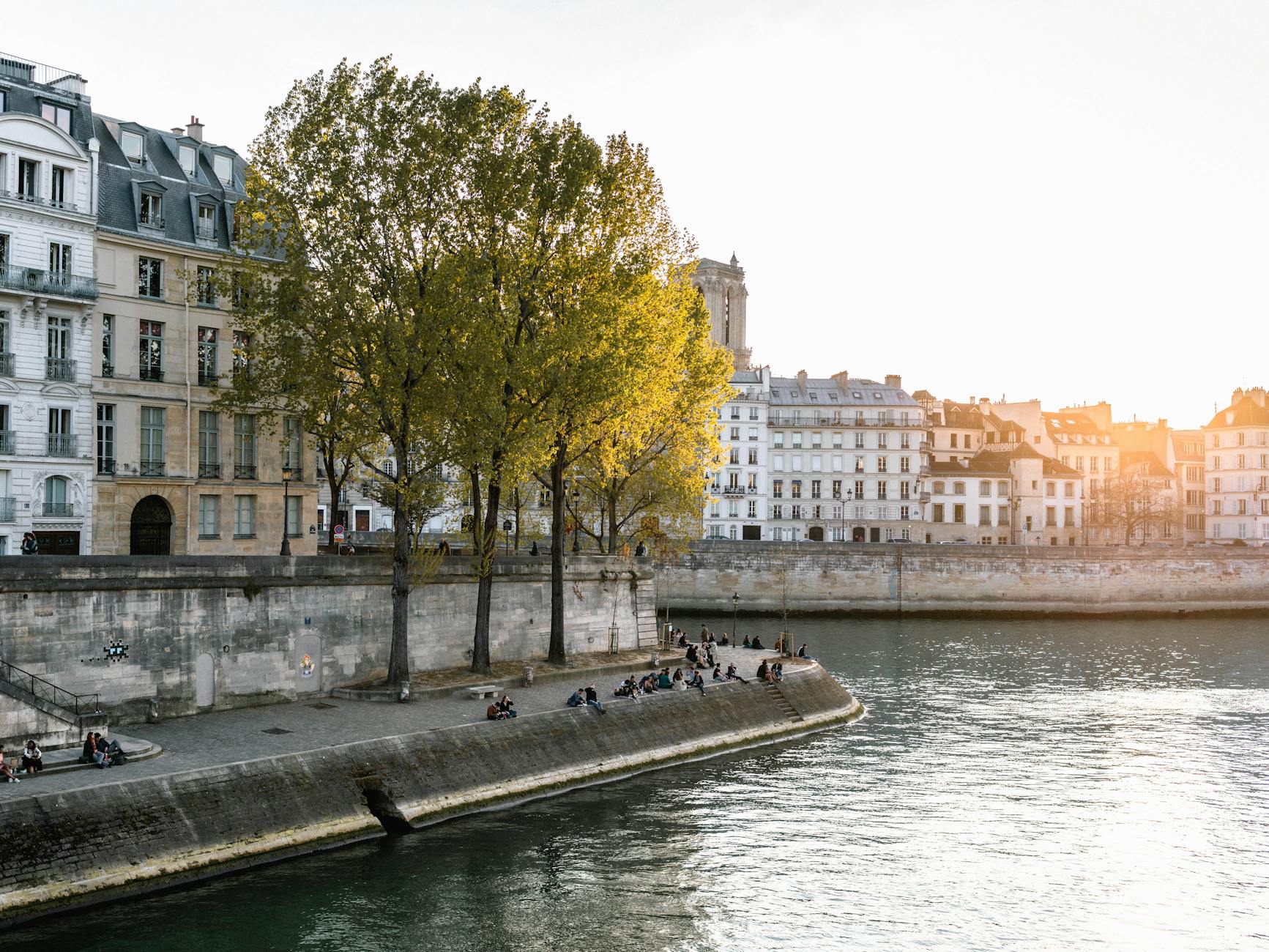
Metro. Line 12 to Solférino, or RER C to Musée d’Orsay (which stops literally under the building). Solférino is a 5-minute walk, the RER is a 30-second walk to the door. For first-timers I’d pick RER C — it’s the direct option.
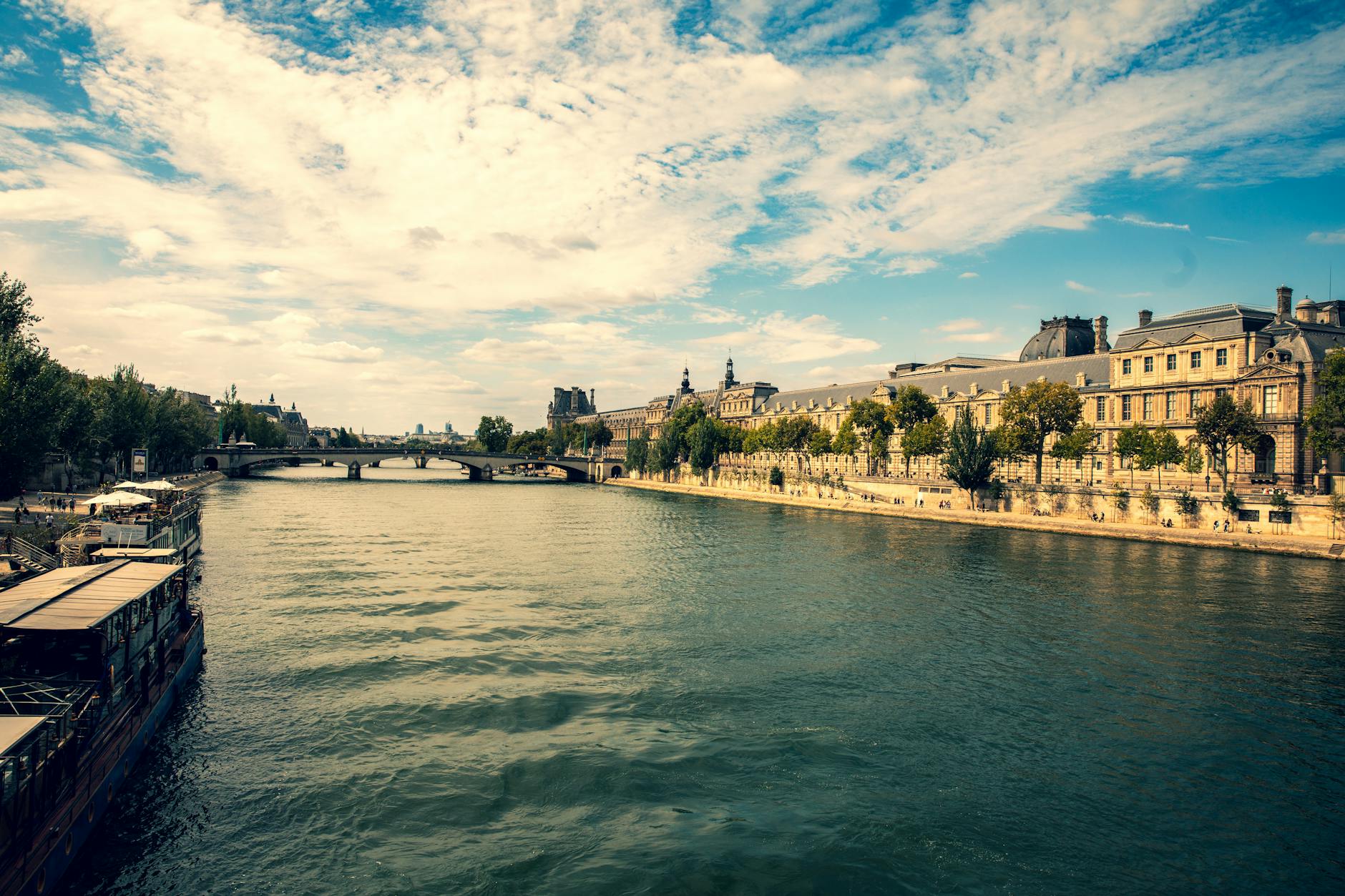
On foot. From the Louvre, cross the Pont Royal, turn left along the Quai Anatole France, and the Orsay is in front of you. 12 minutes. This is the nicest approach because you get the full facade coming into view. From the Eiffel Tower it’s a 30-minute Seine-side walk east.
By bus. Lines 24, 63, 68, 69, 73, 83, 84, 94. The stop is “Musée d’Orsay” or “Solférino”. Any of them works.
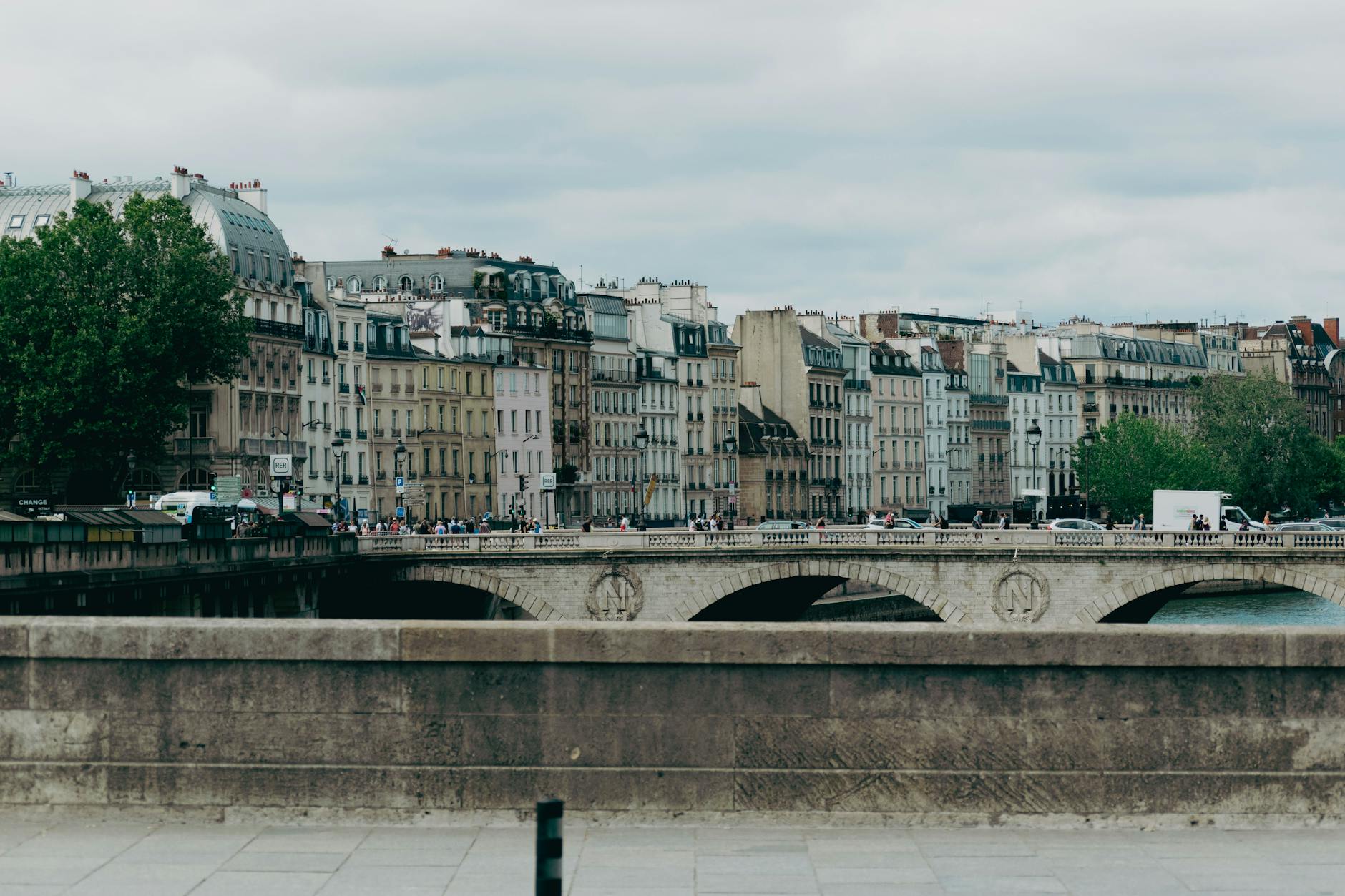
By cruise. If you’re doing a Seine cruise, the Orsay is about 5 minutes’ walk from the Port de Solférino dock. You can literally combine a cruise with a museum visit on foot. I’ve done this exact combo — morning cruise, lunch at the Orsay’s rooftop café, afternoon in the galleries. Highly recommended.
Tips That Save You Time and Temper
Book the 9:30am or Thursday 6pm slot. These are the two quietest windows. Any other slot and you’re fighting crowds.
Start on the upper floor and work down. Counter-intuitive but works. The upper floor has the Impressionists (the most famous works, the biggest crowds). Do them first when your energy is highest and the galleries are quietest. The ground-floor sculpture gallery is more forgiving — do it at the end when you’re tired.
Don’t skip the rooftop café. Café Campana on the upper floor is the former station’s dining room, with an ornate ceiling and — crucially — a small balcony with a panoramic view of the Seine, the Tuileries, and the Louvre. The coffee is €5, the view is free, the photo is your best shot of the day.
The audio guide is optional but good. €6 at the entrance, available in English, 45 highlights with 2-3 minutes of commentary per piece. If you skipped the guided tour, spend the €6. It’s the middle path.
Bring a water bottle. The Orsay is smaller than the Louvre but still 47,000 square metres of galleries. You’ll walk 3-4km inside.
Wear soft-soled shoes. Parquet floors throughout the upper level, polished marble on the ground floor. Hard soles squeak and echo — everyone will hear you coming.
Don’t bring a big bag. The coat check is under the main entrance and it’s free. Leave your jacket and daypack. The galleries get warm.
Use the side entrance in shoulder season. There are two entrances — the main one on Rue de Bellechasse and a side entrance on Rue de Lille that’s almost always quieter. If the main queue looks long, walk around the block.
Nearby — Other Paris Guides to Pair With This One
The Orsay sits on the left bank facing the Louvre across the Seine — which makes it the single best-positioned museum in Paris for pairing with other activities. My Louvre tickets guide is the natural two-day pairing — do the Orsay first (it’s more approachable), the Louvre second. My Seine river cruise guide is the obvious afternoon follow-up — the Port de Solférino dock is a 5-minute walk and a sunset cruise is exactly the pace you want after 3 hours of Impressionism.
If you want to build a proper Paris itinerary, my Versailles day trip guide is the classic day-two pairing — save it for when you’ve already done the Louvre/Orsay pair. My Eiffel Tower tickets guide is a 25-minute walk from the Orsay along the Seine, making it an obvious afternoon-to-evening pair. And my Arc de Triomphe tickets guide covers the other great elevated view in the city — for what it’s worth, I’d take the Arc’s rooftop view over the Eiffel’s any day.
For non-museum pairings, my Paris food tour guide is a 3-hour walking food tour that pairs well with a morning Orsay visit. The Orsay café gets you to 1pm, the food tour picks you up at 2pm, dinner is in Saint-Germain by 7. That’s a great Paris day.
This article contains affiliate links. When you book through these links, we may earn a small commission at no extra cost to you. This helps us keep producing free travel guides.