Fuji and Hakone, packed in one day. This tour mixes big-name sights with real transportation logistics: coach up to Mt Fuji 5th Station, then Lake Ashi and Hakone by cruise and ropeway, finishing with the comfort of the Shinkansen back to Tokyo. I like that it feels like a plan built for time, not a vague sightseeing dream.
What I really like: you get multiple Fuji viewpoints in one stretch, including the 5th Station plus the Hakone side. You also get a guide who helps you move smoothly, with several guides (like Joy, Shige, Sky, and Miko) praised for keeping explanations clear and keeping people on track.
The second thing I love is the variety of transport. You’ll ride a heated bus, cruise Lake Ashi, take the ropeway in an enclosed cabin for sweeping views, and then catch the Kodama Shinkansen back to Tokyo Station.
One drawback to plan around: this is weather-dependent. If visibility is poor, you may not see the mountain well from the planned points, and some activities can switch to alternatives.
- Key highlights worth your attention
- Mt Fuji 5th Station: the high point that sets the tone
- Lunch, wadaiko drums, and why this stop can feel short
- Lake Ashi cruise: the break from crowds (and a classic view setup)
- Hakone Ropeway to Mt Komagatake: the 360-degree payoff
- Shinkansen return from Odawara: fatigue math that actually works
- Price and value: what you pay for, and what you’re really buying
- Weather pivots: the difference between a plan and a scramble
- Who this day trip suits best (and who should think twice)
- Should you book this Mt Fuji and Hakone cruise day tour?
- FAQ
- FAQ
- How long is the Mt Fuji and Hakone day tour?
- Where do you meet, and where does the tour end?
- Is lunch included?
- What’s included in the ticket price?
- What if Mt Fuji 5th Station access is limited or the mountain is cloudy?
- What if the Lake Ashi cruise or Hakone ropeway isn’t operating?
- Can I see Mt Fuji for sure?
- What train do you take back to Tokyo?
- Is this tour a small group?
- Is there anything I should prepare for weather and clothing?
- The Best Of Tokyo!
- More Shows & Entertainment in Tokyo
- More Boat Tours & Cruises in Tokyo
- More Tour Reviews in Tokyo
- Not for you? Here's more nearby things to do in Tokyo we have reviewed
Key highlights worth your attention
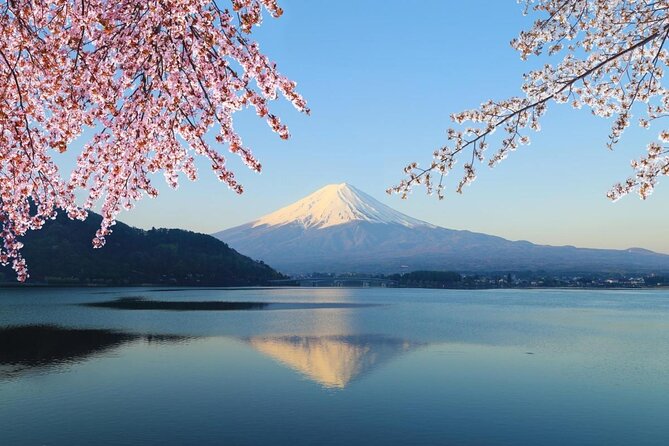
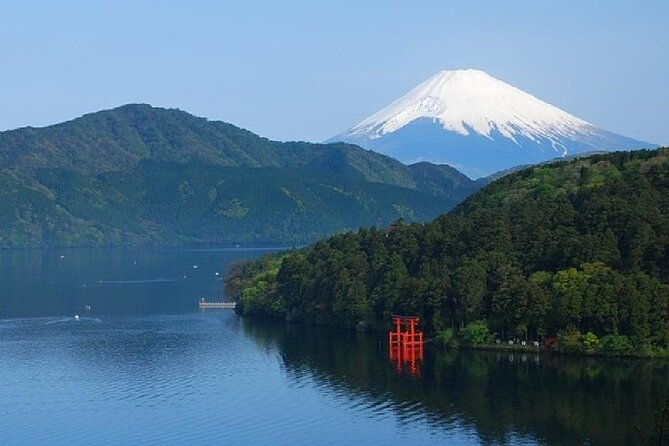
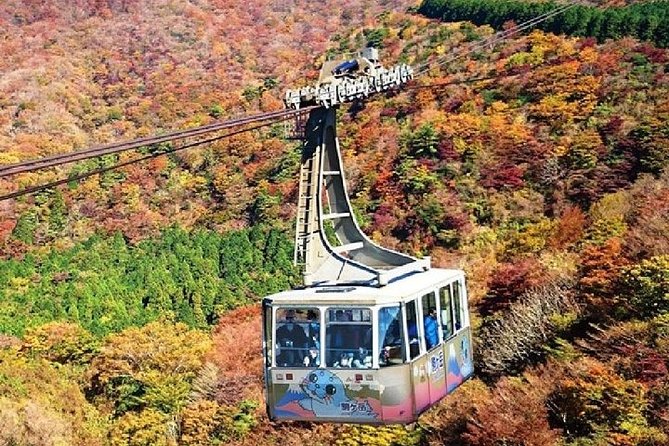
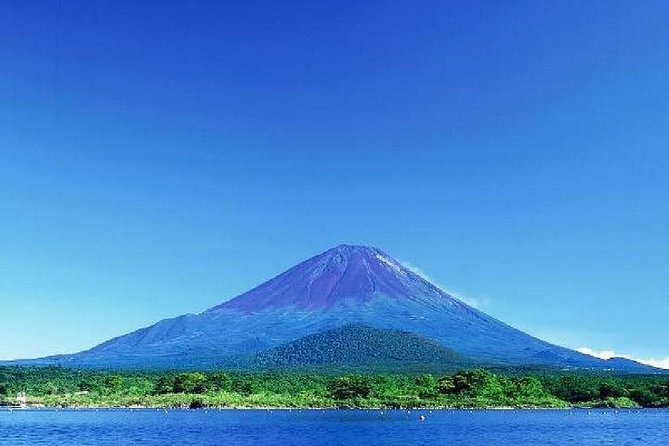
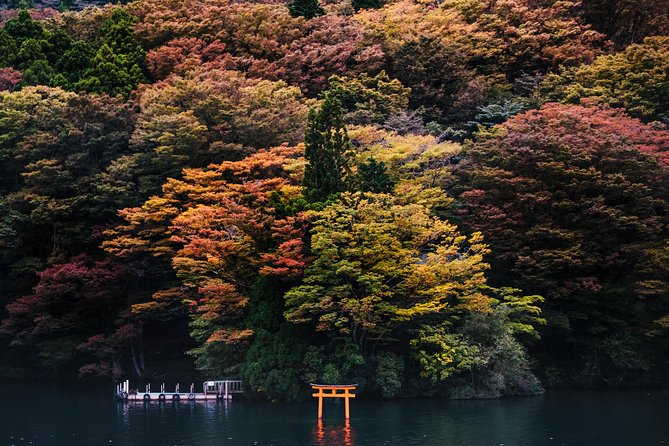
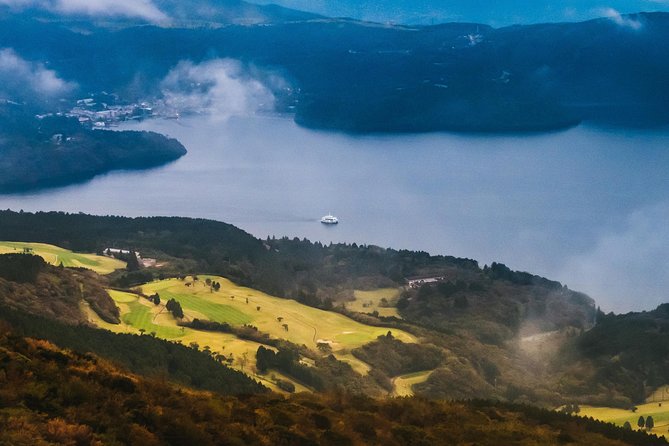
- Mt Fuji 5th Station without the hike: You go to the highest accessible point by road, around 2,300m, with shrines and torii gates along the way.
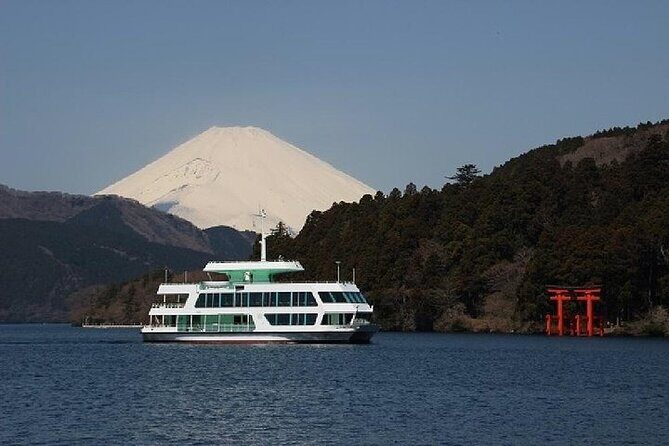
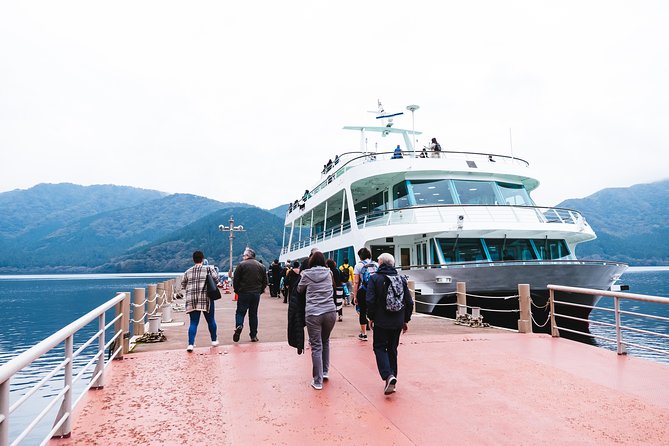
- Lake Ashi by ship (not just a photo stop): A short Sorakaze cruise gives you a calmer break and classic Hakone angles.
- Mt Komagatake Ropeway views: The enclosed ropeway ride and top views are built for panorama time.
- Bright shrine time at the summit: You get the red shrine moment on the mountain-top walk.
- Return by Shinkansen: The evening rail ride is a big fatigue saver after a long day.
- It’s not an all-museum day: Even when plans pivot, you’re still kept moving through scenic and iconic stops.
👉 See our pick of the Top 15 Tours & Experiences In Tokyo
Mt Fuji 5th Station: the high point that sets the tone
Your morning starts early with pickup in central Tokyo, then a roughly 2.5-hour drive toward Mt Fuji. This part matters. You’re trading extra train transfers and walking for one guided push up the mountain area, which is exactly why a time-focused day tour can be worth it.
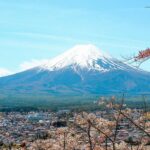
When you arrive, you’ll head up to Mt Fuji 5th Station (around 2,300m / 7,545 feet), using the Subaru Line when it’s open or the highest accessible point when it isn’t. This is the “halfway up” view many people picture when they imagine standing near Fuji, without committing to an actual climb. At this height, you’ll find the usual mix of shrines, torii gates, souvenirs, and people doing last-minute prep.
Here’s what to expect in practice: it can feel colder and windier than Tokyo, so I’d treat this as a bring-warm-layers moment, not a “light jacket is fine” moment. Even in summer, temperatures can drop (the guidance notes around 14°C in summer and far colder in winter). If you’re expecting clear mountain drama, you’ll want to dress like you do for a mountain viewing, not a city stroll.
Pro tip for your photos: plan to shoot from multiple angles here, because Fuji visibility can change fast. If cloud rolls in, don’t spend your entire time staring at one spot. Move, take your photos, then keep going. That mindset helps when you’re at a viewpoint with limited time.
You can also read our reviews of more boat tours in Tokyo
Lunch, wadaiko drums, and why this stop can feel short
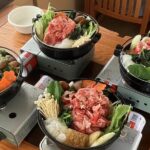
After your 5th Station time, you’ll usually stop for lunch. There’s an optional lunch package at Fuji Zakura Hotel, about 50 minutes, with tea or coffee. Vegetarian, Muslim-friendly, and Indian thali options are listed, but the meal rules are important: vegetarian means no meat and fish, Muslim-friendly means no pork or alcohol (not halal certified), and thali is vegetarian with no meat and fish. If you have gluten-free needs or other allergies, the tour notes that allergy-friendly and gluten-free meals are not available, so you’ll want to book without lunch if that’s your situation.
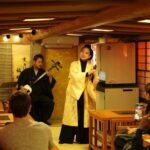
One extra cultural touch here: during the lunch break area, there can be a wadaiko (Japanese drum) performance. It’s described as part of a traditional arts program connected to social independence training. The catch? You might not always see it. The tour notes that the timing can shift if the group arrives late because of road conditions, and it may be canceled depending on facility circumstances. There’s also a date exception: the drum performance will not be held on February 28, 2026.
If you’re the kind of traveler who gets annoyed when meals feel rushed, this is the right place to set expectations. Some people felt the overall day is fast-paced, and the 5th Station window can feel tight for photos. That doesn’t mean the tour is bad—it means it’s built to cover four major areas in one day.
Lake Ashi cruise: the break from crowds (and a classic view setup)
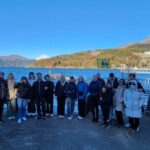
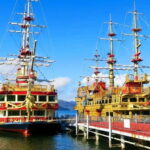
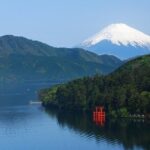
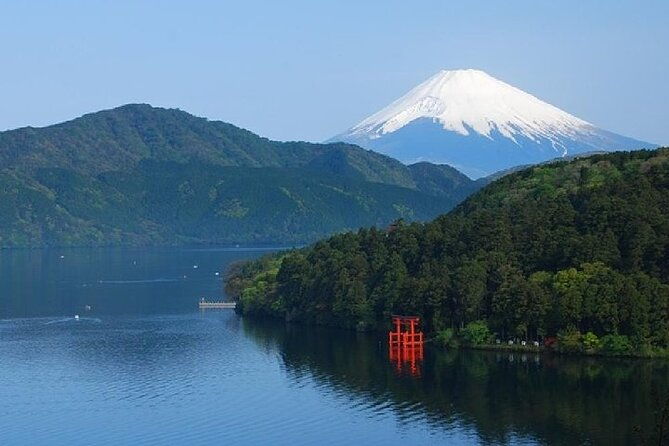
Next comes Hakone National Park and Lake Ashinoko. You’ll board the Sorakaze cruise ship for a short ride across the lake. This is one of the spots where the tour stops feel like a “real experience” rather than a quick roadside photo. Being on the water changes your perspective. You also get a calmer stretch after bus time.
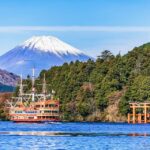
Lake Ashi is known for the “Fuji + lake” combo, with surrounding mountains and the chance of seeing Mt Fuji in the distance when the weather cooperates. Of course, if clouds hide the mountain, you still get the lake setting and the Hakone atmosphere.
If the cruise doesn’t operate due to weather or congestion issues, the tour lists alternatives like cruises on Lake Kawaguchi or Lake Yamanaka, plus options in the Hakone area. That’s the key idea: the day isn’t canceled, it’s rerouted.
Hakone Ropeway to Mt Komagatake: the 360-degree payoff
After the cruise, you’ll go up to Mt Komagatake using the ropeway. The ride is described as an aerial tram that lifts off from the shores of the lake, and you sit in an enclosed cabin with 360-degree views. Even when visibility isn’t perfect, this part often feels like the highlight because the ropeway experience is different from walking around a viewpoint.
At the summit, you get time to look out over Lake Ashi and, on clear days, toward Mt Fuji. There’s also time for a short stroll on top, including a bright red shrine that’s part of the overall Hakone spiritual landscape.
One practical note from the tour details: the Hakone climb can involve stairs depending on how alternative sites are used. If you’re sensitive to walking effort, I’d keep that in mind. The tour overall is doable for most travelers, but it does involve moving between transit, ramps, and viewpoint access.
Also, keep your expectations realistic: wind and fog can make ropeway views less dramatic. Still, even muted views at this altitude can be satisfying if you treat it like “Hakone from above,” not only “Fuji in perfect clarity.”
Shinkansen return from Odawara: fatigue math that actually works
Here’s where the tour makes its value case. Instead of squeezing in one more round of trains and transfers back to Tokyo, you’ll transfer to Odawara Station, then board the Kodama Shinkansen back to Tokyo Station in about 34 minutes. That rail segment is in the non-reserved section, so you’ll want to move quickly at platform time. Many people find the ride comfortable even if it’s not flashy.
The tour notes the end time is usually between 5pm and 8pm. That variation depends on road conditions and how the day flows. Either way, you end back at Tokyo Station, which is one of the easiest hubs in the city for getting to your next stop.
One thing I appreciated from the way the day is structured: you don’t lose your energy at the end. The Shinkansen is a straight shot home, which helps a lot when you’re doing Mt Fuji and Hakone in a single day.
You can also read our reviews of more tours and experiences in Tokyo

Price and value: what you pay for, and what you’re really buying
At $149.94 per person, you’re paying for more than “tickets to views.” You’re paying for three things that are hard to DIY on the same day:
1) A guided route that bundles Mt Fuji 5th Station, Lake Ashi, and Hakone ropeway into one timeline.
2) Transportation: heated air-conditioned coach plus Shinkansen back to Tokyo Station.
3) Admission fees for the cruise and ropeway, plus other listed fees, with lunch only if you choose the + Lunch option.
If you’re traveling with limited time in Tokyo, this kind of packaged day is often better than spending your day researching buses, transfers, and the right timing for ropeway operations. You give up some flexibility, but you buy reduced stress.
Is it always perfect value? That depends on weather. If Fuji is hidden, the day can still be worthwhile because Hakone stays enjoyable and the ropeway offers a fun experience. But if you’re hoping for one specific, iconic, clear image of Mt Fuji from every stop, plan for disappointment.
Also, this tour can feel like “a lot of stops in one day” for some people. The tradeoff of a compact plan is that each location gets limited time. If you like to linger, a full-day tour can feel rushed.
Weather pivots: the difference between a plan and a scramble
This tour is explicit that Mt Fuji might not be visible, even from the 5th Station area, and in that case the tour won’t cancel and refunds won’t be issued just for lack of visibility. That’s honest, but it also means you need a mindset shift.
The good part: the plan has built-in alternatives. If the Subaru Line is closed or if views are judged unlikely, you’ll be guided to other facilities such as Fujisan Museum, Lake Kawaguchi Oishi Park, Fujisan World Heritage Center, Itchiku Kubota Art Museum, or Oshino Hakkai.
If the Lake Ashi cruise or Komagatake ropeway don’t operate, the day can shift again to other nearby experiences—there are options listed across the region like other Hakone cruises, ropeways or cable cars, aquarium time, art museums, and even stops like Owakudani in the Hakone area (depending on what’s available and workable that day).
Why this matters: weather doesn’t just change scenery, it changes operations. This tour tries to keep the day moving rather than leaving you stuck waiting around for cancellations.
Who this day trip suits best (and who should think twice)
I think this tour is a great match if:
- you want Mt Fuji + Hakone in one day without complicated transfers
- you’re okay with limited time at each stop in exchange for getting the whole “greatest hits” bundle
- you value an organized guide who helps the day run smoothly (people cite guides like Joy, Shige, Sky, Heroaki, and Miko as standouts)
- you want an end-of-day win: Shinkansen back to Tokyo Station
I’d think twice if:
- your priority is slow pacing and long lingering at viewpoints
- you’re very sensitive to stairs or extra walking between stops (the ropeway top and alternatives can change)
- you strongly need Fuji visibility as a hard requirement. This tour can’t promise clear views.
If you’re traveling with kids, the tour notes children up to 5 years old can join free of charge, but they won’t have bus seats or lunch provided—so that matters for comfort and meal planning.
Should you book this Mt Fuji and Hakone cruise day tour?
Book it if you want an efficient, guided sampler of Mt Fuji’s higher viewpoint, Hakone’s lake-and-mountain views, and the practical relief of a Shinkansen return. The overall package makes sense for time-poor schedules, and the variety (cruise + ropeway + 5th Station) gives you more than one way to enjoy the region.
Skip or adjust expectations if you’re planning your trip around one single weather-perfect Fuji shot. This tour is honest about visibility issues and doesn’t cancel for them. If you can handle “maybe Fuji, still a fun Hakone day,” you’ll likely feel good about the value.
If you do book, wear layers for the colder 5th Station and ropeway summit, and give yourself extra time for the meeting point so you’re not the person late enough to lose the reservation.
FAQ
FAQ
How long is the Mt Fuji and Hakone day tour?
It runs about 11 hours and 50 minutes (approx.), from pickup in central Tokyo to arrival back at Tokyo Station in the evening.
Where do you meet, and where does the tour end?
You meet at Tokyo Station (1 Chome-9 Marunouchi, Chiyoda City) and the tour ends back at Tokyo Station.
Is lunch included?
Lunch is included only if you select the + Lunch option. If you choose No Lunch, meals are not provided and the tour notes there are no cafes or restaurants at the lunch break area.
What’s included in the ticket price?
Included items are a licensed English guide interpreter fee, air-conditioned/heated bus one way, Shinkansen one way to Tokyo Station, and other listed admission fees. Lunch is included only with the + Lunch option.
What if Mt Fuji 5th Station access is limited or the mountain is cloudy?
The tour states it won’t be canceled if Fuji isn’t visible. It may be guided to alternative facilities such as Fujisan Museum, Lake Kawaguchi Oishi Park, Fujisan World Heritage Center, Itchiku Kubota Art Museum, or Oshino Hakkai.
What if the Lake Ashi cruise or Hakone ropeway isn’t operating?
If those stops can’t run due to weather or road congestion, the tour will guide you to alternative facilities (examples listed include other lake cruises, other ropeway/cable car options, art museums, and sites in the Hakone area).
Can I see Mt Fuji for sure?
No. The tour notes that Mt Fuji may not be visible even from the base, and even from 5th Station on some days.
What train do you take back to Tokyo?
You board the Kodama Shinkansen from Odawara Station back to Tokyo Station in the non-reserved section.
Is this tour a small group?
The tour states it has a maximum of 44 travelers.
Is there anything I should prepare for weather and clothing?
Yes. The tour specifically recommends bringing warm clothing because temperatures at Mt Fuji 5th Station and related areas can be much colder than Tokyo.