
The British Museum houses some of the world’s most remarkable treasures, each offering unique insights into ancient cultures. The Rosetta Stone‘s tri-lingual inscriptions unlocked the secrets of Egyptian hieroglyphs, while the Parthenon Sculptures exemplify the pinnacle of Classical Greek artistry. Plus, the Mummy Collection reveals ancient Egyptian beliefs about the afterlife through its preserved mummies and intricate funerary artifacts. These captivating artifacts invite visitors to…
- Key Points
- The Rosetta Stone: Unlocking the Secrets of Ancient Egypt
- The Parthenon Sculptures: Masterpieces of Classical Greek Art
- The Mummy Collection: Glimpsing Into the Afterlife
- The Assyrian Lamassu: Guardians of Mesopotamian Civilization
- The Enlightenment Gallery: Exploring the Age of Reason
- The Egyptian Galleries: Unearthing the Wonders of the Nile
- The Treasures of the British Museum: a Journey Through History
- Frequently Asked Questions
- What Are the Tour’s COVID-19 Safety Measures?
- Can I Bring My Own Audio Guide or Headphones?
- How Long Does the Tour Typically Last?
- Is Photography Allowed During the Tour?
- Can I Store My Luggage at the Museum During the Tour?
- The Sum Up
- More Private Tours in London
- More Tours in London
- More Tour Reviews in London
- Still browsing? Here are more London experiences we've covered recently
Key Points
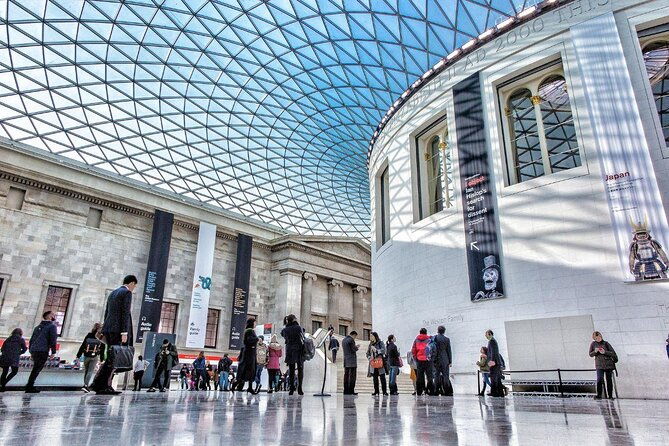
- The Rosetta Stone, a trilingual inscription, was the key to deciphering ancient Egyptian hieroglyphs and understanding the once-lost language.
- The Parthenon sculptures, masterpieces of Classical Greek art, showcase the remarkable craftsmanship and cultural significance of the ancient Athenian temple.
- The mummy collection provides unique insights into ancient Egyptian afterlife rituals, featuring meticulously preserved mummies and ornate funerary objects.
- The Assyrian lamassu, colossal winged creatures, embody the power and grandeur of the Assyrian civilization and guard the Assyrian palaces.
- The Enlightenment Gallery illuminates the pivotal intellectual and cultural transformations of the 17th and 18th centuries, featuring influential figures and key principles.
The Rosetta Stone: Unlocking the Secrets of Ancient Egypt
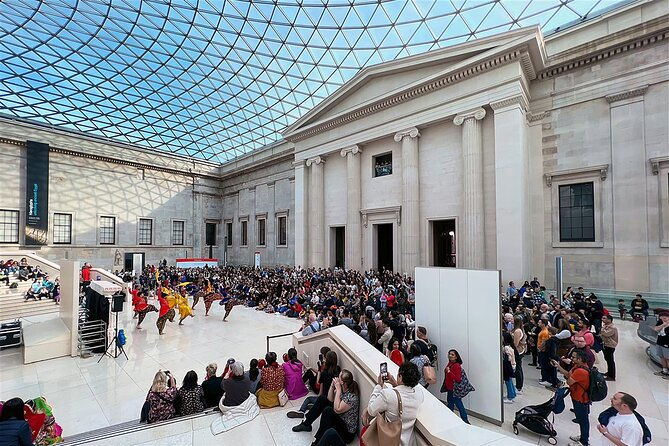
The Rosetta Stone, a relic of ancient Egypt, has long captivated visitors to the British Museum.
This remarkable artifact, discovered in 1799, provided the key to deciphering Egyptian hieroglyphs, unlocking the secrets of a civilization long lost to time.
The stone’s three scripts – hieroglyphic, demotic, and Greek – allowed scholars to translate and understand the ancient language, opening a window into the rich cultural heritage of Egypt.
Today, the Rosetta Stone stands as a testament to human ingenuity and the power of cross-cultural exchange, inspiring awe and wonder in all who behold this iconic piece of history.
Museum hopping your thing? Check out these other cultural spots we've reviewed in London
The Parthenon Sculptures: Masterpieces of Classical Greek Art
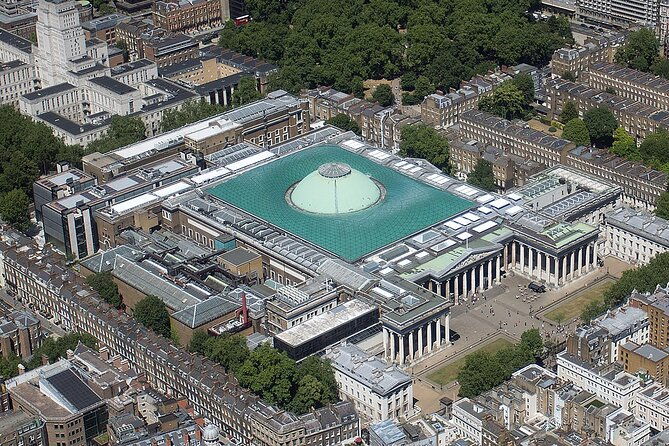
Nestled within the rich collection of the British Museum lies the captivating Parthenon Sculptures, masterpieces of Classical Greek art that have long captivated the world.
These breathtaking marble figures, once adorning the Parthenon temple in Athens, showcase the height of ancient Greek artistic achievement. Visitors can marvel at the intricate detail, dynamic poses, and remarkable craftsmanship that have withstood the test of time.
These sculptures provide a window into the cultural and religious significance of the Parthenon, a testament to the artistic genius of Classical Greece. Their presence at the British Museum offers a unique opportunity to appreciate their timeless beauty and historical significance.
The Mummy Collection: Glimpsing Into the Afterlife
Although the Parthenon Sculptures captivate visitors with their timeless beauty, the British Museum’s Mummy Collection offers a unique glimpse into the afterlife rituals of ancient Egypt.
Meticulously preserved, the mummies showcase the intricate embalming practices and funerary customs of this ancient civilization. Visitors can marvel at the ornate coffins, amulets, and other funerary objects that accompanied the deceased on their journey to the afterlife.
The collection provides a window into the beliefs and traditions surrounding death and the afterlife in ancient Egypt, enriching the museum’s exploration of this captivating culture.
The Assyrian Lamassu: Guardians of Mesopotamian Civilization
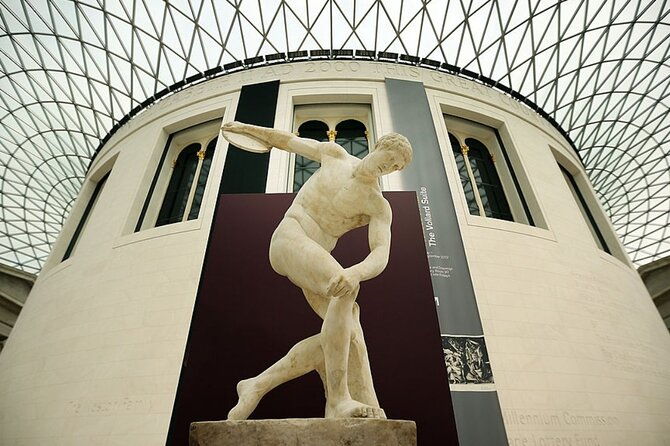
Towering guardians of the ancient Assyrian empire, the Lamassu sculptures command attention within the British Museum’s vast collection.
These colossal winged creatures, with human heads and bodies of bulls or lions, symbolized divine protection. Masterpieces of Mesopotamian art, the Lamassu stood at the entrances of Assyrian palaces, guarding against evil spirits.
Visitors marvel at their imposing presence and intricate carvings, which showcase the technical virtuosity of Assyrian craftsmen.
These mythical beasts embody the power and grandeur of the once-mighty Assyrian civilization, now preserved for all to appreciate at the British Museum.
The Enlightenment Gallery: Exploring the Age of Reason
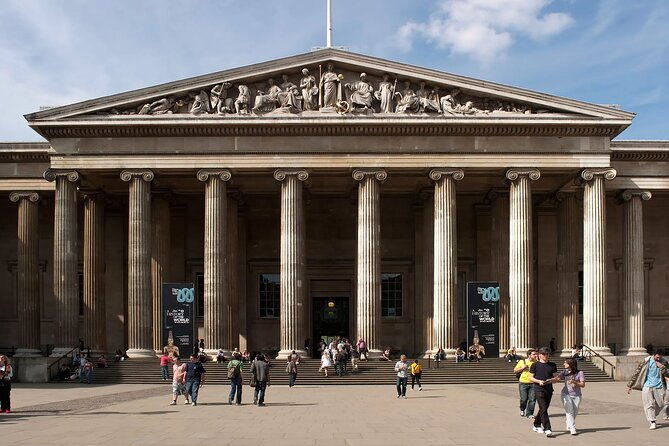
The Enlightenment Gallery at the British Museum provides visitors with a captivating window into the Age of Reason, a pivotal period in European history. Showcasing a diverse collection of artifacts and artworks, the gallery illuminates the intellectual and cultural transformations that swept across the continent during the 17th and 18th centuries.
| Enlightenment Principles | Key Figures |
| — | — |
| Rationalism | Voltaire |
| Empiricism | Isaac Newton |
| Individualism | John Locke |
Visitors can explore the philosophical ideals that challenged traditional dogmas, the advancements in scientific understanding, and the growing emphasis on individual rights and liberties that characterized this dynamic era. The Enlightenment Gallery offers a thought-provoking exploration of a time that profoundly shaped the modern world.
The Egyptian Galleries: Unearthing the Wonders of the Nile
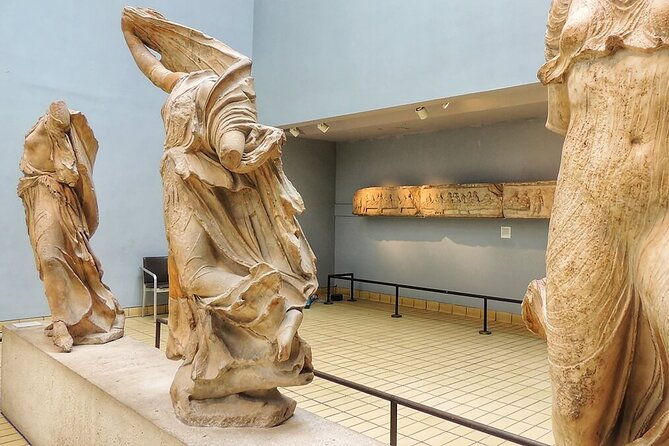
Nestled within the expanse of the British Museum’s galleries, the Egyptian Galleries captivate visitors with their unparalleled collection of ancient artifacts from the banks of the Nile.
Visitors can explore:
-
The awe-inspiring Rosetta Stone, the key to deciphering hieroglyphics.
-
Intricately carved sarcophagi and mummies, offering a glimpse into the afterlife beliefs of ancient Egyptians.
-
Colossal statues of pharaohs and gods, showcasing the grandeur and power of this ancient civilization.
These galleries transport visitors back in time, revealing the rich cultural heritage and enduring legacy of one of the world’s most fascinating civilizations.
The Treasures of the British Museum: a Journey Through History
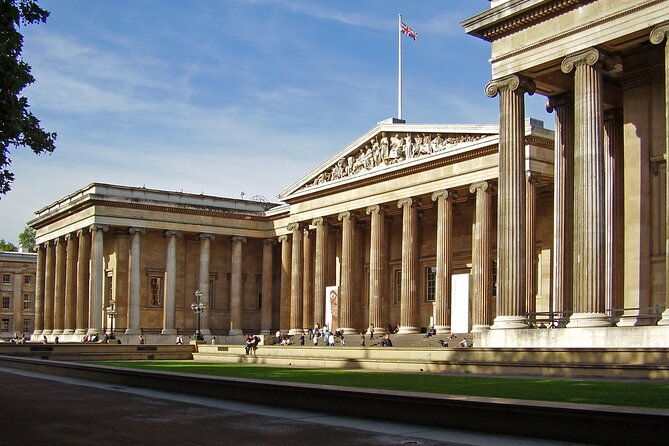
Beyond the captivating Egyptian galleries, the British Museum offers a treasure trove of historical wonders that transport visitors on a captivating journey through time.
From the iconic Rosetta Stone that unlocked the mysteries of ancient hieroglyphs to the breathtaking Parthenon Sculptures, the museum’s collection spans civilizations and continents.
Guests can marvel at the intricate Assyrian reliefs, admire the grandeur of the Mesopotamian artifacts, and be awed by the haunting beauty of the Roman and Greek statues.
With each step, the past comes alive, inviting visitors to enjoy the rich tapestry of human history.
Frequently Asked Questions
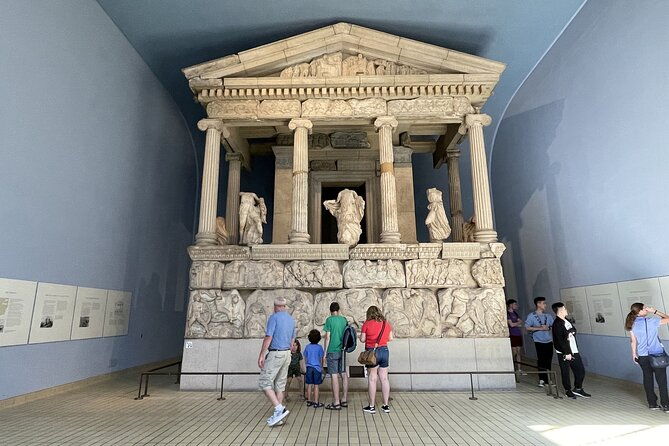
What Are the Tour’s COVID-19 Safety Measures?
The tour follows the British Museum’s COVID-19 safety guidelines, which may include requirements for face masks and social distancing. Participants should check the museum’s website for the latest updates on safety measures.
Can I Bring My Own Audio Guide or Headphones?
Guests can’t bring their own audio guide or headphones for this tour. The tour includes a headset to hear the guide’s commentary, ensuring all participants can clearly understand the explanations throughout the visit.
How Long Does the Tour Typically Last?
The guided tour of the British Museum typically lasts around 2 hours. The exact duration may vary depending on the pace and interest level of the group, but it’s generally designed to provide an in-depth exploration of the museum’s highlights within a reasonable timeframe.
Is Photography Allowed During the Tour?
Yes, photography is allowed during the British Museum guided tour. Visitors can take photos of the museum’s exhibits and displays, except in areas where photography is explicitly prohibited for conservation reasons.
Can I Store My Luggage at the Museum During the Tour?
The tour doesn’t offer luggage storage at the British Museum. Visitors will need to make their own arrangements for storing any bags or personal items during the guided tour. The museum has limited storage options available.
The Sum Up
The British Museum’s remarkable collections, from the Rosetta Stone to the Mummy exhibits, offer unparalleled insights into the cultures and civilizations of the ancient world. These treasures provide a window into the past, allowing visitors to explore the creativity, beliefs, and achievements of our ancestors. The museum’s diverse galleries invite visitors on a captivating journey through history, showcasing the enduring legacy of human ingenuity and intellectual progress.
More Private Tours in London
- Heathrow Airport to and from Central London – Private Transfer
- Private Ted Lasso Filming Locations Tour
- From London: Private Trip to Stonehenge with Hotel Transfer
- London: Private Electric Kart Tour of Iconic Landmarks
- London: Private Tour in a Mercedes EQV 300e
- London: Private Bike or eBike Gold Classic Tour
More Tours in London
More Tour Reviews in London
- Heathrow Airport to and from Central London – Private Transfer
- London Ghost Walking Tour: Tales of Terror & Mystery
- London Instagram Photoshoot – 20 edited photos
- London: The Fun Tour with Live Theater and Comedy
- London: Asian Noodles Masterclass with Wine
- London: Cambridge Day Trip with Great St Mary’s Church Tower
Still browsing? Here are more London experiences we've covered recently
- Heathrow Airport to and from Central London – Private Transfer
- You’ll Love These 14 Wine Tours In London
- 14 Top-Rated London Walking Tours
- The 14 Top Food Tours In London: Which Is Best?
- London’s 14 Best Shopping & Market Tours
- 11 Top Tours & Experiences In London (With Reviews & Prices)
- Top 14 Workshops & Classes In London
- We Rank London’s 3 Top Vegan & Vegetarian Tours
- Which London Full-Day Tours To Choose? We Rank The 14 Best
- 14 Must-Try Historical Tours In London
- The 13 Most Popular Tours In London
- 6 Of The Best Lunch Experiences In London