Lyon has more restaurants per capita than any other city in France. That includes Paris. The locals will tell you this within three minutes of meeting you, usually while handing you a plate of something involving pork, cream, and 400 years of tradition.
The city that invented the bouchon — a type of restaurant where the menu has not changed since your grandmother’s grandmother was alive — also produced Paul Bocuse, the chef who essentially defined modern French cuisine. Lyon takes food personally. It is not a hobby here. It is an identity.
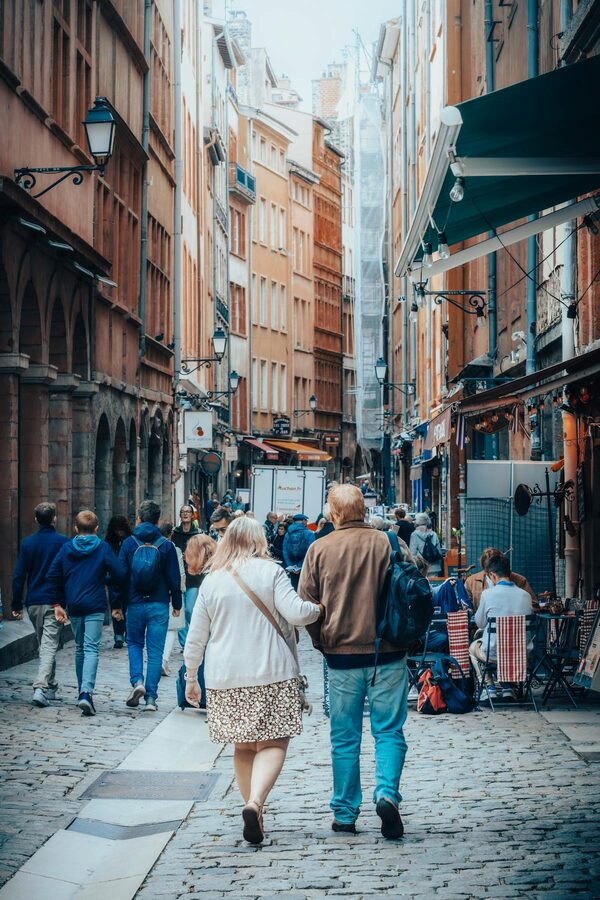
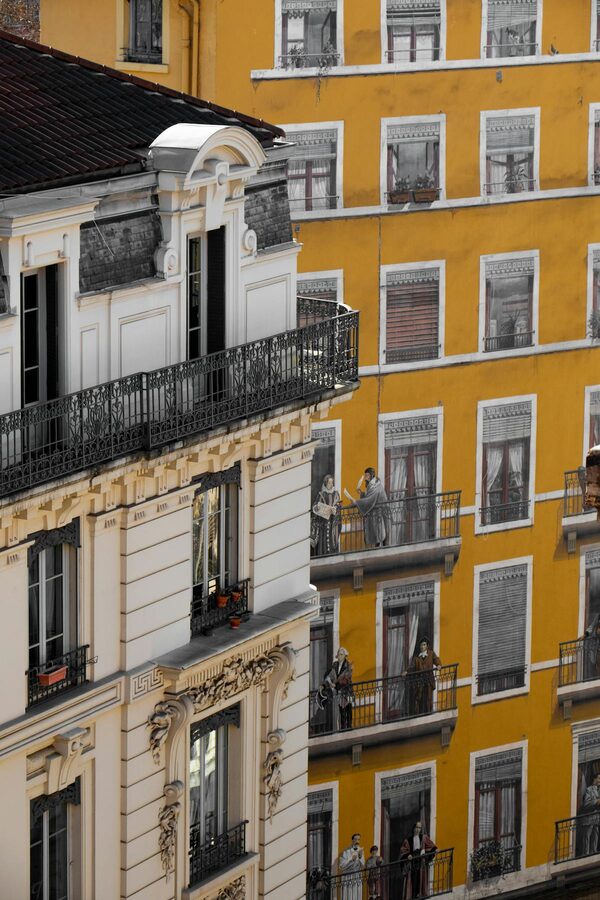
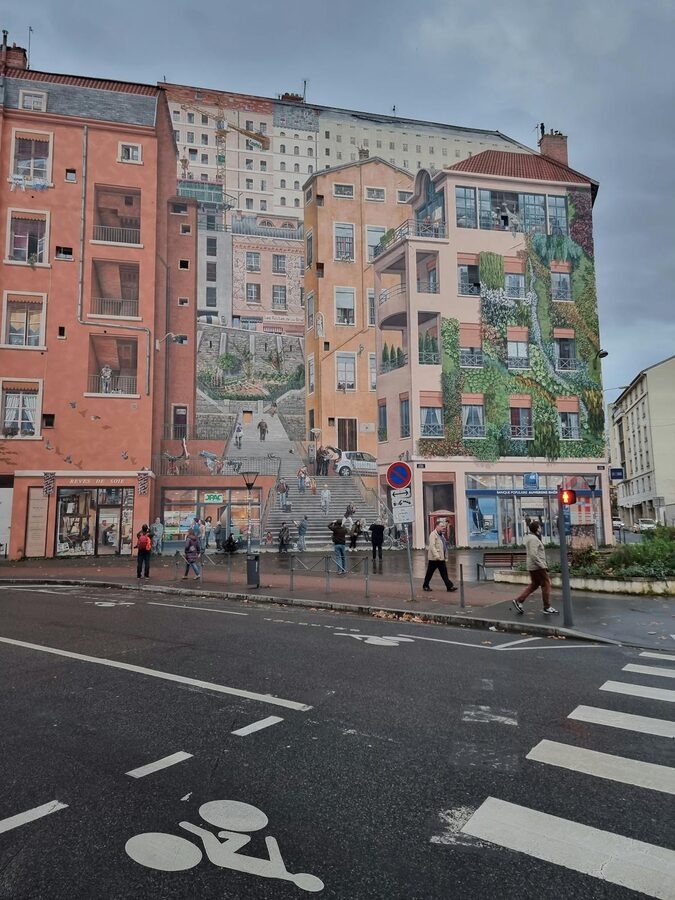
But Lyon is not just a food city. It has a Roman theatre that predates the Colosseum, secret passageways that run through entire city blocks, a basilica on a hilltop that rivals Sacre-Coeur, and murals on building-sized walls that are so realistic they make travelers walk into lampposts. It deserves more than a lunch stop.
This guide covers the best walking tours, food tours, and the handful of experiences that make Lyon one of the most underrated cities in Europe.
- Quick Picks — Best Lyon Tours
- What Makes Lyon Special
- The Traboules (Secret Passages)
- Fourviere Hill
- The Food Scene
- The Best Lyon Tours
- 1. Vieux Lyon Cultural & Historical Walking Tour —
- 2. Lyon Highlights & Secrets Tour with Funicular —
- 3. Lyon Food Tour — Do Eat Better Experience —
- When to Visit Lyon
- Best Time of Year
- Les Halles de Lyon Paul Bocuse
- Practical Information
- More France Guides
Quick Picks — Best Lyon Tours
Best walking tour: Vieux Lyon Cultural & Historical Walking Tour — around $6, a 2-hour guided walk through the Renaissance quarter. Six dollars. That is not a typo. Perfect rating.
Best overall experience: Lyon Highlights & Secrets Tour with Funicular — around $40, 3 hours covering Old Lyon, Fourviere Hill (via funicular), and the secret traboules. Perfect rating.
Best food tour: Lyon Food Tour — Do Eat Better Experience — around $93, 3.5 hours eating through the gastronomic capital of France with a local who knows every vendor. Perfect rating.
What Makes Lyon Special
The Traboules (Secret Passages)
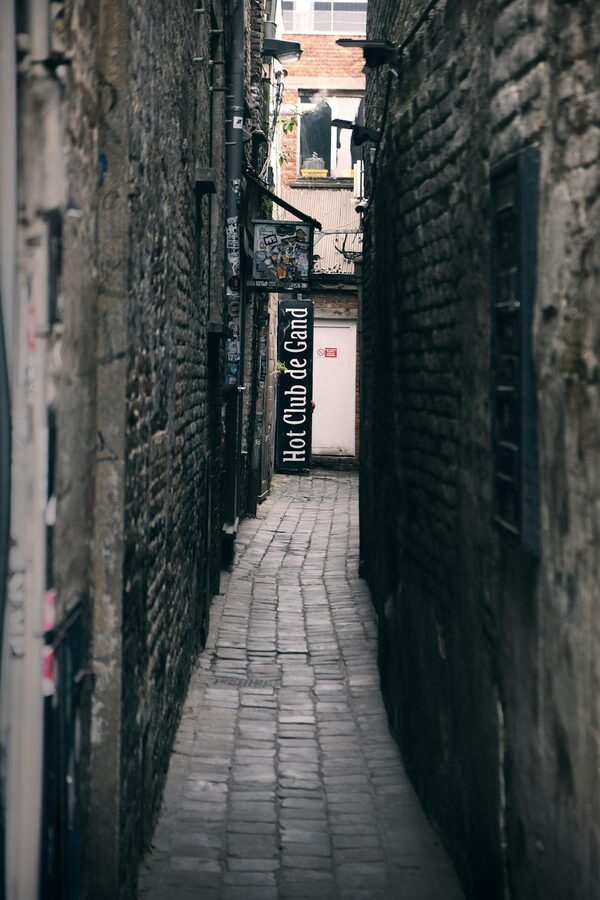
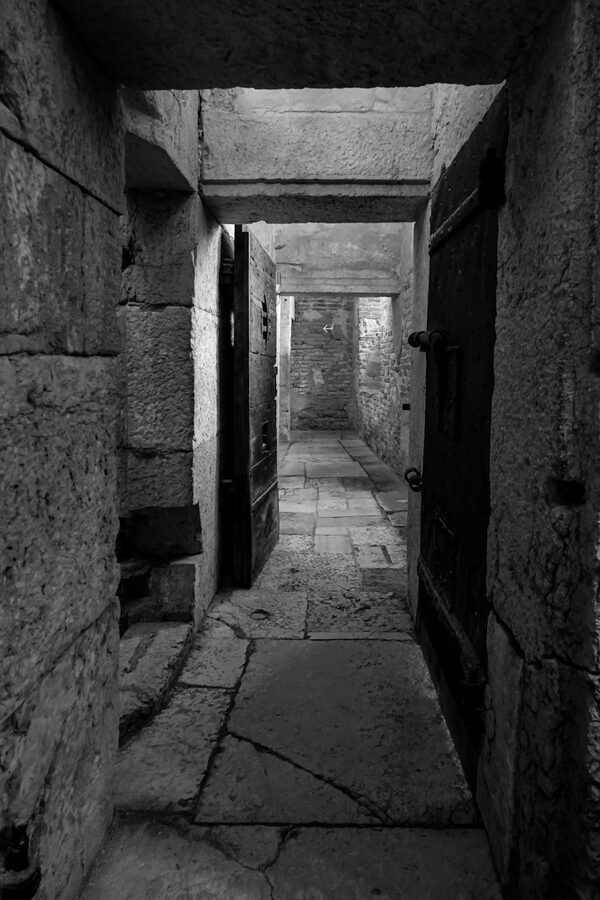
Lyon’s most unique feature is its network of traboules — covered passageways that cut through buildings, connecting parallel streets. There are over 400 in the city. They were built by silk workers in the 15th century to carry fabric through the city while keeping it dry, and they were used by the French Resistance during World War II as escape routes and communication channels.
Most traboules are hidden behind unmarked doors. A walking tour guide will lead you through them — pushing open what looks like a random apartment entrance and revealing a Renaissance courtyard with spiral staircases, vaulted ceilings, and passages that lead to the next street. Without a guide, you would walk past these doors a thousand times without knowing.
Fourviere Hill
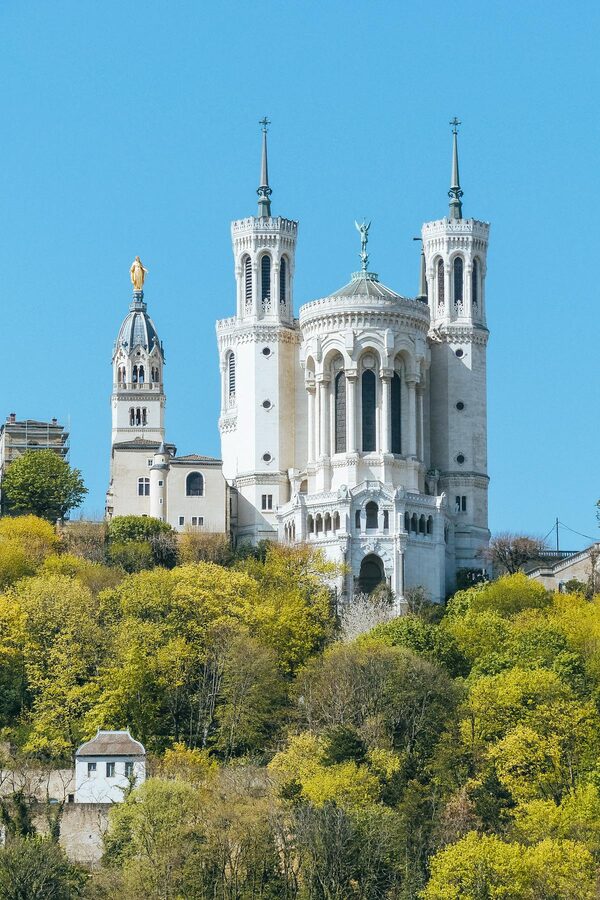
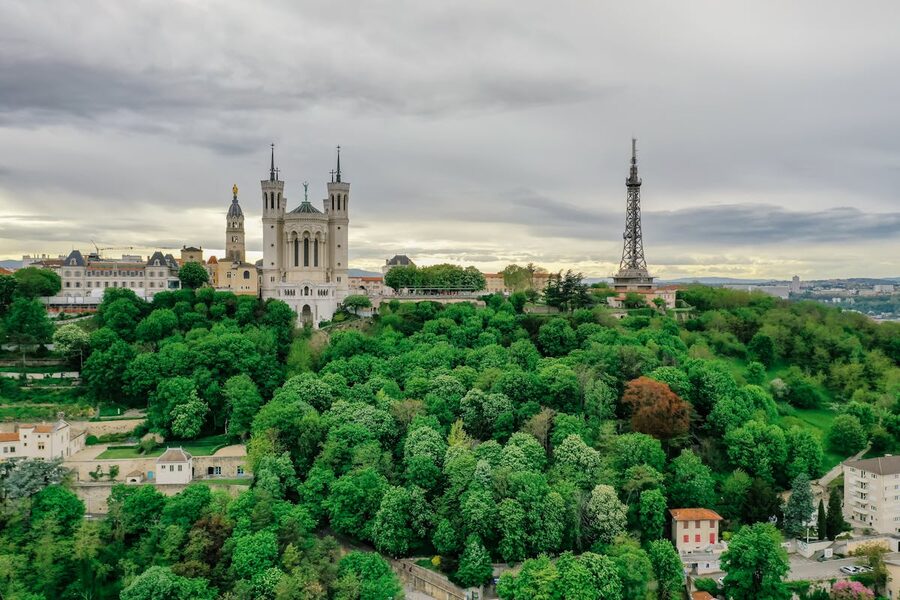
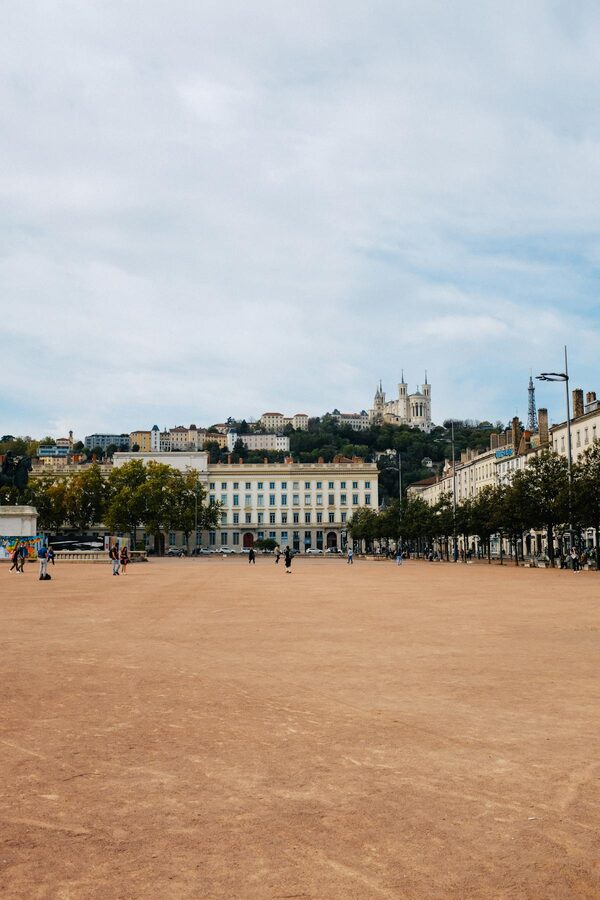
The hilltop above Vieux Lyon holds the Basilique Notre-Dame de Fourviere — a 19th-century confection that is as ornate outside as it is overwhelming inside. The basilica was built after Lyon was spared during the Franco-Prussian War, and the Lyonnais went all-in on the gratitude: gold mosaics, marble columns, stained glass, and a crypt that is larger than many churches.
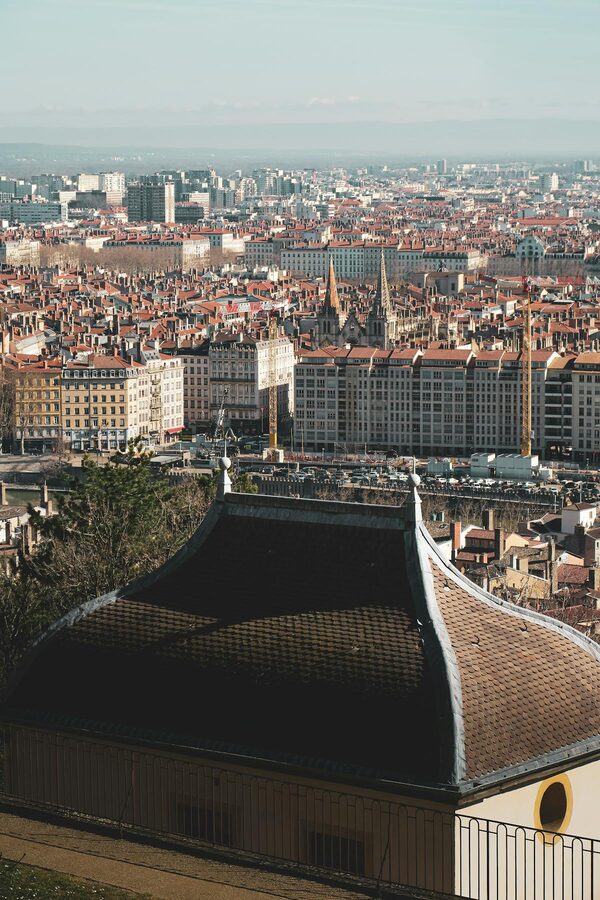
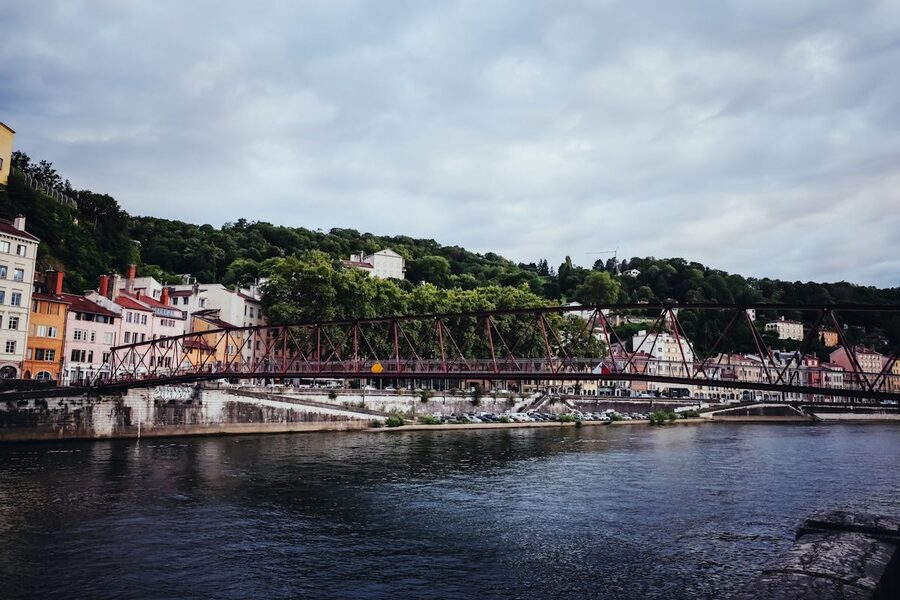
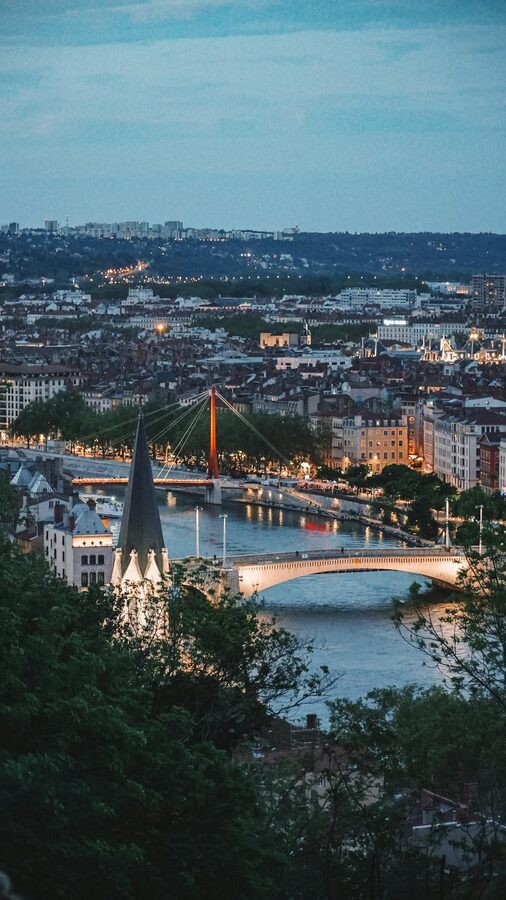
The funicular from Vieux Lyon to Fourviere takes 2 minutes and drops you at a terrace with a panoramic view of the entire city, both rivers, and the Alps on the eastern horizon when the weather is clear.
The Food Scene
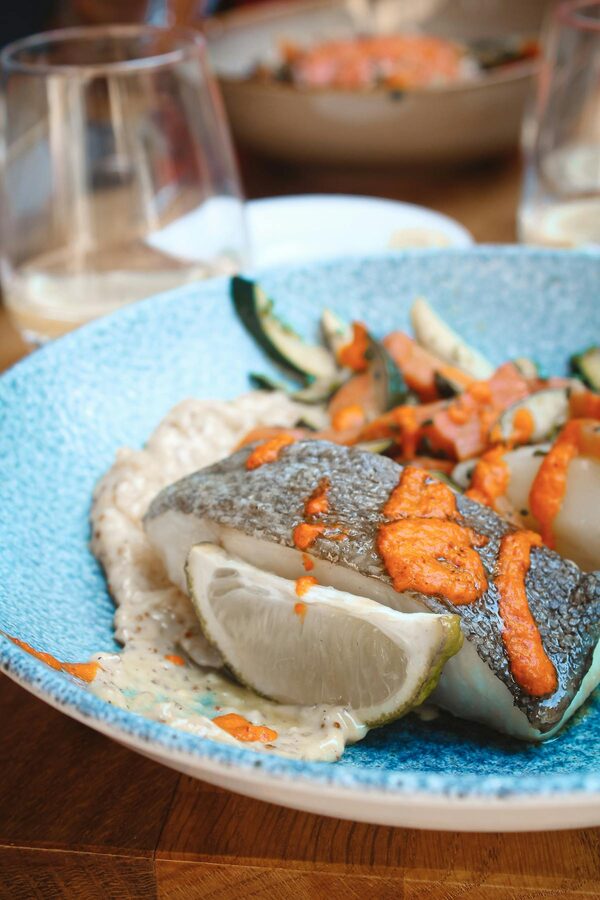
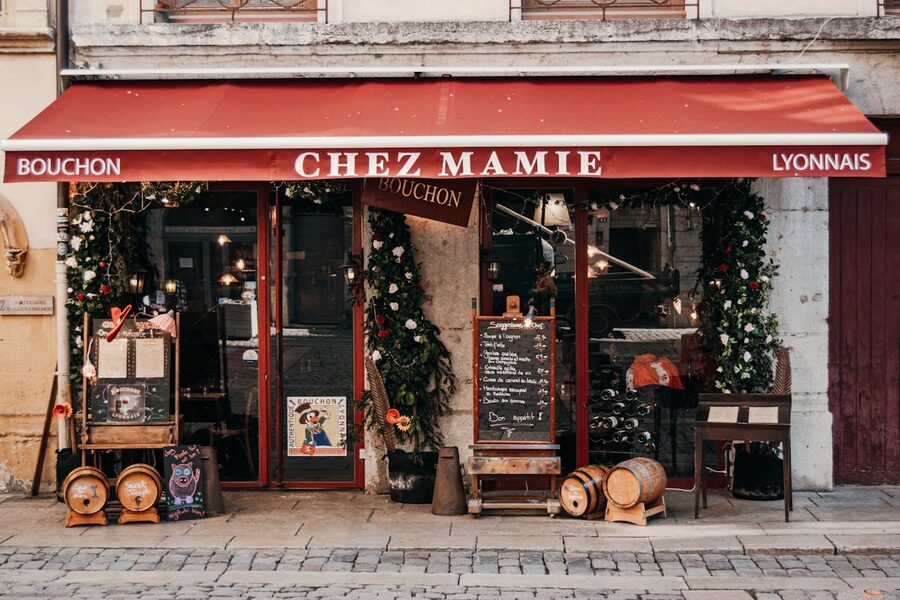
Lyon was declared the “world capital of gastronomy” by food critic Curnonsky in 1935. The title has stuck because the food backs it up. The city has two pillars: the bouchons (traditional restaurants with fixed-price menus of Lyonnaise classics) and the fine dining scene (which includes multiple Michelin-starred restaurants, many inspired by Bocuse’s legacy).
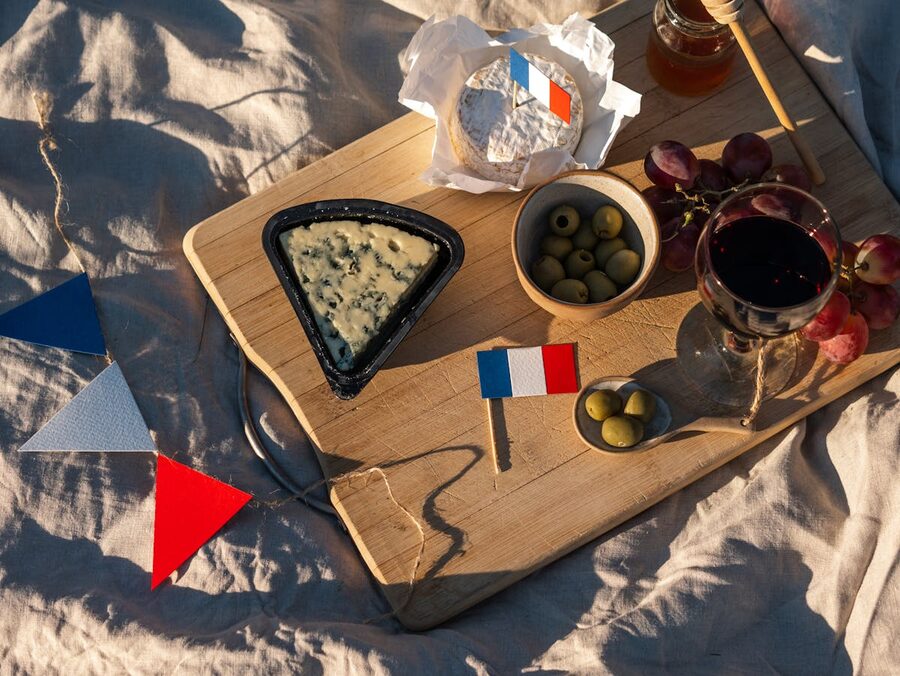
The bouchon menu has not changed much in decades: salade lyonnaise (green salad with warm bacon lardons, croutons, and a poached egg), quenelles de brochet (pike dumplings in crayfish sauce), andouillette (tripe sausage — not for the squeamish), and tarte praline for dessert. It is hearty, rich, and relentlessly traditional.
The Best Lyon Tours
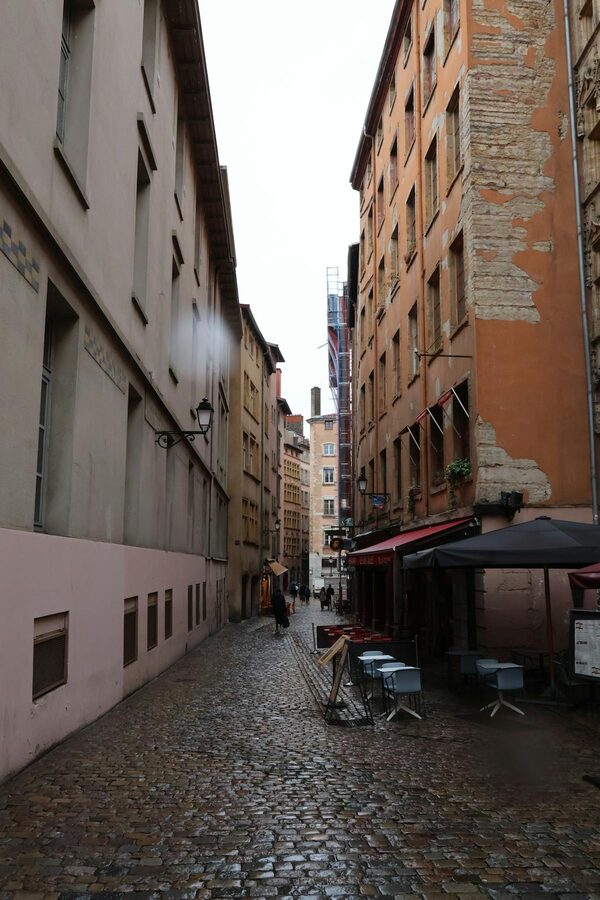
1. Vieux Lyon Cultural & Historical Walking Tour — $6
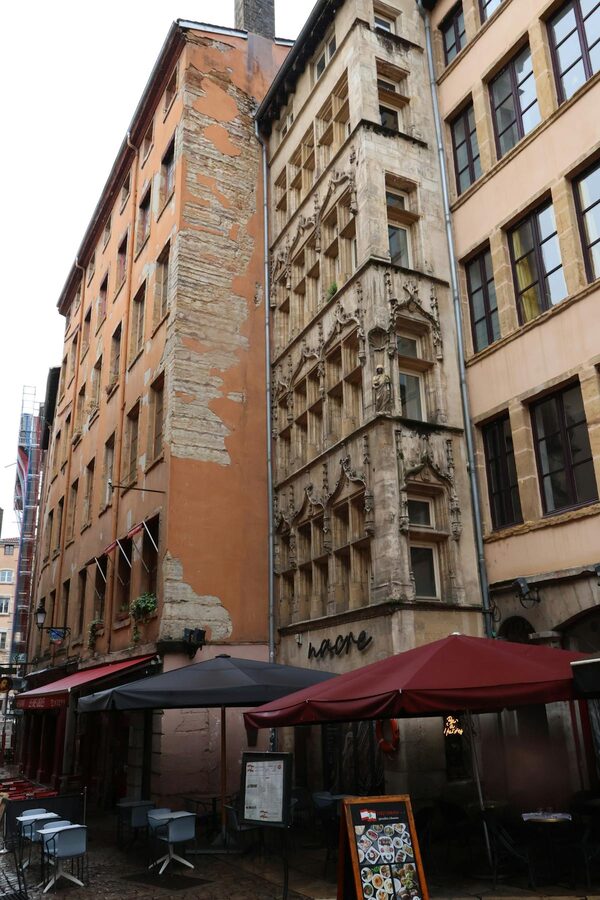
A 2-hour walking tour of Vieux Lyon — the Renaissance quarter, the traboules, the cathedral, and the streets that have been the heart of Lyon since the Roman era. The guide is a local who covers the history, architecture, and daily life of the neighbourhood in English.
One reviewer called it “an unforgettable tour” and praised guide Paul for making the city come alive. At $6 per person (it is technically tip-based with a suggested minimum), this is the most outrageously good deal in French tourism. The fact that it has a perfect rating across nearly 1,000 reviews tells you everything.
This is the first thing you should book in Lyon. Do it on day one, get oriented, and use the guide’s restaurant and activity recommendations for the rest of your stay.
2. Lyon Highlights & Secrets Tour with Funicular — $40
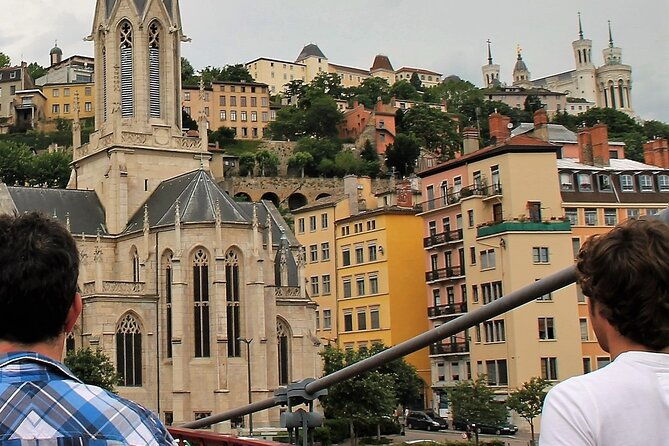
Three hours covering Lyon’s highlights and its secrets — the Fourviere hilltop (reached by funicular), the basilica interior, the panoramic viewpoint, the traboules of Vieux Lyon, and the hidden courtyards that most visitors never find. Small group format keeps the experience intimate.
Guide Toni was described as knowledgeable, friendly, and energetic with a great sense of humour. The tour covers more ground than the $6 walking tour — adding the Fourviere hill and the funicular ride — and goes deeper into the hidden features of the city.
At $40 for 3 hours with a small group and funicular access, this is the tour I would recommend to anyone with a full day in Lyon. It gives you the complete picture — the view from above, the streets below, and the secret passages in between.
3. Lyon Food Tour — Do Eat Better Experience — $93
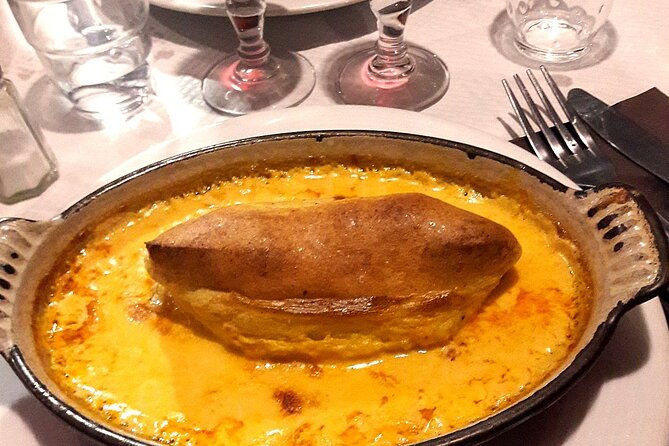
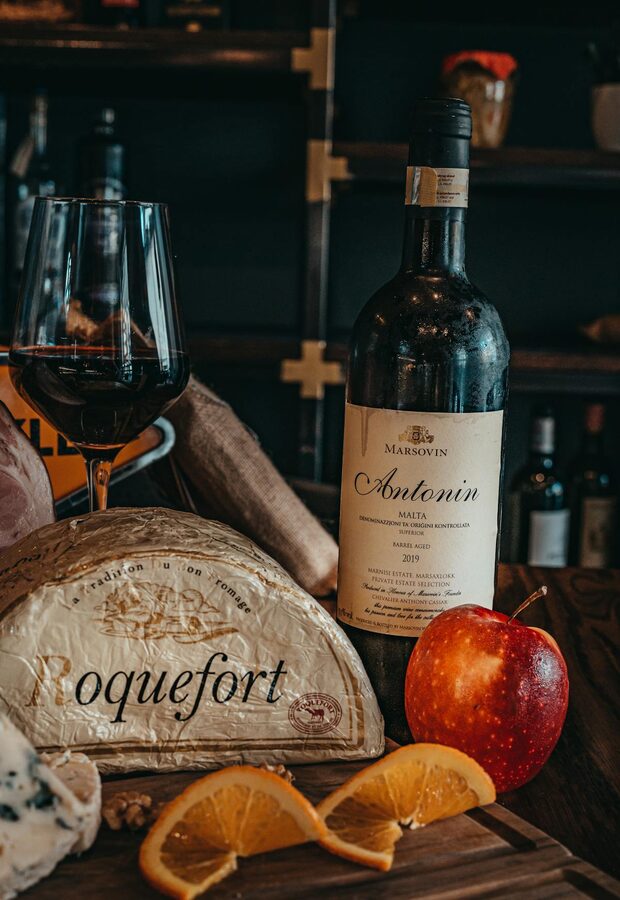
Three and a half hours eating through the gastronomic capital of France. The tour visits Les Halles de Lyon Paul Bocuse (the covered food market), local bouchons, specialty shops, and wine bars. You taste the classic Lyonnaise dishes — quenelles, praline tart, local cheeses, sausages — plus seasonal specialties that the guide selects based on what is best that day.
Guide Maya was described as the best way to experience Lyon — knowledgeable, friendly, and clearly in love with her city’s food. The tour works as both a food experience and a walking tour, covering the Presqu’ile and the market district while you eat.
At $93 for 3.5 hours of tastings in the food capital of France, this is competitive with buying yourself lunch at a bouchon. Except here you taste at 8-10 different places and learn why each dish matters to Lyon’s culinary identity.
When to Visit Lyon
Best Time of Year
March-June and September-November are the best seasons. The weather is comfortable, the restaurant terraces are open, and the food is seasonal. Spring brings asparagus and strawberries. Autumn brings game, truffles, and new Beaujolais.
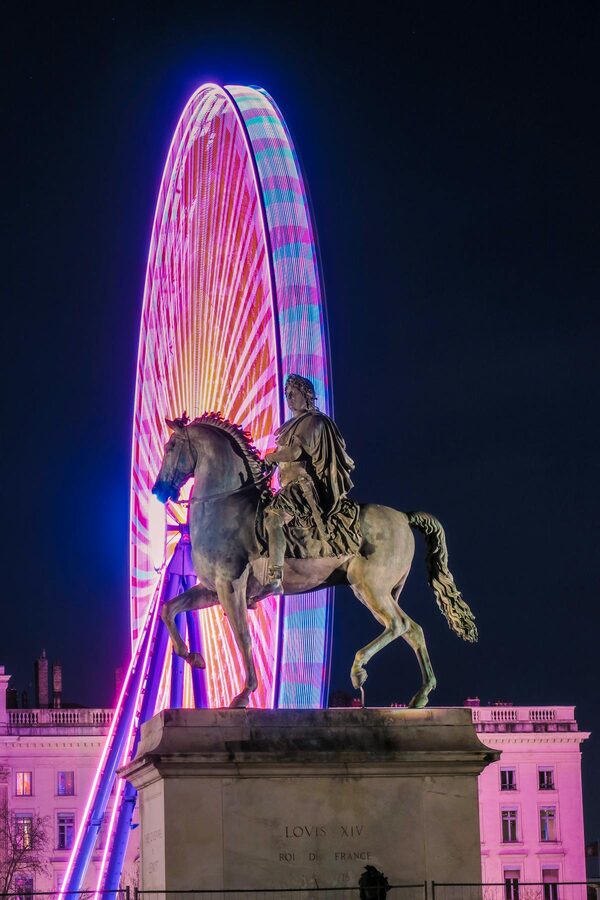
December (Festival of Lights): The Fete des Lumieres in early December is Lyon’s biggest event. For four nights, the city’s buildings, monuments, and streets are illuminated with spectacular light installations. The entire city centre becomes an open-air gallery. It draws 3-4 million visitors, so book accommodation months in advance.
Summer: July and August are hot (35+ degrees) and many Lyon restaurants close for the annual vacation. The city empties out and the food scene is at its least dynamic. If summer is your only option, the riverbanks and parks are pleasant, but the restaurant experience suffers.
Les Halles de Lyon Paul Bocuse
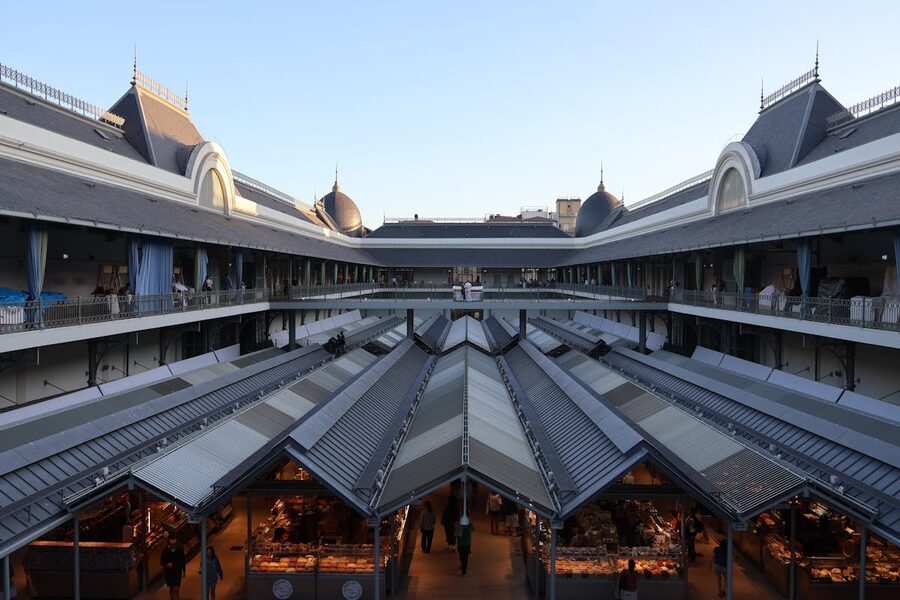
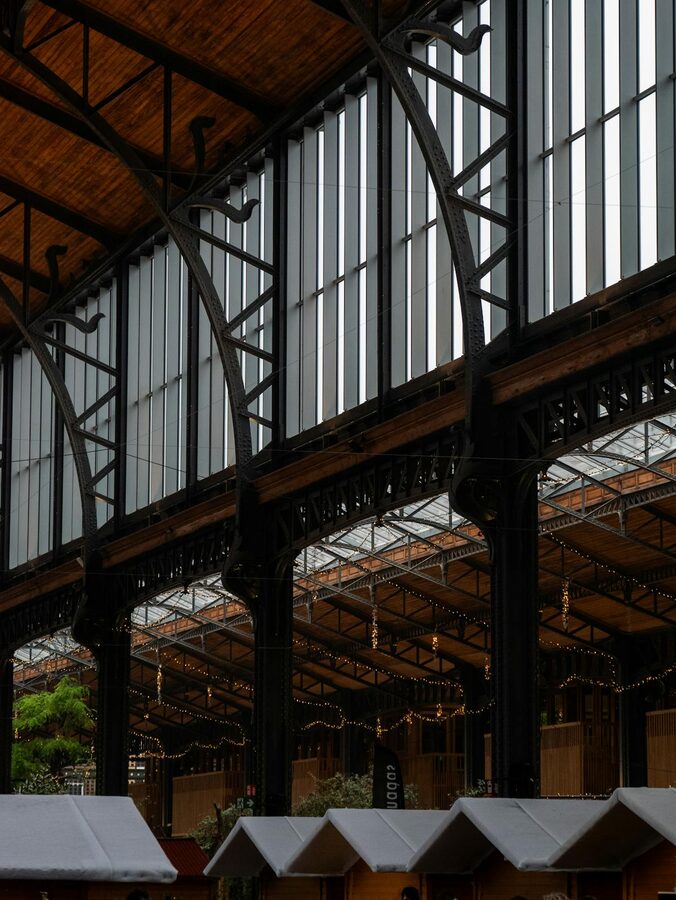
The covered market named after Lyon’s most famous chef is the city’s food museum, grocery store, and restaurant rolled into one. Forty-eight stalls sell everything from aged Comte and Saint-Marcellin cheeses to handmade quenelles, fresh charcuterie, and pastries that make Parisian patisseries look understated.
The market is open Tuesday through Sunday, with Saturday morning being the most atmospheric (and crowded). Several stalls have counter seating where you can eat on the spot — the oyster bar, the charcuterie counter, and the wine stall are all excellent for a standing lunch.
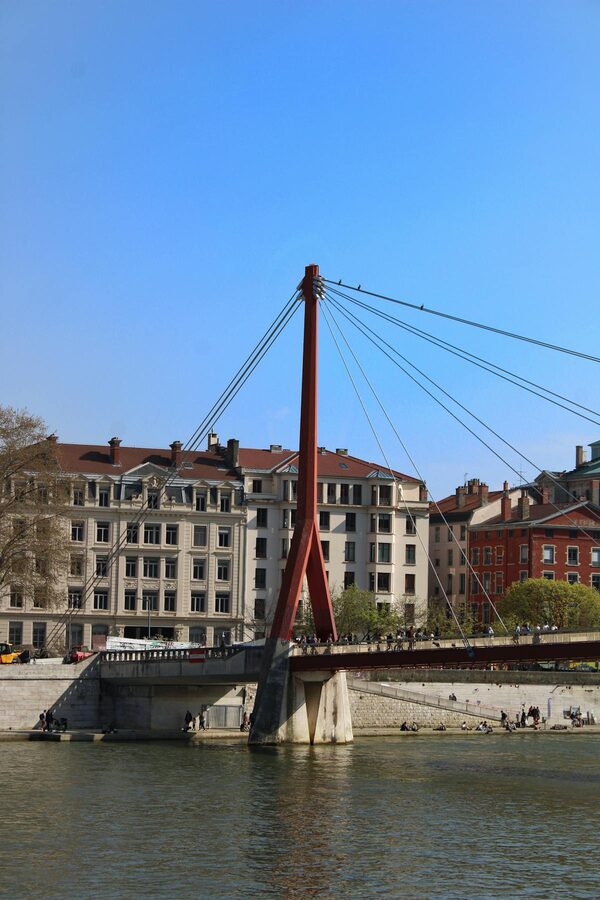
The food tour includes stops at Les Halles, but it is worth returning on your own to browse slowly and buy ingredients for a picnic along the Rhone. The vendors are knowledgeable and happy to recommend — they take genuine pride in their products and will steer you toward the best of the day.
Practical Information
Getting to Lyon: TGV from Paris Gare de Lyon takes 2 hours. Lyon has an international airport (Lyon-Saint Exupery) with connections across Europe. The city is also a major stop on the Paris-Marseille TGV line.
Getting around: The city centre is walkable. The metro and tram cover the wider city. The funicular to Fourviere runs from the Vieux Lyon metro station — one ticket covers the ride.
Lyon City Card: Available for 1-4 days. Includes public transport, museum entry (including the Museum of Fine Arts, which is excellent), and a river cruise. Worth it for 2+ days.
Budget tip: Lunch at a bouchon costs 15-25 euros for a 3-course prix fixe menu. This is how the Lyonnais eat on weekdays — quickly, well, and cheaply. The same meal at dinner costs 30-45 euros. Eat your main meal at lunch and have a lighter dinner.
More France Guides
Lyon is a natural midpoint on a French itinerary — south of Paris, north of the Riviera, east of Bordeaux. From here, a Champagne day trip from Paris is 4 hours by TGV, or head south toward the Nice food scene for the Mediterranean version of Lyon’s culinary culture. Wine lovers should consider pairing Lyon with the Alsace wine route to compare the Rhone wines you drink in Lyon’s bouchons with the aromatic whites of Alsace. The gastronomic contrast between the two cities alone justifies the detour.