
Lille is the French city that thinks it’s Belgian. Or maybe it’s the Belgian city that happens to be in France. Either way, the Flemish influence is everywhere — the architecture, the beer, the food, the way people say “once” at the end of sentences (a Picard dialect tic that confuses every French learner who thought they’d figured out the language). It’s one of the best cities in northern France and almost nobody outside of Europe has heard of it.
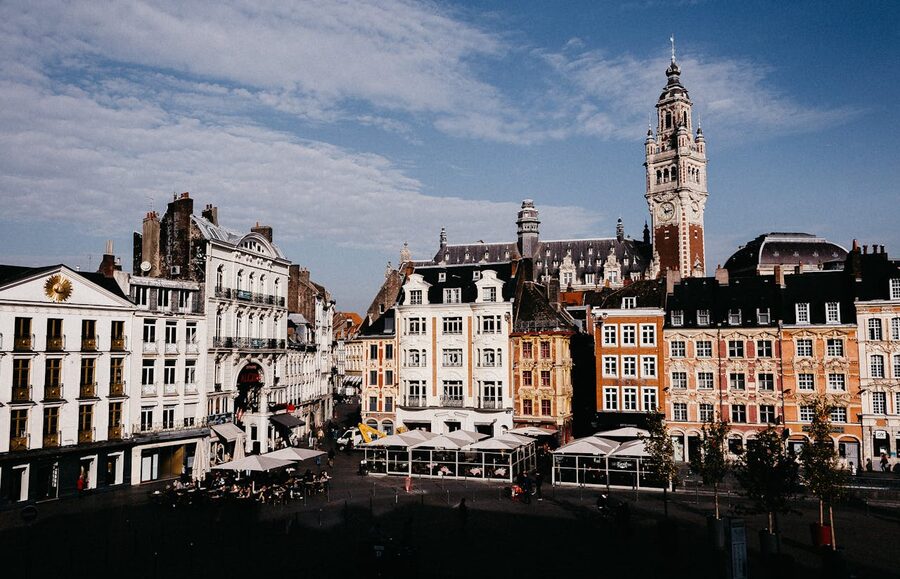
An hour by TGV from Paris, 35 minutes from Brussels, and 90 minutes from London by Eurostar, Lille sits at a crossroads that has made it either strategically vital or strategically doomed for most of its history. It’s been Spanish, Austrian, Dutch, and French at various points. Every occupier left their mark on the architecture, and the result is a city that looks like a Flemish painting crossed with a French fashion shoot.
Best for fun: 2CV Convertible Tour — $54, 1 hour in a vintage Citroën with a champagne stop. Perfect 5.0 rating.
Best overview: Lille City Tour Bus — $19, 75-minute convertible bus ride through the main sights.
- Why Lille Is Worth Your Time
- Exploring Vieux Lille on Foot
- The Food Scene: Seriously Good
- Best Tours to Book
- 1. Vieux Lille 2-Hour Guided Walking Tour —
- 2. Vintage 2CV Convertible Tour —
- 3. Lille City Tour Bus —
- The Braderie de Lille: Europe’s Biggest Flea Market
- Lille After Dark
- A Short History
- Practical Tips
- Day Trips from Lille
- Where Lille Fits in a France Trip
Why Lille Is Worth Your Time
Lille doesn’t try to compete with Paris. It doesn’t have the Eiffel Tower or the Louvre. What it has is charm, affordability, some of the best food in France (yes, better than Paris for certain things), and an old town that rivals Bruges for beauty without Bruges’s tourist-industrial complex. A beer costs €4 instead of €8. A plate of moules-frites at a good brasserie costs €15. You can actually get a table at the best restaurants without booking three weeks ahead.
The Palais des Beaux-Arts is France’s second-largest art museum after the Louvre, with a collection that includes Rubens, Van Dyck, Delacroix, and Monet. Entry is €7. The same calibre of art in Paris would cost €17 and involve a queue that wraps around the block.
Exploring Vieux Lille on Foot
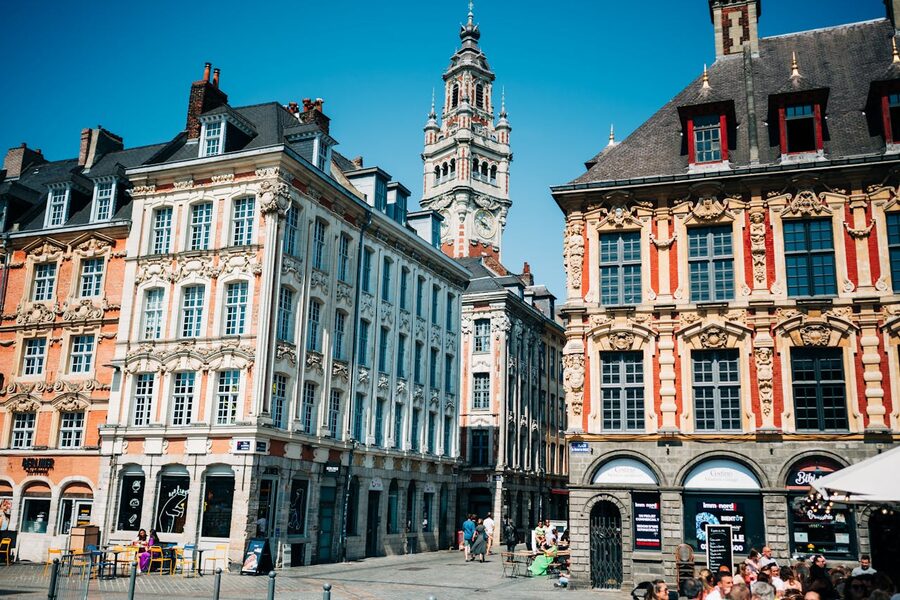
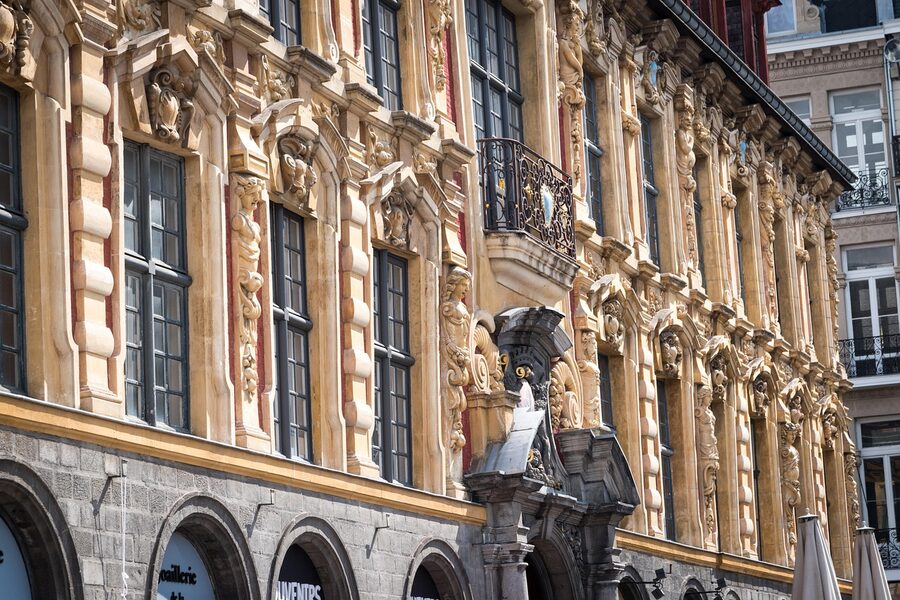
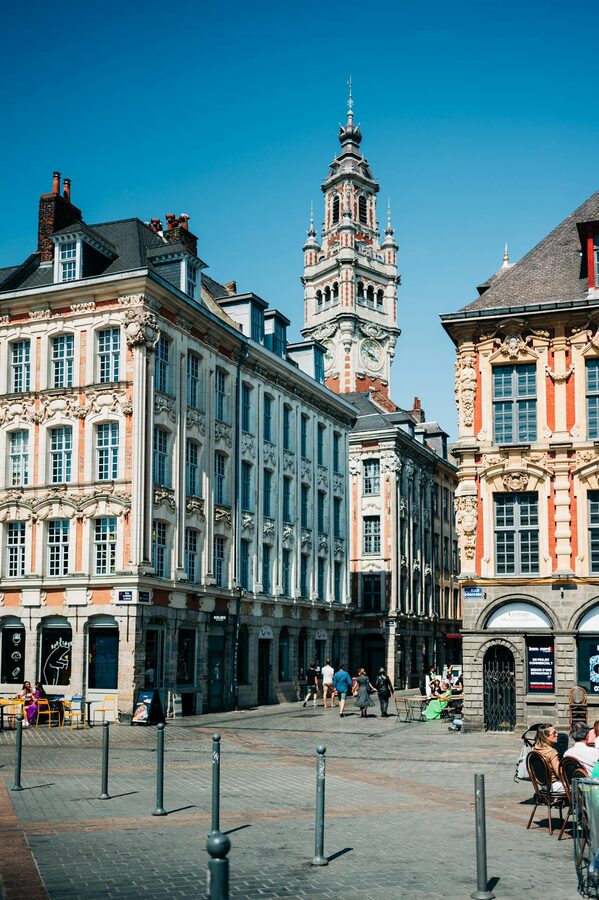
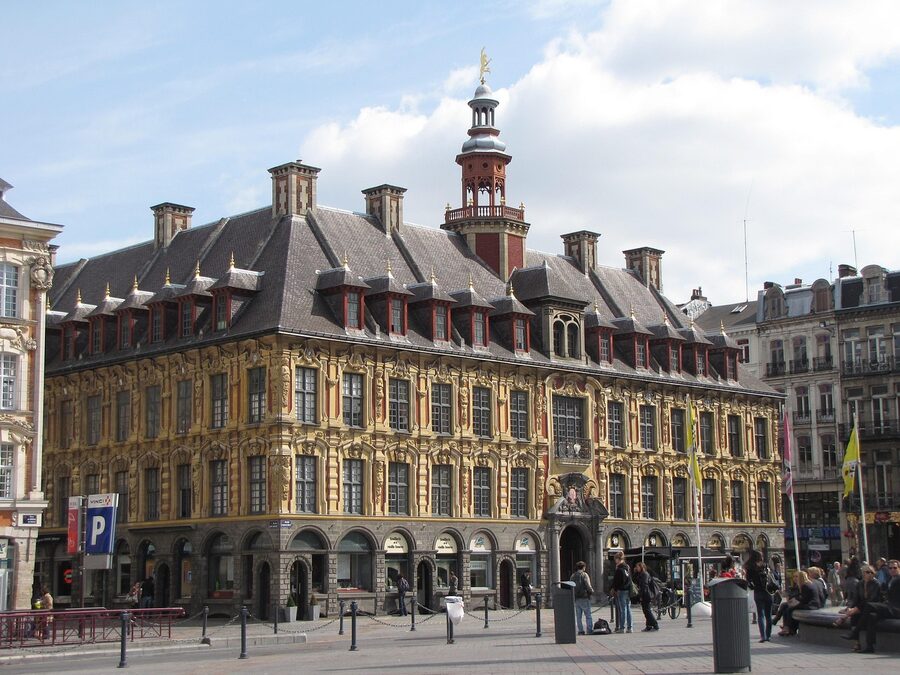
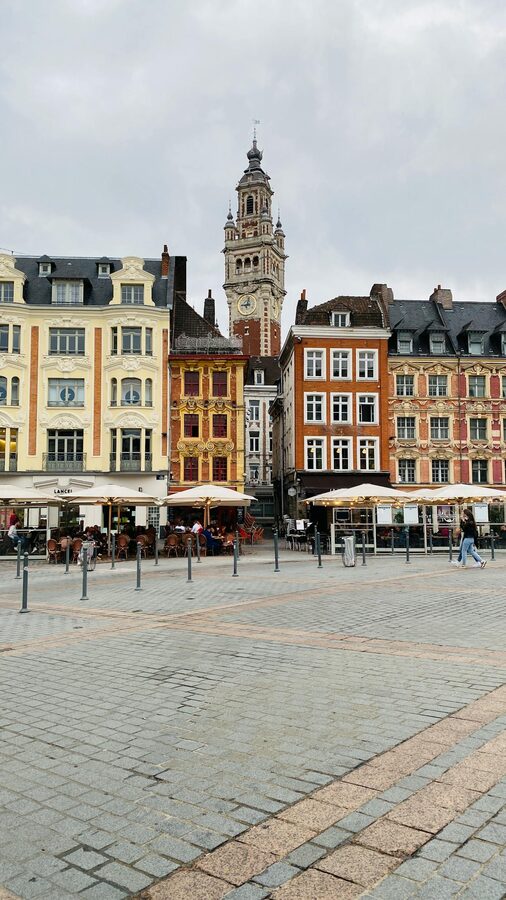
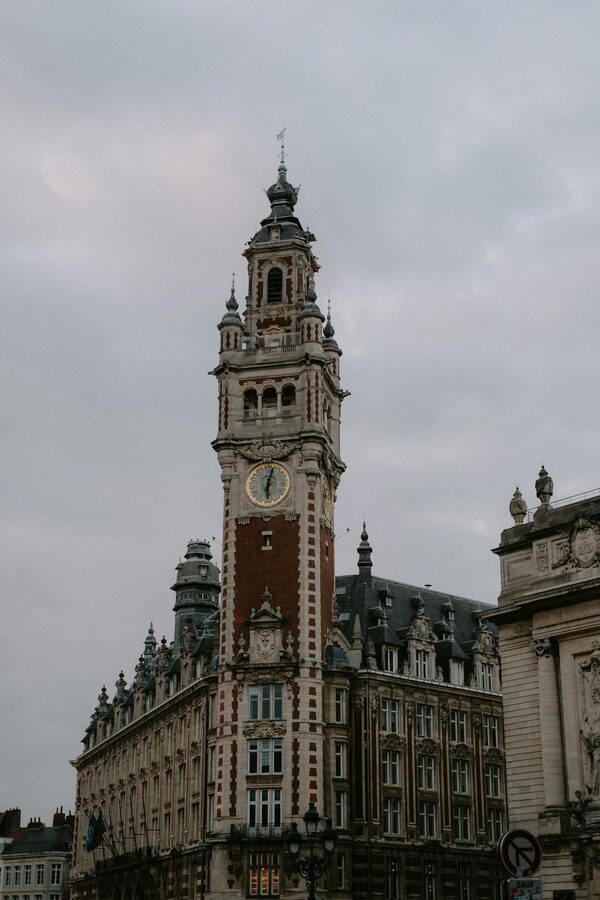
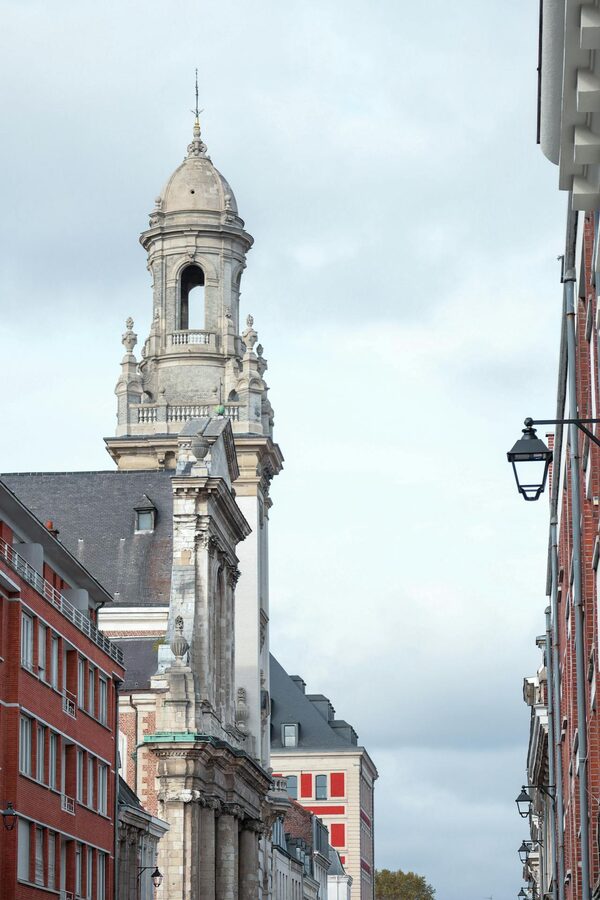
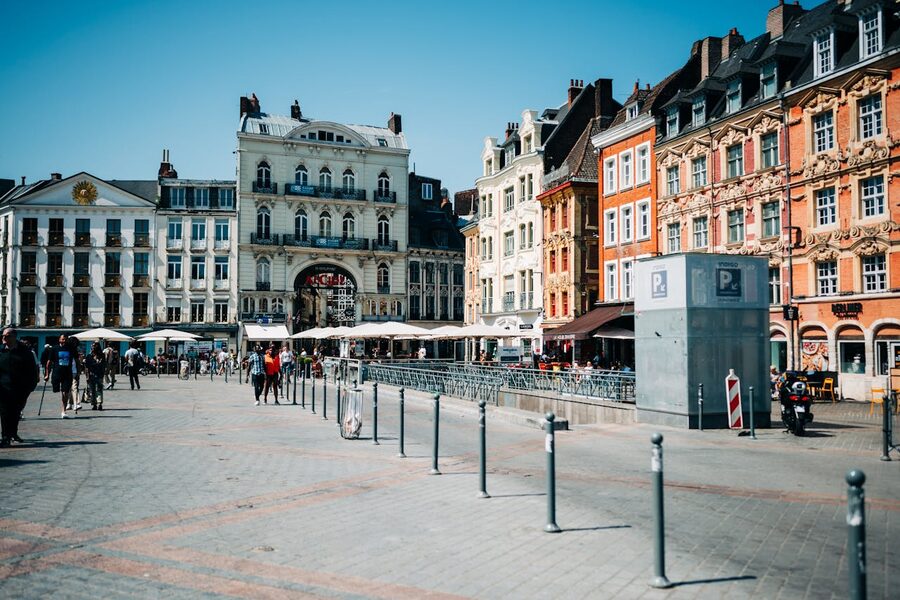
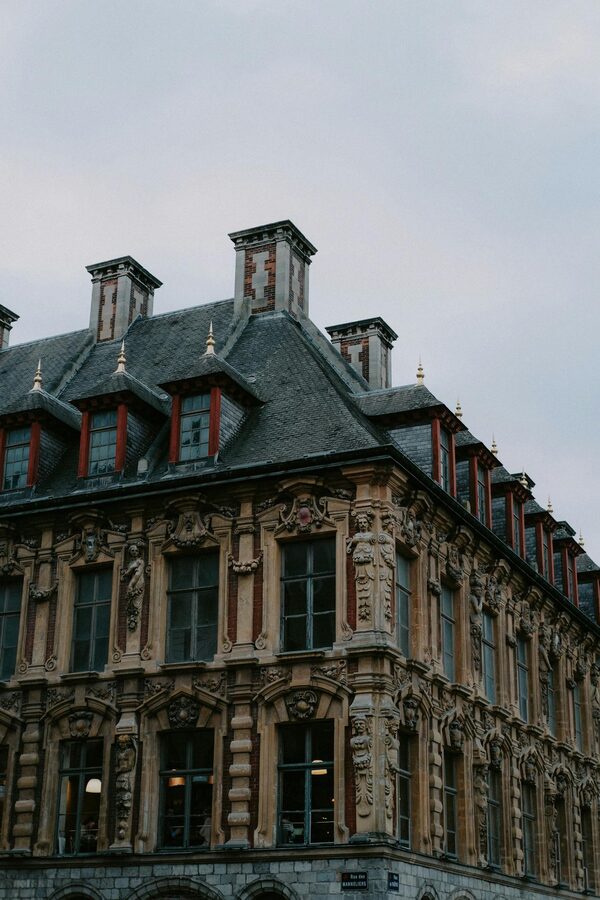
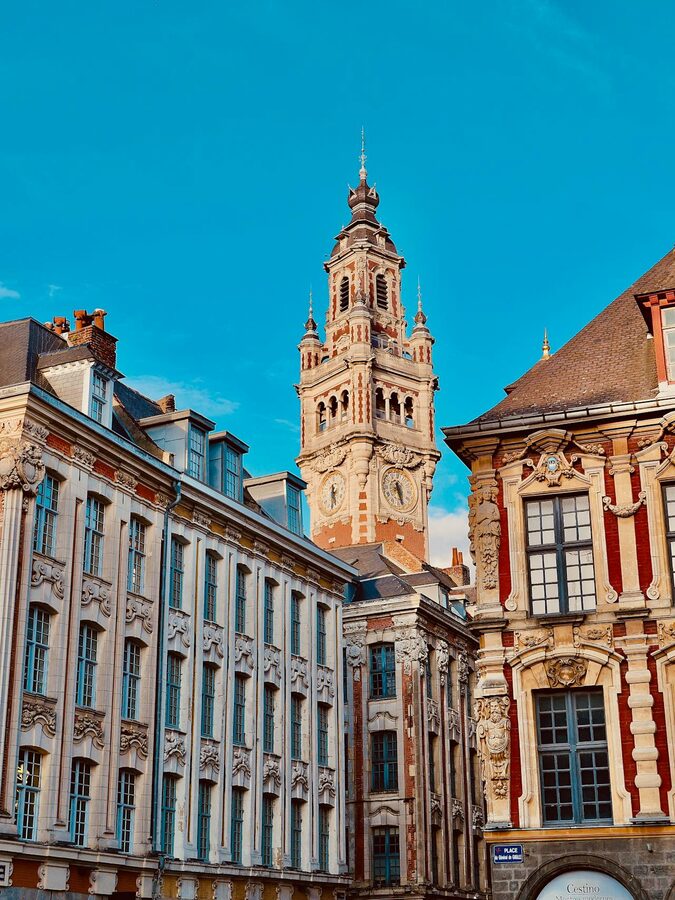
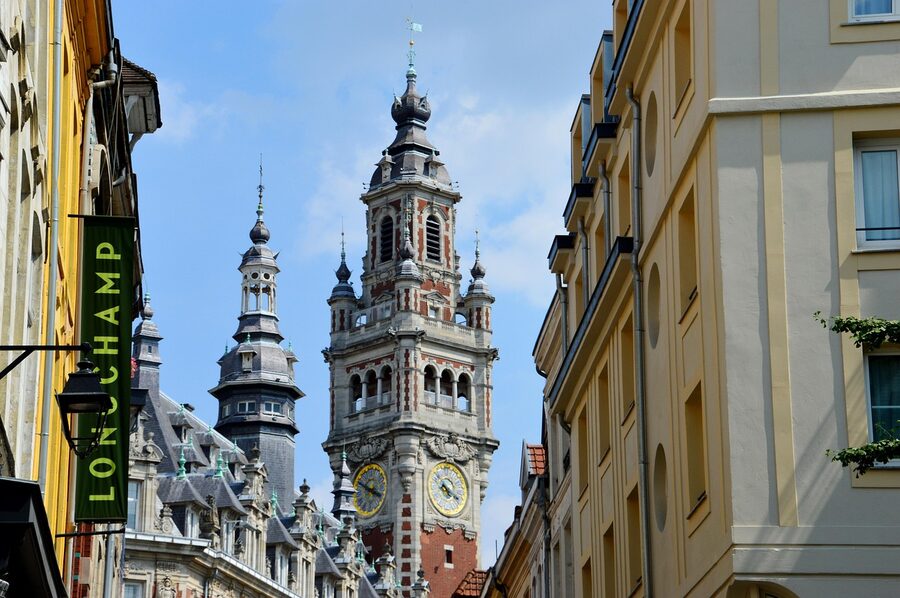
Vieux Lille (Old Lille) is the neighbourhood where most tours focus, and for good reason. The streets are cobblestone, the buildings are 17th-century Flemish with those characteristic stepped gables and ornate stonework, and the ground floors are occupied by the kind of independent shops and cafés that gentrification usually kills but somehow here has made better.
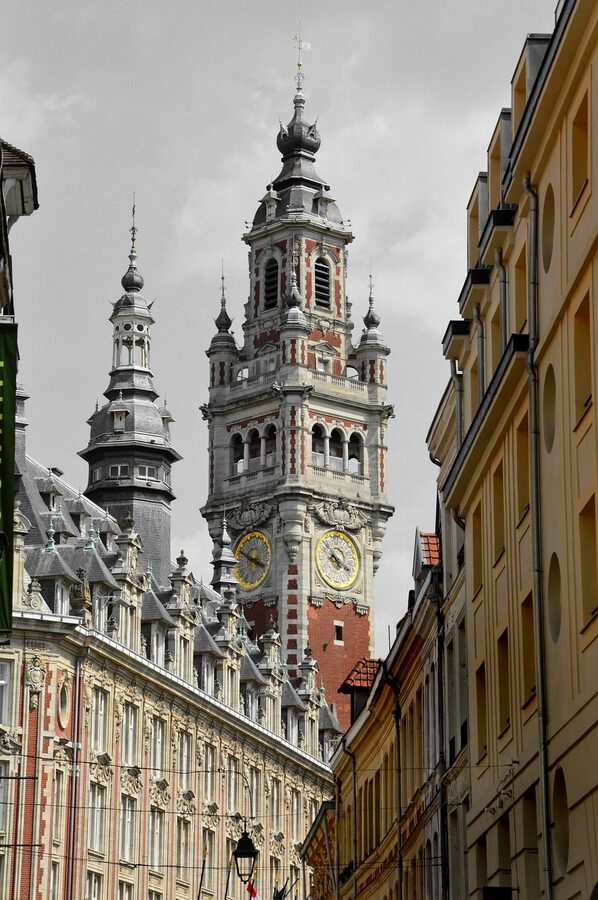
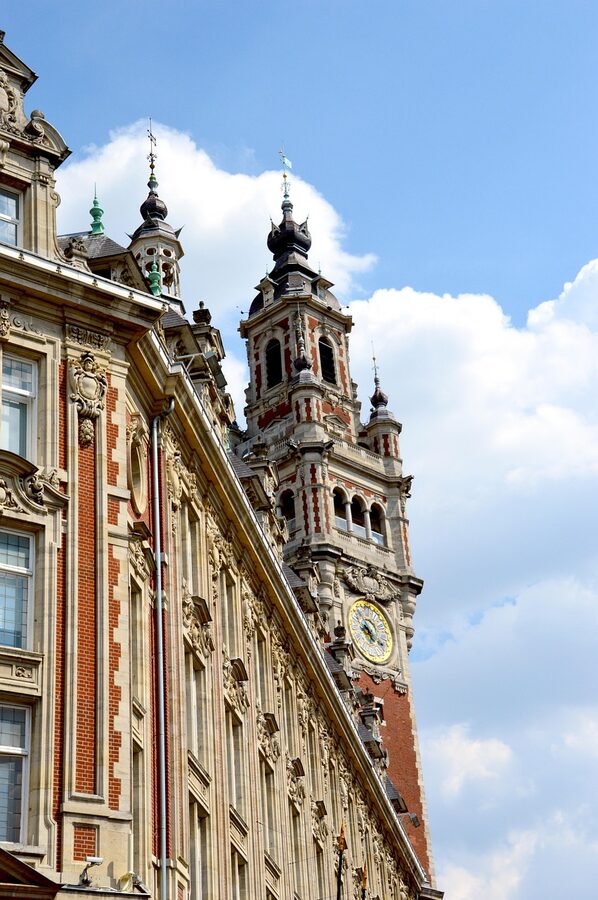
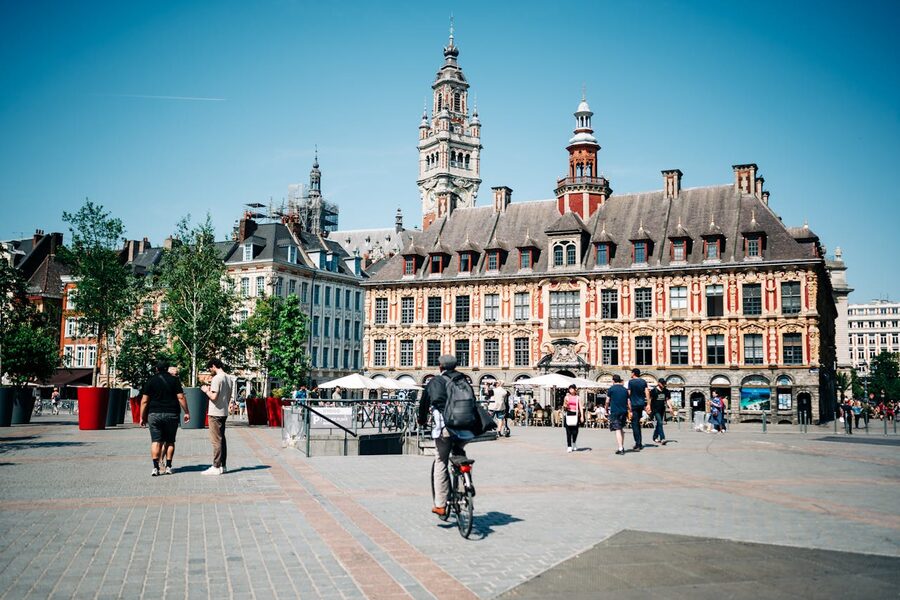
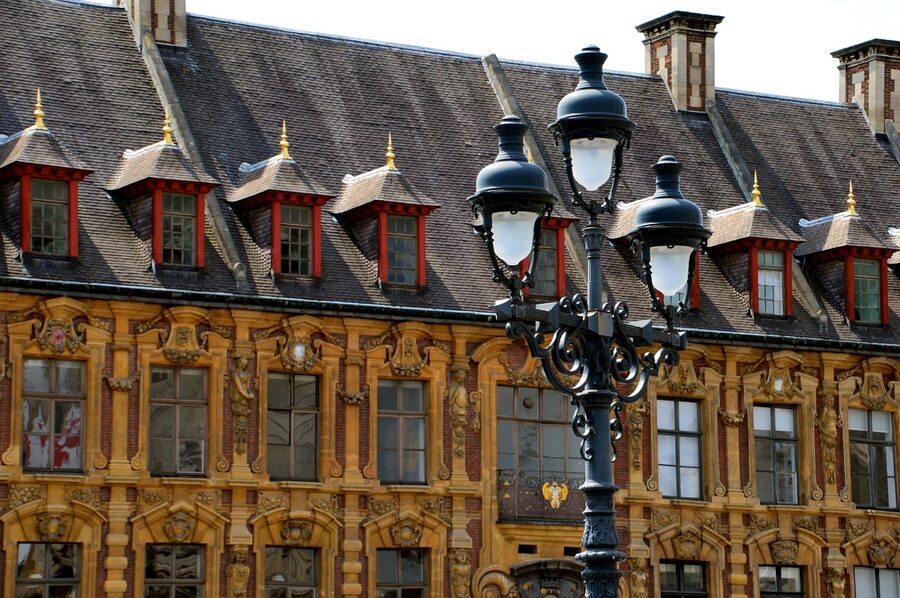
The key landmarks within walking distance of each other: the Grand Place with its Goddess column, the Vieille Bourse with its book market courtyard, the Cathédrale Notre-Dame de la Treille (modern stained glass facade, medieval base — the contrast is startling), the Citadelle de Lille (a massive star-shaped fortress designed by Vauban in 1667), and Rue de la Monnaie, which is the most photogenic street in the old town.
The Food Scene: Seriously Good
Lille’s food sits at the intersection of French technique and Flemish generosity. The portions are bigger than in Paris. The flavours are richer. And the beer list at any decent brasserie will make a Belgian proud.
Must-try dishes: Welsh rarebit (yes, the Lillois adopted it — a beer-and-cheese sauce poured over ham and toast, gratinated until bubbling). Carbonade flamande (beef slow-cooked in dark beer). Potjevleesch (a terrine of four meats in aspic — sounds medieval, tastes incredible cold with frites). And of course, moules-frites everywhere, all the time, no apology needed.
The beer: Lille’s proximity to Belgium means the beer culture is outstanding. 3 Brasseurs on Place de la Gare brews its own on-site — the amber is excellent. For something more curated, La Capsule near the Grand Place has over 200 craft beers. Meert on Rue Esquermoise is famous for its waffles — thin, filled with vanilla cream, and sold in the same shop since 1761.
Best Tours to Book
1. Vieux Lille 2-Hour Guided Walking Tour — $17
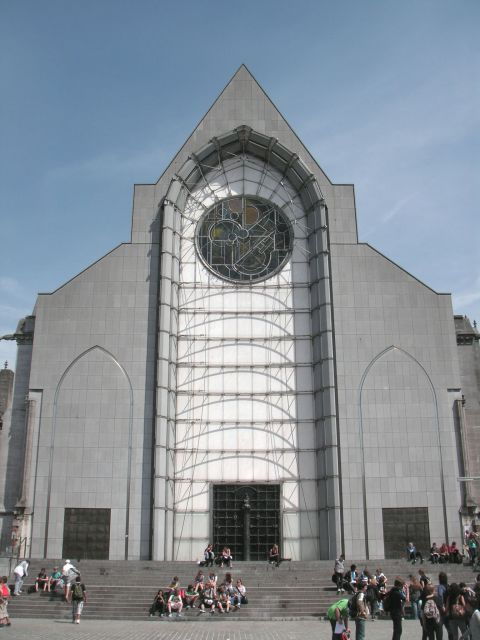
The best way to get your bearings in Lille. Two hours through the old town covering the Grand Place, Vieille Bourse, Cathedral, and the quieter back streets that most visitors miss. At $17, the price is almost absurd for the quality — this costs less than a museum ticket in most cities. Our review covers the full route and why the Flemish history angle makes Lille’s story different from any other French city.
2. Vintage 2CV Convertible Tour — $54
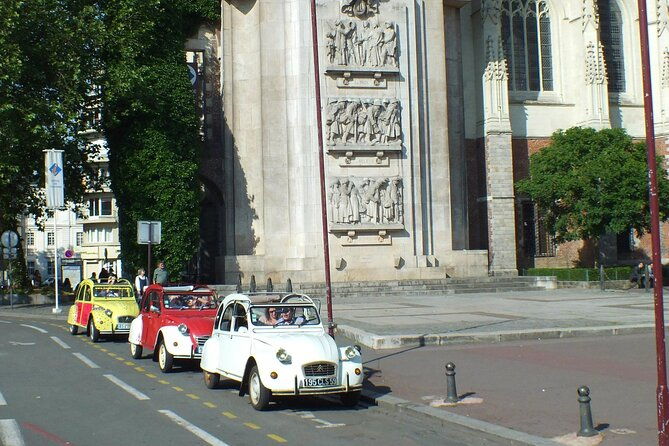
This is the fun option. One hour in a vintage Citroën 2CV convertible with a private driver-guide who doubles as a comedian and historian. The route covers the main sights plus some hidden spots, and there’s a champagne stop halfway through. The perfect 5.0 rating across 470 reviews is almost unheard of for any tour. Our review explains why the personal touch of a private driver makes this one special — it feels like being shown around by a friend, not a guide.
3. Lille City Tour Bus — $19
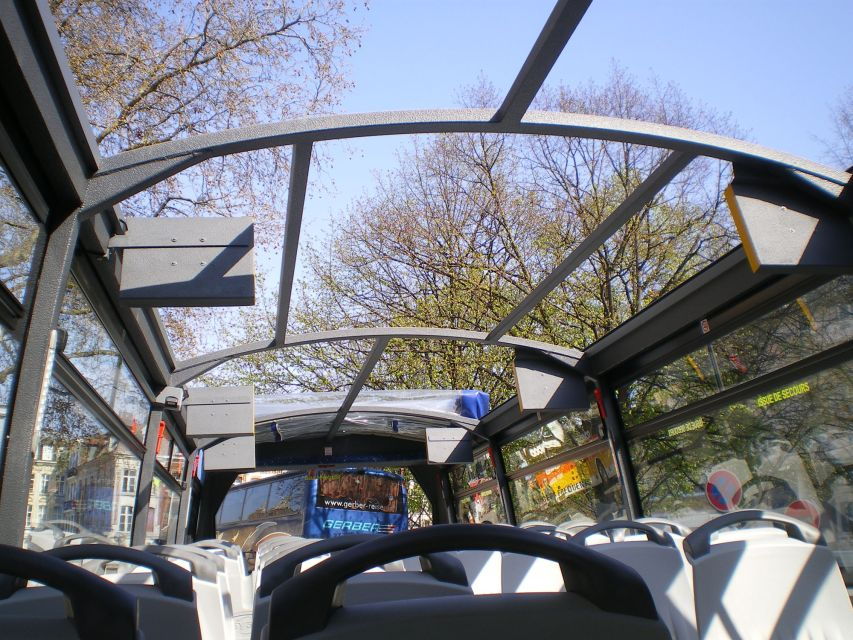
A 75-minute convertible bus tour that hits all the major sights including areas outside the old town that walking tours don’t reach — the Citadelle, the university quarter, and the Euralille business district (which is uglier than it sounds but architecturally interesting). Over 1,000 reviews at 4.4 stars. Our review covers the route and whether the bus or walking tour is better value — the answer depends on whether you want depth or breadth.
The Braderie de Lille: Europe’s Biggest Flea Market
If you happen to be in Lille on the first weekend of September, you’ve hit the jackpot. The Braderie de Lille is the largest flea market in Europe — roughly 10,000 stalls stretching across 100 kilometres of streets. The entire city becomes a market. People start setting up at 2pm on Saturday and the selling continues through the night until 11pm on Sunday. About 2-3 million visitors descend on a city of 230,000.
The tradition is to eat moules-frites during the Braderie, and the restaurants compete to build the highest pile of empty mussel shells outside their door. Some piles reach two metres high. It’s gloriously chaotic, extremely French, and the best possible argument for visiting Lille in September.
If you’re planning around the Braderie, book accommodation months ahead — every hotel in the city sells out and prices triple. Many visitors stay in Lens, Arras, or even across the border in Tournai (Belgium) and take the train in. The event runs from 2pm Saturday to 11pm Sunday, but the real action is Saturday night when the city stays up until dawn, the bars don’t close, and the streets turn into one continuous party.
Lille After Dark
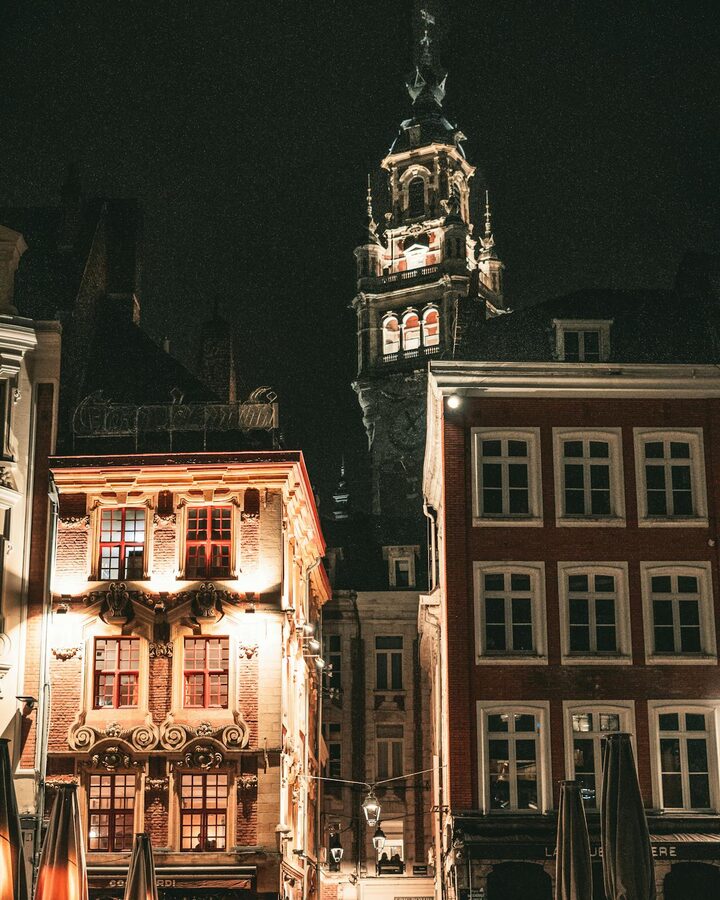
Lille has one of the best nightlife scenes in France outside Paris, driven by the massive student population. The bars around Rue Solférino and Rue Masséna are the main strip. L’Illustration is a cocktail bar in a former theatre. L’Imposture is a speakeasy that changes its password weekly. And the craft beer scene is genuinely excellent — La Mousse Touch and La Capsule are standouts.
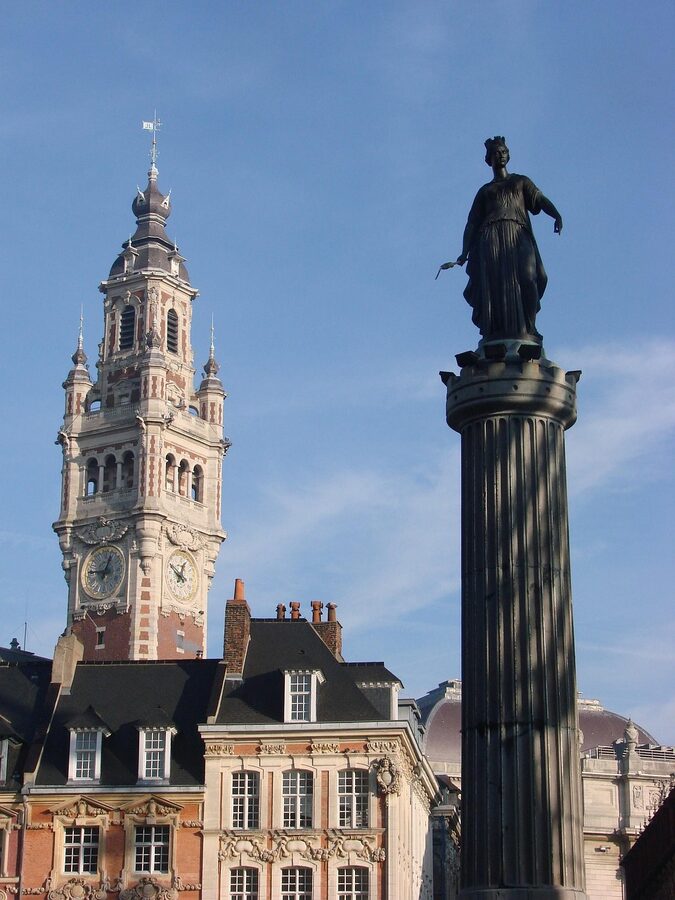
A Short History
Lille was founded around 640 AD and has been fought over ever since. The Counts of Flanders built the first castle. The Burgundians absorbed it in the 15th century. The Spanish Habsburgs ruled it from 1477 until Louis XIV conquered it in 1667 — the siege is still a point of local pride. Vauban then built the massive Citadelle that still stands, calling it his finest work.
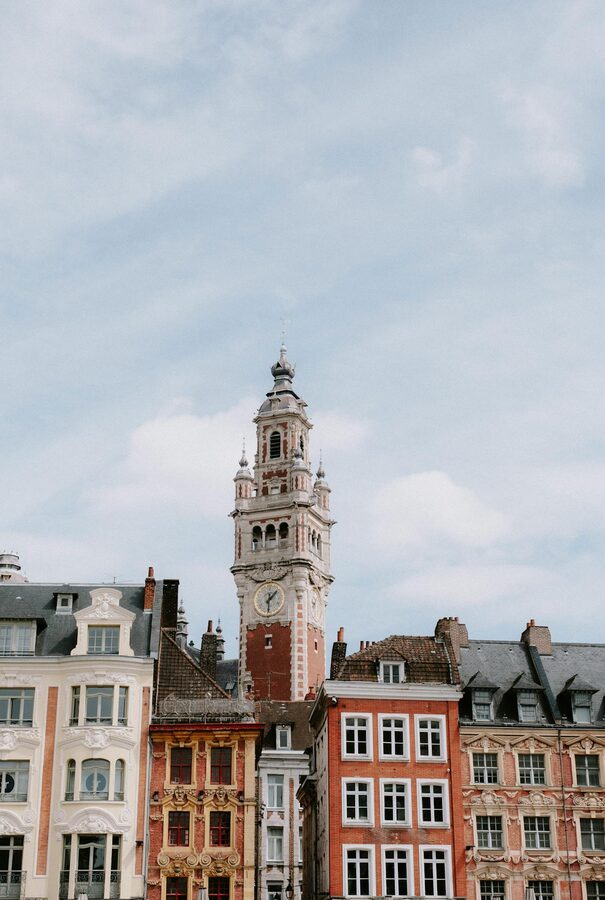
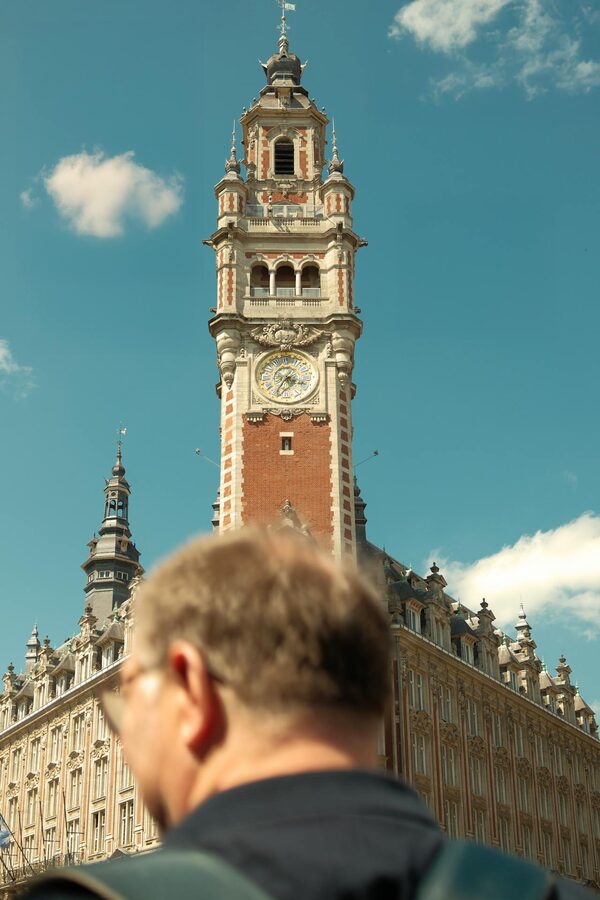
The city industrialised rapidly in the 19th century — textiles made Lille rich and then made it miserable, with working conditions so bad that Engels wrote about them. The 20th century brought both world wars through the city’s streets. The 21st century brought the TGV and Eurostar, which turned Lille from a declining industrial city into a weekend destination for Parisians, Londoners, and Belgians.
Practical Tips
Getting there: TGV from Paris Gare du Nord takes 1 hour. Eurostar from London St Pancras takes 1.5 hours. Thalys from Brussels takes 35 minutes. Lille has two main stations — Lille Europe (for Eurostar and Thalys) and Lille Flandres (for TGV and regional trains). Both are in the city centre.
How long to spend: A full day is enough for the highlights. Two days lets you eat properly, visit the Palais des Beaux-Arts, and explore the neighbourhoods beyond Vieux Lille. Three days means you’re settling in, which is how Lille prefers to be experienced.
Best time to visit: May, June, and September are ideal. The Braderie in early September is unmissable if you can time it. Summer is pleasant without the crushing heat of southern France. Winter can be grey and wet, but the Christmas market (one of France’s best) lights up November and December.
Budget: Lille is notably cheaper than Paris. A hotel room in Vieux Lille runs €80–120 vs €150–250 in central Paris. Restaurant meals are 30-40% cheaper. Beer is about half the Paris price. The only thing that costs the same is the train ticket to get there.
Language: French is the main language, but many Lillois speak some English — especially younger people and those in the hospitality industry. The older generation in Vieux Lille sometimes speaks Ch’ti, a Picard dialect that even Parisians can’t understand. The 2008 French comedy “Bienvenue chez les Ch’tis” was about a Parisian forced to move to the north and was the highest-grossing French film of its decade. If you want to endear yourself to locals, learn to say “bienvenue” with a Ch’ti accent — they’ll love you for trying.
Day Trips from Lille
Lille’s location makes it a natural base for exploring the region. Bruges is 90 minutes by train and makes a perfect day trip — canals, chocolate, and beer in one of Europe’s best-preserved medieval cities. Brussels is 35 minutes away, which means you can do Belgian waffles for breakfast, Lille moules-frites for lunch, and be back in time for a beer on the Grand Place. Arras, 45 minutes south, has one of France’s most beautiful central squares and excellent WWI history sites including the Wellington Tunnels.
Closer to home, the Citadelle de Lille is worth a morning. Vauban’s star-shaped fortress is still an active military base, but the surrounding park — the Bois de Boulogne de Lille — is open to the public and makes for a good run or walk. The zoo inside the park is free and surprisingly decent.
Where Lille Fits in a France Trip
Lille works brilliantly as a stopover between Paris and Belgium, or as a day trip from Paris (though you’ll wish you’d stayed longer). The Strasbourg and Alsace wine route is another French city with strong Germanic/Flemish influences — the two make an interesting comparison. For Paris-based visitors, the Champagne day trip to Reims and Epernay is in a similar direction and shows a completely different side of northern France — rolling vineyards instead of Flemish gables. And if Lille’s Museum of Illusions interests you, the Paris version and other quirky museums offer the same concept on a bigger scale.