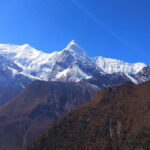
The Annapurna Circuit Trek is a remarkable journey that draws trekkers from around the globe. Spanning 15 days, it offers an immersive experience through stunning landscapes and vibrant cultures. With its challenging ascent to Thorong La pass and breathtaking views of the Annapurna and Dhaulagiri ranges, this trek promises adventure and beauty. Yet, planning such an expedition requires careful thought and preparation. What are the essential details that trekkers need to know before embarking on this adventure?
- Key Points
- Overview of the Annapurna Circuit Trek
- Detailed Itinerary
- Highlights of the Trek
- Inclusions and Exclusions
- Important Information
- Recommendations for Preparation
- Safety and Health Considerations
- Travel Logistics and Tips
- Frequently Asked Questions
- What Is the Best Time to Book the Trek in Advance?
- Are There Any Age Restrictions for Participants on This Trek?
- Can I Rent Trekking Gear in Kathmandu?
- What Is the Average Daily Walking Distance During the Trek?
- Are There Any Cultural Considerations to Be Aware of While Trekking?
- The Sum Up
- The Best Of Muktinath!
- More Hiking & Trekking Tours in Muktinath
- More Tour Reviews in Muktinath
- Not for you? Here's more nearby things to do in Muktinath we have reviewed
Key Points
 1 / 10
 2 / 10
 3 / 10
 4 / 10
 5 / 10
 6 / 10
 7 / 10
 8 / 10
 9 / 10
 10 / 10
- The Annapurna Circuit Trek lasts 15 days, starting and concluding in Kathmandu, showcasing breathtaking landscapes and cultural experiences.
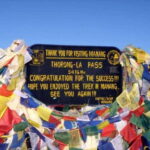
- Key highlight is crossing Thorong La pass at 5,416 meters, offering stunning views of Annapurna and Dhaulagiri ranges.
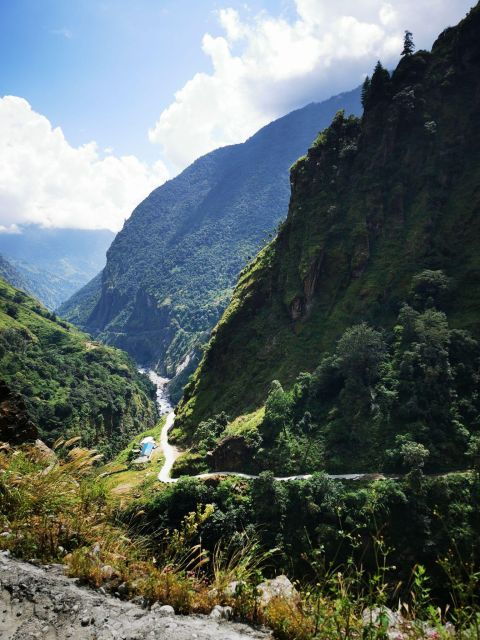
- The trek includes diverse terrains, from lush rhododendron forests to alpine meadows, enriching the experience.
- Essential inclusions are airport transfers, a licensed trekking guide, and necessary permits for the Annapurna Conservation Area.
- Best trekking months are March to June and September to November for optimal weather and visibility.
👉 See our pick of the Which Muktinath Tours & Experiences To Choose? Our Best 15 Picks
Overview of the Annapurna Circuit Trek
Although the Annapurna Circuit Trek is renowned for its stunning vistas and diverse landscapes, it offers trekkers much more than just a visual feast.
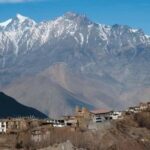
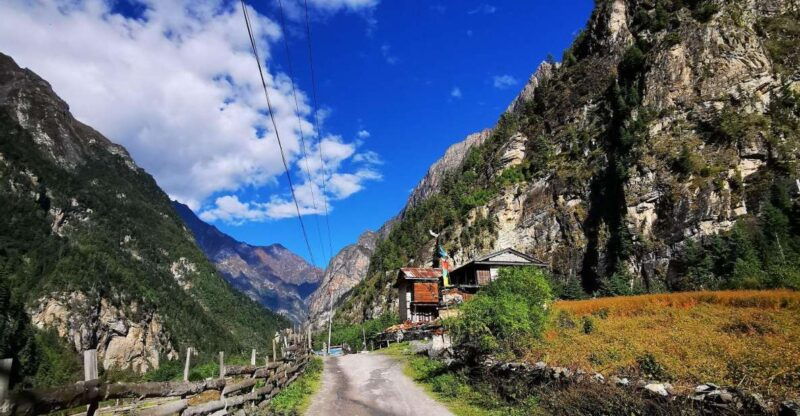
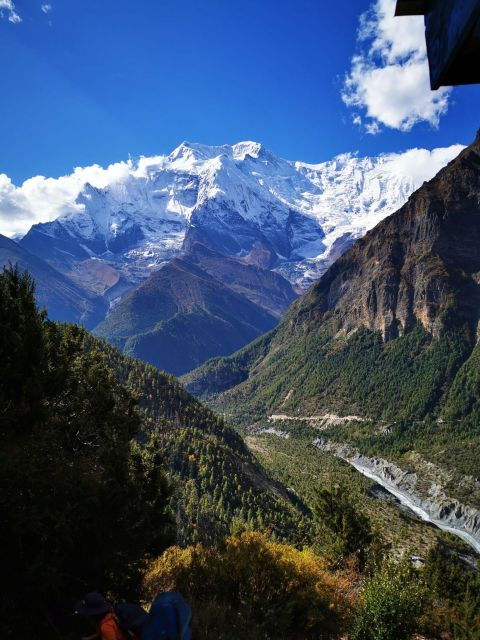
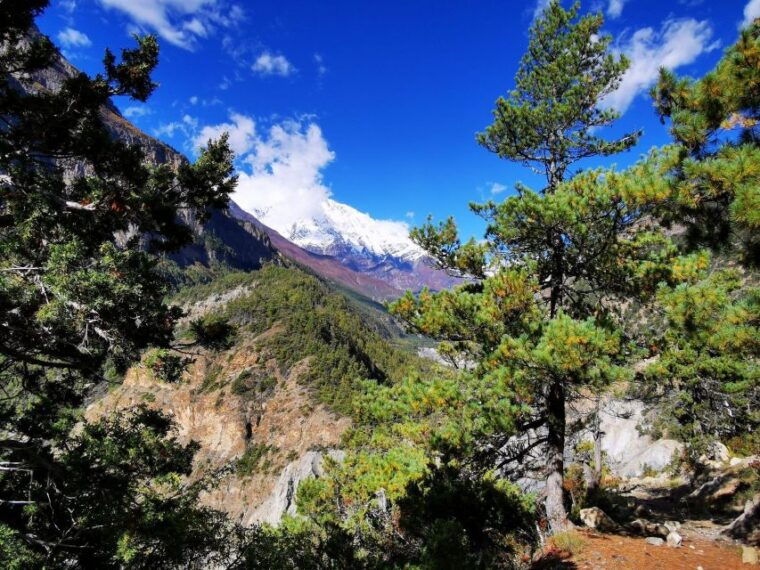
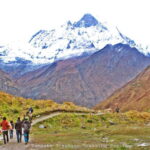
Spanning 15 days, this trek showcases the majestic Annapurna and Dhaulagiri mountain ranges, along with lush rhododendron forests and terraced fields.
Key highlights include the challenging Thorong La pass at 5,416 meters and breathtaking views of iconic peaks like Annapurna I-IV and Machapuchare.
The best times to embark on this adventure are from March to June and September to November, ensuring trekkers experience the trek’s beauty at its finest.
You can also read our reviews of more hiking tours in Muktinath
Detailed Itinerary
The Annapurna Circuit Trek unfolds over 15 action-packed days, each carefully designed to enhance the trekker’s experience.
The Annapurna Circuit Trek offers 15 days of adventure, meticulously crafted to enrich every trekker’s journey.
The itinerary includes:
-
Day 1: Arrival in Kathmandu and hotel transfer.
-
Day 4: Trek from Syange to Dharapani (1,960m, 7-8 hours).
-
Day 11: Cross Thorong La pass (5,416m) to Muktinath (7-8 hours).
-
Day 15: International departure from Kathmandu.
Each day offers unique landscapes and cultural experiences, preparing trekkers for the stunning challenges ahead.
This well-structured itinerary ensures acclimatization, allowing trekkers to fully embrace the breathtaking beauty of the Annapurna region.
Highlights of the Trek
Each day of the Annapurna Circuit Trek unfolds remarkable highlights that captivate trekkers and leave lasting memories.
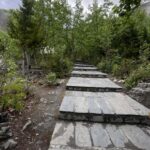
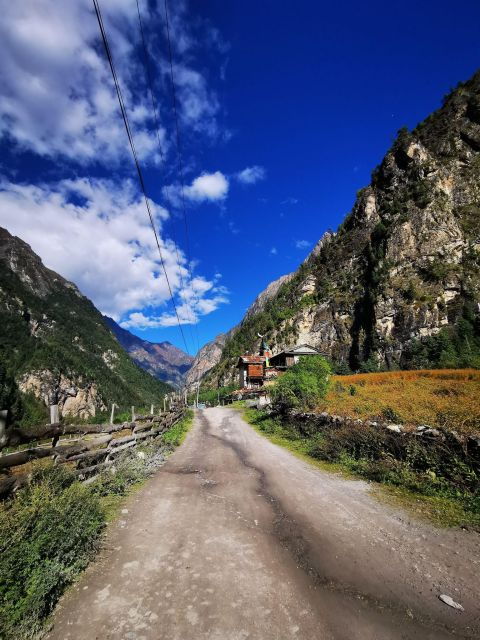
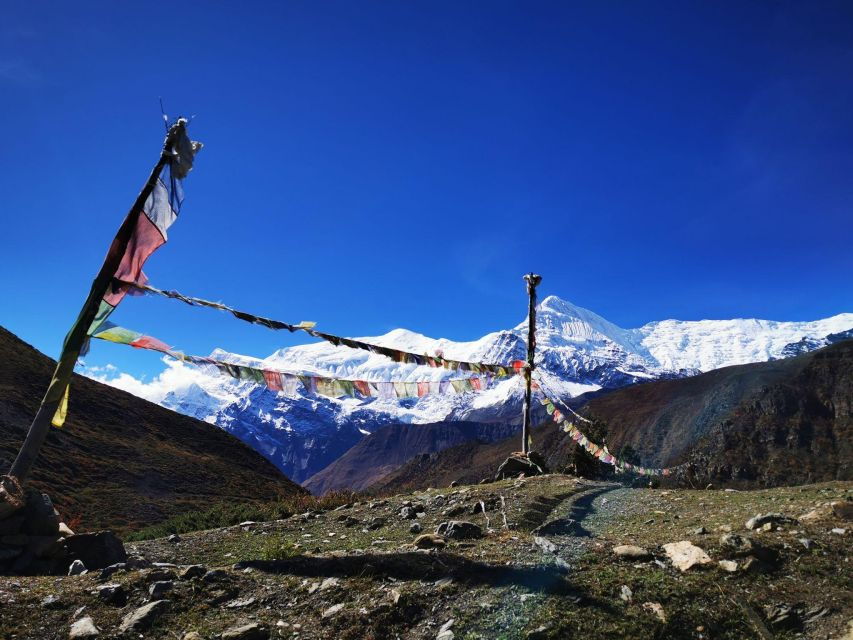
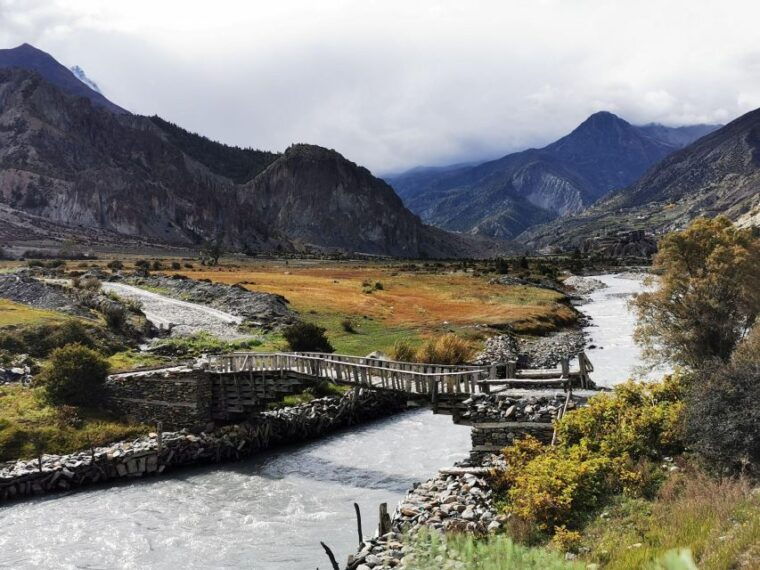
From the lush rhododendron forests to the stark beauty of alpine meadows, the trek showcases diverse landscapes. Notable sights include the awe-inspiring Throng-la pass at 5,416 meters and stunning views of towering peaks like Annapurna I-IV and Dhaulagiri.
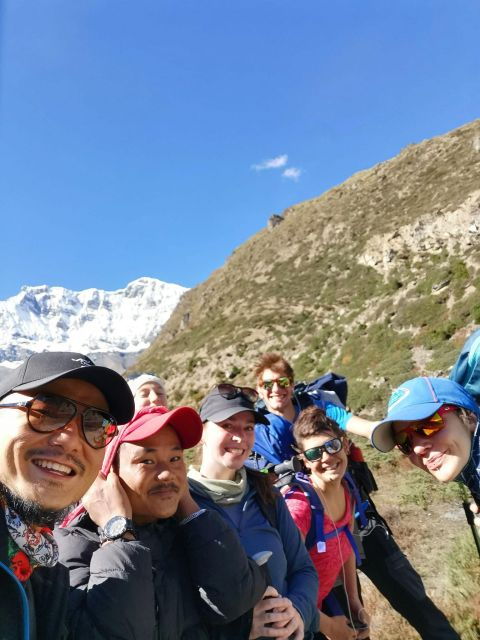
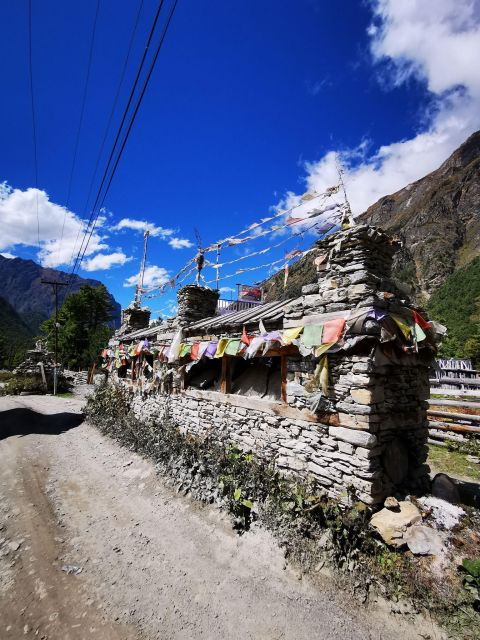
As trekkers navigate charming villages, they experience the rich local culture and hospitality. The acclimatization day in Manang offers a chance to soak in breathtaking vistas while preparing for the ascent.
Each moment on this trek becomes a cherished part of their adventure.
Inclusions and Exclusions
When planning the Annapurna Circuit Trek, understanding what’s included and excluded from the package is crucial for a smooth journey.
Here’s a quick breakdown of inclusions and exclusions:
Inclusions:
-
Airport pickup and drop by private car.
-
Licensed English-speaking trekking guide.
-
Bus transfer from Jomsom to Pokhara.
-
Annapurna Conservation Area permit.
Exclusions:
-
International airfares.
-
Meals (breakfast, lunch, dinner).
-
Cold drinks (beers, juice, water).
-
Travel insurance and evacuation.
Being aware of these details helps trekkers prepare effectively and avoid unexpected costs during their adventure.
More Great Tours NearbyImportant Information
While embarking on the Annapurna Circuit Trek, trekkers should be aware of several important considerations to ensure a safe and enjoyable experience.
It’s crucial to pack essentials like a passport, warm clothing, rain gear, and trekking gear. Trekkers should stay hydrated, consuming 3-4 liters of treated water daily, and inform their guide of any personal medical needs.
To prevent altitude sickness, they must ascend slowly and listen to their bodies. This trek isn’t suitable for pregnant women or wheelchair users.
To avoid altitude sickness, trekkers should ascend gradually and heed their bodies’ signals. This trek is not advisable for pregnant women or wheelchair users.
Lastly, comprehensive travel insurance is highly recommended for unforeseen emergencies during the journey.
Recommendations for Preparation
To ensure a successful Annapurna Circuit Trek, trekkers should start their preparation well in advance. Proper planning can make a significant difference in the overall experience.
Here are key recommendations:
-
Physical Training: Engage in regular cardiovascular and strength training to build endurance.
-
Gear Selection: Invest in quality trekking gear, including waterproof clothing and supportive footwear.
-
Acclimatization Awareness: Familiarize yourself with altitude sickness symptoms and acclimatization strategies.
-
Travel Insurance: Obtain comprehensive travel insurance covering trekking activities and emergencies.
With these preparations, trekkers can enhance their adventure and tackle the Annapurna Circuit with confidence.
Safety and Health Considerations
Safety and health considerations are crucial for a successful Annapurna Circuit Trek, as the high-altitude environment presents unique challenges.
Trekking at elevation increases the risk of altitude sickness, so hikers should ascend gradually and stay hydrated, consuming 3-4 liters of treated water daily. It’s vital to pack personal medications and inform guides of any health issues.
Proper clothing is essential to combat cold and wet conditions. Trekking with a licensed guide ensures safety and support.
Dress appropriately for the cold and wet, and trek with a licensed guide for safety and support.
Regular acclimatization days help the body adjust, reducing health risks. Ultimately, preparation and awareness are key to enjoying this breathtaking adventure.
Travel Logistics and Tips
When planning the Annapurna Circuit Trek, travelers should consider several important logistics to ensure a smooth experience. Here are key tips to keep in mind:
-
Permits: Secure your Annapurna Conservation Area permit before starting the trek.
-
Packing: Bring essentials like warm clothing, rain gear, and trekking poles.
-
Hydration: Stay hydrated by drinking 3-4 liters of treated water daily to combat altitude sickness.
-
Acclimatization: Allow for acclimatization days, especially before challenging sections, to adjust to higher elevations.
Frequently Asked Questions
What Is the Best Time to Book the Trek in Advance?
To ensure a spot, he recommends booking the trek at least three to six months in advance. This timing maximizes availability and aligns with the best trekking months of March to June and September to November.
Are There Any Age Restrictions for Participants on This Trek?
There aren’t strict age restrictions for the trek; however, participants should possess a reasonable fitness level. Younger trekkers often find it easier, while older individuals should consult a doctor before embarking on the adventure.
Can I Rent Trekking Gear in Kathmandu?
Yes, trekkers can rent trekking gear in Kathmandu. Numerous shops offer a variety of equipment, including sleeping bags and jackets. Renting helps reduce costs and ensures participants have the necessary gear without the hassle of packing.
What Is the Average Daily Walking Distance During the Trek?
The average daily walking distance during the trek varies, typically ranging from 10 to 15 kilometers. Each day’s trek challenges participants, offering stunning views and diverse terrain, ensuring an unforgettable experience in the Annapurna region.
Are There Any Cultural Considerations to Be Aware of While Trekking?
While trekking, he should respect local customs, dress modestly, and ask before photographing people. Understanding cultural nuances, like greeting with "Namaste," enriches the experience and fosters positive interactions with the communities encountered along the trail.
The Sum Up
The Annapurna Circuit Trek is an adventure that promises stunning landscapes and rich cultural encounters. With its diverse terrain and the majestic Thorong La pass, trekkers will create unforgettable memories. Preparing adequately and staying informed about safety and health considerations can enhance the experience. Whether you’re an experienced hiker or a novice, this trek offers something for all. Embrace the journey and take in the breathtaking beauty of the Annapurna and Dhaulagiri ranges.
You can check availability for your dates here: