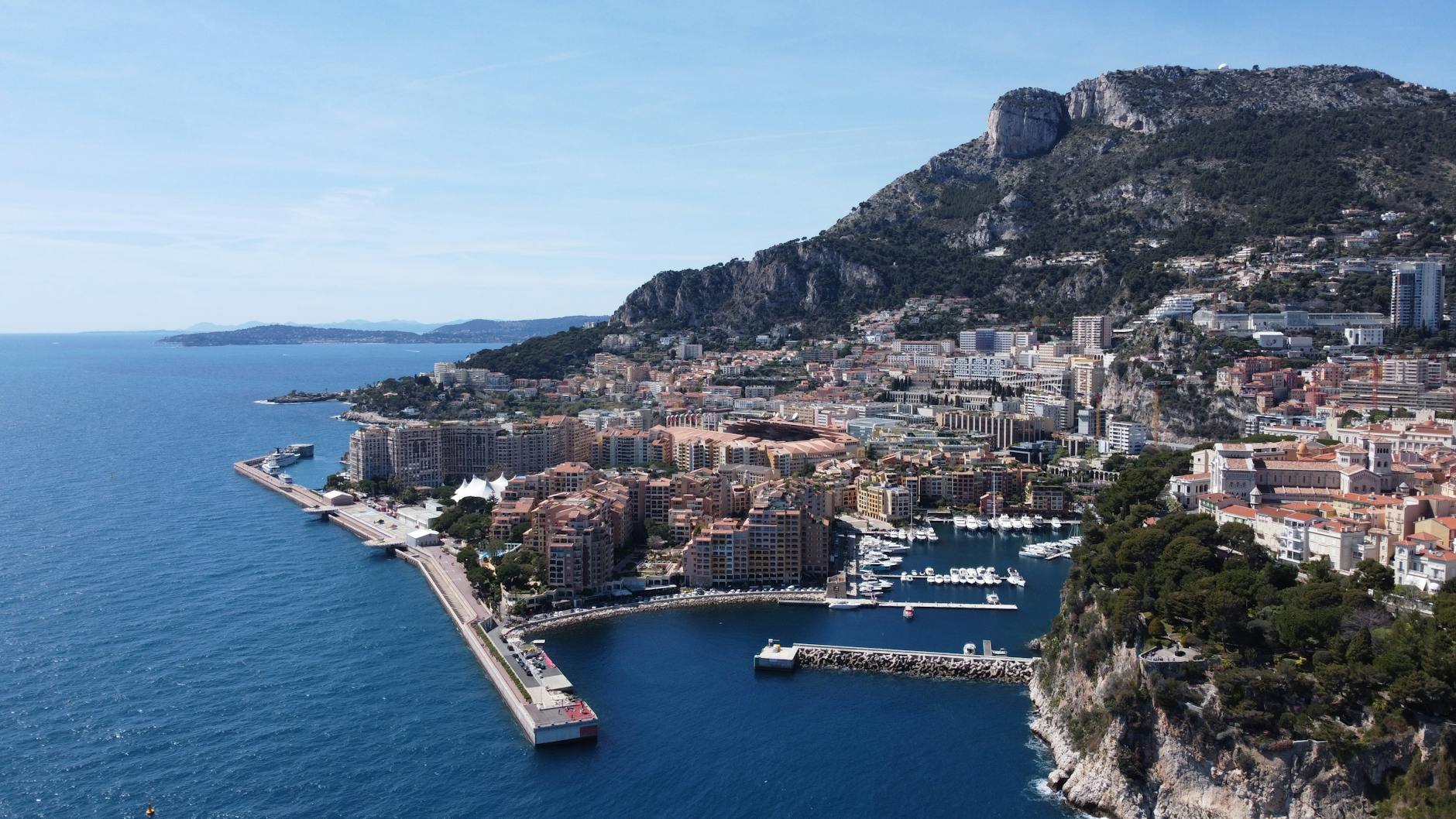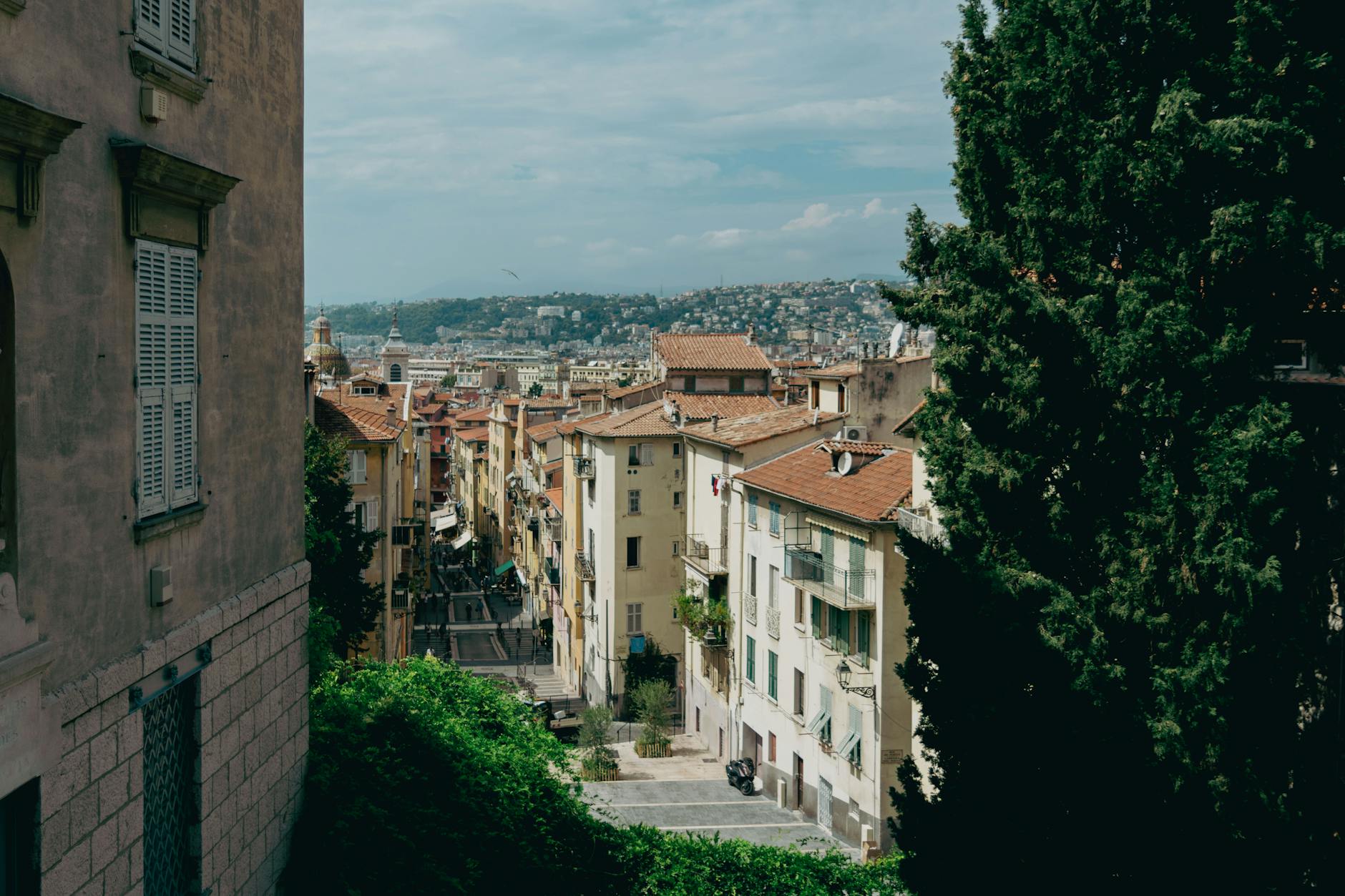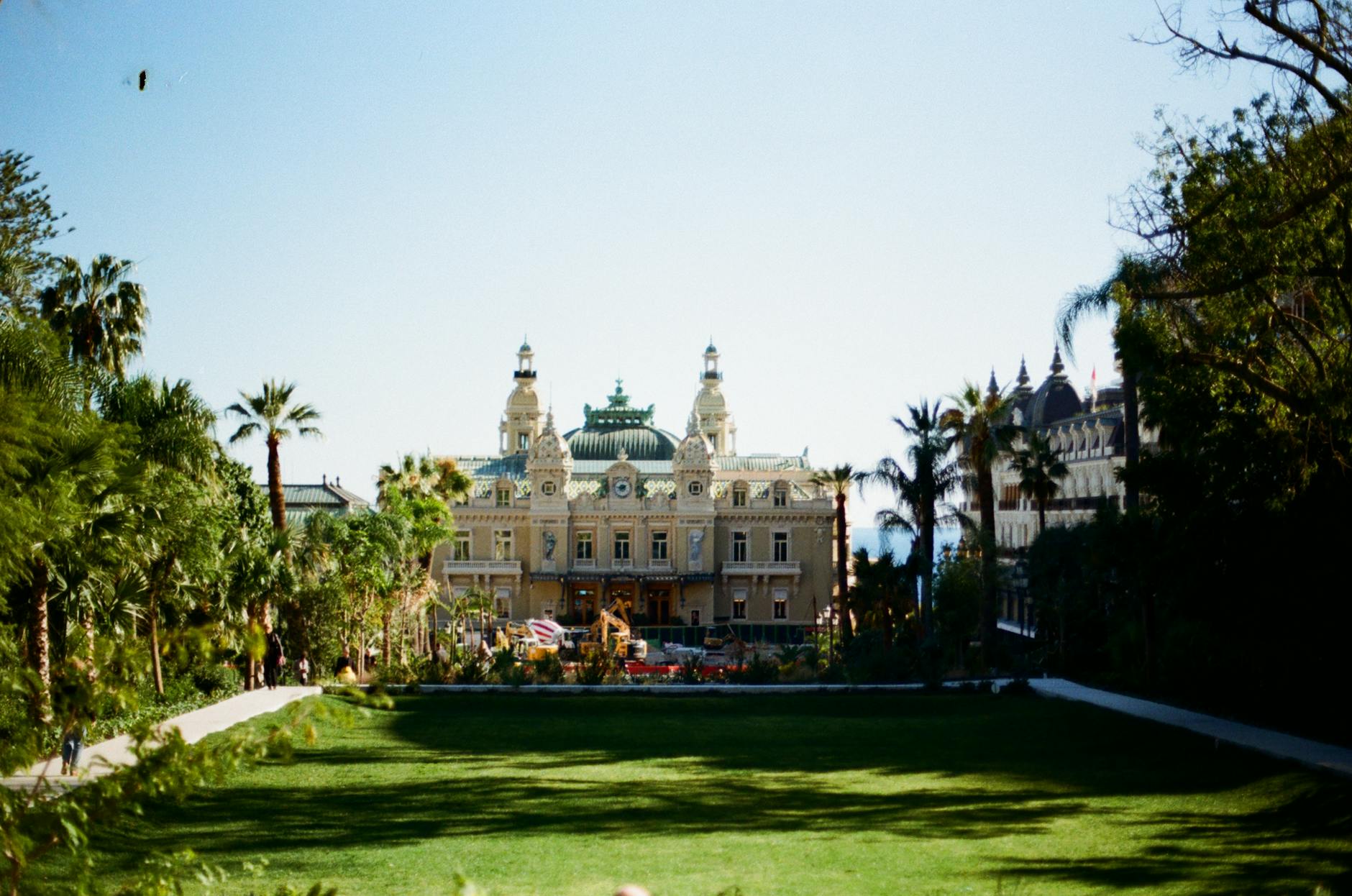
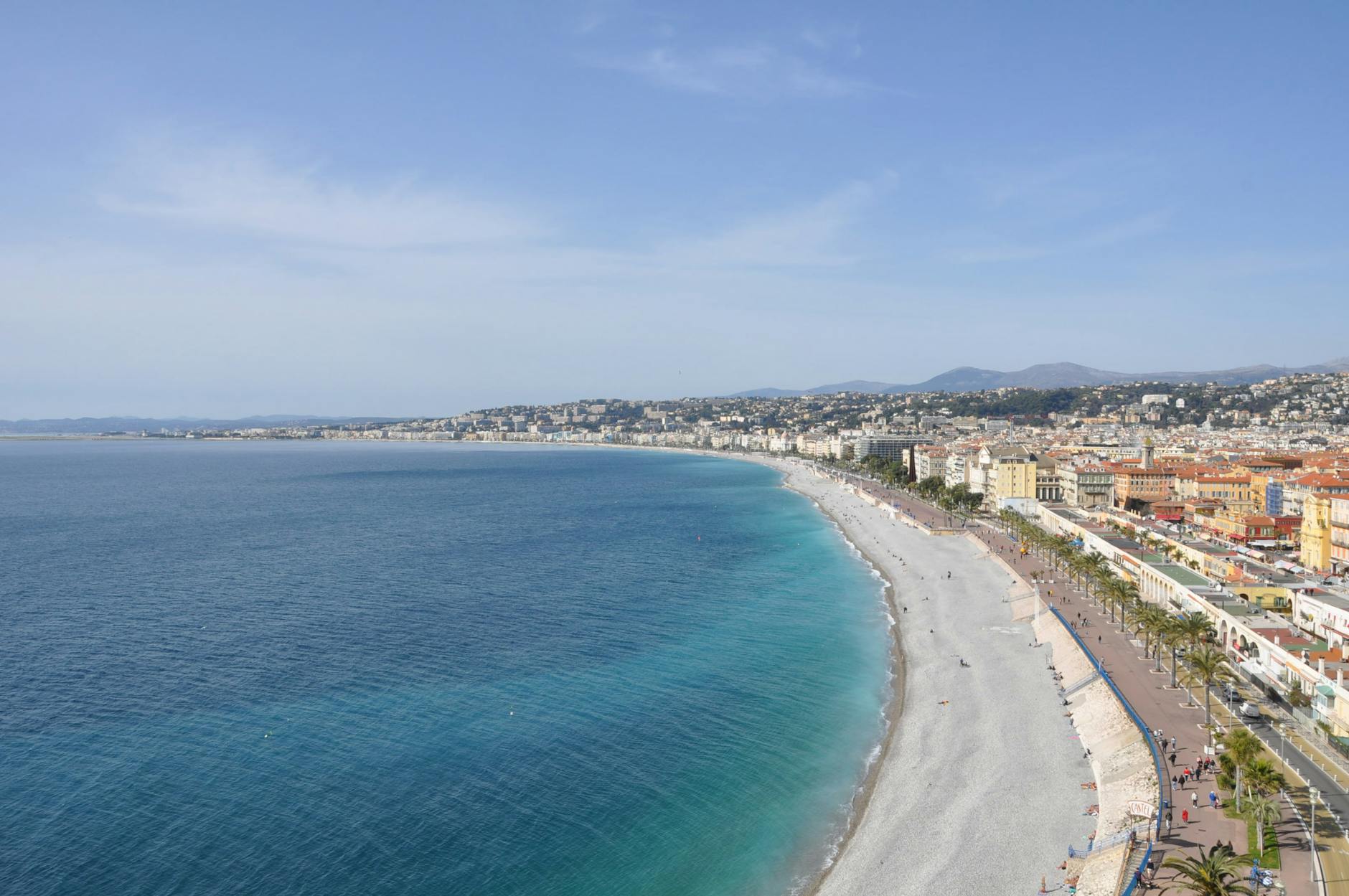
The French Riviera is one of the world’s great road trips, and you can do a surprisingly good version of it in a single day from Nice. Monaco, Monte Carlo, Eze Village, La Turbie, Villefranche, Cap Ferrat — they are all within 30 minutes of Nice, and a good half-day tour can hit three of them before lunch. Here is how to plan that day without wasting it on the wrong stops or the wrong operator.
I have done the Nice-Monaco-Eze loop four times now, in every season except deep winter. It is the single best value day tour in France, mostly because the geography is on your side — the Corniche road that links Nice to Monaco is one of the most dramatic coastal drives in the world, and you get about 90 minutes of it on any Riviera tour whether you realise it or not. The driving is half the experience.
- Quick Picks — My Three Favourite Riviera Day Tours
- Why Nice Is the Right Base for the Riviera
- The Three Options — Half-Day, Full-Day, or DIY
- Eze Village — Why Everyone Stops Here
- Monaco — What You Should Actually See
- The Casino — Do You Actually Go Inside?
- La Turbie and the Trophée d’Auguste
- Which Tour Should You Actually Book? Three Picks
- 🥇 From Nice: Eze, Monaco & Monte-Carlo Half-Day Trip
- 🥈 From Nice: French Riviera in One Day
- 🥉 From Nice: The Best of the French Riviera Full Day Tour
- The Three Corniche Roads — Your Driver Will Pick One
- Timing — When to Go and When to Avoid
- What to Wear — It Matters More Than You Think
- Eating on the Riviera — What I Recommend
- DIY Option — The Train Is Underrated
- Visiting Monaco With Kids
- Shopping — What to Actually Buy
- Common Mistakes I See People Make
- Menton — The Underrated Stop
- What About Cannes?
- A Full-Day Itinerary Built From Scratch
- Photography Tips — Getting the Shots
- More Paris and French Travel Guides on The Abroad Guide
- Final Thoughts — Is the Riviera Day Trip Worth It?
- FAQ — Short Answers to the Questions I Get Most
Quick Picks — My Three Favourite Riviera Day Tours
🥇 Best value by miles: From Nice: Eze, Monaco & Monte-Carlo Half-Day Trip — around $42, four hours, covers the three biggest Riviera hits. The most reviewed Riviera tour on GetYourGuide, and for good reason.
🥈 Best full-day classic: From Nice: French Riviera in One Day — around $85, eight hours, adds Cannes, Antibes, and Saint-Paul-de-Vence to the classic Eze/Monaco run. The coverage of the whole coast in a single day.
🥉 Best premium full-day: From Nice: The Best of the French Riviera Full Day Tour — around $112, small-group minibus with more free time at each stop and actual entry into the Monte-Carlo Casino lobby. Worth the upgrade if you value breathing room.
Why Nice Is the Right Base for the Riviera
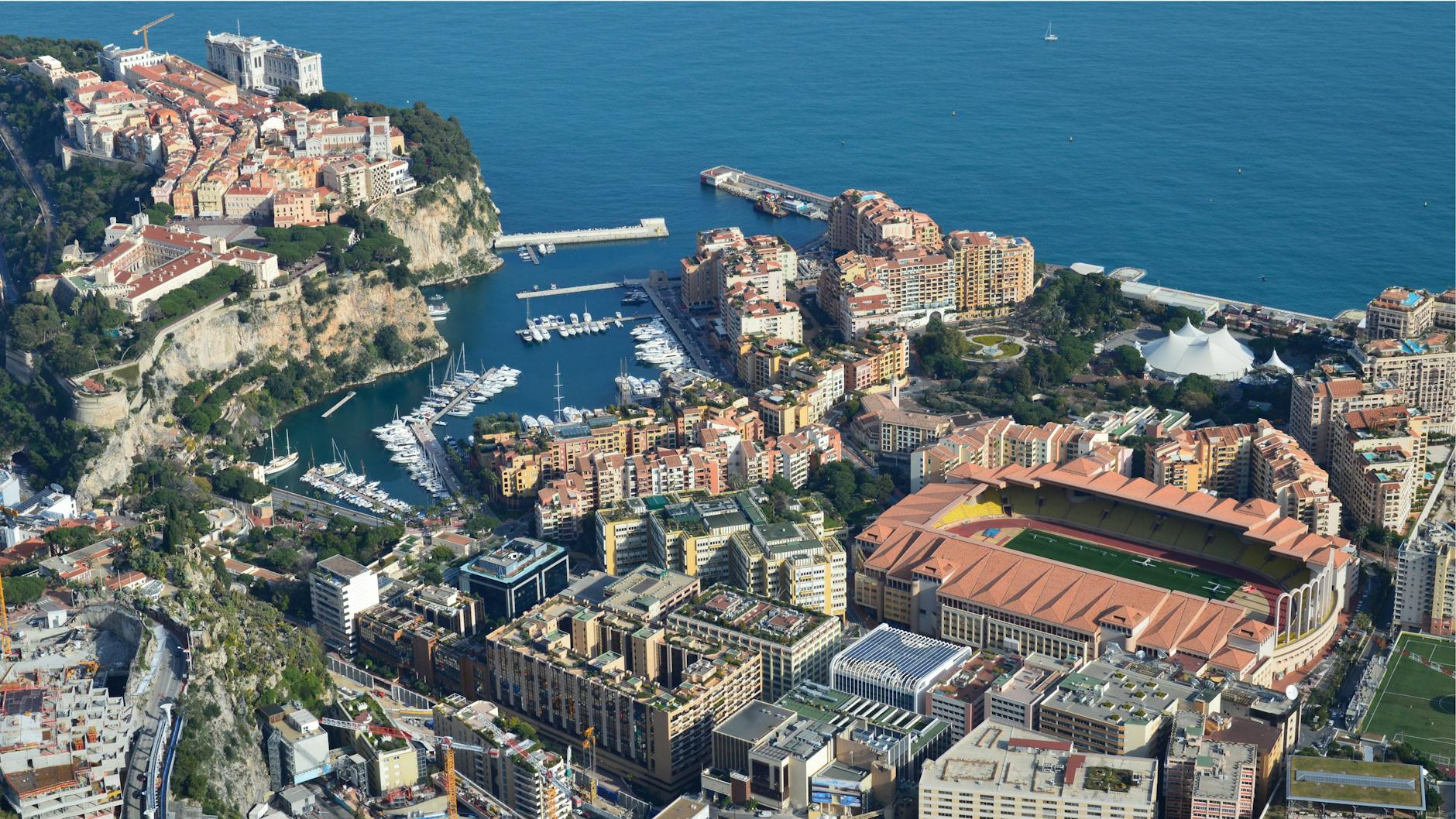
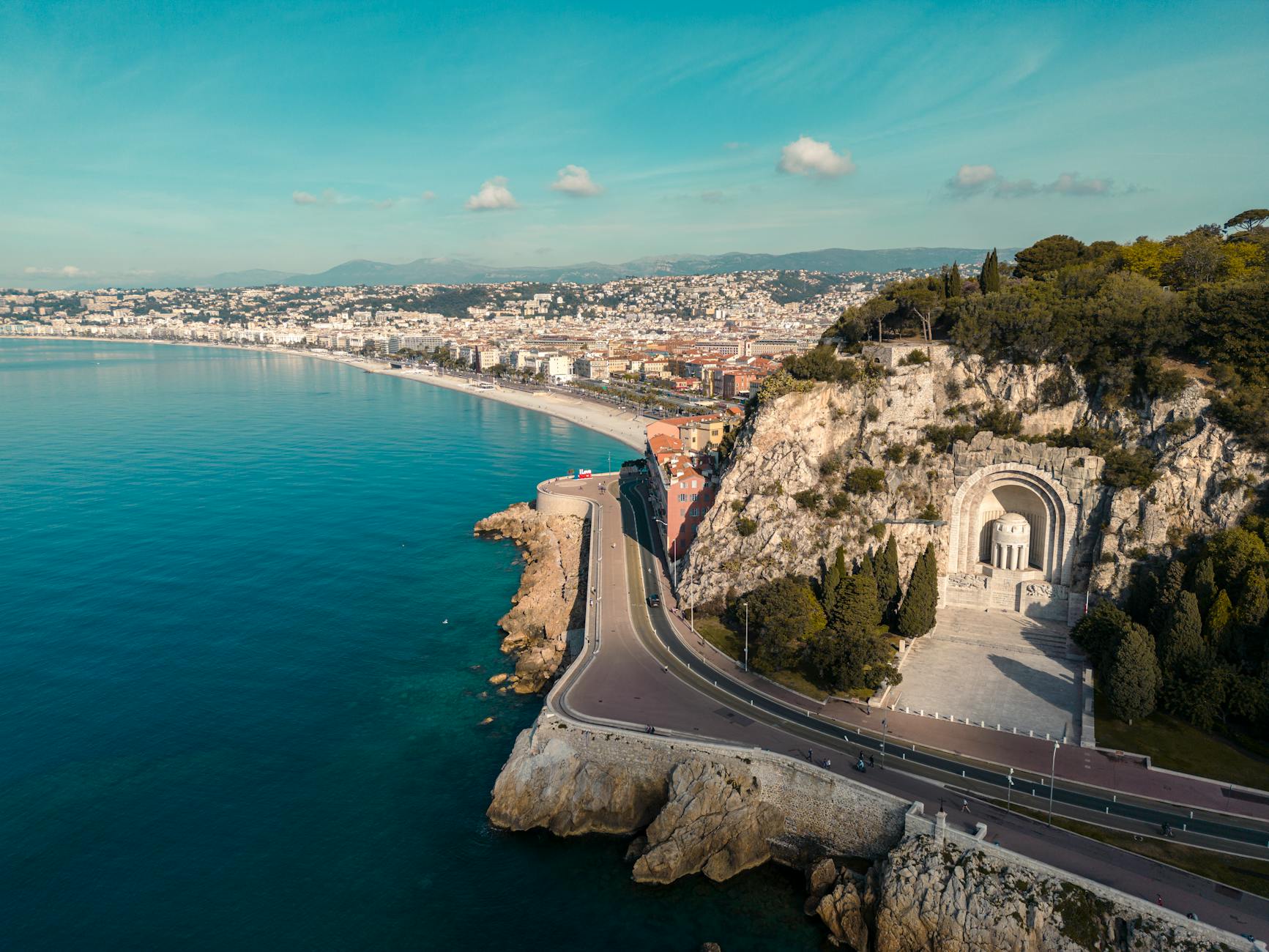
A lot of first-time visitors assume they should stay in Monaco or Cannes because those places are more famous. They are wrong. Nice is the right base for the French Riviera for three reasons: it has the international airport (the second-biggest in France), it has the best hotel selection across every price range, and it is equidistant from Monaco (40 minutes east) and Cannes (45 minutes west), with Eze, Villefranche, and Cap Ferrat in between.
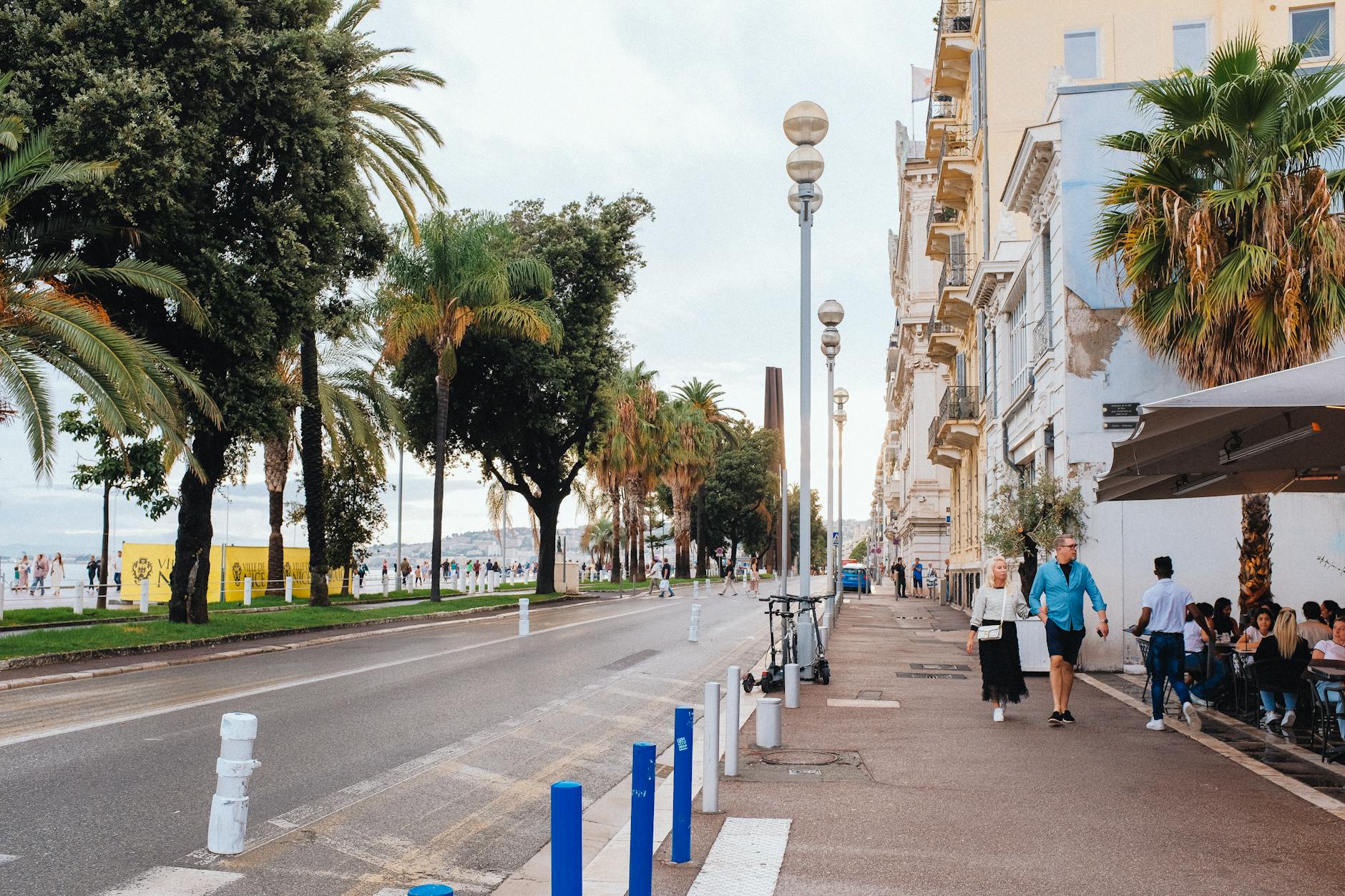
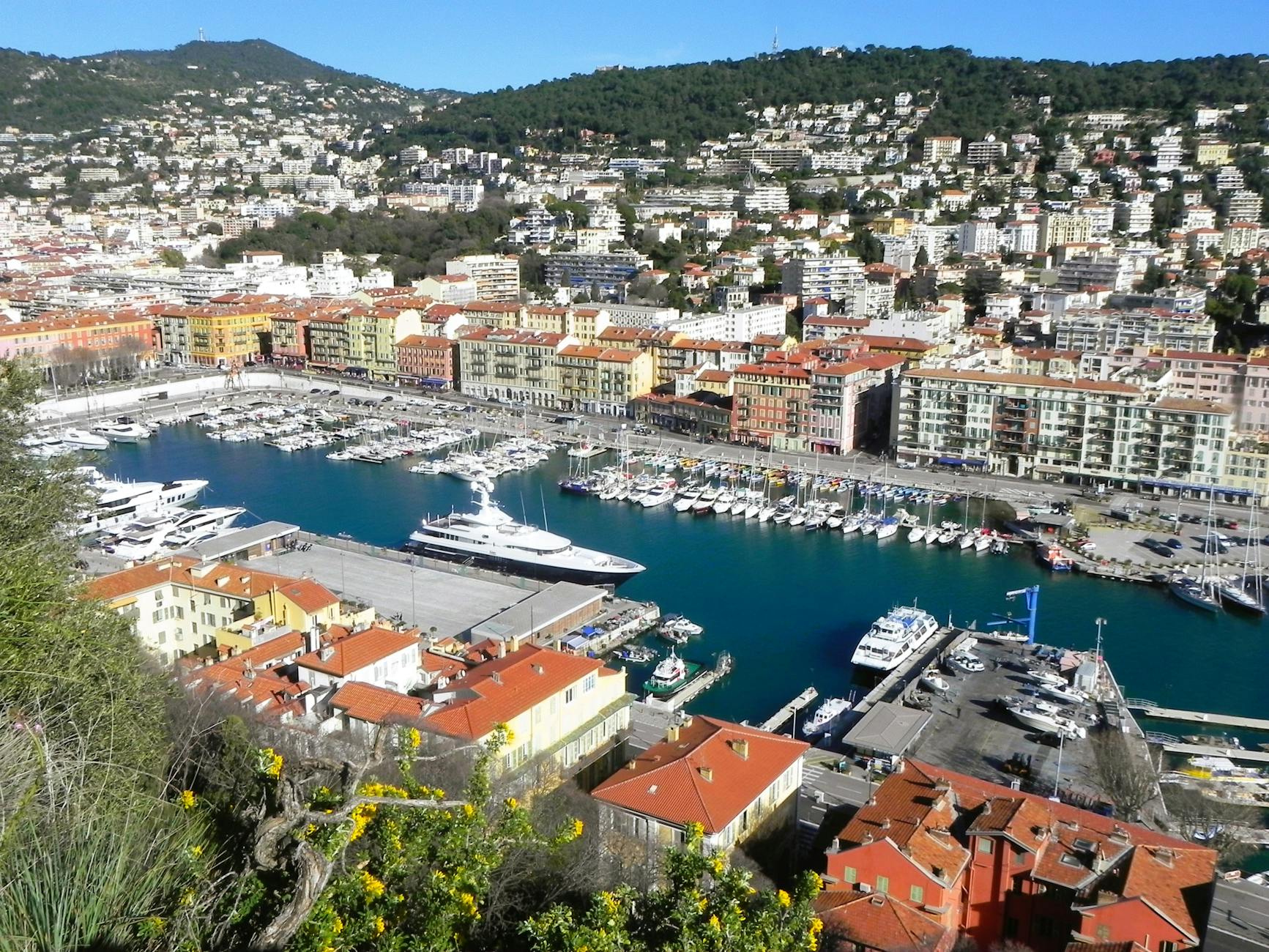
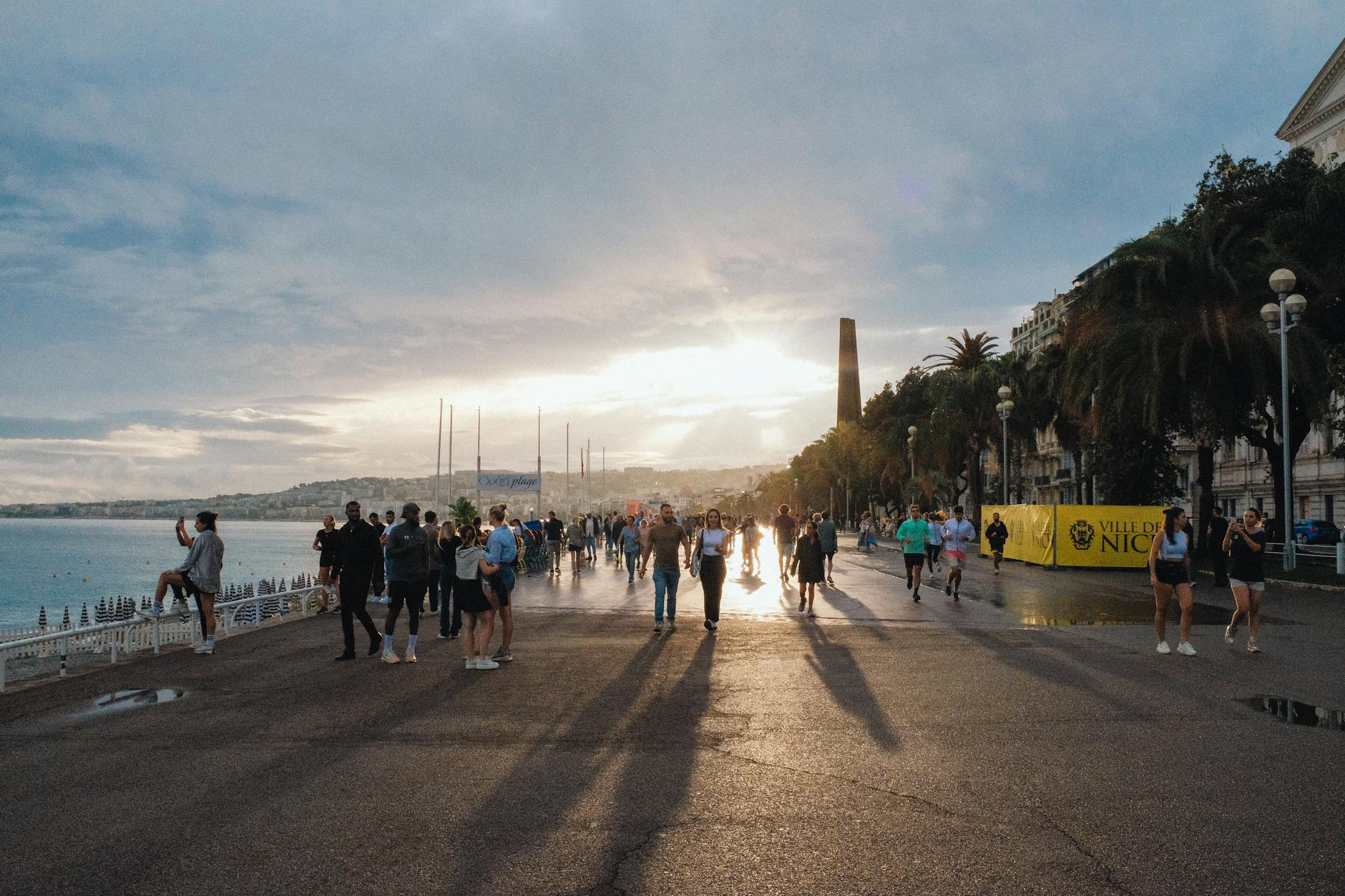
Nice also has things the smaller towns do not. A 4-mile seafront promenade. A genuinely excellent old town with restaurants that locals still eat in. Three first-class museums (Matisse, Chagall, MAMAC). And crucially, hotel prices that are roughly half of Monaco’s for the same quality. A mid-range hotel in Nice is around €140 a night in summer. The equivalent in Monaco is €300.
Stay in Nice, day-trip to everywhere else. That is the formula, and every travel writer who has spent more than two weeks on the Riviera will tell you the same thing.
The Three Options — Half-Day, Full-Day, or DIY
There are three ways to see the Riviera from Nice, and they all work depending on your time and budget.
The half-day tour is the cheapest and most popular option. Four hours, typically 8am-12pm or 1pm-5pm, visiting Eze Village, Monaco, and Monte Carlo. You get roughly 45 minutes at each stop. Perfect if you are short on time, perfect if you want to see the highlights without a full day commitment, and perfect if the weather is only half-good.
The full-day tour adds Cannes, Antibes, Saint-Paul-de-Vence, and sometimes Grasse (the perfume town) to the itinerary. You get the same Monaco stops as the half-day version plus a totally different slice of the Riviera. Worth the extra money if you have the day and want to see more than just the Monaco glitz.
The DIY option is the train. Nice-Monaco is €5 each way, 25 minutes, runs every 15 minutes. You can do Nice-Villefranche-Eze-Monaco in one day for under €20 in train tickets, and you get complete flexibility on timings. The downside: you have to walk to every site yourself, and the bus that connects Eze train station to Eze Village is both annoying and unreliable. Doable if you have been to the Riviera before and know what you are doing. Harder for first-timers.
Eze Village — Why Everyone Stops Here
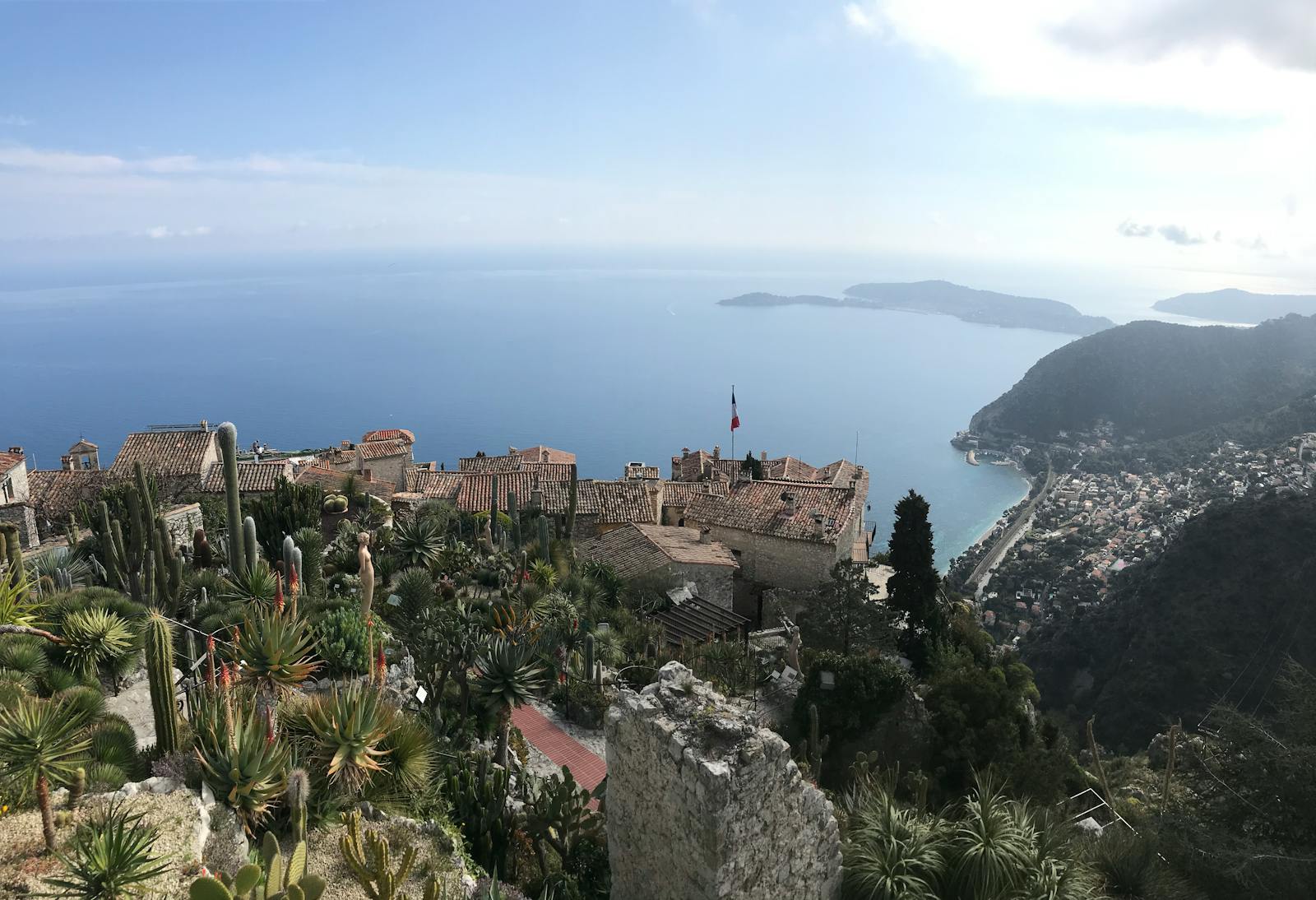
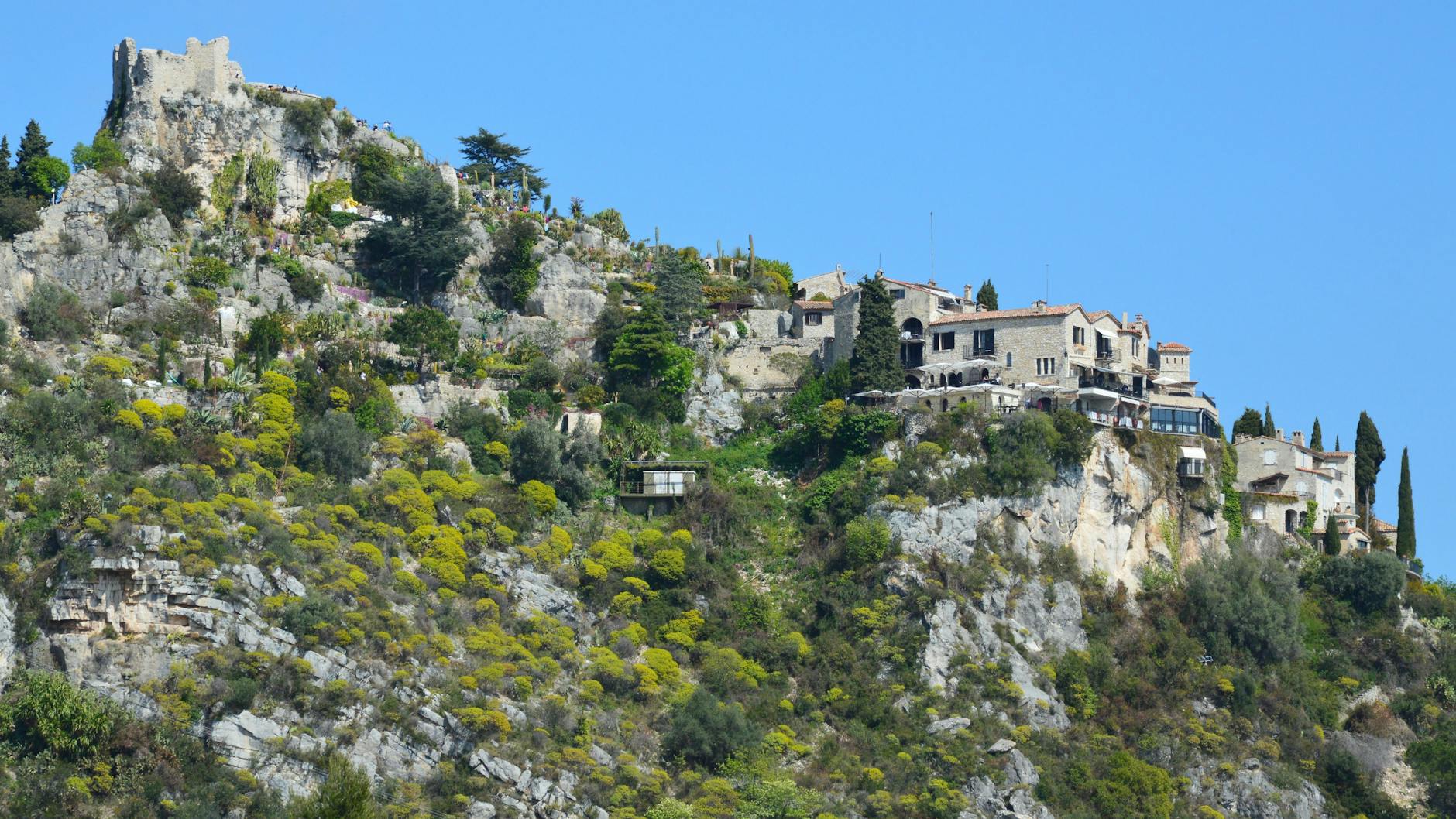
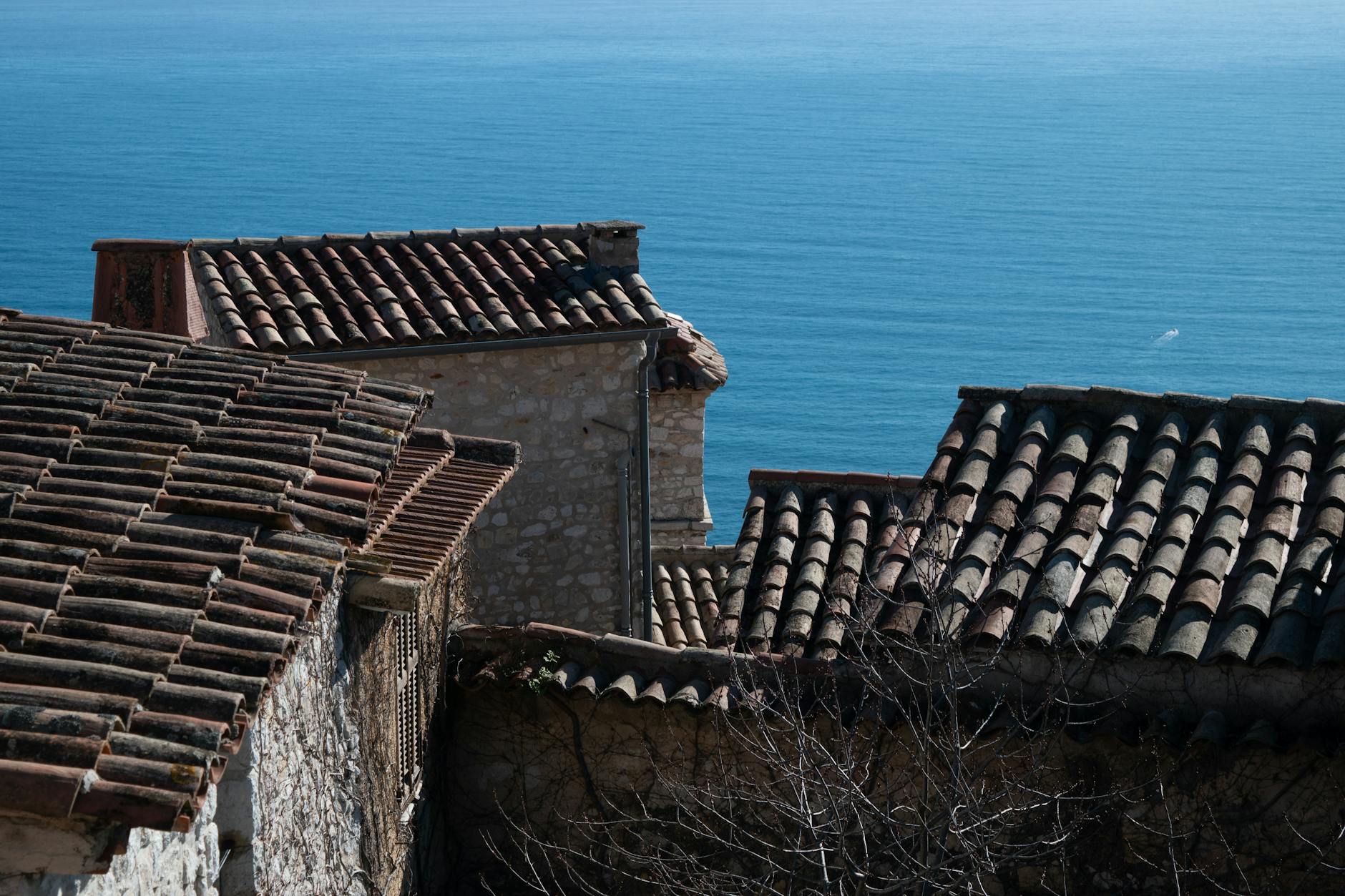
Eze is the unofficial first stop on almost every Riviera tour, and it deserves the spot. It is a medieval stone village perched on a rock 400 metres above the Mediterranean, with narrow cobbled streets, a cactus garden at the summit, and a view of Cap Ferrat that Walt Disney himself supposedly loved so much he stayed for months in 1950.
Most tours give you 45-60 minutes in Eze, which is exactly enough for the following: walk uphill from the coach park to the village gate (10 minutes), explore the narrow lanes and snap photos (20 minutes), climb to the Jardin Exotique garden at the top (15 minutes there, €7 entry), and walk back down to the bus (10 minutes). It is a lot in an hour but it is all within a single 400-metre radius so you can cover it on foot.
The thing nobody tells you: the village itself is mostly shops and restaurants aimed at travelers. If you are looking for the authentic medieval vibes, what you are really looking at is the Jardin Exotique at the top, which has genuine 12th-century castle ruins alongside the cacti. Pay the €7. It is the real reason to stop here.
Monaco — What You Should Actually See
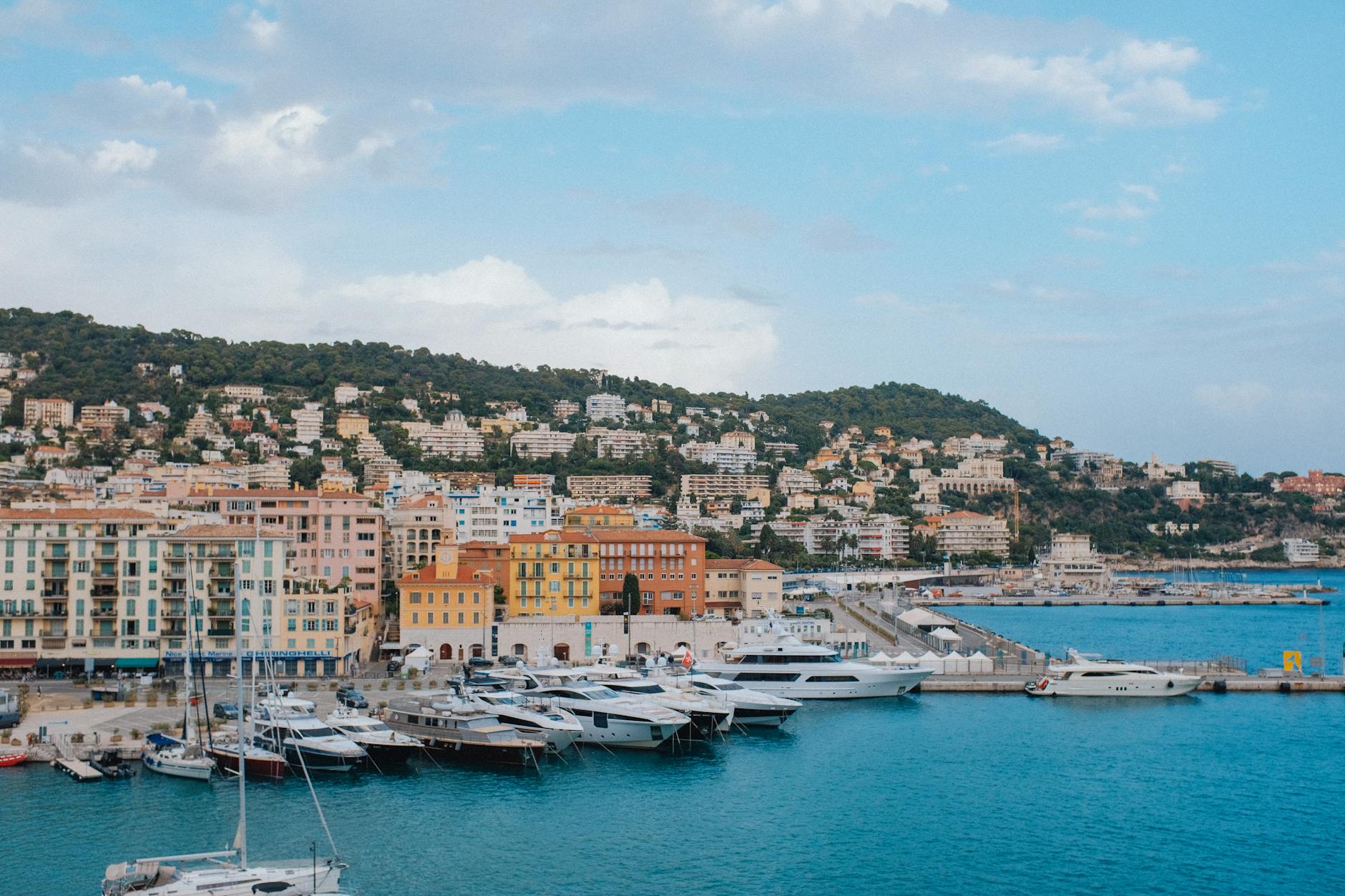
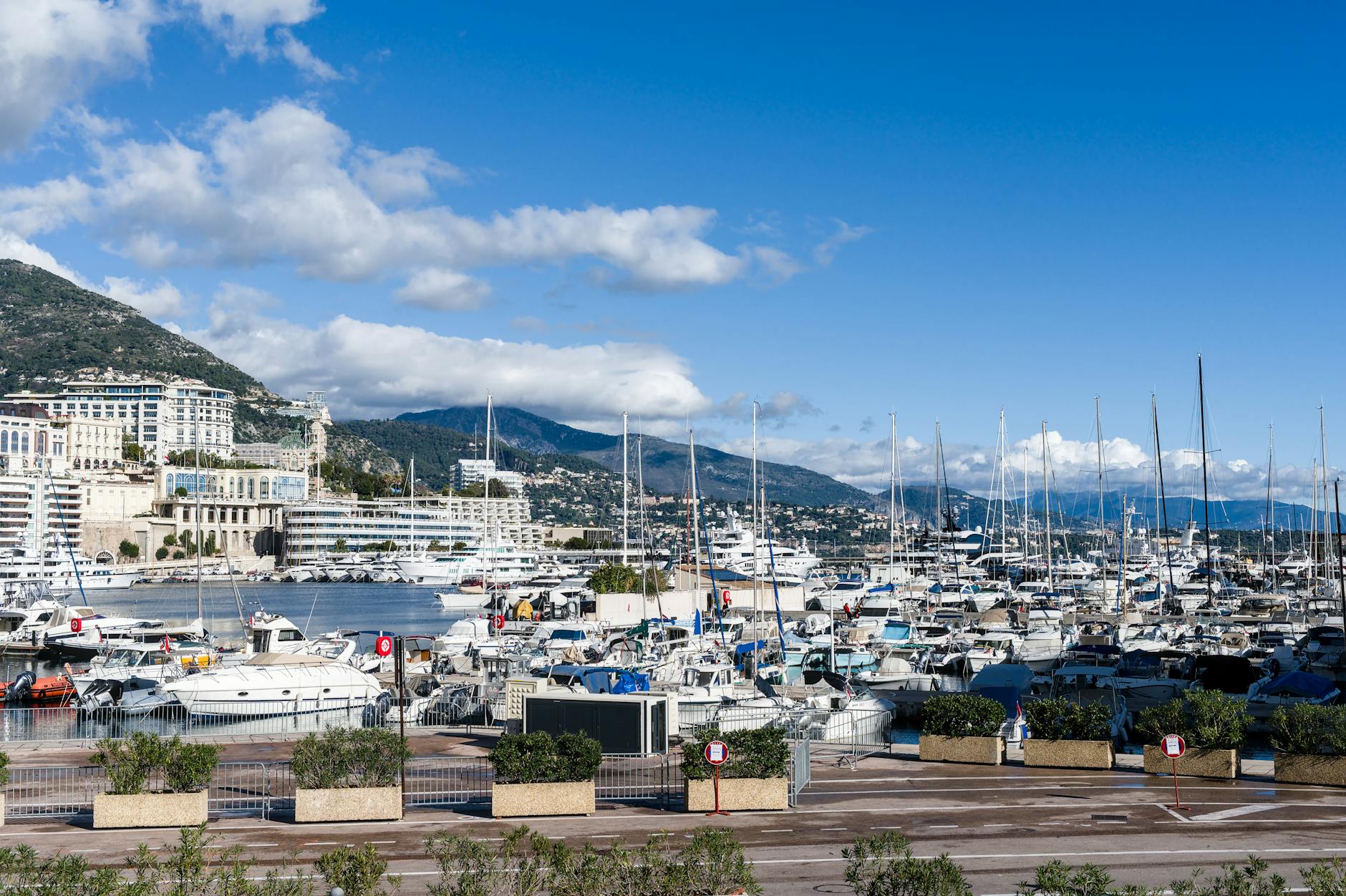
Monaco is basically two places joined by a cable car and a lot of tunnels. The Monaco-Ville side (also called “The Rock”) is the old town, perched on a 60-metre clifftop, home to the Prince’s Palace, the Cathedral, and the Oceanographic Museum. The Monte Carlo side is the glitzy casino district with the famous square, the Hotel de Paris, and the luxury shopping. They are a 15-minute walk apart or a 5-minute bus ride.
If you only have one hour in Monaco (which is what most half-day tours allow), skip Monaco-Ville and spend your time in Monte Carlo. The casino square is the iconic shot, the Hotel de Paris is right next door, and the people-watching is unbeatable — supercars pull up, chauffeurs open doors, and travelers press their phones against the windows. It is a show even if you do not gamble.
If you have two hours or more, add Monaco-Ville. Walk up the hill (or take the elevator at the back of the Oceanographic Museum), catch the changing of the guards at the Prince’s Palace at 11:55am sharp (every day, free, 10 minutes), and wander the narrow streets for another 30 minutes. The Oceanographic Museum itself is worth a visit if you like aquariums — the founder was a serious marine biologist and the collection reflects it.
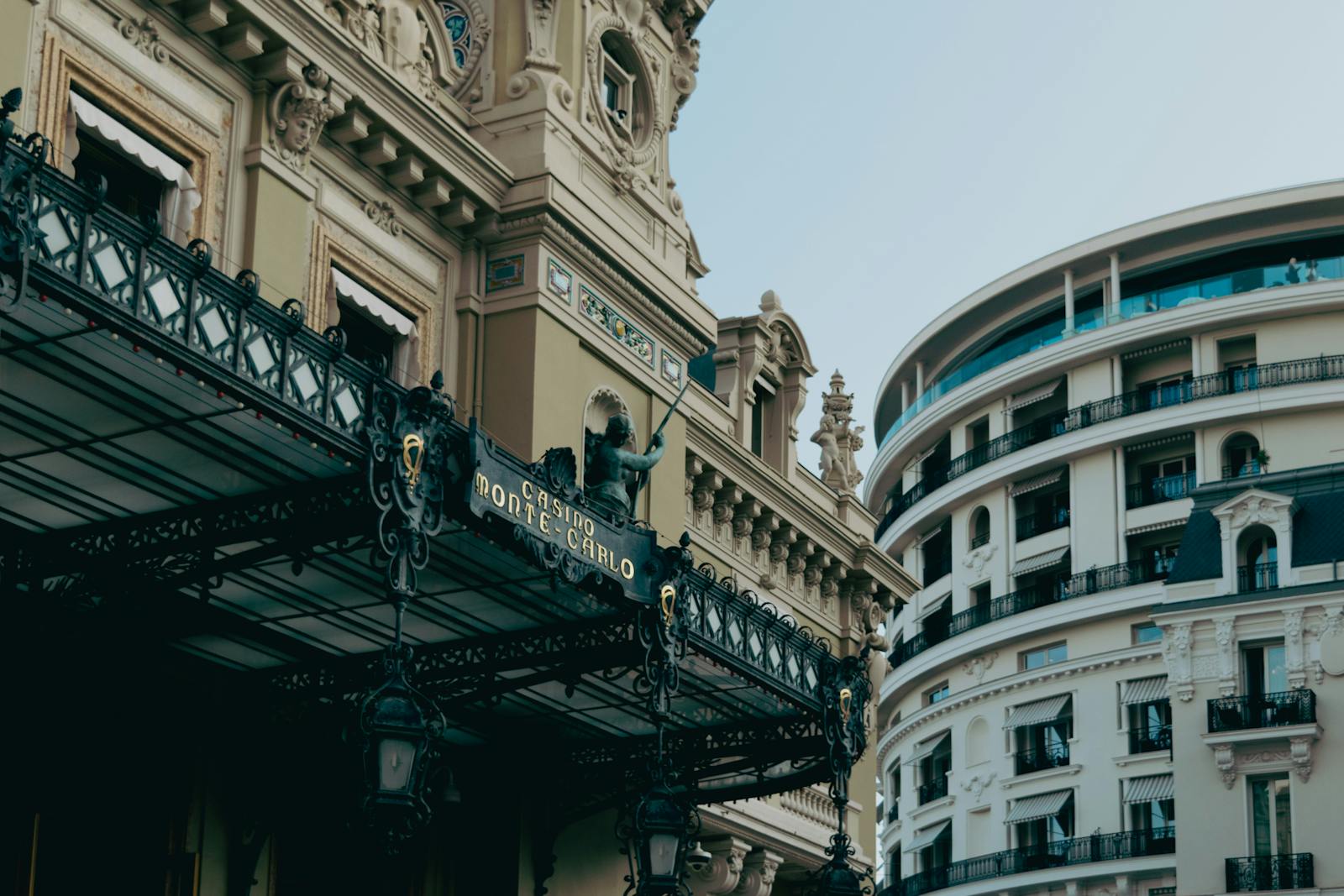
The Casino — Do You Actually Go Inside?
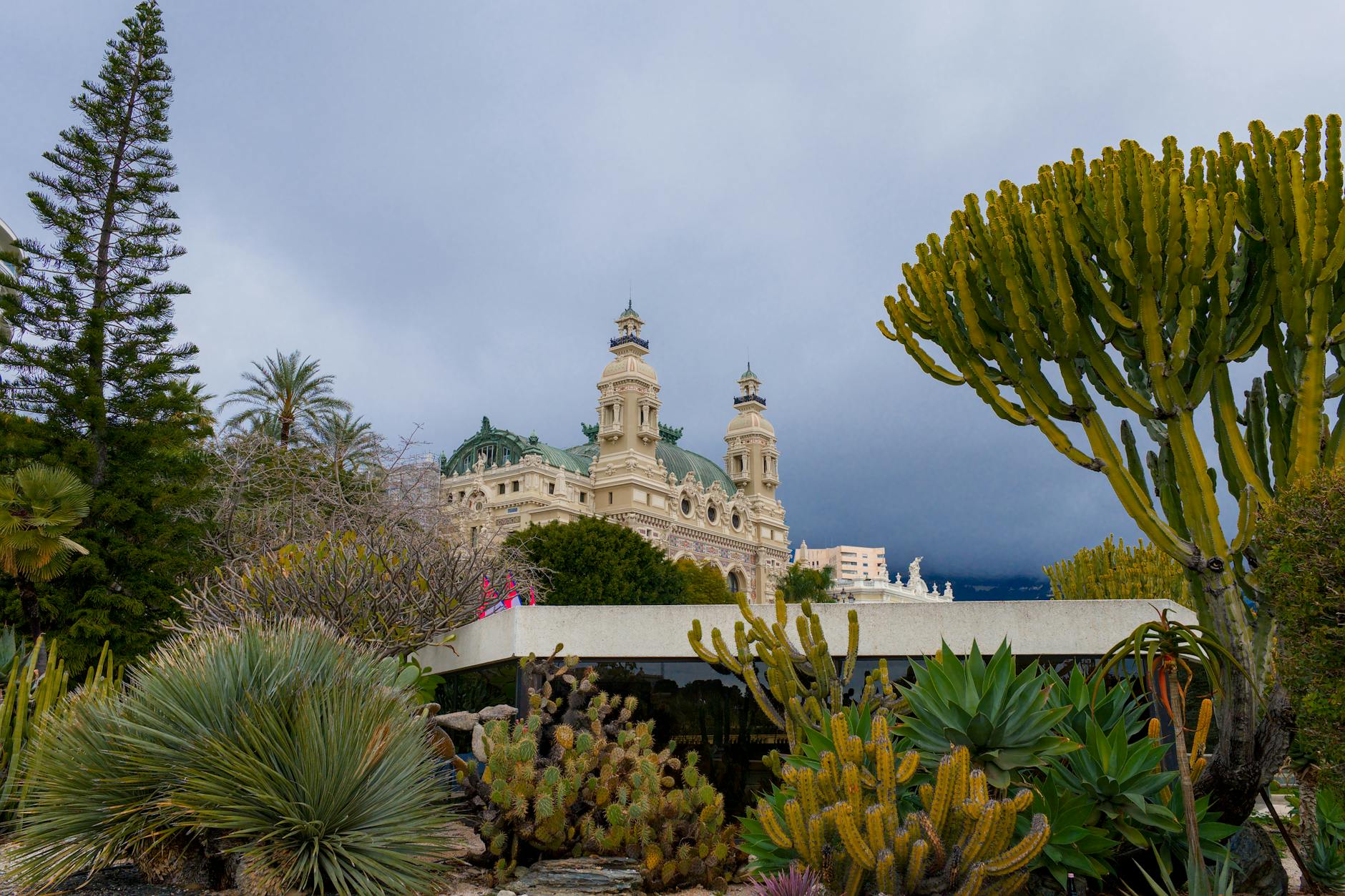
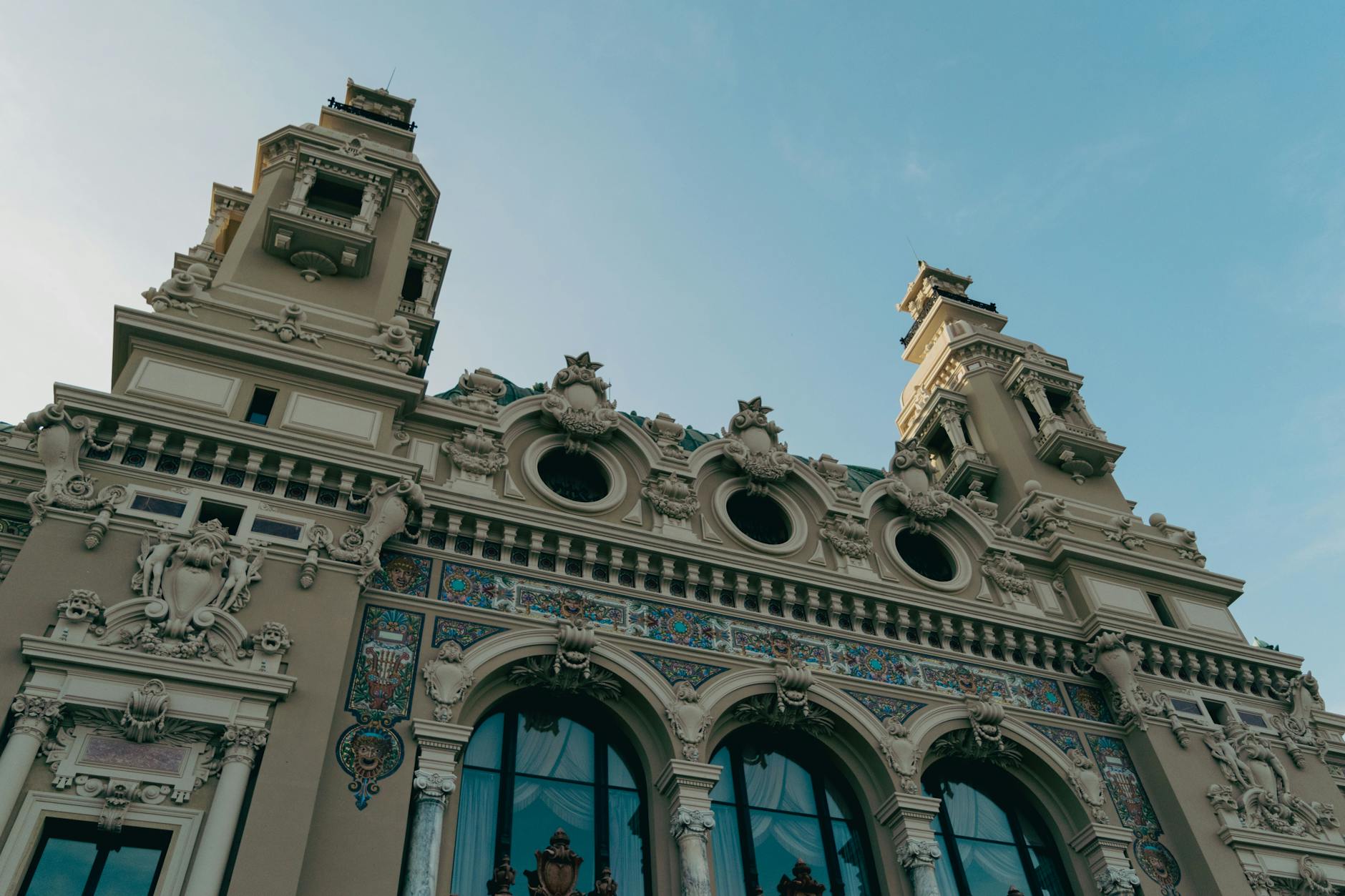
This is the question I get every time. The Monte Carlo Casino is not what most Americans think of as a casino. There are no slot machines rattling at the entrance, no smoky carpet, no free drinks for gamblers. It is a formal Belle Epoque palace with marble floors, chandeliers, and strict dress codes after 8pm.
The Atrium (the main entry hall) is free to enter and is where most tour groups take photos. Beyond the Atrium, you pay €17 to enter the historic gaming rooms (Salle Europe, Salle Renaissance, Salle Blanche). You do not have to gamble — you can just walk through and look. This is the move for most visitors. It is a museum-like experience inside a working casino.
If you actually want to play: the Salle des Amériques has blackjack and roulette starting from €5. The Salons Privés are for high-rollers only and require a separate dress code (jacket and tie for men). Under 18s are banned from the gaming rooms entirely. Bring your passport — they will check.
One thing to know: the photos you see of Ferraris and Lamborghinis parked outside the casino are not staged. There really are that many supercars in Monte Carlo at any given time. The parking ring right outside the casino is essentially a rotating luxury car show.
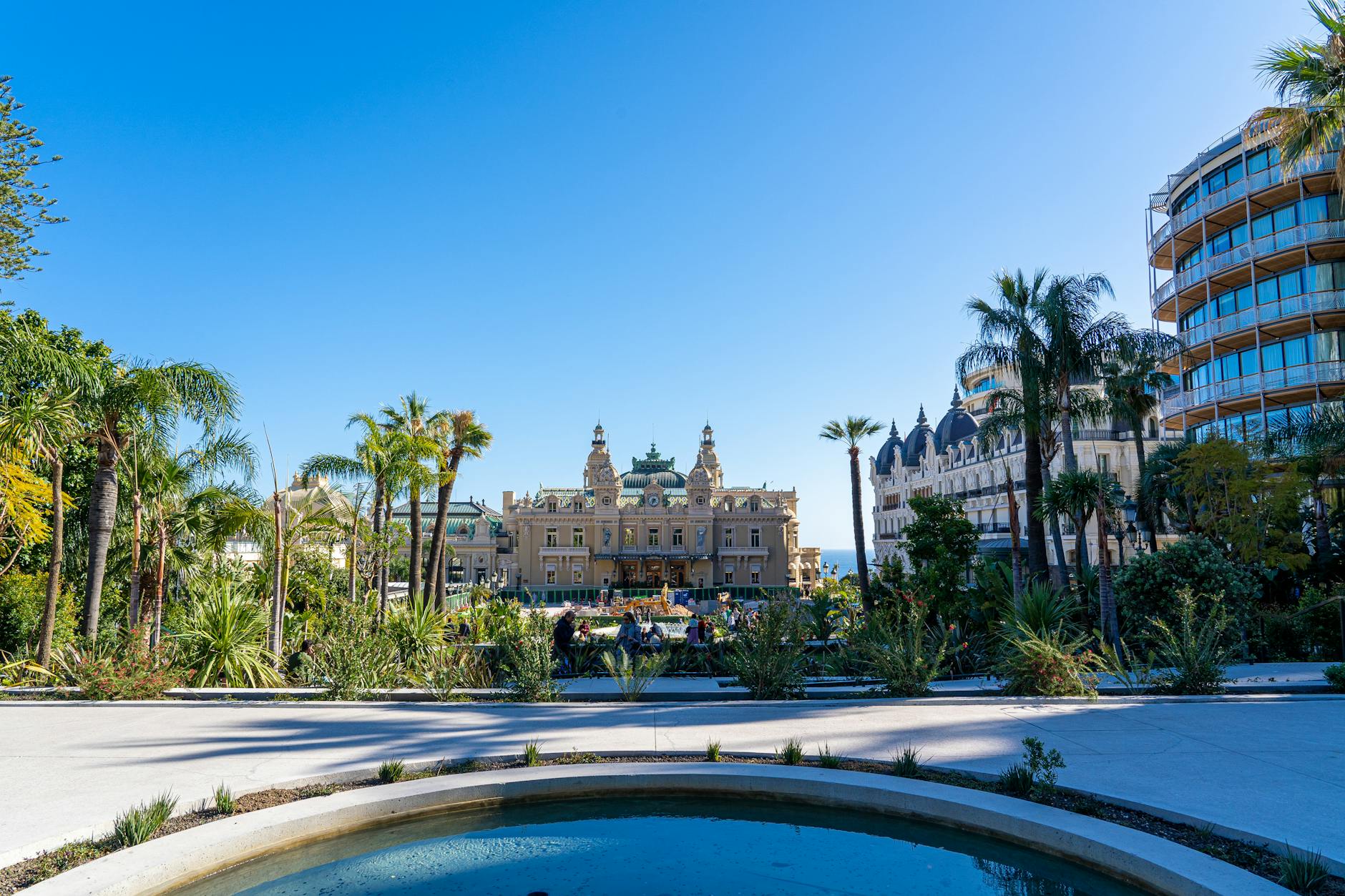
La Turbie and the Trophée d’Auguste
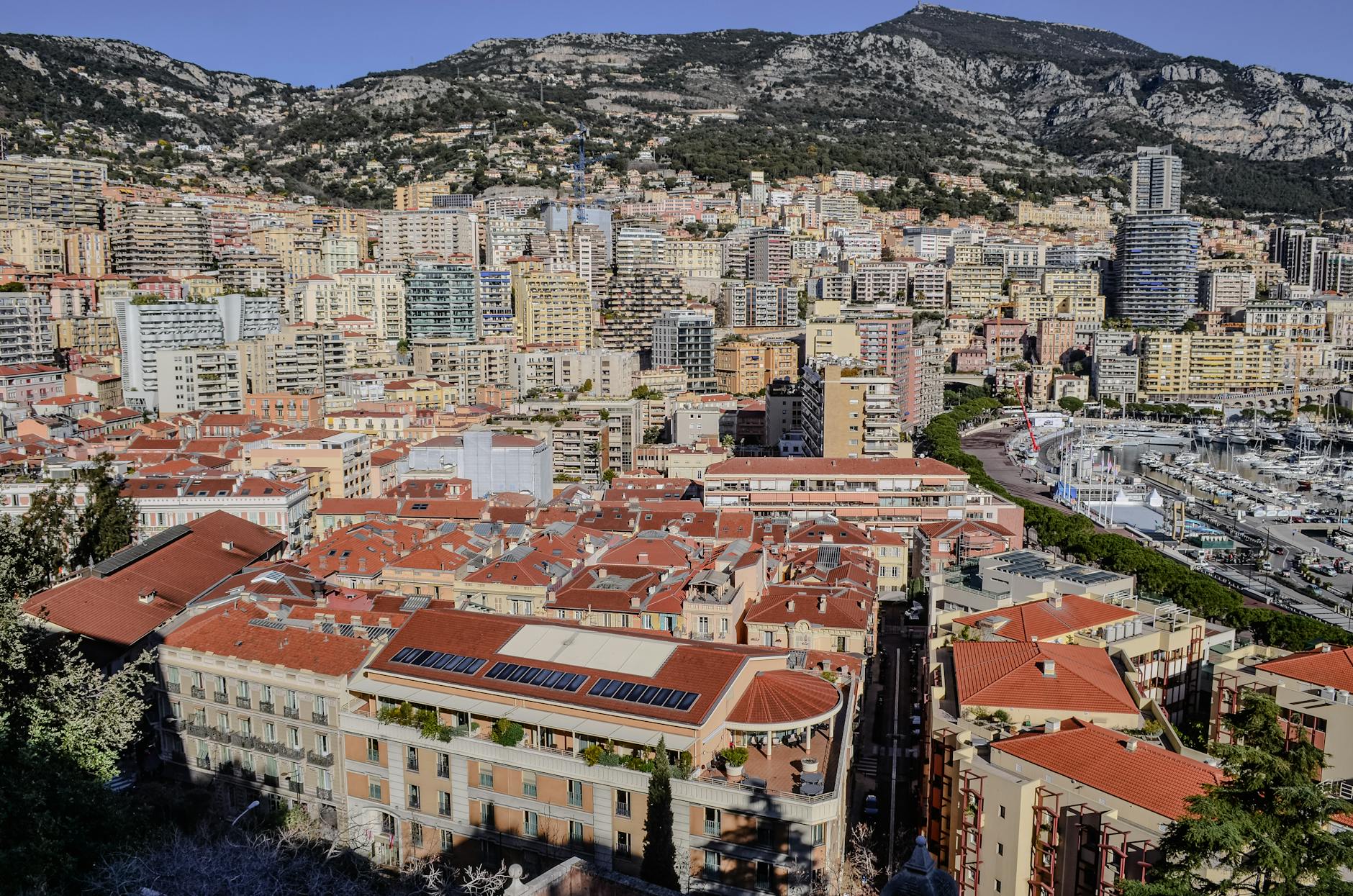
Most Riviera tours stop at La Turbie for five minutes on the way to Monaco, and most visitors have no idea why. La Turbie is a tiny village high above Monaco with a Roman monument called the Trophée des Alpes (or Trophée d’Auguste), built in 6 BC to celebrate Emperor Augustus’s conquest of the Alpine tribes. It is one of only two Roman victory monuments left standing in Europe.
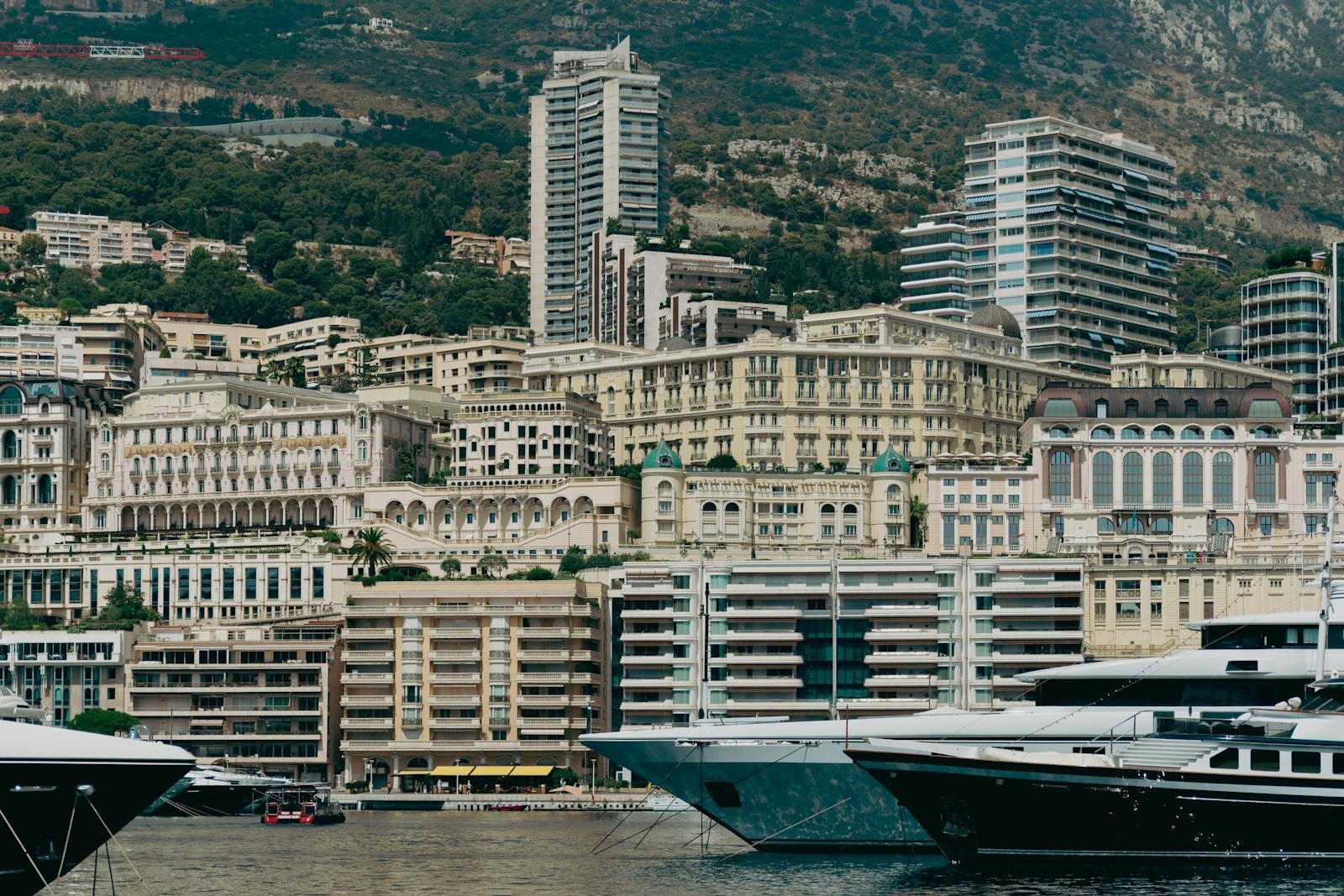
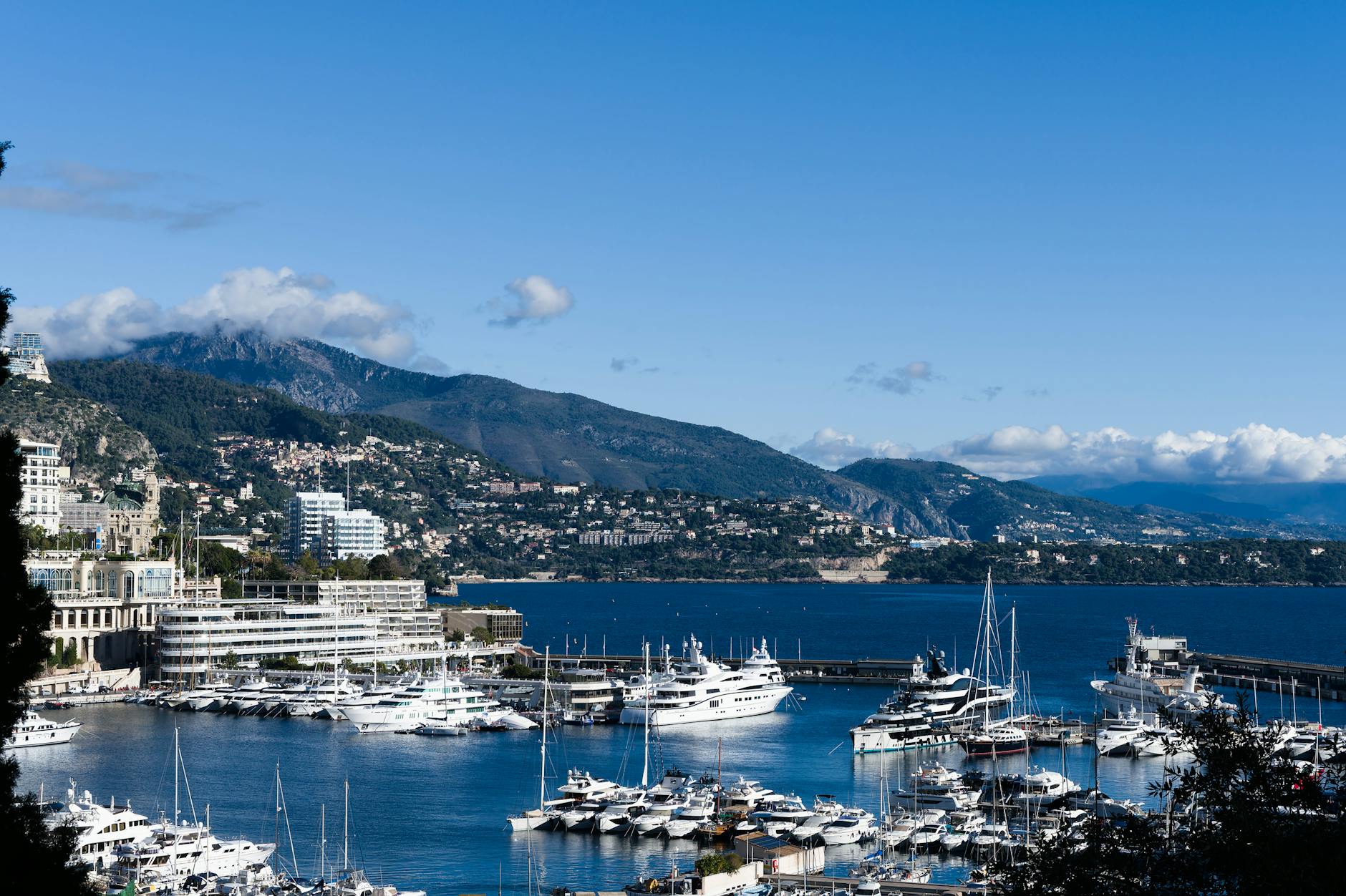
The monument is massive — originally 50 metres tall, now about half that — and you can see it from the coast below. The viewpoint in La Turbie is where most tours stop, and it gives you the single best panoramic view of Monaco from the west. You will see the whole country laid out beneath you: the Prince’s Palace on its rock, Monte Carlo’s skyscrapers, the harbour full of yachts, and the Mediterranean stretching to Italy in the distance.
It is a 15-minute stop that almost nobody writes about, and it is genuinely one of the best viewpoints in the region. If your tour includes it, do not complain about the brief stop — it is possibly the highlight of the drive.
Which Tour Should You Actually Book? Three Picks
I have taken more Riviera day tours than I can count at this point, and these three are the ones I would actually book for family visiting me in Nice. Different budgets, different paces, all reliably good operators.
🥇 From Nice: Eze, Monaco & Monte-Carlo Half-Day Trip
Price: from ~$42 | Platform: GetYourGuide
This is the benchmark Riviera tour. Half a day, three stops, and the highest review count of any Riviera tour on any booking platform — I checked when researching this article and nothing else comes close. Pickup in central Nice at either 8:30am or 2pm, a minibus (usually 8 to 16 people), and 45-60 minutes at each stop. The price is genuinely low enough that it is hard to justify doing it any other way. This is the tour I recommend to 80% of first-time Riviera visitors.
🥈 From Nice: French Riviera in One Day
Price: from ~$85 | Platform: GetYourGuide
The full-day version of the same tour company, adding Cannes, Antibes, and Saint-Paul-de-Vence to the morning Eze-Monaco run. You are on the road from about 8am to 6pm, which is a long day but manageable because the drives are all 20-30 minutes each. What you are really buying is the west side of the Riviera — the Cannes boardwalk, the Picasso museum in Antibes, the medieval hill town of Saint-Paul-de-Vence — which the half-day tours never reach. Do this one if you have a full day and want to see a wider slice of the coast.
🥉 From Nice: The Best of the French Riviera Full Day Tour
Price: from ~$112 | Platform: GetYourGuide
The premium full-day option. Small-group format (usually 6-8 people), more free time at each stop, and a guide who will actually walk you into the Monte-Carlo Casino lobby rather than just pointing at the door. The itinerary is similar to the standard full-day tour but the pace is more relaxed and the minibus is air-conditioned luxury-style. Worth the extra $27 if you prefer breathing room and a guide who actually knows the history rather than reading from a script. This is the one I book when my parents visit.
The Three Corniche Roads — Your Driver Will Pick One
Here is a detail that trip advisors rarely mention. There is not one road between Nice and Monaco — there are three, stacked one above the other on the mountainside. They are called Corniches (French for “cornices”) and each has a totally different character.
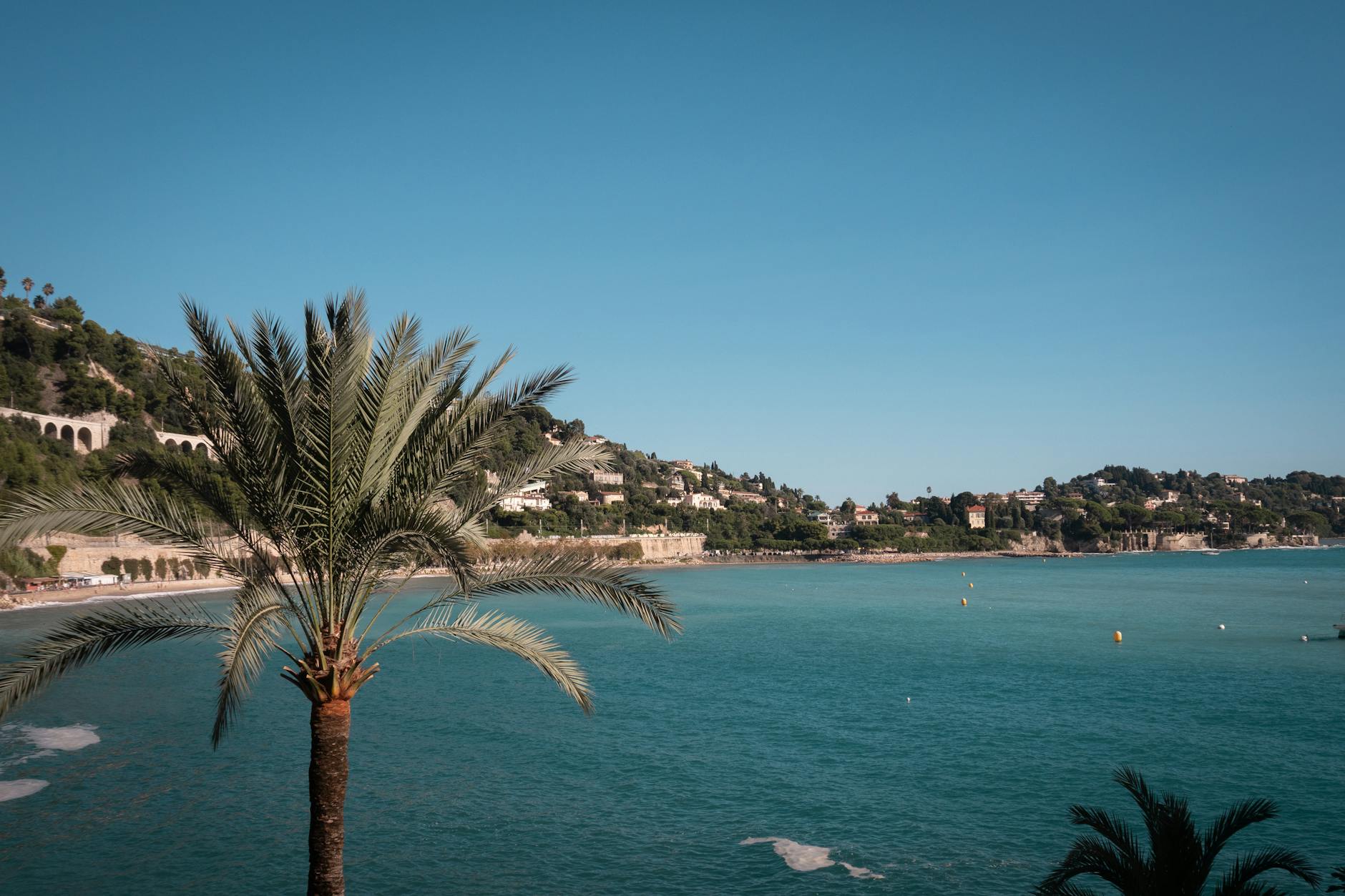
The Basse Corniche (Low Corniche) runs right along the coast, hitting Villefranche, Beaulieu-sur-Mer, and Cap Ferrat. It is the slowest route but the most scenic at sea level — you get views of the cliffs from below and of the Cap Ferrat peninsula from up close. This is the route a DIY driver would take if they were not in a hurry.
The Moyenne Corniche (Middle Corniche) is what most Riviera tours actually use. It passes through Eze Village and offers the classic “look down at the Mediterranean” views. This is the Corniche that Hitchcock used for the car chase in To Catch a Thief, which is also the road where Grace Kelly later died in a car accident in 1982.
The Grande Corniche (Upper Corniche) is the Roman road, built by Emperor Augustus 2,000 years ago. It is the highest of the three at 500 metres elevation and offers the most spectacular panoramic views — the whole Riviera is laid out beneath you. Most day tours do not drive the Grande Corniche unless you specifically ask, which is a shame.
Timing — When to Go and When to Avoid
The Riviera has a clear tourist calendar. Peak season is July and August, which is when prices double, tours sell out, and Monaco feels like a queueing experience rather than a visit. The Formula 1 Grand Prix (late May) effectively shuts down Monaco for the whole weekend, and the Cannes Film Festival (mid-May) does the same to Cannes. Avoid these dates unless you are specifically there for the events.
The sweet spots are May (before the Grand Prix), September (after the crowds leave), and early October (still warm enough to swim). I love early October for Riviera trips — the light is golden, the sea is still 22-24°C, restaurants have time for you, and the whole region feels like it is exhaling after summer.
Winter visits are possible and genuinely peaceful. Most attractions stay open (the casino never closes), the temperature rarely drops below 10°C, and you will have Eze almost to yourself. The downside: some restaurants close for their annual break in January, and the sea is too cold to swim. If you are going for the sights rather than the beach, winter is an underrated option.
What to Wear — It Matters More Than You Think
Two dress code things to know about the Riviera, both of which can trip up casual visitors.
First, the Monte Carlo Casino has a dress code. During the day it is relaxed — neat casual is fine, no sandals, no shorts. After 8pm it tightens up: men need a jacket in the historic gaming rooms, no sneakers, no denim. Sunday afternoons are stricter than weekdays. If you are booking an evening at the casino, check the specific dress code on the casino website that week.
Second, the Prince’s Palace in Monaco-Ville requires covered shoulders and knees, similar to Vatican rules. This applies to the chapel areas inside the palace, and they are strict. Bring a light scarf or cardigan if you are visiting in summer.
Beyond those two, the Riviera is more casual than you would expect. Locals wear summer dresses, linen shirts, and espadrilles. Tourists in hiking shoes and fleece jackets stand out. Pack clothes that let you sit at an outdoor café for two hours without looking out of place.
Eating on the Riviera — What I Recommend
Food on the Riviera splits cleanly into two categories. In Nice, you want local Niçoise cuisine — salade niçoise, socca, pissaladière, pan bagnat. These are cheap, traditional, and amazing when done well. In Monaco, you want whatever you can afford, because everything costs at least €40 a main course.
My go-to spots in Nice: Chez Palmyre in the old town for the best Niçoise set menu (€22 for three courses, book ahead). Lou Pilha Leva for cheap socca (€5, eat standing up, locals only). La Merenda for a more serious traditional Niçoise dinner with no phone, no website, no credit cards — you just have to show up in person to book.
In Monaco, the only sensible option for a day-tripper is a quick stop at Café de Paris on the casino square. It is expensive (€30 for a croque-monsieur, €12 for an espresso) but the location is unbeatable and the people-watching is worth the price. If you want an actual meal in Monaco, save it for a special occasion and book Le Louis XV at the Hotel de Paris (Michelin three-star, €350+ per person).
In Eze, skip the restaurants in the village and walk 5 minutes downhill to La Bananeraie, which has a terrace with the best view in town at about half the village prices. The lunch menu is reliable Provençal classics.
DIY Option — The Train Is Underrated
If you skip the tour and do the Riviera by train, you can build your own itinerary at half the cost. Here is the one I do when I have a day to kill and guests who have been to Monaco before.
9:00am — Board the TER coastal train at Nice-Ville station. Direction: Ventimiglia. Get off at Villefranche-sur-Mer after 10 minutes. Walk the village, see the harbour, stop for coffee.
10:30am — Back on the train, 15 minutes to Eze-sur-Mer. This is the coastal station, not the hilltop village — to get to the real Eze you need to catch the #83 bus from the station for 20 minutes uphill. The bus is irregular and I would only do this if you really want to see Eze hilltop.
12:30pm — Back to Eze-sur-Mer station, train 10 minutes to Monte Carlo. Spend 2-3 hours in Monaco.
4:00pm — Train back to Nice. Total cost for the whole day: €12-15 in train tickets, plus whatever you spend on food.
The DIY route is slower and less efficient than a tour, but you get total flexibility and you save €25-30 per person. Worth it if you have been to the Riviera before or if you really hate structured tours.
Visiting Monaco With Kids
Monaco is surprisingly good for families once you know where to go. The Oceanographic Museum is the obvious winner — it is a real, working aquarium with a 90-year-old institution attached, and kids love it. There is a touch pool, a shark tank, and a rooftop terrace with views over the Mediterranean. Budget 90 minutes to 2 hours.
The changing of the guards at the Prince’s Palace is free, dramatic, and lasts about 10 minutes. Time it for 11:55am so you arrive 15 minutes early and find a good spot. Kids love the uniforms and the solemn marching.
The Monte Carlo Casino is obviously off-limits to under-18s, but the square outside is not. Kids can watch the supercars, spot celebrities, and climb around the sculpted gardens. Just do not try to walk into the casino — the security will politely turn you away and your kid will feel rejected for no reason.
One warning: Monaco is very vertical. There are a lot of stairs, the village is on a cliff, and pushing a stroller is hard work. Lifts and escalators are provided by the Principality in strategic spots (they are free and signposted), but they take some finding. If you are travelling with a toddler, research the lifts in advance.
Shopping — What to Actually Buy
Riviera shopping breaks down into three categories, roughly in increasing order of cost and bragging rights.
Tourist souvenirs in Eze and Monaco-Ville: fridge magnets, postcards, lavender sachets, and cheap perfumes. All pleasant to take home but nothing you could not find at the Nice airport for 20% less. I usually skip this.
Nice specialities in the Cours Saleya market or on Rue Pairolière: real Provençal soaps (look for the stamp “Savon de Marseille 72%”), olive oil from the local hills (Domaine La Sousta is my go-to), lavender from Grasse, and Niçoise biscuits called Tourtons. These are the genuine regional products, they travel well, and they are priced fairly.
Monaco luxury on Avenue de Monte Carlo or around the Casino square: Chanel, Hermès, Louis Vuitton, Cartier. Everything costs the same as everywhere else, so this is just a “I shopped in Monaco” experience more than a value play. If you actually want luxury shopping, Milan and Paris have better selections. If you want to tell people you bought perfume in Monte Carlo, then by all means, go for it.
Common Mistakes I See People Make
Trying to drive Nice to Monaco during rush hour. The Moyenne Corniche gets congested between 8am and 10am, and again between 5pm and 7pm. If you are doing it independently by car, either go early or go after lunch. Tour buses have flexibility to pick the best time.
Booking a Riviera tour in August without checking the bus size. August tours can use full-size coaches (40+ people), which move slowly, take longer to unload at each stop, and limit your experience. Always check the small-print about “small group” or “minibus” — it is genuinely worth paying $15 extra to avoid the coach experience.
Showing up in Monaco in shorts and expecting to enter the casino. The dress code is enforced. You will be turned away. Bring long trousers or pack a change.
Trying to do Cannes and Monaco in the same day on your own. They are 90 minutes apart plus the time at each site. It is technically possible but a day trip this ambitious always ends up rushed. Pick one side of Nice and do it properly.
Menton — The Underrated Stop
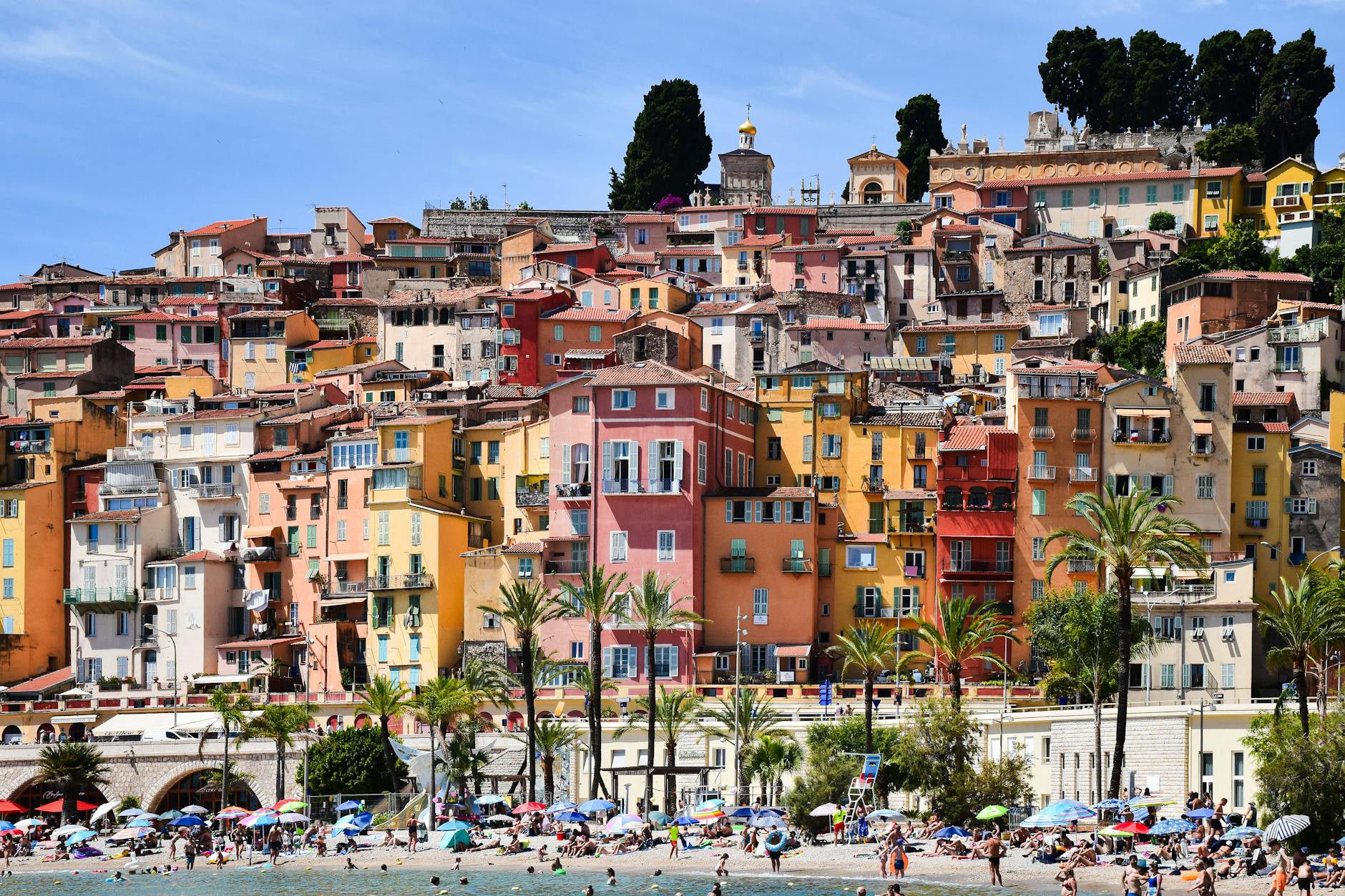
Menton is the last town in France before the Italian border, about 30 minutes east of Monaco. Almost no day tours stop there, which is a shame, because it is one of the prettiest spots on the whole Riviera. Pastel-coloured houses stacked on a hillside, a baroque church at the top, a long pebble beach, and the best lemon festival in Europe every February.
If you have an extra day in Nice and you have already done Eze and Monaco, take the train to Menton for a half-day. It is a 35-minute ride from Nice and costs €6 each way. Spend the morning in the old town, have lunch on the seafront, walk through the Jardin Serre de la Madone (one of the best subtropical gardens in France), and catch the afternoon train back.
You can also cross the border into Italy from Menton for an hour — the Italian town of Ventimiglia is a 15-minute walk from Menton’s train station, and it has a market every Friday that is worth the detour for cheese, olive oil, and fresh pasta at Italian prices.
What About Cannes?
Cannes is on the opposite side of Nice from Monaco — 40 minutes west by train, or a stop on most full-day tours. I have a slightly unpopular opinion about Cannes: it is fine, but it is not as interesting as visitors expect. The town is famous for the film festival, which happens for 10 days a year, and the rest of the time it is a pretty resort town with one good beach, one famous boulevard, and not much else.
What Cannes does well: the Croisette (the seafront boulevard lined with luxury hotels) is genuinely beautiful, especially at golden hour. The Palais des Festivals is worth a 10-minute photo stop so you can see where the festival happens. The Suquet (the old town on the hill) is charming and has a good market. And the Lérins Islands (a 15-minute ferry ride offshore) are a genuine undiscovered gem — forest, beaches, no crowds, and a monastery that is still operating.
If you are on a full-day Riviera tour that includes Cannes, great. If you are building a DIY trip, I would prioritise Eze-Monaco-Menton over Cannes every time.
A Full-Day Itinerary Built From Scratch
If you want to build a DIY day from Nice without booking a tour, here is the one I actually use. It covers the best of the Riviera in roughly 9 hours.
8:00am — Coffee and croissant at Nice’s Cours Saleya market. Wander the flower and produce stalls for 20 minutes.
9:00am — Train from Nice-Ville to Monaco (€5, 25 minutes). Walk from Monaco station up the hill to the Prince’s Palace in time for the changing of the guards at 11:55am.
12:15pm — Walk through the old town (Monaco-Ville), visit the Oceanographic Museum if you have time, then take the lift down to the harbour.
1:30pm — Light lunch at Café de Paris on the Casino Square. Watch the supercars. Take the casino photo.
3:00pm — Train back toward Nice, but get off at Eze-sur-Mer. Take the #83 bus up to Eze Village for 25 minutes. Explore the hilltop for 90 minutes including the Jardin Exotique.
5:30pm — Bus back down, train to Villefranche-sur-Mer for a sunset aperitif on the harbour.
7:00pm — Last train back to Nice. Dinner in the old town.
This is more flexible and slightly cheaper than a tour, but it requires you to navigate four different train stations and one irregular bus, and it does not leave much time for error. Perfect for confident, independent travellers. Stressful for first-timers.
Photography Tips — Getting the Shots
The Riviera photographs well, but the obvious spots are often not the best ones. Here are the angles I have learned to hunt for.
Monaco from above: the best view is not from the Prince’s Palace (where everyone goes) but from La Turbie 500 metres up the mountain. If your tour stops there, you are golden. If not, the Tête de Chien viewpoint off the Grande Corniche is similar and free.
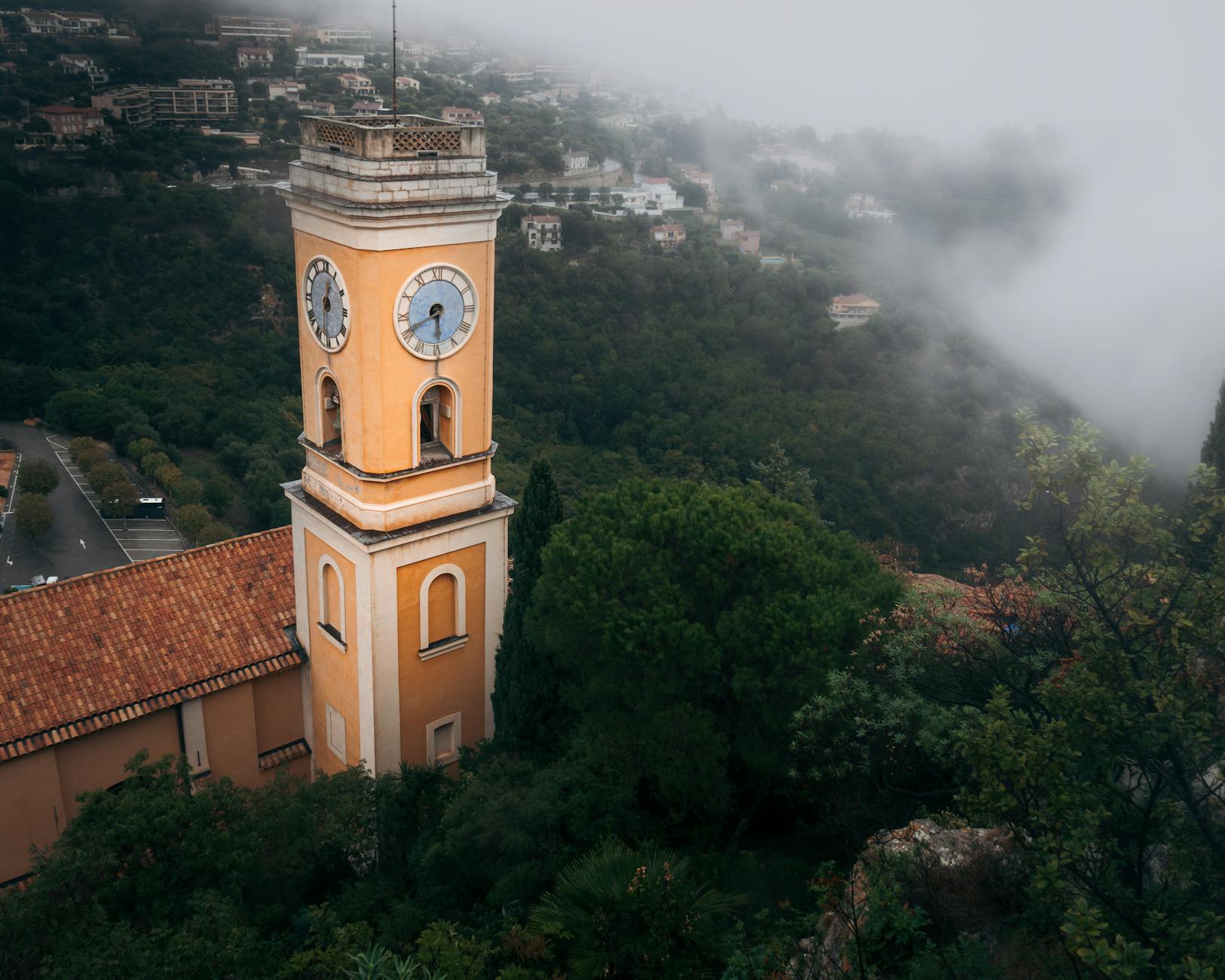
Eze Village: shoot from the exterior of the village first (the old stone gates look great against the Mediterranean below), then from the Jardin Exotique at the top looking back down the coast. The interior village streets are harder to photograph well because they are narrow and shaded.
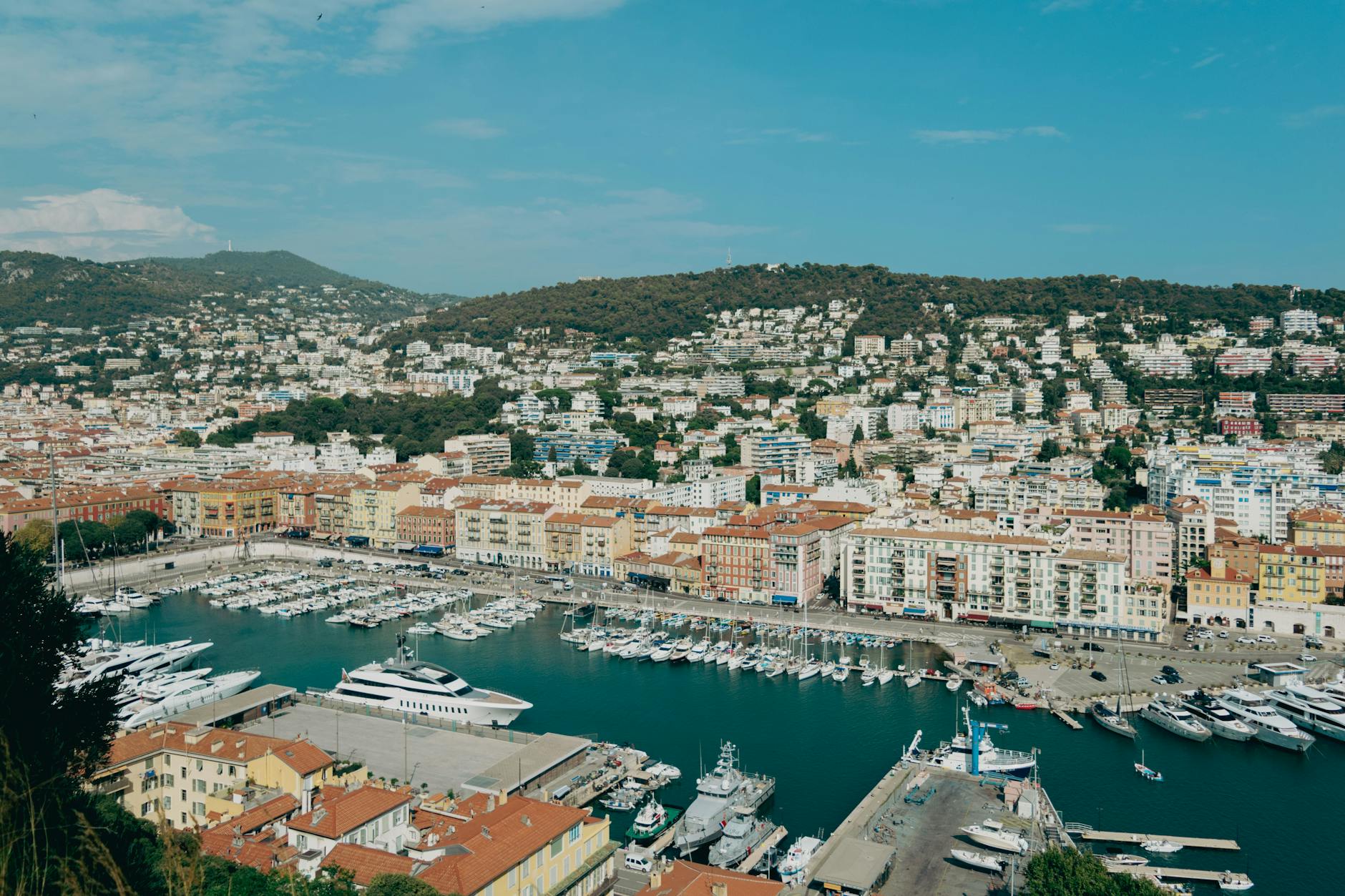
Nice: the best photo of Nice is from Castle Hill (Colline du Château) looking down on the Promenade des Anglais and the Bay of Angels. It is a 15-minute walk up (or free elevator if you are tired), and it is the most-photographed angle in the city for good reason. Best light: about 90 minutes before sunset.
Villefranche harbour: shoot from the Mont Boron headland looking down at the bay. Almost no travelers make this walk but the view is unmatched.
More Paris and French Travel Guides on The Abroad Guide
If the Riviera is part of a longer French trip, a few other guides on The Abroad Guide will round out your planning. Our Normandy D-Day beaches guide covers the other great day trip from France — totally different in mood, but also logistically tricky if you only have one day. Our Versailles from Paris guide is the easiest day trip of all, with the RER C train delivering you directly to the palace gates.
For Paris itself, the Eiffel Tower tickets guide covers the timing tricks that separate a 90-minute queue from a 10-minute stroll to the lift — I recommend doing Paris first and then flying down to Nice for a few relaxed days on the Riviera. And if you want the most underrated museum experience in Paris, the Musée d’Orsay guide explains why I think Orsay is more enjoyable than the Louvre for first-time visitors.
Final Thoughts — Is the Riviera Day Trip Worth It?
Absolutely. The French Riviera is one of the few places in the world where a single day tour can genuinely deliver the highlights without feeling like a tick-box exercise. Nice to Eze to Monaco is a 60-mile round trip, the scenery is spectacular the whole way, and the contrast between medieval hilltop village and modern luxury state is exactly the kind of variety that makes a day memorable.
My advice, based on four trips worth of experience: book the half-day tour from Nice for the easiest, cheapest introduction. Add a DIY train day if you have a second day and want to go deeper. Do not try to squeeze Cannes, Menton, and Monaco into the same day — pick one east and one west run and do them separately.
And if you can, stay in Nice for at least three nights. The Riviera is not just the day-trip stops — it is the café culture, the Promenade, the old town, the evenings. Give yourself time to actually enjoy the base you are using.
FAQ — Short Answers to the Questions I Get Most
How far is Monaco from Nice? About 40 minutes by car via the Moyenne Corniche, 25 minutes by train. Both options are easy and scenic.
Do I need a passport to enter Monaco? Technically Monaco is not in the EU, but in practice the border is unmarked and there are no checks. Bring your passport anyway in case of random police checks and for the casino.
Is Monaco expensive? Yes, especially food and hotels. A cheap sandwich costs €15, a basic main course is €35+, and hotels start at around €250 a night. Day-trip in, do not try to stay overnight.
Can I rent a car to drive the Riviera myself? Yes, and it is one of the best driving experiences in Europe. Pick up the car at Nice airport, do a two-day loop through Menton, Monaco, and the hill villages of Provence. Parking in Monaco is expensive (€4+ per hour) but workable.
What is the best time of year to visit? May or September are the sweet spots — warm enough to swim, not yet overrun with travelers. July and August are peak season and should be avoided unless you have no choice.
Are the beaches sandy? No. Almost all beaches between Nice and Monaco are pebble. Bring water shoes or plan to use a rented lounger. The sand beaches start west of Cannes.
How much French do I need to speak? Very little. The Riviera is extremely international and English is widely spoken in every hotel, restaurant, and tour. A few polite words (bonjour, merci, s’il vous plaît) go a long way but are not required.
Is the casino worth the €17 entry fee? If you have not been to the Monte Carlo Casino before, yes. The Belle Epoque architecture is genuinely stunning and the gaming rooms feel like a period drama set. Skip it if you have seen similar casinos in Europe already.