
Nestled high in the Andes, the ancient Inca citadel of Sacsayhuaman has long captivated the imagination of visitors and scholars alike. Its colossal limestone blocks, meticulously fitted without mortar, stand as a testament to the Incas’ architectural prowess. But behind the site’s imposing facade lies a tapestry of mysteries, from its ritualistic significance to the enigmatic techniques used in its construction. Unraveling these secrets promises to shed light on the rich cultural legacy of ancient Peru.
- Good To Know
- Unveiling the Grandeur of Sacsayhuaman
- Decoding the Architectural Marvels
- Unraveling the Ritualistic Significance
- Exploring the Inca’s Astronomical Alignments
- Uncovering the Mysterious Quarrying Techniques
- Investigating the Defensive Capabilities
- Tracing the Site’s Historical Narratives
- Appreciating the Cultural Legacy
- Frequently Asked Questions
- What Are the Accessibility Options for People With Disabilities?
- Is There a Discount for Senior Citizens or Students?
- Can Visitors Bring Their Own Food and Drinks on the Tour?
- Are There Any Restrictions on Photography or Videography?
- What Is the Cancellation and Refund Policy if the Tour Is Cancelled?
- The Sum Up
- More 1-Day Tours in Cusco
- More Tour Reviews in Cusco
- Still browsing? Here are more Cusco experiences we've covered recently
Good To Know
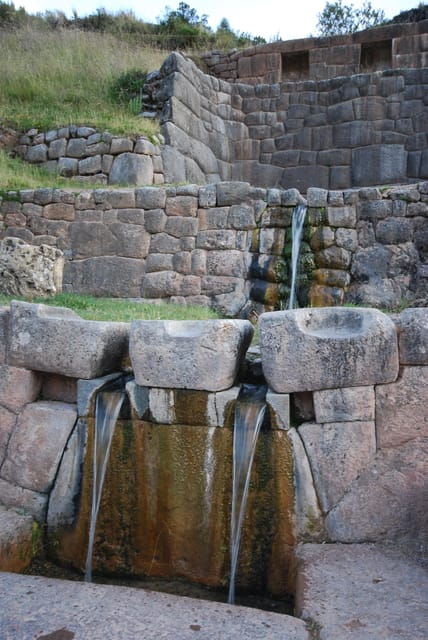
- Sacsayhuaman, an Inca architectural marvel, features massive stone blocks fitted together with advanced stoneworking techniques and astronomical alignments.
- The site holds deep ritualistic significance, serving as a sacred space for Inca ceremonies and sacrifices, showcasing their rich cultural practices.
- The intricate design of Sacsayhuaman reflects the Incas’ sophisticated understanding of astronomy, evident in the alignment of structures with celestial movements.
- The construction methods used to quarry, transport, and assemble the massive stone blocks remain a mystery, showcasing the Incas’ engineering prowess.
- Sacsayhuaman’s history is marked by the fierce battles during the Spanish conquest, but its resilience continues to captivate global visitors.
Unveiling the Grandeur of Sacsayhuaman

While towering over the city of Cusco, the ancient Incan fortress of Sacsayhuaman stands as a testament to the ingenuity and engineering prowess of its creators.
Massive limestone blocks, some weighing over 100 tons, have been meticulously fitted together without the use of mortar, showcasing the Inca’s remarkable construction techniques.
Massive limestone blocks, some weighing over 100 tons, have been meticulously fitted together without the use of mortar, showcasing the Inca’s remarkable construction techniques.
Visitors can explore the intricate layout of zigzagging walls and staircases, which were strategically designed for defense.
The sheer scale and precision of Sacsayhuaman leave onlookers in awe, captivated by the enduring legacy of this remarkable Incan architectural masterpiece.
Looking for more options in Cusco? We've reviewed plenty of other experiences.
Decoding the Architectural Marvels
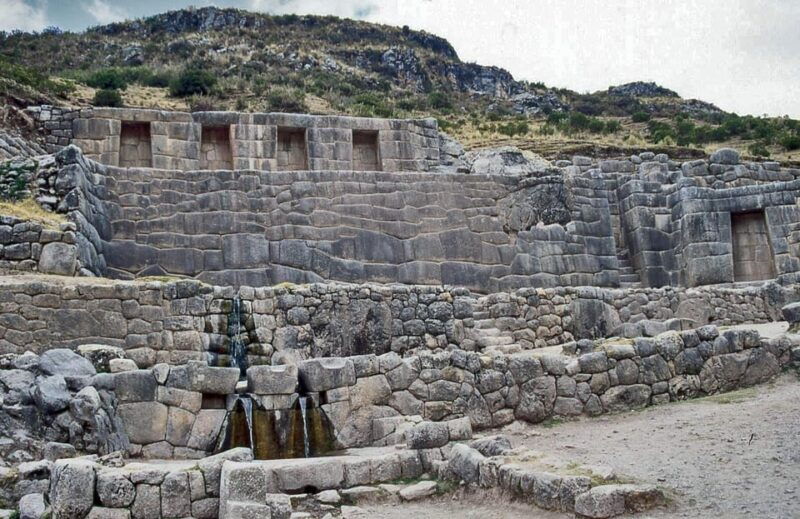
The architectural marvels of Sacsayhuaman captivate visitors with their intricate design and engineering prowess. Massive limestone blocks, some weighing over 100 tons, were meticulously fitted together without mortar to create towering walls. The precise cuts and angled joints showcase the Inca’s mastery of stonework.
Scholars are still baffled by how these colossal stones were transported and assembled with such accuracy. Exploring the site reveals staircases, lookout points, and ceremonial plazas that were ingeniously integrated into the rugged landscape.
These architectural achievements reflect the Inca’s advanced understanding of construction, astronomy, and their connection to the natural world.
Unraveling the Ritualistic Significance
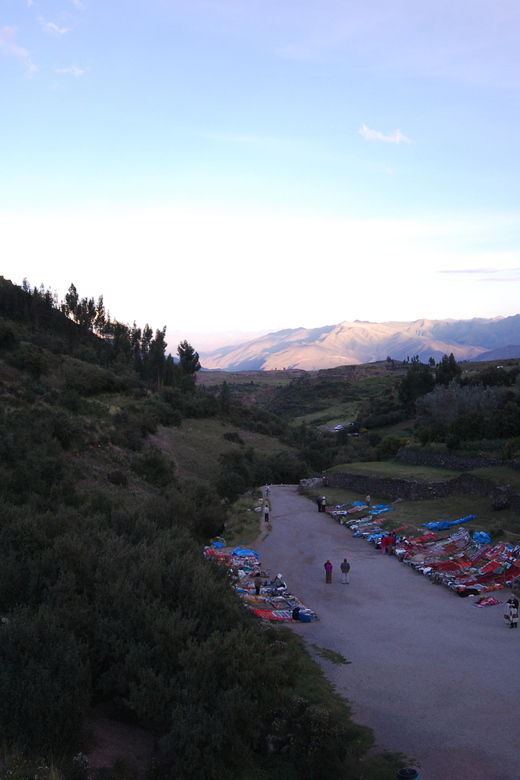
Though the architectural wonders of Sacsayhuaman captivate visitors, the site also held deep ritualistic significance for the Inca.
Situated atop a hill, the complex was believed to be a sacred place where religious ceremonies and sacrifices took place. Archaeologists have discovered an altar within the Q’enqo site, suggesting it was used for sacrificial rituals.
Plus, the Puca Pucará lookout point was likely used for surveillance and defense purposes during important ceremonial events.
Ultimately, Sacsayhuaman wasn’t just an impressive feat of engineering, but a hallowed ground central to the Inca’s spiritual practices and beliefs.
Exploring the Inca’s Astronomical Alignments
Beyond the site’s ritual significance, Sacsayhuaman’s intricate architectural design also reflects the Inca’s sophisticated understanding of astronomy.
The site’s massive stone blocks are carefully aligned to correspond with the movements of the sun, moon, and stars. Researchers have discovered that the walls’ zigzag pattern mirrors the path of the Milky Way across the night sky.
Plus, the site’s orientation allows for precise observations of solstices and equinoxes, demonstrating the Inca’s advanced astronomical knowledge.
These celestial alignments reveal the site’s role as an ancient observatory, offering insights into the Inca’s cosmological beliefs and practices.
More Great Tours NearbyUncovering the Mysterious Quarrying Techniques
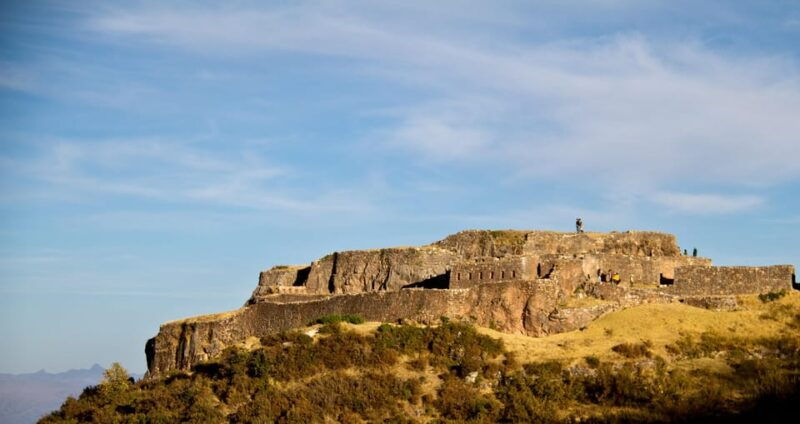
Underlying the sheer scale and precision of Sacsayhuaman’s stone architecture lies a profound mystery – the methods used by the Inca to quarry, transport, and construct these massive blocks.
Weighing up to 125 tons, the stones were meticulously cut and fitted together with incredible accuracy, yet the Inca left no written records detailing their techniques.
Archaeologists speculate the Inca used primitive tools, ropes, and manpower to quarry, move, and position the stones.
The perfect joints between blocks suggest advanced knowledge of stone-working, baffling modern-day engineers and stonemasons who struggle to replicate the Inca’s feats of engineering.
Investigating the Defensive Capabilities
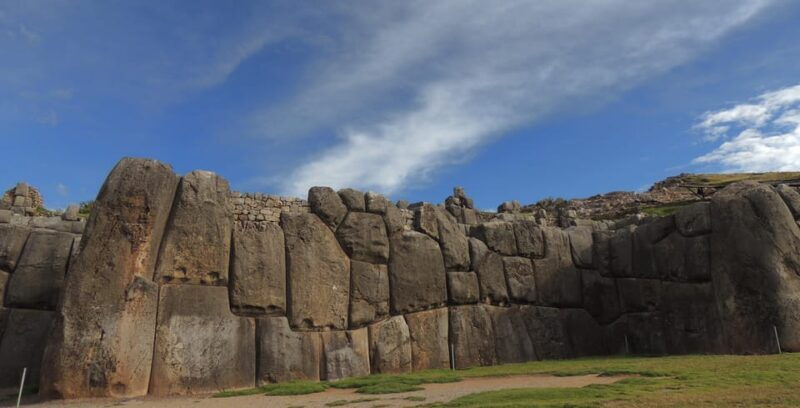
Sacsayhuaman’s impressive defensive capabilities have long intrigued historians and archaeologists. The site’s massive stone walls, some reaching up to 20 feet high, were strategically designed to protect the Inca capital.
Zig-zagging walls and towers offered clear sight lines and multiple angles of defense. The sheer size and weight of the stones, some weighing over 100 tons, made Sacsayhuaman virtually impenetrable.
Sophisticated engineering and construction techniques, including the precise interlocking of stones without mortar, contributed to the site’s formidable defenses.
Sacsayhuaman’s architectural marvels showcase the Inca’s remarkable military expertise and engineering prowess.
Tracing the Site’s Historical Narratives
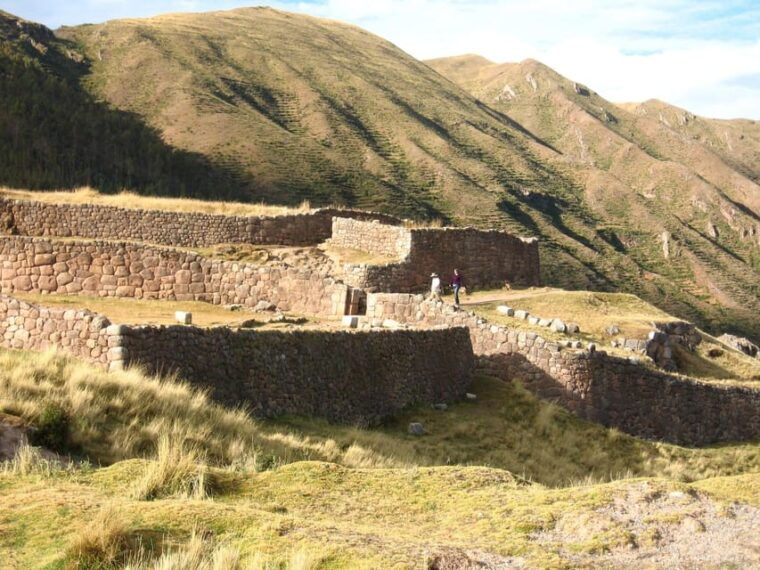
The history behind Sacsayhuaman is as captivating as its architectural marvels. The site has been central to several significant historical narratives:
-
Incan Origins: Sacsayhuaman was built by the Incas in the 15th century as a fortified complex, showcasing their advanced construction techniques and engineering prowess.
-
Spanish Conquest: During the Spanish conquest, the site witnessed fierce battles between the Incas and the Spanish invaders, with the Incas eventually succumbing to the superior military might of the Spanish.
-
Modern Preservation: Today, Sacsayhuaman stands as a testament to the resilience of Incan culture, drawing visitors from around the world who come to marvel at its timeless beauty and uncover its mysteries.
Appreciating the Cultural Legacy
Visitors to Sacsayhuaman are captivated by the site’s enduring cultural legacy. As they explore the immense stone structures, they gain a deeper appreciation for the ingenuity and engineering prowess of the Inca.
These colossal boulders, fitted together with remarkable precision, stand as a testament to the civilization’s advanced construction techniques.
Beyond the architectural marvels, the site’s religious and ceremonial significance resonates, allowing visitors to connect with the Inca’s rich spiritual beliefs.
Through this experience, travelers leave Sacsayhuaman with a renewed understanding and respect for Peru’s remarkable cultural heritage.
Frequently Asked Questions
What Are the Accessibility Options for People With Disabilities?
The tour’s accessibility options for people with disabilities are not explicitly stated. Visitors should inquire about accommodations when booking to ensure the sites and transportation can meet their needs.
Is There a Discount for Senior Citizens or Students?
Yes, there are discounts available for senior citizens and students. The tour website states seniors and students can receive a 10% discount off the standard $59 per person rate with valid ID presented at check-in.
Can Visitors Bring Their Own Food and Drinks on the Tour?
Visitors are allowed to bring their own food and non-alcoholic drinks on the tour. However, alcoholic beverages and drinks in the vehicle are not permitted. Visitors should be prepared to carry any outside items during the tour.
Are There Any Restrictions on Photography or Videography?
Visitors are allowed to take photos and videos during the tour, but they’re asked to be respectful and not disrupt the experience for others. Flash photography is generally permitted, though it’s best to avoid it in certain areas.
What Is the Cancellation and Refund Policy if the Tour Is Cancelled?
The cancellation policy offers free cancellation up to 24 hours in advance for a full refund. Customers can reserve their spot and pay nothing today, allowing flexibility with their travel plans.
The Sum Up
Sacsayhuaman stands as a testament to the Inca’s remarkable architectural and engineering prowess. Its massive limestone blocks, intricate design, and ritualistic significance continue to captivate visitors, inviting exploration of ancient Peruvian history. The site’s celestial alignments and mysterious quarrying techniques fuel ongoing investigations, reinforcing Sacsayhuaman’s enduring legacy as a symbol of the Inca civilization’s enduring cultural and technological achievements.
You can check availability for your dates here:More 1-Day Tours in Cusco
- Wachuma (San Pedro) Ceremony 1 Day – Shared – Private VIP
- Karpay Ceremony at the Foot of Ausangate Mountain 1d/1n
- RAFTING CHUQUICAHUANA + ZIP LINE 1 DAY
- Cusco: 1-Day Sacred Valley VIP Tour
- From Cusco: Humantay Lake Day Trip With Breakfast and Lunch
- From Cusco: Private Pisac Ruins and Alpaca Farm Day Trip
More Tour Reviews in Cusco
Still browsing? Here are more Cusco experiences we've covered recently
- Jaipur Private Full-Day City Tour Covering Top Sights Today
- From Delhi: Taj Mahal & Agra Private Day Tour with Transfers
- Cusco: 7 Lagoons of Ausangate Full Day
- Peru & Bolivia Tour Package: 13 Days
- South 12 Days: Ica-Arequipa-Puno-Cusco 4 Star Hotel.
- Andean Inca Marriage 6 Days – Shared
- Peru and Bolivia 16 Days 15 Nights
- Andean Inca Wedding 6 Days Basic
- Extraordinary Perú 13D | Huacachina,Uros,Machu Picchu |
- From Cusco: 4 Days Trekking to Choquequirao
- Adventure 13D in Peru and Bolivia – Machu Picchu |Hotel☆☆☆☆|
- Cusco | Manu Jungle Excursion 7D/6N | Wonders of Manu