Planning a trek to Everest Base Camp can feel like a daunting task—understanding the logistical challenges, altitude concerns, and sheer scale of the Himalayas can be overwhelming. That’s where a guided small-group trek like this one from Green Valley Nepal Treks & Research Hub really shines. It offers a well-organized, authentic experience that takes care of the nitty-gritty, leaving you free to focus on gazing at some of the world’s most iconic peaks.
From the moment you land in Kathmandu, the sense of adventure begins. We love that it’s a 14-day journey, packed with scenic highlights, cultural encounters, and the chance to witness Everest’s majesty up close. The small group size, capped at 10 travelers, ensures personalized attention and meaningful connections. Plus, the inclusion of lodging, meals, and local transportation makes it a seamless experience, especially for first-timers or those wary of complex logistics.
One thing to consider is the price point of $1,350 per person, which is quite reasonable given the scope of the trip, but it’s important to weigh the value of included services and accommodations. This trek suits active travelers with a moderate fitness level who want a comprehensive, guided adventure through Nepal’s breathtaking landscapes and Sherpa culture.
- Key Points
- Exploring the Itinerary Step-by-Step
- Day 1 & 2: Arrival in Kathmandu and Flight to Lukla
- Day 3: Trek from Lukla to Phakding
- Day 4: From Phakding to Namche Bazaar
- Day 5: Acclimatization and Short Hike
- Day 6: Trek to Phorse
- Day 7 & 8: Dingboche and the Khumbu Glacier
- Day 9: The Crucial Day at Thangma Riju
- Day 10: Climbing to Kala Patthar
- Day 11 & 12: Return Trek to Lukla
- Day 13 & 14: Flight Back to Kathmandu and City Exploration
- Why This Trek Offers Great Value
- Practical Considerations and Tips
- Who Is This Tour Best For?
- FAQ
- Final Thoughts
- The Best Of Kathmandu!
- More Hiking & Trekking Tours in Kathmandu
- More Tour Reviews in Kathmandu
- Not for you? Here's more nearby things to do in Kathmandu we have reviewed
Key Points
 1 / 6
1 / 6 2 / 6
2 / 6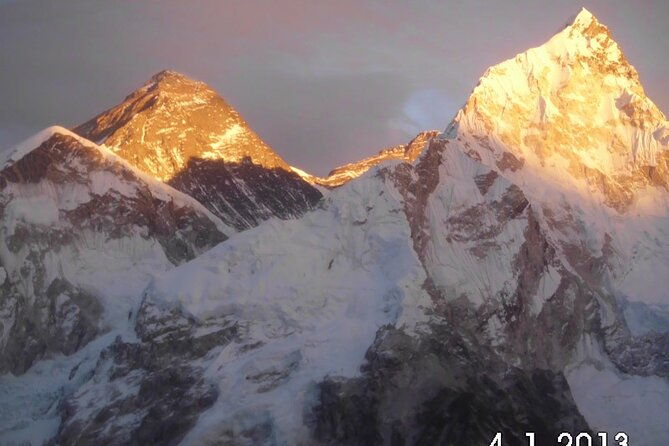 3 / 6
3 / 6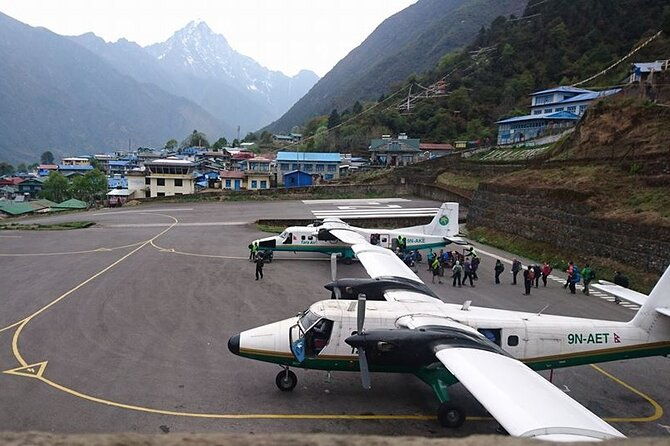 4 / 6
4 / 6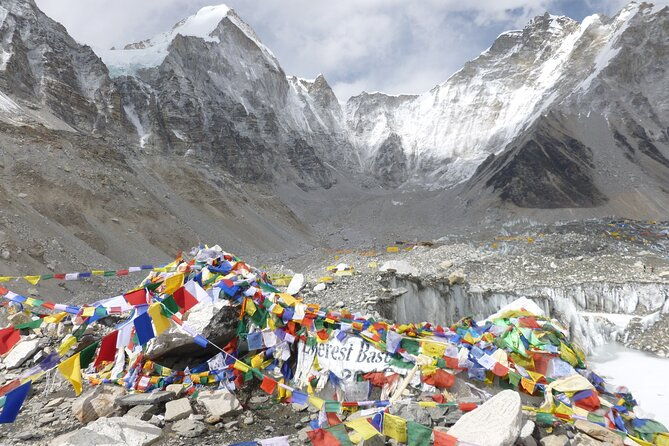 5 / 6
5 / 6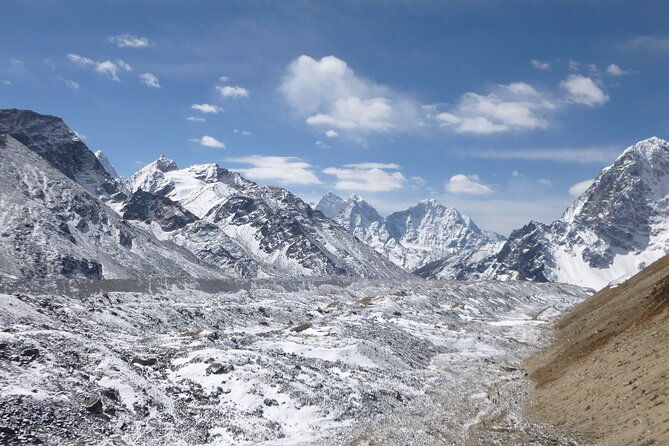 6 / 6
6 / 6- Expert-guided experience ensures safety, navigation, and cultural insights.
- Stunning mountain vistas of Everest, Lhotse, Nuptse, and Ama Dablam provide unforgettable scenery.
- All-inclusive package simplifies logistics—meals, accommodations, and transportation are handled.
- Small-group size enhances personalized attention and camaraderie.
- Thorough itinerary balances acclimatization, adventure, and cultural exploration.
- Great value for a comprehensive, guided Everest trek at around $1,350.
👉 See our pick of the Discover 12 Great Airport Transfers In Kathmandu
Exploring the Itinerary Step-by-Step
You can also read our reviews of more hiking tours in Kathmandu
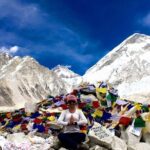
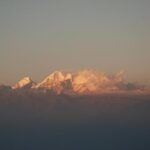
Day 1 & 2: Arrival in Kathmandu and Flight to Lukla
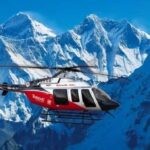
Your adventure starts in Kathmandu, where a private transfer whisks you from Tribhuvan International Airport to the hotel. Most reviews highlight the warm welcome and smooth logistics here, setting the tone for a hassle-free trip. The flight from Kathmandu to Lukla is often described as spectacular, with views of snow-capped peaks and the dramatic landscape below. One reviewer noted, “The flight gives outstanding views of the early morning sunrise on the mountains,” which is true for anyone lucky enough to catch the sunrise.
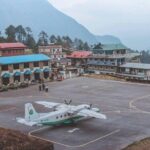
Lukla, the gateway to Everest, is tiny but bustling with trekkers and Sherpa guides. Setting foot here marks the official start of the journey, with the trek kicking off immediately after meeting your crew.
Day 3: Trek from Lukla to Phakding
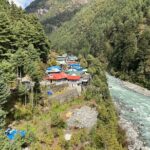
The first leg is relatively gentle but scenic. Passing through pine forests and alongside the Dudh Koshi River, you’ll start to feel that Himalayan magic. The route also crosses a few settlements, giving insight into local life. Arriving in Phakding, you’re already at a comfortable altitude, making it a good first rest stop. Reviewers appreciate how smooth the transition is, with one mentioning, “The trek begins from the airport itself soon after meeting our crew.”
Day 4: From Phakding to Namche Bazaar
This day introduces the dramatic climbs and stunning vistas that make the trek so special. The trail ascends through lush forests, crossing bridges over rushing rivers, culminating in Namche Bazaar, the lively hub of Sherpa culture. Expect to see your first views of Everest from this altitude, with one traveler noting, “The first sight of Mount Everest and ridges of Mount Lhotse and Nuptse is breathtaking.” The bustling market town features ATMs, cafes, and bakeries—perfect for a rest day. A reviewer mentions, “Namche is well facilitated with internet cafes and restaurants, making it easier to acclimatize.”
Day 5: Acclimatization and Short Hike
Namche offers an important chance to adjust. Many appreciate the optional short hikes to viewpoints like Thame or Khunde for even more mountain views. The Tourist Visitor Center is a highlight, providing insights into Sherpa traditions and Everest history, as one reviewer shared, “The center gives a great overview of Everest climbers, Sherpa culture, and local flora and fauna.”
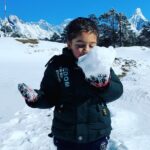

Day 6: Trek to Phorse
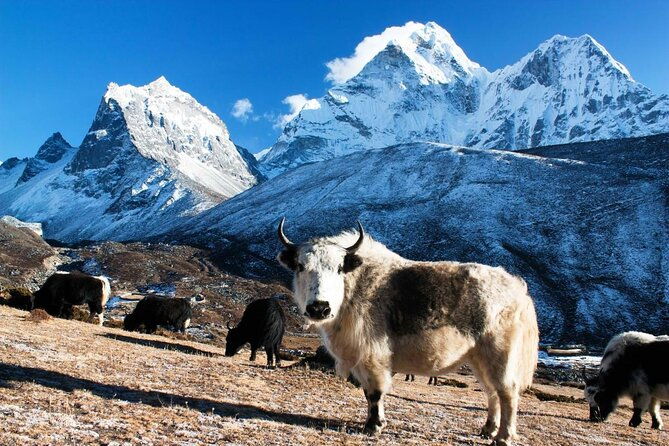
From Namche, the trail continues upward, passing through rhododendron and pine forests. The route offers stunning views of peaks like Ama Dablam and Thamserku. Reaching Phorse allows travelers to experience Sherpa village life firsthand and enjoy the mountain scenery. Expect peaceful surroundings and fewer trekkers here, which many find adds to the authentic feel.
Day 7 & 8: Dingboche and the Khumbu Glacier
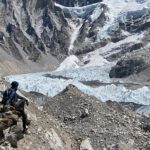
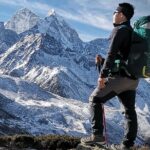
The trek to Dingboche is marked by visits to monasteries and passing through several Sherpa villages, each with unique charm. The scenery becomes more alpine, with towering peaks like Taboche, Cholatse, and Pumori dominating the skyline. Notably, the ascent to Kala Patthar from Gorak Shep on Day 10 is a highlight—offering some of the best panoramic views of Everest and surrounding mountains.
Day 9: The Crucial Day at Thangma Riju
While Everest itself isn’t visible from Thangma Riju, many describe the panoramic 360-degree views as awe-inspiring. The climb provides a clear sense of the scale of the Himalayas, with one reviewer sharing, “You can see Mount Nuptse, Mount Lhotse, and Mount Pumori very well here.” It’s a critical spot for acclimatization, helping trekkers adjust to the altitude.
Day 10: Climbing to Kala Patthar
This is often called the “best sunrise” spot—early mornings here reveal a stunning, unobstructed view of Everest’s summit. Many reviewers mention the value of catching this view, with one saying, “The ascent to Kala Patthar takes hours, but the photos and memories make it worth the effort.” The trek down to Gorak Shep for lunch offers a chance to relax and soak in the mountain scenery one last time before descending.
Day 11 & 12: Return Trek to Lukla
Descending through Sherpa villages like Pangboche and passing over Dudh Koshi River bridges, the return journey is a mix of reflection and celebration. Reviewers note the kindness of Sherpa guides and porters, with one sharing, “Their warmth and friendliness made us feel part of a family.” The final stretch is a steady downhill, culminating in Lukla, where many are emotional about completing the trek.
Day 13 & 14: Flight Back to Kathmandu and City Exploration
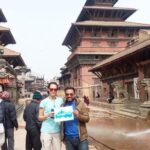
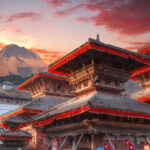
The scenic flight back to Kathmandu is often described as a final highlight, offering a different perspective of the Himalayas. Afterward, the city welcomes you with vibrant markets, historic sites, and the chance to unwind. Many reviewers recommend spending extra time here to explore and shop.
Why This Trek Offers Great Value
At $1,350 per person, the price covers a lot: flights, accommodations in teahouses, meals, and local transportation. Many travelers appreciate that the package handles logistics, leaving them free to focus on the experience. The inclusion of a knowledgeable guide enhances safety and enriches the journey with cultural insights. According to reviews, guides like Gopal and Nishan are praised for their professionalism, kindness, and deep understanding of the region.
The small group size ensures personalized attention, which is especially important in high-altitude trekking where individual pacing matters. The well-planned itinerary balances trekking, acclimatization, and cultural exploration—critically reducing the risk of altitude sickness while maximizing the scenery and experiences.
Reviews highlight the value of the guides, with many mentioning how their vast knowledge made the trek memorable. For example, one reviewer lauded Gopal as the “best guide,” emphasizing the importance of experienced leadership in such challenging terrain. The accommodations, typically in comfortable teahouses, provide a cozy break amid remote mountain scenery, with many travelers noting their positive experiences.
Practical Considerations and Tips
Physical fitness is important—many reviewers describe the trek as suitable for active, moderately fit travelers. The altitude changes and steep sections require good stamina, but the organized pace and acclimatization days help prevent altitude sickness.
Weather conditions can vary, so packing appropriate gear is essential; most reviews suggest dressing in layers and including waterproof options. The tour operates in all weather, but travelers should be prepared for cold mornings and potential rain.
The group size of up to 10 people fosters a more intimate experience, but it also means that booking early can secure your spot, especially during peak seasons.
While the price appears reasonable, travelers should consider the value of guided support, all-inclusive logistics, and the unforgettable scenery. Many reviews mention the professionalism of Green Valley and the seamless organization, making the investment well worth it.
Who Is This Tour Best For?
This trek is ideal for active travelers who want a guided, comprehensive Everest experience without the hassle of planning every detail. It’s perfect for those looking to enjoy breathtaking mountain views, learn about Sherpa culture, and safely navigate high altitudes. Because of its small-group setup and inclusive services, it suits travelers who value personalized attention and a balanced mix of adventure and comfort.
It’s also well-suited for individuals with moderate fitness levels—most reviews emphasize the importance of being prepared for steep ascents, but the organized itinerary and acclimatization days help make the journey manageable.
FAQ
What is included in the tour price? The $1,350 package covers flights from Kathmandu to Lukla and back, accommodations in teahouses, meals during the trek, and local transportation. Pickup from Kathmandu airport is also included.
How physically demanding is the trek? The trek is suitable for active, moderately fit travelers. The itinerary is designed to include acclimatization days, but you should be comfortable with hiking for several hours a day and ascending at altitude.
Are meals provided? Yes, meals are included as part of the package, typically served at teahouses along the route. They usually consist of Nepali, Indian, and Western dishes.
What are the accommodation options? You’ll stay in teahouses—simple yet comfortable lodges with basic amenities. Many reviewers mention the warmth and friendliness of the staff, making the nights cozy despite the remote setting.
Is there an age limit? The guide’s reviews and group size suggest it’s suitable for active adults; specifics aren’t mentioned, but most trekkers are in their 20s to 50s.
Can I join if I’ve never trekked at high altitude? While prior high-altitude experience isn’t necessary, a good level of physical fitness and acclimatization days improve your chances of enjoying the trek safely.
What should I pack? Layered clothing for variable weather, waterproof gear, sturdy hiking boots, and personal essentials. The tour operator may provide packing recommendations upon booking.
Final Thoughts
The Everest Base Camp Trek offered by Green Valley Nepal Treks & Research Hub stands out as a well-organized, authentic, and scenic adventure. With expert guides, inclusive logistics, and a carefully planned route, it’s a fantastic choice for those eager to see the Himalayas without the stress of self-organizing every detail.
The combination of breathtaking views, Sherpa culture, and friendly guides makes this trek more than just a hike—it’s a memorable journey into one of the world’s most awe-inspiring landscapes. The reviews reflect high satisfaction, especially praising the guides’ knowledge and the stunning scenery, which promise an experience to cherish for a lifetime.
This tour best suits active travelers craving an immersive Himalayan adventure with the safety net of expert guidance and support. Whether you’re a seasoned trekker or a first-timer with a good fitness level, this trek ensures you’ll leave Nepal with stories, photos, and a profound respect for the mountains.