
There is a moment on the Danube Bend cruise, maybe forty minutes north of Budapest, where the river narrows between forested hills and the city feels like it belongs to a different week entirely. I was eating a mediocre sandwich from the boat’s snack bar, watching Visegrad Castle appear on a hilltop above the treeline, and I remember thinking: this is the day trip I would actually recommend to people.
The Danube Bend is where the river makes a dramatic near-90-degree turn through the Pilis and Borzsony mountains, passing three towns that each give you a completely different reason to stop. Szentendre is the artsy one, Visegrad has the medieval castle ruins, and Esztergom has the largest basilica in Hungary sitting right on the Slovakian border. You can do all three in a day, though doing it well means making some choices.
Here is everything I have figured out about visiting the Danube Bend from Budapest — whether you take a cruise, go by bus, or piece it together yourself.

- If You’re in a Hurry
- What is the Danube Bend?
- Boat vs. Bus vs. DIY: How to Get There
- By Cruise Boat
- By Bus
- By Train (HEV)
- The Smart DIY Combo
- The Best Danube Bend Cruise Tours
- 1. From Budapest: Full or Half Day Danube Bend Cruises —
- 2. Full or Half Day Danube Bend Cruises from Budapest — Price Varies
- What to See at Each Stop
- Szentendre — The Art Town
- Visegrad — The Castle Town
- Esztergom — The Basilica Town
- When to Go and Practical Tips
- More Budapest Guides
If You’re in a Hurry
Best value cruise: From Budapest: Full or Half Day Danube Bend Cruises — $21, 1,313 reviews, 4.4 stars. Cheapest way to see the Danube Bend by boat with half and full day options.
Alternative cruise: Full or Half Day Danube Bend Cruises from Budapest — price varies, 929 reviews, 4.4 stars. Similar route with slightly different scheduling.
DIY option: Take the HEV suburban train to Szentendre (30 min, under $2), then bus to Visegrad and Esztergom. Total cost under $15 for transport.

What is the Danube Bend?
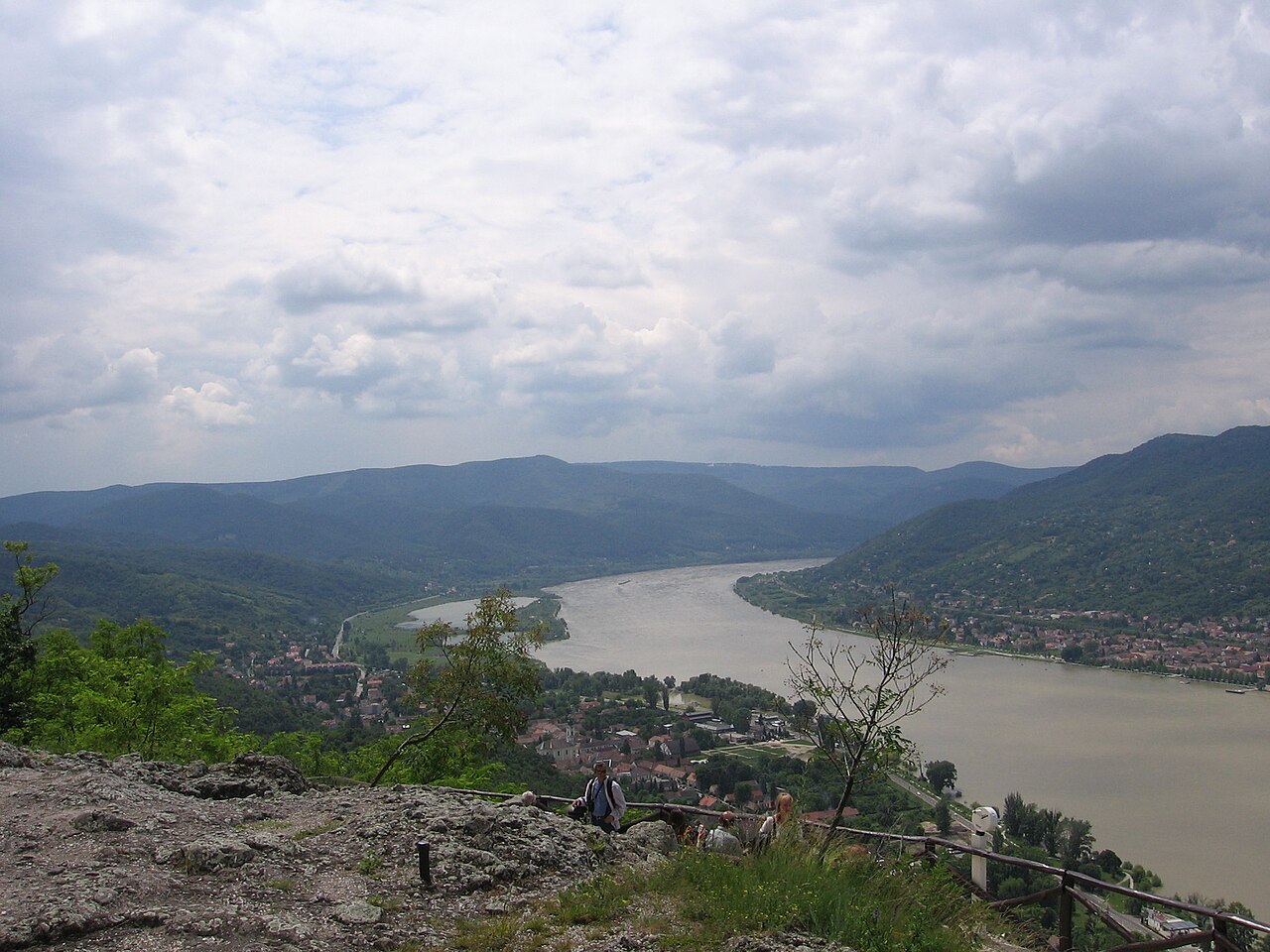
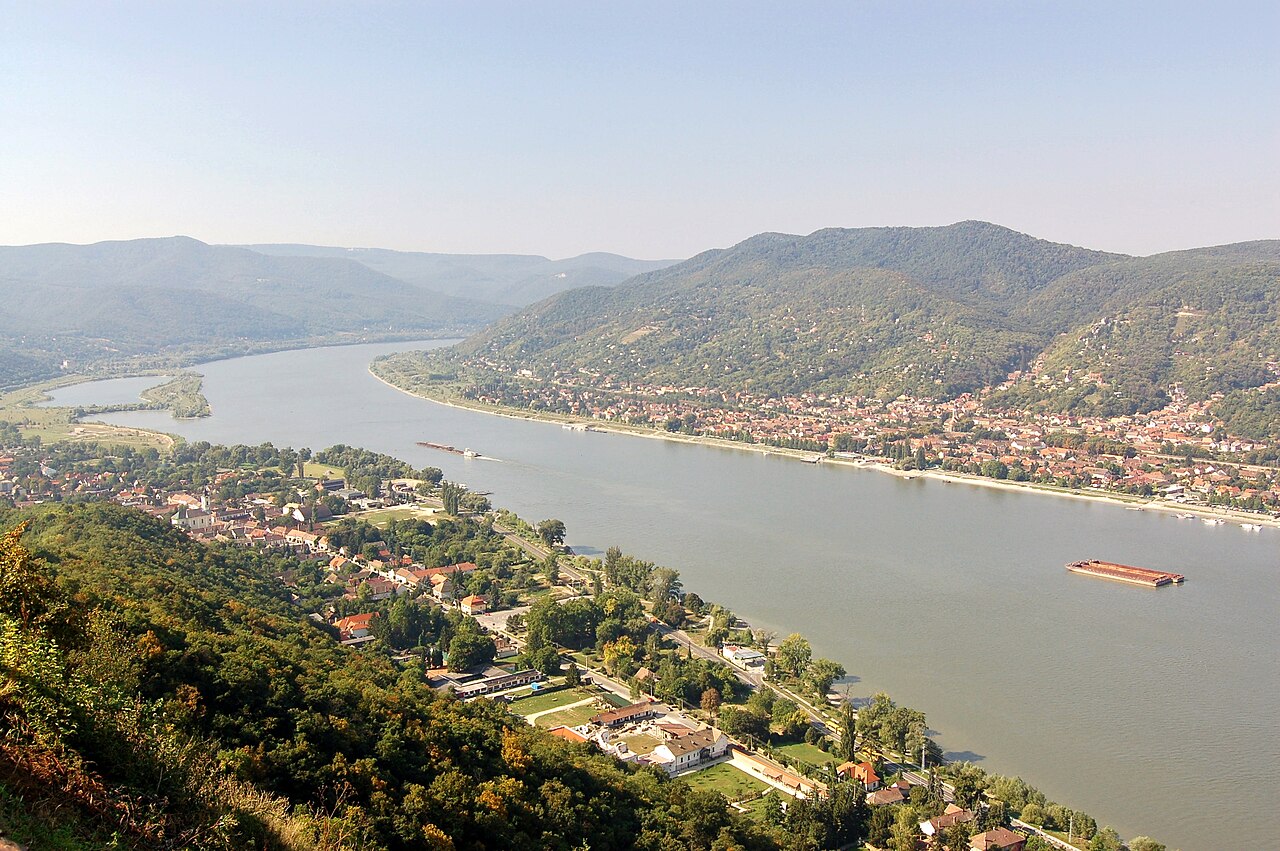
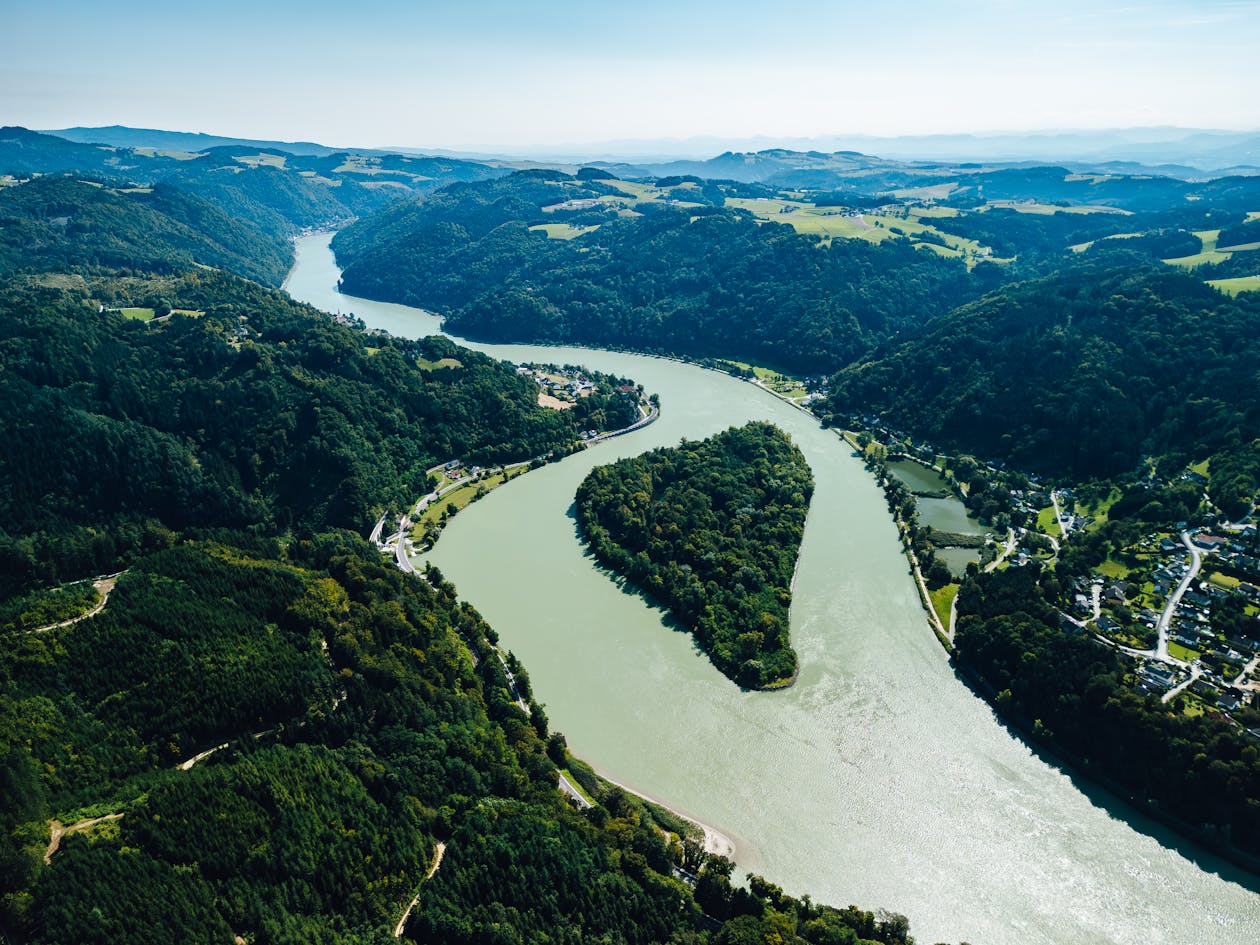
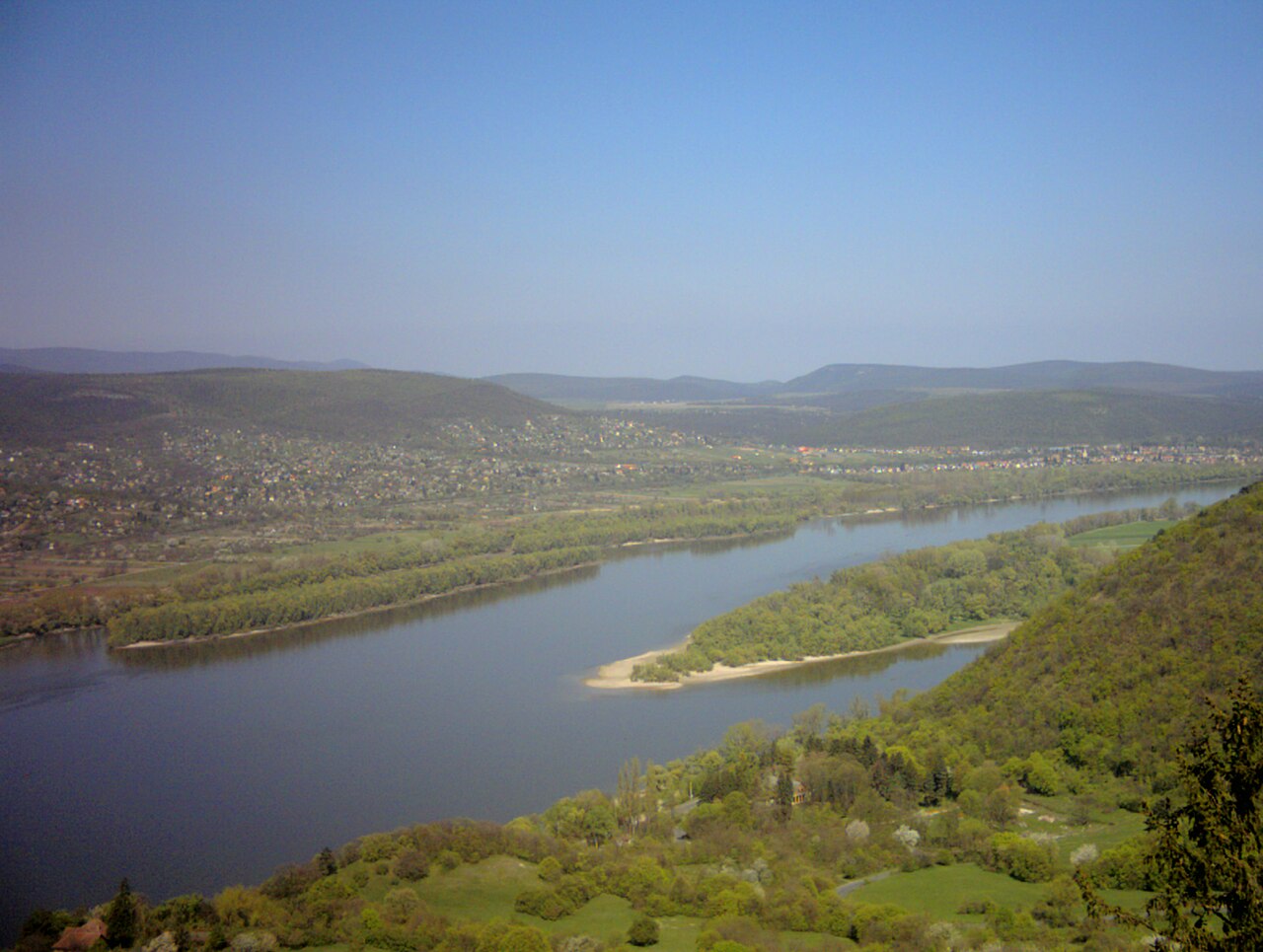
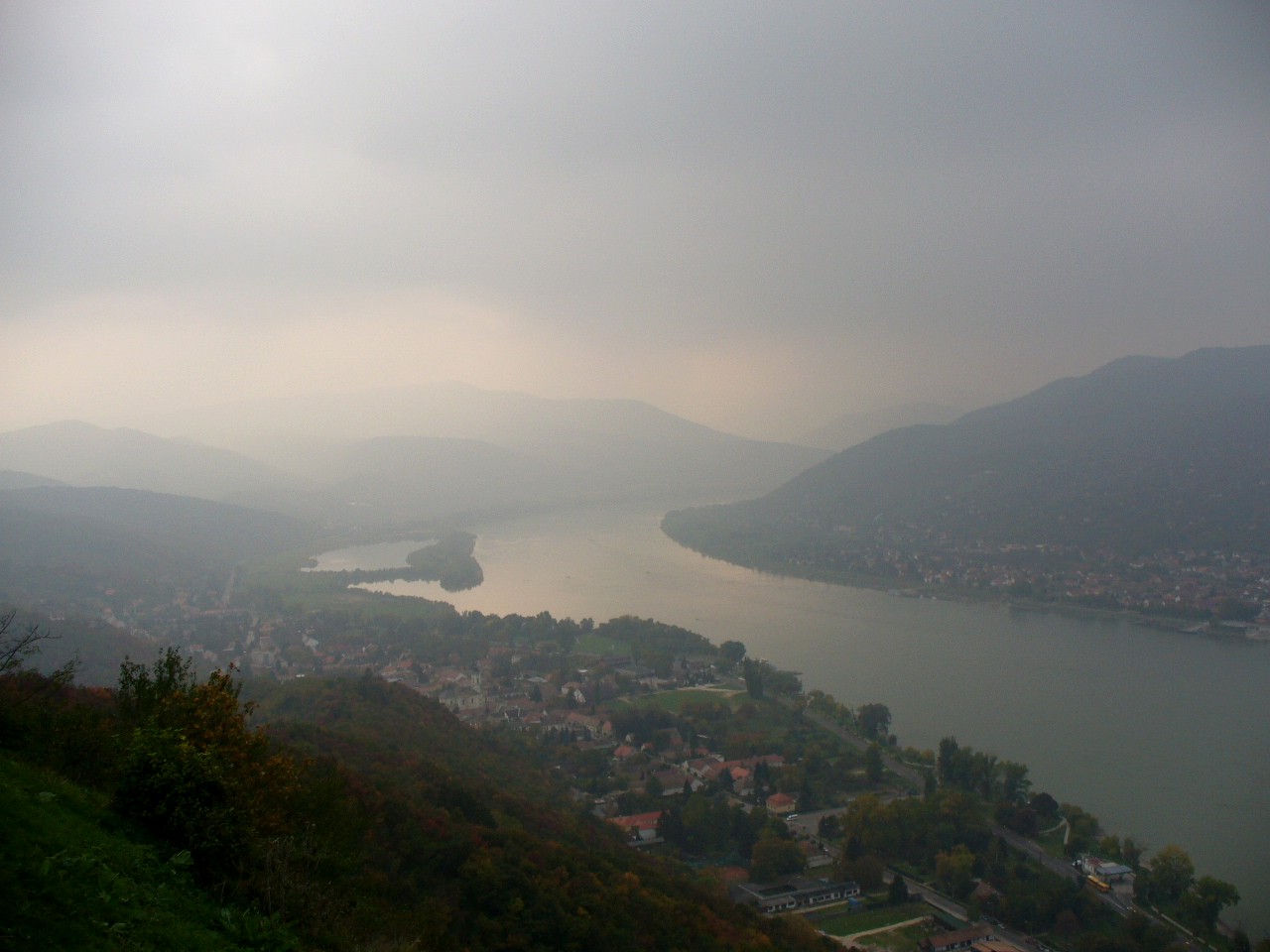
About 40 kilometers north of Budapest, the Danube River hits the Pilis Mountains and makes a sharp turn to the south. This bend — technically called the Dunakanyar in Hungarian — creates one of the most scenic stretches of river in Central Europe. The hills press in on both sides, medieval ruins dot the hilltops, and small towns with cobblestone centers sit along the riverbanks.
Three towns make up the main stops on any Danube Bend itinerary:

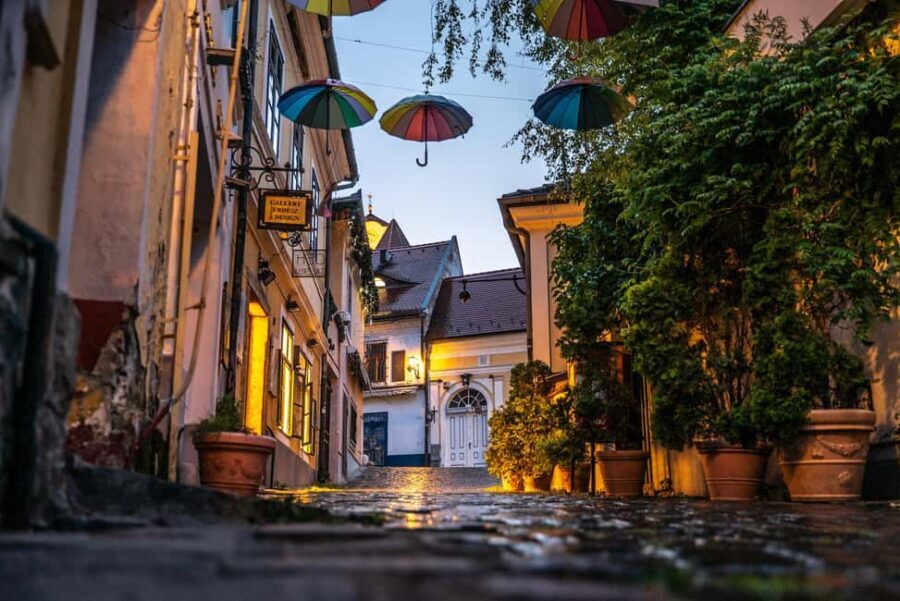
Szentendre is the closest to Budapest (about 20km) and the most visited. It is an artists’ colony with colorful Serbian-influenced architecture, narrow cobblestone streets, and more galleries and craft shops than you can count. Come for the Margit Kovacs Museum, the main square, and the views from the hilltop churches. It is beautiful but can feel touristy on summer weekends.
Visegrad is the middle stop and the most historically interesting. The medieval castle ruins sit on a hilltop 350 meters above the river with views that make the climb worth every step. The Royal Palace at the bottom of the hill is where King Matthias held court in the 15th century. This is the town most people underestimate and end up liking the most.

Esztergom is the farthest stop and the most dramatic. The Esztergom Basilica is the largest church in Hungary — you can see its dome from the river long before you arrive. The town was Hungary’s first capital and the basilica sits on a hill right at the Slovakian border. You can literally walk across the Maria Valeria Bridge into Sturovo, Slovakia, if you want to add a country to your list.

Boat vs. Bus vs. DIY: How to Get There
This is the big decision and it genuinely affects your experience. Here is the honest breakdown:
By Cruise Boat
Pros: Scenic, relaxing, the river views are the whole point. You see the Danube Bend from the best angle — the water itself. No navigating buses or train schedules.
Cons: Slower (5-6 hours for a full day), limited time at each stop, you are on someone else’s schedule. The boats are functional, not luxurious. Return timing can feel rushed.
Best for: People who want the scenic experience and are happy to go at a relaxed pace.
By Bus
Pros: Faster, more flexible scheduling, cheaper than a cruise. Buses from Budapest Arpad hid bus station run frequently to all three towns.
Cons: You miss the river scenery entirely. Roads can be slow on weekends. Bus stations in the small towns are not always close to the main sights.
Best for: People who want maximum time at the destinations rather than the journey itself.
By Train (HEV)
Pros: The HEV suburban train goes directly to Szentendre from Budapest’s Batthyany ter station. Fast (30 minutes), frequent, costs under $2. Your Budapest travel pass might even cover it.
Cons: Only goes to Szentendre. From there you need to transfer to buses for Visegrad and Esztergom.
Best for: A quick half-day trip to Szentendre only, or as the start of a DIY multi-town itinerary.
The Smart DIY Combo
Here is what I would do if I were piecing it together myself: take the HEV train to Szentendre in the morning. Spend 2-3 hours wandering the town. Then catch the local bus to Visegrad (about 45 minutes), hike up to the castle, and take the bus to Esztergom (another 45 minutes). See the basilica, walk across the bridge to Slovakia if you want, then take the direct bus back to Budapest from Esztergom (about 90 minutes). Total transport cost: under $15.
The downside of DIY is logistics. You are checking bus schedules, figuring out stops, and potentially waiting around. If that does not bother you, it is by far the cheapest option and gives you the most flexibility. If you want someone else to handle it, the cruises below are the way to go.
The Best Danube Bend Cruise Tours
1. From Budapest: Full or Half Day Danube Bend Cruises — $21
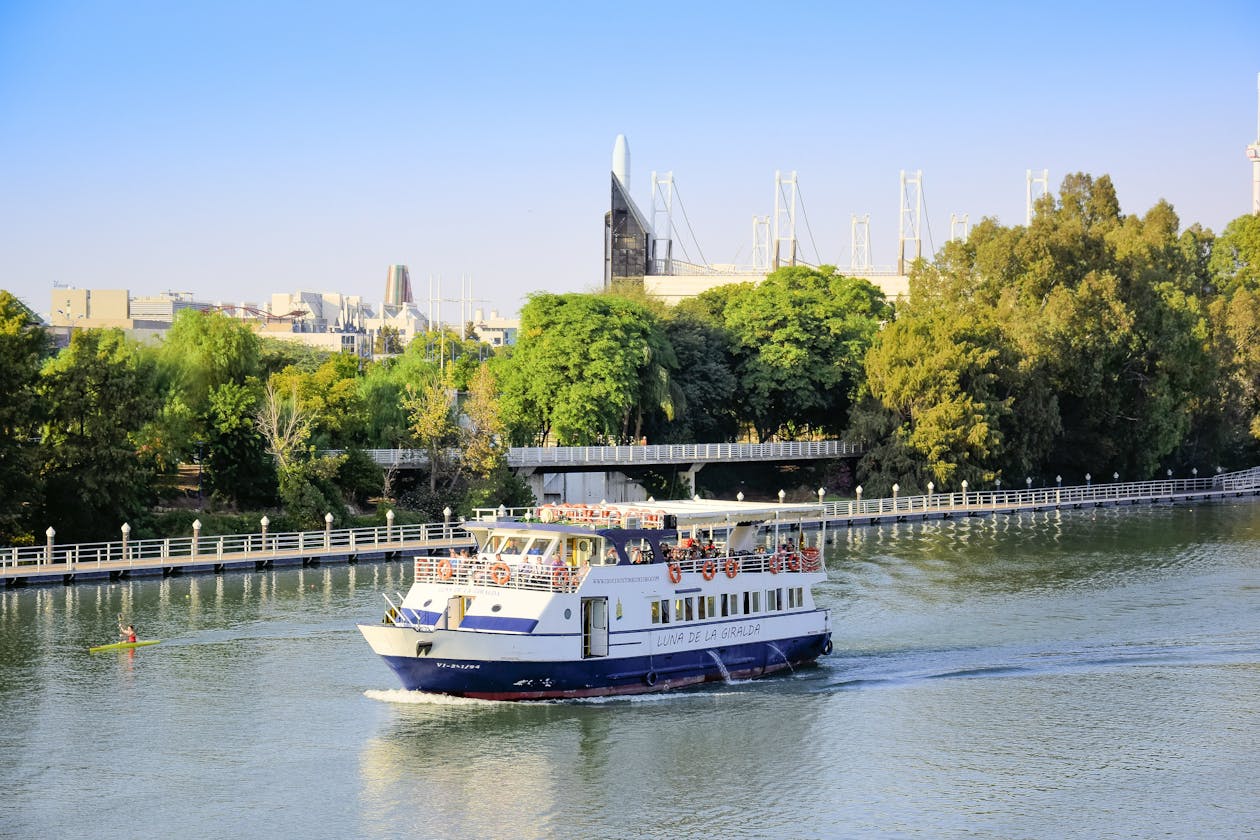
This is the budget-friendly option and honestly, for most people, it is all you need. At $21 per person, you get a cruise up the Danube Bend with stops at the key towns. With 1,313 reviews and a 4.4-star rating, it is well-established and runs reliably.
I want to be upfront about the feedback though. The scenery gets consistent praise — the Danube Bend is genuinely beautiful and seeing it from the water is the best way to experience it. But the boat itself is basic, not luxury. Some visitors have noted that the return was scheduled too early, which cuts into time at the stops. If you are someone who likes to linger at places rather than rush through, this can be frustrating.
My advice: go with realistic expectations. This is a $21 river cruise, not a Viking River Cruises experience. The views are fantastic, the price is right, and as long as you accept that the boat is a vehicle for scenery rather than a destination itself, you will have a good day. Bring your own snacks — the onboard food options are limited and overpriced for what you get.
2. Full or Half Day Danube Bend Cruises from Budapest — Price Varies

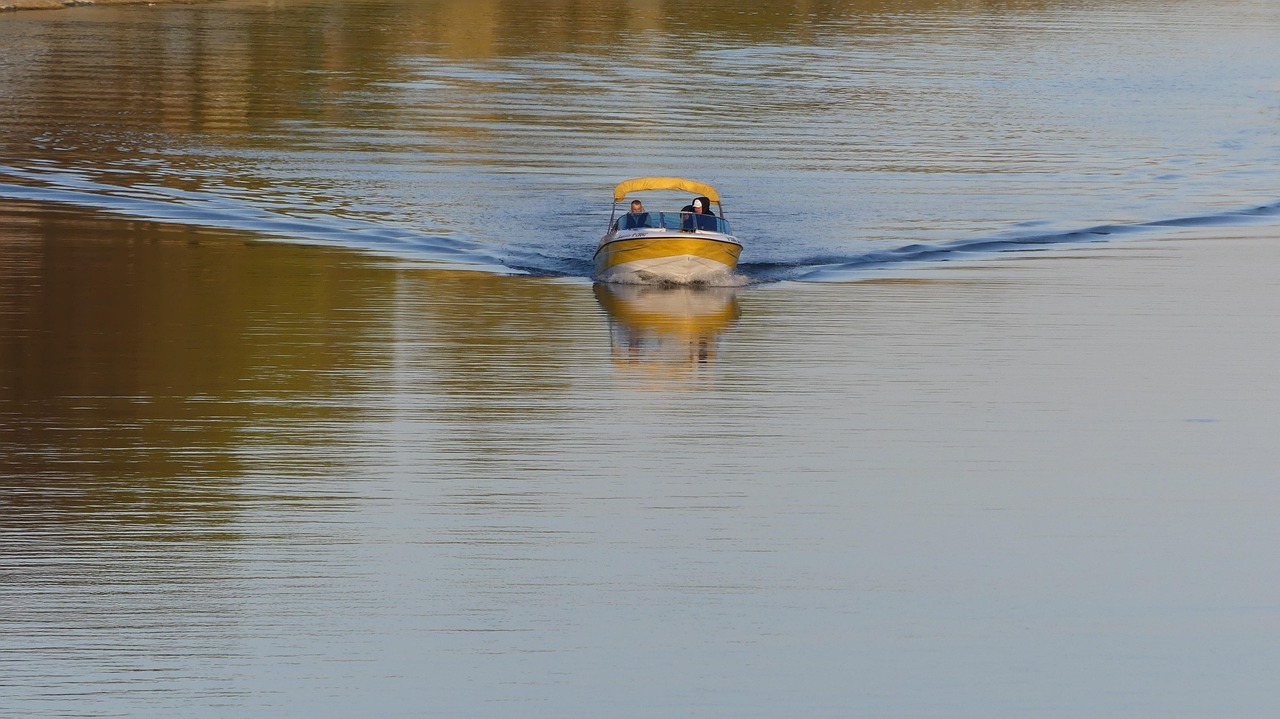
This is a similar offering covering the same Danube Bend route with both half-day and full-day options. It has 929 reviews and a 4.4-star rating, putting it in the same quality range as the first option.
The boarding locations are easy to find, which is a genuine plus — nothing worse than wandering along the Danube with your tickets trying to figure out where to go. The main criticism from visitors is that the return process can be chaotic. Not a dealbreaker, but worth knowing so you are not caught off guard when the boarding for the return trip feels less organized than the departure.
Between this and the first option, I would lean toward whichever has better availability on your dates. The routes are similar, the ratings are identical, and the experience will largely depend on the specific day and boat you get. Check both and book whichever offers the timing that works better for your schedule.
What to See at Each Stop
Szentendre — The Art Town
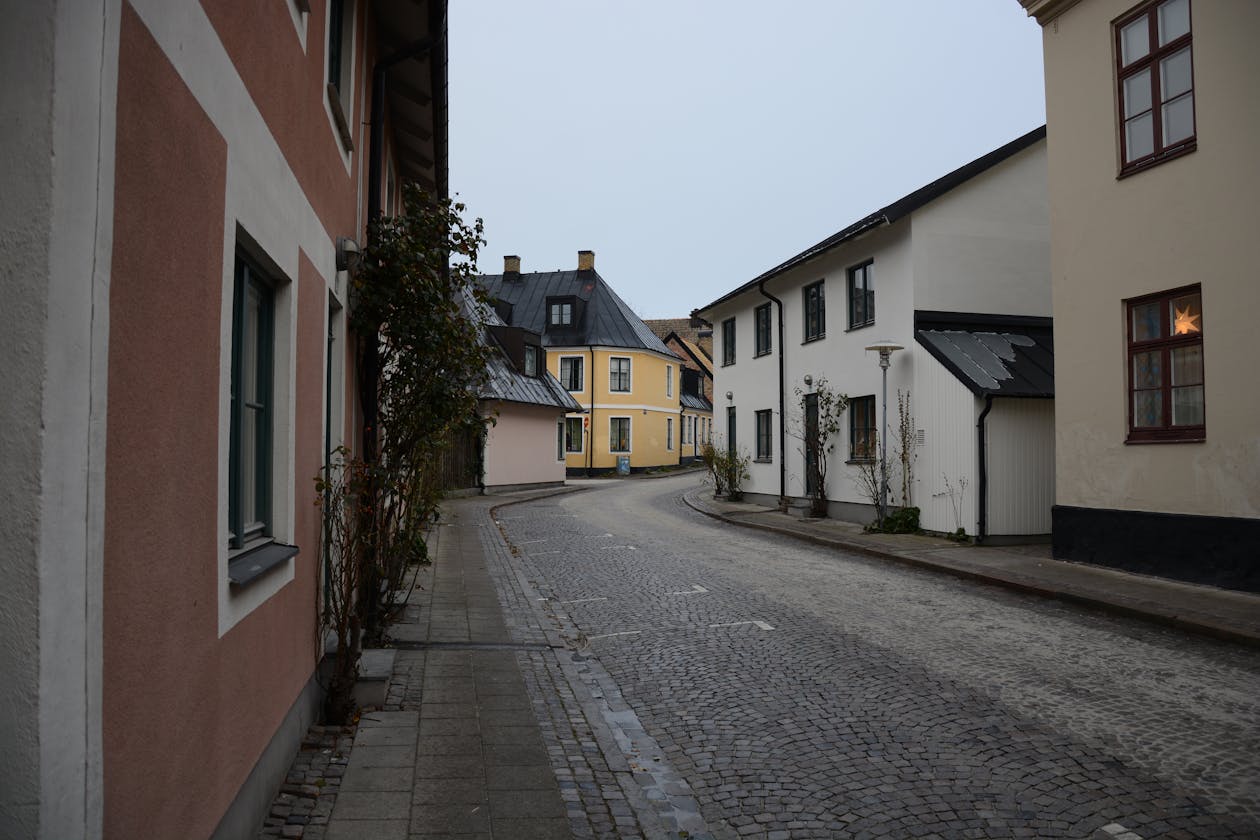
Szentendre is the obvious first stop because it is closest to Budapest and the most accessible. The town has been an artists’ colony since the early 20th century, and you can feel it — there are galleries, ceramic workshops, and craft shops on every street. The Serbian Orthodox Blagovestenska Church and the main square (Fo ter) are the postcard shots.
What most people do not realize is that Szentendre’s best feature is its side streets. Walk away from the main square and the crowds thin out fast. The Margit Kovacs Ceramic Museum is excellent if you appreciate folk art. The town also has a surprisingly good marzipan museum, which sounds kitschy but is actually impressive in a weird, delightful way.
Time needed: 2-3 hours is enough to see the highlights. Half a day if you want to explore galleries and have a proper lunch.
Food tip: Skip the tourist restaurants on the main square. Walk one street back and you will find places serving Hungarian food at half the price and twice the quality.

Visegrad — The Castle Town
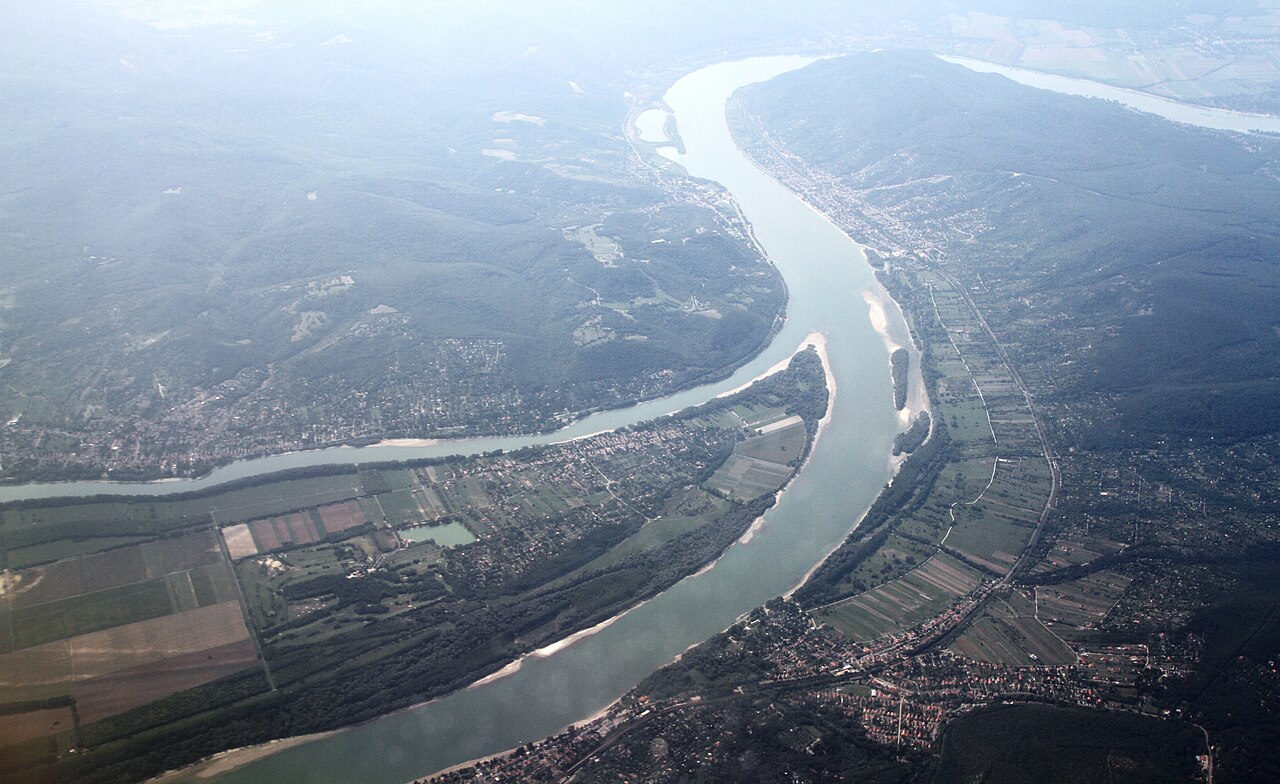
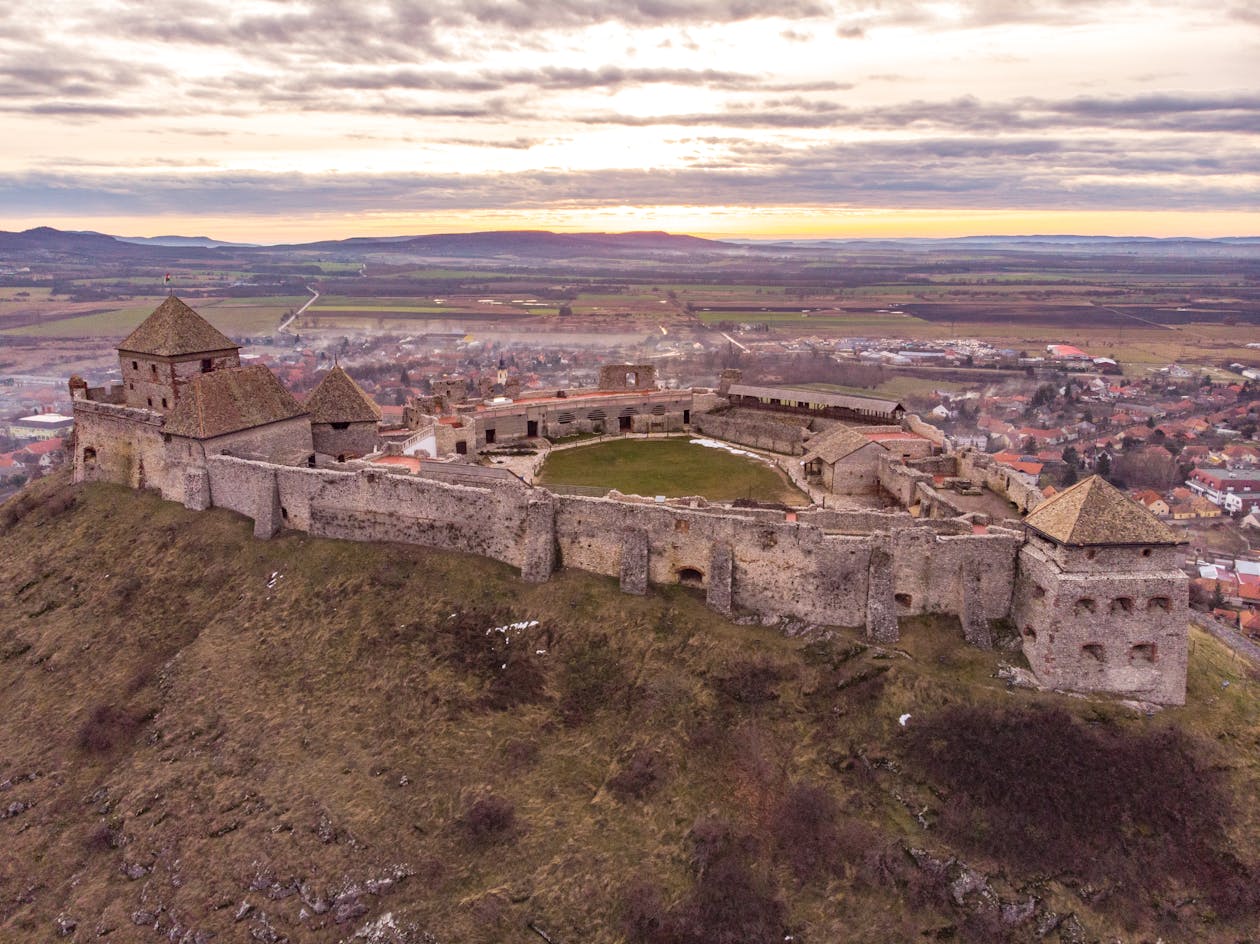
Visegrad is the stop most people rush through and later wish they had not. The main attraction is the Visegrad Castle (also called the Citadel) sitting 350 meters above the river. The climb takes about 30-40 minutes on foot, and yes, it is steep. But the panoramic view of the Danube Bend from the top is the single best viewpoint in the entire region.
At the bottom of the hill, the Royal Palace ruins are worth a quick look — this was one of the most impressive Renaissance courts in 15th-century Europe under King Matthias Corvinus. There is also Solomon’s Tower, a medieval tower near the riverbank that now houses a small museum.
Time needed: At least 2 hours, ideally 3. The castle climb alone takes an hour round trip and you will want time at the top to just sit and take in the view.
Wear good shoes. The path to the castle is not paved in all sections and gets slippery when wet. This is not a flip-flop hike.

Esztergom — The Basilica Town
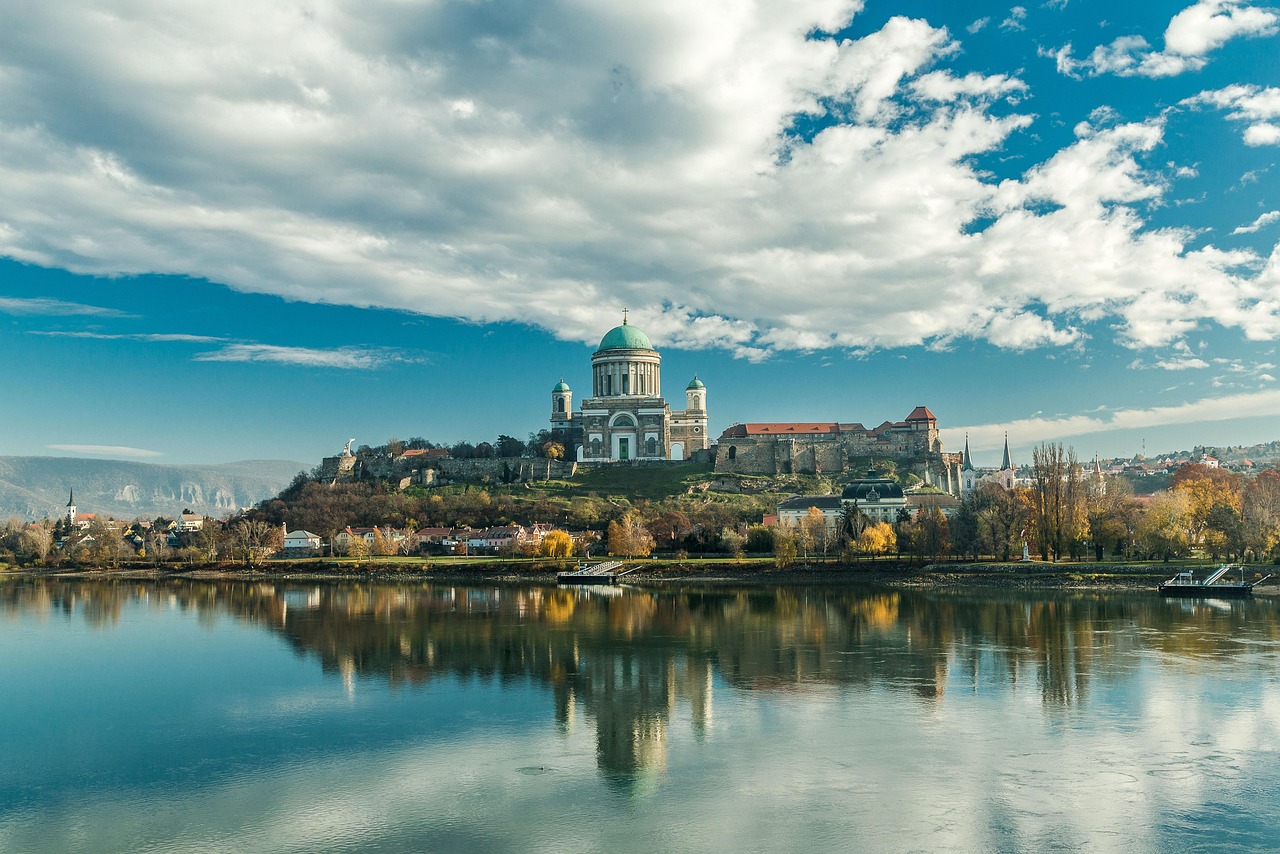
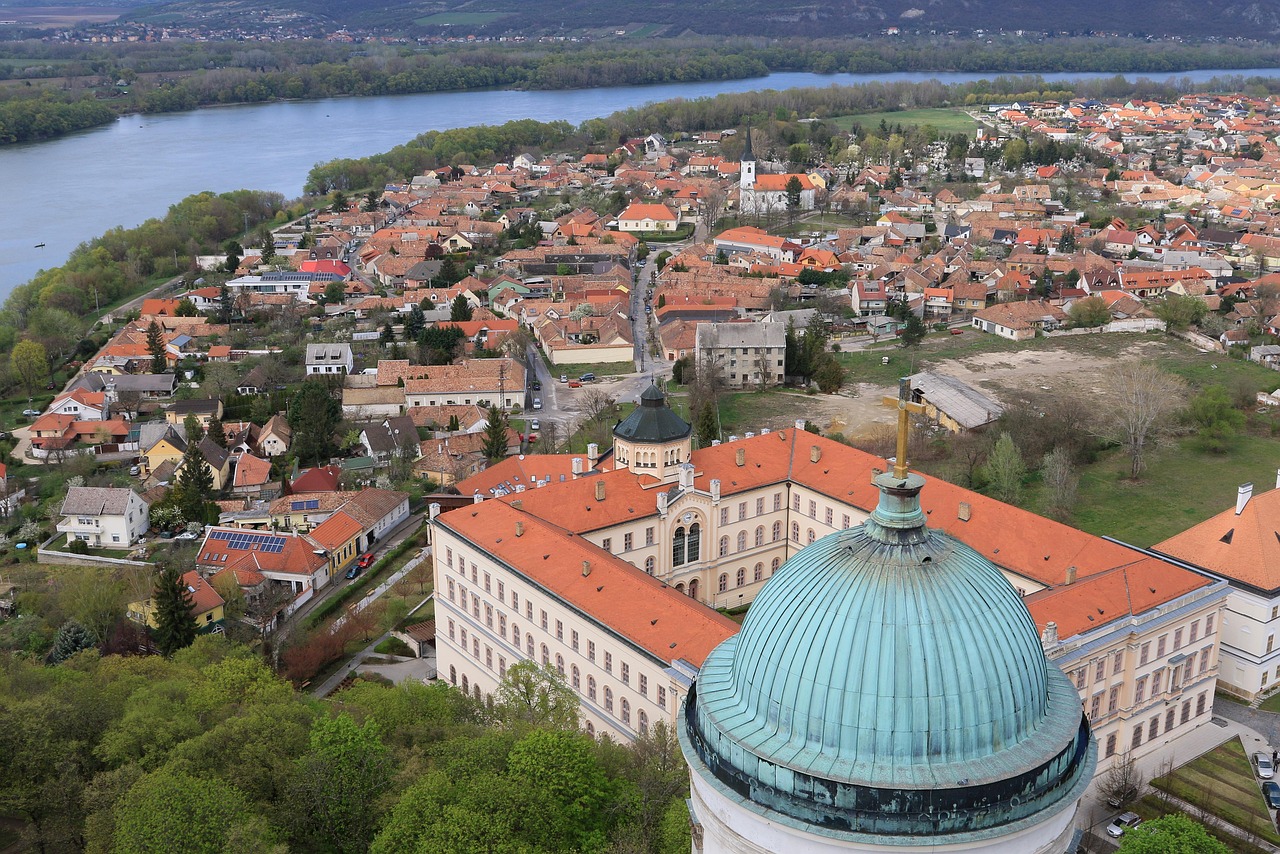
Esztergom Basilica is impossible to miss — it dominates the skyline and is visible from the river long before you dock. The basilica is the largest church in Hungary and the seat of the Catholic Church in the country. Entry to the main church is free, which is refreshing. The crypt and the treasury have a small admission fee, and the cupola climb (for views) costs extra but is worth every forint.
Beyond the basilica, Esztergom is worth exploring. The Castle Museum next door has good exhibits on the town’s history as Hungary’s medieval capital. And the Maria Valeria Bridge connects Esztergom to Sturovo in Slovakia — you can literally walk across the border, which is a fun novelty even if there is not much to see on the Slovak side.
Time needed: 1.5-2 hours for the basilica and surroundings. Add 30 minutes if you want to walk across to Slovakia.
The view from inside the cupola is better than the one from outside. The 360-degree panorama from the top includes the Danube, Slovakia, and the surrounding hills. It is a tight spiral staircase to get up there, so skip it if you have claustrophobia issues.
When to Go and Practical Tips
The Danube Bend is a year-round destination but the experience changes dramatically with the seasons.
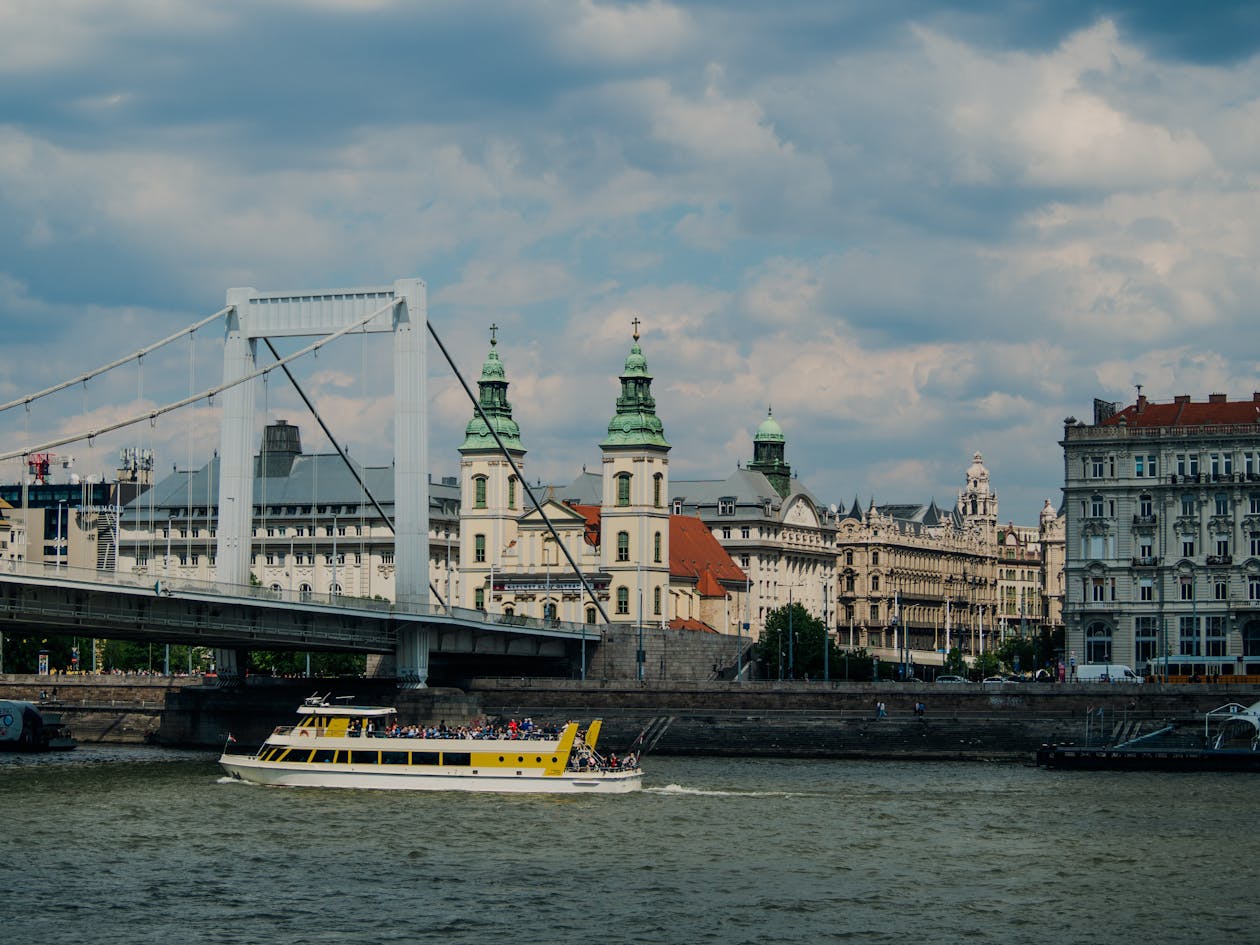
Best months: May through September for cruises. The boats run most frequently in summer and the weather cooperates for deck sitting and castle climbing. Late September and October are beautiful for the autumn colors along the river. Avoid January and February — some cruise routes do not operate and the towns feel deserted.
Best day of the week: Tuesday through Thursday. Weekends bring Hungarian day-trippers from Budapest and Szentendre in particular gets packed. Monday is fine but some museums and restaurants may be closed.
What to bring: Layers (the river is cooler than the city), comfortable walking shoes (essential for Visegrad Castle), sunscreen if you will be on the top deck, a portable phone charger, and cash. The smaller towns and attractions often prefer cash over cards, especially for small purchases and admission fees.
River cruises depart early. Most Danube Bend cruises leave Budapest between 8-10am. Factor in getting to the departure point, which is usually near the Vigado ter or Batthyany ter piers. Give yourself at least 30 minutes of buffer — missing the boat is not recoverable.
The full-day cruise is better than the half-day. The half-day option usually only goes to Szentendre or Visegrad. The full day gets you all three towns and the scenic stretch between Visegrad and Esztergom, which is the most beautiful part of the route. If you are going to do this, do it properly.
Book ahead in summer. July and August cruises fill up, especially on weekends. Booking a few days in advance is smart during peak season. In shoulder season (May, September, October), you can usually book day-of without issues.

More Budapest Guides
The Danube Bend is one of the best day trips from Budapest, but the city itself has plenty to keep you busy for days.
If you enjoyed the river scenery, the Budapest Danube sightseeing cruise guide covers the shorter cruises that stay within the city. The views of Parliament, the Chain Bridge, and Buda Castle from the water are incredible, especially at night. And for something more special, the dinner and drinks cruise guide is perfect for an evening on the river.
After a day of walking around Szentendre and climbing Visegrad Castle, you will want to recover. The thermal baths guide covers Szechenyi, Gellert, and Rudas — genuinely the best way to recover from a full day of sightseeing. My calves were grateful the morning after Visegrad.
For more culture and food, check out the food tours and cooking classes guide and the wine tasting tours guide. Hungarian cuisine and wine are both seriously underrated. And if nightlife is your thing, the ruin bar and pub crawl guide covers Budapest’s famous District VII bar scene. The St. Stephen’s Basilica guide rounds out the must-see landmarks.
This article contains affiliate links. If you book a tour through one of our links, we earn a small commission at no extra cost to you. This helps us keep writing detailed, honest travel guides. We only recommend tours we have researched thoroughly and believe offer genuine value.