Napoleon was born in Ajaccio. He left at 9, conquered most of Europe, and never came back for more than a few weeks at a time. His loss. The island he abandoned is the most beautiful place in France, and I include the entire Riviera, the Alps, and Provence in that statement.
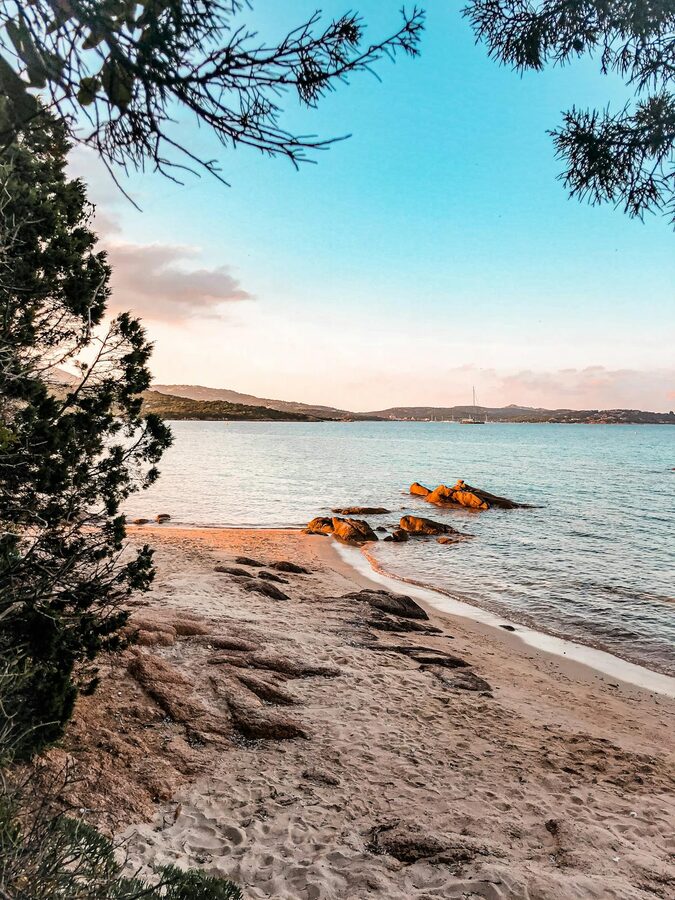
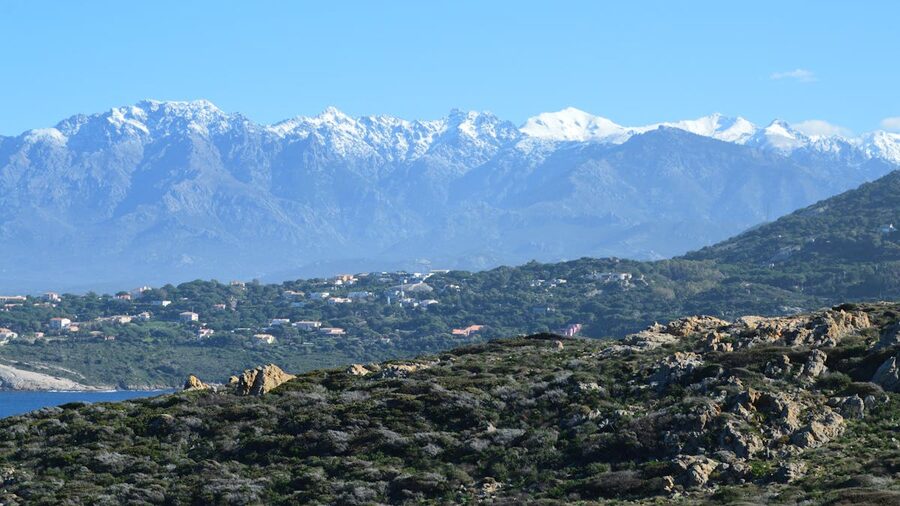
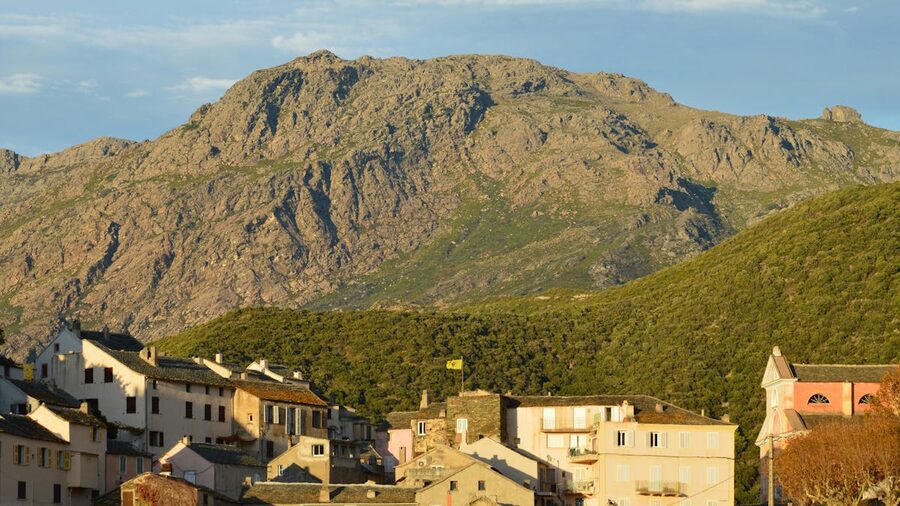
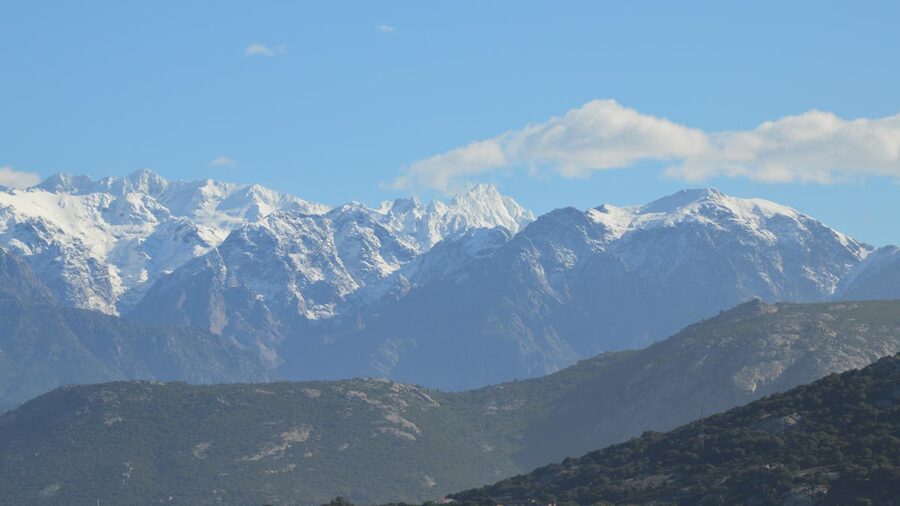
Corsica sits in the Mediterranean halfway between France and Italy, and it feels like neither. The mountains rise straight from the sea to 2,700 metres. The beaches have water the colour of gemstones. The food is wild boar, sheep cheese, chestnut everything, and wine that nobody outside the island has heard of. It is France at its most untamed.
Most visitors base themselves in Ajaccio (the capital, on the west coast) or Bonifacio (the dramatic clifftop town on the southern tip). From either, you can reach the Sanguinaires Islands, the Lavezzi archipelago, and some of the most spectacular boat trips in Europe.
This guide covers the best tours from both towns — the boat trips, the bus tours, and the island excursions that make Corsica worth the ferry or flight.
- Quick Picks — Best Corsica Tours
- Ajaccio: Napoleon’s Birthplace
- The Ajaccio Bus Tour
- Bonifacio: The Clifftop Fortress
- The Sanguinaires Islands
- The Lavezzi Islands
- The Best Corsica Tours
- 1. Ajaccio Open-Top Bus Tour —
- 2. Day Trip to Bonifacio by Boat from Ajaccio —
- 3. Sanguinaires Islands Boat Trip with Aperitif —
- Corsican Food: What to Try
- When to Visit Corsica
- Getting to Corsica
- More France Guides
Quick Picks — Best Corsica Tours
Best city orientation: Ajaccio Open-Top Bus Tour — around $14, 90 minutes through Ajaccio and along the coast. The cheapest and most reviewed tour on the island.
Best day trip: Day Trip to Bonifacio by Boat from Ajaccio — around $84, a full day including the 3-hour scenic boat ride along the coast and free time in Bonifacio. Nearly 900 reviews.
Best sunset experience: Sanguinaires Islands Boat Trip with Aperitif — around $68, a 2.5-hour sunset cruise to the volcanic islands with drinks included. The signature Ajaccio evening experience.
Ajaccio: Napoleon’s Birthplace
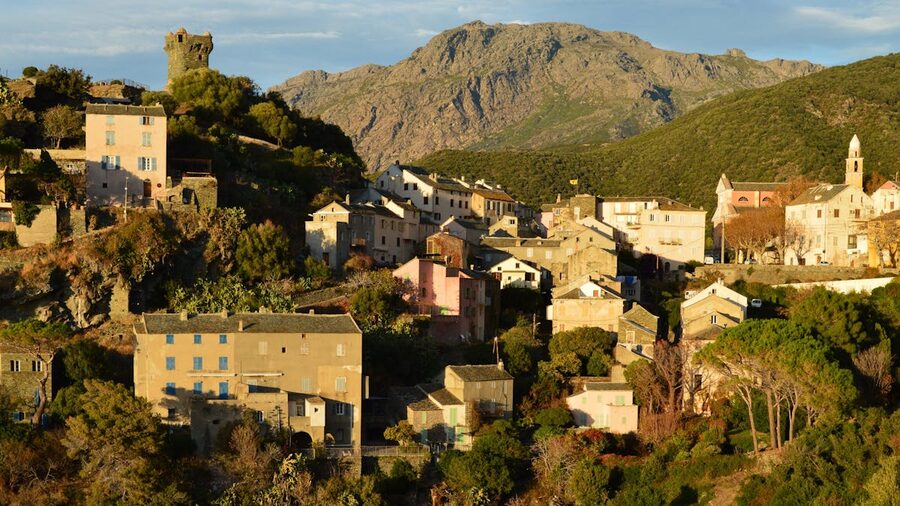
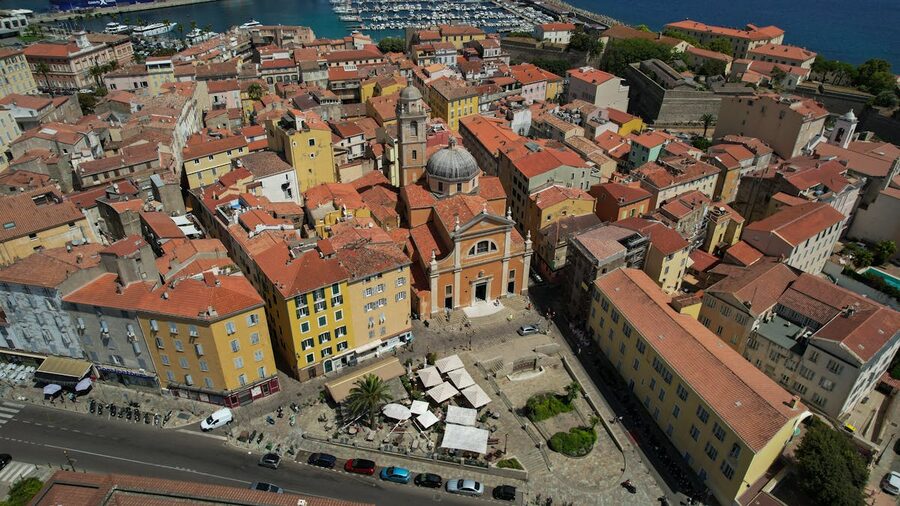
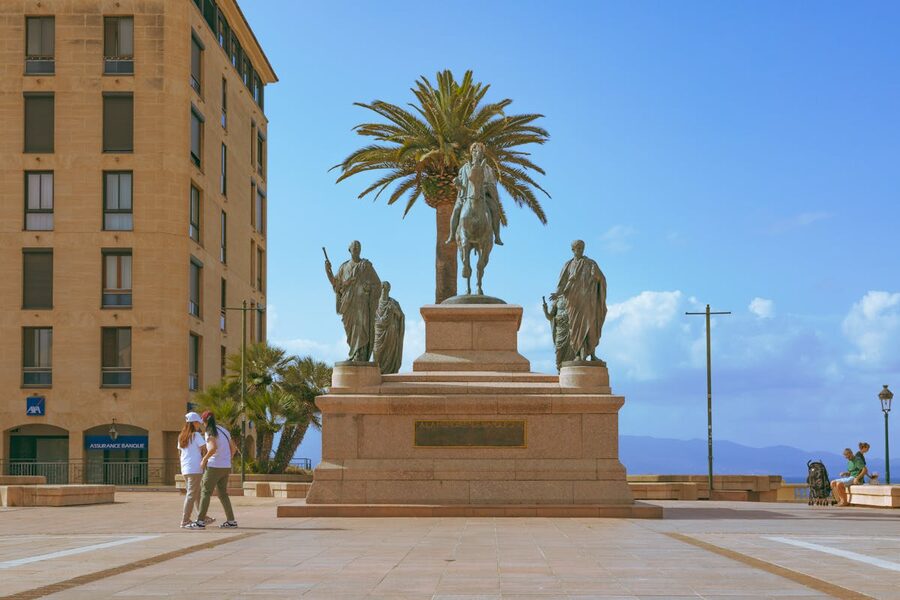
Corsica’s capital is a Mediterranean city with an Italian accent and a French passport. The old town is compact — narrow streets, tall shuttered buildings painted in terracotta and cream, and a harbour that has been welcoming boats since the Genoese built it in the 15th century.
Napoleon’s birthplace is now a museum on Rue Saint-Charles. The rest of the old town is given over to food, wine, and the daily market on Place Foch where vendors sell Corsican charcuterie, cheese, and honey that you will not find on the mainland.
The Ajaccio Bus Tour
The open-top bus runs a 90-minute loop through the city and along the coastal road toward the Sanguinaires. It is the quickest way to orient yourself — you see the old town, the Napoleonic sites, the beaches, and the rocky coastline that makes the west coast of Corsica so dramatic.
At $14 per person, it is effectively free by tourist activity standards. The commentary is available in multiple languages and covers the basics of Ajaccio’s history (Greek, Roman, Genoese, French, briefly British — it has been a busy harbour).
Bonifacio: The Clifftop Fortress
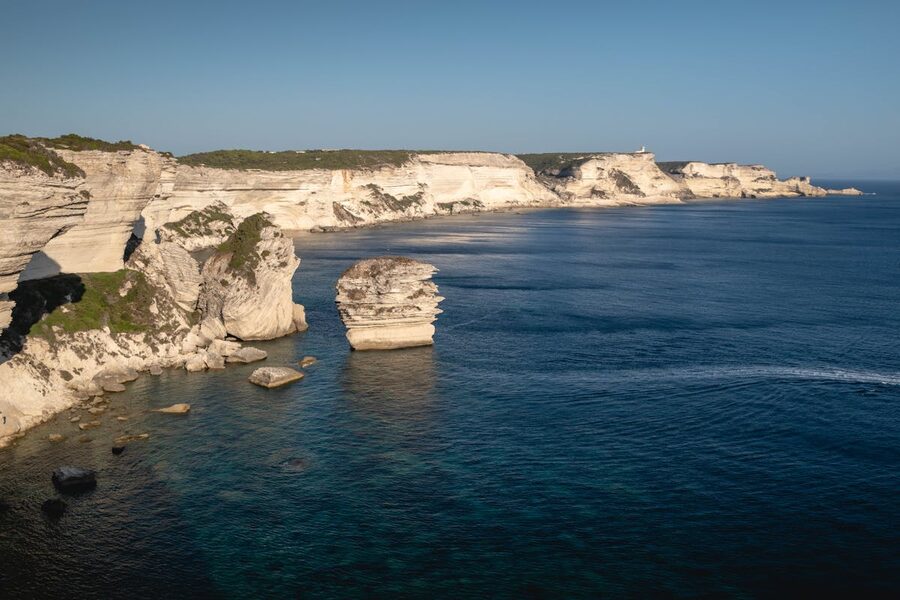
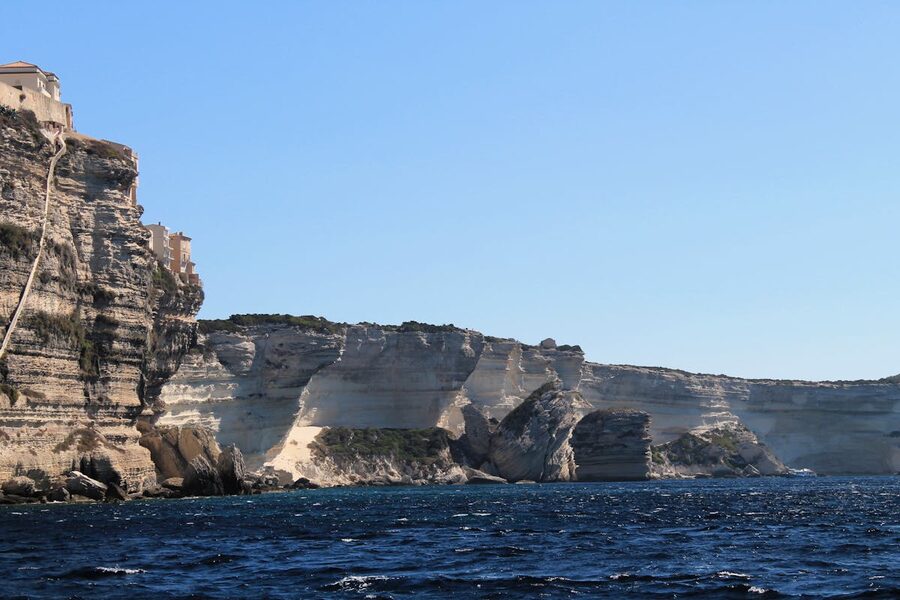
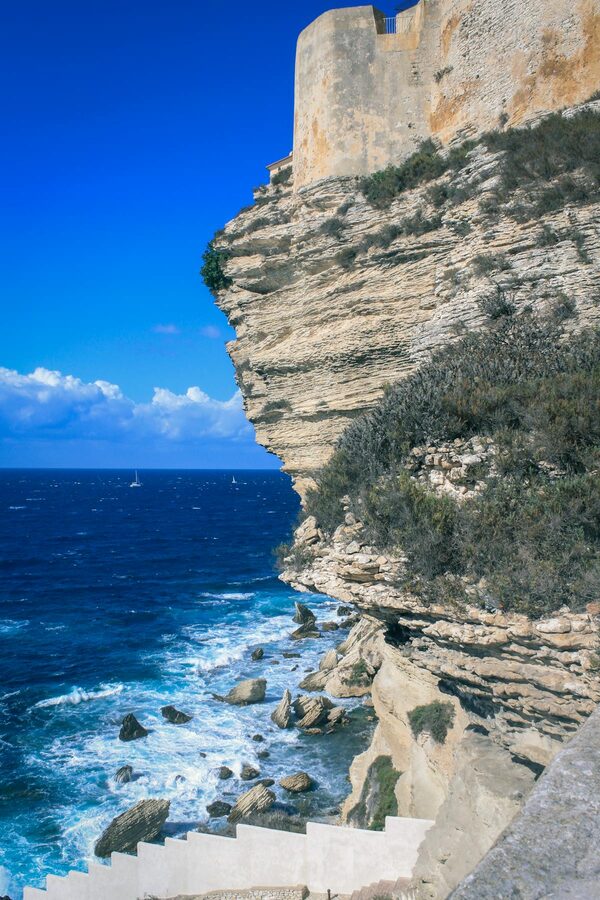
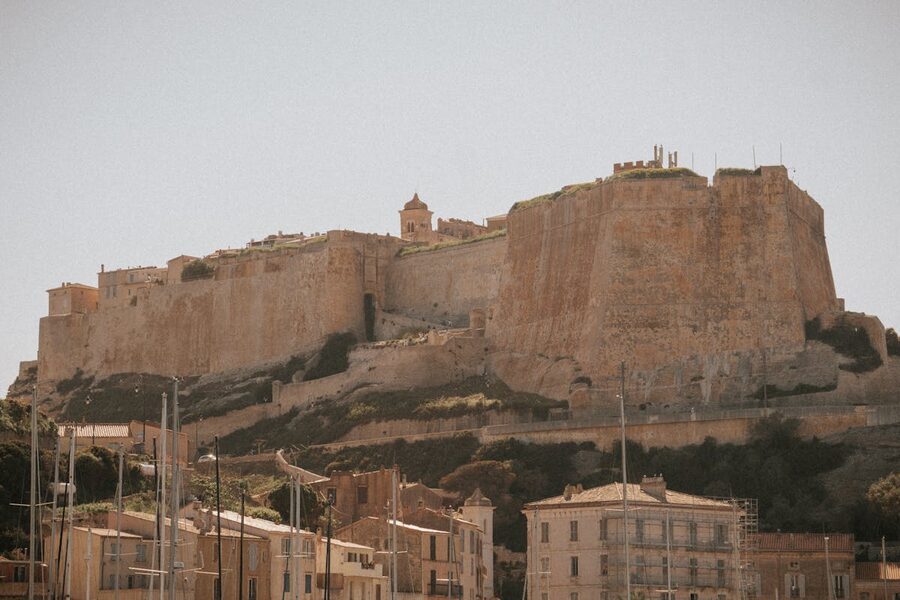
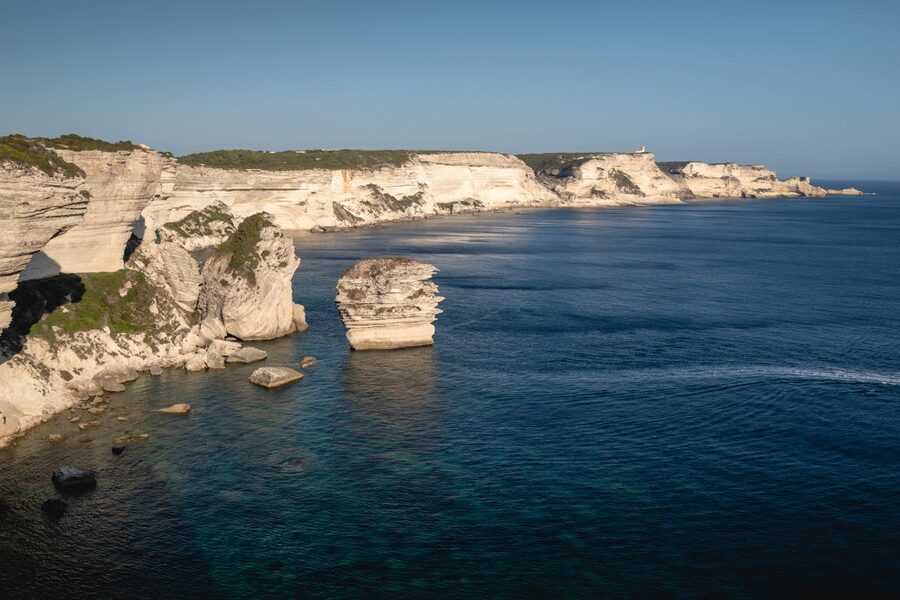
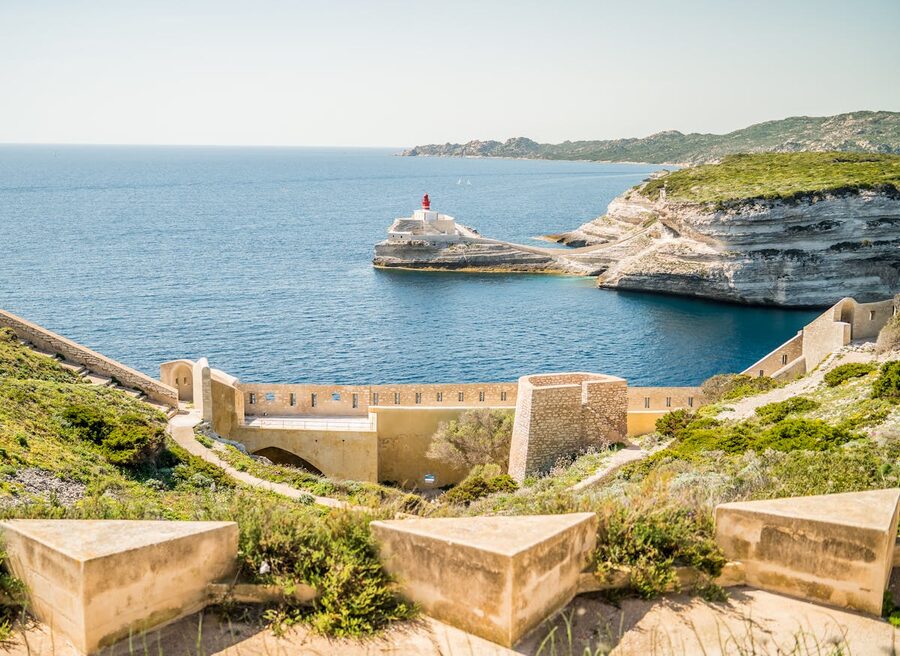
Bonifacio is Corsica’s most dramatic town — a medieval citadel perched on white limestone cliffs 60 metres above the sea. The harbour below is a narrow fjord-like inlet where boats dock between vertical rock walls. The old town above is a labyrinth of 13th-century stone buildings, staircases carved into the cliff, and viewpoints that make your palms sweat.
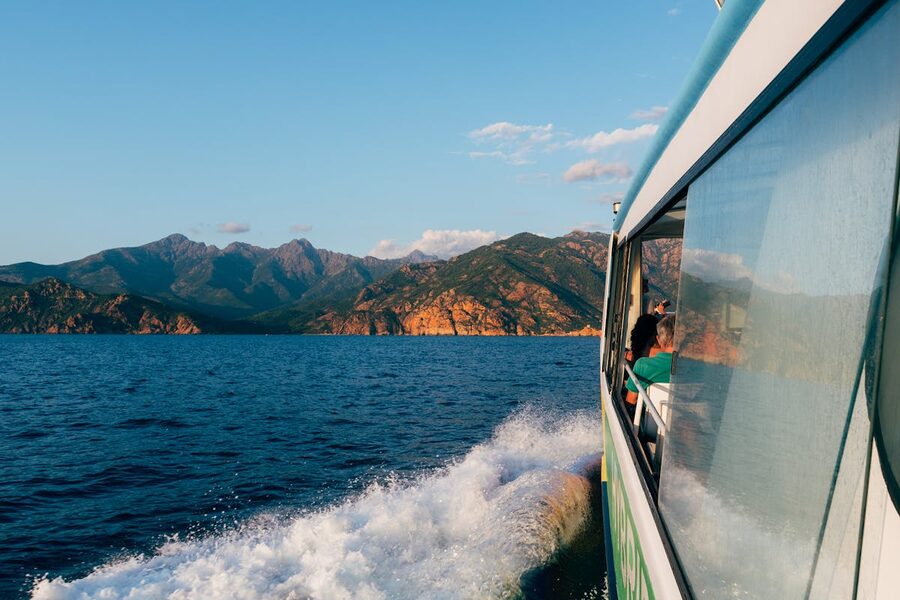
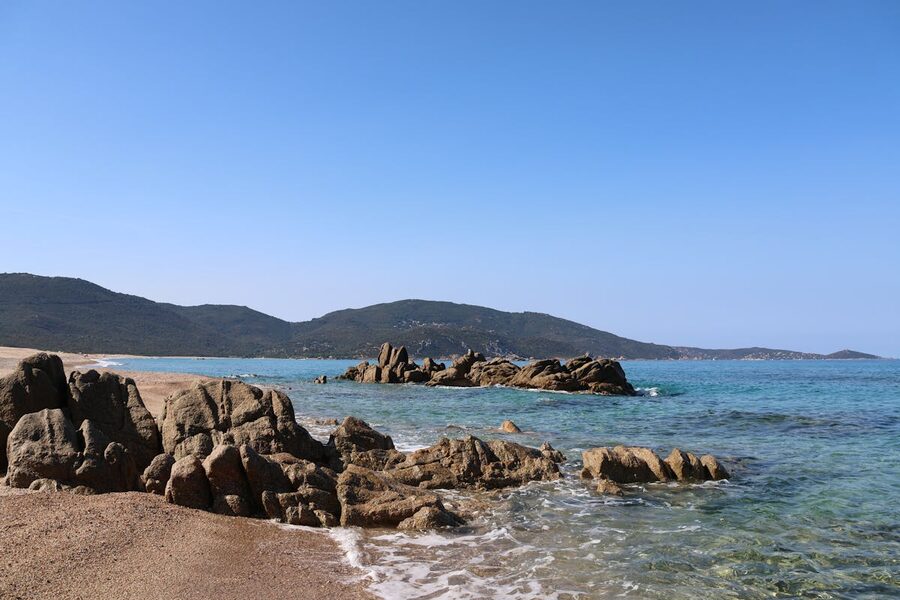
The boat trip from Ajaccio to Bonifacio takes about 3 hours each way along the coast. The route passes some of Corsica’s most spectacular scenery — red granite cliffs, hidden beaches, and sea caves accessible only by boat.
The Sanguinaires Islands
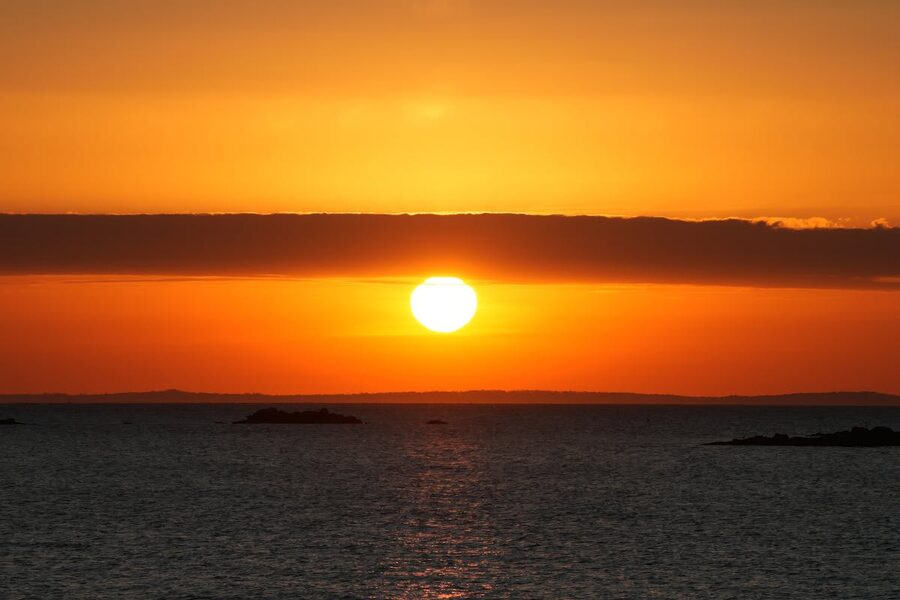
The Iles Sanguinaires are a chain of four small volcanic islands off Ajaccio’s western tip. The name means “bloody islands” — either from the red porphyry rock that glows at sunset, or from a corruption of the Italian for “uninhabited.” Nobody is entirely sure. What everyone agrees on is that the sunset boat trip to these islands is the essential Ajaccio evening experience.
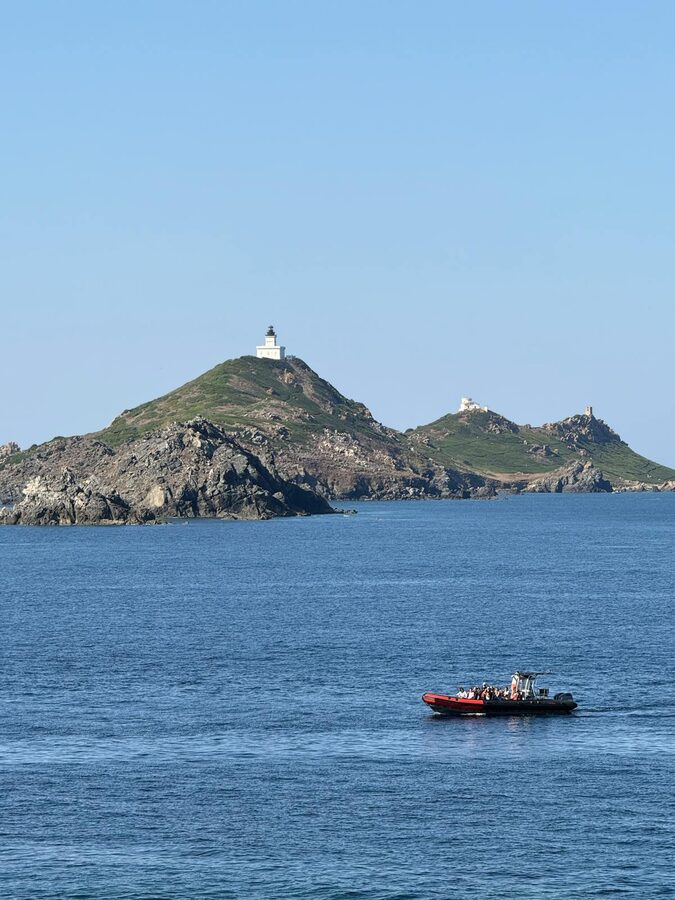
The boat trip includes aperitifs — usually a glass of Corsican wine and local snacks. The tour lasts about 2.5 hours and passes close enough to the islands to see the lighthouse, the seabirds, and the rocky coastline that the waves have sculpted over millennia.
The Lavezzi Islands
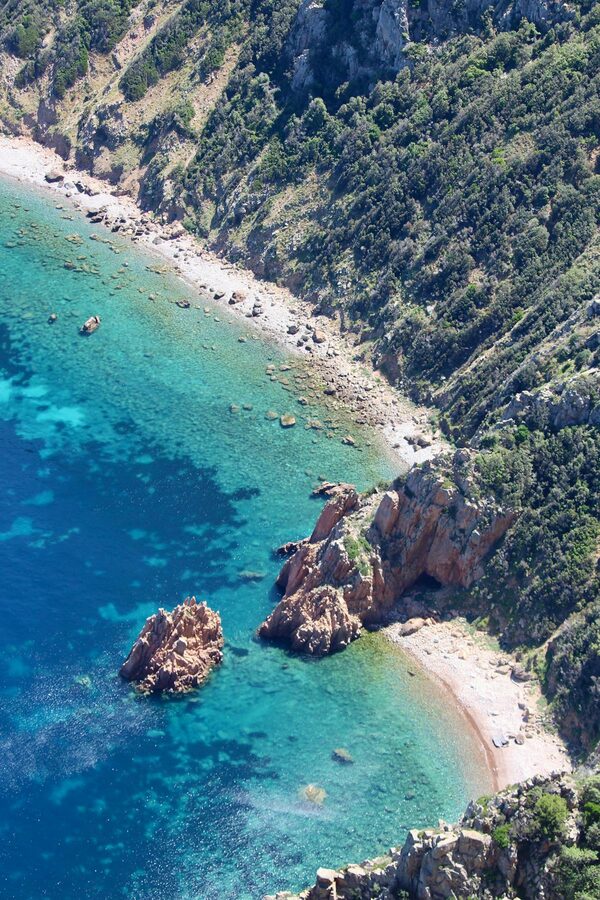
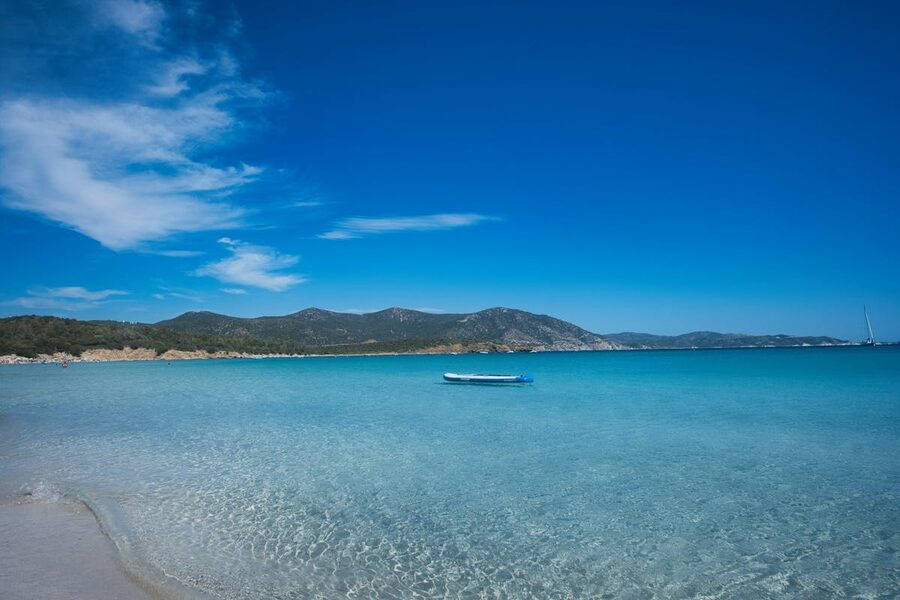
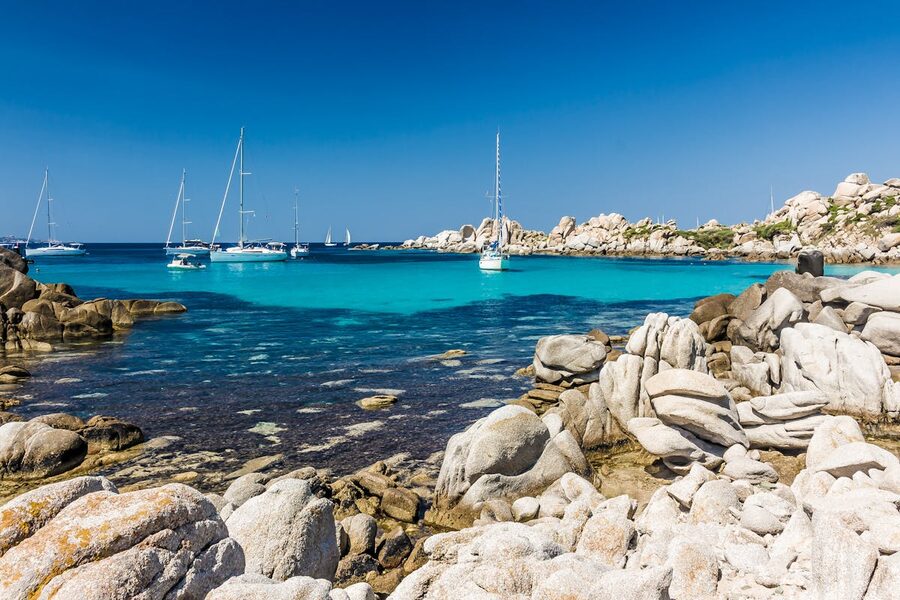
South of Bonifacio, the Lavezzi archipelago is a nature reserve with some of the clearest water in the Mediterranean. The granite boulders, white sand beaches, and turquoise lagoons look more Caribbean than European. Boats from Bonifacio take about 30 minutes to reach the main island.
The snorkelling here is exceptional — colourful fish, sea urchins, and underwater rock formations at depths of 3-15 metres. The water temperature from June through September is comfortable without a wetsuit.
The Best Corsica Tours
1. Ajaccio Open-Top Bus Tour — $14
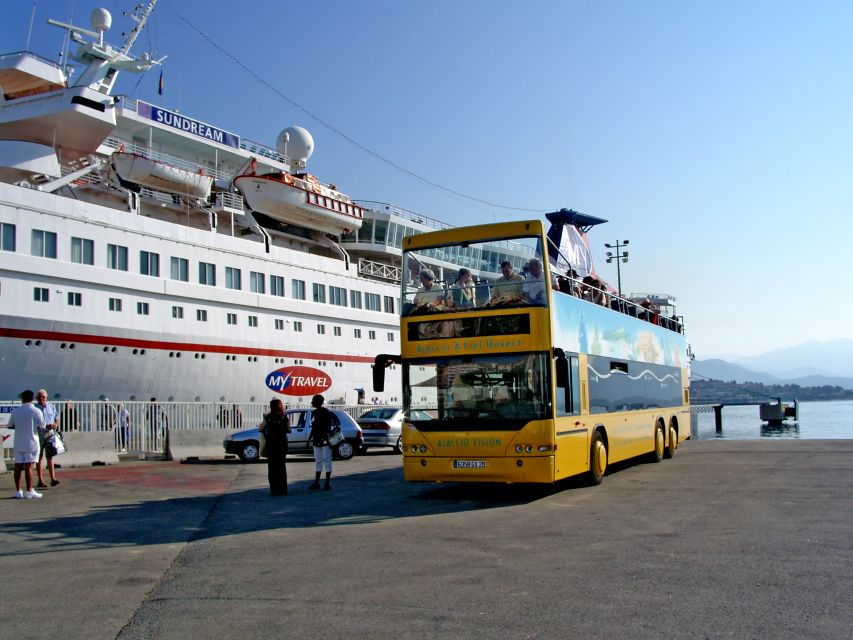
A 90-minute open-top bus tour through Ajaccio and along the coastal road toward the Sanguinaires. The route covers Napoleon’s birthplace, the old harbour, the beaches, and the dramatic rock formations along the Route des Sanguinaires.
One reviewer described it as the right amount of time and appreciated the photo stop along the coastal route. The commentary is available in French, English, and several other languages. At $14 per person, this costs less than a taxi ride and shows you more than a full day of walking would cover.
This is the first thing to do in Ajaccio. It gives you a mental map of the city, shows you the coastline, and helps you decide where to spend the rest of your time.
2. Day Trip to Bonifacio by Boat from Ajaccio — $84
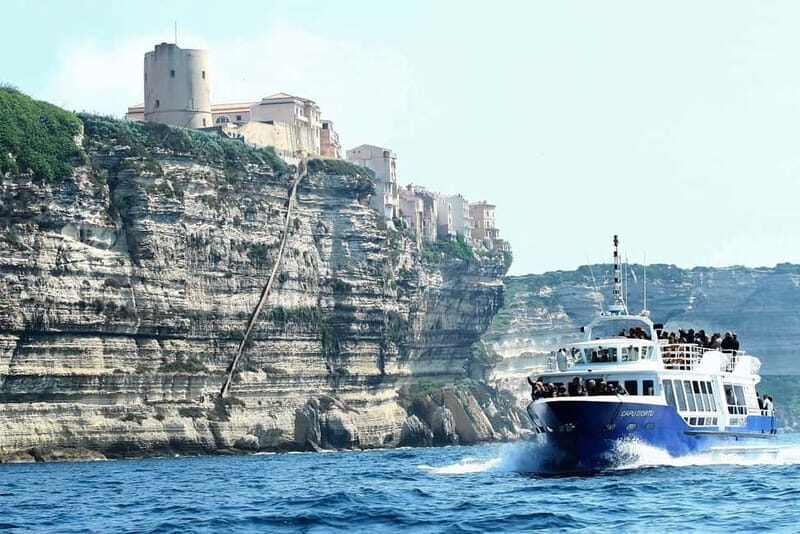
A full-day excursion from Ajaccio to Bonifacio by boat. The 3-hour journey along the coast is as scenic as the destination. You get free time in Bonifacio to explore the citadel, eat lunch, and walk the cliff paths before the return trip in the afternoon.
One reviewer noted a dreary weather day but still found Bonifacio beautiful — a testament to a town that impresses regardless of conditions. The limestone cliffs are just as dramatic in grey light, and the citadel streets are sheltered from wind and rain.
At $84 for a full day including the boat ride and coastal scenery, this is solid value. The boat ride alone would cost similar as a private charter. Add the guided commentary and the Bonifacio free time, and it becomes one of the best day trips available on the island.
3. Sanguinaires Islands Boat Trip with Aperitif — $68
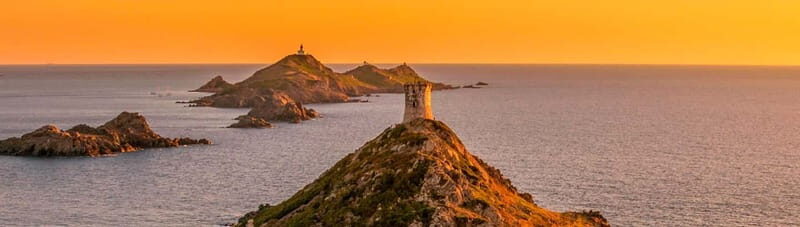
A 2.5-hour sunset boat trip from Ajaccio harbour to the Iles Sanguinaires. The boat passes along the coast, circles the islands at sunset, and returns as the light fades. Aperitifs — typically Corsican wine, beer, and local charcuterie snacks — are included.
At $68 for a sunset cruise with drinks, this is competitive with mainland France boat tours. The Sanguinaires sunset is genuinely spectacular — the volcanic rock turns blood-red as the light drops, and the silhouette against the western sky is one of the most photogenic moments in Corsica.
One note: some reviewers mentioned the boat being faster than expected (more speedboat than gentle cruise). If motion sickness is a concern, take precautions. The sea off western Corsica can be choppy, especially in the afternoon.
Corsican Food: What to Try
Corsican cuisine is aggressively local. The island produces its own charcuterie (lonzu, coppa, figatellu), its own cheeses (brocciu — a fresh sheep cheese used in everything from omelettes to pastries), its own chestnut flour (used in bread, polenta, and beer), and its own wine (Patrimonio and Ajaccio appellations).
Figatellu: A smoked pork liver sausage grilled over chestnut wood. It sounds intense. It is intense. But with a glass of red Corsican wine, it makes perfect sense.
Brocciu: Fresh sheep or goat cheese that appears in fiadone (cheesecake), omelettes, cannelloni, and as a standalone dish drizzled with honey. It is made from whey and is only produced from November to June — if you visit in summer, the brocciu is frozen and not the same.
Chestnut everything: Corsica’s mountain forests are full of chestnut trees and the flour made from them goes into bread, polenta, pancakes, and beer. The chestnut flour gives everything a slightly sweet, nutty flavour that is unique to the island.
When to Visit Corsica
June-September: The main season. Warm weather (25-32 degrees), calm seas, and all boat tours operating. July and August are peak — expect crowds at the popular beaches and fully booked tours. Book at least 2 weeks in advance for summer.
May and October: The sweet spots. Warm enough for swimming (especially October when the sea has retained summer heat), far fewer travelers, and lower prices. Some boat tours reduce frequency but the main ones still run.
Winter: Many coastal businesses close. The interior mountains offer skiing and hiking but the boat tours do not operate. Corsica in winter is for those who want the island to themselves — the villages, the food, and the mountain scenery are still there.
Getting to Corsica
By air: Ajaccio, Bastia, Calvi, and Figari all have airports with connections to Paris, Nice, Marseille, and other European cities. Ajaccio (AJA) is the most convenient for the tours in this guide.
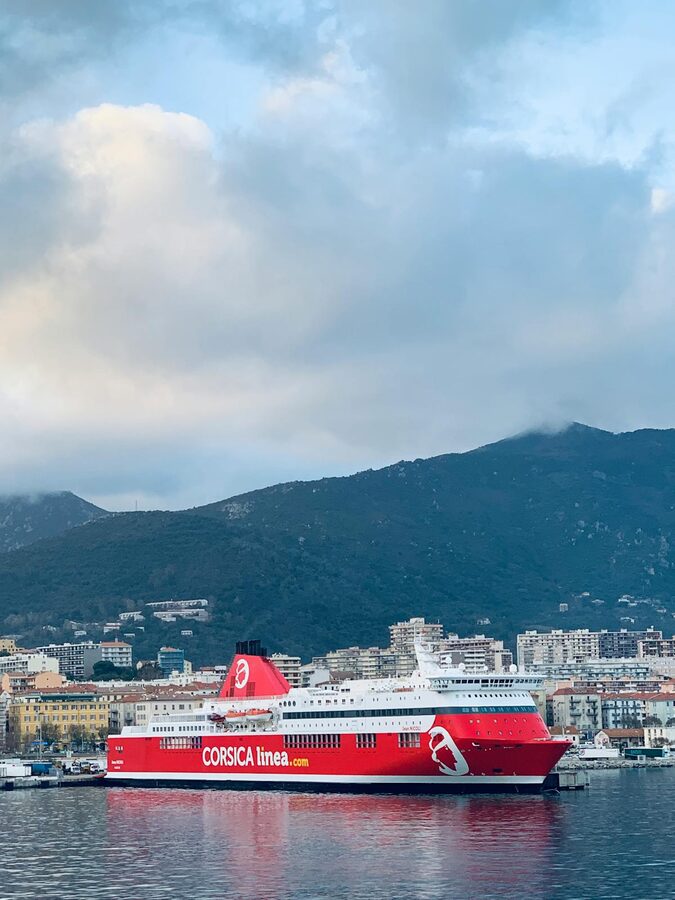
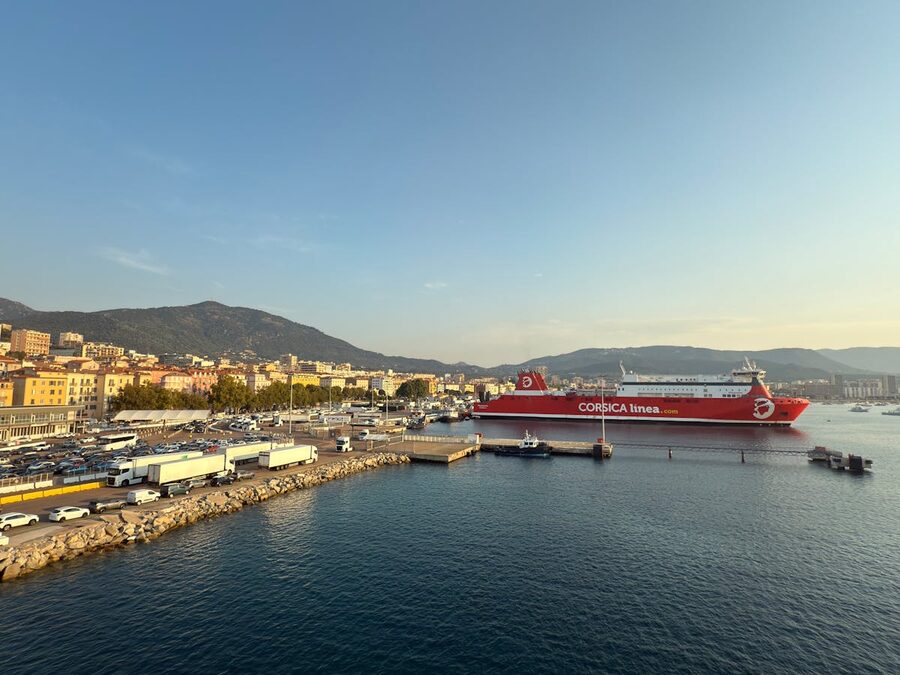
By ferry: Ferries run from Marseille, Toulon, and Nice to Ajaccio, Bastia, and other ports. The crossing takes 5-12 hours depending on the route and the ferry type. Night ferries are available and save a hotel night.
Getting around the island: You need a car. Public transport in Corsica is limited — buses between major towns exist but are infrequent. The coastal roads are some of the most scenic drives in Europe, and having your own car lets you stop at every viewpoint and hidden beach along the way.
More France Guides
Corsica is the wildest corner of France, but it connects naturally to the mainland destinations. From Ajaccio, Marseille is a short flight or ferry crossing and offers a completely different Mediterranean experience — urban, multicultural, and gritty where Corsica is rural, insular, and pristine. The Nice food and walking tours are another natural pairing — the Nicoise cuisine shares Italian influences with Corsica but expresses them in a more refined, urban way. And for a contrast that could not be more extreme, flying from Corsica to Paris for a Seine river cruise is like travelling between two different countries that happen to share a flag.