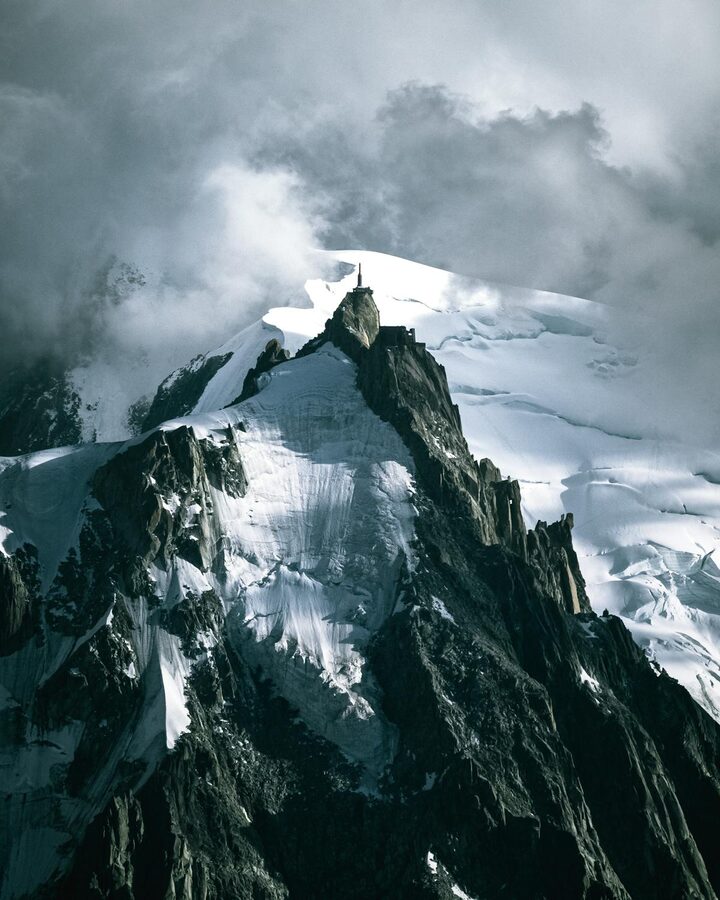
The cable car doors opened at 3,842 metres and the temperature dropped 20 degrees in three seconds. I stepped onto the observation platform at the Aiguille du Midi and the entire Mont Blanc massif was right there — not in the distance, not on the horizon, but close enough that I could see individual crevasses in the glaciers. The air was thin enough that I felt slightly dizzy. The view was clear enough that I could see into Italy.
There are plenty of scenic viewpoints in Europe. This is not a scenic viewpoint. This is standing on a needle of rock at the top of the Alps, surrounded by nothing but ice and sky, wondering how they managed to build a cable car to a place this absurd.
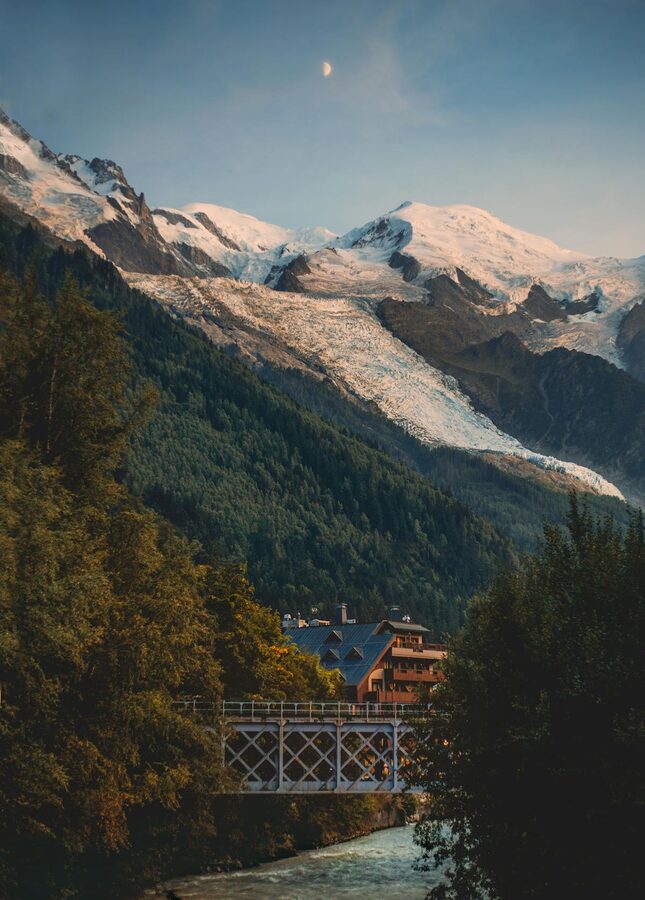
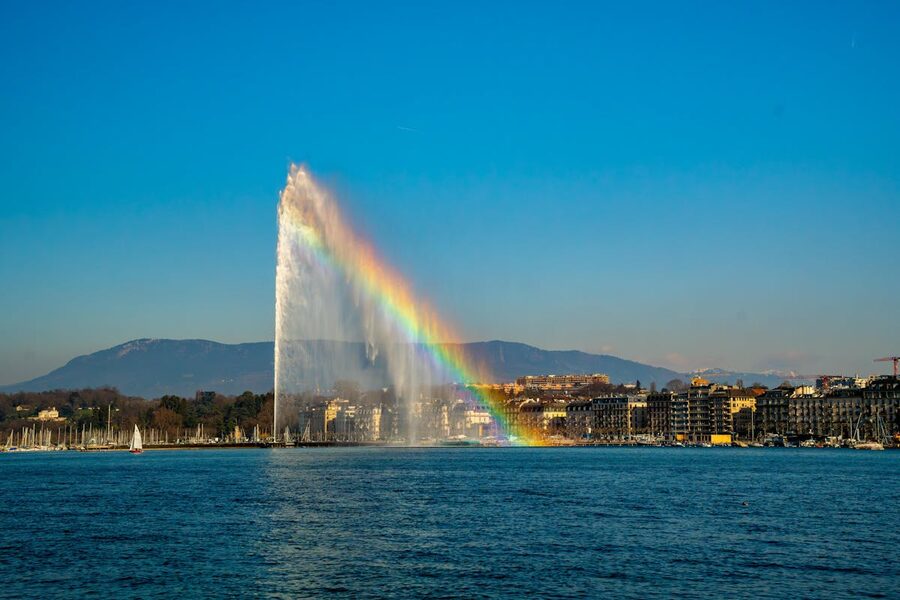
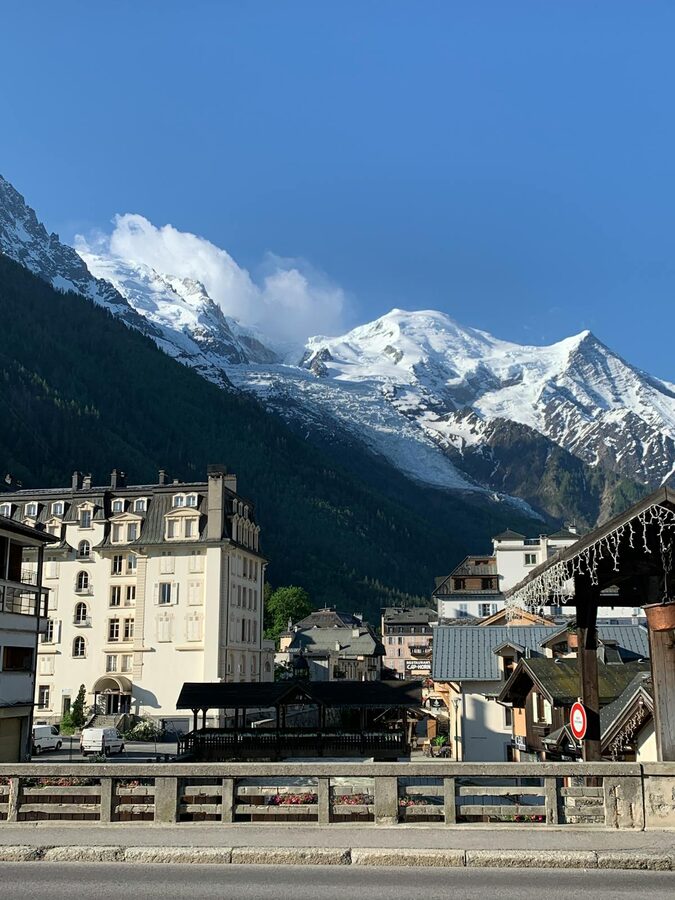
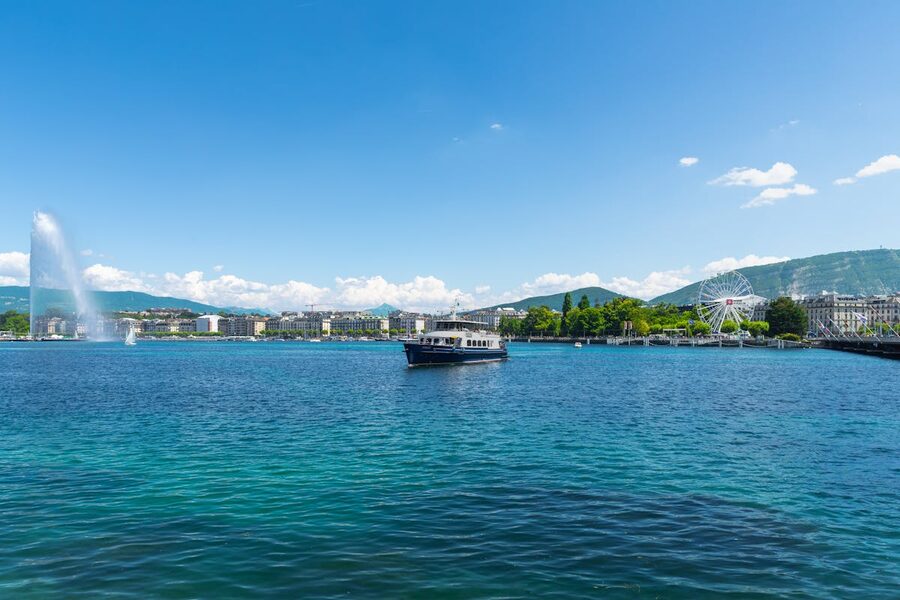
Chamonix is a 90-minute drive from Geneva and makes one of the most spectacular day trips in Europe. You do not need to be a mountaineer or a skier. The cable car does the hard work. This guide covers how to book, what to see, and whether the ice cave, the Mer de Glace glacier, or a tandem paragliding flight should make your shortlist.
- Quick Picks — Best Chamonix Day Trips
- Getting to Chamonix from Geneva
- By Organised Tour (Recommended)
- By Train
- By Car
- What to See and Do in Chamonix
- Aiguille du Midi Cable Car
- Mer de Glace (Sea of Ice)
- Paragliding Over the Valley
- The Best Chamonix Tours
- 1. Guided Day Trip to Chamonix & Mont-Blanc from Geneva — 6
- 2. Chamonix, Mont Blanc & Ice Cave Guided Day Tour — 9
- 3. Tandem Paragliding Over the Alps — 6
- When to Visit Chamonix
- Best Time of Year
- Weather Considerations
- What to Wear and Bring
- More to Explore from Geneva
Quick Picks — Best Chamonix Day Trips
Best overall: Guided Day Trip to Chamonix & Mont-Blanc from Geneva — around $126, full day with cable car, optional glacier visit, and guided commentary. The most popular option with over 1,500 reviews.
Best with ice cave: Chamonix, Mont Blanc & Ice Cave Guided Day Tour — around $129, includes the Mer de Glace glacier and ice cave visit that the standard tour skips. Slightly higher rated.
Best for adventure: Tandem Paragliding Over the Alps — around $216, a 15-25 minute flight with an instructor over the Chamonix valley. Perfect rating. For those who want more than a view.
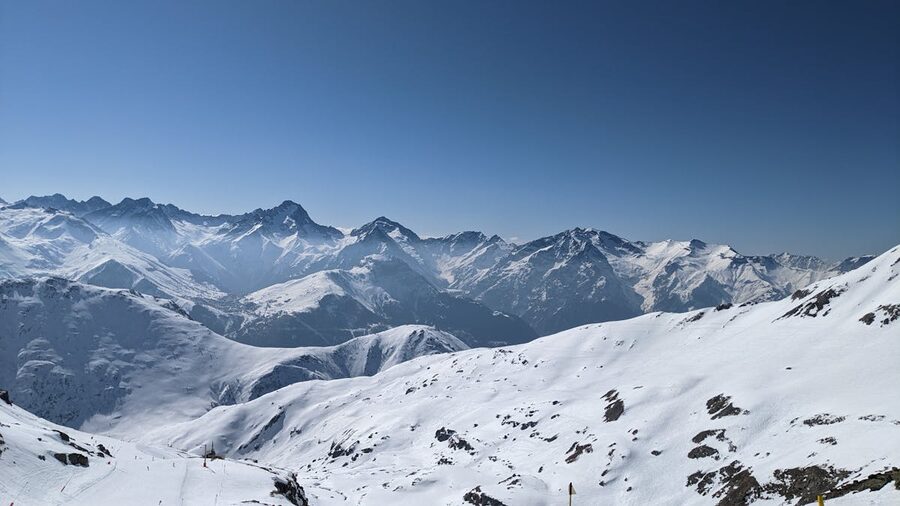
Getting to Chamonix from Geneva
Chamonix is 83 kilometres southeast of Geneva, across the French border. The drive takes about 90 minutes through the Arve Valley, which is scenic enough to be worth the trip on its own — green pastures, mountain villages, and the Mont Blanc massif growing larger in the windscreen with every kilometre.
By Organised Tour (Recommended)
This is how most visitors do it. A guided day tour includes hotel or central pickup in Geneva, the drive to Chamonix, guided commentary, and usually the Aiguille du Midi cable car ticket. Some tours add the Mer de Glace glacier railway. The guide handles the logistics — parking, tickets, timing — which matters because Chamonix’s cable car queues can eat hours of your day if you do not know the system.
By Train
There is no direct train from Geneva to Chamonix. You change at Saint-Gervais-les-Bains and the total journey takes about 3 hours each way. Scenic, but it chews up most of your day in transit. Only worthwhile if you are staying overnight.
By Car
The drive is straightforward via the A40 motorway. Parking in Chamonix costs around 10-15 euros per day. The advantage is flexibility — you can stay as long as you want and make stops in the valley. The disadvantage is that you must buy your own cable car tickets and navigate the queuing system alone.
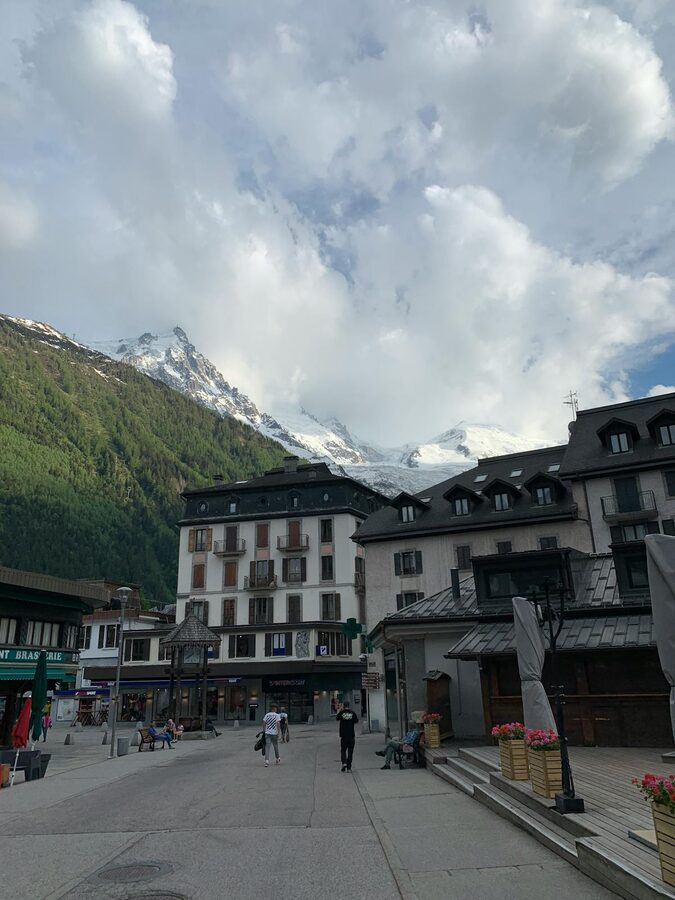
What to See and Do in Chamonix
Aiguille du Midi Cable Car
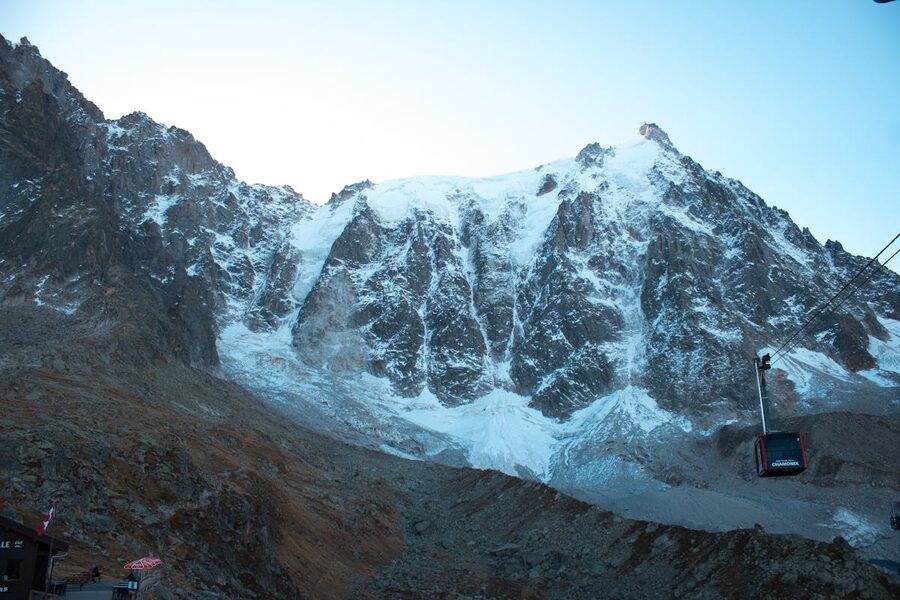
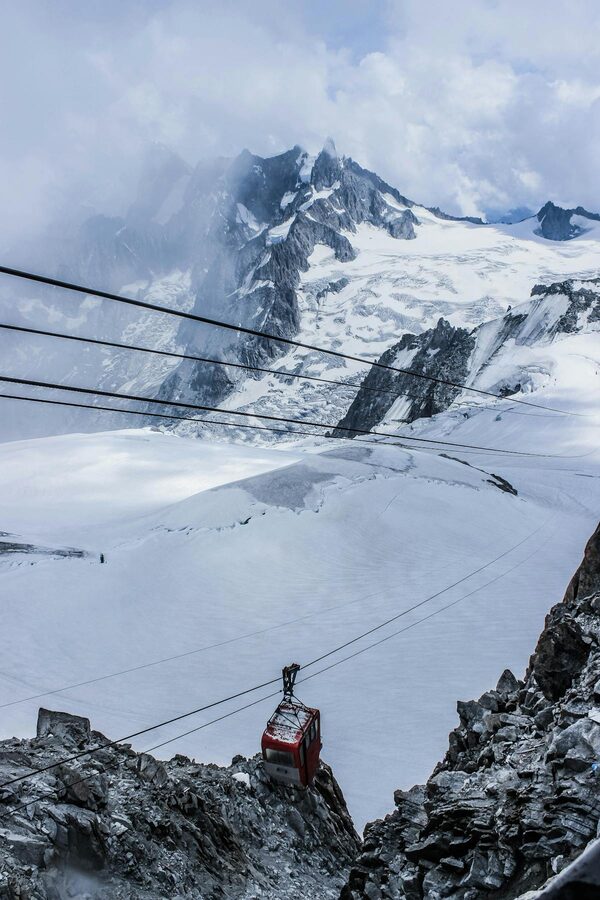
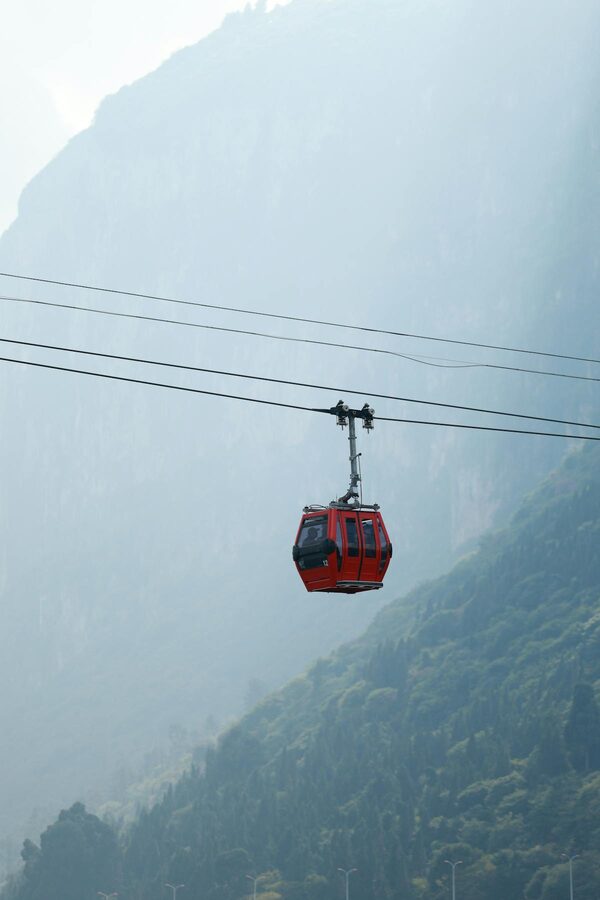
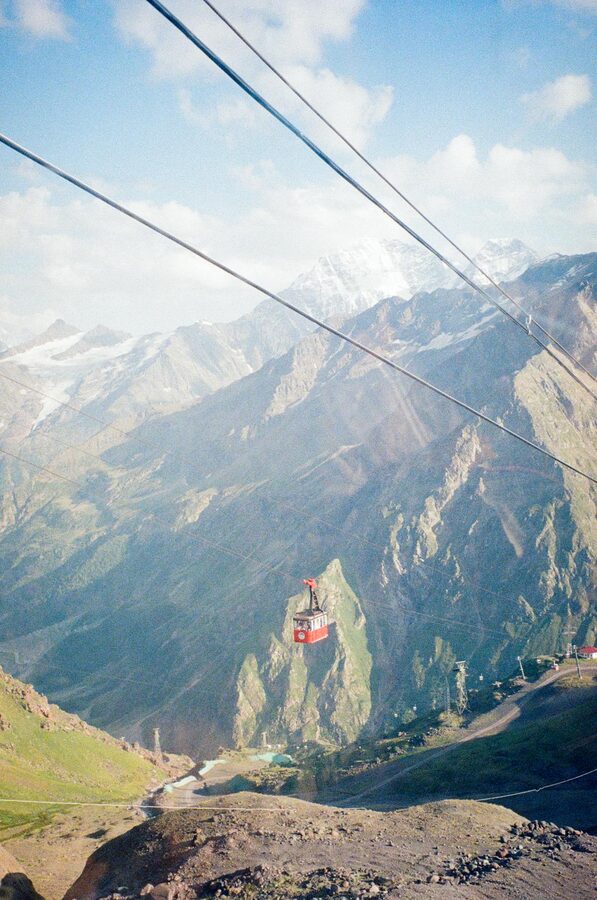
This is the main event. The cable car rises 2,807 metres in 20 minutes from Chamonix town (1,035m) to the summit station (3,842m). It is the highest cable car in Europe and one of the most dramatic engineering achievements in the Alps.
At the top you get a panoramic terrace with views of Mont Blanc, the Matterhorn (on clear days), and the Italian Alps. There is a glass-floored “Step Into the Void” box that extends over a 1,000-metre drop — it is not mandatory, and looking down triggers a visceral response that no amount of mental preparation quite handles.
The round-trip cable car ticket costs around 70 euros if you buy it independently. Most day tours from Geneva include it in the price, which is one reason the tours are good value.
Mer de Glace (Sea of Ice)
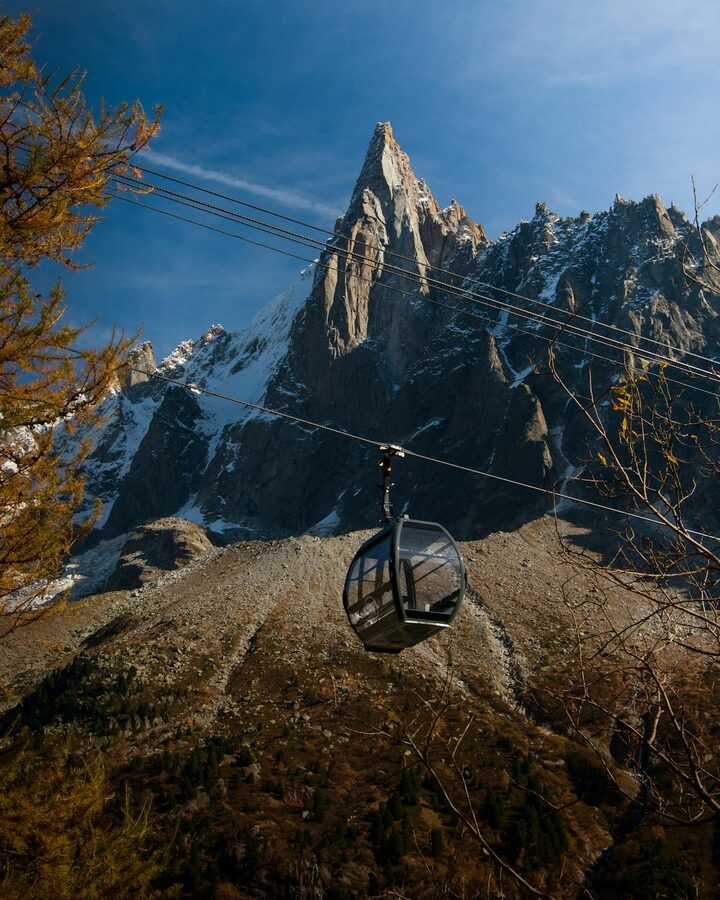
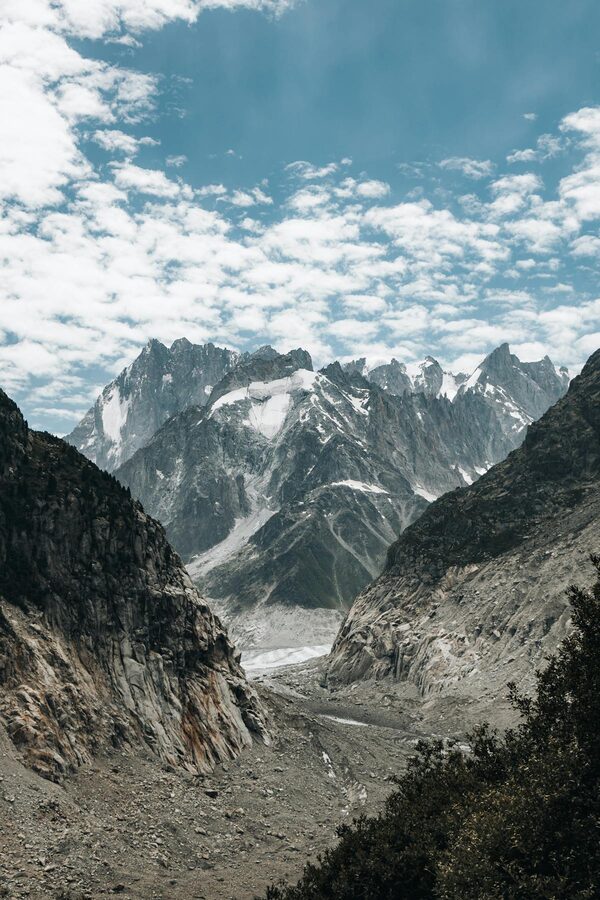
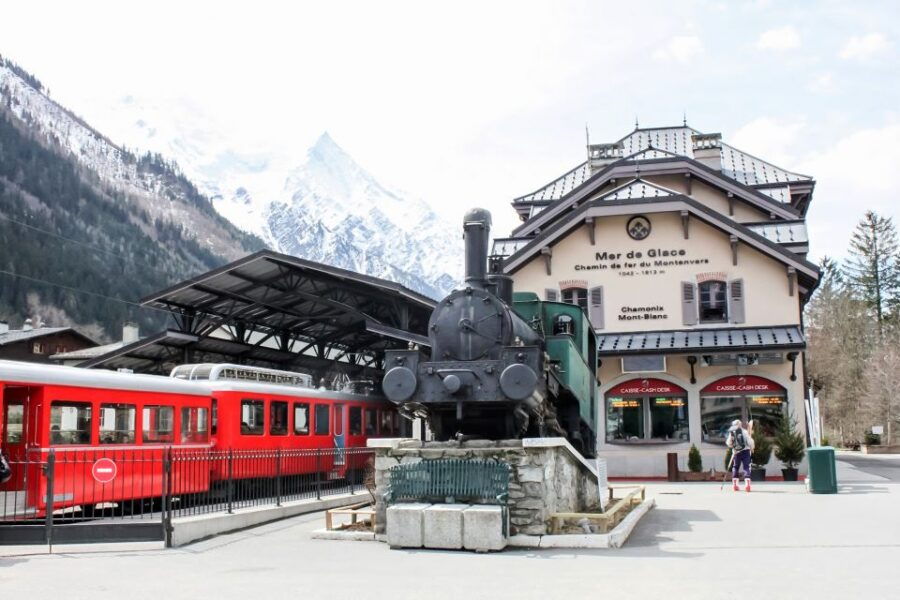
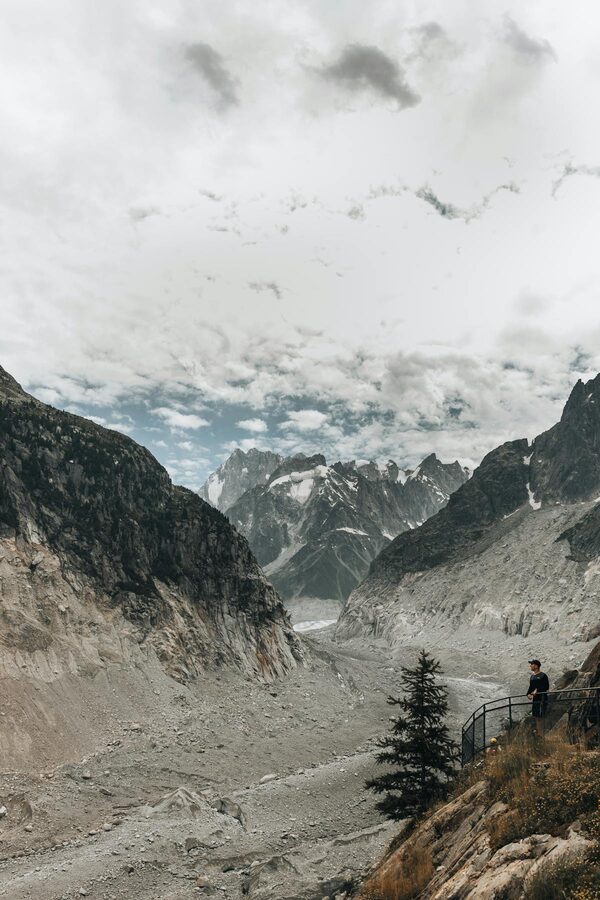
France’s largest glacier, 7 kilometres long and up to 200 metres deep. You reach it by the Montenvers rack railway, a charming cog train that climbs from Chamonix station through the forest to a viewpoint overlooking the glacier. From there, a gondola and 400 steps take you down to the ice cave — a tunnel carved fresh into the glacier each year.
The glacier has retreated significantly in recent decades. Markers along the descent show where the ice surface was in previous years, and the distance between each marker is sobering. It is a beautiful visit, but also an accidental climate change museum.
Paragliding Over the Valley
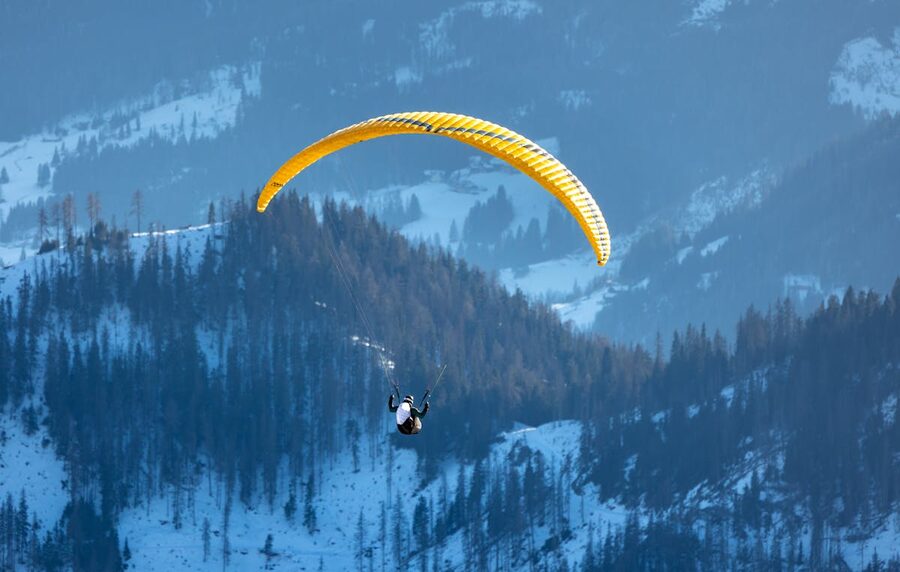
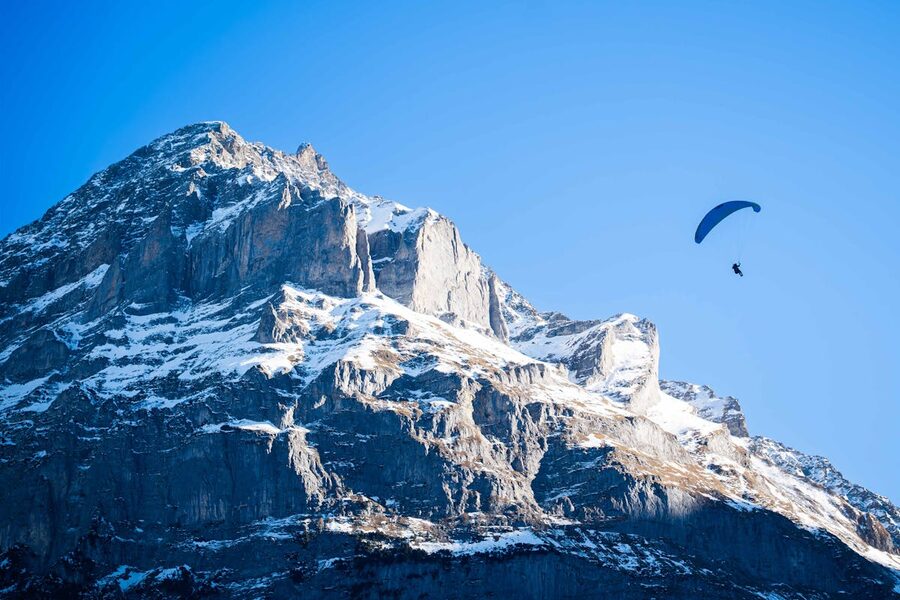
For those who want the Alps from a perspective that no cable car can offer: strapped to an instructor, running off the side of a mountain, and soaring over the Chamonix valley with Mont Blanc above and the town below. Tandem flights last 15-25 minutes depending on conditions and require zero experience.
One reviewer captured it perfectly: in Chamonix they teach primary school children to paraglide. The sport is deeply embedded in local culture, and the instructors have thousands of flights under their belts. The safety record is excellent.
The Best Chamonix Tours
1. Guided Day Trip to Chamonix & Mont-Blanc from Geneva — $126
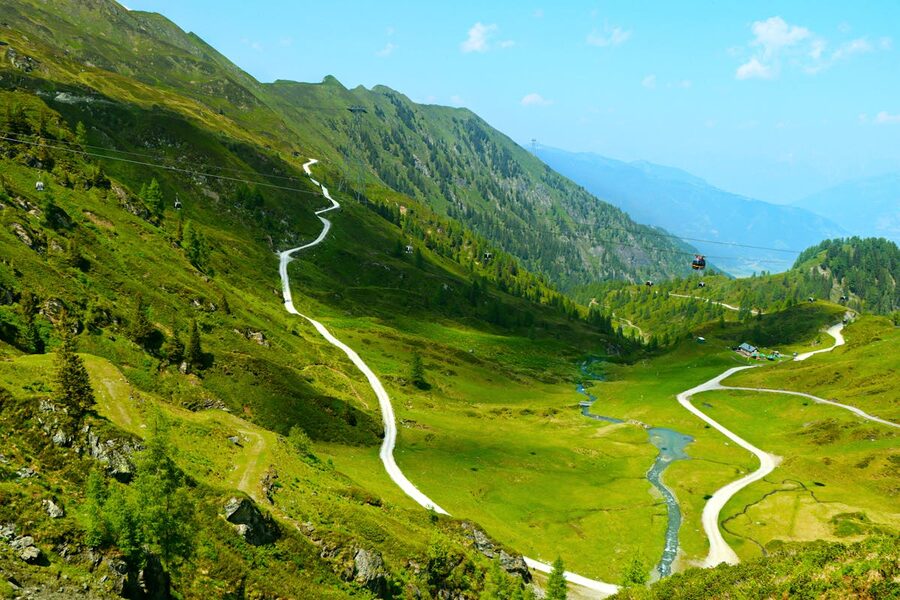
The standard Chamonix day trip and the one I recommend for most visitors. The tour departs Geneva in the morning, drives to Chamonix (about 90 minutes), and includes the Aiguille du Midi cable car ride to 3,842 metres. You get 4-5 hours in Chamonix — enough for the cable car, lunch in town, and some exploration.
The glacier visit to Mer de Glace is available as an add-on. I strongly recommend taking it if it is offered — the glacier is the other headline experience in Chamonix and skipping it means missing half the story. One reviewer described the experience as unforgettable, with breathtaking views from the top and the glacier visit as the highlight.
At $126, this is competitive with what you would spend doing it independently (cable car ticket alone is ~$70, plus petrol and parking). The guide adds real value — they know the queuing system, the best viewpoints, and the timing to avoid the worst crowds.
2. Chamonix, Mont Blanc & Ice Cave Guided Day Tour — $129
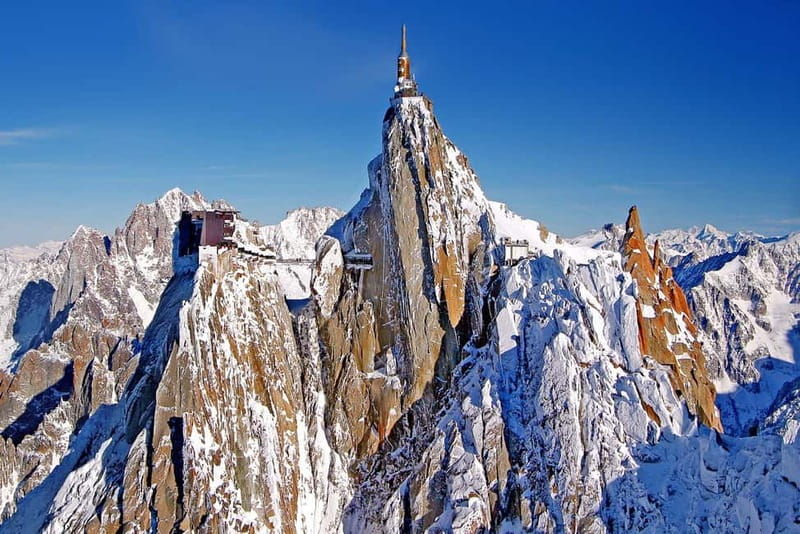
Nearly identical to Tour 1 but with the Mer de Glace glacier and ice cave visit included in the standard itinerary rather than as an add-on. At $129 — just $3 more than the standard tour — this is the better booking if both are available.
One reviewer highlighted their guide Neils, describing a friendly, knowledgeable companion who made the group feel at ease all day. The combination of the Aiguille du Midi summit and the glacier visit covers both of Chamonix’s headline experiences in a single day.
The ice cave adds about 1-1.5 hours to the itinerary, including the cog railway and the descent to the cave. This means slightly less free time in Chamonix town, but the trade-off is worth it. You can grab a quick lunch in town between the two experiences.
3. Tandem Paragliding Over the Alps — $216
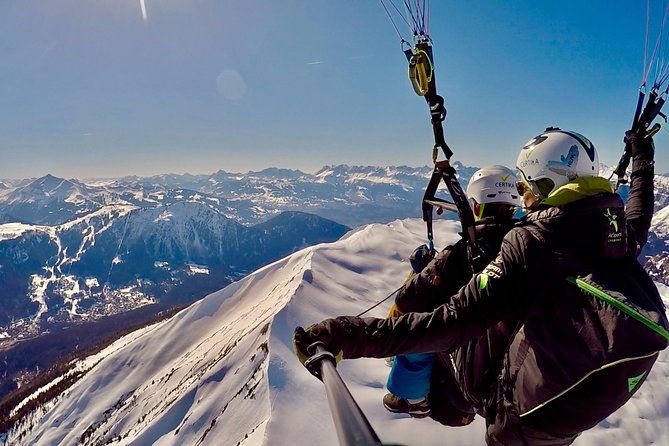
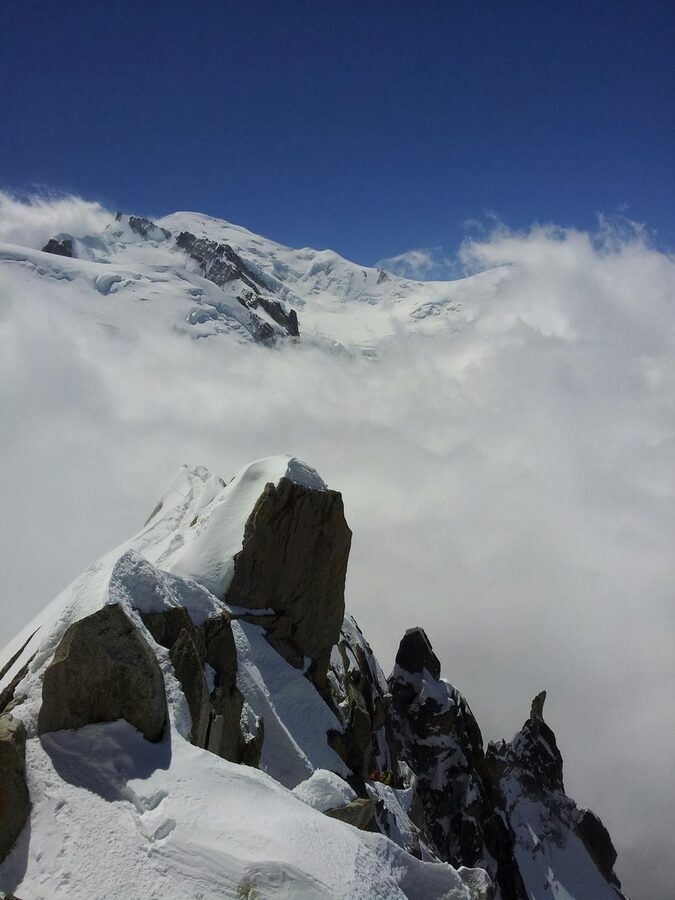
This is not a day trip from Geneva — it is an activity you book if you are already in Chamonix (or arrange as an add-on to your day trip). A 15-25 minute tandem flight with a certified instructor over the Chamonix valley. No experience needed. You are strapped to the front of the instructor’s harness and they handle everything.
The flight launches from around 2,000 metres and you glide down to a landing zone near town. The views during the flight — Mont Blanc above, the valley below, paragliders around you like colourful birds — are unlike anything you will experience from the ground or a cable car. Photos and video from a mounted camera are usually available for purchase after landing.
One reviewer’s advice: do not miss this. The instructors are experienced, the safety standards are high, and the feeling of flying over the Alps is something that redefines what you think is possible on a Tuesday afternoon.
When to Visit Chamonix
Best Time of Year
June through September is the main season. The cable car runs daily, the weather is most reliable, and the town is fully open. July and August are the busiest — book tours at least 2 weeks in advance.
Late June and September are the sweet spot: warm enough for comfortable cable car visits, clear skies more likely, and fewer crowds than the peak summer weeks.
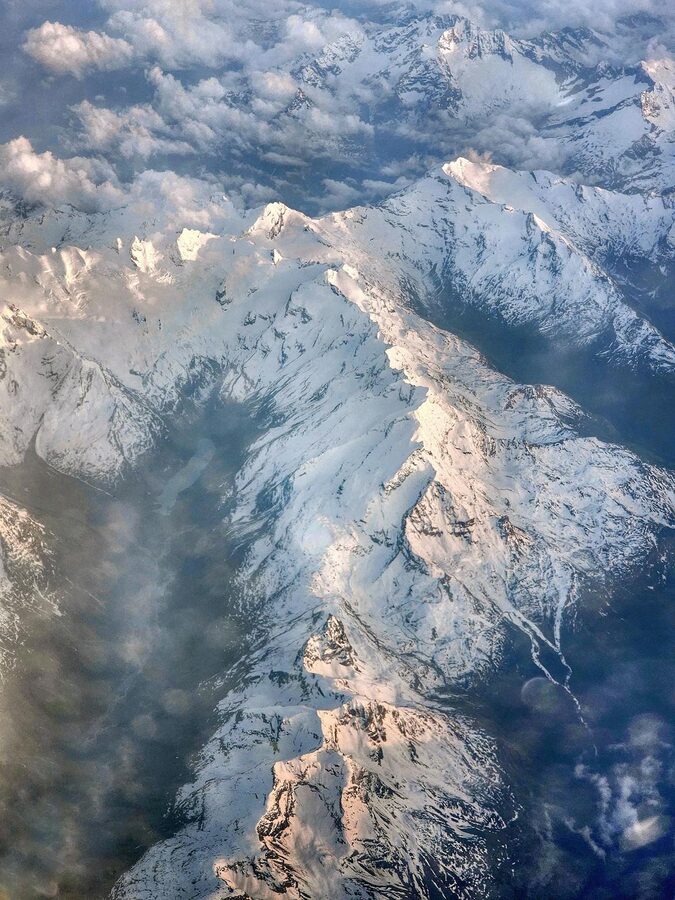
Winter (December through March) transforms Chamonix into a ski resort. The cable car still runs but conditions at the summit can be extreme — temperatures well below minus 20 and high winds that close the terrace. Day trips in winter are weather-dependent.
Weather Considerations
Mountain weather is unpredictable. A sunny morning in Geneva does not guarantee clear skies in Chamonix. The summit of the Aiguille du Midi can be socked in with clouds even when the valley below is sunny. Good tour operators monitor webcams and adjust itineraries accordingly — this is one reason guided tours are worth the premium over independent visits.
What to Wear and Bring
Layers are essential. Chamonix town in summer can be 25 degrees. The Aiguille du Midi summit can be minus 5 at the same time. Bring a warm jacket, gloves, and a hat even in July and August. The wind at the summit cuts through thin clothing instantly.
Sunglasses and sunscreen. UV radiation at 3,842 metres is intense. The reflected light off snow can cause snow blindness in under 30 minutes without protection. SPF 50 on all exposed skin, not just your face.
Comfortable shoes. Hiking boots are not necessary unless you plan to walk on the glacier. Standard walking shoes or trainers work for the cable car and the Mer de Glace railway. The 400 steps down to the ice cave are steep — avoid sandals and heels.
Altitude awareness. 3,842 metres is higher than most people have ever been without an aircraft. Shortness of breath, mild dizziness, and headaches are normal. Move slowly at the summit, drink water, and sit down if you feel unwell. The effects pass quickly when you descend.
More to Explore from Geneva
If Chamonix leaves you wanting more alpine experiences, the region has plenty to offer. The Mont Blanc Express is a scenic train that runs from Chamonix through the valley — a different way to experience the same mountains at a slower pace. From Geneva, you can also reach Montreux, Gruyeres, and the Lavaux vineyards for a completely different Swiss-French day trip.
Back in France, a Chamonix day trip combines well with exploring other regions on subsequent days. The Seine cruises in Paris could not be more different from a cable car at 3,842 metres — and that contrast is exactly what makes a multi-day France itinerary interesting. If you are heading to the south of France after Chamonix, our guides to the French Riviera and Normandy cover the other major day trip destinations.