
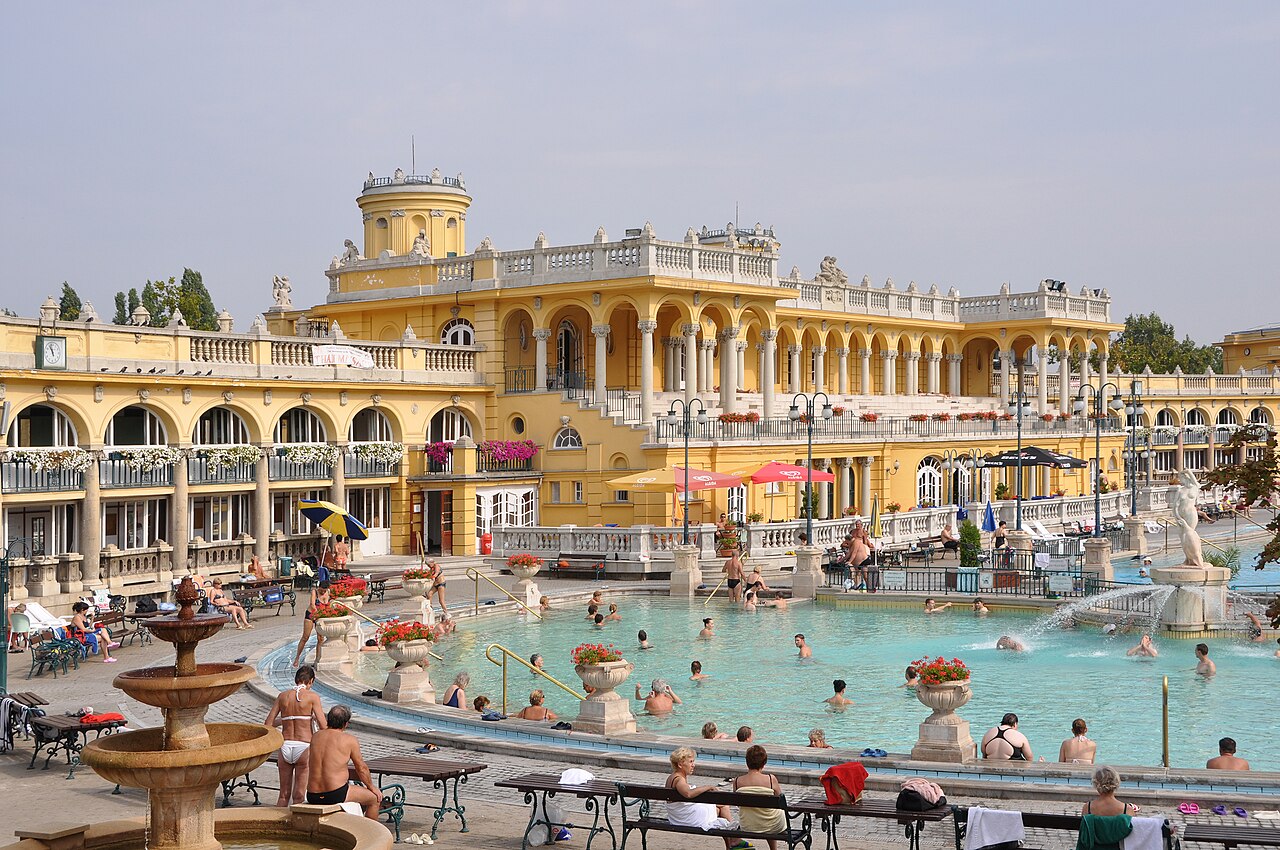
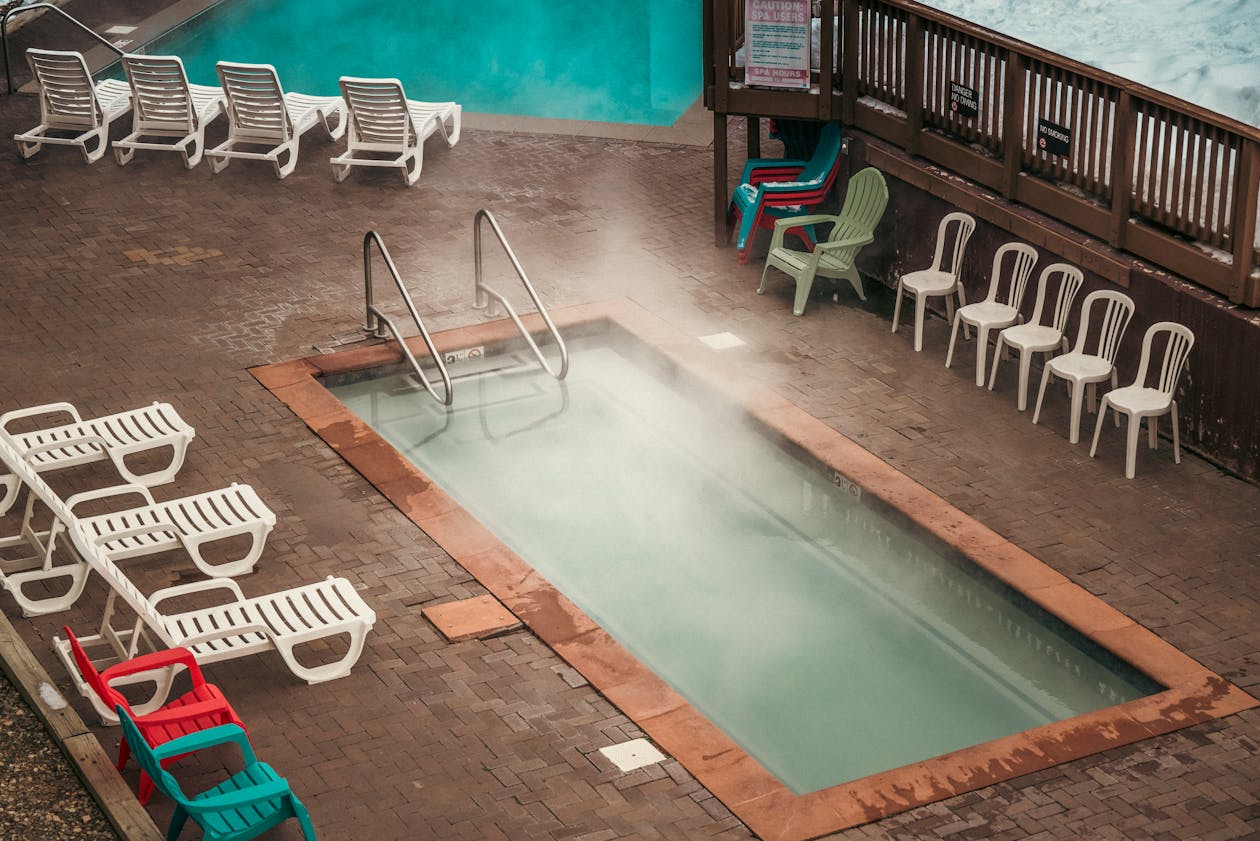
The water was 38 degrees and the air was minus two, and the steam was so thick I could barely see the person next to me. It was a Tuesday morning in January, and I was sitting in an outdoor thermal pool at Szechenyi while snow dusted the yellow neo-baroque columns around me. A man to my left was playing chess on a floating board. A woman to my right was reading a paperback she’d wrapped in a plastic bag. Nobody seemed remotely surprised by any of this.
That’s Budapest. A city where soaking in naturally heated mineral water is less of a tourist activity and more of a daily routine. The thermal bath tradition here goes back to the Ottoman era, and the city sits on top of more than 120 natural hot springs. The result is a bathing culture unlike anywhere else in Europe — and choosing the right bath, with the right ticket, at the right time of day, can make the difference between a transcendent experience and a frustrating one.
I’ve visited Budapest four times now, and I’ve been to every major bath in the city. I’ve made the mistakes so you don’t have to — buying the wrong ticket, showing up at peak time, forgetting flip flops. This guide covers everything you need to know about booking the thermal baths in Budapest, from Szechenyi to Gellert to Rudas, with honest recommendations on which tours and tickets are actually worth your money.

If You’re in a Hurry
Short on time? Here are my top three picks for Budapest thermal bath tickets:
- Szechenyi Thermal Spa Full-Day Tickets — $59. The classic choice. Full day access to the most famous bath in Budapest with 2,178 reviews backing it up.
- Budapest: Rudas Spa Entry with 3-Course Meal — Spa access plus a proper Hungarian meal. Rudas is less crowded and has a rooftop pool with Danube views.
- Beer Spa + Szechenyi Bath Ticket — $75. The most unique bath experience in Budapest. Soak in a wooden tub filled with beer ingredients, then hit Szechenyi after.
- If You’re in a Hurry
- How the Official Ticket System Works for Budapest Thermal Baths
- Official Tickets vs Pre-Booked Passes: Which Is Better?
- Best Thermal Bath Tours and Tickets to Book
- 1. Szechenyi Thermal Spa Full-Day Tickets —
- 2. Budapest: Rudas Spa Entry with 3-Course Meal
- 3. Budapest Roman Style Gellert Thermal Spa Full Day Entrance Ticket —
- 4. Beer Spa + Szechenyi Bath Ticket —
- When to Visit Budapest’s Thermal Baths
- How to Get to Budapest’s Main Thermal Baths
- Tips for Visiting Budapest Thermal Baths
- What You’ll Experience at Budapest’s Thermal Baths
- More Budapest Guides
How the Official Ticket System Works for Budapest Thermal Baths
Each thermal bath in Budapest operates independently with its own ticket system, prices, and rules. There is no single “Budapest bath pass” that covers everything, though some combo deals exist.
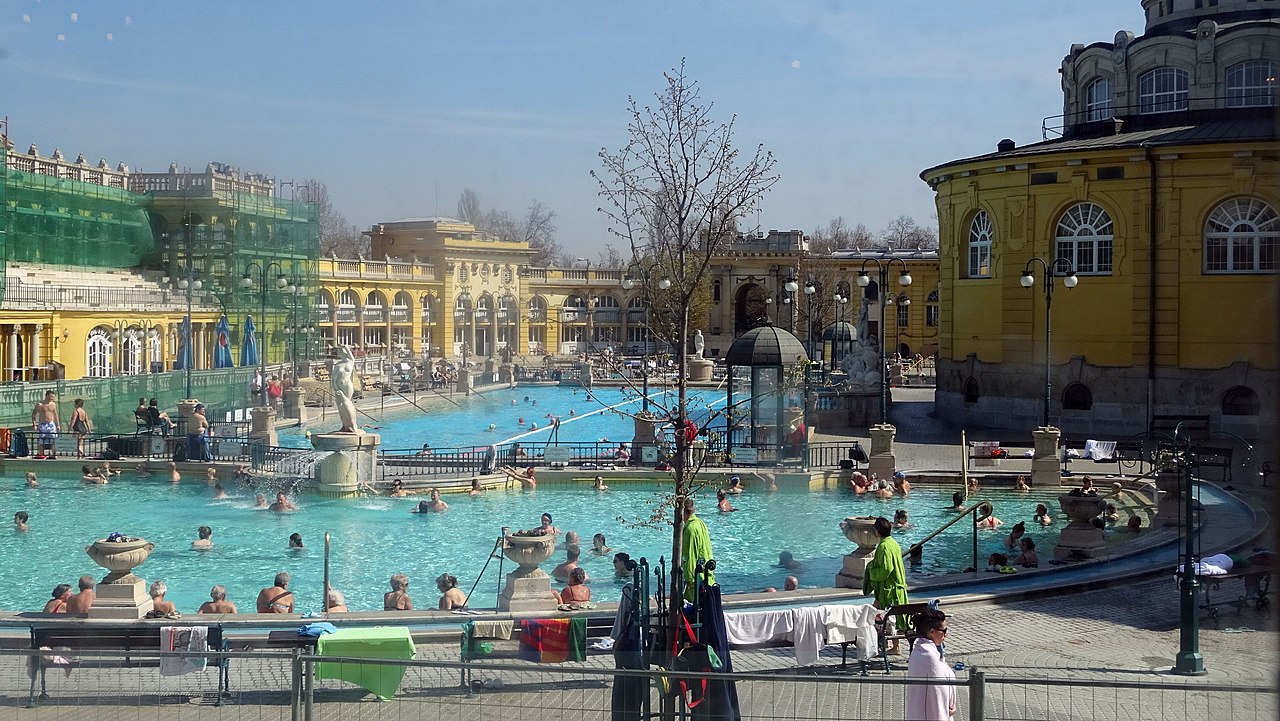
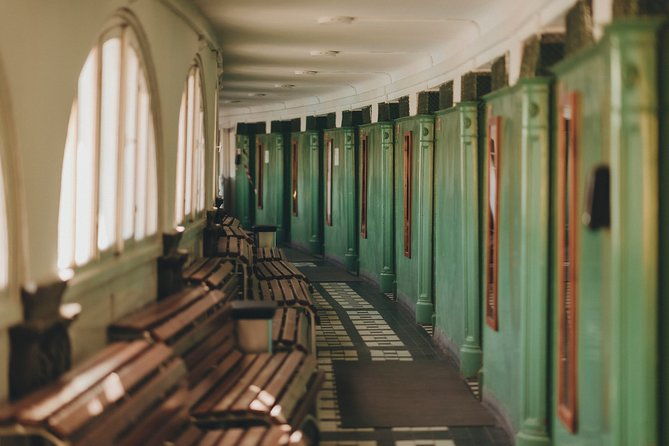
Szechenyi Bath is the largest and most popular. A full-day ticket purchased at the door typically costs between 8,000 and 12,000 HUF (roughly $22-33), depending on whether you want a locker or a cabin. Cabin tickets give you a small private changing room. Locker tickets mean you change in a communal area and store your things in a locker. Both give you full access to all pools.
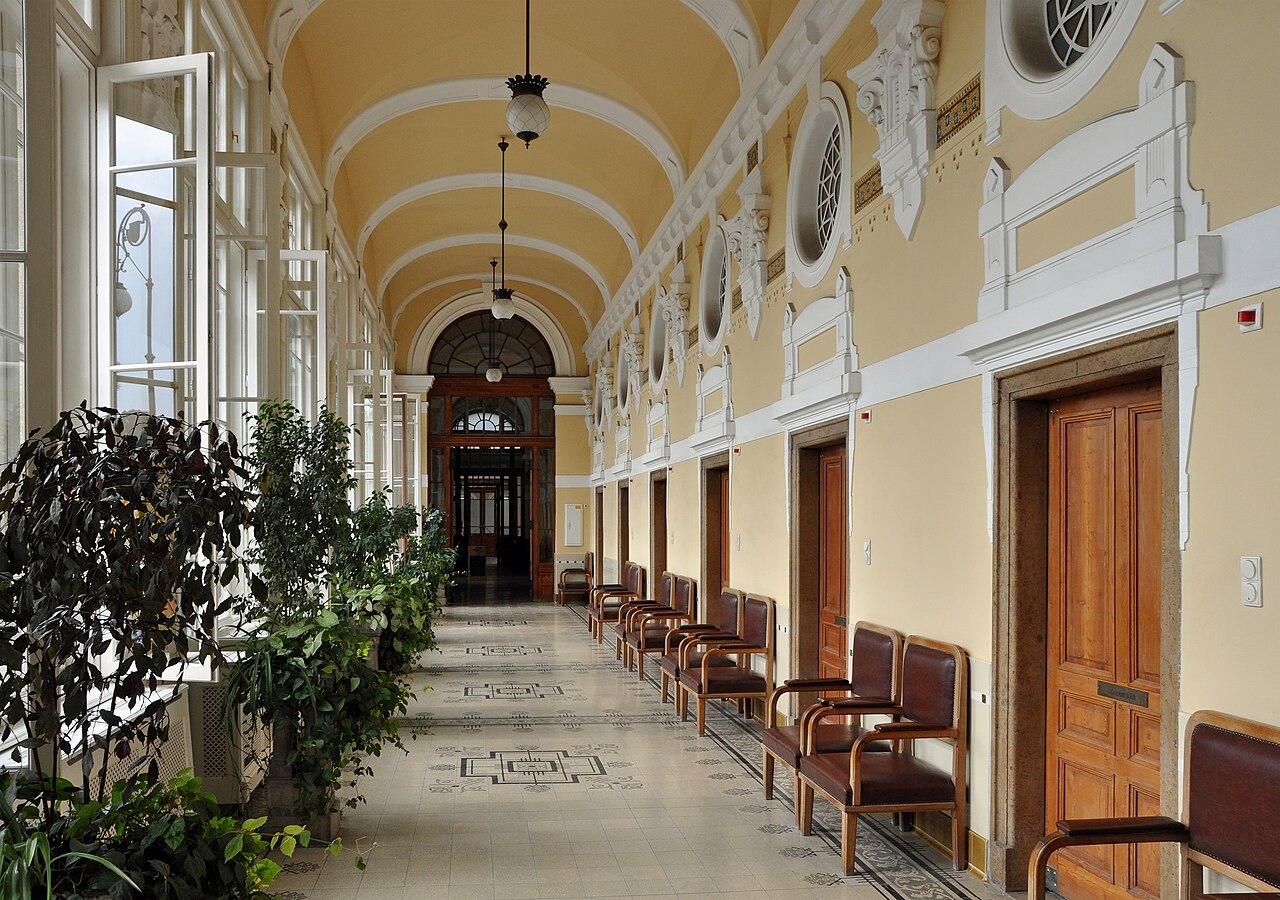
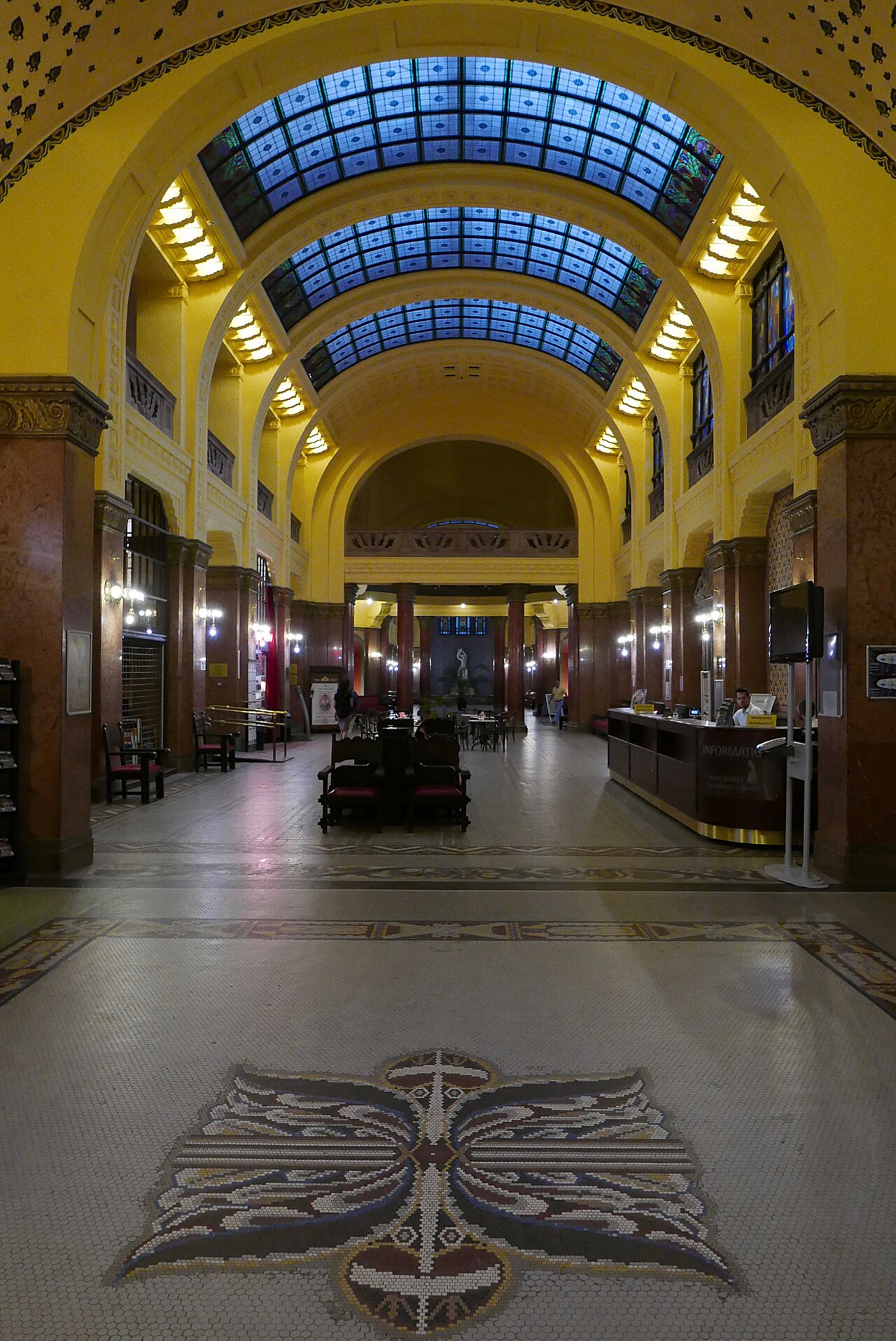
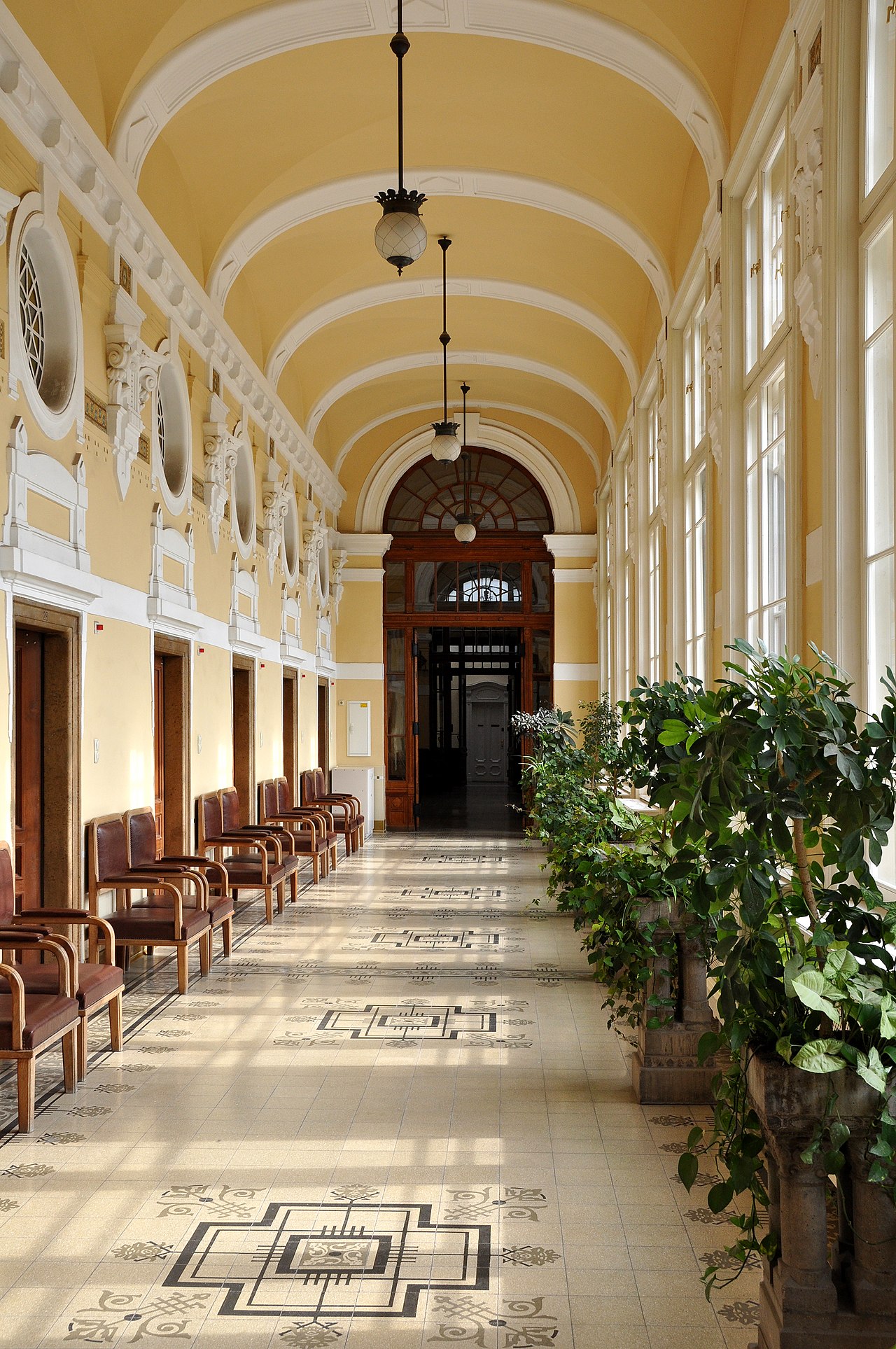
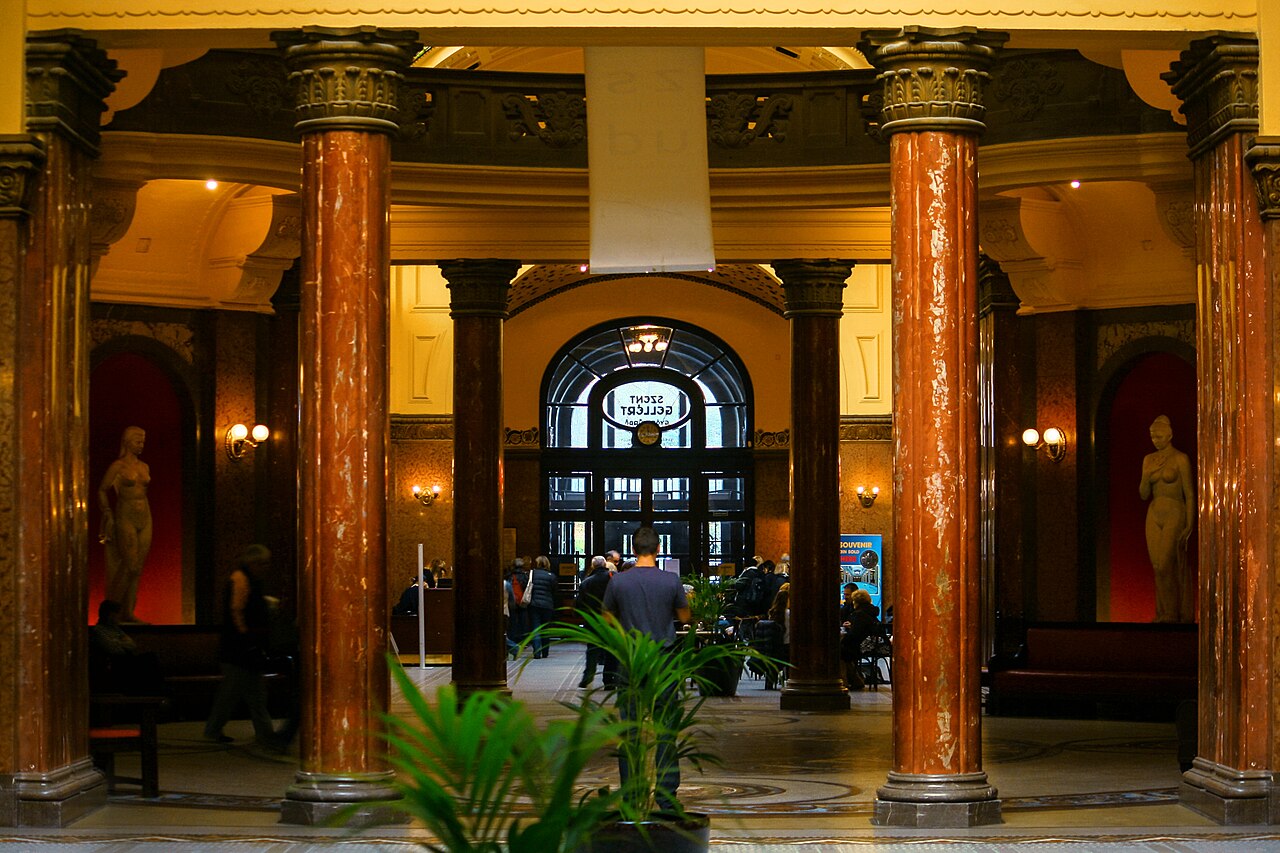
Gellert Bath is the second most famous, known for its art nouveau architecture. Tickets here run slightly higher, usually 9,000-13,000 HUF at the door. The interior is more ornate than Szechenyi, with mosaic tiles and Roman-style columns that make it feel like bathing in a museum.
Rudas Bath is the Ottoman-era bath that most travelers overlook. It has a stunning octagonal pool under a 500-year-old dome, plus a modern rooftop pool with panoramic views of the Danube. Prices are comparable to Szechenyi.
The catch with buying at the door is the queues. In summer and on weekends, you can wait 30-45 minutes just to buy a ticket at Szechenyi. Pre-booking online skips this entirely, and most third-party tickets include extras like skip-the-line access, cabin upgrades, or drink packages that actually make the higher price worthwhile.
Official Tickets vs Pre-Booked Passes: Which Is Better?
Let me be straightforward about this. For Szechenyi, I always pre-book. The price difference between a door ticket and a pre-booked one is minimal — usually $5-10 more — and you skip the queue entirely. On my first visit I waited 40 minutes in the cold to buy a ticket. On my second visit I walked straight in with a pre-booked QR code. It was not even a close comparison.
For Gellert, pre-booking is less essential because it never gets quite as crowded, but I’d still recommend it for summer weekends. For Rudas, you can usually walk right in.
Pre-booked tickets through tour operators also come with a major advantage: free cancellation. Most allow you to cancel up to 24 hours before for a full refund. Door tickets are non-refundable, so if you wake up feeling sick or the weather shifts your plans, you’re out that money.

The combo tickets — bath plus meal, bath plus beer spa, bath plus river cruise — are where pre-booking really shines. You simply cannot get these deals at the door, and they represent genuine savings if you were going to do both activities anyway.
Best Thermal Bath Tours and Tickets to Book
After testing most of the options available, these are the four I genuinely recommend. Each one serves a different type of visitor.
1. Szechenyi Thermal Spa Full-Day Tickets — $59
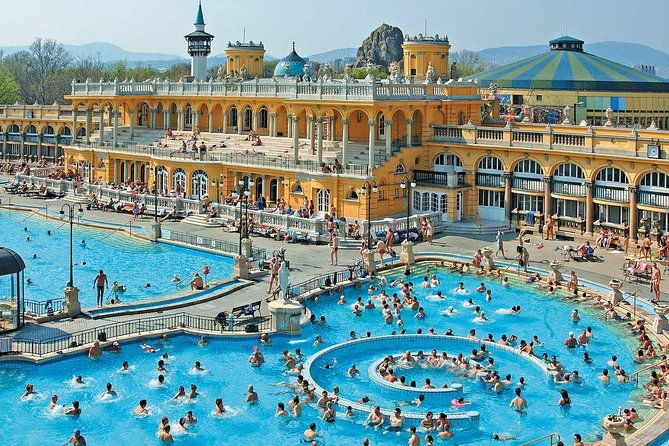
This is the straightforward, no-nonsense option and it is the one I recommend for first-time visitors. You get full-day access to all 18 pools at Szechenyi, including the three outdoor pools and all indoor thermal pools. The ticket includes a cabin (which I strongly recommend over a locker — having a private space to change and store your things is worth it).
Szechenyi is in City Park on the Pest side, right next to Heroes’ Square and the Budapest Zoo. It is the largest medicinal bath complex in Europe, fed by two thermal springs that push water up at 74 and 77 degrees Celsius before it is cooled to the various pool temperatures. The building itself dates to 1913 and the neo-baroque architecture alone is worth seeing.
At $59 with 2,178 reviews and a 4.0-star rating, this is the most popular bath ticket in Budapest for good reason. It just works.
2. Budapest: Rudas Spa Entry with 3-Course Meal

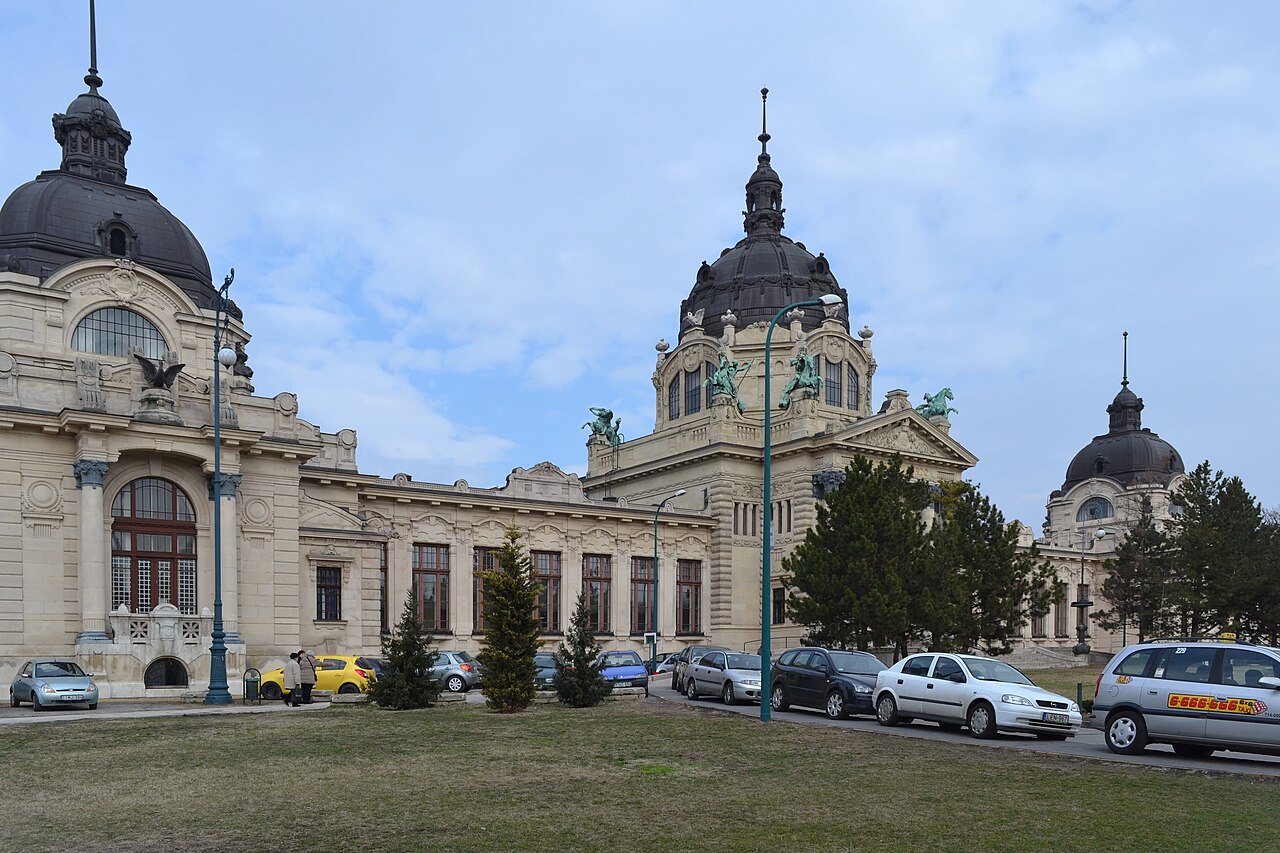
Rudas is the bath I recommend for people who have already done Szechenyi or who want something less crowded and more atmospheric. The Ottoman-era main pool sits under a 500-year-old dome with light filtering through star-shaped holes in the ceiling. It is genuinely beautiful and completely different from the grand European style of Szechenyi and Gellert.
This particular ticket bundles spa entry with a 3-course meal at the Rudas restaurant, which overlooks the Danube. The food is proper Hungarian — think goulash, duck, and strudel — and the portions are generous. At 846 reviews with a 4.2-star rating, visitors consistently mention the rooftop pool as the highlight. You can see the Danube, the Buda hills, and the Parliament Building all from the water.
If you are looking for value and a more local experience, this is the one to book.
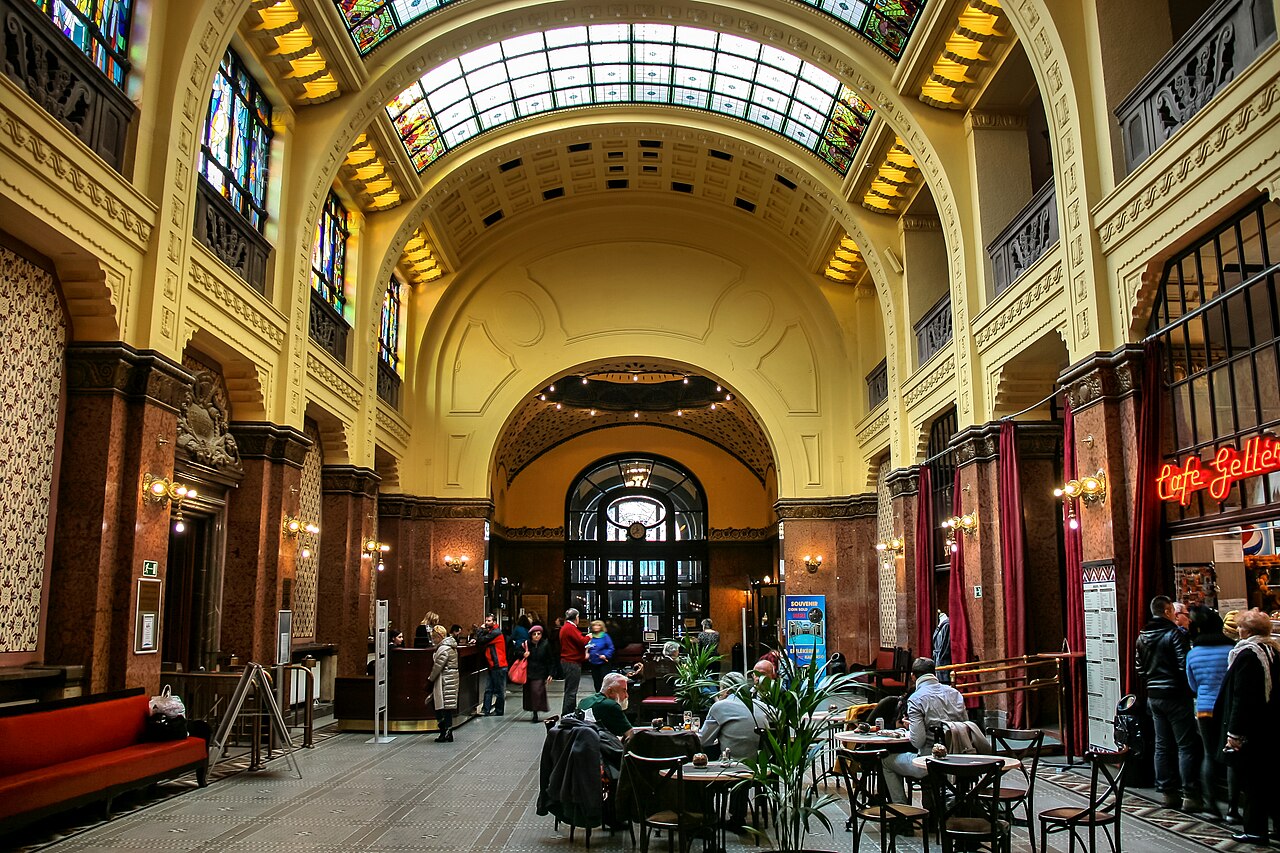
3. Budapest Roman Style Gellert Thermal Spa Full Day Entrance Ticket — $51
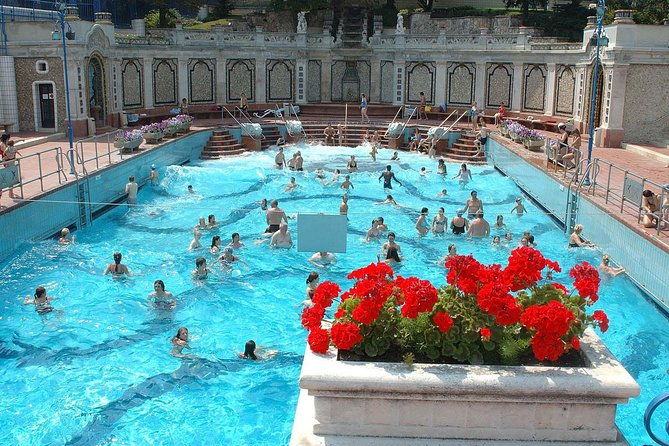
Gellert is the art nouveau masterpiece of Budapest’s bath scene. Where Szechenyi is big and social, Gellert is intimate and architectural. The main indoor pool has Roman-style columns, intricate mosaic floors, and stained glass windows that cast colored light across the water. It opened in 1918 and has barely changed since.
The full-day ticket at $51 gives you access to everything — thermal pools, swimming pool, wave pool, saunas, and the outdoor terraced pools that look over the Danube. Gellert sits right at the foot of Gellert Hill on the Buda side, connected to the Pest side by Liberty Bridge.
With 432 reviews and a 3.5-star rating, Gellert scores slightly lower than the others mainly due to its older facilities (some areas feel their age). But for sheer beauty, nothing else in Budapest comes close. Bring your own towel and flip flops — rentals are overpriced.
4. Beer Spa + Szechenyi Bath Ticket — $75
This is the wild card pick, and honestly, it ended up being one of my favorite experiences in Budapest. The Beer Spa is a separate facility near Szechenyi where you soak in wooden tubs filled with warm water, hops, malt, and yeast — ingredients that are supposedly great for your skin. Each tub has its own unlimited beer tap. I’m not a dermatologist, but I can confirm the beer was excellent.
The combo ticket at $75 gives you the beer spa session (about 45 minutes) plus full-day entry to Szechenyi, making it a complete bath day. At 416 reviews with an impressive 4.5-star rating — the highest of any bath experience on this list — visitors consistently rave about the novelty factor and the surprisingly well-organized setup.
Book this if you want something different. It’s perfect for groups, couples, or anyone who appreciates the finer things in life — like drinking beer while sitting in beer.

When to Visit Budapest’s Thermal Baths
The baths are open year-round, and honestly, there is no bad time to go. But there are better times.
Winter (December to February) is my personal favorite. The contrast between the cold air and the hot water creates thick clouds of steam over the outdoor pools, and the experience feels almost surreal. Crowds thin out during weekdays in January and February, though Christmas and New Year weeks are packed.
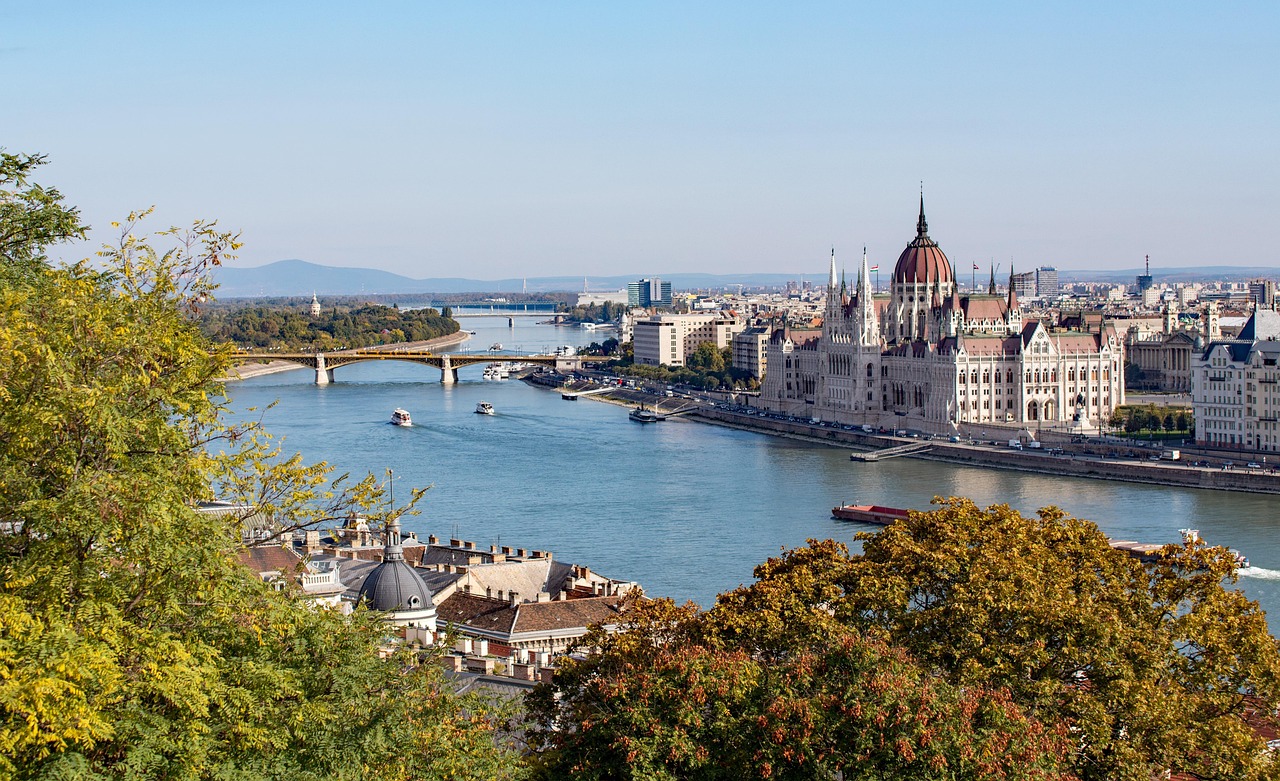
Spring (March to May) and Autumn (September to November) offer the best balance of pleasant weather and manageable crowds. April and October are particularly good months.
Summer (June to August) is peak tourist season. Szechenyi can feel overwhelming on a Saturday afternoon in July, with every lounge chair taken and queues for everything. If you visit in summer, go first thing in the morning — the baths open at 6am and the first two hours are blissfully quiet.
As for time of day, weekday mornings are best across all baths. Weekday evenings (after 6pm) are also good, especially at Rudas which has a beautiful nighttime atmosphere with the dome lit from within. Avoid Saturday afternoons at Szechenyi unless you enjoy crowds.

How to Get to Budapest’s Main Thermal Baths
Szechenyi Bath: Take the M1 metro (the yellow line — the oldest underground railway in continental Europe) to Szechenyi furdo station. The bath entrance is literally a 30-second walk from the station exit. You can also take bus 72 or trolleybus 72 from the city center.
Gellert Bath: Take tram 19, 47, or 49 to the Gellert ter stop. If you are coming from the Pest side, cross Liberty Bridge — the green iron bridge — and Gellert is right there on your left. It is about a 20-minute walk from the city center.

Rudas Bath: Take tram 19 or 56 to Rudas Gyogyfurdo stop, or bus 7 to Gellert ter and walk north along the river for about 5 minutes. Rudas sits right on the Buda bank of the Danube, between Liberty Bridge and Elizabeth Bridge.
All three baths are easily reachable by Budapest’s excellent public transport system. A single ticket costs 450 HUF (about $1.25), or you can buy a 24-hour travel card for 2,500 HUF ($7) which covers unlimited travel on all metros, trams, and buses.

Tips for Visiting Budapest Thermal Baths
Bring your own towel and flip flops. You can rent them at every bath, but towel rental is usually 2,000-3,000 HUF and flip flop rental is another 1,000 HUF. If you are visiting multiple baths during your trip, that adds up fast. Pack a quick-dry travel towel and cheap flip flops from home.
Get a cabin, not a locker. The price difference is small (usually 1,000-2,000 HUF more) but having a private space to change is worth it, especially if you are not comfortable with communal changing areas. Cabins also give you a bench to rest on between pool sessions.

Wear your swimsuit under your clothes. The changing process is much faster and easier this way, especially at busy times.
Hydrate. Hot water dehydrates you faster than you think. The baths have drinking fountains and most have cafes where you can buy water. I’d recommend bringing a water bottle.
Leave valuables at your hotel. While theft is rare, the baths are busy public spaces. You don’t need your laptop or expensive camera. Your phone in a waterproof pouch is fine for photos.
Budget 2-4 hours. You’ll want time to try different pools at different temperatures, use the saunas, and just float. Rushing through a thermal bath defeats the purpose.

What You’ll Experience at Budapest’s Thermal Baths
Walking into Szechenyi for the first time is a sensory overload in the best possible way. You enter through a grand yellow building, navigate a slightly confusing system of corridors and staircases (follow the signs — they are there, just small), and eventually emerge onto the outdoor pool deck where everything clicks into place.
The three outdoor pools are the heart of the experience. The main activity pool is cooler (around 28 degrees) and is where people swim laps. The two thermal pools are warmer (34-38 degrees) and this is where the magic happens. People sit in small groups, chat quietly, or simply close their eyes and let the mineral-rich water do its thing.
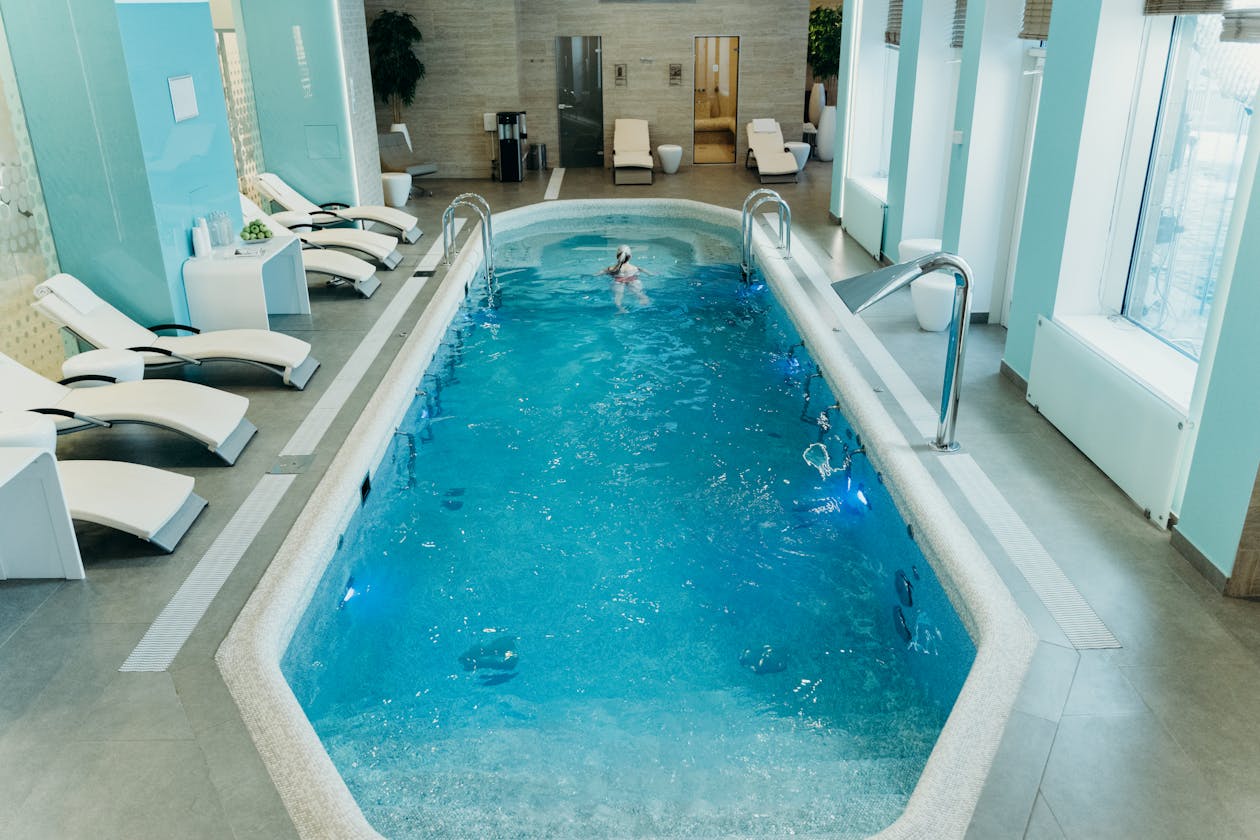
Inside, you’ll find pools ranging from 28 to 40 degrees, each with different mineral compositions. Some have jet streams, some have whirlpool sections, and some are just still, warm pools for soaking. There are Finnish saunas, steam rooms, and cold plunge pools for the brave.
At Gellert, the experience is more visual. You’ll spend as much time looking at the ceiling as you do relaxing in the water. The wave pool is a fun surprise — every hour or so, the pool generates gentle waves that feel completely out of place in such an elegant building. The outdoor terraced pools offer views over the Danube and the Pest side skyline.

At Rudas, the Ottoman pool is the star. Sitting in a 500-year-old bathhouse, under an original dome, in water that has been flowing from the same spring since the 1500s — there is a weight of history here that Szechenyi and Gellert simply cannot match. The rooftop pool, added in recent renovations, offers one of the best views in Budapest.
Regardless of which bath you choose, you will leave feeling like a different person. Looser, calmer, slightly pruney, and wondering why your city doesn’t have anything like this.
More Budapest Guides
Budapest has so much more beyond the thermal baths. If you are planning a longer trip, I’ve put together guides on some of the city’s other essential experiences.
The Danube is the lifeblood of Budapest, and a Danube dinner cruise with live music is one of the best ways to see the city from the water, especially at night when both banks are illuminated. For something more cultural, St Stephen’s Basilica is one of Budapest’s most important landmarks and the guided tours include access to the dome with panoramic views over the city.
If you prefer to see Budapest from the water during the day, the sightseeing boat tours are an affordable way to cover all the major riverside landmarks in about an hour. And for evening entertainment, Budapest’s famous ruin bars in the Jewish Quarter offer a nightlife experience that is completely unique to this city — think demolished buildings turned into eclectic bars filled with mismatched furniture and local craft beer.
For day trips, the Danube Bend e-bike tour to Szentendre takes you through some of Hungary’s most scenic countryside, combining cycling, history, and a charming artist town along the river.
Disclosure: Some of the links in this article are affiliate links. If you book through these links, I may earn a small commission at no extra cost to you. I only recommend tours and experiences I have personally vetted or that come highly rated by verified travelers. This helps support the site and allows me to keep producing honest, in-depth travel guides.