
Eight paintings. Two oval rooms. That is the entire reason the Musee de l’Orangerie exists.
Claude Monet spent the last decade of his life painting enormous water lily canvases in his studio at Giverny. He donated them to France the day after the World War I armistice — November 12, 1918 — as a gift of peace. Then he spent the next eight years obsessing over how they would be displayed, insisting on curved walls, natural light from above, and rooms stripped of everything that might distract from the paint.
He died in 1926. The rooms opened in 1927. They have not changed much since, and they do not need to.
I am not usually someone who gets emotional in museums. But standing alone in the first oval room at 9:15 on a Wednesday morning, surrounded on all sides by Monet’s water, his lilies, his willows reflected in a pond that no longer exists in the form he painted it — I understood why he spent a decade on this. The scale forces you to stop thinking and just look.
This guide covers how to book tickets, whether you need a guided tour, and what else is inside beyond the famous rooms.
- Quick Picks — Best Orangerie Options
- How to Book Orangerie Tickets
- Option 1: Reserved Ticket Through GetYourGuide (Recommended)
- Option 2: Buy Direct from the Museum
- Option 3: Paris Museum Pass
- Free Entry
- What You Will See Inside
- The Water Lilies Rooms (Ground Floor)
- The Walter-Guillaume Collection (Lower Floor)
- The Best Orangerie Guided Tours
- 1. Reserved Entrance Ticket —
- 2. Semi-Private Water Lilies Tour (6 People Max) — 4
- 3. Exclusive Private Guided Tour — 4
- When to Visit the Orangerie
- Best Time of Day
- Best Day of the Week
- How Long to Spend
- Practical Information
- The Orangerie’s History
- Orangerie vs. Orsay vs. Louvre: Which Art Museum?
- Combining the Orangerie with Nearby Attractions
- More Paris Guides Worth Reading
Quick Picks — Best Orangerie Options
Best value: Reserved Entrance Ticket — around $12, skip-the-line timed entry. This is what 95% of visitors should book.
Best guided experience: Semi-Private Water Lilies Tour (6 people max) — around $144, a 2-hour deep dive with an art historian. Worth every cent if you want to understand what you are looking at, not just see it.
Best for art lovers: Exclusive Private Tour — around $144, same price as the semi-private but your own guide. Perfect for couples or small groups who want to go at their own pace.
How to Book Orangerie Tickets
The Musee de l’Orangerie uses timed-entry tickets. You pick a date, pick a 30-minute arrival window, and show up with your confirmation. The entry fee is around 12-13 euros through GetYourGuide or directly through the museum, and both routes give you the same thing: skip-the-line access.
Option 1: Reserved Ticket Through GetYourGuide (Recommended)
This is the most popular option by a wide margin. The GYG ticket includes reserved entry, which means you bypass the general queue and walk straight in during your time slot. At $12, it costs the same as buying directly from the museum, but GYG’s cancellation policy is more flexible — free cancellation up to 24 hours before. If your Paris plans are in flux, this flexibility matters.
One reviewer described it perfectly: the museum is small enough that you can really focus, and it will not tire you out. That is the Orangerie’s greatest strength. After the overwhelming scale of the Louvre, this place feels like a deep breath.
Option 2: Buy Direct from the Museum
The Orangerie’s own website sells timed tickets at the same price. The interface is in French (with English available) and works fine. The only disadvantage compared to GYG is the cancellation policy — museum tickets are typically non-refundable or have stricter change rules.
Option 3: Paris Museum Pass
The Orangerie is included in the Paris Museum Pass (2, 4, or 6 days). If you are also visiting the Louvre, Orsay, Versailles, and the Arc de Triomphe rooftop, the pass pays for itself. You still need to reserve a time slot even with the pass — the museum enforces capacity limits regardless of ticket type.
Free Entry
The Orangerie is free on the first Sunday of every month. It is also free for EU residents under 26, and for everyone under 18. These are always worth checking before you buy.
What You Will See Inside
The Orangerie is small. You can see everything in 60 to 90 minutes without rushing. It has two floors and two main collections.
The Water Lilies Rooms (Ground Floor)
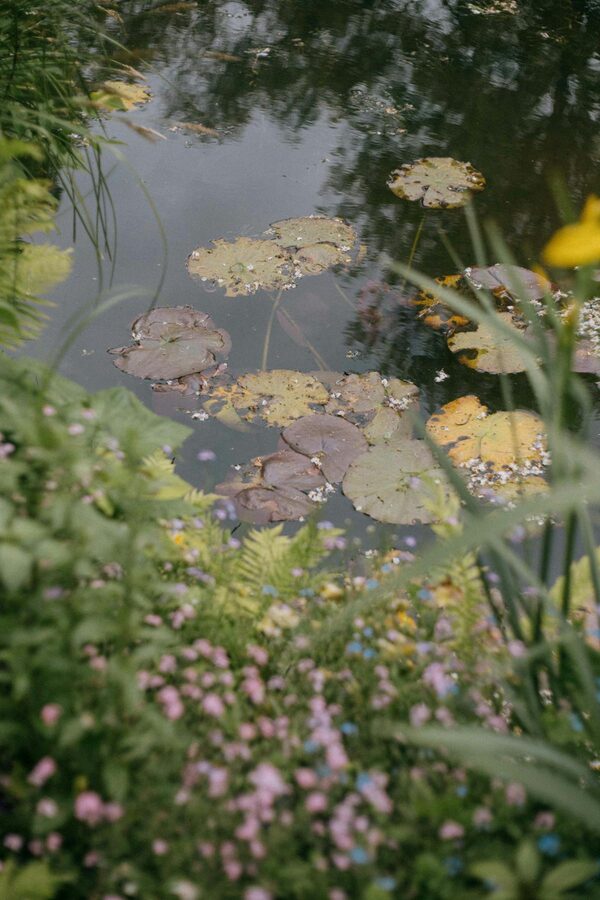
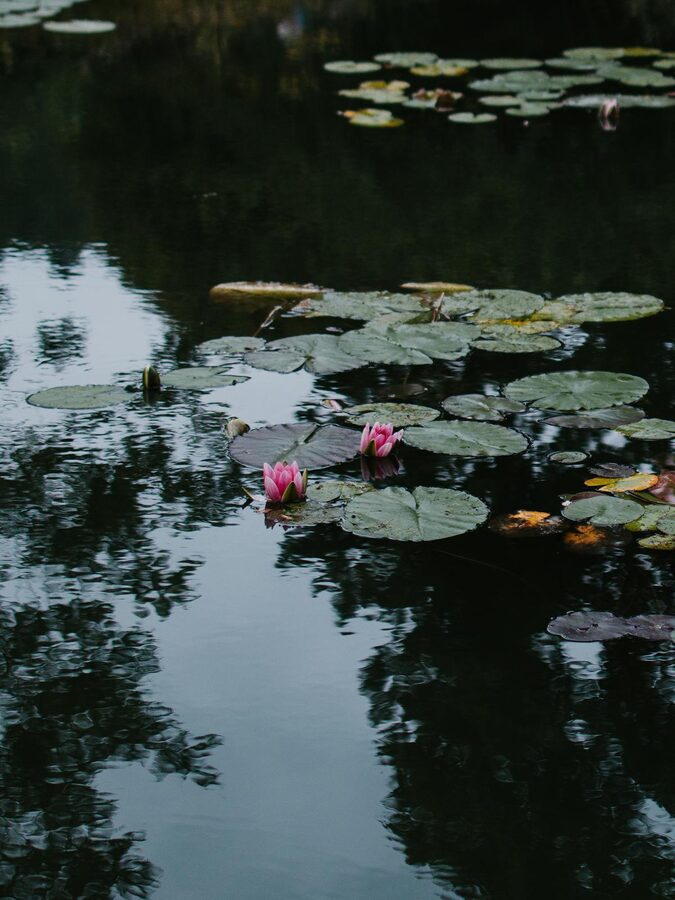
This is why you are here. Two oval rooms, each containing four massive canvases that wrap around the walls. The paintings are approximately 2 metres tall and between 6 and 17 metres long. You do not look at them — you stand inside them.
The first room shows morning scenes: pale blues, soft greens, reflections of clouds. The second room shifts to afternoon and evening: warmer tones, deeper purples, the willows drooping heavier. Monet designed the sequence so that walking from one room to the next simulates the passage of a day on his pond at Giverny.
Natural light comes from above through a frosted glass ceiling, which means the paintings change throughout the day. Morning visits tend to be cooler and quieter in both light and atmosphere. Afternoon visits bring warmer light and usually more people.
The Walter-Guillaume Collection (Lower Floor)
Most visitors go straight to the Water Lilies and leave. That is a mistake. The lower floor houses the Walter-Guillaume collection — 146 works by Renoir, Cezanne, Matisse, Picasso, Modigliani, Soutine, Derain, and others. It is one of the finest collections of early 20th-century painting in Paris, and because everyone is upstairs staring at lilies, you often have the rooms nearly to yourself.
The Renoir nudes alone are worth the trip downstairs. The Cezanne still lifes — apples, tables, white cloth — are the paintings that Picasso said taught him how to see. And the Soutine portraits are the kind of paintings that unsettle you in a way you cannot quite explain and then follow you around for days.
If the Louvre is a banquet, the Orangerie is a carefully chosen tasting menu. Every piece is there because it belongs there, not because the museum ran out of wall space.
The Best Orangerie Guided Tours
You do not need a guide to enjoy the Orangerie. The Water Lilies are self-explanatory on one level — they are beautiful, you stand there, you feel something. But a good guide transforms the visit from “beautiful paintings of water” into an understanding of what Monet was actually doing, why it took him a decade, and why these particular paintings changed the course of modern art.
1. Reserved Entrance Ticket — $12

This is not technically a “tour” — it is a timed entry ticket. But it is the product that the vast majority of Orangerie visitors book, and for good reason. At $12 per person, it costs the same as buying direct from the museum, gives you skip-the-line access, and comes with flexible cancellation.
The museum is compact enough that you do not need a guide to navigate it. Walk in, turn right for the Water Lilies, spend as long as you want, then head downstairs for the Walter-Guillaume collection. The labels are in French and English, and there is a free audio guide app you can download on your phone.
One reviewer called it the perfect museum because you can really focus and it will not tire you out. That is the Orangerie in a nutshell. If you are the kind of person who gets museum fatigue after two hours at the Louvre, this is the antidote.
2. Semi-Private Water Lilies Tour (6 People Max) — $144
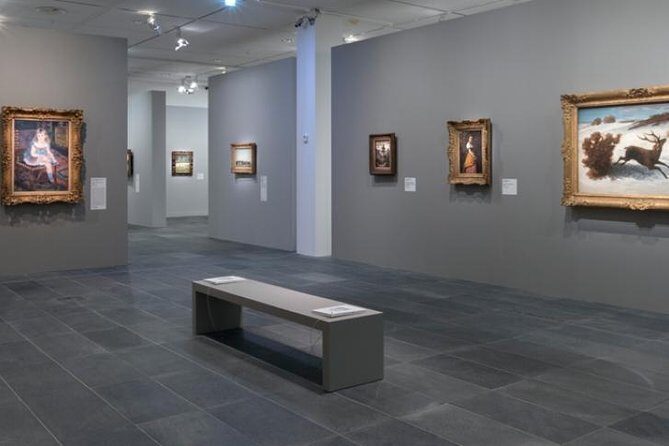
If you are serious about understanding Monet and the Impressionists, this is the tour to book. A maximum of 6 guests with an art historian guide for 2 hours. The guide walks you through both the Water Lilies rooms and the Walter-Guillaume collection, connecting the dots between Monet’s late work and the Cezannes, Renoirs, and Picassos downstairs.
The price tag — $144 — is steep for a museum visit. But consider what you are getting: a 2-hour masterclass from an expert in a space small enough for genuine conversation. One family described their guide Anatole as providing history and backstories about the artists that you simply cannot get from wall labels or audio guides. If you split the cost across a group of 4-6 people, it becomes more reasonable per person.
This is the tour I would book if I were bringing someone to the Orangerie for the first time and wanted them to understand why these particular paintings matter in the history of art.
3. Exclusive Private Guided Tour — $144
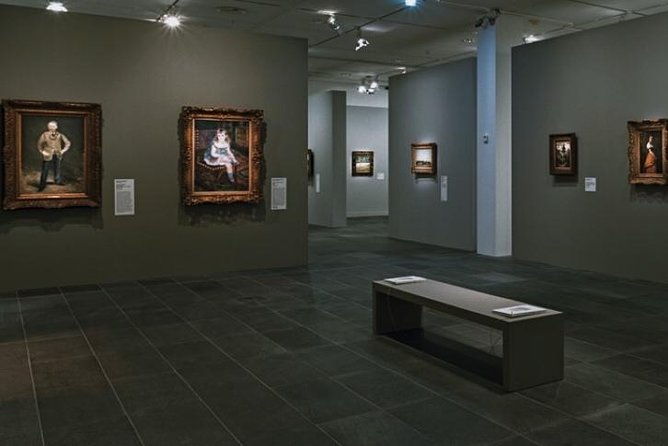
Same price as the semi-private option, but you get a guide entirely to yourself (or your group). This makes it the best value for couples or small families who want a personalised experience. The 2-hour duration gives you plenty of time to explore every room without feeling rushed.
One guide, Belen, was described as knowledgeable, enthusiastic, and fun — providing relevant history and backstories about the artists and cultural influences on their work that transformed the visit into something far deeper than a self-guided walk-through.
The $144 per person price only makes financial sense for small groups. For a solo traveller, the $12 timed ticket plus the free audio guide app will serve you well. But for 2-4 people who want the full story behind these walls, this is hard to beat.
When to Visit the Orangerie
Best Time of Day
First thing in the morning. The museum opens at 9am, and if you book the 9:00 or 9:30 slot, you will have the Water Lilies rooms nearly to yourself for the first 15-20 minutes. The natural overhead light is cool and even in the morning, which is how the paintings look their best.
By 11am the rooms are noticeably busier. Midday is the peak. After 3pm it quiets down again but the light shifts — warmer, more golden — which gives the paintings a different character that is worth seeing if you have already done the morning visit.
Best Day of the Week
Wednesdays and Thursdays are the quietest. The museum is open until 9pm on Fridays, and those evening hours are excellent — smaller crowds, warmer artificial light that gives the paintings yet another mood. Weekends are busy but manageable because the museum caps entry numbers.
The Orangerie is closed on Tuesdays. Do not make the mistake of showing up on a Tuesday and finding a locked door. The Louvre is closed Tuesdays too, so the Orangerie is not an alternative.
How Long to Spend
60 to 90 minutes is the sweet spot. 30 minutes if you only want the Water Lilies and are in a genuine rush, but that feels like ordering a tasting menu and leaving after the first course. Give yourself time downstairs. The Cezannes and Soutines alone are worth 20 minutes.
Practical Information
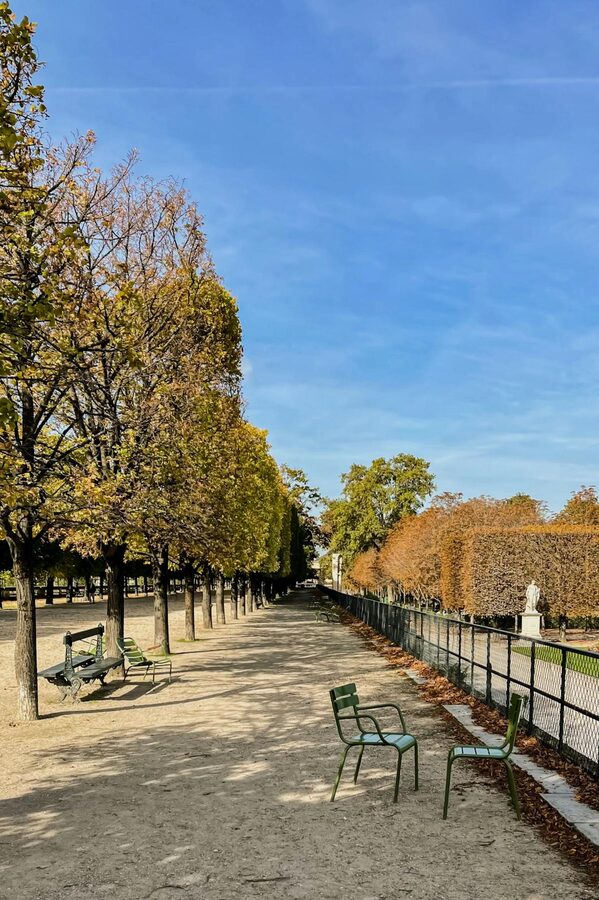
Address: Jardin des Tuileries, Place de la Concorde, 75001 Paris
Metro: Concorde (Lines 1, 8, 12) is the closest station — a 2-minute walk. Tuileries (Line 1) is also nearby.
Hours: 9am to 6pm, Monday and Wednesday to Sunday. Open until 9pm on Fridays. Closed Tuesdays, January 1, May 1 morning, and December 25.

Bags and coats: Free cloakroom available. No large bags or backpacks allowed in the galleries — you will need to check them.
Photography: Allowed without flash in all rooms, including the Water Lilies. No tripods. The curved rooms make wide-angle phone photos look surprisingly good.
Accessibility: Fully wheelchair accessible with lifts between floors.
Audio guide: A free app-based audio guide is available — download it before you arrive to avoid using museum WiFi.
The Orangerie’s History
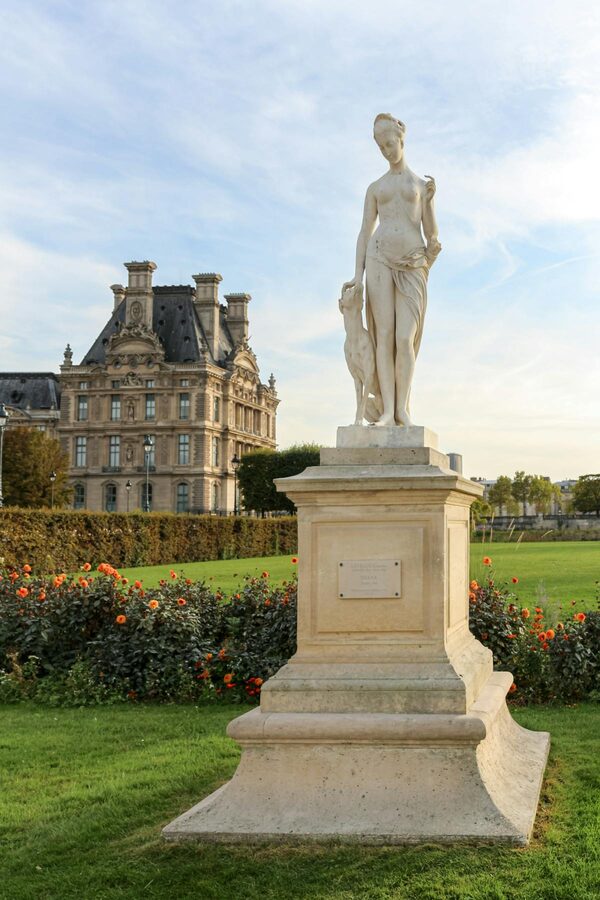
The building itself has a story worth knowing. It was built in 1852 as an actual orangerie — a greenhouse for storing the Tuileries palace’s orange trees during winter. Napoleon III commissioned it as part of his redesign of Paris, and for decades it served no grander purpose than keeping citrus alive.
In 1922, the French state selected it as the permanent home for Monet’s Water Lilies donation. The architect Camille Lefevre spent years modifying the interior to Monet’s specifications — the curved walls, the overhead natural light, the precise dimensions that would allow viewers to be surrounded by the paintings rather than standing in front of them.
The building underwent a major renovation from 2000 to 2006 that removed a concrete ceiling installed in the 1960s and restored the original natural light that Monet had insisted on. This renovation transformed the experience. Visitors who saw the paintings before 2006 under artificial fluorescent light and after the renovation under natural daylight describe it as seeing two different sets of paintings.
Orangerie vs. Orsay vs. Louvre: Which Art Museum?
This question comes up constantly, so here is the short answer.
The Louvre is enormous (35,000 works), takes a full day minimum, and will leave you physically exhausted. Go if you want the full encyclopaedic experience or if you cannot leave Paris without seeing the Mona Lisa. We have a complete Louvre guide here.
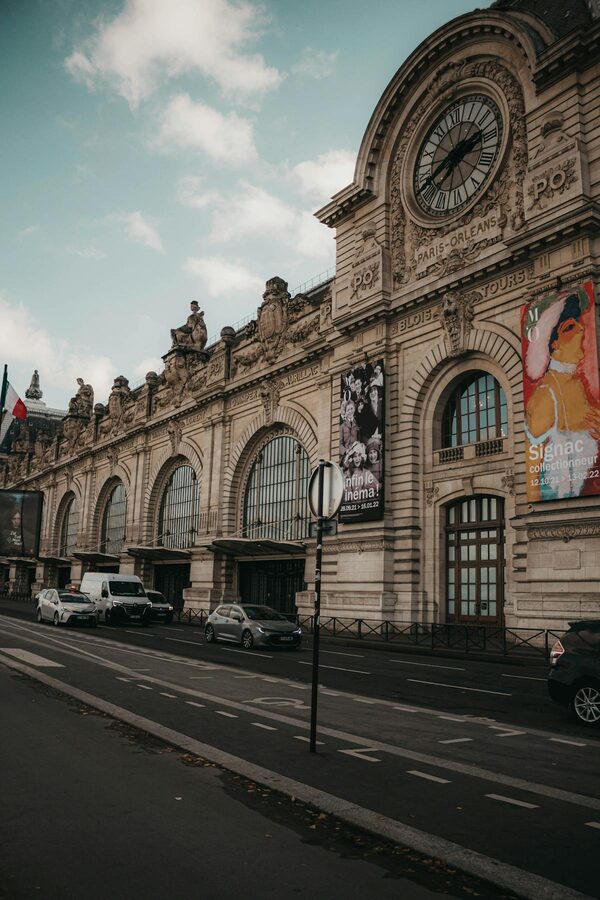
The Orsay is medium-sized, focused on Impressionism and Post-Impressionism (Monet, Renoir, Van Gogh, Degas), and takes 2-3 hours. If you are choosing between the Orsay and the Orangerie for Impressionist art, the Orsay has breadth; the Orangerie has depth. Our Orsay guide covers it in detail.
The Orangerie is tiny by comparison, takes 60-90 minutes, and leaves you wanting more rather than wanting a nap. If you only have time for one art museum and you love Monet, come here. If you have time for two, pair the Orangerie with the Orsay — they share a combined ticket that saves a few euros, and together they give you the most complete Impressionist experience in the world.
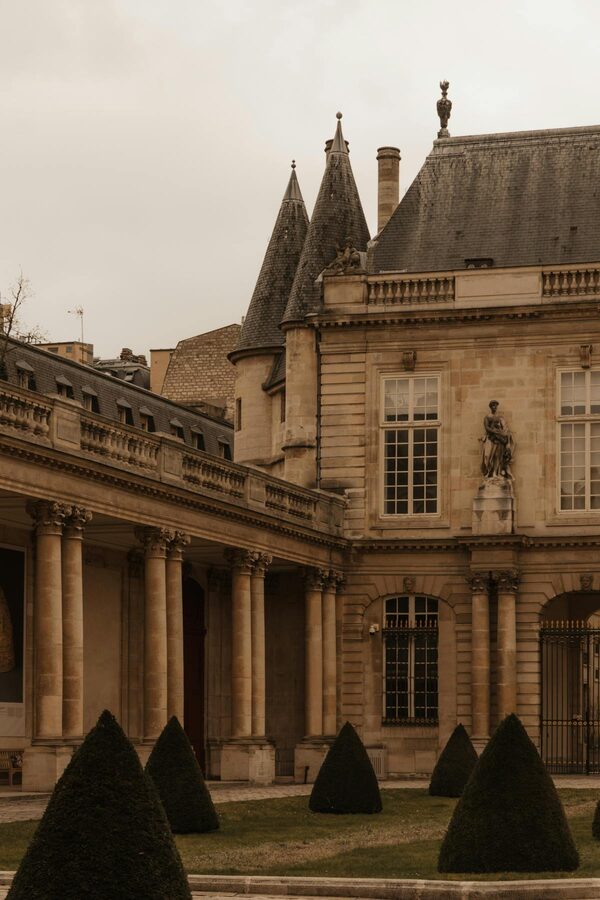
Combining the Orangerie with Nearby Attractions
The Orangerie’s location in the heart of Paris makes it easy to pair with almost anything.
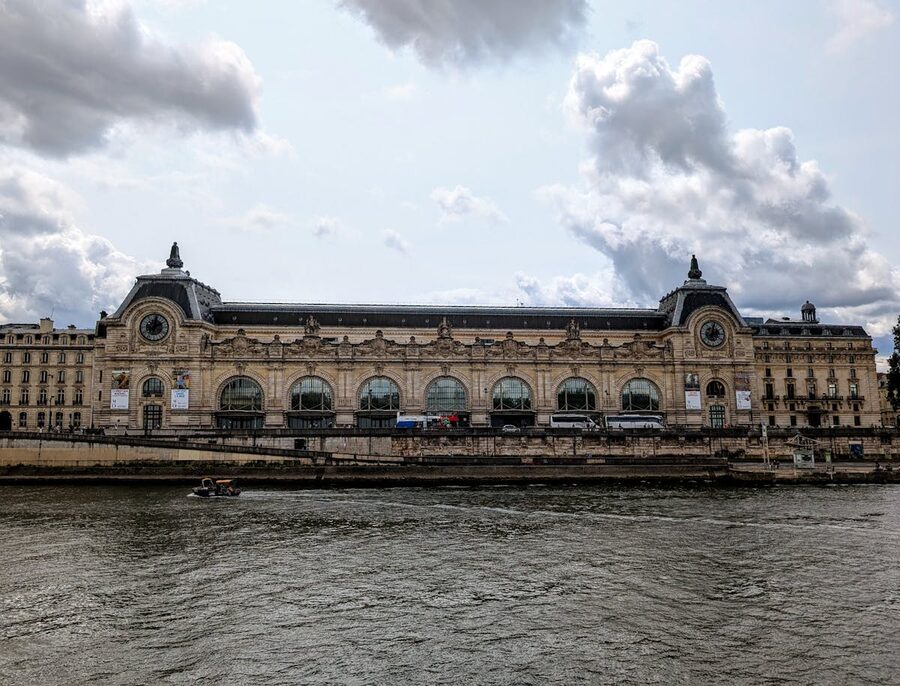
Orsay Museum: A 10-minute walk along the Seine. The two museums share a combined ticket. Do the Orangerie first (smaller, requires less energy), then the Orsay (larger, more walking).
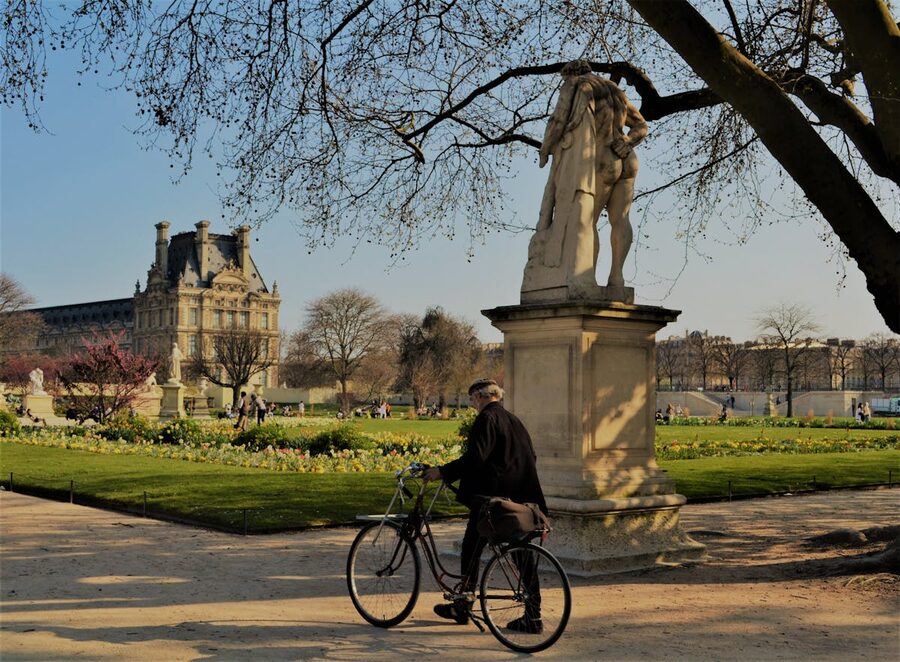
The Louvre: A 10-minute walk through the Tuileries Garden. The Orangerie works perfectly as a calm warmup before the Louvre’s overwhelming scale, or as a peaceful wind-down after.

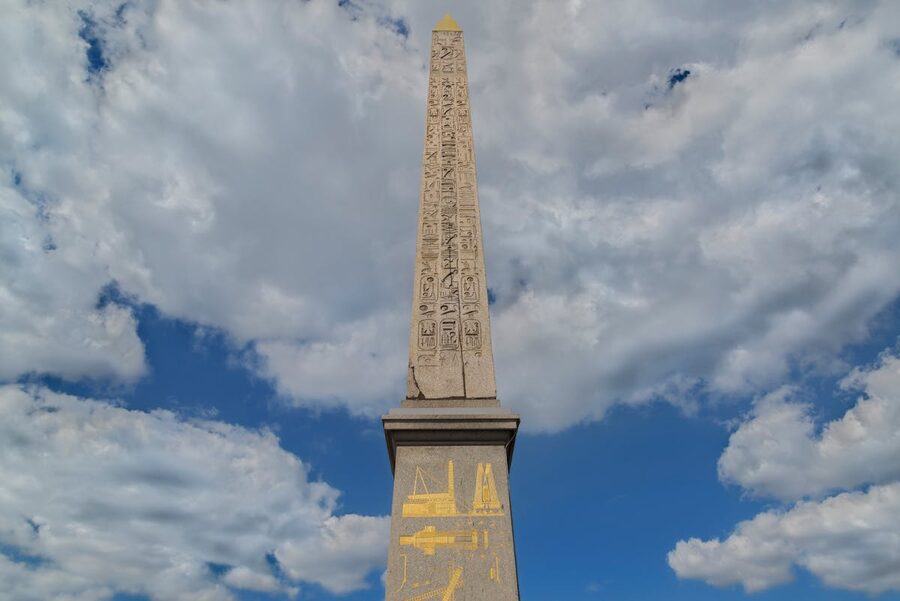
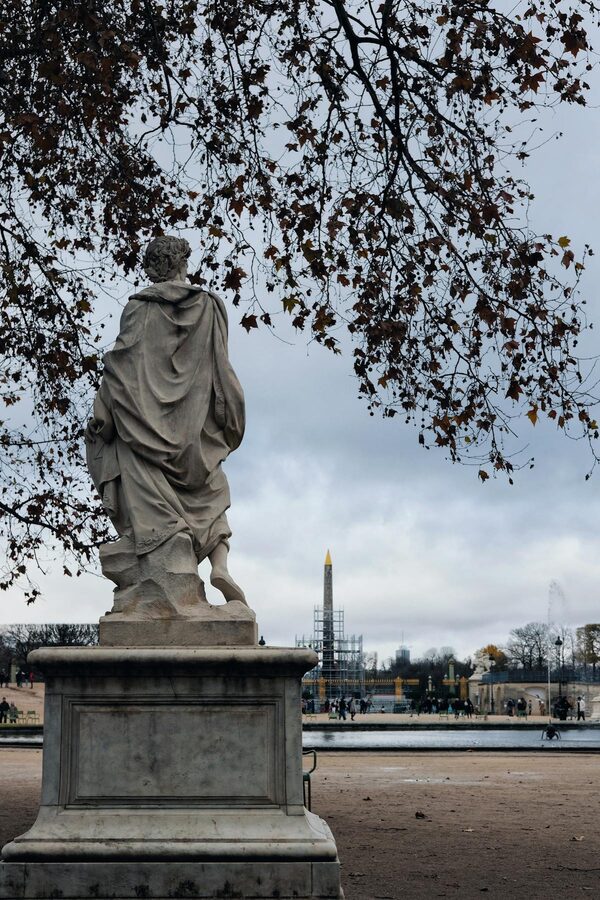
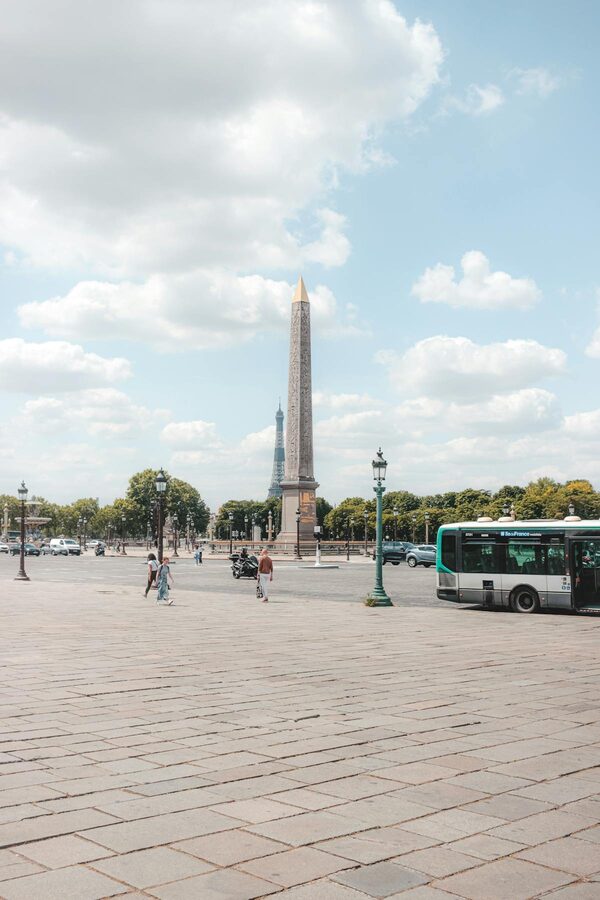
Place de la Concorde: Right outside the door. The largest square in Paris, site of the guillotine during the Revolution, now home to the Luxor Obelisk and fountains. Worth 15 minutes of your time.

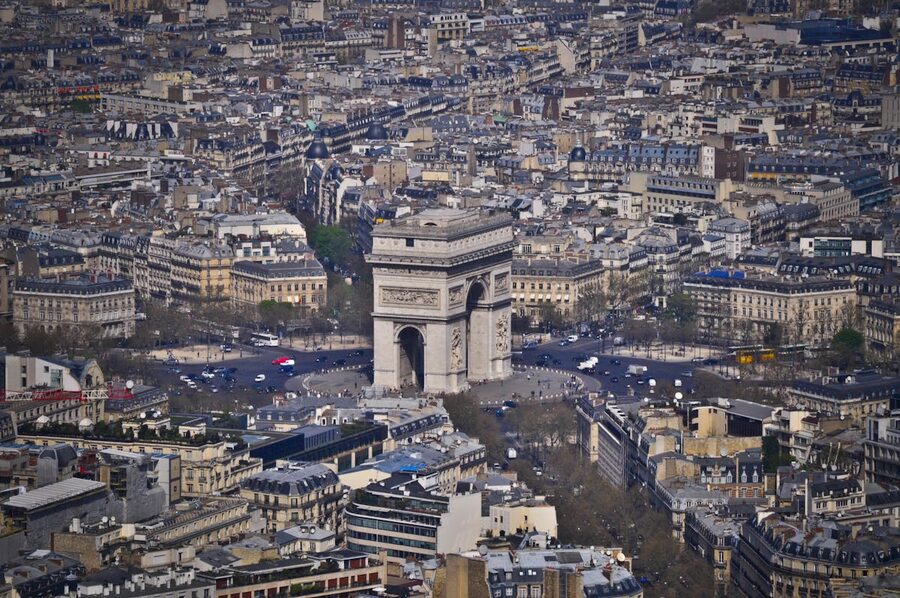
Champs-Elysees and Arc de Triomphe: Walk up from Place de la Concorde. If you have already done our Arc de Triomphe guide, you know the rooftop view is spectacular.
For a full Monet day, combine the Orangerie in the morning with a day trip to Giverny in the afternoon. Seeing the paintings first and the actual garden second is the order I recommend — it reverses the creative process and makes Giverny feel like stepping inside the canvases you just stood in front of.
More Paris Guides Worth Reading
The Orangerie sits in the middle of one of the most walkable stretches in Paris, so you will not run out of things to do nearby. If your museum appetite is still going after Monet’s lilies, the Orsay is 10 minutes away and covers the full sweep of Impressionism. For something completely different, Montmartre offers the neighbourhood where many of these artists actually lived and worked — the contrast between the polished museum and the steep cobblestone streets is part of the fun. And if Monet’s pond paintings have you craving the real thing, our Giverny guide will help you plan the half-day trip to see where it all began.