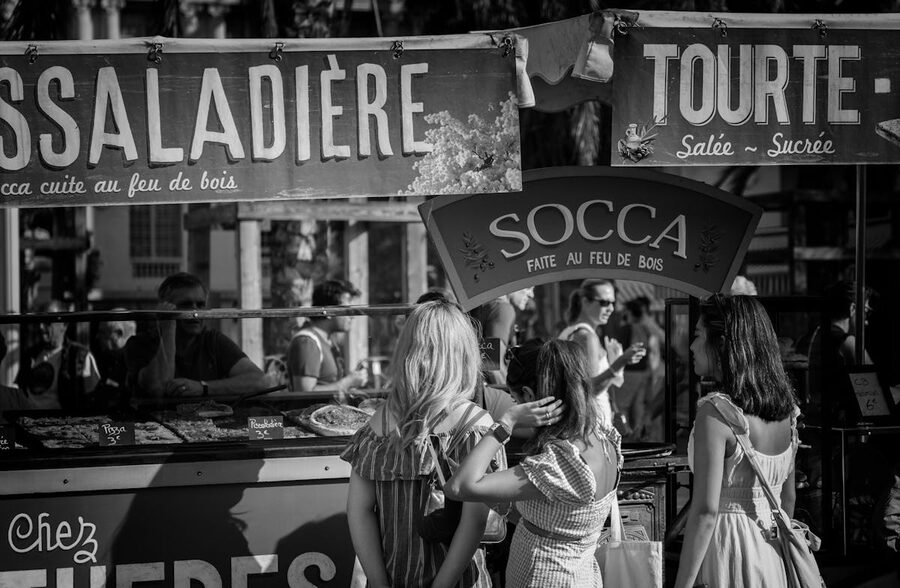
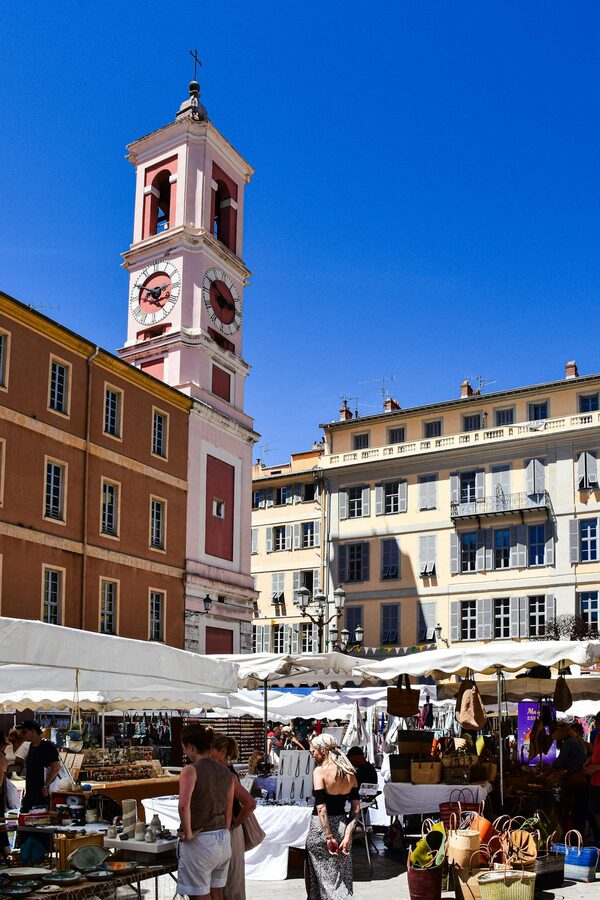
I ordered socca from a woman at the Cours Saleya market who looked like she had been making it since before I was born. Socca is a chickpea-flour crepe cooked in a wood-fired oven until the edges char and the centre stays soft. It costs about 3 euros. It tastes like the Mediterranean concentrated into a single bite — olive oil, salt, smoke, and something nutty that I cannot identify but crave every time I think about Nice.
That was the moment I understood this city. Nice is not Paris. Nice does not try to impress you with monuments and museums. It feeds you, warms you, and sends you out to walk along the coast until the light turns pink over the water.
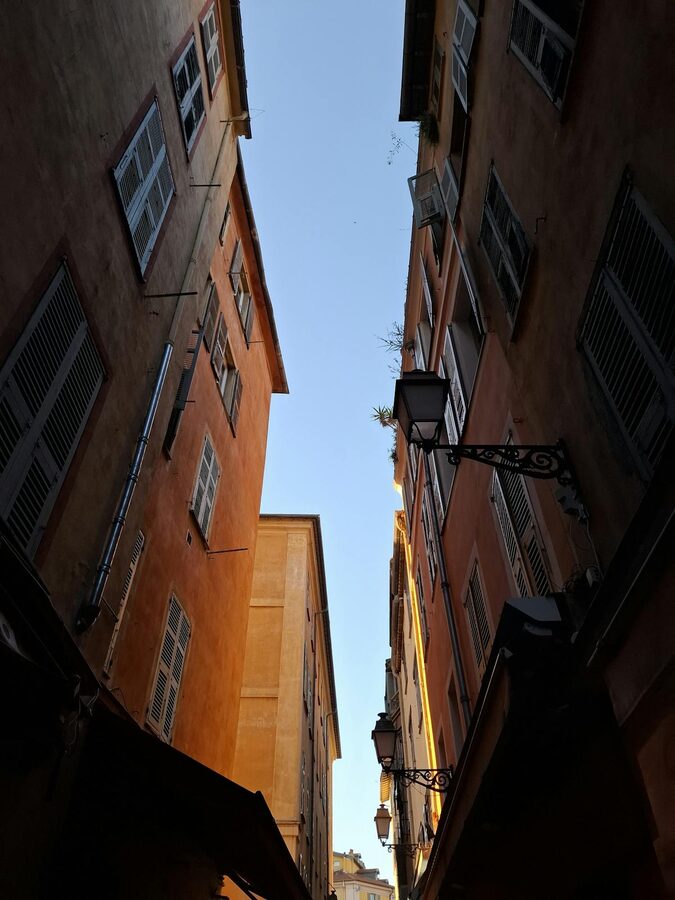
Nice rewards the visitor who walks, eats, and pays attention. A guided walking tour turns the Old Town from a pretty maze into a story. A food tour turns lunch from a meal into an education. And a boat along the coast shows you the Riviera the way it was meant to be seen — from the water.
This guide covers the best ways to experience Nice on foot, by mouth, and by sea.
- Quick Picks — Best Nice Tours
- Walking Tours: Understanding the Old Town
- Castle Hill
- Food Tours: Eating Like a Local
- Boat Tours: The Riviera from the Water
- The Best Nice Tours to Book
- 1. Walking Tour of Old Nice & Castle Hill —
- 2. No Diet Club Food Tour —
- 3. Nice City Segway Tour —
- When to Visit Nice
- Best Time of Year
- Best Time of Day for Tours
- Practical Tips
- Nice’s Local Food: What to Try
- Day Trips from Nice
Quick Picks — Best Nice Tours
Best walking tour: Walking Tour of Old Nice & Castle Hill — around $39, 2.25 hours through the Old Town with a local guide. Perfect rating, over 1,300 reviews.
Best food tour: No Diet Club Local Food Tour — around $81, 3.5 hours of eating your way through Nice with a guide who knows every vendor. Perfect rating.
Best fun option: Nice City Segway Tour — around $42, 2 hours covering more ground than walking, with guides described as the highlight of the trip. Perfect rating.
Walking Tours: Understanding the Old Town
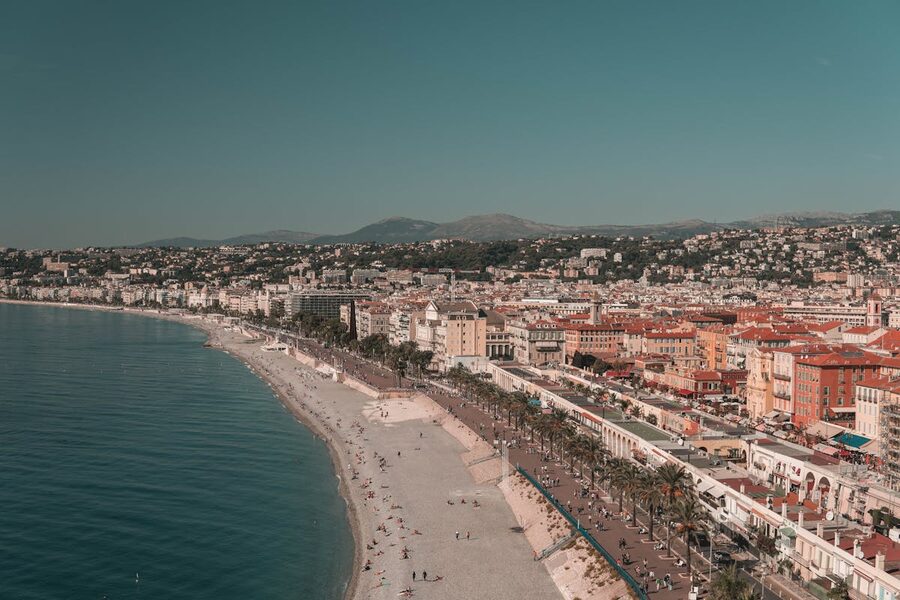
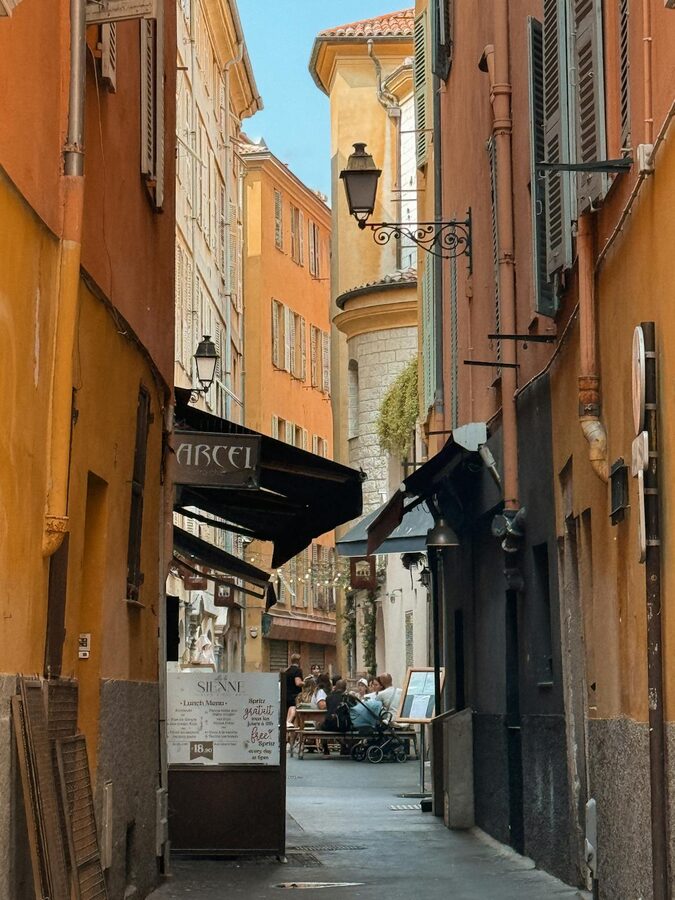
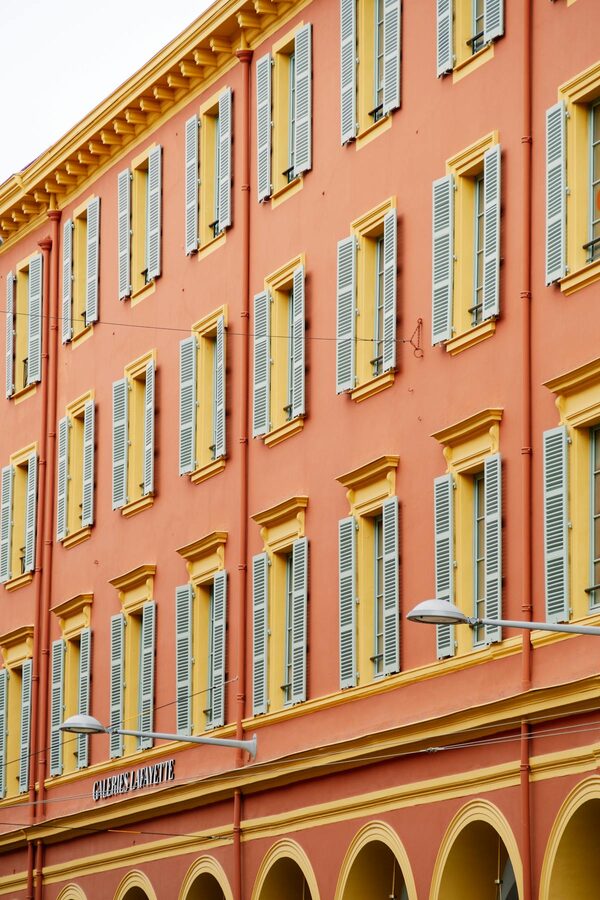
Nice’s Old Town (Vieux Nice) is one of the best-preserved medieval quarters on the French Riviera. The streets follow the original medieval layout — no right angles, no grid, just a maze of narrow alleys that open suddenly into sunlit squares with fountains and cafe terraces.
A walking tour transforms the Old Town from pretty to meaningful. Your guide explains why the buildings are painted those colours (it was Sardinian law during the Piedmontese period), why the streets are so narrow (to keep the sun out in summer and the cold wind out in winter), and why the market sells socca and pissaladiere instead of croissants and baguettes (Nice was Italian until 1860).
Castle Hill
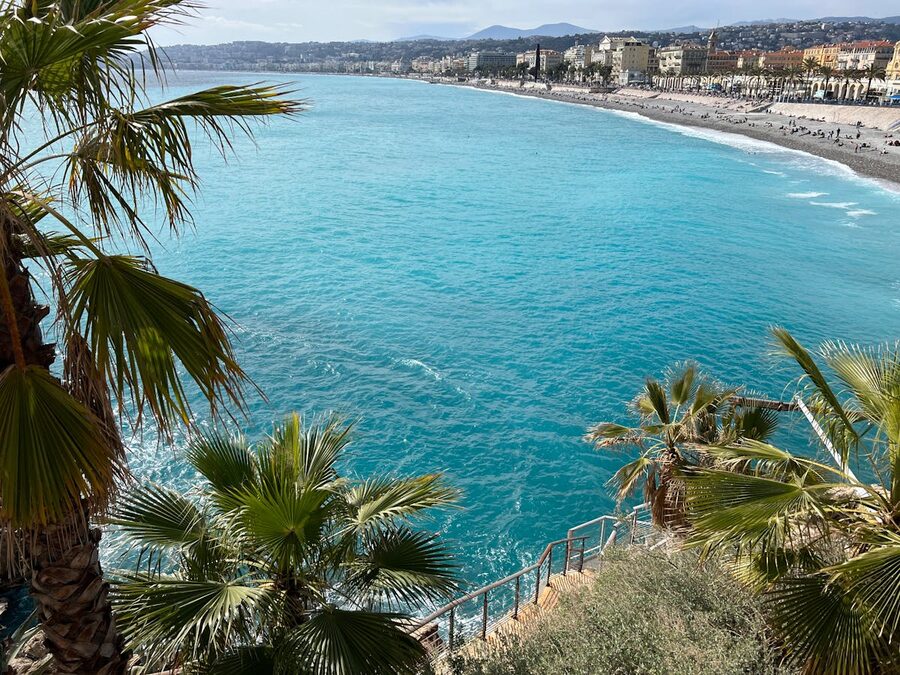
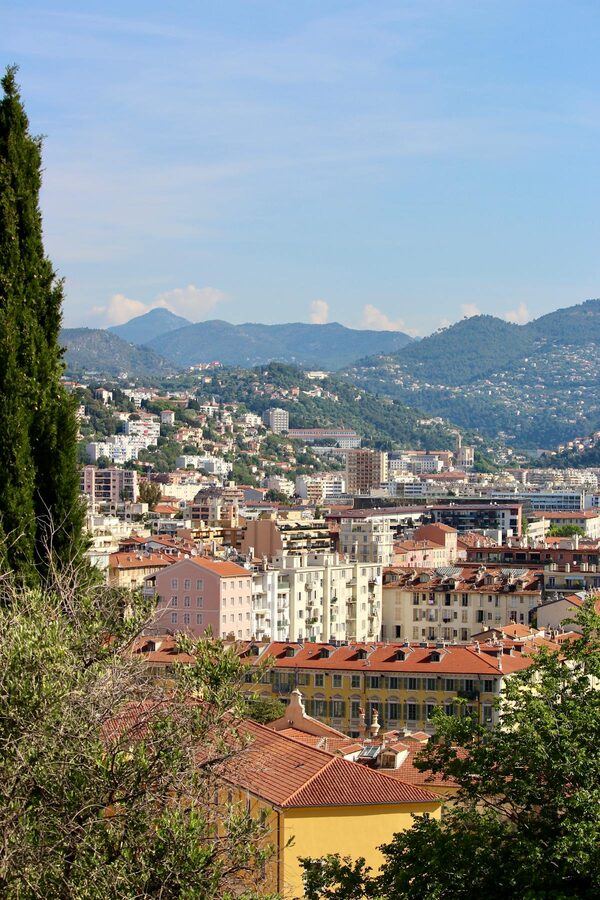
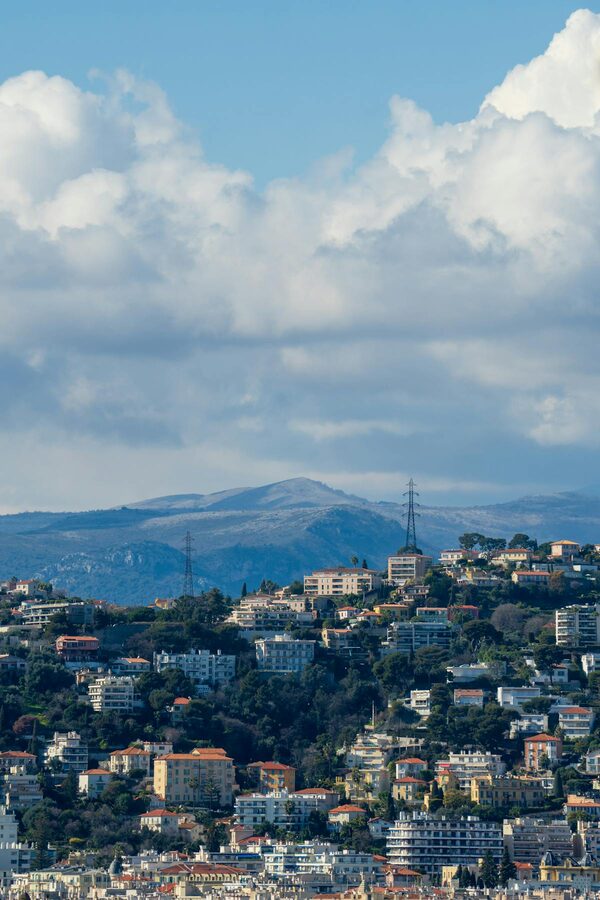
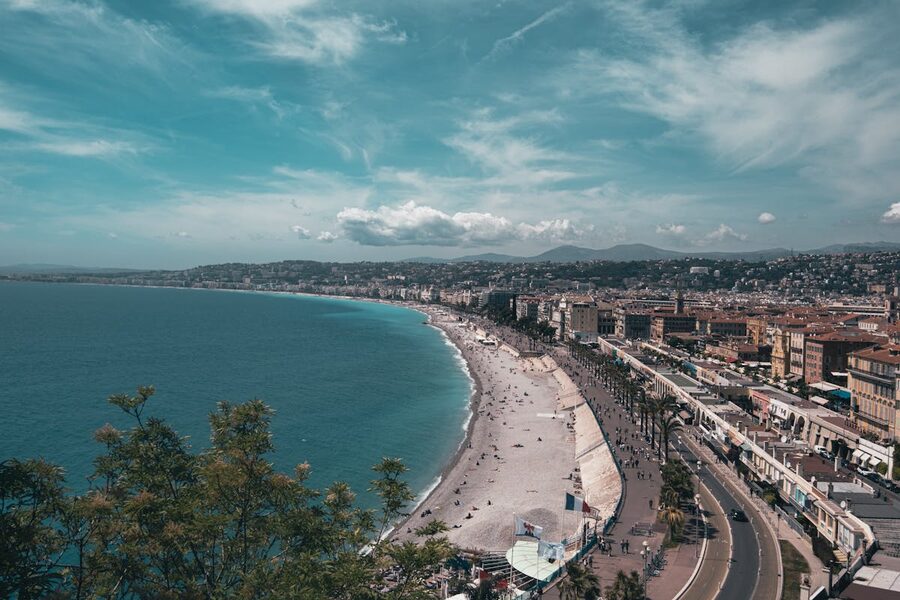
Every Old Town walking tour ends at Castle Hill (Colline du Chateau), the elevated park where the city’s medieval castle once stood. The castle is long gone — Louis XIV destroyed it in 1706 — but the views remain. From the top you see the entire sweep of the Baie des Anges, the terracotta rooftops of the Old Town, and the harbour stretching to the east.
The climb takes about 15 minutes on foot, or you can take the free elevator from the Quai des Etats-Unis. Either way, time your visit for late afternoon when the light turns the sea and the buildings gold.
Food Tours: Eating Like a Local
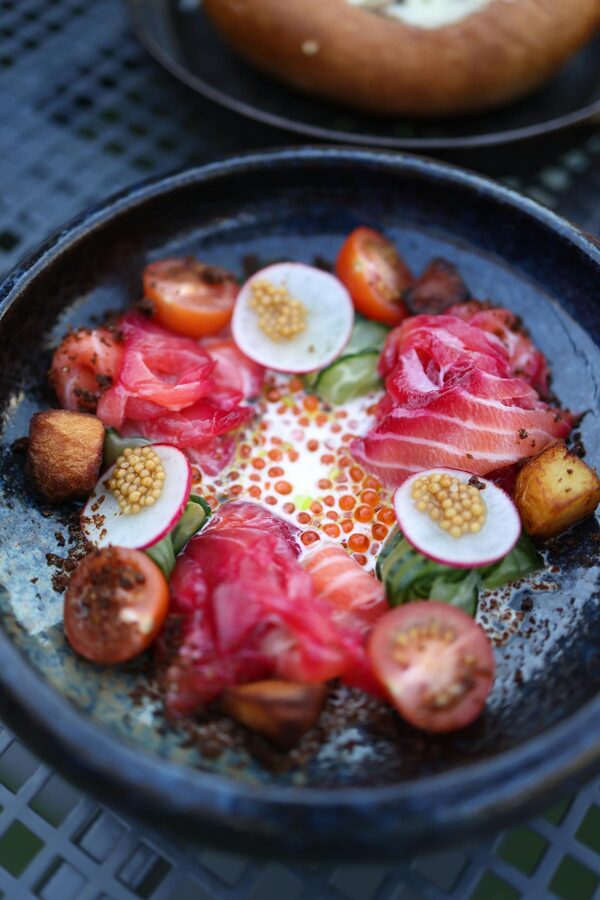
Nice has its own cuisine, distinct from the rest of France. The Italian influence (Nice was part of the Kingdom of Sardinia until 1860) shows up in the pasta, the olive oil, and the approach to vegetables. The Mediterranean shows up in the fish, the herbs, and the insistence that fresh ingredients matter more than complicated technique.
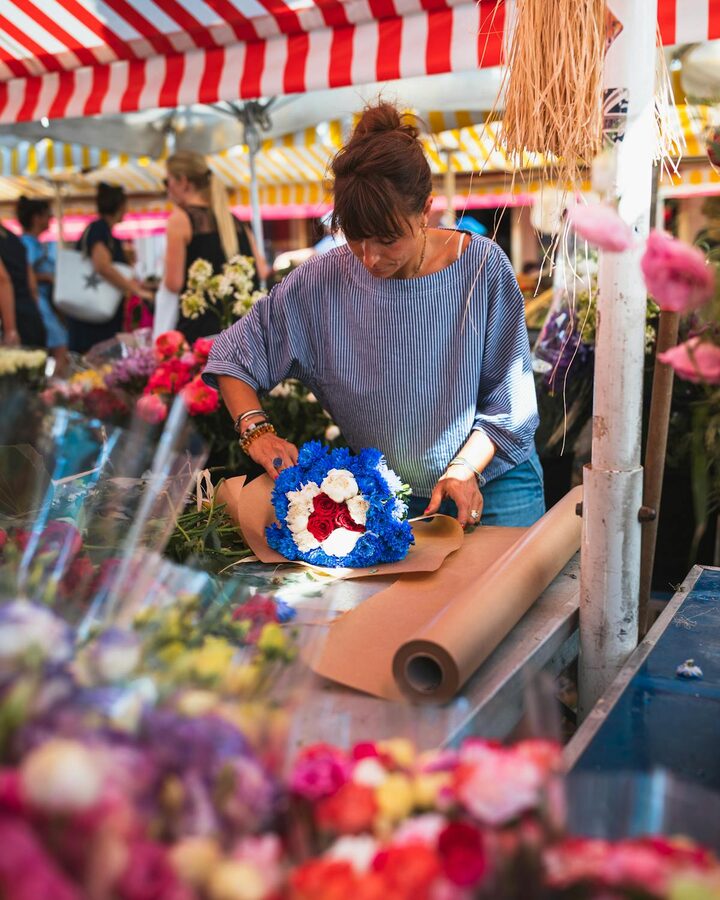
A food tour covers the market, the specialty shops, and the street food stalls that you would never find on your own. You eat socca, salade Nicoise (the real version, not the travesty served in other countries), pissaladiere (onion tart with anchovies and olives), and whatever the guide’s favourite shop is making that day.
Boat Tours: The Riviera from the Water
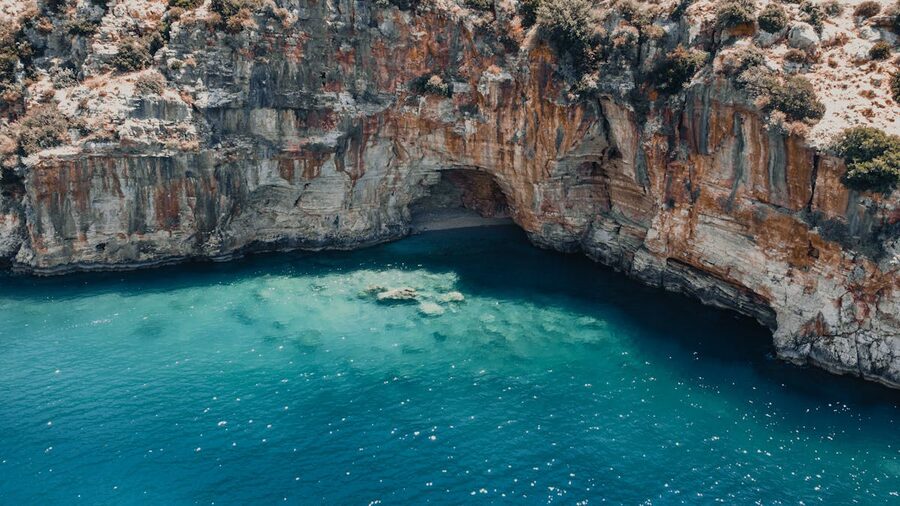
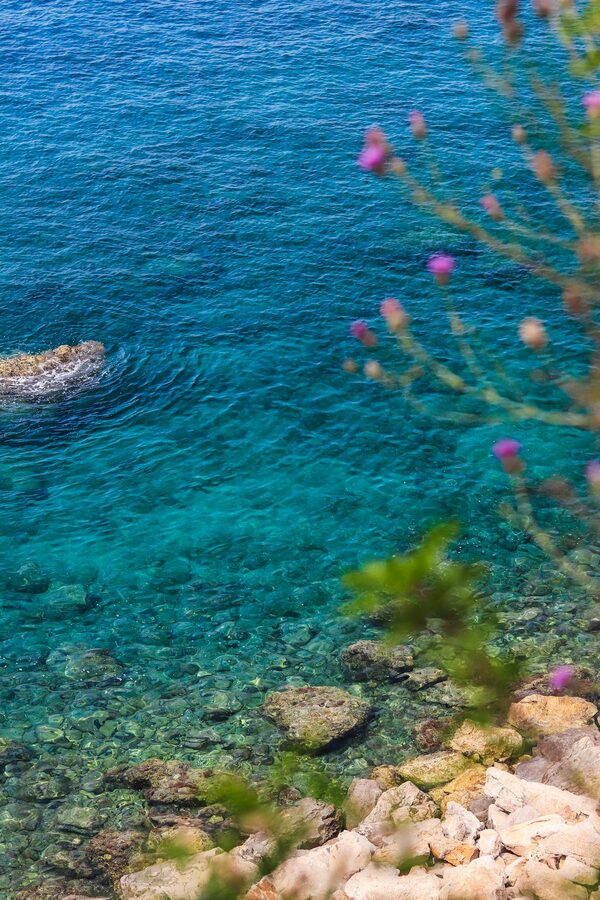
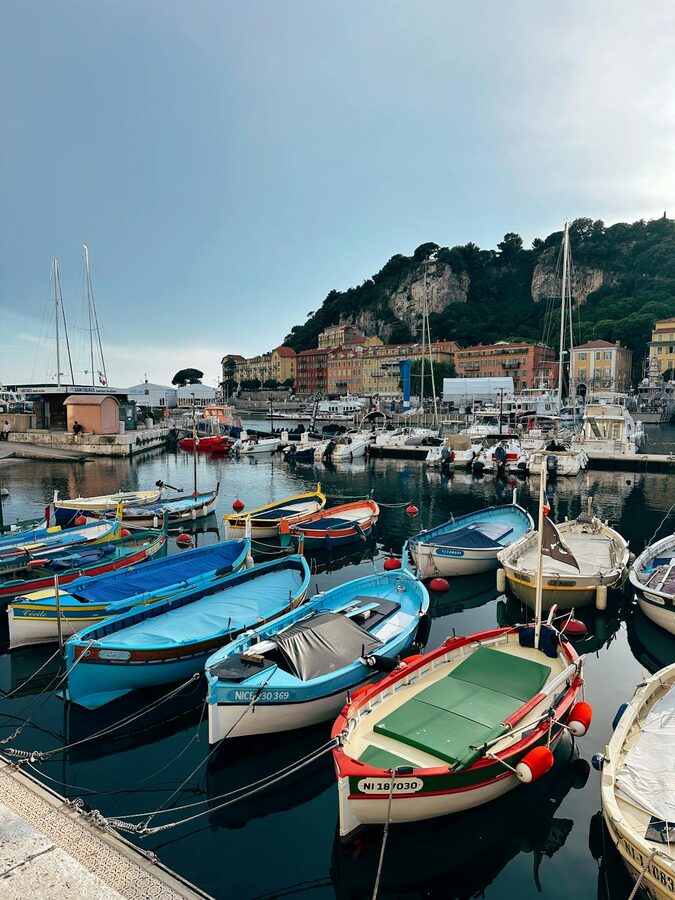
The Mediterranean coast around Nice is dramatic — limestone cliffs dropping into turquoise water, hidden coves accessible only by boat, and a clarity of light that makes every photo look retouched (it is not, the light here is genuinely that good).
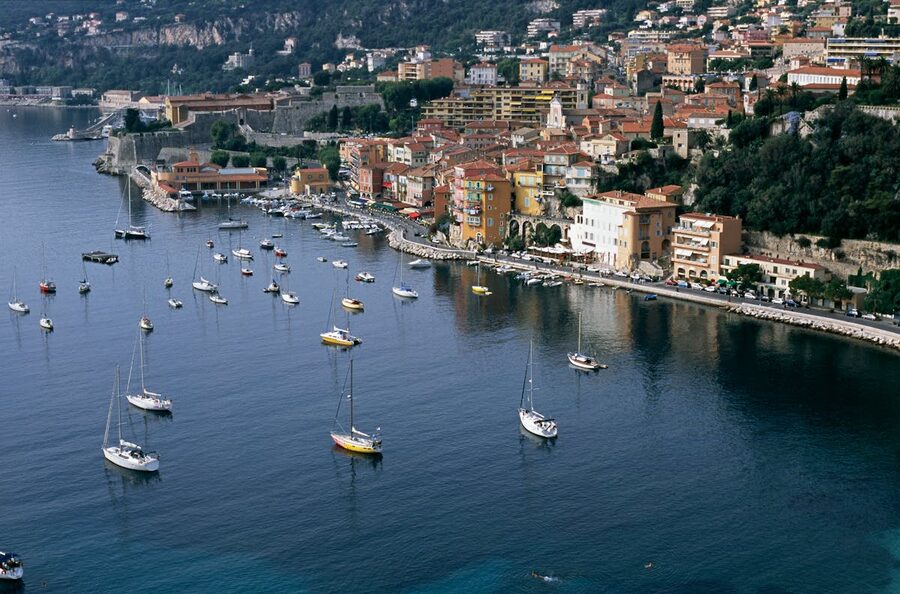
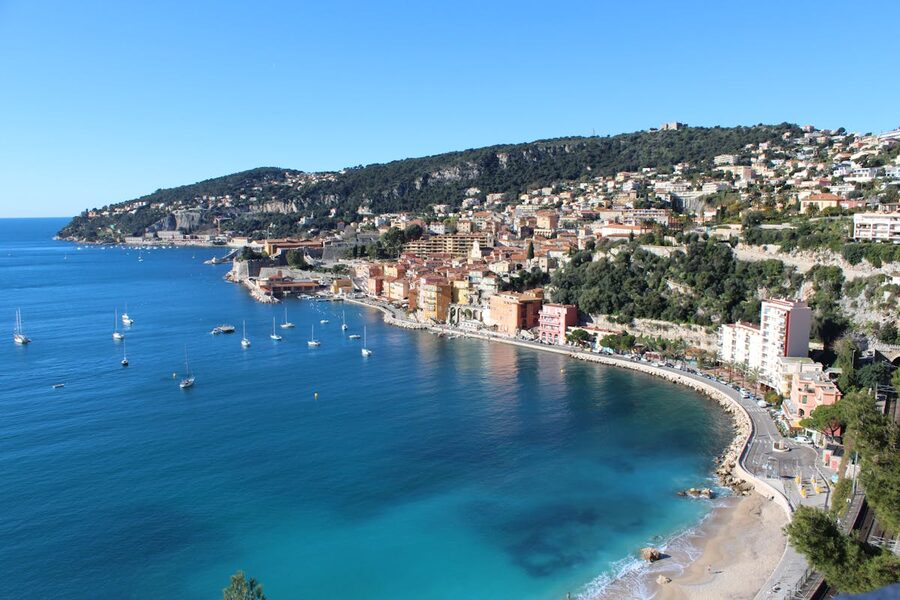
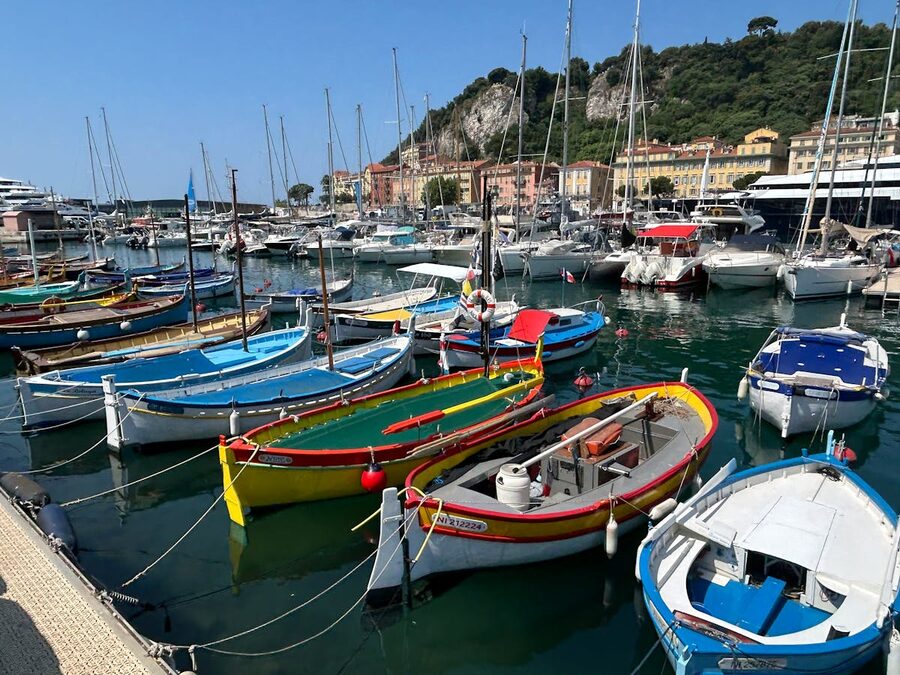
A coastal cruise from Nice harbour covers the Baie des Anges, the Cap de Nice headland, and usually extends to Villefranche-sur-Mer, one of the prettiest harbour towns on the Riviera. Some tours include a snorkelling stop in Villefranche Bay, where the protected waters are clear enough to see the bottom at 10 metres.
The Best Nice Tours to Book
1. Walking Tour of Old Nice & Castle Hill — $39

A 2-hour 15-minute guided walk through the Old Town, the Cours Saleya market, and up to Castle Hill. The guide covers the history — from the Greeks who founded the city in 350 BC to the Piedmontese who ruled it until 1860 — and weaves in local stories, food recommendations, and architecture details that you cannot get from a guidebook.
At $39 this is exceptional value. The tour has over 1,300 reviews and a perfect rating. Guide Lara was singled out for her passion and knowledge, making the walk feel like an extended conversation with a friend who happens to be an expert on Nice.
The Castle Hill section at the end provides the payoff view — the entire Baie des Anges stretching to the west, the harbour to the east, and the terracotta maze of the Old Town below. The guide knows the exact spots for the best photos.
2. No Diet Club Food Tour — $81

Three and a half hours of eating your way through Nice with a guide who treats food as both history and religion. The tour hits the Cours Saleya market, specialty shops, and local restaurants that you would walk past without knowing what is inside. You taste socca, pissaladiere, local cheeses, olive oil, ice cream, and whatever the guide decides to add based on the day’s best produce.
One reviewer called it an amazing experience, praising the guide for weaving together food, history, and local culture. The guide knows every vendor personally and the tastings are generous enough that you will not need lunch afterward.
At $81 for 3.5 hours of food and stories, this is competitive with buying yourself lunch at a Nice restaurant — except here you eat at 10 different places and learn why each dish matters to the local culture. If you do one thing in Nice beyond the beach, make it this.
3. Nice City Segway Tour — $42

Two hours on a Segway covering all of Nice’s highlights: the Promenade des Anglais, the Old Town, the harbour, and the parks. The guides — Francisco and Lalie were specifically named — combine commentary with fun, making this as much an entertainment experience as a sightseeing one.
At $42 this is the cheapest way to see all of Nice in a single outing. No prior Segway experience needed — the first 10 minutes are a training session. Most people are comfortable within 5 minutes. The Segway handles the hills that Nice is known for, which is a genuine advantage over walking in summer heat.
One reviewer called it the highlight of their trip. Another described the guides as incredibly professional and friendly. For families, couples, or anyone who wants a fun orientation to Nice before exploring on their own, this is a great first-day activity.
When to Visit Nice
Best Time of Year
May through June and September through October are the sweet spots. The weather is warm (20-25 degrees), the sea is swimmable (especially September when the water has had all summer to warm up), and the summer crowds have not yet arrived or have already left.
July and August are hot (30+ degrees), crowded, and expensive. The beach is packed, the restaurants are full, and the Old Town streets feel more Times Square than Mediterranean village. If this is your only option, book everything in advance and visit outdoor attractions early in the morning.
Winter (November through March) is Nice’s secret season. The temperature rarely drops below 10 degrees, the museums and restaurants are empty, and the Carnival de Nice in February is one of the largest carnival celebrations in the world.
Best Time of Day for Tours
Walking and food tours work best in the morning when the markets are active and the streets are cooler. Boat tours are best in the afternoon when the sea is calmest and the sun is on the right side for coastal views. Segway tours work anytime, but late afternoon gives you the best light along the Promenade.
Practical Tips
Getting around: Nice’s Old Town and coast are compact and walkable. The tram runs from the airport through the centre. Taxis and Uber work throughout the city. Most tours meet in or near the Old Town.
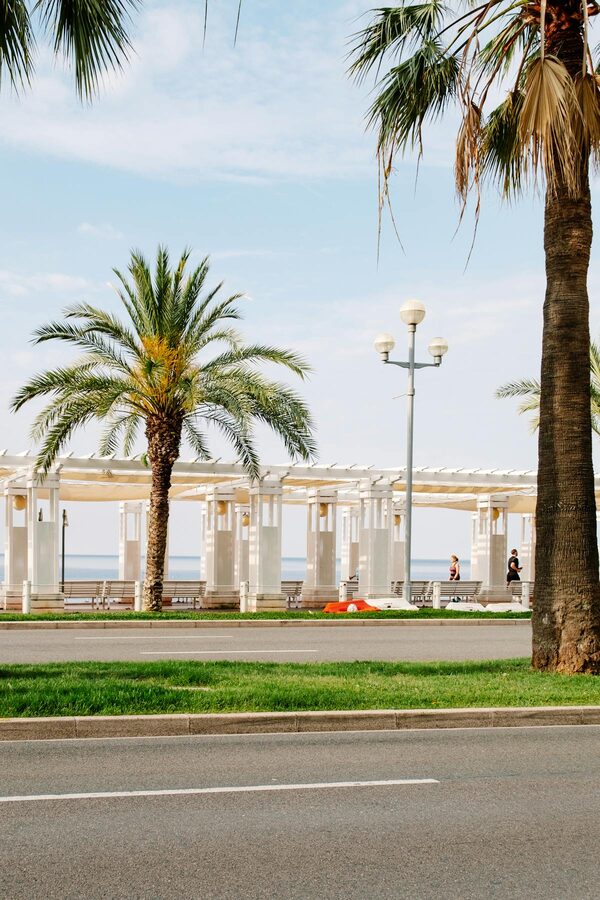
Beach: Nice’s beaches are pebble, not sand. Bring shoes you can walk on stones with. The public beaches are free. Private beach clubs (with lounge chairs and service) charge 15-25 euros per day.
Language: All recommended tours are in English. Nice is very international — English is widely spoken in the tourist areas. A few words of French go a long way in the Old Town shops.
Budget tip: The Cours Saleya market sells ready-to-eat food at market prices. Socca, pan bagnat (the Nicoise sandwich), and fougasse (olive bread) make a filling lunch for under 10 euros.
Nice’s Local Food: What to Try
Beyond the food tour, here are the dishes to seek out when you eat on your own in Nice.
Salade Nicoise: The real version has tuna (raw or seared, never canned), hard-boiled eggs, olives, tomatoes, anchovies, and green beans. No lettuce. No potatoes. If a restaurant serves it on a bed of lettuce, they are serving the tourist version.
Pan Bagnat: A round sandwich made with the same ingredients as salade Nicoise, soaked in olive oil until the bread absorbs the flavours. It is the working person’s lunch and the best picnic food in Nice. Buy one from a market vendor for about 5 euros.
Ratatouille: Nice claims to have invented it (Provence disagrees). The local version is simpler than the layered tian version — chunky vegetables stewed in olive oil with garlic and herbs. Every restaurant in the Old Town has its own recipe.
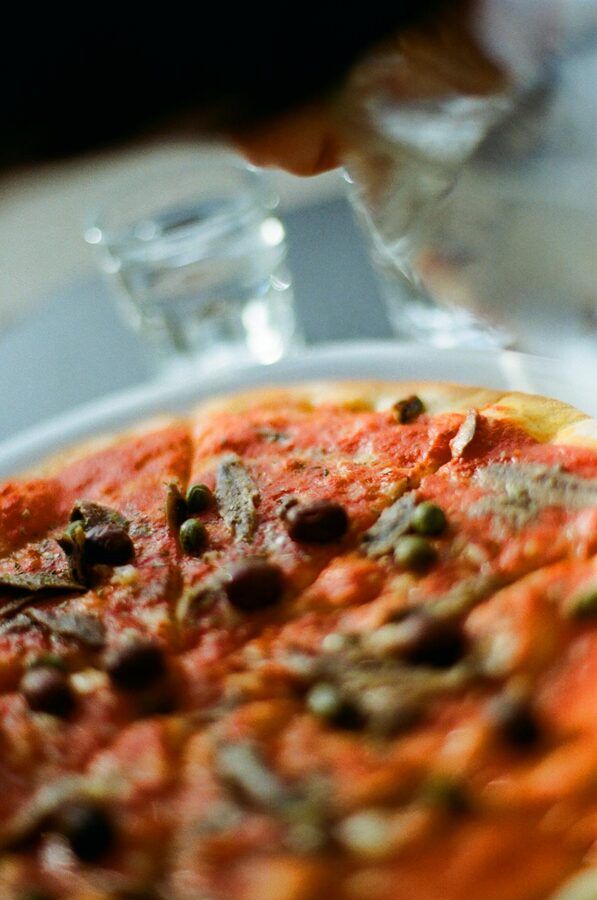
Pissaladiere: An onion tart topped with anchovies and black olives. It sounds unusual but the combination of sweet, slow-cooked onions with salty anchovies is addictive. It is served as a snack, a starter, or a quick lunch from market stalls.
Day Trips from Nice
Nice is the base camp for Riviera exploration. Our French Riviera guide covers the classic Eze, Monaco, and Monte Carlo day trip. But there is more beyond the headline destinations.
Gorges du Verdon: A full-day trip to the “Grand Canyon of Europe” — stunning turquoise water and dramatic gorge scenery. About 2 hours from Nice.
Cannes and Saint-Tropez: Reachable by boat or bus for a contrast between Nice’s down-to-earth charm and the Riviera’s glamorous side.
Villefranche-sur-Mer: The snorkelling tours launch here and the town is worth a half-day on its own — one of the most photographed harbours on the coast.