Seattle’s Underground is real street history.
This Beneath the Streets Underground History Tour turns Pioneer Square into a time machine, taking you beneath the sidewalks to see old passageways and then back up to compare today’s neighborhood with its early days. I like the way the tour focuses on turning points that shaped Seattle, from the Coast Salish presence to the Yukon stampede and the bigger stories behind the Klondike Gold Rush. I also love that the guide can make it feel personal, even when the facts are dense. One thing to consider: the Underground spaces are not all one connected system, so you’ll spend some time above ground moving between areas.
My favorite part is the guide-led storytelling, the kind that feels more like a conversation than a script.
From the recent crowd-pleasers like David (funny, facts-forward), Patti (enthusiastic and easygoing), and Imogen (energetic, with a performer’s way of making scenes feel alive), the tone stays upbeat without skipping the hard history. You’ll also get a clear sense of place, covering the same blocks from both street level and underground, so you can actually picture how the neighborhood changed. The possible drawback is physical: there are three flights of stairs up and down, plus uneven surfaces.
This experience made our article of Seattle’s 5 Best Historical Tours.
- Key takeaways
- Pioneer Square, the place you thought you knew
- The 102 Cherry St start: easy to find, one hour to finish
- Beneath the Streets: what the Underground part actually feels like
- Pioneer Square at two levels: compare, then connect the dots
- Yukon stampede and the Klondike Gold Rush story thread
- Skid Row, then and now: how the neighborhood got its edge
- Coast Salish first settlers: hear the place before it became Seattle
- Guides make or break it: David, Patti, Imogen, and the humor-facts mix
- Price and value: paying .03 for an hour of Seattle you can feel
- Who should book this underground history tour
- Should you book Beneath the Streets?
- FAQ
- How long is the Beneath the Streets Underground History Tour?
- How much does it cost?
- Where do I start and where does it end?
- Is the tour mostly underground?
- Are there stairs?
- Does it run in the rain?
- How big is the group?
- Is it in English and do I need a printed ticket?
- The Best Of Seattle!
- More Historical Tours in Seattle
- More Tours in Seattle
- More Tour Reviews in Seattle
- Not for you? Here's more nearby things to do in Seattle we have reviewed
Key takeaways
 1 / 6
1 / 6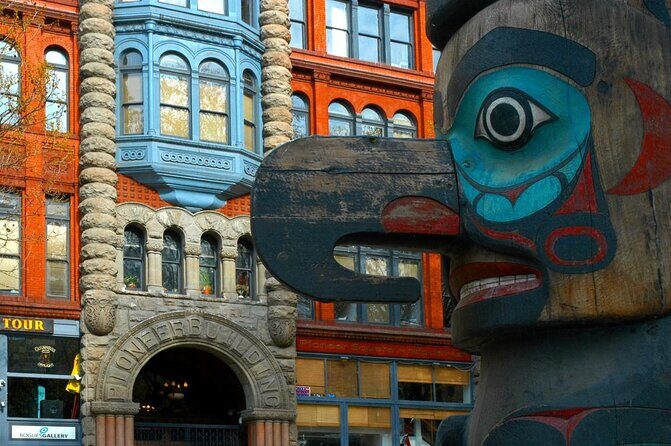 2 / 6
2 / 6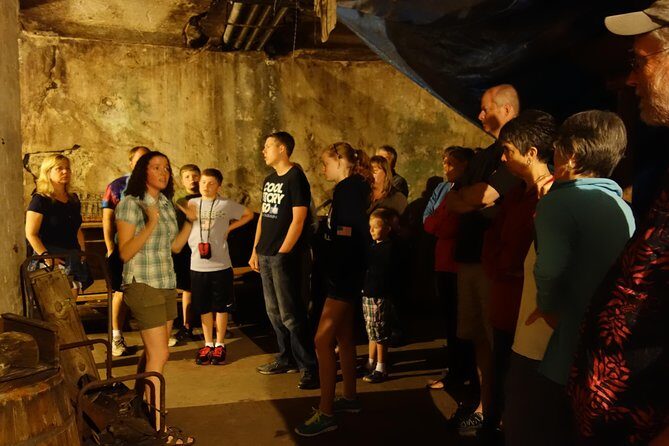 3 / 6
3 / 6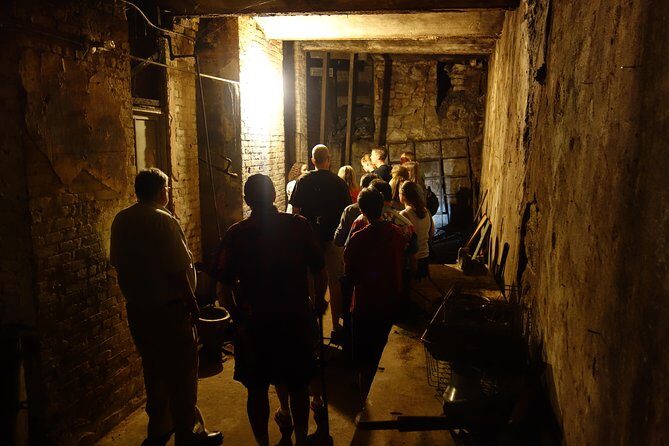 4 / 6
4 / 6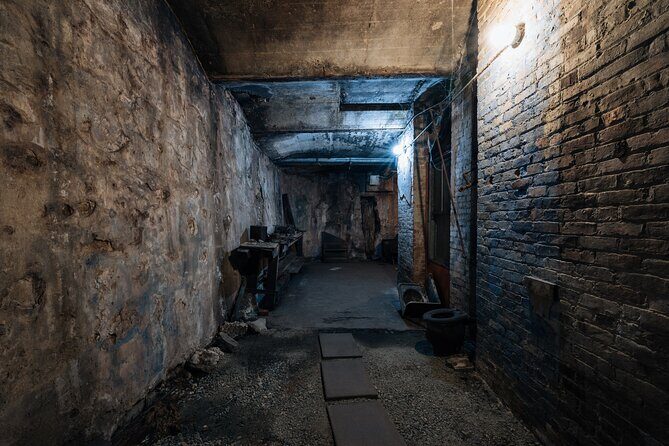 5 / 6
5 / 6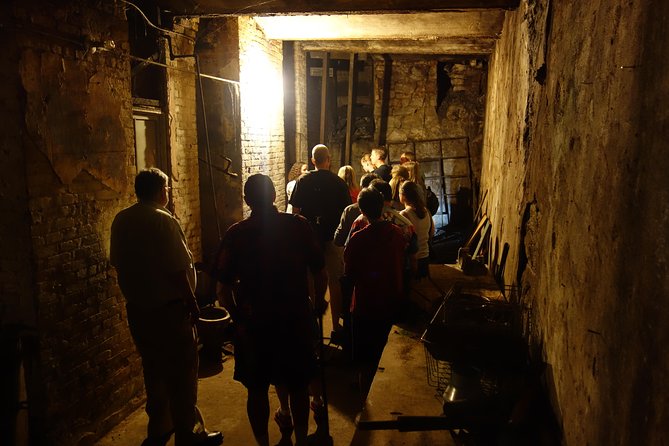 6 / 6
6 / 6- Three underground passageways from the 1890s in old Pioneer Square, paired with street-level context
- Small groups (max 20), which helps keep the pace human for a one-hour tour
- A guide with humor and follow-up answers, including stories that connect Seattle to the Klondike Gold Rush
- Expect some above-ground walking because the Underground areas aren’t one continuous route
- Good for history lovers and curious locals, with stops tied to Coast Salish heritage and the Skid Row era
👉 See our pick of the We Rank Seattle’s 6 Top Tours & Experiences
Pioneer Square, the place you thought you knew
If your Seattle plan is mostly coffee lines and skyline views, this tour gives you a different angle fast. Pioneer Square is one of the city’s oldest neighborhoods, and the Underground paths were built in the southwest corner more than 120 years ago. That alone makes the experience feel special, but what I like more is how the tour doesn’t treat the Underground as a gimmick. It connects the underground spaces to the neighborhood above them, so you leave with a clearer mental map of where Seattle began.
You’ll hear how a small Indigenous dwelling place became part of the story of a rapidly growing city. You’ll also learn about the Coast Salish peoples who first settled here, and the tour doesn’t keep that as a name-only mention. It’s woven into the bigger timeline of Seattle’s growth and upheaval.
And yes, you’ll get the classic Underground elements—old passageways, stairs, and the odd feeling of being below a street you’ve walked a thousand times. But the best part is the way the guide ties events together: the Yukon gold excitement that fed the Klondike Gold Rush, plus the neighborhood shifts that turned parts of Pioneer Square into what was described as Skid Row.
You can also read our reviews of more historical tours in Seattle


The 102 Cherry St start: easy to find, one hour to finish
This tour keeps logistics simple. You start at 102 Cherry St, Seattle, WA 98104, and the experience ends at Occidental Square (the listed end point is the Union Trust Building at 119 South Main St). It’s an easy setup if you’re already planning time in Pioneer Square, and the route is built around a short walkable area rather than a long bus-style trek.
The tour runs about one hour at a leisurely pace. You cover roughly four blocks, about 0.8 km / half a mile, and you move between different sections of the Underground area. That matters because it keeps the whole thing from feeling like a marathon. It also helps you understand the neighborhood changes: you’re not just going underground and staying there. You’re comparing levels.
You’ll also use a mobile ticket, and the tour is offered in English. It’s marketed as operating rain or shine, so plan on some outdoor time for moving between stops. Service animals are allowed, and the tour notes that most travelers can participate—just be ready for the stairs.
Beneath the Streets: what the Underground part actually feels like
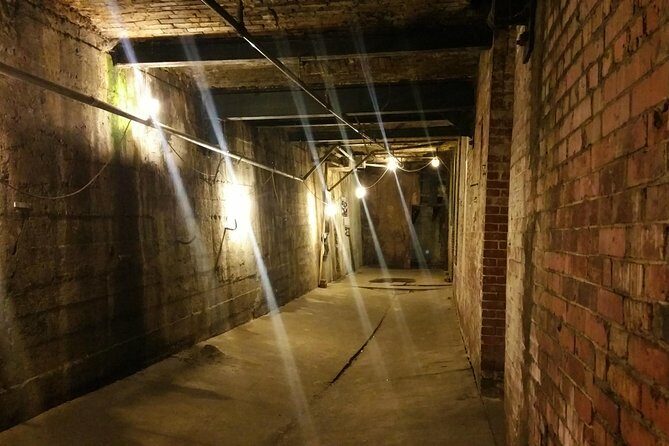
The Underground section is the headline, but it’s also where expectations can go sideways. The Underground passages featured on this tour were constructed in the 1890s, and you’ll explore three underground passageways that cover historic old Pioneer Square. The point isn’t a single tunnel ride. It’s more like a sequence of spaces that show you how the area worked at street level and how it felt underground.
One detail I think you should take seriously: the Underground is not one continuous network. To move between the separate Underground areas, you’ll go above ground. That means part of the hour is intentionally spent on the surface so the guide can connect what you’re seeing to what happened historically. If you’re imagining a nonstop underground crawl, you may feel you got less darkness and more crosswalk time than you expected.
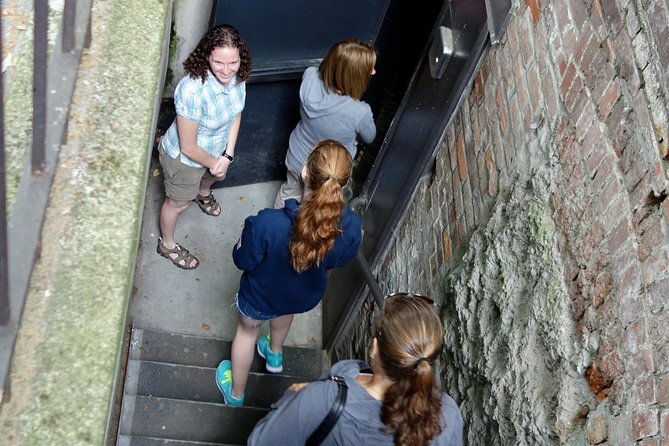
Physical comfort is the other reality check. The tour includes three flights of stairs, up and down each flight, and the route involves uneven surfaces. It’s not described as extreme, but it’s enough that comfortable shoes matter. One reviewer even called out the value of covering well in winter—so yes, dress for cold air and damp steps, not just the forecast.
Pioneer Square at two levels: compare, then connect the dots
What makes this tour better than a basic Underground photo stop is the way you compare modern Pioneer Square with the neighborhood from earlier decades. You don’t just see underground corridors in isolation. You hear stories that tie the Underground spaces to the street grid and the block-by-block evolution of this corner of Seattle.
The guide covers four city blocks of historic Pioneer Square and explores the underground passageways within that area. You’ll hear about the 1890s architecture too, which helps you understand what kind of city people were building at the time. That’s useful because it turns the Underground from a creepy side attraction into a real part of urban design history.
The tour also includes time to hear specific neighborhood narratives: the rise of the area, the transformation from Indigenous settlement to a more densely built city neighborhood, and the harder-edged story of Skid Row. That matters because Pioneer Square is often remembered for charm and brick buildings today, but the tour shows that the neighborhood has had a rough, complicated side too.
If you like your history in a “cause and effect” format, you’ll probably enjoy how the guide links stories across time. Seattle’s role in the Klondike Gold Rush doesn’t sit alone; it’s part of the chain of events that changed what the city became.
Yukon stampede and the Klondike Gold Rush story thread
A big part of the tour’s energy is the way the guide tells Seattle’s connection to gold rush momentum. You’ll hear the story of the stampede to the Yukon gold fields and Seattle’s role in what became the Klondike Gold Rush. Even if you’ve read a few gold rush headlines before, the Underground setting makes the tale feel more grounded in geography.
Here’s the useful part: gold rush history can turn abstract fast. The tour keeps it tied to place by using Pioneer Square as the anchor. When you hear how this neighborhood shifted alongside the city’s rising fortunes, it becomes easier to picture how a region-wide event could reshape street-level life here.
One of the most praised aspects from recent guide performances is the way they connect this era to later Seattle changes, with humor and context that make the stories stick. Some guides also mention other city chapters connected to what happened after major booms—so you might hear references to topics like Prohibition during the walkthrough, depending on the guide’s flow.


Skid Row, then and now: how the neighborhood got its edge
Pioneer Square has a cleaner image in many travel plans now, but the tour doesn’t ignore what that neighborhood looked like during harder times. You’ll learn about Skid Row, described as a dilapidated urban area that served as the main street in Pioneer Square. That detail isn’t just trivia—it explains why a neighborhood can swing from gritty to charming and back again depending on who has money, power, and housing stability at the time.
The tour also pushes you to compare eras. When you’re underground, it’s tempting to treat it like a frozen museum scene. When you go back up, the guide’s street-level context helps you realize the Underground spaces are part of a larger urban story, not a separate curiosity.
I like that this stop doesn’t rely on shock value. It’s presented as history tied to the city’s growth patterns. And because the tour keeps returning to the same blocks, you can build a stronger mental picture: what changed above, what changed below, and why both matter.
Coast Salish first settlers: hear the place before it became Seattle
One of the most important parts of the experience is how it introduces the Coast Salish peoples who first settled in the area. The tour frames them as ethnically and linguistically related Indigenous peoples, and it treats their presence as a key starting point for understanding Pioneer Square’s past.
This isn’t presented as a side note. The tour is described as covering the original neighborhood—Seattle as the Emerald City—starting from the early era, and the Indigenous story is part of that origin thread. That gives the Underground a deeper meaning. You’re not just seeing old stone; you’re seeing a site with longstanding human history that predates the later city growth.
Another detail I appreciate: the guide team does professional development through workshops on cultural traditions and history, with special guests including historians and Native Tribal members. That doesn’t automatically make every story perfect, but it signals a serious effort to handle the subject respectfully and with more than just a generic script.
Guides make or break it: David, Patti, Imogen, and the humor-facts mix
For a short tour, the guide matters a lot, and this one has a strong reputation for lively delivery. In the feedback I saw, the most repeated theme is that guides blend humor with real detail, without turning it into stand-up. David was praised for being funny and knowledgeable, Patti for bringing enthusiasm and making it feel personal, and Imogen for being vivacious and delivering a more visual sense of what it was like back then.
You’ll also notice a pattern in what works: guides answer questions and add extra context when asked. That makes a big difference in a one-hour format, because it lets you steer a little toward what you care about—gold rush, neighborhood change, Indigenous history, architecture, or just the physical feeling of the Underground.
If you want to maximize your experience, arrive ready to ask one question early. Something like: What’s the most surprising change from above street to underground? Then listen for how the guide ties the answer into the next passageway.
Price and value: paying $29.03 for an hour of Seattle you can feel
At about $29.03 per person for an approximately one-hour walking tour, you’re paying for guided access and interpretation, not a separate museum admission. The value lands in a few specific places.
First, the tour is priced for a short time commitment. If your day in Seattle is packed, one hour is manageable. You also get a professional guide, and the price covers the guided movement through multiple historic spaces tied to old Pioneer Square.
Second, the small maximum group size—20 travelers—is the kind of detail that affects your experience even if you don’t think about it. In a stair-and-uneven-surface setting, a smaller group tends to move more smoothly, and you’re less likely to get stuck waiting for someone at the wrong spot.
Third, the tour is popular enough that it’s often booked around 12 days in advance, which usually means demand is real. That doesn’t automatically make it better, but it’s a hint that you’ll want to lock in a time if your schedule is tight.
Who should book this underground history tour
I’d put this tour on the short list if you want Seattle history that feels grounded. It’s ideal for:
- First-time Seattle visitors who want more than postcard stops
- Locals curious about the neighborhood they walk through
- Couples and solo travelers who like compact city stories
- Families with older kids and teens, since multiple reviews praised the tour as engaging for that age range
The main reason I’d hold back for some people is physical comfort. The route includes multiple flights of stairs and uneven surfaces. If stairs are a problem, you might not enjoy the experience as much, even if the tour is doable for many travelers.
On the other hand, one review highlighted that even someone with claustrophobia concerns didn’t end up feeling distressed on this tour. Still, claustrophobia is personal, so you’ll want to judge based on your own comfort level with enclosed underground spaces.
Should you book Beneath the Streets?
If you’re choosing between another sightseeing hour and a story-first walk through Pioneer Square, this one is an easy yes. You get old 1890s underground passageways, plus street-level context that helps you understand why the neighborhood became what it is today. The best tours here are the ones led by energetic guides—people like David, Patti, and Imogen—and the overall format works well for a tight schedule.
Book it if:
- you want an authentic-feeling Seattle history route in a small area
- you enjoy humor mixed with real context
- you’re okay with stairs and uneven surfaces
Skip it (or pick your time carefully) if you’re hoping for maximum time fully underground with little surface walking. Because the Underground spaces are separate, you’ll move above ground to connect them—and that can change how the hour feels.
If you go, wear comfortable shoes, dress for rain if needed, and bring one question. This tour rewards curiosity.
FAQ
How long is the Beneath the Streets Underground History Tour?
It runs about one hour, with a leisurely pace and roughly four blocks of walking during the experience.
How much does it cost?
The tour price is listed as $29.03 per person.
Where do I start and where does it end?
You start at 102 Cherry St, Seattle, WA 98104, and the tour ends at Occidental Square (the end point is also listed as the Union Trust Building at 119 South Main St).
Is the tour mostly underground?
You’ll explore three underground passageways, but you will also go above ground at times because the underground spaces are not interconnected.
Are there stairs?
Yes. The tour includes three flights of stairs up and down during the one-hour route, and there are uneven surfaces.
Does it run in the rain?
It operates rain or shine, but if the experience is canceled due to poor weather, you’ll be offered a different date or a full refund.
How big is the group?
The tour has a maximum of 20 travelers.
Is it in English and do I need a printed ticket?
The tour is offered in English, and you’ll use a mobile ticket. Service animals are allowed.