Rural community tourism in the Potato Park of the Sacred Valley offers a unique glimpse into the lives of local families committed to preserving their agricultural heritage. Visitors can explore the rich biodiversity of native potato varieties and enjoy traditional culinary experiences. But it’s not just about the potatoes; there’s an important conversation happening around climate change and its impact on these communities. What insights might travelers gain from this immersive experience?
- Key Points
- Overview of Rural Community Tourism
- The Biocultural Territory of Potato Park
- Highlights of the Tour Experience
- Culinary Delights: Tasting Native Potatoes
- Understanding Climate Change and Agriculture
- Important Information for Participants
- Booking and Cancellation Policies
- Frequently Asked Questions
- What Is the Best Time of Year to Visit Potato Park?
- Are Children Allowed on the Tour?
- Is Transportation Provided for Participants With Mobility Issues?
- Can I Bring My Pet on the Tour?
- Are There Any Language Options for Non-English Speakers?
- The Sum Up
- More Tour Reviews in Cusco
Key Points

- The Potato Park in the Sacred Valley promotes rural community tourism by connecting travelers with local cultures and ecosystems through authentic experiences.
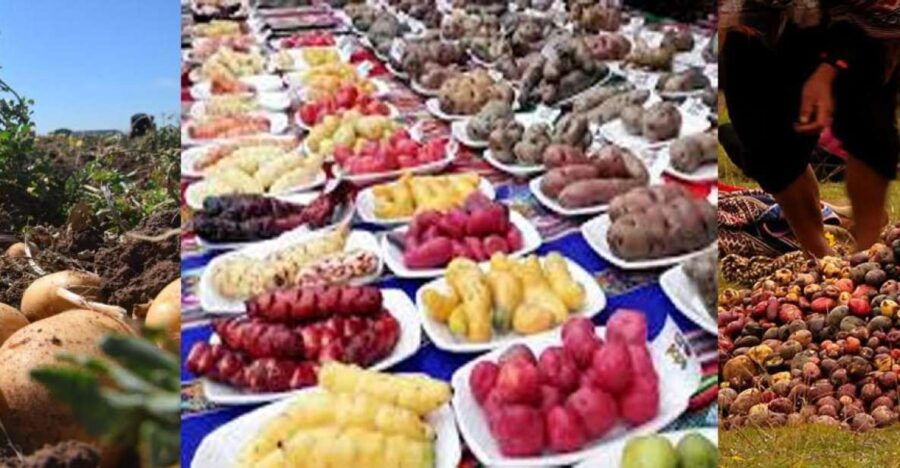
- Visitors can enjoy guided tastings of diverse native potato varieties, showcasing unique flavors and local culinary traditions.
- The park emphasizes sustainability and cultural preservation, educating travelers on the importance of traditional agricultural practices.
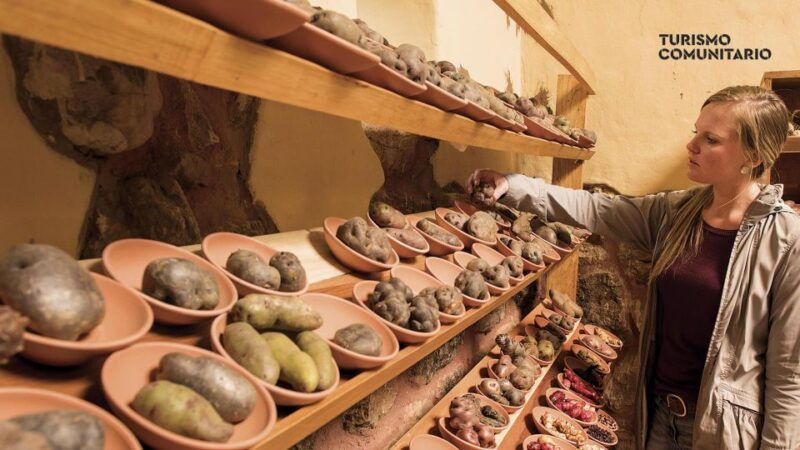
- Climate change adaptation is a key focus, with exhibitions highlighting its impact on local farming and native potato conservation efforts.
- Engaging with local families allows travelers to understand the blend of biodiversity and cultural heritage in the biocultural territory of Potato Park.
Overview of Rural Community Tourism
Rural community tourism offers travelers a unique chance to connect with local cultures and ecosystems, enriching their understanding of the places they visit.
In areas like the Potato Park, this form of tourism emphasizes genuine interactions with local communities while promoting sustainable practices.
Visitors experience traditional customs, local cuisine, and environmental conservation efforts firsthand. By engaging with locals, travelers gain insights into traditional agricultural methods and the importance of biodiversity.
It’s not just sightseeing; it’s about building relationships and appreciating the intricate balance between culture and nature, making each journey both memorable and impactful for everyone involved.
You can also read our reviews of more tours and experiences in Cusco.


The Biocultural Territory of Potato Park
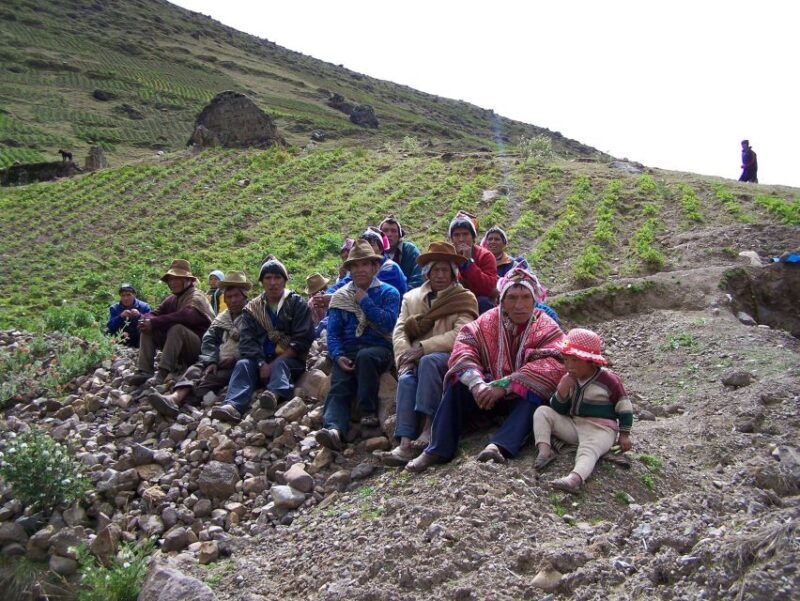
The Potato Park stands as a vibrant example of biocultural territory, where the rich tapestry of biodiversity intertwines with the cultural heritage of local communities.
Nestled in the Sacred Valley, this unique area showcases the incredible variety of native potatoes alongside traditional practices. Local families actively engage in conservation efforts, ensuring the preservation of both their agricultural heritage and the environment.
Highlights of the Tour Experience
Exploring the Potato Park offers an enriching experience that highlights the intersection of cultural heritage and environmental stewardship.
Visitors begin their day with a warm welcome, greeted by local musicians and vibrant flowers. As they explore the park’s unique biocultural territory, they learn about the remarkable diversity of native potatoes and conservation efforts.
A short walk through Kinsa Qocha showcases local flora and fauna, enhancing the connection to nature. The tour also includes an insightful exhibition on climate change adaptation, leaving participants with a deeper appreciation for the community’s commitment to sustainability and cultural preservation.
Culinary Delights: Tasting Native Potatoes
As visitors enjoy the Potato Park experience, they can’t help but savor the rich flavors of native potatoes, which play a central role in the local culture. The Women of Culinary Art Qachum Waqachi guide them through a delightful tasting, showcasing the incredible diversity of potatoes. Each bite reveals unique textures and flavors, connecting guests to the land and its heritage.
| Potato Type | Flavor Profile | Cooking Method |
|——————|———————|——————-|
| Peruanita | Earthy and nutty | Boiled |
| Huayro | Creamy and sweet | Fried |
| Yungay | Savory and buttery | Mashed |
| Olluco | Crunchy and mild | Roasted |
| Chuno | Unique and tangy | Stewed |
More Great Tours NearbyUnderstanding Climate Change and Agriculture
How does climate change impact agriculture in rural communities like those in the Potato Park? It disrupts traditional farming practices, altering weather patterns and affecting crop yields.
Farmers face unpredictable rainfall, longer droughts, and increased pest invasions. These changes threaten the cultivation of native potatoes, a staple for the local diet and culture.
Farmers encounter erratic rainfall and prolonged droughts, jeopardizing native potato cultivation essential to their diet and culture.
To adapt, communities are embracing sustainable methods, like crop rotation and conservation techniques. By focusing on biodiversity and local knowledge, they’re not just preserving their heritage but also enhancing resilience against climate challenges.
Understanding these impacts is crucial for future agricultural sustainability in the Sacred Valley.
Important Information for Participants
Participating in the Rural Community Tourism in the Potato Park offers a unique opportunity to engage with local culture while learning about sustainable agricultural practices.
To join, participants should book at least one day in advance and provide their WhatsApp number along with hotel details.
It’s essential to bring a passport or ID, wear comfortable shoes and clothing, and pack sunglasses, a sun hat, a camera, sunscreen, and cash.
Remember, weapons, sharp objects, alcohol, and drugs are strictly prohibited.
The tour is available in English and Spanish, ensuring everyone can fully enjoy this enriching experience.
Booking and Cancellation Policies
When planning a visit to the Potato Park, travelers will find that booking is both flexible and straightforward. They can reserve their spot with ease, often without any upfront payment, making it convenient for those with uncertain schedules.
Plus, the cancellation policy is traveler-friendly—cancellations made up to 24 hours in advance ensure a full refund. To secure a spot, booking at least one day ahead is recommended, and providing a WhatsApp number and hotel details streamlines communication.
With these policies in place, travelers can focus on enjoying the rich cultural experiences the Potato Park has to offer.
Frequently Asked Questions
What Is the Best Time of Year to Visit Potato Park?
The best time to visit is during the dry season, from May to September. This period offers pleasant weather, making outdoor activities enjoyable. Tourists can fully appreciate the stunning landscapes and cultural experiences without rain interruptions.
Are Children Allowed on the Tour?
Yes, children are allowed on the tour. Families can enjoy the experience together, creating lasting memories while learning about biodiversity and local culture. It’s a fantastic opportunity for kids to explore and engage with nature.
Is Transportation Provided for Participants With Mobility Issues?
Transportation isn’t specifically mentioned for participants with mobility issues, but it’s best to inquire directly with the tour provider. They’ll likely have options or accommodations to ensure everyone can enjoy the experience comfortably.
Can I Bring My Pet on the Tour?
She asked if she could bring her pet on the tour, but unfortunately, pets aren’t allowed. The tour organizers prioritize guest safety and comfort, so they recommend leaving furry friends at home.
Are There Any Language Options for Non-English Speakers?
Yes, the tour offers language options for non-English speakers. A live tour guide provides services in both English and Spanish, ensuring everyone can engage and enjoy the experience fully. It’s a welcoming environment for all!
The Sum Up
To sum it up, rural community tourism in the Potato Park offers a unique way to connect with local cultures and the environment. Visitors leave not just with a taste for delicious native potatoes, but also a deeper understanding of sustainable practices and the challenges posed by climate change. This immersive experience enriches both travelers and the community, fostering appreciation for biodiversity and heritage. So, if you’re looking for an adventure that makes a difference, the Potato Park is calling your name!
You can check availability for your dates here: