Florence’s timeless allure captivates visitors, who flock to admire the city’s Renaissance treasures. At the Accademia Gallery, Michelangelo’s colossal David stands tall, a testament to the artist’s unparalleled skill. But the wonders of Florence extend far beyond this iconic sculpture. The city’s historic bridges, towering cathedrals, and renowned art museums offer a rich tapestry of experiences that continue to enchant all who venture into its streets. What other marvels await those who delve deeper into this storied destination?
- Key Points
- The Accademia Gallery and Michelangelo’s David
- The Ponte Vecchio: Florence’s Iconic Bridge
- The Duomo and Its Magnificent Dome
- The Piazza Della Signoria and the Palazzo Vecchio
- The Santa Croce Basilica and Its Franciscan Heritage
- The Uffizi Gallery and Its Remarkable Art Collection
- The Oltrarno District: Artisan Workshops and Quaint Streets
- The City’s Panoramic Views From Piazzale Michelangelo
- FAQ
- How Do I Skip the Long Lines at the Accademia Gallery?
- Can I Take Photos Inside the Duomo?
- Is There a Dress Code for Visiting the Santa Croce Basilica?
- How Do I Get to the Piazzale Michelangelo Viewpoint?
- Can I Bring Food and Drinks on the Walking Tour?
- Sum Up
- The Best Of Florence!
- More Tour Reviews in Florence
Key Points
- Michelangelo’s iconic statue of David, housed in the Accademia Gallery, showcases the artist’s technical virtuosity and emotional resonance.
- The Ponte Vecchio, a medieval bridge with rows of shops, offers stunning views of the Arno River and Florence’s architectural heritage.
- The Duomo and its Renaissance dome, designed by Brunelleschi, dominate the city’s skyline and provide visitors with breathtaking views from the 463-step climb.
- Piazza Della Signoria and Palazzo Vecchio feature a collection of Renaissance sculptures and statues, including the Fountain of Neptune and the Equestrian Statue of Cosimo I.
- The Uffizi Gallery, with its extraordinary collection of Renaissance masterpieces, and the Oltrarno district, known for its artisan workshops, offer a cultural and serene experience.
👉 See our pick of the What Are The Best 2-Hour Tours In Florence? Our Top 3 Picks
The Accademia Gallery and Michelangelo’s David
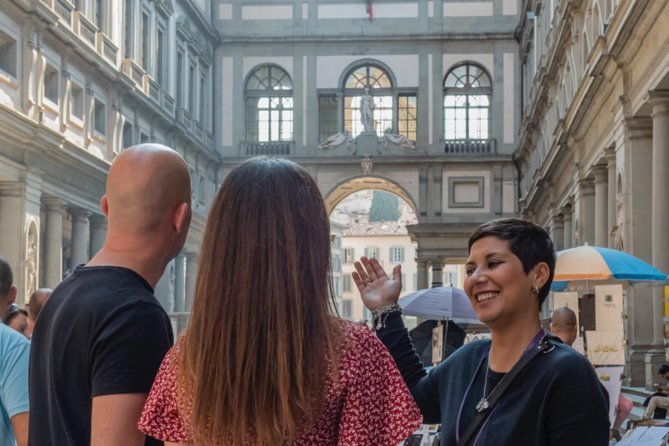
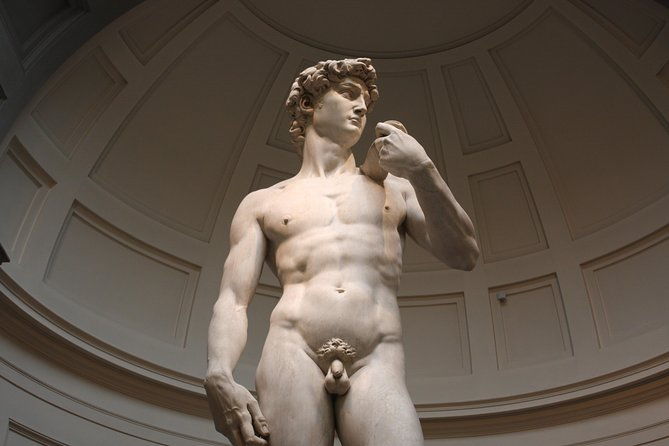
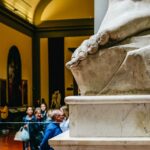
One of the highlights of the tour is a visit to the Accademia Gallery, home to Michelangelo’s iconic masterpiece, the David.
This breathtaking 17-foot marble statue stands as a testament to the artist’s genius. Visitors are awestruck by the sheer scale and detail of the figure, which captures the moment before David’s battle with Goliath.
The guide shares fascinating insights into the sculpture’s symbolism and its place in Florentine history. Guests marvel at Michelangelo’s technical virtuosity and the statue’s powerful emotional resonance, making it a defining moment of the Florence walking tour.
You can also read our reviews of more tours and experiences in Florence.
- Tuscany Day Trip from Florence: Siena, San Gimignano, Pisa and Lunch at a Winery
★ 5.0 · 21,634 reviews


The Ponte Vecchio: Florence’s Iconic Bridge
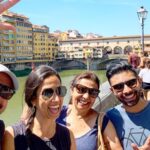
After taking in the grandeur of Michelangelo’s David, the tour guides guests across the Arno River to the Ponte Vecchio. This iconic medieval bridge is famous for its rows of small shops built along it. The Ponte Vecchio has a unique character, as outlined in the table below:
| Feature | Description |
|---|---|
| Construction | Stone arches and covered walkway |
| Origins | Built in 1345 on the site of an earlier wooden bridge |
| Shops | Jewelry, art, and souvenir shops line the bridge |
| Views | Stunning vistas of the Arno River and surrounding cityscape |
The Ponte Vecchio is a must-see landmark that exemplifies Florence’s rich history and architectural heritage.
The Duomo and Its Magnificent Dome
The Duomo, Florence’s iconic cathedral, dominates the city’s skyline with its magnificent Renaissance dome designed by the renowned architect Brunelleschi.
Completed in 1436, the dome remains an architectural marvel, standing at 375 feet tall and 143 feet wide. Visitors can climb the 463 steps to the top, offering breathtaking views of Florence.
The cathedral’s façade, with its mix of white, green, and pink marble, is a stunning example of Gothic architecture.
Inside, the Duomo impresses with its grand scale and intricate details, including frescoes and stained glass windows.
The Piazza Della Signoria and the Palazzo Vecchio
The Piazza della Signoria, Florence’s grand public square, commands attention with its impressive collection of Renaissance sculptures and statues. At its center stands the Palazzo Vecchio, the city’s iconic town hall. This powerful fortress-palace features a striking bell tower and distinctive crenellated roofline.
| Landmark | Description |
|---|---|
| Fountain of Neptune | Impressive bronze fountain depicting the sea god Neptune |
| Equestrian Statue of Cosimo I | Dramatic statue honoring the Medici family ruler |
| Loggia dei Lanzi | Open-air sculpture gallery housing classical statues |
The Piazza della Signoria serves as the political and cultural heart of Florence, a testament to the city’s illustrious Renaissance heritage.
The Santa Croce Basilica and Its Franciscan Heritage
Dominating the Piazza di Santa Croce, the Santa Croce Basilica stands as a testament to Florence’s Franciscan heritage.
This medieval church is renowned for its stunning Florentine Gothic architecture and interior adorned with frescoes, paintings, and tombs of notable Italians.
Visitors can admire the Basilica’s striking façade and explore its chapels, each dedicated to a different Franciscan saint.
The church’s central role in Florentine history is evident, as it has hosted important events and served as the burial site for luminaries like Michelangelo, Galileo, and Machiavelli.
Santa Croce offers a glimpse into the city’s Franciscan past.
- Tuscany Day Trip from Florence: Siena, San Gimignano, Pisa and Lunch at a Winery
★ 5.0 · 21,634 reviews
The Uffizi Gallery and Its Remarkable Art Collection
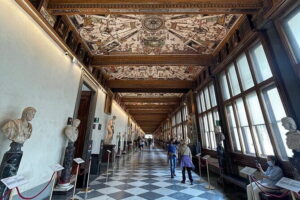
One of Florence’s most iconic cultural institutions, the Uffizi Gallery houses an extraordinary collection of Renaissance masterpieces.
Visitors can admire works by celebrated artists like Botticelli, Raphael, and Michelangelo.
The gallery’s highlights include:
- Botticelli’s "The Birth of Venus" and "Primavera"
- Raphael’s "The Madonna of the Goldfinch"
- Michelangelo’s "Doni Tondo"
The Uffizi’s vast halls and corridors offer a captivating journey through the golden age of Italian art.
With its unparalleled treasures, the gallery stands as a testament to Florence’s enduring cultural legacy.
The Oltrarno District: Artisan Workshops and Quaint Streets
Although often overshadowed by the grand sights of Florence’s historic center, the Oltrarno district captivates visitors with its artisan workshops and quaint, picturesque streets.
Tucked across the Arno River, this charming neighborhood is home to skilled craftspeople who’ve passed down their traditions for generations. Visitors can stroll past centuries-old workshops, observing leatherworkers, silversmiths, and woodcarvers at work.
The area’s narrow alleyways and historic architecture create a serene atmosphere, providing a respite from the crowds of the city center.
The Oltrarno also boasts lively piazzas, historic churches, and the impressive Palazzo Pitti, making it a must-visit for those seeking an authentic Florentine experience.
The City’s Panoramic Views From Piazzale Michelangelo
Perched atop a hill overlooking Florence, Piazzale Michelangelo offers visitors a stunning vantage point to take in the city’s iconic skyline.
This panoramic viewpoint showcases the city’s architectural marvels, including:
- The iconic Duomo with its famous red-tiled dome
- The Ponte Vecchio, the historic bridge lined with shops
- The Palazzo Vecchio and the Uffizi Gallery, two of Florence’s most renowned landmarks
Witnessing the breathtaking panorama of Florence from Piazzale Michelangelo is a must-do activity for any visitor to the city, providing a unique perspective and photo opportunities galore.
FAQ
How Do I Skip the Long Lines at the Accademia Gallery?
To skip the long lines at the Accademia Gallery, consider booking a private walking tour. The tour package includes skip-the-line access, allowing you to bypass the queues and directly enter the gallery.
Can I Take Photos Inside the Duomo?
Yes, you can take photos inside the Duomo in Florence. However, it’s important to note that flash photography is not permitted, as it can damage the delicate interior of this historic cathedral.
Is There a Dress Code for Visiting the Santa Croce Basilica?
There is generally no strict dress code for visiting the Santa Croce Basilica, but visitors are expected to dress modestly and avoid overly revealing or casual attire out of respect for the sacred nature of the site.
How Do I Get to the Piazzale Michelangelo Viewpoint?
To get to the Piazzale Michelangelo viewpoint, you can take a bus, taxi, or walk up the hill. The scenic route takes you past the Basilica of San Miniato al Monte and offers stunning panoramic views of Florence.
Can I Bring Food and Drinks on the Walking Tour?
The walking tour doesn’t mention whether you can bring food and drinks. It’s best to check with the tour operator beforehand to confirm their policy on outside food and beverages during the tour.
Sum Up
Florence’s timeless allure draws visitors from around the world to experience its iconic sights. From the awe-inspiring David to the enchanting Ponte Vecchio, the city’s rich cultural heritage and artistic treasures captivate the senses. Whether admiring the Duomo’s grandeur or exploring the Uffizi’s exceptional collections, Florence offers an unforgettable journey through the remarkable legacy of the Italian Renaissance.
The Best Of Florence!



More Tour Reviews in Florence
- Tuscany Day Trip from Florence: Siena, San Gimignano, Pisa and Lunch at a Winery
★ 5.0 · 21,634 reviews - The Best tour in Florence: Renaissance & Medici Tales – guided by a STORYTELLER
★ 5.0 · 12,316 reviews

Not for you? Here's more nearby things to do in Florence we have reviewed
- The Best tour in Florence: Renaissance & Medici Tales – guided by a STORYTELLER
★ 5.0 · 12,316 reviews - Tuscany Day Trip from Florence: Siena, San Gimignano, Pisa and Lunch at a Winery
★ 5.0 · 21,634 reviews