
I spent three days in Provence and saw maybe 5% of it. That’s not a complaint — it’s a warning. This region is so dense with things worth seeing that you could spend a month and still feel like you’d barely started. Roman aqueducts, ochre cliffs, lavender that stretches past the horizon, wild horses running through salt marshes, medieval hilltop villages where time stopped sometime around the 14th century. The problem isn’t finding things to do. It’s choosing.
Most people visiting Provence are based in either Nice, Avignon, or Aix-en-Provence, and day trips fan out from all three. What you see depends on where you’re starting from and how much driving you can stomach. The good news: the tour options are excellent and surprisingly affordable. The bad news: you’ll want to come back.
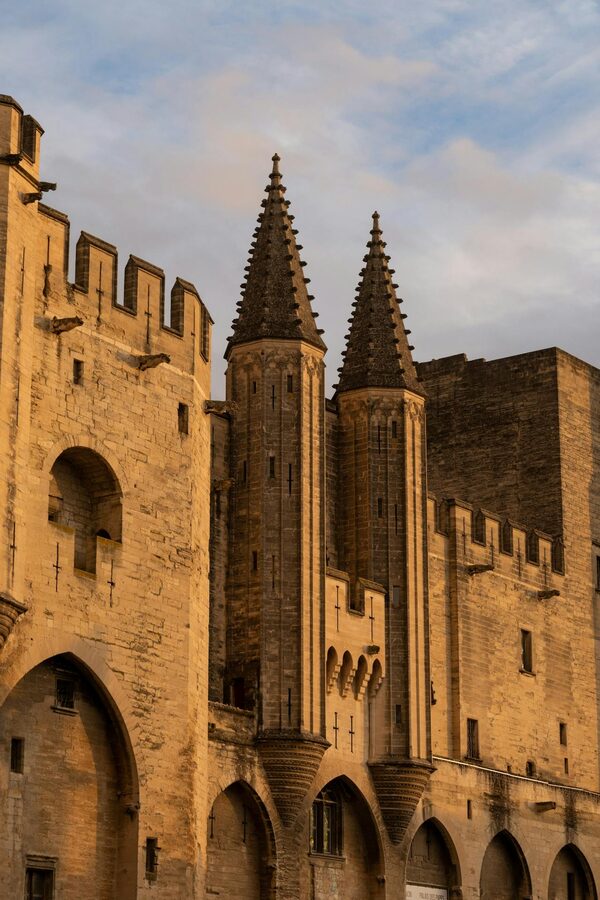
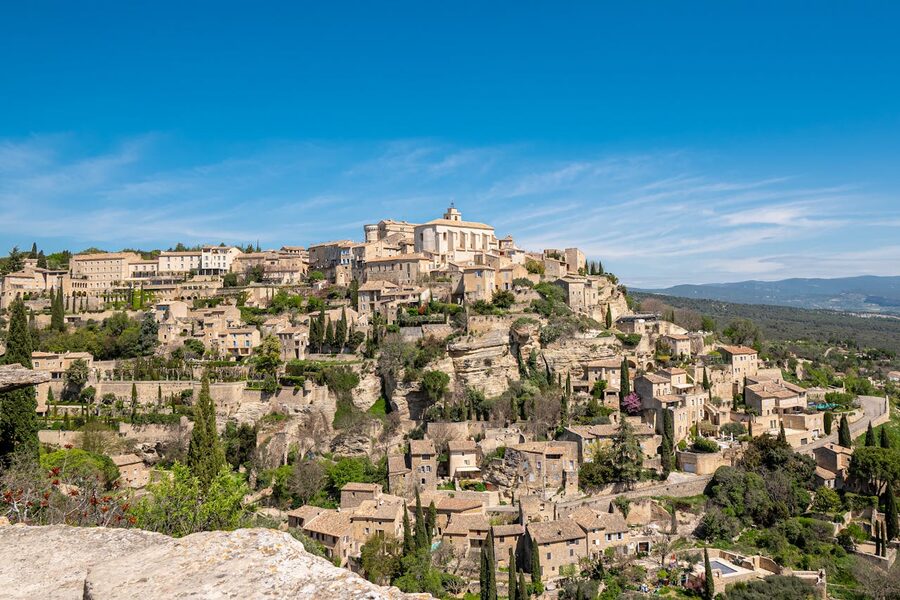
Best from Avignon: Provence Highlights Full Day — $157, 9.5 hours, hits the Luberon villages, lavender in season, and a wine stop. Perfect 5.0 rating.
Best for wildlife: Camargue 4×4 Safari — $71, 4 hours from Arles, white horses, flamingos, and rice paddies.
- What “Provence” Actually Covers
- From Nice: Provence Countryside and Hilltop Villages
- From Avignon: The Full Provence Experience
- The Luberon: France’s Most Photogenic Villages
- The Camargue: Europe’s Wild West
- Lavender Season: Planning Around the Purple
- Best Tours to Book
- 1. Provence Countryside Day Trip from Nice — 5
- 2. Provence Highlights Full-Day from Avignon — 7
- 3. Camargue 4×4 Safari from Arles —
- Wine Tours: The Underrated Option
- A Short History of Provence
- Practical Tips
- Planning Your Provence Days
What “Provence” Actually Covers
When people say Provence, they usually mean the Provence-Alpes-Côte d’Azur region in southeast France. It runs from the Rhône valley in the west to the Italian border in the east, from the Mediterranean coast up into the Alps. That’s an area bigger than Belgium. So “a day trip in Provence” could mean anything from sipping rosé in a Luberon village to watching flamingos in a salt marsh to standing on a 2,000-year-old Roman bridge.
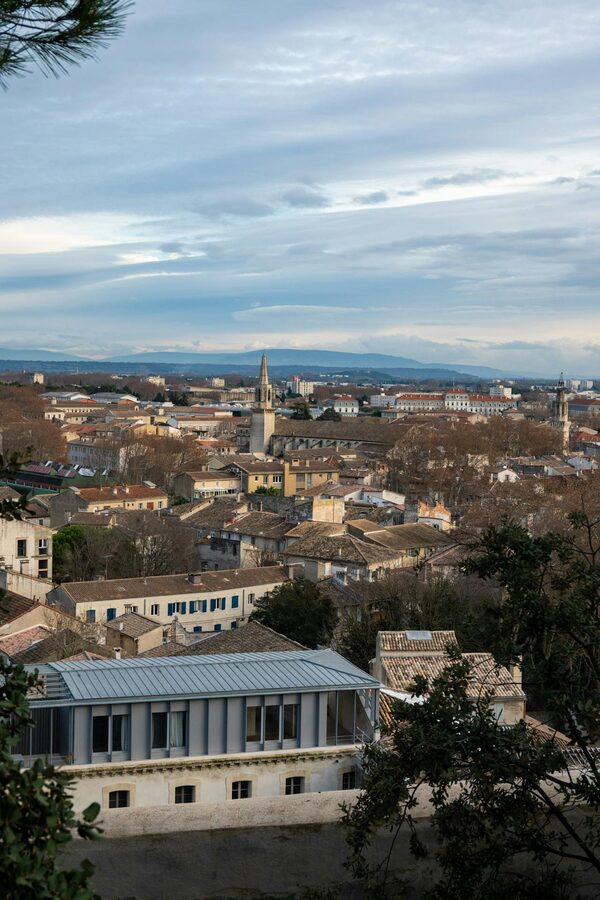
The most popular day trip themes break down roughly like this:
Lavender tours (June–July only) — the Valensole plateau and Sault region. These are the iconic purple-field photos. Time-sensitive and worth planning around.
Luberon villages — Gordes, Roussillon, Bonnieux, Lourmarin. Hilltop stone villages with craft shops, cafés, and views that make Instagram look restrained.
Roman Provence — Pont du Gard, the amphitheatre in Arles, the Maison Carrée in Nîmes. Two thousand years of engineering, still standing.
Camargue — the wetland delta between the two arms of the Rhône. White horses, pink flamingos, black bulls, and salt flats. Like nowhere else in Europe.
Wine — Châteauneuf-du-Pape, Côtes de Provence, Bandol. Some of France’s best reds and rosés, often at better prices than Bordeaux or Burgundy.
From Nice: Provence Countryside and Hilltop Villages
Nice is the most common starting point for Riviera visitors, and the drive west into inland Provence takes you through a landscape that changes fast. Within an hour, the coast disappears and you’re winding through valleys of olive groves and medieval perched villages.
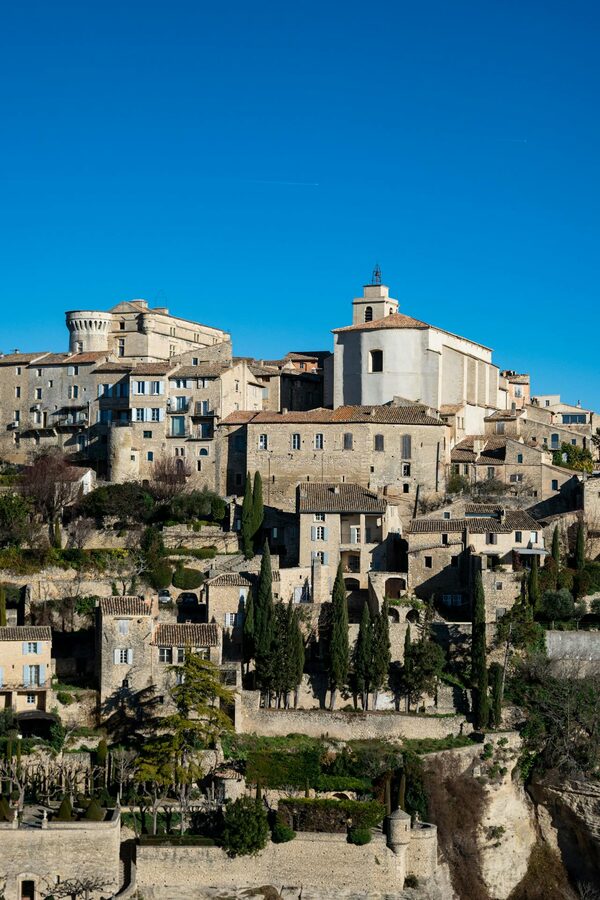
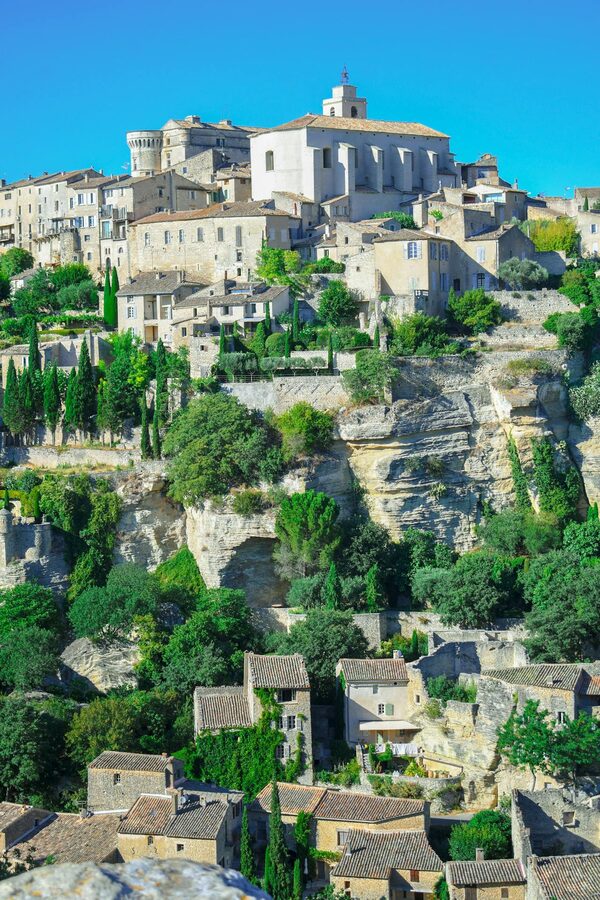
The typical Nice-based Provence day trip heads to Grasse (the perfume capital — the Fragonard factory tour is surprisingly good and free), then through hilltop villages like Gourdon, Saint-Paul-de-Vence, and Tourrettes-sur-Loup. It’s more focused on the eastern end of Provence — the part closest to Nice — which means you won’t see Avignon or the Luberon, but you will get the perched village experience without a four-hour drive each way.
From Avignon: The Full Provence Experience
Avignon is the better base for Provence day trips if you care about the Luberon, the lavender, or the wine regions. Everything is closer. The Pont du Gard is 30 minutes away. Gordes is 45 minutes. The Valensole lavender plateau is about 90 minutes. You can see more in a day from Avignon than from any other starting point.
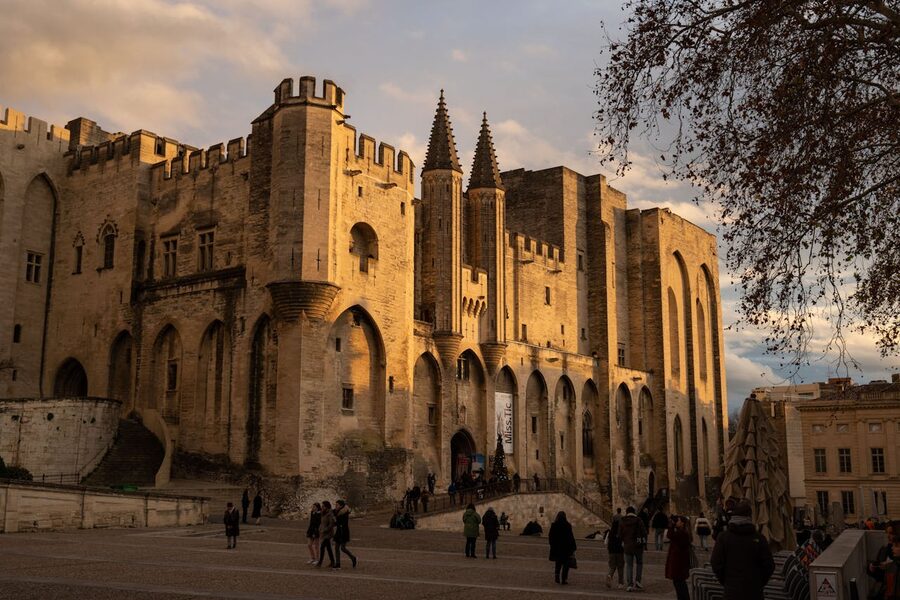
The full-day Provence highlights tour from Avignon is the best-rated option I’ve found. It covers a lot of ground — Luberon villages, sometimes Sénanque Abbey (the one with the famous lavender rows in front), and a wine tasting — in 9.5 hours. The 5.0 rating across nearly 500 reviews is hard to dismiss.
The Luberon: France’s Most Photogenic Villages
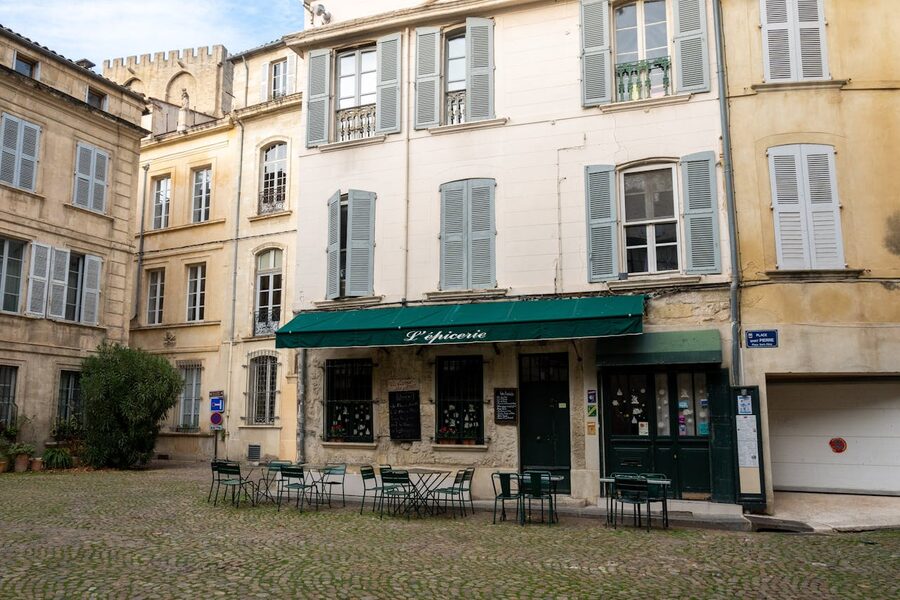
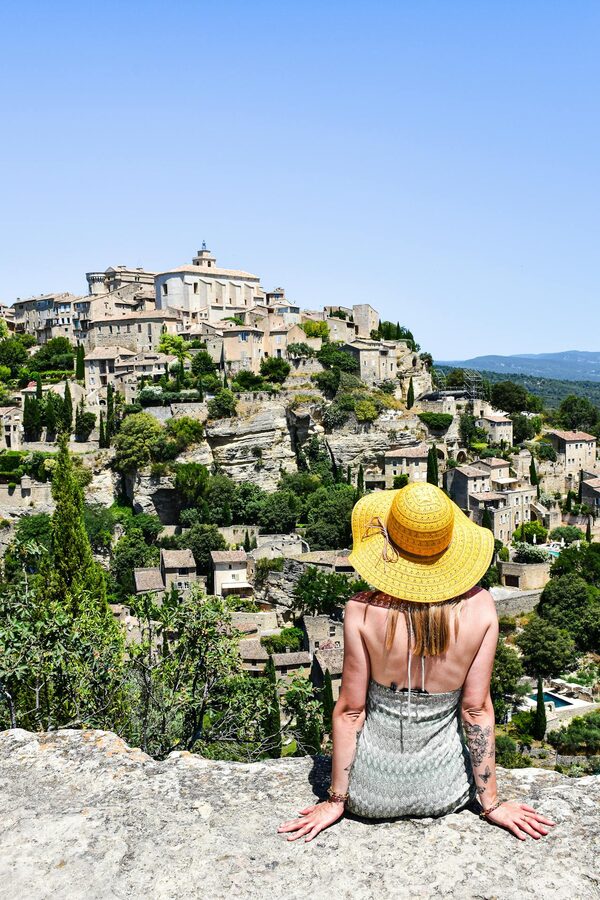
The Luberon is a low mountain range running east-west through the Vaucluse department. Its north-facing slopes are steep and dramatic. Its south-facing slopes are gentle and covered in vineyards. And perched on the ridges and cliff edges are some of the most beautiful villages in France.
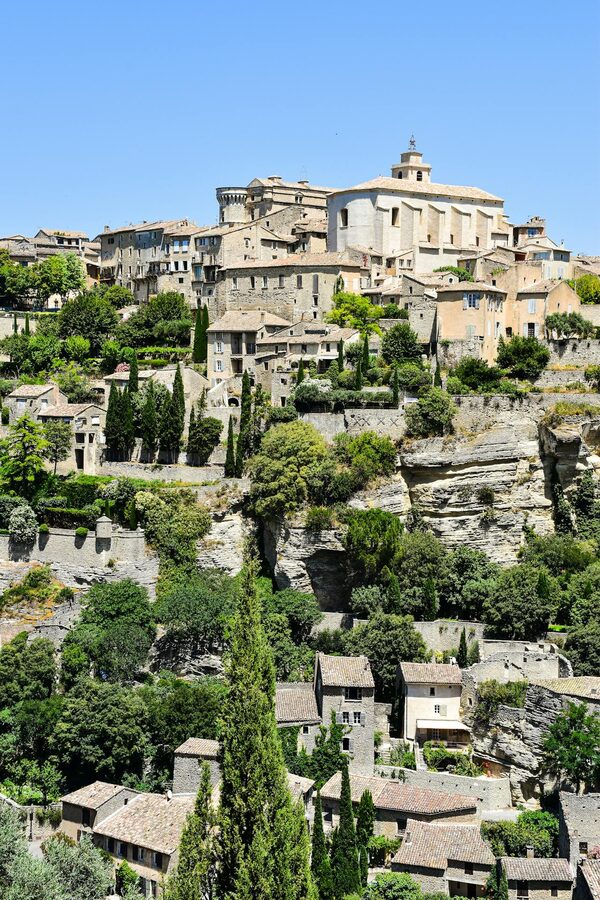
Gordes is the headliner — a cascade of stone houses tumbling down a cliff face with a 12th-century castle at the top. Go early or late. The midday tour bus crowds are intense from June through September. The Sénanque Abbey is a 15-minute drive below the village — Cistercian monks still live there and grow their own lavender.
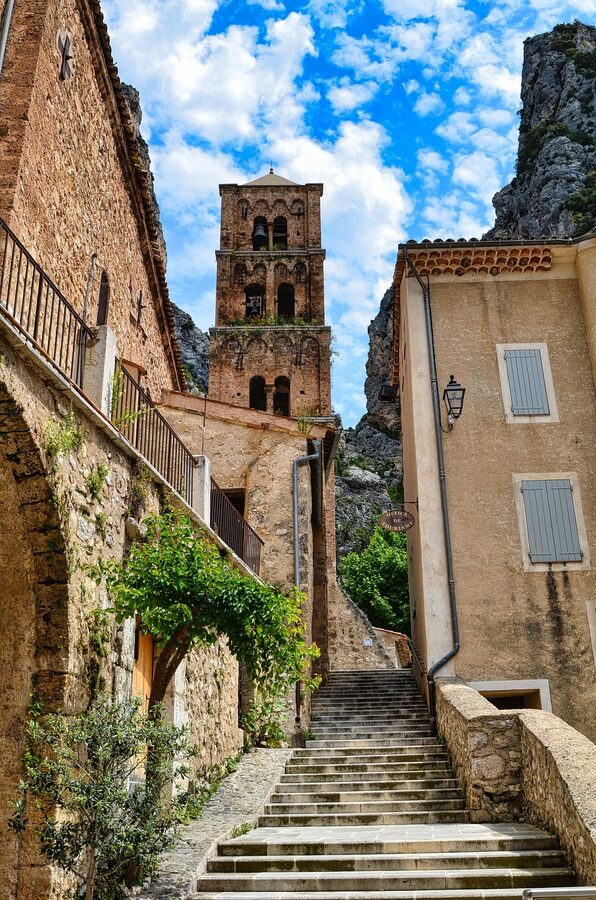
Roussillon is built on ochre deposits, and the entire village glows orange and red. The Sentier des Ocres is a short walking trail through abandoned ochre quarries that look like a miniature Bryce Canyon. It costs about €3 and takes 30-45 minutes.
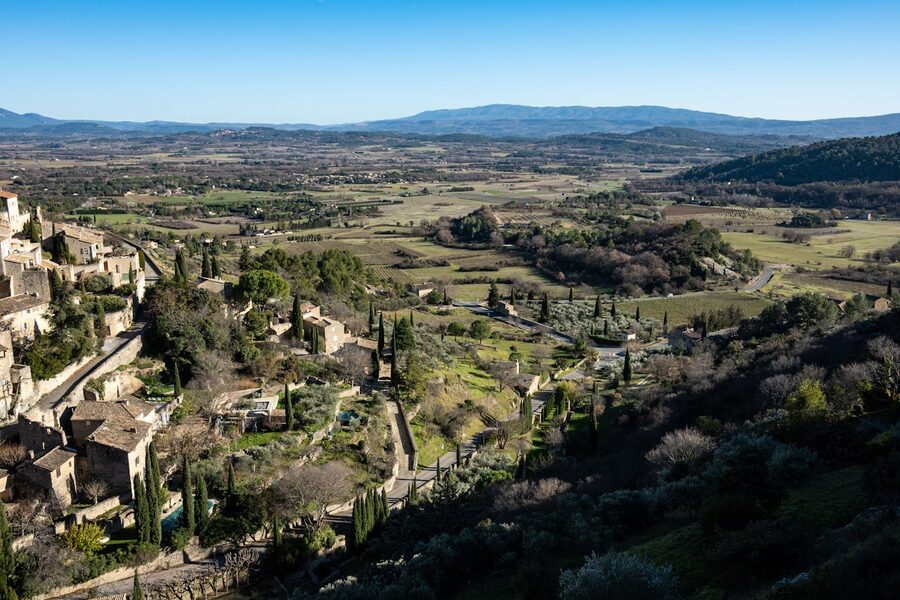
Bonnieux and Lourmarin are quieter alternatives on the south side of the Luberon. Lourmarin has a Friday market that’s one of the best in Provence — cheese, olives, soap, fabric, and the kind of tomatoes that remind you what tomatoes are supposed to taste like. Albert Camus is buried in the village cemetery, which tells you something about the kind of place it is.
The Camargue: Europe’s Wild West
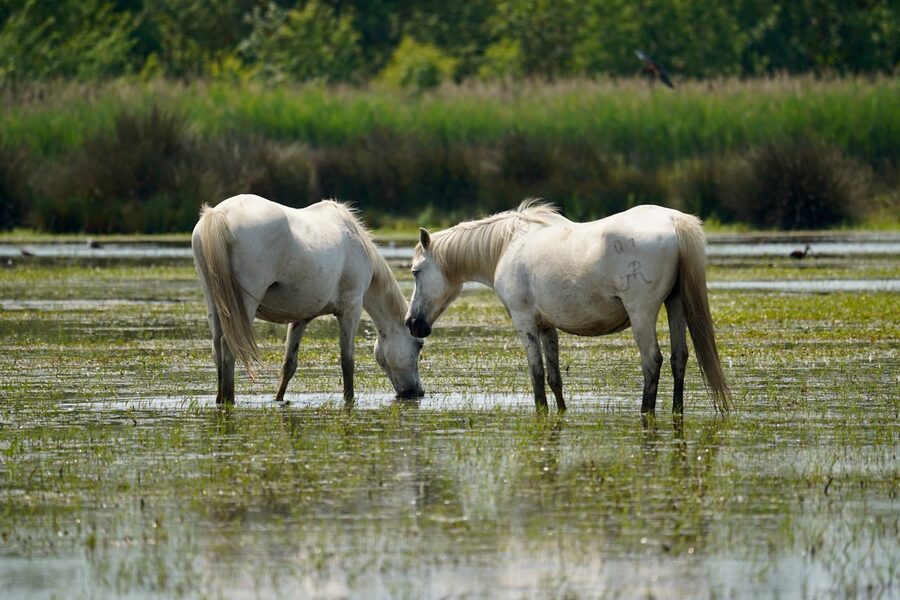
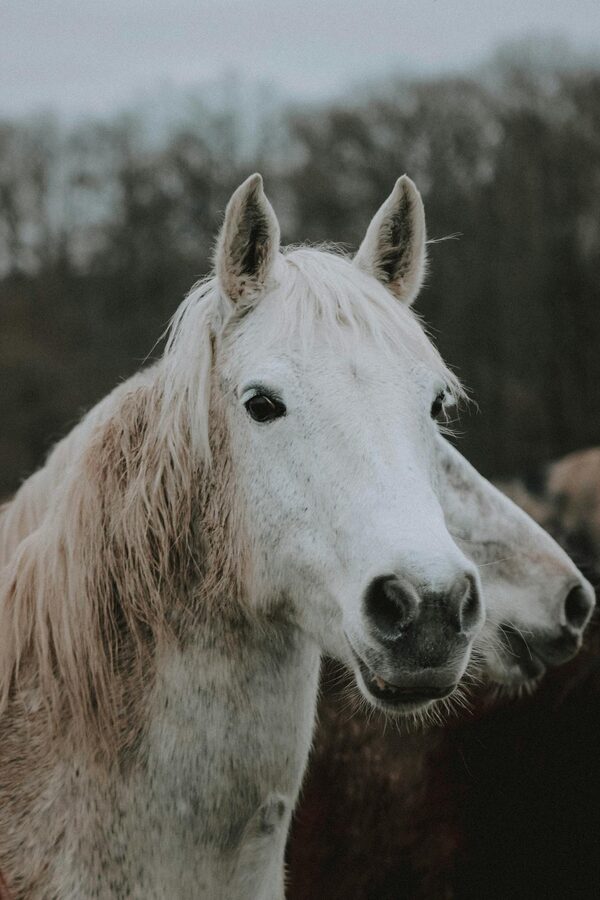
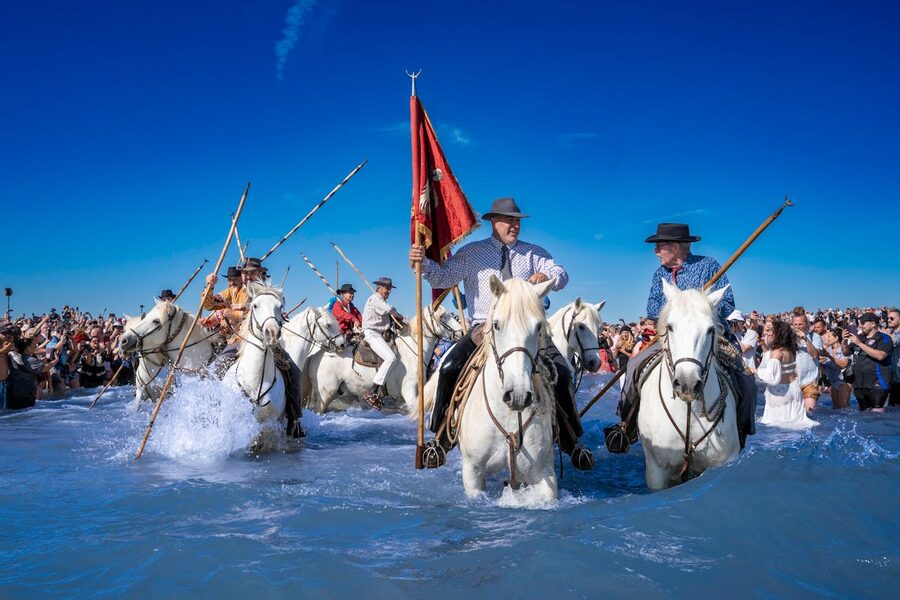
South of Arles, the Rhône splits into two arms and the land between them is the Camargue — a flat, marshy, wind-blasted delta that feels more like coastal Africa than metropolitan France. White semi-wild horses roam the salt marshes. Flocks of pink flamingos wade through the shallow lagoons. Black Camargue bulls graze in the reed beds. Gardians (Camargue cowboys) still herd cattle on horseback using traditional techniques that predate America’s Wild West by centuries.
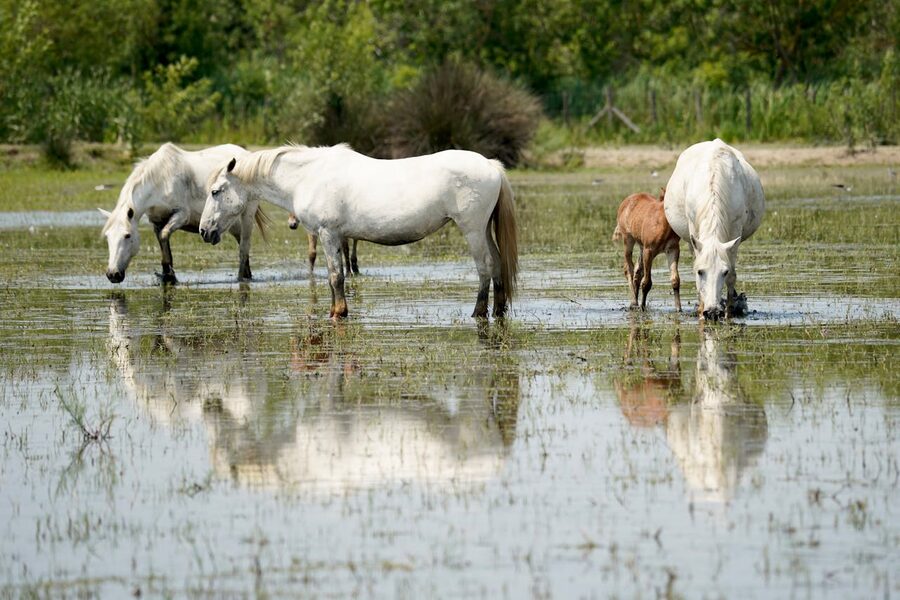
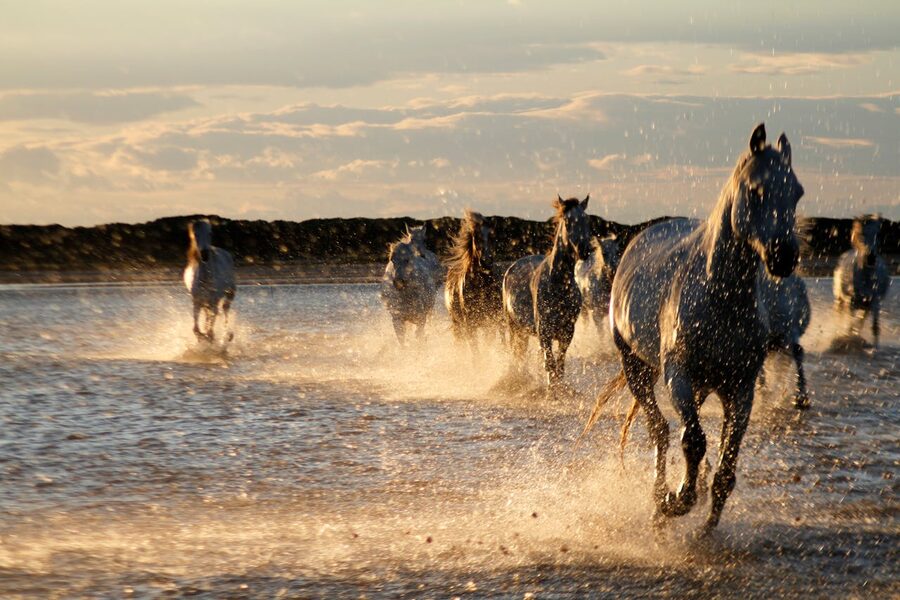
The 4×4 safari from Arles is the best way to see the Camargue in a half day. Four hours in an open-top vehicle, bouncing along dirt tracks through the marshes. You’ll see the horses up close, probably flamingos, and learn about the salt production and rice farming that still support the local economy. At $71, it’s one of the best-value tours in Provence.
Lavender Season: Planning Around the Purple
Lavender is Provence’s biggest draw and its most time-sensitive. The fields bloom from mid-June through late July, with peak colour in the first two weeks of July. After that, farmers harvest and the fields are bare stubble until next year. If you’re visiting specifically for lavender, plan your trip around this window. If you’re visiting outside it, don’t worry — Provence is spectacular year-round, just in different colours.
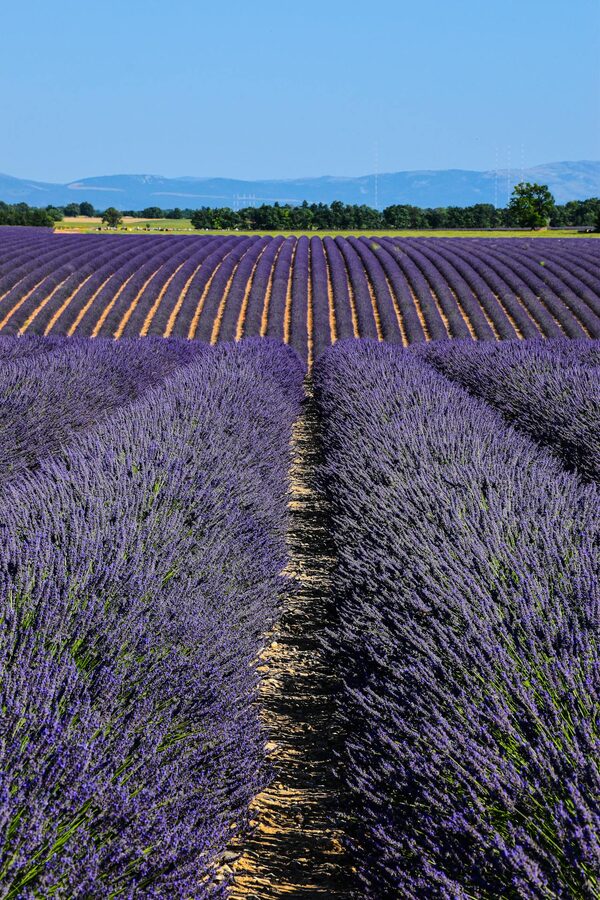
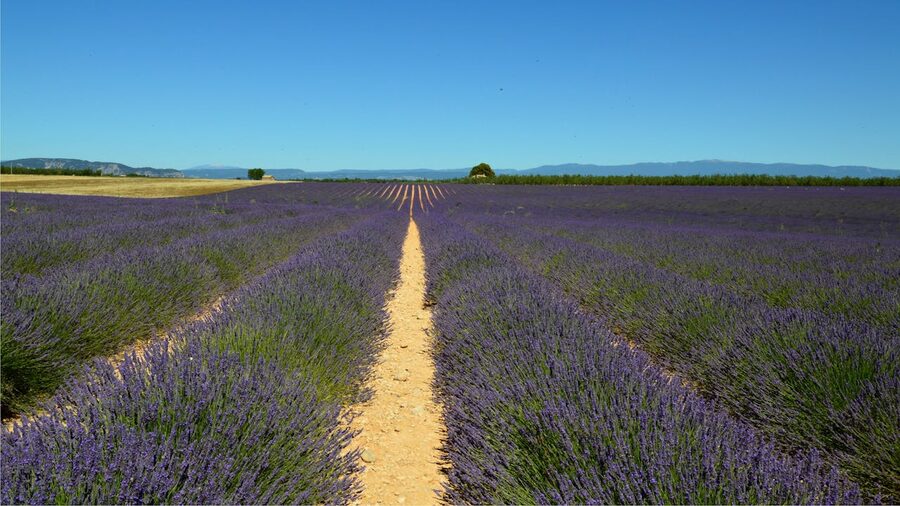
Most lavender tours depart from Avignon, Aix-en-Provence, or Nice. The Gorges du Verdon day trips from Nice usually include a lavender stop at Valensole on the way back, so you can combine both. From Avignon, dedicated lavender tours focus on the Sault and Sénanque areas, which are closer and often less crowded than Valensole.
Best Tours to Book
I’ve researched every Provence day trip with significant review data. These three cover different angles — the countryside from Nice, the full highlights from Avignon, and the Camargue wildlife experience from Arles. Between them, they hit every major Provence theme.
1. Provence Countryside Day Trip from Nice — $135
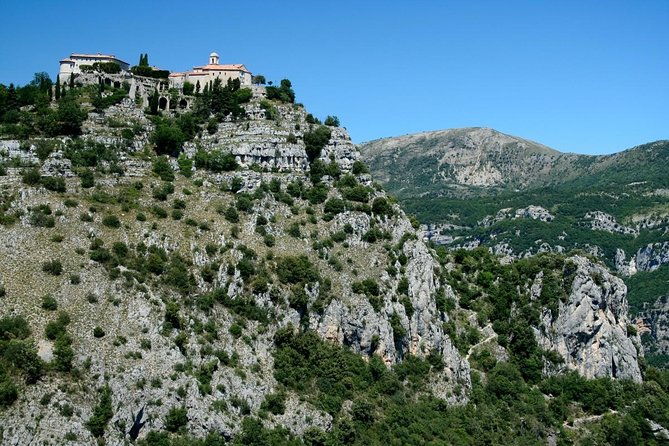
The most popular Provence day trip from Nice, and it works well as a first taste of the inland region. Eight hours covering Grasse, Gourdon, and several perched villages in a group capped at 8 people. The small group size means the driver can navigate the narrow village roads without the bus-park awkwardness. Our detailed review covers the full itinerary and what to expect at each stop — the guide quality has been a consistent highlight across 600+ bookings.
2. Provence Highlights Full-Day from Avignon — $157

This is the tour I’d book if I had one day in Provence and wanted to see as much as possible. It covers the Luberon villages, lavender fields in season, and usually includes a wine stop — all in 9.5 hours from Avignon. The perfect 5.0 rating across 499 reviews is remarkable for this kind of volume. Our full review explains what makes this one stand out — the guide’s local knowledge and willingness to adjust the route based on conditions are the recurring themes in the feedback.
3. Camargue 4×4 Safari from Arles — $71
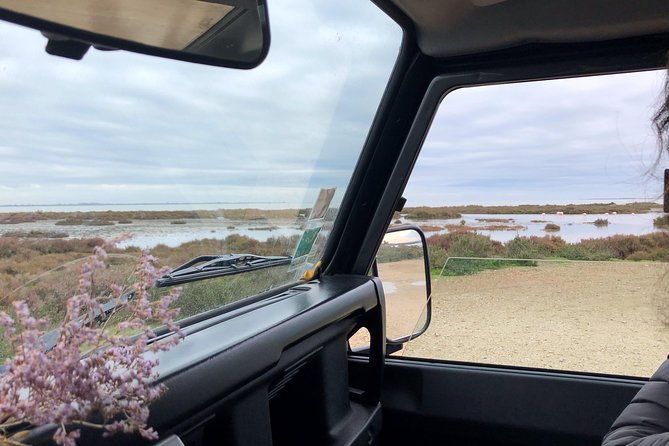
Completely different from every other tour in Provence, and all the better for it. Four hours bouncing through the Camargue in a 4×4, spotting white horses, flamingos, and black bulls in their natural habitat. At $71 it’s the best value on this list, and the half-day format means you can pair it with a morning in Arles. Our review goes into the wildlife you’ll see and why the guides make such a difference — they know exactly where the animals gather at different times of day.
Wine Tours: The Underrated Option
Provence wine doesn’t get the hype of Bordeaux or Burgundy, but it should. Châteauneuf-du-Pape produces some of France’s most powerful reds. The Côtes de Provence rosés are the ones you see at every summer party. And the Bandol reds from the coast are dark, complex, and age beautifully.
Wine tours from Avignon run about $110–210 depending on length and whether lunch is included. The Châteauneuf-du-Pape options are the most popular — the village is 30 minutes from Avignon and the cellars there are surprisingly welcoming, even if your wine vocabulary is limited to “red” and “yes please.” Several tours also cover the smaller appellations around Vacqueyras and Gigondas, which are less famous but often better value per bottle.
A Short History of Provence
Provence was one of the first Roman provinces outside Italy — “Provincia Romana,” which is literally where the name comes from. The Romans left behind the Pont du Gard aqueduct, the amphitheatre in Arles (which still hosts bullfights), the Maison Carrée temple in Nîmes, and about a thousand kilometers of roads.
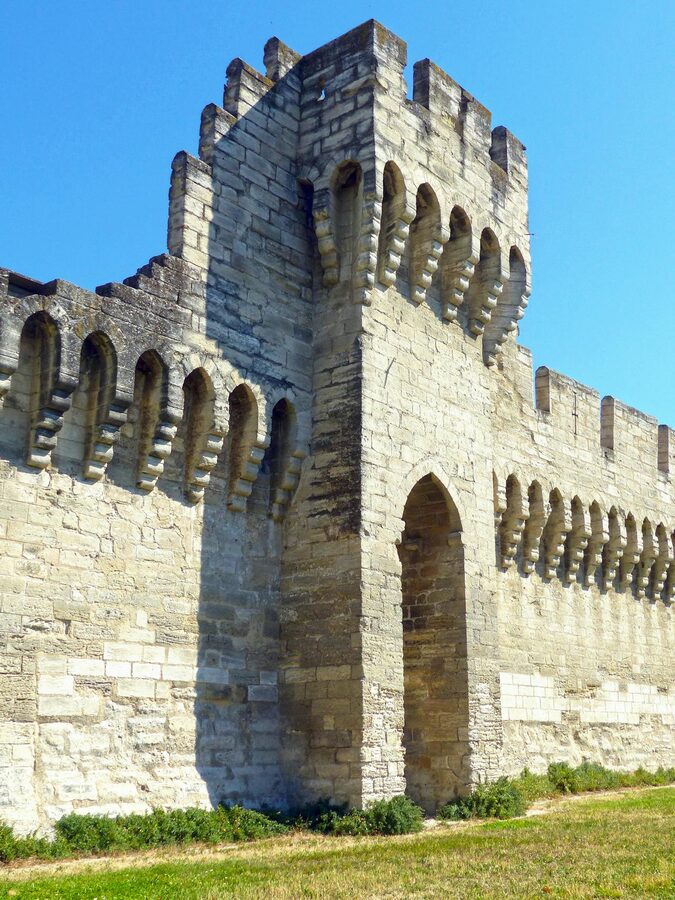
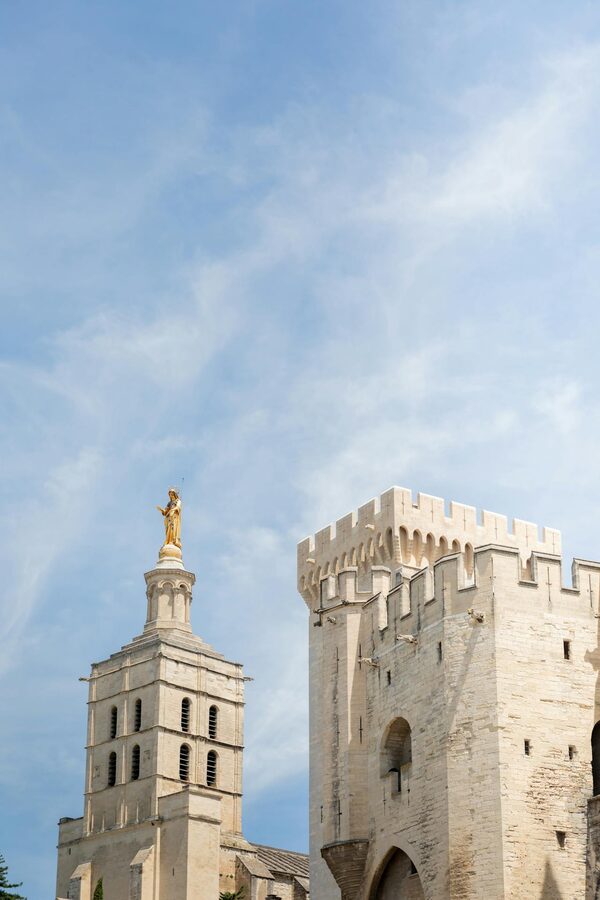
After Rome fell, Provence passed through Visigoth, Frankish, and Burgundian hands before becoming part of the Holy Roman Empire. In the 14th century, the popes moved from Rome to Avignon — partly because of Italian politics, partly because the French king was twisting arms — and stayed for nearly 70 years. The Papal Palace they built is still the largest Gothic palace on Earth.
Provence joined France officially in 1481 and has been attracting artists ever since. Cézanne painted Mont Sainte-Victoire obsessively from his studio in Aix. Van Gogh produced 300 works in Arles in a single year (before the ear incident). Picasso settled in Antibes. The light really is different here — something about the angle and the mistral wind clearing the haze.
Practical Tips
Best time to visit: May, June, and September are ideal — warm but not scorching, lavender in bloom (June–July), and manageable crowds. July and August are hot (35°C+), packed, and expensive. The mistral wind can blow any time of year and it’s genuinely fierce — not a gentle breeze.
Getting around: A rental car gives you the most flexibility, but Provence driving involves narrow roads, aggressive locals, and limited parking in villages. If you’re only here for a day or two, a guided tour is often more practical. From Avignon, the TGV connects to Paris in 2h40 and to Marseille in 30 minutes.
Food: Provençal cooking is olive oil, garlic, herbs, and whatever’s in season. Ratatouille, tapenade, bouillabaisse (in Marseille), socca (in Nice), and more rosé than you thought possible. Village markets are the best food experience — every town has a weekly market day and the produce is exceptional. Lourmarin’s Friday market and L’Isle-sur-la-Sorgue’s Sunday antique market are the standouts.
Budget: Day tours range from $70 (Camargue half-day) to $210 (full-day wine with lunch). Museum entry runs €8–15 per site. A three-course lunch at a village restaurant is about €25–35. Lavender products make good souvenirs — the real stuff from the Sault plateau, not the synthetic oil from tourist shops.
Planning Your Provence Days
Provence rewards slow travel, but if you’re squeezing it into a few days, here’s how I’d structure it. Day one: the Luberon villages and lavender (if in season) from Avignon — take the highlights tour. Day two: the Camargue from Arles — do the morning safari, then explore Arles’ Roman arena and Van Gogh sites in the afternoon. Day three: wine country — a half-day Châteauneuf-du-Pape tour from Avignon, then the Pont du Gard in the afternoon (it’s on the way back).
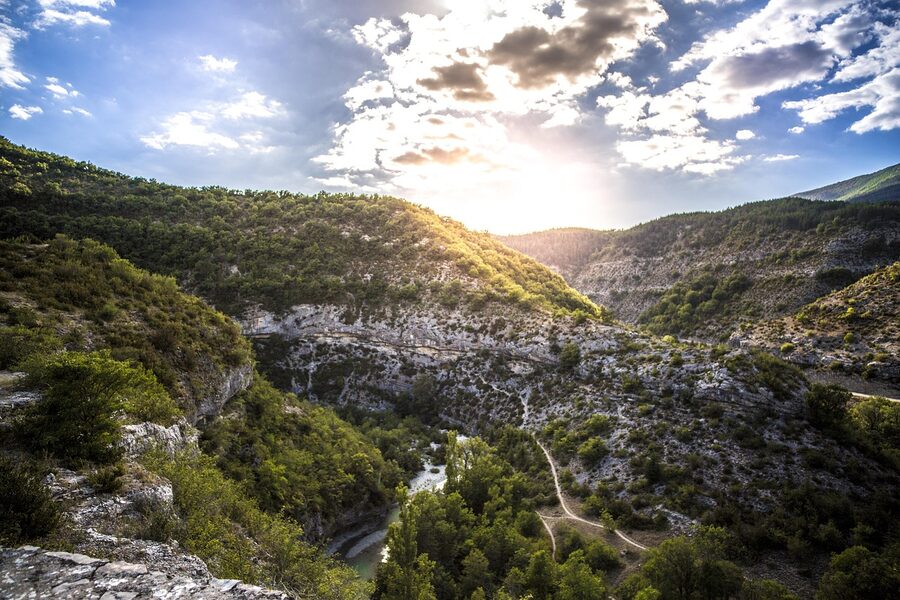
From Nice, the French Riviera coastal tour through Eze and Monaco pairs well with a Provence inland day on consecutive days — coast one day, countryside the next. If you’re still in Nice, the walking and food tours fill a half-day beautifully. And if you haven’t yet done the Gorges du Verdon day trip, that’s another full day that shows you a completely different side of Provence — raw canyon country instead of gentle village life. Further north, Lyon’s food scene is a natural extension if you’re heading up through the Rhône valley, and the Champagne day trips from Paris offer a completely different French wine region experience for comparison.