
The boat turned a headland and the Calanques appeared — limestone cliffs dropping vertically into water so clear you could see the seabed 15 metres below. The colour was the kind of turquoise that travel brochures photoshop and the Mediterranean delivers for free. A woman on the boat whispered “oh my god” to nobody in particular. Everyone else was just staring.
I have seen beautiful coastlines. Croatia, Greece, Turkey. But the Calanques of Marseille hit differently because you do not expect them. Marseille has a reputation as a rough, industrial port city. Nobody warns you that just south of it lies one of the most spectacular coastal landscapes in Europe.
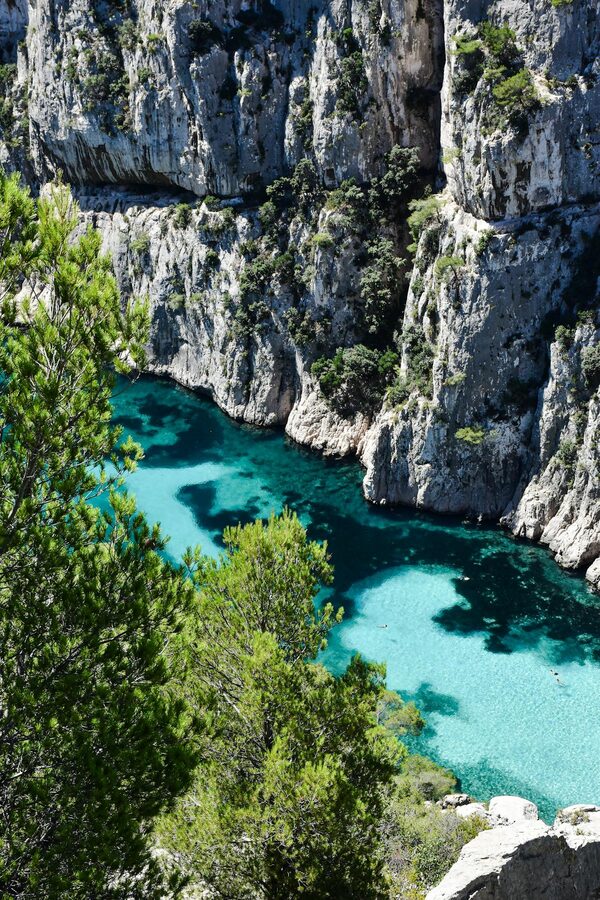
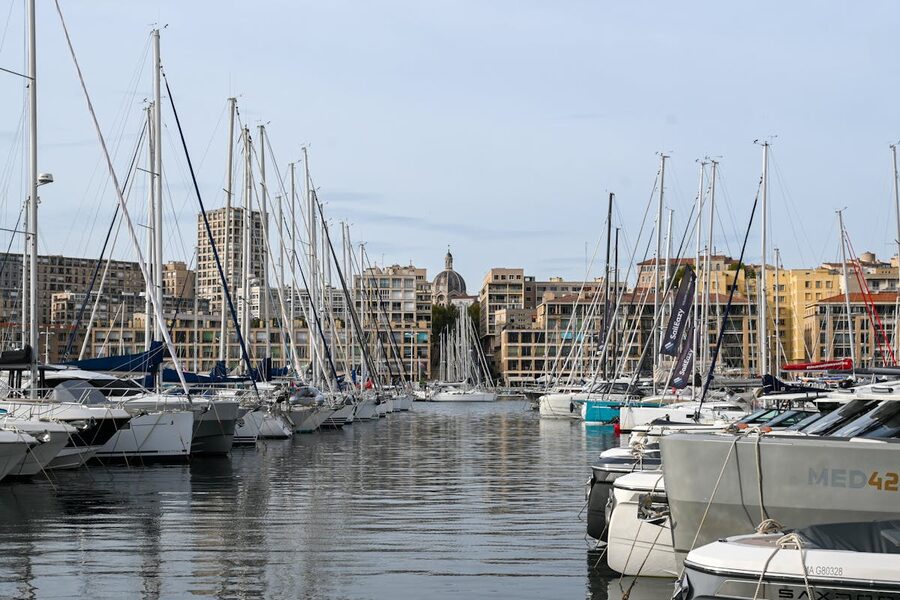
Marseille is France’s second city and its oldest — founded by Greek traders in 600 BC. It has a gritty energy that Paris lacks, a food culture rooted in the Mediterranean rather than in butter, and a coastline that should be a national park. (It is — the Calanques became a National Park in 2012.)
This guide covers the boat tours to the Calanques, the food tours through the old port, and the city pass that ties it all together.
- Quick Picks — Best Marseille Tours
- The Calanques: France’s Hidden Coast
- By Boat (The Most Popular Option)
- By Hiking
- By Kayak
- Marseille’s Food Scene
- The Best Marseille Tours
- 1. Iconic Calanques Boat Tour with Swimming —
- 2. Marseille CityPass (24-72 Hours) — from
- 3. Marseille Food Tour — Do Eat Better Experience —
- What to See in Marseille Beyond the Coast
- Notre-Dame de la Garde
- Chateau d’If
- Le Panier (The Old Quarter)
- When to Visit Marseille
- Practical Tips
- More France Guides
- More Southern France
Quick Picks — Best Marseille Tours
Best value pass: Marseille CityPass (24-72 hours) — from $42, includes museums, public transport, and a harbour boat cruise. Over 800 reviews.
Best food tour: Marseille Food Tour — Do Eat Better Experience — around $89, 3.5 hours eating through the Old Port district. Perfect rating.
The Calanques: France’s Hidden Coast
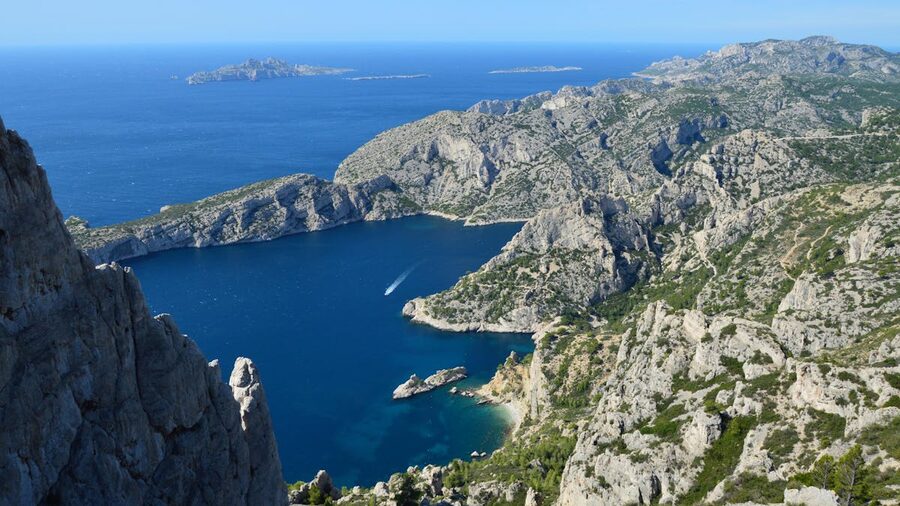
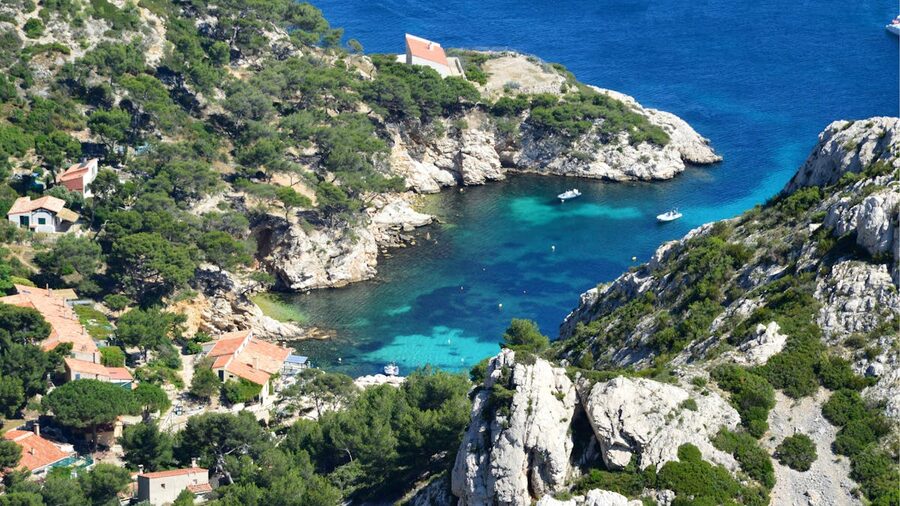
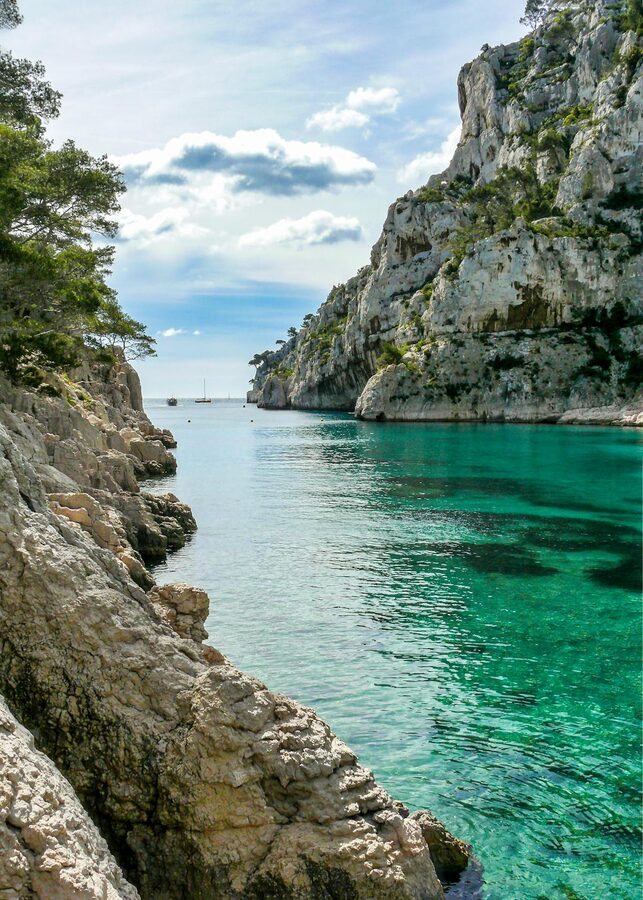
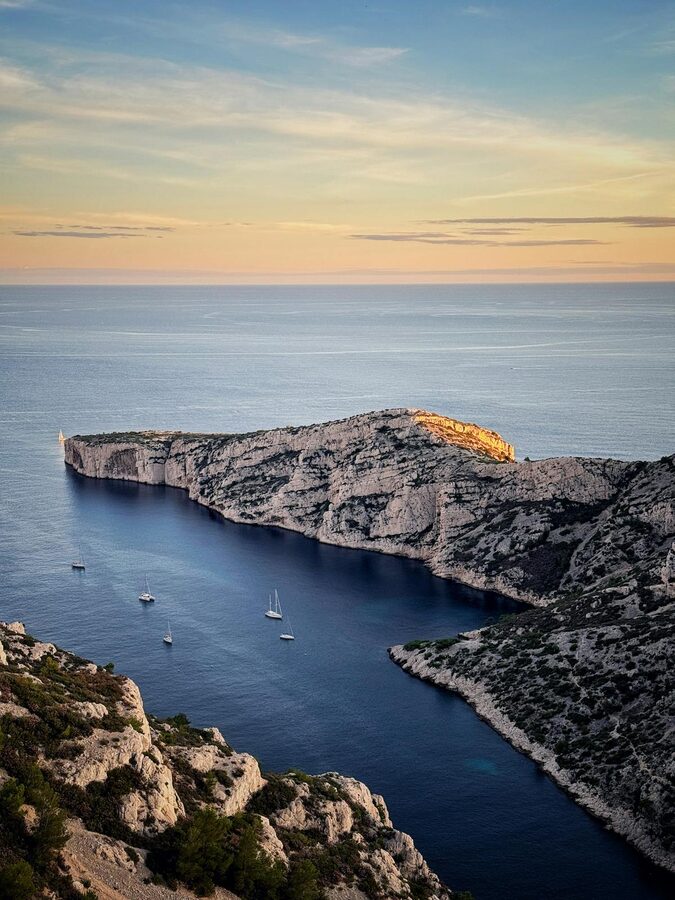
The Calanques National Park stretches 20 kilometres along the coast from Marseille to Cassis. The landscape is dramatic — white limestone cliffs up to 400 metres high, plunging into water that shifts between turquoise, emerald, and deep navy depending on the depth and the light.
There are three ways to experience them: by boat, by foot, or by kayak. Each gives you a different version of the same extraordinary coastline.
By Boat (The Most Popular Option)
Boat tours depart from the Vieux Port in Marseille or from the small town of Cassis. The trips last 2-5 hours depending on how many calanques they visit and whether swimming stops are included. The standard route covers Calanque de Sormiou, En-Vau, Port-Pin, and sometimes extends to Cassis.
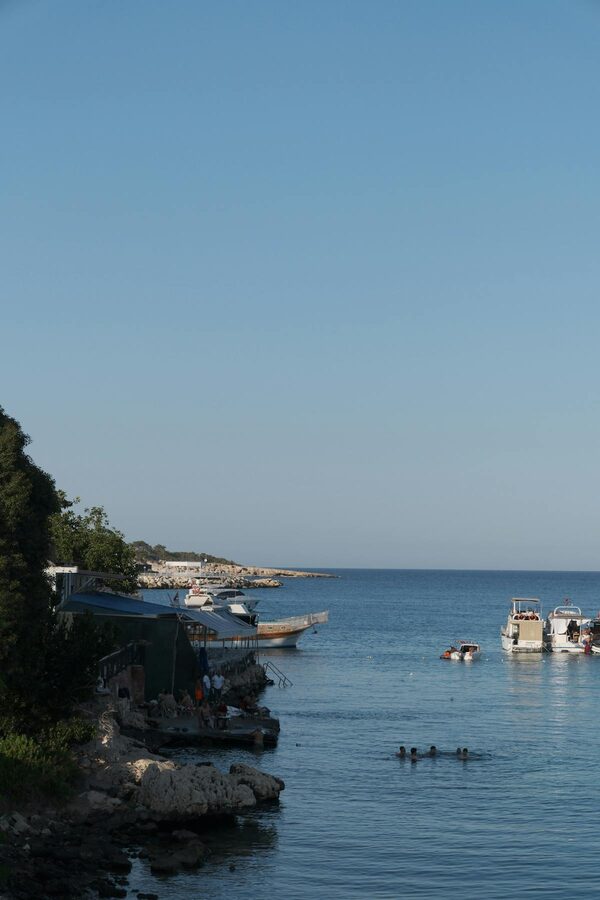
The swimming stops are the highlight. The boat anchors in a cove, you jump or climb off into crystal-clear water, and you swim above a seabed of white sand and green Posidonia seagrass. The water temperature is comfortable from June through October.
By Hiking
The Calanques have excellent hiking trails, but they come with caveats. The trails are rocky, unshaded, and steep. In summer, access to some trails is restricted or closed entirely due to fire risk (the combination of dry limestone, pine trees, and heat is genuinely dangerous). The best hiking season is October through May when temperatures are comfortable and trails are fully open.
The most accessible hike is to Calanque de Sugiton from the Luminy campus — about 45 minutes each way on a well-marked path. En-Vau is the most dramatic but requires a longer and steeper descent. Bring at least 2 litres of water per person — there are no facilities on the trails.
By Kayak
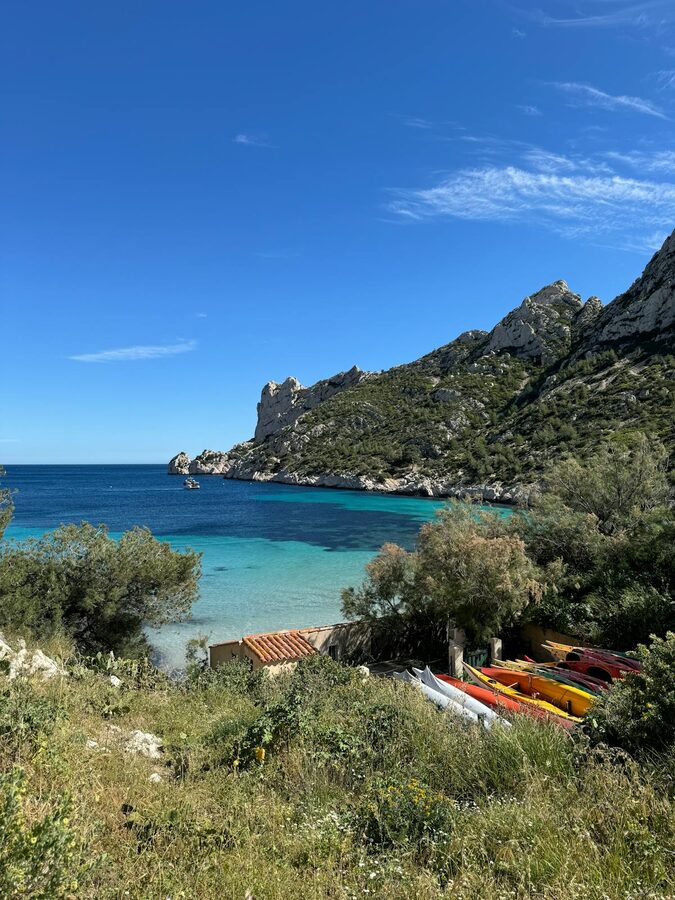
Kayak tours offer the most intimate Calanques experience — you paddle into coves that the tour boats cannot reach, stop on hidden beaches, and get close enough to the cliff walls to touch the rock. Half-day tours (3-4 hours) depart from Marseille and cover 2-3 calanques.
Marseille’s Food Scene
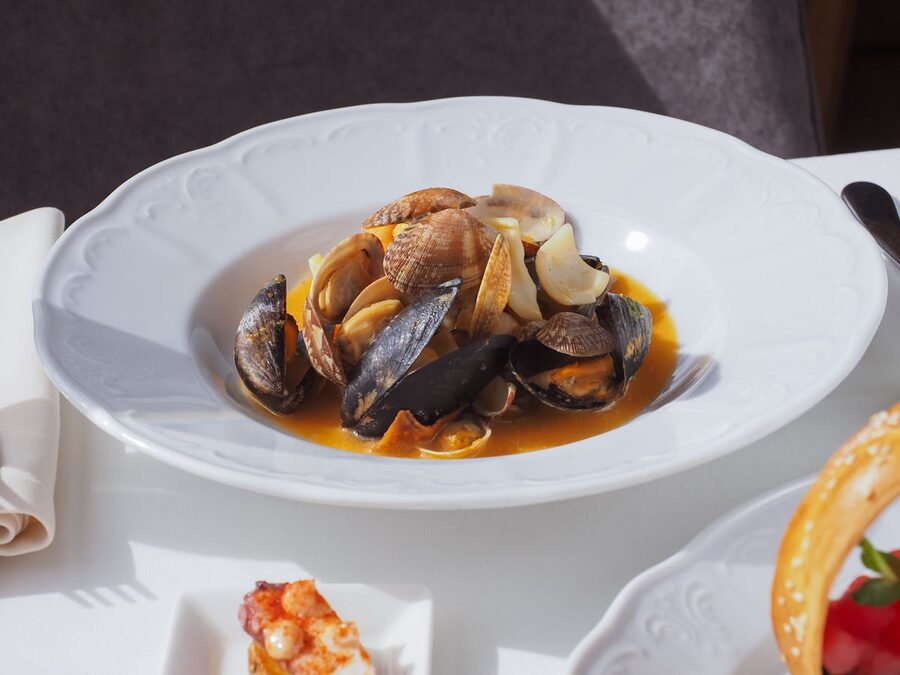
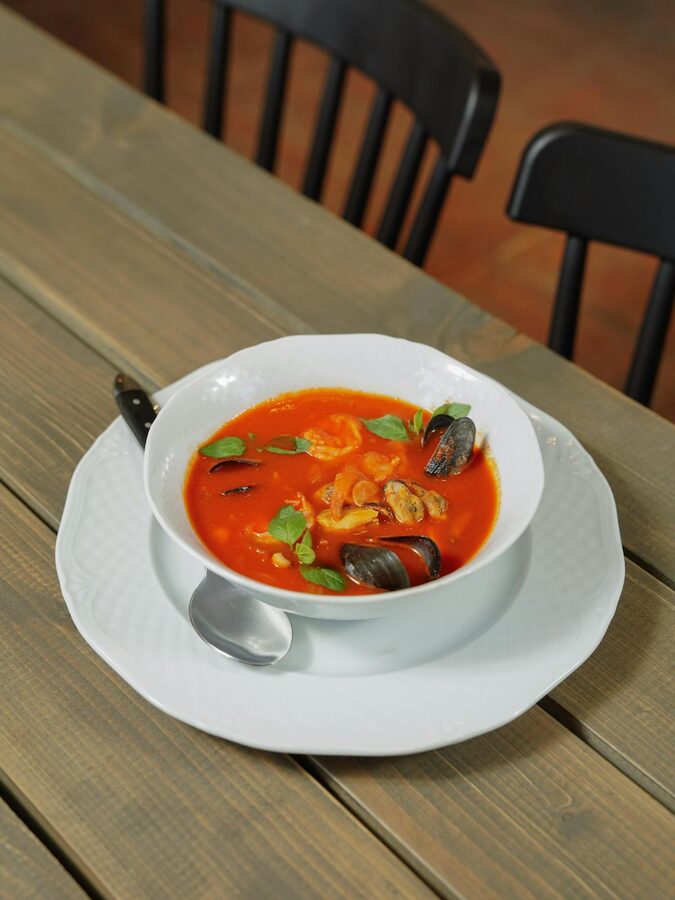
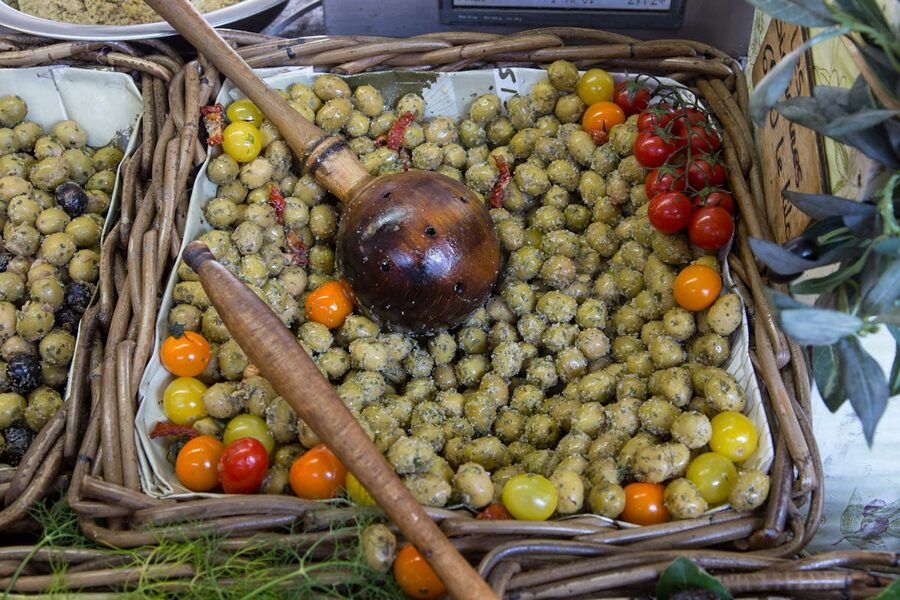
Marseille’s food is Mediterranean at its purest. Olive oil instead of butter. Fish instead of meat. Garlic, herbs, and tomatoes in everything. The city’s signature dish — bouillabaisse — is a fish stew with strict rules about which fish can be included and how it must be prepared. Locals take it very seriously.
The Best Marseille Tours
1. Iconic Calanques Boat Tour with Swimming — $93
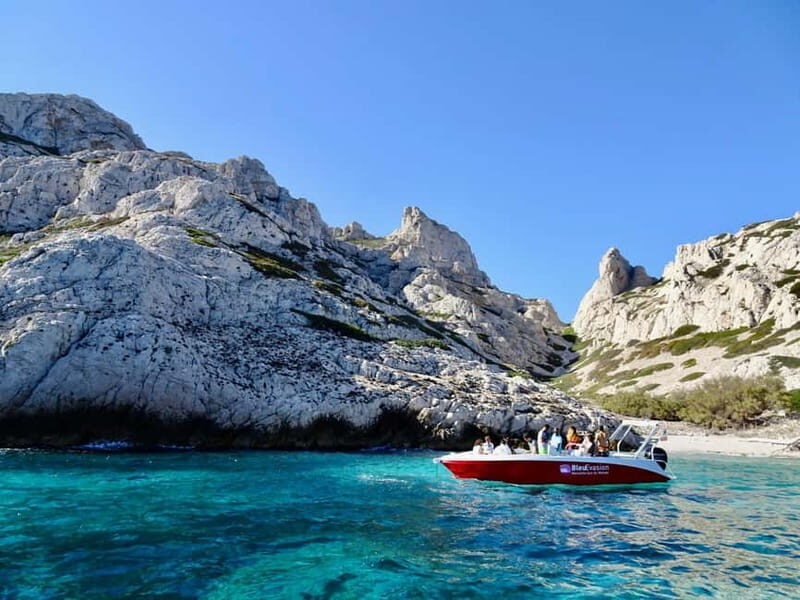
The signature Marseille experience. A 3-hour boat tour departing from the Vieux Port that heads south along the coast to the Calanques National Park. You visit the major inlets — Sormiou, Morgiou, Sugiton, En-Vau, Port-Pin — and the boat stops in 1-2 coves for swimming.
This is a really fun tour and a great way to see the Calanques. They were lucky with an October day warm enough for swimming, which highlights one of the tour’s advantages: the season extends well beyond summer. September and October often have the warmest water and the fewest crowds.
At $93 for 3 hours, this is the most popular way to see the Calanques. The value is excellent — the same coastline viewed from a private boat charter would cost 10 times as much.
2. Marseille CityPass (24-72 Hours) — from $42
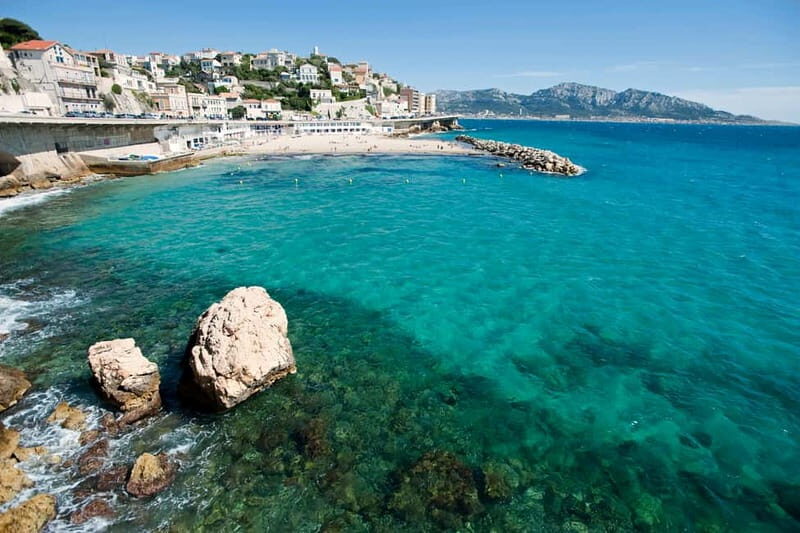
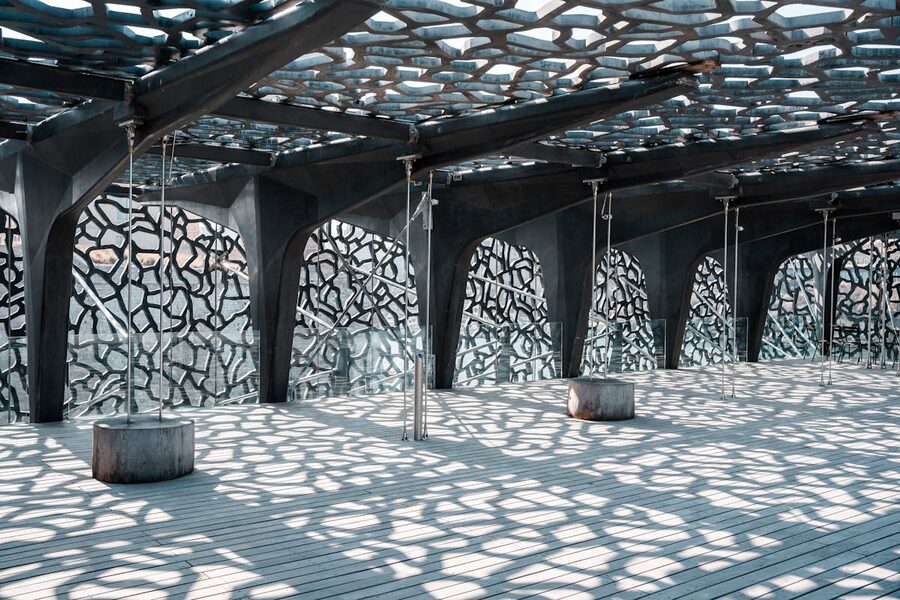
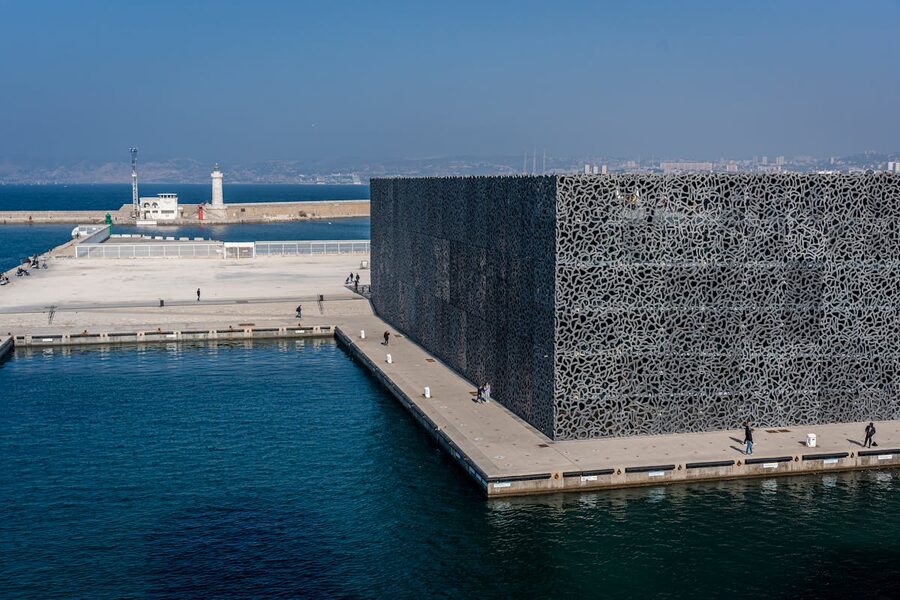
The Marseille CityPass bundles museum entry, public transport (metro, bus, tram, and ferry), and a harbour cruise into a single pass. Available for 24, 48, or 72 hours, it covers the major attractions: MuCEM, the Vieille Charite, the Museum of European and Mediterranean Civilisations, and the boat to Chateau d’If (the island prison from The Count of Monte Cristo).
This is excellent value despite some activities being unavailable that week — a good reminder to check seasonal schedules before buying. The 48-hour pass is the sweet spot for most visitors: one day for the city and museums, one day for the coast and Calanques.
3. Marseille Food Tour — Do Eat Better Experience — $89
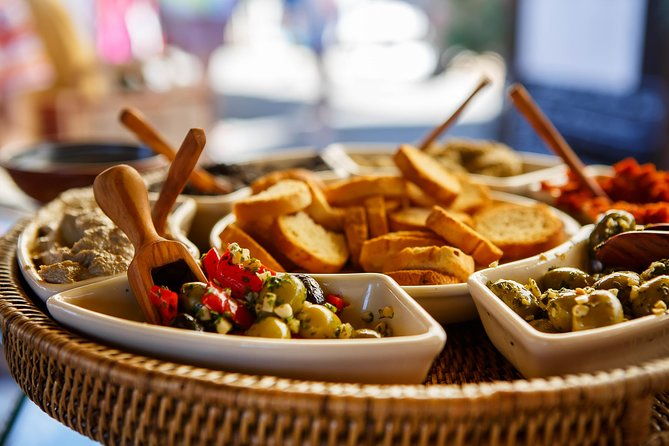
Three and a half hours eating through Marseille’s port district with a local guide. The tastings include Mediterranean specialties — fresh-caught fish, Provencal charcuterie, local cheeses, pastries, and the street food that makes Marseille’s food scene distinct from the rest of France.
This is fun and delicious, praising the variety of local foods along with the history of the area. The guide is funny and entertaining — which matters on a 3.5-hour tour where the walking and talking between stops is as important as the eating.
At $89 this is comparable with the Nice food tour and the Lyon food tour — all run by the same “Do Eat Better” network, which consistently delivers perfect-rated experiences across southern France.
What to See in Marseille Beyond the Coast
Notre-Dame de la Garde
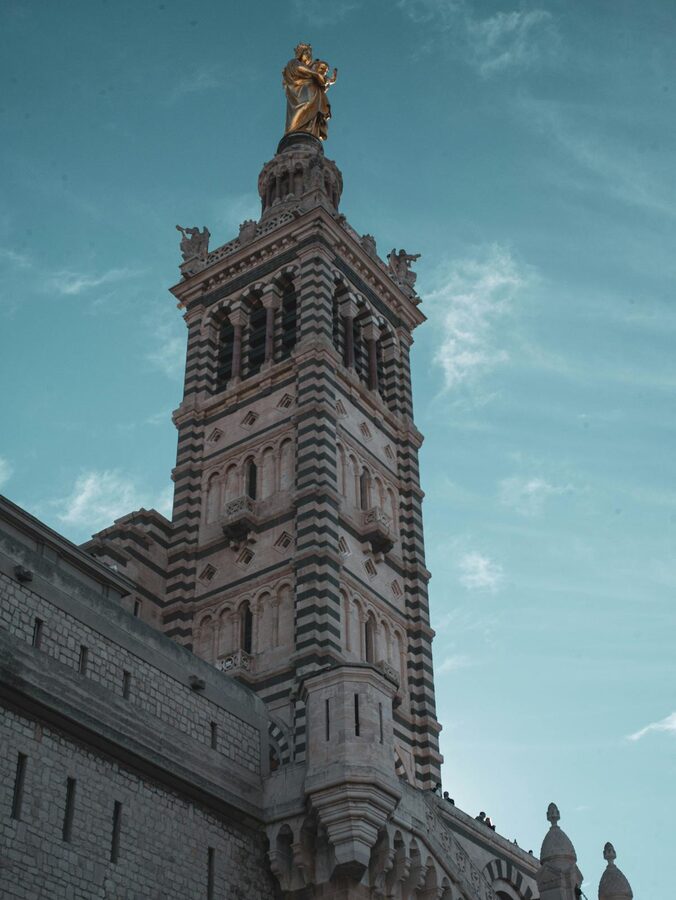
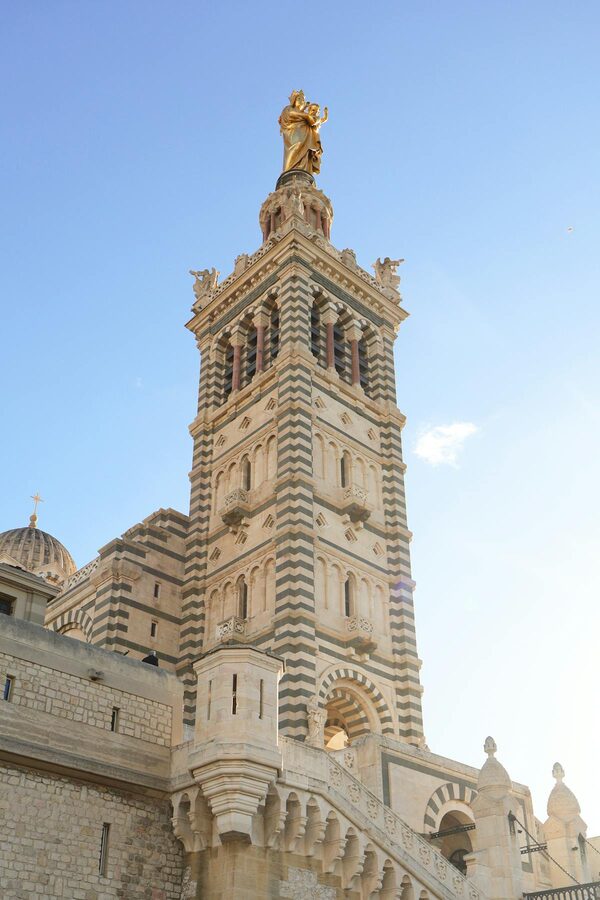
The basilica perched on the highest point in Marseille. The Lyonnais have Fourviere; the Marseillais have La Garde. The gold Madonna on top is visible from everywhere in the city and from far out to sea — it was the first thing sailors saw when returning home. The interior is covered in ex-votos — paintings, model ships, and plaques thanking the Virgin for maritime miracles. The view from the terrace is the best panorama in Marseille.
Chateau d’If
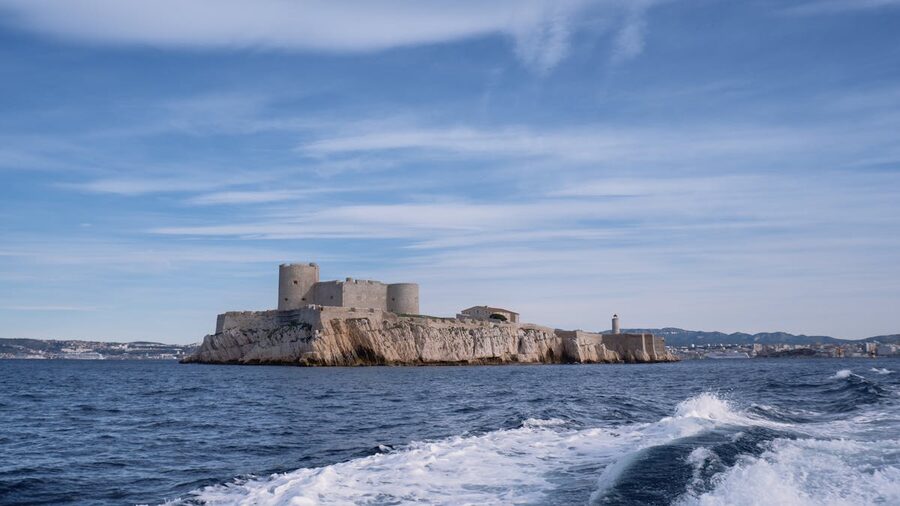
The island fortress made famous by Alexandre Dumas in The Count of Monte Cristo. A short ferry ride from the Vieux Port takes you to a 16th-century prison on a rocky island where political and religious prisoners were held for centuries. The cells are preserved, the views of Marseille from the ramparts are dramatic, and the literary tourism is unashamedly enjoyable.
Le Panier (The Old Quarter)
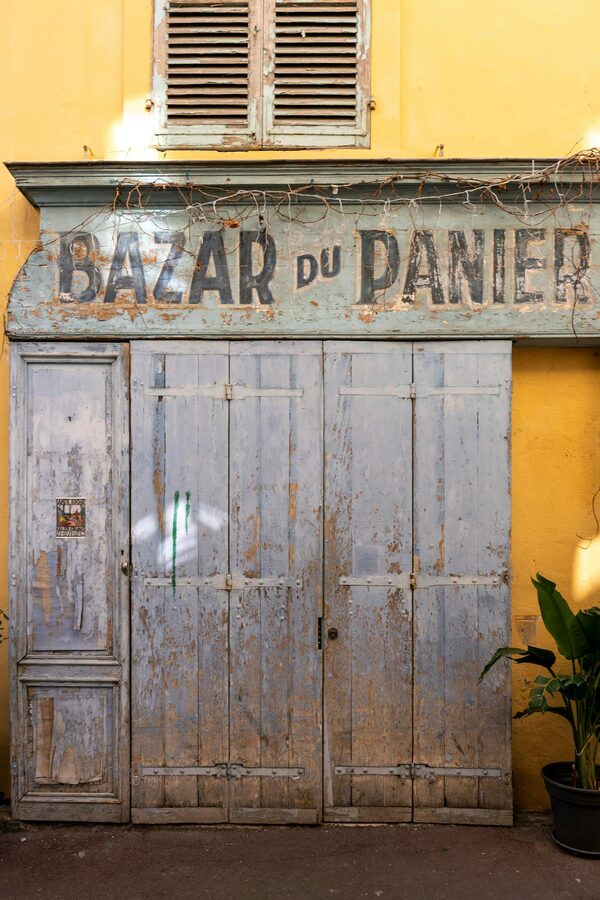
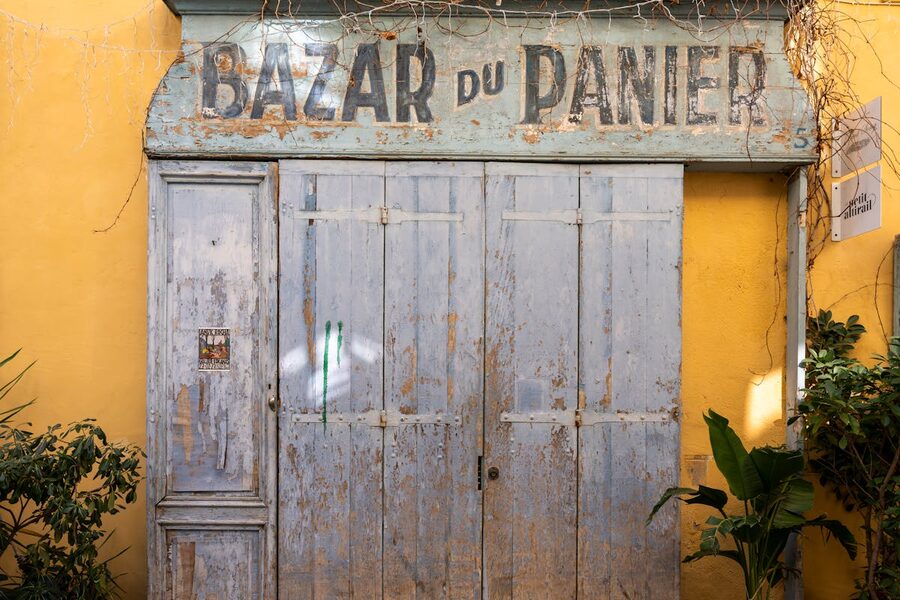
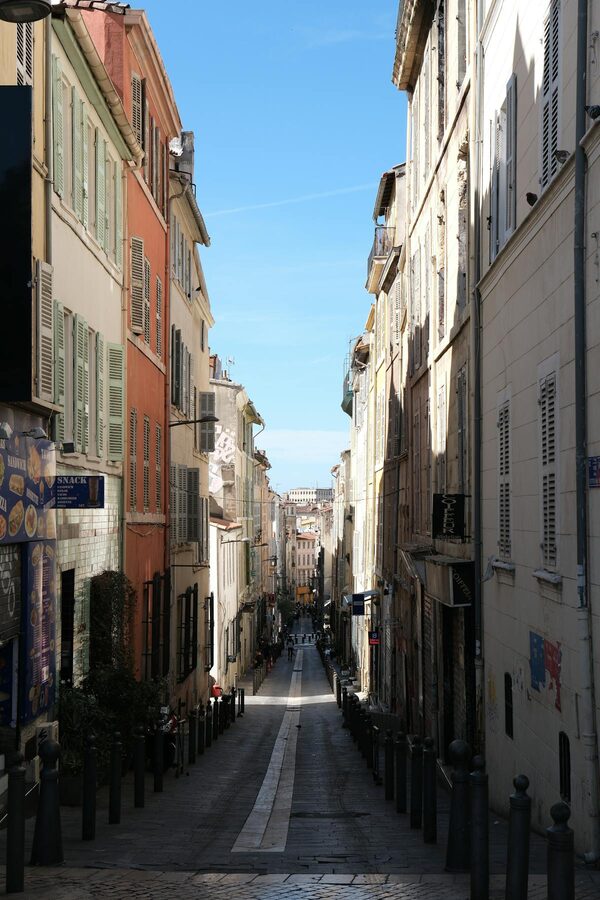
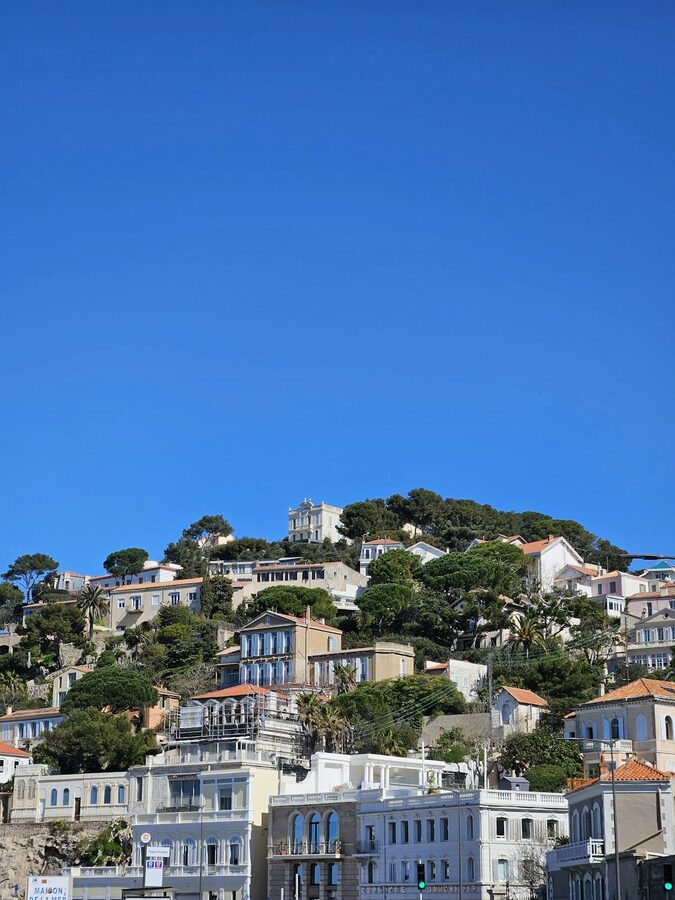
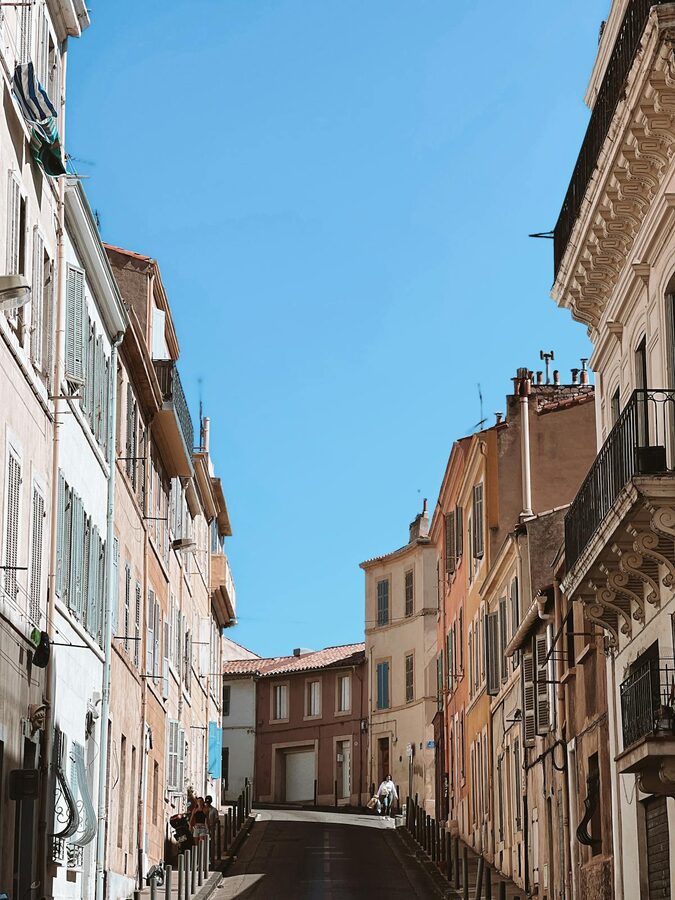
Marseille’s oldest neighbourhood. Narrow streets, pastel buildings, street art, and cafes that have been serving pastis since before World War II. Le Panier has been gentrifying in recent years — galleries and boutique shops mix with traditional fishmongers and bakeries — but it retains the authentic, slightly rough-edged character that defines Marseille.
When to Visit Marseille
June-September: The main season. Warm weather (25-32 degrees), calm seas for boat tours, and the longest opening hours for outdoor attractions. July and August are busy and hot. June and September are the sweet spots — warm enough for swimming, fewer crowds, and lower hotel prices.
October-November: Still warm enough for boat tours on good days, and the city is much quieter. Water temperature stays above 18 degrees through October.
Winter: Marseille has the mildest winter weather of any major French city (10-15 degrees). The Calanques hiking trails are at their best — cool temperatures, no fire risk, no crowds. Boat tours run less frequently but the food scene operates year-round.
Practical Tips
Getting to Marseille: TGV from Paris Gare de Lyon takes 3 hours 20 minutes. Marseille Provence Airport (MRS) has connections across Europe. From Nice, it is 2.5 hours by train or car along the coast.
Getting around: The Vieux Port area is walkable. Metro and tram cover the wider city. The number 60 bus goes to Notre-Dame de la Garde. Ferries to Chateau d’If and the Frioul islands depart from the Vieux Port.
Safety: Marseille has a reputation that is worse than the reality. The tourist areas (Vieux Port, Le Panier, the coast) are safe. Standard city precautions apply — watch your belongings, avoid poorly lit areas at night, and do not leave valuables visible in parked cars.
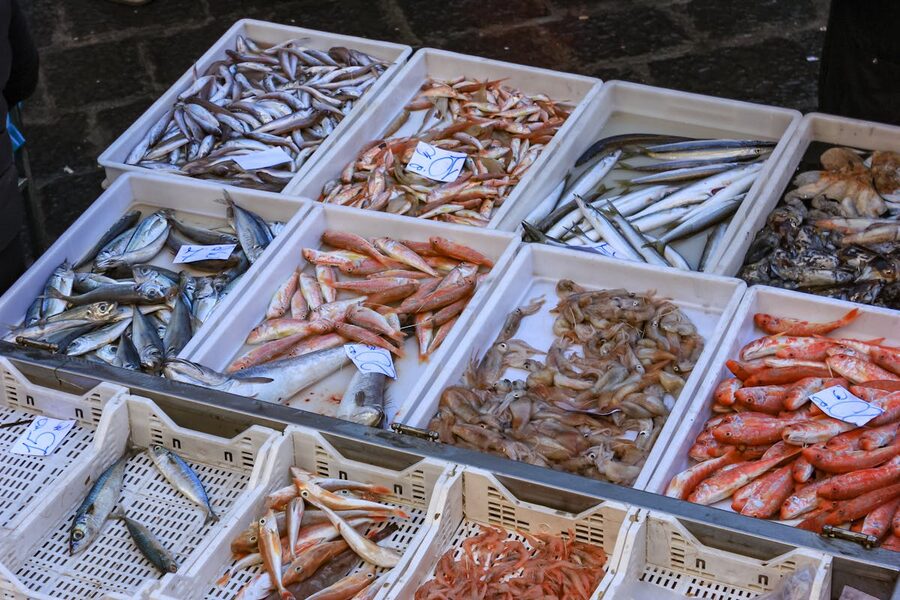
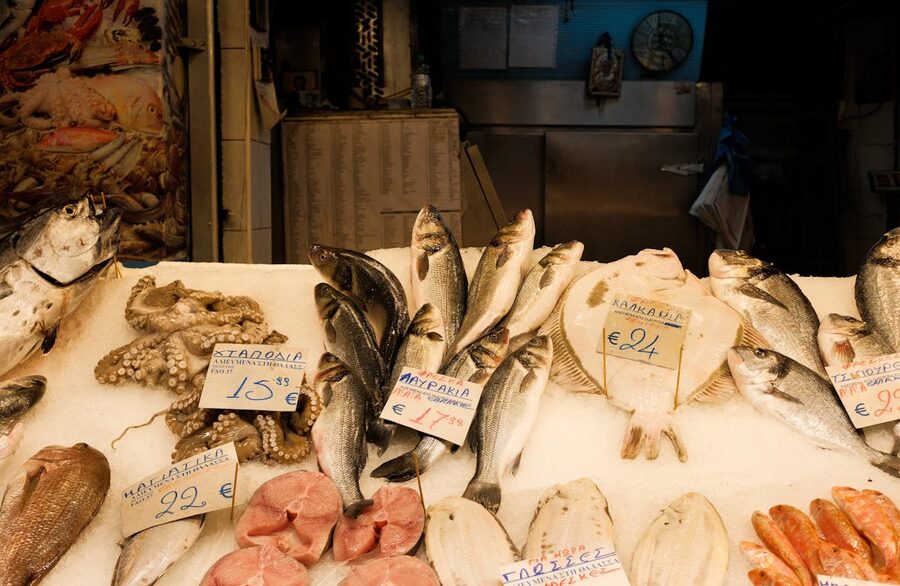
Budget tip: Panisse (chickpea fries) from a street vendor costs 3-4 euros and makes an excellent lunch when paired with a beer from a port-side bar. The fish market at the Vieux Port is cheaper than any restaurant for fresh seafood.
More France Guides
Marseille pairs naturally with the rest of the French south. The Nice food and walking tours are 2.5 hours east along the coast — a completely different Mediterranean mood but the same quality of light and seafood. For a change of pace, the Lyon food scene is 3 hours north by TGV and serves as Marseille’s culinary rival in a friendly competition that has been running for centuries. And if you are heading back to Paris, the Champagne region makes a natural midpoint stop — swapping Mediterranean bouillabaisse for cellar-aged bubbles is about as dramatic a contrast as France can offer.
More Southern France
The Calanques are Marseille s crown jewel. For other southern highlights, the Provence day trips from Avignon cover the Luberon villages and Camargue. The Pont du Gard is a 2,000-year-old Roman aqueduct 90 minutes from Marseille. And the Toulouse food scene is a few hours west with cassoulet and duck confit that puts Paris restaurants to shame.