Kamakura, Enoshima, and Asakusa Temple and Shrine Tour Review
If you’re after a full day of exploring some of Japan’s most iconic sights without the hassle of planning your transport, this tour offers a solid option. It hits three distinct spots—Kamakura, Enoshima, and Asakusa—covering traditional temples, scenic island views, and bustling city streets in just over ten hours. Whether you’re short on time or want a curated experience, this tour aims to balance guided insight with personal discovery.
What we really appreciate about this experience are three things: First, the efficient itinerary that covers major highlights in a single day. Second, the transportation included, which removes the stress of navigating Tokyo’s transit system and makes for a smoother adventure. And third, the blend of guided tours with free time, giving you the chance to explore at your own pace.
A potential consideration is the pace of the day—with so much packed in, it can feel a bit rushed, especially if you prefer lingering at each site. Still, for those who want a comprehensive taste of these locations without extra planning, it’s a practical choice.
This tour suits travelers who value organized, hassle-free excursions and are eager to see a variety of sights without spending many days on logistics. It’s especially beneficial if you’re visiting Tokyo and want to venture outside the city’s urban core with an expert guide.
Key Points
- All-in-one experience covering Kamakura, Enoshima, and Asakusa
- Transportation included simplifies travel between sites
- Guided insights enhance understanding of each location
- Free time at Enoshima and Asakusa allows personal discovery
- Optional lunch available for added convenience
- Comfortable air-conditioned bus for the long day

👉 See our pick of the Top 15 Tours & Experiences In Tokyo
- Key Points
- Breaking Down the Tour Experience
- Starting Off from Shibuya: A Smart Departure Point
- Kamakura’s Great Buddha: An Awe-Inspiring Introduction
- Enoshima: Island Charm and Scenic Strolls
- Enoshima Electric Railway: A Retro Ride
- Kamakura’s Main Streets and the Tsurugaoka Hachimangu Shrine
- Asakusa and Tokyo Skytree: Tokyo’s Retro Meets Modern
- From Asakusa to Shibuya: End of the Journey
- Practical Details and What to Expect
- Transportation and Comfort
- Guided Tours and Free Time Balance
- Price and Value
- Logistics and Tips
- Limitations
- Who Is This Tour Best For?
- The Sum Up
- Frequently Asked Questions
- The Best Of Tokyo!
- More Tours in Tokyo
- More Tour Reviews in Tokyo
Breaking Down the Tour Experience
You can also read our reviews of more tours and experiences in Tokyo.
Starting Off from Shibuya: A Smart Departure Point
The tour kicks off early at Shibuya Scramble Crossing, a lively and iconic Tokyo landmark. Meeting at 7:40 am, you’ll start with a relatively short bus ride (around 1 hour 45 minutes) to Kamakura. The early start ensures you maximize your day and beat some of the crowds, especially if you’re visiting during peak season.
Kamakura’s Great Buddha: An Awe-Inspiring Introduction
Your first stop is the Kotoku-in Temple to see the Great Buddha of Kamakura. This 13.5-meter-tall bronze statue has been a symbol of the region for over 750 years. It’s an instant photo opportunity and a chance to connect with Japan’s spiritual and artistic traditions. The included admission means you won’t need to queue, and the guide offers context about its history and significance.
Several reviews highlight the guided tour of Kamakura as a highlight, with one mentioning how the guide provided insightful stories that made the statues and temples more meaningful. The 30-minute stop is just enough to appreciate the scale and take some photos, but not so long that you lose momentum.
Enoshima: Island Charm and Scenic Strolls
Next, the tour transports you to Enoshima Island, a favorite for its charming streets and seaside views. You’re given an hour of free time to explore Nakamise-dori, a lively street lined with stalls and eateries, leading up to Enoshima Benzaiten Shrine. Many find this part of the day relaxing, with the chance to try local snacks and snap pictures of the coast.
The admission to the shrine is free, but the real draw is the atmosphere—a laid-back, vibrant pocket of Japan where traditional and modern collide. Reviewers love the opportunity to walk at their own pace here, with one noting, “The street was full of local shops selling delicious treats, and the shrine provided a peaceful break from busy Tokyo.”
Enoshima Electric Railway: A Retro Ride
After exploring, you’ll hop aboard the Enoshima Electric Railway—a nostalgic, vintage train famous for appearances in anime like Slam Dunk. The 25-minute ride offers scenic vistas of the coastline, perfect for relaxing and soaking in the seaside atmosphere. Many travelers comment on how charming the train feels, almost like stepping back in time.
Kamakura’s Main Streets and the Tsurugaoka Hachimangu Shrine
Back in Kamakura, the tour continues on foot along Komachi-dori, a bustling main street that’s perfect for trying local delicacies and shopping for souvenirs. This lively stretch is often a favorite part of the trip, with reviewers noting the variety of shops and street food.
The walk leads to Tsurugaoka Hachimangu Shrine, a major historical site and spiritual hub. The 1 hour 20 minutes here lets you absorb the tranquil atmosphere and admire the shrine’s architecture, with some free time to wander the grounds or browse nearby stalls.
Asakusa and Tokyo Skytree: Tokyo’s Retro Meets Modern
The last major stop is Asakusa, a district famed for Senso-ji Temple and traditional shopping streets. Here, you’ll have an hour of free time to explore at your leisure—whether you want to pray at the temple, browse souvenirs, or simply enjoy the vintage charm of the area.
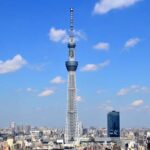
Many travelers mention the stunning view of Tokyo Skytree in the background, providing a striking contrast to Asakusa’s old-world ambiance. The relaxed pace here offers a perfect wind-down after a busy day.
From Asakusa to Shibuya: End of the Journey
The tour concludes with a guided ride on the Tokyo Metro from Asakusa to Shibuya, where you’ll disband at Shibuya Scramble Square. This seamless transition adds convenience, especially after a full day of sightseeing. Travelers often appreciate the chance to explore Shibuya on their own afterward.
Practical Details and What to Expect
Transportation and Comfort
The air-conditioned bus makes the long drives comfortable, critical in Japan’s humid summers or chilly winters. The inclusion of metro and train tickets means you won’t need to worry about buying separate tickets or navigating unfamiliar transit lines.
Guided Tours and Free Time Balance
The guided portion in Kamakura ensures you get historical insights, while free time at Enoshima and Asakusa allows personal exploration. Reviewers mention that the guides, though unnamed, were knowledgeable and friendly, making the experience more engaging.
Price and Value
At $91.56 per person, this tour offers good value considering transportation, admission fees, and guided insight included. For travelers wanting an overview of some of Japan’s iconic sights without spending extra time arranging logistics, it’s a practical choice.
Logistics and Tips
- Start early at Shibuya to maximize your day.
- Wear comfortable walking shoes—the day involves some strolling and standing.
- Bring water and sun protection, especially in summer.
- Check the weather forecast, as the schedule is weather-dependent and may be rescheduled or canceled in poor conditions.
- The group size is capped at 45, ensuring a manageable experience.
Limitations
While the itinerary is well-structured, some may find the pace a bit brisk, especially the tight schedule at each site. If you prefer lingering at each location or have mobility issues, this might not be the ideal tour.
Who Is This Tour Best For?
This tour is ideal for first-time visitors to Tokyo who want to see both cultural landmarks and scenic spots without the stress of planning transport. It’s also perfect if you like guided insights combined with free time to explore on your own.
Travelers with limited time will appreciate the opportunity to visit three distinct locations in a single day, making it a good option for those on a tight schedule. History buffs, photographers, or anyone interested in experiencing a blend of traditional Japan and seaside scenery will find this trip rewarding.
The Sum Up
This Kamakura, Enoshima, and Asakusa tour offers a balanced mix of guided sightseeing and personal exploration, all within a manageable and well-organized framework. The included transportation and admissions make it a convenient way to experience some of Japan’s most beloved sites without the hassle of navigating public transit on your own.
While the day moves at a brisk pace, the variety of stops ensures you get a broad feel for the region’s history, culture, and scenery. It’s most suited for travelers who value comfort, efficiency, and a rundown over slow-paced exploration.
Overall, it’s a great way to see multiple highlights in one day, making it a practical choice for those wanting to maximize limited time in Japan.
Frequently Asked Questions
What is the starting point for this tour?
The tour begins at Shibuya Scramble Crossing, a famous Tokyo landmark, at 7:40 am.
How long is the bus ride from Tokyo to Kamakura?
The bus trip from Shibuya to Kamakura takes approximately 1 hour and 45 minutes.
Are transportation costs included?
Yes, the tour includes all bus, metro, and train tickets needed during the day.
What can I expect at the Great Buddha of Kamakura?
You’ll see a 13.5-meter-tall bronze statue, and admission is included, so you can enter the temple grounds freely.
Is there free time at Enoshima?
Yes, travelers get about an hour to walk Nakamise-dori, visit the shrine, or explore the island at their own pace.
How long is the train ride on the Enoshima Electric Railway?
The scenic ride lasts about 25 minutes and offers seaside views, making for a relaxing break.
What’s the main attraction at Asakusa?
The highlight is the historic Senso-ji Temple, along with shopping on Nakamise-dori and views of Tokyo Skytree.
Can I customize this tour?
Optional lunch packages are available, but the itinerary itself is fixed. The free time at Enoshima and Asakusa allows some personal flexibility.
Is this tour suitable for people with mobility issues?
Since the schedule involves walking and some short/medium distances, it’s not recommended for those with significant mobility challenges.
What’s the group size?
The maximum number of travelers is 45, ensuring a comfortable group setting with personal attention.
This tour strikes a fine balance between guided insight and personal exploration, making it an excellent choice for travelers eager to see diverse facets of Japan in a single day.