Travelers visiting Tokyo often flock to Sensoji Temple and Nakamise Shopping Street, but a guided tour like Beyond Asakusa offers a deeper look into the city’s vibrant traditions and culinary scene. This 2-hour adventure takes you beyond the usual tourist spots, blending cultural rituals, historic sights, and Japan’s renowned kitchenware in a balanced, authentic way.
What makes this tour stand out? First, the chance to participate in a fortune-telling ritual—a truly local experience. Second, exploring Kappabashi Kitchen Town with its unique shops and high-quality knives gives food lovers a glimpse into Japan’s culinary craftsmanship. Lastly, the lively Hoppy Street offers a taste of casual, post-work drinking culture—something you won’t easily find in guidebooks.
On the downside, at just 2 hours, the tour is brief, which means some travelers might wish for more time at each stop. But if you’re short on time and craving a well-rounded, culturally rich snapshot of Tokyo, this experience hits the mark. It’s ideal for curious travelers who want more than surface-level sights and enjoy engaging with local traditions, food, and craftsmanship.
Who will love this tour? Anyone keen on exploring Japanese culture authentically, lovers of food and kitchenware, or those wanting a manageable yet meaningful introduction to Tokyo’s historic neighborhoods.
- Key Points
- An In-Depth Look at the Itinerary
- Starting Point: Starbucks in Asakusa
- Kaminarimon Gate and Nakamise Shopping Street
- Sensoji Temple: The Heart of Asakusa
- Sacred Rituals & Spiritual Traditions
- Exploring Japan’s Oldest Temple & Shinto Shrine
- Nightlife and Culinary Culture on Hoppy Street
- Kappabashi Kitchen Town: The Chef’s Paradise
- Practical Details and Tips
- Authentic Experiences Highlighted by Reviews
- The Sum Up: Is This Tour Right for You?
- FAQ
- The Best Of Tokyo!
- More Tour Reviews in Tokyo
Key Points
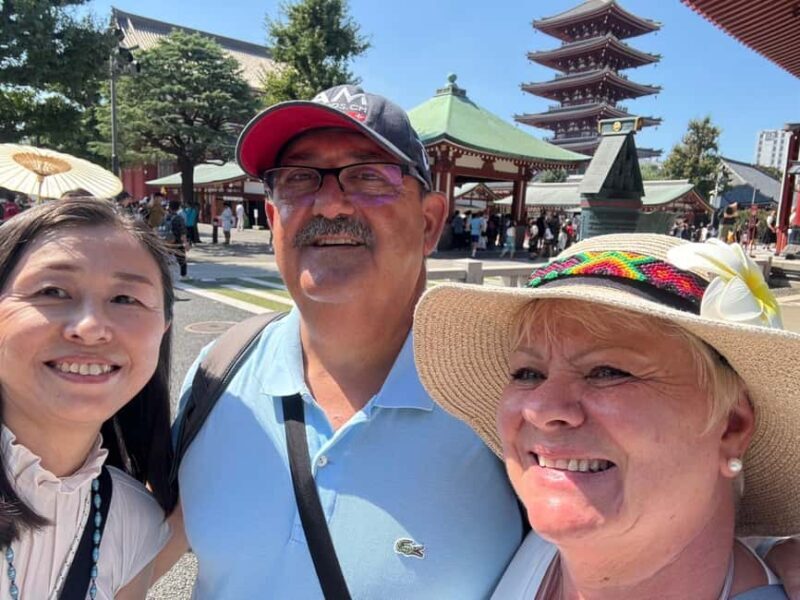
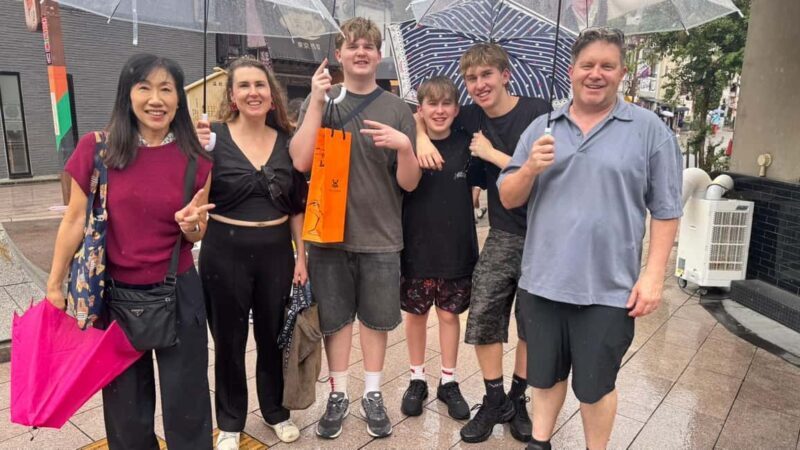
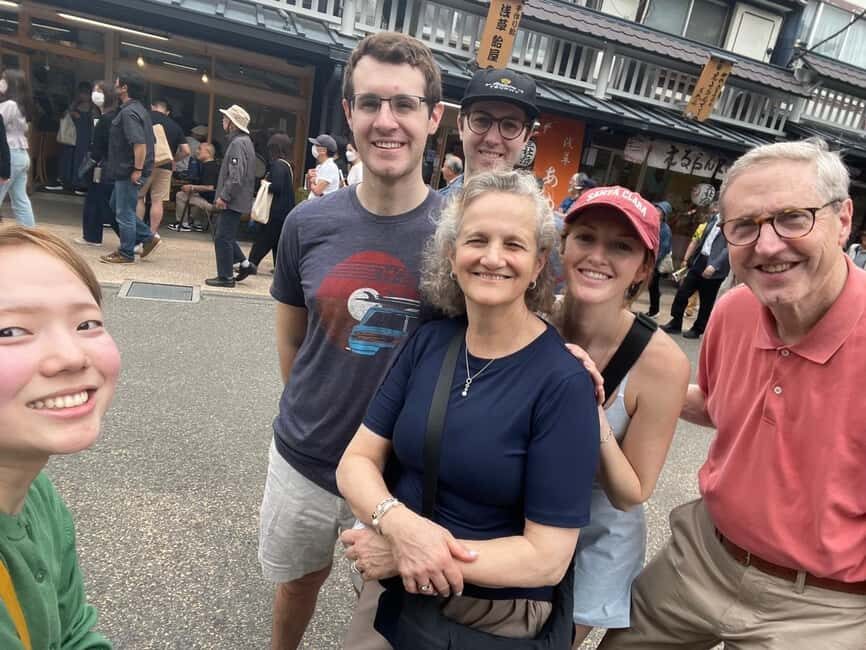
Cultural Rituals: Participate in traditional Japanese fortune-telling and purification ceremonies, adding a spiritual touch to your trip.
Authentic Sights: Visit Sensoji Temple and Nakamise Shopping Street to understand their historical importance and see bustling local life.
Culinary Insights: Discover Kappabashi Kitchen Town—a paradise for chefs and food lovers—brimming with knives, plastic food displays, and culinary tools.
Vibrant Nightlife: Experience the lively atmosphere of Hoppy Street, where locals unwind at traditional izakayas.
Guide Expertise: The reviews highlight knowledgeable guides like Shun, who share personal anecdotes and make history accessible.
Pricing & Value: At $31 per person, this tour offers a compact yet comprehensive cultural experience—great value for those short on time.
👉 See our pick of the Top 15 Tours & Experiences In Tokyo
An In-Depth Look at the Itinerary
You can also read our reviews of more tours and experiences in Tokyo.



Starting Point: Starbucks in Asakusa
Meeting in front of Starbucks at Kaminarimon Gate makes for an easy-to-find, central starting point. From here, your guide begins with a quick intro, setting the tone for the cultural journey ahead.
Kaminarimon Gate and Nakamise Shopping Street
Your exploration kicks off at the iconic Kaminarimon, with its massive red lantern—a symbol of Tokyo’s spiritual and cultural identity. The guide shares stories behind its history, adding context to this well-photographed landmark.
Next, you stroll through Nakamise Shopping Street, Japan’s oldest shopping street dating back to the Edo period. This stretch is packed with vendors selling traditional snacks, souvenirs, and crafts. It’s a lively strip offering plenty of chances to sample age-old treats like ningyo yaki (sweet cakes) or pick up handcrafted goods, making it an ideal spot for souvenir hunting while soaking up local energy.
Sensoji Temple: The Heart of Asakusa
A visit to Sensoji is a must. Founded in 628 AD, it’s Tokyo’s oldest temple, surviving wars and upheavals while maintaining its spiritual presence. Your guide explains its significance—not just as a historic site, but as a symbol of resilience and faith.
You’ll have moments for photos, but the focus is on understanding its role in Japanese spiritual life. You also visit the nearby Asakusa Shrine, which showcases the coexistence of Shinto and Buddhist traditions—an intriguing aspect of Japan’s religious landscape.
More Great Tours NearbySacred Rituals & Spiritual Traditions
One of the tour highlights is participating in a fortune-telling ritual. You draw a paper, learn how to interpret your fortune, and then tie it to a designated spot—an authentic practice many don’t get to experience solo. The guide explains the significance of these rituals in everyday Japanese life.
You also engage in a purification ceremony at the water fountain, using fresh water to cleanse your hands and mouth before entering sacred spaces. The aromatic incense ritual that follows enriches your understanding of Japanese Buddhist practices, adding a sensory dimension to your visit.


Exploring Japan’s Oldest Temple & Shinto Shrine
Walking through Sensoji, you gain insights into its survival story—how it’s endured natural disasters, war, and urban change. The adjacent Shinto shrine offers a glimpse into the unique religious blend that characterizes much of Japan. You’ll notice the contrasting architectural styles and learn how both coexist peacefully in the same precinct.
Nightlife and Culinary Culture on Hoppy Street
After the spiritual exploration, the tour transitions to Hoppy Street, a narrow alley lined with traditional izakayas—Japanese pubs. Here, you’ll see locals unwinding after work, sipping Hoppy (a low-alcohol beer-like beverage) and enjoying casual kushikatsu (skewered fried foods).
Your guide shares insights into post-work social rituals, explaining how these gatherings foster community bonds. The street’s lively ambiance offers a genuine slice of Japanese urban life, contrasting with the serene temples earlier.
Kappabashi Kitchen Town: The Chef’s Paradise
The final stop is Kappabashi, a street dedicated to professional kitchenware. It’s a treasure trove for anyone interested in Japanese culinary tools, with shops offering high-quality knives, plastic food displays (used in restaurant windows), and professional utensils.
Guided by an expert, you can marvel at the hyper-realistic plastic food samples, a quirky but fascinating aspect of Japanese restaurant culture. Many reviewers mention buying sushi keychains or unique kitchen gadgets—a perfect souvenir or practical item.
Practical Details and Tips
- Duration: Just 2 hours, making it ideal for travelers with limited time or those who want a quick yet enriching cultural fix.
- Price: At $31 per person, it’s a budget-friendly way to explore multiple facets of Tokyo’s traditions, from temples to cuisine.
- Meeting Point: The tour starts at Starbucks in Asakusa, with clear coordinates provided. Arrive a few minutes early to locate your guide with a tour sign.
- Language Options: The guide speaks several languages including English, Spanish, French, Chinese, Korean, Portuguese, and Japanese, ensuring accessibility.
- Comfort: Wear comfortable shoes—both walking and standing are involved—and bring cash if you wish to shop at Kappabashi.
- Participation: Be prepared for some active engagement in rituals, which enriches the experience but might not appeal to everyone.
Authentic Experiences Highlighted by Reviews
Reviewers emphasize the knowledgeable guides, with one mentioning Shun’s engaging storytelling and relatable examples that made history easier to grasp. They also value the personalized tips for exploring Kappabashi, making their shopping more efficient.
Another review notes that even those familiar with Asakusa discovered new details and appreciated the authenticity of the rituals—a reminder that this tour is about connecting with local traditions, not just looking at sights.
The Sum Up: Is This Tour Right for You?
This tour offers an excellent balance of culture, historical insight, and culinary discovery, all packed into a short time frame. It’s perfect for those curious about Japanese traditions, foodies, or first-time visitors wanting a meaningful introduction to Tokyo beyond the typical tourist spots.
If you enjoy guided experiences with knowledgeable guides, this tour provides engaging storytelling combined with hands-on activities and local flavor. It also appeals to travelers who prefer a small group setting, ensuring personalized attention and a more intimate feel.
For anyone seeking to understand the spiritual, culinary, and social fabric of Tokyo in a compact package, this journey through Asakusa and Kappabashi will leave you with lasting impressions and a few unique souvenirs.
FAQ
How long is the tour?
It lasts approximately 2 hours, making it suitable for travelers with limited time or those wanting a quick yet rich experience.
Where does the tour start?
The meeting point is in front of Starbucks Coffee at Kaminarimon Gate in Asakusa, with coordinates 35.71133804321289,139.79611206054688.
What languages are available?
Guides speak multiple languages including English, Spanish, French, Chinese, Korean, Portuguese, and Japanese.
Do I need to bring cash?
Yes, bringing cash is recommended if you plan to shop at Kappabashi or purchase snacks during the tour.
Can I participate in the rituals?
Absolutely. The tour encourages participation in traditional rituals like fortune-telling and purification ceremonies.
Is the tour suitable for children?
While not explicitly stated, the cultural and participatory nature suggests it’s best for older children or teenagers comfortable with walking and participating.
What’s included in the price?
The fee covers the guided tour, visits to key sites, and participation in cultural rituals. Shopping and personal purchases are extra.
What should I wear?
Wear comfortable shoes suitable for walking, and consider weather conditions—carry an umbrella or sunscreen as needed.
Can I cancel the tour?
Yes, cancellations are free up to 24 hours in advance, offering flexibility if your plans change.
To sum it up, Beyond Asakusa offers a well-rounded look into Tokyo’s cultural heart with a focus on authentic rituals, historic sites, and culinary craftsmanship. It’s a memorable, affordable way to see the city’s spiritual and social layers in just a couple of hours—perfect for curious travelers eager to experience Japan beyond the guidebook.
You can check availability for your dates here: