Merzouga comes fast on this route. You get the full sweep: camel trek, Atlas Mountain passes, UNESCO Ait Ben Haddou, and a night in a Berber desert camp.
I love that the camel ride and two meals are part of the base price, so you can focus on the experience instead of tallying add-ons.
I also like the mix of big sights and real downtime in the dunes, with dinner and live entertainment at camp. The trade-off is driving: you’ll spend a lot of time in the van, and the desert night is magical but not long enough to feel slow.
- Key things to know before you go
- Marrakech to Merzouga: why this 3-day plan works
- Day 1: High Atlas passes, Ait Ben Haddou, and a Dades-Tinghir overnight
- Tizi n’Tichka pass: the view that sets the mood
- Ait Ben Haddou kasbah: UNESCO time you can actually use
- Ouarzazate and the Rose Valley: quick flavor stops
- Boumalne Dades and Tinghir: where you sleep before the dunes
- Day 2: Todra Gorge to Erg Chebbi, then camel ride into the big dunes
- Todra Gorge: a green reset before the sand
- Erfoud: fossils and Berber villages on the way to the dunes
- Camel ride into the dunes and the bivouac night
- Day 3: Early breakfast, roses country, and the return through Tizi n’Tichka
- The camel ride, sandboarding, and camp dinner: what you’re really buying
- Driving heavy days: how to pack and what to expect in real life
- Guides, group size, and the vibe inside the minibus
- Price and value: is 5.86 a good deal for this much movement?
- Who should book this Marrakech to Merzouga camel tour
- Should you book this 3-day desert tour with camel rides?
- More 3-Day Experiences in Marrakech
- More Tours in Marrakech
- More Tour Reviews in Marrakech
- Not for you? Here's more nearby things to do in Marrakech we have reviewed
Key things to know before you go
 1 / 8
1 / 8 2 / 8
2 / 8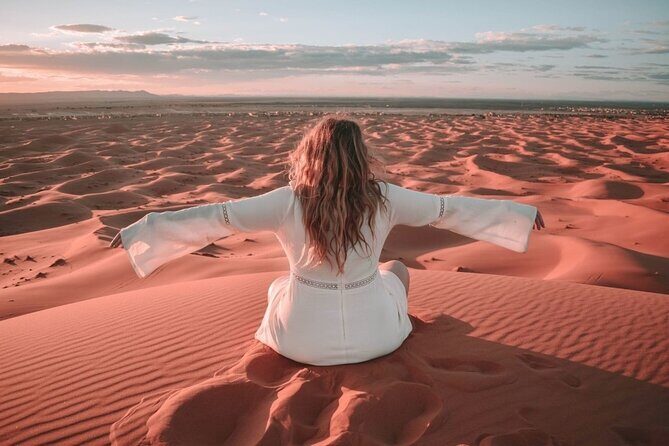 3 / 8
3 / 8 4 / 8
4 / 8 5 / 8
5 / 8 6 / 8
6 / 8 7 / 8
7 / 8 8 / 8
8 / 8- Sunset and sunrise camel rides are included, so you get both light shows in the dunes
- UNESCO Ait Ben Haddou gets real time to wander, not just a quick photo stop
- Erg Chebbi dunes (Merzouga) are the main event, with sand time built in
- Todra Gorge + local grove area adds a greener contrast before the big desert
- Two-night package with transfers and meals can be good value if you hate logistics
- Long commutes are part of the deal, so pack for car time
Marrakech to Merzouga: why this 3-day plan works
This is a classic Morocco route for a reason. In three days, you cover the High Atlas mountains, a UNESCO kasbah, and Morocco’s most famous stretch of Sahara sand around Merzouga. If you’re short on time but still want the full “camel-to-camp” payoff, this format is one of the most straightforward ways to do it.
What makes it feel good is that the itinerary is built around the moments you actually remember. The camel ride isn’t treated like a tiny side quest. It’s the centerpiece, timed for the sunset and the return at sunrise. You also get two included meals on the desert side (dinner and breakfast), which matters because lunches in Morocco road trips can be hit-or-miss and often cost extra.
The second reason I like this tour style: it strings together variety without requiring you to plan. You get Atlas viewpoints, Ait Ben Haddou, fossil country vibes around Erfoud, then the dunes. You just show up, follow the schedule, and let someone else manage the driving.
Now the honest part. This trip is driving heavy. Even with well-chosen stops, you’ll be in transit for big chunks each day. If your ideal day is slow and lazy, you might feel rushed. But if you’re okay with a packed itinerary for a once-in-a-lifetime night under stars, it’s a solid match.
You can also read our reviews of more tours and experiences in Marrakech
Day 1: High Atlas passes, Ait Ben Haddou, and a Dades-Tinghir overnight
Day 1 moves you out of Marrakech early, with a departure time set for 7:30 am. The day starts around Jemaa el-Fnaa, then heads into the mountains. Expect photography breaks and scenic pauses rather than deep museum-style time.
Tizi n’Tichka pass: the view that sets the mood
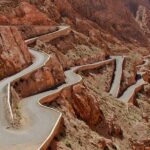
The route crosses the High Atlas via Tizi n’Tichka (about 2260m). This stop is mostly about photos and feeling how the air changes as the elevation climbs. It’s short, but it’s useful. You’ll see the kind of mountain spine that makes later desert scenery feel even more dramatic.
Practical note: bring a warm layer even in warmer months. Morning in the Atlas can feel cooler than you expect, especially if the van air-conditioning is on.
Ait Ben Haddou kasbah: UNESCO time you can actually use
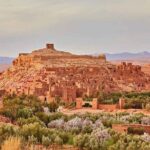
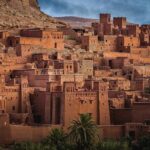
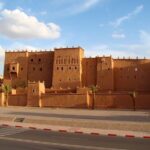
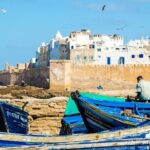
Ait Ben Haddou is a UNESCO-listed fortified village, and it also doubled as a backdrop for major Hollywood productions like Gladiator, Lawrence of Arabia, and Kingdom of Heaven. You’ll cross the river separating the kasbah from the main road and explore at leisure.
Why this stop matters on a desert tour: it gives you a sense of Morocco beyond scenery. You’re not just driving through a postcard. You’re walking through a living structure where trade routes, control of valleys, and survival built the architecture you see today. It’s also one of the best places on the trip for photos without feeling rushed.
One trade-off: the tour listing says there isn’t a local guide inside Ait Ben Haddou included. So if you love deep explanations while you walk, you might enjoy hiring a local storyteller there or saving questions for your driver-guide.
Ouarzazate and the Rose Valley: quick flavor stops
You’ll pass through Ouarzazate with a photography stop connected to the Atlas Studios area. It’s brief, but it adds context for why this region is so often filmed.
Then comes the Rose Valley break. You’ll stop for photos in the valley area, and there’s mention that rose picking begins in April, with a festival in the first week of May. You’ll also get a traditional coffee/tea stop included. If you’re the type who likes small cultural pauses more than another long roadside view, these minutes count.
Boumalne Dades and Tinghir: where you sleep before the dunes
Later on Day 1 you’ll stop at Boumalne Dades for panoramic views. Then you head to Tinghir for an overnight stay in a private room with half-board (based on the itinerary details).
Why Tinghir matters: it breaks the drive and gives you one real night in a proper hotel setting before the desert bivouac. It also helps you recharge before you sleep in the dunes. The reviews I’ve seen for this style of route often mention the hotel portion as a pleasant comfort step, especially after the long road.
Day 2: Todra Gorge to Erg Chebbi, then camel ride into the big dunes
Day 2 starts after breakfast. You then hit a gorge stop before you fully enter desert mode.
Todra Gorge: a green reset before the sand
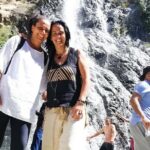
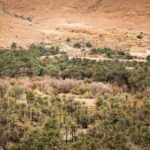
You’ll visit Todra Gorge with a local-focus experience stop at a tourist information and experience center, plus time in the area around the grove. This is a smart pacing choice. The gorge has cliffs and a sense of water-and-walls, while the desert is wide, dry, and open. That contrast makes the shift into Erg Chebbi feel more dramatic.
The “with locals” angle is also a nice break from purely scenic tourism. You’re not only looking—you’re seeing how the region frames visitors and daily life.
Erfoud: fossils and Berber villages on the way to the dunes
From Todra, the drive continues toward Erfoud, described as the capital of fossils. The route runs via Tinejdad and Berber villages before reaching the Merzouga dunes, which are tied to Erg Chebbi.
Even if you don’t spend long here, the stop sequence helps you feel the region’s identity. This is a road trip day, so use that time. If you can, sit where you can watch the scenery change through the window. It’s part of the experience, not a waiting room.
Camel ride into the dunes and the bivouac night
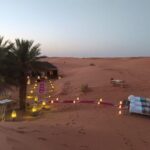
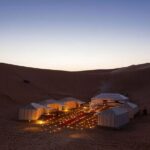
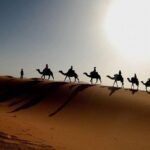
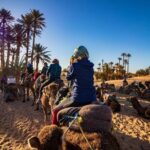
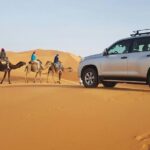
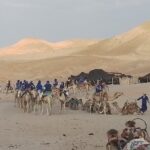
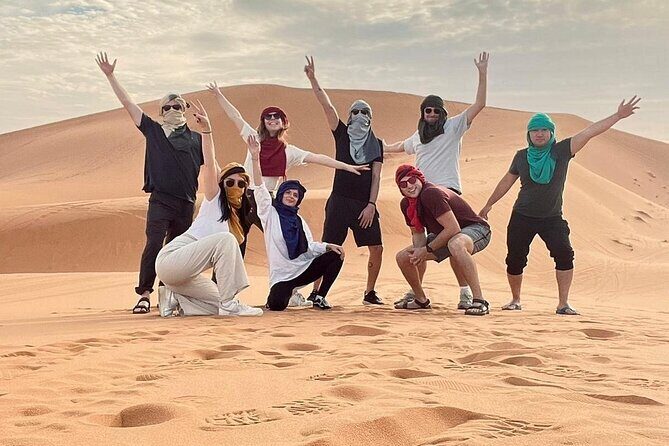
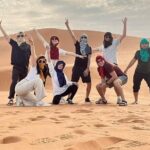
This is the heart of the tour. You leave the vehicle for a camel ride in the middle of the dunes, and that’s where the pace slows on purpose. You’ll spend the night in nomad tents in the bigger dunes area, with dinner and overnight at the bivouac. The description of silence between the stars is exactly what you’re chasing.
A few helpful expectations:
- It’s not like staying in your own hotel room. You’re in a desert camp setup.
- The tents you get can vary by what’s available that day.
- You should plan for limited English on the camp side. Your driver-guide and any camp staff can still be friendly, but the language barrier is real.
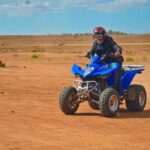
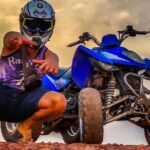
This is also where add-ons can tempt you. Some people choose ATVs in the desert as an extra option (usually at an additional cost), often to catch sunrise action. If you’re debating whether to add it, I’d treat it like optional fun, not a requirement.
Day 3: Early breakfast, roses country, and the return through Tizi n’Tichka
Day 3 starts with an early breakfast, then you drive back to the main road and meet your driver again. After that, you’re headed toward Kelaat Mgouna, the rose valley region, with a lunch stop there.
Then it’s straight back through Ouarzazate and over Tizi n’Tichka for the final approach into Marrakech.
Two practical things about Day 3:
- You’ll likely feel the desert night more than you expect, so plan for simple comfort. Take your slower pace where you can.
- You’ll spend time on the road again, so keep snacks and water handy even though dinner and breakfast are covered. Lunch and drinks aren’t included.
By the end, you return to Marrakech and your trip ends back at the meeting point area.
The camel ride, sandboarding, and camp dinner: what you’re really buying
The headline features are sunset and sunrise camel rides, plus sandboarding and a camp night with dinner and breakfast. Those are also the pieces you’ll feel were worth it when you look back.
The sunset camel ride works because it changes the dunes quickly. Sand turns from bright to soft, shadows stretch, and the desert starts looking less like a flat stage and more like a sculpted place. Sunrise does the same trick in reverse. You get two “wow” moments without needing to add another tour.
Sandboarding adds a little motion after all the standing and looking. Even if you’re not a confident rider, you’ll get the idea fast: go down, grab yourself, and laugh when it’s messier than you planned. It’s also one of the easiest activities to fit into a group schedule without feeling exhausting.
Then there’s the camp: live entertainment and traditional dinner are included as part of the bivouac experience. People often remember the food and the music as much as the stars, because it makes the night feel social. The desert is quiet, but camp doesn’t have to be.
One balanced note. Some people expect “glamping” levels of perfection and end up wanting more cleanliness or better setup details. In the better-arranged versions, tents may have extras like air-conditioning and private bathroom facilities. In other setups, the basics are more variable—bedsheets may not fit perfectly, and you might have limited space for wet towels. The good news is that the scenery is still the real star of the show.
Driving heavy days: how to pack and what to expect in real life
This tour is efficient, but it’s not subtle. You’ll see a lot, and you’ll also spend time sitting. That’s not a flaw; it’s simply how this route works. Marrakech to Merzouga takes distance, and you’re doing it in a small time window.
Here’s how to make it easier:
- Pack a small overnight bag for the desert day and night so you’re not scrambling.
- Bring snacks for the long road legs. Lunch and drinks aren’t included, and you won’t always have a flexible stop.
- Bring a layer for early mornings and cooler Atlas moments.
- Keep your phone battery power in mind. You’ll want photos at viewpoints like Tizi n’Tichka and Ait Ben Haddou.
What you should not expect: a slow travel rhythm. If you’re the kind of person who gets grumpy with frequent departures, this might feel tiring. The upside is that the tiredness usually fades once the camel ride starts and the camp begins.
Guides, group size, and the vibe inside the minibus
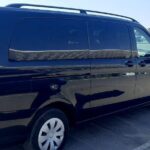
This tour caps at 19 travelers, which keeps it from turning into a giant bus tour. You’ll also ride in an air-conditioned minibus with a driver-guide.
The most praised part in the feedback I’ve seen is the guides. People mention names like Omar, Mehdi, Jawad, Simo, Hakim, Abdul, Idris, and Yoness for being friendly, timely, and good at keeping the day moving. Others highlight how guides manage energy even when the desert weather isn’t perfect. That’s a key point: desert trips can’t fully control clouds or wind, but a good guide can keep the experience on track.
A small caution based on the range of experiences: communication can be uneven. Some people reported email or app messages not being answered promptly before the trip. If you have specific questions, I’d send them early and follow up.
Price and value: is $115.86 a good deal for this much movement?
At $115.86 per person, the value comes down to what’s included. You’re getting:
- Round-trip hotel transfers (or pickup at the listed area and return to it)
- Two nights of accommodation (hotel the first night, desert camp the second)
- Dinner and breakfast included (two dinners and two breakfasts, based on the plan)
- The big-ticket activities: camel rides and sandboarding
- Air-conditioned transport with a driver-guide
If you tried to price this independently—driver, gas, two nights, camel arrangements, and the camp meals—it’s hard to match the convenience for the same total. The biggest thing you pay for here is time saved and friction avoided.
Where the price might feel less appealing: if you’re the type who wants long stays at each stop, or you’d rather not be in a moving vehicle most of the day. You’d probably be happier with a longer desert itinerary that gives you more cushion.
Who should book this Marrakech to Merzouga camel tour
This tour fits you best if:
- You want a quick taste of Morocco’s variety: Atlas mountains, kasbahs, gorge, fossils country, then Sahara dunes.
- You want the desert night and camel rides without planning transport between regions.
- You’re okay with a packed schedule and understand that Merzouga is far from Marrakech.
You might want to look for another option if:
- You’re sensitive to long drives and prefer fewer, slower stops.
- You expect a fully consistent luxury camp setup every time. The camp is part of the adventure, but it’s still camping-style.
- You want a lot more time actually staying in the dunes without moving again the next morning.
Should you book this 3-day desert tour with camel rides?
I’d book this if your goal is the classic Morocco combo: Marrakech to Ait Ben Haddou to Erg Chebbi, plus a real camel ride into a desert camp night. The included activities and meals help keep the experience feeling complete, and the small group size makes the day more personal than mass tours.
If you book, do it with clear expectations. This is not a slow, comfy weekend. It’s a smart, fast route that trades time in the van for time in the dunes. Pack for the long sitting days, bring snacks, and aim for flexibility.
If that sounds like your kind of trip, you’re in the right place.