Tokyo in one well-fed day.
This 9 to 10 hour coach tour is built for fast orientation: you get dropped into the big neighborhoods, then guided from shrine to temple to skyline without you hunting tickets or trains. I like the combo of a real matcha stop plus a Tokyo Skytree Tembo Deck skip-the-line admission, because it turns two popular waits into actual sightseeing time.
I also like how the day mixes “icon” sights with neighborhood texture. You pass places like Akihabara and Ueno on the way, then actually spend time on the ground in Asakusa for Senso-ji, Nakamise Avenue shopping, and that matcha moment. One thing to weigh: it’s a long, packed schedule, and the Tokyo Bay part can change if the ferry doesn’t run due to conditions, so you should be ready to flex.
- Key Highlights You Actually Feel During the Day
- The Big Picture: How This 9–10 Hour Loop Works
- Shinjuku and the Coach Ride: Where the Day Starts Fast
- Meiji Jingu Shrine: Tokyo’s Green Reset
- Imperial Palace Area: Gardens and Photo-Friendly Stops
- Asakusa the Right Way: Senso-ji, Nakamise, Matcha, and Lunch
- Senso-ji and Nakamise Avenue
- Matcha Experience in Asakusa
- Karaage + Tofu Lunch Set
- Tokyo Skytree: The Tembo Deck Moment You’ll Remember
- Odaiba and Tokyo Bay Ferry: Rainbow Bridge Views, With a Twist
- Passing Neighborhoods Like Akihabara, Harajuku, and Ueno (From the Bus)
- Guides Matter on a Tour This Busy
- Pacing, Comfort, and Group Size on a Full-Day Coach Plan
- Price and Value: Why 9.25 Can Make Sense
- Should You Book This Tokyo Bus Tour?
- FAQ
- How long is the Tokyo bus tour?
- What’s included in the tour price?
- Is the Tokyo Bay cruise always included?
- Where do I meet for the tour, and where do I end?
- Is Tokyo Skytree skip-the-line included?
- Can I request vegetarian or gluten-free lunch?
- What languages are available for the audio guidance?
- The Best Of Tokyo!
- More 1-Day Tours in Tokyo
- More Tours in Tokyo
- More Tour Reviews in Tokyo
- Not for you? Here's more nearby things to do in Tokyo we have reviewed
Key Highlights You Actually Feel During the Day
- Skip-the-line up to Tembo Deck at Tokyo Skytree for the best city views with less waiting.
- Matcha tasting plus matcha drink or gelato at a stop focused on Uji-style tea.
- Asakusa on foot for Senso-ji and Nakamise Avenue instead of just a photo stop from the bus.
- Tokyo Bay ferry time under Rainbow Bridge when operating, with a workable alternative when it isn’t.
- A guided day in a small bus group (up to 43) with Wi-Fi and multilingual audio support.
👉 See our pick of the Top 15 Tours & Experiences In Tokyo
The Big Picture: How This 9–10 Hour Loop Works
This is a “coach day” tour, not a slow stroll. You’ll start in the Shinjuku area, ride between neighborhoods, then get timed blocks at each major stop. The upside is simple: you see a lot of Tokyo in one shot, even if it’s your first full day.
The schedule is designed around a few anchor points: Meiji Jingu, the Imperial Palace area, Asakusa (temple + shopping + matcha + lunch), and Tokyo Skytree. Then the day caps with Odaiba and Tokyo Bay views, returning you to Shinjuku while the light is right for city skyline photos.
You can also read our reviews of more tours and experiences in Tokyo
Shinjuku and the Coach Ride: Where the Day Starts Fast
You meet at 1-chōme-7-2 Nishishinjuku in Shinjuku. The tour also lists pickup options at Matsuya Ginza around 7:20am and Love Shinjuku around 7:50am, depending on what you booked.
Once onboard, you get air-conditioned comfort plus Wi-Fi on the bus, which sounds small until you realize how handy it is for map checking and messaging during a long day. The driver and guide keep things moving, and the itinerary order can shift with traffic or weather, so you aren’t surprised if the sequence gets tweaked.
A nice detail: the tour includes multilingual audio guidance. That means you’re not stuck only listening to the live English guide all day.
Meiji Jingu Shrine: Tokyo’s Green Reset
Meiji Jingu Shrine is one of the most famous Shinto sites in Tokyo, dedicated to Emperor Meiji. You’ll get about 50 minutes here, and that time is enough to walk the approach, soak in the forested atmosphere, and still make it back on schedule.
This stop matters because it slows the day down on purpose. After the urban push of the surrounding city, the shrine grounds give you a break from crowds and traffic noise. It’s also a useful orientation point: you’ll see a very different side of Tokyo than the neon neighborhoods you’ll pass later.
Imperial Palace Area: Gardens and Photo-Friendly Stops
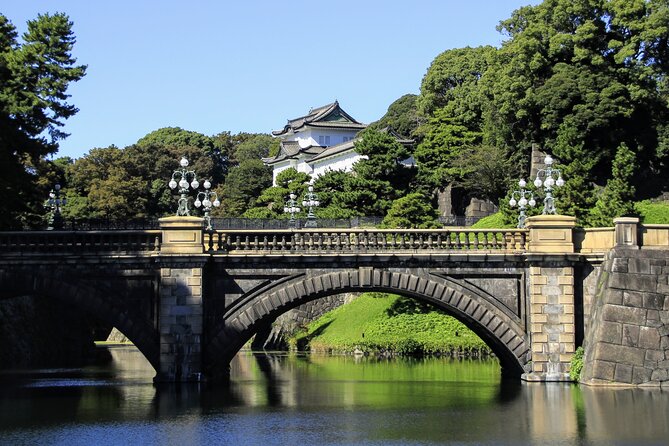
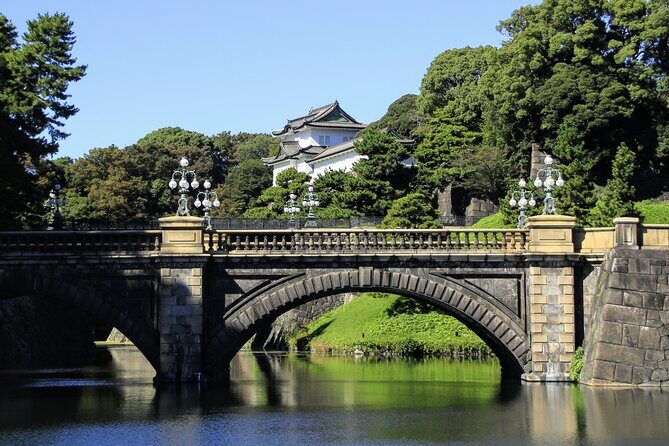
Next comes the Imperial Palace area, tied to the current Imperial family residence and also linked to the site of Edo Castle. Your visit is either to the East Garden or to Niju-bashi Bridge in the Outer Garden.
Your time here is short (around 30 minutes), so treat it like a curated taste. Look for symmetrical photo angles and the garden structure that changes with the season. This isn’t a deep-history museum visit; it’s more about getting your bearings and then moving on to the next big Tokyo layer.
Asakusa the Right Way: Senso-ji, Nakamise, Matcha, and Lunch
Asakusa is where the tour feels most like you’re actually doing Tokyo, not just riding through it. You’ll spend multiple blocks in the area, which is important because Asakusa works best when you can browse a little and not just rush.
Senso-ji and Nakamise Avenue
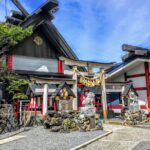
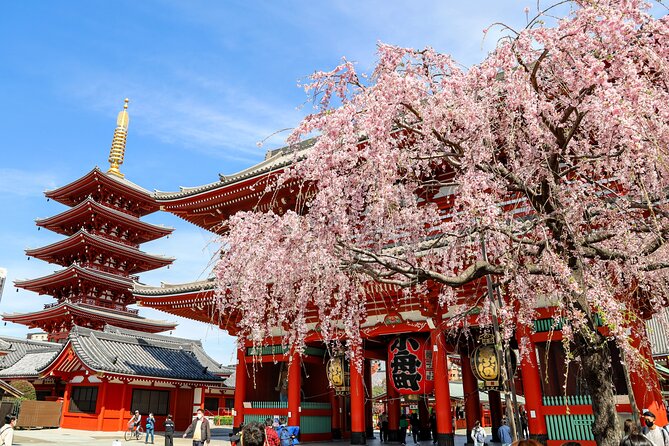
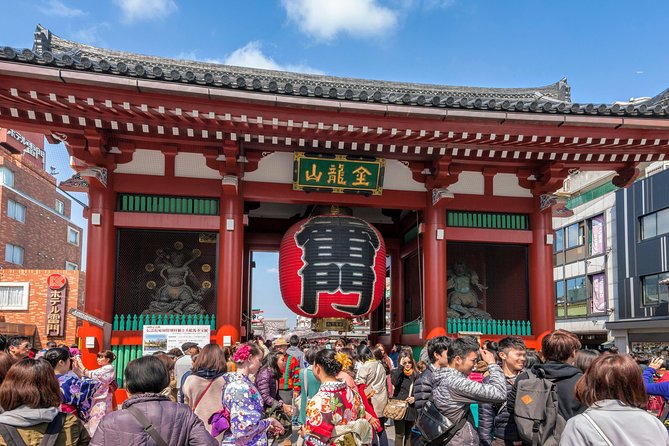
You get about 45 minutes at Senso-ji Temple. Plan to walk Nakamise Avenue for snacks and souvenirs, then take photos at Kaminari-mon gate. This is classic Tokyo, the kind of place where the street life is the attraction as much as the temple itself.
The practical tip here is pace: you have time for shopping, but the day is still stacked. Don’t overbuy early. Wait until you see what you truly want, because you’ll likely come across repeat souvenir types on later streets too.
Matcha Experience in Asakusa
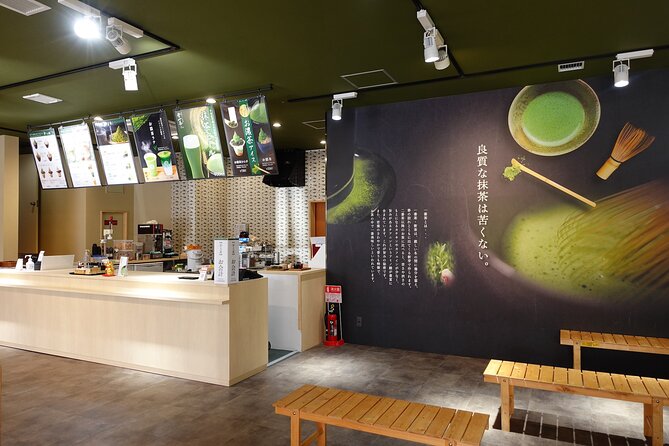
You also get an authentic Uji matcha experience with a matcha-tasting moment. The tour specifically calls out a premium style described as not bitter, using Ichibancha (first flush) from Uji.
After the tasting, you’ll receive a matcha drink or matcha gelato (as part of the included options). If you’re there around May 14, the matcha store is noted as closed, and you’ll instead get matcha souvenirs as a substitute.
Karaage + Tofu Lunch Set
Lunch is handled as a set meal in the Asakusa area, with a choice mentioned at booking time. The standard lunch described is a set with Japanese fried chicken (karaage) and tofu, plus a soft drink (if you selected lunch).
Diet details matter here. The lunch set is described as not including pork or seafood. Also, miso soup contains fish stock. For gluten-free, the meal described includes grilled chicken, rice, miso soup, and tofu. Vegetarian and gluten-free requests are handled by informing the operator during booking.
Tokyo Skytree: The Tembo Deck Moment You’ll Remember
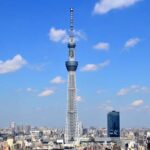
Tokyo Skytree is the skyline star of this day. You’ll get skip-the-line admission to the Tembo Deck observatory at 350 meters, and plan for about 1.5 hours at the Skytree complex area.
Skip-the-line is a big deal at places like this. Even if you don’t mind waiting, Tokyo is efficient and crowded, and time is usually your real currency. Here, you buy back time for photos and for just standing there and letting the city spread out under you.
You’ll also have access to the shopping area around Skytree (Sora-machi is referenced as having 300+ stores). You won’t shop for hours, but it’s enough to grab small items or snacks if you want a buffer before the next ride.
Odaiba and Tokyo Bay Ferry: Rainbow Bridge Views, With a Twist
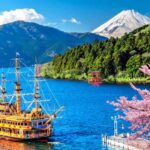
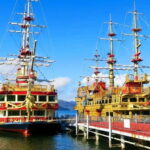
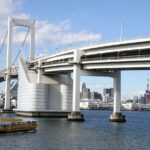
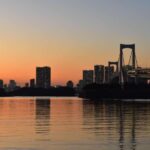
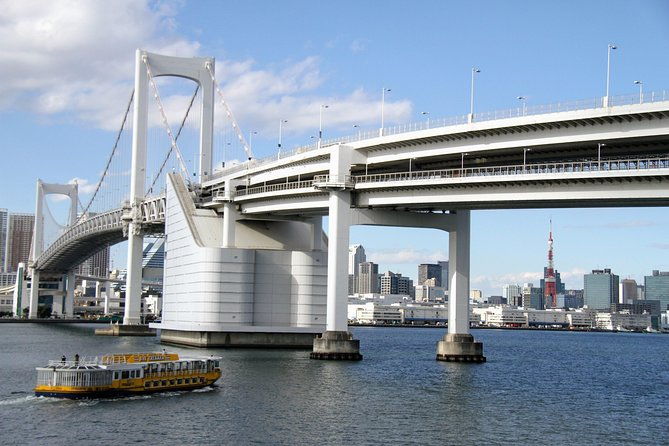
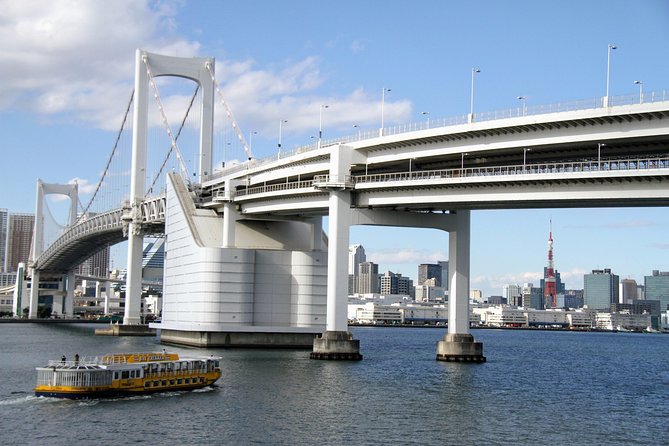
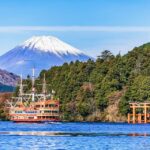
Odaiba is where the tour turns from temples and streets to modern Tokyo scale. You’ll go to the waterfront area and take a ferry ride across Tokyo Bay. The highlights you’ll get are views under Rainbow Bridge and the chance to see Tokyo’s skyscraper style from the water.
But here’s the honest consideration: the ferry part is conditional. The tour notes that sometimes there’s no cruise due to high tide or emergency maintenance, and in those cases you’ll visit an alternative place like Hamarikyu Gardens or the Fukagawa Edo museum instead of Odaiba. Also, when ferry service is suspended, you still won’t get a refund for missing the Odaiba component.
There’s one schedule rule to know too: every Tuesday, the plan may swap to Fukagawa Edo museum or Hamarikyu Gardens because of ferry suspension. So if you care most about Rainbow Bridge specifically, plan your mindset for Plan B.
Passing Neighborhoods Like Akihabara, Harajuku, and Ueno (From the Bus)
Not every neighborhood gets a walking stop, but the bus route is used as a moving city lesson. Along the way, you’ll drive past areas such as Akihabara and Ueno, and you’ll pass by sights like the National Diet building.
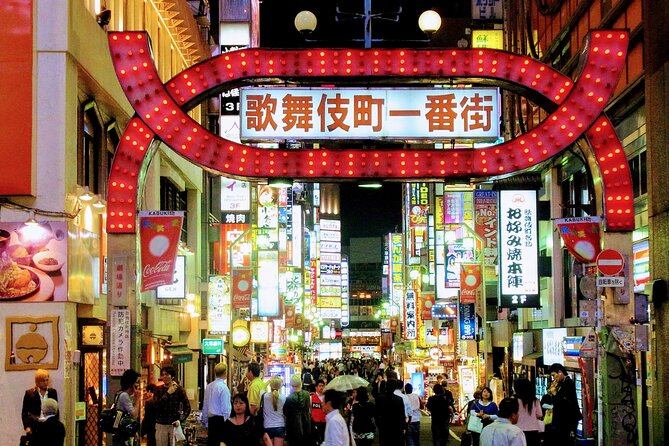
You also get a look at Kabukicho, a nightlife and pub-hopping area where the tour suggests you consider pub hopping if you want to wander later. This is a useful tip for first-timers because it gives you a target for your evening plans without asking you to guess where to start.
Guides Matter on a Tour This Busy
This tour leans on the guide to keep the pace sane. Across the naming of guides tied to the experience, you’ll see a pattern: people like Momo, Lovely, Uta, Yui, Aya, Hiro, Levin, Lisa, and Yuty are mentioned for being friendly, helpful, and good at keeping people on track.
The practical takeaway for you is simple: if you struggle with spoken English, you still get multilingual audio. That helps when the live guide is moving fast or there’s bus noise. One small caution that comes up: English comprehension can be harder for some visitors depending on the guide and how loud the environment is, so having the audio option is your backup.
Pacing, Comfort, and Group Size on a Full-Day Coach Plan
This is not a light half-day. It runs roughly 9 to 10 hours, and you’ll be on and off the bus repeatedly. The tour also says it’s not recommended if you can’t walk long distances.
Group size is capped at 43 travelers, which helps. You get the big-coach structure with less of the chaos you sometimes see in bigger mass tours. Still, expect it to feel busy because the plan includes several major icons in one day.
A real-world detail to factor: the schedule includes free time between stops. That can be a plus if you like breathing room. It can feel like a drag if you prefer nonstop action. Either way, the structure exists because Asakusa and Skytree both reward pacing on the ground.
Price and Value: Why $129.25 Can Make Sense
At $129.25 per person, you’re paying for a packaged day that includes a lot of what usually costs you time and money on your own: a professional English-speaking guide, air-conditioned coach travel, Wi-Fi on board, multilingual audio, and key admissions like Tokyo Skytree Tembo Deck.
Your included extras also cut down decision fatigue. You get matcha (drink or gelato) and an organized Asakusa lunch option (with dietary support via advance request). And you’re not paying separately for the guide-led flow between neighborhoods.
Is it worth it? It usually is when you have limited time and you want to hit the “big Tokyo” markers without doing a DIY logistics puzzle. If you already know you want to spend hours in one area like Asakusa or Shinjuku, a custom itinerary might feel better.
Should You Book This Tokyo Bus Tour?
Book it if you want an all-day orientation that hits Meiji Jingu, Asakusa, Skytree, and Tokyo Bay in one coordinated plan. This tour is also a strong pick for first-time Tokyo visitors who prefer a guided route and don’t want to manage transfers, ticket lines, and timing.
Skip or consider alternatives if you know you want a slower, deeper day in just one neighborhood. Also keep expectations realistic about the ferry portion, since the Odaiba cruise can be replaced by an alternate stop and no refund is offered for that swap.
If you’re the type who likes your Tokyo day structured, this is a solid value play. You’ll come away with clear mental maps of where things are—and you’ll have a proper skyline view from Skytree to anchor the whole day.
FAQ
How long is the Tokyo bus tour?
The experience runs about 9 to 10 hours.
What’s included in the tour price?
You get a professional English-speaking guide, air-conditioned vehicle, Wi-Fi on the bus, Tokyo Skytree admission for the Tembo Deck, matcha (drink or gelato), and a Tokyo Bay cruise that may be replaced by an alternative if needed. Lunch is included if you choose the lunch option.
Is the Tokyo Bay cruise always included?
No. The cruise can be canceled due to high tide or emergency maintenance. If that happens, you’ll visit an alternative place such as Hamarikyu Gardens or the Fukagawa Edo museum.
Where do I meet for the tour, and where do I end?
The start meeting point is in Nishishinjuku, Shinjuku City. The end point is also in the same Nishishinjuku area, with the final drop-off noted near Shinjuku Station around 18:10.
Is Tokyo Skytree skip-the-line included?
Yes. The tour includes skip-the-line admission to the Tembo Deck observatory.
Can I request vegetarian or gluten-free lunch?
Yes. The tour asks you to indicate the number of customers requesting vegetarian meals or gluten-free meals when you book.
What languages are available for the audio guidance?
Audio guidance is available in English, Spanish, French, Italian, German, Portuguese, and Ukrainian.