A sweet journey into Japan’s traditional confectionery scene—without leaving Tokyo. While we haven’t personally taken this Wagashi Workshop, the detailed outline and collective insights paint a picture of a genuine, engaging experience that appeals to food lovers, craft enthusiasts, and curious travelers alike.
What makes this experience stand out? First, its focus on decorating bite-sized ohagi with natural, vegetable- and fruit-colored bean pastes, elevating a humble treat into edible art. Second, the expert guidance on flower-piping techniques, ensuring you leave with skills you can recreate at home. And third, the simple joy of creating and taking home your artistic masterpiece, along with a small gift and photo moments to remember.
A potential drawback? It’s a 3-hour commitment at a fixed time, which might feel long for those with tight schedules or shorter attention spans. Still, for anyone eager to combine hands-on craft with authentic Japanese sweets, this should be a good fit.
This tour is ideal for anyone interested in Japanese culture, food artistry, or looking for a memorable, immersive activity in Tokyo. It’s particularly suited to those who enjoy learning new skills in a relaxed, small-group setting.
Key Points
- Authentic Wagashi Crafting: Experience the intricate art of decorating traditional Japanese sweets with natural-colored bean pastes.
- Expert Guidance: Small group instruction ensures personalized attention, with clear demonstrations on flower-piping.
- Natural Ingredients: White bean paste is colored with vegetable and fruit powders, emphasizing beauty and health.
- Take-Home Masterpieces: Complete and keep your decorated ohagi, plus enjoy a small gift and photo opportunities.
- Cultural Insights: Learn about Wagashi’s significance in Japanese tradition and get an English recipe for future recreations.
- Flexible Options: Two different design themes, including bamboo and floral motifs, cater to varied aesthetic preferences.

👉 See our pick of the Top 15 Tours & Experiences In Tokyo
- Key Points
- What to Expect from the Wagashi Workshop in Tokyo
- The Itinerary Breakdown
- Additional Details and Considerations
- Why This Experience Offers Value
- A Closer Look at the Two Themes
- Anko Flower Wagashi: Anemone Bite-Size Ohagi Box
- Bamboo Forest & Floral Ohagi Box
- Final Thoughts: Is It Worth It?
- FAQs
- The Best Of Tokyo!
- More Workshops & Classes in Tokyo
- More Dessert Tours in Tokyo
- More Tour Reviews in Tokyo
- Not for you? Here's more nearby things to do in Tokyo we have reviewed
What to Expect from the Wagashi Workshop in Tokyo
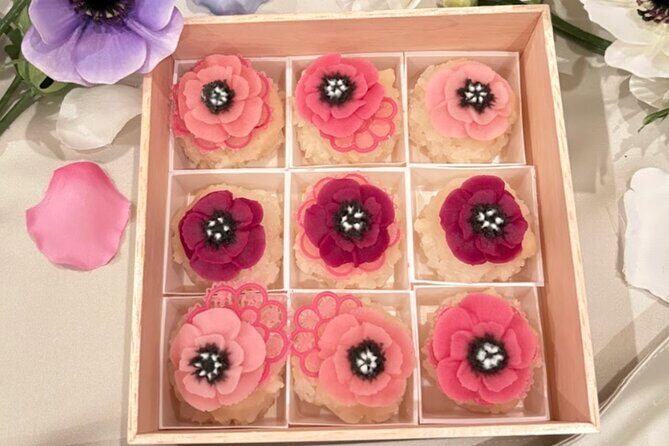
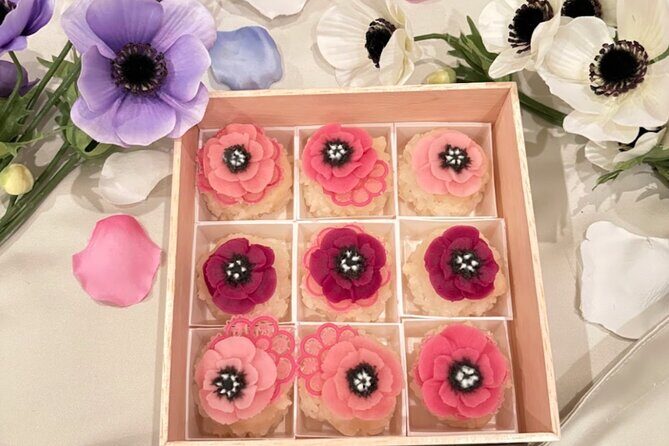
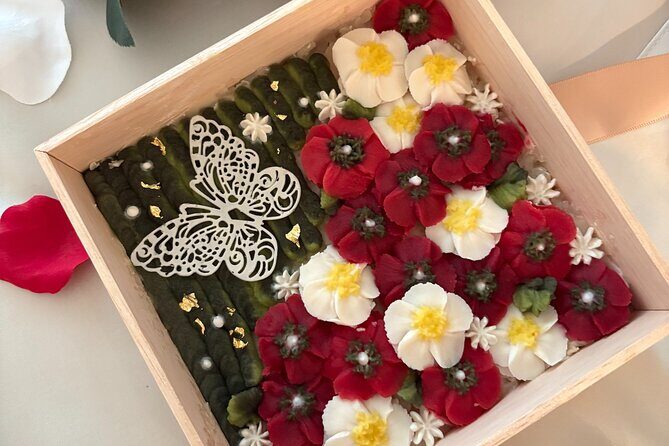
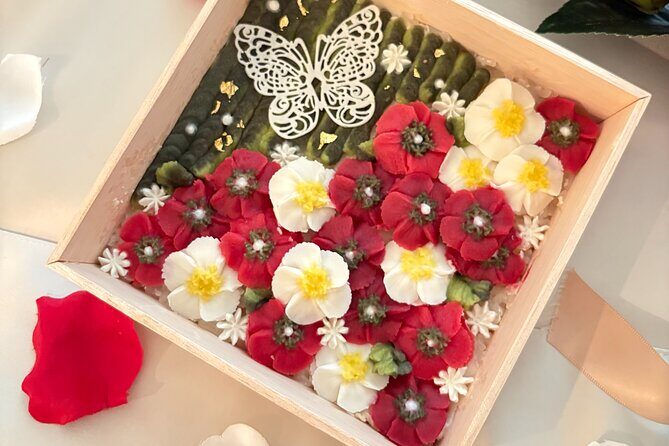
This hands-on experience offers a detailed look into the delicate world of Japanese Wagashi, focusing on ohagi (sweet rice balls coated with a bean paste) decorated with exquisite flower motifs. It’s perfect for those who want to get their hands dirty in the kitchen, learn about natural coloring, and create edible art.
You can also read our reviews of more tours and experiences in Tokyo



The Itinerary Breakdown
Meet and Greet at Higashi-Shinjuku Station
The session begins at the convenient Higashi-Shinjuku Station. For those arriving early, the station’s proximity to central Tokyo means easy access from various parts of the city. The group typically gathers around 10:50 am, with the official class starting promptly at 11:00 am. The experience lasts approximately three hours, wrapping up around 2 pm.
Introduction to Wagashi and Anko
The instructor, likely to be experienced and friendly, will introduce you to the world of Wagashi—traditional Japanese sweets renowned for their artistry and subtle sweetness. You’ll learn about white bean paste (anko), which forms the core of ohagi, and how it can be colored with natural plant-based powders. This focus on natural ingredients not only enhances visual appeal but also aligns with contemporary health-conscious trends.
Flower-Piping Demonstration
Expect a thorough demonstration on flower-piping techniques—especially on how to craft delicate anemone and bamboo motifs using white bean paste. The instructor will guide your hand step-by-step, helping you develop the skills necessary to produce four shades of pink and intricate floral designs. The lessons emphasize precision and patience, but the results are surprisingly rewarding, even for beginners.
Hands-On Crafting
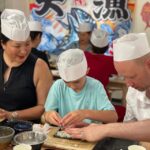
Following the demo, you’ll practice piping on your own, creating bite-sized ohagi decorated with beautiful floral patterns. You’ll assemble these in a specially designed box, with themes ranging from bamboo forests to blooming flowers. This part of the workshop is where your creativity can shine, and most participants find joy in seeing their edible artwork come to life.
Enjoy Light Refreshments & Tea
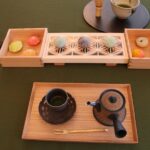
Once your decorating is complete, you’ll be treated to a small refreshment—usually matcha tea—allowing you a moment to relax and admire your work. The setting promotes a leisurely atmosphere perfect for conversation and picture-taking.
Take Your Masterpieces Home
Each participant leaves with their decorated ohagi in a bamboo or floral-themed box, perfect for gifting or personal enjoyment. The package also includes an anko lace and a small gift, adding extra value to this memorable experience.
Additional Details and Considerations
- All ingredients and tools are provided, and you’ll receive an English recipe to try making Wagashi at home.
- The class is limited to small groups, ensuring personalized guidance.
- The tour doesn’t cover transportation, so plan to arrive via public transit.
- The experience is suitable for non-Japanese speakers, with English instruction available.
Why This Experience Offers Value
At $92.47 per person, this workshop offers a well-rounded taste of Japanese culinary craftsmanship. It’s more than just a cooking class; it’s an art lesson, a culture, and a memorable keepsake all rolled into one.
The inclusion of natural coloring and focus on beauty and health can be particularly appealing to travelers seeking authentic, mindful experiences. On top of that, the opportunity to learn flower-piping techniques elevates this from a simple tasting to a skill-building activity.
You’ll also appreciate the small-group setting, which often leads to more engaging and personalized guidance—a key factor when learning a delicate craft like Wagashi decoration. The photos and small gift serve as lasting mementos of your creative effort.
A Closer Look at the Two Themes
You can also read our reviews of more tours and experiences in Tokyo

Anko Flower Wagashi: Anemone Bite-Size Ohagi Box
This design emphasizes delicately piped anemone flowers, which require a gentle touch and a keen eye for detail. The focus on pink shades adds a soft, romantic feel, perfect for gifting or personal pride.
Bamboo Forest & Floral Ohagi Box
Here, the theme centers around bamboo motifs and lush floral designs, capturing a more natural, Japanese garden-inspired aesthetic. Participants often find this design more dynamic visually, thanks to the contrast of green and pink shades.
Final Thoughts: Is It Worth It?
This Wagashi workshop offers more than just a cooking class—it’s an encounter with Japanese artistry, natural ingredients, and cultural tradition. The experience is well-suited for foodies, craft lovers, and travelers who want a meaningful activity away from typical sightseeing.
The small group size and expert guidance ensure you’ll leave with both skills and beautiful edible souvenirs. Plus, the natural coloring and emphasis on health make it a modern, appealing take on a centuries-old craft.
While the 3-hour length might seem long, many find the time passes quickly as you develop your decorating skills and share the experience with others. It’s especially enjoyable if you appreciate the visual beauty of Japanese sweets and want to take home a tangible piece of Japan’s culinary artistry.
For those willing to invest a little time and money, this workshop offers a rare chance to indulge in Japanese tradition while picking up a craft that you can recreate at home.
FAQs
How long does the experience last?
It runs for approximately 3 hours, from around 11:00 am to 2:00 pm, including demonstration, practice, and enjoyment of refreshments.
Is the instruction in English?
Yes, the class offers English-speaking guidance, making it accessible for international visitors who want to learn without language barriers.
What should I wear?
Comfortable casual clothes are fine, but keep in mind you’ll be working with sticky bean pastes, so an apron or clothes you don’t mind getting a little messy might be helpful.
Can I take home my decorated ohagi?
Absolutely. You’ll leave with your beautiful creations, packed in a bamboo or floral-themed box, along with an additional small gift and a photo.
Do I need to bring anything?
All necessary ingredients and tools are provided. You just need to arrive on time and bring your enthusiasm!
Is transportation included?
No, transportation to and from the meeting point is not included; plan to use public transit or local taxis.
In the end, this Wagashi workshop is a charming way to engage with Japanese culture through food artistry. With expert guidance, natural ingredients, and the opportunity to create and keep your own sweets, it offers both a memorable experience and a new skill to take home. Perfect for those craving an authentic, hands-on activity that feeds both the stomach and the soul.