
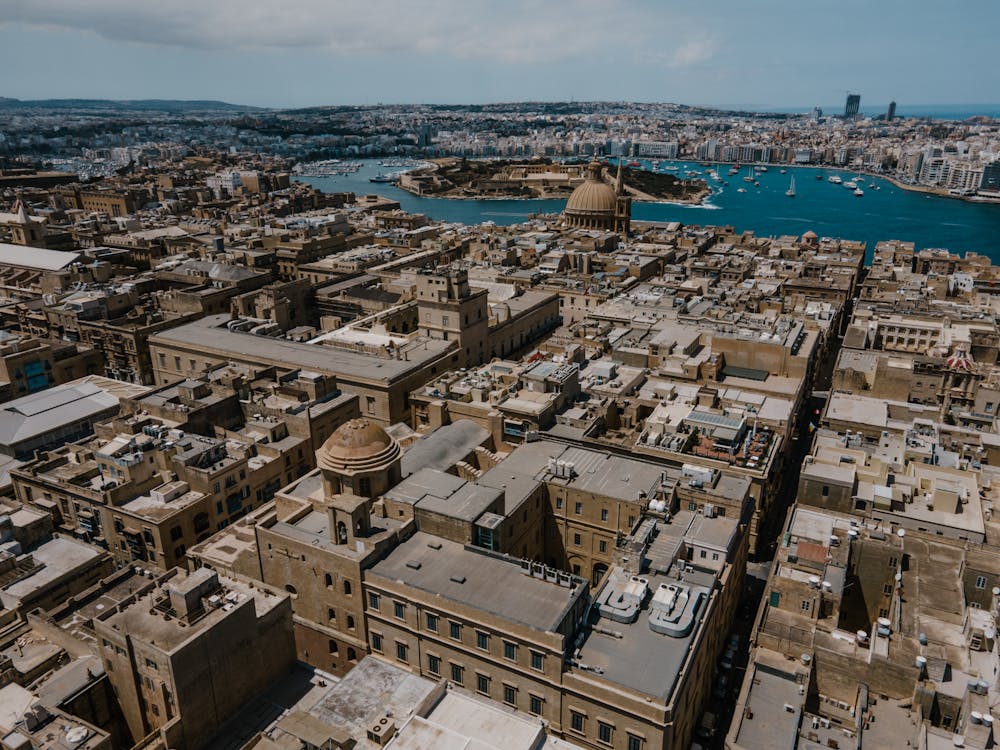
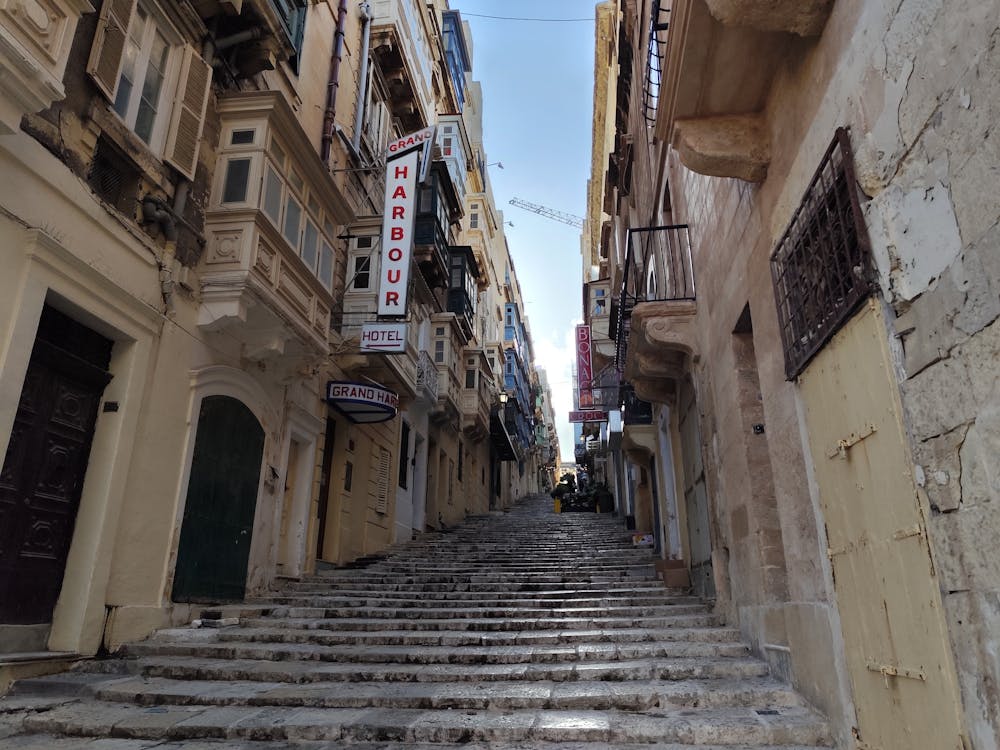
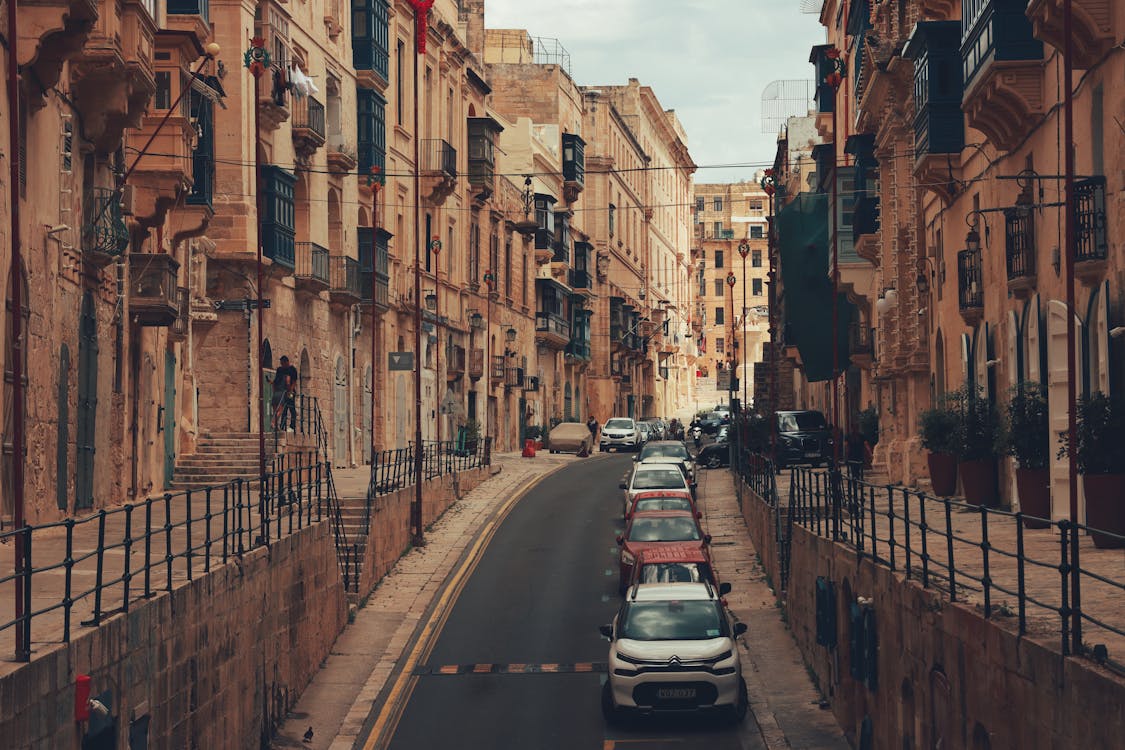
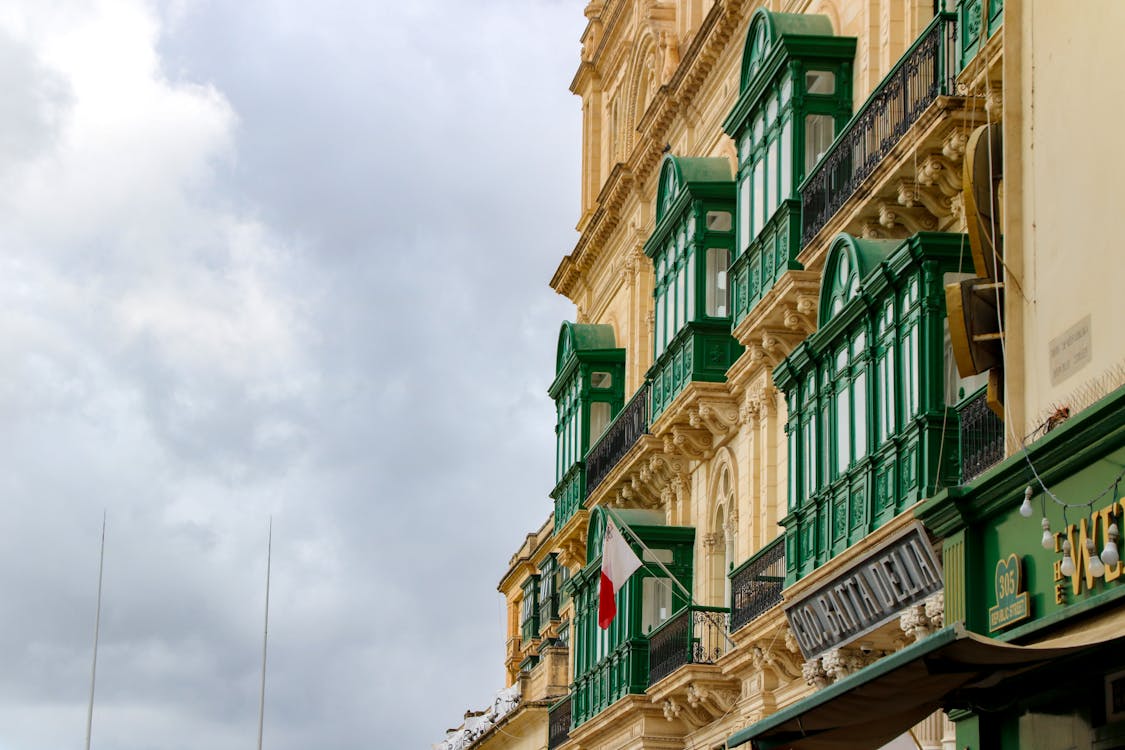
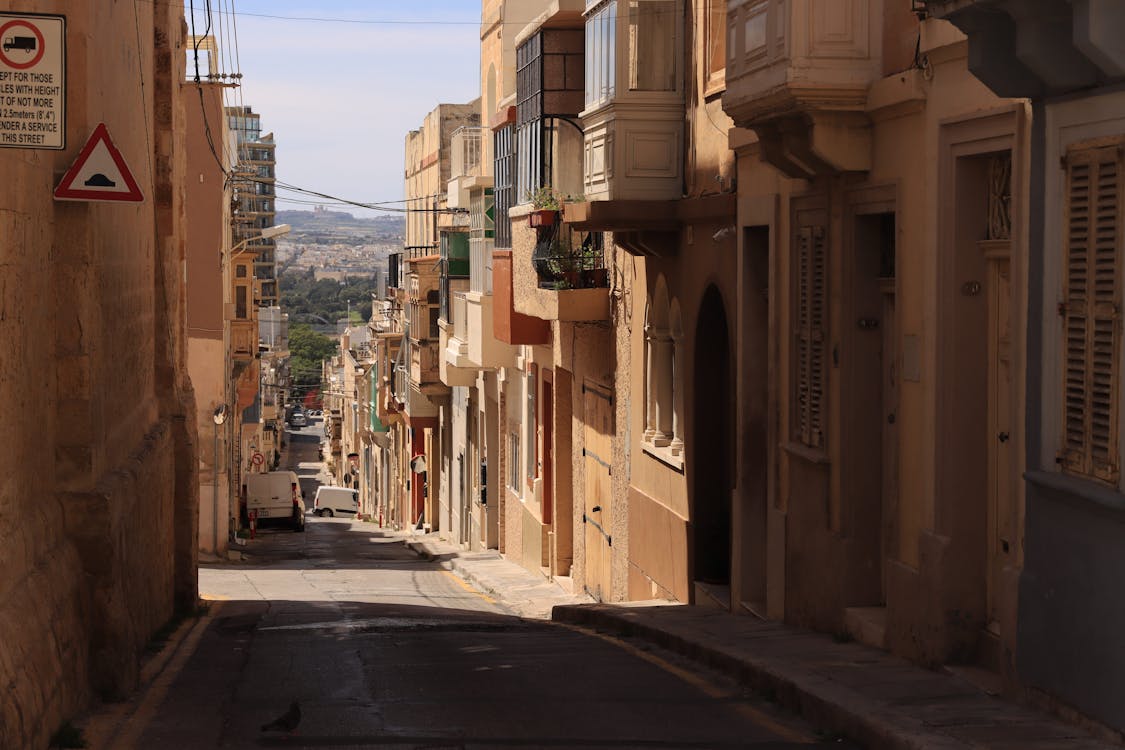
Valletta is one of those rare capitals you can walk end to end in twenty minutes, yet somehow never run out of things to stop and stare at. Every street is a stage set: honey-coloured limestone, baroque churches on practically every corner, and those iconic enclosed wooden balconies painted in greens and reds and blues. It’s a UNESCO World Heritage Site in its entirety, and honestly, it earns it.
The good news is you don’t need a car, a bus, or any real sense of direction. The bad news is that without a guide, you’ll walk right past half the best stuff without realising what you missed. That’s where a guided walking tour comes in — and at around $25 for two to three hours, it’s one of the best-value activities in Malta.
- Short on Time? Here’s What to Book
- Guided Tour vs. Walking Valletta Yourself
- The 4 Best Valletta Walking Tours
- 1. The Original Valletta Walking Tour
- 2. Valletta: 3-Hour Walking Tour (GYG)
- 3. Guided Walking Tour With Optional Cathedral Tour
- 4. Valletta City Walking Tour
- When to Take a Valletta Walking Tour
- Tips for Walking Valletta
- What You’ll See on a Valletta Walking Tour
- More Malta Guides
Short on Time? Here’s What to Book
If you’re only in Valletta for a day (which, frankly, most people are), grab The Original Valletta Walking Tour ($26.60, 5.0★ from 2,719 reviews). It’s the highest-rated walking tour on the island, covers all the major landmarks in about three hours, and the guides are locals who actually grew up here. If you specifically want St. John’s Co-Cathedral included with skip-the-line entry, go with the cathedral combo tour ($46) instead — it’s pricier but saves you the hassle of queuing separately.
Guided Tour vs. Walking Valletta Yourself
You can absolutely explore Valletta on your own. The streets are on a grid, signage is decent, and there’s a free audio guide app (Valletta Alive) that covers the basics. But here’s what you’ll miss without a guide:
The stories behind the buildings. A guide will tell you why the Grandmaster’s Palace has a specific corridor layout, what actually happened during the Great Siege of 1565, and why the Knights of St. John built Valletta in the first place. Without context, it’s just pretty buildings.
The hidden spots. Most self-guided visitors stick to Republic Street and Merchant Street. A good guide takes you down the quieter side streets where you’ll find tucked-away chapels, war damage that was never repaired, and viewpoints over the Three Cities that don’t appear in any guidebook.
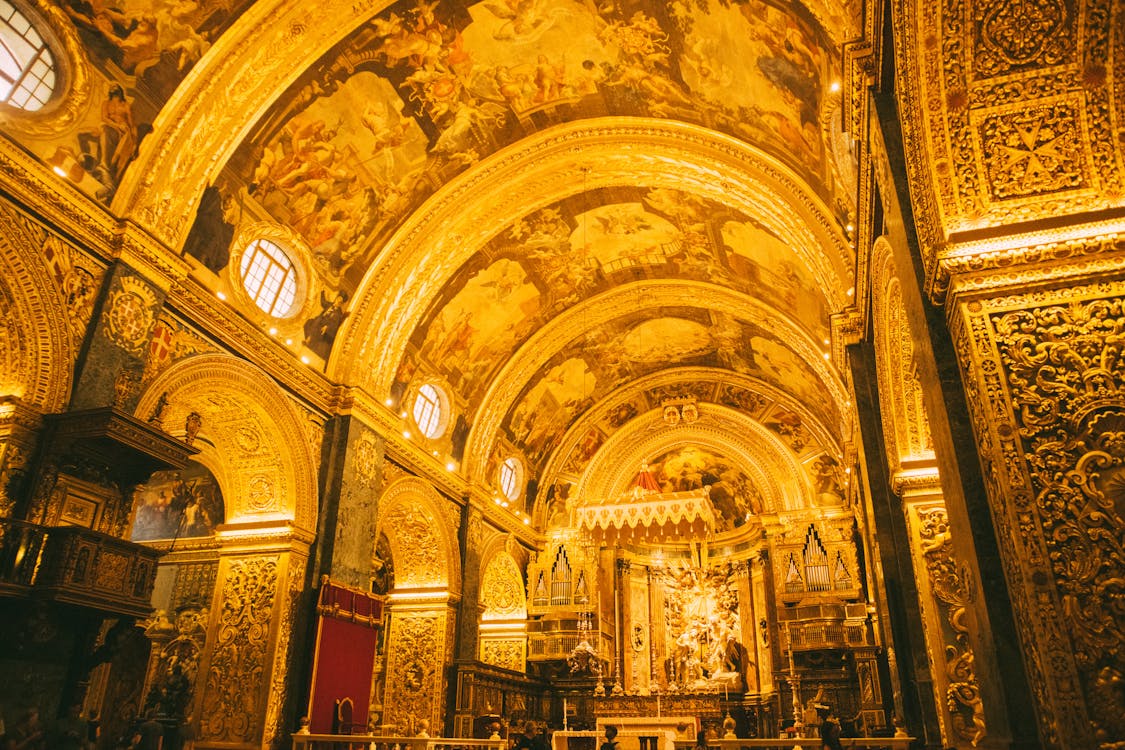
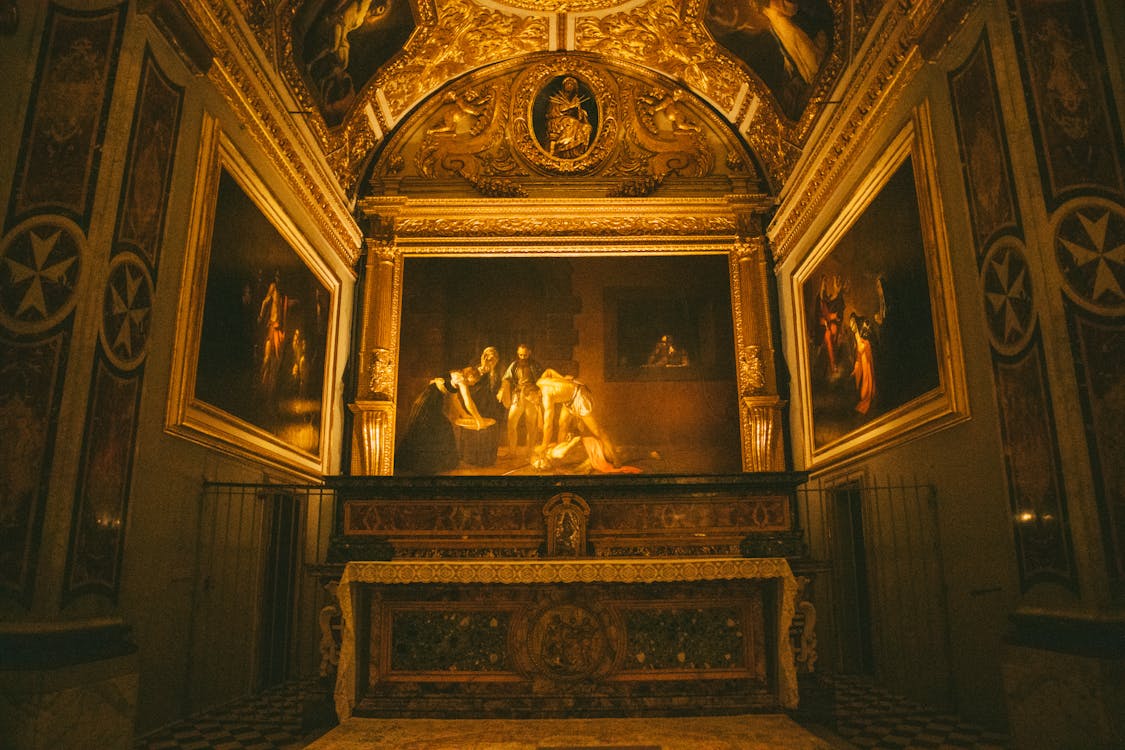
St. John’s Co-Cathedral. From the outside it looks almost plain. Inside, it’s one of the most jaw-dropping baroque interiors in Europe — every surface covered in gold, marble, and paintings. The Caravaggio paintings alone are worth the visit. Some tours include skip-the-line access, which matters because the queue can stretch for 30+ minutes in peak season.
The bottom line: if you’re the kind of traveller who reads every plaque and Wikipedia article as you go, you’ll manage fine alone. If you’d rather have someone bring the city to life while you focus on enjoying it, spend the $25. It’s less than lunch.
The 4 Best Valletta Walking Tours
We pulled review data from the four most-booked Valletta walking tours across Viator and GetYourGuide. They’re ranked by total review count, which is the closest thing to a popularity vote you’ll find.
1. The Original Valletta Walking Tour
Price: $26.60 per person | Duration: ~3 hours | Rating: 5.0★ (2,719 reviews)
This is the one everyone books, and the reviews back it up — a perfect 5.0 across nearly three thousand ratings is almost unheard of. Run by Colour my Travel, a local Maltese operator, it covers the Upper Barrakka Gardens, the Grandmaster’s Palace exterior, Castille Place, St. John’s Co-Cathedral exterior, Republic Street, and several spots that only locals know about. Guides are born-and-raised Maltese who clearly love what they do. The tour doesn’t include interior museum or cathedral entry, but it does end near St. John’s so you can visit right after.
2. Valletta: 3-Hour Walking Tour (GYG)
Price: $25 per person | Duration: 3 hours | Rating: 4.7★ (2,219 reviews)
GetYourGuide’s best-selling Valletta tour covers similar ground to the Original tour but with a slightly different route that includes Fort St. Elmo’s exterior and more time in the lower part of the city near the Mediterranean Conference Centre (which was originally the Knights’ hospital — one of the oldest in Europe). At $25 it’s the cheapest option that still gives you a thorough three-hour experience. The 4.7 rating is excellent; the slight dip from 5.0 comes from occasional large group sizes during peak season.
3. Guided Walking Tour With Optional Cathedral Tour
Price: $46 per person | Duration: ~3 hours | Rating: 4.3★ (758 reviews)
This is the one to pick if St. John’s Co-Cathedral is high on your list. The base walking tour covers the same Valletta highlights, but for the higher price you get skip-the-line entry to the cathedral plus a guided explanation of the interior, including the Caravaggio paintings (The Beheading of St. John the Baptist is the artist’s largest work and the only one he signed). Worth noting: the “optional” in the title means you can book the walking tour only at a lower price, but most people go for the full combo. The 4.3 rating reflects some mixed feedback on group sizes — book early to get a smaller group.
4. Valletta City Walking Tour
Price: $24.20 per person | Duration: ~2.5 hours | Rating: 5.0★ (395 reviews)
The budget pick. At $24.20 it’s the cheapest option and still carries a perfect 5.0 rating, though with fewer reviews than the top-ranked tour. It’s slightly shorter at around 2.5 hours and covers the core highlights without some of the deeper dives into side streets. A solid choice if you want a good overview without committing to a full three hours — particularly useful if you’re arriving by cruise ship and have limited time in port.
When to Take a Valletta Walking Tour
Best months: April to June and September to November. Summer (July–August) is brutally hot — Valletta has almost no shade on the main streets, and you’ll be walking on limestone that radiates heat like a pizza oven. Winter is mild but can be rainy.
Best time of day: Morning tours (9–10am start) beat the heat and the cruise ship crowds. By midday in summer, the streets are packed and the temperature hits 35°C+. If you’re taking an afternoon tour, bring water and sunscreen — there’s no getting around it.
Cruise ship days: Tuesdays and Wednesdays tend to be the heaviest cruise days. If you’re staying in Malta (not arriving by ship), avoid those days or book the earliest morning slot before the ships dock.
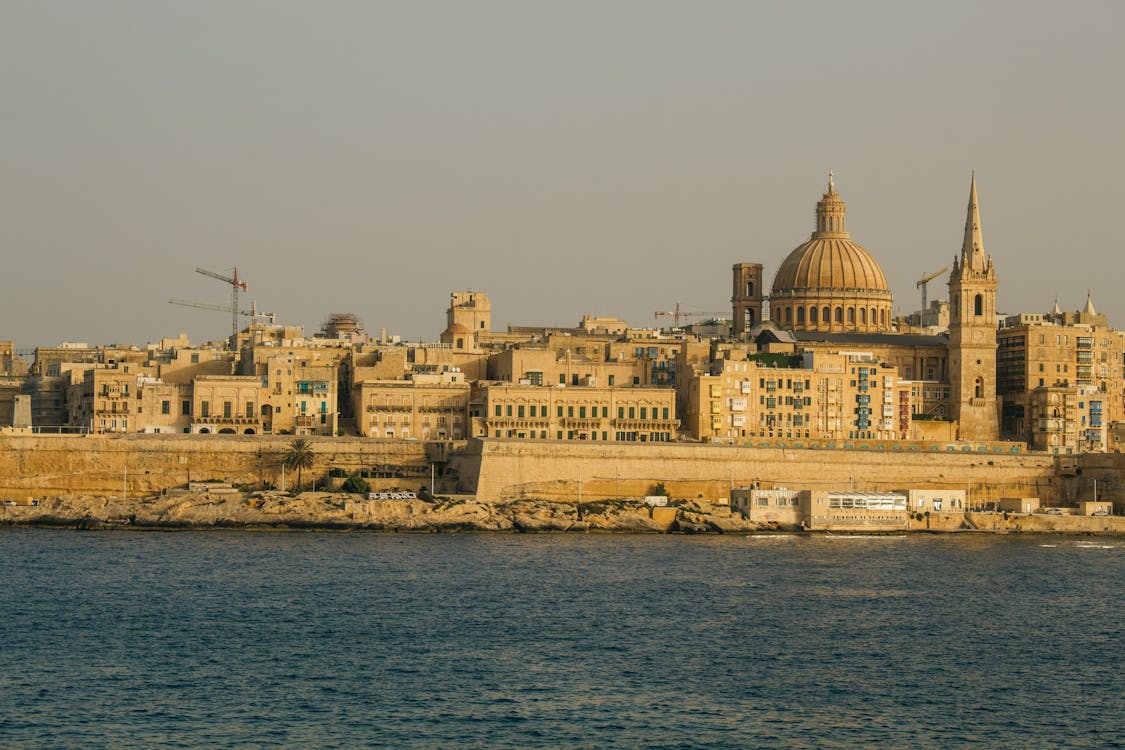
Tips for Walking Valletta
Wear proper shoes. Valletta is steep in places, the limestone gets slippery when wet, and there are uneven cobblestones everywhere. Sandals are fine in dry weather, but anything with grip is better.
The lift at Barrakka Gardens is free. It takes you from the waterfront up to the Upper Barrakka Gardens and saves a brutal climb. Most tours end or pass near here.
The noon cannon is worth timing. Every day at noon (and sometimes at 4pm), a cannon fires from the Saluting Battery below the Upper Barrakka Gardens. It’s genuinely loud and surprisingly fun. Some tours time their route to include it.
Budget for cathedral entry separately. If your tour doesn’t include St. John’s Co-Cathedral, entry is €15 and absolutely worth it. Get there early — by 11am the queue can be 30+ minutes.
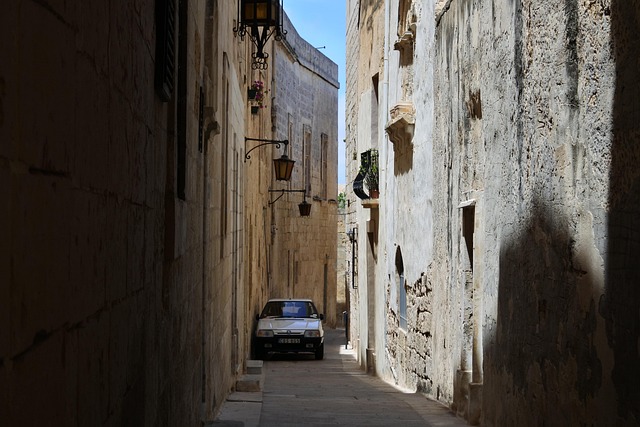
Republic Street vs. the side streets. The main drag has the shops and restaurants, but the real character is one block over in either direction. A good guide will take you off the main street repeatedly.
What You’ll See on a Valletta Walking Tour
Every tour covers a slightly different route, but these are the highlights that appear on virtually all of them:
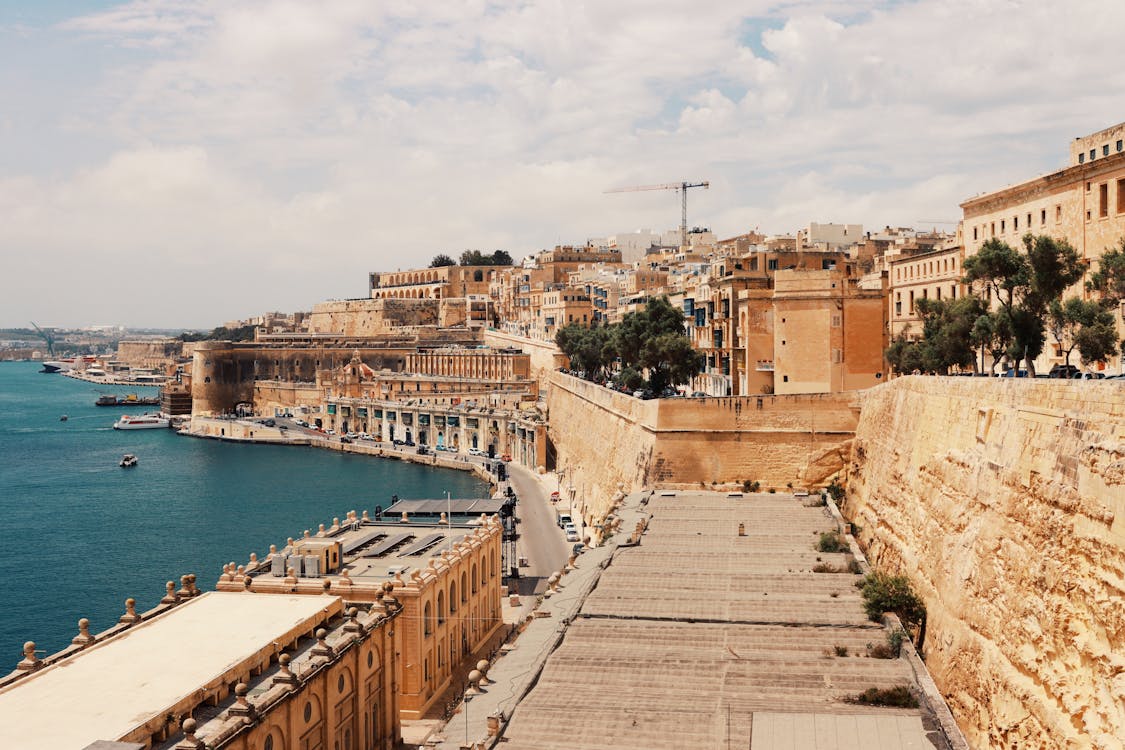
Upper Barrakka Gardens — The best viewpoint in Valletta, overlooking the Grand Harbour and the Three Cities. Free to enter and worth visiting even if you skip the tour.
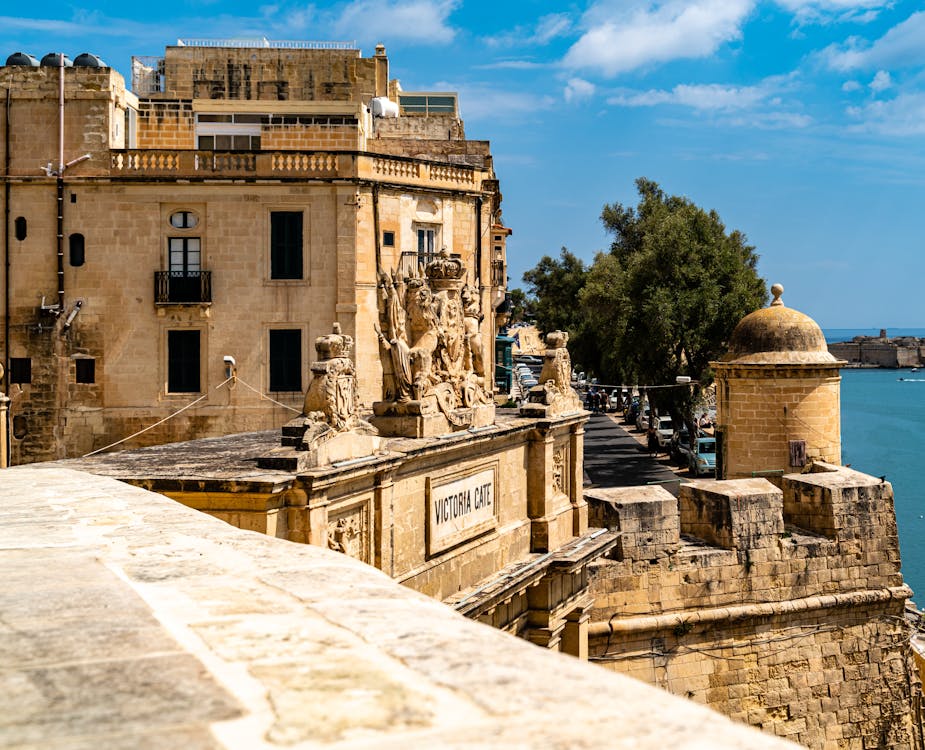
St. John’s Co-Cathedral — Baroque masterpiece that looks plain from outside and explodes with gold inside. Home to two Caravaggio paintings. Interior entry is separate ($15) unless your tour includes it.
Grandmaster’s Palace — The seat of the Knights of St. John and now the President’s office. The State Rooms and Armoury are open to visitors (separate ticket).
Castille Place — The square in front of the Auberge de Castille, one of the grandest buildings in Valletta and now the Prime Minister’s office. You can’t go inside, but the facade is impressive.
Fort St. Elmo — At the tip of the peninsula, this star-shaped fort bore the brunt of the Ottoman siege in 1565. Now houses the National War Museum.
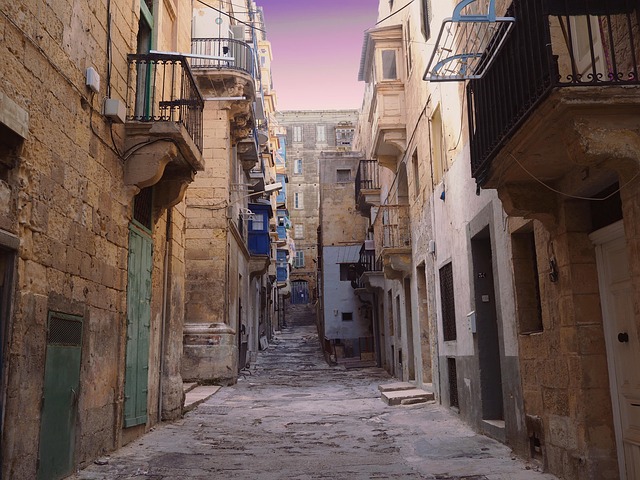
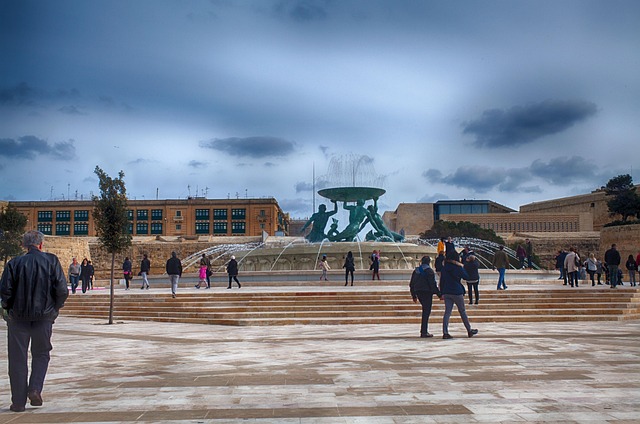
City Gate and Parliament — The modern entrance to Valletta, redesigned by Renzo Piano in 2011. Love it or hate it, the contrast between the contemporary parliament building and the 16th-century city walls is striking.
More Malta Guides
Valletta makes a great base for exploring the rest of Malta, and most of the island’s best day trips leave from right here. The Blue Lagoon boat trips depart from nearby Sliema or Buġibba and take you to the kind of turquoise water that doesn’t look real until you’re swimming in it — book a full-day cruise if you want the most relaxed version, or a speedboat if you’re short on time. If you’ve got a full day to spare, the Gozo day trip is arguably the best excursion in Malta: quieter beaches, the ancient Ġgantija temples, and the kind of countryside that Valletta’s limestone grid makes you forget exists. Between the walking tour in the morning and a harbour cruise in the evening, you could fill three or four days in Malta without ever running out of things to do.